

The interplay between androgens and the immune response in polycystic ovary syndrome
Open accessThe DOI matches its Crossref record; 89 of the 89 references it cites were found in a registry or an index.
Abstract
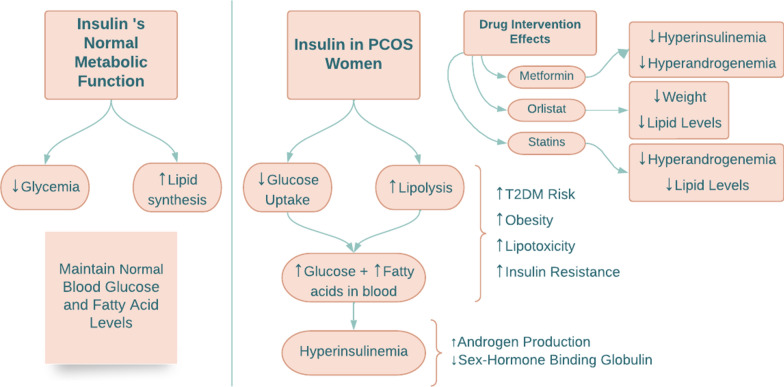
Polycystic ovary syndrome (PCOS) is a metabolic-reproductive-endocrine disorder that, while having a genetic component, is known to have a complex multifactorial etiology. As PCOS is a diagnosis of exclusion, standardized criteria have been developed for its diagnosis. The general consensus is that hyperandrogenism is the primary feature of PCOS and is associated with an array of physiological dysfunctions; excess androgens, for example, have been correlated with cytokine hypersecretion, adipocyte proliferation, and signaling pathway dysregulation. Another key feature of PCOS is insulin resistance, resulting in aberrant glucose and fatty acid metabolism. Additionally, the immune system plays a key role in PCOS. Hyperandrogenism stimulates some immune cells while it inhibits others, thereby disrupting the normal balance of immune cells and creating a state of chronic inflammation. This low-grade inflammation could contribute to infertility since it induces ovarian dysfunction. This dysregulated immune response in PCOS exhibits autoimmunity characteristics that require further investigation. This review paper examines the relationship between androgens and the immune response and how their malfunction contributes to PCOS.
Overview
The claims and statistics of this paper haven’t been checked yet.
Free: it reads the open-access text and checks the first 5 claims that cite a source we can check. Create a free account to check every claim.
Integrity signals
Registry
Cites
Statistics
Figures
Verification
Claims the paper makes
The claims and statistics of this paper haven’t been checked yet.
Free: it reads the open-access text and checks the first 5 claims that cite a source we can check. Create a free account to check every claim.
Self-check
Percentages, sums and reported differences re-computed from the paper’s own numbers.
The self-check needs the paper’s full text.
Citations
Cites
De Cillà, S. D., Farruggio, S., Vujosevic, S., Raina, G., Filippini, D., Gatti, V., Clemente, N., Mary, D., Vezzola, D., Casini, G., et al. (2017) · Cellular Physiology and Biochemistry · doi:10.1159/000479441 · Cited by 5,136
Autophagy: cellular and molecular mechanisms
Glick, D., Barth, S., & Macleod, K. F. (2010) · The Journal of Pathology · doi:10.1002/path.2697 · Cited by 3,802 · cited 1×
“It plays an important role in development [62].”
BackgroundThe Diagnosis of Polycystic Ovary Syndrome during Adolescence
Witchel, S. F., Oberfield, S., Rosenfield, R. L., Codner, E., Bonny, A., Ibáñez, L., Pena, A., Horikawa, R., Gomez-Lobo, V., Joel, D., et al. (2015) · Hormone Research in Paediatrics · doi:10.1159/000375530 · Cited by 3,113
Insulin Resistance and the Polycystic Ovary Syndrome: Mechanism and Implications for Pathogenesis*
Dunaif, A. (1997) · Endocrine Reviews · doi:10.1210/edrv.18.6.0318 · Cited by 2,458 · cited 1×
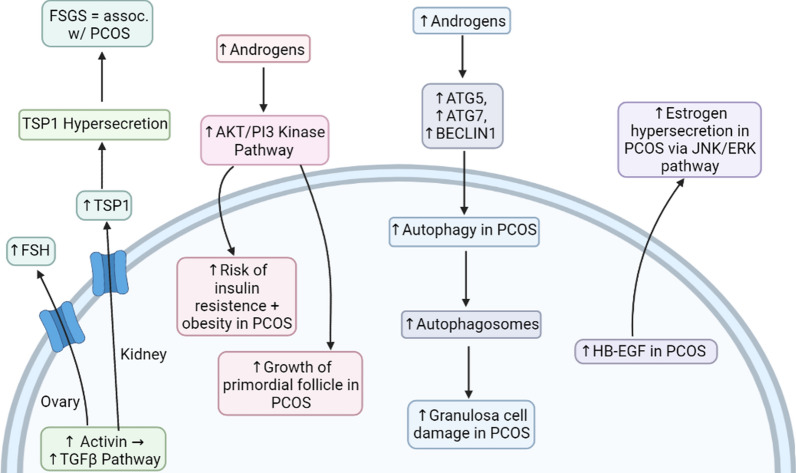
“In at least 50% of IR cases in women with PCOS [75], there is serine phosphorylation by phosphorylation-172–1-receptor substratum [76], which inhibits the insulin receptor signal [75].”
BackgroundPolycystic Ovary Syndrome: Definition, Aetiology, Diagnosis and Treatment
Escobar-Morreale, H. F. (2018) · Nature Reviews Endocrinology · doi:10.1038/nrendo.2018.24 · Cited by 2,083 · cited 1×
“Abdominal adiposity, obesity, and insulin resistance are commonly associated with this condition [1].”
BackgroundRosenfield, R. L., & Ehrmann, D. A. (2016) · Endocrine Reviews · doi:10.1210/er.2015-1104 · Cited by 1,603
THE ROYAL AUSTRALIAN COLLEGE OF GENERAL PRACTITIONERS
(1974) · Medical Journal of Australia · doi:10.5694/j.1326-5377.1974.tb93279.x · Cited by 1,341
Dumesic, D. A., Oberfield, S. E., Stener-Victorin, E., Marshall, J. C., Laven, J. S., & Legro, R. S. (2015) · Endocrine Reviews · doi:10.1210/er.2015-1018 · Cited by 1,020 · cited 1×
“The National Institutes of Health (NIH), the Androgen Society, and the Rotterdam criteria have been used in diagnosing PCOS; all three have hyperandrogenism as a central facet of their diagnostic criteria [3].”
MethodThe MAPK cascades: Signaling components, nuclear roles and mechanisms of nuclear translocation
Plotnikov, A., Zehorai, E., Procaccia, S., & Seger, R. (2011) · Biochimica et Biophysica Acta (BBA) - Molecular Cell Research · doi:10.1016/j.bbamcr.2010.12.012 · Cited by 986 · cited 1×
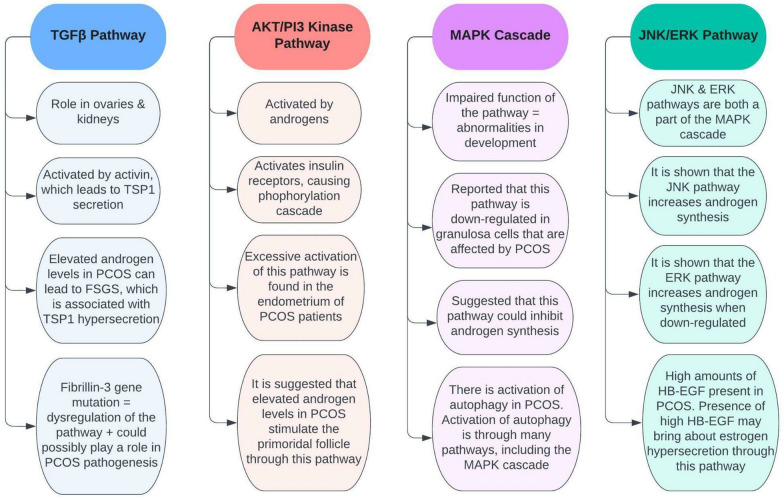
“Impaired function of the MAPK cascade can result in abnormalities in development and is also associated with the progression of numerous medical conditions [59].”
BackgroundNeutrophil-derived cytokines: facts beyond expression
Tecchio, C., Micheletti, A., & Cassatella, M. A. (2014) · Frontiers in Immunology · doi:10.3389/fimmu.2014.00508 · Cited by 699 · cited 3×
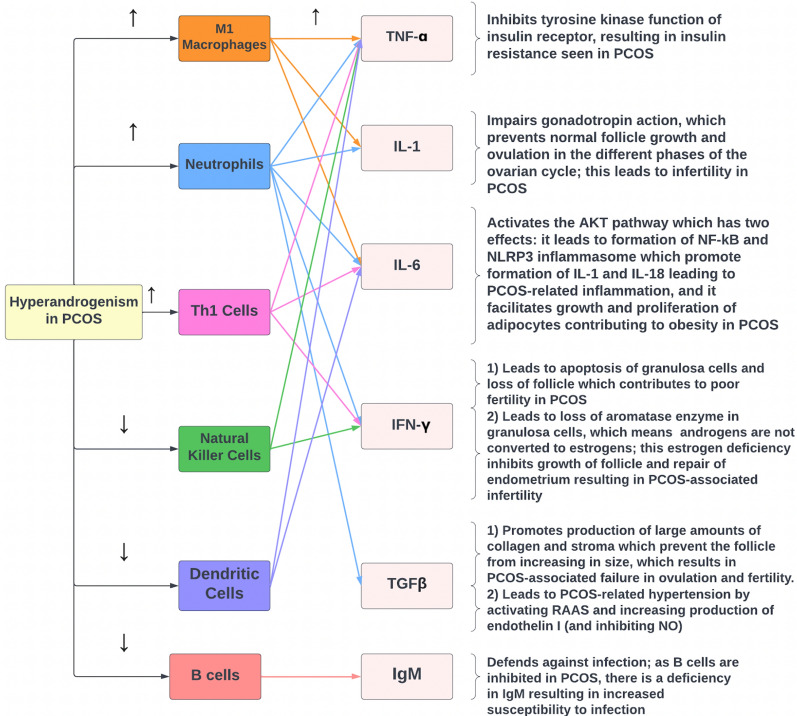
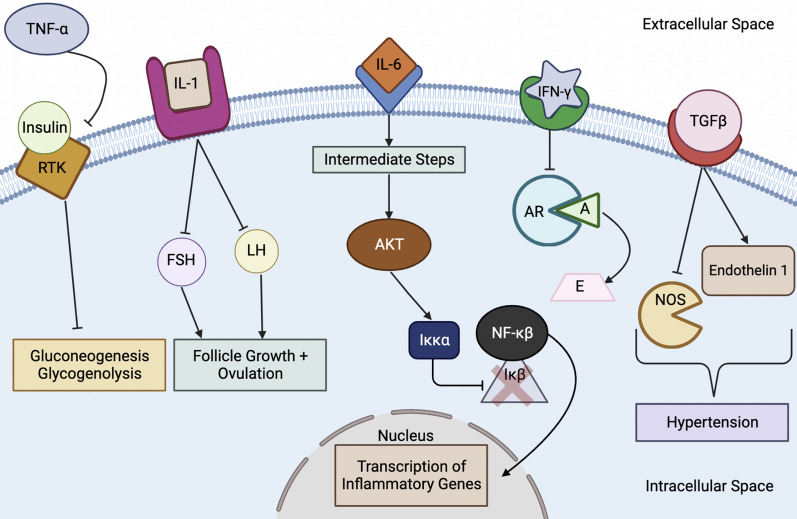
“Both of these interleukins then inhibit gonadotropin function to a greater extent, inhibiting the normal progression of the follicular and luteal phases of the ovarian cycle and contributing to PCOS-associated infertility [24, 25, 27].”
Background
Research works printed but not linked: 3
- de Medeiros S Barbosa B Lin Winck Yamamoto A Winck Yamamoto M Soutode Medeiros M Soares Junior J The interplay between androgens and adipocytes: the foundation of comorbidities of polycystic ovary syndrome GREM Gynecol Reproduct Endocrinol Metab 2022 01 02 08 10.53260/grem.223011 · doi:10.53260/grem.223011
- Genazzani A Prati A Genazzani A Battipaglia C Simoncini T Szeliga A Synergistic effects of the integrative administration of acetyl-L-carnitine, L-carnitine, L-arginine and N-acetyl-cysteine on metabolic dynamics and on hepatic insulin extraction in overweight/obese patients with PCOS, GREM Gynecological and Reproductive Endocrinol Metab 2020 01 2020 56 63 10.53260/grem.2010110 · doi:10.53260/grem.2010110
- Ali A Polycystic ovary syndrome as an autoimmune disease: a new concept Obstet Gynecol 2000 95 6 S48
Cited by
Items 101–124 of 124
Massah, Z., & Taghian, F. (2026) · PubMed Central · doi:10.22074/ijfs.2025.2039752.1750
“The AR signaling pathway has been recognized as a possible component influencing ovarian function, resulting in anovulation in PCOS (31).”
Fu, Y., Li, W., & Ma, L. (2026) · International Journal of Women s Health · doi:10.2147/ijwh.s576568
He, J., Wang, L., Wang, W., Ma, X., Tan, L., Jia, X., & Zhang, X. (2025) · Research Square · doi:10.21203/rs.3.rs-7062714/v1
A Lifecourse Perspective on Polycystic Ovary Syndrome (PCOS): Bridging Gaps in Research and Practice
(2026) · Frontiers research topics · doi:10.3389/978-2-8325-7544-4
Kuswahyudi, K., & Setiakarnawijaya, Y. (2026) · Jurnal MAENPO Jurnal Pendidikan Jasmani Kesehatan dan Rekreasi · doi:10.35194/jm.v15i2.5858
“( Shabbir et al., 2023)(Liu et al., 2023).”
Zhang, C., Yan, Z., Xing, X., Tang, Y., Jia, L., He, X., Ma, J., Bai, X., Wang, H., Lin, Y., et al. (2026) · Frontiers in Immunology · doi:10.3389/fimmu.2026.1777841
Liu, X., Wang, Y., Bi, Q., Zhang, Y., Wang, S., Yang, P., Pei, J., Zhu, W., Chen, Y., Zhang, Z., et al. (2026) · Frontiers in Endocrinology · doi:10.3389/fendo.2026.1747045
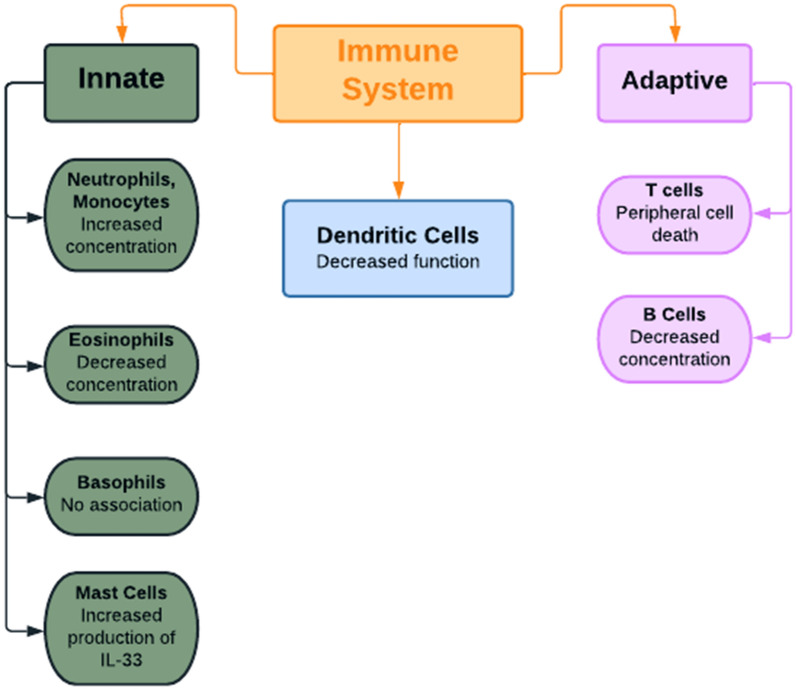
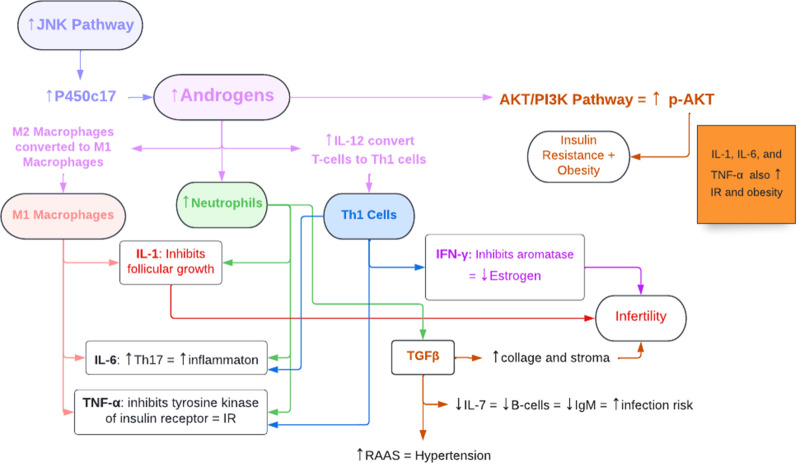
“In PCOS, hyperandrogenism stimulates neutrophil activity and M1 macrophage polarization while inhibiting T and B lymphocytes activity, eosinophil activity, and dendritic cell function, thereby resulting in an imbalance of cytokines produced by immune cells and chronic low-grade in fl ammation (88).”
Wu, X., Li, J., Zhang, X., Huang, H., Li, T., Kong, M., Dai, Z., Yang, Y., & Chen, X. (2026) · Journal of Ovarian Research · doi:10.1186/s13048-026-02146-2
“Moreover, excessive FFA levels, accumulation of oxidised low-density lipoprotein (ox-LDL), and haemoglobin (Hb) release due to menstrual irregularities further amplify the cascade of oxidative damage [102].”
Aljabali, A. A. A., Hayjneh, Y., Obeid, M. A., Albokhadaim, I., Alhojaily, S., Afzal, S., Haija, Y. A., & Al-Trad, B. (2026) · Naunyn-Schmiedeberg s Archives of Pharmacology · doi:10.1007/s00210-026-05526-z
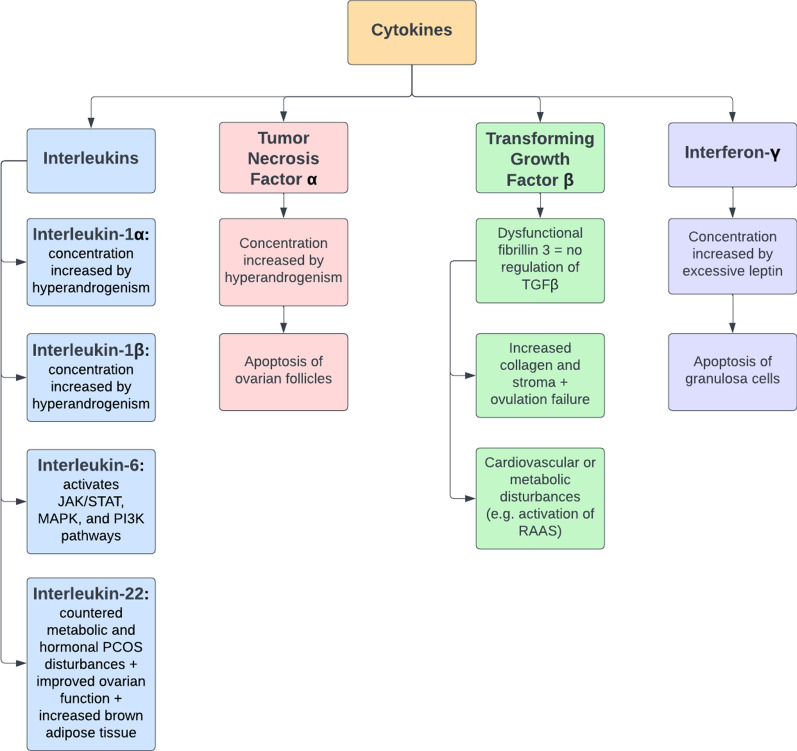
“Additionally, chronic low-grade inflammation, characterized by elevated pro-inflammatory cytokines such as tumor necrosis factor-alpha (TNF-α), further disrupts insulin receptor signaling and ovarian function, contributing to disease progression (Shabbir et al. 2023).”
Voros, C., Christodoulaki, C., Petrakou, I., Panagopoulou, R., Zouganeli, I., Sioutis, D., Chatzinikolaou, F., Papadimas, G. K., Daskalakis, G., & Panagopoulos, P. (2026) · International Journal of Molecular Sciences · doi:10.3390/ijms27135712
“PCOS establishes an inflammatory and metabolic signalling environment that converges on granulosa cells, resulting in transcriptional, receptor and intracellular trafficking alterations [83].”
Tunjungseto, A., Hadi, O. A., Pratiwi, I. W., Iffatunnisa, F., Ahsan, F., & Santoso, B. (2026) · Diagnostics · doi:10.3390/diagnostics16132041
Chen, S., Xue, Z., & Song, W. (2026) · International Journal of Women s Health · doi:10.2147/ijwh.s614225
“18 Collectively, multiple interlocking closed loops emerge among the HPO axis, the sympathetic nervous system, and the immune–metabolic network, endowing PCOS with a highly coupled NEI network pathophysiology.”
Browarska, E., Mszyca, I., Miemczyk, K., Aksamit, A., Wołek, F. T., Michalski, Ł., Gajewska, N., Mularczyk, K. N., Kucharski, K., & Superson, K. (2026) · Quality in Sport · doi:10.12775/qs.2026.66.73842
Eotaxin in polycystic ovary syndrome/polyendocrine metabolic ovarian syndrome: focus on eosinophils
Acar, B. C., & Berkel, Ç. (2026) · Comparative Clinical Pathology · doi:10.1007/s00580-026-03838-3
“Androgens have been shown to influence eosinophil levels/ viability/activity/trafficking in different contexts (Shabbir et al. 2023; Gubbels Bupp and Jorgensen 2018; Nakanishi et al. 1992; Hamano et al. 1998; Liou and Huang 2011).”
Samareh, A. N., Samare‐Najaf, M., Ghafari, M., Pourghadamyari, H., Asadikaram, G., Barkam, M., & Rastegar, S. (2026) · Reproductive Sciences · doi:10.1007/s43032-026-02176-7
“The vaginal microenvironment also exhibits an altered microbial composition [24, 25, 64].”
InfluentialPan, M., Huang, J., Yan, J., Mo, J., Dong, K., Ding, Y., Zhang, G., Huang, W., Yang, Z., Wang, N., et al. (2026) · Bioorganic Chemistry · doi:10.1016/j.bioorg.2026.110474
Dutta, S., Daneshpazhouh, M., Muzammil, H. F., Al-Nuaimy, Y., Jalkhi, T., Pardasani, P., Shaju, R. E., Siby, A., Kalita, J. C., Rosas, I. M., et al. (2026) · Biochemistry and Biophysics Reports · doi:10.1016/j.bbrep.2026.102777 · Cited by 1
Gao, Y., Fan, L., Ma, R., & Wu, L. (2026) · Frontiers in Endocrinology · doi:10.3389/fendo.2026.1886749 · Cited by 1
Zhang, J., Gu, F., Li, Y., Feng, X., Kuang, H., Xu, F., & Sun, M. (2026) · Immunity Inflammation and Disease · doi:10.1002/iid3.70518
“IL‐6 maintains chronic inflammation via the JAK/STAT3 pathway [23].”
Ou, K., Zhang, D., Liao, Y., Yu, T., 刘文兴, Sun, T., & Huang, Y. (2026) · Frontiers in Immunology · doi:10.3389/fimmu.2026.1922372
“The hyperandrogenic milieu speci fi cally disrupts immune homeostasis by activating androgen receptors, modulating macrophage remodeling and polarization within uterine, ovarian, and visceral adipose tissues (12, 14).”
Роль иммунной системы в патогенезе формирования поликистозных яичников при синдроме гиперандрогении
Зиновьевна, П. О., Gafiyatullina, G. S., Moskovkina, A. V., Амамчян, А. Э., & Вахтанговна, К. Л. (2024) · Nauchno-prakticheskii zhurnal «Patogenez» · doi:10.25557/10.25557/2310-0435.2024.03.28-36
Bdeir, R., Al‐Sawalha, N. A., Rawashdeh, H., Malkawi, R., & Alrousan, O. (2026) · Annals of Medicine · doi:10.1080/07853890.2026.2749018
“The most prevalent immune cells in ovaries and adipose tissues are macrophages, which balance protective and destructive cell-mediated immunity in inflammation [26], possibly linking obesity and/or insulin resistance with the chronic low grade inflammation symptoms of the disease.”
Li, X., Sui, C.-L., Zhang, B., 白宇泉, Zhao, Q., & Xu, L. (2026) · Frontiers in Endocrinology · doi:10.3389/fendo.2026.1939223
Hussain, A. A., Ali, S. M., Naser, R. S. A., Abdullah, S. S., Barakat, M. I., Dutta, S., Sengupta, P., Chaitanya, M., Hegde, P., Chakrabarti, S., et al. (2026) · Immunity Inflammation and Disease · doi:10.1002/iid3.70581
Metadata
- Authors
- Shabbir, S., Khurram, E., Moorthi, V. S., Eissa, Y. T. H., Kamal, M. A., & Butler, A. E.
- Affiliations
- Royal College of Surgeons in Ireland - Bahrain (BH)
- Prince Sattam Bin Abdulaziz University (SA)
- Corresponding author
- Butler, Alexandra E.
- Venue
- Journal of Translational Medicine
- Published
- 2023-04-16
- Volume
- 21
- Issue
- 1
- Pages
- 259-259
- ISSN
- 1479-5876 (ISSN-L)
- PMC
- PMC10105935
- OpenAlex
- W4366003163
- Semantic Scholar
- 22f24b31e16ee96e06dcc7bd9bd91ecd962b6008
- Cited by
- 108
- References
- 89
- Citations by year
- 2026: 33 · 2025: 36 · 2024: 26 · 2023: 13
- FWCI
- 4.38
- Type
- journal article
- Language
- en
- Open access
- gold
- doi.org
- Licence
- cc-by
- creativecommons.org/licenses/by/4.0 (tdm)
- creativecommons.org/licenses/by/4.0 (vor)
- Locations
- Journal of Translational Medicine (publishedVersion, cc-by)
- PubMed Central (publishedVersion, cc-by)
- PubMed (publishedVersion)
- DOAJ (DOAJ: Directory of Open Access Journals) (submittedVersion, cc-by-sa)
- Figshare (submittedVersion, cc-by)
- Topics
- Health Sciences › Medicine › Reproductive Medicine › Ovarian function and disorders
- Health Sciences › Medicine › Reproductive Medicine › Reproductive Biology and Fertility
- Health Sciences › Medicine › Reproductive Medicine › Endometriosis Research and Treatment
- Keywords
- polycystic ovary syndrome, androgens, hyperandrogenism, immune response, chronic inflammation, insulin resistance, adipocyte proliferation, autoimmunity, infertility, ovarian dysfunction
- MeSH terms
- Androgens, Female, Humans, Immunity, Inflammation, Insulin Resistance, Polycystic Ovary Syndrome, Hyperandrogenism
About these checks
Registry, retraction, Cites and statistics results are computed, not judged, with one exception: a printed reference that no index lists is read once by a model before it counts as a citation error. Claims are extracted by a model and kept only when their quote appears verbatim in the text; each cited source is then checked, with a model’s help, for whether it says what the claim relies on. Those verdicts can be wrong — read the claim’s quote and the cited source before relying on one.
Statistics and arithmetic are recomputed, not judged.
Confidence bands are shown only for fields calibrated on our annotated test set. None is calibrated yet, so no band is shown.
What counts as a claim ›How we measure confidence ›How we check this ›
Are you an author, or do you see a problem with this page? Request a review
Data sources
Bibliographic data: Semantic Scholar, OpenAlex, Crossref.
Contains information from the Semantic Scholar Academic Graph Datasets, made available under the ODC Attribution License (ODC-BY 1.0).
Semantic Scholar’s data is described in: Kinney, R., et al. (2023). The Semantic Scholar Open Data Platform. arXiv:2301.10140.
