

The interplay between androgens and the immune response in polycystic ovary syndrome
Open accessThe DOI matches its Crossref record; 89 of the 89 references it cites were found in a registry or an index.
Abstract
Polycystic ovary syndrome (PCOS) is a metabolic-reproductive-endocrine disorder that, while having a genetic component, is known to have a complex multifactorial etiology. As PCOS is a diagnosis of exclusion, standardized criteria have been developed for its diagnosis. The general consensus is that hyperandrogenism is the primary feature of PCOS and is associated with an array of physiological dysfunctions; excess androgens, for example, have been correlated with cytokine hypersecretion, adipocyte proliferation, and signaling pathway dysregulation. Another key feature of PCOS is insulin resistance, resulting in aberrant glucose and fatty acid metabolism. Additionally, the immune system plays a key role in PCOS. Hyperandrogenism stimulates some immune cells while it inhibits others, thereby disrupting the normal balance of immune cells and creating a state of chronic inflammation. This low-grade inflammation could contribute to infertility since it induces ovarian dysfunction. This dysregulated immune response in PCOS exhibits autoimmunity characteristics that require further investigation. This review paper examines the relationship between androgens and the immune response and how their malfunction contributes to PCOS.
Overview
The claims and statistics of this paper haven’t been checked yet.
Free: it reads the open-access text and checks the first 5 claims that cite a source we can check. Create a free account to check every claim.
Integrity signals
Registry
Cites
Statistics
Figures
Verification
Claims the paper makes
The claims and statistics of this paper haven’t been checked yet.
Free: it reads the open-access text and checks the first 5 claims that cite a source we can check. Create a free account to check every claim.
Self-check
Percentages, sums and reported differences re-computed from the paper’s own numbers.
The self-check needs the paper’s full text.
Citations
Cites
De Cillà, S. D., Farruggio, S., Vujosevic, S., Raina, G., Filippini, D., Gatti, V., Clemente, N., Mary, D., Vezzola, D., Casini, G., et al. (2017) · Cellular Physiology and Biochemistry · doi:10.1159/000479441 · Cited by 5,136
Autophagy: cellular and molecular mechanisms
Glick, D., Barth, S., & Macleod, K. F. (2010) · The Journal of Pathology · doi:10.1002/path.2697 · Cited by 3,802 · cited 1×
“It plays an important role in development [62].”
BackgroundThe Diagnosis of Polycystic Ovary Syndrome during Adolescence
Witchel, S. F., Oberfield, S., Rosenfield, R. L., Codner, E., Bonny, A., Ibáñez, L., Pena, A., Horikawa, R., Gomez-Lobo, V., Joel, D., et al. (2015) · Hormone Research in Paediatrics · doi:10.1159/000375530 · Cited by 3,113
Insulin Resistance and the Polycystic Ovary Syndrome: Mechanism and Implications for Pathogenesis*
Dunaif, A. (1997) · Endocrine Reviews · doi:10.1210/edrv.18.6.0318 · Cited by 2,458 · cited 1×
“In at least 50% of IR cases in women with PCOS [75], there is serine phosphorylation by phosphorylation-172–1-receptor substratum [76], which inhibits the insulin receptor signal [75].”
BackgroundPolycystic Ovary Syndrome: Definition, Aetiology, Diagnosis and Treatment
Escobar-Morreale, H. F. (2018) · Nature Reviews Endocrinology · doi:10.1038/nrendo.2018.24 · Cited by 2,083 · cited 1×
“Abdominal adiposity, obesity, and insulin resistance are commonly associated with this condition [1].”
BackgroundRosenfield, R. L., & Ehrmann, D. A. (2016) · Endocrine Reviews · doi:10.1210/er.2015-1104 · Cited by 1,603
THE ROYAL AUSTRALIAN COLLEGE OF GENERAL PRACTITIONERS
(1974) · Medical Journal of Australia · doi:10.5694/j.1326-5377.1974.tb93279.x · Cited by 1,341
Dumesic, D. A., Oberfield, S. E., Stener-Victorin, E., Marshall, J. C., Laven, J. S., & Legro, R. S. (2015) · Endocrine Reviews · doi:10.1210/er.2015-1018 · Cited by 1,020 · cited 1×
“The National Institutes of Health (NIH), the Androgen Society, and the Rotterdam criteria have been used in diagnosing PCOS; all three have hyperandrogenism as a central facet of their diagnostic criteria [3].”
MethodThe MAPK cascades: Signaling components, nuclear roles and mechanisms of nuclear translocation
Plotnikov, A., Zehorai, E., Procaccia, S., & Seger, R. (2011) · Biochimica et Biophysica Acta (BBA) - Molecular Cell Research · doi:10.1016/j.bbamcr.2010.12.012 · Cited by 986 · cited 1×
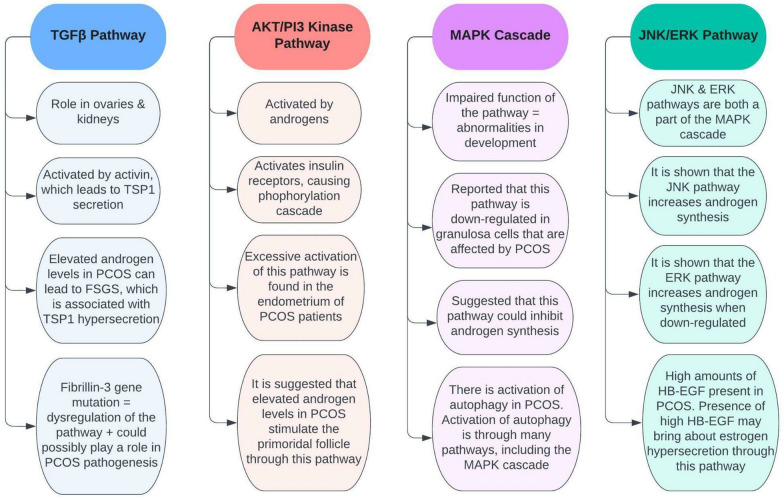
“Impaired function of the MAPK cascade can result in abnormalities in development and is also associated with the progression of numerous medical conditions [59].”
BackgroundNeutrophil-derived cytokines: facts beyond expression
Tecchio, C., Micheletti, A., & Cassatella, M. A. (2014) · Frontiers in Immunology · doi:10.3389/fimmu.2014.00508 · Cited by 699 · cited 3×
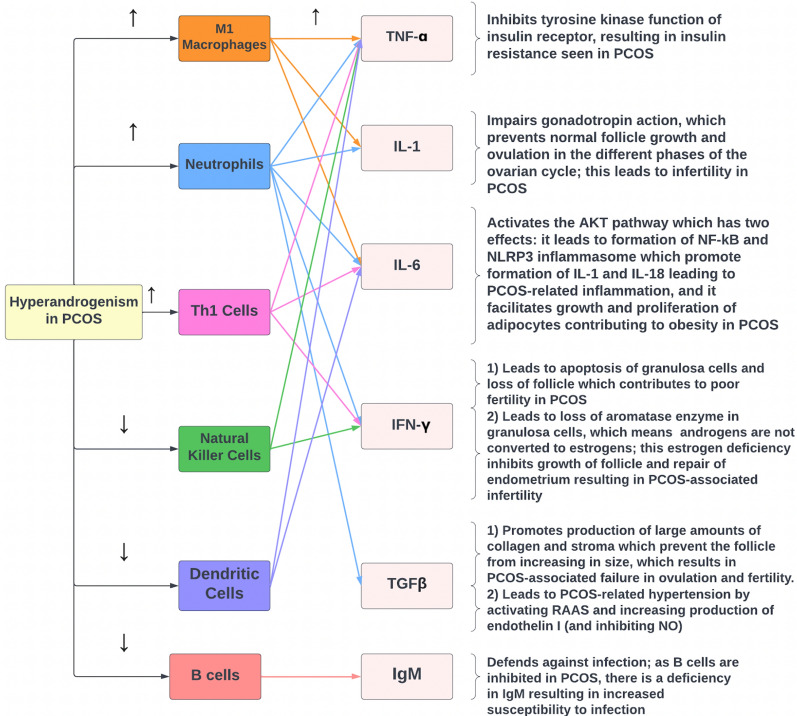
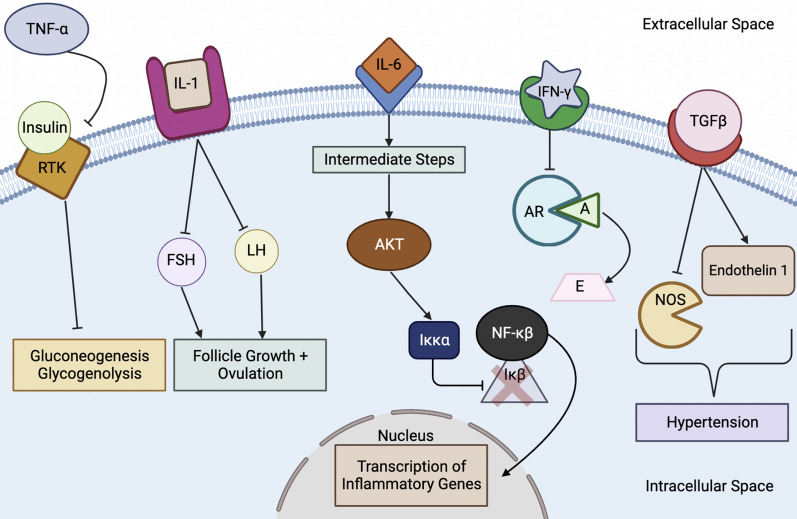
“Both of these interleukins then inhibit gonadotropin function to a greater extent, inhibiting the normal progression of the follicular and luteal phases of the ovarian cycle and contributing to PCOS-associated infertility [24, 25, 27].”
BackgroundAkt‐mediated regulation of NFκB and the essentialness of NFκB for the oncogenicity of PI3K and Akt
Bai, D., Ueno, L., & Vogt, P. K. (2009) · International Journal of Cancer · doi:10.1002/ijc.24748 · Cited by 529
Romagnani, S. (1999) · Inflammatory Bowel Diseases · doi:10.1097/00054725-199911000-00009 · Cited by 520 · cited 18×
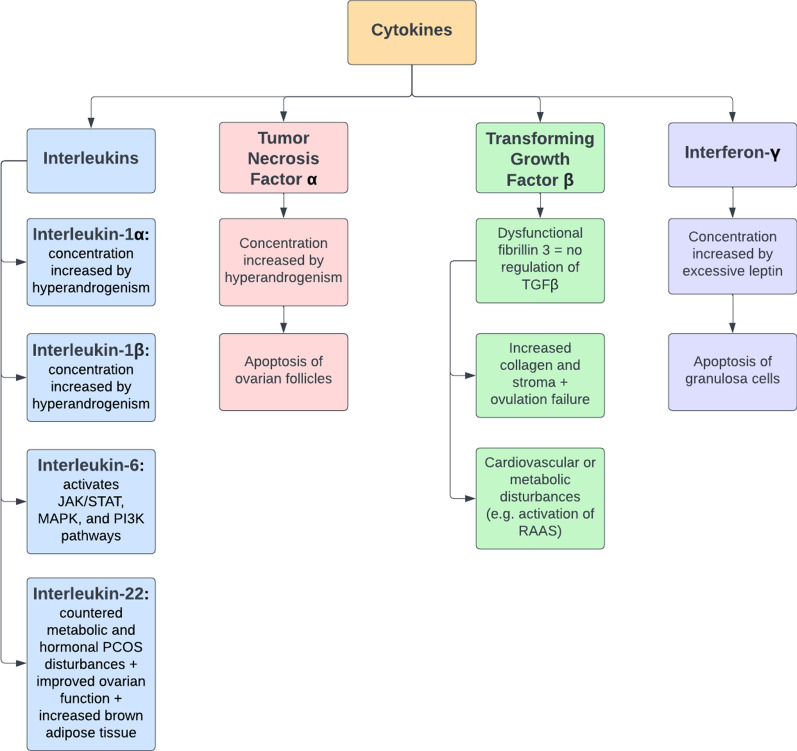
“This association between leptin and IFN-γ reinforces the interplay of PCOS, androgens, and the immune system [44].”
ResultInfluentialCarey, A. H., Waterworth, D., Patel, K., White, D., Little, J., Novelli, P., Franks, S., & Williamson, R. (1994) · Human Molecular Genetics · doi:10.1093/hmg/3.10.1873 · Cited by 463 · cited 1×
“, where there was a transition of T to C in the 5’ untranslated region [69].”
BackgroundAndrogen-Induced Immunosuppression
Gubbels Bupp, M. R., & Jorgensen, T. N. (2018) · Frontiers in Immunology · doi:10.3389/fimmu.2018.00794 · Cited by 390 · cited 10×
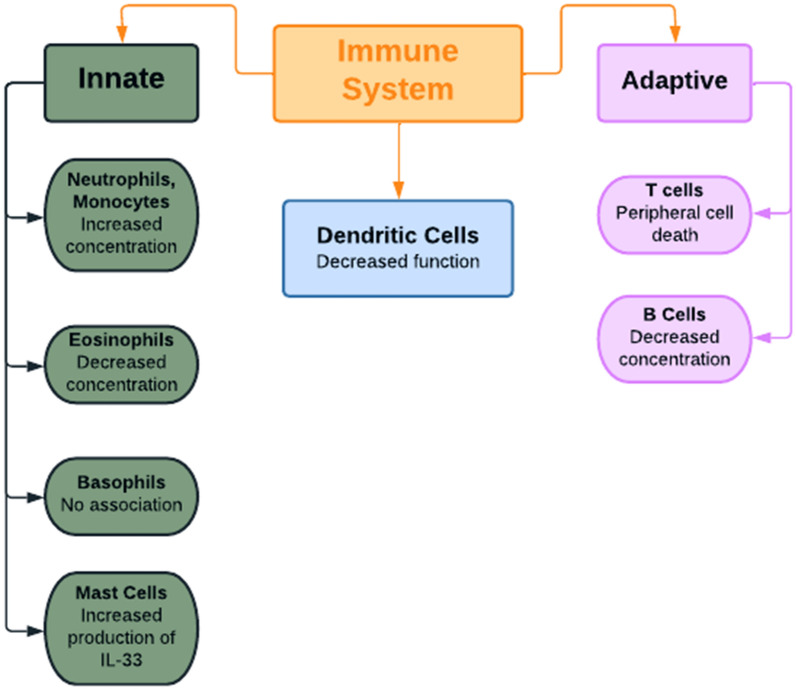
“As for the other immune system cells, studies have suggested the association of androgens with neutrophils and dendritic cells [8].”
BackgroundResultInfluentialThe ERK and JNK pathways in the regulation of metabolic reprogramming
Papa, S., Choy, P. M., & Bubici, C. (2019) · Oncogene · doi:10.1038/s41388-018-0582-8 · Cited by 381 · cited 1×
“The JNK and ERK pathways are both a part of the pathways involved in the MAPK cascade [63].”
BackgroundInsulin and hyperandrogenism in women with polycystic ovary syndrome
Baptiste, C. G., Battista, M.-C., Trottier, A., & Baillargeon, J.-P. (2010) · The Journal of Steroid Biochemistry and Molecular Biology · doi:10.1016/j.jsbmb.2009.12.010 · Cited by 355 · cited 15×
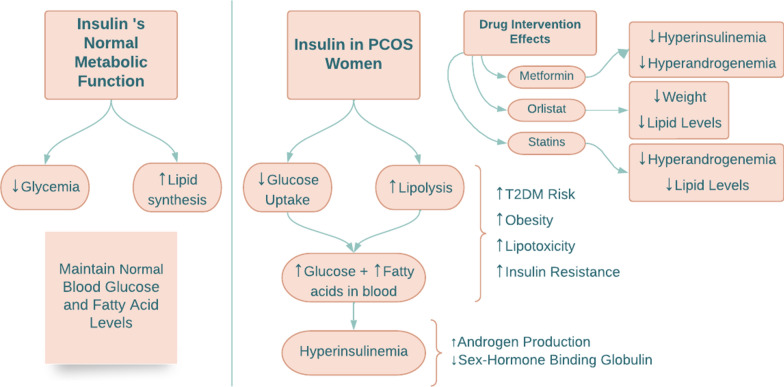
“Free fatty acids accumulate in tissues due to increased lipolysis causing insulin resistance and lipotoxicity [6].”
BackgroundMethodInfluentialThe Akt pathway in oncology therapy and beyond (Review)
Nitulescu, G., Van De Venter, M., Nitulescu, G., Ungurianu, A., Juzenas, P., Peng, Q., Olaru, O., Grădinaru, D., Tsatsakis, A., Tsoukalas, D., et al. (2018) · International Journal of Oncology · doi:10.3892/ijo.2018.4597 · Cited by 328
Luo, Y., & Zheng, S. G. (2016) · Frontiers in Immunology · doi:10.3389/fimmu.2016.00604 · Cited by 288 · cited 1×
“In this particular pathway, AKT stimulates inhibitory κB-kinase alpha (Iκκα), which breaks down inhibitory-κB (IκB), an inhibitor protein; this removes the block on nuclear factor-κB (NF-κB) and allows it to enter the nucleus [35, 38, 39].”
BackgroundAssociation of metabolic and inflammatory markers with polycystic ovarian syndrome (PCOS): an update
Abraham Gnanadass, S., Divakar Prabhu, Y., & Valsala Gopalakrishnan, A. (2021) · Archives of Gynecology and Obstetrics · doi:10.1007/s00404-020-05951-2 · Cited by 272 · cited 10×
“Cytokines, such as tumor necrosis factor-alpha (TNF-ɑ), are influenced by androgens [9, 10].”
BackgroundInfluentialOxidative Stress and Polycystic Ovary Syndrome: A Brief Review
Mohammadi, M. (2019) · International Journal of Preventive Medicine · doi:10.4103/ijpvm.ijpvm_576_17 · Cited by 264 · cited 2×
“Plasma advanced protein oxidation products (AOPPs) are newly identified markers of oxidant-mediated cellular damage, which appear elevated in PCOS women [83].”
BackgroundPolycystic ovary syndrome and mitochondrial dysfunction
Zhang, J., Bao, Y., Zhou, X., & Zheng, L. (2019) · Reproductive Biology and Endocrinology · doi:10.1186/s12958-019-0509-4 · Cited by 258 · cited 7×
“In addition, selenium supplementation and probiotics have been shown to decrease MDA, CRP, testosterone, and glutathione, leading to antioxidant and anti-inflammatory properties [18].”
BackgroundInfluentialChuang, S., Wang, I., & Yang, J. (2000) · Carcinogenesis · doi:10.1093/carcin/21.5.423 · Cited by 252 · cited 1×
“They aid in the regulation of apoptosis and are also involved in many cellular processes [64].”
BackgroundERICKSO, G. F., HSUEH, A. J. W., QUIGLEY, M. E., REBAR, R. W., & YEN, S. S. C. (1979) · The Journal of Clinical Endocrinology & Metabolism · doi:10.1210/jcem-49-4-514 · Cited by 251 · cited 1×
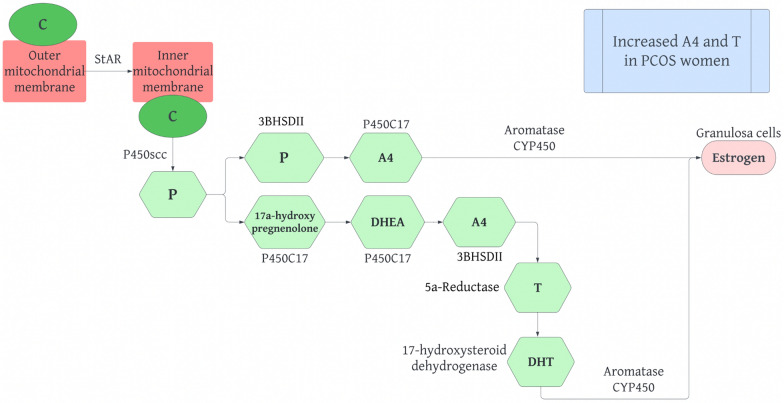
“highlighted diminished aromatase activity in granulosa cells in women with PCOS [72].”
BackgroundResistance to the Insulin and Elevated Level of Androgen: A Major Cause of Polycystic Ovary Syndrome
Ding, H., Zhang, J., Zhang, F., Zhang, S., Chen, X., Liang, W., & Xie, Q. (2021) · Frontiers in Endocrinology · doi:10.3389/fendo.2021.741764 · Cited by 228
Attisano, L., & Lee-Hoeflich, S. T. (2001) · Genome biology · doi:10.1186/gb-2001-2-8-reviews3010 · Cited by 212
Role of the steroidogenic acute regulatory protein in health and disease
Manna, P. R., Stetson, C. L., Slominski, A. T., & Pruitt, K. (2016) · Endocrine · doi:10.1007/s12020-015-0715-6 · Cited by 206 · cited 1×
“The StAR protein is also involved in androgen synthesis [61].”
BackgroundThe role of androgen and its related signals in PCOS
Ye, W., Xie, T., Song, Y., & Zhou, L. (2021) · Journal of Cellular and Molecular Medicine · doi:10.1111/jcmm.16205 · Cited by 188 · cited 10×
“Through a study, it has been shown that the inhibition of the MAPK cascade in granulosa cells results in the expression of the CYP17 enzyme [14].”
BackgroundInfluentialLiu, Y., Liu, H., Li, Z., Fan, H., Yan, X., Liu, X., Xuan, J., Feng, D., & Wei, X. (2021) · Frontiers in Immunology · doi:10.3389/fimmu.2021.685724 · Cited by 186
Hyperandrogenism in polycystic ovarian syndrome and role of CYP gene variants: a review
Ashraf, S., Nabi, M., Rasool, S. U. A., Rashid, F., & Amin, S. (2019) · Egyptian Journal of Medical Human Genetics · doi:10.1186/s43042-019-0031-4 · Cited by 178 · cited 8×
“This leads to hyperplasia of theca cells and an increase in the follicular fluid, which forms cyst-like structures along the periphery of the ovaries [66].”
BackgroundResultInfluentialBaron, S., Manin, M., Beaudoin, C., Leotoing, L., Communal, Y., Veyssiere, G., & Morel, L. (2004) · Journal of Biological Chemistry · doi:10.1074/jbc.m306143200 · Cited by 177 · cited 1×
“The AKT/PI3 kinase pathway is activated by androgens, such as estradiol [56, 57].”
BackgroundMancini, A., Bruno, C., Vergani, E., d’Abate, C., Giacchi, E., & Silvestrini, A. (2021) · International Journal of Molecular Sciences · doi:10.3390/ijms22041667 · Cited by 177 · cited 1×
“These mitochondrial alterations may result in apoptosis and decreased reproductive function [80].”
BackgroundExosomes as Biomarkers for Female Reproductive Diseases Diagnosis and Therapy
Esfandyari, S., Elkafas, H., Chugh, R. M., Park, H.-S., Navarro, A., & Al-Hendy, A. A. (2021) · International Journal of Molecular Sciences · doi:10.3390/ijms22042165 · Cited by 167 · cited 1×
“The presence of endometrial carcinoma can be investigated by tissue testing for exosomes carrying microsomal RNA (miRNA), such as miRNA-21 which is a valuable biomarker even in other malignancies such as melanoma [53, 54].”
BackgroundRole of androgens in normal and pathological ovarian function
Walters, K. A. (2015) · Reproduction · doi:10.1530/rep-14-0517 · Cited by 166 · cited 3×
“This suggests that excess androgens in PCOS could possibly hinder how granulosa cells communicate, leading to dysfunction in ovulation, as well as developmental dysfunction of the follicles [58].”
BackgroundInfluentialReactive Oxygen Species Generation and Use of Antioxidants during In Vitro Maturation of Oocytes.
Khazaei, M., & Aghaz, F. (2017) · PubMed · doi:10.22074/ijfs.2017.4995 · Cited by 161 · cited 1×
“Increased ROS concentrations cause apoptosis of granulosa cells, limiting oocyte development and maturation [82].”
BackgroundInfluence of Androgens on Immunity to Self and Foreign: Effects on Immunity and Cancer
Ben-Batalla, I., Vargas-Delgado, M. E., von Amsberg, G., Janning, M., & Loges, S. (2020) · Frontiers in Immunology · doi:10.3389/fimmu.2020.01184 · Cited by 149 · cited 1×
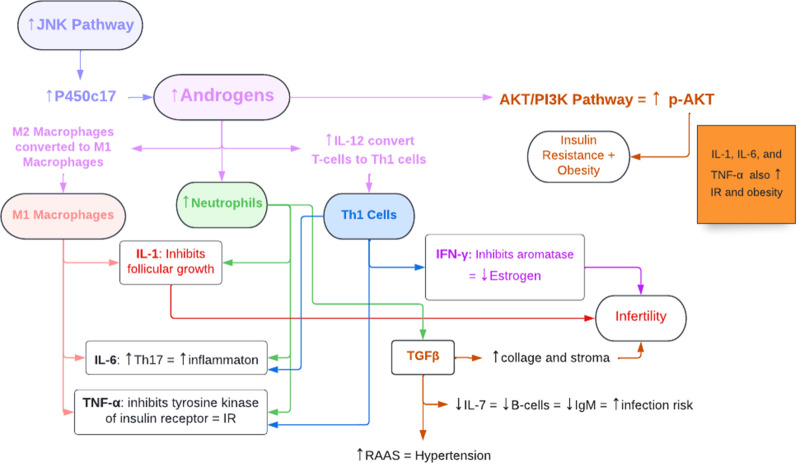
“As B cells produce IgM, hyperandrogenism would inhibit IgM synthesis, resulting in increased susceptibility to infection [29].”
BackgroundThe Role of TGF-β in Polycystic Ovary Syndrome
Raja-Khan, N. T., Urbanek, M., Rodgers, R. J., & Legro, R. S. (2014) · Reproductive Sciences · doi:10.1177/1933719113485294 · Cited by 144 · cited 10×
“TGFβ may contribute to hypertension by inhibiting nitric oxide synthase and promoting the synthesis of endothelin I, both of which ultimately result in vessel constriction [46].”
BackgroundInfluentialPhytochemical and nutra-pharmaceutical attributes of Mentha spp.: A comprehensive review
Eftekhari, A., Khusro, A., Ahmadian, E., Dizaj, S. M., Hasanzadeh, A., & Cucchiarini, M. (2021) · Arabian Journal of Chemistry · doi:10.1016/j.arabjc.2021.103106 · Cited by 135 · cited 2×
“also decreases the production of IL-1, IL-6, and COX-2 [88].”
BackgroundAromatase mRNA expression in individual follicles from polycystic ovaries
Jakimiuk, A. (1998) · Molecular Human Reproduction · doi:10.1093/molehr/4.1.1 · Cited by 122 · cited 1×
“demonstrated that there is decreased aromatase expression and lowered levels of aromatase P450 mRNA in PCOS follicles, resulting in decreased levels of estradiol [73].”
BackgroundWu, R., Fujii, S., Ryan, N. K., der Hoek, K. H. V., Jasper, M. J., Sini, I. R., Robertson, S. A., Robker, R. L., & Norman, R. J. (2006) · Human Reproduction · doi:10.1093/humrep/del371 · Cited by 116 · cited 2×
“used an antagonist for the IL-1 receptor, anakinra, administered in 17 patients with PCOS; the patients were given 100 mg of anakinra daily for 28 days [30] after which CRP and **androgen levels were measured [34].”
BackgroundMethodImmunophenotypic Profiles in Polycystic Ovary Syndrome
Hu, C., Pang, B., Ma, Z., & Yi, H. (2020) · Mediators of Inflammation · doi:10.1155/2020/5894768 · Cited by 112 · cited 10×
“T cells play a role in inducing granular cell growth and selecting ovarian follicles by secreting chemokines and growth factors; they also promote granulosa cell apoptosis by releasing cytotoxic agents [24].”
BackgroundInfluentialPolycystic ovary syndrome and circulating inflammatory markers
Zangeneh, F. Z., Naghizadeh, M. M., & Masoumi, M. (2017) · International Journal of Reproductive BioMedicine (IJRM) · doi:10.29252/ijrm.15.6.375 · Cited by 109 · cited 3×
“For example, a study concluded that increased amounts of IL-1ɑ inhibit oestradiol secretion [11].”
BackgroundInfluentialAdipocyte and steroidogenic cell cross-talk in polycystic ovary syndrome
de Medeiros, S. F., Rodgers, R. J., & Norman, R. J. (2021) · Human Reproduction Update · doi:10.1093/humupd/dmab004 · Cited by 102 · cited 7×
“17 There is a positive correlation between resistin and testosterone, the expression of 17ɑ-hydroxylase in theca cells, and body mass index [17].”
BackgroundMethodInfluentialKuang, H., Duan, Y., Li, D., Xu, Y., Ai, W., Li, W., Wang, Y., Liu, S., Li, M., Liu, X., et al. (2020) · PLoS ONE · doi:10.1371/journal.pone.0235404 · Cited by 99 · cited 4×
“Cytokines were studied in cells (treated with berberine, an insulinsensitizing agent) from 78 infertile women who underwent in vitro fertilization (IVF) [19].”
BackgroundInfluentialPolycystic Ovary Syndrome May Be an Autoimmune Disorder
Mobeen, H., Afzal, N., & Kashif, M. (2016) · Scientifica · doi:10.1155/2016/4071735 · Cited by 95 · cited 2×
“It is suggested that future research is required on the fluctuating levels of autoantibodies in PCOS that could possibly lead to future treatments for PCOS and that may be more effective than what is currently used today [92].”
BackgroundIbáñez, L., Jaramillo, A. M., Ferrer, A., & de Zegher, F. (2005) · Human Reproduction · doi:10.1093/humrep/dei072 · Cited by 94 · cited 1×
“5 mg of flutamide, an anti-androgen drug, for 3 months [8, 26].”
BackgroundPaul, A., Edwards, J., Pepper, C. J., & Mackay, S. P. (2018) · Cells · doi:10.3390/cells7100176 · Cited by 91 · cited 1×
“In this particular pathway, AKT stimulates inhibitory κB-kinase alpha (Iκκα), which breaks down inhibitory-κB (IκB), an inhibitor protein; this removes the block on nuclear factor-κB (NF-κB) and allows it to enter the nucleus [35, 38, 39].”
BackgroundLinkage of regulators of TGF‐β activity in the fetal ovary to polycystic ovary syndrome
Hatzirodos, N., Bayne, R. A., Irving‐Rodgers, H. F., Hummitzsch, K., Sabatier, L., Lee, S., Bonner, W., Gibson, M. A., Rainey, W. E., Carr, B. R., et al. (2011) · The FASEB Journal · doi:10.1096/fj.11-181099 · Cited by 90 · cited 1×
“When investigating the association between fibrillin 3 expression and PCOS, one study concluded that “since fibrillins are stromal matrices and since the ovarian stromal compartments are altered in women with PCOS, fibrillin 3 expression in the developing fetal ovary, via the activity of TGFβ to regulate stromal forma…”
BackgroundJamilian, M., Samimi, M., Mirhosseini, N., Afshar Ebrahimi, F., Aghadavod, E., Talaee, R., Jafarnejad, S., Hashemi Dizaji, S., & Asemi, Z. (2018) · Journal of Affective Disorders · doi:10.1016/j.jad.2018.05.027 · Cited by 89 · cited 2×
“Researchers have tested that vitamin D given to PCOS patients results in a decrease in serum testosterone, CRP, MDA, and IL-1 [84].”
BackgroundHuang, J., Duan, C., Jin, S., Sheng, C.-B., Wang, Y., Yue, Z., & Guo, B. (2022) · International Journal of Biological Sciences · doi:10.7150/ijbs.69343 · Cited by 85 · cited 1×
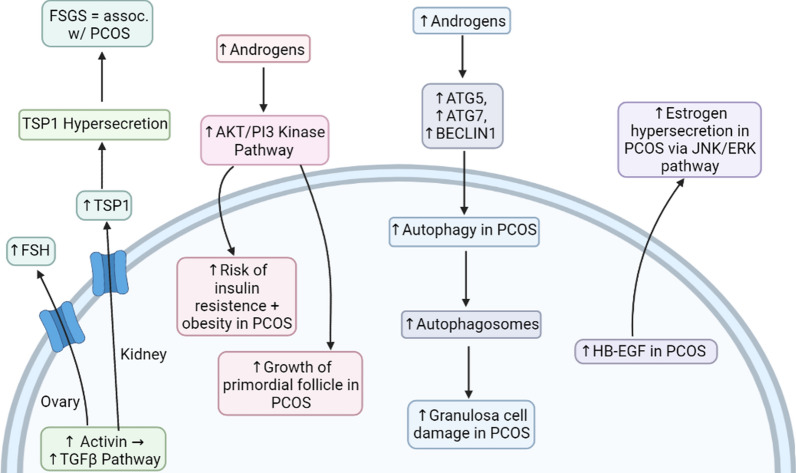
“It is suggested that the presence of abundant HB-EGF in the fluid may bring about estrogen hypersecretion through the JNK/ ERK pathway, resulting in apoptosis of granulosa cells and mitochondrial dysfunction [65].”
BackgroundCurrent analytical approaches in diagnosis of melanoma
Eftekhari, A., Ahmadian, E., Salatin, S., Sharifi, S., Dizaj, S. M., Khalilov, R. I., & Hasanzadeh, M. (2019) · TrAC Trends in Analytical Chemistry · doi:10.1016/j.trac.2019.05.004 · Cited by 82 · cited 1×
“The presence of endometrial carcinoma can be investigated by tissue testing for exosomes carrying microsomal RNA (miRNA), such as miRNA-21 which is a valuable biomarker even in other malignancies such as melanoma [53, 54].”
BackgroundRecent Advances in the Management of Polycystic Ovary Syndrome: A Review Article
Akre, S., Sharma, K., Chakole, S. V., & Wanjari, M. B. (2022) · Cureus · doi:10.7759/cureus.27689 · Cited by 75
Thathapudi, S., Kodati, V., Erukkambattu, J., Katragadda, A., Addepally, U., & Hasan, Q. A. (2014) · Genetic Testing and Molecular Biomarkers · doi:10.1089/gtmb.2014.0151 · Cited by 74
Rapid signalling pathway activation by androgens in epithelial and stromal cells
Castoria, G. (2004) · Steroids · doi:10.1016/j.steroids.2004.05.001 · Cited by 71 · cited 1×
“The AKT/PI3 kinase pathway is activated by androgens, such as estradiol [56, 57].”
BackgroundLushchak, O. V., Zayachkivska, A., & Vaiserman, A. M. (2018) · Oxidative Medicine and Cellular Longevity · doi:10.1155/2018/3407375 · Cited by 66 · cited 2×
“For this reason, “maximal effective doses” [90] of nano-antioxidants should be determined to prevent adverse effects.”
BackgroundGuo, R., Zheng, Y., Yang, J., & Zheng, N. (2015) · BMC Genetics · doi:10.1186/s12863-015-0165-4 · Cited by 65 · cited 1×
“Regarding IL-6, the researchers only found an association between the IL-6 polymorphism and PCOS development in a homozygote comparison and allelic model [49].”
BackgroundKumar, P., & Arora, S. (2014) · Journal of Human Reproductive Sciences · doi:10.4103/0974-1208.147492 · Cited by 65 · cited 4×
“Weight loss medications such as orlistat were used in a randomized controlled trial to compare their efficacy with metformin and exercise [21].”
BackgroundMethodInfluentialGallinelli, A., Ciaccio, I., Giannella, L., Salvatori, M., Marsella, T., & Volpe, A. (2003) · Fertility and Sterility · doi:10.1016/s0015-0282(03)00344-3 · Cited by 64 · cited 3×
“[32]; this would result in a shift to Th1 cells.”
BackgroundInfluentialMetabolic Evidence of Diminished Lipid Oxidation in Women With Polycystic Ovary Syndrome
Whigham, L., Butz, D., Dashti, H., Tonelli, M., Johnson, L., Cook, M., Porter, W., Eghbalnia, H., Markley, J., Lindheim, S., et al. (2014) · Current Metabolomics · doi:10.2174/2213235x01666131203230512 · Cited by 64 · cited 3×
“This, in turn, leads to complications such as obesity and T2DM [5].”
BackgroundAtaabadi, M. S., Alaee, S., Bagheri, M. J., & Bahmanpour, S. (2017) · Advanced Pharmaceutical Bulletin · doi:10.15171/apb.2017.078 · Cited by 64
Shi, L., Lin, H. M., Li, G., Jin, R., Xu, J., Sun, Y., Ma, W., Yeh, S., Cai, X., & Chang, C. (2016) · Molecular Cancer Therapeutics · doi:10.1158/1535-7163.mct-15-0706 · Cited by 63
Role of IL-6 signalling in Polycystic Ovarian Syndrome associated inflammation
Borthakur, A., Prabhu, Y. D., & Gopalakrishnan, A. V. (2020) · Journal of Reproductive Immunology · doi:10.1016/j.jri.2020.103155 · Cited by 63 · cited 9×
“In addition, certain treatments like green tea, curcumin, and metformin have shown a decrease in IL-6 levels, so they may also be potential areas of nutraceutical exploration for treatment options [35], with inhibition of the JAK/STAT pathway that would downregulate the PI3K and MAPK pathways affecting all three signa…”
BackgroundInfluentialAbudawood, M., Tabassum, H., Alanazi, A. H., Almusallam, F., Aljaser, F., Ali, M. N., Alenzi, N., Alanazi, S., Alghamdi, M. A., Altoum, G. H., et al. (2021) · Scientific Reports · doi:10.1038/s41598-021-02120-6 · Cited by 61 · cited 2×
“Excessive glucose results in ROS formation, thus increasing insulin sensitivity and causing obesity [81].”
BackgroundCYP19 gene: a genetic modifier of polycystic ovary syndrome phenotype
Xita, N. V., Lazaros, L. A., Georgiou, I. A., & Tsatsoulis, A. A. (2009) · Fertility and Sterility · doi:10.1016/j.fertnstert.2009.01.147 · Cited by 60 · cited 1×
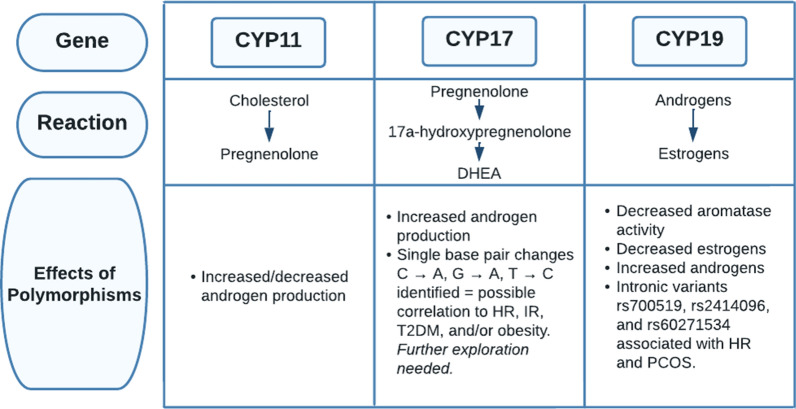
“A study by Chen and colleagues reported a decrease in the ratio of estrogen to testosterone in women with PCOS and that there is an increased risk of developing PCOS associated with the “intronic variant rs2414096” of the CYP19 gene [74].”
BackgroundClinical and Biochemical Potential of Antioxidants in Treating Polycystic Ovary Syndrome
Cheng, X., & He, B. (2022) · International Journal of Women s Health · doi:10.2147/ijwh.s345853 · Cited by 58 · cited 1×
“Using these antioxidants in combination with traditional medications that induce ovulation may improve the symptoms of PCOS and reduce both OS and inflammation [85].”
BackgroundGenetic polymorphism in CYP17 and breast cancer risk in Japanese women
Miyoshi, Y., Iwao, K., Ikeda, N., Egawa, C., & Noguchi, S. (2000) · European Journal of Cancer · doi:10.1016/s0959-8049(00)00334-8 · Cited by 55 · cited 1×
“identified a G to A transition in the CYP17 gene on nucleotide 1951 in the promoter region [68].”
BackgroundThe therapeutic effect of interleukin-22 in high androgen-induced polycystic ovary syndrome
Qi, X., Yun, C., Liao, B., Qiao, J., & Pang, Y. (2020) · Journal of Endocrinology · doi:10.1530/joe-19-0589 · Cited by 51 · cited 8×
“Finally, IL-22 also contributed to the browning of white adipose tissue, which plays a role in reversing glucose metabolism dysfunction [43].”
BackgroundMethodInfluentialLiu, Y., Yao, Z.-X., & Papadopoulos, V. (2005) · Molecular Endocrinology · doi:10.1210/me.2004-0271 · Cited by 48 · cited 1×
“This enzyme is involved in the synthesis of androgens [60].”
BackgroundVictor, V. M., Rovira-Llopis, S., Bañuls, C., Diaz-Morales, N., Castelló, R., Falcón, R., Gómez, M., Rocha, M., & Hernández-Mijares, A. (2015) · European Journal of Endocrinology · doi:10.1530/eje-15-0572 · Cited by 44 · cited 2×
“On the other hand, potential medications have been found to reduce OS, such as Metformin, which has been shown to decrease ROS levels [86].”
BackgroundZhuang, Z., Pan, X., Zhao, K., Gao, W., Liu, J., Deng, T., & Qin, W. (2019) · Medical Science Monitor · doi:10.12659/msm.916385 · Cited by 42 · cited 2×
“Additionally, the cytokine IL-6 seems to have an association with inflammation, obesity by increasing the activation of the AKT pathway, and IR through excess IL-6 synthesis [40, 41].”
BackgroundKrishnan, A., Muthusami, S., Periyasamy, L., Stanley, J. A., Gopalakrishnan, V., & Ramachandran, I. (2020) · Medicina · doi:10.3390/medicina56030100 · Cited by 40 · cited 10×
“The results were compared to six control female rats with normal androgen levels [9].”
BackgroundMethodInfluentialLewis, R. D., Narayanaswamy, A. K. P., Farewell, D. M., & Rees, A. (2020) · Clinical Endocrinology · doi:10.1111/cen.14322 · Cited by 39 · cited 18×
“Additionally, it seems that chronic anovulation, which can cause an increase in androgen levels, is associated with lower insulin sensitivity, T2DM, and dyslipidemia.”
BackgroundInfluentialAtorvastatin Reduces Malondialdehyde Concentrations in Patients with Polycystic Ovary Syndrome
Sathyapalan, T., Shepherd, J., Coady, A.-M., Kilpatrick, E. S., & Atkin, S. L. (2012) · The Journal of Clinical Endocrinology & Metabolism · doi:10.1210/jc.2012-2279 · Cited by 38 · cited 6×
“The researchers noticed a decrease in serum testosterone, CRP, malondialdehyde (MDA), and IL-1.”
BackgroundInfluentialRole of Statin Drugs for Polycystic Ovary Syndrome.
Cassidy-Vu, L., Joe, E., & Kirk, J. K. (2016) · PubMed Central · Cited by 38
Correlation between leptin and IFN-γ involved in granulosa cell apoptosis in PCOS
Wang, J., Gong, P., Li, C., Meizhen, P., Ding, Z., Ge, X., Zhu, W., & Shi, B. (2020) · Gynecological Endocrinology · doi:10.1080/09513590.2020.1760817 · Cited by 31 · cited 8×
“This association between leptin and IFN-γ reinforces the interplay of PCOS, androgens, and the immune system [44].”
BackgroundResultInfluentialPrevalence of abnormalities of glucose metabolism in patients with polycystic ovary syndrome
Barcellos, C. R. G., Rocha, M. P., Hayashida, S. A. Y., Nery, M., & Marcondes, J. A. M. (2007) · Arquivos Brasileiros de Endocrinologia & Metabologia · doi:10.1590/s0004-27302007000400015 · Cited by 27 · cited 3×
“This study showed that the prevalence of obesity in PCOS patients plays a role in amplifying TD2M and abnormalities in glucose tolerance [79].”
BackgroundResultInfluentialRole of macrophage secretions on rat polycystic ovary: its effect on apoptosis
Figueroa, F., Motta, A. B., Acosta, M., Mohamed, F., Oliveros, L. B., & Forneris, M. (2015) · Reproduction · doi:10.1530/rep-15-0216 · Cited by 25 · cited 4×
“M1 macrophages produce inflammatory cytokines, such as IL-1, IL-6, and TNF-ɑ, that are present in high levels in both the serum and follicular fluid of PCOS women [24, 25].”
BackgroundInfluentialBaşer, Ö. Ö., Göçmen, A. Y., & Kırmızı, D. A. (2022) · Journal of Turkish Society of Obstetric and Gynecology · doi:10.4274/tjod.galenos.2022.29498 · Cited by 25 · cited 1×
“Thus, IL-6 may have a direct impact on the development of complications in PCOS, making it a potentially valuable target for reducing mortality in PCOS [42].”
BackgroundConnolly, A., Leblanc, S., & Baillargeon, J. (2018) · International Journal of Endocrinology · doi:10.1155/2018/4315413 · Cited by 23 · cited 4×
“Furthermore, findings have shown that the JNK pathway is involved in the stimulation of P450c17 and could possibly explain the elevated androgen levels in PCOS since this pathway is enhanced in this condition [15].”
BackgroundInfluentialBanerjee, U., Dasgupta, A., Khan, A., Ghosh, M. K., Roy, P., Rout, J. K., Roy, P., & Dhara, S. (2016) · The Indian Journal of Medical Research · doi:10.4103/0971-5916.191990 · Cited by 22
Evidence for statin therapy in polycystic ovary syndrome
Sathyapalan, T., & Atkin, S. L. (2010) · Therapeutic Advances in Endocrinology and Metabolism · doi:10.1177/2042018810367984 · Cited by 21 · cited 2×
“However, there are concerns about the use of statins in premenopausal women as they are known to be teratogenic [22] and have conflicting effects on glucose [23]; some studies Fig.”
BackgroundMethodRole of TGF-β signalling in PCOS associated focal segmental glomerulosclerosis
Bhati, M., Prabhu, Y. D., Renu, K., Vellingiri, B., Thiagarajan, P., Panda, A., Chakraborty, R., Myakala, H., & Gopalakrishnan, A. V. (2020) · Clinica Chimica Acta · doi:10.1016/j.cca.2020.07.032 · Cited by 19 · cited 2×
“Additionally, PCOS is closely associated with several other pathways in the body, such as the transforming growth factor β (TGFβ) pathway [12], AKT/PI3 kinase pathway [13], the MAPK cascade [14], and the JNK/ERK pathway [15].”
BackgroundJahanbani, Y., Shafiee, S., Davaran, S., Roshangar, L., Ahmadian, E., Eftekhari, A., Dolati, S., & Yousefi, M. (2021) · Cell Biology International · doi:10.1002/cbin.11747 · Cited by 17 · cited 1×
“The treatment and disease course of endometrial carcinoma can be investigated using endometrial organoids, which are in-vitro tissue models [55].”
BackgroundCan polyunsaturated fatty acids regulate Polycystic Ovary Syndrome via TGF-β signalling?
Prabhu, Y. D., & Gopalakrishnan, A. V. (2021) · Life Sciences · doi:10.1016/j.lfs.2021.119416 · Cited by 16
Zhang, H., Zhang, Y., Han, Y.-K., Xue, F., Zhao, X., & Zhang, X.-L. (2012) · PubMed · Cited by 14
Prabhu, Y. D., Bhati, M., Vellingiri, B., & Gopalakrishnan, A. V. (2021) · Life Sciences · doi:10.1016/j.lfs.2021.119456 · Cited by 12 · cited 4×
“In the kidneys, activin will lead to the secretion of thrombospondin 1 (TSP1), which has a role in apoptosis and cell growth [51].”
BackgroundInfluentialA polymorphism in intron 6 of the CYP17 gene
Crocitto, L. E., Feigelson, H. S., Yu, M. C., Kolonel, L. N., Henderson, B. E., & Coetzee, G. A. (1997) · Clinical Genetics · doi:10.1111/j.1399-0004.1997.tb02519.x · Cited by 11 · cited 1×
“outlined a single base pair change from C to A in the CYP17 gene on nucleotide 5471 at intron 6 [67].”
BackgroundGleicher, N., Weghofer, A., Kushnir, V. A., Shohat-Tal, A., Lazzaroni, E., Lee, H., & Barad, D. H. (2013) · Reproductive Biology and Endocrinology · doi:10.1186/1477-7827-11-58 · Cited by 10 · cited 12×
“Using this model of immune activation-stimulated androgen production to explain PCOS, the authors suggested that autoantibodies induced by inflammation in PCOS lead to excessive immune system activation which, in turn, results in increased synthesis of APF and consequent hyperandrogenism [7].”
BackgroundMethodInfluentialDasgupta, A., Banerjee, U., Roy, P., Khan, A., Ghosh, M., & Chowdhury, K. M. (2014) · International Journal of Human Genetics · doi:10.1080/09723757.2014.11886225 · Cited by 5 · cited 1×
“Studies in India concluded that a polymorphism in the promoter -34 region of the CYP17 gene had no relation to HR, centralized obesity, or insulin resistance [70, 71].”
BackgroundEffect of IL-1 receptor antagonism on hyperandrogenemia in women with polycystic ovary syndrome
Popovic, M., Schiffer, L., TAYLOR, A. E. R., Arlt, W., Vogt, D., De, G. C., Sartorius, G. A., Donath, M. Y., & Christ‐Crain, M. (2021) · Endocrine Abstracts · doi:10.1530/endoabs.73.oc4.1 · Cited by 1 · cited 9×
“Furthermore, five subjects with PCOS who were previously oligomenorrheic or amenorrheic showed menstrual bleeding [34].”
BackgroundMethodInfluential
Research works printed but not linked: 3
- de Medeiros S Barbosa B Lin Winck Yamamoto A Winck Yamamoto M Soutode Medeiros M Soares Junior J The interplay between androgens and adipocytes: the foundation of comorbidities of polycystic ovary syndrome GREM Gynecol Reproduct Endocrinol Metab 2022 01 02 08 10.53260/grem.223011 · doi:10.53260/grem.223011
- Genazzani A Prati A Genazzani A Battipaglia C Simoncini T Szeliga A Synergistic effects of the integrative administration of acetyl-L-carnitine, L-carnitine, L-arginine and N-acetyl-cysteine on metabolic dynamics and on hepatic insulin extraction in overweight/obese patients with PCOS, GREM Gynecological and Reproductive Endocrinol Metab 2020 01 2020 56 63 10.53260/grem.2010110 · doi:10.53260/grem.2010110
- Ali A Polycystic ovary syndrome as an autoimmune disease: a new concept Obstet Gynecol 2000 95 6 S48
Cited by
Obesity and Dyslipidemia: A Review of Current Evidence
Vekić, J., Stefanović, A., & Zeljković, A. (2023) · Current Obesity Reports · doi:10.1007/s13679-023-00518-z · Cited by 196
Polycystic Ovary Syndrome and Oxidative Stress—From Bench to Bedside
Żeber‐Lubecka, N., Ciebiera, M., & Hennig, E. E. (2023) · International Journal of Molecular Sciences · doi:10.3390/ijms241814126 · Cited by 181
“Increased OS and activate NF-κ B levels result in a state of chronic low-grade inflammation, which promotes the expression of various inflammatory molecules, including TNF-α and interleukin-6 (IL-6) [67].”
Androgen excess: a hallmark of polycystic ovary syndrome
Wang, K., Lǐ, Y., & Chen, Y. (2023) · Frontiers in Endocrinology · doi:10.3389/fendo.2023.1273542 · Cited by 162
Polycystic ovary syndrome and thyroid disorder: a comprehensive narrative review of the literature
Palomba, S., Colombo, C., Busnelli, A., Caserta, D., & Vitale, G. (2023) · Frontiers in Endocrinology · doi:10.3389/fendo.2023.1251866 · Cited by 73
“Considering data on autoimmunity and on low-grade chronic inflammation in women PCOS (52, 85, 86), it may be possible to hypothesize shorter euthyroid and SCH phases in women with PCOS and AIT (87).”
BackgroundVasukova, E. A., Zaikova, E. K., Kalinina, O., Gorelova, I. V., Pyanova, I., Bogatyreva, E., Vasilieva, E. Y., Grineva, E. N., & Popova, P. (2023) · Biomedicines · doi:10.3390/biomedicines11102791 · Cited by 67
“In ovaries and adipose tissue, macrophages are the most abundant immune cells balancing destructive and protective cell-mediated immunity in inflammation [5].”
Background
Metadata
- Authors
- Shabbir, S., Khurram, E., Moorthi, V. S., Eissa, Y. T. H., Kamal, M. A., & Butler, A. E.
- Affiliations
- Royal College of Surgeons in Ireland - Bahrain (BH)
- Prince Sattam Bin Abdulaziz University (SA)
- Corresponding author
- Butler, Alexandra E.
- Venue
- Journal of Translational Medicine
- Published
- 2023-04-16
- Volume
- 21
- Issue
- 1
- Pages
- 259-259
- ISSN
- 1479-5876 (ISSN-L)
- PMC
- PMC10105935
- OpenAlex
- W4366003163
- Cited by
- 108
- References
- 89
- Citations by year
- 2026: 33 · 2025: 36 · 2024: 26 · 2023: 13
- FWCI
- 4.38
- Type
- journal article
- Language
- en
- Open access
- gold
- doi.org
- Licence
- cc-by
- creativecommons.org/licenses/by/4.0 (tdm)
- creativecommons.org/licenses/by/4.0 (vor)
- Locations
- Journal of Translational Medicine (publishedVersion, cc-by)
- PubMed Central (publishedVersion, cc-by)
- PubMed (publishedVersion)
- DOAJ (DOAJ: Directory of Open Access Journals) (submittedVersion, cc-by-sa)
- Figshare (submittedVersion, cc-by)
- Topics
- Health Sciences › Medicine › Reproductive Medicine › Ovarian function and disorders
- Health Sciences › Medicine › Reproductive Medicine › Reproductive Biology and Fertility
- Health Sciences › Medicine › Reproductive Medicine › Endometriosis Research and Treatment
- Keywords
- polycystic ovary syndrome, androgens, hyperandrogenism, immune response, chronic inflammation, insulin resistance, adipocyte proliferation, autoimmunity, infertility, ovarian dysfunction
- MeSH terms
- Androgens, Female, Humans, Immunity, Inflammation, Insulin Resistance, Polycystic Ovary Syndrome, Hyperandrogenism
About these checks
Registry, retraction, Cites and statistics results are computed, not judged, with one exception: a printed reference that no index lists is read once by a model before it counts as a citation error. Claims are extracted by a model and kept only when their quote appears verbatim in the text; each cited source is then checked, with a model’s help, for whether it says what the claim relies on. Those verdicts can be wrong — read the claim’s quote and the cited source before relying on one.
Statistics and arithmetic are recomputed, not judged.
Confidence bands are shown only for fields calibrated on our annotated test set. None is calibrated yet, so no band is shown.
What counts as a claim ›How we measure confidence ›How we check this ›
Are you an author, or do you see a problem with this page? Request a review
Data sources
Bibliographic data: Semantic Scholar, OpenAlex, Crossref.
Contains information from the Semantic Scholar Academic Graph Datasets, made available under the ODC Attribution License (ODC-BY 1.0).
Semantic Scholar’s data is described in: Kinney, R., et al. (2023). The Semantic Scholar Open Data Platform. arXiv:2301.10140.
