

Oxytocin inhibits lipopolysaccharide-induced inflammation in microglial cells and attenuates microglial activation in lipopolysaccharide-treated mice
Open accessThe DOI matches its Crossref record; 53 of the 53 references it cites were found in a registry or an index.
Abstract
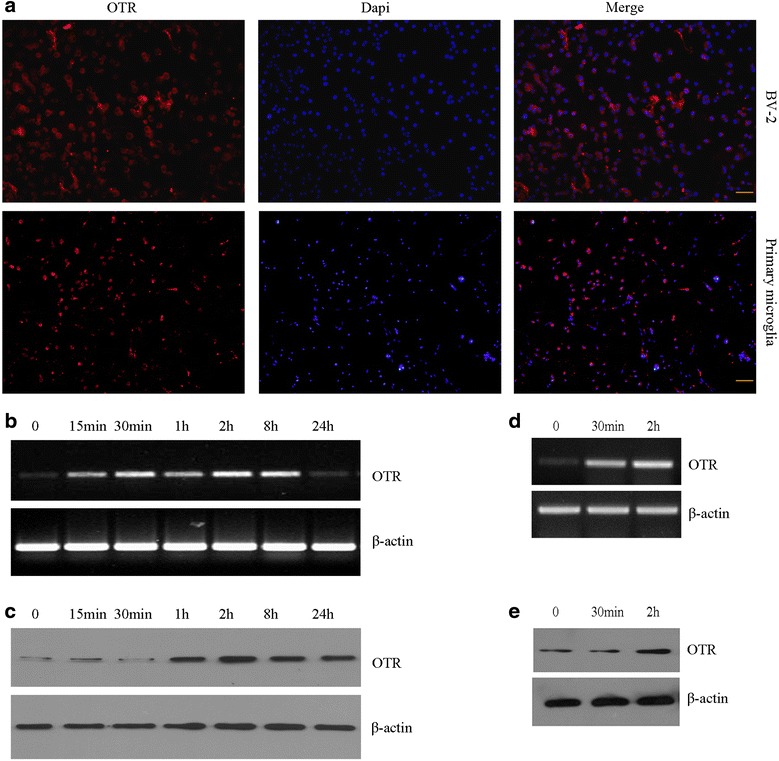
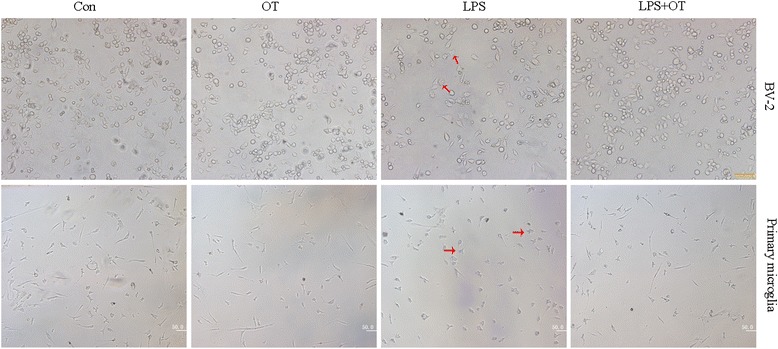
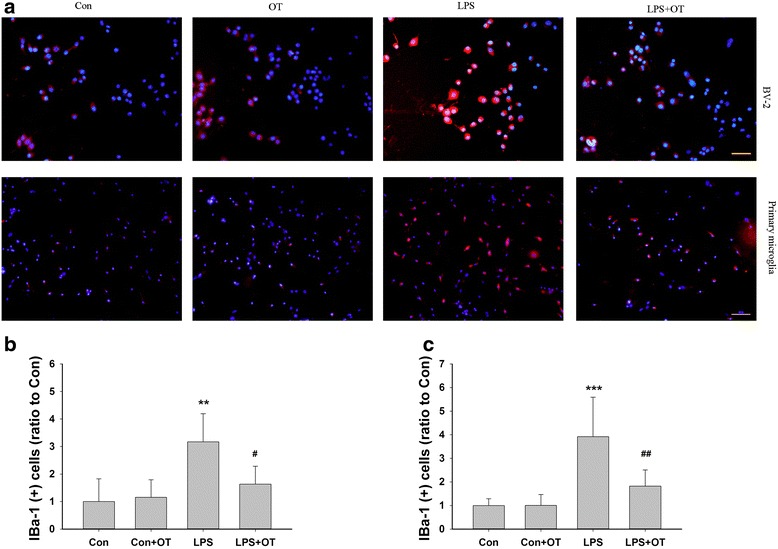
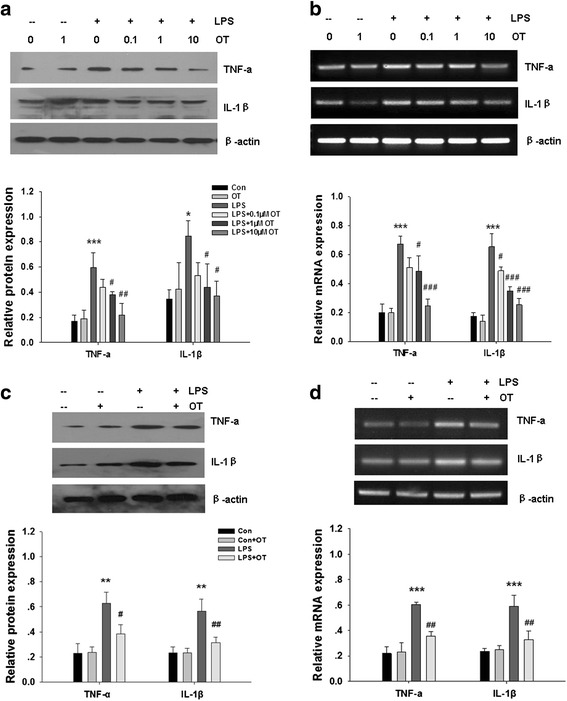
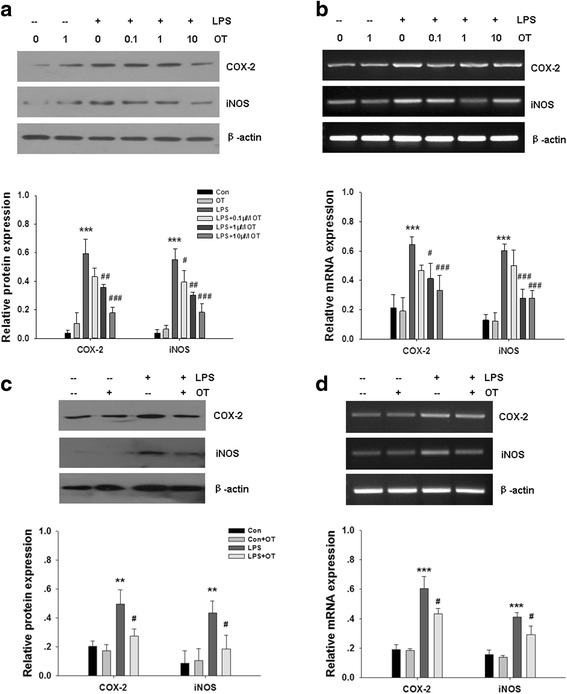
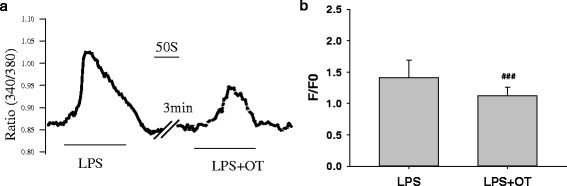
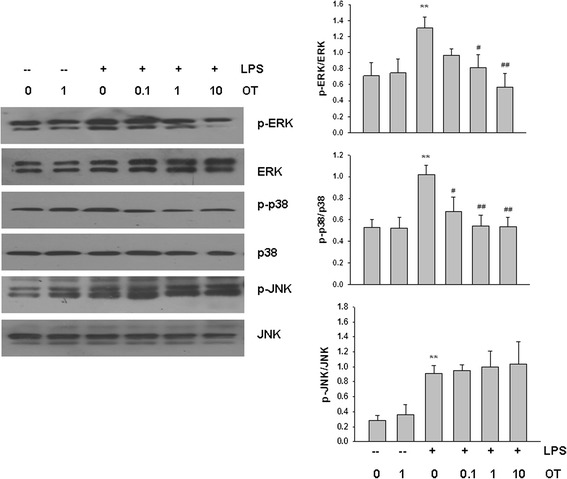
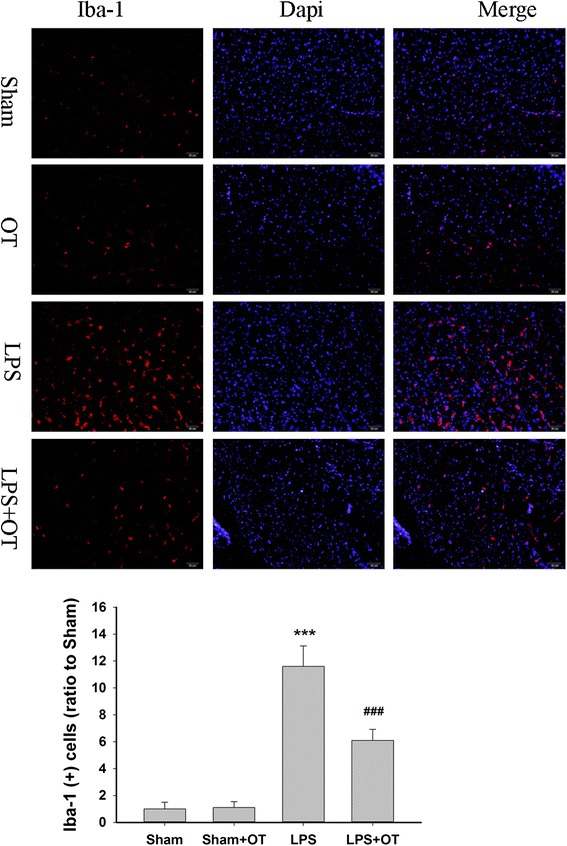
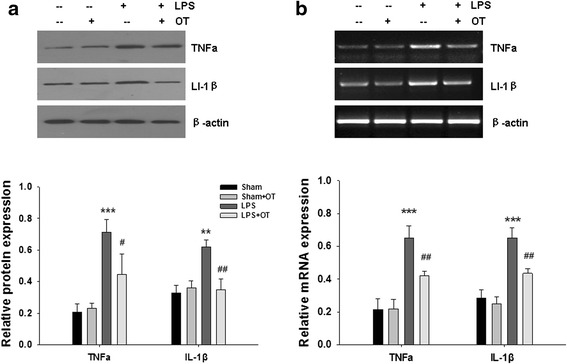
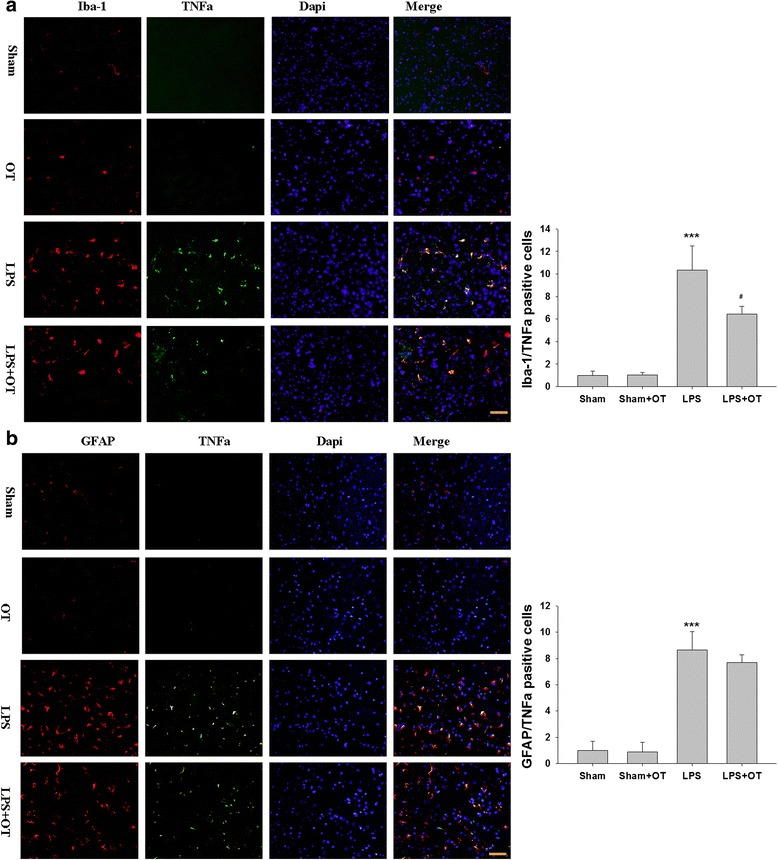
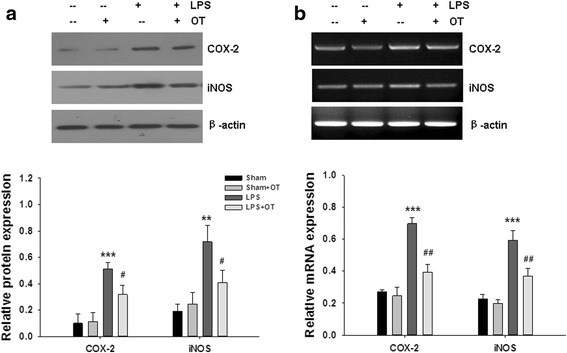
BACKGROUND: Overactivated microglia is involved in various kinds of neurodegenerative diseases. Suppression of microglial overactivation has emerged as a novel strategy for treatment of neuroinflammation-based neurodegeneration. In the current study, anti-inflammatory effects of oxytocin (OT), which is a highly conserved nonapeptide with hormone and neurotransmitter properties, were investigated in vitro and in vivo. METHODS: BV-2 cells and primary microglia were pre-treated with OT (0.1, 1, and 10 μM) for 2 h followed by LPS treatment (500 ng/ml); microglial activation and pro-inflammatory mediators were measured by Western blot, RT-PCR, and immunofluorescence. The MAPK and NF-κB pathway proteins were assessed by Western blot. The intracellular calcium concentration ([Ca(2+)]i) was determined using Fluo2-/AM assay. Intranasal application of OT was pre-treated in BALB/C mice (adult male) followed by injected intraperitoneally with LPS (5 mg/kg). The effect of OT on LPS-induced microglial activation and pro-inflammatory mediators was measured by Western blot, RT-PCR, and immunofluorescence in vivo. RESULTS: Using the BV-2 microglial cell line and primary microglia, we found that OT pre-treatment significantly inhibited LPS-induced microglial activation and reduced subsequent release of pro-inflammatory factors. In addition, OT inhibited phosphorylation of ERK and p38 but not JNK MAPK in LPS-induced microglia. OT remarkably reduced the elevation of [Ca(2+)]i in LPS-stimulated BV-2 cells. Furthermore, a systemic LPS-treated acute inflammation murine brain model was used to study the suppressive effects of OT against neuroinflammation in vivo. We found that pre-treatment with OT showed marked attenuation of microglial activation and pro-inflammatory factor levels. CONCLUSIONS: Taken together, the present study demonstrated that OT possesses anti-neuroinflammatory activity and might serve as a potential therapeutic agent for treating neuroinflammatory diseases.
Overview
The claims and statistics of this paper haven’t been checked yet.
Free: it reads the open-access text and checks the first 5 claims that cite a source we can check. Create a free account to check every claim.
Integrity signals
Registry
Cites
Statistics
Figures
Verification
Claims the paper makes
The claims and statistics of this paper haven’t been checked yet.
Free: it reads the open-access text and checks the first 5 claims that cite a source we can check. Create a free account to check every claim.
Claims other papers make about this one
Each is checked against this paper’s own text: does it say what the citing paper says it does?
The source backs part of the claim, not all of it — or backs it for a different population, condition or comparison.
In the citing paper
“Furthermore, OT is associated with lower inflammation, reduced microglial activation, and increased wound healing [177,178,179].”
From The Neurobiology of Love and Pair Bonding from Human and Animal Perspectives (2023) · cites this paper as [177]
Experimental — accuracy not yet measured
Self-check
Percentages, sums and reported differences re-computed from the paper’s own numbers.
The self-check needs the paper’s full text.
Citations
Cites
Microglia-mediated neurotoxicity: uncovering the molecular mechanisms
Block, M. L., Zecca, L., & Hong, J.-S. (2007) · Nature Reviews Neuroscience · doi:10.1038/nrn2038 · Cited by 4,110 · cited 2×
“kines released by excessive activated microglia are implicated in the process of neuronal injury [3].”
Mechanisms underlying inflammation in neurodegeneration
Glass, C. K., Saijo, K., Winner, B., Marchetto, M. C., & Gage, F. H. (2010) · Cell · doi:10.1016/j.cell.2010.02.016 · Cited by 3,580
LPS/TLR4 signal transduction pathway
Lu, Y.-C., Yeh, W.-C., & Ohashi, P. S. (2008) · Cytokine · doi:10.1016/j.cyto.2008.01.006 · Cited by 3,301
The oxytocin receptor system: structure, function, and regulation
Gimpl, G., & Fahrenholz, F. (2001) · Physiological Reviews · doi:10.1152/physrev.2001.81.2.629 · Cited by 3,089 · cited 6×
“Microglia, the resident immune cells of the central nervous system (CNS), is considered to play a key role in regulating neurotoxicity mediated by inflammatory response.”
InfluentialSystemic LPS causes chronic neuroinflammation and progressive neurodegeneration
Qin, L., Wu, X., Block, M. L., Liu, Y., Breese, G. R., Hong, J., Knapp, D. J., & Crews, F. T. (2007) · Glia · doi:10.1002/glia.20467 · Cited by 2,144 · cited 4×
“Quiescent microglia exhibit a ramified cell morphology with relatively small size and numerous thin processes, whereas activated microglia become progressively less ramified and quickly develop an enlarged cell body with several short, thickened processes, resulting in a rounded ameboid-like appearance [4, 28].”
InfluentialMicroglia-specific localisation of a novel calcium binding protein, Iba1
Ito, D., Imai, Y., Ohsawa, K., Nakajima, K., Fukuuchi, Y., & Kohsaka, S. (1998) · Molecular Brain Research · doi:10.1016/s0169-328x(98)00040-0 · Cited by 1,476 · cited 1×
“Iba-1 is specifically and highly expressed in macrophage and microglia [29, 30].”
Streit, W. J., Walter, S. A., & Pennell, N. A. (1999) · Progress in Neurobiology · doi:10.1016/s0301-0082(98)00069-0 · Cited by 1,096
Liu, B., & Hong, J.-S. (2003) · The Journal of Pharmacology and Experimental Therapeutics · doi:10.1124/jpet.102.035048 · Cited by 1,095 · cited 1×
“identified as a common character during progression of many neurodegenerative diseases, including Alzheimer’s disease (AD) and Parkinson’s disease (PD) [1, 2].”
Immortalization of murine microglial cells by a v-raf / v-myc carrying retrovirus
Blasi, E., Barluzzi, R., Bocchini, V., Mazzolla, R., & Bistoni, F. (1990) · Journal of Neuroimmunology · doi:10.1016/0165-5728(90)90073-v · Cited by 1,053
Tetracyclines inhibit microglial activation and are neuroprotective in global brain ischemia
Yrjänheikki, J., Keinänen, R., Pellikka, M., Hökfelt, T., & Koistinaho, J. (1998) · Proceedings of the National Academy of Sciences · doi:10.1073/pnas.95.26.15769 · Cited by 1,006 · cited 1×
“Many recent studies have reported that anti-inflammatory agents exert their neuroprotective effects through inhibition of production of pro-inflammatory mediators [24, 25].”
Cited by
Items 101–200 of 227
Qiu, W., Go, K. A., Wen, Y., Duarte‐Guterman, P., Eid, R. S., & Galea, L. A. M. (2021) · Brain Behavior and Immunity · doi:10.1016/j.bbi.2021.06.012 · Cited by 20
Sever, İ. H., Özkul, B., Erisik, D., Özkul, Ö., ELGORMUS, C. S., Gur, S. G., Sogut, I., Uyanıkgil, Y., Çetin, E. Ö., & Erbaş, O. (2021) · Experimental Lung Research · doi:10.1080/01902148.2021.1992808 · Cited by 20
Validity of mental and physical stress models
Hendry, E., McCallister, B., Elman, D. J., Freeman, R. L., Borsook, D., & Elman, I. (2024) · Neuroscience & Biobehavioral Reviews · doi:10.1016/j.neubiorev.2024.105566 · Cited by 19
Walker, W. H., Meléndez‐Fernández, O. H., Pascoe, J. L., Zhang, N., & DeVries, A. C. (2020) · Brain Behavior and Immunity · doi:10.1016/j.bbi.2020.07.032 · Cited by 19
Decreased kynurenine pathway potentiate resilience to social defeat effect on cocaine reward
Giménez‐Gómez, P., Ballestín, R., de Biedma‐Elduayen, L. G., Vidal, R., Perez, C. F., Reguilón, M. D., O’Shea, E., Miñarro, J., Colado, M. I., & Rodríguez‐Arias, M. (2021) · Neuropharmacology · doi:10.1016/j.neuropharm.2021.108753 · Cited by 19
Marazziti, D., Diep, P.-T., Carter, C. S., & Carbone, M. G. (2022) · Current Medicinal Chemistry · doi:10.2174/0929867329666220727120646 · Cited by 19
Chun, E. K., Donovan, M., Liu, Y., & Wang, Z. (2022) · Neurobiology of Stress · doi:10.1016/j.ynstr.2022.100427 · Cited by 18
Self-citationComplexity of the Hypothalamic Oxytocin System and its Involvement in Brain Functions and Diseases
Cui, X., & Xiao, L. (2025) · Neuroscience Bulletin · doi:10.1007/s12264-025-01424-1 · Cited by 17
Wang, T., Ye, J., Zhang, Y., Li, J., Yang, T., Wang, Y., Jiang, X. Y., & Yao, Q. (2024) · Frontiers in Endocrinology · doi:10.3389/fendo.2024.1450007 · Cited by 17
Kim, K.-W., Yoon, C., Park, S., Bae, G., Kim, D., Kim, Y., & Oh, H. (2021) · Evidence-based Complementary and Alternative Medicine · doi:10.1155/2021/5901653 · Cited by 17
Resolving inflammatory links between myocardial infarction and vascular dementia
Thorp, E. B., Flanagan, M. E., Popko, B., & DeBerge, M. (2022) · Seminars in Immunology · doi:10.1016/j.smim.2022.101600 · Cited by 17
Siecinski, S. K., Giamberardino, S. N., Spanos, M., Hauser, A. C., Gibson, J., Chandrasekhar, T., Trelles, M. D. P., Rockhill, C., Palumbo, M. L., Cundiff, A. W., et al. (2023) · Autism Research · doi:10.1002/aur.2884 · Cited by 17
The possible factors affecting microglial activation in cases of obesity with cognitive dysfunction
Chunchai, T., Chattipakorn, N., & Chattipakorn, S. C. (2017) · Metabolic Brain Disease · doi:10.1007/s11011-017-0151-9 · Cited by 17
Cao, X., Jin, Y., Zhang, H., Yu, L., Bao, X., Li, F., & Xu, Y. (2017) · Inflammation · doi:10.1007/s10753-017-0709-z · Cited by 17
Li, X., Kim, K.-W., Oh, H., Liu, X., & Kim, Y. (2019) · Evidence-based Complementary and Alternative Medicine · doi:10.1155/2019/1856294 · Cited by 17
de leon, R. G., Hodges, T. E., Brown, H. K., Bodnar, T. S., & Galea, L. A. M. (2024) · Psychoneuroendocrinology · doi:10.1016/j.psyneuen.2024.107245 · Cited by 16
Hortu, İ., Özçeltik, G., Karadadaş, E., Erbaş, O., Yiğittürk, G., & Ulukuş, M. (2020) · Current Medical Science · doi:10.1007/s11596-020-2213-1 · Cited by 16
Advancing Nanomaterial-Based Strategies for Alzheimer’s Disease: A Perspective
Zhou, H., Yin, X., Zhang, G., Yang, Z., & Zhou, R. (2025) · JACS Au · doi:10.1021/jacsau.5c00002 · Cited by 15
Oxytocin Signaling as a Target to Block Social Defeat-Induced Increases in Drug Abuse Reward
Perez, C. F., Reguilón, M. D., Miñarro, J., & Rodríguez‐Arias, M. (2021) · International Journal of Molecular Sciences · doi:10.3390/ijms22052372 · Cited by 15
Thornton, J. L., Everett, N. A., Webb, P., Turner, A. J., Cornish, J. L., & Baracz, S. J. (2021) · Progress in Neuro-Psychopharmacology and Biological Psychiatry · doi:10.1016/j.pnpbp.2021.110279 · Cited by 15
Effects of Oxytocin Administration on Oxidative Markers in the Temporal Lobe of Aged Rats
Balmuș, I.-M., Ciobica, A. S., Stoica, B. A., Lefter, R. M., Cojocaru, S., & Резніков, А. Г. (2019) · Neurophysiology · doi:10.1007/s11062-019-09785-w · Cited by 15
Tu, X.-K., Chen, P., Chen, J., Ding, Y.-H., Chen, Q., & Shi, S. (2023) · Neuropharmacology · doi:10.1016/j.neuropharm.2023.109603 · Cited by 15
Matt, S. M., Nolan, R., Manikandan, S., Agarwal, Y., Channer, B., Oteju, O., Daniali, M., Canagarajah, J., LuPone, T., Mompho, K., et al. (2025) · Journal of Neuroinflammation · doi:10.1186/s12974-025-03403-9 · Cited by 14
Andy, S. N., Chan, C. K., & Kadir, H. A. (2017) · Journal of Functional Foods · doi:10.1016/j.jff.2017.09.017 · Cited by 14
Hirschel, J., Carlhan-Ledermann, A., Ferraz, C., Brand, L., Filippa, M., Gentaz, É., Lejeune, F., & Baud, O. (2023) · Children · doi:10.3390/children10091469 · Cited by 13
Sünnetçi, E., Solmaz, V., & Erbaş, O. (2020) · Peptides · doi:10.1016/j.peptides.2020.170398 · Cited by 13
Ragy, M. M., & Aziz, N. M. (2017) · Journal of Basic and Clinical Physiology and Pharmacology · doi:10.1515/jbcpp-2016-0197 · Cited by 13
Stary, C. M., Xu, L., Voloboueva, L. A., Alcántara‐Hernández, M., Arvola, O., Idoyaga, J., & Giffard, R. G. (2019) · Frontiers in Neuroscience · doi:10.3389/fnins.2019.00609 · Cited by 12
Relationship between Oxytocin and Osteoarthritis: Hope or Despair?
Ferrero, S., Amri, E., & Roux, C. H. (2021) · International Journal of Molecular Sciences · doi:10.3390/ijms222111784 · Cited by 12
Avgana, H., Toledano, R. S., & Akirav, I. (2024) · Pharmaceuticals · doi:10.3390/ph17070846 · Cited by 11
Li, J., Mi, X., Yang, Z., Feng, Z.-Q., Han, Y. M., Wang, T., Lv, H., Liu, Y. J., Wu, K., & Liu, J. (2024) · International Immunopharmacology · doi:10.1016/j.intimp.2024.113786 · Cited by 11
The glial cell’s role in antinociceptive differential effects of oxytocin upon female and male rats
Salinas-Abarca, A. B., Vázquez‐Cuevas, F. G., González‐Gallardo, A., Martínez-Lorenzana, G., González‐Hernández, A., & Condés‐Lara, M. (2022) · European Journal of Pain · doi:10.1002/ejp.1907 · Cited by 11
Is it possible to prevent excessive synaptic pruning in schizophrenia? Possibilities and limitations
Pawlak, A., Stefanowicz, J., Kotkowska, Z., Gabryelska, A., Sochal, M., Napieraj, F., Kotlicka‐Antczak, M., & Strzelecki, D. (2025) · Frontiers in Synaptic Neuroscience · doi:10.3389/fnsyn.2025.1656232 · Cited by 10
Microgliopathy as a primary mediator of neuronal death in models of Friedreich’s Ataxia
Pernaci, C., Johnson, A., Gillette, S., Warden, A. S., McCormick, C., Novak, S. W., Ramírez, G., Broersma, E. H., Mishra, P., Sivakumar, A., et al. (2025) · Nature Communications · doi:10.1038/s41467-025-66710-y · Cited by 10
Shao, S.-Y., Li, R., Wang, K., Xia, W., Baosong, C., & Li, S. (2023) · Phytomedicine · doi:10.1016/j.phymed.2023.155110 · Cited by 10
Evaluation of the oxytocin effect in a rat model with experimental periodontitis
Paksoy, T., Ustaoğlu, G., Şehirli, A. Ö., Ünsal, R. B. K., Sayıner, S., Orhan, K., Aycı, N. B., Çetınel, Ş., & Aksoy, U. (2022) · Naunyn-Schmiedeberg s Archives of Pharmacology · doi:10.1007/s00210-022-02293-5 · Cited by 10
Alzahrani, N. A., Bahaidrah, K. A., Mansouri, R. A., Aldhahri, R. S., El-Aziz, G. S. A., & Alghamdi, B. S. A. (2024) · Biomedicines · doi:10.3390/biomedicines12051107 · Cited by 9
Meng, Q., Song, W., Churilov, L. P., Zhang, F., & Wang, Y. (2023) · Frontiers in Endocrinology · doi:10.3389/fendo.2023.1120475 · Cited by 9
Yamasue, H. (2023) · Peptides · doi:10.1016/j.peptides.2023.171133 · Cited by 9
Plasma and Urinary Oxytocin Trajectories in Extremely Premature Infants During NICU Hospitalization
Weber, A. M., Harrison, T. M., Sinnott, L. T., Shoben, A. B., & Steward, D. K. (2017) · Biological Research For Nursing · doi:10.1177/1099800417718266 · Cited by 9
Persistent effects of pair bonding in lung cancer cell growth in monogamous Peromyscus californicus
Naderi, A., Soltanmaohammadi, E., Kaza, V., Barlow, S., Chatzistamou, I., & Kiaris, H. (2021) · eLife · doi:10.7554/elife.64711 · Cited by 8
“inflammatory action of oxytocin, a neurohormone with essential role in the establishment of social interactions and pair bonding (Lutgendorf et al., 2005; Fagundes et al., 2011; Fuligni et al., 2009; Yuan et al., 2016; Carter and Perkeybile, 2018).”
BackgroundAsaba, T., Hamano, S., Nanmo, A., Seo, J., Kageyama, T., & Fukuda, J. (2025) · Regenerative Therapy · doi:10.1016/j.reth.2025.06.013 · Cited by 8
El‐Sherbiny, M., Elkattawy, H. A., Hadhoud, S., Nasr, A., Ibrahim, A. M., Ameer, O. Z., Alsaleebi, N., Asfari, J., Zakari, M. O., Mojaddidi, M. A., et al. (2025) · Frontiers in Pharmacology · doi:10.3389/fphar.2024.1506777 · Cited by 8
Zhang, Y., Chen, H., Cao, J., Zhou, S., Ma, Y., & Jing, Y. (2025) · Advanced Science · doi:10.1002/advs.202500849 · Cited by 8
Oxytocin seals the blood–brain barrier, improving 22q11.2 deletion syndrome trajectories
Castellani, G., Ciampoli, M., Benedetti, A., Ferretti, V., Trigilio, G., Barcik, W., Busnelli, M., Contarini, G., Paolini, C., Devroye, C., et al. (2025) · Brain · doi:10.1093/brain/awaf112 · Cited by 8
Liu, S., Pan, S., Tan, J. W., Zhao, W., & Liu, F. (2017) · Toxicology and Applied Pharmacology · doi:10.1016/j.taap.2017.10.022 · Cited by 8
Self-citationOxytocin alleviates periodontitis in adult rats
Dmytrenko, G., Fernández‐Solari, J., Correa, F., & Laurentiis, A. D. (2024) · Journal of Periodontal Research · doi:10.1111/jre.13212 · Cited by 7
Wakuda, T., Benner, S., Uemura, Y., Nishimura, T., Kojima, M., Kuroda, M., Matsumoto, K., Kanai, C., Inada, N., Harada, T., et al. (2024) · Brain Behavior and Immunity · doi:10.1016/j.bbi.2024.03.013 · Cited by 7
Protective effect of oxytocin on vincristine-induced gastrointestinal dysmotility in mice
Li, S., Shi, Y., Zhu, J., Li, J., Wang, S., & Liu, C. (2024) · Frontiers in Pharmacology · doi:10.3389/fphar.2024.1270612 · Cited by 7
Tereshchenko, S. Y., & Smolnikova, M. V. (2019) · S S Korsakov Journal of Neurology and Psychiatry · doi:10.17116/jnevro2019119121148 · Cited by 7
Ito, N., Sasaki, K., Hirose, E., Nagai, T., Isoda, H., & Odaguchi, H. (2021) · Gene · doi:10.1016/j.gene.2021.145920 · Cited by 7
Sakai, M., Yu, Z., Picotin, R., Kasahara, T., Kikuchi, Y., Ono, C., Hino, M., Kunii, Y., Maejima, Y., Shimomura, K., et al. (2025) · Behavioural Brain Research · doi:10.1016/j.bbr.2025.115480 · Cited by 6
The Role of Lactylation in Mental Illness: Emphasis on Microglia
Sfera, A., Klein, C. A., Anton, J. J., Kozlakidis, Z., & Andronescu, C. V. (2023) · Neuroglia · doi:10.3390/neuroglia4020009 · Cited by 6
The intertwining of oxytocin's effects on social affiliation and inflammation
Kingsbury, M. A. (2024) · Comprehensive Psychoneuroendocrinology · doi:10.1016/j.cpnec.2024.100239 · Cited by 6
Xu, Z., Liu, Y., Yang, D., Yuan, F., Ding, J., Wang, L., Qu, M., Yang, G., & Tian, H. (2017) · RSC Advances · doi:10.1039/c7ra03042h · Cited by 6
Oxytocin Receptor-Mediated Signaling in Astrocytes
Meinung, C.-P. (2020) · University of Regensburg Publication Server (University of Regensburg) · doi:10.5283/epub.43289 · Cited by 6
Boender, A. J., Johnson, Z. V., Green, K. K., Gruenhagen, G. W., Hegarty, B. E., Horie, K., Inoue, K., Schmidt, E. R. E., Streelman, J. T., Walum, H., et al. (2023) · bioRxiv (Cold Spring Harbor Laboratory) · doi:10.1101/2023.10.26.564214 · Cited by 6
Effects of Intranasal Oxytocin Across Various Depressive Disorders
Wang, M., Hou, S., Tian, C., Fu, Z., & Jie, J. (2025) · Psychiatry Investigation · doi:10.30773/pi.2024.0320 · Cited by 5
Subacute intranasal oxytocin improves neurological recovery after ischemic stroke
Morishita, Y., Higashi, Y., Tani, D., Togo, M., Shimizu, T., Fujieda, M., & Saito, M. (2025) · Journal of Pharmacological Sciences · doi:10.1016/j.jphs.2025.08.006 · Cited by 5
Immune-inflammatory and autoimmune mechanisms in postpartum depression
Konstantinou, G., Spyropoulou, A., & Zervas, I. M. (2020) · Psychiatriki · doi:10.22365/jpsych.2020.311.47 · Cited by 5
Lee, M., & Rilling, J. K. (2025) · Neuroscience & Biobehavioral Reviews · doi:10.1016/j.neubiorev.2025.106457 · Cited by 4
Oxytocin Release: A Remedy for Cerebral Inflammaging
Buemann, B. (2022) · Current Aging Science · doi:10.2174/1874609815666220414104832 · Cited by 4
Huang, H., Apaijai, N., Oo, T. T., Suntornsaratoon, P., Charoenphandhu, N., Chattipakorn, N., & Chattipakorn, S. C. (2024) · Neuroscience · doi:10.1016/j.neuroscience.2024.09.007 · Cited by 4
Heralding a new era of oxytocinergic research: New tools, new problems?
Althammer, F. (2023) · Journal of Neuroendocrinology · doi:10.1111/jne.13333 · Cited by 4
Wang, J., Chen, S., Zhao, M., Zheng, L., Huang, X., Hong, X., Kang, J., Ou, P., & Huang, L. (2024) · eNeuro · doi:10.1523/eneuro.0387-24.2024 · Cited by 3
Temporal and Spatial Patterns of Glial Activation After Unilateral Cortical Injury in Rats
Rich, K. K., Hjæresen, S., Andersen, M. S., Hansen, L. B., Mohammad, A. S., Gopinathan, N., Mogensen, T. C., Svenningsen, Å. F., & Zhang, M. (2026) · Life · doi:10.3390/life16010142 · Cited by 3
Knoop, M. S., Trak, E., Possovre, M.-L., van de Looij, Y., Schirmbeck, G. H., Ceyzériat, K., Pitetti, J.-L., Sanches, E. F., Musardo, S., Millet, P., et al. (2026) · Brain Behavior and Immunity · doi:10.1016/j.bbi.2026.106293 · Cited by 3
Lou, X., Ni, Z., Cui, S., He, Z., Zong, Y., Chen, W., Geng, J., Zhou, J., Li, Z., Zhao, Y. H., et al. (2026) · Pharmaceuticals · doi:10.3390/ph19030367 · Cited by 3
Sexual activity modulates neuroinflammatory responses in male rats
Pyter, L. M., Bever, S. R., Khantsis, S., & Glasper, E. R. (2018) · Physiology & Behavior · doi:10.1016/j.physbeh.2018.09.009 · Cited by 3
A novel vanadium complex VO(p-dmada) inhibits neuroinflammation induced by lipopolysaccharide
He, Z., Li, X., Zhang, H., Liu, X., Han, S., Abdurahman, A., Shen, L., Du, X., Li, N., Yang, X., et al. (2023) · Chinese Chemical Letters · doi:10.1016/j.cclet.2023.108236 · Cited by 3
Recart, V. M., Spohr, L., Soares, M. S. P., de Souza, A. Á., Goularte, K. C. M., Bona, N. P., Pedra, N. S., Teixeira, F. C., Stefanello, F. M., & Spanevello, R. M. (2024) · Metabolic Brain Disease · doi:10.1007/s11011-024-01424-6 · Cited by 3
Interaction Between Oxytocin and Dopamine Signaling: Focus on the Striatum
Guidolin, D., Tortorella, C., Cervetto, C., Marcoli, M., Maura, G., & Agnati, L. F. (2025) · International Journal of Molecular Sciences · doi:10.3390/ijms26178711 · Cited by 3
STAMP2 alleviates microglial neurotoxicity by inhibiting LPS-induced NF-κB activation
Chen, Z., Jin, J., & Lu, Q. (2023) · Molecular & Cellular Toxicology · doi:10.1007/s13273-023-00346-1 · Cited by 3
Identifying the Role of Vasopressin and Oxytocin in the Microbiota-Gut-Brain-Behavior Axis
Peters, N. V. (2019) · Digital Archive @ GSU · doi:10.57709/14972899 · Cited by 3
The Oxytocin Puzzle: Unlocking Alzheimer’s Disease
Sellés, M. C., & Oliveira, M. M. (2024) · Journal of Alzheimer s Disease · doi:10.3233/jad-231127 · Cited by 3
Fei, Z., Pei, R., Pan, B., Ye, S., Zhang, R., Ma, L., Wang, Z., Li, C., Du, X., & Cao, H. (2023) · International Journal of Molecular Sciences · doi:10.3390/ijms24065549 · Cited by 2
Self-citationWright, K. A., Polk, R. J., Lin, T., Chen, S., Yang, J. J., Krol, K. M., Perkeybile, A. M., Mendez, A. J., Connelly, J. J., & Ebner, N. C. (2025) · Journal of Neuroendocrinology · doi:10.1111/jne.70113 · Cited by 2
Chen, Y., Li, T., Zou, L., & Li, Y. (2025) · Metabolic Brain Disease · doi:10.1007/s11011-025-01754-z · Cited by 2
Self-citationKalkan, Ö. F., Erdem, Ş., Erdem, M., Kalkan, S. A., Şahin, Z., Uzun, A. Y., Kurt, A. K., & Karahan, S. C. (2025) · Neuropeptides · doi:10.1016/j.npep.2025.102580 · Cited by 2
Fox, M. M., Bramen, J. E., Kwon, D., Espeland, M. A., Sun, Y., Zhang, L., Shadyab, A. H., Casanova, R., Manson, J. E., Chang, M. Y., et al. (2026) · Alzheimer s & Dementia · doi:10.1002/alz.71072 · Cited by 2
Rae, R. J., Alberhasky, J. M. H., Baillet, M., Bangasser, D. A., Belloy, M. E., Berry, A. S., Berteotti, C., Bow, H., Buckley, R. F., Caldwell, J. K., et al. (2026) · Alzheimer s & Dementia · doi:10.1002/alz.71291 · Cited by 2
Mini review of molecules involved in altered postnatal neurogenesis in autism
Bukatová, S., Bačová, Z., Osacká, J., & Bakoš, J. (2023) · International Journal of Neuroscience · doi:10.1080/00207454.2023.2269304 · Cited by 2
Oxytocine et neuroprotection en période néonatale : évidences conceptuelles et précliniques
Baud, O., & Knoop, M. S. (2023) · Gynécologie Obstétrique Fertilité & Sénologie · doi:10.1016/j.gofs.2023.12.005 · Cited by 2
Avliyakulyeva, A. M., Kindyakova, E., Kuzmina, S. V., Gorina, Y. V., & Lopatina, O. L. (2024) · Bulletin of Siberian Medicine · doi:10.20538/1682-0363-2024-1-105-115 · Cited by 2
The Role of Oxytocin in Autism Spectrum Disorder: Current Evidence and Therapeutic Implications
Bjørklund, G., & Bhat, R. S. (2024) · International journal for autism challenges & solution. · doi:10.54878/h8j48873 · Cited by 2
Effects of M2 Polarization of Microglia on Inflammatory Injury in Cerebral Hemorrhage
Zhang, X., Wang, D., Li, C., Jin, X., & Wu, Y. (2020) · Indian Journal of Pharmaceutical Sciences · doi:10.36468/pharmaceutical-sciences.spl.116 · Cited by 2
Effects of oxytocin on glutamate mediated neurotoxicity in neuroblastoma cell culture
Özgür, B. G., Vural, K., & Tuğlu, M. İ. (2023) · Nöro Psikiyatri Arşivi · doi:10.29399/npa.28377 · Cited by 2
Does activation of oxytocinergic reward circuits postpone the decline of the aging brain?
Buemann, B. (2023) · Frontiers in Psychology · doi:10.3389/fpsyg.2023.1250745 · Cited by 2
Muscatelli, F., Desarménien, M. G., Matarazzo, V. A., & Grinevich, V. (2018) · Current topics in behavioral neurosciences · doi:10.1007/7854_2018_39 · Cited by 2
Li, R., Zeng, Q., Ji, M., Zhang, Y., Mao, M., Feng, S., Duan, M., & Zhou, Z. (2025) · Journal of Biomedical Research · doi:10.7555/jbr.37.20230318 · Cited by 1
Shafigh, E., Sadeghi, G., Jamaat, N. A., Hassanpour, F., Solhirad, M., & Karimi‐Zandi, L. (2025) · Current Alzheimer Research · doi:10.2174/0115672050386593250521064527 · Cited by 1
Hidema, S., Nishimori, K., Otsuka, A., Horiai, M., Mizuno, K., Ono, T., Maejima, Y., & Shimomura, K. (2025) · Journal of Ethnopharmacology · doi:10.1016/j.jep.2025.120263 · Cited by 1
Oxytocin Modulates Microglial IL-17-Linked Inflammatory Pathways Through the IL-6/COX-2
Hwang, W., Jang, Y. H., Hong, J., Kang, S., Hur, J. K., & Lee, H. J. (2026) · Life · doi:10.3390/life16010105 · Cited by 1
Elkattawy, H. A., El-Sherbiny, M., Elsherbiny, N. M., Wahid, R. M., El-sayed, S. F., Henidi, H. A., El‐Gamal, R., Alshehri, S., & Asdaq, S. M. B. (2026) · Frontiers in Aging Neuroscience · doi:10.3389/fnagi.2026.1742343 · Cited by 2
Paul, S., Verma, J., & Mehan, S. (2026) · Neuropeptides · doi:10.1016/j.npep.2026.102597 · Cited by 1
Hammond, E. R., Monari, P. K., Luebke, E. M., Johnson, A. K., Auger, A. P., & Marler, C. A. (2026) · Behavioural Brain Research · doi:10.1016/j.bbr.2026.116194 · Cited by 1
Gong, H., Wang, Y., Ou, Y., Zhou, M., Wu, G., Che, M., Li, K., Chen, R., Xiong, Z., Ling, X., et al. (2026) · Brain Research Bulletin · doi:10.1016/j.brainresbull.2026.111904 · Cited by 1
Self-citationSchiano-Visconte, M., Balasco, L., Casarosa, S., & Bozzi, Y. (2026) · Neuroscience · doi:10.1016/j.neuroscience.2026.05.026 · Cited by 1
Adenosine metabolism as an endogenous protective mechanism in response to upstream ischemic injury
Zhang, L., Zhang, H., Zhou, S., Feng, S., Luo, S., & Wei, D. (2026) · Frontiers in Molecular Biosciences · doi:10.3389/fmolb.2026.1807841 · Cited by 1
Oxytocin and RAGE signaling at the intersection of social neurodevelopment and inflammation
Shoup, J., Sadle, C., Buckley, A., Song, Z.-H., Nagarajan, N., & Barnes, G. (2026) · Journal of Translational Medicine · doi:10.1186/s12967-026-08395-5 · Cited by 1
Metadata
- Authors
- Yuan, L., Liu, S., Bai, X., Gao, Y., Liu, G., Wang, X., Liu, D., Li, T., Hao, A., & Wang, Z.
- Affiliations
- Shandong University (CN)
- Corresponding author
- Wang, Zhen
- Venue
- Journal of Neuroinflammation
- Published
- 2016-04-13
- Volume
- 13
- Issue
- 1
- Pages
- 77-77
- ISSN
- 1742-2094 (ISSN-L)
- PMC
- PMC4831099
- OpenAlex
- W2336708411
- Cited by
- 213
- References
- 52
- Citations by year
- 2026: 16 · 2025: 22 · 2024: 23 · 2023: 30 · 2022: 21 · 2021: 18 · 2020: 23 · 2019: 20 · 2018: 14 · 2017: 19 · 2016: 7
- FWCI
- 10.96
- Type
- journal article
- Language
- en
- Open access
- gold
- doi.org
- Licence
- cc-by
- Locations
- Journal of Neuroinflammation (publishedVersion, cc-by)
- PubMed Central (publishedVersion, cc-by)
- PubMed (publishedVersion)
- Funders
- Fundamental Research Funds of Shandong University (2015JC008)
- National Natural Science Foundation of China (81200879)
- Topics
- Life Sciences › Neuroscience › Neurology › Neuroinflammation and Neurodegeneration Mechanisms
- Life Sciences › Neuroscience › Endocrine and Autonomic Systems › Neuroendocrine regulation and behavior
- Life Sciences › Neuroscience › Cellular and Molecular Neuroscience › Neuropeptides and Animal Physiology
- Keywords
- oxytocin, microglial activation, neuroinflammation, lipopolysaccharide, anti-inflammatory activity, MAPK signaling, ERK, p38 MAPK, NF-κB, intracellular calcium, pro-inflammatory mediators, neurodegenerative diseases, intranasal administration
- MeSH terms
- Animals, Anti-Inflammatory Agents, Brain, Fluorescent Antibody Technique, Inflammation, Lipopolysaccharides, Mice, Inbred BALB C, Oxytocin, Blotting, Western, Microglia, Reverse Transcriptase Polymerase Chain Reaction, Mice
About these checks
Registry, retraction, Cites and statistics results are computed, not judged, with one exception: a printed reference that no index lists is read once by a model before it counts as a citation error. Claims are extracted by a model and kept only when their quote appears verbatim in the text; each cited source is then checked, with a model’s help, for whether it says what the claim relies on. Those verdicts can be wrong — read the claim’s quote and the cited source before relying on one.
Statistics and arithmetic are recomputed, not judged.
Confidence bands are shown only for fields calibrated on our annotated test set. None is calibrated yet, so no band is shown.
What counts as a claim ›How we measure confidence ›How we check this ›
Are you an author, or do you see a problem with this page? Request a review
Data sources
Bibliographic data: Semantic Scholar, OpenAlex, Crossref.
Contains information from the Semantic Scholar Academic Graph Datasets, made available under the ODC Attribution License (ODC-BY 1.0).
Semantic Scholar’s data is described in: Kinney, R., et al. (2023). The Semantic Scholar Open Data Platform. arXiv:2301.10140.
