

Oxytocin inhibits lipopolysaccharide-induced inflammation in microglial cells and attenuates microglial activation in lipopolysaccharide-treated mice
Open accessThe DOI matches its Crossref record; 53 of the 53 references it cites were found in a registry or an index.
Abstract
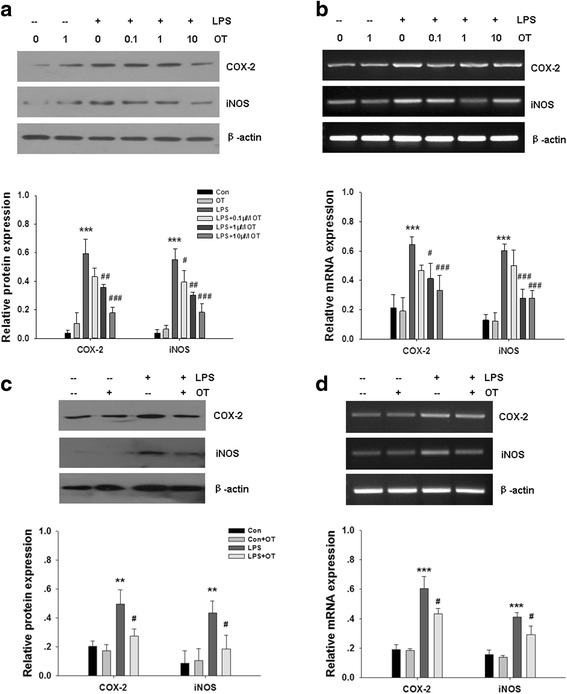
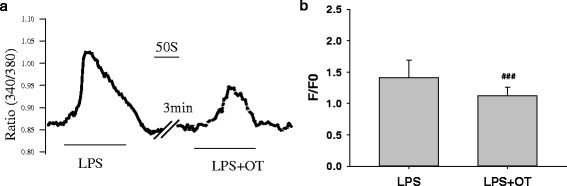
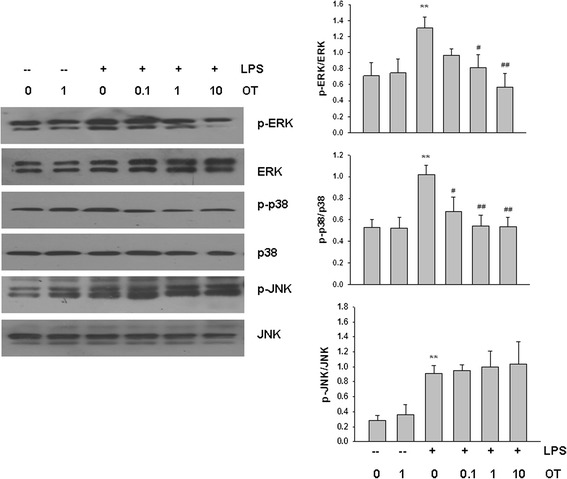
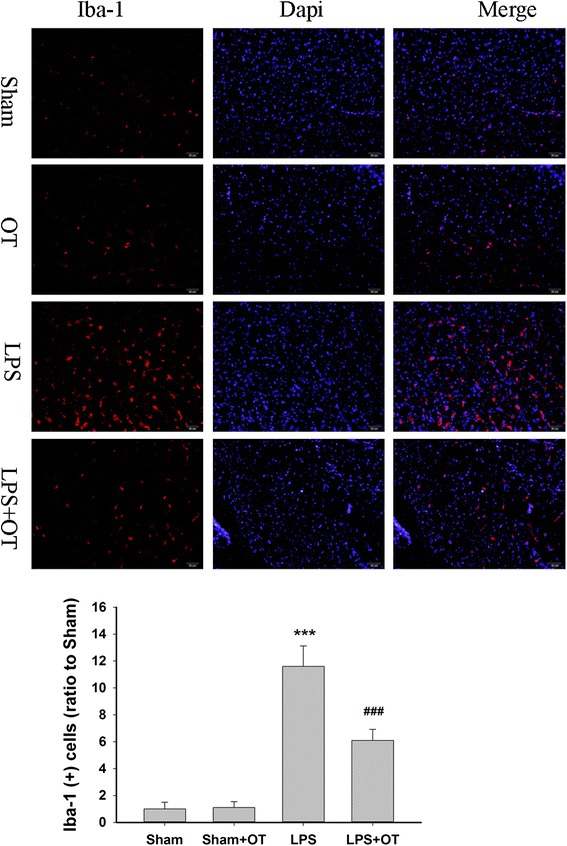
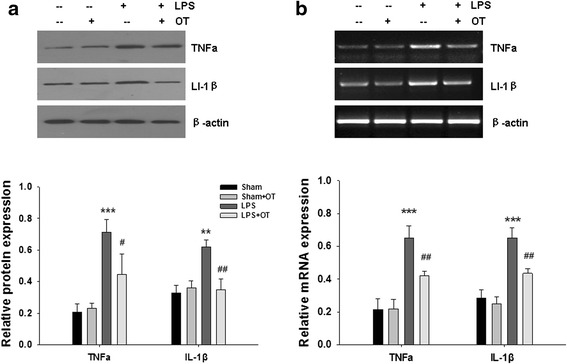
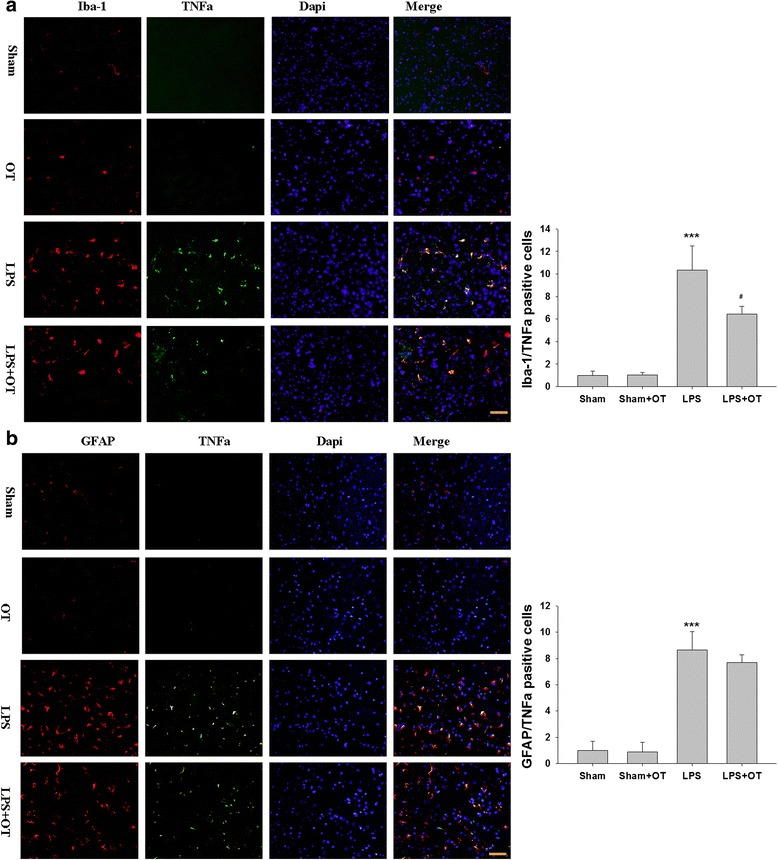
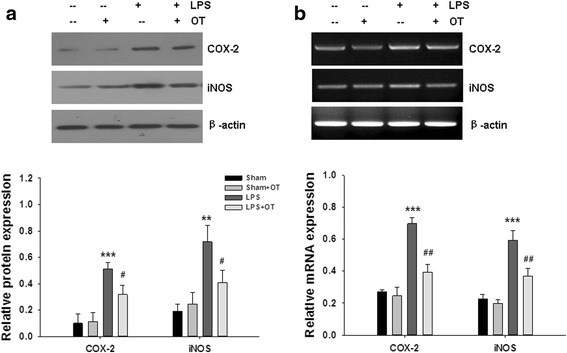
BACKGROUND: Overactivated microglia is involved in various kinds of neurodegenerative diseases. Suppression of microglial overactivation has emerged as a novel strategy for treatment of neuroinflammation-based neurodegeneration. In the current study, anti-inflammatory effects of oxytocin (OT), which is a highly conserved nonapeptide with hormone and neurotransmitter properties, were investigated in vitro and in vivo. METHODS: BV-2 cells and primary microglia were pre-treated with OT (0.1, 1, and 10 μM) for 2 h followed by LPS treatment (500 ng/ml); microglial activation and pro-inflammatory mediators were measured by Western blot, RT-PCR, and immunofluorescence. The MAPK and NF-κB pathway proteins were assessed by Western blot. The intracellular calcium concentration ([Ca(2+)]i) was determined using Fluo2-/AM assay. Intranasal application of OT was pre-treated in BALB/C mice (adult male) followed by injected intraperitoneally with LPS (5 mg/kg). The effect of OT on LPS-induced microglial activation and pro-inflammatory mediators was measured by Western blot, RT-PCR, and immunofluorescence in vivo. RESULTS: Using the BV-2 microglial cell line and primary microglia, we found that OT pre-treatment significantly inhibited LPS-induced microglial activation and reduced subsequent release of pro-inflammatory factors. In addition, OT inhibited phosphorylation of ERK and p38 but not JNK MAPK in LPS-induced microglia. OT remarkably reduced the elevation of [Ca(2+)]i in LPS-stimulated BV-2 cells. Furthermore, a systemic LPS-treated acute inflammation murine brain model was used to study the suppressive effects of OT against neuroinflammation in vivo. We found that pre-treatment with OT showed marked attenuation of microglial activation and pro-inflammatory factor levels. CONCLUSIONS: Taken together, the present study demonstrated that OT possesses anti-neuroinflammatory activity and might serve as a potential therapeutic agent for treating neuroinflammatory diseases.
Overview
The claims and statistics of this paper haven’t been checked yet.
Free: it reads the open-access text and checks the first 5 claims that cite a source we can check. Create a free account to check every claim.
Integrity signals
Registry
Cites
Statistics
Figures
Verification
Claims the paper makes
The claims and statistics of this paper haven’t been checked yet.
Free: it reads the open-access text and checks the first 5 claims that cite a source we can check. Create a free account to check every claim.
Claims other papers make about this one
Each is checked against this paper’s own text: does it say what the citing paper says it does?
The source backs part of the claim, not all of it — or backs it for a different population, condition or comparison.
In the citing paper
“Furthermore, OT is associated with lower inflammation, reduced microglial activation, and increased wound healing [177,178,179].”
From The Neurobiology of Love and Pair Bonding from Human and Animal Perspectives (2023) · cites this paper as [177]
Experimental — accuracy not yet measured
Self-check
Percentages, sums and reported differences re-computed from the paper’s own numbers.
The self-check needs the paper’s full text.
Citations
Cites
Microglia-mediated neurotoxicity: uncovering the molecular mechanisms
Block, M. L., Zecca, L., & Hong, J.-S. (2007) · Nature Reviews Neuroscience · doi:10.1038/nrn2038 · Cited by 4,110 · cited 2×
“kines released by excessive activated microglia are implicated in the process of neuronal injury [3].”
Mechanisms underlying inflammation in neurodegeneration
Glass, C. K., Saijo, K., Winner, B., Marchetto, M. C., & Gage, F. H. (2010) · Cell · doi:10.1016/j.cell.2010.02.016 · Cited by 3,580
LPS/TLR4 signal transduction pathway
Lu, Y.-C., Yeh, W.-C., & Ohashi, P. S. (2008) · Cytokine · doi:10.1016/j.cyto.2008.01.006 · Cited by 3,301
The oxytocin receptor system: structure, function, and regulation
Gimpl, G., & Fahrenholz, F. (2001) · Physiological Reviews · doi:10.1152/physrev.2001.81.2.629 · Cited by 3,089 · cited 6×
“Microglia, the resident immune cells of the central nervous system (CNS), is considered to play a key role in regulating neurotoxicity mediated by inflammatory response.”
InfluentialSystemic LPS causes chronic neuroinflammation and progressive neurodegeneration
Qin, L., Wu, X., Block, M. L., Liu, Y., Breese, G. R., Hong, J., Knapp, D. J., & Crews, F. T. (2007) · Glia · doi:10.1002/glia.20467 · Cited by 2,144 · cited 4×
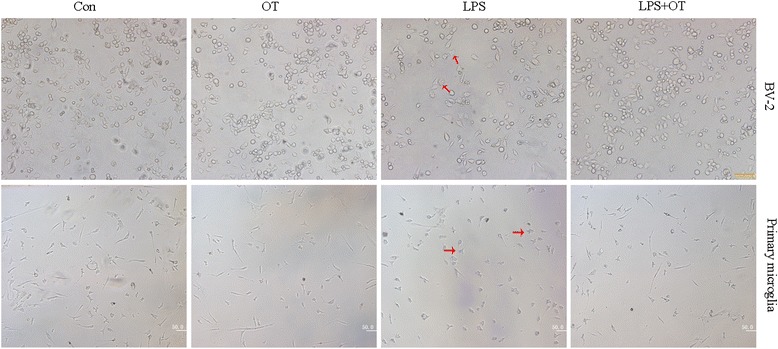
“Quiescent microglia exhibit a ramified cell morphology with relatively small size and numerous thin processes, whereas activated microglia become progressively less ramified and quickly develop an enlarged cell body with several short, thickened processes, resulting in a rounded ameboid-like appearance [4, 28].”
InfluentialMicroglia-specific localisation of a novel calcium binding protein, Iba1
Ito, D., Imai, Y., Ohsawa, K., Nakajima, K., Fukuuchi, Y., & Kohsaka, S. (1998) · Molecular Brain Research · doi:10.1016/s0169-328x(98)00040-0 · Cited by 1,476 · cited 1×
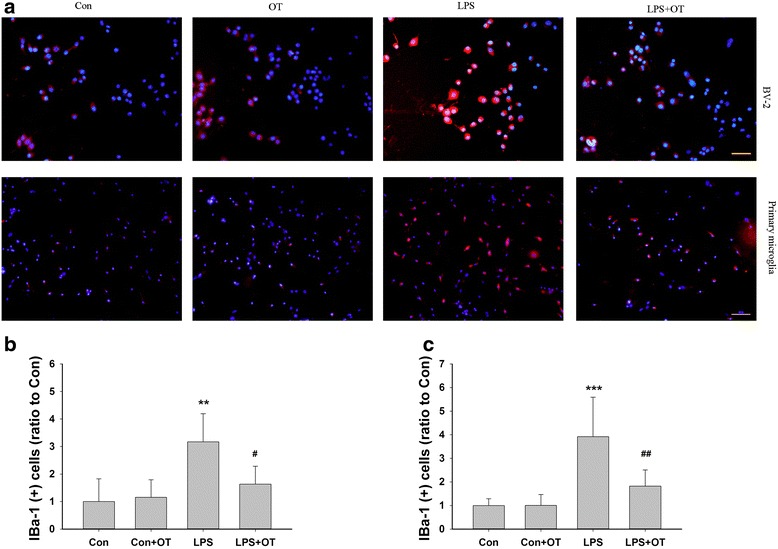
“Iba-1 is specifically and highly expressed in macrophage and microglia [29, 30].”
Streit, W. J., Walter, S. A., & Pennell, N. A. (1999) · Progress in Neurobiology · doi:10.1016/s0301-0082(98)00069-0 · Cited by 1,096
Liu, B., & Hong, J.-S. (2003) · The Journal of Pharmacology and Experimental Therapeutics · doi:10.1124/jpet.102.035048 · Cited by 1,095 · cited 1×
“identified as a common character during progression of many neurodegenerative diseases, including Alzheimer’s disease (AD) and Parkinson’s disease (PD) [1, 2].”
Immortalization of murine microglial cells by a v-raf / v-myc carrying retrovirus
Blasi, E., Barluzzi, R., Bocchini, V., Mazzolla, R., & Bistoni, F. (1990) · Journal of Neuroimmunology · doi:10.1016/0165-5728(90)90073-v · Cited by 1,053
Tetracyclines inhibit microglial activation and are neuroprotective in global brain ischemia
Yrjänheikki, J., Keinänen, R., Pellikka, M., Hökfelt, T., & Koistinaho, J. (1998) · Proceedings of the National Academy of Sciences · doi:10.1073/pnas.95.26.15769 · Cited by 1,006 · cited 1×
“Many recent studies have reported that anti-inflammatory agents exert their neuroprotective effects through inhibition of production of pro-inflammatory mediators [24, 25].”
Cited by
The oxytocin receptor: from intracellular signaling to behavior
Jurek, B., & Neumann, I. D. (2018) · Physiological Reviews · doi:10.1152/physrev.00031.2017 · Cited by 999
Diamond, L. M., & Alley, J. (2022) · Neuroscience & Biobehavioral Reviews · doi:10.1016/j.neubiorev.2022.104720 · Cited by 412
Is oxytocin “nature’s medicine”
Carter, C. S., Kenkel, W. M., MacLean, E. L., Wilson, S. R., Perkeybile, A. M., Yee, J. R., Ferris, C. F., Nazarloo, H. P., Porges, S. W., Davis, J. M., et al. (2020) · Pharmacological Reviews · doi:10.1124/pr.120.019398 · Cited by 394
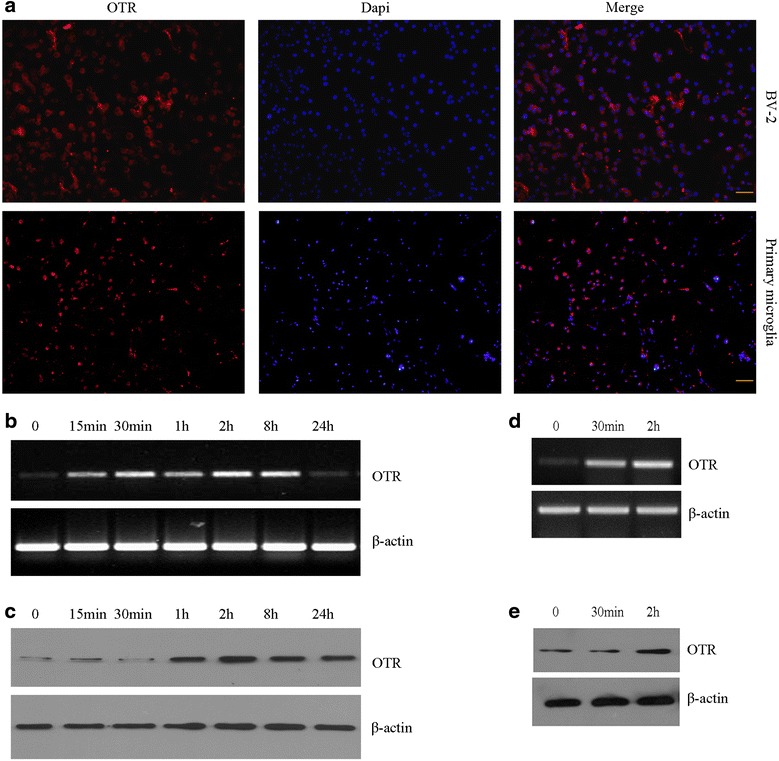
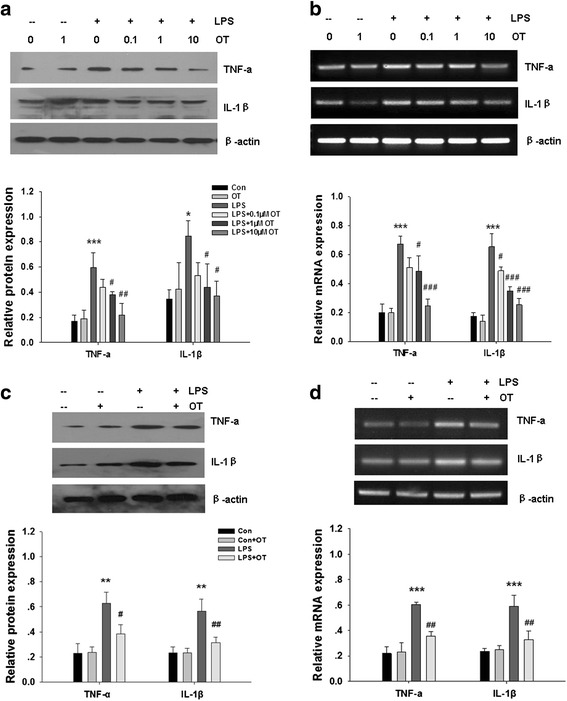
“Similarly, both Oxtr mRNA and OXTR protein are enriched in primary microglia stimulated with LPS, and treatment of these microglial cultures with oxytocin suppresses the LPSinduced production of TNF-a and IL-1b (Yuan et al., 2016).”
BackgroundMethodInfluentialPsychedelics in Psychiatry: Neuroplastic, Immunomodulatory, and Neurotransmitter Mechanisms
Inserra, A., De Gregorio, D., & Gobbi, G. (2021) · Pharmacological Reviews · doi:10.1124/pharmrev.120.000056 · Cited by 232
Social Safety Theory: Conceptual foundation, underlying mechanisms, and future directions
Slavich, G. M., Roos, L. G., Mengelkoch, S., Webb, C. A., Shattuck, E. C., Moriarity, D. P., & Alley, J. C. (2023) · Health Psychology Review · doi:10.1080/17437199.2023.2171900 · Cited by 151
Vagus nerve stimulation in brain diseases: Therapeutic applications and biological mechanisms
Wang, Y., Zhan, G., Cai, Z., Jiao, B., Zhao, Y., Li, S., & Luo, A. (2021) · Neuroscience & Biobehavioral Reviews · doi:10.1016/j.neubiorev.2021.04.018 · Cited by 206
Liu, J., Li, H., Gong, T., Chen, W., Mao, S., Kong, Y., Yu, J., & Sun, J. (2020) · Journal of Agricultural and Food Chemistry · doi:10.1021/acs.jafc.0c02807 · Cited by 199
Liu, Z., Ran, Y., Qie, S., Gong, W., Gao, F., Ding, Z., & Xi, J. (2019) · CNS Neuroscience & Therapeutics · doi:10.1111/cns.13261 · Cited by 189
Modelling resilience in adolescence and adversity: a novel framework to inform research and practice
Malhi, G. S., Das, P., Bell, E., Mattingly, G., & Mannie, Z. (2019) · Translational Psychiatry · doi:10.1038/s41398-019-0651-y · Cited by 133
Rehman, S. U., Ali, T., Alam, S. I., Ullah, R., Zeb, A., Lee, K. W., Rutten, B. P. F., & Kim, M. O. (2018) · Molecular Neurobiology · doi:10.1007/s12035-018-1280-9 · Cited by 158
Amini-Khoei, H., Mohammadi-Asl, A., Amiri, S., Hosseini, M.-J., Momeny, M., Hassanipour, M., Rastegar, M., Haj-Mirzaian, A., Mirzaian, A. H., Sanjarimoghaddam, H., et al. (2017) · Progress in Neuro-Psychopharmacology and Biological Psychiatry · doi:10.1016/j.pnpbp.2017.02.022 · Cited by 153
Xu, J., Yuan, C., Wang, G., Luo, J., Ma, H., Xu, L., Mu, Y., Li, Y., Seeram, N. P., Huang, X., et al. (2018) · Journal of Agricultural and Food Chemistry · doi:10.1021/acs.jafc.7b03285 · Cited by 144
The long and short term effects of motherhood on the brain
Duarte‐Guterman, P., Leuner, B., & Galea, L. A. M. (2019) · Frontiers in Neuroendocrinology · doi:10.1016/j.yfrne.2019.02.004 · Cited by 155
Oxytocin pathways in the intergenerational transmission of maternal early life stress
Toepfer, P., Heim, C., Entringer, S., Binder, E., Wadhwa, P., & Buss, C. (2017) · Neuroscience & Biobehavioral Reviews · doi:10.1016/j.neubiorev.2016.12.026 · Cited by 113
The transition to motherhood: linking hormones, brain and behaviour
Servin-Barthet, C., Martínez‐Garcia, M., Pretus, C., Paternina-Die, M., Soler, A., Khymenets, O., Pozo, Ó. J., Leuner, B., Vilarroya, Ó., & Carmona, S. (2023) · Nature reviews. Neuroscience · doi:10.1038/s41583-023-00733-6 · Cited by 125
Microglial Function in the Effects of Early-Life Stress on Brain and Behavioral Development
Catale, C., Gironda, S., Lo Iacono, L., & Carola, V. (2020) · Journal of Clinical Medicine · doi:10.3390/jcm9020468 · Cited by 97
The Role of Oxytocin in Cardiovascular Protection
Jankowski, M., Broderick, T. L., & Gutkowska, J. (2020) · Frontiers in Psychology · doi:10.3389/fpsyg.2020.02139 · Cited by 116
Oxytocin receptor agonist reduces perinatal brain damage by targeting microglia
Mairesse, J., Zinni, M., Pansiot, J., Hassan-Abdi, R., Demené, C., Colella, M., Charriaut‐Marlangue, C., Novais, A. R. B., Tanter, M., Maccari, S., et al. (2018) · Glia · doi:10.1002/glia.23546 · Cited by 108
The psychoneuroimmunology of pregnancy
Sherer, M. L., Posillico, C. K., & Schwarz, J. M. (2017) · Frontiers in Neuroendocrinology · doi:10.1016/j.yfrne.2017.10.006 · Cited by 102
A survey of neuroimmune changes in pregnant and postpartum female rats
Haim, A., Julian, D. L., Albin-Brooks, C., Brothers, H. M., Lenz, K. M., & Leuner, B. (2016) · Brain Behavior and Immunity · doi:10.1016/j.bbi.2016.09.026 · Cited by 92
Protective effect of oxytocin on LPS-induced acute lung injury in mice
An, X., Sun, X., Hou, Y., Yang, X., Chen, H., Zhang, P., & Wu, J. (2019) · Scientific Reports · doi:10.1038/s41598-019-39349-1 · Cited by 90
The Monogamy Paradox: What Do Love and Sex Have to Do With It?
Carter, C. S., & Perkeybile, A. M. (2018) · Frontiers in Ecology and Evolution · doi:10.3389/fevo.2018.00202 · Cited by 81
Inoue, T., Yamakage, H., Tanaka, M., Kusakabe, T., Shimatsu, A., & Satoh‐Asahara, N. (2019) · Cells · doi:10.3390/cells8060527 · Cited by 85
Neurophysiological and cognitive changes in pregnancy
Grattan, D. R., & Ladyman, S. R. (2020) · Handbook of clinical neurology · doi:10.1016/b978-0-444-64239-4.00002-3 · Cited by 86
Loth, M. K., & Donaldson, Z. R. (2021) · Endocrinology · doi:10.1210/endocr/bqaa223 · Cited by 74
Yang, M., Deng, S., Jiang, J., Tian, M., Xiao, L., & Gong, Y. (2023) · Stroke · doi:10.1161/strokeaha.123.043391 · Cited by 83
Wang, Y., Zhao, S., Liu, X., Zheng, Y., Li, L., & Meng, S. (2018) · Biomedicine & Pharmacotherapy · doi:10.1016/j.biopha.2018.07.148 · Cited by 75
Inflammatory markers in women with postpartum depressive symptoms
Bränn, E., Fransson, E., White, R. A., Papadopoulos, F. C., Edvinsson, Å., Kamali‐Moghaddam, M., Cunningham, J. L., Poromaa, I. S., & Skalkidou, A. (2018) · Journal of Neuroscience Research · doi:10.1002/jnr.24312 · Cited by 81
Baud, O., & Berkane, N. (2019) · Frontiers in Endocrinology · doi:10.3389/fendo.2019.00179 · Cited by 69
Sherer, M. L., Posillico, C. K., & Schwarz, J. M. (2017) · Brain Behavior and Immunity · doi:10.1016/j.bbi.2017.06.016 · Cited by 79
Erdman, S. E., & Poutahidis, T. (2016) · International review of neurobiology · doi:10.1016/bs.irn.2016.07.004 · Cited by 77
Kingsbury, M. A., & Bilbo, S. D. (2019) · Frontiers in Neuroendocrinology · doi:10.1016/j.yfrne.2019.100794 · Cited by 65
Buemann, B., & Uvnäs-Moberg, K. (2020) · Medical Hypotheses · doi:10.1016/j.mehy.2020.109597 · Cited by 66
Jiang, J., Zou, Y., Xie, C., Yang, M., Tong, Q., Yuan, M., Pei, X., Deng, S., Tian, M., Xiao, L., et al. (2023) · Brain, Behavior, and Immunity · doi:10.1016/j.bbi.2023.08.023 · Cited by 60
Moghadam, S. E., Tameh, A. A., Vahidinia, Z., Atlasi, M. A., Bafrani, H. H., & Naderian, H. (2017) · Journal of Stroke and Cerebrovascular Diseases · doi:10.1016/j.jstrokecerebrovasdis.2017.10.020 · Cited by 63
Oxytocin Nanogels Inhibit Innate Inflammatory Response for Early Intervention in Alzheimer’s Disease
Ye, C., Cheng, M., Ma, L., Zhang, T., Sun, Z., Yu, C., Wang, J., & Dou, Y. (2022) · ACS Applied Materials & Interfaces · doi:10.1021/acsami.2c00007 · Cited by 61
The Neurobiology of Love and Pair Bonding from Human and Animal Perspectives
Blumenthal, S. A., & Young, L. J. (2023) · Biology · doi:10.3390/biology12060844 · Cited by 59
Sellés, M. C., Fortuna, J. T. S., de Faria, Y. P. R., Siqueira, L. D., Lima‐Filho, R. A. S., Longo, B. M., Froemke, R. C., Chao, M. V., & Ferreira, S. T. (2023) · iScience · doi:10.1016/j.isci.2023.106545 · Cited by 60
Mitochondria, Oxytocin, and Vasopressin: Unfolding the Inflammatory Protein Response
Bordt, E. A., Smith, C. J., Demarest, T. G., Bilbo, S. D., & Kingsbury, M. A. (2019) · Neurotoxicity Research · doi:10.1007/s12640-018-9962-7 · Cited by 58
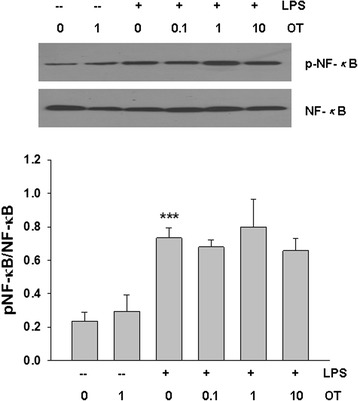
“OXT dampens proinflammatory pathways in both cell types, but through an NF-κB-independent mechanism in microglia (Yuan et al. 2016) and a NF-κBdependent mechanism in macrophages (Szeto et al.”
InfluentialEl-Ganainy, S. O., Soliman, O., Ghazy, A. A., Allam, M., Elbahnasi, A. I., Mansour, A. M., & Gowayed, M. A. (2022) · Neurochemical Research · doi:10.1007/s11064-022-03624-x · Cited by 61
Zou, Z., Chen, J., Feng, H.-F., Cheng, Y., Wang, H., Zhou, Z., Guo, H., Zheng, W., & Xu, J. (2017) · Journal of Pharmacology and Experimental Therapeutics · doi:10.1124/jpet.116.239608 · Cited by 58
Lü, Y., Gu, Y., Ding, X., Wang, J., Chen, J., & Miao, C. (2017) · PLoS ONE · doi:10.1371/journal.pone.0178098 · Cited by 57
Neuro-Inflammation Modulation and Post-Traumatic Brain Injury Lesions: From Bench to Bed-Side
Jacquens, A., Needham, E., Zanier, E. R., Degos, V., Gressèns, P., & Menon, D. K. (2022) · International Journal of Molecular Sciences · doi:10.3390/ijms231911193 · Cited by 56
Sun, L., Li, X., Wang, F., Zhang, J., Wang, D., Yuan, L., Wu, M., Wang, Z.-J., & Qi, J. (2016) · Journal of Neuroscience Research · doi:10.1002/jnr.23996 · Cited by 55
Self-citationImaging-genetics of sex differences in ASD: distinct effects of OXTR variants on brain connectivity
Hernandez, L. M., Lawrence, K. E., Padgaonkar, N. T., Inada, M., Hoekstra, J. N., Lowe, J. K., Eilbott, J., Jack, A., Aylward, E., Gaab, N., et al. (2020) · Translational Psychiatry · doi:10.1038/s41398-020-0750-9 · Cited by 54
Hypothalamic Neuropeptide Brain Protection: Focus on Oxytocin
Panaro, M. A., Benameur, T., & Porro, C. (2020) · Journal of Clinical Medicine · doi:10.3390/jcm9051534 · Cited by 54
Torres, N., Martins, D., dos Santos, A. J., Prata, D. P., & Veríssimo, M. (2018) · Neuroscience & Biobehavioral Reviews · doi:10.1016/j.neubiorev.2018.05.004 · Cited by 53
Neuroimmunology of the female brain across the lifespan: Plasticity to psychopathology
Barrientos, R. M., Brunton, P. J., Lenz, K. M., Pyter, L. M., & Spencer, S. J. (2019) · Brain Behavior and Immunity · doi:10.1016/j.bbi.2019.03.010 · Cited by 53
Muscatelli, F., Desarménien, M. G., Matarazzo, V. A., & Grinevich, V. (2017) · Current topics in behavioral neurosciences · doi:10.1007/7854_2017_16 · Cited by 54
Yoo, J., Han, J., & Lim, M. H. (2023) · RSC Chemical Biology · doi:10.1039/d3cb00052d · Cited by 52
Mizoguchi, Y., & Monji, A. (2017) · Frontiers in Cellular Neuroscience · doi:10.3389/fncel.2017.00069 · Cited by 47
Propofol attenuates BV2 microglia inflammation via NMDA receptor inhibition
Wu, Q., Zhao, Y., Chen, X., Zhu, M., & Miao, C. (2017) · Canadian Journal of Physiology and Pharmacology · doi:10.1139/cjpp-2017-0243 · Cited by 52
Oxytocin and Related Peptide Hormones: Candidate Anti-Inflammatory Therapy in Early Stages of Sepsis
Mehdi, S. F., Pusapati, S., Khenhrani, R. R., Farooqi, M. S., Sarwar, S., Alnasarat, A., Mathur, N., Metz, C. N., LeRoith, D., Tracey, K. J., et al. (2022) · Frontiers in Immunology · doi:10.3389/fimmu.2022.864007 · Cited by 49
Oxytocin and microglia in the development of social behaviour
Gonzalez, A. M., & Hammock, E. A. D. (2022) · Philosophical Transactions of the Royal Society B Biological Sciences · doi:10.1098/rstb.2021.0059 · Cited by 47
Beyond the brain: A multi-system inflammatory subtype of autism spectrum disorder
Thom, R. P., Keary, C. J., Palumbo, M. L., Ravichandran, C. T., Mullett, J. E., Hazen, E. P., Neumeyer, A. M., & McDougle, C. J. (2019) · Psychopharmacology · doi:10.1007/s00213-019-05280-6 · Cited by 48
Oxytocin Receptor Signaling in Vascular Function and Stroke
McKay, E. C., & Counts, S. (2020) · Frontiers in Neuroscience · doi:10.3389/fnins.2020.574499 · Cited by 47
Ketamine inhibits LPS‐mediated BV2 microglial inflammation via NMDA receptor blockage
Lu, Y., Ding, X., Wu, X., & Huang, S. (2019) · Fundamental and Clinical Pharmacology · doi:10.1111/fcp.12508 · Cited by 45
Gut microbiota modulate host immune cells in cancer development and growth
Erdman, S. E., & Poutahidis, T. (2016) · Free Radical Biology and Medicine · doi:10.1016/j.freeradbiomed.2016.11.013 · Cited by 44
Intertwined associations between oxytocin, immune system and major depressive disorder
Jiang, J., Yang, M., Tian, M., Chen, Z., Xiao, L., & Gong, Y. (2023) · Biomedicine & Pharmacotherapy · doi:10.1016/j.biopha.2023.114852 · Cited by 44
Interactions Between Inflammation and Female Sexual Desire and Arousal Function
Lorenz, T. K. (2019) · Current Sexual Health Reports · doi:10.1007/s11930-019-00218-7 · Cited by 42
Hypothalamic neuropeptides and neurocircuitries in Prader Willi syndrome
Corrêa‐da‐Silva, F., Fliers, E., Swaab, D. F., & Yi, C. (2021) · Journal of Neuroendocrinology · doi:10.1111/jne.12994 · Cited by 44
Cheng, M., Ye, C., Tian, C., Zhao, D., Li, H., Sun, Z., Miao, Y., Zhang, Q., Wang, J., & Dou, Y. (2023) · Bioactive Materials · doi:10.1016/j.bioactmat.2023.03.004 · Cited by 43
Advances in VNS efficiency and mechanisms of action on cognitive functions
Wang, W., Li, R., Li, C., Liang, Q., & Gao, X. (2024) · Frontiers in Physiology · doi:10.3389/fphys.2024.1452490 · Cited by 42
Momenabadi, S., Vafaei, A. A., Bandegi, A. R., Khorasani, M. Z., Mazaheri, Z., & Vakili, A. (2020) · NeuroMolecular Medicine · doi:10.1007/s12017-020-08613-3 · Cited by 42
Can intravenous oxytocin infusion counteract hyperinflammation in COVID-19 infected patients?
Buemann, B., Marazziti, D., & Uvnäs‐Moberg, K. (2020) · The World Journal of Biological Psychiatry · doi:10.1080/15622975.2020.1814408 · Cited by 40
Immune System Alterations and Postpartum Mental Illness: Evidence From Basic and Clinical Research
Dye, C. N., Lenz, K. M., & Leuner, B. (2022) · Frontiers in Global Women s Health · doi:10.3389/fgwh.2021.758748 · Cited by 42
Althammer, F., Eliava, M., & Grinevich, V. (2021) · Handbook of clinical neurology · doi:10.1016/b978-0-12-820107-7.00003-3 · Cited by 39
Acute Cerebellar Inflammation and Related Ataxia: Mechanisms and Pathophysiology
Parvez, M. S. A., & Ohtsuki, G. (2022) · Brain Sciences · doi:10.3390/brainsci12030367 · Cited by 38
The Role of Oxytocin in Abnormal Brain Development: Effect on Glial Cells and Neuroinflammation
Knoop, M. S., Possovre, M.-L., Jacquens, A., Charlet, A., Baud, O., & Darbon, P. (2022) · Cells · doi:10.3390/cells11233899 · Cited by 37
Zinni, M., Colella, M., Novais, A. R. B., Baud, O., & Mairesse, J. (2018) · Frontiers in Neurology · doi:10.3389/fneur.2018.00229 · Cited by 36
Wang, R., Afzal, A., Jing, X.-Y., Zhou, Y., Feng, J.-X., Chen, Z., Cao, D., & Liu, X. (2026) · Acta Pharmacologica Sinica · doi:10.1038/s41401-025-01693-6 · Cited by 35
Li, C., Bian, Y., Feng, Y., Tang, F., Wang, L., Hoi, M. P. M., Ma, D., Zhao, C., & Lee, S. M. (2019) · ACS Chemical Neuroscience · doi:10.1021/acschemneuro.8b00713 · Cited by 35
Li, Y., Zhang, X., & Li, Y. (2019) · CNS Spectrums · doi:10.1017/s1092852919001603 · Cited by 35
Oxytocin and oxygen: the evolution of a solution to the ‘stress of life’
Carter, C. S., & Kingsbury, M. A. (2022) · Philosophical Transactions of the Royal Society B Biological Sciences · doi:10.1098/rstb.2021.0054 · Cited by 34
Snider, B. M., Geiser, A., Yu, X.-P., Beebe, E., Willency, J. A., Qing, K., Guo, L., Lu, J., Wang, X., Yang, Q., et al. (2019) · Journal of the Endocrine Society · doi:10.1210/js.2019-00004 · Cited by 34
Self-citationFriuli, M., Eramo, B., Valenza, M., Scuderi, C., Provensi, G., & Romano, A. (2021) · International Journal of Molecular Sciences · doi:10.3390/ijms221910250 · Cited by 33
Li, C., Chen, T., Zhou, H., Feng, Y., Hoi, M. P. M., Ma, D., Zhao, C., Zheng, Y., & Lee, S. M. (2018) · Frontiers in Pharmacology · doi:10.3389/fphar.2018.00614 · Cited by 33
Romano, A., Friuli, M., Cifani, C., & Gaetani, S. (2020) · Neuropharmacology · doi:10.1016/j.neuropharm.2020.108082 · Cited by 33
Dou, D., Liang, J., Zhai, X., Li, G., Wang, H., Han, L., Lin, L., Ren, Y., Liu, S., Liu, C., et al. (2021) · Clinical Science · doi:10.1042/cs20201438 · Cited by 32
Self-citationThe Role of Oxytocin in Early-Life-Stress-Related Neuropsychiatric Disorders
Jin, Y., Song, D. F., Yan, Y., Quan, Z., & Qing, H. (2023) · International Journal of Molecular Sciences · doi:10.3390/ijms241310430 · Cited by 32
Potential Therapeutic Approaches for Cerebral Amyloid Angiopathy and Alzheimer’s Disease
Tanaka, M., Saitô, S., Inoue, T., Satoh‐Asahara, N., & Ihara, M. (2020) · International Journal of Molecular Sciences · doi:10.3390/ijms21061992 · Cited by 32
Kamrani-Sharif, R., Hayes, A. W., Gholami, M., Salehirad, M., Khani, M. A., Motaghinejad, M., & Emanuele, E. (2023) · Neuropeptides · doi:10.1016/j.npep.2023.102352 · Cited by 32
Alanazi, M. M., Havránek, T., Bakoš, J., Cubeddu, L. X., & Castejon, A. M. (2020) · Endocrine Regulations · doi:10.2478/enr-2020-0020 · Cited by 31
Oxytocin and Vasopressin, and the GABA Developmental Shift During Labor and Birth: Friends or Foes?
Ben‐Ari, Y. (2018) · Frontiers in Cellular Neuroscience · doi:10.3389/fncel.2018.00254 · Cited by 32
Perez, C. F., Reguilón, M. D., Manzanedo, C., Miñarro, J., & Rodríguez‐Arias, M. (2019) · Frontiers in Behavioral Neuroscience · doi:10.3389/fnbeh.2019.00148 · Cited by 30
Brain Neuropeptides, Neuroinflammation, and Irritable Bowel Syndrome
Ishioh, M., Nozu, T., & Okumura, T. (2023) · Digestion · doi:10.1159/000533275 · Cited by 28
Oxytocin reverses ethanol consumption and neuroinflammation induced by social defeat in male mice
Reguilón, M. D., Perez, C. F., Miñarro, J., & Rodríguez‐Arias, M. (2020) · Hormones and Behavior · doi:10.1016/j.yhbeh.2020.104875 · Cited by 28
Oxytocin prevents cartilage matrix destruction via regulating matrix metalloproteinases
Wu, Y., Wu, T., Xu, B., Xu, X., Chen, H., & Li, X. (2017) · Biochemical and Biophysical Research Communications · doi:10.1016/j.bbrc.2017.02.115 · Cited by 27
Lee, S.-L., Tu, S.-C., Hsu, M.-Y., & Chin, T. (2021) · International Journal of Molecular Sciences · doi:10.3390/ijms221910361 · Cited by 26
Duarte, M., Pedrosa, S. S., Khusial, P. R., & Madureira, A. R. (2024) · Mechanisms of Ageing and Development · doi:10.1016/j.mad.2024.111956 · Cited by 24
Shen, L., Chu, X., Zhang, Z., & Wu, T. (2021) · International Journal of Biological Macromolecules · doi:10.1016/j.ijbiomac.2021.11.178 · Cited by 24
Althammer, F., Wimmer, M. C., Krabichler, Q., Küppers, S., Schimmer, J., Fröhlich, H., Dötsch, L., Gruber, T., Wunsch, S., Schubert, T. S., et al. (2022) · Journal of Neuroendocrinology · doi:10.1111/jne.13217 · Cited by 24
Murgatroyd, C. A., Hicks-Nelson, A., Fink, A., Beamer, G., Gurel, K., Elnady, F., Pittet, F., & Nephew, B. C. (2016) · Frontiers in Endocrinology · doi:10.3389/fendo.2016.00155 · Cited by 22
Perkins, A. E., Varlinskaya, E. I., & Deak, T. (2019) · International review of neurobiology · doi:10.1016/bs.irn.2019.08.001 · Cited by 24
Lagos, J. J. R., Hadamitzky, M., Peña‐Castillo, M. Á., Echeverría, J. C., Bösche, K., Lückemann, L., Schedlowski, M., & Pacheco‐López, G. (2016) · Physiology & Behavior · doi:10.1016/j.physbeh.2016.07.013 · Cited by 24
Bidirectional regulation of the brain–gut–microbiota axis following traumatic brain injury
You, X., Niu, L., Fu, J., Ge, S., Shi, J., Zhang, Y., & Zhuang, P. (2024) · Neural Regeneration Research · doi:10.4103/nrr.nrr-d-24-00088 · Cited by 24
King, C. E., Griffin, W. C., Lopez, M. F., & Becker, H. C. (2021) · Neuropsychopharmacology · doi:10.1038/s41386-021-01046-x · Cited by 23
Identification of oxytocin expression in human and murine microglia
Maejima, Y., Yokota, S., Ono, T., Yu, Z., Yamachi, M., Hidema, S., Nollet, K. E., Nishimori, K., Tomita, H., Yaginuma, H., et al. (2022) · Progress in Neuro-Psychopharmacology and Biological Psychiatry · doi:10.1016/j.pnpbp.2022.110600 · Cited by 21
Varian, B. J., Weber, K. T., & Erdman, S. E. (2023) · Comprehensive Psychoneuroendocrinology · doi:10.1016/j.cpnec.2023.100205 · Cited by 20
Wang, C., Lou, Y., Xu, J., Feng, Z., Chen, Y., Tang, Q., Wang, Q., Jin, H., Wu, Y., Tian, N., et al. (2017) · The American Journal of Chinese Medicine · doi:10.1142/s0192415x17500793 · Cited by 21
Metadata
- Authors
- Yuan, L., Liu, S., Bai, X., Gao, Y., Liu, G., Wang, X., Liu, D., Li, T., Hao, A., & Wang, Z.
- Affiliations
- Shandong University (CN)
- Corresponding author
- Wang, Zhen
- Venue
- Journal of Neuroinflammation
- Published
- 2016-04-13
- Volume
- 13
- Issue
- 1
- Pages
- 77-77
- ISSN
- 1742-2094 (ISSN-L)
- PMC
- PMC4831099
- OpenAlex
- W2336708411
- Cited by
- 213
- References
- 52
- Citations by year
- 2026: 16 · 2025: 22 · 2024: 23 · 2023: 30 · 2022: 21 · 2021: 18 · 2020: 23 · 2019: 20 · 2018: 14 · 2017: 19 · 2016: 7
- FWCI
- 10.96
- Type
- journal article
- Language
- en
- Open access
- gold
- doi.org
- Licence
- cc-by
- Locations
- Journal of Neuroinflammation (publishedVersion, cc-by)
- PubMed Central (publishedVersion, cc-by)
- PubMed (publishedVersion)
- Funders
- Fundamental Research Funds of Shandong University (2015JC008)
- National Natural Science Foundation of China (81200879)
- Topics
- Life Sciences › Neuroscience › Neurology › Neuroinflammation and Neurodegeneration Mechanisms
- Life Sciences › Neuroscience › Endocrine and Autonomic Systems › Neuroendocrine regulation and behavior
- Life Sciences › Neuroscience › Cellular and Molecular Neuroscience › Neuropeptides and Animal Physiology
- Keywords
- oxytocin, microglial activation, neuroinflammation, lipopolysaccharide, anti-inflammatory activity, MAPK signaling, ERK, p38 MAPK, NF-κB, intracellular calcium, pro-inflammatory mediators, neurodegenerative diseases, intranasal administration
- MeSH terms
- Animals, Anti-Inflammatory Agents, Brain, Fluorescent Antibody Technique, Inflammation, Lipopolysaccharides, Mice, Inbred BALB C, Oxytocin, Blotting, Western, Microglia, Reverse Transcriptase Polymerase Chain Reaction, Mice
About these checks
Registry, retraction, Cites and statistics results are computed, not judged, with one exception: a printed reference that no index lists is read once by a model before it counts as a citation error. Claims are extracted by a model and kept only when their quote appears verbatim in the text; each cited source is then checked, with a model’s help, for whether it says what the claim relies on. Those verdicts can be wrong — read the claim’s quote and the cited source before relying on one.
Statistics and arithmetic are recomputed, not judged.
Confidence bands are shown only for fields calibrated on our annotated test set. None is calibrated yet, so no band is shown.
What counts as a claim ›How we measure confidence ›How we check this ›
Are you an author, or do you see a problem with this page? Request a review
Data sources
Bibliographic data: Semantic Scholar, OpenAlex, Crossref.
Contains information from the Semantic Scholar Academic Graph Datasets, made available under the ODC Attribution License (ODC-BY 1.0).
Semantic Scholar’s data is described in: Kinney, R., et al. (2023). The Semantic Scholar Open Data Platform. arXiv:2301.10140.
