

HMGB1 mediates synaptic loss and cognitive impairment in an animal model of sepsis-associated encephalopathy
Open accessThe DOI matches its Crossref record; 62 of the 62 references it cites were found in a registry or an index.
Abstract
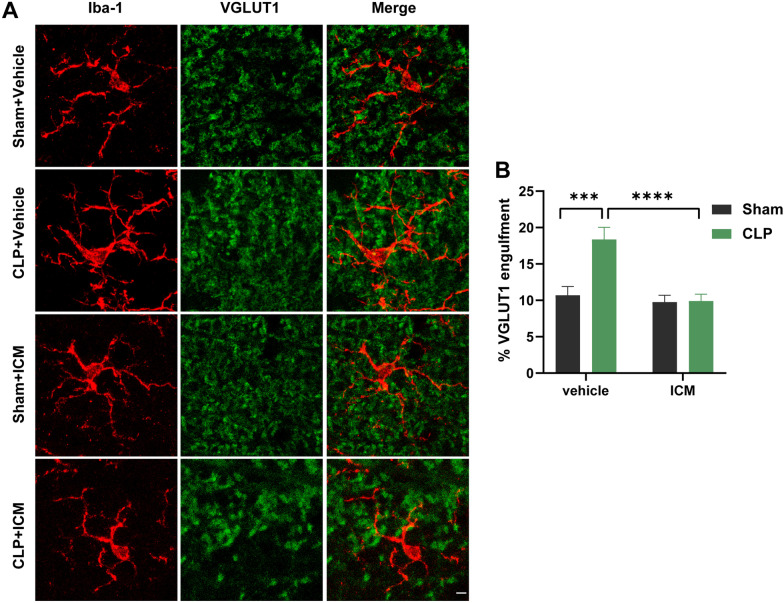
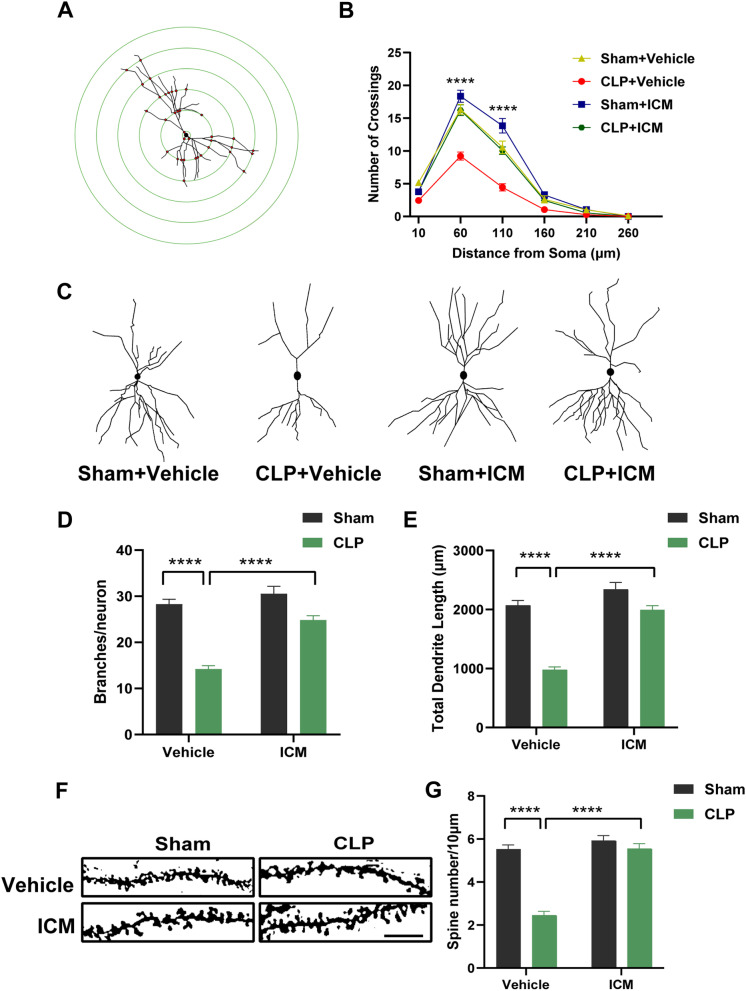
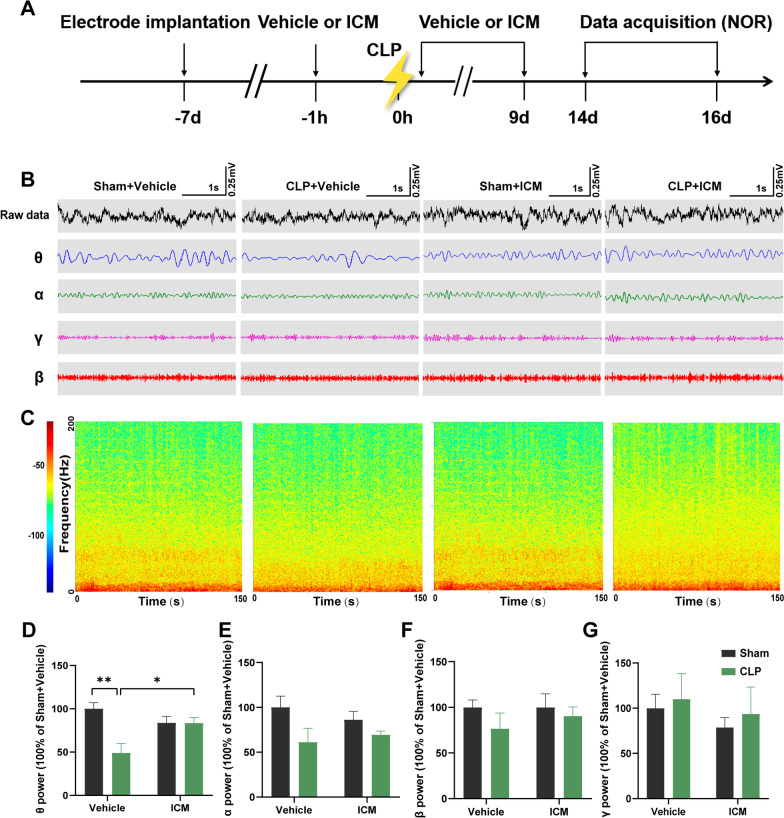
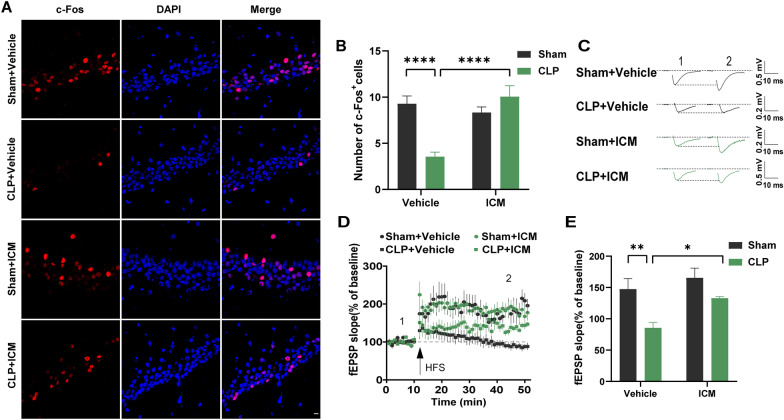
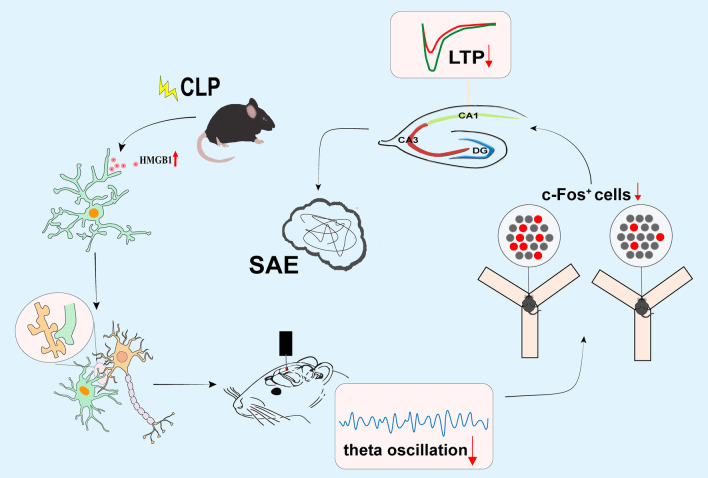
Background: Microglial activation-mediated neuroinflammation is one of the essential pathogenic mechanisms of sepsis-associated encephalopathy (SAE). Mounting evidence suggests that high mobility group box-1 protein (HMGB1) plays a pivotal role in neuroinflammation and SAE, yet the mechanism by which HMGB1 induces cognitive impairment in SAE remains unclear. Therefore, this study aimed to investigate the mechanism of HMGB1 underlying cognitive impairment in SAE. Methods: An SAE model was established by cecal ligation and puncture (CLP); animals in the sham group underwent cecum exposure alone without ligation and perforation. Mice in the inflachromene (ICM) group were continuously injected with ICM intraperitoneally at a daily dose of 10 mg/kg for 9 days starting 1 h before the CLP operation. The open field, novel object recognition, and Y maze tests were performed on days 14–18 after surgery to assess locomotor activity and cognitive function. HMGB1 secretion, the state of microglia, and neuronal activity were measured by immunofluorescence. Golgi staining was performed to detect changes in neuronal morphology and dendritic spine density. In vitro electrophysiology was performed to detect changes in long-term potentiation (LTP) in the CA1 of the hippocampus. In vivo electrophysiology was performed to detect the changes in neural oscillation of the hippocampus. Results: CLP-induced cognitive impairment was accompanied by increased HMGB1 secretion and microglial activation. The phagocytic capacity of microglia was enhanced, resulting in aberrant pruning of excitatory synapses in the hippocampus. The loss of excitatory synapses reduced neuronal activity, impaired LTP, and decreased theta oscillation in the hippocampus. Inhibiting HMGB1 secretion by ICM treatment reversed these changes. Conclusions: HMGB1 induces microglial activation, aberrant synaptic pruning, and neuron dysfunction in an animal model of SAE, leading to cognitive impairment. These results suggest that HMGB1 might be a target for SAE treatment.
Overview
The claims and statistics of this paper haven’t been checked yet.
Free: it reads the open-access text and checks the first 5 claims that cite a source we can check. Create a free account to check every claim.
Integrity signals
Registry
Cites
Statistics
Figures
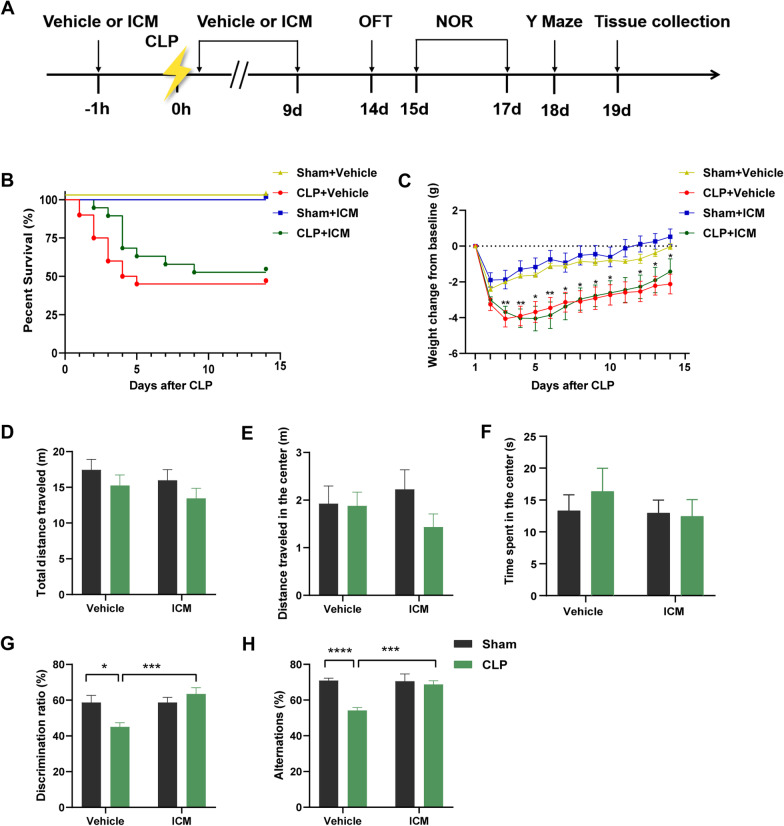
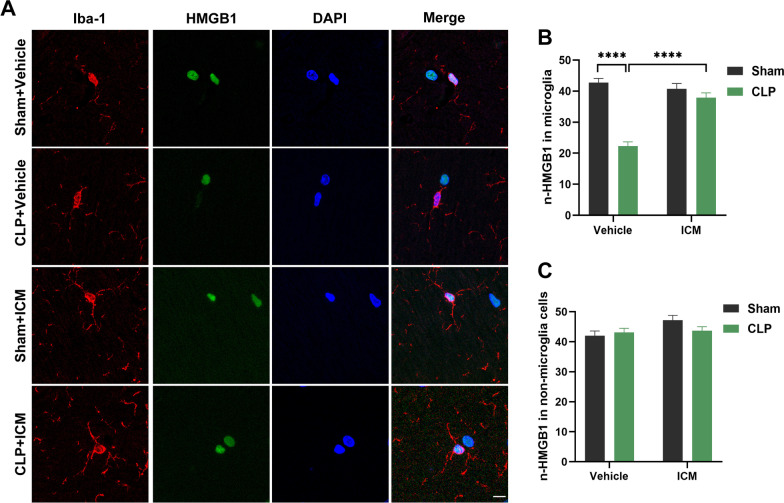
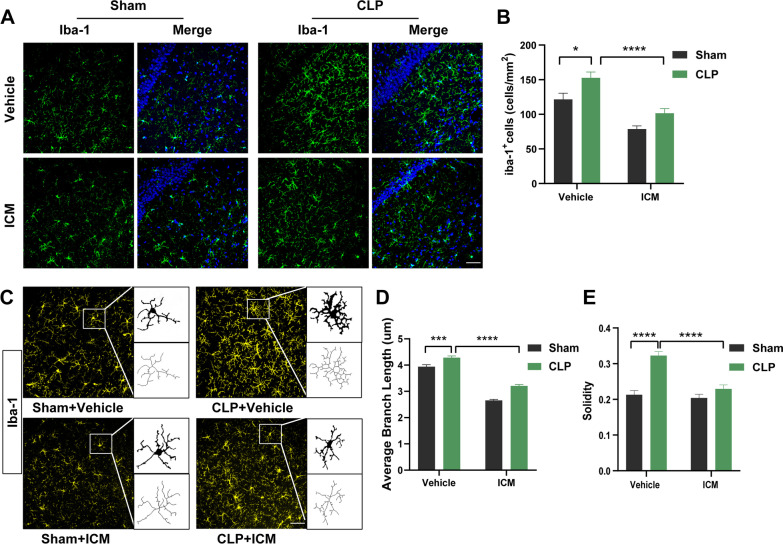
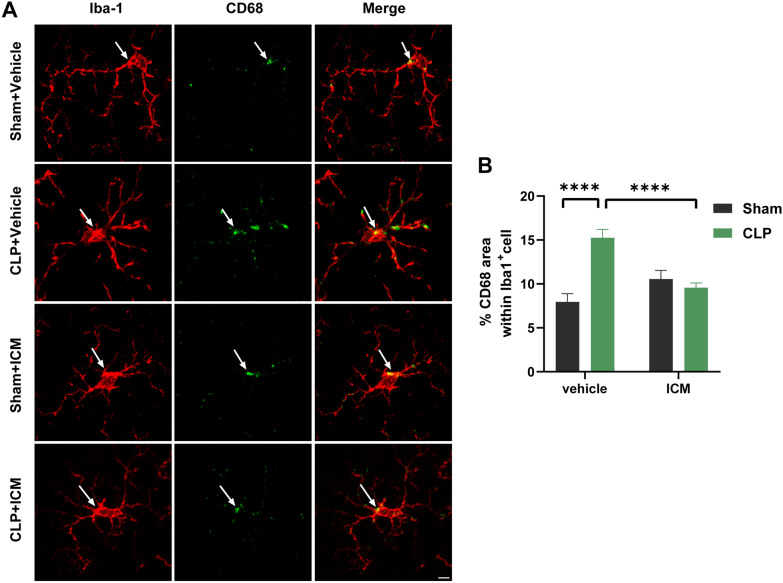
Verification
Claims the paper makes
The claims and statistics of this paper haven’t been checked yet.
Free: it reads the open-access text and checks the first 5 claims that cite a source we can check. Create a free account to check every claim.
Claims other papers make about this one
Each is checked against this paper’s own text: does it say what the citing paper says it does?
The source backs part of the claim, not all of it — or backs it for a different population, condition or comparison.
In the citing paper
“HMGB1 inhibitors restore synaptic pruning balance [25,26]”
From Research Advances in the Pathogenesis of Sepsis-Associated Encephalopathy (2026) · cites this paper as [25]
Experimental — accuracy not yet measured
Self-check
Percentages, sums and reported differences re-computed from the paper’s own numbers.
The self-check needs the paper’s full text.
Citations
Cites
HMG-1 as a Late Mediator of Endotoxin Lethality in Mice
Wang, H., Bloom, O., Zhang, M., Vishnubhakat, J. M., Ombrellino, M., Che, J., Frazier, A., Yang, H., Ivanova, S., Borovikova, L., et al. (1999) · Science · doi:10.1126/science.285.5425.248 · Cited by 3,385 · cited 1×
“HMGB1 is released passively from damaged cells and is actively extracellularly secreted by activated immune cells [8].”
BackgroundYang, Y., Li, S., Yang, Q., Shi, Y., Zheng, M., Liu, Y., Chen, F., Song, G., Xu, H., Wan, T., et al. (2014) · Cellular Physiology and Biochemistry · doi:10.1159/000358696 · Cited by 3,253
HMGB1 is a therapeutic target for sterile inflammation and infection
Andersson, U., & Tracey, K. J. (2011) · Annual Review of Immunology · doi:10.1146/annurev-immunol-030409-101323 · Cited by 1,437
Repertoire of microglial and macrophage responses after spinal cord injury
David, S., & Kroner, A. (2011) · Nature Reviews Neuroscience · doi:10.1038/nrn3053 · Cited by 1,297 · cited 1×
“Microglia are activated under pathological conditions, inducing synaptic loss, neuron dysfunction, and neural circuit disruption [20, 21].”
BackgroundSpectral fingerprints of large-scale neuronal interactions
Siegel, M., Donner, T. H., & Engel, A. K. (2012) · Nature Reviews Neuroscience · doi:10.1038/nrn3137 · Cited by 1,295
Sepsis-associated encephalopathy
Gofton, T. E., & Young, G. B. (2012) · Nature Reviews Neurology · doi:10.1038/nrneurol.2012.183 · Cited by 821 · cited 3×
“BBB damage, cerebral microcirculation dysfunction, abnormal inflammatory response, and abnormal brain metabolism may all be involved in SAE development, but the specific mechanisms are not yet known [1].”
BackgroundMicroglia: Immune and non-immune functions
Borst, K., Dumas, A. A., & Prinz, M. (2021) · Immunity · doi:10.1016/j.immuni.2021.09.014 · Cited by 804
Cecal ligation and puncture: the gold standard model for polymicrobial sepsis?
Dejager, L., Pinheiro, I., Dejonckheere, E., & Libert, C. (2011) · Trends in Microbiology · doi:10.1016/j.tim.2011.01.001 · Cited by 784
Novel role of PKR in inflammasome activation and HMGB1 release
Lu, B., Nakamura, T., Inouye, K., Li, J., Tang, Y., Lundbäck, P., Valdes-Ferrer, S. I., Olofsson, P. S., Kalb, T., Roth, J., et al. (2012) · Nature · doi:10.1038/nature11290 · Cited by 757 · cited 1×
“In addition, a previous study reported that double-stranded RNA dependent protein kinase could physically interact with inflammasome components and mediates inflammasome activation, thus regulating release of HMGB1 [31].”
BackgroundMicroglia mediate forgetting via complement-dependent synaptic elimination
Wang, C., Yue, H., Hu, Z., Shen, Y., Ma, J., Li, J., Wang, X.-D., Wang, L., Sun, B., Shi, P., et al. (2020) · Science · doi:10.1126/science.aaz2288 · Cited by 629 · cited 1×
“Microglia are activated under pathological conditions, inducing synaptic loss, neuron dysfunction, and neural circuit disruption [20, 21].”
Background
Cited by
Gaikwad, S., Senapati, S., Haque, M. A., & Kayed, R. (2024) · Alzheimer's & Dementia · doi:10.1002/alz.13490 · Cited by 117
“57,87 90 Importantly,exposuretopathologicalproteinaggregates such as A β and TauO triggers HMGB1 release, chronic inflammation, and upregulation of RAGE and TLR4 signaling pathways.”
BackgroundSepsis-associated encephalopathy: From pathophysiology to clinical management
Hong, Y., Chen, P., Gao, J., Lin, Y., Chen, L., & Shang, X. (2023) · International Immunopharmacology · doi:10.1016/j.intimp.2023.110800 · Cited by 102
Wu, X., Gao, Y.-Z., Shi, C., Tong, J.-H., Ma, D., Shen, J.-C., Yang, J., & Ji, M. (2023) · Neuropharmacology · doi:10.1016/j.neuropharm.2023.109646 · Cited by 82
Self-citationThe impact of neuroinflammation on neuronal integrity
Tastan, B., & Heneka, M. T. (2024) · Immunological Reviews · doi:10.1111/imr.13419 · Cited by 84
“193,211 These mediators modulate synaptic transmission, synaptic plasticity, and LTP across various neuroinflammation models.”
Mechanisms underlying delirium in patients with critical illness
Fan, Y.-Y., Luo, R.-Y., Wang, M., Yuan, C.-Y., Sun, Y., & Jing, J. (2024) · Frontiers in Aging Neuroscience · doi:10.3389/fnagi.2024.1446523 · Cited by 80
TRIM45 aggravates microglia pyroptosis via Atg5/NLRP3 axis in septic encephalopathy
Huang, X., Ye, C., Zhao, X., Tong, Y., Lin, W., Huang, Q., Zheng, Y., Wang, J., Zhang, A., & Mo, Y. (2023) · Journal of Neuroinflammation · doi:10.1186/s12974-023-02959-8 · Cited by 60
“Abnormal hippocampus structure is associated with cognitive dysfunction [18, 19], and we again referenced the single-cell website to analyse the changes in TRIM45 in different regions of the hippocampus in normal mice.”
BackgroundJiang, J., Zou, Y., Xie, C., Yang, M., Tong, Q., Yuan, M., Pei, X., Deng, S., Tian, M., Xiao, L., et al. (2023) · Brain, Behavior, and Immunity · doi:10.1016/j.bbi.2023.08.023 · Cited by 60
High Mobility Group Box 1 (HMGB1): Molecular Signaling and Potential Therapeutic Strategies
Datta, S., Rahman, M. A., Koka, S., & Boini, K. M. (2024) · Cells · doi:10.3390/cells13231946 · Cited by 59
Gut-brain axis in the pathogenesis of sepsis-associated encephalopathy
Wang, X., Wen, X., Yuan, S., & Zhang, J. (2024) · Neurobiology of Disease · doi:10.1016/j.nbd.2024.106499 · Cited by 47
Fu, Q., Zhang, Y.-B., Shi, C.-X., Jiang, M., Lu, K., Fu, Z.-H., Ruan, J.-P., Wu, J., & Gu, X.-P. (2024) · Journal of Neuroinflammation · doi:10.1186/s12974-024-03084-w · Cited by 42
“The number of animals used in each experiment is based on our previous studies [7, 10] and relevant researches [11, 30, 31] in the field.”
MethodResultMa, Y., She, X., Liu, Y., & Qin, X. (2024) · Communications Biology · doi:10.1038/s42003-024-06236-z · Cited by 39
Grünewald, B., Wickel, J., Hahn, N., Rahmati, V., Rupp, H., Chung, H., Haselmann, H., Strauß, A., Schmidl, L., Hempel, N., et al. (2024) · Molecular Therapy · doi:10.1016/j.ymthe.2024.05.001 · Cited by 35
“73 – 75 These alterations were observed at early time points in polymicrobial sepsis models and after LPS challenge but induce behavioral abnormalities also in late stages after experimental sepsis.”
Yao, P., Wu, L., Yao, H., Shen, W., & Hu, P. (2024) · European journal of medical research · doi:10.1186/s40001-024-02129-3 · Cited by 38
Zhou, Z., Yang, Y., Wei, Y., & Xie, Y. (2024) · Neurochemical Research · doi:10.1007/s11064-024-04115-x · Cited by 30
Gao, S., Shen, R., Li, J., Jiang, Y., Sun, H., Wu, X., Li, X., Miao, C., He, M., Wang, J., et al. (2024) · Proceedings of the National Academy of Sciences · doi:10.1073/pnas.2410564121 · Cited by 34
“Interventions targeting microglia activation have been demonstrated to alleviate cognitive impairment ( 36 – 39 ).”
Convergence of sepsis-associated encephalopathy pathogenesis onto microglia
Xiao, D., Wang, X., Liang, W., Yang, Y., Du, Y., Liu, C., Xu, F., Yang, Y., Wei, M., & Yang, G. (2025) · Journal of Translational Medicine · doi:10.1186/s12967-025-06635-8 · Cited by 36
“All of these pathogeneses induced by microglia ultimately result in neuronal death and cognitive impairment animal model of SAE [183].”
Wu, Y., Zhang, Y., Yu, Y., Wang, X., Zhen, Z., Yuan, Y., Xie, B., Han, M., Wang, M., Zhang, X., et al. (2025) · Nature Communications · doi:10.1038/s41467-025-62181-3 · Cited by 29
“Importantly, our investigation concentrated on the hippocampal CA1 region, a brain area particularly susceptible to neu-roin fl ammatory insults 32,39 and critical for processing diverse inputs essential for learning and memory 40 .”
Jing, G., Gong, H., Wang, H., Zuo, J., Wu, D., Liu, H., Wang, X., Yuan, M., Xia, Y. F., Du, T., et al. (2025) · Journal of Neuroinflammation · doi:10.1186/s12974-025-03480-w · Cited by 31
“During sepsis-induced systemic inflammation, they can be rapidly activated and release various pro-inflammatory cytokines, exacerbating inflammation in the brain, leading to neuronal damage and resulting in symptoms such as cognitive impairment and altered consciousness in SAE patients [5, 6].”
Microglial activation and neuroinflammation in acute and chronic cognitive deficits in sepsis
Denver, P., & Cunningham, C. M. (2024) · Neuropharmacology · doi:10.1016/j.neuropharm.2024.110285 · Cited by 37
Dumbuya, J. S., Chen, X., Du, J., Li, S., Liang, L., Xie, H., & Zeng, Q. (2023) · International Immunopharmacology · doi:10.1016/j.intimp.2023.110758 · Cited by 28
Current Progress on Postoperative Cognitive Dysfunction: An Update
Sun, J., Du, X., & Chen, Y. (2024) · Journal of Integrative Neuroscience · doi:10.31083/j.jin2312224 · Cited by 29
Acute and long-term cognitive impairment following sepsis: mechanism and prevention
Ji, M., Gao, Y.-Z., Shi, C., Wu, X., & Yang, J. (2023) · Expert Review of Neurotherapeutics · doi:10.1080/14737175.2023.2250917 · Cited by 24
“mediate cognitive decline in sepsis animals [65,66].”
Self-citationYang, X., Duan, H., Li, S., Zhang, J., Dong, L., Ding, J., & Li, X. (2024) · Journal of Cellular and Molecular Medicine · doi:10.1111/jcmm.70156 · Cited by 22
Jin, K., Chen, B., Han, S., Dong, J., Cheng, S., Qin, B. Y., & Lü, J. (2024) · Research · doi:10.34133/research.0384 · Cited by 26
Yang, Y., Ke, J., Cao, Y., Gao, Y., & Lin, C. (2024) · Biomedicine & Pharmacotherapy · doi:10.1016/j.biopha.2024.117092 · Cited by 17
Hong, C., Wang, L., Zhou, X., Zou, L., Xiang, X., Deng, H., Li, Q., Wu, Y., Liu, L., & Li, T. (2025) · CNS Neuroscience & Therapeutics · doi:10.1111/cns.70149 · Cited by 18
Inflachromene inhibits intimal hyperplasia through the HMGB1/2- regulated TLR4-NF-κB pathway
Teng, S., Zhu, Z., Wu, C., He, Y., & Zhou, S. (2023) · International Immunopharmacology · doi:10.1016/j.intimp.2023.110198 · Cited by 16
Shi, C., Wu, X., Gao, Y.-Z., Ma, D., Yang, J., & Ji, M. (2024) · Journal of Affective Disorders · doi:10.1016/j.jad.2024.05.144 · Cited by 17
Self-citationZhu, T., Yao, Y., Ding, J., Zhang, C., Xia, N., Tao, Y., Zhang, W., Qi, H., Gong, L., & Jiang, P. (2024) · International Immunopharmacology · doi:10.1016/j.intimp.2024.112744 · Cited by 17
Huang, X., Zheng, Y., Wang, N., Zhao, M., Liu, J., Wen, L., Zhu, Y. F., Xie, X., Lv, Y., Wang, J., et al. (2024) · Inflammation · doi:10.1007/s10753-024-02105-3 · Cited by 19
Lv, X., Jia, M., Feng, X., Jian, J., Yang, J., Ma, D., Ji, M., Diao, Y., & Shen, J.-C. (2024) · CNS Neuroscience & Therapeutics · doi:10.1111/cns.70166 · Cited by 19
Self-citationThe progress of the microbe-gut-brain axis in sepsis-associated encephalopathy
He, C., Shi, H., Yu, Z., Ma, C., Jiao, Z., Li, J., & Yang, F. (2025) · Frontiers in Cellular and Infection Microbiology · doi:10.3389/fcimb.2025.1587463 · Cited by 17
Zeng, Q., Wang, J., Yue, R., Wang, F.-S., Xu, Y., Su, Y.-P., Zhang, Q., Zheng, Y., Zhang, G.-F., Li, B., et al. (2024) · Phytomedicine · doi:10.1016/j.phymed.2024.156071 · Cited by 16
Potential of piperine for neuroprotection in sepsis-associated encephalopathy
Ferreira, F. M., Gomes, S. V., Carvalho, L. C. F., de Alcântara, A. C., Castro, M. L. D. C., Perucci, L. O., Pio, S., Talvani, A., Vieira, P. M. D. A., Calsavara, A. J. C., et al. (2023) · Life Sciences · doi:10.1016/j.lfs.2023.122353 · Cited by 18
Minocycline mitigated enduring neurological consequences in the mice model of sepsis
Hosseini, M., Bardaghi, Z., Askarpour, H., Jafari, M. M., Golkar, A., Shirzad, S., Rajabian, A., & Salmani, H. (2024) · Behavioural Brain Research · doi:10.1016/j.bbr.2024.114856 · Cited by 13
Wang, P., Liang, L., Ge, Q., Liu, S., Yang, Z., & Jiang, L. (2024) · International Immunopharmacology · doi:10.1016/j.intimp.2024.112840 · Cited by 11
JAK/STAT inhibitors mitigate sepsis‐associated cerebral and cognitive injury
Bhadauriya, M. S., Singh, H., Suri, M., Hanifa, M., & Bali, A. (2025) · Fundamental and Clinical Pharmacology · doi:10.1111/fcp.70005 · Cited by 16
“…mediators) and puncture (which increases the distribution of gram-negative bacteria like E. coli in the abdomen) cause pathophysiological phenomena in the body, which results in cerebral dysfunctions and long cognitive impairment that mimic clinical sepsis-associated encephalopathy [8, 50].”
InfluentialZhang, X., Huang, K., Wu, Z., Ding, R., Han, J., Zhang, Y., Lu, Y., Lu, Y., & Si, Y. (2025) · Pharmacology & Therapeutics · doi:10.1016/j.pharmthera.2025.108971 · Cited by 14
Role of SIRT1 in sepsis‐induced encephalopathy: Molecular targets for future therapies
Shehata, A. H., Anter, A. F., & Ahmed, A. F. (2023) · European Journal of Neuroscience · doi:10.1111/ejn.16167 · Cited by 10
“Microglia activation-induced neuroinflammation is a critical pathogenic pathway in the development of SAE (Yin et al., 2023).”
BackgroundXie, D., Ma, Y., Gao, C., & Pan, S. (2024) · International Immunopharmacology · doi:10.1016/j.intimp.2024.113045 · Cited by 13
Yang, L., Li, J., Liu, F., Chai, X., Fang, Z., & Zhang, X. (2024) · Current Neuropharmacology · doi:10.2174/1570159x23666241028105746 · Cited by 10
“After CLP, the decrease in nuclear HMGB1 levels also confirmed the increased release of HMGB1 [108].”
InfluentialLing, J., Yu, S., Xiong, F., & Li, S. (2023) · International Immunopharmacology · doi:10.1016/j.intimp.2023.110448 · Cited by 10
Wang, Y., Ni, P., Zhuang, D., Zhou, P., Zhu, F., Yin, D., Zhu, R., Mei, B., & Hu, S. (2024) · Journal of Neuroimmunology · doi:10.1016/j.jneuroim.2024.578367 · Cited by 13
Li, L., Du, L.-X., Gan, G., Li, J., Yang, L., Wu, Y., Fang, Z., & Zhang, X. (2024) · CNS Neuroscience & Therapeutics · doi:10.1111/cns.14758 · Cited by 15
“We did not perform a sepsis model that established in previous published articles such as cecal ligation and puncture (CLP) 36,37 or LPS intra - peritoneal injection, 38 which have been proven to lead to systemic lipid metabolism disorders.”
MethodZhang, Y., Xin, J., Zhao, D., Chen, G., Ji, P., Liu, P., Wei, H., Wang, H., Xia, Y., Wang, Y., et al. (2025) · Biomaterials · doi:10.1016/j.biomaterials.2025.123279 · Cited by 10
Self-citationJiang, J., Ai, S., Yuan, C., Wang, Q., Xu, B., Zhou, L., Zhang, L., Chen, Y., Yu, T., & Wang, H. (2025) · Brain Behavior and Immunity · doi:10.1016/j.bbi.2025.05.006 · Cited by 9
Xu, H., Lin, Y., Yu, J., Zhang, N., Hu, J., Qu, J., Yuan, C.-M., Chen, D., Liang, M., Cai, H.-D., et al. (2024) · European Journal of Pharmacology · doi:10.1016/j.ejphar.2024.176665 · Cited by 11
Correlation of serum H-FABP, sTREM-1, and HMGB1 levels with severity and prognosis of sepsis
Jiang, S. (2024) · American Journal of Translational Research · doi:10.62347/kelz4296 · Cited by 8
CAR Treg therapies for neurodegenerative diseases
Stein, D. N., & Gendelman, H. E. (2026) · iScience · doi:10.1016/j.isci.2026.114988 · Cited by 10
“41 The effects of sustained, chronic neuroinflammation include synaptic loss, edema, and cell death, 42,43 and can lead to the accumulation of neurotoxic and cytotoxic metabolites.”
Xiong, F., Wang, C., Lu, J., Bai, G., Zhou, D., & Ling, J. (2024) · Experimental Neurology · doi:10.1016/j.expneurol.2024.114738 · Cited by 10
Gypenoside XLIX alleviates sepsis-associated encephalopathy by targeting PPAR-α
Zhao, P., Zhang, W., Zhou, X., Zhao, Y., Li, A., & Sun, Y. (2024) · Experimental Neurology · doi:10.1016/j.expneurol.2024.115027 · Cited by 7
Self-citationNgadimon, I. W., Mohan, D., Shaikh, M. F., Khoo, C. S., Tan, H. J., Lee, Y. M., Chamhuri, N. S., Fadzil, F., Zolkafli, N., Arulsamy, A., et al. (2025) · Epilepsia Open · doi:10.1002/epi4.70001 · Cited by 7
“9,33 HMGB1 has also been shown to exacerbate neuronal damage in experimental models of Alzheimer's disease and TBI through the amplification of inflammatory signals, resulting in cognitive decline.”
Du, X., Zhao, G., Zhou, Y., Yang, L., Jiang, Z., Liu, S., Zhang, X., Lu, M., Han, L., & Gu, W. (2024) · Advanced Functional Materials · doi:10.1002/adfm.202402129 · Cited by 7
Chen, L., Li, Z., Gao, Y., Piao, G., Li, Y., Hong, J., Wang, Q., Liu, K., Wang, J., Du, A., et al. (2025) · Journal of Neuroinflammation · doi:10.1186/s12974-025-03554-9 · Cited by 8
“In the present study, SAE model mice had hippocampal CA1 excitatory synaptic loss, which is consistent with the findings of previous studies [41].”
A dopamine D1-like receptor-specific agonist improves the survival of septic mice
Tanaka, K., Choudhury, M. E., Kikuchi, S., Takeda, I., Umakoshi, K., Miyaue, N., Mikami, K., Takenaga, A., Yagi, H., Shinabe, R., et al. (2024) · iScience · doi:10.1016/j.isci.2024.109587 · Cited by 6
“22,56 However, blood-borne macrophages invading the brain during sepsis pathology may be more aggravating than activated microglial cells, as shown in our previous study using S1. a traumaticbrain injurymodel.”
Liu, X., Ding, H., Chen, M., Li, X., Xiao, Y. H., Han, Y., & Zeng, H. (2024) · Journal of Inflammation Research · doi:10.2147/jir.s481171 · Cited by 7
“36 In this study, we successfully constructed a mouse sepsis model with cognitive impairment through CLP method.”
MethodGao, Z., & Xu, Z. (2025) · Frontiers in Medicine · doi:10.3389/fmed.2025.1513833 · Cited by 6
“Both conditions are neurological complications of sepsis, presenting with similar symptoms such as acute changes in mental status, confusion, disorientation, drowsiness, and, in severe cases, coma or seizures (11, 39, 44).”
Kopcova, M., Dobišová, A., Suchánková, M., Tibenská, E., Szabóová, K., Koutun, J., & Bucová, M. (2025) · Biomedicines · doi:10.3390/biomedicines13102481 · Cited by 6
“After being passively released from damaged and necrotic cells or actively produced by many cell types—mainly activated monocytes and macrophages, hepatocytes (in sepsis) to the extracellular milieu, it exerts potent pro-inflammatory activities [22–24].”
Salminen, A. (2026) · Neurochemistry International · doi:10.1016/j.neuint.2026.106115 · Cited by 5
Sabolová, G., Kočan, L., Rabajdová, M., Rapčanová, S., & Vašková, J. (2024) · Vessel Plus · doi:10.20517/2574-1209.2024.05 · Cited by 10
Pioglitazone ameliorates sepsis-associated encephalopathy through SIRT1 signaling pathway
Shehata, A. H., Anter, A. F., Hafez, S. M. N. A., Ibrahim, A. R., Kamel, E. S., & Ahmed, A. F. (2024) · International Immunopharmacology · doi:10.1016/j.intimp.2024.112757 · Cited by 7
Wang, X., Hu, J., Xie, S., Li, W., Zhang, H., Huang, L., Qian, Z., Zhao, C., & Hu, J. (2024) · International Immunopharmacology · doi:10.1016/j.intimp.2024.113024 · Cited by 6
PI3K/Akt pathway and neuroinflammation in sepsis-associated encephalopathy
Guo, Y., & Yu, Y. (2025) · Open Medicine · doi:10.1515/med-2025-1248 · Cited by 6
“The presence of neuroin fl ammation in SAE has been clearly demonstrated [18,19].”
Sakhr, H. M., Hassan, M. H., Salah, A. E., & Bakri, A. H. (2024) · Neurological Sciences · doi:10.1007/s10072-024-07795-z · Cited by 5
Zhou, F.-W., Jiang, Y.-T., Li, Y.-S., Li, J., Zhang, T., & Yu, G.-D. (2025) · Molecular Medicine · doi:10.1186/s10020-024-01057-6 · Cited by 5
“HMGB1’s association with microglial activation is crucial in neuroabnormali-ties and cognitive dysfunction related to central inflammation (Yin et al. 2023).”
Targeting synaptic plasticity to bridge translational gaps in sepsis-associated encephalopathy
Hoshino, K. (2025) · Frontiers in Aging Neuroscience · doi:10.3389/fnagi.2025.1616736 · Cited by 4
Abu‐Rumeileh, S., Erhart, D. K., Barba, L., Konen, F. F., Stapf, C. D., Şenel, M., Hudasch, D., Steinacker, P., Oeckl, P., Weise, C. M., et al. (2025) · Neurology Neuroimmunology & Neuroinflammation · doi:10.1212/nxi.0000000000200491 · Cited by 7
“18,38,39 Notably, we did not fi nd signi fi cant di ff erences in CSF biomarkers across IIND etiologies, except for higher NfL levels in TBE than in other viral diseases.”
Song, W., Shen, Q., Zhang, H., Bu, X., Gao, W., & Wang, W. (2026) · CNS Neuroscience & Therapeutics · doi:10.1002/cns.70820 · Cited by 4
Senkyunolide I rescues radiation-induced cognitive deficits by restoring synaptic plasticity
Li, F., Xu, Y., Guo, S., Li, X., Lai, N., & Yan, T. (2025) · Brain Research · doi:10.1016/j.brainres.2025.150007 · Cited by 3
Sophoridine alleviates sepsis-associated encephalopathy by inhibiting MARK4 and NLRP3 signaling
Xie, K., Dong, J., Liu, X., Liu, X., Zhang, S., Cao, Y., Chen, L., Xu, W., Zhao, P., & Dong, Z. (2025) · Free Radical Biology and Medicine · doi:10.1016/j.freeradbiomed.2025.10.293 · Cited by 4
Clec7a Drives Microglial Activation–Mediated Myelin Degradation in Sepsis-Associated Encephalopathy
Jian, J.-X., Yin, X.-Y., Mei, X.-D., Yang, J., Ji, M.-H., & Shen, J.-C. (2026) · Inflammation · doi:10.1007/s10753-025-02443-w · Cited by 5
Self-citationChen, M.-J., Ning, J.-Q., Liu, J.-X., Luo, J.-S., Yan, R., Yang, Y., Li, X., & Ding, L.-L. (2026) · Molecular Neurobiology · doi:10.1007/s12035-026-05975-w · Cited by 3
Feng, J., Zhuo, S., Liu, D., Peng, H., Guo, D., Li, N., Sun, H., Zhang, C., & Zhao, J. (2024) · Neurochemistry International · doi:10.1016/j.neuint.2024.105677 · Cited by 3
Huang, F., Yi, J., Li, Q., Zhou, T., Yue, D., Gong, X., & Meng, H. (2025) · Frontiers in Neurology · doi:10.3389/fneur.2025.1521043 · Cited by 5
Sun, C., Kang, X., Jia, X., Wang, Y., Zhao, L., Sun, X., Abula, A., & Liu, L. (2025) · International Journal of Molecular Sciences · doi:10.3390/ijms26052055 · Cited by 3
“As studies have shown that delirium is associated with changes in neuronal activity patterns of the hippocampus [36,37] and that the severity and duration of aberrant neuronal activation are closely related to the outcome of the condition [38], brain samples from 48 HPT mice were subjected to…”
Sokolova, I. B., & Николаевна, Ш. В. (2024) · Moscow University Biological Sciences Bulletin · doi:10.3103/s0096392525600152 · Cited by 2
“Activation of microglia and the development of a neuroinflammatory response were recorded in the brain [11, 12].”
Zhang, S., Zhao, D., Huang, Y., Chen, M., Wang, F., Yang, S., Wang, C., & Yang, Z. (2025) · International Immunopharmacology · doi:10.1016/j.intimp.2025.115542 · Cited by 4
Yang, H., Huang, S., Ma, Y., Lu, Y., & Chai, Y. (2025) · Experimental Neurology · doi:10.1016/j.expneurol.2025.115584 · Cited by 2
Neuroimmune Mechanisms Transforming Acute Injury to Long-Term Brain Dysfunction After Sepsis
Giffin, K. A., & Singer, B. H. (2025) · Clinics in Chest Medicine · doi:10.1016/j.ccm.2025.11.002 · Cited by 3
Liu, H., Wang, F., Zhang, Z., Huang, X., Chen, S., Wang, Y., Zhou, Y., Wu, T., Wu, M., Shi, B., et al. (2026) · Brain Behavior and Immunity · doi:10.1016/j.bbi.2026.106481 · Cited by 2
Pancreas-brain axis: exploring the pathogenic mechanisms of pancreatic encephalopathy
Dai, N., Geng, Z., Wang, J., Bu, X., Gong, M.-Y., Qin, C., Zhang, Y., Fu, X.-Y., & Fu, B. (2026) · International Immunopharmacology · doi:10.1016/j.intimp.2026.116332 · Cited by 3
Targeting the HMGB1–TLR4 Axis Alleviates Neuropathic Pain-Associated Cognitive Deficits
Li, J., Liu, Y., Liao, Z., Cao, D., Zeng, C., Han, J., Shen, Z., & Wu, Y. (2026) · Journal of Neuroscience · doi:10.1523/jneurosci.2250-25.2026 · Cited by 2
Zuo, J., Ding, R., Wang, X., Jing, G., Gong, H., Yuan, M., Xia, Y. F., Qin, J., Wu, X., & Song, X. (2025) · International Immunopharmacology · doi:10.1016/j.intimp.2025.115417 · Cited by 3
Deng, X., Zhou, J., Fang, W., Sun, R., Yan, G., & Sun, Y. (2025) · Journal of Biomaterials Applications · doi:10.1177/08853282251318052 · Cited by 3
“Various formulations including CA, Try, Try-CA, fi setin and TCF-NPs with gradient concentration (10, 20, 50, 100, 200, and 300 μ M) were co-incubated with DPPH ethanol solution (0.1 mM) for 30 min at 37°C under shake.”
InfluentialSokolova, I. B., & Николаевна, Ш. В. (2024) · Vestnik Moskovskogo universiteta Seria 16 Biologia · doi:10.55959/msu0137-0952-16-79-4-9 · Cited by 1
Cao, H., Liu, T., & Xu, M. (2025) · Biotechnology and Applied Biochemistry · doi:10.1002/bab.2748 · Cited by 2
“Nevertheless, numerous studies have successfully employed small cohorts of male rats to establish sepsis models, leading to important discoveries [32–37].”
Liu, J., Fei, Y., Wang, E., Guo, T., Cong, W., Cui, Y., & Xie, K. (2025) · Journal of Affective Disorders · doi:10.1016/j.jad.2025.120013 · Cited by 1
Wang, Z., Liu, Y., Liu, Y., Li, Q., Wang, Z., & Mu, D. (2025) · Molecular Immunology · doi:10.1016/j.molimm.2025.08.010 · Cited by 1
Bidirectional Regulatory Roles in the Immune Modulation, Organ Dysfunction, and Therapy of Sepsis
Zhang, M., Xie, J., Zhang, P., Wang, L., Wang, Q., & Yin, W. (2025) · International Journal of Nanomedicine · doi:10.2147/ijn.s542937 · Cited by 4
“65,66 3) Preservation of cellular homeostasis and provision of metabolic support: exosomes contribute to tissue repair, cellular waste removal, 67 and energy support for target cells.”
Zhang, X., Yang, M., Zhang, Y., Tao, L., Chen, X., Liu, F., Zhang, B., & Shi, G. (2025) · NeuroMolecular Medicine · doi:10.1007/s12017-025-08896-4 · Cited by 2
“Previous studies have identified long-term synaptic pathological changes in the hippocampus of SAE mice (Grünewald et al., 2024), revealing that deficits in excitatory synapses reduce neuronal activity (Yin et al., 2023).”
Bandyopadhyay, D., Mohapatra, L., Mishra, D. K., & Palei, N. N. (2025) · Biochemical and Biophysical Research Communications · doi:10.1016/j.bbrc.2025.153027 · Cited by 2
Li, Y., Wang, L., Ma, T., Peng, T., Wang, L., Wang, J., Li, Y., & Wang, Y. (2026) · Frontiers in Neuroscience · doi:10.3389/fnins.2025.1671955 · Cited by 2
“The CLP model was selected for its unique ability to recapitulate core clinical features of SAE: polymicrobial sepsis, hippocampal neurodegeneration, and chronic cognitive impairment (Jiang et al., 2023; Yin et al., 2023).”
Liu, Y., Shi, Z., Luo, H., Fu, W., Li, Y., Xie, J., Li, M., Zhang, Z., Xia, B., & Lin, L. (2026) · European Journal of Pharmacology · doi:10.1016/j.ejphar.2026.178722 · Cited by 1
Hu, X.-Y., Wu, H.-P., He, Q.-L., Liu, K., Shi, C., Wu, X., Sun, J., Yang, J.-J., & Ji, M.-H. (2026) · Brain Behavior and Immunity · doi:10.1016/j.bbi.2026.106569 · Cited by 2
Self-citationLi, Y., Wu, H., Yang, J., Weedor, J. G., Ding, H., Cui, W., Cui, B., He, Z., Zhang, W., Xing, Y., et al. (2026) · Journal of Neuroinflammation · doi:10.1186/s12974-026-03761-y · Cited by 2
“Furthermore, abnormal synaptic pruning triggered by activated glial cells is also closely associated with neurodegeneration [64, 65].”
Self-citationGarcía‐Giménez, J. L., Seco-Cervera, M., Cánovas‐Cervera, I., Agúndez, A. B., Dolz-Andrés, E., Mondaray-Muñoz, G., Calpe-Fortea, R., Nácher-Sendra, E., Osca-Verdegal, R., Aparicio-Collado, J. L., et al. (2026) · Materials Today Bio · doi:10.1016/j.mtbio.2026.103194 · Cited by 1
“Microglial activation and aberrant synaptic pruning driven by HMGB1-and histone-associated pathways contribute to hippocampal long-term potentiation loss and persistent cognitive deficits [220].”
Wang, Z., & Luan, Z. (2026) · Frontiers in Immunology · doi:10.3389/fimmu.2026.1862196 · Cited by 1
“These fi ndings underscore the central role of HMGB1 in mediating cognitive dysfunction in septic patients and suggest that anti-HMGB1 antibody therapy has been shown to contribute to represent an effective strategy to prevent or reverse sepsis-related cognitive decline (48).”
Zhang, B., Zhang, H., Cheng, L., & Wang, N. (2026) · Tissue and Cell · doi:10.1016/j.tice.2026.103831 · Cited by 1
Li, L., Xing, M., Wang, L., & Zhao, Y. (2024) · PubMed Central · doi:10.11817/j.issn.1672-7347.2024.240117 · Cited by 4
“In a sepsis murine model, surviving mice exhibited acute encephalopathy followed by long-term cognitive impairment [3] .”
BackgroundMethodInfluentialSelf-citationCrews, F. T., & Vetreno, R. P. (2025) · bioRxiv (Cold Spring Harbor Laboratory) · doi:10.1101/2025.04.17.649339 · Cited by 1
Metadata
- Authors
- Yin, X.-Y., Tang, X.-H., Wang, S.-X., Zhao, Y.-C., Jia, M., Yang, J.-J., Ji, M.-H., & Shen, J.-C.
- Affiliations
- First Affiliated Hospital of Zhengzhou University (CN)
- Nanjing General Hospital of Nanjing Military Command (CN)
- Second Affiliated Hospital of Nanjing Medical University (CN)
- Corresponding author
- Ji, Mu-Huo
- Shen, Jin-Chun
- Venue
- Journal of Neuroinflammation
- Published
- 2023-03-11
- Volume
- 20
- Issue
- 1
- Pages
- 69-69
- ISSN
- 1742-2094 (ISSN-L)
- PMC
- PMC10007818
- OpenAlex
- W4323971854
- Cited by
- 138
- References
- 62
- Citations by year
- 2026: 44 · 2025: 36 · 2024: 46 · 2023: 12
- FWCI
- 14.22
- Type
- journal article
- Language
- en
- Open access
- gold
- doi.org
- Licence
- cc-by
- creativecommons.org/licenses/by/4.0 (tdm)
- creativecommons.org/licenses/by/4.0 (vor)
- Locations
- Journal of Neuroinflammation (publishedVersion, cc-by)
- PubMed Central (publishedVersion, cc-by)
- PubMed (publishedVersion)
- DOAJ (DOAJ: Directory of Open Access Journals) (submittedVersion, cc-by-sa)
- Funders
- National Natural Science Foundation of China (81971020)
- Topics
- Life Sciences › Neuroscience › Neurology › Neuroinflammation and Neurodegeneration Mechanisms
- Life Sciences › Biochemistry, Genetics and Molecular Biology › Clinical Biochemistry › Advanced Glycation End Products research
- Life Sciences › Neuroscience › Developmental Neuroscience › Anesthesia and Neurotoxicity Research
- Keywords
- HMGB1, sepsis-associated encephalopathy, cognitive impairment, microglial activation, neuroinflammation, synaptic pruning, excitatory synapses, hippocampus, long-term potentiation, theta oscillations, cecal ligation and puncture, dendritic spine density, neuronal activity
- MeSH terms
- Neuroinflammatory Diseases, Animals, Disease Models, Animal, Hippocampus, Sepsis, HMGB1 Protein, Mice, Cognitive Dysfunction, Sepsis-Associated Encephalopathy
About these checks
Registry, retraction, Cites and statistics results are computed, not judged, with one exception: a printed reference that no index lists is read once by a model before it counts as a citation error. Claims are extracted by a model and kept only when their quote appears verbatim in the text; each cited source is then checked, with a model’s help, for whether it says what the claim relies on. Those verdicts can be wrong — read the claim’s quote and the cited source before relying on one.
Statistics and arithmetic are recomputed, not judged.
Confidence bands are shown only for fields calibrated on our annotated test set. None is calibrated yet, so no band is shown.
What counts as a claim ›How we measure confidence ›How we check this ›
Are you an author, or do you see a problem with this page? Request a review
Data sources
Bibliographic data: Semantic Scholar, OpenAlex, Crossref.
Contains information from the Semantic Scholar Academic Graph Datasets, made available under the ODC Attribution License (ODC-BY 1.0).
Semantic Scholar’s data is described in: Kinney, R., et al. (2023). The Semantic Scholar Open Data Platform. arXiv:2301.10140.
