

PSMC5 regulates microglial polarization and activation in LPS-induced cognitive deficits and motor impairments by interacting with TLR4
Open accessPublished version of a preprint
The DOI matches its Crossref record; 54 of the 54 references it cites were found in a registry or an index.
Abstract
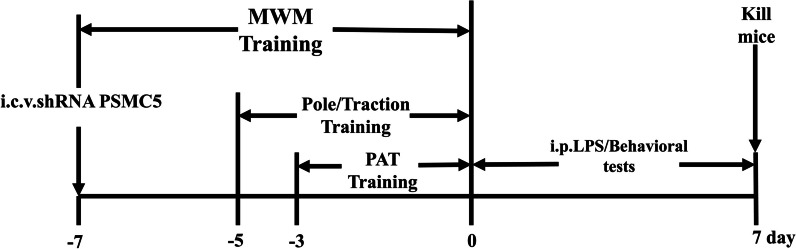
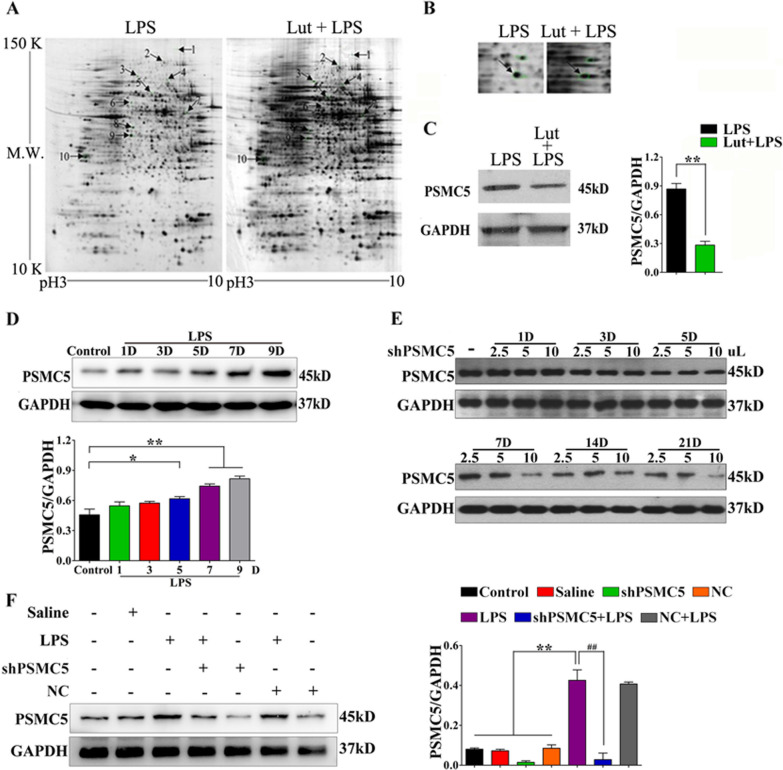
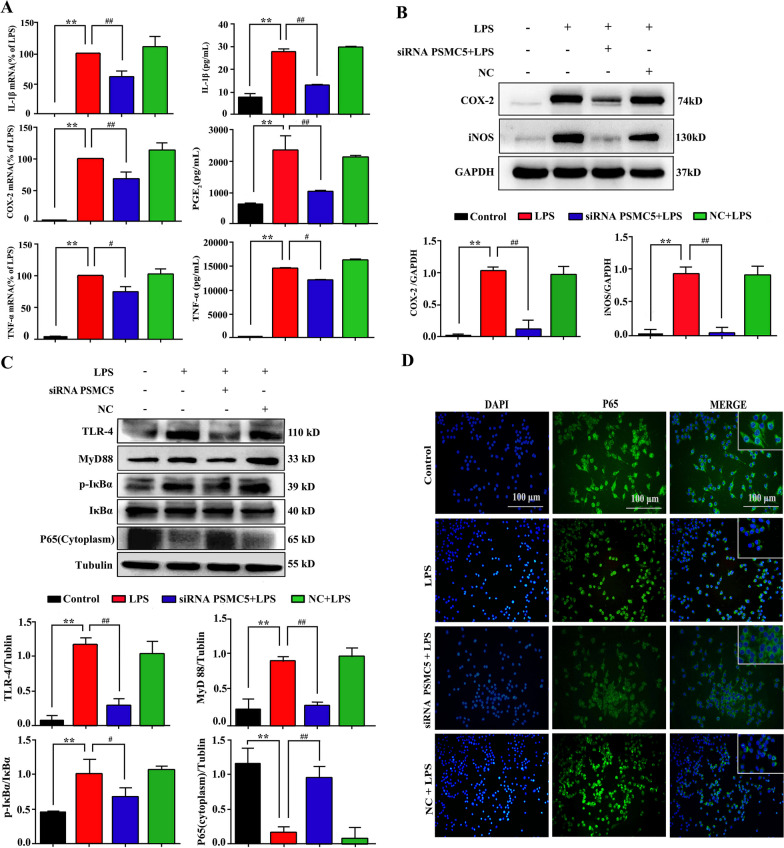
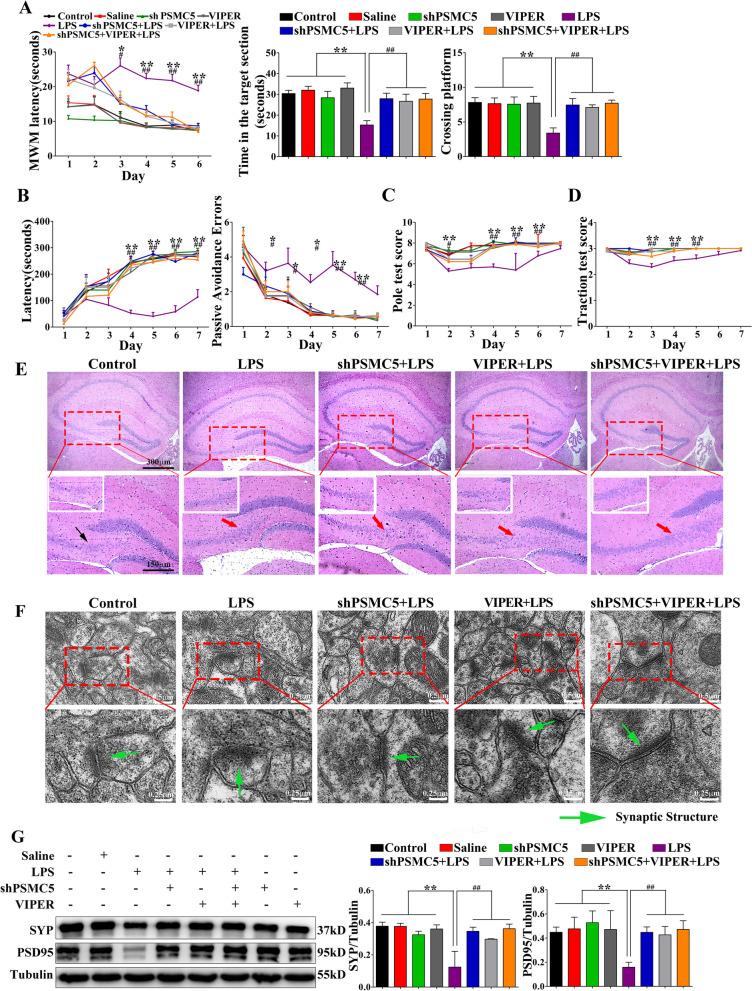
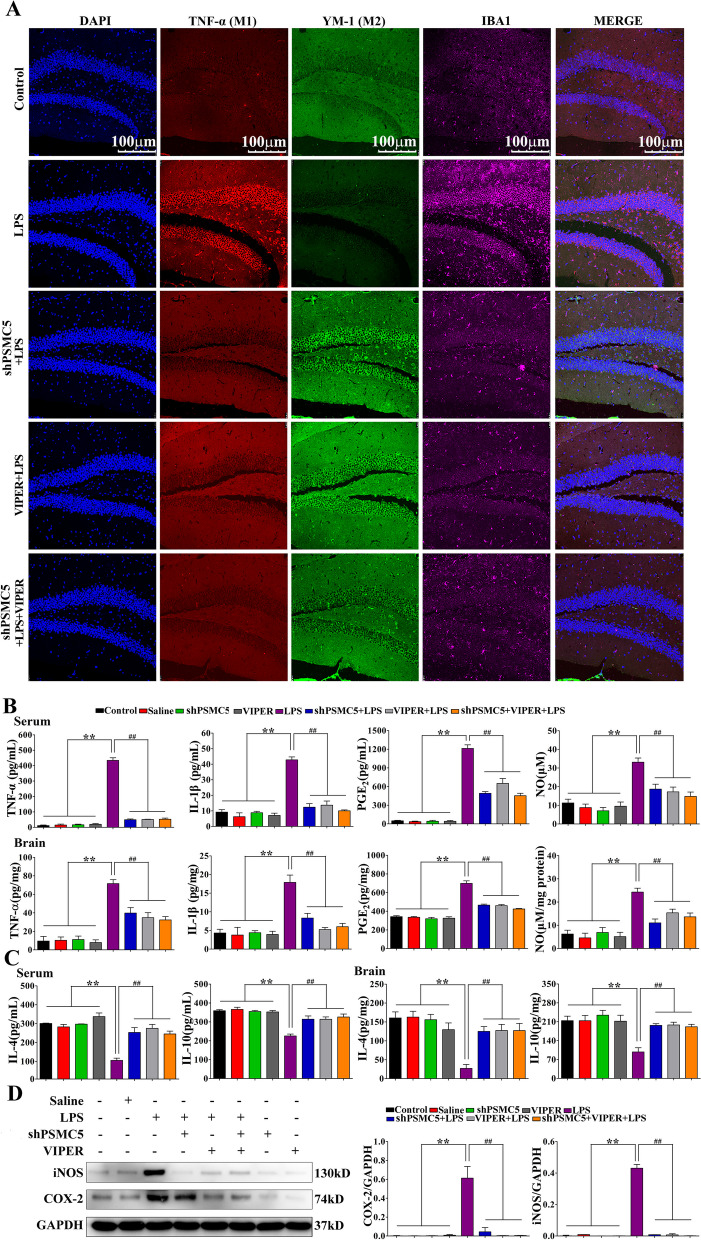
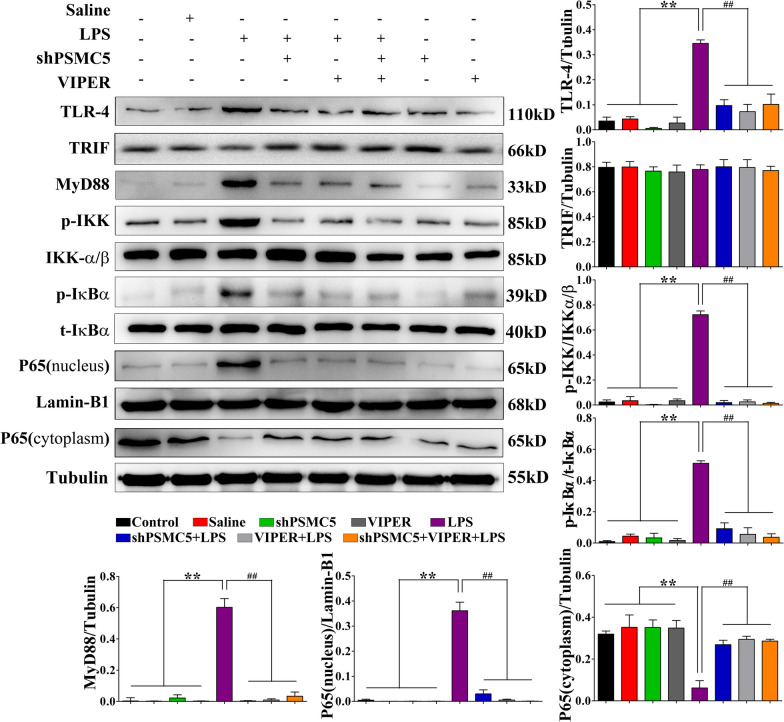
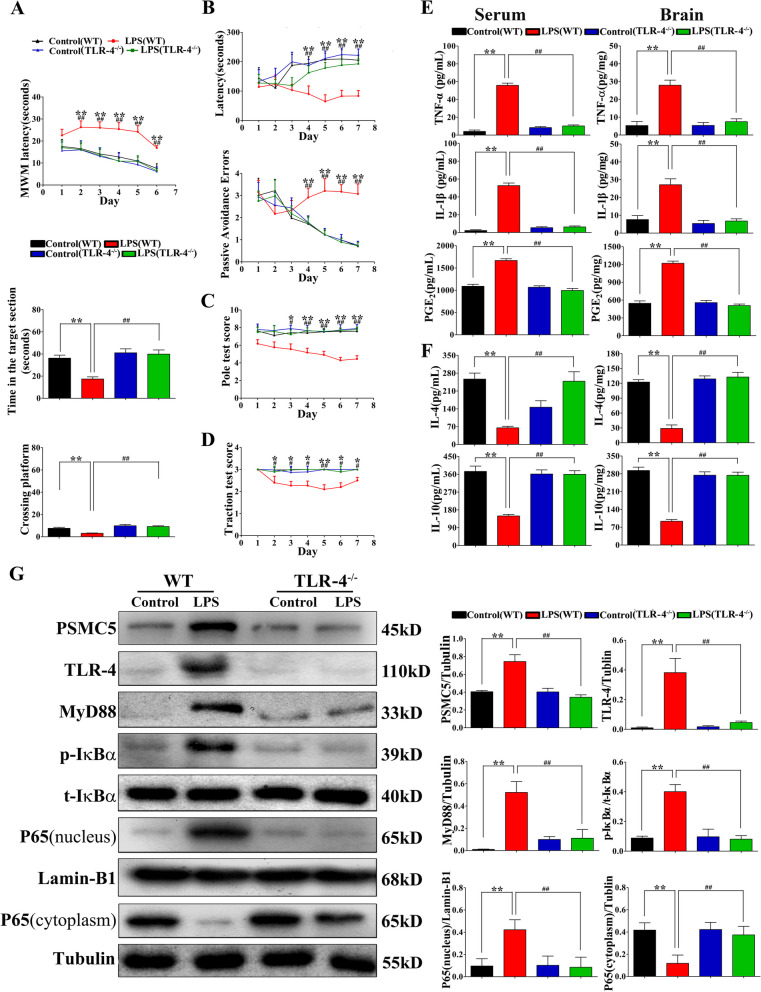
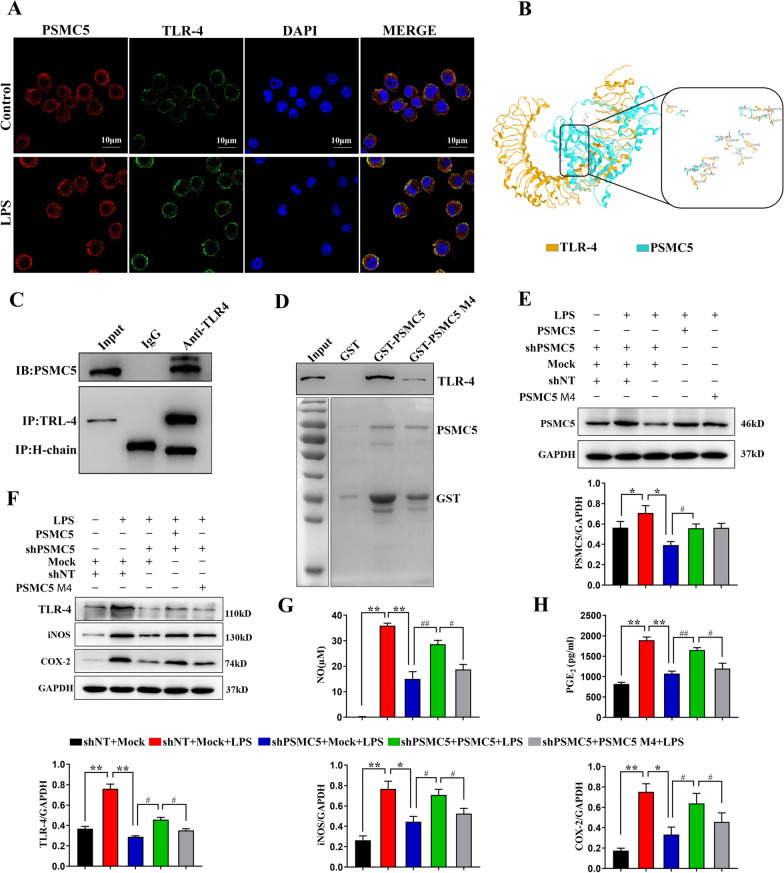
Luteolin is a flavonoid found in high concentrations in celery and green pepper, and acts as a neuroprotectant. PSMC5 (proteasome 26S subunit, ATPase 5) protein levels were reduced after luteolin stimulation in activated microglia. We aimed to determine whether regulating PSMC5 expression could inhibit neuroinflammation, and investigate the underlying mechanisms.BV2 microglia were transfected with siRNA PSMC5 before the addition of LPS (lipopolysaccharide, 1.0 µg/ml) for 24 h in serum free DMEM. A mouse model of LPS-induced cognitive and motor impairment was established to evaluate the neuroprotective effects of shRNA PSMC5. Intracerebroventricular administration of shRNA PSMC5 was commenced 7 days prior to i.p. injection of LPS (750 μg/kg). Treatments and behavioral experiments were performed once daily for 7 consecutive days. Behavioral tests and pathological/biochemical assays were performed to evaluate LPS-induced hippocampal damage. Molecular dynamics simulation was used to confirm the interaction between PSMC5 and TLR4 (Toll-like receptor 4) in LPS-stimulated BV2 microglia. SiRNA PSMC5 inhibited BV2 microglial activation, and suppressed the release of inflammatory factors (IL-1β, COX-2, PGE 2 , TNF-α, and iNOS) upon after LPS stimulation in BV2 microglia. LPS increased IκB-α and p65 phosphorylation, which was attenuated by siRNA PSMC5. Behavioral tests and pathological/biochemical assays showed that shRNA PSMC5 attenuated LPS-induced cognitive and motor impairments, and restored synaptic ultrastructure and protein levels in mice. ShRNA PSMC5 reduced pro-inflammatory cytokine (TNF-α, IL-1β, PGE 2 , and NO) levels in the serum and brain, and relevant protein factors (iNOS and COX-2) in the brain. Furthermore, shRNA PSMC5 upregulated the anti-inflammatory mediators interleukin IL-4 and IL-10 in the serum and brain, and promoted a pro-inflammation-to-anti-inflammation phenotype shift in microglial polarization. Mechanistically, shRNA PSMC5 significantly alleviated LPS-induced TLR4 expression. The polarization of LPS-induced microglial pro-inflammation phenotype was abolished by TLR4 inhibitor and in the TLR-4 −/− mouse, as in shRNA PSMC5 treatment. PSMC5 interacted with TLR4 via the amino sites Glu284, Met139, Leu127, and Phe283. PSMC5 site mutations attenuated neuroinflammation and reduced pro-inflammatory factors by reducing TLR4-related effects, thereby reducing TLR4-mediated MyD88 (myeloid differentiation factor 88)-dependent activation of NF-κB. PSMC5 could be an important therapeutic target for treatment of neurodegenerative diseases involving neuroinflammation-associated cognitive deficits and motor impairments induced by microglial activation. Graphical Abstract
Overview
The claims and statistics of this paper haven’t been checked yet.
Free: it reads the open-access text and checks the first 5 claims that cite a source we can check. Create a free account to check every claim.
Integrity signals
Registry
Cites
Statistics
Figures
Verification
Claims the paper makes
The claims and statistics of this paper haven’t been checked yet.
Free: it reads the open-access text and checks the first 5 claims that cite a source we can check. Create a free account to check every claim.
Claims other papers make about this one
Each is checked against this paper’s own text: does it say what the citing paper says it does?
The cited source says what the claim attributes to it.
In the citing paper
“In fact, PSMC5 was identified as a potential therapeutic target for the treatment of neurodegenerative diseases involving neuroinflammation-associated cognitive deficits and motor impairments induced by microglial activation [11].”
From Strengthening the Role of PSMC5 as a Potential Gene Associated with Neurodevelopmental Disorders (2025) · cites this paper as [11]
The cited source says what the claim attributes to it.
In the citing paper
“As documented, the intracerebroventricular administration of shRNA PSMC5 in mice resulted in neuroprotective effects.”
From Strengthening the Role of PSMC5 as a Potential Gene Associated with Neurodevelopmental Disorders (2025) · cites this paper as [11]
Self-check
Percentages, sums and reported differences re-computed from the paper’s own numbers.
The self-check needs the paper’s full text.
Citations
Cites
Santos, A. G., da Rocha, G. O., & de Andrade, J. B. (2019) · Scientific Reports · doi:10.1038/s41598-018-37186-2 · Cited by 8,495
Recognition of double-stranded RNA and activation of NF-κB by Toll-like receptor 3
Alexopoulou, L., Holt, A. C., Medzhitov, R., & Flavell, R. A. (2001) · Nature · doi:10.1038/35099560 · Cited by 6,129 · cited 1×
“TLR4 can recognize conserved motifs in various pathogens and mediate defense responses [47].”
BackgroundA human homologue of the Drosophila Toll protein signals activation of adaptive immunity
Medzhitov, R., Preston-Hurlburt, P., & Janeway, C. A. (1997) · Nature · doi:10.1038/41131 · Cited by 5,590 · cited 1×
“Triggering the TLR4 pathway often leads to activation of NF-κB and subsequent regulation of immune and inflammatory genes [48].”
BackgroundDifferential Roles of M1 and M2 Microglia in Neurodegenerative Diseases
Tang, Y., & Le, W. (2016) · Molecular Neurobiology · doi:10.1007/s12035-014-9070-5 · Cited by 2,190 · cited 2×
“…of microglia phenotypes from the pro-inflammatory, cytotoxic M1 to anti-inflammatory, neuroprotective M2 could be a therapeutic approach for some neurodegenerative diseases associated with neuroinflammation such as Alzheimer’s and Parkinson’s diseases, and amyotrophic lateral sclerosis [9].”
BackgroundPHARMACOLOGICAL EFFECTS PRODUCED BY INTRACEREBRAL INJECTION OF DRUGS IN THE CONSCIOUS MOUSE
HALEY, T. J., & McCORMICK, W. G. (1957) · British Journal of Pharmacology and Chemotherapy · doi:10.1111/j.1476-5381.1957.tb01354.x · Cited by 1,526 · cited 1×
“…(i.c.v.) shRNA PSMC5 (lentiviruses encoding mouse shRNA PSMC5; constructed and produced by Obio Technology, Shanghai; 1 × 10 8 TU/mL) administration was performed using a microsyringe with the stereotaxic coordinates − 0.26 cm dorsal, − 0.15 cm lateral, and − 0.02 cm anterior from bregma [19].”
MethodInfluentialMicroglia-specific localisation of a novel calcium binding protein, Iba1
Ito, D., Imai, Y., Ohsawa, K., Nakajima, K., Fukuuchi, Y., & Kohsaka, S. (1998) · Molecular Brain Research · doi:10.1016/s0169-328x(98)00040-0 · Cited by 1,476 · cited 1×
“Localization of IBA1 (ionized calcium-binding adapter protein 1) protein is restricted to microglia in vitro and in vivo, and IBA1 protein plays a role in regulating microglial function, especially in activated microglia [46].”
BackgroundSignal transduction by the lipopolysaccharide receptor, Toll-like receptor-4
Pålsson‐McDermott, E. M., & O'Neill, L. A. J. (2004) · Immunology · doi:10.1111/j.1365-2567.2004.01976.x · Cited by 1,254 · cited 1×
“LPS, a specific ligand for TLR4, primarily activates the MyD88-dependent and independent pathways, which involve recognition of the lipid A-region of LPS by TLR4 [5].”
BackgroundOshiumi, H., Matsumoto, M., Funami, K., Akazawa, T., & Seya, T. (2003) · Nature Immunology · doi:10.1038/ni886 · Cited by 1,207
Liu, B., & Hong, J.-S. (2003) · The Journal of Pharmacology and Experimental Therapeutics · doi:10.1124/jpet.102.035048 · Cited by 1,095 · cited 1×
“Activated microglia secrete a variety of proinflammatory and neurotoxic factors that can directly affect cognition and memory [2, 3].”
BackgroundKim, Y.-J., Björklund, S., Li, Y., Sayre, M. H., & Kornberg, R. D. (1994) · Cell · doi:10.1016/0092-8674(94)90221-6 · Cited by 1,090 · cited 1×
“PSMC5 was subsequently identified as a component of a multiprotein mediator of transcription factor-dependent transcription by RNA polymerase II (pol II) holoenzyme from S. cerevisiae [30].”
BackgroundLiberatore, G. T., Jackson-Lewis, V., Vukosavic, S., Mandir, A. S., Vila, M., McAuliffe, W. G., Dawson, V. L., Dawson, T. M., & Przedborski, S. (1999) · Nature Medicine · doi:10.1038/70978 · Cited by 1,046 · cited 1×
“Error bars indicate SEM the TLR4-MyD88 signaling pathways and release various inflammatory factors such as IL-1β, IL-6, and TNF-α [35], leading to neuron apoptosis [36].”
BackgroundSystemic inflammation and microglial activation: systematic review of animal experiments
Hoogland, I. C. M., Houbolt, C., van Westerloo, D. J., van Gool, W. A., & van de Beek, D. (2015) · Journal of Neuroinflammation · doi:10.1186/s12974-015-0332-6 · Cited by 957 · cited 1×
“In response to LPS, microglia become hyper-activated, resulting in the production of cytotoxic factors such as NO, TNF-α, and PGE 2 [7].”
BackgroundNeuroinflammation induced by lipopolysaccharide causes cognitive impairment in mice
Zhao, J., Bi, W., Xiao, S., Lan, X., Cheng, X., Zhang, J., Lu, D., Wei, W., Wang, Y., Li, H., et al. (2019) · Scientific Reports · doi:10.1038/s41598-019-42286-8 · Cited by 896 · cited 1×
“LPS treatment leads to cognitive impairment in mice, as shown by the Morris water maze and passive avoidance tests, and these effects were accompanied by microglial activation [39].”
MethodSelf-citationMacromolecular modeling and design in Rosetta: recent methods and frameworks
Leman, J. K., Weitzner, B. D., Lewis, S. M., Adolf-Bryfogle, J., Alam, N., Alford, R. F., Aprahamian, M., Baker, D., Barlow, K. A., Barth, P., et al. (2020) · Nature Methods · doi:10.1038/s41592-020-0848-2 · Cited by 888 · cited 1×
“Computer simulation of the binding patterns of protein molecules to identify specific binding sites between proteins provide a basis for experimental work and help understand molecular interactions [51].”
BackgroundSevere impairment of interleukin-1 and Toll-like receptor signalling in mice lacking IRAK-4
Suzuki, N., Suzuki, S., Duncan, G. S., Millar, D. G., Wada, T., Mirtsos, C., Takada, H., Wakeham, A., Itie, A., Li, S., et al. (2002) · Nature · doi:10.1038/nature736 · Cited by 853 · cited 1×
“IKK activation can lead to the degradation of IκB; IκB promotes the retention of NF-κB in the cytoplasm in an inactive state [50].”
BackgroundMethods for the detection and analysis of protein–protein interactions
Berggård, T., Linse, S., & James, P. (2007) · PROTEOMICS · doi:10.1002/pmic.200700131 · Cited by 712 · cited 1×
“Co-immunoprecipitation is used to isolate and study the natural state of pro - tein interaction complexes [53].”
How the ubiquitin–proteasome system controls transcription
Muratani, M., & Tansey, W. P. (2003) · Nature Reviews Molecular Cell Biology · doi:10.1038/nrm1049 · Cited by 693 · cited 1×
“However, there is increasing evidence that the proteasome also plays a role in transcription through mechanisms that do not involve proteolysis [16– 18].”
BackgroundCiprofloxacin and levofloxacin attenuate microglia inflammatory response via TLR4/NF-kB pathway
Zusso, M., Lunardi, V., Franceschini, D., Pagetta, A., Lo, R., Stifani, S., Frigo, A. C., Giusti, P., & Moro, S. (2019) · Journal of Neuroinflammation · doi:10.1186/s12974-019-1538-9 · Cited by 534
Verdile, G., Keane, K. N., Cruzat, V. F., Medic, S., Sabale, M., Rowles, J., Wijesekara, N., Martins, R. N., Fraser, P. E., & Newsholme, P. (2015) · Mediators of Inflammation · doi:10.1155/2015/105828 · Cited by 495 · cited 1×
“Inhibition of microglial activation and the resulting neuroinflammation could reduce brain damage and cognitive deficits [4].”
BackgroundRahimifard, M., Maqbool, F., Moeini-Nodeh, S., Niaz, K., Abdollahi, M., Braidy, N., Nabavi, S. M., & Nabavi, S. F. (2017) · Ageing Research Reviews · doi:10.1016/j.arr.2017.02.004 · Cited by 481 · cited 1×
“Natural compounds targeting TLR4 may therefore serve as important pharmacophores for the development of potent drugs for the treatment of neurological disorders [8].”
BackgroundChen, Z., & Trapp, B. D. (2016) · Journal of Neurochemistry · doi:10.1111/jnc.13062 · Cited by 411 · cited 1×
“Microglia are resident innate immune cells of the central nervous system (CNS) and play an important role in host defense and tissue homeostasis in the brain [1].”
Backgroundvom Baur, E., Zechel, C., Heery, D., Heine, M. J., Garnier, J. M., Vivat, V., Le Douarin, B., Gronemeyer, H., Chambon, P., & Losson, R. (1996) · The EMBO Journal · doi:10.1002/j.1460-2075.1996.tb00339.x · Cited by 399 · cited 1×
“PSMC5 interacts with various transcription factors [31], and the proteasomal PSMC5 subunit could be recruited by liganded nuclear receptors to selectively specify their own degradation [32].”
BackgroundJin, X., Liu, M., Zhang, D., Zhong, X., Du, K., Qian, P., Yao, W., Gao, H., & Wei, M. (2019) · CNS Neuroscience & Therapeutics · doi:10.1111/cns.13086 · Cited by 383 · cited 2×
“Inhibition of TLR4 expression for regulation of microglial polarization from the M1 to the M2 phenotype could prove valuable in the development of therapeutic and preventive strategies against neurodegenerative diseases [3].”
BackgroundJang, S., Kelley, K. W., & Johnson, R. W. (2008) · Proceedings of the National Academy of Sciences · doi:10.1073/pnas.0802865105 · Cited by 365 · cited 2×
“Luteolin inhibits LPS-induced IL-6 production in the brain by inhibiting the JNK signaling pathway and activating AP-1 in microglia [12].”
BackgroundZhang, J., Yu, C., Zhang, X., Chen, H., Dong, J., Lu, W., Song, Z., & Zhou, W. (2018) · Journal of Neuroinflammation · doi:10.1186/s12974-017-1052-x · Cited by 297 · cited 1×
“The MWM test is widely used to assess spatial learning and memory in rodents [20].”
Self-citationThe proteasome: a utility tool for transcription?
Collins, G. A., & Tansey, W. P. (2006) · Current Opinion in Genetics & Development · doi:10.1016/j.gde.2006.02.009 · Cited by 242 · cited 1×
“However, there is increasing evidence that the proteasome also plays a role in transcription through mechanisms that do not involve proteolysis [16– 18].”
BackgroundProteasomes: Machines for All Reasons
DeMartino, G. N., & Gillette, T. G. (2007) · Cell · doi:10.1016/j.cell.2007.05.007 · Cited by 239
Azam, S., Jakaria, M., Kim, I.-S., Kim, J., Haque, M. E., & Choi, D.-K. (2019) · Frontiers in Immunology · doi:10.3389/fimmu.2019.01000 · Cited by 226 · cited 1×
“It can also reduce neuronal apoptosis through a mechanism involving the TLR4/MyD88/NF-κB signaling pathway in microglia [6].”
BackgroundSwaffield, J. C., Bromberg, J. F., & Johnston, S. A. (1992) · Nature · doi:10.1038/357698a0 · Cited by 194
Yao, X., Liu, S., Ding, W., Yue, P., Jiang, Q., Zhao, M., Hu, F., & Zhang, H. (2017) · Journal of Neuroimmunology · doi:10.1016/j.jneuroim.2017.06.006 · Cited by 147 · cited 1×
“The absence of TLR4 induces microglial polarization toward the M2 phenotype, promotes microglial migration, and therefore alleviates neuroinflammation, which indicates potential neuroprotective effects [11].”
BackgroundKANAYAMA, H., TAMURA, T., UGAI, S., KAGAWA, S., TANAHASHI, N., YOSHIMURA, T., TANAKA, K., & ICHIHARA, A. (1992) · European Journal of Biochemistry · doi:10.1111/j.1432-1033.1992.tb16961.x · Cited by 124 · cited 1×
“At least 6 different species of ATPase belonging to the same family, including PSMC5, have been associated with the human 26S proteasome [27].”
BackgroundTargeting Synaptic Plasticity in Experimental Models of Alzheimer’s Disease
Mango, D., Saidi, A., Cisale, G. Y., Feligioni, M., Corbo, M., & Nisticò, R. (2019) · Frontiers in Pharmacology · doi:10.3389/fphar.2019.00778 · Cited by 107 · cited 1×
“Synaptic plasticity is the basis of learning and memory [40] and hippocampal synaptic function damage occurs before memory loss, Aβ deposition, and neuronal cell death [41].”
BackgroundShan, Q., Lu, J., Zheng, Y., Li, J., Zhou, Z., Hu, B., Zhang, Z., Fan, S., Mao, Z., Wang, Y.-J., et al. (2009) · BioMed Research International · doi:10.1155/2009/564737 · Cited by 101 · cited 1×
“The passive-avoidance test (PAT) is a common method for evaluating memory in mice [21].”
MethodProtein-protein interaction assays: eliminating false positive interactions
Nguyen, T. N., & Goodrich, J. A. (2006) · Nature Methods · doi:10.1038/nmeth0206-135 · Cited by 99 · cited 1×
“The GST-pull down technique was used to confirm the predicted protein–protein interactions [52].”
MethodLuteolin inhibits cytokine expression in endotoxin/cytokine-stimulated microglia
Kao, T.-K., Ou, Y., Lin, S., Pan, H.-C., Song, P.-J., Raung, S., Lai, C.-Y., Liao, S., Lu, H., & Chen, C. (2010) · The Journal of Nutritional Biochemistry · doi:10.1016/j.jnutbio.2010.01.011 · Cited by 89 · cited 1×
“Luteolin suppresses NF-κB, STAT1, and IRF-1 signaling, thus attenuating the inflammatory response in brain microglial cells [24].”
BackgroundThe 26S proteasome: subunits and functions
Tanaka, K., & Tsurumi, C. (1997) · Molecular Biology Reports · doi:10.1023/a:1006876904158 · Cited by 85 · cited 1×
“The 26S proteasome has intrinsic ATPase activity that could play an essential role in its proteolytic function [26].”
BackgroundLuteolin Inhibits Microglial Inflammation and Improves Neuron Survival Against Inflammation
Zhu, L.-H., Bi, W., Qi, R.-B., Wang, H.-D., & Lu, D.-X. (2011) · International Journal of Neuroscience · doi:10.3109/00207454.2011.569040 · Cited by 71 · cited 2×
“Preincubation of microglia with luteolin diminished neurotoxic effects, owing to its direct anti-inflammatory effects [13].”
BackgroundSelf-citationColié, S., Sarroca, S., Palenzuela, R., Garcia, I., Matheu, A., Corpas, R., Dotti, C. G., Esteban, J. A., Sanfeliu, C., & Nebreda, A. R. (2017) · Scientific Reports · doi:10.1038/srep45306 · Cited by 65
Zhao, J., Bi, W., Zhang, J., Xiao, S., Zhou, R., Tsang, C. K., Lu, D., & Zhu, L. (2020) · Brain, Behavior, and Immunity · doi:10.1016/j.bbi.2020.04.052 · Cited by 60 · cited 1×
“Mouse motor behavior is evaluated using the pole test and traction test [22].”
MethodSelf-citationSeo, H. G., Kim, D. Y., Park, H. W., Lee, S.-U., & Park, S. (2010) · Journal of Korean Medical Science · doi:10.3346/jkms.2010.25.11.1638 · Cited by 59 · cited 1×
“As a presynaptic plasticity related protein, changes in SYP expression could indirectly affect the number, distribution, and density of synapses [43].”
BackgroundYang, X.-W., Li, Y.-H., Zhang, H., Zhao, Y.-F., Ding, Z.-B., Yu, J.-Z., Liu, C.-Y., Liu, J.-C., Jiang, W.-J., Feng, Q.-J., et al. (2016) · International Journal of Immunopathology and Pharmacology · doi:10.1177/0394632015617065 · Cited by 54 · cited 1×
“Error bars indicate SEM the TLR4-MyD88 signaling pathways and release various inflammatory factors such as IL-1β, IL-6, and TNF-α [35], leading to neuron apoptosis [36].”
BackgroundThe proteasomal ATPase complex is required for stress-induced transcription in yeast
Sulahian, R. (2006) · Nucleic Acids Research · doi:10.1093/nar/gkl012 · Cited by 51 · cited 1×
“PSMC5 plays a distinct proteasome-independent role in regulating transcription activation and elongation, DNA repair, and chromatin remodeling [33].”
BackgroundSynaptic Plasticity Regulated by Protein–Protein Interactions and Posttranslational Modifications
Yokoi, N., Fukata, M., & Fukata, Y. (2012) · International review of cytology · doi:10.1016/b978-0-12-394308-8.00001-7 · Cited by 51 · cited 1×
“Postsynaptic density protein 95 (PSD-95) and synaptophysin (SYP) are closely related to synaptic function, and PSD95 has an important role in synaptic plasticity and stability as well as peripheral nerve repair after injury [42].”
BackgroundInteraction with Sug1 enables Ipaf ubiquitination leading to caspase 8 activation and cell death
Kumar, Y., Radha, V., & Swarup, G. (2010) · Biochemical Journal · doi:10.1042/bj20091349 · Cited by 46 · cited 1×
“PSMC5 interacts with various transcription factors [31], and the proteasomal PSMC5 subunit could be recruited by liganded nuclear receptors to selectively specify their own degradation [32].”
BackgroundSelective proliferative response of microglia to alternative polarization signals
Pepe, G., De Maglie, M., Minoli, L., Villa, A., Maggi, A., & Vegeto, E. (2017) · Journal of Neuroinflammation · doi:10.1186/s12974-017-1011-6 · Cited by 45
Fukushima, S., Furube, E., Itoh, M., Nakashima, T., & Miyata, S. (2015) · Journal of Neuroimmunology · doi:10.1016/j.jneuroim.2015.05.014 · Cited by 44 · cited 1×
“The hippocampal neuronal system has a higher micro-glial proliferative capability after LPS-induced inflammation compared with other brain regions [38].”
BackgroundChromosomal Localization and Immunological Analysis of a Family of Human 26S Proteasomal ATPases
Tanahashi, N., Suzuki, M., Fujiwara, T., Takahashi, E., Shimbara, N., Chung, C. H., & Tanaka, K. (1998) · Biochemical and Biophysical Research Communications · doi:10.1006/bbrc.1997.7892 · Cited by 43 · cited 1×
“3 [28], and was originally identified as a suppressor (in mutant form) of a mutant allele of the transcription factor GAL4 [29].”
BackgroundLipopolysaccharide hyporesponsiveness: protective or damaging response to the brain?
Pardon, M. (2015) · Repository@Nottingham (University of Nottingham) · Cited by 41
TRAM1 Promotes Microglia M1 Polarization
Wang, H., Liu, C., Han, M., Cheng, C., & Zhang, D. (2015) · Journal of Molecular Neuroscience · doi:10.1007/s12031-015-0678-3 · Cited by 39 · cited 1×
“While the M2-activated microglia are anti-inflammatory and could promote tissue reconstruction [10].”
BackgroundLuteolin reduces primary hippocampal neurons death induced by neuroinflammation
Zhu, L.-H., Bi, W., Qi, R., Wang, H., Wang, Z.-G., Zeng, Q., Zhao, Y., & Lu, D. (2011) · Neurological Research · doi:10.1179/1743132811y.0000000023 · Cited by 27 · cited 1×
“When hippocampal neurons were co-cultured with LPS-stimulated BV2 microglia, luteolin treatment increased neuronal viability and reduced the number of apoptotic neurons [14].”
BackgroundSelf-citationChaillet, P., Marcais-Collado, H., & Costentin, J. (1983) · Life Sciences · doi:10.1016/0024-3205(83)90334-x · Cited by 25 · cited 1×
“The traction test evaluates the muscle strength of mice [23].”
BackgroundRegulation of ubiquitin-specific processing protease 8 suppresses neuroinflammation
Zhu, L., Bi, W., Lu, D., Zhang, C., Shu, X., Wang, H., Qi, R., Shi, Q., & Lu, D. (2014) · Molecular and Cellular Neuroscience · doi:10.1016/j.mcn.2014.05.004 · Cited by 24 · cited 1×
“Luteolin could also inhibit microglial inflammation by enhancing USP8 [25].”
BackgroundSelf-citationWeng, L., Wu, Z., Zheng, W., Meng, H., Han, L., Wang, S., Yuan, Z., & Xu, Y. (2016) · Neurological Research · doi:10.1080/01616412.2016.1174423 · Cited by 22 · cited 1×
“TNF-α is a classic marker of activated microglia (M1) and YM-1(chitinase 3 like protein 3) is a marker of alternatively activated microglia (M2) [45].”
BackgroundSelf-citationRadiosensitizing effect of PSMC5, a 19S proteasome ATPase, in H460 lung cancer cells
Yim, J.-H., Yun, H. S., Lee, S., Baek, J., Lee, C., Song, J.-Y., Um, H., Park, J. K., Kim, J., Park, I., et al. (2015) · Biochemical and Biophysical Research Communications · doi:10.1016/j.bbrc.2015.11.077 · Cited by 15 · cited 1×
“PSMC5 is directly involved in regulating mammalian transcription by association with transcriptionally active promotors and recruitment of coactivators [15].”
Background
Cited by
Tian, Y., Jing, G., Ma, M., Yin, R., & Zhang, M. (2024) · Neuroscience & Biobehavioral Reviews · doi:10.1016/j.neubiorev.2024.105848 · Cited by 42
Cao, T., Li, A.-Q., Zhang, Y., Xie, T.-T., Weng, D.-Z., Pan, C., Li, Y., Sun, K., Wang, D., Han, J.-Y., et al. (2025) · Phytomedicine · doi:10.1016/j.phymed.2025.156432 · Cited by 39
Convergence of sepsis-associated encephalopathy pathogenesis onto microglia
Xiao, D., Wang, X., Liang, W., Yang, Y., Du, Y., Liu, C., Xu, F., Yang, Y., Wei, M., & Yang, G. (2025) · Journal of Translational Medicine · doi:10.1186/s12967-025-06635-8 · Cited by 37
Wei, J., Chen, A., Huang, D., Teng, C., Cai, D., Wu, X., Wang, T., Hu, W., Huang, Z., Wang, P., et al. (2025) · Brain Behavior and Immunity · doi:10.1016/j.bbi.2025.02.029 · Cited by 27
Liu, T., Zhang, L., & Mei, W. (2024) · Cell Biology and Toxicology · doi:10.1007/s10565-024-09933-x · Cited by 16
Metadata
- Authors
- Bi, W., Bao, K., Zhou, X., Deng, Y., Li, X., Zhang, J., Lan, X., Zhao, J., Lu, D., Xu, Y., Cen, Y., Cao, R., Xu, M., Zhong, W., & Zhu, L.
- Affiliations
- University of Jinan (CN)
- Jinan University (CN)
- Corresponding author
- Zhu, Lihong
- ORCID
- Venue
- Journal of Neuroinflammation
- Published
- 2023-11-24
- Volume
- 20
- Issue
- 1
- Pages
- 277-277
- ISSN
- 1742-2094 (ISSN-L)
- PMC
- PMC10668523
- OpenAlex
- W4388971273
- Semantic Scholar
- d2ffd1e121a0b0c3c1c128cdfceb76a81d167d48
- Cited by
- 36
- References
- 54
- Citations by year
- 2026: 5 · 2025: 19 · 2024: 12
- FWCI
- 3.69
- Type
- journal article
- Language
- en
- Open access
- gold
- doi.org
- Licence
- cc-by
- creativecommons.org/licenses/by/4.0 (tdm)
- creativecommons.org/licenses/by/4.0 (vor)
- Locations
- Journal of Neuroinflammation (publishedVersion, cc-by)
- Research Square (acceptedVersion, cc-by)
- PubMed Central (publishedVersion, cc-by)
- PubMed (publishedVersion)
- DOAJ (DOAJ: Directory of Open Access Journals) (submittedVersion, cc-by-sa)
- Funders
- the Guangdong Basic and Applied Basic Research Foundation (Nos.2022A1515010842)
- the Science and Technology Program of Guangzhou (Nos.202102010099, Nos. SL2023A03J00699)
- the Clinical Frontier Technology Program of the First Affiliated Hospital of Jinan University (Nos. JNU1AF-CFTP-2022-a01216)
- the Natural Science Foundation of China (Nos.82071568)
- the Administration of Traditional Chinese Medicine of Guangdong Province (Nos.20202041)
- the Guangzhou Key Laboratory for Germ-free animals and Microbiota Application ((Nos.202201020381))
- Topics
- Life Sciences › Neuroscience › Neurology › Neuroinflammation and Neurodegeneration Mechanisms
- Life Sciences › Neuroscience › Neurology › Neurological Disease Mechanisms and Treatments
- Life Sciences › Biochemistry, Genetics and Molecular Biology › Molecular Biology › Inflammasome and immune disorders
- Keywords
- microglial polarization, microglial activation, TLR4, lipopolysaccharide, neuroinflammation, cognitive impairment, motor impairment, hippocampal lesions, neuroprotection, luteolin, NF-κB signaling, inflammatory cytokines, synaptic ultrastructure, anti-inflammatory cytokines
- MeSH terms
- Motor Disorders, ATPases Associated with Diverse Cellular Activities, Neuroinflammatory Diseases, Animals, Cognition, Inflammation, Lipopolysaccharides, Tumor Necrosis Factor-alpha, Signal Transduction, NF-kappa B, Microglia, RNA, Small Interfering, Proteasome Endopeptidase Complex, Luteolin, Toll-Like Receptor 4, Mice, Cyclooxygenase 2
About these checks
Registry, retraction, Cites and statistics results are computed, not judged, with one exception: a printed reference that no index lists is read once by a model before it counts as a citation error. Claims are extracted by a model and kept only when their quote appears verbatim in the text; each cited source is then checked, with a model’s help, for whether it says what the claim relies on. Those verdicts can be wrong — read the claim’s quote and the cited source before relying on one.
Statistics and arithmetic are recomputed, not judged.
Confidence bands are shown only for fields calibrated on our annotated test set. None is calibrated yet, so no band is shown.
What counts as a claim ›How we measure confidence ›How we check this ›
Are you an author, or do you see a problem with this page? Request a review
Data sources
Bibliographic data: Semantic Scholar, OpenAlex, Crossref.
Contains information from the Semantic Scholar Academic Graph Datasets, made available under the ODC Attribution License (ODC-BY 1.0).
Semantic Scholar’s data is described in: Kinney, R., et al. (2023). The Semantic Scholar Open Data Platform. arXiv:2301.10140.
