

Milk consumption and multiple health outcomes: umbrella review of systematic reviews and meta-analyses in humans
Open accessThe DOI matches its Crossref record; 144 of the 145 references it cites were found in a registry or an index.
Abstract
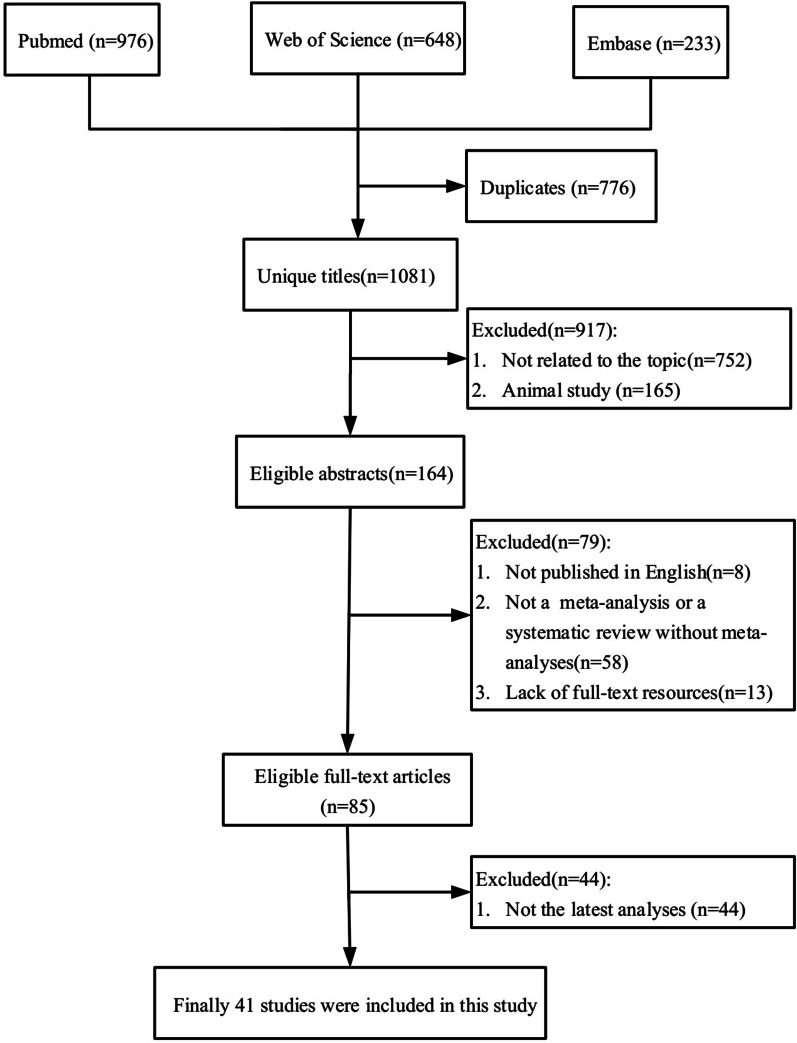
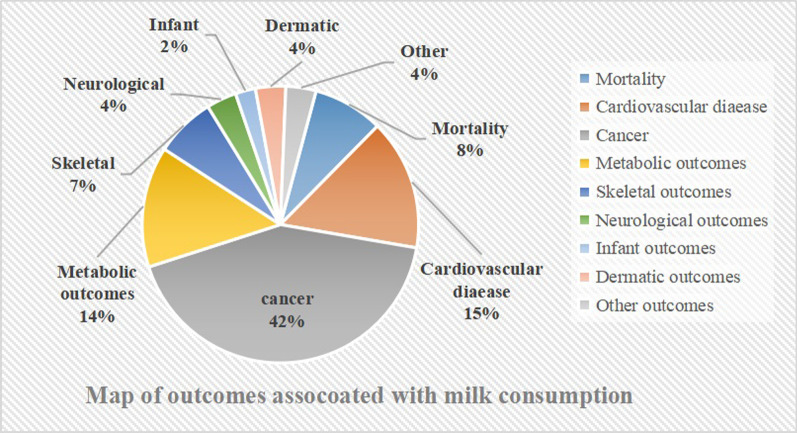
In order to recapitulate the best available evidence of milk consumption and multiple health-related outcomes, we performed an umbrella review of meta-analyses and systematic reviews in humans. Totally, 41 meta-analyses with 45 unique health outcomes were included. Milk consumption was more often related to benefits than harm to a sequence of health-related outcomes. Dose–response analyses indicated that an increment of 200 ml (approximately 1 cup) milk intake per day was associated with a lower risk of cardiovascular disease, stroke, hypertension, colorectal cancer, metabolic syndrome, obesity and osteoporosis. Beneficial associations were also found for type 2 diabetes mellitus and Alzheimer's disease. Conversely, milk intake might be associated with higher risk of prostate cancer, Parkinson’s disease, acne and Fe-deficiency anaemia in infancy. Potential allergy or lactose intolerance need for caution. Milk consumption does more good than harm for human health in this umbrella review. Our results support milk consumption as part of a healthy diet. More well-designed randomized controlled trials are warranted.
Overview
The claims and statistics of this paper haven’t been checked yet.
Free: it reads the open-access text and checks the first 5 claims that cite a source we can check. Create a free account to check every claim.
Integrity signals
Registry
Cites
Statistics
Figures
Verification
Claims the paper makes
The claims and statistics of this paper haven’t been checked yet.
Free: it reads the open-access text and checks the first 5 claims that cite a source we can check. Create a free account to check every claim.
Claims other papers make about this one
Each is checked against this paper’s own text: does it say what the citing paper says it does?
The cited source says what the claim attributes to it.
In the citing paper
“It is well known that cow’s milk is an abundant source of calcium (Ca) and protein with high biological value, both of which are essential for human growth and development (1, 2).”
From Impacts of people at-risk of either cow milk allergies or lactose intolerance on their daily calcium intake and bone mineral density (2024) · cites this paper as [1]
Self-check
Percentages, sums and reported differences re-computed from the paper’s own numbers.
The self-check needs the paper’s full text.
Citations
Cites
GRADE guidelines: 1. Introduction—GRADE evidence profiles and summary of findings tables
Guyatt, G., Oxman, A. D., Akl, E. A., Kunz, R., Vist, G., Brozek, J., Norris, S., Falck-Ytter, Y., Glasziou, P., & deBeer, H. (2011) · Journal of Clinical Epidemiology · doi:10.1016/j.jclinepi.2010.04.026 · Cited by 10,681 · cited 1×
“Based on RCTs or observational studies, the grade of evidence can be decreased or increased according to the risk of bias, imprecision, inconsistency, indirectness, and magnitude of effect [28].”
BackgroundShea, B. J., Reeves, B. C., Wells, G., Thuku, M., Hamel, C., Moran, J., Moher, D., Tugwell, P., Welch, V., Kristjansson, E., et al. (2017) · BMJ · doi:10.1136/bmj.j4008 · Cited by 10,636
Aromataris, E., Fernandez, R., Godfrey, C. M., Holly, C., Khalil, H., & Tungpunkom, P. (2015) · International Journal of Evidence-Based Healthcare · doi:10.1097/xeb.0000000000000055 · Cited by 2,587
GRADE guidelines: 7. Rating the quality of evidence—inconsistency
Guyatt, G. H., Oxman, A. D., Kunz, R., Woodcock, J., Brozek, J., Helfand, M., Alonso-Coello, P., Glasziou, P., Jaeschke, R., Akl, E. A., et al. (2011) · Journal of Clinical Epidemiology · doi:10.1016/j.jclinepi.2011.03.017 · Cited by 2,320
The prevalence of food allergy: A meta-analysis
Rona, R. J., Keil, T., Summers, C., Gislason, D., Zuidmeer, L., Sodergren, E., Sigurdardottir, S. T., Lindner, T., Goldhahn, K., Dahlstrom, J., et al. (2007) · Journal of Allergy and Clinical Immunology · doi:10.1016/j.jaci.2007.05.026 · Cited by 1,351 · cited 1×
“0% by sensitization tests or challenge confirmed allergy [62, 63].”
BackgroundDairy Consumption, Obesity, and the Insulin Resistance Syndrome in Young Adults: The CARDIA Study
Pereira, M. A., Jacobs, Jr., Van Horn, L., Slattery, M. L., Kartashov, A. I., & Ludwig, D. S. (2002) · JAMA · doi:10.1001/jama.287.16.2081 · Cited by 1,102
Ioannidis, J. P. A. (2009) · Canadian Medical Association Journal · doi:10.1503/cmaj.081086 · Cited by 716 · cited 1×
“Thus, we conducted an umbrella review by integrating evidence from multiple metaanalyses to roughly generalize the advantages and disadvantages of milk consumption [22].”
MethodMacLennan, R., & Jensen, O. M. (1977) · PubMed · Cited by 685
Earliest Date for Milk Use in the Near East and Southeastern Europe Linked to Cattle Herding
Evershed, R. P., Payne, S., Sherratt, A. G., Copley, M. S., Coolidge, J., Urem-Kotsu, D., Kotsakis, K., Özdoğan, M., Özdoğan, A. E., Nieuwenhuyse, O., et al. (2008) · Nature · doi:10.1038/nature07180 · Cited by 681 · cited 1×
“Introduction Milk (Lac), which was used by human in the early of the seventh millennium BC [1, 2], is a nutritious, white liquid food secreted by the mammary glands of mammals.”
BackgroundSERUM 25-HYDROXYVITAMIN D AND COLON CANCER: EIGHT-YEAR PROSPECTIVE STUDY
Garland, C., Garland, F., Shaw, E., Comstock, G., Helsing, K., & Gorham, E. (1989) · The Lancet · doi:10.1016/s0140-6736(89)91789-3 · Cited by 678
Research works printed but not linked: 3
- World Health Organisation European Region Food based dietary guidelines in the WHO European Region 2003 Copenhagen WHO, Europe
- World Cancer Research Fund International/American Institute for Cancer Research Continuous update project report. Diet, nutrition, physical activity and colorectal cancer 2018 London WCRF Network
- World Cancer Research Fund International/American Institute for Cancer Research Continuous update project report. Diet, nutrition, physical activity and prostate cancer 2018 London WCRF Network
Cited by
Heart Disease and Stroke Statistics—2023 Update: A Report From the American Heart Association
Tsao, C. W., Aday, A. W., Almarzooq, Z. I., Anderson, C. A. M., Arora, P., Avery, C. L., Baker-Smith, C. M., Beaton, A. Z., Boehme, A. K., Buxton, A. E., et al. (2023) · Circulation · doi:10.1161/cir.0000000000001123 · Cited by 8,300
Heart Disease and Stroke Statistics—2022 Update: A Report From the American Heart Association
Tsao, C. W., Aday, A. W., Almarzooq, Z. I., Alonso, A., Beaton, A. Z., Bittencourt, M. S., Boehme, A. K., Buxton, A. E., Carson, A. P., Commodore-Mensah, Y., et al. (2022) · Circulation · doi:10.1161/cir.0000000000001052 · Cited by 5,987
Martin, S. S., Aday, A. W., Almarzooq, Z. I., Anderson, C. A. M., Arora, P., Avery, C. L., Baker-Smith, C. M., Barone Gibbs, B., Beaton, A. Z., Boehme, A. K., et al. (2024) · Circulation · doi:10.1161/cir.0000000000001209 · Cited by 2,800
Martin, S. S., Aday, A. W., Allen, N. B., Almarzooq, Z. I., Anderson, C. A. M., Arora, P., Avery, C. L., Baker-Smith, C. M., Bansal, N., Beaton, A. Z., et al. (2025) · Circulation · doi:10.1161/cir.0000000000001303 · Cited by 1,080
2022 Update on Prostate Cancer Epidemiology and Risk Factors—A Systematic Review
Bergengren, O., Pekala, K. R., Matsoukas, K., Fainberg, J., Mungovan, S. F., Bratt, O., Bray, F., Brawley, O., Luckenbaugh, A. N., Mucci, L., et al. (2023) · European Urology · doi:10.1016/j.eururo.2023.04.021 · Cited by 848
Palaniappan, L. P., Allen, N. B., Almarzooq, Z. I., Anderson, C. A. M., Arora, P., Avery, C. L., Baker-Smith, C. M., Bansal, N., Currie, M. E., Earlie, R. S., et al. (2026) · Circulation · doi:10.1161/cir.0000000000001412 · Cited by 242
Mollica, M. P., Trinchese, G., Cimmino, F., Penna, E., Cavaliere, G., Tudisco, R., Musco, N., Manca, C., Catapano, A., Monda, M., et al. (2021) · Nutrients · doi:10.3390/nu13041111 · Cited by 144
Nutrition and Supplementation in Ulcerative Colitis
Radziszewska, M., Smarkusz-Zarzecka, J., Ostrowska, L., & Pogodziński, D. (2022) · Nutrients · doi:10.3390/nu14122469 · Cited by 129
“Additionally, a review of meta-analyses showed that milk consumption is associated with more beneficial than adverse effects to the body [43].”
BackgroundCow’s Milk in Human Nutrition and the Emergence of Plant-Based Milk Alternatives
Antunes, I. C., Bexiga, R., Pinto, C., Roseiro, L. C., & Quaresma, M. A. G. (2022) · Foods · doi:10.3390/foods12010099 · Cited by 132
“Dairy consumption has been found to decrease the risk of colorectal cancer [4,133,134] in both men and women [133].”
BackgroundInfluentialModeling the Contribution of Milk to Global Nutrition
Smith, N. W., Fletcher, A. J., Hill, J. P., & McNabb, W. C. (2022) · Frontiers in Nutrition · doi:10.3389/fnut.2021.716100 · Cited by 124
Nutritional assessment of plant-based beverages in comparison to bovine milk
Smith, N. W., Dave, A., Hill, J. P., & McNabb, W. C. (2022) · Frontiers in Nutrition · doi:10.3389/fnut.2022.957486 · Cited by 99
“Evidence is also clear in the literature for the beneficial health impacts of milk consumption across a variety of outcomes (3), whereas the health impacts of PBB are less clear, likely given their diversity and more recent emergence as widely consumed items (4, 5).”
BackgroundWajs, J., Brodziak, A., & Król, J. (2023) · Foods · doi:10.3390/foods12061275 · Cited by 75
Determination of adulteration, geographical origins, and species of food by mass spectrometry
Chien, H., Zheng, Y., Wang, W., Kuo, C., Hsu, Y., & Lai, C. (2022) · Mass Spectrometry Reviews · doi:10.1002/mas.21780 · Cited by 48
Firrman, J., Liu, L., Mahalak, K. K., Hu, W., Bittinger, K. L., Moustafa, A. M., Jones, S. M., Narrowe, A. B., & Tomasula, P. M. (2023) · Frontiers in Nutrition · doi:10.3389/fnut.2022.1040744 · Cited by 51
OmerOglou, E., Karaca, B., Demirhan, H. K., Halisçelik, O., & Kıran, F. (2022) · Microbial Pathogenesis · doi:10.1016/j.micpath.2022.105390 · Cited by 53
Lamarche, B., Astrup, A. V., Eckel, R. H., Feeney, E. L., Givens, D. I., Krauss, R. M., Legrand, P., Micha, R., Michalski, M., Soedamah‐Muthu, S. S., et al. (2025) · American Journal of Clinical Nutrition · doi:10.1016/j.ajcnut.2025.03.009 · Cited by 51
Park, S., Kim, K.-J., Lee, B.-K., & Ahn, J. (2021) · Nutrients · doi:10.3390/nu13041312 · Cited by 41
“The relation between the calcium intake from milk and milk products and MetS has been controversial [35].”
BackgroundMelnik, B. C. (2021) · Biomolecules · doi:10.3390/biom11030404 · Cited by 52
“The health-related effects of cow milk consumption by humans has been the focus of recent epidemiological research [1,2].”
BackgroundMilk adulteration: From detection to health impact
Patil, G. B., Wani, S. P., Bafna, P. S., Bagul, V. S., Kalaskar, M. G., & Mutha, R. E. (2024) · Food and Humanity · doi:10.1016/j.foohum.2024.100339 · Cited by 40
Plant‐Based Dietary Patterns and Parkinson's Disease: A Prospective Analysis of the UK Biobank
Tresserra‐Rimbau, A., Thompson, A. S., Bondonno, N. P., Jennings, A., Kuhn, T. E., & Cassidy, A. (2023) · Movement Disorders · doi:10.1002/mds.29580 · Cited by 42
Milk Exosomal miR-27b Worsen Endoplasmic Reticulum Stress Mediated Colorectal Cancer Cell Death
Martino, E., Balestrieri, A., Mele, L. L., Sardu, C., Marfella, R., D’Onofrio, N., Campanile, G., & Balestrieri, M. L. (2022) · Nutrients · doi:10.3390/nu14235081 · Cited by 39
“On the contrary, epidemiological studies highlighted that milk intake is related to a lower incidence of CRC, showing that consumption of dairy products decreases the risk of cardiovascular disease and CRC [38,39].”
BackgroundJeong, J., Kim, H., Lee, D., Kim, K., & Kim, Y. H. (2022) · Nutrients · doi:10.3390/nu14204362 · Cited by 43
Sevin, S., Karaca, B., Halisçelik, O., Demirhan, H. K., OmerOglou, E., & Kıran, F. (2021) · Italian Journal of Animal Science · doi:10.1080/1828051x.2021.1958077 · Cited by 42
Nutritional Contents and Processing of Plant-Based Milk: A Review
Romulo, A. (2022) · IOP Conference Series Earth and Environmental Science · doi:10.1088/1755-1315/998/1/012054 · Cited by 47
“Introduction Milk has been defined as the white liquid secreted from the exocrine gland of mammals such as animals and humans [1].”
BackgroundMartino, E., D’Onofrio, N., Balestrieri, A., Colloca, A., Anastasio, C., Sardu, C., Marfella, R., Campanile, G., & Balestrieri, M. L. (2024) · Nutrients · doi:10.3390/nu16010160 · Cited by 33
Robinson, S. R., Greenway, F. L., Deth, R. C., & Fayet‐Moore, F. (2024) · Nutrition Reviews · doi:10.1093/nutrit/nuae099 · Cited by 34
Parkinson's disease: the nutrition perspective
Breasail, M. Ó., Smith, M. D., Tenison, E., Henderson, E. J., & Lithander, F. E. (2021) · Proceedings of The Nutrition Society · doi:10.1017/s0029665121003645 · Cited by 37
“In turn, this was included in two umbrella reviews which considered it as Class III evidence((16)) and low by AMSTAR and GRADE scores((83)).”
BackgroundPierard, S. M. C., Nestares, T., & Amaro‐Gahete, F. J. (2022) · Nutrients · doi:10.3390/nu14224934 · Cited by 36
“[11] concluded that an increase of milk consumption to 200 mL/day was related to a lower risk of developing not only CRC (10% lower) but also several cardiometabolic pathologies such as hypertension, obesity and osteoporosis.”
BackgroundGiacone, L., Siegrist, M., Stadelmann, A., & Hartmann, C. (2024) · Food and Humanity · doi:10.1016/j.foohum.2024.100288 · Cited by 30
The multiple benefits of Chinese dietary transformation
Cai, H., Xuan, J., Wang, X., Yuan, C., Bodirsky, B. L., Stevanović, M., Dietrich, J. P., Popp, A., & Lotze‐Campen, H. (2025) · Nature Sustainability · doi:10.1038/s41893-025-01560-6 · Cited by 30
“Increased dairy intake is controversial considering the mixed evidence on its health benefits 38 and concerns about lactose intolerance 39 among Chinese populations.”
Ikeda, Y., Nagase, N., Tsuji, A., Kitagishi, Y., & Matsuda, S. (2021) · World Journal of Biological Chemistry · doi:10.4331/wjbc.v12.i6.104 · Cited by 25
Cuchillo-Hilario, M., Fournier-Ramírez, M.-I., Díaz, M., Benavides, S. M., Calvo-Carrillo, M. C., Domínguez, S. C., Carranco-Jáuregui, M., Hernández-Rodríguez, E., Mora-Pérez, P., Cruz-Martínez, Y. R., et al. (2024) · Metabolites · doi:10.3390/metabo14090496 · Cited by 34
“Zhang and colleagues [55] explored the impact of consuming milk on health, high-lighting its advantages.”
BackgroundLumsden, A. L., Mulugeta, A., & Hyppönen, E. (2022) · Clinical Nutrition · doi:10.1016/j.clnu.2022.11.006 · Cited by 29
Acne and diet: a review of pathogenic mechanisms
González-Mondragón, E. A., Ganoza-Granados, L. D. C., Toledo-Bahena, M. E., Valencia-Herrera, A. M., Duarte-Abdala, M. R., Camargo-Sánchez, K. A., & Mena-Cedillos, C. A. (2022) · Boletín Médico del Hospital Infantil de México · doi:10.24875/bmhim.21000088 · Cited by 46
Healthy and Sustainable Diets in China and Their Global Implications
Zhang, Y., Wang, J., & Fan, S. (2025) · Agricultural Economics · doi:10.1111/agec.70020 · Cited by 23
Irondi, E. A., Aina, H. T., Imam, Y. T., Bankole, A. O., Anyiam, A. F., Elemosho, A. O., Kareem, B., & Adewumi, T. O. (2025) · Frontiers in Food Science and Technology · doi:10.3389/frfst.2025.1593870 · Cited by 32
Ávila-Nava, A., Vera, I., Toledo-Alvarado, H. O., Corona, L., & Marquez-Mota, C. C. (2023) · Journal of Dairy Research · doi:10.1017/s0022029923000511 · Cited by 27
“Milk is the sole and primary source of nutrition for newborns, and it has been demonstrated to be important for children’s growth and adult health (Zhang et al., 2021).”
BackgroundYehia, N. A., Lai, K. Z. H., Semnani‐Azad, Z., Mejía, S. B., Bazinet, R. P., Beaudry, J. L., & Hanley, A. J. (2022) · Nutrition Reviews · doi:10.1093/nutrit/nuac051 · Cited by 23
Dean, E., Jia, X., JONES, A. Y. M., Vongsirinavarat, M., Lomi, C., Kumar, P. L., Ngeh, E. N., & Storz, M. A. (2024) · Nutrition Journal · doi:10.1186/s12937-024-01018-z · Cited by 27
“…colleagues, who received industry funding, concluded that the scientific evidence supports that intake of milk and dairy products contributes to meeting nutrient recommendations, and may protect against the most prevalent chronic diseases; and that few adverse effects have been reported [279, 280].”
BackgroundGenetically Predicted Milk Intake and Risk of Neurodegenerative Diseases
Zhang, Z., Wang, M., Yuan, S., Larsson, S. C., & Liu, X. (2021) · Nutrients · doi:10.3390/nu13082893 · Cited by 20
“Observational studies have shown that milk intake is associated with a reduced risk of multiple sclerosis (MS) [3,4] and Alzheimer’s disease (AD) [5,6], but with an increased risk of Parkinson’s disease (PD) [5,7–9].”
BackgroundBinelli, A., Tognetto, M., Cremonesi, C., Torre, C. D., Caorsi, G., & Magni, S. (2025) · Journal of Hazardous Materials · doi:10.1016/j.jhazmat.2025.138052 · Cited by 18
A 30-year trend of dairy consumption and its determinants among income groups in Iranian households
Roustaee, R., Eini‐Zinab, H., Ghodsi, D., Hosseini, E. M., Omidvar, N., Hosseini, H., Mousavi, S. O. H., & Rafiee, H. (2024) · Frontiers in Public Health · doi:10.3389/fpubh.2024.1261293 · Cited by 22
Akyil, S., Winkler, S., Meyer, D. M., Kiesswetter, E., Kussmann, M., Schwingshackl, L., & Hauner, H. (2025) · European Journal of Clinical Nutrition · doi:10.1038/s41430-025-01639-5 · Cited by 27
“Additionally, including systematic reviews carries the risk of overlapping data, as the same study populations may appear in multiple reports, potentially in fl ating associations for certain outcomes.”
Jabbari, M., Eini‐Zinab, H., Safaei, E., Poursoleiman, F., Amini, B., Babashahi, M., Barati, M., & Hekmatdoost, A. (2022) · Nutrition Research · doi:10.1016/j.nutres.2022.12.011 · Cited by 17
Llopis, M., Ventura, P. S., Brachowicz, N., Sangüesa, J., Murcia, M., López-Espinosa, M.-J., García‐Baquero, G., Lertxundi, A., Vrijheid, M., Casas, M., et al. (2023) · Environment International · doi:10.1016/j.envint.2023.108293 · Cited by 19
Ma, J., Hu, D., Li, D., Chen, Y., Chen, Q., Fan, Z., Wang, G., Xu, W., Zhu, G., Xin, Z., et al. (2025) · Trends in Food Science & Technology · doi:10.1016/j.tifs.2025.105002 · Cited by 18
Lipid Profile of Plant-Based Milk Alternatives (PBMAs) and Cow’s Milk: A Comparison
Antunes, I. C., Bexiga, R., Pinto, C., Gonçalves, H., Roseiro, L. C., Bessa, R. J. B., Alves, S. P., & Quaresma, M. A. G. (2024) · Journal of Agricultural and Food Chemistry · doi:10.1021/acs.jafc.4c03091 · Cited by 21
Kempiński, R., Arabasz, D., & Neubauer, K. (2024) · Nutrients · doi:10.3390/nu16152555 · Cited by 16
“In summary, milk has numerous activities, including anti-carcinogenic, anti-inflammatory, anti-oxidative, anti-adipogenic, anti-hypertensive, anti-hyperglycemia, and anti-osteoporosis [22].”
Microbial contamination of food
Alexa, E. A., Papadochristopoulos, A., O’Brien, T., & Burgess, C. M. (2024) · Elsevier eBooks · doi:10.1016/b978-0-323-90044-7.00001-x · Cited by 17
Dairy milk: There are alternatives but no equivalents
Beckett, E., Cassettari, T., Starck, C. S., & Fayet‐Moore, F. (2024) · Food Science & Nutrition · doi:10.1002/fsn3.4301 · Cited by 18
“However, potential increases in risk were found for prostate cancer, Parkinson's disease, acne, and iron deficiency anemia in infancy (Zhang et al., 2021).”
BackgroundInfluentialSora, V. M., Panseri, S., Nobile, M., Cesare, F. D., Meroni, G., Chiesa, L. M., & Zecconi, A. (2022) · Life · doi:10.3390/life12060786 · Cited by 18
“improves the quantity and quality of nutrients for human consumption and promotes human health [10,11].”
BackgroundJeong, S. A., Song, J., Ham, J., An, G., Song, G., & Lim, W. (2023) · Pesticide Biochemistry and Physiology · doi:10.1016/j.pestbp.2023.105366 · Cited by 14
Fourier transform mid-infrared milk screening to improve milk production and processing
Soyeurt, H. (2023) · JDS Communications · doi:10.3168/jdsc.2022-0294 · Cited by 13
“First, some consumers have a negative perception of the health aspects of consuming milk and dairy products (Zhang et al., 2021).”
BackgroundMilk Intake in Early Life and Later Cancer Risk: A Meta-Analysis
Gil, H., Chen, Q.-Y., Khil, J., Park, J., Na, G., Lee, D. H., & Keum, N. (2022) · Nutrients · doi:10.3390/nu14061233 · Cited by 17
“Indeed, a recent metaanalysis has shown that high milk intakes in adulthood were associated with an increased prostate cancer risk, but a decreased colorectal cancer risk [6].”
BackgroundZhang, X., Zhang, X., Li, R., Lin, M., Ou, T., Zhou, H., Chen, Z., & Zhen, L. (2024) · Frontiers in Nutrition · doi:10.3389/fnut.2024.1431962 · Cited by 12
Self-citationHarizi, N., Madureira, J., Haffani, Y. Z., Zouari, A., Ayadi, M. A., Verde, S. C., & Boudhrioua, N. M. (2023) · Innovative Food Science & Emerging Technologies · doi:10.1016/j.ifset.2023.103457 · Cited by 11
Soy Milk Consumption in the United States of America: An NHANES Data Report
Storz, M. A., Brommer, M., Lombardo, M., & Rizzo, G. (2023) · Nutrients · doi:10.3390/nu15112532 · Cited by 15
“However, recent systematic data highlighted some beneficial aspects of cow milk consumption in osteoporosis, cardiovascular diseases, and metabolic syndrome at various stages of life [57,58].”
BackgroundKongpharm, K., Nakklay, P., Kongtong, C., Tanapumchai, P., Prapkree, L., Rueangsri, N., & Singhato, A. (2024) · Frontiers in Nutrition · doi:10.3389/fnut.2024.1421275 · Cited by 10
Comerford, K. B., Lawson, Y., Young, M. A., Knight, M. G., McKinney, K. H., Mpasi, P., & Mitchell, E. P. (2024) · Journal of the National Medical Association · doi:10.1016/j.jnma.2024.01.020 · Cited by 17
The Therapeutic Potential of the Specific Intestinal Microbiome (SIM) Diet on Metabolic Diseases
Chu, N. H. S., Chow, E., & Chan, J. C. N. (2024) · Biology · doi:10.3390/biology13070498 · Cited by 13
“The role of dairy products in human health has been extensively studied [94,95]; daily consumption of milk has been associated with a lower risk of cardiovascular diseases, colorectal cancer, metabolic syndrome, obesity, and osteoporosis, as observed in 41 meta-analyses [95].”
BackgroundUS household demand system analysis for dairy milk products and plant‐based milk alternatives
Capps, O., & Wang, L. (2024) · Journal of the Agricultural and Applied Economics Association · doi:10.1002/jaa2.138 · Cited by 10
Investigating knowledge on calcium and preferences for dairy vs. plant-based alternatives
Geller, S. G., Clark, B. E., Pope, L., Niles, M. T., & Belarmino, E. H. (2022) · Journal of Healthy Eating and Active Living · doi:10.51250/jheal.v2i2.42 · Cited by 14
“The complexities of calcium nutrition in dairy and plantbased alternatives, as well as some discrepant research findings related to dairy intake and health outcomes (Bian et al., 2018; Bischoff-Ferrari et al., 2011; Feskanich et al., 2014; Matía-Martín et al., 2019; Vogel et al., 2017; Willett & Ludwig, 2020; Zhang et…”
BackgroundInfluentialBaba, F. V., Esfandiari, Z., Akbari‐adergani, B., Nodeh, H. R., & Khodadadi, M. (2023) · Journal of Chromatography B · doi:10.1016/j.jchromb.2023.123902 · Cited by 10
Hohoff, E., Perrar, I., Jankovic, N., & Alexy, U. (2021) · European Journal of Nutrition · doi:10.1007/s00394-021-02715-9 · Cited by 17
“[25] in children and adults showed that milk intake was inversely associated with obesity.”
BackgroundSantangelo, C., Marconi, M., Ruocco, A., Ristori, J., Bonadonna, S., Pivonello, R., Meriggiola, M. C., Lombardo, F. P., Motta, G., Crespi, C. M., et al. (2024) · Nutrients · doi:10.3390/nu16183139 · Cited by 9
China’s colorectal cancer burden and dietary risk factors: a temporal analysis (1990–2021)
Sun, Q., Bi, D., Pang, Y., & Xie, J. (2025) · Frontiers in Nutrition · doi:10.3389/fnut.2025.1590117 · Cited by 9
“Low milk consumption significantly increases the CRC burden (30); increasing daily intake by 200 mL reduces risk (31) through milk-derived micronutrients that combat carcinogenesis (32) and microbiota-modulating components that inhibit tumor development (33).”
Amr, M., EL-DINN, M. M., & Farid, A. (2023) · International Dairy Journal · doi:10.1016/j.idairyj.2023.105760 · Cited by 10
Abbasi-Ghahramanloo, A., Ebrahimoghli, R., Ebrahimnejad, M., Gholizadeh, N., & Asl, E. M. (2024) · Heliyon · doi:10.1016/j.heliyon.2024.e28041 · Cited by 16
“One possible explanation for this behavior is the deeply ingrained cultural and traditional practices related to milk consumption [25].”
Sex steroid hormone residues in milk and their potential risks for breast and prostate cancer
Gao, P., Li, C., Gong, Q., Liu, L., Qin, R., & Liu, J. (2024) · Frontiers in Nutrition · doi:10.3389/fnut.2024.1390379 · Cited by 10
Pessotti, R. D. C., Guerville, M., Agostinho, L. L., Bogsan, C. S. B., Salgaço, M. K., Ligneul, A., de Freitas, M. N., Guimarães, C. R. W., & Sivieri, K. (2025) · Nutrition Research · doi:10.1016/j.nutres.2025.02.006 · Cited by 9
Yoshinari, M., Ohkuma, T., Iwase, M., & Kitazono, T. (2024) · Nutrition Metabolism and Cardiovascular Diseases · doi:10.1016/j.numecd.2024.10.010 · Cited by 9
UHT Milk Characterization by Electrical Impedance Spectroscopy
Scandurra, G., Cardillo, E., Ciofi, C., & Ferro, L. (2022) · Applied Sciences · doi:10.3390/app12157559 · Cited by 8
Modrego, J., Pantoja‐Arévalo, L., Gómez‐Garré, D., Gesteiro, E., & González‐Gross, M. (2025) · Nutrients · doi:10.3390/nu17203312 · Cited by 8
“…milk consumption may slightly increase the risk of iron-deficiency anemia in infancy, the overall prevalence of CMPA remains relatively low (0.6–3.0%), and most individuals with lactose intolerance can tolerate up to 12–15 g of lactose (approximately one cup of milk) without symptoms [193].”
InfluentialShi, Z., Zhao, Z., Puyan, Z., An, C., & Zhang, K. (2023) · Journal of Dairy Science · doi:10.3168/jds.2022-22392 · Cited by 7
Chouraqui, J.-P. (2023) · Paediatrics and International Child Health · doi:10.1080/20469047.2023.2245186 · Cited by 8
“Milk and dairy produce, which are consumed only by omnivores and lacto-vegetarians, contain 18 of 22 essential nutrients [64].”
BackgroundKaramnova, N. S., Shalnova, S. A., Rytova, A. I., Shvabskaya, O. B., Makarova, Y. K., Balanova, Y. А., Евстифеева, С. Е., Имаева, А. Э., Владимировна, К. А., Аркадьевна, М. Г., et al. (2021) · Russian Journal of Cardiology · doi:10.15829/1560-4071-2021-4363 · Cited by 9
Uche, C. P., Anyiam, P. N., Gwam, F. U., Iheme, G. O., Ukegbu, P., & Oke, G. O. (2025) · Food Chemistry Advances · doi:10.1016/j.focha.2025.101193 · Cited by 7
Impact of dairy food products on type 2 diabetes: Gut-pancreas axis for lower glucose level
Ağagündüz, D., Yılmaz, B., Cemali, Ö., Šimat, V., Akkuş, G., Kulawik, P., & Özoğul, F. (2024) · Trends in Food Science & Technology · doi:10.1016/j.tifs.2024.104741 · Cited by 7
Double-Edged Sword Effect of Diet and Nutrition on Carcinogenic Molecular Pathways in Breast Cancer
Neagu, A.-N., Josan, C.-L., Jayaweera, T. M., Weraduwage, K., Nuru, N., & Darie, C. C. (2024) · International Journal of Molecular Sciences · doi:10.3390/ijms252011078 · Cited by 10
“Nevertheless, milk consumption is more often associated with benefits than harm, but milk intake can be associated with a higher risk of hormone-related cancers [304].”
BackgroundRocco, A., Compare, D., Sgamato, C., Martino, A., Simone, L. D., Coccoli, P., Melone, M. L., & Nardone, G. (2021) · Nutrients · doi:10.3390/nu13051653 · Cited by 7
“Consequently, patients tend to unnecessarily eliminate milk and dairy products from their diet with adverse health and psychological implications [13,14].”
BackgroundMohan, V., Abirami, K., Manasa, V. S., Amutha, A., Bhavadharini, B., Rajput, R., Lakshmipriya, N., Sruthi, C., Anjana, R. M., Unnikrishnan, R., et al. (2023) · Journal of the Indian Institute of Science · doi:10.1007/s41745-023-00396-3 · Cited by 5
Association between cheese consumption but not other dairy products and lower obesity risk in adults
Morales, G. I., Bugueño-Araya, C., Valenzuela, R., Chamorro, R., Leiva, C., Gotteland, M., Morales, S. T. T., Pizarro-Aránguiz, N., & Durán‐Agüero, S. (2025) · PLoS ONE · doi:10.1371/journal.pone.0320633 · Cited by 5
“These findings imply that recommendations for milk, cheese, and yogurt should be factored independently due to their disparate associations with clinical outcomes [85,86].”
Lactic Microbiota and Metabolites in Raw Cow’s Milk: Implications for Consumer Health
Sánchez, M. C., Soria, E., Llama‐Palacios, A., Almirón, F., Valdés, A., Cifuentes, A., Hernández, M., Ciudad, M. J., & Yurrita, L. C. (2025) · Dairy · doi:10.3390/dairy6030024 · Cited by 9
Spisso, B. F., Pereira, M. U., Ferreira, R. G., Silva, F. R. N., & Bragotto, A. P. A. (2022) · Food Additives and Contaminants Part B · doi:10.1080/19393210.2022.2090616 · Cited by 7
“Its consumption has been recommended by a large number of dietary guidelines in the world, corresponding to the primary source of nutrition for any newborn in mammalian species as well as an excellent source of nutrients for children’s growth and most adults (Zhang et al. 2021).”
BackgroundBodor, K., Tamási, B., Keresztesi, Á., Bodor, Z., Orbán, K. C., & Szép, R. (2024) · Heliyon · doi:10.1016/j.heliyon.2024.e31513 · Cited by 5
“Milk has been shown to have a number of physiological functions, including anticancer, anti-inflammatory, antioxidant, anti-hyperglycemic, and antiosteoporosis effects [5,8].”
BackgroundBurden and projections of diet related early onset gastrointestinal cancers in young adults
Wu, H., Li, W., He, K., Wang, H., Huo, R., Jiang, S., & Xue, J. (2025) · npj Science of Food · doi:10.1038/s41538-025-00595-5 · Cited by 6
Wallerer, S., Stadelmaier, J., Πετροπούλου, Μ., Kiesswetter, E., Beck, J., Sina, E., Meier, T., Sedlmaier, K., Kussmann, M., Hauner, H., et al. (2026) · Advances in Nutrition · doi:10.1016/j.advnut.2026.100595 · Cited by 5
“For milk, findings from large cohort studies consistently suggest trivial beneficial associations with hypertension risk > 15 y of follow-up [62].”
Michaëlsson, K., Lemming, E. W., Larsson, S. C., Höijer, J., Melhus, H., Svennblad, B., Baron, J. A., Wolk, A., & Byberg, L. (2024) · BMC Medicine · doi:10.1186/s12916-024-03651-1 · Cited by 6
Nogueira‐de‐Almeida, C. A., Filho, D. R., Soriano, E. D. A., Haubert, N. J. B. G. B., Longo, S., & Amâncio, O. M. S. (2024) · International Journal of Nutrology · doi:10.54448/ijn24302 · Cited by 4
Wang, X., Xiao, R., Du, S., Wang, P., Gao, Y., Chai, H., Chen, C., Chen, H., Niu, T., & Zhang, W. (2025) · Applied Food Research · doi:10.1016/j.afres.2025.101457 · Cited by 3
Whey-Derived Antihypertensive Peptides Produced by Proteinase K Hydrolysis and Fermentation
Ayala-Niño, A., Sánchez-Franco, J. A., González-Olivares, L. G., Rodríguez-Serrano, G. M., Alvarez-Cisneros, Y. M., Mondragón, A. D. C., & Sinisterra-Loaiza, L. (2025) · Waste and Biomass Valorization · doi:10.1007/s12649-025-03430-w · Cited by 4
Dairy intake and risk of type 2 diabetes and metabolic syndrome: A narrative review
Vimaleswaran, K. S., & Mohan, V. (2025) · Nutrition · doi:10.1016/j.nut.2025.113064 · Cited by 3
Pinho, S. C. M., Faria, M. Â., Alves, R., Cabrita, A. R. J., Fonseca, A. J. M., & Ferreira, I. M. P. L. V. O. (2023) · Food Research International · doi:10.1016/j.foodres.2023.112576 · Cited by 4
Higher milk consumption is associated with a lower risk of diabetes mellitus: A case-control study
Tanpowpong, P., Aekplakorn, W., Chariyalertsak, S., Kessomboon, P., Assanangkornchai, S., Taneepanichskul, S., & Neelapaichit, N. (2023) · PLoS ONE · doi:10.1371/journal.pone.0289762 · Cited by 3
A review of dairy food intake for improving health among black geriatrics in the US
Mitchell, E. P., Comerford, K. B., Knight, M. G., McKinney, K. H., & Lawson, Y. (2024) · Journal of the National Medical Association · doi:10.1016/j.jnma.2024.01.017 · Cited by 3
Sato, S., Ochi, D., Nabeshima, K., Sakiyama, R., Somoto, Y., Nakano, M., Tanaka, M., & Nakamura, M. (2024) · Nutrients · doi:10.3390/nu16172975 · Cited by 5
“For example, milk consumption has the potential to reduce the risk of hypertension [7].”
BackgroundKim, S. H., & Joung, H. (2024) · Nutrients · doi:10.3390/nu16193395 · Cited by 3
“An increased intake of these components has been associated with improvements in glucose tolerance, reductions in LDL cholesterol, and decreases in waist circumference, as distinguished in previous studies [29–35].”
ResultTao, M., Zhang, P., Yang, W., Wang, Y., Chen, J., Shi, X., Dai, E., Yan, W., & Fu, Y. (2025) · Journal of Dairy Science · doi:10.3168/jds.2024-26131 · Cited by 4
Saeed, A. A. I., Anwar, F., Adzahan, N. M., Ibadullah, W. Z. W., Mahmud-Ab-Rashid, N.-K., Bhandari, B., & Zawawi, N. (2025) · Food Reviews International · doi:10.1080/87559129.2025.2513011 · Cited by 5
“[125,126] Recent studies suggest that cow milk alternatives and dairy consumption may offer protection against common chronic diseases, with few reported adverse effects.”
Chuquizuta, T., Colunche, Y., Cieza, M. Y. R., Oblitas, J., Arteaga, H., & Castro, W. (2022) · Photonics & Electromagnetics Research Symposium (PIERS) · doi:10.1109/piers55526.2022.9792687 · Cited by 3
Metadata
- Authors
- Zhang, X., Chen, X., Xu, Y., Yang, J., Du, L., Li, K., & Zhou, Y.
- Affiliations
- Sichuan University (CN)
- Cochrane (GB)
- Corresponding author
- Li, Ka
- Zhou, Yong
- Venue
- Nutrition & Metabolism
- Published
- 2021-01-07
- Volume
- 18
- Issue
- 1
- Pages
- 7-7
- ISSN
- 1743-7075 (ISSN-L)
- PMC
- PMC7789627
- OpenAlex
- W3120251359
- Semantic Scholar
- 12a57f04954c1822be4c9fd3c7d56c792a279f44
- Cited by
- 195
- References
- 145
- Citations by year
- 2026: 31 · 2025: 44 · 2024: 47 · 2023: 31 · 2022: 30 · 2021: 12
- FWCI
- 5.34
- Type
- journal article
- Language
- en
- Open access
- gold
- doi.org
- Licence
- cc-by
- creativecommons.org/licenses/by/4.0 (tdm)
- creativecommons.org/licenses/by/4.0 (vor)
- Locations
- Nutrition & Metabolism (publishedVersion, cc-by)
- Europe PMC (PubMed Central) (publishedVersion, other-oa)
- PubMed Central (publishedVersion, cc-by)
- PubMed (publishedVersion)
- DOAJ (DOAJ: Directory of Open Access Journals) (submittedVersion, cc-by-sa)
- Funders
- Chinese Medical Board Grant on Evidence-Based Medicine, New York, USA (98-680)
- Natural Science Foundation of Jilin Province (30901427)
- National Natural Science Foundation of China (71974135)
- Topics
- Health Sciences › Medicine › Public Health, Environmental and Occupational Health › Nutritional Studies and Diet
- Health Sciences › Medicine › Pathology and Forensic Medicine › Alcohol Consumption and Health Effects
- Health Sciences › Medicine › Pharmacology (medical) › Coffee research and impacts
- Keywords
- milk consumption, dairy consumption, cardiovascular disease, stroke, hypertension, colorectal cancer, metabolic syndrome, obesity, osteoporosis, type 2 diabetes, Alzheimer's disease, prostate cancer, Parkinson's disease, acne, iron deficiency anemia, lactose intolerance, dose-response relationship, healthy eating
About these checks
Registry, retraction, Cites and statistics results are computed, not judged, with one exception: a printed reference that no index lists is read once by a model before it counts as a citation error. Claims are extracted by a model and kept only when their quote appears verbatim in the text; each cited source is then checked, with a model’s help, for whether it says what the claim relies on. Those verdicts can be wrong — read the claim’s quote and the cited source before relying on one.
Statistics and arithmetic are recomputed, not judged.
Confidence bands are shown only for fields calibrated on our annotated test set. None is calibrated yet, so no band is shown.
What counts as a claim ›How we measure confidence ›How we check this ›
Are you an author, or do you see a problem with this page? Request a review
Data sources
Bibliographic data: Semantic Scholar, OpenAlex, Crossref.
Contains information from the Semantic Scholar Academic Graph Datasets, made available under the ODC Attribution License (ODC-BY 1.0).
Semantic Scholar’s data is described in: Kinney, R., et al. (2023). The Semantic Scholar Open Data Platform. arXiv:2301.10140.
