

Milk consumption and multiple health outcomes: umbrella review of systematic reviews and meta-analyses in humans
Open accessThe DOI matches its Crossref record; 144 of the 145 references it cites were found in a registry or an index.
Abstract
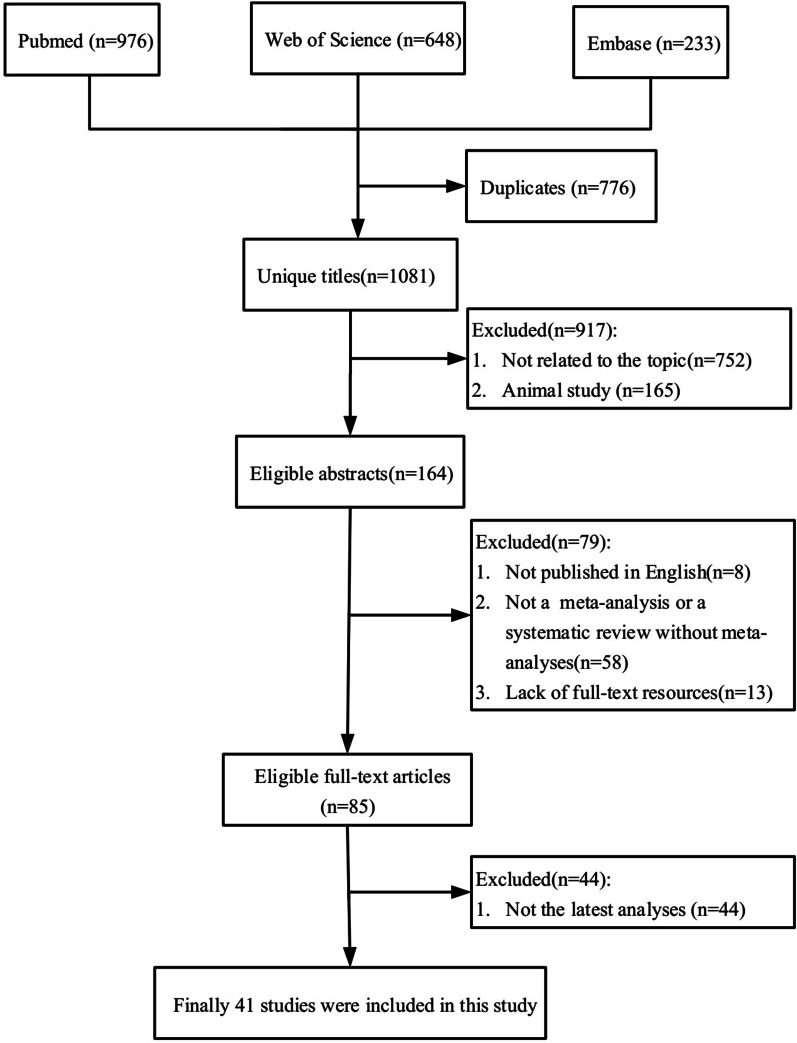
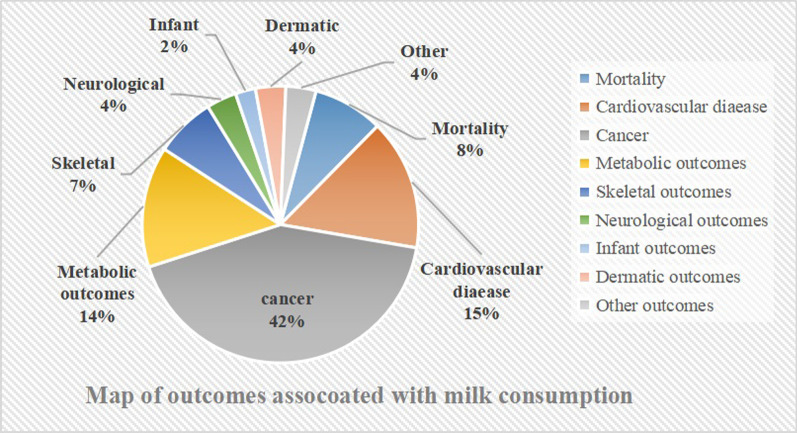
In order to recapitulate the best available evidence of milk consumption and multiple health-related outcomes, we performed an umbrella review of meta-analyses and systematic reviews in humans. Totally, 41 meta-analyses with 45 unique health outcomes were included. Milk consumption was more often related to benefits than harm to a sequence of health-related outcomes. Dose–response analyses indicated that an increment of 200 ml (approximately 1 cup) milk intake per day was associated with a lower risk of cardiovascular disease, stroke, hypertension, colorectal cancer, metabolic syndrome, obesity and osteoporosis. Beneficial associations were also found for type 2 diabetes mellitus and Alzheimer's disease. Conversely, milk intake might be associated with higher risk of prostate cancer, Parkinson’s disease, acne and Fe-deficiency anaemia in infancy. Potential allergy or lactose intolerance need for caution. Milk consumption does more good than harm for human health in this umbrella review. Our results support milk consumption as part of a healthy diet. More well-designed randomized controlled trials are warranted.
Overview
The claims and statistics of this paper haven’t been checked yet.
Free: it reads the open-access text and checks the first 5 claims that cite a source we can check. Create a free account to check every claim.
Integrity signals
Registry
Cites
Statistics
Figures
Verification
Claims the paper makes
The claims and statistics of this paper haven’t been checked yet.
Free: it reads the open-access text and checks the first 5 claims that cite a source we can check. Create a free account to check every claim.
Claims other papers make about this one
Each is checked against this paper’s own text: does it say what the citing paper says it does?
The cited source says what the claim attributes to it.
In the citing paper
“It is well known that cow’s milk is an abundant source of calcium (Ca) and protein with high biological value, both of which are essential for human growth and development (1, 2).”
From Impacts of people at-risk of either cow milk allergies or lactose intolerance on their daily calcium intake and bone mineral density (2024) · cites this paper as [1]
Self-check
Percentages, sums and reported differences re-computed from the paper’s own numbers.
The self-check needs the paper’s full text.
Citations
Cites
GRADE guidelines: 1. Introduction—GRADE evidence profiles and summary of findings tables
Guyatt, G., Oxman, A. D., Akl, E. A., Kunz, R., Vist, G., Brozek, J., Norris, S., Falck-Ytter, Y., Glasziou, P., & deBeer, H. (2011) · Journal of Clinical Epidemiology · doi:10.1016/j.jclinepi.2010.04.026 · Cited by 10,681 · cited 1×
“Based on RCTs or observational studies, the grade of evidence can be decreased or increased according to the risk of bias, imprecision, inconsistency, indirectness, and magnitude of effect [28].”
BackgroundShea, B. J., Reeves, B. C., Wells, G., Thuku, M., Hamel, C., Moran, J., Moher, D., Tugwell, P., Welch, V., Kristjansson, E., et al. (2017) · BMJ · doi:10.1136/bmj.j4008 · Cited by 10,636
Aromataris, E., Fernandez, R., Godfrey, C. M., Holly, C., Khalil, H., & Tungpunkom, P. (2015) · International Journal of Evidence-Based Healthcare · doi:10.1097/xeb.0000000000000055 · Cited by 2,587
GRADE guidelines: 7. Rating the quality of evidence—inconsistency
Guyatt, G. H., Oxman, A. D., Kunz, R., Woodcock, J., Brozek, J., Helfand, M., Alonso-Coello, P., Glasziou, P., Jaeschke, R., Akl, E. A., et al. (2011) · Journal of Clinical Epidemiology · doi:10.1016/j.jclinepi.2011.03.017 · Cited by 2,320
The prevalence of food allergy: A meta-analysis
Rona, R. J., Keil, T., Summers, C., Gislason, D., Zuidmeer, L., Sodergren, E., Sigurdardottir, S. T., Lindner, T., Goldhahn, K., Dahlstrom, J., et al. (2007) · Journal of Allergy and Clinical Immunology · doi:10.1016/j.jaci.2007.05.026 · Cited by 1,351 · cited 1×
“0% by sensitization tests or challenge confirmed allergy [62, 63].”
BackgroundDairy Consumption, Obesity, and the Insulin Resistance Syndrome in Young Adults: The CARDIA Study
Pereira, M. A., Jacobs, Jr., Van Horn, L., Slattery, M. L., Kartashov, A. I., & Ludwig, D. S. (2002) · JAMA · doi:10.1001/jama.287.16.2081 · Cited by 1,102
Ioannidis, J. P. A. (2009) · Canadian Medical Association Journal · doi:10.1503/cmaj.081086 · Cited by 716 · cited 1×
“Thus, we conducted an umbrella review by integrating evidence from multiple metaanalyses to roughly generalize the advantages and disadvantages of milk consumption [22].”
MethodMacLennan, R., & Jensen, O. M. (1977) · PubMed · Cited by 685
Earliest Date for Milk Use in the Near East and Southeastern Europe Linked to Cattle Herding
Evershed, R. P., Payne, S., Sherratt, A. G., Copley, M. S., Coolidge, J., Urem-Kotsu, D., Kotsakis, K., Özdoğan, M., Özdoğan, A. E., Nieuwenhuyse, O., et al. (2008) · Nature · doi:10.1038/nature07180 · Cited by 681 · cited 1×
“Introduction Milk (Lac), which was used by human in the early of the seventh millennium BC [1, 2], is a nutritious, white liquid food secreted by the mammary glands of mammals.”
BackgroundSERUM 25-HYDROXYVITAMIN D AND COLON CANCER: EIGHT-YEAR PROSPECTIVE STUDY
Garland, C., Garland, F., Shaw, E., Comstock, G., Helsing, K., & Gorham, E. (1989) · The Lancet · doi:10.1016/s0140-6736(89)91789-3 · Cited by 678
Cadogan, J., Eastell, R., Jones, N., & Barker, M. E. (1997) · BMJ · doi:10.1136/bmj.315.7118.1255 · Cited by 623 · cited 1×
“Evidence showed that milk has a wide range of physiological functionalities including anti-carcinogenic [7], anti-inflammatory [8], anti-oxidative [9], anti-adipogenic [10], anti-hypertensive [11], anti-hyperglycemia [12], and anti-osteoporosis [13].”
BackgroundDiagnosing and Managing Common Food Allergies: A Systematic Review
Chafen, J. J. S., Newberry, S. J., Riedl, M. A., Bravata, D. M., Maglione, M., Suttorp, M. J., Sundaram, V., Paige, N. M., Towfigh, A., Hulley, B. J., et al. (2010) · JAMA · doi:10.1001/jama.2010.582 · Cited by 482 · cited 1×
“0% by sensitization tests or challenge confirmed allergy [62, 63].”
BackgroundFoods, Fortificants, and Supplements: Where Do Americans Get Their Nutrients?
Fulgoni, V. L., Keast, D. R., Bailey, R. L., & Dwyer, J. (2011) · The Journal of Nutrition · doi:10.3945/jn.111.142257 · Cited by 474 · cited 1×
“Milk contains 18 of 22 essential nutrients [4], including a various of bioactive peptides and fatty acids such as caseins, whey proteins, milk polar lipids (MPL), α-linolenic acid (ALA), conjugated linoleic acids (CLA), palmitic acid (16:0), lactose and other minor constituents (ie, calcium, phosphorous, magnesium, an…”
BackgroundCows' Milk Fat Components as Potential Anticarcinogenic Agents
Parodi, P. W. (1997) · The Journal of Nutrition · doi:10.1093/jn/127.6.1055 · Cited by 467 · cited 1×
“Evidence showed that milk has a wide range of physiological functionalities including anti-carcinogenic [7], anti-inflammatory [8], anti-oxidative [9], anti-adipogenic [10], anti-hypertensive [11], anti-hyperglycemia [12], and anti-osteoporosis [13].”
BackgroundSoedamah-Muthu, S. S., Ding, E. L., Al-Delaimy, W. K., Hu, F. B., Engberink, M. F., Willett, W. C., & Geleijnse, J. M. (2011) · The American Journal of Clinical Nutrition · doi:10.3945/ajcn.2010.29866 · Cited by 440 · cited 1×
“99) [36], and a 4% lower risk of hypertension (0.”
BackgroundVan Horn, L., Carson, J. A. S., Appel, L. J., Burke, L. E., Economos, C., Karmally, W., Lancaster, K., Lichtenstein, A. H., Johnson, R. K., Thomas, R. J., et al. (2016) · Circulation · doi:10.1161/cir.0000000000000462 · Cited by 430 · cited 2×
“The American Heart Association/ American College of Cardiology guidelines put forward that adults should intake three servings of dairy daily [16].”
BackgroundDehghan, M., Mente, A., Rangarajan, S., Sheridan, P., Mohan, V., Iqbal, R., Gupta, R., Lear, S., Wentzel-Viljoen, E., Avezum, A., et al. (2018) · The Lancet · doi:10.1016/s0140-6736(18)31812-9 · Cited by 429 · cited 1×
“In dose–response analysis, the category of one serving or one glass of milk was equal to 244 g [29].”
BackgroundEarly exposure to cow's milk protein is protective against IgE-mediated cow's milk protein allergy
Katz, Y., Rajuan, N., Goldberg, M. R., Eisenberg, E., Heyman, E., Cohen, A., & Leshno, M. (2010) · Journal of Allergy and Clinical Immunology · doi:10.1016/j.jaci.2010.04.020 · Cited by 426
Gijsbers, L., Ding, E. L., Malik, V. S., de Goede, J., Geleijnse, J. M., & Soedamah-Muthu, S. S. (2016) · The American Journal of Clinical Nutrition · doi:10.3945/ajcn.115.123216 · Cited by 404 · cited 1×
“6% studies reported there were no publication biases while 5 report significant evidence for publication biases including stroke, hip fracture, vertebral fracture and diabetes [70].”
BackgroundGuo, J., Astrup, A., Lovegrove, J. A., Gijsbers, L., Givens, D. I., & Soedamah-Muthu, S. S. (2017) · European Journal of Epidemiology · doi:10.1007/s10654-017-0243-1 · Cited by 387 · cited 1×
“Cardiovascular disease Although high verse low milk consumption was not related to the risk of CVD, CHD and stroke [33, 34], dose–response analysis manifested a 7% lower risk of stroke (0.”
BackgroundSchwab, U., Lauritzen, L., Tholstrup, T., Haldorsson, T. I., Riserus, U., Uusitupa, M., & Becker, W. (2014) · Food & Nutrition Research · doi:10.3402/fnr.v58.25145 · Cited by 384 · cited 1×
“The main components of milk such as calcium and magnesium [109], Casein and whey protein [5], trans-11 vaccenic acid [111], linoleic acid [112], MPL [10], vitamin D [113], and its effect on enhancing satiety [114] may be responsible for the mechanism behind the beneficial associations.”
BackgroundMilk intake and risk of mortality and fractures in women and men: cohort studies
Michaelsson, K., Wolk, A., Langenskiold, S., Basu, S., Warensjo Lemming, E., Melhus, H., & Byberg, L. (2014) · BMJ · doi:10.1136/bmj.g6015 · Cited by 376 · cited 1×
“Milk contains 18 of 22 essential nutrients [4], including a various of bioactive peptides and fatty acids such as caseins, whey proteins, milk polar lipids (MPL), α-linolenic acid (ALA), conjugated linoleic acids (CLA), palmitic acid (16:0), lactose and other minor constituents (ie, calcium, phosphorous, magnesium, an…”
BackgroundDirect Demonstration of Milk as an Element of Archaeological Economies
Dudd, S. N., & Evershed, R. P. (1998) · Science · doi:10.1126/science.282.5393.1478 · Cited by 358 · cited 1×
“Introduction Milk (Lac), which was used by human in the early of the seventh millennium BC [1, 2], is a nutritious, white liquid food secreted by the mammary glands of mammals.”
BackgroundSteffen, L. M., Kroenke, C. H., Yu, X., Pereira, M. A., Slattery, M. L., Van Horn, L., Gross, M. D., & Jacobs, D. R. (2005) · The American Journal of Clinical Nutrition · doi:10.1093/ajcn/82.6.1169 · Cited by 338 · cited 1×
“In the early 1985, the CARDIA study of 4304 participants has indicated that intakes of milk was inversely associated with the elevated blood pressure (BP) over a 15-year follow-up period [71].”
BackgroundDIET, OBESITY, AND RISK OF FATAL PROSTATE CANCER1
SNOWDON, D. A., PHILLIPS, R. L., & CHOI, W. (1984) · American Journal of Epidemiology · doi:10.1093/oxfordjournals.aje.a113886 · Cited by 335 · cited 2×
“In the early 1984, the associations between prostate cancer and milk consumption have been found [96].”
BackgroundAune, D., Navarro Rosenblatt, D. A., Chan, D. S., Vieira, A. R., Vieira, R., Greenwood, D. C., Vatten, L. J., & Norat, T. (2015) · The American Journal of Clinical Nutrition · doi:10.3945/ajcn.113.067157 · Cited by 314 · cited 1×
“21) [39], diffuse large B-cell lymphoma [40] and gastric cancer [41].”
BackgroundHuth, P. J., & Park, K. M. (2012) · Advances in Nutrition · doi:10.3945/an.112.002030 · Cited by 281 · cited 3×
“MPL: Milk polar lipids; ALA: α-Linolenic acid; CLA: Conjugated linoleic acids; OR: Odds ratio; RR: Relative risk; HR: Hazard ratio; MD: Mean difference; SMD: Standardized mean differences; RCTs: Randomized controlled trials; CI: Confidence interval; AMSTAR : A measurement tool to assess systematic reviews; GRADE: Grad…”
BackgroundMelnik, B. C., & Schmitz, G. (2009) · Experimental Dermatology · doi:10.1111/j.1600-0625.2009.00924.x · Cited by 266 · cited 1×
“The possible explanation was that milk would increase the insulin and IGF-1 concentration [102] which would promote the phosphorylation of transcription factor Forkhead box protein O1, trigger the nutrient sensitive kinase, mammalian target of rapamycin complex 1, stimulate the sebaceous glands and result in occurrenc…”
BackgroundSystematic Review: Effective Management Strategies for Lactose Intolerance
Shaukat, A., Levitt, M. D., Taylor, B. C., MacDonald, R., Shamliyan, T. A., Kane, R. L., & Wilt, T. J. (2010) · Annals of Internal Medicine · doi:10.7326/0003-4819-152-12-201006150-00241 · Cited by 265 · cited 1×
“However, most person with presumed lactose intolerance or malabsorption can tolerate 12–15 g of lactose (roughly 1 cup of milk) [67, 69].”
Diet, nutrition, and cancer: past, present and future
Mayne, S. T., Playdon, M. C., & Rock, C. L. (2016) · Nature Reviews Clinical Oncology · doi:10.1038/nrclinonc.2016.24 · Cited by 260 · cited 1×
“In addition, most of the outcomes came from observational study, which may limit the association effects for each outcome due to heterogeneity and bias across studies [145].”
BackgroundLactose Intolerance, Dairy Avoidance, and Treatment Options
Szilagyi, A., & Ishayek, N. (2018) · Nutrients · doi:10.3390/nu10121994 · Cited by 249
Soedamah-Muthu, S. S., Verberne, L. D. M., Ding, E. L., Engberink, M. F., & Geleijnse, J. M. (2012) · Hypertension · doi:10.1161/hypertensionaha.112.195206 · Cited by 247 · cited 1×
“98) [37] with increment of 200 ml milk consumption per day.”
BackgroundDairy consumption and CVD: a systematic review and meta-analysis
Alexander, D. D., Bylsma, L. C., Vargas, A. J., Cohen, S. S., Doucette, A., Mohamed, M., Irvin, S. R., Miller, P. E., Watson, H., & Fryzek, J. P. (2016) · British Journal of Nutrition · doi:10.1017/s0007114515005000 · Cited by 245 · cited 1×
“It has been considered that milk fats were important sources for saturated fatty acids (SFAs), which have been related to an elevated risk of CVD because of the high levels of low density lipoprotein cholesterol (LDL-C), therefore, low-fat or fat-free milk rather than regular-fat milk was recommended by some authoriti…”
BackgroundMarcone, S., Belton, O., & Fitzgerald, D. J. (2017) · British Journal of Clinical Pharmacology · doi:10.1111/bcp.13002 · Cited by 234 · cited 1×
“(1) SFAs (such as C15 and C17) may have a protective effect on CVD in observational studies [78, 79]; (2) CLA and sphingolipids had potential cardio-protective effects [80]; (3) Milk proteins can be digested and generated the bioactive peptides, which were connected with a decreasing hypertension risk [81]; (4) Higher…”
BackgroundShultz, T. D., Chew, B. P., Seaman, W. R., & Luedecke, L. O. (1992) · Cancer Letters · doi:10.1016/0304-3835(92)90062-z · Cited by 227 · cited 1×
“Several possible biological mechanisms might underlie the associations: (1) Calcium, the main component of milk can unconcerned about bile acids and FFAs (predominately deoxycholic and lithocolic acids) and prevent or reduce their toxicity to the colonic epithelial cells [90]; (2) Vitamin D would protect against colon…”
BackgroundEffects of vitamin D deficiency and repletion on insulin and glucagon secretion in man
Gedik, O., & Akahn, S. (1986) · Diabetologia · doi:10.1007/bf02427083 · Cited by 211 · cited 1×
“The main components of milk such as calcium and magnesium [109], Casein and whey protein [5], trans-11 vaccenic acid [111], linoleic acid [112], MPL [10], vitamin D [113], and its effect on enhancing satiety [114] may be responsible for the mechanism behind the beneficial associations.”
BackgroundDietary fat intake and risk of prostate cancer: A prospective study of 25,708 Norwegian men
Veierød, M. B., Laake, P., & Thelle, D. S. (1997) · International Journal of Cancer · doi:10.1002/(sici)1097-0215(19971127)73:5<634::aid-ijc4>3.0.co;2-y · Cited by 206 · cited 3×
“Besides, milk consumption was also inversely associated with obesity, each increment 100 ml/d was associated with 0.26 kg/m2 lower BMI [83].”
BackgroundInfluentialUmbrella reviews: what they are and why we need them
Papatheodorou, S. (2019) · European Journal of Epidemiology · doi:10.1007/s10654-019-00505-6 · Cited by 201 · cited 1×
“Umbrella reviews could provide the highest quality of evidence, if performed and interpreted properly [21].”
BackgroundDairy products and colorectal cancer. A review of possible mechanisms and epidemiological evidence
Norat, T., & Riboli, E. (2003) · European Journal of Clinical Nutrition · doi:10.1038/sj.ejcn.1601522 · Cited by 194 · cited 1×
“Several possible biological mechanisms might underlie the associations: (1) Calcium, the main component of milk can unconcerned about bile acids and FFAs (predominately deoxycholic and lithocolic acids) and prevent or reduce their toxicity to the colonic epithelial cells [90]; (2) Vitamin D would protect against colon…”
BackgroundWHO draft guidelines on dietary saturated and trans fatty acids: time for a new approach?
Astrup, A., Bertram, H. C., Bonjour, J.-P., de Groot, L. C., de Oliveira Otto, M. C., Feeney, E. L., Garg, M. L., Givens, I., Kok, F. J., Krauss, R. M., et al. (2019) · BMJ · doi:10.1136/bmj.l4137 · Cited by 190
Ma, J., Giovannucci, E., Pollak, M., Chan, J. M., Gaziano, J. M., Willett, W., & Stampfer, M. J. (2001) · JNCI Journal of the National Cancer Institute · doi:10.1093/jnci/93.17.1330 · Cited by 189 · cited 1×
“Several possible biological mechanisms might underlie the associations: (1) Calcium, the main component of milk can unconcerned about bile acids and FFAs (predominately deoxycholic and lithocolic acids) and prevent or reduce their toxicity to the colonic epithelial cells [90]; (2) Vitamin D would protect against colon…”
BackgroundZiegler, E. E. (2011) · Nutrition Reviews · doi:10.1111/j.1753-4887.2011.00431.x · Cited by 184 · cited 1×
“5 mg/L) of cow’s milk [131]; (2) Milk consumption during infancy would result in occult intestinal blood loss [132]; (3) The components of milk including calcium and casein would inhibit the absorption of non-heme iron [131, 133].”
BackgroundVillegas, R., Gao, Y.-T., Dai, Q., Yang, G., Cai, H., Li, H., Zheng, W., & Shu, X. O. (2009) · The American Journal of Clinical Nutrition · doi:10.3945/ajcn.2008.27182 · Cited by 184 · cited 2×
“The main components of milk such as calcium and magnesium [109], Casein and whey protein [5], trans-11 vaccenic acid [111], linoleic acid [112], MPL [10], vitamin D [113], and its effect on enhancing satiety [114] may be responsible for the mechanism behind the beneficial associations.”
BackgroundPreparation and use of food-based dietary guidelines : report of a Joint FAO/WHO Consultation
Fao, J., & Preparation, W. C. O. (1998) · World Health Organization eBooks · Cited by 178
Tian, S., Xu, Q., Jiang, R., Han, T., Sun, C., & Na, L. (2017) · Nutrients · doi:10.3390/nu9090982 · Cited by 172
Fontecha, J., Calvo, M. V., Juarez, M., Gil, A., & Martínez-Vizcaino, V. (2019) · Advances in Nutrition · doi:10.1093/advances/nmy099 · Cited by 169 · cited 1×
“(1) SFAs (such as C15 and C17) may have a protective effect on CVD in observational studies [78, 79]; (2) CLA and sphingolipids had potential cardio-protective effects [80]; (3) Milk proteins can be digested and generated the bioactive peptides, which were connected with a decreasing hypertension risk [81]; (4) Higher…”
BackgroundFood Sources of Saturated Fat and the Association With Mortality: A Meta-Analysis
O’Sullivan, T. A., Hafekost, K., Mitrou, F., & Lawrence, D. (2013) · American Journal of Public Health · doi:10.2105/ajph.2013.301492 · Cited by 168 · cited 1×
“Mortality Milk consumption was not connected with total mortality [30], CVD mortality [31] or all-cancer mortality [32], while it was associated with a elevated risk of mortality from coronary heart disease (CHD) (1.”
BackgroundNIH consensus development conference statement: Lactose intolerance and health.
Suchy, F. J., Brannon, P. M., Carpenter, T. O., Fernández, J. R., Gilsanz, V., Gould, J. B., Hall, K., Hui, S. L., Lupton, J. R., Mennella, J. A., et al. (2010) · PubMed · Cited by 157
Jiang, W., Ju, C., Jiang, H. F., & Zhang, D. (2014) · European Journal of Epidemiology · doi:10.1007/s10654-014-9921-4 · Cited by 150 · cited 1×
“Linear dose– response relationship manifested that PD risk would be increased by 17% for every 200 g/day per day increase in milk consumption [57].”
BackgroundEffect of calcium supplementation on daily nonheme-iron absorption and long-term iron status
Minihane, A. M., & Fairweather‐Tait, S. J. (1998) · American Journal of Clinical Nutrition · doi:10.1093/ajcn/68.1.96 · Cited by 147 · cited 1×
“5 mg/L) of cow’s milk [131]; (2) Milk consumption during infancy would result in occult intestinal blood loss [132]; (3) The components of milk including calcium and casein would inhibit the absorption of non-heme iron [131, 133].”
BackgroundConsumption of milk and calcium in midlife and the future risk of Parkinson disease
Park, M., Ross, G. W., Petrovitch, H., White, L. R., Masaki, K. H., Nelson, J. S., Tanner, C. M., Curb, J. D., Blanchette, P. L., & Abbott, R. D. (2005) · Neurology · doi:10.1212/01.wnl.0000154532.98495.bf · Cited by 145 · cited 2×
“3-fold in the highest group (sixteen Ounces per day) compared with lowest group in the Hnolulu Heart Program [120].”
BackgroundInfluentialDietary Factors Associated with Dental Erosion: A Meta-Analysis
Li, H., Zou, Y., & Ding, G. (2012) · PLoS ONE · doi:10.1371/journal.pone.0042626 · Cited by 141 · cited 1×
“66) [59] but not with endometriosis [60] or dental erosion [61].”
BackgroundJuhl, C. R., Bergholdt, H. K. M., Miller, I. M., Jemec, G. B. E., Kanters, J. K., & Ellervik, C. (2018) · Nutrients · doi:10.3390/nu10081049 · Cited by 141 · cited 1×
“Another recent meta-analysis of observational studies in individuals aged 7–30 years also demonstrated milk consumption was related to a higher risk of acne, not only for whole milk but also low-fat or skimmed milk, and the effects were significantly related to the frequency of milk consumption [125].”
BackgroundDietary bioactive peptides: Human studies
Bouglé, D., & Bouhallab, S. (2017) · Critical Reviews in Food Science and Nutrition · doi:10.1080/10408398.2013.873766 · Cited by 139 · cited 2×
“The main components of milk such as calcium and magnesium [109], Casein and whey protein [5], trans-11 vaccenic acid [111], linoleic acid [112], MPL [10], vitamin D [113], and its effect on enhancing satiety [114] may be responsible for the mechanism behind the beneficial associations.”
Backgroundde Goede, J., Soedamah‐Muthu, S. S., Pan, A., Gijsbers, L., & Geleijnse, J. M. (2016) · Journal of the American Heart Association · doi:10.1161/jaha.115.002787 · Cited by 138
Whole grain consumption and human health: an umbrella review of observational studies
Tieri, M., Ghelfi, F., Vitale, M., Vetrani, C., Marventano, S., Lafranconi, A., Godos, J., Titta, L., Gambera, A., Alonzo, E., et al. (2020) · International Journal of Food Sciences and Nutrition · doi:10.1080/09637486.2020.1715354 · Cited by 138
Lactose Intolerance Symptoms Assessed by Meta-Analysis: A Grain of Truth That Leads to Exaggeration
Savaiano, D. A., Boushey, C. J., & McCabe, G. P. (2006) · Journal of Nutrition · doi:10.1093/jn/136.4.1107 · Cited by 133 · cited 2×
“Lactose intolerance is a real and important clinical syndrome [66, 67], its prevalence is 0–17.”
BackgroundOral immunotherapy for milk allergy
Yeung, J. P., Kloda, L. A., McDevitt, J., Ben-Shoshan, M., & Alizadehfar, R. (2012) · Cochrane Database of Systematic Reviews · doi:10.1002/14651858.cd009542.pub2 · Cited by 129
Ulven, S. M., Holven, K. B., Gil, Á., & Rangel-Huerta, Ó. D. (2018) · Advances in Nutrition · doi:10.1093/advances/nmy072 · Cited by 128 · cited 1×
“effect in both healthy and metabolically abnormal subjects [142].”
BackgroundOzawa, M., Ohara, T., Ninomiya, T., Hata, J., Yoshida, D., Mukai, N., Nagata, M., Uchida, K., Shirota, T., Kitazono, T., et al. (2014) · Journal of the American Geriatrics Society · doi:10.1111/jgs.12887 · Cited by 127 · cited 2×
“The possible mechanisms were proposed that milk and its components such as milk peptide [116], β-Casein [117], calcium and magnesium [115], would tribute to the low risk of AD by suppressing the expression of inflammatory cytokines and production of oxidative stress [118], inhibiting the aggregation and deposition of…”
BackgroundLu, W., Chen, H., Niu, Y., Wu, H., Xia, D., & Wu, Y. (2016) · Nutrition Journal · doi:10.1186/s12937-016-0210-9 · Cited by 124 · cited 1×
“Mortality Milk consumption was not connected with total mortality [30], CVD mortality [31] or all-cancer mortality [32], while it was associated with a elevated risk of mortality from coronary heart disease (CHD) (1.”
BackgroundWu, J., Zeng, R., Huang, J., Li, X., Zhang, J., Ho, J., & Zheng, Y. (2016) · Nutrients · doi:10.3390/nu8110730 · Cited by 124 · cited 1×
“The effects were inconsistent for bladder cancer [42], breast cancer [43], ovarian cancer [44] and non-Hodgkin’s lymphoma [40] because of the different type or dose of milk.”
BackgroundFekete, Á. A., Giromini, C., Chatzidiakou, Y., Givens, D. I., & Lovegrove, J. A. (2016) · The American Journal of Clinical Nutrition · doi:10.3945/ajcn.116.137919 · Cited by 123 · cited 1×
“RCTs have shown that milk proteins can significantly reduce the systolic BP, diastolic BP, 24-h ambulatory BP, and other risk markers for CVD including total cholesterol (TC) and triacylglycerol [72, 73].”
BackgroundBarrubés, L., Babió, N., Becerra‐Tomás, N., Rosique-Esteban, N., & Salas‐Salvadó, J. (2018) · Advances in Nutrition · doi:10.1093/advances/nmy114 · Cited by 122 · cited 10×
“High milk intake was consistently related to decreased risk of colorectal cancer (CRC) (0.82, 0.76–0.88) [38].”
BackgroundInfluentialFekete, Á., Givens, D., & Lovegrove, J. (2015) · Nutrients · doi:10.3390/nu7010659 · Cited by 121 · cited 1×
“RCTs have shown that milk proteins can significantly reduce the systolic BP, diastolic BP, 24-h ambulatory BP, and other risk markers for CVD including total cholesterol (TC) and triacylglycerol [72, 73].”
BackgroundKozu, T., Iinuma, G., Ohashi, Y., Saito, Y., Akasu, T., Saito, D., Alexander, D. B., Iigo, M., Kakizoe, T., & Tsuda, H. (2009) · Cancer Prevention Research · doi:10.1158/1940-6207.capr-08-0208 · Cited by 117 · cited 1×
“Several possible biological mechanisms might underlie the associations: (1) Calcium, the main component of milk can unconcerned about bile acids and FFAs (predominately deoxycholic and lithocolic acids) and prevent or reduce their toxicity to the colonic epithelial cells [90]; (2) Vitamin D would protect against colon…”
BackgroundTherapeutic potential of dairy bioactive peptides: A contemporary perspective
Sultan, S., Huma, N., Butt, M. S., Aleem, M., & Abbas, M. (2018) · Critical Reviews in Food Science and Nutrition · doi:10.1080/10408398.2015.1136590 · Cited by 117 · cited 1×
“Evidence showed that milk has a wide range of physiological functionalities including anti-carcinogenic [7], anti-inflammatory [8], anti-oxidative [9], anti-adipogenic [10], anti-hypertensive [11], anti-hyperglycemia [12], and anti-osteoporosis [13].”
BackgroundIntake of dairy foods and risk of Parkinson disease
Hughes, K. C., Gao, X., Kim, I. Y., Wang, M., Weisskopf, M. G., Schwarzschild, M. A., & Ascherio, A. (2017) · Neurology · doi:10.1212/wnl.0000000000004057 · Cited by 116 · cited 1×
“However, several prospective cohort studies (such as the Nurses’ Health Study, the Health Professionals Follow-up Study) have found that high milk consumption was associated with elevated risk of PD [119], and the risk of PD was 2.”
BackgroundYi, M., Wu, X., Zhuang, W., Xia, L., Chen, Y., Zhao, R., Wan, Q., Du, L., & Zhou, Y. (2019) · Molecular Nutrition & Food Research · doi:10.1002/mnfr.201900389 · Cited by 116
Self-citationBCFA suppresses LPS induced IL-8 mRNA expression in human intestinal epithelial cells
Yan, Y., Wang, Z., Greenwald, J., Kothapalli, K. S. D., Park, H. G., Liu, R., Mendralla, E., Lawrence, P., Wang, X., & Brenna, J. T. (2016) · Prostaglandins Leukotrienes and Essential Fatty Acids · doi:10.1016/j.plefa.2016.12.001 · Cited by 114 · cited 1×
“(1) SFAs (such as C15 and C17) may have a protective effect on CVD in observational studies [78, 79]; (2) CLA and sphingolipids had potential cardio-protective effects [80]; (3) Milk proteins can be digested and generated the bioactive peptides, which were connected with a decreasing hypertension risk [81]; (4) Higher…”
BackgroundCalcium, Vitamin D, and Dairy Product Intake and Prostate Cancer Risk: The Multiethnic Cohort Study
Park, S.-Y., Murphy, S. P., Wilkens, L. R., Stram, D. O., Henderson, B. E., & Kolonel, L. N. (2007) · American Journal of Epidemiology · doi:10.1093/aje/kwm269 · Cited by 109 · cited 2×
“Recently, the similar results have been found in a multiethnic cohort study with 82,483 men [98].”
BackgroundResultDairy nutrients and their effect on inflammatory profile in molecular studies
Silva, M. S. D., & Rudkowska, I. (2015) · Molecular Nutrition & Food Research · doi:10.1002/mnfr.201400569 · Cited by 106 · cited 1×
“Evidence showed that milk has a wide range of physiological functionalities including anti-carcinogenic [7], anti-inflammatory [8], anti-oxidative [9], anti-adipogenic [10], anti-hypertensive [11], anti-hyperglycemia [12], and anti-osteoporosis [13].”
BackgroundMurphy, N., Norat, T., Ferrari, P., Jenab, M., Bueno-de-Mesquita, B., Skeie, G., Olsen, A., Tjønneland, A., Dahm, C. C., Overvad, K., et al. (2013) · PLoS ONE · doi:10.1371/journal.pone.0072715 · Cited by 106 · cited 11×
“High milk intake was consistently related to decreased risk of colorectal cancer (CRC) (0.82, 0.76–0.88) [38].”
BackgroundInfluentialWilliams, J., Wolff, A., Daly, A., MacDonald, A., Aukett, A., Booth, I. W., & Logan, S. (1999) · BMJ · doi:10.1136/bmj.318.7185.693 · Cited by 105 · cited 2×
“A double-blind RCT showed that the prevalence of Fe-deficiency anaemia was 33% in cow’s milk group while 2% in iron supplemented group [130].”
BackgroundMalmir, H., Larijani, B. A., & Esmaillzadeh, A. (2019) · Critical Reviews in Food Science and Nutrition · doi:10.1080/10408398.2019.1590800 · Cited by 102
Yang, B., McCullough, M. L., Gapstur, S. M., Jacobs, E. J., Bostick, R. M., Fedirko, V., Flanders, W. D., & Campbell, P. T. (2014) · Journal of Clinical Oncology · doi:10.1200/jco.2014.55.3024 · Cited by 100 · cited 1×
“performed a prospective cohort study with 2284 participants who were diagnosed with invasive non-metastatic CRC proved that post-diagnosis milk consumption was inversely connected with a lower all-cause mortality [89].”
BackgroundMusa, N. H., Mani, V., Lim, S. M., Vidyadaran, S., Abdul Majeed, A. B., & Ramasamy, K. (2017) · Journal of Dairy Research · doi:10.1017/s0022029917000620 · Cited by 100 · cited 1×
“The possible mechanisms were proposed that milk and its components such as milk peptide [116], β-Casein [117], calcium and magnesium [115], would tribute to the low risk of AD by suppressing the expression of inflammatory cytokines and production of oxidative stress [118], inhibiting the aggregation and deposition of…”
BackgroundWilson, J. F., Lahey, M. E., & Heiner, D. C. (1974) · The Journal of Pediatrics · doi:10.1016/s0022-3476(74)80713-4 · Cited by 99 · cited 1×
“5 mg/L) of cow’s milk [131]; (2) Milk consumption during infancy would result in occult intestinal blood loss [132]; (3) The components of milk including calcium and casein would inhibit the absorption of non-heme iron [131, 133].”
BackgroundEffect of Dietary Protein Supplementation on Blood Pressure: A Randomized, Controlled Trial
He, J., Wofford, M. R., Reynolds, K., Chen, J., Chen, C.-S., Myers, L., Minor, D. L., Elmer, P. J., Jones, D. W., & Whelton, P. K. (2011) · Circulation · doi:10.1161/circulationaha.110.009159 · Cited by 98 · cited 1×
“Evidence showed that milk has a wide range of physiological functionalities including anti-carcinogenic [7], anti-inflammatory [8], anti-oxidative [9], anti-adipogenic [10], anti-hypertensive [11], anti-hyperglycemia [12], and anti-osteoporosis [13].”
BackgroundRapid screening for ΔF 508 deletion in cystic fibrosis (III)
Mathew, C. G., Roberts, R. G., Harris, A. L., Bentley, & Bobrow, M. (1989) · The Lancet · Cited by 97
Mullie, P., Pizot, C., & Autier, P. (2016) · BMC Public Health · doi:10.1186/s12889-016-3889-9 · Cited by 94 · cited 1×
“Cardiovascular disease Although high verse low milk consumption was not related to the risk of CVD, CHD and stroke [33, 34], dose–response analysis manifested a 7% lower risk of stroke (0.”
BackgroundGil, Á., & Ortega, R. M. (2019) · Advances in Nutrition · doi:10.1093/advances/nmz020 · Cited by 92
Milk Intake in Early Life and Risk of Advanced Prostate Cancer
Torfadottir, J. E., Steingrímsdóttir, L., Mucci, L. A., Aspelund, T., Kasperzyk, J. L., Ólafsson, Ö., Fall, K., Tryggvadóttír, L., Harris, T. B., Launer, L. J., et al. (2011) · American Journal of Epidemiology · doi:10.1093/aje/kwr289 · Cited by 90 · cited 1×
“2-flod risk of advanced prostate cancer after adjusting lifestyle and other factors [99].”
BackgroundWang, W., Wu, Y., & Zhang, D. (2016) · Annals of Epidemiology · doi:10.1016/j.annepidem.2016.09.005 · Cited by 87 · cited 1×
“Dose–response analysis suggested that the 200 g/day increment of milk was related to a 13% lower risk of metabolic syndrome [53] and a 16% lower risk of obesity [52].”
BackgroundLiang, J., Zhou, Q., Amakye, W. K., Su, Y., & Zhang, Z. (2017) · Critical Reviews in Food Science and Nutrition · doi:10.1080/10408398.2016.1242114 · Cited by 86 · cited 1×
“(1) SFAs (such as C15 and C17) may have a protective effect on CVD in observational studies [78, 79]; (2) CLA and sphingolipids had potential cardio-protective effects [80]; (3) Milk proteins can be digested and generated the bioactive peptides, which were connected with a decreasing hypertension risk [81]; (4) Higher…”
BackgroundLee, M., Lee, H., & Kim, J. (2018) · British Journal of Nutrition · doi:10.1017/s0007114518001460 · Cited by 84 · cited 1×
“Dose–response analysis suggested that the 200 g/day increment of milk was related to a 13% lower risk of metabolic syndrome [53] and a 16% lower risk of obesity [52].”
BackgroundMatía-Martín, P., Torrego-Ellacuría, M., Larrad-Sainz, A., Fernández-Pérez, C., Cuesta-Triana, F., & Rubio-Herrera, M. Á. (2019) · Advances in Nutrition · doi:10.1093/advances/nmy097 · Cited by 83 · cited 1×
“Skeletal outcomes Milk consumption was not related to the risk of hip fracture [54] while every additional 200 g/day milk consumption was connected with a 39% lower risk of osteoporosis (0.”
BackgroundSEVERE LACTOSE INTOLERANCE IN INFANCY
Holzel, A., Mereu, T. R., & Thomson, M. L. (1962) · The Lancet · doi:10.1016/s0140-6736(62)91021-8 · Cited by 81
The human lactase‐phlorizin hydrolase gene is located on chromosome 2
Kruse, T. A., Bolund, L., Grzeschik, K., Ropers, H., Sjöström, H., Norén, O., Mantei, N., & Semenza, G. (1988) · FEBS Letters · doi:10.1016/0014-5793(88)80352-1 · Cited by 80
Li, N., Wu, X., Zhuang, W., Xia, L., Chen, Y., Zhao, R., Yi, M., Wan, Q., Du, L., & Zhou, Y. (2020) · Molecular Nutrition & Food Research · doi:10.1002/mnfr.201900751 · Cited by 80
Self-citationNeniskyte, U., & Brown, G. C. (2013) · Journal of Neurochemistry · doi:10.1111/jnc.12288 · Cited by 77 · cited 1×
“The possible mechanisms were proposed that milk and its components such as milk peptide [116], β-Casein [117], calcium and magnesium [115], would tribute to the low risk of AD by suppressing the expression of inflammatory cytokines and production of oxidative stress [118], inhibiting the aggregation and deposition of…”
BackgroundDiseases of the Small Intestine in Childhood
(1976) · Archives of Disease in Childhood · doi:10.1136/adc.51.3.247-a · Cited by 76
Acne and dairy products in adolescence: results from a Norwegian longitudinal study
Ulvestad, M., Bjertness, E., Dalgard, F., & Halvorsen, J. A. (2017) · Journal of the European Academy of Dermatology and Venereology · doi:10.1111/jdv.13835 · Cited by 74 · cited 2×
“The gender differences would be due to the different pattern of dairy intake, maturational stage and life styles [124].”
BackgroundMazidi, M., Mikhailidis, D. P., Sattar, N., Howard, G., Graham, I., & Banach, M. (2019) · Clinical Nutrition · doi:10.1016/j.clnu.2018.12.015 · Cited by 74
Kim, D., & Kim, J. (2017) · British Journal of Nutrition · doi:10.1017/s000711451600444x · Cited by 73 · cited 1×
“The cohort studies with 7240 adults in Korean found that the people consumed more than seven servings per week had a half reduction of metabolic syndrome risk, and the individual components such as elevated blood pressure, hypertriacylglycerolaemia, abdominal obesity and hyperglycaemia were reduced as well compared wi…”
BackgroundMolecular Approaches for Diagnosis, Therapy and Prevention of Cow’s Milk Allergy
Linhart, B., Freidl, R., Elisyutina, O. G., Khaitov, M. R., Karaulov, A. V., & Valenta, R. (2019) · Nutrients · doi:10.3390/nu11071492 · Cited by 73 · cited 1×
“Recently, several approaches were found to prevent and treat milk allergy [136, 137].”
BackgroundDairy intake and acne development: A meta-analysis of observational studies
Aghasi, M., Golzarand, M., Shab-Bidar, S., Aminianfar, A., Omidian, M., & Taheri, F. (2019) · Clinical Nutrition · doi:10.1016/j.clnu.2018.04.015 · Cited by 72 · cited 2×
“Milk intake might increase the risk and severity of acne in this review [59].”
BackgroundLee, J., Fu, Z., Chung, M., Jang, D.-J., & Lee, H.-J. (2018) · Nutrition Journal · doi:10.1186/s12937-018-0387-1 · Cited by 70
Cavero‐Redondo, I., Álvarez‐Bueno, C., Sotos‐Prieto, M., Gil, Á., Martínez‐Vizcaíno, V., & Ruiz, J. R. (2019) · Advances in Nutrition · doi:10.1093/advances/nmy128 · Cited by 69
Geng, T., Qi, L., & Huang, T. (2018) · Molecular Nutrition & Food Research · doi:10.1002/mnfr.201700410 · Cited by 68 · cited 1×
“A meta-analysis of 37 RCTs manifested that high dairy intake was associated with lower body weight and body fat while higher lean mass with energy restriction [110].”
MethodMena‐Sánchez, G., Becerra‐Tomás, N., Babió, N., & Salas‐Salvadó, J. (2018) · Advances in Nutrition · doi:10.1093/advances/nmy083 · Cited by 68
Melnik, B. (2012) · Acta Dermato Venereologica · doi:10.2340/00015555-1358 · Cited by 67 · cited 1×
“The possible explanation was that milk would increase the insulin and IGF-1 concentration [102] which would promote the phosphorylation of transcription factor Forkhead box protein O1, trigger the nutrient sensitive kinase, mammalian target of rapamycin complex 1, stimulate the sebaceous glands and result in occurrenc…”
BackgroundUncommon Fatty Acids and Cardiometabolic Health
Li, K., Sinclair, A. J., Zhao, F., & Li, D. (2018) · Nutrients · doi:10.3390/nu10101559 · Cited by 67 · cited 1×
“No association was found between milk consumption and endometrial cancer [45], esophageal squamous cell carcinoma [46], hepatocellular carcinoma [47], lung cancer [48], follicular lymphoma [40], small lymphocytic lymphoma/chronic lymphocytic leukemia [40] and pancreatic cancer [49].”
BackgroundSelf-citationDairy products and pancreatic cancer risk: a pooled analysis of 14 cohort studies
Genkinger, J. M., Wang, M., Li, R., Albanes, D., Anderson, K. E., Bernstein, L., van den Brandt, P. A., English, D. R., Freudenheim, J. L., Fuchs, C. S., et al. (2014) · Annals of Oncology · doi:10.1093/annonc/mdu019 · Cited by 66 · cited 1×
“No association was found between milk consumption and endometrial cancer [45], esophageal squamous cell carcinoma [46], hepatocellular carcinoma [47], lung cancer [48], follicular lymphoma [40], small lymphocytic lymphoma/chronic lymphocytic leukemia [40] and pancreatic cancer [49].”
BackgroundMilard, M., Laugerette, F., Durand, A., Buisson, C., Meugnier, E., Loizon, E., Louche‐Pélissier, C., Sauvinet, V., Garnier, L., Viel, S., et al. (2019) · Molecular Nutrition & Food Research · doi:10.1002/mnfr.201801078 · Cited by 66 · cited 5×
“(1) SFAs (such as C15 and C17) may have a protective effect on CVD in observational studies [78, 79]; (2) CLA and sphingolipids had potential cardio-protective effects [80]; (3) Milk proteins can be digested and generated the bioactive peptides, which were connected with a decreasing hypertension risk [81]; (4) Higher…”
BackgroundInfluentialMelnik, B. C. (2017) · Nutrition & Metabolism · doi:10.1186/s12986-017-0212-4 · Cited by 65 · cited 1×
“0 ug/L higher IGF-1 [102]; (2) The casein would contribute to the proliferation of prostate cancer cells including PC3 and LNCaP [103]; (3) Milk would disrupt the p53 and DNA methyltransferase 1 and promote prostate cancer, which were the guardians of the genome [104]; (4) Calcium and phosphorous may decrease concentr…”
BackgroundBermejo, L. M., Plaza, B. L., Santurino, C., Cavero‐Redondo, I., & Gómez‐Candela, C. (2019) · Advances in Nutrition · doi:10.1093/advances/nmy119 · Cited by 65 · cited 1×
“The effects were inconsistent for bladder cancer [42], breast cancer [43], ovarian cancer [44] and non-Hodgkin’s lymphoma [40] because of the different type or dose of milk.”
BackgroundGriebler, U., Bruckmüller, M. U., Kien, C., Dieminger, B., Meidlinger, B., Seper, K., Hitthaller, A., Emprechtinger, R., Wolf, A., & Gartlehner, G. (2015) · Public Health Nutrition · doi:10.1017/s1368980015001354 · Cited by 63 · cited 1×
“19) [58] but not of type 1 diabetes mellitus [58] in infancy.”
BackgroundPlaza, B. L., Bermejo, L. M., Santurino, C., Cavero‐Redondo, I., Álvarez‐Bueno, C., & Gómez‐Candela, C. (2019) · Advances in Nutrition · doi:10.1093/advances/nmz014 · Cited by 63 · cited 1×
“An overview [105] and the WCRF/AICR report [106] concluded that milk consumption probably increased prostate cancer risk, while the evidence was limited.”
BackgroundMartorell‐Calatayud, C., García, A. M., Aragonés, A. M., & De La Hoz Caballer, B. (2014) · PubMed · Cited by 59
Engel, S., Elhauge, M., & Tholstrup, T. (2017) · European Journal of Clinical Nutrition · doi:10.1038/s41430-017-0042-5 · Cited by 58 · cited 1×
“And a randomized crossover study has found that the differences of whole milk and skimmed milk for TC, LDL-C and triacylglycerol were not significant [76].”
BackgroundVentura, E. R., Konigorski, S., Rohrmann, S., Schneider, H., Stalla, G. K., Pischon, T., Linseisen, J., & Nimptsch, K. (2019) · European Journal of Nutrition · doi:10.1007/s00394-019-01994-7 · Cited by 58 · cited 5×
“The possible explanation was that milk would increase the insulin and IGF-1 concentration [102] which would promote the phosphorylation of transcription factor Forkhead box protein O1, trigger the nutrient sensitive kinase, mammalian target of rapamycin complex 1, stimulate the sebaceous glands and result in occurrenc…”
BackgroundInfluentialDairy intake and risk of type 2 diabetes
Talaei, M., Pan, A., Yuan, J.-M., & Koh, W.-P. (2018) · Clinical Nutrition · doi:10.1016/j.clnu.2017.02.022 · Cited by 54
Tat, D., Kenfield, S. A., Cowan, J. E., Broering, J. M., Carroll, P. R., Blarigan, E. L. V., & Chan, J. M. (2017) · The Prostate · doi:10.1002/pros.23441 · Cited by 50
Hartwig, F. P., Horta, B. L., Smith, G. D., de Mola, C. L., & Victora, C. G. (2016) · International Journal of Epidemiology · doi:10.1093/ije/dyw074 · Cited by 47
Dairy intake in relation to prostate cancer survival
Downer, M. K., Batista, J. L., Mucci, L. A., Stampfer, M. J., Epstein, M. M., Håkansson, N., Wolk, A., Johansson, J., Andrén, O., Fall, K., et al. (2017) · International Journal of Cancer · doi:10.1002/ijc.30642 · Cited by 45 · cited 2×
“0 ug/L higher IGF-1 [102]; (2) The casein would contribute to the proliferation of prostate cancer cells including PC3 and LNCaP [103]; (3) Milk would disrupt the p53 and DNA methyltransferase 1 and promote prostate cancer, which were the guardians of the genome [104]; (4) Calcium and phosphorous may decrease concentr…”
BackgroundBenatar, J. R., Jones, E., White, H., & Stewart, R. A. (2014) · European Journal of Preventive Cardiology · doi:10.1177/2047487313493567 · Cited by 43 · cited 1×
“All of the evidence showed that milk consumption would not rise up the risk of CVD, whereas it may show a protective effect in CVD, which can be included as part of healthy diet [85].”
BackgroundDairy Product Consumption and Risk of Non-Hodgkin Lymphoma: A Meta-Analysis
Wang, J., Li, X., & Zhang, D. (2016) · Nutrients · doi:10.3390/nu8030120 · Cited by 43 · cited 3×
“The effects were inconsistent for bladder cancer [42], breast cancer [43], ovarian cancer [44] and non-Hodgkin’s lymphoma [40] because of the different type or dose of milk.”
BackgroundIron status of one-year-olds and association with breast milk, cow’s milk or formula in late infancy
Thorisdottir, A. V., Ramel, A., Palsson, G. I., Tomassson, H., & Þórsdóttir, I. (2012) · European Journal of Nutrition · doi:10.1007/s00394-012-0472-8 · Cited by 42 · cited 1×
“Summary analysis from of cohorts has revealed that the incidence of iron deficiency was highest in cow’s milk group compared with breast milk or follow-on formula [129].”
BackgroundHeiner, D. C., Wilson, J. F., & Lahey, M. E. (1964) · JAMA · doi:10.1001/jama.1964.03070070035009 · Cited by 41 · cited 1×
“In the later, antigens in cow’s milk were identified [135].”
BackgroundDairy Product, Calcium Intake and Lung Cancer Risk: A Systematic Review with Meta-Analysis
Yang, Y., Wang, X., Yao, Q., Qin, L., & Xu, C. (2016) · Scientific Reports · doi:10.1038/srep20624 · Cited by 41 · cited 1×
“No association was found between milk consumption and endometrial cancer [45], esophageal squamous cell carcinoma [46], hepatocellular carcinoma [47], lung cancer [48], follicular lymphoma [40], small lymphocytic lymphoma/chronic lymphocytic leukemia [40] and pancreatic cancer [49].”
BackgroundTrans‐11 vaccenic acid improves insulin secretion in models of type 2 diabetes in vivo and in vitro
Wang, X., Gupta, J., Kerslake, M., Rayat, G. R., Proctor, S. D., & Chan, C. B. (2015) · Molecular Nutrition & Food Research · doi:10.1002/mnfr.201500783 · Cited by 39 · cited 1×
“The main components of milk such as calcium and magnesium [109], Casein and whey protein [5], trans-11 vaccenic acid [111], linoleic acid [112], MPL [10], vitamin D [113], and its effect on enhancing satiety [114] may be responsible for the mechanism behind the beneficial associations.”
BackgroundMilk in the diet: good or bad for vascular disease?
Givens, D. I. (2011) · Proceedings of The Nutrition Society · doi:10.1017/s0029665111003223 · Cited by 36
Milk, Yogurt, and Lactose Intake and Ovarian Cancer Risk: A Meta-Analysis
Liu, J., Tang, W., Sang, L., Dai, X., Wei, D., Luo, Y., & Zhang, J. (2015) · Nutrition and Cancer · doi:10.1080/01635581.2014.956247 · Cited by 36 · cited 1×
“The effects were inconsistent for bladder cancer [42], breast cancer [43], ovarian cancer [44] and non-Hodgkin’s lymphoma [40] because of the different type or dose of milk.”
BackgroundTantamango-Bartley, Y., Knutsen, S. F., Jaceldo‐Siegl, K., Fan, J., Mashchak, A., & Fraser, G. E. (2017) · Public Health Nutrition · doi:10.1017/s1368980017001422 · Cited by 35 · cited 10×
“High milk intake was consistently related to decreased risk of colorectal cancer (CRC) (0.82, 0.76–0.88) [38].”
BackgroundInfluentialJuhl, C. R., Bergholdt, H. K. M., Miller, I. M., Jemec, G. B. E., Kanters, J. K., & Ellervik, C. (2018) · Nutrients · doi:10.3390/nu10081041 · Cited by 30 · cited 1×
“However, the Mendelian randomization study with 20,416 Danish adults failed to observe the associations between milk consumption and acne [128].”
BackgroundA Milk Protein, Casein, as a Proliferation Promoting Factor in Prostate Cancer Cells
Park, S., Kim, J., Kim, Y. S., Lee, S. D., Lee, S. D., & Chung, M. K. (2014) · The World Journal of Men s Health · doi:10.5534/wjmh.2014.32.2.76 · Cited by 28 · cited 2×
“0 ug/L higher IGF-1 [102]; (2) The casein would contribute to the proliferation of prostate cancer cells including PC3 and LNCaP [103]; (3) Milk would disrupt the p53 and DNA methyltransferase 1 and promote prostate cancer, which were the guardians of the genome [104]; (4) Calcium and phosphorous may decrease concentr…”
BackgroundInfluentialWang, S., Zhou, M., Ji, A., Zhang, D., & He, J. (2017) · Oncotarget · doi:10.18632/oncotarget.23496 · Cited by 28 · cited 1×
“21) [39], diffuse large B-cell lymphoma [40] and gastric cancer [41].”
BackgroundO'Connor, S. E., Greffard, K., Leclercq, M., Julien, P., Weisnagel, S. J., Gagnon, C., Droit, A., Bilodeau, J., & Rudkowska, I. (2019) · Molecular Nutrition & Food Research · doi:10.1002/mnfr.201900126 · Cited by 28
Bakken, T., Braaten, T., Olsen, A., Hjartåker, A., Lund, E., & Skeie, G. (2018) · British Journal Of Nutrition · doi:10.1017/s0007114518000752 · Cited by 27 · cited 1×
“The Norwegian Women and Cancer Cohort Study of 81,675 participants indicated that milk consumption was weakly associated with a lower risk of colon cancer among women [88].”
BackgroundKjølbæk, L., Lorenzen, J. K., Larsen, L. H., & Astrup, A. V. (2017) · Journal of Nutritional Science · doi:10.1017/jns.2017.55 · Cited by 26 · cited 5×
“However, outcomes from short-term interventional studies about CVD bio-markers have demonstrated that whole-fat milk would increase LDL-C, while high density lipoprotein cholesterol (HDL-C) was increased as well, and therefore might not influence or even lower the ratio of TC: HDL-C [75].”
BackgroundInfluentialAbreu, S., Agostinis‐Sobrinho, C., Santos, R., Moreira, C. M. M., Lopes, L., Gonçalves, C., Oliveira‐Santos, J., Sousa‐Sá, E., Rodrigues, B., Mota, J. A. P. S., et al. (2019) · Nutrients · doi:10.3390/nu11102268 · Cited by 23
Li, B., Jiang, G.-X., Xue, Q., Zhang, H., Wang, C., Zhang, G., & Xu, Z. (2014) · Asia-Pacific Journal of Clinical Oncology · doi:10.1111/ajco.12183 · Cited by 21 · cited 1×
“No association was found between milk consumption and endometrial cancer [45], esophageal squamous cell carcinoma [46], hepatocellular carcinoma [47], lung cancer [48], follicular lymphoma [40], small lymphocytic lymphoma/chronic lymphocytic leukemia [40] and pancreatic cancer [49].”
BackgroundMIP-1α, MCP-1, and Desensitization in Anaphylaxis from Cow's Milk
Guedes, P. P., Franco, Y. B.-A., & Matheu, V. M. (2012) · New England Journal of Medicine · doi:10.1056/nejmc1200337 · Cited by 20 · cited 1×
“Nowadays, many options were used to prevent the abdominal and gastrointestinal symptoms of lactose intolerance [140, 141].”
BackgroundHarvey, L., Ludwig, T. G., Hou, A. Q., Hock, Q. S., Tan, M. L., Osatakul, S., BINDELS, J. G., & Muhardi, L. (2018) · PubMed · doi:10.6133/apjcn.022017.05 · Cited by 19
Parkinson’s Disease: No Milk Today?
Kistner, A., & Krack, P. (2014) · Frontiers in Neurology · doi:10.3389/fneur.2014.00172 · Cited by 17 · cited 1×
“Based on currently evidence, limiting the consumption of milk was not a reasonable strategy in the prevention of PD [123].”
BackgroundDiet and Risk of Endometriosis: A Systematic Review and Meta-Analysis Study
Hoorsan, H., Mirmiran, P., Chaichian, S., Moradi, Y., Akhlaghdoust, M., Hoorsan, R., & Jesmi, F. (2017) · Iranian Red Crescent Medical Journal · doi:10.5812/ircmj.41248 · Cited by 17 · cited 1×
“66) [59] but not with endometriosis [60] or dental erosion [61].”
BackgroundHojati, S. S., Ghahghaei, A., & Lagzian, M. (2017) · Journal of Biomolecular Structure and Dynamics · doi:10.1080/07391102.2017.1345326 · Cited by 15 · cited 1×
“The possible mechanisms were proposed that milk and its components such as milk peptide [116], β-Casein [117], calcium and magnesium [115], would tribute to the low risk of AD by suppressing the expression of inflammatory cytokines and production of oxidative stress [118], inhibiting the aggregation and deposition of…”
BackgroundBenatar, J. R., Jones, E., White, H. D., & Stewart, R. (2013) · Heart Lung and Circulation · doi:10.1016/j.hlc.2013.04.013 · Cited by 14
Systematic review and meta-analysis: dairy consumption and hepatocellular carcinoma risk
Yang, Y., Zhou, J., Yang, Y., Chen, Z., & Zheng, X. (2017) · Journal of Public Health · doi:10.1007/s10389-017-0806-3 · Cited by 11 · cited 1×
“No association was found between milk consumption and endometrial cancer [45], esophageal squamous cell carcinoma [46], hepatocellular carcinoma [47], lung cancer [48], follicular lymphoma [40], small lymphocytic lymphoma/chronic lymphocytic leukemia [40] and pancreatic cancer [49].”
BackgroundThe role of milk protein in increasing risk of Parkinson’s disease
Grant, W. B. (2013) · European Journal of Epidemiology · doi:10.1007/s10654-013-9786-y · Cited by 9 · cited 1×
“Possible explanations included pesticides residues in milk such as organochlorine and tetrahydroisoquinoline [121], and milk protein casein may increase the risk of PD by reducing serum urate or uric acid concentrations [122].”
BackgroundWilkinson, A. W. (1977) · British journal of surgery · doi:10.1002/bjs.1800640422 · Cited by 6
Tat, D., Blarigan, E. L. V., Kenfield, S. A., Broering, J. M., Cowan, J. E., Carroll, P. R., & Chan, J. M. (2017) · Journal of Clinical Oncology · doi:10.1200/jco.2017.35.5_suppl.168 · Cited by 6
Milk consumption and the risk of nigral degeneration
Chen, H., & Marder, K. S. (2015) · Neurology · doi:10.1212/wnl.0000000000002268 · Cited by 5 · cited 1×
“Possible explanations included pesticides residues in milk such as organochlorine and tetrahydroisoquinoline [121], and milk protein casein may increase the risk of PD by reducing serum urate or uric acid concentrations [122].”
Background
Research works printed but not linked: 3
- World Health Organisation European Region Food based dietary guidelines in the WHO European Region 2003 Copenhagen WHO, Europe
- World Cancer Research Fund International/American Institute for Cancer Research Continuous update project report. Diet, nutrition, physical activity and colorectal cancer 2018 London WCRF Network
- World Cancer Research Fund International/American Institute for Cancer Research Continuous update project report. Diet, nutrition, physical activity and prostate cancer 2018 London WCRF Network
Cited by
Heart Disease and Stroke Statistics—2023 Update: A Report From the American Heart Association
Tsao, C. W., Aday, A. W., Almarzooq, Z. I., Anderson, C. A. M., Arora, P., Avery, C. L., Baker-Smith, C. M., Beaton, A. Z., Boehme, A. K., Buxton, A. E., et al. (2023) · Circulation · doi:10.1161/cir.0000000000001123 · Cited by 8,300
Heart Disease and Stroke Statistics—2022 Update: A Report From the American Heart Association
Tsao, C. W., Aday, A. W., Almarzooq, Z. I., Alonso, A., Beaton, A. Z., Bittencourt, M. S., Boehme, A. K., Buxton, A. E., Carson, A. P., Commodore-Mensah, Y., et al. (2022) · Circulation · doi:10.1161/cir.0000000000001052 · Cited by 5,987
Martin, S. S., Aday, A. W., Almarzooq, Z. I., Anderson, C. A. M., Arora, P., Avery, C. L., Baker-Smith, C. M., Barone Gibbs, B., Beaton, A. Z., Boehme, A. K., et al. (2024) · Circulation · doi:10.1161/cir.0000000000001209 · Cited by 2,800
Martin, S. S., Aday, A. W., Allen, N. B., Almarzooq, Z. I., Anderson, C. A. M., Arora, P., Avery, C. L., Baker-Smith, C. M., Bansal, N., Beaton, A. Z., et al. (2025) · Circulation · doi:10.1161/cir.0000000000001303 · Cited by 1,080
2022 Update on Prostate Cancer Epidemiology and Risk Factors—A Systematic Review
Bergengren, O., Pekala, K. R., Matsoukas, K., Fainberg, J., Mungovan, S. F., Bratt, O., Bray, F., Brawley, O., Luckenbaugh, A. N., Mucci, L., et al. (2023) · European Urology · doi:10.1016/j.eururo.2023.04.021 · Cited by 848
Metadata
- Authors
- Zhang, X., Chen, X., Xu, Y., Yang, J., Du, L., Li, K., & Zhou, Y.
- Affiliations
- Sichuan University (CN)
- Cochrane (GB)
- Corresponding author
- Li, Ka
- Zhou, Yong
- Venue
- Nutrition & Metabolism
- Published
- 2021-01-07
- Volume
- 18
- Issue
- 1
- Pages
- 7-7
- ISSN
- 1743-7075 (ISSN-L)
- PMC
- PMC7789627
- OpenAlex
- W3120251359
- Semantic Scholar
- 12a57f04954c1822be4c9fd3c7d56c792a279f44
- Cited by
- 195
- References
- 145
- Citations by year
- 2026: 31 · 2025: 44 · 2024: 47 · 2023: 31 · 2022: 30 · 2021: 12
- FWCI
- 5.34
- Type
- journal article
- Language
- en
- Open access
- gold
- doi.org
- Licence
- cc-by
- creativecommons.org/licenses/by/4.0 (tdm)
- creativecommons.org/licenses/by/4.0 (vor)
- Locations
- Nutrition & Metabolism (publishedVersion, cc-by)
- Europe PMC (PubMed Central) (publishedVersion, other-oa)
- PubMed Central (publishedVersion, cc-by)
- PubMed (publishedVersion)
- DOAJ (DOAJ: Directory of Open Access Journals) (submittedVersion, cc-by-sa)
- Funders
- Chinese Medical Board Grant on Evidence-Based Medicine, New York, USA (98-680)
- Natural Science Foundation of Jilin Province (30901427)
- National Natural Science Foundation of China (71974135)
- Topics
- Health Sciences › Medicine › Public Health, Environmental and Occupational Health › Nutritional Studies and Diet
- Health Sciences › Medicine › Pathology and Forensic Medicine › Alcohol Consumption and Health Effects
- Health Sciences › Medicine › Pharmacology (medical) › Coffee research and impacts
- Keywords
- milk consumption, dairy consumption, cardiovascular disease, stroke, hypertension, colorectal cancer, metabolic syndrome, obesity, osteoporosis, type 2 diabetes, Alzheimer's disease, prostate cancer, Parkinson's disease, acne, iron deficiency anemia, lactose intolerance, dose-response relationship, healthy eating
About these checks
Registry, retraction, Cites and statistics results are computed, not judged, with one exception: a printed reference that no index lists is read once by a model before it counts as a citation error. Claims are extracted by a model and kept only when their quote appears verbatim in the text; each cited source is then checked, with a model’s help, for whether it says what the claim relies on. Those verdicts can be wrong — read the claim’s quote and the cited source before relying on one.
Statistics and arithmetic are recomputed, not judged.
Confidence bands are shown only for fields calibrated on our annotated test set. None is calibrated yet, so no band is shown.
What counts as a claim ›How we measure confidence ›How we check this ›
Are you an author, or do you see a problem with this page? Request a review
Data sources
Bibliographic data: Semantic Scholar, OpenAlex, Crossref.
Contains information from the Semantic Scholar Academic Graph Datasets, made available under the ODC Attribution License (ODC-BY 1.0).
Semantic Scholar’s data is described in: Kinney, R., et al. (2023). The Semantic Scholar Open Data Platform. arXiv:2301.10140.
