

The DOI matches its Crossref record; 61 of the 61 references it cites were found in a registry or an index.
Nanopolystyrene translocation and fetal deposition after acute lung exposure during late-stage pregnancy
Open accessPublished version of a preprint
Abstract
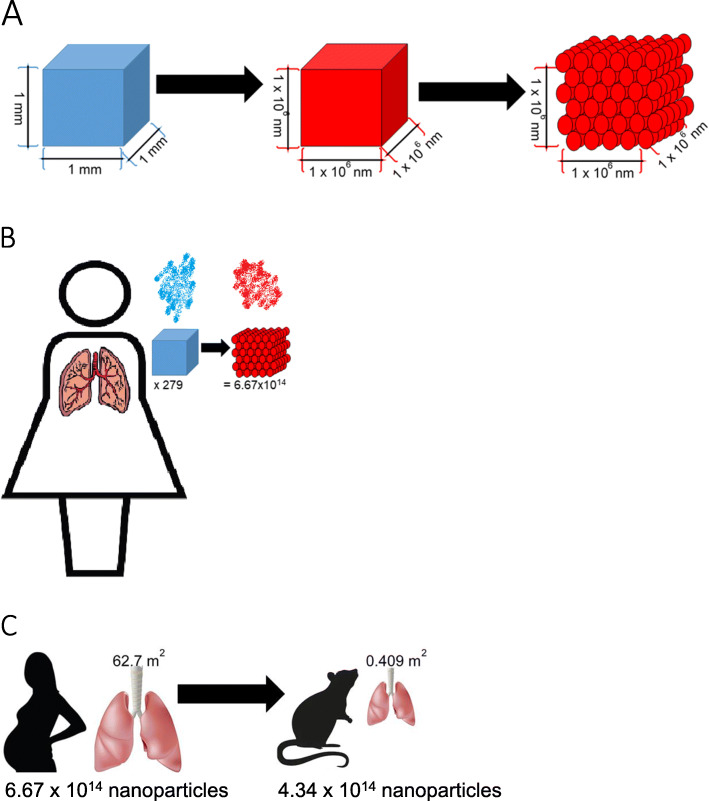
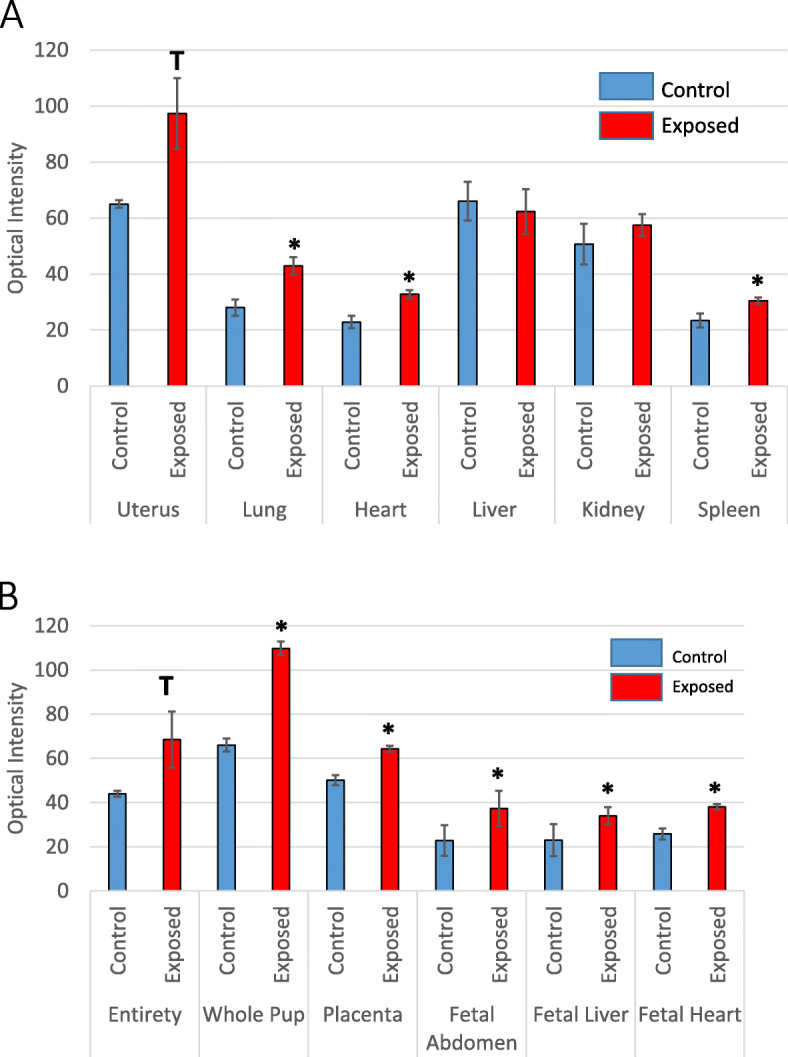
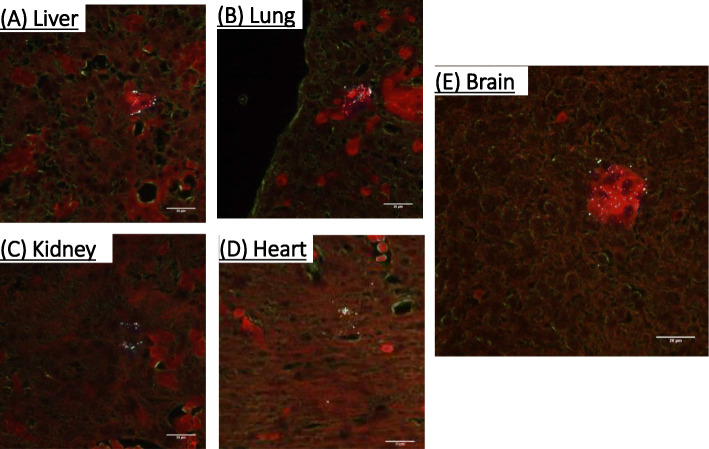
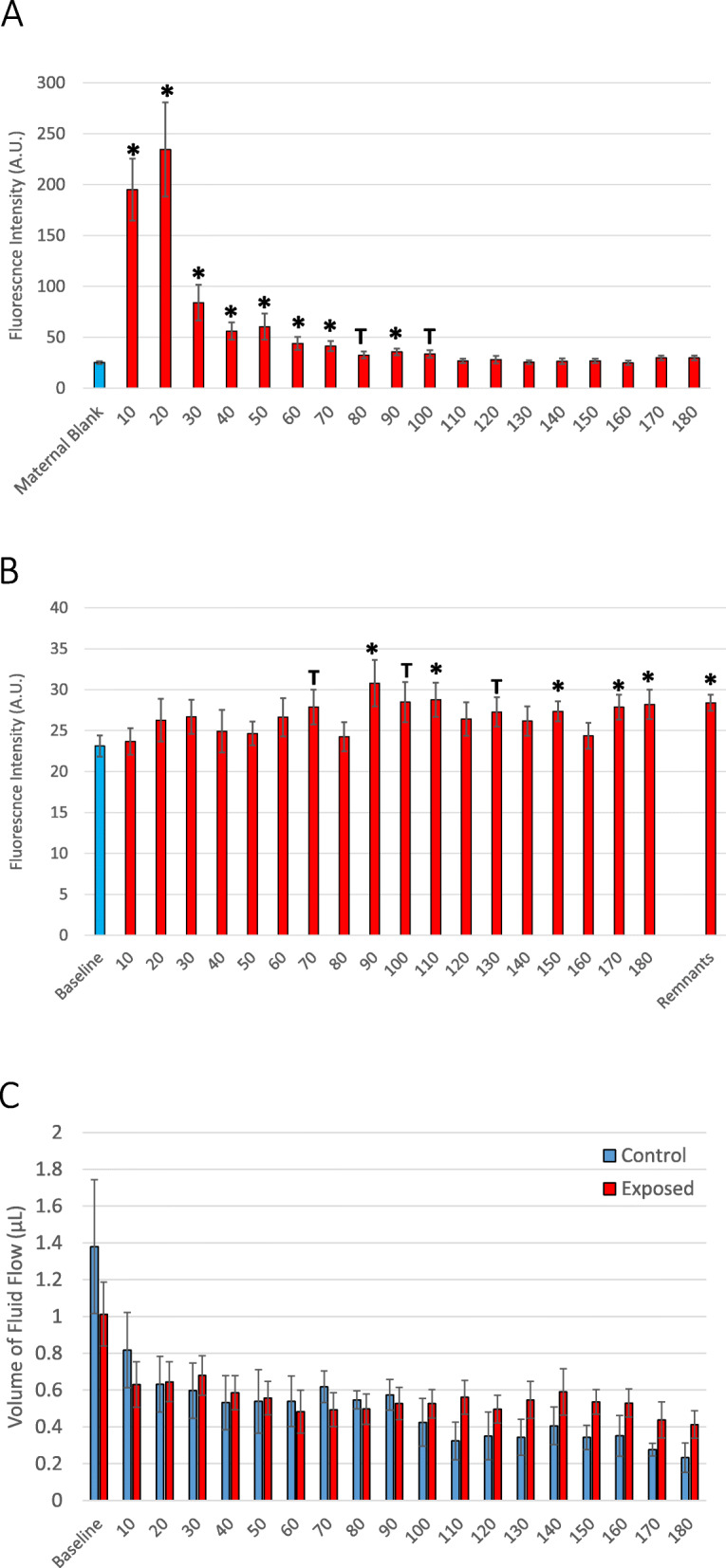
Background: Plastic is everywhere. It is used in food packaging, storage containers, electronics, furniture, clothing, and common single-use disposable items. Microplastic and nanoplastic particulates are formed from bulk fragmentation and disintegration of plastic pollution. Plastic particulates have recently been detected in indoor air and remote atmospheric fallout. Due to their small size, microplastic and nanoplastic particulate in the atmosphere can be inhaled and may pose a risk for human health, specifically in susceptible populations. When inhaled, nanosized particles have been shown to translocate across pulmonary cell barriers to secondary organs, including the placenta. However, the potential for maternal-to-fetal translocation of nanosized-plastic particles and the impact of nanoplastic deposition or accumulation on fetal health remain unknown. In this study we investigated whether nanopolystyrene particles can cross the placental barrier and deposit in fetal tissues after maternal pulmonary exposure. Results: Pregnant Sprague Dawley rats were exposed to 20 nm rhodamine-labeled nanopolystyrene beads (2.64 × 10 14 particles) via intratracheal instillation on gestational day (GD) 19. Twenty-four hours later on GD 20, maternal and fetal tissues were evaluated using fluorescent optical imaging. Fetal tissues were fixed for particle visualization with hyperspectral microscopy. Using isolated placental perfusion, a known concentration of nanopolystyrene was injected into the uterine artery. Maternal and fetal effluents were collected for 180 min and assessed for polystyrene particle concentration. Twenty-four hours after maternal exposure, fetal and placental weights were significantly lower (7 and 8%, respectively) compared with controls. Nanopolystyrene particles were detected in the maternal lung, heart, and spleen. Polystyrene nanoparticles were also observed in the placenta, fetal liver, lungs, heart, kidney, and brain suggesting maternal lung-to-fetal tissue nanoparticle translocation in late stage pregnancy. Conclusion: These studies confirm that maternal pulmonary exposure to nanopolystyrene results in the translocation of plastic particles to placental and fetal tissues and renders the fetoplacental unit vulnerable to adverse effects. These data are vital to the understanding of plastic particulate toxicology and the developmental origins of health and disease.
Overview
The claims and statistics of this paper haven’t been checked yet.
Run the check — free, no account needed. It reads the open-access text and checks the sources it cites.
Integrity signals
Registry
Cites
Statistics
Figures
Verification
Claims the paper makes
The claims and statistics of this paper haven’t been checked yet.
Run the check — free, no account needed. It reads the open-access text and checks the sources it cites.
Claims other papers make about this one
Each is checked against this paper’s own text: does it say what the citing paper says it does?
The source backs part of the claim, not all of it — or backs it for a different population, condition or comparison.
In the citing paper
“However, given the capability of these nanoplastic particles to cross the biological barrier, nanoparticles, despite the seemingly trivial contribution to the mass measurement, might play a predominant role in terms of toxicity evaluation (72, 73).”
From Rapid single-particle chemical imaging of nanoplastics by SRS microscopy (2024) · cites this paper as [72]
Experimental — accuracy not yet measured
Self-check
Percentages, sums and reported differences re-computed from the paper’s own numbers.
The self-check needs the paper’s full text.
Citations
Cites
Production, use, and fate of all plastics ever made
Geyer, R., Jambeck, J. R., & Law, K. L. (2017) · Science Advances · doi:10.1126/sciadv.1700782 · Cited by 18,606
Human Consumption of Microplastics
Cox, K. D., Covernton, G. A., Davies, H. L., Dower, J. F., Juanes, F., & Dudas, S. E. (2019) · Environmental Science & Technology · doi:10.1021/acs.est.9b01517 · Cited by 2,745
Atmospheric transport and deposition of microplastics in a remote mountain catchment
Allen, S., Allen, D., Phoenix, V. R., Roux, G. L., Durantez, P., Simonneau, A., Binet, S., & Galop, D. (2019) · Nature Geoscience · doi:10.1038/s41561-019-0335-5 · Cited by 2,584
Browne, M. A., Dissanayake, A., Galloway, T. S., Lowe, D. M., & Thompson, R. C. (2008) · Environmental Science & Technology · doi:10.1021/es800249a · Cited by 2,263
Airborne microplastics: consequences to human health?
Prata, J. C. (2018) · Environmental Pollution · doi:10.1016/j.envpol.2017.11.043 · Cited by 1,852
A first overview of textile fibers, including microplastics, in indoor and outdoor environments
Dris, R., Gaspéri, J., Mirande-Bret, C., Mandin, C., Guerrouache, M., Langlois, V., & Tassin, B. (2016) · Environmental Pollution · doi:10.1016/j.envpol.2016.12.013 · Cited by 1,635
Deng, Y., Zhang, Y., Lemos, B., & Ren, H. (2017) · Scientific Reports · doi:10.1038/srep46687 · Cited by 1,471
Pollutants bioavailability and toxicological risk from microplastics to marine mussels
Avio, C. G., Gorbi, S., Milan, M., Benedetti, M., Fattorini, D., d'Errico, G., Pauletto, M., Bargelloni, L., & Regoli, F. (2015) · Environmental Pollution · doi:10.1016/j.envpol.2014.12.021 · Cited by 1,413
Anthropogenic contamination of tap water, beer, and sea salt
Kosuth, M., Mason, S. A., & Wattenberg, E. V. (2018) · PLoS ONE · doi:10.1371/journal.pone.0194970 · Cited by 1,257
Differentially charged nanoplastics demonstrate distinct accumulation in Arabidopsis thaliana
Sun, X., Yuan, X.-Z., Jia, Y., Feng, L., Zhu, F., Dong, S., Liu, J., Kong, X., Tian, H., Duan, J.-L., et al. (2020) · Nature Nanotechnology · doi:10.1038/s41565-020-0707-4 · Cited by 1,240
Synthetic Polymer Contamination in Bottled Water
Mason, S. A., Welch, V. G., & Neratko, J. (2018) · Frontiers in Chemistry · doi:10.3389/fchem.2018.00407 · Cited by 1,100
p-Nonyl-Phenol: An Estrogenic Xenobiotic Released from "Modified" Polystyrene
Soto, A. M., Justicia, H., Wray, J. W., & Sonnenschein, C. (1991) · Environmental Health Perspectives · doi:10.1289/ehp.9192167 · Cited by 1,083
Barrier Capacity of Human Placenta for Nanosized Materials
Wick, P., Malek, A., Manser, P., Meili, D., Maeder-Althaus, X., Diener, L., Diener, P., Zisch, A. H., Krug, H. F., & von Mandach, U. (2009) · Environmental Health Perspectives · doi:10.1289/ehp.0901200 · Cited by 673
Xu, M., Halimu, G., Zhang, Q., Song, Y., Fu, X., Li, Y., Li, Y., & Zhang, H. (2019) · Science of The Total Environment · doi:10.1016/j.scitotenv.2019.133794 · Cited by 659
Review of micro- and nanoplastic contamination in the food chain
Toussaint, B., Raffael, B., Angers-Loustau, A., Gilliland, D., Kestens, V., Petrillo, M., Rio-Echevarria, I. M., & Van den Eede, G. (2019) · Food Additives & Contaminants: Part A · doi:10.1080/19440049.2019.1583381 · Cited by 643
Malinowska, K., Bukowska, B., & Sicińska, P. (2020) · Environmental Pollution · doi:10.1016/j.envpol.2020.114297 · Cited by 631
Inhaled Nanoparticles Accumulate at Sites of Vascular Disease
Miller, M. R., Raftis, J. B., Langrish, J. P., McLean, S. G., Samutrtai, P., Connell, S. P., Wilson, S., Vesey, A. T., Fokkens, P. H. B., Boere, A. J. F., et al. (2017) · ACS Nano · doi:10.1021/acsnano.6b08551 · Cited by 626
Altered Behavior, Physiology, and Metabolism in Fish Exposed to Polystyrene Nanoparticles
Mattsson, K., Ekvall, M. T., Hansson, L.-A., Linse, S., Malmendal, A., & Cedervall, T. (2015) · Environmental Science & Technology · doi:10.1021/es5053655 · Cited by 581
Barrier Mechanisms in the Developing Brain
Saunders, N. R., Liddelow, S. A., & Dzięgielewska, K. M. (2012) · Frontiers in Pharmacology · doi:10.3389/fphar.2012.00046 · Cited by 534
Pitt, J. A., Trevisan, R., Massarsky, A., Kozal, J. S., Levin, E. D., & Di Giulio, R. T. (2018) · Science of The Total Environment · doi:10.1016/j.scitotenv.2018.06.186 · Cited by 413
Development of the blood-brain barrier
Engelhardt, B. (2003) · Cell and Tissue Research · doi:10.1007/s00441-003-0751-z · Cited by 386
Respiratory physiology of pregnancy
LoMauro, A., & Aliverti, A. (2015) · Breathe · doi:10.1183/20734735.008615 · Cited by 340
Nanoparticles' interactions with vasculature in diseases
Tee, J. K., Yip, L. X., Tan, E. S., Santitewagun, S., Prasath, A., Ke, P. C., Ho, H. K., & Leong, D. T. (2019) · Chemical Society Reviews · doi:10.1039/c9cs00309f · Cited by 318
Nanoplastics formed during the mechanical breakdown of daily-use polystyrene products
Ekvall, M. T., Lundqvist, M., Kelpsiene, E., Šileikis, E., Gunnarsson, S. B., & Cedervall, T. (2019) · Nanoscale Advances · doi:10.1039/c8na00210j · Cited by 304
Setyawati, M. I., Tay, C. Y., Bay, B., & Leong, D. T. (2017) · ACS Nano · doi:10.1021/acsnano.7b01744 · Cited by 285
Things we know and don’t know about nanoplastic in the environment
Wagner, S., & Reemtsma, T. (2019) · Nature Nanotechnology · doi:10.1038/s41565-019-0424-z · Cited by 275
Grafmüller, S., Manser, P., Diener, L., Diener, P., Maeder-Althaus, X., Maurizi, L., Jochum, W., Krug, H. F., Buerki‐Thurnherr, T., von Mandach, U., et al. (2015) · Environmental Health Perspectives · doi:10.1289/ehp.1409271 · Cited by 237
A perspective on the developmental toxicity of inhaled nanoparticles
Hougaard, K. S., Campagnolo, L., Chavatte‐Palmer, P., Couturier‐Tarrade, A., Rousseau‐Ralliard, D., Valentino, S., Park, M. V. D. Z., de Jong, W. H., Wolterink, G., Piersma, A. H., et al. (2015) · Reproductive Toxicology · doi:10.1016/j.reprotox.2015.05.015 · Cited by 193
Fadare, O. O., Wan, B., Liu, K., Yang, Y., Zhao, L., & Guo, L. (2020) · Environmental Science & Technology · doi:10.1021/acs.est.0c00615 · Cited by 185
Nanoparticle Density: A Critical Biophysical Regulator of Endothelial Permeability
Tay, C. Y., Setyawati, M. I., & Leong, D. T. (2017) · ACS Nano · doi:10.1021/acsnano.6b07806 · Cited by 150
Silver nanoparticles inhaled during pregnancy reach and affect the placenta and the foetus
Campagnolo, L., Massimiani, M., Vecchione, L., Piccirilli, D., Toschi, N., Magrini, A., Bonanno, E., Scimeca, M., Castagnozzi, L., Buonanno, G., et al. (2017) · Nanotoxicology · doi:10.1080/17435390.2017.1343875 · Cited by 147
Toxicological considerations of nano-sized plastics
Stapleton, P. A. (2019) · AIMS environmental science · doi:10.3934/environsci.2019.5.367 · Cited by 138
Self-citationJackson, P., Hougaard, K. S., Vogel, U. B., Wu, D., Casavant, L., Williams, A., Wade, M., Yauk, C. L., Wallin, H., & Halappanavar, S. S. (2011) · Mutation Research/Genetic Toxicology and Environmental Mutagenesis · doi:10.1016/j.mrgentox.2011.09.018 · Cited by 128
Stapleton, P. A., Minarchick, V. C., Cumpston, A. M., et al. (2012) · International Journal of Molecular Sciences · doi:10.3390/ijms131113781 · Cited by 115
Self-citationDaily sperm production: Application in studies of prenatal exposure to nanoparticles in mice
Kyjovska, Z. O., Boisen, A. M. Z., Jackson, P., Wallin, H., Vogel, U. B., & Hougaard, K. S. (2013) · Reproductive Toxicology · doi:10.1016/j.reprotox.2012.12.005 · Cited by 103
Umezawa, M., Onoda, A., Korshunova, I., Jensen, A. C. Ø., Koponen, I. K., Jensen, K. A., Khodosevich, K., Vogel, U. B., & Hougaard, K. S. (2018) · Particle and Fibre Toxicology · doi:10.1186/s12989-018-0272-2 · Cited by 86
Stapleton, P. A., Nichols, C. E., Yi, J., McBride, C., Minarchick, V. C., Shepherd, D. L., Hollander, J. M., & Nurkiewicz, T. R. (2014) · Nanotoxicology · doi:10.3109/17435390.2014.984251 · Cited by 80
Self-citationWithey, J. R. (1976) · Environmental Health Perspectives · doi:10.1289/ehp.7617125 · Cited by 78
Maternal-engineered nanomaterial exposure disrupts progeny cardiac function and bioenergetics
Hathaway, Q. A., Nichols, C. E., Shepherd, D. L., Stapleton, P. A., McLaughlin, S. L., Stricker, J., Rellick, S. L., Pinti, M. V., Abukabda, A. B., McBride, C., et al. (2016) · American Journal of Physiology-Heart and Circulatory Physiology · doi:10.1152/ajpheart.00634.2016 · Cited by 78
Self-citationEffects of lung exposure to carbon nanotubes on female fertility and pregnancy. A study in mice
Hougaard, K. S., Jackson, P., Kyjovska, Z. O., Birkedal, R. K., Temmerman, P.-J. D., Brunelli, A., Verleysen, E., Madsen, A. M., Saber, A. T., Pojana, G., et al. (2013) · Reproductive Toxicology · doi:10.1016/j.reprotox.2013.05.006 · Cited by 75
Stapleton, P. A., Minarchick, V. C., Yi, J., Engels, K. J., McBride, C., & Nurkiewicz, T. R. (2013) · American Journal of Obstetrics and Gynecology · doi:10.1016/j.ajog.2013.04.036 · Cited by 74
Self-citationKunovac, A., Hathaway, Q. A., Pinti, M. V., Goldsmith, W. T., Durr, A. J., Fink, G. K., Nurkiewicz, T. R., & Hollander, J. M. (2019) · Particle and Fibre Toxicology · doi:10.1186/s12989-019-0310-8 · Cited by 72
Maternal engineered nanomaterial inhalation during gestation alters the fetal transcriptome
Stapleton, P. A., Hathaway, Q. A., Nichols, C. E., Abukabda, A. B., Pinti, M. V., Shepherd, D. L., McBride, C., Yi, J., Castranova, V., Hollander, J. M., et al. (2018) · Particle and Fibre Toxicology · doi:10.1186/s12989-017-0239-8 · Cited by 65
Self-citationGaté, L., Disdier, C., Cosnier, F., et al. (2016) · Toxicology Letters · doi:10.1016/j.toxlet.2016.11.009 · Cited by 63
Minarchick, V. C., Stapleton, P. A., Porter, D. W., Wolfarth, M. G., Çiftyürek, E., Barger, M. W., Sabolsky, E. M., & Nurkiewicz, T. R. (2013) · Cardiovascular Toxicology · doi:10.1007/s12012-013-9213-3 · Cited by 61
Self-citationNichols, C. E., Shepherd, D. L., Hathaway, Q. A., et al. (2017) · Nanotoxicology · doi:10.1080/17435390.2017.1416202 · Cited by 59
Grafmüller, S., Manser, P., Diener, L., Maurizi, L., Diener, P., Hofmann, H., Jochum, W., Krug, H. F., Buerki‐Thurnherr, T., von Mandach, U., et al. (2015) · Science and Technology of Advanced Materials · doi:10.1088/1468-6996/16/4/044602 · Cited by 51
Nano-TiO2 Inhibits Development of the Central Nervous System and Its Mechanism in Offspring Mice
Hong, F., Zhou, Y., Ji, J., Zhuang, J., Sheng, L., & Wang, L. (2018) · Journal of Agricultural and Food Chemistry · doi:10.1021/acs.jafc.8b02952 · Cited by 51
Xenobiotic Particle Exposure and Microvascular Endpoints: A Call to Arms
Stapleton, P. A., Minarchick, V. C., McCawley, M., Knuckles, T. L., & Nurkiewicz, T. R. (2011) · Microcirculation · doi:10.1111/j.1549-8719.2011.00137.x · Cited by 47
Self-citationMinarchick, V. C., Stapleton, P. A., Sabolsky, E. M., & Nurkiewicz, T. R. (2015) · Frontiers in Physiology · doi:10.3389/fphys.2015.00339 · Cited by 45
Self-citationJi, J. H., & Yu, I. J. (2012) · Toxicology Research · doi:10.1039/c2tx20029e · Cited by 43
Impacts of prenatal nanomaterial exposure on male adult Sprague-Dawley rat behavior and cognition
Engler-Chiurazzi, E. B., Stapleton, P. A., Stalnaker, J. J., Ren, X. S., Hu, H., Nurkiewicz, T. R., McBride, C., Yi, J., Engels, K. J., & Simpkins, J. W. (2016) · Journal of Toxicology and Environmental Health · doi:10.1080/15287394.2016.1164101 · Cited by 41
Self-citationHathaway, Q. A., Durr, A. J., Shepherd, D. L., Pinti, M. V., Brandebura, A. N., Nichols, C. E., Kunovac, A., Goldsmith, W. T., Friend, S. A., Abukabda, A. B., et al. (2019) · Nanotoxicology · doi:10.1080/17435390.2019.1570372 · Cited by 40
Stapleton, P. A., McBride, C., Yi, J., Abukabda, A. B., & Nurkiewicz, T. R. (2018) · Reproductive Toxicology · doi:10.1016/j.reprotox.2018.03.001 · Cited by 35
Self-citationBoisen, A. M. Z., Shipley, T., Jackson, P., Wallin, H., Nellemann, C., Vogel, U. B., Yauk, C. L., & Hougaard, K. S. (2013) · Reproductive Toxicology · doi:10.1016/j.reprotox.2013.06.068 · Cited by 34
Johansson, H. K. L., Hansen, J. S., Elfving, B., Lund, S. P., Kyjovska, Z. O., Loft, S. H., Barfod, K. K., Jackson, P., Vogel, U. B., & Hougaard, K. S. (2017) · Particle and Fibre Toxicology · doi:10.1186/s12989-017-0197-1 · Cited by 32
Maternal Engineered Nanomaterial Inhalation During Gestation Disrupts Vascular Kisspeptin Reactivity
Bowdridge, E. C., Abukabda, A. B., Engles, K. J., McBride, C., Batchelor, T., Goldsmith, W. T., Garner, K. L., Friend, S. A., & Nurkiewicz, T. R. (2019) · Toxicological Sciences · doi:10.1093/toxsci/kfz064 · Cited by 31
Fournier, S., Kallontzi, S., Fabris, L., et al. (2019) · Cardiovascular Toxicology · doi:10.1007/s12012-019-09505-0 · Cited by 29
Self-citationEditorial: (Micro)Plastics and the environment
Wagner, M., Engwall, M., & Hollert, H. (2014) · Environmental Sciences Europe · doi:10.1186/s12302-014-0016-3 · Cited by 28
Ex Vivo Perfusion of the Rodent Placenta
D’Errico, J. N., Fournier, S., & Stapleton, P. A. (2019) · Journal of Visualized Experiments · doi:10.3791/59412 · Cited by 22
Self-citationD’Errico, J. N., Doherty, C., Fournier, S., Renkel, N., Kallontzi, S., Goedken, M. J., Fabris, L., Buckley, B., & Stapleton, P. A. (2019) · Biomedicine & Pharmacotherapy · doi:10.1016/j.biopha.2019.109148 · Cited by 22
Self-citation
Cited by
Sorted by citations
Discovery and quantification of plastic particle pollution in human blood
Leslie, H. A., van Velzen, M. J. M., Brandsma, S. H., Vethaak, A. D., Garcia-Vallejo, J. J., & Lamoree, M. H. (2022) · Environment International · doi:10.1016/j.envint.2022.107199 · Cited by 3,906
Microplastic sources, formation, toxicity and remediation: a review
Osman, A. I., Hosny, M., Eltaweil, A. S., Omar, S., Elgarahy, A. M., Farghali, M. R. F., Yap, P., Wu, Y. S., Nagandran, S., Batumalaie, K., et al. (2023) · Environmental Chemistry Letters · doi:10.1007/s10311-023-01593-3 · Cited by 920
Microplastics are everywhere — but are they harmful?
Lim, X. (2021) · Nature · doi:10.1038/d41586-021-01143-3 · Cited by 721
The Minderoo-Monaco Commission on Plastics and Human Health
Landrigan, P. J., Raps, H., Cropper, M., Bald, C., Brunner, M., Canonizado, E. M., Charles, D., Chiles, T. C., Donohue, M. J., Enck, J., et al. (2023) · Annals of Global Health · doi:10.5334/aogh.4056 · Cited by 581
Liu, S., Jialin, G., Liu, X., Yang, R., Wang, H., Sun, Y., Chen, B., & Dong, R. (2022) · The Science of The Total Environment · doi:10.1016/j.scitotenv.2022.158699 · Cited by 509
Metadata
- Authors
- Fournier, S. B., D’Errico, J. N., Adler, D. S., Kollontzi, S., Goedken, M. J., Fabris, L., Yurkow, E. J., & Stapleton, P. A.
- Affiliations
- Rutgers, The State University of New Jersey (US)
- Corresponding author
- Stapleton, Phoebe A.
- Venue
- Particle and Fibre Toxicology
- Published
- 2020-10-24
- Volume
- 17
- Issue
- 1
- Pages
- 55-55
- ISSN
- 1743-8977 (ISSN-L)
- PMC
- PMC7585297
- OpenAlex
- W3094032648
- Semantic Scholar
- dcf614bf21877a0149197c66ae35c909f27165a8
- Cited by
- 482
- References
- 60
- Citations by year
- 2026: 73 · 2025: 111 · 2024: 110 · 2023: 95 · 2022: 67 · 2021: 26
- FWCI
- 11.59
- Type
- journal article
- Language
- en
- Open access
- gold
- doi.org
- Locations
- Particle and Fibre Toxicology (publishedVersion, cc-by)
- Research Square (acceptedVersion, cc-by)
- PubMed Central (publishedVersion, cc-by)
- PubMed (publishedVersion)
- PORTO@Iris (submittedVersion, cc-by)
- Rutgers University Community Repository (Rutgers University) (submittedVersion, cc-by)
- DOAJ (DOAJ: Directory of Open Access Journals) (submittedVersion, cc-by-sa)
- Funders
- National Institute of Environmental Health Sciences (R00-ES024783, P30-ES005022, T32-ES007148)
- Topics
- Physical Sciences › Environmental Science › Pollution › Microplastics and Plastic Pollution
- Physical Sciences › Materials Science › Materials Chemistry › Nanoparticles: synthesis and applications
- Physical Sciences › Environmental Science › Health, Toxicology and Mutagenesis › Air Quality and Health Impacts
- Keywords
- polystyrene nanoparticles, nanoplastics, placental barrier, fetal growth restriction, placental perfusion, intratracheal instillation, developmental origins of health and disease
- MeSH terms
- Animals, Female, Fetus, Humans, Maternal-Fetal Exchange, Particle Size, Placenta, Plastics, Polystyrenes, Pregnancy, Rats, Sprague-Dawley, Maternal Exposure, Inhalation Exposure, Rats
About these checks
Registry, retraction, Cites and statistics results are computed, not judged, with one exception: a printed reference that no index lists is read once by a model before it counts as a citation error. Claims are extracted by a model and kept only when their quote appears verbatim in the text; each cited source is then checked, with a model’s help, for whether it says what the claim relies on. Those verdicts can be wrong — read the claim’s quote and the cited source before relying on one.
Statistics and arithmetic are recomputed, not judged.
Confidence bands are shown only for fields calibrated on our annotated test set. None is calibrated yet, so no band is shown.
What counts as a claim ›How we measure confidence ›How we check this ›
Are you an author, or do you see a problem with this page? Request a review
