

The DOI matches its Crossref record; 61 of the 61 references it cites were found in a registry or an index.
Nanopolystyrene translocation and fetal deposition after acute lung exposure during late-stage pregnancy
Open accessPublished version of a preprint
Abstract
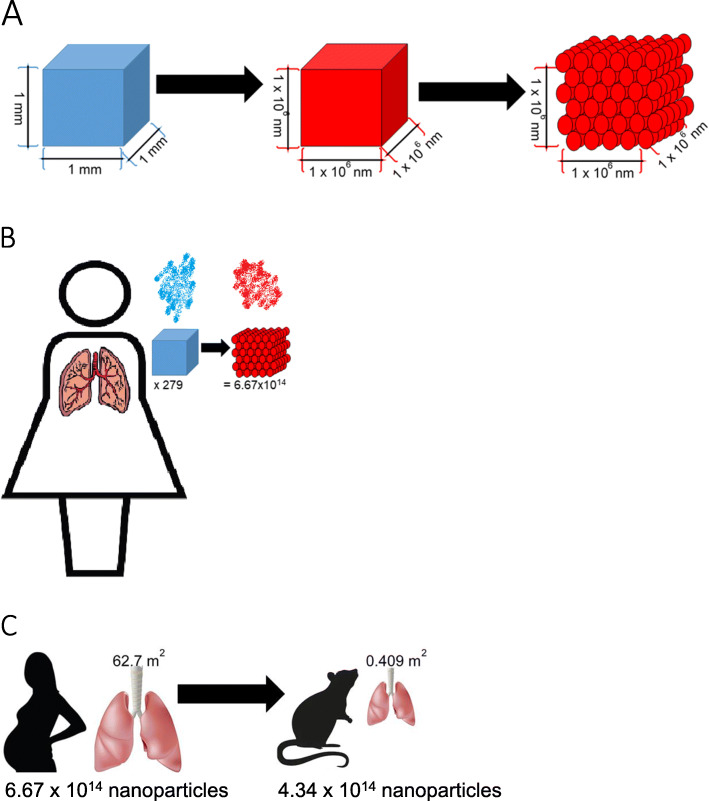
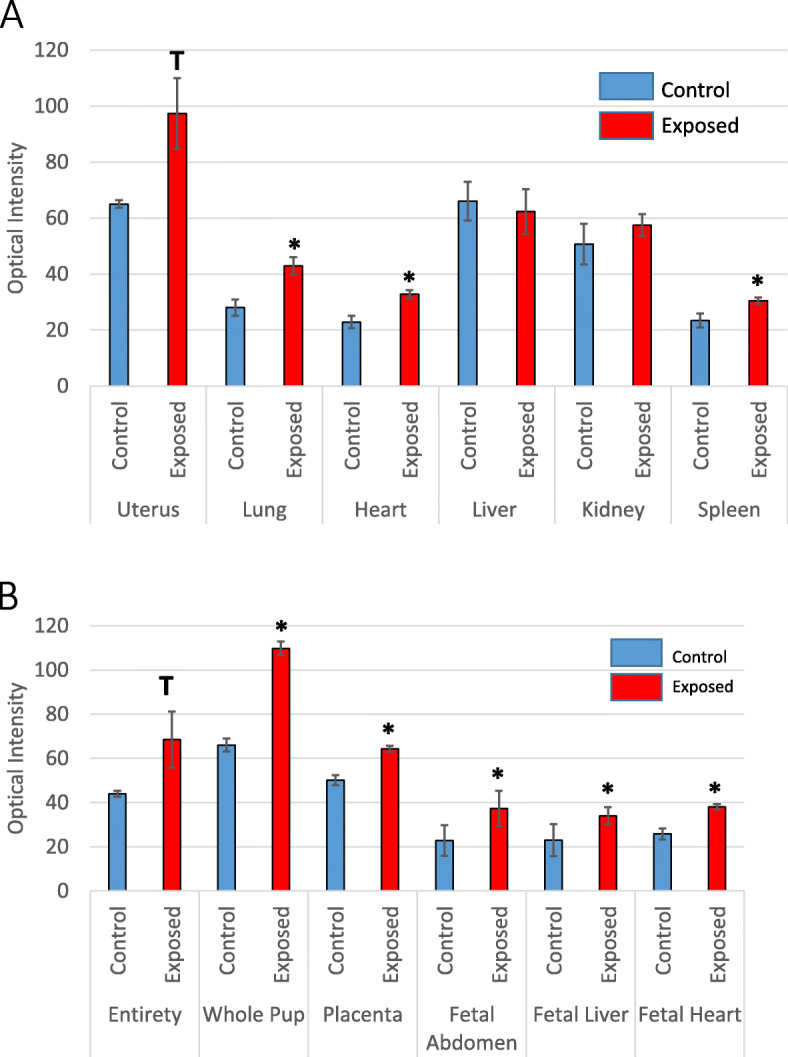
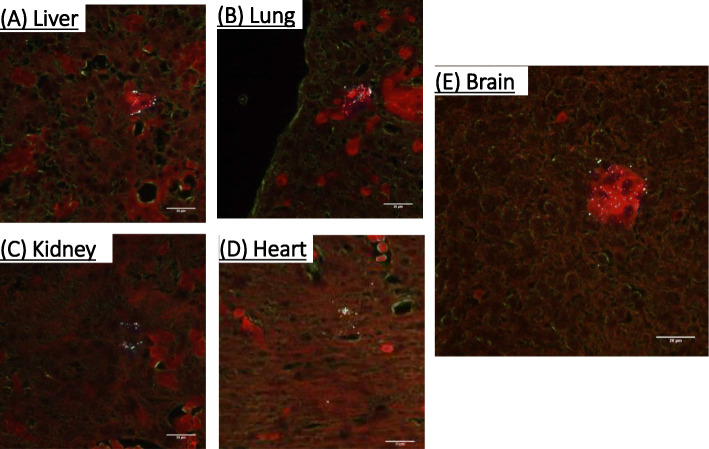
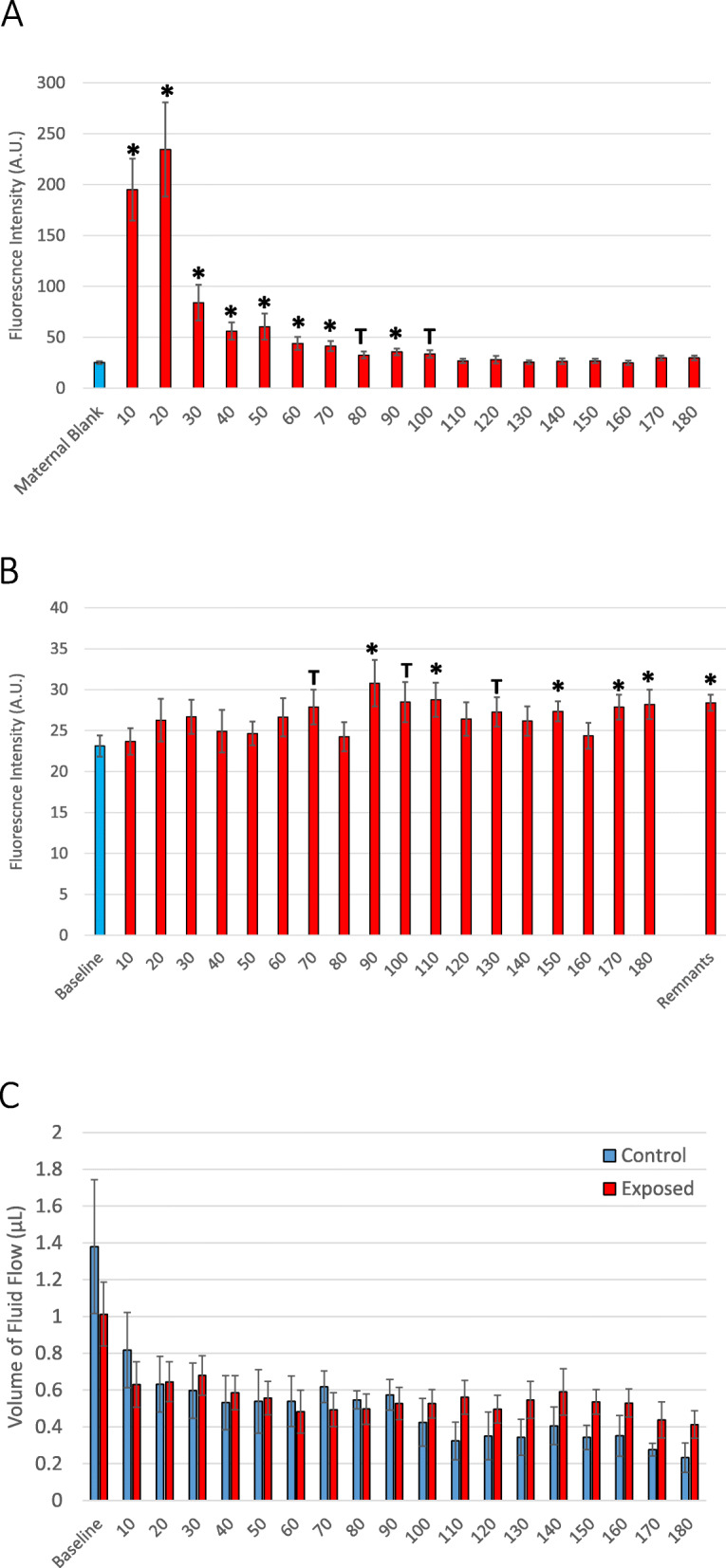
Background: Plastic is everywhere. It is used in food packaging, storage containers, electronics, furniture, clothing, and common single-use disposable items. Microplastic and nanoplastic particulates are formed from bulk fragmentation and disintegration of plastic pollution. Plastic particulates have recently been detected in indoor air and remote atmospheric fallout. Due to their small size, microplastic and nanoplastic particulate in the atmosphere can be inhaled and may pose a risk for human health, specifically in susceptible populations. When inhaled, nanosized particles have been shown to translocate across pulmonary cell barriers to secondary organs, including the placenta. However, the potential for maternal-to-fetal translocation of nanosized-plastic particles and the impact of nanoplastic deposition or accumulation on fetal health remain unknown. In this study we investigated whether nanopolystyrene particles can cross the placental barrier and deposit in fetal tissues after maternal pulmonary exposure. Results: Pregnant Sprague Dawley rats were exposed to 20 nm rhodamine-labeled nanopolystyrene beads (2.64 × 10 14 particles) via intratracheal instillation on gestational day (GD) 19. Twenty-four hours later on GD 20, maternal and fetal tissues were evaluated using fluorescent optical imaging. Fetal tissues were fixed for particle visualization with hyperspectral microscopy. Using isolated placental perfusion, a known concentration of nanopolystyrene was injected into the uterine artery. Maternal and fetal effluents were collected for 180 min and assessed for polystyrene particle concentration. Twenty-four hours after maternal exposure, fetal and placental weights were significantly lower (7 and 8%, respectively) compared with controls. Nanopolystyrene particles were detected in the maternal lung, heart, and spleen. Polystyrene nanoparticles were also observed in the placenta, fetal liver, lungs, heart, kidney, and brain suggesting maternal lung-to-fetal tissue nanoparticle translocation in late stage pregnancy. Conclusion: These studies confirm that maternal pulmonary exposure to nanopolystyrene results in the translocation of plastic particles to placental and fetal tissues and renders the fetoplacental unit vulnerable to adverse effects. These data are vital to the understanding of plastic particulate toxicology and the developmental origins of health and disease.
Overview
The claims and statistics of this paper haven’t been checked yet.
Run the check — free, no account needed. It reads the open-access text and checks the sources it cites.
Integrity signals
Registry
Cites
Statistics
Figures
Verification
Claims the paper makes
The claims and statistics of this paper haven’t been checked yet.
Run the check — free, no account needed. It reads the open-access text and checks the sources it cites.
Claims other papers make about this one
Each is checked against this paper’s own text: does it say what the citing paper says it does?
The source backs part of the claim, not all of it — or backs it for a different population, condition or comparison.
In the citing paper
“However, given the capability of these nanoplastic particles to cross the biological barrier, nanoparticles, despite the seemingly trivial contribution to the mass measurement, might play a predominant role in terms of toxicity evaluation (72, 73).”
From Rapid single-particle chemical imaging of nanoplastics by SRS microscopy (2024) · cites this paper as [72]
Experimental — accuracy not yet measured
Self-check
Percentages, sums and reported differences re-computed from the paper’s own numbers.
The self-check needs the paper’s full text.
Citations
Cites
Production, use, and fate of all plastics ever made
Geyer, R., Jambeck, J. R., & Law, K. L. (2017) · Science Advances · doi:10.1126/sciadv.1700782 · Cited by 18,606
Human Consumption of Microplastics
Cox, K. D., Covernton, G. A., Davies, H. L., Dower, J. F., Juanes, F., & Dudas, S. E. (2019) · Environmental Science & Technology · doi:10.1021/acs.est.9b01517 · Cited by 2,745
Atmospheric transport and deposition of microplastics in a remote mountain catchment
Allen, S., Allen, D., Phoenix, V. R., Roux, G. L., Durantez, P., Simonneau, A., Binet, S., & Galop, D. (2019) · Nature Geoscience · doi:10.1038/s41561-019-0335-5 · Cited by 2,584
Browne, M. A., Dissanayake, A., Galloway, T. S., Lowe, D. M., & Thompson, R. C. (2008) · Environmental Science & Technology · doi:10.1021/es800249a · Cited by 2,263
Airborne microplastics: consequences to human health?
Prata, J. C. (2018) · Environmental Pollution · doi:10.1016/j.envpol.2017.11.043 · Cited by 1,852
A first overview of textile fibers, including microplastics, in indoor and outdoor environments
Dris, R., Gaspéri, J., Mirande-Bret, C., Mandin, C., Guerrouache, M., Langlois, V., & Tassin, B. (2016) · Environmental Pollution · doi:10.1016/j.envpol.2016.12.013 · Cited by 1,635
Deng, Y., Zhang, Y., Lemos, B., & Ren, H. (2017) · Scientific Reports · doi:10.1038/srep46687 · Cited by 1,471
Pollutants bioavailability and toxicological risk from microplastics to marine mussels
Avio, C. G., Gorbi, S., Milan, M., Benedetti, M., Fattorini, D., d'Errico, G., Pauletto, M., Bargelloni, L., & Regoli, F. (2015) · Environmental Pollution · doi:10.1016/j.envpol.2014.12.021 · Cited by 1,413
Anthropogenic contamination of tap water, beer, and sea salt
Kosuth, M., Mason, S. A., & Wattenberg, E. V. (2018) · PLoS ONE · doi:10.1371/journal.pone.0194970 · Cited by 1,257
Differentially charged nanoplastics demonstrate distinct accumulation in Arabidopsis thaliana
Sun, X., Yuan, X.-Z., Jia, Y., Feng, L., Zhu, F., Dong, S., Liu, J., Kong, X., Tian, H., Duan, J.-L., et al. (2020) · Nature Nanotechnology · doi:10.1038/s41565-020-0707-4 · Cited by 1,240
Cited by
Sorted by citations
Discovery and quantification of plastic particle pollution in human blood
Leslie, H. A., van Velzen, M. J. M., Brandsma, S. H., Vethaak, A. D., Garcia-Vallejo, J. J., & Lamoree, M. H. (2022) · Environment International · doi:10.1016/j.envint.2022.107199 · Cited by 3,906
Microplastic sources, formation, toxicity and remediation: a review
Osman, A. I., Hosny, M., Eltaweil, A. S., Omar, S., Elgarahy, A. M., Farghali, M. R. F., Yap, P., Wu, Y. S., Nagandran, S., Batumalaie, K., et al. (2023) · Environmental Chemistry Letters · doi:10.1007/s10311-023-01593-3 · Cited by 920
Microplastics are everywhere — but are they harmful?
Lim, X. (2021) · Nature · doi:10.1038/d41586-021-01143-3 · Cited by 721
The Minderoo-Monaco Commission on Plastics and Human Health
Landrigan, P. J., Raps, H., Cropper, M., Bald, C., Brunner, M., Canonizado, E. M., Charles, D., Chiles, T. C., Donohue, M. J., Enck, J., et al. (2023) · Annals of Global Health · doi:10.5334/aogh.4056 · Cited by 581
Liu, S., Jialin, G., Liu, X., Yang, R., Wang, H., Sun, Y., Chen, B., & Dong, R. (2022) · The Science of The Total Environment · doi:10.1016/j.scitotenv.2022.158699 · Cited by 509
The potential impact of nano- and microplastics on human health: Understanding human health risks.
Winiarska, E., Jutel, M., & Zemelka‐Wiącek, M. (2024) · Environmental Research · doi:10.1016/j.envres.2024.118535 · Cited by 541
Rapid single-particle chemical imaging of nanoplastics by SRS microscopy
Qian, N., Gao, X., Lang, X., Deng, H., Bratu, T. M., Chen, Q., Stapleton, P., Yan, B., & Min, W. (2024) · Proceedings of the National Academy of Sciences · doi:10.1073/pnas.2300582121 · Cited by 467
“With engineered plastic particles with fluorescent dyes or metal labels, researchers have shown the possibility of nanoplastics crossing biological barriers and entering the biological systems (6–9), raising public concern on its potential toxicity (10).”
Self-citationMicroplastics as an emerging source of particulate air pollution: A critical review
Sridharan, S., Kumar, M., Singh, L., Bolan, N. S., & Saha, M. (2021) · Journal of Hazardous Materials · doi:10.1016/j.jhazmat.2021.126245 · Cited by 438
Microplastics in environment: global concern, challenges, and controlling measures
Lamichhane, G., Acharya, A., Marahatha, R., Modi, B., Paudel, R., Adhikari, A., Raut, B. K., Aryal, S., & Parajuli, N. (2022) · International Journal of Environmental Science and Technology · doi:10.1007/s13762-022-04261-1 · Cited by 411
The potential toxicity of microplastics on human health
Zhao, B., Rehati, P., Yang, Z., Cai, Z., Guo, C., & Li, Y. (2023) · The Science of The Total Environment · doi:10.1016/j.scitotenv.2023.168946 · Cited by 388
Maternal exposure to polystyrene nanoplastics causes brain abnormalities in progeny
Jeong, B., Baek, J. Y., Koo, J., Park, S., Ryu, Y., Kim, K., Zhang, S., Chung, C., Dogan, R., Choi, H.-S., et al. (2021) · Journal of Hazardous Materials · doi:10.1016/j.jhazmat.2021.127815 · Cited by 327
Dong, X., Liu, X., Hou, Q., & Wang, Z. (2022) · The Science of The Total Environment · doi:10.1016/j.scitotenv.2022.158686 · Cited by 279
Ramsperger, A. F. R. M., Bergamaschi, E., Panizzolo, M., Fenoglio, I., Barbero, F., Peters, R., Undas, A. K., Purker, S., Giese, B., Lalyer, C. R., et al. (2022) · NanoImpact · doi:10.1016/j.impact.2022.100441 · Cited by 289
Li, Y., Chen, L., Zhou, N., Chen, Y., Ling, Z., & Xiang, P. (2024) · The Science of The Total Environment · doi:10.1016/j.scitotenv.2024.174215 · Cited by 291
Khan, A., & Jia, Z. (2023) · iScience · doi:10.1016/j.isci.2023.106061 · Cited by 283
“Translocation of NPLs from maternal to fetal tissues through the placenta suggests the importance of M-NPLs translocation in their toxicity.(110) It has also been shown that various sizes of NPLs can be translocated into the hemolymph.”
BackgroundResultMicro(nano)plastics sources, fate, and effects: What we know after ten years of research
Allen, S., Allen, D., Karbalaei, S., Maselli, V., & Walker, T. R. (2022) · Journal of Hazardous Materials Advances · doi:10.1016/j.hazadv.2022.100057 · Cited by 275
Zhao, J. L., Lan, R., Wang, Z., Su, W., Song, D., Xue, R., Liu, Z., Liu, X., Dai, Y., Yue, T., et al. (2023) · Nature Nanotechnology · doi:10.1038/s41565-023-01534-9 · Cited by 252
“21).”
InfluentialDetrimental effects of microplastic exposure on normal and asthmatic pulmonary physiology
Lu, K., Lai, K. P., Stoeger, T., Ji, S., Lin, Z., Lin, X., Chan, T., Fang, J. K., Lo, H., Gao, L., et al. (2021) · Journal of Hazardous Materials · doi:10.1016/j.jhazmat.2021.126069 · Cited by 247
Harmful effects of the microplastic pollution on animal health: a literature review
Zolotova, N. A., Kosyreva, A. M., Dzhalilova, D. S., Fokichev, N., & Makarova, O. V. (2022) · PeerJ · doi:10.7717/peerj.13503 · Cited by 266
“Moreover, the particles were effectively transmitted to the fetus: MP were detected in the placenta, as well as embryonic livers, lungs, hearts, kidneys, and brains (Fournier et al., 2020; Lim et al., 2021).”
BackgroundHu, J., Qin, X., Zhang, J., Zhu, Y., Zeng, W., Lin, Y., & Liu, X. (2021) · Reproductive Toxicology · doi:10.1016/j.reprotox.2021.10.002 · Cited by 237
Yang, S., Cheng, Y., Chen, Z., Liu, T., Yin, L., Pu, Y., & Liang, G. (2021) · Ecotoxicology and Environmental Safety · doi:10.1016/j.ecoenv.2021.112837 · Cited by 219
Yang, D., Zhu, J., Zhou, X., Pan, D., Nan, S., Yin, R., Lei, Q., Ma, N., Zhu, H., Chen, J., et al. (2022) · Environment International · doi:10.1016/j.envint.2022.107362 · Cited by 220
Liu, S., Liu, X., Jialin, G., Yang, R., Wang, H., Sun, Y., Chen, B., & Dong, R. (2022) · Environmental Science & Technology · doi:10.1021/acs.est.2c04706 · Cited by 227
Health impacts of microplastic and nanoplastic exposure
Lamoree, M. H., van Boxel, J., Nardella, F., Houthuijs, K. J., Brandsma, S. H., Béen, F. M., & van Duursen, M. B. M. (2025) · Nature Medicine · doi:10.1038/s41591-025-03902-5 · Cited by 243
Huang, T., Zhang, W., Lin, T., Liu, S., Sun, Z., Liu, F., Yuan, Y., Xiang, X., Kuang, H., Yang, B., et al. (2022) · Food and Chemical Toxicology · doi:10.1016/j.fct.2021.112803 · Cited by 220
Consequences of nano and microplastic exposure in rodent models: the known and unknown
Brito, W. A. D. S., Mutter, F., Wende, K., Cecchini, A. L., Schmidt, A., & Bekeschus, S. (2022) · Particle and Fibre Toxicology · doi:10.1186/s12989-022-00473-y · Cited by 214
“Also, a single intratracheal dose during gestation resulted in maternal-to-fetal translocation of PS NP [59].”
BackgroundAmereh, F., Amjadi, N., Mohseni-Bandpei, A., Isazadeh, S., Mehrabi, Y., Eslami, A., Naeiji, Z., & Rafiee, M. (2022) · Environmental Pollution · doi:10.1016/j.envpol.2022.120174 · Cited by 208
Health risk of human exposure to microplastics: a review
Tang, K. H. D., Li, R., Li, Z., & Wang, D. (2024) · Environmental Chemistry Letters · doi:10.1007/s10311-024-01727-1 · Cited by 197
“An in vitro study revealed polystyrene microplastics exposure caused significant decline in fetal and placental weights (Fournier et al. 2020), which aligns with the findings of Park et al. (2020) reporting a reduction in the body weight of mice offspring, in addition to altered number of live…”
InfluentialSurface-enhanced Raman spectroscopy for the detection of microplastics
Mikac, L., Rigó, I., Himics, L., Tolić, A., Ivanda, M., & Vereš, M. (2022) · Applied Surface Science · doi:10.1016/j.apsusc.2022.155239 · Cited by 177
Chen, G., Xiong, S., Qiao, J., van Gestel, C. A. M., van Straalen, N. M., Roelofs, D., Sun, L., & Qiu, H. (2022) · The Science of The Total Environment · doi:10.1016/j.scitotenv.2022.158666 · Cited by 173
Newly Emerging Airborne Pollutants: Current Knowledge of Health Impact of Micro and Nanoplastics
Facciolà, A., Visalli, G., Ciarello, M. P., & Pietro, A. D. (2021) · International Journal of Environmental Research and Public Health · doi:10.3390/ijerph18062997 · Cited by 168
Zhang, Y., Wang, X., Zhao, Y., Zhao, J., Yu, T., Yao, Y., Zhao, R., Yu, R., Liu, J., & Su, J. (2023) · Environmental Pollution · doi:10.1016/j.envpol.2023.121482 · Cited by 173
Yang, Z., DeLoid, G. M., Zarbl, H., Baw, J., & Demokritou, P. (2023) · NanoImpact · doi:10.1016/j.impact.2023.100481 · Cited by 174
Hua, T., Kiran, S., Li, Y., & Sang, Q. A. (2022) · Journal of Hazardous Materials · doi:10.1016/j.jhazmat.2022.128884 · Cited by 163
Removal of polystyrene nanoplastics from water by Cu Ni carbon material: The role of adsorption
Zhou, G., Huang, X., Xu, H., Wang, Q., Wang, M., Wang, Y., Li, Q., Zhang, Y., Ye, Q., & Zhang, J. (2022) · The Science of The Total Environment · doi:10.1016/j.scitotenv.2022.153190 · Cited by 159
Jia, Q., Duan, Y., Han, X., Sun, X., Munyaneza, J., Ma, J., & Xiu, G. (2022) · The Science of The Total Environment · doi:10.1016/j.scitotenv.2022.157609 · Cited by 153
Microplastics exposure: implications for human fertility, pregnancy and child health
Zurub, R. E., Cariaco, Y., Wade, M. G., & Bainbridge, S. A. (2024) · Frontiers in Endocrinology · doi:10.3389/fendo.2023.1330396 · Cited by 184
Zhang, Q., He, Y., Cheng, R., Li, Q., Qian, Z., & Lin, X. (2022) · Environmental Science and Pollution Research · doi:10.1007/s11356-022-19745-3 · Cited by 155
Tang, J., Bu, W., Hu, W., Zhao, Z., Liu, L., Luo, C., Wang, R., Fan, S., Yu, S., Wu, Q., et al. (2023) · ACS Nano · doi:10.1021/acsnano.2c09729 · Cited by 148
Eberhard, T., Casillas, G. A., Zarus, G. M., & Barr, D. B. (2024) · Journal of Exposure Science & Environmental Epidemiology · doi:10.1038/s41370-023-00634-x · Cited by 168
“This leaves a gap for future research on other or speci fi c polymer sources of airborne MPs.”
Du, T., Yu, X., Shao, S., Li, T., Xu, S., & Wu, L. (2023) · Environmental Science & Technology · doi:10.1021/acs.est.2c05772 · Cited by 153
Luo, D., Chu, X., Wu, Y., Wang, Z., Liao, Z., Ji, X., Ju, J., Yang, B., Chen, Z., Dahlgren, R. A., et al. (2024) · Journal of Hazardous Materials · doi:10.1016/j.jhazmat.2023.133412 · Cited by 140
Dusza, H. M., Katrukha, E. A., Nijmeijer, S. M., Akhmanova, A. S., Vethaak, A. D., Walker, D. I., & Legler, J. (2022) · Environmental Health Perspectives · doi:10.1289/ehp10873 · Cited by 143
Wan, S., Wang, X., Chen, W., Xu, Z., Zhao, J., Huang, W., Wang, M., & Zhang, H. (2024) · ACS Nano · doi:10.1021/acsnano.3c11734 · Cited by 136
Yang, S., Zhang, T., Ge, Y., Cheng, Y., Yin, L., Pu, Y., Chen, Z., & Liang, G. (2023) · ACS Nano · doi:10.1021/acsnano.3c07255 · Cited by 136
Microplastics in infant milk powder
Zhang, Q., Liu, L., Jiang, Y., Zhang, Y., Fan, Y., Rao, W., & Qian, X. (2023) · Environmental Pollution · doi:10.1016/j.envpol.2023.121225 · Cited by 139
Microplastics as Emerging Food Contaminants: A Challenge for Food Safety
Rubio, C., Alejandro-Vega, S., Paz, S., Gutiérrez, A. J., Carrascosa, C., & la Torre, A. H.-D. (2022) · International Journal of Environmental Research and Public Health · doi:10.3390/ijerph19031174 · Cited by 132
“Some evidence suggest that MPs are able to pass through the human placental barrier [69,70].”
BackgroundAtmospheric microplastics: exposure, toxicity, and detrimental health effects
Abad-López, A. P., Trilleras, J. E., Arana, V. A., Garcia-Alzate, L. S., & Grande‐Tovar, C. D. (2023) · RSC Advances · doi:10.1039/d2ra07098g · Cited by 143
Hong, Y., Wu, S., & Wei, G. (2023) · The Science of The Total Environment · doi:10.1016/j.scitotenv.2023.166258 · Cited by 135
A Children’s Health Perspective on Nano- and Microplastics
Sripada, K., Wierzbicka, A., Abass, K., Grimalt, J. O., Erbe, A., Röllin, H. B., Weihe, P., Díaz, G. J., Singh, R. R., Visnes, T., et al. (2022) · Environmental Health Perspectives · doi:10.1289/ehp9086 · Cited by 150
“Insoluble particles <10 lm, which can reach and deposit in large numbers in the alveolar region, may cause inflammation and systemic changes even if the material they are composed of is not potentially toxic (Garcés et al. 2021).”
BackgroundWan, S., Wang, X., Chen, W., Wang, M., Zhao, J., Xu, Z., Wang, R., Mi, C., Zheng, Z., & Zhang, H. (2024) · Particle and Fibre Toxicology · doi:10.1186/s12989-024-00574-w · Cited by 134
“More-over, in a lung exposure mouse model, PS-NPs (20 nm in diameter) could translocate from mouse maternal lungs to placental and fetal tissues and thus disturb mouse fetal development [33].”
BackgroundBarnes, P. W., Robson, T. M., Neale, P. J., Williamson, C. E., Zepp, R. G., Madronich, S., Wilson, S. R., Andrady, A. L., Heikkilä, A. M., Bernhard, G. H., et al. (2022) · Photochemical & Photobiological Sciences · doi:10.1007/s43630-022-00176-5 · Cited by 121
How many microplastics do we ingest when using disposable drink cups?
Zhou, G., Wu, Q., Tang, P., Chen, C., Cheng, X., Wei, X., Ma, J., & Liu, B. (2022) · Journal of Hazardous Materials · doi:10.1016/j.jhazmat.2022.129982 · Cited by 121
Air quality and respiratory health in children
Aithal, S. S., Sachdeva, I., & Kurmi, O. (2023) · Breathe · doi:10.1183/20734735.0040-2023 · Cited by 116
Polystyrene nanoplastics lead to ferroptosis in the lungs
Wu, Y., Wang, J., Zhao, T., Sun, M., Xu, M., Che, S., Pan, Z., Wu, C., & Shen, L. (2023) · Journal of Advanced Research · doi:10.1016/j.jare.2023.03.003 · Cited by 119
“In this study, we established a PS-NP-induced lung injury model in mice based on a recent study that simulated realistic nanoparticle exposure in humans [19].”
BackgroundMethodUrli, S., Pause, F. C., Crociati, M., Baufeld, A., Monaci, M., & Stradaioli, G. (2023) · Animals · doi:10.3390/ani13071132 · Cited by 127
Microplastics: A Matter of the Heart (and Vascular System)
Persiani, E., Cecchettini, A., Ceccherini, E., Gisone, I., Morales, M. A., & Vozzi, F. (2023) · Biomedicines · doi:10.3390/biomedicines11020264 · Cited by 118
“Interestingly, upon inhalation, authors identified PS-NPs in the cardiac tissue of pregnant rats and foetuses after acute exposure [73].”
BackgroundMethodPolystyrene bead ingestion promotes adiposity and cardiometabolic disease in mice
Zhao, J., Gomes, D., Jin, L., Mathis, S., Li, X., Rouchka, E. C., Haribabu, B., Conklin, D. J., & O’Toole, T. E. (2022) · Ecotoxicology and Environmental Safety · doi:10.1016/j.ecoenv.2022.113239 · Cited by 111
Microplastic environmental behavior and health risk assessment: a review
Lei, J., Ma, Q., Ding, X., Pang, Y., Liu, Q., Wu, J., Zhang, H., & Zhang, T. (2024) · Environmental Chemistry Letters · doi:10.1007/s10311-024-01771-x · Cited by 108
“Pregnant rats inhaling polystyrene nanoparticles enter the body, transfer from lungs to systemic tissues, and pass through the placental barrier to fetal tissues and organs (Fournier et al. 2020).”
Wang, W., Lin, Y., Yang, H., Ling, W., Liu, L., Zhang, W., Lü, D., Liu, Q. S., & Jiang, G. (2022) · Environmental Science & Technology · doi:10.1021/acs.est.1c07051 · Cited by 111
Fan, Z., Xiao, T., Luo, H., Chen, D., Lu, K., Shi, W., Sun, C., & Bian, Q. (2022) · Environment International · doi:10.1016/j.envint.2022.107223 · Cited by 108
Ferrante, M. C., Monnolo, A., Piano, F. D., Raso, G. M., & Meli, R. (2022) · Antioxidants · doi:10.3390/antiox11020193 · Cited by 106
Wu, Y., Yao, Y., Bai, H., Shimizu, K., Li, R., & Zhang, C. (2022) · The Science of The Total Environment · doi:10.1016/j.scitotenv.2022.158851 · Cited by 100
A Systematic Review of the Placental Translocation of Micro- and Nanoplastics
Medley, E. A., Spratlen, M. J., Yan, B., Herbstman, J. B., & Deyssenroth, M. A. (2023) · Current Environmental Health Reports · doi:10.1007/s40572-023-00391-x · Cited by 112
Cary, C. M., DeLoid, G. M., Yang, Z., Bitounis, D., Polunas, M., Goedken, M. J., Buckley, B., Cheatham, B. J., Stapleton, P. A., & Demokritou, P. (2023) · Nanomaterials · doi:10.3390/nano13040720 · Cited by 101
Self-citationZhu, L., Xie, C., Chen, L., Dai, X., Zhou, Y., Pan, H., & Tian, K. (2023) · Ecotoxicology and Environmental Safety · doi:10.1016/j.ecoenv.2023.114818 · Cited by 99
Garcia, M. A., Romero, A. S., Merkley, S. D., Meyer-Hagen, J. L., Forbes, C., Hayek, E. E., Sciezka, D. P., Templeton, R., González-Estrella, J., Jin, Y., et al. (2024) · Environmental Health Perspectives · doi:10.1289/ehp13435 · Cited by 127
“87 To support this, there have been numerous reports showing in mammals and other species that MPs can accumulate in the gastrointestinal (GI) tract due to their detection in the stool and tissue.”
Airborne microplastics: A narrative review of potential effects on the human respiratory system
Vattanasit, U., Kongpran, J., & Araki, A. (2023) · The Science of The Total Environment · doi:10.1016/j.scitotenv.2023.166745 · Cited by 97
He, Y., & Yin, R. (2023) · Journal of Applied Toxicology · doi:10.1002/jat.4510 · Cited by 100
“After maternal rats expose to NPs during pregnancy and lactation, deposition of NPs can be observed in the brain, liver, lungs, kidneys, and heart tissues of offspring rats (Fournier et al., 2020).”
BackgroundThe hidden threat: Unraveling the impact of microplastics on reproductive health
Wang, M., Wu, Y., Li, G., Xiong, Y., Zhang, Y., & Zhang, M. (2024) · The Science of The Total Environment · doi:10.1016/j.scitotenv.2024.173177 · Cited by 103
Atmospheric microplastic and nanoplastic: The toxicological paradigm on the cellular system
Choudhury, A., Simnani, F. Z., Singh, D., Patel, P., Sinha, A., Nandi, A., Ghosh, A., Saha, U., Kumari, K., Jaganathan, S. K., et al. (2023) · Ecotoxicology and Environmental Safety · doi:10.1016/j.ecoenv.2023.115018 · Cited by 101
Beyond the promise: Exploring the complex interactions of nanoparticles within biological systems
Ji, Y., Wang, Y., Wang, X., Lv, C., Zhou, Q., Jiang, G., Yan, B., & Chen, L. (2024) · Journal of Hazardous Materials · doi:10.1016/j.jhazmat.2024.133800 · Cited by 96
Airborne micro- and nanoplastics: emerging causes of respiratory diseases
Gou, Z., Wu, H., Li, S., Liu, Z., & Zhang, Y. (2024) · Particle and Fibre Toxicology · doi:10.1186/s12989-024-00613-6 · Cited by 104
Sources, Degradation, Ingestion and Effects of Microplastics on Humans: A Review
Lin, Y.-D., Huang, P., Chen, Y., Hsieh, C., Tain, Y., Lee, B., Hou, C., & Shih, M. (2023) · Toxics · doi:10.3390/toxics11090747 · Cited by 100
Plastic particles in medicine: A systematic review of exposure and effects to human health
Gopinath, P. M., Parvathi, V. D., Nagarajan, Y., Kumar, S. M., Athulya, P. A., Mukherjee, A., & Chandrasekaran, N. (2022) · Chemosphere · doi:10.1016/j.chemosphere.2022.135227 · Cited by 99
Journey of micronanoplastics with blood components
Rajendran, D., & Chandrasekaran, N. (2023) · RSC Advances · doi:10.1039/d3ra05620a · Cited by 98
Nie, J., Shen, Y., Roshdy, M., Cheng, X., Wang, G., & Yang, X. (2021) · Nanotoxicology · doi:10.1080/17435390.2021.1930228 · Cited by 89
“Besides, we observed that the exposure of PS-NPs by intravenous injection led to a significant reduction in fetal weight and placental weight, which is consistent with the finding of Fournier’s study using the rats model after the maternal pulmonary exposure to nanoplastics (Fournier et al. 2020).”
ResultAirborne microplastics detected in the lungs of wild birds in Japan
Tokunaga, Y., Okochi, H., Tani, Y., Niida, Y., Tachibana, T., Saigawa, K., Katayama, K., Moriguchi, S., Kato, T., & Hayama, S. (2023) · Chemosphere · doi:10.1016/j.chemosphere.2023.138032 · Cited by 93
Krause, S., Ouellet, V., Allen, D., Allen, S., Moss, K., Nel, H., Manaseki‐Holland, S., & Lynch, I. (2024) · Cell Reports Medicine · doi:10.1016/j.xcrm.2024.101581 · Cited by 92
“State-of-the-art particle tracing technologies, such as the synthesis of MnPs doped with rare metals or tagged with fluorescent labels, 120,156 provide the potential to alleviate existing detection limitations.”
BackgroundNikolić, S., Gazdic, M., Rosic, G. L., Kovačević, M. M., Jovicic, N. U., Nestorović, N. M., Stojković, P., Filipović, N., Milošević-Djordjević, O., Selaković, D., et al. (2022) · Environmental Pollution · doi:10.1016/j.envpol.2022.119206 · Cited by 87
Dusza, H. M., van Boxel, J., van Duursen, M. B. M., Forsberg, M., Legler, J., & Vähäkangas, K. (2022) · The Science of The Total Environment · doi:10.1016/j.scitotenv.2022.160403 · Cited by 93
Morgana, S., Casentini, B., Tirelli, V., Grasso, F., & Amalfitano, S. (2024) · TrAC Trends in Analytical Chemistry · doi:10.1016/j.trac.2024.117559 · Cited by 88
Milillo, C., Aruffo, E., Carlo, P. D., Patruno, A., Gatta, M., Bruno, A., Dovizio, M., Marinelli, L., Dimmito, M. P., di Giacomo, V., et al. (2024) · Frontiers in Public Health · doi:10.3389/fpubh.2024.1385387 · Cited by 93
Zhang, J., Chen, Z., Shan, D., Wu, Y., Zhao, Y., Li, C., Shu, Y., Linghu, X., & Wang, B. (2022) · Journal of Environmental Sciences · doi:10.1016/j.jes.2022.08.013 · Cited by 83
Liu, M., Liu, J., Xiong, F., Xu, K., Pu, Y., Huang, J., Zhang, J., Pu, Y., Sun, R., & Cheng, K. (2023) · Environmental Geochemistry and Health · doi:10.1007/s10653-022-01458-8 · Cited by 88
“For instance, MPs were detected in the fetal brain in rats exposed to nano-PS via intratracheal instillation (2.64 × 10¹⁴ particles) in late gestation (Fournier et al., 2020).”
BackgroundMethodInfluentialDetection and analysis of microplastics in tissues and blood of human cervical cancer patients
Xu, H., Dong, C., Yu, Z., Ozaki, Y., Hu, Z., Zhang, B., Yao, W., Yu, J., & Xie, Y. (2024) · Environmental Research · doi:10.1016/j.envres.2024.119498 · Cited by 86
Microplastic and nanoplastic transfer, accumulation, and toxicity in humans
Stapleton, P. A. (2021) · Current Opinion in Toxicology · doi:10.1016/j.cotox.2021.10.001 · Cited by 82
Self-citationThe potential toxicity of polystyrene nanoplastics to human trophoblasts in vitro
Hu, J., Zhu, Y., Zhang, J., Xu, Y., Wu, J., Zeng, W., Lin, Y., & Liu, X. (2022) · Environmental Pollution · doi:10.1016/j.envpol.2022.119924 · Cited by 84
Shin, H. S., Lee, S. H., Moon, H. J., So, Y. H., Lee, H. R., Lee, E.-H., & Jung, E.-M. (2023) · Journal of Hazardous Materials · doi:10.1016/j.jhazmat.2023.131465 · Cited by 74
Microplastic pollution in wild populations of decapod crustaceans: A review
Yin, J., Li, J., Craig, N. J., & Su, L. (2021) · Chemosphere · doi:10.1016/j.chemosphere.2021.132985 · Cited by 81
Li, H., Yang, Z., Jiang, F., Li, L., Li, Y., Zhang, M., Qi, Z., Ma, R., Zhang, Y., Fang, J., et al. (2022) · Environmental Research · doi:10.1016/j.envres.2022.114623 · Cited by 76
Effects of microplastics on the kidneys: a narrative review
de Oliveira, R. B., Pelepenko, L. E., Masaro, D. A., Lustosa, G. M. M. M., de Oliveira, M. C., Roza, N. A. V., Marciano, M. A., dos Reis, L. M., Kamel, S., Louvet, L., et al. (2024) · Kidney International · doi:10.1016/j.kint.2024.05.023 · Cited by 80
Rahman, L., Mallach, G., Kulka, R., & Halappanavar, S. (2021) · Nanotoxicology · doi:10.1080/17435390.2021.2018065 · Cited by 79
“Recently, Enhanced Darkfield (EDF) nanoscale hyperspectral spectroscopic imaging (HSI) has shown promise for MP detection in complex matrices as it can detect MP in the range of ultrafine nanometer size fraction (Fournier et al. 2020).”
BackgroundMethodXia, Q., Wei, Y., Hu, L., Zeng, F., Chen, Y.-W., Xu, D., Sun, Y., Zhao, L., Li, Y., Pang, G., et al. (2024) · Environmental Science & Technology · doi:10.1021/acs.est.4c06637 · Cited by 74
Geng, Y., Liu, Z., Hu, R., Huang, Y., Li, F., Ma, W., Wu, X. W., Dong, H., Song, K., Xu, X., et al. (2023) · Frontiers in Physiology · doi:10.3389/fphys.2023.1254886 · Cited by 77
Harnessing PET to track micro- and nanoplastics in vivo
Keinänen, O. M., Dayts, E. J., Rodríguez, C. M. A., Sarrett, S. M., Brennan, J. M., Sarparanta, M. P., & Zeglis, B. M. (2021) · Scientific Reports · doi:10.1038/s41598-021-90929-6 · Cited by 71
Microplastics as an emerging threat to human health: An overview of potential health impacts
Luo, Q., Tan, H., Ye, M., Jho, E. H., Wang, P., Iqbal, B., Zhao, X., Shi, H., Lu, H., & Li, G. (2025) · Journal of Environmental Management · doi:10.1016/j.jenvman.2025.125915 · Cited by 81
Geng, Y., Zhang, Z., Zhou, W. Q., Shao, X., Li, Z., & Zhou, Y. (2023) · Environmental Science & Technology Letters · doi:10.1021/acs.estlett.3c00147 · Cited by 71
Banerjee, A., & Shelver, W. L. (2021) · Journal of Food Protection · doi:10.4315/jfp-21-117 · Cited by 70
Chen, J., Yan, L., Zhang, Y., Liu, X., Wei, Y., Zhao, Y., Li, K., Shi, Y., Liu, H., Lai, W., et al. (2024) · Journal of Nanobiotechnology · doi:10.1186/s12951-024-02911-9 · Cited by 75
“Ragusa et al. discovered particulate polystyrene in the placenta and breast milk, and a study of acute exposure of SD rat lungs to polystyrene nanorods demonstrated NP transfer to the placenta and fetal tissues, and plastic NPs were observed in the fetal brain [37].”
Background
Metadata
- Authors
- Fournier, S. B., D’Errico, J. N., Adler, D. S., Kollontzi, S., Goedken, M. J., Fabris, L., Yurkow, E. J., & Stapleton, P. A.
- Affiliations
- Rutgers, The State University of New Jersey (US)
- Corresponding author
- Stapleton, Phoebe A.
- Venue
- Particle and Fibre Toxicology
- Published
- 2020-10-24
- Volume
- 17
- Issue
- 1
- Pages
- 55-55
- ISSN
- 1743-8977 (ISSN-L)
- PMC
- PMC7585297
- OpenAlex
- W3094032648
- Semantic Scholar
- dcf614bf21877a0149197c66ae35c909f27165a8
- Cited by
- 482
- References
- 60
- Citations by year
- 2026: 73 · 2025: 111 · 2024: 110 · 2023: 95 · 2022: 67 · 2021: 26
- FWCI
- 11.59
- Type
- journal article
- Language
- en
- Open access
- gold
- doi.org
- Locations
- Particle and Fibre Toxicology (publishedVersion, cc-by)
- Research Square (acceptedVersion, cc-by)
- PubMed Central (publishedVersion, cc-by)
- PubMed (publishedVersion)
- PORTO@Iris (submittedVersion, cc-by)
- Rutgers University Community Repository (Rutgers University) (submittedVersion, cc-by)
- DOAJ (DOAJ: Directory of Open Access Journals) (submittedVersion, cc-by-sa)
- Funders
- National Institute of Environmental Health Sciences (R00-ES024783, P30-ES005022, T32-ES007148)
- Topics
- Physical Sciences › Environmental Science › Pollution › Microplastics and Plastic Pollution
- Physical Sciences › Materials Science › Materials Chemistry › Nanoparticles: synthesis and applications
- Physical Sciences › Environmental Science › Health, Toxicology and Mutagenesis › Air Quality and Health Impacts
- Keywords
- polystyrene nanoparticles, nanoplastics, placental barrier, fetal growth restriction, placental perfusion, intratracheal instillation, developmental origins of health and disease
- MeSH terms
- Animals, Female, Fetus, Humans, Maternal-Fetal Exchange, Particle Size, Placenta, Plastics, Polystyrenes, Pregnancy, Rats, Sprague-Dawley, Maternal Exposure, Inhalation Exposure, Rats
About these checks
Registry, retraction, Cites and statistics results are computed, not judged, with one exception: a printed reference that no index lists is read once by a model before it counts as a citation error. Claims are extracted by a model and kept only when their quote appears verbatim in the text; each cited source is then checked, with a model’s help, for whether it says what the claim relies on. Those verdicts can be wrong — read the claim’s quote and the cited source before relying on one.
Statistics and arithmetic are recomputed, not judged.
Confidence bands are shown only for fields calibrated on our annotated test set. None is calibrated yet, so no band is shown.
What counts as a claim ›How we measure confidence ›How we check this ›
Are you an author, or do you see a problem with this page? Request a review
