

Using Normalization Process Theory in feasibility studies and process evaluations of complex healthcare interventions: a systematic review
Open accessThe DOI matches its Crossref record; 228 of the 232 references it cites were found in a registry or an index; 62 of the 91 sources its claims cite were checked for support.
Abstract
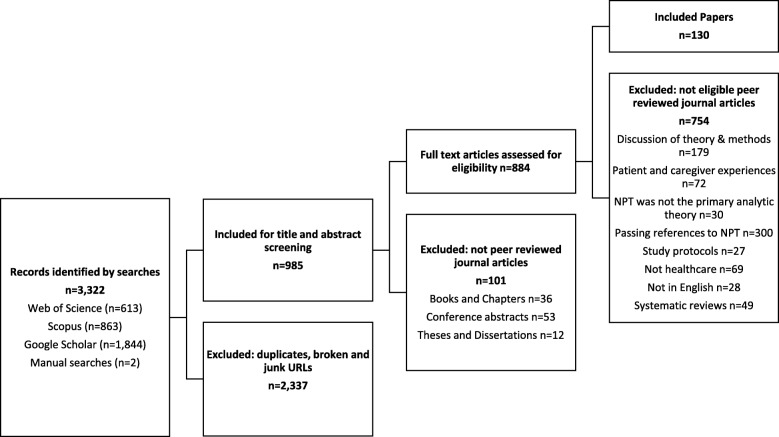
BACKGROUND: Normalization Process Theory (NPT) identifies, characterises and explains key mechanisms that promote and inhibit the implementation, embedding and integration of new health techniques, technologies and other complex interventions. A large body of literature that employs NPT to inform feasibility studies and process evaluations of complex healthcare interventions has now emerged. The aims of this review were to review this literature; to identify and characterise the uses and limits of NPT in research on the implementation and integration of healthcare interventions; and to explore NPT's contribution to understanding the dynamics of these processes. METHODS: A qualitative systematic review was conducted. We searched Web of Science, Scopus and Google Scholar for articles with empirical data in peer-reviewed journals that cited either key papers presenting and developing NPT, or the NPT Online Toolkit ( www.normalizationprocess.org ). We included in the review only articles that used NPT as the primary approach to collection, analysis or reporting of data in studies of the implementation of healthcare techniques, technologies or other interventions. A structured data extraction instrument was used, and data were analysed qualitatively. RESULTS: Searches revealed 3322 citations. We show that after eliminating 2337 duplicates and broken or junk URLs, 985 were screened as titles and abstracts. Of these, 101 were excluded because they did not fit the inclusion criteria for the review. This left 884 articles for full-text screening. Of these, 754 did not fit the inclusion criteria for the review. This left 130 papers presenting results from 108 identifiable studies to be included in the review. NPT appears to provide researchers and practitioners with a conceptual vocabulary for rigorous studies of implementation processes. It identifies, characterises and explains empirically identifiable mechanisms that motivate and shape implementation processes. Taken together, these mean that analyses using NPT can effectively assist in the explanation of the success or failure of specific implementation projects. Ten percent of papers included critiques of some aspect of NPT, with those that did mainly focusing on its terminology. However, two studies critiqued NPT emphasis on agency, and one study critiqued NPT for its normative focus. CONCLUSIONS: This review demonstrates that researchers found NPT useful and applied it across a wide range of interventions. It has been effectively used to aid intervention development and implementation planning as well as evaluating and understanding implementation processes themselves. In particular, NPT appears to have offered a valuable set of conceptual tools to aid understanding of implementation as a dynamic process.
Overview
CoChat Summary
TL;DR
This qualitative systematic review identified 130 papers reporting 108 studies that used Normalization Process Theory (NPT) as the primary analytic framework in feasibility studies and process evaluations of complex healthcare interventions. The authors conclude that NPT provides a coherent, stable, and flexibly applicable conceptual vocabulary that helped explain implementation outcomes, though some users criticized its terminology, agency emphasis, and normative focus.
Key findings
- Searches revealed 3322 citations; after screening, 130 papers from 108 identifiable studies were included. NPT was used in 26 controlled studies, generating 40/130 (30.8%) articles, and 82 uncontrolled studies, generating 90/130 (69.2%) articles.
- Use of NPT was planned in the study protocol in 54/108 (50%) studies overall: 19/26 (73%) controlled studies and 35/82 (42.7%) uncontrolled studies. 64/108 (59.2%) studies cited systematic reviews or rigorously developed clinical guidelines as the evidence base for the intervention.
- In all but one study, implementation outcomes could be explained by reference to NPT mechanisms; differences between participant groups were characterized in 69/108 (64%) studies and between settings in 36/108 (33%) studies. About 10% of papers included critiques of NPT, mainly about terminology; two critiqued its emphasis on agency, and one critiqued its normative focus.
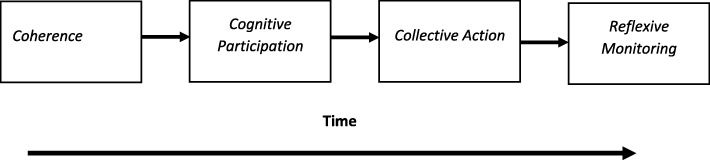
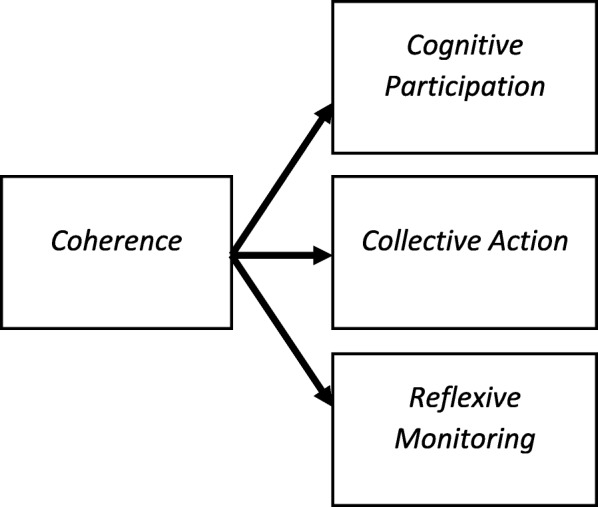
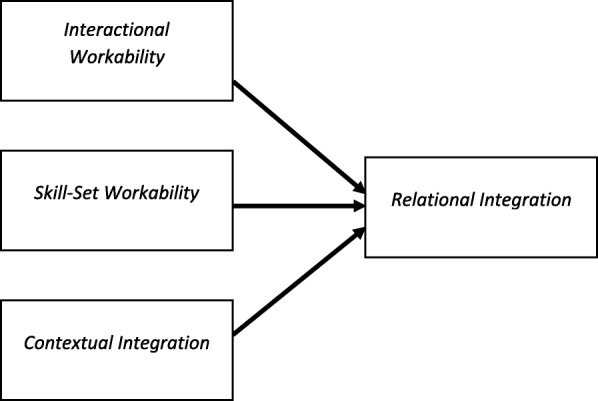
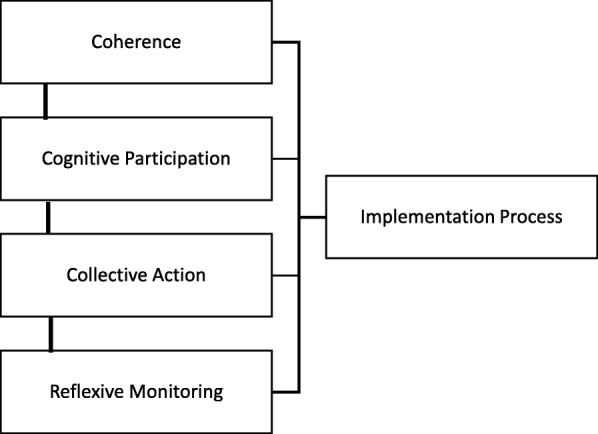
- Researchers applied NPT constructs in four distinctive ways: as a linear sequence over time, with coherence as an obligatory starting point, with relational integration as an obligatory point of passage, or as mechanisms operating simultaneously but unevenly. NPT was used to aid intervention development and implementation planning as well as to evaluate and understand implementation processes.
Methods
- Qualitative systematic review using citation searches of Web of Science, Scopus, and Google Scholar for articles citing key NPT papers or the NPT Online Toolkit; searches ran from June 2015 to December 2017. Inclusion criteria were peer-reviewed English-language empirical articles on healthcare intervention implementation in which NPT was the primary analytic framework; exclusions included protocols, reviews, non-healthcare settings, non-English papers, and passing references to NPT.
- Screening was done by independent reviewer pairs; data were extracted with a structured instrument, and qualitative analysis characterized uses, limits, and contributions of NPT. Coding was jointly checked on 75/130 included papers, and categorisation was jointly checked for all included papers. PROSPERO deemed the review ineligible for public registration because NPT was not a healthcare intervention.
Limitations
- Stated by the authors: searches were undertaken in only two databases, so some studies may have been missed; Google Scholar results were unstable and produced multiple versions of references, though it identified about 20 papers that would otherwise have been excluded; non-English studies were excluded; a different research team might reach different conclusions; and findings apply only to healthcare implementation research.
- Evident from the text: included studies often focused on feasibility or early implementation phases, skewing analyses toward implementation rather than embedding and integration; few studies tracked an intervention over its whole life; most papers used the 2009 elaboration of NPT; and critiques of NPT were rare.
Model-written summary. Check it against the paper before relying on it.
Integrity signals
Registry
Cites
Statistics
Figures
Verification
Claims the paper makes
34 Valid · 3 Not valid · 24 Not checked · 105 Own results and interpretations
The cited sources support only part of this claim — read each source’s verdict below.
In the paper
“The development of NPT first involved the iterative development of a robust generic theory of implementation [5–9, 11, 12].”
§ Using Normalization Process Theory in feasibility studies and process evaluations of complex healthcare interventions: a systematic review > Background > What is NPT and what does it do?
What the sources say
- Not checked yetcites [5] May C A rational model for assessing and evaluating complex interventions in health care BMC Health Serv Res 2006 6 86 1 11 16827928 PMC1534030 source
- Partly supportedcites [6] May C Finch T Mair F Ballini L Dowrick C Eccles M Gask L MacFarlane A Murray E Rapley T Understanding the implementation of complex interventions in health care: the normalization process model BMC Health Serv Res 2007 7 148 10.1186/1472-6963-7-148 17880693 PMC2089069 sourceExperimental — accuracy not yet measured
The Background describes successive development of the Normalization Process Model from empirical studies into a robust applied theory. But the Conclusion explicitly says the model is not a general theory: its scope is the implementation of complex interventions in healthcare, so this paper does not support calling it a generic theory of implementation. (LLM, conf=0.86)
- Not checked — no full text of the sourcecites [7] May C Finch T Implementation, embedding, and integration: an outline of normalization process theory Sociology 2009 43 3 535 554 10.1177/0038038509103208 source
- Supportedcites [8] May C, Mair FS, Finch T, MacFarlane A, Dowrick C, Treweek S, Rapley T, Ballini L, Ong BN, Rogers A, et al. Development of a theory of implementation and integration: normalization process theory. Implement Sci. 2009:4(29). PMC2693517 19460163 source
The Methods (Abstract; no page given) describe successive stages from empirical generalizations to an applied model and then a formal theory. The Results ('The changing scope of the theory'; no page given) describe the resulting NPT as a generalizable middle-range theory of implementation, embedding, and integration. (LLM, conf=0.91)
- Partly supportedcites [9] May C Towards a general theory of implementation Implement Sci 2013 8 1 18 10.1186/1748-5908-8-18 23406398 PMC3602092 sourceExperimental — accuracy not yet measured
The ‘Theory-building as a journey’ section describes a progression from the Normalization Process Model to NPT, which it calls a generic, middle-range theory of implementation. It says the journey began with the narrower model, however, and that the proposed general theory was a later extension of NPT—not the first step in its development. (LLM, conf=0.82)
- Partly supportedcites [11] May CR, Mair FS, Dowrick CF, Finch TL. Process evaluation for complex interventions in primary care: understanding trials using the normalization process model. BMC Fam Pract. 2007;8 PMC1950872 17650326 sourceExperimental — accuracy not yet measured
The Background (page unavailable) describes the development and application of the Normalization Process Model (NPM) to understand implementation, and the Authors’ contributions say the model was modified for this paper. The copy does not establish that NPT’s development first involved an iterative process yielding a robust generic theory of implementation; it discusses NPM and refers the fuller account of its development elsewhere. (LLM, conf=0.83)
- Not checked yetcites [12] May C Agency and implementation: understanding the embedding of healthcare innovations in practice Soc Sci Med 2013 78 0 26 33 10.1016/j.socscimed.2012.11.021 23246396 source
Checked before — its earlier verdict is held back until a new check runs.
plainstates a cause- Asserted: passes — The authors put it forward as true.
- Checkable: passes — It can be checked against evidence.
- Load-bearing: unclear — It is unclear whether the paper’s conclusions depend on it.
- Based: passes — The paper gives a reason why it holds.
Every source the paper cites for this claim was checked and supports it.
In the paper
“concerns raised by McEvoy et al. about the lack of prospective application do not just apply to NPT.”
§ Using Normalization Process Theory in feasibility studies and process evaluations of complex healthcare interventions: a systematic review > Discussion > Key results of the review
What the sources say
- Supportedcites Kirk et al. [18] Kirk MA Kelley C Yankey N Birken SA Abadie B Damschroder L A systematic review of the use of the consolidated framework for implementation research Implement Sci 2016 11 72 10.1186/s13012-016-0437-z 27189233 PMC4869309 source
The Discussion (Phase of implementation; page unavailable) reports that only two studies used CFIR before implementation and calls this a missed opportunity. The Discussion (Contribution of the CFIR to implementation science; page unavailable) also reports minimal prospective use of PARIHS. Together, these passages support the point that the concern is not limited to NPT. (LLM, conf=0.92)
plain- Asserted: passes — The authors put it forward as true.
- Checkable: passes — It can be checked against evidence.
- Load-bearing: unclear — It is unclear whether the paper’s conclusions depend on it.
- Based: passes — The paper gives a reason why it holds.
- Supported
The cited sources support only part of this claim — read each source’s verdict below.
In the paper
“Normalization Process Theory (NPT) identifies, characterises and explains key mechanisms that promote and inhibit the implementation, embedding and integration of new health techniques, technologies and other complex interventions.”
- Also stated in: § Background · boosted
“Normalization Process Theory (NPT) [5–10] is one of these. It identifies, characterises and explains mechanisms that have been empirically demonstrated to motivate and shape implementation processes and affect their outcomes.”
§ Using Normalization Process Theory in feasibility studies and process evaluations of complex healthcare interventions: a systematic review > Abstract > Background
What the sources say
- Supportedcites [5] May C A rational model for assessing and evaluating complex interventions in health care BMC Health Serv Res 2006 6 86 1 11 16827928 PMC1534030 source
The Background section (p.1) frames the paper's purpose with the question 'How can those factors that promote or inhibit the normalization of complex interventions be identified, conceptualized, and evaluated?', and the Abstract's conclusion states the model assesses 'the potential for complex interventions to become routinely embedded in everyday clinical work' and evaluates 'the factors that promote or inhibit' normalization — matching the claim's identify/characterise/explain and promote/inhibit structure. 'Normalization' is defined in the Normalization of complex interventions section as 'the embedding of a technique, technology or organizational change as a routine and taken-for-granted element of clinical practice', and the same section treats new techniques, technologies and organizational forms as 'complex interventions', while the Results/Abstract cover introduction (implementation) and integration (contextual/relational integration). The only divergence is terminological: this 2006 paper names it the 'normalization process model' rather than 'Normalization Process Theory', which is a later label for the same framework, so the wording difference does not undercut the attributed content. (LLM, conf=0.85)
- Partly supportedcites [6] May C Finch T Mair F Ballini L Dowrick C Eccles M Gask L MacFarlane A Murray E Rapley T Understanding the implementation of complex interventions in health care: the normalization process model BMC Health Serv Res 2007 7 148 10.1186/1472-6963-7-148 17880693 PMC2089069 sourceExperimental — accuracy not yet measured
The Background and Abstract Results sections say the Normalization Process Model identifies factors that promote or inhibit implementation and explains how complex interventions become embedded in health care practice. The cited paper calls this the Normalization Process Model, not Normalization Process Theory (NPT), and describes its scope as complex interventions in health care rather than the broader formulation in the claim. The copy provides no page numbers. (LLM, conf=0.88)
- Not checked — no full text of the sourcecites [7] May C Finch T Implementation, embedding, and integration: an outline of normalization process theory Sociology 2009 43 3 535 554 10.1177/0038038509103208 source
- Supportedcites [8] May C, Mair FS, Finch T, MacFarlane A, Dowrick C, Treweek S, Rapley T, Ballini L, Ong BN, Rogers A, et al. Development of a theory of implementation and integration: normalization process theory. Implement Sci. 2009:4(29). PMC2693517 19460163 source
The Background section (‘What is NPT?’; page not provided) says NPT explains implementation, embedding and integration, and identifies mechanisms that promote or inhibit the enactment of practices. The Methods section (‘Phase three: Making a formal theory’; page not provided) describes it as a general theory applicable beyond healthcare and complex interventions. (LLM, conf=0.94)
- Supportedcites [9] May C Towards a general theory of implementation Implement Sci 2013 8 1 18 10.1186/1748-5908-8-18 23406398 PMC3602092 source
The Background’s ‘Constructs of the general theory’ section says NPT characterizes social mechanisms involved in implementing and embedding complex interventions, then identifies four mechanisms. The same section discusses techniques and technologies as components of complex interventions. Page numbers are not available in our copy. (LLM, conf=0.91)
- Supportedcites [10] May CR Johnson M Finch T Implementation, context and complexity Implement Sci 2016 11 1 141 10.1186/s13012-016-0506-3 27756414 PMC5069794 source
The Background’s Table 1 describes NPT as analysing mechanisms of implementation and asks what promotes or inhibits the implementation, embedding and integration of practices. It identifies the practices as new techniques, technologies or organisational interventions, while the Purpose of this paper section also discusses the routine incorporation of complex interventions. (LLM, conf=0.92)
boostedstates a cause- Asserted: passes — The authors put it forward as true.
- Checkable: passes — It can be checked against evidence.
- Load-bearing: passes — The paper’s conclusions depend on it.
- Based: passes — The paper gives a reason why it holds.
- Also stated in: § Background · boosted
Every source the paper cites for this claim was checked and supports it.
In the paper
“In the period since McEvoy et al.’s review [17], studies using NPT have proliferated.”
§ Using Normalization Process Theory in feasibility studies and process evaluations of complex healthcare interventions: a systematic review > Background > The purpose of this review
What the sources say
- Supportedcites [17] McEvoy R Ballini L Maltoni S ODonnell C Mair F MacFarlane A A qualitative systematic review of studies using the normalization process theory to research implementation processes Implement Sci 2014 9 1 2 10.1186/1748-5908-9-2 24383661 PMC3905960 source
The citation identifies McEvoy et al.’s review as the point from which the citing authors measure time. The Discussion describes the paper as a review of 29 NPT papers; the statement about proliferation since that review is the citing authors’ own observation, not a finding attributed to the review. (LLM, conf=0.91)
plain- Asserted: passes — The authors put it forward as true.
- Checkable: passes — It can be checked against evidence.
- Load-bearing: passes — The paper’s conclusions depend on it.
- Based: passes — The paper gives a reason why it holds.
- Supported
Every source the paper cites for this claim was checked and supports it.
In the paper
“A review by McEvoy et al. [17], published in 2014, provided a qualitative synthesis of 29 early and heterogeneous studies in which NPT was used.”
§ Using Normalization Process Theory in feasibility studies and process evaluations of complex healthcare interventions: a systematic review > Background > The purpose of this review
What the sources say
- Supportedcites [17] McEvoy R Ballini L Maltoni S ODonnell C Mair F MacFarlane A A qualitative systematic review of studies using the normalization process theory to research implementation processes Implement Sci 2014 9 1 2 10.1186/1748-5908-9-2 24383661 PMC3905960 source
The Methods describe a qualitative systematic review using framework analysis and limit the included publications to 2006–June 2012. The Results report 29 articles using NPT across several healthcare fields, and the Discussion describes a diverse range of settings. These passages support the characterization of the studies as early and heterogeneous. (LLM, conf=0.92)
plain- Asserted: passes — The authors put it forward as true.
- Checkable: passes — It can be checked against evidence.
- Load-bearing: passes — The paper’s conclusions depend on it.
- Based: passes — The paper gives a reason why it holds.
- Supported
75 more claims · 5 with their cited sources checked
Create a free account to see all 166 claims and to verify the 9 references still open.
- Probably not a substantial claim. 61
- It may state two separate claims as one. 32
- The quote only partly states this claim. 1
Claims other papers make about this one
Each is checked against this paper’s own text: does it say what the citing paper says it does?
The cited source says what the claim attributes to it.
In the citing paper
“Previous research has shown that NPT can be applied effectively to qualitative data in healthcare contexts and, more recently, in school-based research [38, 40, 41].”
In the citing paper
“NPT is a useful framework to explain and understand how people integrate new interventions into their everyday routines [24].”
Self-check
Percentages, sums and reported differences re-computed from the paper’s own numbers.
Each contradiction between two passages listed here was confirmed by an independent check.
Rated minor: it would not touch a result — a value no result rests on, a p-value that stays on the same side of the significance level, or a conflict that is clerical, resolved elsewhere in the paper, or outside its own findings.
In the paper
§ Using Normalization Process Theory in feasibility studies and process evaluations of complex healthcare interventions: a systematic review > Discussion > Key results of the review
“The major papers by Clarke et al. [34, 35] and Hooker et al. [38–41] are important examples of such work.”
§ Using Normalization Process Theory in feasibility studies and process evaluations of complex healthcare interventions: a systematic review > References
“34. Grant A Dreischulte T Guthrie B Process evaluation of the data-driven quality improvement in primary care (DQIP) trial: active and less active ingredients of a multi-component complex intervention to reduce high-risk primary care prescribing Implement Sci 2017 12 1 4”
Rated minor: it would not touch a result — a value no result rests on, a p-value that stays on the same side of the significance level, or a conflict that is clerical, resolved elsewhere in the paper, or outside its own findings.
In the paper
§ Using Normalization Process Theory in feasibility studies and process evaluations of complex healthcare interventions: a systematic review > Results > Types of studies
“106. Walker et al. [144] | Australia | NPT | Colorectal cancer risk prediction | NICE guideline [199]”
§ Using Normalization Process Theory in feasibility studies and process evaluations of complex healthcare interventions: a systematic review > References
“199. NICE Depression in adults with a chronic physical health problem (CG91) 2009 Manchester National Institute for Health and Clinical Excellence”
Rated minor: it would not touch a result — a value no result rests on, a p-value that stays on the same side of the significance level, or a conflict that is clerical, resolved elsewhere in the paper, or outside its own findings.
In the paper
§ Using Normalization Process Theory in feasibility studies and process evaluations of complex healthcare interventions: a systematic review > Results > Types of studies
“13. Grant et al. [34, 35] | UK | NPT | Primary care prescribing | NICE guideline [157]”
§ Using Normalization Process Theory in feasibility studies and process evaluations of complex healthcare interventions: a systematic review > References
“157. NICE Delirium: diagnosis, prevention and management (CG103) 2010 Manchester National Institute for Clinical Excellence”
Rated minor: it would not touch a result — a value no result rests on, a p-value that stays on the same side of the significance level, or a conflict that is clerical, resolved elsewhere in the paper, or outside its own findings.
In the paper
§ Using Normalization Process Theory in feasibility studies and process evaluations of complex healthcare interventions: a systematic review > Results > Types of studies
“14. Godfrey et al. [36] | UK | NPT | Delirium prevention in hospital | Systematic review [158]”
§ Using Normalization Process Theory in feasibility studies and process evaluations of complex healthcare interventions: a systematic review > References
“158. Howard RL Avery AJ Slavenburg S Royal S Pipe G Lucassen P Pirmohamed M Which drugs cause preventable admissions to hospital? A systematic review Br J Clin Pharmacol 2007 63 2 136 147”
Citations
Cites
Three Approaches to Qualitative Content Analysis
Hsieh, H.-F., & Shannon, S. E. (2005) · Qualitative Health Research · doi:10.1177/1049732305276687 · Cited by 44,601 · cited 1×
“Some used deductive strategies that relied on framework or directed content [204, 205] analyses and in which interpretation of data was structured prospectively by the theory.”
MethodDamschroder, L. J., Aron, D. C., Keith, R. E., Kirsh, S. R., Alexander, J. A., & Lowery, J. C. (2009) · Implementation Science · doi:10.1186/1748-5908-4-50 · Cited by 14,496 · cited 2×
“For example, Kirk et al. [18] point to the problem of low levels of prospective use of the CFIR [208] and PARIHS [209] frameworks.”
Diffusion of Innovations in Service Organizations: Systematic Review and Recommendations
GREENHALGH, T., ROBERT, G., MACFARLANE, F., BATE, P., & KYRIAKIDOU, O. (2004) · The Milbank Quarterly · doi:10.1111/j.0887-378x.2004.00325.x · Cited by 7,448
Decision aids for people facing health treatment or screening decisions
Stacey, D., Légaré, F., Lewis, K., Barry, M. J., Bennett, C. L., Eden, K. B., Holmes-Rovner, M., Llewellyn-Thomas, H., Lyddiatt, A., Thomson, R., et al. (2017) · Cochrane Database of Systematic Reviews · doi:10.1002/14651858.cd001431.pub5 · Cited by 6,685
Qualitative data analysis for applied policy research
(2002) · Analyzing Qualitative Data · doi:10.4324/9780203413081-14 · Cited by 4,964 · cited 2×
“Some used deductive strategies that relied on framework or directed content [204, 205] analyses and in which interpretation of data was structured prospectively by the theory.”
MethodQualitative data analysis for applied policy research
Ritchie, J., & Spencer, L. (2010) · Analyzing qualitative data · doi:10.4324/9780203413081_chapter_9 · Cited by 4,800
Making sense of implementation theories, models and frameworks
Nilsen, P. (2015) · Implementation Science · doi:10.1186/s13012-015-0242-0 · Cited by 4,447
Chaudhry, B., Wang, J., Wu, S., Maglione, M., Mojica, W., Roth, E., Morton, S. C., & Shekelle, P. G. (2006) · Annals of Internal Medicine · doi:10.7326/0003-4819-144-10-200605160-00125 · Cited by 3,159
Garg, A. X., Adhikari, N. K. J., McDonald, H., Rosas-Arellano, M. P., Devereaux, P. J., Beyene, J., Sam, J., & Haynes, R. B. (2005) · JAMA · doi:10.1001/jama.293.10.1223 · Cited by 2,936
Implementing, Embedding, and Integrating Practices: An Outline of Normalization Process Theory
May, C., & Finch, T. (2009) · Sociology · doi:10.1177/0038038509103208 · Cited by 2,115
Self-citation
Research works printed but not linked: 16
- Hooker L Small R Taft A Understanding sustained domestic violence identification in maternal and child health nurse care: process evaluation from a 2-year follow-up of the MOVE trial J Adv Nurs 2016 72 3 533 544 10.1111/jan.12851 26564793 · DOI · Paper page
- NICE Chronic kidney disease. Early identification and management of chronic kidney disease in adults in primary and secondary care (CG73) 2008 London National Institute for Health and Clinical Excellence 25340245
- NICE Delirium: diagnosis, prevention and management (CG103) 2010 Manchester National Institute for Clinical Excellence
- WHO WHO recommendations for prevention and treatment of pre-eclampsia and eclampsia 2011 Geneva World Health Organization 23741776
- FSA Guidance on food served to older people in residential care 2007 London Food Standards Agency
- NICE Chronic fatigue syndrome/myalgic encephalitis (or encalopathy): diagnosis and management of CFS/ME in adults and children (CG53) 2007 London National Institute of Clinical Excellence
- NICE Falls in older people: assessing risk and prevention (CG161) 2013 Manchester National Institute for Clinical Excellence 31869045
- NICE Osteoporosis: secondary prevention including strontium ranelate (TA161) 2008 Manchester National Institue of Clinical Excellence
- Deshpande A Khoja S McKibbon A Rizo C Jadad A Telehealth for acute stroke management (Telestroke): systematic review and environment scan (technology overview 37) 2008 Ottowa Canadian Agency for Drugs and Technologies in Health
- NICE Referral guidelines for suspected cancer 2005 London National Institute for Health and Clinical Excellence
- NICE Acute kidney injury: prevention, detection and management of acute kidney injury up to the point of renal replacement therapy (CG169) 2013 Manchester National Institute of Health and Care Excellence
- NICE Chronic heart failure: management of chronic heart failure in adults in primary and secondary care 2008 London National Institute of Health and Care Excellence
- NICE Depression in adults with a chronic physical health problem (CG91) 2009 Manchester National Institute for Health and Clinical Excellence
- Dedoose Dedoose version 4.5, web application for managing, analyzing, and presenting qualitative and mixed method research data 2013 Los Angeles SocioCultural Research Consultants, LLC
- de Brún T de-Brún MOR van Weel-Baumgarten E van Weel C Dowrick C Lionis C O’Donnell CA Burns N Mair FS Saridaki A Guidelines and training initiatives that support communication in cross-cultural primary-care settings: appraising their implementability using normalization process theory Fam Pract 2015 32 4 420 425 25917169
- NICE Psychosis and schizophrenia in adults: prevention and management [CG178] 2014 London National Institute for Health and Care Excellence 32207892
Cited by
Items 301–400 of 681
Rihari‐Thomas, J., Whittam, S., Goncharov, L., Slade, D., McElduff, B., Pritchard, T., McMahon, J., Coventry, A., Coughlan, K., Steadward, Y., et al. (2022) · Collegian Journal of the Royal College of Nursing Australia · doi:10.1016/j.colegn.2022.06.006 · Cited by 5
Sykes, K., Tuschick, E., Giles, E. L., Kanmodi, K. K., & Barker, J. (2022) · PLoS ONE · doi:10.1371/journal.pone.0278238 · Cited by 7
“A systematic review of 108 studies using NPT identified it accurately illustrated important elements of implementation processes [18].”
BackgroundSchnabel, S., van Wijck, F., & Kidd, L. (2023) · Frontiers in Neurology · doi:10.3389/fneur.2023.1089547 · Cited by 7
Péloquin, F., Marmen, É., Gélinas, V., Plaisance, A., Linteau, M., Nolet, A., Germain, N., & Archambault, P. M. (2025) · Canadian Journal of Emergency Medicine · doi:10.1007/s43678-025-00911-8 · Cited by 5
Recording COVID-19 consultations: review of symptoms, risk factors, and proposed SNOMED CT terms
Jani, B., Pell, J. P., McGagh, D., Liyanage, H., Kelly, D., de Lusignan, S., Weatherburn, C., Burns, R., Sullivan, F., & Mair, F. S. (2020) · BJGP Open · doi:10.3399/bjgpopen20x101125 · Cited by 5
“NPT is a theory of implementation that has been used extensively over the last decade to understand how new service innovations, particularly digital health innovations, can become embedded and implemented, or not, as part of routine practice.(14) It suggests the need to consider issues relating to: coherence, how peo…”
BackgroundMethodSelf-citationMay, C. R., Albers, B., Bracher, M., Finch, T. L., Gilbert, A. W., Girling, M., Greenwood, K., MacFarlane, A. E., Mair, F. S., May, C., et al. (2021) · Research Square · doi:10.21203/rs.3.rs-870733/v1 · Cited by 5
Self-citationGoldberg, E., Conte, K., Loblay, V., Groen, S., Persson, L., Innes-Hughes, C., Mitchell, J., Milat, A., Williams, M., Green, A., et al. (2022) · Implementation Science · doi:10.1186/s13012-021-01184-2 · Cited by 4
Kennedy, K., Snow, A. L., Mills, W. L., Haigh, S. V., Mochel, A. L., Curyto, K. J., Bishop, T. K., Hartmann, C. W., Camp, C. J., & Hilgeman, M. M. (2024) · Dementia · doi:10.1177/14713012241263712 · Cited by 7
“NPT was developed empirically in 2009 and is widely used in implementation studies of healthcare innovations (Batten et al., 2023; May et al., 2011, 2018; Richter et al., 2022).”
Foster, R., Carver, H., Matheson, C., Pauly, B., Wallace, J., MacLennan, G., Budd, J., & Parkes, T. (2025) · Communications Medicine · doi:10.1038/s43856-024-00721-6 · Cited by 5
“SHARPS was a two-year (May 2018 –”
Rai, T., Hinton, L., Mackay, R., Black, M. E., Sanders, J., Slade, P., Elsmore, A., Dhadda, A., Parry‐Smith, W., Collis, R. E., et al. (2025) · PLoS ONE · doi:10.1371/journal.pone.0320754 · Cited by 4
“Each construct is constituted of further sub-constructs, some of which we have applied as appropriate to our research needs (for more detail on NPT sub-constructs, see [29,30]).”
Kuharić, M., Merle, J. L., Cella, D. F., Mitchell, S. A., DiMartino, L., Ridgeway, J. L., Dizon, D. S., Paudel, R., Austin, J. D., Wong, S. L., et al. (2025) · Implementation Science Communications · doi:10.1186/s43058-025-00756-3 · Cited by 5
Providing Outpatient Oncology Mental Health Support: Understanding Staff Perspectives
Matthews, E., Webber, K., Wiley, J. F., & Parker, C. (2025) · Psycho-Oncology · doi:10.1002/pon.70206 · Cited by 4
Chen, J., Lin, Z., Lei, Y., Wang, Q., Tang, L., & Cheng, H. (2025) · International Journal of Nursing Studies · doi:10.1016/j.ijnurstu.2025.105156 · Cited by 5
Oakley, S., Manning, M., MacFarlane, A. E., Murphy, A. W., Moran, O. L., & Markey, K. (2024) · Journal of Advanced Nursing · doi:10.1111/jan.16321 · Cited by 7
“NPT as a theory is widely acknowledged as a useful mechanism for comprehensively examining the implementation of complex interventions in practice (MacFarlane et al., 2020 ; May et al., 2018 ; McEvoy & Richards, 2016 ).”
Mbah, M. F., & Ezegwu, C. (2024) · Sustainability · doi:10.3390/su17010052 · Cited by 6
Moseley, L., McMeekin, P. J., Price, C., Shaw, L. C., Allen, M., Ford, G. A., James, M., Laws, A., McCarthy, S., McClelland, G., et al. (2025) · PLoS ONE · doi:10.1371/journal.pone.0310071 · Cited by 5
Khattak, M., Kierkegaard, P., McGregor, A. H., & Perry, D. C. (2025) · The Bone & Joint Journal · doi:10.1302/0301-620x.107b6.bjj-2024-1567.r1 · Cited by 4
Implementation of link workers in primary care: Synopsis of findings from a realist evaluation
Tierney, S., Wong, G., Westlake, D., Turk, A., Markham, S., Gorenberg, J., Reeve, J. L., Mitchell, C. A., Husk, K., Redwood, S., et al. (2025) · Health and Social Care Delivery Research · doi:10.3310/khgt9993 · Cited by 5
Haregu, T., Mahat, K., Miller, S. M., & Oldenburg, B. F. (2020) · Translational Behavioral Medicine · doi:10.1093/tbm/ibz199 · Cited by 4
“These include “SelfManagement Approach and Reciprocal learning for Type 2 Diabetes” (SMART2D) [12], Consolidated Framework for Implementation Research (CFIR) [13], the Theoretical Domains Framework (TDF) [14], Normalization Process Theory (NPT) [15], and applyparastyle "fig//caption/p[1]" parastyle "FigCapt" applypara…”
MethodInfluentialSattar, Z., Young‐Murphy, L., Craig, L., Steven, A., & Wilson, G. (2023) · BMC Geriatrics · doi:10.1186/s12877-023-03742-3 · Cited by 5
Crabb, S. J., Morgan, A., Hunter, M. S., Stefanopoulou, E., Griffiths, G. O., Richardson, A. M., Fenlon, D., Fleure, L., Raftery, J., Boxall, C., et al. (2023) · Trials · doi:10.1186/s13063-023-07325-w · Cited by 4
“Recent systematic reviews have supported the use of NPT to explain implementation outcomes [17, 18], supporting the use of NPT as an appropriate conceptual framework.”
Holdsworth, L. M., Stedman, M. R., Saliba‐Gustafsson, E. A., Han, J., Asch, S. M., Harbert, G., Lorenz, K., Lupu, D., Malcolm, E. J., Moss, A. H., et al. (2023) · BMC Health Services Research · doi:10.1186/s12913-023-10360-7 · Cited by 5
Ouyang, M., González, F., Montalbano, M., Pruski, A., Jan, S., Wang, X., Johnson, B. J., Summers, D., Khatri, P., Malavera, A., et al. (2024) · Cerebrovascular Diseases · doi:10.1159/000538136 · Cited by 4
“NPT provides a deeper appreciation of implementation as a dynamic process, to identify and explain the fundamental mechanisms that promote or impede implementation, and how a complex intervention can be embedded into everyday practice [13, 15].”
Boman, C., Bernhardsson, S., Lundqvist, S., Melin, K., & Lauruschkus, K. (2024) · Frontiers in Health Services · doi:10.3389/frhs.2024.1306461 · Cited by 6
Bø, K.-E., Halvorsen, K. H., Le, A. Y.-N., & Lehnbom, E. C. (2024) · BMC Health Services Research · doi:10.1186/s12913-024-11014-y · Cited by 7
“Even though some of the constructs in this theory are flexible and open to interpretation, it is considered a comprehensive and robust guide to implementation [20].”
BackgroundCostea, V.-A., Bäck, A., Bergström, A., Lundin, A., Hasson, H., & Eriksson, L. (2024) · Frontiers in Health Services · doi:10.3389/frhs.2024.1408801 · Cited by 6
Rumalla, K. C., Chandrupatla, S. R., & Singh, J. A. (2024) · The Journal of Arthroplasty · doi:10.1016/j.arth.2024.10.016 · Cited by 4
Beasant, L., Chakkarapani, E., Horwood, J. P., Odd, D., Stocks, S., Parker, D., & Ingram, J. C. (2024) · BMJ Open · doi:10.1136/bmjopen-2024-088228 · Cited by 6
“30 33 NPT was chosen for this process evaluation as it can be used to focus on how staff routinely incorporate a complex intervention in practice and embed it in a specific setting.”
Abdi, S., Patel, D., Carmichael, J., Balaskas, K., & BLANDFORD, A. E. (2025) · Digital Health · doi:10.1177/20552076241303812 · Cited by 5
Roberti, J. E., Morelli, D., Vidrio, O. A. A., Suyanto, A. A., Carmiol-Rodríguez, P., Tolentino, A., Chan-Liang, E., Sprecher, J., Rubinstein, F., & Iribarren, S. (2025) · BMJ Open · doi:10.1136/bmjopen-2024-095878 · Cited by 8
Patient and nurse perspectives on advance care planning in acute care
GAZARIAN, P. K., Cronin, J., Baker, K. M., & Friel, B. J. (2019) · Applied Nursing Research · doi:10.1016/j.apnr.2019.151203 · Cited by 6
Bennett, S. H., Travers, C., Liddle, J., Smith, S. J., Clemson, L. M., OʼReilly, M., Allen, M. J., Laver, K., Beattie, E., Low, L., et al. (2020) · Brain Impairment · doi:10.1017/brimp.2020.15 · Cited by 5
“Although educational approaches are often utilised to develop stakeholder’s knowledge, implementation theories such as NPT (May et al., 2018), also highlights the power of strengthening professional relationships by relational integration (i.e. developing and maintaining knowledge and confidence in each other’s roles…”
BackgroundInfluentialImplementing YouthCHAT – evaluation and development of an implementation framework
Goodyear‐Smith, F., Darragh, M., & Martel, R. (2021) · Implementation Research and Practice · doi:10.1177/26334895211048511 · Cited by 6
“Implementation requires collective action and collaborative work, with changes to behaviour, rules, resources, and organising logics and restructured relationships (May et al., 2018).”
BackgroundMethodInfluentialOuyang, M., Anderson, C. S., Song, L., Malavera, A., Jan, S., Cheng, G., Chu, H., Hu, X., Ma, L., Chen, X., et al. (2022) · Frontiers in Medicine · doi:10.3389/fmed.2022.813749 · Cited by 4
Sifaki-Pistolla, D. I., Mechili, E. A., Melidoniotis, E., Argyriadis, A., Patelarou, E., & Chatzea, V. (2022) · International Journal of Environmental Research and Public Health · doi:10.3390/ijerph191710467 · Cited by 4
“A deductive thematic analysis [29] informed by NPT and HBM was performed with the aim to examine the emergent data and integrate them with the theoretical framework’s components (Supplementary Material: Figure S1, Table S1).”
MethodUnderstanding when, why and how shared decision making is used in routine care
Politi, M. C., & Neuman, M. D. (2022) · Patient Education and Counseling · doi:10.1016/j.pec.2022.10.352 · Cited by 4
Reuland, C. J., Shi, G., Deatras, M., Ang, M., Evangelista, P. P. G., & Shilkofski, N. A. (2023) · Frontiers in Pediatrics · doi:10.3389/fped.2023.1127752 · Cited by 6
Malakoane, B., Chikobvu, P., Heunis, J. C., Kigozi, G., & Kruger, W. H. (2023) · African Health Sciences · doi:10.4314/ahs.v23i1.49 · Cited by 5
Talla, P. K., Thomas, A., Ataman, R., Auger, C., McKerral, M., Wittich, W., Poncet, F., & Ahmed, S. (2023) · BMJ Open · doi:10.1136/bmjopen-2022-068866 · Cited by 5
Saito, J., Odawara, M., Fujimori, M., Kuchiba, A., Oyamada, S., Swe, K. T., Saito, E., Fukai, K., Tatemichi, M., Nakamura, M., et al. (2023) · Implementation Science Communications · doi:10.1186/s43058-023-00444-0 · Cited by 5
“For employers and health managers, the guide will cover acceptance and appropriateness of this intervention, the fidelity of tobacco control activities recommended during the intervention, and also covers the process of normalization of tobacco control measures in the worksite based on the Normalization Process Theory…”
MethodWalugembe, D. R., Plamondon, K., Kaharuza, F. M., Waiswa, P., Wylie, L., Wathen, C. N., & Kothari, A. R. (2024) · Health Research Policy and Systems · doi:10.1186/s12961-024-01191-x · Cited by 4
“Above all, the four NPT constructs and their respective subdomains as described in detail below were considered sufficient to support the exploration of the study objectives [49, 50, 52, 54, 57].”
BackgroundMethodInfluentialFoundations of Research Coproduction
MacFarlane, A. E., & Salsberg, J. (2022) · Wiley eBooks · doi:10.1002/9781119757269.ch2 · Cited by 5
Wang, C., Sakita, F. M., Sumner, S. F., Shayo, F. M., Martin, Z., Msangi, W., Munisi, J. J., Mulesi, E. M., Aboud, A. M., Bettger, J. P., et al. (2026) · Implementation Science Communications · doi:10.1186/s43058-026-00860-y · Cited by 3
“Three general normalization items, rated on a 10-point Likert scale, were analyzed separately in accordance with prior literature [19, 21].”
InfluentialWenneberg, L. Å., Olsson, C., Eklund, A. J., Larsson, M., & Ringnér, A. (2026) · European Journal of Oncology Nursing · doi:10.1016/j.ejon.2026.103148 · Cited by 3
“…– the relational work to engage and sustain the practice • Collective action – the operational work to enact the practice • Reflexive monitoring – the appraisal of the practice's impact Each construct includes four components (May and Finch, 2009; May et al., 2018), outlined in Table 3.”
Gehrmann, J., Stephan, J., Dehner, J., Stullich, A., & Richter, M. (2026) · BMC Health Services Research · doi:10.1186/s12913-026-14631-x · Cited by 3
“The theoretical framework of this study is the NPT [34, 35].”
What is a process evaluation when used alongside a randomised controlled trial?
Bugge, C. (2023) · Evidence-Based Nursing · doi:10.1136/ebnurs-2023-103878 · Cited by 4
“The study was based on implementation in real-world clinical practice so it also drew on elements of normalisation process theory 15 to support actions that may encourage implementation in practice.”
MethodLoudet, C., Barón, F. J., Reina, R., López, M. D. P. A., Alegría, S. L., Barrios, C. D. V., Buffa, R., Cabana, M. L., Cunto, E., Nievas, S. E. F., et al. (2024) · BMJ Open Quality · doi:10.1136/bmjoq-2023-002618 · Cited by 3
“19 NPT is a theoretical framework designed to explain how actions are carried out and bridge the gap between research and practical implementation.”
BackgroundResultCarter, H. M., Beard, D. J., Leighton, P. A., Moffatt, F., Smith, B. E., Webster, K. E., & Logan, P. (2024) · BMJ Open · doi:10.1136/bmjopen-2023-082387 · Cited by 4
Barón, F. J., Loudet, C., Cornistein, W., Suárez-Anzorena, I., Arias-López, P., Balasini, C., Cabana, L., Cunto, E., Corral, P. R. J., Gibbons, L., et al. (2024) · BMJ Quality & Safety · doi:10.1136/bmjqs-2024-017069 · Cited by 2
Varese, F., Allsopp, K., Carter, L., Shields, G., Hind, D., Davies, L. M., Barrett, A., Bhutani, G., McGuirk, K., Huntley, F., et al. (2024) · Health and Social Care Delivery Research · doi:10.3310/hgqr5133 · Cited by 5
Roberti, J. E., Alonso, J. P., Ini, N., Loudet, C., Cornistein, W., Suárez-Anzorena, I., Guglielmino, M., Rodríguez, A. P., García‐Elorrio, E., Barón, F. J., et al. (2024) · Infection Disease & Health · doi:10.1016/j.idh.2024.08.003 · Cited by 4
Reinhardt, I., Holsten, R., Zielasek, J., Kuhlmann, L., & Gouzoulis‐Mayfrank, E. (2024) · BMC Health Services Research · doi:10.1186/s12913-024-11686-6 · Cited by 4
“A literature review showed that the NPT, which can be operationalised by the normalization questionnaire, may contribute to the conceptual understanding of implementation processes and outcomes in a variety of healthcare systems [32].”
BackgroundMethodHartman, E. A. R., Groen, W. G., Heltveit-Olsen, S. R., Lindbæk, M., Høye, S., Lithén, S. S., Sundvall, P., Sundvall, S., Arnljots, E. S., Gunnarsson, R. K., et al. (2024) · Trials · doi:10.1186/s13063-024-08545-4 · Cited by 4
Roberti, J. E., Barón, F. J., Ini, N., Guglielmino, M., Rodríguez, A. P., Echave, C., Falaschi, A., Rodriguez, V. E., García‐Elorrio, E., & Alonso, J. P. (2025) · Pediatric Quality and Safety · doi:10.1097/pq9.0000000000000788 · Cited by 3
“The interview guide was based on NPT constructs 19,20 and addressed enrollment, information, perception of usefulness, degree of implementation, acceptability, perception of the impact, and opinions on sustainability ( Supplemental Digital Content 1, http://links.lww.com/PQ9/A632 ).”
Lowrie, R., Anderson, D., Sheikh, A., et al. (2025) · Pilot and Feasibility Studies · doi:10.1186/s40814-025-01681-x · Cited by 3
Self-citationA qualitative evaluation of pharmacy technician opinions about administering immunizations
McKeirnan, K. C., & Hanson, E. (2023) · Exploratory Research in Clinical and Social Pharmacy · doi:10.1016/j.rcsop.2023.100280 · Cited by 3
“The process can guide trial procedures and their implementation into clinical practice.(25,26) TheNPT has previously been used to qualitatively analyze numerous pharmacy interventions.”
Boxall, C., Fenlon, D., May, C. R., Nuttall, J., & Hunter, M. S. (2023) · BMC Nursing · doi:10.1186/s12912-023-01441-3 · Cited by 3
“…research [12]) because of the implementation context, and its focus on understanding and explaining how the thinking, enacting and organisation of work is operationalised by stakeholders and how these factors facilitate or impede the normalisation of interventions in routine practice [13].”
BackgroundSelf-citationTrebacz, A., McKean, C., Stringer, H., & Pert, S. (2023) · International Journal of Language & Communication Disorders · doi:10.1111/1460-6984.12980 · Cited by 14
O’Hagan, B., Augustyn, M. C., Amgott, R., White, J. L., Hardesty, I., Bangham, C., Ursitti, A., Foster, S., Chandler, A., & Greece, J. A. (2023) · Frontiers in Health Services · doi:10.3389/frhs.2023.1242908 · Cited by 5
“NPT emphasizes individual and collective behaviors, in addition to attitudes and beliefs, which aids practice-focused queries (22).”
BackgroundResultInfluentialWu, J., Xu, S., Liu, X., Zhao, J., He, Z., Pan, A., & Wu, J. (2024) · The Analyst · doi:10.1039/d4an00520a · Cited by 3
Struhar, J., Walters, T., Gracz, K., Sheth, M., Fernández, A., Lopez, C., & Jesus, T. S. (2024) · The International Journal of Health Planning and Management · doi:10.1002/hpm.3832 · Cited by 3
Ikuteyijo, O. O., Hilber, A. M., Fatusi, A. O., Akinyemi, A. I., & Merten, S. (2024) · BMJ Public Health · doi:10.1136/bmjph-2024-001326 · Cited by 3
“We had dissemination sessions of the findings with stakeholders for feedback on the findings and the way forward on the issue of SGBV in the two locations.”
Smartphone GIS: exploring technological competency in active learning across geography
Holloway, P. H., Thelen, S., McCullagh, D., Tangney, P., Veenenbos, K. R., van der Horst, S. V. J., O’Leary, A., Bermingham, S., O’Brien, C., & O’Leary, N. D. (2025) · Journal of Geography in Higher Education · doi:10.1080/03098265.2024.2443908 · Cited by 4
“The schedule for the focus group was based on the Normalization Process Theory Toolkit (May et al., 2018), which took the following structure outlined in Table 3.”
Milton, R., Channon, S., Sanders, J., Kenyon, S. L., Middlemiss, A. L., Strange, H., Davies, K., Choudary-Salter, L., Barry, S., Prendeville, T., et al. (2025) · NIHR Open Research · doi:10.3310/nihropenres.13745.2 · Cited by 3
“Given the complex nature of MCoC implementation and the contexts within which the intervention is being implemented, Normalisation Process Theory (NPT) 26,27 and the Consoli-dated Framework for Implementation Research (CFIR) 25 offer appropriate and complementary frameworks to guide the study.”
Nordin, H., Rørtveit, K., Mathisen, G. E., Joa, I., Johannessen, J. O., Ruud, T., & Hartveit, M. (2022) · Journal of Health Organization and Management · doi:10.1108/jhom-08-2021-0286 · Cited by 7
Lazo-Porras, M., Brandt, L. R., Cornejo-Vucovich, E. C., Denman, C. A., Diez‐Canseco, F., Malavera, A., Mukherjee, A., Ouyang, M., Praveen, D., Schierhout, G., et al. (2022) · Salud Pública de México · doi:10.21149/12853 · Cited by 5
Anis, L., Letourneau, N. L., Ross, K. M., Hart, M. J., Graham, I. M., Lalonde, S., Varro, S., Baldwin, A., Soulsby, A., Majnemer, A., et al. (2022) · BMC Pediatrics · doi:10.1186/s12887-022-03439-3 · Cited by 8
“NPT will guide qualitative semistructured interviews and analysis exploring patients’, health and social service providers’, and health system administrators’ perceptions and experiences of the benefits, facilitators, barriers, and challenges to ATTACHTM implementation in community agencies.”
BackgroundMethodInfluentialFox, C., Hammond, S. P., Backhouse, T., Poland, F. M., Waring, J. J., Penhale, B., & Cross, J. (2023) · PLoS ONE · doi:10.1371/journal.pone.0279651 · Cited by 5
“However, an NPT approach can be used to examine changes across different settings and over time with multiple stakeholders [16, 17].”
MethodTeixeira, M. J. C., Ahmed, R. Z., Tehrany, R., Jaggi, A., & Ramanuj, P. (2024) · BMJ Open · doi:10.1136/bmjopen-2023-079707 · Cited by 3
“A steering committee supervised the trial.”
Terpou, B. A., Bird, M., Srinivasan, D., Bains, S., Rosella, L. C., & Desveaux, L. (2024) · Journal of Healthcare Leadership · doi:10.2147/jhl.s475322 · Cited by 2
McGrath, M., Girma, S., Berhane, M., Abera, M., Hailu, E., Bathorp, H., Grijalva-Eternod, C. S., Woldie, M. K., Abdissa, A., Girma, T., et al. (2024) · Maternal and Child Nutrition · doi:10.1111/mcn.13749 · Cited by 4
“In pursuit of this elusive ‘ how ’ , reacting to rather than just reporting on such contextual realities within the trial will be necessary to generate the most practical evidence and insight that policymakers need (May et al., 2018).”
Tian, C. Y., Wong, E. L., Qiu, H., Liu, S., Wang, K., Wei, Y., Cheung, A. W.-L., Chen, Y., & Yeoh, E. (2025) · BMC Health Services Research · doi:10.1186/s12913-025-12507-0 · Cited by 5
“…also emphasizes the interaction between those adopting or rejecting the practice (subjects/patients) and those driving the change and trying to normalize the practice (agents/doctors), as this interaction determines how well the practice is understood, accepted, and sustained in routine care [26].”
Yohanna, S., Wilson, M. K., Naylor, K. L., Garg, A. X., Sontrop, J. M., Mucsi, I., Belenko, D., Dixon, S. N., Blake, P. G., Cooper, R., et al. (2025) · Canadian Journal of Kidney Health and Disease · doi:10.1177/20543581251323959 · Cited by 2
Letourneau, N., Anis, L., Cui, C., Graham, I. D., Ross, K., Nixon, K., Reimer, J., Pilipchuk, M., Wang, E., Lalonde, S., et al. (2025) · BMC Pediatrics · doi:10.1186/s12887-024-05232-w · Cited by 2
“…Type II [104] study is comprised of a quasi-experimental design evaluation of the community-agency delivered ATTACH ™ Online (with measurement pre-intervention, immediately post-intervention, and 3 months post-intervention) as well as an examination of implementation fidelity and uptake [105, 106].”
Dai, Y., Ding, J., Chen, Y., Holloway, D., Guo, J., Cheng, Y., & Johnson, C. E. (2025) · Quality of Life Research · doi:10.1007/s11136-025-03997-w · Cited by 3
“…was chosen due to its use of four intercon - necting constructs (coherence, cognitive participation, collective action, and reflexive monitoring) that help explain how complex interventions become routine practice and is widely used to close the gap between research and practical application [ 21].”
Community health navigators in Australian general practice: an implementation study
O’Callaghan, C., Harris, E., Mistry, S. K., & Harris, M. (2025) · Australian Journal of Primary Health · doi:10.1071/py25019 · Cited by 2
Thermaenius, I., Holm, M., Årestedt, K., Udo, C., Alvariza, A., Lundberg, T., Wallin, L., & Lövgren, M. (2025) · Frontiers in Health Services · doi:10.3389/frhs.2025.1527431 · Cited by 4
Kurian, J. C., & John, B. M. (2025) · Journal of Technology in Behavioral Science · doi:10.1007/s41347-025-00541-y · Cited by 3
Brundle, C., Johansson, J. F., Best, K., Clegg, A. P., Förster, A., Atkinson, T., Foster, M., Humphrey, S., Iliff, A., Inglis, J., et al. (2025) · BMJ Open · doi:10.1136/bmjopen-2025-102723 · Cited by 2
Traynor, O., McCrorie, P., Chng, N. R., Johnstone, A., & Martin, A. (2025) · Wellbeing Space and Society · doi:10.1016/j.wss.2025.100311 · Cited by 6
Varese, F., Cartwright, K. L., Larkin, A., Sandys, M., Flinn, A., Newton, A., Lamonby, J., Samji, M., Holden, C., Bowe, S. E., et al. (2025) · Early Intervention in Psychiatry · doi:10.1111/eip.70095 · Cited by 4
“…of Sekhon's acceptability framework (Sekhon et al. 2017) integrating relevant components of Normalisation Process Theory (NPT; May and Finch 2009; May et al. 2018), a widely used theory to explain the processes by which novel interventions become, or fail to become, embedded into routine…”
Woon, L. S., Maguire, P. A., Looi, J. C., & Reay, R. E. (2025) · International Journal of Telemedicine and Applications · doi:10.1155/ijta/4100418 · Cited by 2
“The NPT has been successfully employed in the implementation research of complex healthcare interventions [21].”
Ankersen, P. V., Steffensen, R. G., Blæhr, E. E., & Beedholm, K. (2021) · Journal of Integrated Care · doi:10.1108/jica-07-2020-0047 · Cited by 4
Leitch, S. V., Smith, A. J., Zeng, J., & Stokes, T. (2021) · JMIR Research Protocols · doi:10.2196/29161 · Cited by 2
“NPT has been successfully used in the assessment and implementation of multiple patient-facing complex health interventions [33-35] and to evaluate other primary care initiatives aiming to reduce kidney injury [36,37].”
PSYCHOLOGISTS’ ROLE IN MENTAL HEALTH PROMOTION PROGRAM AT PUBLIC HEALTH CENTRE
Agustini, R. T., Setiyawati, D., Wulandari, A., Ekowanti, D., & Padmawati, R. S. (2022) · The Indonesian Journal of Public Health · doi:10.20473/ijph.v17i1.2022.171-183 · Cited by 2
Changing HCW attitudes: a case study of normalizing HIV service delivery in emergency departments
Rao, A., Chen, V. H., Hill, S., Reynolds, S. J., Redd, A. D., Stead, D., Hoffmann, C. J., Quinn, T. C., & Hansoti, B. (2022) · BMC Health Services Research · doi:10.1186/s12913-022-07942-2 · Cited by 2
“NPT identifies, characterizes, and explains key factors that promote and inhibit the implementation and integration of complex healthcare interventions into everyday practice [20].”
BackgroundSteyer, L., Kortkamp, C. P., Mueller, C. A., Tetzlaff, B., Fleischmann, N., Weber, C. E., Scherer, M., Kühn, A., Jarchow, A.-M., Lüth, F., et al. (2022) · Trials · doi:10.1186/s13063-022-06476-6 · Cited by 3
“, coherence, cognitive participation, collective action, and reflexive monitoring, which describe and explain critical mechanisms of successful implementation of new complex interventions into the routines of healthcare practice [36, 37].”
BackgroundLee, L. E., Kulnik, S. T., Curran, G. M., Boaz, A., & Ramdharry, G. M. (2023) · Pilot and Feasibility Studies · doi:10.1186/s40814-022-01231-9 · Cited by 2
“As implementation of SMS is inherently complex and represents a move away from usual ways of working, NPT will provide a framework through which to assess facilitators and barriers to the incorporation of NM Bridges into routine practice, to the point of becoming “normalised” within the setting [36].”
BackgroundSeguí, F. L., Codina, J. C., Ríos, L. R., Segura, M. I. M., Mezquita, L. M., Escrich, R., Riu, M. D., Estrada, O., Kachalin, G. A., & Moreno-Martínez, D. (2023) · JMIR Human Factors · doi:10.2196/47390 · Cited by 2
“…systematic review presented results from studies using NPT as the primary approach for the collection, analysis, and reporting of data in studies in the health care sector, showing that it can effectively assist in the explanation of the success or failure of specific implementation projects [6].”
BackgroundMethodPhiri, N., Cunningham, Y., Witek-McManus, S. S., Chabwera, M., Munthali-Mkandawire, S., Masiye, J., Saka, A., Katundulu, M., Mwale, C. C., Kang’ombe, D. D., et al. (2023) · PLOS Global Public Health · doi:10.1371/journal.pgph.0000867 · Cited by 3
“NPT has been used extensively for designing and evaluating complex health interventions [19] and has been shown to help trialists ‘describe, assess and enhance implementation potential’ [19, 20].”
MethodSelf-citationMcKinnon, I., Iranpour, A., Charlton, A., Green, E., Groom, F., Watts, O., McKenna, D., & Hackett, S. (2024) · Criminal Behaviour and Mental Health · doi:10.1002/cbm.2328 · Cited by 4
Lee, C. Y., Buswell, M., Coker, J. F., Buckner, S., Cowan, A., & Lhussier, M. (2024) · Perspectives in Public Health · doi:10.1177/17579139241241194 · Cited by 4
“33 Mechanisms central to building the coherence that is a vital first stage in NPT can be seen as strongly related to factors associated with establishing better partnership working at system level.”
BackgroundRimmer, B., Finch, T. L., Balla, M., Dutton, L., Williams, S., Lewis, J., Gallagher, P., Burns, R., Araújo‐Soares, V., Menger, F., et al. (2024) · Health Expectations · doi:10.1111/hex.14073 · Cited by 4
“25 Therefore, our study aimed, for the first time, to use the lens of NPT to identify and understand the considerations required to implement SMS for people living with an LGG, from the perspectives of HCPs and people with LGG.”
Self-citationSait, M. I., Christie, R., Cox, C., Michèle Board, Thomas, S., O'Sullivan, C., Davies, C., Walker, D., Vassallo, M., Sadler, E., et al. (2024) · BMJ Open · doi:10.1136/bmjopen-2023-080480 · Cited by 4
“36 We will use the Behaviour Change Techniques Taxonomy Version 1 (BCTT V.1) 37 to code the behaviour change techniques delivering the identified intervention functions.”
MethodQuayle, E., Schwannauer, M., Varese, F., Allsopp, K., Cartwright, K. L., Chan, C., Chitsabesan, P., Green, V., Hewins, W., Larkin, A., et al. (2024) · Child Abuse & Neglect · doi:10.1016/j.chiabu.2024.106883 · Cited by 4
Leresche, E., Singh, N., May, C. R., de Rubeis, M. L., Pellecchia, U., Kazmi, S. Y., Albertini, M., Suleiman, B. A., & Hossain, M. (2024) · Social Sciences & Humanities Open · doi:10.1016/j.ssaho.2024.101064 · Cited by 2
“…et al., 2020; Fuhr, Acarturk, Uygun, et al., 2020; Truppa et al., 2023), or study implementation processes (Norton & Tappis, 2024; Shahabuddin et al., 2020), while scholars used the ENPT to assess feasibility or process evaluation in such settings (May et al., 2018; Willey et al., 2018).”
BackgroundMethodSelf-citationTalbot, R., Higham, R., Croft, J., Ainsworth, G., Brown, S. T., Kelly, R., Stocken, D. D., Thomson, S., & Rousseau, N. S. (2024) · Trials · doi:10.1186/s13063-024-08391-4 · Cited by 2
“Data collection and analysis was sensitised by Nor-malisation Process Theory (NPT), which has been widely used to study implementation in healthcare contexts, including in trial process evaluations [42, 46, 47].”
MethodFults, E., Gerwin, J. N., Boyce, M. W., et al. (2024) · BMC Medical Education · doi:10.1186/s12909-024-05972-4 · Cited by 2
“As part of a larger study, interview questions were developed by our human factors expert and based on Nor-malization Process Theory (NPT) [11].”
MethodWalugembe, D. R., Plamondon, K., Kaharuza, F. M., Waiswa, P., Wylie, L., Wathen, C. N., & Kothari, A. R. (2024) · PLOS Global Public Health · doi:10.1371/journal.pgph.0003290 · Cited by 6
“Data were collected from 25 May 2018 and 30 March 2019.”
Grim, K., Svedberg, P., Gustafsson, A., & Andersson, P. (2025) · Social Work in Mental Health · doi:10.1080/15332985.2025.2522730 · Cited by 3
“May et al., 2018).”
Metadata
- Authors
- May, C. R., Cummings, A., Girling, M., Bracher, M., Mair, F. S., May, C. M., Murray, E., Myall, M., Rapley, T., & Finch, T.
- Affiliations
- London School of Hygiene & Tropical Medicine (GB)
- Corresponding author
- May, Carl R.
- ORCID
- Venue
- Implementation Science
- Published
- 2018-06-07
- Volume
- 13
- Issue
- 1
- Pages
- 80-80
- ISSN
- 1748-5908 (ISSN-L)
- PMC
- PMC5992634
- OpenAlex
- W2807684088
- Semantic Scholar
- ef32367f55a3af726f807d58aa67422e9778dc6b
- Cited by
- 683
- References
- 231
- Citations by year
- 2026: 65 · 2025: 78 · 2024: 127 · 2023: 115 · 2022: 94 · 2021: 95 · 2020: 71 · 2019: 31 · 2018: 6
- FWCI
- 9.17
- Type
- journal article
- Language
- en
- Open access
- gold
- doi.org
- Licence
- cc-by
- creativecommons.org/licenses/by/4.0/ (tdm)
- Locations
- Implementation Science (publishedVersion, cc-by)
- Europe PMC (PubMed Central) (publishedVersion, cc-by)
- PubMed Central (publishedVersion, cc-by)
- PubMed (publishedVersion)
- ePrints Soton (University of Southampton) (acceptedVersion, cc-by)
- Northumbria Research Link (Northumbria University) (acceptedVersion)
- DOAJ (DOAJ: Directory of Open Access Journals) (acceptedVersion)
- ENLIGHTEN (Jurnal Bimbingan dan Konseling Islam) (acceptedVersion, cc-by-sa)
- UCL Discovery (University College London) (acceptedVersion)
- LSHTM Research Online (London School of Hygiene and Tropical Medicine) (acceptedVersion)
- Funders
- Macmillan Cancer Support
- National Institute for Health and Care Research
- University of Southampton
- Economic and Social Research Council (ES/I037342/1, ES-062-23-3274)
- Topics
- Health Sciences › Health Professions › General Health Professions › Health Policy Implementation Science
- Health Sciences › Medicine › Public Health, Environmental and Occupational Health › Clinical practice guidelines implementation
- Social Sciences › Sociology and Political Science › Delphi Technique in Research
- Keywords
- Normalization Process Theory, feasibility study, process evaluation, complex interventions, implementation mechanisms, implementation planning, agency
- MeSH terms
- Adolescent, Australia, Child, Delivery of Health Care, Feasibility Studies, Female, Humans, Models, Theoretical, Pregnancy, Systems Theory, Process Assessment, Health Care
About these checks
Registry, retraction, Cites and statistics results are computed, not judged, with one exception: a printed reference that no index lists is read once by a model before it counts as a citation error. Claims are extracted by a model and kept only when their quote appears verbatim in the text; each cited source is then checked, with a model’s help, for whether it says what the claim relies on. Those verdicts can be wrong — read the claim’s quote and the cited source before relying on one.
The claim verdicts this report counts are experimental: their accuracy is not yet measured.
A language model drew the claims from the paper on 2026-10-10, under version 3 of the claim definition (model deepseek-v4.1-flash, prompt extract-v3).
A second model labelled each claim on 2026-10-10 (model jev-1.13-20260917, definition revision gold-guideline-v0.2).
Cited sources are checked with a language model’s help (gpt-6-sol and qwen3.8-omni-flash).
Statistics and arithmetic are recomputed, not judged.
Confidence bands are shown only for fields calibrated on our annotated test set. None is calibrated yet, so no band is shown.
What counts as a claim ›How we measure confidence ›How we check this ›
Are you an author, or do you see a problem with this page? Request a review
Data sources
Bibliographic data: Semantic Scholar, OpenAlex, Crossref.
Contains information from the Semantic Scholar Academic Graph Datasets, made available under the ODC Attribution License (ODC-BY 1.0).
Semantic Scholar’s data is described in: Kinney, R., et al. (2023). The Semantic Scholar Open Data Platform. arXiv:2301.10140.
