

Inoculation of α-synuclein preformed fibrils into the mouse gastrointestinal tract induces Lewy body-like aggregates in the brainstem via the vagus nerve
Open accessThe DOI matches its Crossref record; 48 of the 48 references it cites were found in a registry or an index.
Abstract
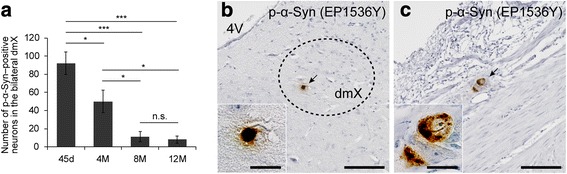
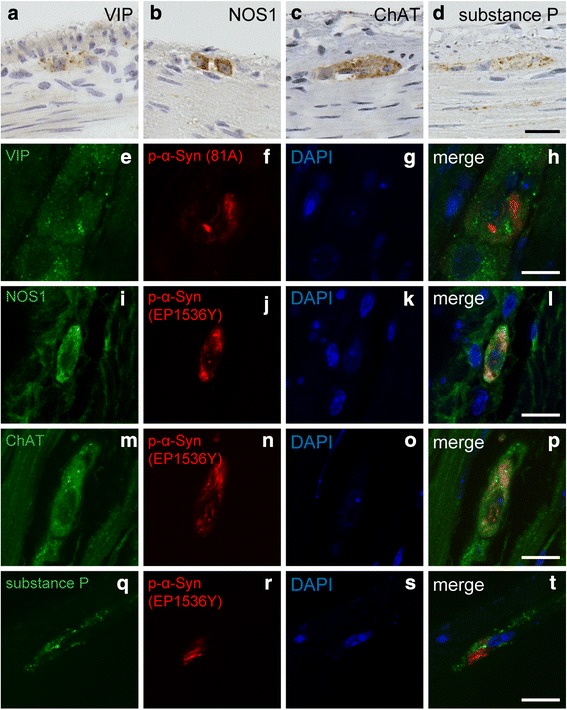
BACKGROUND: Intraneuronal α-synuclein (α-Syn) aggregates known as Lewy bodies (LBs) and the loss of dopaminergic neurons in the substantia nigra pars compacta (SNpc) are the pathological hallmarks of Parkinson's disease (PD). Braak's hypothesis based on autopsy studies suggests that Lewy pathology initially occurs in the enteric nervous system (ENS) and then travels retrogradely to the dorsal motor nucleus of the vagus nerve (dmX), proceeding from there in a caudo-rostral direction. Recent evidence that α-Syn aggregates propagate between interconnected neurons supports this hypothesis. However, there is no direct evidence demonstrating this transmission from the ENS to the dmX and then to the SNpc. METHODS: We inoculated α-Syn preformed fibrils (PFFs) or phosphate-buffered saline (PBS) into the mouse gastric wall and analyzed the progression of the pathology. RESULTS: The mice inoculated with α-Syn PFFs, but not with PBS, developed phosphorylated α-Syn (p-α-Syn)-positive LB-like aggregates in the dmX at 45 days postinoculation. This aggregate formation was completely abolished when vagotomy was performed prior to inoculation of α-Syn PFFs, suggesting that the aggregates in the dmX were retrogradely induced via the vagus nerve. Unexpectedly, the number of neurons containing p-α-Syn-positive aggregates in the dmX decreased over time, and no further caudo-rostral propagation beyond the dmX was observed up to 12 months postinoculation. P-α-Syn-positive aggregates were also present in the myenteric plexus at 12 months postinoculation. However, unlike in patients with PD, there was no cell-type specificity in neurons containing those aggregates in this model. CONCLUSIONS: These results indicate that α-Syn PFF inoculation into the mouse gastrointestinal tract can induce α-Syn pathology resembling that of very early PD, but other factors are apparently required if further progression of PD pathology is to be replicated in this animal model.
Overview
The claims and statistics of this paper haven’t been checked yet.
Free: it reads the open-access text and checks the first 5 claims that cite a source we can check. Create a free account to check every claim.
Integrity signals
Registry
Cites
Statistics
Figures
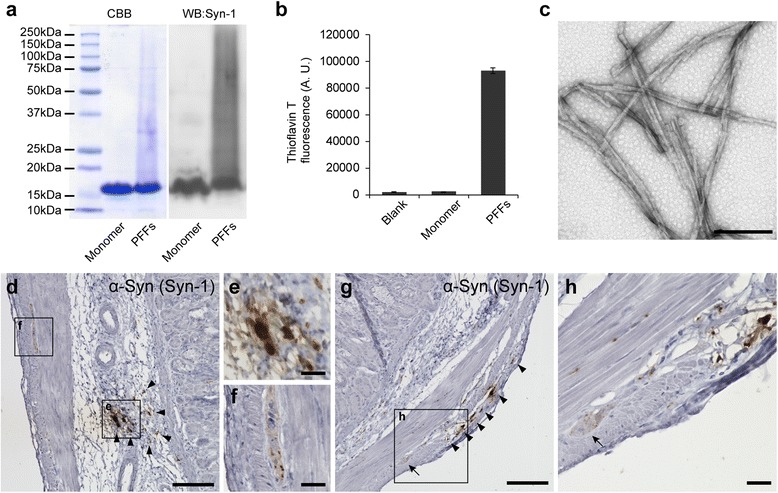
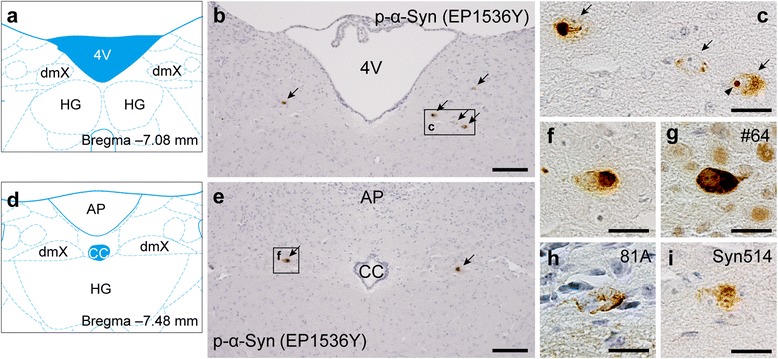
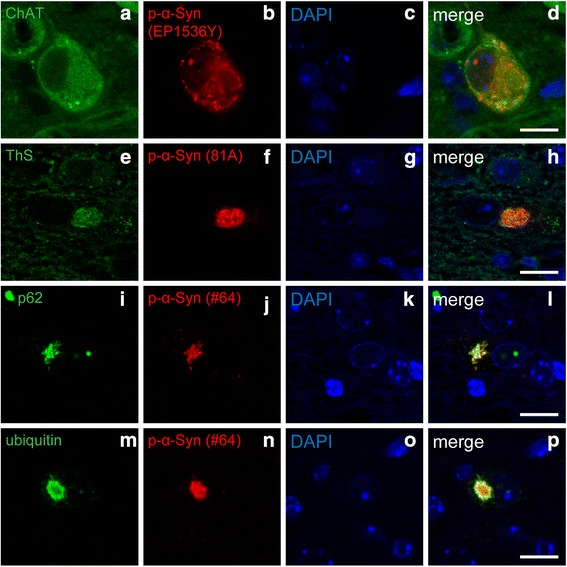
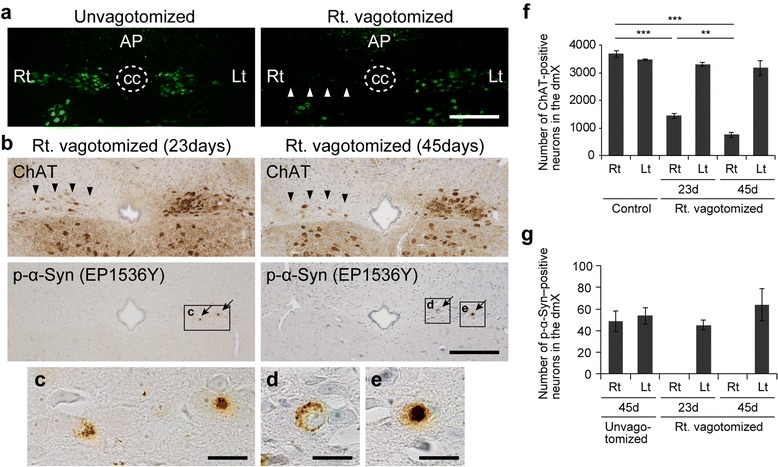
Verification
Claims the paper makes
The claims and statistics of this paper haven’t been checked yet.
Free: it reads the open-access text and checks the first 5 claims that cite a source we can check. Create a free account to check every claim.
Claims other papers make about this one
Each is checked against this paper’s own text: does it say what the citing paper says it does?
The cited source says what the claim attributes to it.
In the citing paper
“Vagotomy can prevent the transmission of pathological a-synuclein to the CNS in animal models.137,138”
From The role of gut dysbiosis in Parkinson’s disease: mechanistic insights and therapeutic options (2021) · cites this paper as [138]
The cited source says what the claim attributes to it.
In the citing paper
“Furthermore, PFF inoculation into the gastric wall of C57BL/6J mice led to LB-like aggregates in the dorsal motor nucleus 45 days p.i [35].”
From Intrastriatal injection of preformed alpha-synuclein fibrils alters central and peripheral immune cell profiles in non-transgenic mice (2019) · cites this paper as [35]
Self-check
Percentages, sums and reported differences re-computed from the paper’s own numbers.
The self-check needs the paper’s full text.
Citations
Cites
Staging of brain pathology related to sporadic Parkinson’s disease
Braak, H., Tredici, K. D., Rüb, U., de Vos, R. A. I., Jansen Steur, E. N. H., & Braak, E. (2003) · Neurobiology of Aging · doi:10.1016/s0197-4580(02)00065-9 · Cited by 10,777 · cited 1×
“systematically analyzed the pathology in cases with incidental LB pathology or sporadic PD and suggested that Lewy pathology initially develops in the olfactory bulb and the dorsal motor nucleus of the vagus nerve (dmX) and then spreads in the brain stereotypically [6, 7].”
BackgroundKalia, L. V., & Lang, A. E. (2015) · The Lancet · doi:10.1016/s0140-6736(14)61393-3 · Cited by 6,184
Epidemiology of Parkinson's disease
de Lau, L. M., & Breteler, M. M. (2006) · The Lancet Neurology · doi:10.1016/s1474-4422(06)70471-9 · Cited by 4,110
Luk, K. C., Kehm, V., Carroll, J., Zhang, B., O’Brien, P., Trojanowski, J. Q., & Lee, V. M.-Y. (2012) · Science · doi:10.1126/science.1227157 · Cited by 2,563
Braak, H., de Vos, R. A. I., Bohl, J., & Del Tredici, K. (2006) · Neuroscience Letters · doi:10.1016/j.neulet.2005.11.012 · Cited by 1,354 · cited 1×
“Moreover, since Lewy pathology is found in the enteric nervous system (ENS) in the early stage of PD, they hypothesized that Lewy pathology in the ENS travels retrogradely to the dmX and then proceeds from there in a caudo-rostral direction [8].”
BackgroundMazzulli, J. R., Xu, Y.-H., Sun, Y., Knight, A. L., McLean, P. J., Caldwell, G. A., Sidransky, E., Grabowski, G. A., & Krainc, D. (2011) · Cell · doi:10.1016/j.cell.2011.06.001 · Cited by 1,341
MDS research criteria for prodromal Parkinson's disease
Berg, D., Postuma, R. B., Adler, C. H., Bloem, B. R., Chan, P., Dubois, B., Gasser, T., Goetz, C. G., Halliday, G., Joseph, L., et al. (2015) · Movement Disorders · doi:10.1002/mds.26431 · Cited by 1,309 · cited 1×
“prodromal symptoms of PD or risk factors for developing the disease [4, 5].”
Backgroundα-Synuclein strains cause distinct synucleinopathies after local and systemic administration
Peelaerts, W., Bousset, L., Van der Perren, A., Moskalyuk, A., Pulizzi, R., Giugliano, M., Van den Haute, C., Melki, R., & Baekelandt, V. (2015) · Nature · doi:10.1038/nature14547 · Cited by 1,130
Parkinson's disease: a dual‐hit hypothesis
Hawkes, C. H., Del Tredici, K., & Braak, H. (2007) · Neuropathology and Applied Neurobiology · doi:10.1111/j.1365-2990.2007.00874.x · Cited by 1,021
Neuropathological assessment of Parkinson’s disease: refining the diagnostic criteria
Dickson, D. W., Braak, H., Duda, J. E., Duyckaerts, C., Gasser, T., Halliday, G. M., Hardy, J., Leverenz, J. B., Del Tredici, K., Wszolek, Z. K., et al. (2009) · The Lancet Neurology · doi:10.1016/s1474-4422(09)70238-8 · Cited by 972
Research works printed but not linked: 1
- 47. Franklin K, Paxinos G: The Mouse Brain in Stereotaxic Coordinates. Compact 3rd Edition edn: Academic Press; 2008.
Cited by
Items 101–200 of 328
The gut microbiota modulate locomotion via vagus-dependent glucagon-like peptide-1 signaling
Lai, T.-T., Tsai, Y.-H., Liou, C.-W., Fan, C., Hou, Y.-T., Yao, T.-H., Chuang, H.-L., & Wu, W. (2024) · npj Biofilms and Microbiomes · doi:10.1038/s41522-024-00477-w · Cited by 40
Valvaikar, S., Vaidya, B., Sharma, S., Bishnoi, M., Kondepudi, K. K., & Sharma, S. S. (2024) · Neurochemistry International · doi:10.1016/j.neuint.2024.105691 · Cited by 38
Huntington, T. E., & Srinivasan, R. (2021) · Aging and disease · doi:10.14336/ad.2021.0517 · Cited by 34
“The use of oligomers or PFFs, either injected into the brain [71, 140, 141], or into the gut [76, 142] is a second tool that has recently gained traction and is increasing our”
Impact of sex on neuroimmune contributions to Parkinson’s disease
Bourque, M., Morissette, M., Soulet, D., & Paolo, T. D. (2023) · Brain Research Bulletin · doi:10.1016/j.brainresbull.2023.110668 · Cited by 37
“A large body of evidence supports the hypothesis that α-Syn inoculation in the gut could initiate the synucleinopathy in the brain (Challis et al., 2020; Kim et al., 2019; Uemura et al., 2018), and that α-Syn could spread via the vagus nerve (Kim et al., 2019; Musgrove et al., 2019).”
BackgroundGraves, N. J., Gambin, Y., & Sierecki, E. (2023) · International Journal of Molecular Sciences · doi:10.3390/ijms241512134 · Cited by 38
The Microbiota‐Gut‐Brain Connection: A New Horizon in Neurological and Neuropsychiatric Disorders
Faysal, M. F., Zehravi, M., Sutradhar, B., Amin, M. A., Shanmugarajan, T. S., Arjun, U. V. N. V., Ethiraj, S., Durairaj, A., Dayalan, G., Ahamad, S. K., et al. (2025) · CNS Neuroscience & Therapeutics · doi:10.1111/cns.70593 · Cited by 49
“Studies on vagotomy before and after injection suggest that the gut-brain axis plays a role in the transmission of pathogenic alfa-syn [244].”
Prion-like propagation of α-synuclein in neurodegenerative diseases
Tarutani, A., & Hasegawa, M. (2019) · Progress in molecular biology and translational science · doi:10.1016/bs.pmbts.2019.07.005 · Cited by 34
Lewy Body Disease Primate Model with α‐Synuclein Propagation from the Olfactory Bulb
Sawamura, M., Onoe, H., Tsukada, H., Isa, K., Yamakado, H., Okuda, S., Ikuno, M., Hatanaka, Y., Murayama, S., Uemura, N., et al. (2022) · Movement Disorders · doi:10.1002/mds.29161 · Cited by 37
“Recombinant human α-Syn (h-α-Syn) and marmoset α-Syn (mar-α-Syn) monomer and PFFs were prepared and characterized as described previously.(15,23) Details are provided in the Supporting Information Methods.”
MethodSelf-citationIwaniak, P., Owe-Larsson, M., & Urbańska, E. M. (2024) · International Journal of Molecular Sciences · doi:10.3390/ijms25052915 · Cited by 34
Grathwohl, S. A., Quansah, E., Maroof, N., Steiner, J. A., Spycher, L., Benmansour, F., Durán-Pacheco, G., Siebourg‐Polster, J., Oroszlan‐Szovik, K., Remy, H., et al. (2021) · Free Neuropathology · doi:10.17879/freeneuropathology-2021-3326 · Cited by 26
Perampanel Inhibits α‐Synuclein Transmission in Parkinson's Disease Models
Ueda, J., Uemura, N., Sawamura, M., Taguchi, T., Ikuno, M., Kaji, S., Taruno, Y., Matsuzawa, S., Yamakado, H., & Takahashi, R. (2021) · Movement Disorders · doi:10.1002/mds.28558 · Cited by 33
“Mouse α-syn PFFs were generated as described previously.(27) We sonicated α-syn PFFs for 10 minutes (30-second sonication followed by an interval of 30 seconds was repeated 10 times, for a total of 10 minutes) with a Bioruptor bath sonicator before the administration of α-syn PFFs.”
MethodSelf-citationα-Synuclein-mediated neurodegeneration in Dementia with Lewy bodies: the pathobiology of a paradox
Simon, C. A., Soga, T., Okano, H. J., & Parhar, I. S. (2021) · Cell & Bioscience · doi:10.1186/s13578-021-00709-y · Cited by 40
Advances in fucoxanthin chemistry and management of neurodegenerative diseases
Li, N., Gao, X., Zheng, L., Huang, Q., Zeng, F., Chen, H., Farag, M. A., & Zhao, C. (2022) · Phytomedicine · doi:10.1016/j.phymed.2022.154352 · Cited by 35
Kuan, W., Stott, K. M., He, X., Wood, T., Yang, S., Kwok, J. C. F., Hall, K., Zhao, Y., Tietz, O., Aigbirhio, F. I., et al. (2019) · Molecular Psychiatry · doi:10.1038/s41380-019-0608-9 · Cited by 37
Epigenetic inactivation of the autophagy–lysosomal system in appendix in Parkinson’s disease
Gordevičius, J., Li, P., Marshall, L. L., Killinger, B. A., Lang, S., Ensink, E., Kuhn, N. C., Cui, W., Maroof, N., Lauria, R., et al. (2021) · Nature Communications · doi:10.1038/s41467-021-25474-x · Cited by 38
Microbes and Parkinson’s disease: from associations to mechanisms
Cannon, T., & Gruenheid, S. (2022) · Trends in Microbiology · doi:10.1016/j.tim.2022.01.004 · Cited by 35
Wang, K., Zhang, C., Zhang, B., Li, G., Shi, G., Cai, Q., & Huang, M. (2022) · Ecotoxicology and Environmental Safety · doi:10.1016/j.ecoenv.2022.114152 · Cited by 34
Using multi-organ culture systems to study Parkinson’s disease
Reiner, O., Sapir, T., & Parichha, A. (2020) · Molecular Psychiatry · doi:10.1038/s41380-020-00936-8 · Cited by 33
Seebauer, L., Schneider, Y., Drobny, A., Plötz, S., Koudelka, T., Tholey, A., Prots, I., Winner, B., Zunke, F., Winkler, J., et al. (2022) · International Journal of Molecular Sciences · doi:10.3390/ijms23031812 · Cited by 37
“Numerous studies, either on patient post-mortem tissue [35–37] or on animal models [38,39], have provided supportive evidence for aSyn propagation pathways from the periphery to the central nervous system (CNS), e.”
BackgroundYamasaki, T. R., Ono, K., Ho, L., & Pasinetti, G. M. (2020) · Frontiers in Neuroscience · doi:10.3389/fnins.2020.00398 · Cited by 35
Altered Gut Microbiota in Parkinson’s Disease Patients with Motor Complications
Takahashi, K., Nishiwaki, H., Ito, M., Iwaoka, K., Takahashi, K., Suzuki, Y., Taguchi, K., Yamahara, K., Tsuboi, Y., Kashihara, K., et al. (2022) · Parkinsonism & Related Disorders · doi:10.1016/j.parkreldis.2021.12.012 · Cited by 29
Peripheral proteinopathy in neurodegenerative diseases
Xu, B., Lei, X., Yang, Y., Yu, J., Chen, J., Xu, Z., Ye, K., & Zhang, J. (2025) · Translational Neurodegeneration · doi:10.1186/s40035-024-00461-6 · Cited by 37
Beyond the Brain: Exploring the multi-organ axes in Parkinson’s disease pathogenesis
Liu, T., Wu, H., & Wei, J. (2025) · Journal of Advanced Research · doi:10.1016/j.jare.2025.05.034 · Cited by 36
“…hallmark of PD, are found in the ENS of postmortem PD patients, suggesting retrograde propagation to the brain via the vagus nerve; this pathway is corroborated by animal models where intra-gastric administration of a - synuclein fibri ls induces PD-like pathology in the brainstem and midbrain [9].”
Parkinson's Disease and the Gut: Models of an Emerging Relationship
Bindas, A. J., Kulkarni, S., Koppes, R. A., & Koppes, A. N. (2020) · Acta Biomaterialia · doi:10.1016/j.actbio.2021.03.071 · Cited by 28
Palanisamy, B. N., Sarkar, S., Malovic, E., Samidurai, M., Charli, A., Zenitsky, G. D., Jin, H., Anantharam, V., Kanthasamy, A., & Kanthasamy, A. G. (2022) · The International Journal of Biochemistry & Cell Biology · doi:10.1016/j.biocel.2022.106225 · Cited by 29
Protecting the outside: biological tools to manipulate the skin microbiota
O'Sullivan, J. N., Rea, M. C., Hill, C., & Ross, R. P. (2020) · FEMS Microbiology Ecology · doi:10.1093/femsec/fiaa085 · Cited by 31
Experimental Animal Models of Prodromal Parkinson’s Disease
Yamakado, H., & Takahashi, R. (2024) · Journal of Parkinson s Disease · doi:10.3233/jpd-230393 · Cited by 33
Self-citationParkinson’s Disease and the Gut: Future Perspectives for Early Diagnosis
Harsányiová, J., Buday, T., & Trancikova, A. K. (2020) · Frontiers in Neuroscience · doi:10.3389/fnins.2020.00626 · Cited by 31
“Several either toxin-induced (Pan-Montojo et al., 2012) or PFF-propagation (Holmqvist et al., 2014; Uemura et al., 2018; Kim et al., 2019) mouse models demonstrated vagusdependent transmission of αS-pathology from peripheral tissues to the CNS followed by the development of motor symptoms.”
BackgroundInfluentialIn Search of Effective Treatments Targeting α-Synuclein Toxicity in Synucleinopathies: Pros and Cons
Fouka, M., Mavroeidi, P., Tsaka, G., & Xilouri, M. (2020) · Frontiers in Cell and Developmental Biology · doi:10.3389/fcell.2020.559791 · Cited by 29
“However, there are studies presenting controversial results, suggesting that α-synuclein transmission from a peripheral injection site reaches the dorsal nucleus of vagus nerve, but does not further spread in the CNS (Manfredsson et al., 2018; Uemura et al., 2018).”
ResultUpdate to the Treatment of Parkinson’s Disease Based on the Gut-Brain Axis Mechanism
Sun, X., Li, X., Wang, Z., & Xie, A. (2022) · Frontiers in Neuroscience · doi:10.3389/fnins.2022.878239 · Cited by 31
“In animal experiments, α-syn can spread from the duodenum to the brain stem and then from the brain stem to the stomach via the vagus nerve (Ulusoy et al., 2017; Uemura et al., 2018; Kim et al., 2019; Van Den Berge et al., 2019).”
BackgroundTowards early detection of neurodegenerative diseases: A gut feeling
Makdissi, S., Parsons, B., & Cara, F. D. (2023) · Frontiers in Cell and Developmental Biology · doi:10.3389/fcell.2023.1087091 · Cited by 31
“, 2020) migrate via the vagal nerve to the brain (Braak et al., 2003; Holmqvist et al., 2014; Uemura et al., 2018).”
BackgroundMicrobial amyloids in neurodegenerative amyloid diseases
Sampson, T. R. (2023) · FEBS Journal · doi:10.1111/febs.17023 · Cited by 28
Chalazonitis, A., Rao, M., & Sulzer, D. (2022) · npj Parkinson's Disease · doi:10.1038/s41531-022-00308-9 · Cited by 29
Chan, D. G., Ventura, K., Villeneuve, A., Du Bois, P., & Holahan, M. R. (2022) · Journal of Parkinson's Disease · doi:10.3233/jpd-223461 · Cited by 24
Wang, Q., Yao, S., Yang, Z.-X., Zhou, C., Zhang, Y., Zhang, L., Zhang, L., Li, J., Xu, Z.-J., Zhu, W.-L., et al. (2023) · Acta Pharmacologica Sinica · doi:10.1038/s41401-022-01039-6 · Cited by 26
“Inoculation of PFF into the mouse gastric wall can also increase the production of p-αsynuclein and LB-like aggregates at 45 days post inoculation [9].”
BackgroundThe link between the gut microbiome, inflammation, and Parkinson’s disease
Nie, S., & Ge, Y. (2023) · Applied Microbiology and Biotechnology · doi:10.1007/s00253-023-12789-6 · Cited by 26
“Gastric or intraperitoneal injection of α-synuclein preformed fibrils can cause abnormal α-synuclein aggregation in the central nervous system and exacerbate the motor symptoms of PD (Challis et al. 2020; Uemura et al. 2018).”
BackgroundA multiple hits hypothesis for memory dysfunction in Parkinson disease
Citro, S., Lazzaro, G. D., Cimmino, A. T., Giuffrè, G. M., Marra, C., & Calabresi, P. (2023) · Nature Reviews Neurology · doi:10.1038/s41582-023-00905-z · Cited by 28
“The Braak model has found wide acceptance in scientific research and was clearly demonstrated in several mouse models of PD 124,125 .”
Ishiguro, Y., Tsunemi, T., Shimada, T., Yoroisaka, A., Ueno, S., Takeshige‐Amano, H., Hatano, T., Inoue, Y., Saiki, S., & Hattori, N. (2023) · Biochemical and Biophysical Research Communications · doi:10.1016/j.bbrc.2024.149620 · Cited by 26
Therapeutic implications of SARS-CoV-2 dysregulation of the gut-brain-lung axis
Johnson, S. D., Olwenyi, O. A., Bhyravbhatla, N., Thurman, M., Pandey, K., Klug, E., Johnston, M., Dyavar, S. R., Acharya, A., Podany, A. T., et al. (2021) · World Journal of Gastroenterology · doi:10.3748/wjg.v27.i29.4763 · Cited by 27
The gut microbiome: an important role in neurodegenerative diseases and their therapeutic advances
Li, S., Zhao, L., Xiao, J., Guo, Y., Fu, R., Zhang, Y., & Xu, S. (2023) · Molecular and Cellular Biochemistry · doi:10.1007/s11010-023-04853-6 · Cited by 29
“However, when the vagus nerve was severed prior to inoculation of the gastric wall with α-Syn-preformed fibers, the formation of aggregates in DMX was completely eliminated [66].”
Yu, Y., Ma, X., Mi, X., Qu, L., Liang, M., Li, M., Wang, Y., Song, N., & Xie, J. (2023) · Cell Death Discovery · doi:10.1038/s41420-023-01684-8 · Cited by 24
Park, S. J., Kim, K. W., & Lee, E. J. (2024) · Neural Regeneration Research · doi:10.4103/nrr.nrr-d-24-00994 · Cited by 28
“Additional support is provided by animal studies in which α-syn preformed fibrils were inoculated into the gut, showing that α-syn pathology can spread through the vagus nerve (Uemura et al., 2018; Kim et al., 2019; Challis et al., 2020).”
Kumar, D., Bishnoi, M., Kondepudi, K. K., & Sharma, S. S. (2025) · Probiotics and Antimicrobial Proteins · doi:10.1007/s12602-024-10433-x · Cited by 31
“Moreover, the propagation is halted by surgical removal of the vagus nerve [45, 46].”
Chai, X., Diwakarla, S., Pustovit, R. V., McQuade, R. M., Natale, M. R. D., Ermine, C. M., Parish, C. L., Finkelstein, D. I., & Furness, J. B. (2020) · Neurogastroenterology & Motility · doi:10.1111/nmo.13893 · Cited by 22
Microbiome influences on neuro-immune interactions in neurodegenerative disease
Menees, K. B., Otero, B. A., & Tansey, M. G. (2022) · International review of neurobiology · doi:10.1016/bs.irn.2022.07.006 · Cited by 27
Yang, Z., Wang, Y., Wei, M., Li, S., Jia, C., Cheng, C., Al‐Nusaif, M., Zhang, J., Liu, C., & Le, W. (2023) · Cell Death and Disease · doi:10.1038/s41419-022-05531-z · Cited by 27
Zhang, Q., Duan, Q., Gao, Y., He, P., Huang, R., Huang, H., Li, Y., Ma, G., Zhang, Y., Nie, K., et al. (2023) · Advanced Science · doi:10.1002/advs.202301903 · Cited by 30
Alpha-synuclein alters the faecal viromes of rats in a gut-initiated model of Parkinson’s disease
Stockdale, S. R., Draper, L. A., O’Donovan, S. M., Barton, W., O’Sullivan, Ó., Volpicelli‐Daley, L. A., Sullivan, A. M., O’Neill, C., & Hill, C. (2021) · Communications Biology · doi:10.1038/s42003-021-02666-1 · Cited by 22
Sharma, M., Sharma, N., & Khairnar, A. (2022) · Neurochemical Research · doi:10.1007/s11064-022-03847-y · Cited by 21
Okuda, S., Uemura, N., Sawamura, M., Taguchi, T., Ikuno, M., Uemura, M. T., Yamakado, H., & Takahashi, R. (2021) · Neurotherapeutics · doi:10.1007/s13311-021-01169-5 · Cited by 23
Self-citationRole of autophagy and oxidative stress to astrocytes in fenpropathrin-induced Parkinson-like damage
Wu, Y., Jiao, Z., Wan, Z., & Qu, S. (2021) · Neurochemistry International · doi:10.1016/j.neuint.2021.105000 · Cited by 17
Gene Therapy to Modulate Alpha-Synuclein in Synucleinopathies
Sandoval, I. M., Marmion, D. J., Meyers, K. T., & Manfredsson, F. P. (2021) · Journal of Parkinson s Disease · doi:10.3233/jpd-212679 · Cited by 20
Overexpression-Induced α-Synuclein Brain Spreading
Pinto‐Costa, R., Harbachova, E. L., Vitola, P. L., & Monte, D. A. D. (2022) · Neurotherapeutics · doi:10.1007/s13311-022-01332-6 · Cited by 18
“α-Synuclein propagation through a gut-to-brain pathway has been modeled experimentally through injections of PFFs or human PD brain lysate into the gastric and duodenal walls; this treatment resulted in a progressive accumulation of aggregated α-synuclein in a variety of brain regions, including the DMnX and substanti…”
BackgroundDefining Dysbiosis in Disorders of Movement and Motivation
Fields, C. T., Sampson, T. R., Bruce‐Keller, A. J., Kiraly, D. D., Hsiao, E. Y., & Vries, G. J. D. (2018) · Journal of Neuroscience · doi:10.1523/jneurosci.1672-18.2018 · Cited by 21
“…into the intestinal wall of healthy rodents promotes prion-like formation of -synuclein inclusion bodies along the vagus nerve and within afferent brainstem loci, thereby providing a potential pathway to the substantia nigra and dorsal striatum (Holmqvist et al., 2014; Uemura et al., 2018).”
BackgroundWhat substance P might tell us about the prognosis and mechanism of Parkinson's disease?
Tirassa, P., Schirinzi, T., Raspa, M., Ralli, M., Greco, A., Polimeni, A., Possenti, R., Mercuri, N. B., & Severini, C. (2021) · Neuroscience & Biobehavioral Reviews · doi:10.1016/j.neubiorev.2021.10.008 · Cited by 22
Gastrointestinal dysfunction in the synucleinopathies
Chung, K. A., & Pfeiffer, R. F. (2020) · Clinical Autonomic Research · doi:10.1007/s10286-020-00745-7 · Cited by 19
“Indeed, in an animal model employing the subcutaneous infusion of the toxin rotenone at a low dose that does not produce nigral lesioning or produce motor dysfunction, the induction of markedly increased alpha-synuclein immunoreactivity within the ENS was documented [20], and in other studies, vagal transport of alpha…”
BackgroundLi, Z.-F., Cui, L., Jin, M.-M., Hu, D., Hou, X.-G., Liu, S.-S., Zhang, X., & Zhu, J. (2022) · Disease Models & Mechanisms · doi:10.1242/dmm.049125 · Cited by 21
Primary Cilia Structure Is Prolonged in Enteric Neurons of 5xFAD Alzheimer’s Disease Model Mice
Nguyen, V. T. T., Brücker, L., Volz, A.-K., Baumgärtner, J. C., dos Santos Guilherme, M., Valeri, F., May-Simera, H., & Endres, K. (2021) · International Journal of Molecular Sciences · doi:10.3390/ijms222413564 · Cited by 16
“It has been suggested that α-synucleinopathy of the ENS could be an early indicator of PD pathology [24].”
BackgroundZheng, H., Shi, C., Luo, H., Fan, L., Yang, Z., Hu, X., Zhang, Z., Zhang, S., Hu, Z., Fan, Y., et al. (2020) · The Neuroscientist · doi:10.1177/1073858420943180 · Cited by 23
Wittung-Stafshede, P. E. (2021) · Current Opinion in Structural Biology · doi:10.1016/j.sbi.2021.07.009 · Cited by 17
Muronetz, V. I., Kudryavtseva, S. S., Leisi, E. V., Kurochkina, L. P., Barinova, K. V., & Schmalhausen, E. V. (2022) · International Journal of Molecular Sciences · doi:10.3390/ijms23052747 · Cited by 17
“First of all, several studies have shown that alpha-synuclein and its fibrillar forms can be transported from the gut to the brain and participate in the formation of Lewy bodies [151,152].”
BackgroundWeston, L. J., Bowman, A. M., Osterberg, V. R., Meshul, C. K., Woltjer, R. L., & Unni, V. K. (2022) · International Journal of Molecular Sciences · doi:10.3390/ijms232315294 · Cited by 16
“Additionally, wildtype mice that received a gastric wall PFF injection displayed nuclear inclusions [27].”
BackgroundGut-to-brain spreading of pathology in synucleinopathies: A focus on molecular signalling mediators
Schmitt, V., Masanetz, R. K., Weidenfeller, M., Ebbinghaus, L. S., Süß, P., Rosshart, S. P., von Hörsten, S., Zunke, F., Winkler, J., & Xiang, W. (2023) · Behavioural Brain Research · doi:10.1016/j.bbr.2023.114574 · Cited by 17
Regulation of Pain Perception by Microbiota in Parkinson Disease
Manjarres, Z., Calvo, M., & Pacheco, R. (2023) · Pharmacological Reviews · doi:10.1124/pharmrev.122.000674 · Cited by 15
Takahashi, R., Yamakado, H., Uemura, N., Taguchi, T., & Ueda, J. (2025) · International Journal of Molecular Sciences · doi:10.3390/ijms26093994 · Cited by 18
“However, aSyn aggregates were not formed in the upper brainstem structures beyond the DMV 12 months after inoculation [32].”
Self-citationLinking Puberty and the Gut Microbiome to the Pathogenesis of Neurodegenerative Disorders
Esposito, P., & Ismail, N. (2022) · Microorganisms · doi:10.3390/microorganisms10112163 · Cited by 14
Do Bacterial Outer Membrane Vesicles Contribute to Chronic Inflammation in Parkinson’s Disease?
Koukoulis, T. F., Beauchamp, L. C., Kaparakis‐Liaskos, M., McQuade, R. M., Purnianto, A., Finkelstein, D. I., Barnham, K. J., & Vella, L. J. (2024) · Journal of Parkinson s Disease · doi:10.3233/jpd-230315 · Cited by 16
CXCR4 as possible druggable target linking inflammatory bowel disease and Parkinson's disease
Dogra, N., Mani, R. J., Potshangbam, A. M., Buch, S. J., & Katare, D. P. (2023) · Metabolic Brain Disease · doi:10.1007/s11011-022-01155-6 · Cited by 16
“It was observed that the neurons of olfactory bulbs and enteric nervous system affecting GI tracts were found to be filled with the aggregates of α-syn/ lewy bodies during the initial stages (Uemura et al. 2018).”
BackgroundYao, L., Yang, Y., Yang, X., & Rezaei, M. J. (2024) · Molecular Neurobiology · doi:10.1007/s12035-024-04151-2 · Cited by 16
“These aggregated α-syn proteins can undergo cell-to-cell transmission, traveling via the vagus nerve and olfactory bulb to reach the central nervous system CNS and ultimately the SNpc [105].”
Modulating α-synuclein propagation and decomposition: Implications in Parkinson's disease therapy
Li, B., Xiao, X., Bi, M., Jiao, Q., Chen, X., Yan, C., Du, X., & Jiang, H. F. (2024) · Ageing Research Reviews · doi:10.1016/j.arr.2024.102319 · Cited by 15
Sano, T., Nagata, T., Ebihara, S., Yoshida‐Tanaka, K., Nakamura, A., Sasaki, A., Shimozawa, A., Mochizuki, H., Uchihara, T., Hasegawa, M., et al. (2024) · Acta Neuropathologica Communications · doi:10.1186/s40478-024-01766-3 · Cited by 16
“…aSyn aggregates may be released by exocytosis from the affected neuron [24, 35], reabsorbed by the synaptic terminals of other neurons, and spread via the neural networks primarily in a synaptic retrograde manner (network propagation), as previously reported [29, 33, 38, 49, 54, 59, 72, 83].”
ResultBalsamo, J. M., Zhou, K., Kammarchedu, V., Ebrahimi, A., & Bess, E. N. (2024) · ACS Chemical Neuroscience · doi:10.1021/acschemneuro.4c00106 · Cited by 13
Ca2+–Calmodulin–Calcineurin Signaling Modulates α‐Synuclein Transmission
Ueda, J., Uemura, N., Ishimoto, T., Taguchi, T., Sawamura, M., Nakanishi, E., Ikuno, M., Matsuzawa, S., Yamakado, H., & Takahashi, R. (2023) · Movement Disorders · doi:10.1002/mds.29401 · Cited by 15
Self-citationZafari, R., Goudarzi, N., Kamroo, A., Tafti, M. F., Ghorbani, A., Talebian, N., Najafi, S., Shahbazian, S., Rahmanian, M., Parvardeh, S., et al. (2025) · Nutrition & Metabolism · doi:10.1186/s12986-025-01022-y · Cited by 15
“Recent studies have reported that changes in the gut microbiome in PD animals can cause the abnormal release of α-synuclein in the gut, which can then enter the brain tissue, possibly through the vagus nerve [72, 73].”
Gut–brain axis in health and brain disease
Olasunkanmi, O. I., Zheng, L., & Zheng, P. (2026) · Chinese Medical Journal · doi:10.1097/cm9.0000000000003920 · Cited by 14
“For instance, Uemura et al [220] demonstrated that injecting human α -synuclein fibrils into the gut tissue of healthy rodents was sufficient to induce aggregated α -synuclein pathology within the vagal nerve and brainstem.”
Ohira, J., Sawamura, M., Kawano, K., Sato, R., Taguchi, T., Ishimoto, T., Ueda, J., Ikuno, M., Matsuzawa, S., Matsuzaki, K., et al. (2025) · npj Parkinson's Disease · doi:10.1038/s41531-025-01080-2 · Cited by 17
Self-citationChristensen, L. F. B., Alijanvand, S. H., Burdukiewicz, M., Herbst, F., Kjeldal, H., Dueholm, M. S., & Otzen, D. E. (2021) · Protein Science · doi:10.1002/pro.4137 · Cited by 11
“Similarly, injection of recombinant αSN pre-formed fibrils into the gastric wall of mice was shown to result in LB pathology in the brainstem, and this was dependent on retrograde transport through the vagus nerve.(13) The great majority of neurons in the ENS is located in the myenteric and submucosal plexuses in the…”
BackgroundSarkar, S., & Feany, M. Β. (2021) · Toxicological Sciences · doi:10.1093/toxsci/kfab060 · Cited by 12
Impact of environmental toxicants exposure on gut-brain axis in Parkinson disease
Olubodun-Obadun, T. G., Ishola, I. O., & Adeyemi, O. O. (2022) · Drug Metabolism and Personalized Therapy · doi:10.1515/dmpt-2021-0144 · Cited by 13
Borlongan, C. V. (2018) · Proceedings of the National Academy of Sciences · doi:10.1073/pnas.1807276115 · Cited by 12
Experimental colitis drives enteric alpha-synuclein accumulation and Parkinson-like brain pathologyPreprint
Grathwohl, S. A., Quansah, E., Maroof, N., Steiner, J. A., Spycher, L., Benmansour, F., Durán-Pacheco, G., Siebourg‐Polster, J., Oroszlan‐Szovik, K., Remy, H., et al. (2018) · bioRxiv (Cold Spring Harbor Laboratory) · doi:10.1101/505164 · Cited by 14
The Gut–Brain Axis in Parkinson's Disease
Gao, V., Crawford, C. V., & Burré, J. (2024) · Cold Spring Harbor Perspectives in Medicine · doi:10.1101/cshperspect.a041618 · Cited by 17
Shurin, M. R., Kirichenko, V. A., Shurin, G. V., Lee, D., Crane, C. H., & Kirichenko, A. (2024) · Cancers · doi:10.3390/cancers16071318 · Cited by 11
“Several prospective studies have shown SBRT as a highly effective ablative therapy for primary liver tumors and used as a bridge to liver transplant for inoperable patients with HCC [12,14,15].”
BackgroundReal, C. C., Binda, K. H., Thomsen, M. B., Lillethorup, T. P., Brooks, D. J., & Landau, A. M. (2023) · Current Neuropharmacology · doi:10.2174/1570159x21666230216101659 · Cited by 11
Patients with Parkinson’s disease predict a lower incidence of colorectal cancer
Fang, H., Du, Y., Pan, S., Zhong, M., & Tang, J. (2021) · BMC Geriatrics · doi:10.1186/s12877-021-02497-z · Cited by 12
“On the other hand, the characteristic protein aggregate in the PD brain, α-synuclein, was also found to present in the enteric system [6, 7].”
BackgroundJin, X., Wei, J., Min, X., Fan, Y., Yuan, Z., Du, Z., Su, Z., Xun, T., Du, Q., Liang, T., et al. (2025) · iScience · doi:10.1016/j.isci.2025.114185 · Cited by 18
“127,128 Additionally, oral administration of PFFs also induced LB pathology in the CNS. 129,130 α -Syn propagation demonstrates prion-like characteristics, capable of self-replication by ‘‘seeding,’’ whereby misfolded α -syn induces the aggregation of native α -syn, amplifying pathological burden.”
Gibson, R., Dalvi, S. P., & Dalvi, P. S. (2021) · Brain Disorders · doi:10.1016/j.dscb.2021.100020 · Cited by 14
Role of rodent models in advancing precision medicine for Parkinson's disease
Simons, E., & Fleming, S. M. (2023) · Handbook of clinical neurology · doi:10.1016/b978-0-323-85555-6.00002-3 · Cited by 13
Aging, Parkinson’s Disease, and Models: What Are the Challenges?
Bellantuono, I., Mortiboys, H., Rocha, E. M., Chamoli, M., Chinta, S. J., Andersen, J. K., Wallis, R., Bézard, E., Goldberg, M., Greenamyre, T., et al. (2023) · doi:10.59368/agingbio.20230010 · Cited by 16
Single-cell sequencing insights into the transcriptional landscape of Parkinson's disease
Su, Y., Zheng, H., Cui, X., Zhang, S., Zhang, S., Hu, Z., Hao, X., Li, M., Guo, G., Xia, Z., et al. (2024) · Ageing Research Reviews · doi:10.1016/j.arr.2024.102553 · Cited by 10
Sevgi, F., Brauchle, E., Berrio, D. A. C., Schenke‐Layland, K., Casadei, N., Salker, M. S., Rieß, O., & Singh, Y. (2021) · Frontiers in Cell and Developmental Biology · doi:10.3389/fcell.2021.664365 · Cited by 12
“Direct transportation of α-Syn, injected into enteric neurons, toward the brain through the vagus nerve is demonstrated in several animal models; however, bidirectional propagation of α-Syn is possible (Uemura et al., 2018; Volpicelli-Daley and Brundin, 2018; Van Den Berge et al., 2019; Challis et al., 2020).”
BackgroundEndres, K. (2020) · Molecules · doi:10.3390/molecules25040925 · Cited by 11
“By injecting pre-formed α-synuclein fibers into the mouse gastric wall, Lewy-body-like structures were obtained in the dorsal motor nucleus [86].”
BackgroundYang, L., Fan, S., Sun, L., Han, J., Wang, M., & Yu, T. (2025) · Frontiers in Neurology · doi:10.3389/fneur.2025.1643305 · Cited by 12
The Molecular Architecture of Neurodegeneration: An Integrative Overview of Convergent Mechanisms
Aranda-Abreu, G. E., Rojas-Durán, F., Hernández‐Aguilar, M. E., Herrera‐Covarrubias, D., Tlapa-Monge, L. R., & Mestizo-Gutiérrez, S. L. (2026) · NeuroSci · doi:10.3390/neurosci7010007 · Cited by 13
“Injection of α -synuclein fibrils into the mouse striatum induces Lewy body pathology in interconnected regions [166], while Tau seeding assays demonstrate template-dependent aggregation in cultured neurons [167].”
α-Synuclein Propagation Mouse Models of Parkinson’s Disease
Uemura, N., Ueda, J., Okuda, S., Sawamura, M., & Takahashi, R. (2021) · Methods in molecular biology · doi:10.1007/978-1-0716-1495-2_12 · Cited by 10
Self-citationGrahl, M. V. C., Andrade, B. D. S., Perin, A. P. A., Neves, G. A., Duarte, L. D. S., Uberti, A. F., Hohl, K. S., Follmer, C., & Carlini, C. R. (2023) · Microorganisms · doi:10.3390/microorganisms11082042 · Cited by 15
Body-first Parkinson’s disease and variant Creutzfeldt–Jakob disease – similar or different?
Woerman, A. L., & Tamgüney, G. (2022) · Neurobiology of Disease · doi:10.1016/j.nbd.2022.105625 · Cited by 9
“injected PFFs into the gastric wall of C57BL/6J mice and detected α-synuclein aggregates in the DMV 45 days post-injection (dpi) (Uemura et al., 2018).”
MethodDeciphering the prion-like behavior of pathogenic protein aggregates in neurodegenerative diseases
Yoshida, S., & Hasegawa, T. (2022) · Neurochemistry International · doi:10.1016/j.neuint.2022.105307 · Cited by 10
Prion Properties of Alpha-Synuclein
Schwarzman, A. L., Senkevich, K. A., Emelyanov, A., & Пчелина, С. Н. (2019) · Molecular Biology · doi:10.1134/s002689331903018x · Cited by 11
Dopamine and Gastrointestinal Motility
Zheng, L., Liu, S., Zhou, L., Zhang, X., Xiao, Y., & Zhu, J. (2021) · Springer eBooks · doi:10.1007/978-981-33-6586-5_5 · Cited by 13
Metadata
- Authors
- Uemura, N., Yagi, H., Uemura, M. T., Hatanaka, Y., Yamakado, H., & Takahashi, R.
- Affiliations
- Kyoto University (JP)
- Center for Research on Green Sustainable Chemistry, Tottori University (JP)
- Corresponding author
- Uemura, Norihito
- Venue
- Molecular Neurodegeneration
- Published
- 2018-05-11
- Volume
- 13
- Issue
- 1
- Pages
- 21-21
- ISSN
- 1750-1326 (ISSN-L)
- PMC
- PMC5948849
- OpenAlex
- W2805466047
- Semantic Scholar
- bddf7237105efd3978a767f66b0cfff6c97551c6
- Cited by
- 328
- References
- 47
- Citations by year
- 2026: 28 · 2025: 35 · 2024: 47 · 2023: 39 · 2022: 41 · 2021: 55 · 2020: 45 · 2019: 34 · 2018: 4
- FWCI
- 23.38
- Type
- journal article
- Language
- en
- Update notices
- correction (2019-07-26)
- Open access
- gold
- doi.org
- Licence
- cc-by
- creativecommons.org/licenses/by/4.0/ (tdm)
- creativecommons.org/licenses/by/4.0/ (vor)
- Locations
- Molecular Neurodegeneration (publishedVersion, cc-by)
- Europe PMC (PubMed Central) (publishedVersion, cc-by)
- PubMed Central (publishedVersion, cc-by)
- PubMed (publishedVersion)
- Institutional Repositories DataBase (IRDB) (acceptedVersion)
- DOAJ (DOAJ: Directory of Open Access Journals) (submittedVersion, cc-by-sa)
- Funders
- Japan Agency for Medical Research and Development (JP17dm0207020h0004)
- Japan Society for the Promotion of Science (JP17H05698, JP17K16119)
- Takeda Science Foundation
- Kanae Foundation for the Promotion of Medical Science
- Topics
- Health Sciences › Medicine › Clinical Neurology › Parkinson's Disease Mechanisms and Treatments
- Life Sciences › Neuroscience › Cellular and Molecular Neuroscience › Alzheimer's disease research and treatments
- Life Sciences › Biochemistry, Genetics and Molecular Biology › Molecular Biology › Nuclear Receptors and Signaling
- Keywords
- alpha-synuclein, preformed fibrils, Parkinson's disease, Lewy bodies, vagus nerve, dorsal motor nucleus of the vagus, enteric nervous system, vagotomy, substantia nigra pars compacta, myenteric plexus, phosphorylated alpha-synuclein, Braak hypothesis, Parkinson's disease model
- MeSH terms
- Animals, Brain Stem, Male, Mice, Inbred C57BL, Parkinson Disease, Vagus Nerve, Lewy Bodies, Protein Transport, Gastrointestinal Tract, Mice, alpha-Synuclein
About these checks
Registry, retraction, Cites and statistics results are computed, not judged, with one exception: a printed reference that no index lists is read once by a model before it counts as a citation error. Claims are extracted by a model and kept only when their quote appears verbatim in the text; each cited source is then checked, with a model’s help, for whether it says what the claim relies on. Those verdicts can be wrong — read the claim’s quote and the cited source before relying on one.
Statistics and arithmetic are recomputed, not judged.
Confidence bands are shown only for fields calibrated on our annotated test set. None is calibrated yet, so no band is shown.
What counts as a claim ›How we measure confidence ›How we check this ›
Are you an author, or do you see a problem with this page? Request a review
Data sources
Bibliographic data: Semantic Scholar, OpenAlex, Crossref.
Contains information from the Semantic Scholar Academic Graph Datasets, made available under the ODC Attribution License (ODC-BY 1.0).
Semantic Scholar’s data is described in: Kinney, R., et al. (2023). The Semantic Scholar Open Data Platform. arXiv:2301.10140.
