

The DOI matches its Crossref record; 50 of the 50 references it cites were found in a registry or an index.
Elevation of brain magnesium prevents synaptic loss and reverses cognitive deficits in Alzheimer’s disease mouse model
Open accessAbstract
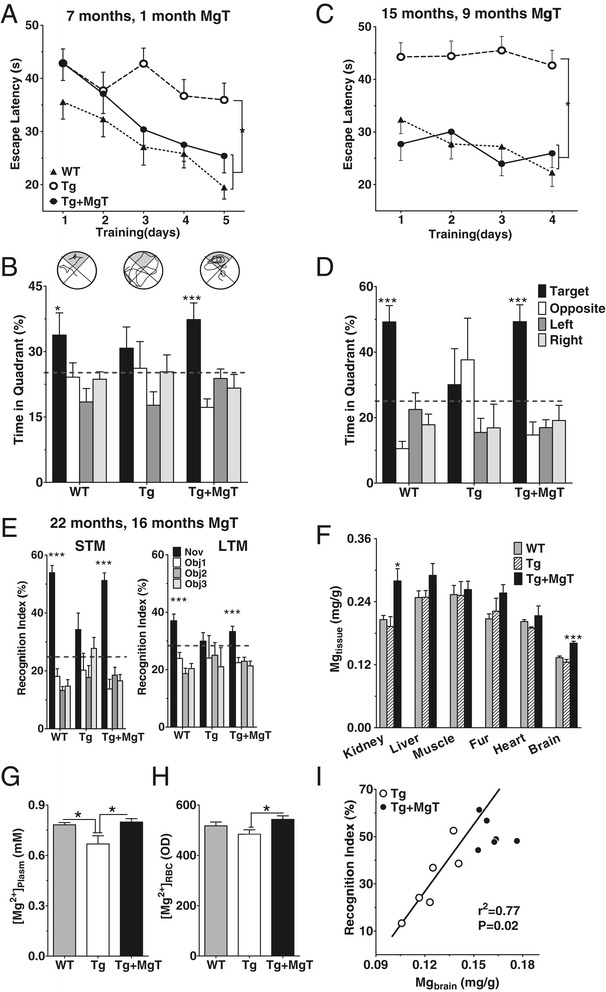
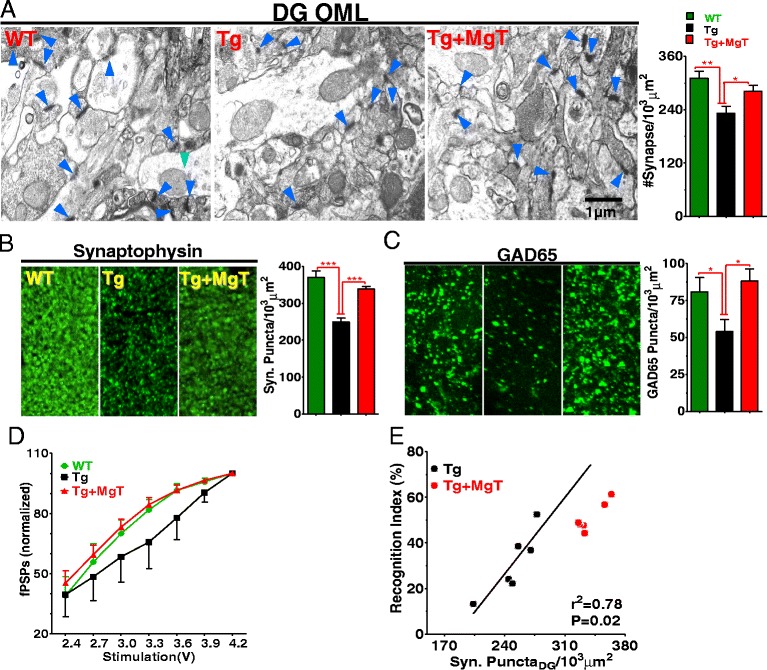
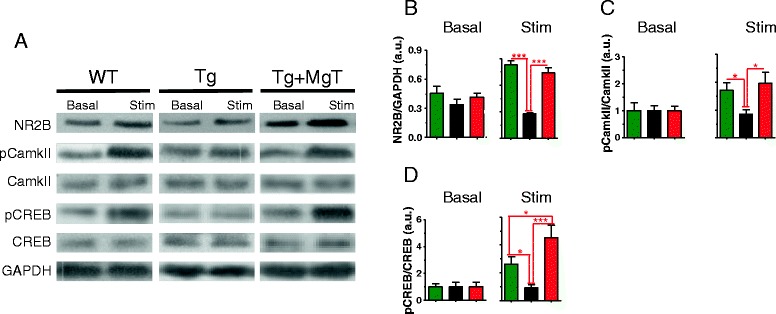
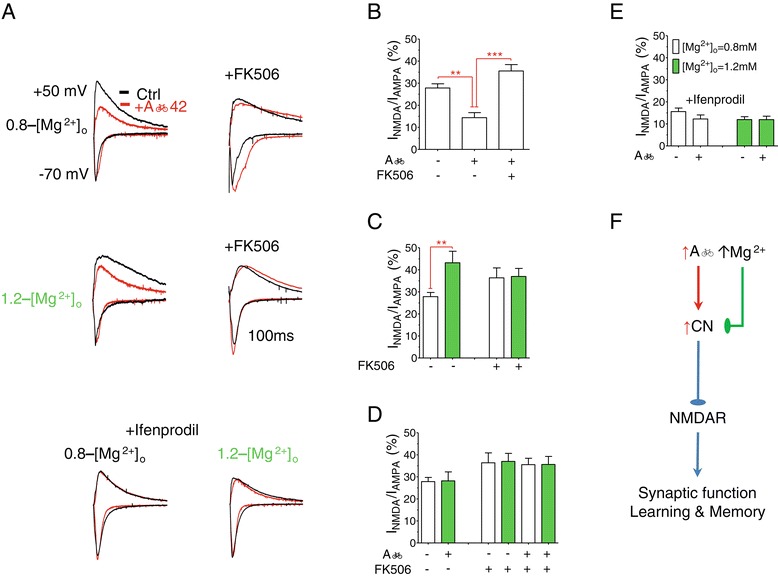
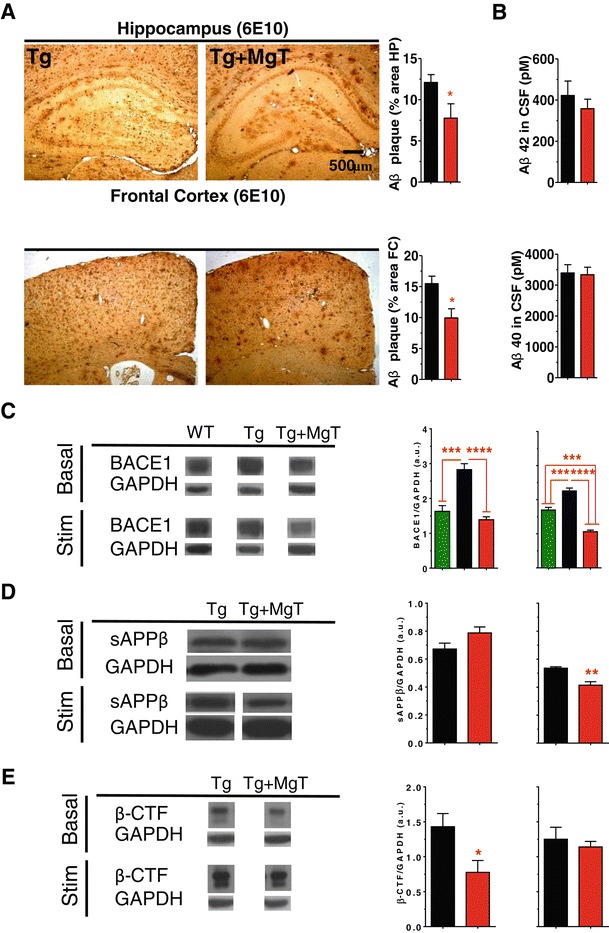
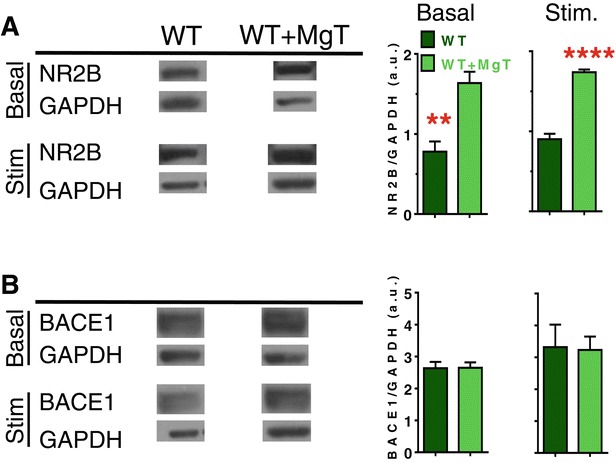
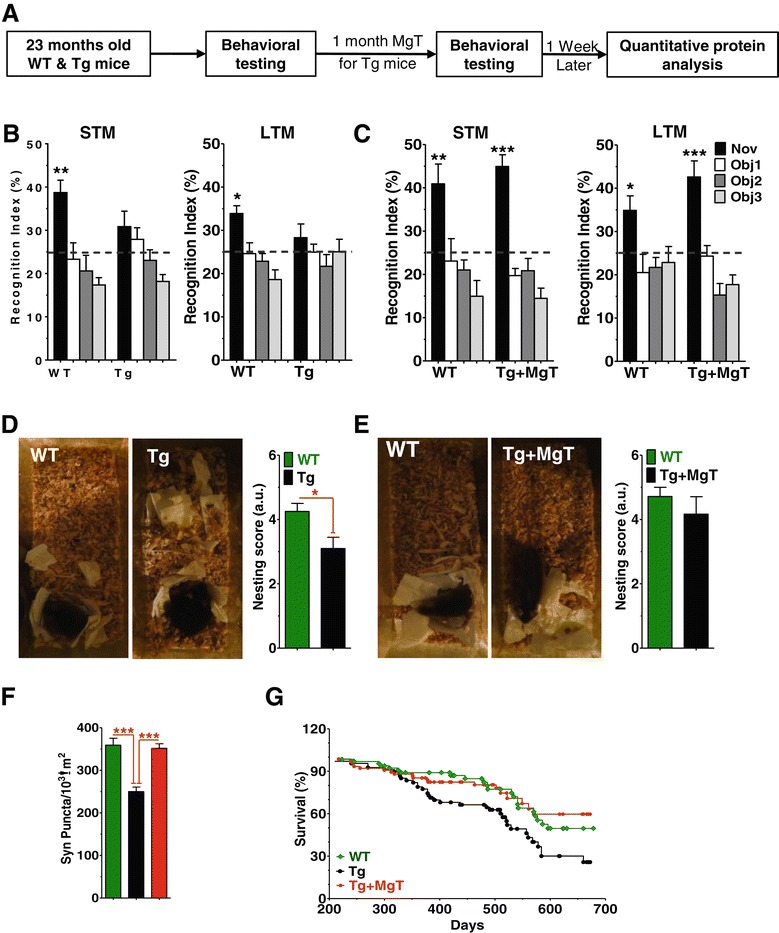
BACKGROUND: Profound synapse loss is one of the major pathological hallmarks associated with Alzheimer's disease, which might underlie memory impairment. Our previous work demonstrates that magnesium ion is a critical factor in controlling synapse density/plasticity. Here, we tested whether elevation of brain magnesium, using a recently developed compound (magnesium-L-threonate, MgT), can ameliorate the AD-like pathologies and cognitive deficits in the APPswe/PS1dE9 mice, a transgenic mouse model of Alzheimer's disease. RESULTS: MgT treatment reduced Aβ-plaque, prevented synapse loss and memory decline in the transgenic mice. Strikingly, MgT treatment was effective even when the treatment was given to the mice at the end-stage of their Alzheimer's disease-like pathological progression. To explore how elevation of brain magnesium ameliorates the AD-like pathologies in the brain of transgenic mice, we studied molecules critical for APP metabolism and signaling pathways implicated in synaptic plasticity/density. In the transgenic mice, the NMDAR signaling pathway was downregulated, while the BACE1 expression were upregulated. MgT treatment prevented the impairment of these signaling pathways, stabilized BACE1 expression and reduced sAPPβ and β-CTF in the transgenic mice. At the molecular level, elevation of extracellular magnesium prevented the high Aβ-induced reductions in synaptic NMDARs by preventing calcineurin overactivation in hippocampal slices. CONCLUSIONS: Our results suggest that elevation of brain magnesium exerts substantial synaptoprotective effects in a mouse model of Alzheimer's disease, and hence it might have therapeutic potential for treating Alzheimer's disease.
Overview
The claims and statistics of this paper haven’t been checked yet.
Run the check — free, no account needed. It reads the open-access text and checks the sources it cites.
Integrity signals
Registry
Cites
Statistics
Figures
Verification
Claims the paper makes
The claims and statistics of this paper haven’t been checked yet.
Run the check — free, no account needed. It reads the open-access text and checks the sources it cites.
Claims other papers make about this one
Each is checked against this paper’s own text: does it say what the citing paper says it does?
In the citing paper
“In addition, Mg2+ treatment can reduce soluble Aβ by stabilizing BACE-1 expression, thus reversing cognitive impairment and synaptic loss in AD mice [551].”
From Molecular and cellular mechanisms underlying the pathogenesis of Alzheimer’s disease (2020) · cites this paper as [551]
Self-check
Percentages, sums and reported differences re-computed from the paper’s own numbers.
The self-check needs the paper’s full text.
Citations
Cites
1 retracted
RETRACTED ARTICLE: APP binds DR6 to trigger axon pruning and neuron death via distinct caspases
Nikolaev, A., McLaughlin, T., O’Leary, D. D. M., & Tessier-Lavigne, M. (2009) · Nature · doi:10.1038/nature07767 · Cited by 992
RetractedDose translation from animal to human studies revisited.
Reagan‐Shaw, S., Nihal, M., & Ahmad, N. (2008) · The FASEB Journal · doi:10.1096/fj.07-9574lsf · Cited by 6,524
Place navigation impaired in rats with hippocampal lesions
Morris, R. G. M., Garrud, P., Rawlins, J. N. P., & O'Keefe, J. (1982) · Nature · doi:10.1038/297681a0 · Cited by 6,340
Hypothetical model of dynamic biomarkers of the Alzheimer's pathological cascade
Jack, C. R., Knopman, D. S., Jagust, W. J., Shaw, L. M., Aisen, P. S., Weiner, M. W., Petersen, R. C., & Trojanowski, J. Q. (2010) · The Lancet Neurology · doi:10.1016/s1474-4422(09)70299-6 · Cited by 4,806
Alzheimer's Disease Is a Synaptic Failure
Selkoe, D. J. (2002) · Science · doi:10.1126/science.1074069 · Cited by 4,420
Terry, R. D., Masliah, E., Salmon, D. P., Butters, N., DeTeresa, R., Hill, R., Hansen, L. A., & Katzman, R. (1991) · Annals of Neurology · doi:10.1002/ana.410300410 · Cited by 4,397
A new one-trial test for neurobiological studies of memory in rats. 1: behavioral data
Ennaceur, A., & Delacour, J. (1988) · Behavioural Brain Research · doi:10.1016/0166-4328(88)90157-x · Cited by 3,223
Synaptic Plasticity and Memory: An Evaluation of the Hypothesis
Martin, S. J., Grimwood, P. D., & Morris, R. G. M. (2000) · Annual Review of Neuroscience · doi:10.1146/annurev.neuro.23.1.649 · Cited by 2,794
Palop, J. J., Chin, J., Roberson, E. D., Wang, J., Thwin, M. T., Bien-Ly, N., Yoo, J., Ho, K. O., Yu, G.-Q., Kreitzer, A., et al. (2007) · Neuron · doi:10.1016/j.neuron.2007.07.025 · Cited by 1,653
Amyloid-β–induced neuronal dysfunction in Alzheimer's disease: from synapses toward neural networks
Palop, J. J., & Mucke, L. (2010) · Nature Neuroscience · doi:10.1038/nn.2583 · Cited by 1,651
Cited by
Sorted by citations
Molecular and cellular mechanisms underlying the pathogenesis of Alzheimer’s disease
Guo, T., Zhang, D., Zeng, Y., Huang, T. Y., Xu, H., & Zhao, Y. (2020) · Molecular Neurodegeneration · doi:10.1186/s13024-020-00391-7 · Cited by 994
Magnesium and inflammation: Advances and perspectives
Maier, J. A. M., Castiglioni, S., Locatelli, L., Zocchi, M., & Mazur, A. (2020) · Seminars in Cell and Developmental Biology · doi:10.1016/j.semcdb.2020.11.002 · Cited by 225
Metal Ion Effects on Aβ and Tau Aggregation
Kim, A. C., Lim, S., & Kim, Y. K. (2018) · International Journal of Molecular Sciences · doi:10.3390/ijms19010128 · Cited by 194
Magnesium Is a Key Player in Neuronal Maturation and Neuropathology
Yamanaka, R., Shindo, Y., & Oka, K. (2019) · International Journal of Molecular Sciences · doi:10.3390/ijms20143439 · Cited by 184
Biometal Dyshomeostasis and Toxic Metal Accumulations in the Development of Alzheimer’s Disease
Li, Y. H., Jiao, Q., Xu, H., Du, X., Shi, L., Jia, F., & Jiang, H. F. (2017) · Frontiers in Molecular Neuroscience · doi:10.3389/fnmol.2017.00339 · Cited by 173
The Role and the Effect of Magnesium in Mental Disorders: A Systematic Review
Botturi, A., Ciappolino, V., Delvecchio, G., Boscutti, A., Viscardi, B., & Brambilla, P. (2020) · Nutrients · doi:10.3390/nu12061661 · Cited by 199
Kamat, P. K., Kyles, P., Kalani, A., & Tyagi, N. (2015) · Molecular Neurobiology · doi:10.1007/s12035-015-9212-4 · Cited by 163
Vitamin D deficiency accelerates ageing and age‐related diseases: a novel hypothesis
Berridge, M. J. (2017) · The Journal of Physiology · doi:10.1113/jp274887 · Cited by 145
Metal ions influx is a double edged sword for the pathogenesis of Alzheimer’s disease
Wang, P., & Wang, Z. (2016) · Ageing Research Reviews · doi:10.1016/j.arr.2016.10.003 · Cited by 123
Molecular Mechanisms of Metal Toxicity in the Pathogenesis of Alzheimer’s Disease
Kabir, M. T., Uddin, M. S., Zaman, S., Begum, Y., Ashraf, G. M., Bin-Jumah, M. N., BUNGAU, S. G., Mousa, S. A., & Abdel‐Daim, M. M. (2020) · Molecular Neurobiology · doi:10.1007/s12035-020-02096-w · Cited by 113
Adhikari, U., An, X., Rijal, N. P., Hopkins, T., Khanal, S., Chavez, T., Tatu, R. R., Sankar, J., Little, K. J., Hom, D. B., et al. (2019) · Acta Biomaterialia · doi:10.1016/j.actbio.2019.04.061 · Cited by 91
Exposure of metal toxicity in Alzheimer’s disease: An extensive review
Islam, F., Shohag, S., Akhter, S., Islam, M. R., Sultana, S., Mitra, S., Chandran, D., Khandaker, M. U., Ashraf, G. M., Idris, A. M., et al. (2022) · Frontiers in Pharmacology · doi:10.3389/fphar.2022.903099 · Cited by 83
Ye, J.-Y., Li, L., Qingmao, H., Qin, Y., & Ma, C. (2020) · Korean Journal of Physiology and Pharmacology · doi:10.4196/kjpp.2020.24.1.39 · Cited by 68
Biodegradable Mg-based alloys: biological implications and restorative opportunities
Lin, X., Saijilafu, Wu, X.-X., Wu, K., Chen, J.-Q., Tan, L., Witte, F., Yang, H.-L., Mantovani, D., Zhou, H., et al. (2022) · International Materials Reviews · doi:10.1080/09506608.2022.2079367 · Cited by 65
Serum magnesium is associated with the risk of dementia
Kieboom, B. C. T., Licher, S., Wolters, F. J., Ikram, M. K., Hoorn, E. J., Zietse, R., Stricker, B. H., & Ikram, M. A. (2017) · Neurology · doi:10.1212/wnl.0000000000004517 · Cited by 66
Magnesium Reduces Blood-Brain Barrier Permeability and Regulates Amyloid-β Transcytosis
Zhu, D., Su, Y., Fu, B. M., & Xu, H. (2018) · Molecular Neurobiology · doi:10.1007/s12035-018-0896-0 · Cited by 66
Magnesium Status in Alzheimer’s Disease: A Systematic Review
Veronese, N., Zurlo, A., Solmi, M., Luchini, C., Trevisan, C., Bano, G., Manzato, E., Sergi, G., & Rylander, R. (2016) · American Journal of Alzheimer's Disease & Other Dementias® · doi:10.1177/1533317515602674 · Cited by 64
Zeng, Z., Leng, T., Feng, X., Sun, H., Inoue, K., Zhu, L., & Xiong, Z. (2015) · PLoS ONE · doi:10.1371/journal.pone.0119912 · Cited by 58
Liu, G., Weinger, J. G., Lu, Z., Xue, F., & Sadeghpour, S. (2015) · Journal of Alzheimer s Disease · doi:10.3233/jad-150538 · Cited by 60
Self-citationIntermittent hypoxia improves cognition and reduces anxiety‐related behavior in APP/PS1 mice
Meng, S., Wang, B., & Li, W. (2019) · Brain and Behavior · doi:10.1002/brb3.1513 · Cited by 56
Self-citationHowell, M. D., Bailey, L. A., Cozart, M. A., Gannon, B. M., & Gottschall, P. E. (2015) · Acta Neuropathologica Communications · doi:10.1186/s40478-015-0233-z · Cited by 56
Sun, Q., Weinger, J. G., Mao, F., & Liu, G. (2016) · Neuropharmacology · doi:10.1016/j.neuropharm.2016.05.006 · Cited by 58
Self-citationDiminished CRE-Induced Plasticity is Linked to Memory Deficits in Familial Alzheimer’s Disease Mice
Bartolotti, N., Segura, L., & Lazarov, O. (2015) · Journal of Alzheimer's Disease · doi:10.3233/jad-150650 · Cited by 50
Multi-omics analysis reveals the key factors involved in the severity of the Alzheimer’s disease
Meng, L., Jin, H., Yulug, B., Altay, O., Li, X., Hanoglu, L., Cankaya, S., Coskun, E., Idil, E., Nogaylar, R., et al. (2024) · Alzheimer's Research & Therapy · doi:10.1186/s13195-024-01578-6 · Cited by 49
Kumar, A., Mehan, S., Tiwari, A., Khan, Z., Gupta, G. D., Narula, A. S., & Samant, R. (2024) · Current Pharmaceutical Design · doi:10.2174/0113816128321466240816075041 · Cited by 55
Balmuș, I.-M., Strungaru, Ș.-A., Ciobica, A. S., Nicoară, M., Dobrin, R., Plavan, G. I., & Ștefănescu, C. (2017) · Oxidative Medicine and Cellular Longevity · doi:10.1155/2017/7156928 · Cited by 48
Calpain Inhibitors as Potential Therapeutic Modulators in Neurodegenerative Diseases
Khan, H., Garg, N., Singh, T. G., Kaur, A., & Thapa, K. (2022) · Neurochemical Research · doi:10.1007/s11064-021-03521-9 · Cited by 46
Yu, X., Guan, P.-P., Zhu, D., Liang, Y.-Y., Wang, T., Wang, Z., & Wang, P. (2018) · Frontiers in Molecular Neuroscience · doi:10.3389/fnmol.2018.00172 · Cited by 45
Xu, T., Li, D., Zhou, X., Ouyang, H.-D., Zhou, L.-J., Zhou, H., Zhang, H.-M., Wei, X.-H., Liu, G.-S., & Liu, X.-G. (2017) · Anesthesiology · doi:10.1097/aln.0000000000001601 · Cited by 34
Self-citationNeuroprotective effect of magnesium supplementation on cerebral ischemic diseases
Xu, R., Wang, L., Sun, L., & Dong, J. (2021) · Life Sciences · doi:10.1016/j.lfs.2021.119257 · Cited by 41
Xiong, Y., Ruan, Y.-T., Zhao, J., Yang, Y., Chen, L., Mai, Y., Yu, Q., Cao, Z., Liu, F., Liao, W., et al. (2022) · World Journal of Psychiatry · doi:10.5498/wjp.v12.i3.410 · Cited by 39
Huang, Y., Huang, X., Zhang, L., Han, F., Pang, K., Li, X., & Shen, J. (2017) · CNS Neuroscience & Therapeutics · doi:10.1111/cns.12775 · Cited by 39
Self-citationShen, Y., Dai, L., Tian, H., Xu, R., Li, F., Li, Z., Zhou, J., Wang, L., Dong, J., & Sun, L. (2019) · Neuropsychiatric Disease and Treatment · doi:10.2147/ndt.s230688 · Cited by 39
“19 To observe the dose of MgSO 4 and MgT (mm/kg/day), it is necessary to measure body weight and water intake daily (8:30 pm).”
BackgroundMethodInfluentialLow Serum Magnesium is Associated with Incident Dementia in the ARIC-NCS Cohort
Alam, A. B., Lutsey, P. L., Gottesman, R. F., Tin, A., & Alonso, Á. (2020) · Nutrients · doi:10.3390/nu12103074 · Cited by 39
Li, F., Wei, G., Bai, Y., Li, Y., Huang, F., Lin, J., Hou, Q., Deng, R., Zhou, J. H., Zhang, S. X., et al. (2015) · Brain Research · doi:10.1016/j.brainres.2015.09.022 · Cited by 37
Du, K., Zheng, X., Ma, Z., Lv, J.-Y., Jiang, W., & Liu, M. (2022) · Frontiers in Aging Neuroscience · doi:10.3389/fnagi.2021.799824 · Cited by 38
Yu, X., Guan, P., Guo, J., Wang, Y., Cao, L., Xu, G., Κωνσταντόπουλος, Κ., Wang, Z., & Wang, P. (2015) · The FASEB Journal · doi:10.1096/fj.15-275578 · Cited by 36
Examining the homeostatic distribution of metals and Zn isotopes in Göttingen minipigs
Mahan, B., Moynier, F., Jørgensen, A. L., Habekost, M., & Siebert, J. (2018) · Metallomics · doi:10.1039/c8mt00179k · Cited by 35
Sodium selenate regulates the brain ionome in a transgenic mouse model of Alzheimer’s disease
Zheng, L. P., Zhu, H., Wang, B.-T., Qiong-hui, Z., Du, X., Zheng, Y., Jiang, L., Ni, J., Zhang, Y., & Liu, Q. (2016) · Scientific Reports · doi:10.1038/srep39290 · Cited by 34
Toffa, D. H., Magnerou, M. A., Kassab, A., Djibo, F. H., & Sow, A. D. (2019) · Neurochemistry International · doi:10.1016/j.neuint.2019.03.014 · Cited by 33
Dai, B., Li, X., Xu, J., Zhu, Y., Huang, L., Tong, W., Yao, H., Chow, D. H. K., & Qin, L. (2021) · Bioactive Materials · doi:10.1016/j.bioactmat.2021.01.027 · Cited by 34
Self-citationDasdelen, M. F., Er, S., Kaplan, B., Celik, S., Beker, M. Ç., Orhan, C., Tuzcu, M., Şahin, N., Mamedova, H., Sylla, S., et al. (2022) · Frontiers in Nutrition · doi:10.3389/fnut.2022.874254 · Cited by 39
Particulate matter and Alzheimer’s disease: an intimate connection
O’Piela, D. R., Durisek, G., Escobar, Y.-N. H., Mackos, A. R., & Wold, L. E. (2022) · Trends in Molecular Medicine · doi:10.1016/j.molmed.2022.06.004 · Cited by 36
Magnesium and Cognitive Health in Adults: A Systematic Review and Meta-Analysis
Chen, F., Wang, J., Cheng, Y., Li, R., Wang, Y., Chen, Y., Scott, T. M., & Tucker, K. L. (2024) · Advances in Nutrition · doi:10.1016/j.advnut.2024.100272 · Cited by 31
“In animal models, dietary Mg de fi ciency impaired hippocampus-dependent memories [20], whereas administration of Mg ions orally and directedly in the brain has been shown to reduce neuroin fl ammation [21], prevent synaptic loss [22], and improve learning and memory functions [22,23].”
BackgroundCa:Mg Ratio, APOE Cytosine Modifications, and Cognitive Function: Results from a Randomized Trial
Zhu, X., Borenstein, A. R., Zheng, Y., Zhang, W., Seidner, D. L., Ness, R. M., Murff, H. J., Li, B., Shrubsole, M. J., Yu, C., et al. (2020) · Journal of Alzheimer s Disease · doi:10.3233/jad-191223 · Cited by 29
Autophagy is involved in oral rAAV/Aβ vaccine-induced Aβ clearance in APP/PS1 transgenic mice
Wang, H.-C., Zhang, T., Kuerban, B., Jin, Y.-L., Le, W., Hara, H., Fan, D.-S., Wang, Y., Tabira, T., & Chui, D.-H. (2015) · Neuroscience Bulletin · doi:10.1007/s12264-015-1546-4 · Cited by 29
Self-citationLiao, W., Jiang, M., Li, M., Jin, C., Xiao, S., Fan, S., Fang, W., Zheng, Y., & Liu, J. (2017) · Frontiers in Neuroscience · doi:10.3389/fnins.2017.00087 · Cited by 31
Zhang, J., Zhang, J., Mai, C.-L., Xiong, Y., Lin, Z.-J., Jie, Y.-T., Mai, J.-Z., Liu, C., Xie, M.-X., & Zhou, X. (2021) · Journal of Inflammation Research · doi:10.2147/jir.s330894 · Cited by 28
Self-citationSkalny, A. V., Симашкова, Н. В., Skalnaya, A. A., Klyushnik, T. P., Zhegalova, I. V., Grabeklis, A. R., Геннадиевна, С. М., & Tinkov, A. A. (2018) · Journal of Trace Elements in Medicine and Biology · doi:10.1016/j.jtemb.2018.04.031 · Cited by 26
McCarty, M. F., DiNicolantonio, J. J., & Lerner, A. (2021) · International Journal of Molecular Sciences · doi:10.3390/ijms22042140 · Cited by 27
Glutamate Metabolism in Mitochondria is Closely Related to Alzheimer’s Disease
Song, J., Yang, X., Zhang, M., Wang, C., & Chen, L. (2021) · Journal of Alzheimer s Disease · doi:10.3233/jad-210595 · Cited by 25
Neuroprotective effects of magnesium l-threonate in a hypoxic zebrafish model
Kim, Y. S., Won, Y. J., Lim, B. G., Min, T. J., Kim, Y.-H., & Lee, I. O. (2020) · BMC Neuroscience · doi:10.1186/s12868-020-00580-6 · Cited by 25
Gatto, R. G. (2020) · Journal of Integrative Neuroscience · doi:10.31083/j.jin.2020.03.165 · Cited by 27
“As such, Mg2+ ions are a critical factor in controlling synapse density and plasticity, showing a reduction in Aβ-plaques and cognitive deficits in APPswe/PS1dE9 mice, a transgenic mouse model of AD (Li et al., 2014).”
BackgroundEffects of nutrient and bioactive food components on Alzheimer's disease and epigenetic
Celik, E., & Şanlıer, N. (2017) · Critical Reviews in Food Science and Nutrition · doi:10.1080/10408398.2017.1359488 · Cited by 25
Ali, A. A., El-Ella, D. M. A., El‐Emam, S. Z., Shahat, A. S., & El‐Sayed, R. M. (2019) · Life Sciences · doi:10.1016/j.lfs.2019.05.006 · Cited by 24
Serum Magnesium and Cognitive Function Among Qatari Adults
Al-Ghazali, K., Eltayeb, S., Musleh, A., Al-Abdi, T., Ganji, V., & Shi, Z. (2020) · Frontiers in Aging Neuroscience · doi:10.3389/fnagi.2020.00101 · Cited by 22
Alateeq, K., Walsh, E., & Cherbuin, N. (2023) · European Journal of Nutrition · doi:10.1007/s00394-023-03123-x · Cited by 22
Gao, J., Zhou, N., Wu, Y., Lu, M., Wang, Q., Xia, C., Zhou, M., & Xu, Y. (2021) · Journal of Translational Medicine · doi:10.1186/s12967-021-03032-9 · Cited by 21
Jia, S., Liu, Y., Shi, Y., Ma, Y., Hu, Y., Wang, M., & Li, X. (2016) · Journal of Cellular Physiology · doi:10.1002/jcp.25306 · Cited by 23
Self-citationInhibition of Mg2+ Extrusion Attenuates Glutamate Excitotoxicity in Cultured Rat Hippocampal Neurons
Shindo, Y., Yamanaka, R., Hotta, K., & Oka, K. (2020) · Nutrients · doi:10.3390/nu12092768 · Cited by 21
Breakdown and repair of metabolism in the aging brain
Shichkova, P., Coggan, J. S., Kanari, L., Boci, E., Favreau, C., Antonel, S., Keller, D. X., & Markram, H. (2025) · Frontiers in Science · doi:10.3389/fsci.2025.1441297 · Cited by 22
Shen, L., Han, B., Geng, Y., Wang, J., Wang, Z., & Wang, M. (2017) · PLoS ONE · doi:10.1371/journal.pone.0174763 · Cited by 19
Li, Y., Ji, C. X., Mei, L., Qiang, J., & Ju, S. (2017) · Scientific Reports · doi:10.1038/s41598-017-02101-8 · Cited by 19
The distinct role of NR2B subunit in the enhancement of visual plasticity in adulthood
Liu, H., Li, Y., Wang, Y., Wang, X., An, X., Wang, S., Chen, L., Liu, G., & Yang, Y. (2015) · Molecular Brain · doi:10.1186/s13041-015-0141-y · Cited by 19
Self-citationLong-term potentiation in the hippocampus: From magnesium to memory
Collingridge, G. L. (2024) · Neuroscience · doi:10.1016/j.neuroscience.2024.11.069 · Cited by 19
Bonardi, C., Pardon, M., & Armstrong, P. (2016) · Behavioural Brain Research · doi:10.1016/j.bbr.2016.07.008 · Cited by 17
Relationship between Whole-Blood Magnesium and Cognitive Performance among Chinese Adults
Lu, Z.-J., He, R., Zhang, Y., Li, B., Li, F., Fu, Y., & Rong, S. (2023) · Nutrients · doi:10.3390/nu15122706 · Cited by 17
The impact of brain cell metabolism and extracellular matrix on magnesium degradation
Unbehau, R., Luthringer-Feyerabend, B., & Willumeit‐Römer, R. (2020) · Acta Biomaterialia · doi:10.1016/j.actbio.2020.08.043 · Cited by 15
Multifactorial determinants of cognition — Thyroid function is not the only one
Moncayo, R., & Ortner, K. (2015) · BBA Clinical · doi:10.1016/j.bbacli.2015.04.002 · Cited by 16
Neural depolarization triggers Mg2+ influx in rat hippocampal neurons
Yamanaka, R., Shindo, Y., Karube, T., Hotta, K., Suzuki, K. A. O., & Oka, K. (2015) · Neuroscience · doi:10.1016/j.neuroscience.2015.10.001 · Cited by 15
Enriched environment as a nonpharmacological neuroprotective strategy
Vaquero-Rodríguez, A., Ortuzar, N., Lafuente, J. V., & Bengoetxea, H. (2023) · Experimental Biology and Medicine · doi:10.1177/15353702231171915 · Cited by 14
Regulation of density of functional presynaptic terminals by local energy supply
Zhou, H., & Liu, G. (2015) · Molecular Brain · doi:10.1186/s13041-015-0132-z · Cited by 16
Self-citationShoji, T., Mori, K., Nagakura, Y., Kabata, D., Kuriu, K., Nakatani, S., Uedono, H., Nagata, Y., Fujii, H., Imanishi, Y., et al. (2024) · Nutrients · doi:10.3390/nu16213776 · Cited by 14
Zhu, L., Chen, X., Kong, X., & Cai, Y. (2016) · Biochimica et Biophysica Acta (BBA) - General Subjects · doi:10.1016/j.bbagen.2016.05.018 · Cited by 13
Chia, S., Cataldi, R., Ruggeri, F. S., Limbocker, R., Morales, I. C., Pisani, K., Possenti, A., Linse, S. S., Knowles, T. P. J., Habchi, J., et al. (2024) · ACS Chemical Neuroscience · doi:10.1021/acschemneuro.3c00718 · Cited by 12
Yusof, N. I. S. M., & Fauzi, F. M. (2024) · Neurochemistry International · doi:10.1016/j.neuint.2024.105738 · Cited by 13
Viel, C., Brandtner, A. T., Weißhaar, A., Lehto, A., Fuchs, M., & Klein, J. (2021) · Pharmaceuticals · doi:10.3390/ph14121218 · Cited by 13
Gao, J., Zhou, N., Lu, M., Wang, Q., Zhao, C., Wang, J., Zhou, M., & Xu, Y. (2023) · Frontiers in Microbiology · doi:10.3389/fmicb.2022.1047121 · Cited by 12
Alam, A. B., Thomas, D. S., Lutsey, P. L., Shrestha, S., & Alonso, Á. (2021) · Nutrients · doi:10.3390/nu13124496 · Cited by 11
Type VI adenylyl cyclase negatively regulates GluN2B-mediated LTD and spatial reversal learning
Chang, C., Lee, C.-T., Hou, W., Lin, M.-S., Lai, H., Chien, C.-L., Chang, C., Cheng, P., Lien, C., & Chern, Y. (2016) · Scientific Reports · doi:10.1038/srep22529 · Cited by 12
“Two-way ANOVA showed a significant effect of quadrant (F(3,56) = 49.”
BackgroundMethodYuan, X., Yang, P., Hu, J., Cai, D.-X., Hu, B., Rui, G., & Lin, Z. (2024) · Frontiers in Immunology · doi:10.3389/fimmu.2024.1437688 · Cited by 10
Kronbauer, M., Metz, V. G., Roversi, K., Dias, V. T., Antoniazzi, C. T. D. D., Barcelos, R. C. S., & Bürger, M. E. (2016) · Behavioural Brain Research · doi:10.1016/j.bbr.2016.10.049 · Cited by 10
Research Progress of Magnesium Alloys and Its Alloys in Medical Applications
Meng, X., Liu, A., Wu, C., Han, X., Qianqian, Y., Qiu, H., Li, X., Cai, M., Duan, T., & Wang, Z. (2025) · International Journal of General Medicine · doi:10.2147/ijgm.s565096 · Cited by 9
Higher Habitual Nuts Consumption Is Associated with Better Cognitive Function among Qatari Adults
Nafea, H., Abdelmegid, O., Qaddourah, S., Abdulwahab, Z., Moawad, J., & Shi, Z. (2021) · Nutrients · doi:10.3390/nu13103580 · Cited by 9
Wu, Y.-Z., & Lee, C.-L. (2021) · Fermentation · doi:10.3390/fermentation7010039 · Cited by 9
Anxiolytic effect of chronic intake of supplemental magnesium chloride in rat
Macías-Carballo, M., Navarro, S. R., López‐Meraz, M. L., Beltrán‐Parrazal, L., & Morgado‐Valle, C. (2021) · Behavioural Brain Research · doi:10.1016/j.bbr.2021.113460 · Cited by 9
Kesmati, M., nootarki, Z. S., Issapareh, N., & Torabi, M. (2016) · Zahedan Journal of Research in Medical Sciences · doi:10.17795/zjrms-3473 · Cited by 9
Bonardi, C., Pardon, M., & Armstrong, P. (2021) · Behavioral Neuroscience · doi:10.1037/bne0000431 · Cited by 7
Kato, K., Nakashima, A., Shinagawa, S., Kobayashi, A., Ohkido, I., Urashima, M., & Yokoo, T. (2024) · Clinical and Experimental Nephrology · doi:10.1007/s10157-024-02528-0 · Cited by 8
Metabolomic biomarkers discovery across chronic gastritis to gastric cancer progression
Yang, L., Wang, J., Li, P., Guo, Y., Li, S., Liu, S., Lou, Y., Qi, J., & Yang, Q. (2025) · Scientific Reports · doi:10.1038/s41598-025-19005-7 · Cited by 8
Effect of oral administration of Magnesium N-Acetyltaurinate on synaptic plasticity in rodents
Fassin, M., Danhier, P., & Ris, L. (2020) · Magnesium Research · doi:10.1684/mrh.2021.0475 · Cited by 8
El-Domiaty, H. F., El-Roghy, E. S., & Salem, H. R. (2022) · Applied Physiology, Nutrition, and Metabolism · doi:10.1139/apnm-2021-0133 · Cited by 8
Wroolie, T., Chen, K., Watson, K. T., Iagaru, A. H., Sonni, I., Snyder, N. L., Lee, W., Reiman, E. M., & Rasgon, N. (2017) · Personalized Medicine in Psychiatry · doi:10.1016/j.pmip.2017.07.001 · Cited by 8
Childress, A. C. (2024) · Expert Opinion on Pharmacotherapy · doi:10.1080/14656566.2024.2358987 · Cited by 7
Moreira, P., Macedo, J., Matos, P., Bicker, J., Fortuna, A. C., Figueirinha, A., Salgueiro, L., Batista, M. T., da Silva, A. P., Silva, S., et al. (2024) · Biomedicine & Pharmacotherapy · doi:10.1016/j.biopha.2024.117652 · Cited by 7
Hippocampal synaptic dysfunction and spatial memory impairment in omeprazole-treated rats
Thongon, N., & Chamniansawat, S. (2022) · Metabolic Brain Disease · doi:10.1007/s11011-022-01088-0 · Cited by 7
Ding, Y., Wang, X., Ji, J., Zhang, X., Chen, M., Li, S., Zhang, Q., & Liu, P. (2021) · ACS Chemical Neuroscience · doi:10.1021/acschemneuro.0c00655 · Cited by 7
Xiong, Y., Yang, Y., Ruan, Y., Ou, W.-C., Hu, Z., Li, W., Xiao, N., Liao, W., Liu, J.-H., Liu, Z.-L., et al. (2025) · Experimental Neurobiology · doi:10.5607/en24030 · Cited by 7
Self-citationMagnesium may be an effective therapy for Alzheimer’s disease
Lei, D., & Sun, J. (2022) · World Journal of Psychiatry · doi:10.5498/wjp.v12.i9.1261 · Cited by 6
Sankova, M. V., Nikolenko, V. N., Oganesyan, M. V., Sankov, S. V., Sinelnikov, M. Y., Suslov, A. V., Trishina, A. S., Zharikova, T. S., Pontes‐Silva, A., & Zharikov, Y. O. (2024) · Sport Sciences for Health · doi:10.1007/s11332-024-01179-8 · Cited by 6
Metadata
- Authors
- Li, W., Yu, J., Liu, Y., Huang, X., Abumaria, N., Zhu, Y., Huang, X., Xiong, W., Ren, C., Liu, X.-G., Chui, D., & Liu, G.
- Affiliations
- Tsinghua University (CN)
- Sun Yat-sen University (CN)
- Peking University (CN)
- Corresponding author
- Liu, Guosong
- Venue
- Molecular Brain
- Published
- 2014-09-13
- Volume
- 7
- Issue
- 1
- Pages
- 65-65
- ISSN
- 1756-6606 (ISSN-L)
- PMC
- PMC4172865
- OpenAlex
- W2124506047
- Cited by
- 146
- References
- 50
- Citations by year
- 2026: 8 · 2025: 13 · 2024: 20 · 2023: 9 · 2022: 13 · 2021: 15 · 2020: 16 · 2019: 8 · 2018: 5 · 2017: 14 · 2016: 11 · 2015: 14
- FWCI
- 8.64
- Type
- journal article
- Language
- en
- Open access
- gold
- doi.org
- Locations
- Molecular Brain (publishedVersion, cc-by)
- PubMed Central (publishedVersion, cc-by)
- PubMed (publishedVersion)
- Funders
- National Natural Science Foundation of China (973 Program, 2013CB835102, 81270048, 30970957)
- National Key Research and Development Program of China (2011CB302201, 2009CB941303)
- Topics
- Life Sciences › Neuroscience › Cellular and Molecular Neuroscience › Alzheimer's disease research and treatments
- Life Sciences › Neuroscience › Cellular and Molecular Neuroscience › Neuroscience and Neuropharmacology Research
- Health Sciences › Medicine › Psychiatry and Mental health › Dementia and Cognitive Impairment Research
- Keywords
- Alzheimer's disease, magnesium L-threonate, synaptic loss, cognitive impairment, APP/PS1 mice, amyloid plaques, NMDA receptor signaling, BACE1, APP processing, calcineurin, hippocampus, memory impairment
- MeSH terms
- Aging, Alzheimer Disease, Analysis of Variance, Animals, Body Weight, Brain, Butyrates, Cognition Disorders, Disease Models, Animal, Female, Hippocampus, Humans, Learning, Male, Memory Disorders, Mice, Transgenic, Motor Activity, Synaptic Transmission, Synapses, Signal Transduction, Down-Regulation, Receptors, N-Methyl-D-Aspartate, Amyloid beta-Peptides, Aspartic Acid Endopeptidases, Amyloid Precursor Protein Secretases, Plaque, Amyloid
About these checks
Registry, retraction, Cites and statistics results are computed, not judged, with one exception: a printed reference that no index lists is read once by a model before it counts as a citation error. Claims are extracted by a model and kept only when their quote appears verbatim in the text; each cited source is then checked, with a model’s help, for whether it says what the claim relies on. Those verdicts can be wrong — read the claim’s quote and the cited source before relying on one.
Statistics and arithmetic are recomputed, not judged.
Confidence bands are shown only for fields calibrated on our annotated test set. None is calibrated yet, so no band is shown.
What counts as a claim ›How we measure confidence ›How we check this ›
Are you an author, or do you see a problem with this page? Request a review
