

Rapid, efficient, and simple motor neuron differentiation from human pluripotent stem cells
Open accessThe DOI matches its Crossref record; 35 of the 35 references it cites were found in a registry or an index.
Abstract
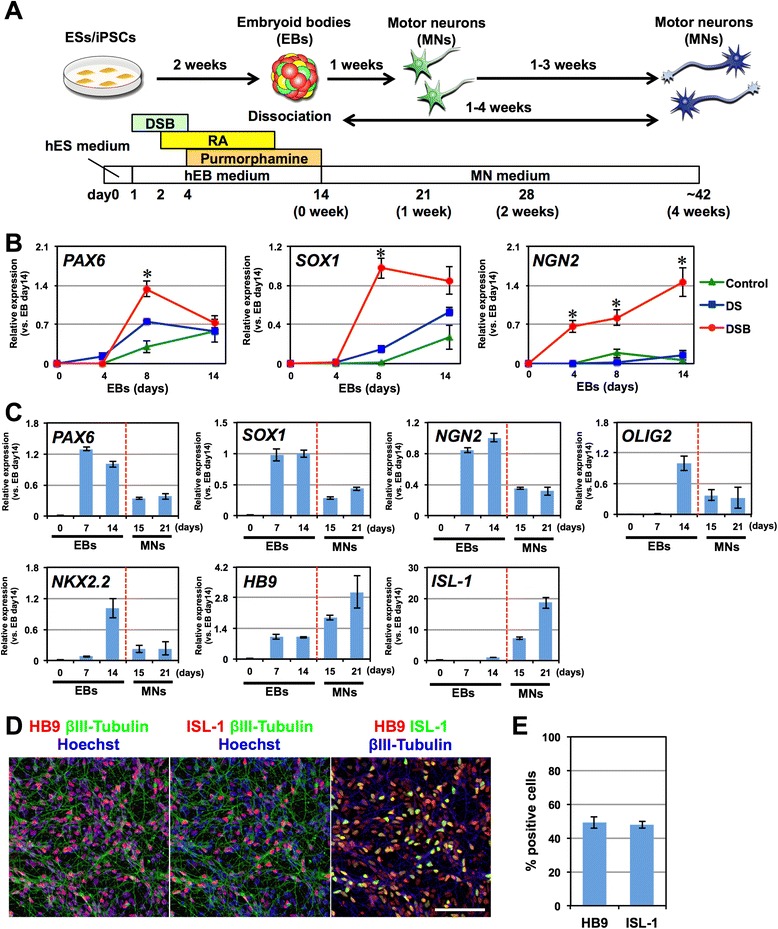
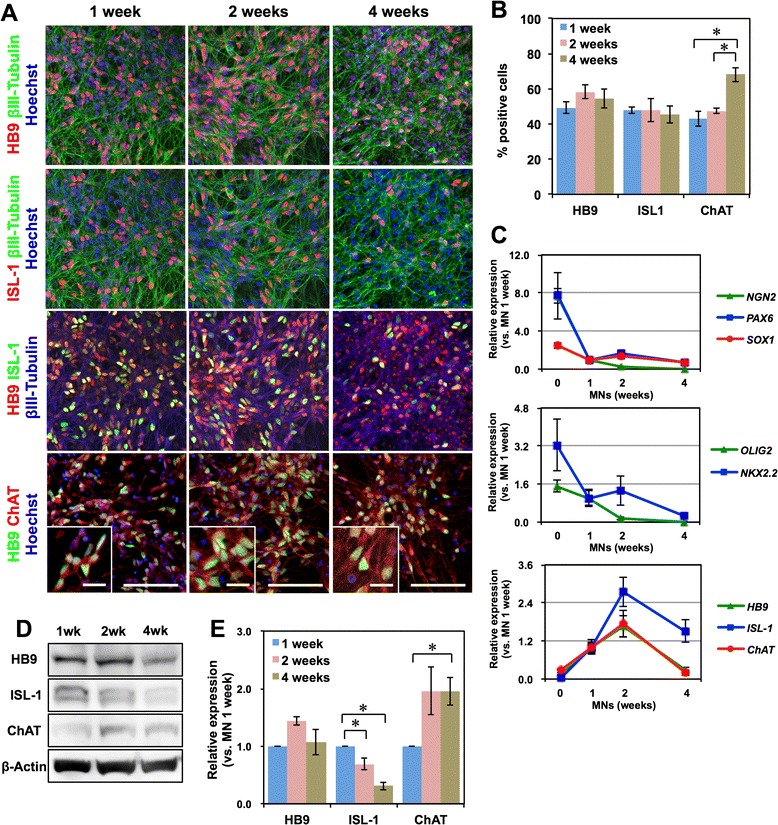
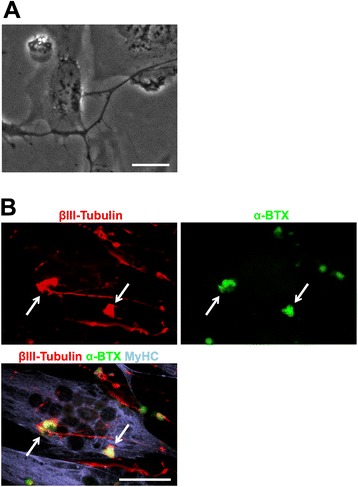
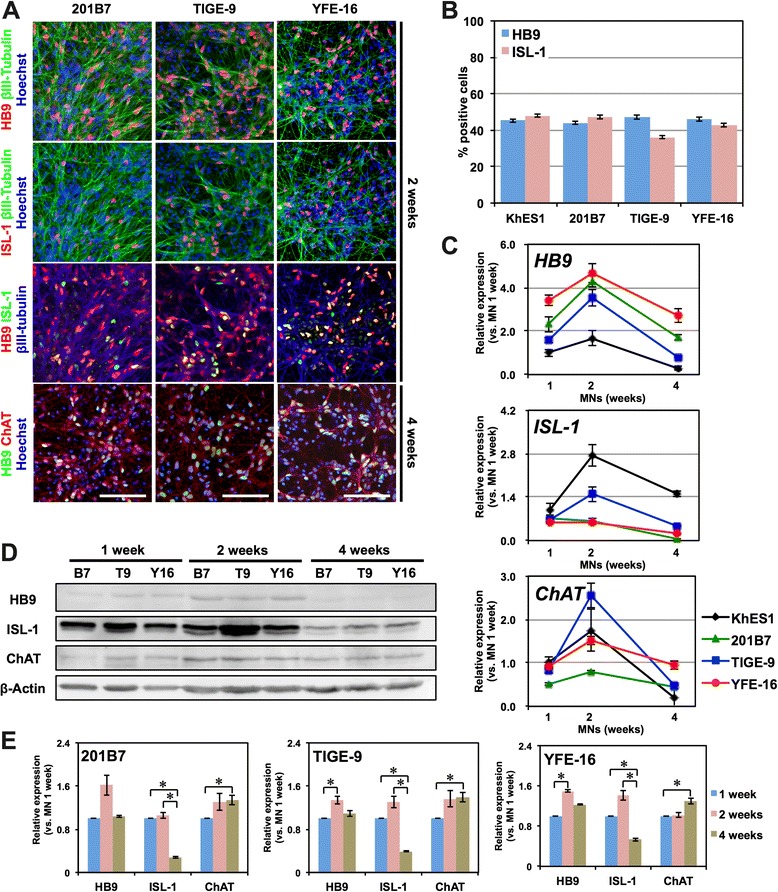
BACKGROUND: Human pluripotent stem cells (hPSCs) are being applied in regenerative medicine and for the in vitro modeling of human intractable disorders. In particular, neural cells derived from disease-specific human induced pluripotent stem cells (hiPSCs) established from patients with neurological disorders have been used as in vitro disease models to recapitulate in vivo pathogenesis because neural cells cannot be usually obtained from patients themselves. RESULTS: In this study, we established a rapid, efficient, and simple method for efficiently deriving motor neurons from hPSCs that is useful for pathophysiological analysis and the development of drugs to treat motor neuron diseases. Treatment with GSK3β inhibitors during the initial phase of differentiation in combination with dual SMAD inhibition was sufficient to induce PAX6 (+) and SOX1 (+) neural progenitors within 1 week, and subsequent treatment with retinoic acid (RA) and purmorphamine, which activates sonic hedgehog (SHH) signaling, resulted in the highly efficient induction of HB9(+) and ISL-1(+) motor neurons within 2 weeks. After 4 weeks of monolayer differentiation in motor neuron maturation medium, hPSC-derived motor neurons were shown to mature, displaying larger somas and clearer staining for the mature motor neuron marker choline acetyltransferase (ChAT). Moreover, hPSC-derived motor neurons were able to form neuromuscular junctions with human myotubes in vitro and induced acetylcholine receptor (AChR) clustering, as detected by Alexa 555-conjugated α-Bungarotoxin (α-BTX), suggesting that these hPSC-derived motor neurons formed functional contacts with skeletal muscles. This differentiation system is simple and is reproducible in several hiPSC clones, thereby minimizing clonal variation among hPSC clones. We also established a system for visualizing motor neurons with a lentiviral reporter for HB9 (HB9 (e438) ::Venus). The specificity of this reporter was confirmed through immunocytochemistry and quantitative RT-PCR analysis of high-positive fractions obtained via fluorescence-activated cell sorting (FACS), suggesting its applicability for motor neuron-specific analysis. CONCLUSIONS: Our motor neuron differentiation system and lentivirus-based reporter system for motor neurons facilitate the analysis of disease-specific hiPSCs for motor neuron diseases.
Overview
The claims and statistics of this paper haven’t been checked yet.
Free: it reads the open-access text and checks the first 5 claims that cite a source we can check. Create a free account to check every claim.
Integrity signals
Registry
Cites
Statistics
Figures
Verification
Claims the paper makes
The claims and statistics of this paper haven’t been checked yet.
Free: it reads the open-access text and checks the first 5 claims that cite a source we can check. Create a free account to check every claim.
Claims other papers make about this one
Each is checked against this paper’s own text: does it say what the citing paper says it does?
The cited source says what the claim attributes to it.
In the citing paper
“Such protocols have been developed, and provide motor neurons reproducibly from iPSCs15,16, however inconsistencies remain17.”
From Examining iPSC derived motor neuron variability and genome stability monitoring as a solution (2025) · cites this paper as [16]
Self-check
Percentages, sums and reported differences re-computed from the paper’s own numbers.
The self-check needs the paper’s full text.
Citations
Cites
Induction of Pluripotent Stem Cells from Adult Human Fibroblasts by Defined Factors
Takahashi, K., Tanabe, K., Ohnuki, M., Narita, M., Ichisaka, T., Tomoda, K., & Yamanaka, S. (2007) · Cell · doi:10.1016/j.cell.2007.11.019 · Cited by 20,221
Highly efficient neural conversion of human ES and iPS cells by dual inhibition of SMAD signaling
Chambers, S. M., Fasano, C. A., Papapetrou, E. P., Tomishima, M., Sadelain, M., & Studer, L. (2009) · Nature Biotechnology · doi:10.1038/nbt.1529 · Cited by 3,620 · cited 17×
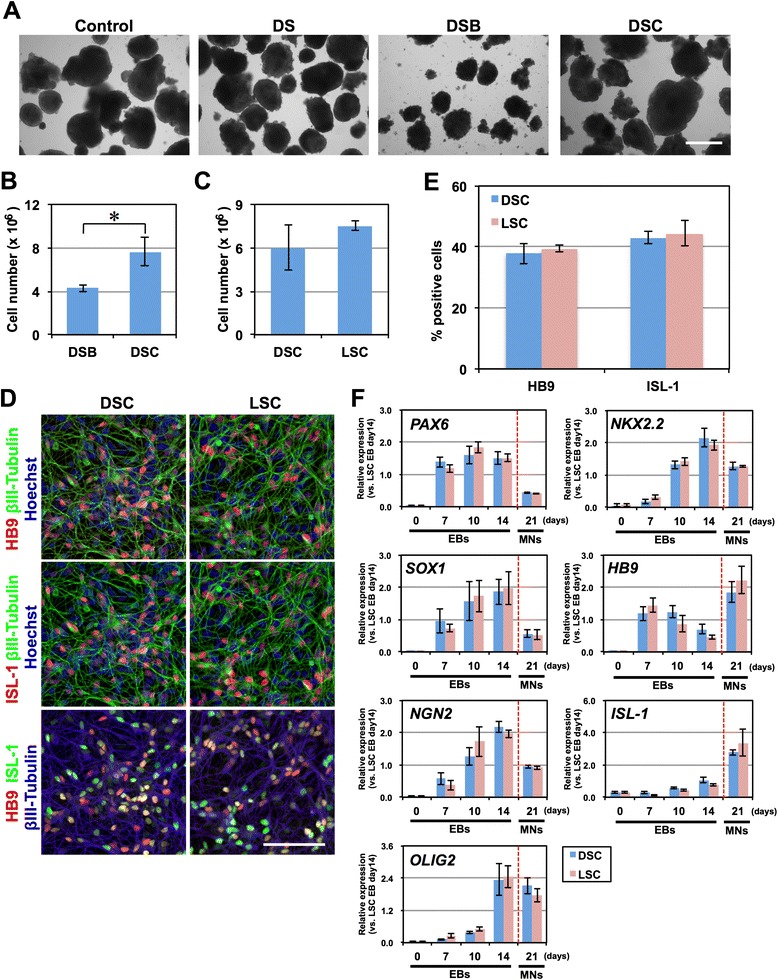
“LSC, LDN193189, SB431542, and CHIR99021. d Immunocytochemical analysis of motor neurons derived from DSC- or LSCtreated EBs for HB9, ISL-1 and βIII-Tubulin on day 7 of monolayer differentiation.”
MethodInfluentialNagai, T., Ibata, K., Park, E. S., Kubota, M., Mikoshiba, K., & Miyawaki, A. (2002) · Nature Biotechnology · doi:10.1038/nbt0102-87 · Cited by 2,753 · cited 1×
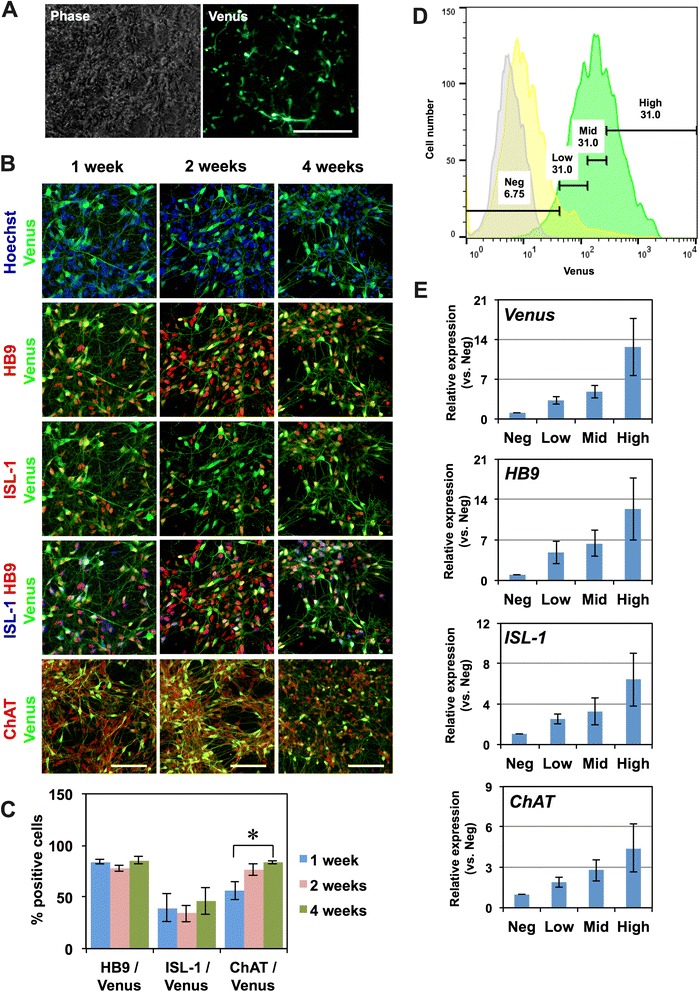
“To address these issues, we constructed an HB9::Venus reporter lentivirus, in which the Venus fluorescent protein (an altered yellow fluorescent protein; [14]) is expressed under the control of the 438-base pair HB9 enhancer element (HB9, [15]) and the human β-globin minimal promoter.”
MethodA more efficient method to generate integration-free human iPS cells
Okita, K., Matsumura, Y., Sato, Y., Okada, A., Morizane, A., Okamoto, S., Hong, H., Nakagawa, M., Tanabe, K., Tezuka, K.-I., et al. (2011) · Nature Methods · doi:10.1038/nmeth.1591 · Cited by 2,061 · cited 4×
“The properties of the established hiPSC clones were evaluated as described previously (Additional file 1: Figure S1) [34]. hiPSC clones YFE-16 and TIGE-9 were established from YF-HDF and TIG114-HDF, respectively.”
MethodInfluentialEiraku, M., Watanabe, K., Matsuo-Takasaki, M., Kawada, M., Yonemura, S., Matsumura, M., Wataya, T., Nishiyama, A., Muguruma, K., & Sasai, Y. (2008) · Cell Stem Cell · doi:10.1016/j.stem.2008.09.002 · Cited by 1,522 · cited 1×
“One previously reported method for deriving motor neurons from hPSCs is based on the serum-free floating culture of EB-like aggregates with quick reaggregation (SFEBq) method [2, 16].”
MethodMarked differences in differentiation propensity among human embryonic stem cell lines
Osafune, K., Caron, L., Borowiak, M., Martinez, R. J., Fitz-Gerald, C. S., Sato, Y., Cowan, C. A., Chien, K. R., & Melton, D. A. (2008) · Nature Biotechnology · doi:10.1038/nbt1383 · Cited by 816 · cited 2×
“Moreover, the efficiency of these methods tends to be low, and show variability depending on hPSC clones referred to as clonal variations [5].”
BackgroundHuman iPSC-based modeling of late-onset disease via progerin-induced aging
Miller, J. D., Ganat, Y. M., Kishinevsky, S., Bowman, R. L., Liu, B., Tu, E. Y., Mandal, P. K., Vera, E., Shim, J.-W., Kriks, S., et al. (2013) · Cell stem cell · doi:10.1016/j.stem.2013.11.006 · Cited by 777 · cited 1×
“To recapitulate aging in iPSC-derived neurons, forced expression of Progerin, which is known to enhance cellular aging, was performed to detect the phenotypes of the diseased neurons [25].”
BackgroundRequirement for the Homeobox Gene Hb9 in the Consolidation of Motor Neuron Identity
Arber, S., Han, B., Mendelsohn, M., Smith, M., Jessell, T. M., & Sockanathan, S. (1999) · Neuron · doi:10.1016/s0896-6273(01)80026-x · Cited by 609 · cited 1×
“moter element, was identified and has since been widely used to visualize HB9 motor neurons [33].”
MethodThe Wnt/β-catenin pathway directs neuronal differentiation of cortical neural precursor cells
Hirabayashi, Y., Itoh, Y., Tabata, H., Nakajima, K., Akiyama, T., Masuyama, N., & Gotoh, Y. (2004) · Development · doi:10.1242/dev.01165 · Cited by 600
Drug Screening for ALS Using Patient-Specific Induced Pluripotent Stem Cells
Egawa, N., Kitaoka, S., Tsukita, K., Naitoh, M., Takahashi, K., Yamamoto, T., Adachi, F., Kondo, T., Okita, K., Asaka, I., et al. (2012) · Science Translational Medicine · doi:10.1126/scitranslmed.3004052 · Cited by 549 · cited 1×
“One previously reported method for deriving motor neurons from hPSCs is based on the serum-free floating culture of EB-like aggregates with quick reaggregation (SFEBq) method [2, 16].”
Method
Cited by
Afshar Bakooshli, M., Lippmann, E. S., Mulcahy, B., Iyer, N., Nguyen, C. T., Tung, K., Stewart, B. A., van den Dorpel, H., Fuehrmann, T., Shoichet, M., et al. (2019) · eLife · doi:10.7554/elife.44530 · Cited by 268
“However, despite significant progress toward directing human pluripotent stem cells (PSCs) to the motor neuron lineage (Ashton et al., 2015; Hu and Zhang, 2010; Lippmann et al., 2014; Maury et al., 2015; Shimojo et al., 2015; Zhang et al., 2001) and establishing electrically and chemically responsive human muscle fibe…”
BackgroundChandrasekaran, A., Avci, H. X., Ochałek, A., Rösingh, L., Molnár, K., László, L., Bellák, T., Téglási, A., Pesti, K., Mike, A., et al. (2017) · Stem Cell Research · doi:10.1016/j.scr.2017.10.010 · Cited by 141
Personalized Hydrogels for Engineering Diverse Fully Autologous Tissue Implants
Edri, R., Gal, I., Noor, N., Harel, T., Fleischer, S., Adadi, N., Green, O., Shabat, D., Heller, L., Shapira, A., et al. (2019) · Advanced Materials · doi:10.1002/adma.201803895 · Cited by 128
Cell cycle inhibitors protect motor neurons in an organoid model of Spinal Muscular Atrophy
Hor, J. H., Soh, E. S.-Y., Tan, L. Y., Lim, V. J. W., Santosa, M. M., Winanto, W., Ho, B. X., Fan, Y., Soh, B.-S., & Ng, S. (2018) · Cell Death and Disease · doi:10.1038/s41419-018-1081-0 · Cited by 119
Ichiyanagi, N., Fujimori, K., Yano, M., Ishihara-Fujisaki, C., Sone, T., Akiyama, T., Okada, Y., Akamatsu, W., Matsumoto, T., Ishikawa, M., et al. (2016) · Stem Cell Reports · doi:10.1016/j.stemcr.2016.02.011 · Cited by 93
“Therefore, to label only motor neurons, HB9venus reporter lentivirus (HB9:Venus) (Shimojo et al., 2015) was infected into the iPSC-derived cells.”
BackgroundMethodSelf-citationBianchi, F., Malboubi, M., Li, Y., George, J. H., Jerusalem, A., Szele, F., Thompson, M. S., & Ye, H. (2018) · Stem Cell Research · doi:10.1016/j.scr.2018.09.006 · Cited by 91
“Previous use of four neuralisation factors involved either EB formation or suspension culture step following neuralisation, and did not demonstrate efficiency in terms of electrophysiological maturation of cells and networks (Shimojo et al., 2015; Du et al., 2015).”
BackgroundRibosomal RNA 2′-O-methylation dynamics impact cell fate decisions
Häfner, S. J., Jansson, M., Altinel, K., Andersen, K. L., Abay-Nørgaard, Z., Ménard, P., Fontenas, M., Sørensen, D. M., Gay, D. M., Arendrup, F. S., et al. (2023) · Developmental Cell · doi:10.1016/j.devcel.2023.06.007 · Cited by 82
Oiwa, K., Watanabe, S., Onodera, K., Iguchi, Y., Kinoshita, Y., Komine, O., Sobue, A., Okada, Y., Katsuno, M., & Yamanaka, K. (2023) · Science Advances · doi:10.1126/sciadv.adf6895 · Cited by 82
“The maintenance and differentiation of human iPSCs into spinal motor neurons were performed as previously described ( 74 ).”
Self-citationNie, L., Yao, D., Chen, S., Wang, J., Pan, C., Wu, D., Liu, N., & Tang, Z. (2023) · Cell Death Discovery · doi:10.1038/s41420-023-01532-9 · Cited by 83
Aberrant Axon Branching Via Fos-B Dysregulation in FUS-ALS Motor Neurons
Akiyama, T., Suzuki, N., Ishikawa, M., Fujimori, K., Sone, T., Kawada, J., Funayama, R., Fujishima, F., Mitsuzawa, S., Ikeda, K., et al. (2018) · EBioMedicine · doi:10.1016/j.ebiom.2019.06.013 · Cited by 79
“For visualizing MNs, a reporter lentivirus (HB9::Venus) [12] was infected at the 2nd MPC stage (Fig.”
MethodSelf-citationCatanese, A., Heuvel, F. O., Mulaw, M. A., Demestre, M., Higelin, J., Barbi, G., Freischmidt, A., Weishaupt, J. H., Ludolph, A. C., Roselli, F., et al. (2019) · Autophagy · doi:10.1080/15548627.2019.1589257 · Cited by 59
Synaptic disruption and CREB‐regulated transcription are restored by K+ channel blockers in ALS
Catanese, A., Rajkumar, S., Sommer, D., Freisem, D., Wirth, A., Aly, A., Massa-López, D., Olivieri, A., Torelli, F., Ioannidis, V., et al. (2021) · EMBO Molecular Medicine · doi:10.15252/emmm.202013131 · Cited by 59
“We differentiated MN from hiPSCs as previously described in Catanese et al (2019) (original protocol from Shimojo et al, 2015).”
MethodDirect Neuronal Differentiation of Neural Stem Cells for Spinal Cord Injury Repair
Xue, W., Fan, C., Chen, B., Zhao, Y., Xiao, Z., & Dai, J. (2021) · Stem Cells · doi:10.1002/stem.3366 · Cited by 57
“For example, retinoic acid (RA) promotes motoneuron differentiation.(45) NSCs derived from mouse PSCs can secrete neuroprotective factors and generate”
BackgroundChromatin remodeler CHD7 regulates the stem cell identity of human neural progenitors
MuhChyi, C., Sanosaka, T., Okuno, H., Zhou, Z., Koya, I., Banno, S., Andoh-Noda, T., Tabata, Y., Shimamura, R., Hayashi, T., et al. (2018) · Genes & Development · doi:10.1101/gad.301887.117 · Cited by 46
“1E; Li et al. 2011; Shimojo et al. 2015).”
Self-citationTandem Paired Nicking Promotes Precise Genome Editing with Scarce Interference by p53
Hyodo, T., Rahman, M. L., Karnan, S., Ito, T., Toyoda, A., Ota, A., Wahiduzzaman, M., Tsuzuki, S., Okada, Y., Hosokawa, Y., et al. (2020) · Cell Reports · doi:10.1016/j.celrep.2019.12.064 · Cited by 46
Self-citationBuilding neuromuscular junctions in vitro
Barbeau, S., Tahraoui‐Bories, J., Legay, C., & Martinat, C. (2020) · Development · doi:10.1242/dev.193920 · Cited by 44
Correlation of insulin resistance and motor function in spinal and bulbar muscular atrophy
Nakatsuji, H., Araki, A., Hashizume, A., Hijikata, Y., Yamada, S., Inagaki, T., Suzuki, K., Banno, H., Suga, N., Okada, Y., et al. (2017) · Journal of Neurology · doi:10.1007/s00415-017-8405-3 · Cited by 41
Self-citationZhao, A., Qin, H., Sun, M., Ma, K., & Fu, X. (2020) · Military Medical Research · doi:10.1186/s40779-020-00271-7 · Cited by 40
The application of in vitro ‐derived human neurons in neurodegenerative disease modeling
D’Souza, G. X., Rose, S. E., Knupp, A., Nicholson, D. A., Keene, C. D., & Young, J. E. (2020) · Journal of Neuroscience Research · doi:10.1002/jnr.24615 · Cited by 40
“…spiny neurons (MSNs; Stanslowsky et al., 2016), dopaminergic neurons (Mahajani, Raina, Fokken, Kugler, & Bahr, 2019; Theka et al., 2013; Zhang, Xia, & Reijo Pera, 2014), motor neurons (Hester et al., 2011; Shimojo et al., 2015), and Purkinje neurons (Watson, Wong, Vowles, Cowley, & Becker, 2018).”
Sepehrimanesh, M., & Ding, B. (2020) · American Journal of Physiology-Cell Physiology · doi:10.1152/ajpcell.00279.2020 · Cited by 39
“The presence of brain-derived neurotrophic factor (BDNF), glial cell-derived neurotrophic factor (GDNF), ciliary neurotrophic factor (CNTF), or neurotrophin-3 (NT-3) in the culture medium is necessary to maintain the neuronal survival and promote neuronal maturation (20, 48, 51).”
BackgroundNagashima, T., Shimizu, K., Matsumoto, R., & Honda, H. (2018) · Scientific Reports · doi:10.1038/s41598-018-30936-2 · Cited by 36
Neuromuscular disease modeling on a chip
Santoso, J. W., & McCain, M. L. (2020) · Disease Models & Mechanisms · doi:10.1242/dmm.044867 · Cited by 36
“Several directed differentiation methods have also been established, which entail dosing hESCs or hiPSCs with a combination of neurotrophic factors, retinoic acid, sonic hedgehog and Notch inhibitors (Du et al., 2015; Hu and Zhang, 2009; Li et al., 2008b; Qu et al., 2014; Shimojo et al., 2015).”
BackgroundYamamoto, K., Yamaoka, N., Imaizumi, Y., Nagashima, T., Furutani, T., Ito, T., Okada, Y., Honda, H., & Shimizu, K. (2021) · Lab on a Chip · doi:10.1039/d1lc00048a · Cited by 34
Self-citationProgress and challenges in directing the differentiation of human iPSCs into spinal motor neurons
Bautista, C. M. C., & Sterneckert, J. L. (2023) · Frontiers in Cell and Developmental Biology · doi:10.3389/fcell.2022.1089970 · Cited by 31
Onodera, K., Shimojo, D., Ishihara, Y., Yano, M., Miya, F., Banno, H., Kuzumaki, N., Ito, T., Okada, R., Herculano, B., et al. (2020) · Molecular Brain · doi:10.1186/s13041-020-0561-1 · Cited by 31
Self-citationPérez‐Siles, G., Cutrupi, A. N., Ellis, M., Screnci, R., Mao, D., Uesugi, M., Yiu, E. M., Ryan, M. M., Choi, B., Nicholson, G. A., et al. (2020) · Scientific Reports · doi:10.1038/s41598-020-66266-5 · Cited by 30
Directing neuronal cell fate in vitro: Achievements and challenges
Riemens, R. J. M., van den Hove, D., Esteller, M., & Delgado‐Morales, R. (2018) · Progress in Neurobiology · doi:10.1016/j.pneurobio.2018.04.003 · Cited by 30
da Silva, V. A., Bobotis, B. C., Correia, F. F., de Lima-Vasconcellos, T. H., Chiarantin, G. M. D., la Vega, L. D., Lombello, C. B., Willerth, S. M., Malmonge, S. M., Paschon, V., et al. (2023) · International Journal of Molecular Sciences · doi:10.3390/ijms241713642 · Cited by 26
“To ensure a suitable time for differentiation and maturation, the cells were incubated until DIV 15 [90].”
MethodA microfluidic gradient device for drug screening with human iPSC-derived motoneurons
Mo, S. J., Lee, J., Kye, H. G., Lee, J. M., Kim, E. J., Geum, D., Sun, W., & Chung, B. G. (2020) · The Analyst · doi:10.1039/c9an02384d · Cited by 26
Nango, H., Kosuge, Y., Sato, M., Shibukawa, Y., Aono, Y., Saigusa, T., Ito, Y., & Ishige, K. (2020) · Cells · doi:10.3390/cells9071741 · Cited by 24
“It is reported that RA activates transcription factors for ventral neural patter ing and MN specification [33] a is co o ly used to differentiate stem cells into MNs in vitro [6,34].”
BackgroundReduced PHOX2B stability causes axonal growth impairment in motor neurons with TARDBP mutations
Mitsuzawa, S., Suzuki, N., Akiyama, T., Ishikawa, M., Sone, T., Kawada, J., Funayama, R., Shirota, M., Mitsuhashi, H., Morimoto, S., et al. (2021) · Stem Cell Reports · doi:10.1016/j.stemcr.2021.04.021 · Cited by 24
Self-citationRashid, M. I., Ito, T., Miya, F., Shimojo, D., Arimoto, K., Onodera, K., Okada, R., Nagashima, T., Yamamoto, K. Z., Khatun, Z., et al. (2023) · Scientific Reports · doi:10.1038/s41598-023-34445-9 · Cited by 23
“To confirm the reproducibility of the differentiation potential of bulk cultures of MYOD1hiPSCs generated via puromycin selection, three hiPSC clones (EKN-3, YFE-19, and TIGE9) established from fibroblasts of adult healthy individuals (30-32) were transduced with the Dox-3HA-hMYOD1 PiggyBac vector with a puromycin sel…”
MethodInfluentialSelf-citationALS-related p97 R155H mutation disrupts lysophagy in iPSC-derived motor neurons
Klickstein, J. A., Johnson, M. A., Antonoudiou, P., Maguire, J. L., Paulo, J. A., Gygi, S. P., Weihl, C., & Raman, M. (2024) · Stem Cell Reports · doi:10.1016/j.stemcr.2024.01.002 · Cited by 23
Iida, M., Sahashi, K., Kondo, N., Nakatsuji, H., Tohnai, G., Tsutsumi, Y., Noda, S., Murakami, A., Onodera, K., Okada, Y., et al. (2019) · Nature Communications · doi:10.1038/s41467-019-12282-7 · Cited by 22
Self-citationOikari, L. E., Yu, C., Okolicsanyi, R. K., Avgan, N., Peall, I. W., Griffiths, L. R., & Haupt, L. M. (2020) · Journal of Neuroscience Research · doi:10.1002/jnr.24666 · Cited by 20
“…BDNF is commonly used in neuron differentiation of hPSCs, such as to derive specific neuron subtypes, including, but not limited to dopaminergic, GABAergic, cholinergic, and motor neurons (Hu et al., 2016; Liu et al., 2013; Shimojo et al., 2015; Swistowski et al., 2010; Tao & Zhang, 2016).”
MethodGaggi, G., Credico, A. D., Izzicupo, P., Alviano, F., Mauro, M. D., Baldassarre, A. D., & Ghinassi, B. (2020) · International Journal of Molecular Sciences · doi:10.3390/ijms21186589 · Cited by 20
Mahmoodi, N., Ai, J., Ebrahimi‐Barough, S., Hassannejad, Z., Hasanzadeh, E., Basiri, A., Vaccaro, A. R., & Rahimi‐Movaghar, V. (2020) · Cell Biology International · doi:10.1002/cbin.11315 · Cited by 19
Gaggi, G., Credico, A. D., Guarnieri, S., Mariggiò, M. A., Baldassarre, A. D., & Ghinassi, B. (2022) · Frontiers in Cell and Developmental Biology · doi:10.3389/fcell.2022.936990 · Cited by 18
“Here we reported for the first time that, adapting protocols (Maury et al., 2015; Shimojo et al., 2015; Bianchi et al., 2018) that mimics the different steps of MNs differentiation in vivo, hAFSCs can differentiate into mature MNs.”
BackgroundPark, S., Kim, J. Y., Myung, S., Jung, N., Choi, Y., & Jung, S. (2019) · International Journal of Molecular Sciences · doi:10.3390/ijms20112702 · Cited by 18
Takahashi, H., Oikawa, F., Takeda, N., & Shimizu, T. (2022) · Tissue Engineering Part A · doi:10.1089/ten.tea.2021.0202 · Cited by 17
Zhao, A., Pan, Y., & Cai, S. (2020) · Stem Cell Reviews and Reports · doi:10.1007/s12015-019-09946-8 · Cited by 16
Wuli, W., Tsai, S., Chiou, T., & Harn, H. (2020) · International Journal of Molecular Sciences · doi:10.3390/ijms21041327 · Cited by 17
In vitro models of spinal motor circuit’s development in mammals: achievements and challenges
Nedelec, S., & Martinez-Arias, A. (2021) · Current Opinion in Neurobiology · doi:10.1016/j.conb.2020.12.002 · Cited by 16
Iwata‐Endo, K., Sahashi, K., Kawai, K., Fujioka, Y., Okada, Y., Watanabe, E., Iwade, N., Ishibashi, M., Mohammad, M., Aldoghachi, A. F., et al. (2025) · Molecular Therapy — Nucleic Acids · doi:10.1016/j.omtn.2025.102503 · Cited by 15
Self-citationLynch, E. M., Peek, E., Reilly, M. L., FitzGibbons, C., Robertson, S., & Suzuki, M. (2021) · Stem Cell Reviews and Reports · doi:10.1007/s12015-021-10201-2 · Cited by 15
Possible Roles of Epigenetics in Stem Cell Therapy for Parkinson’s Disease
Thompson, C., Otero, P., Srinageshwar, B., Petersen, R. B., Dunbar, G. L., & Rossignol, J. (2020) · Epigenomics · doi:10.2217/epi-2019-0347 · Cited by 14
Amorós, M. A., Choi, E. S., Cofré, A. H. R., Dokholyan, N. V., & Duzzioni, M. (2022) · Frontiers in Cell and Developmental Biology · doi:10.3389/fcell.2022.962881 · Cited by 13
“The activation of WNT/β-catenin signaling via GSK3β inhibition, either by (2’Z, 3’E)-6-bromoin-dirubin-3’-oxime (BIO) or CHIR99021 (CHIR) optimizes the procedure (Maury et al., 2015; Shimojo et al., 2015).”
BackgroundShimizu, K., Kassai, H., Kamei, Y., Yamamoto, K. Z., Nagashima, T., Maekawa, T., Akiyama, H., & Honda, H. (2022) · Cells · doi:10.3390/cells11233760 · Cited by 13
“On day 2, the medium was aspirated, and iPSC-derived MNs suspended in the MN medium [20] were seeded onto the PDMS substrate at a density of 5 × 10⁴ cells/cm2.”
MethodTaga, A., Habela, C. W., Johns, A. E., Liu, S., O’Brien, M. A., & Maragakis, N. J. (2021) · Journal of Visualized Experiments · doi:10.3791/62726 · Cited by 13
Yokoi, S., Ito, T., Sahashi, K., Nakatochi, M., Nakamura, R., Tohnai, G., Fujioka, Y., Ishigaki, S., Udagawa, T., Izumi, Y., et al. (2022) · Journal of Neuroscience · doi:10.1523/jneurosci.0455-22.2022 · Cited by 12
“The sequencing details have been previously described (Nakamura et al., 2021). hiPSC culture and differentiation in vitro The experiments were performed as described previously (Shimojo et al., 2015; Onodera et al., 2020; Okada et al., 2021).”
MethodInfluentialSelf-citationThiab, S., Azeez, J. M., Anala, A. D., Nanda, M., Khan, S., Butler, A. E., & Nandakumar, M. (2025) · Cells · doi:10.3390/cells14151188 · Cited by 12
“In another study, cells were positive for astrocyte markers (GFAP, S100 β , VIM, AQU4, ACSBG1, and APOE) after 30 days of culturing and were evaluated [214,215].”
Pérez‐Siles, G., Cutrupi, A. N., Ellis, M., Kuriakose, J., Fontaine, S. L., Mao, D., Uesugi, M., Takata, R. I., Speck‐Martins, C. E., Nicholson, G. A., et al. (2020) · Disease Models & Mechanisms · doi:10.1242/dmm.041541 · Cited by 12
Afshar, M., Lippmann, E. S., Mulcahy, B., Iyer, N. R., Nguyen, C. T., Tung, K., Stewart, B. A., van den Dorpel, H., Führmann, T., Shoichet, M. S., et al. (2018) · bioRxiv (Cold Spring Harbor Laboratory) · doi:10.1101/275545 · Cited by 12
“…human pluripotent stem cells (PSCs) to the motor neuron lineage (Ashton et al., 2015; Hu and Zhang, 2010; Lippmann et al., 2014; Maury et al., 2015; Shimojo et al., 2015; Zhang et al., 2001) and establishing electrically and chemically responsive human muscle fibers in vitro (Madden et al., 2015),…”
BackgroundRoman, A., Huntemer-Silveira, A., Waldron, M. A., Khalid, Z., Blake, J., Parr, A. M., & Low, W. C. (2024) · Cell Transplantation · doi:10.1177/09636897241241998 · Cited by 11
Wang, Z., Zhang, L., Labib, M., Chen, H., Wei, M., Poudineh, M., Green, B. J., Duong, B. T. V., Das, J., Ahmed, S. U., et al. (2019) · ACS Applied Materials & Interfaces · doi:10.1021/acsami.9b13694 · Cited by 11
Neuronal Reprogramming for Tissue Repair and Neuroregeneration
Liou, R. H.-C., Edwards, T. L., Martin, K. R. G., & Wong, R. C. B. (2020) · International Journal of Molecular Sciences · doi:10.3390/ijms21124273 · Cited by 11
Gupta, S. K., & Butler, S. J. (2021) · WIREs Mechanisms of Disease · doi:10.1002/wsbm.1520 · Cited by 10
Human fetal membrane-mesenchymal stromal cells generate functional spinal motor neurons in vitro
Gaggi, G., Credico, A. D., Guarnieri, S., Mariggiò, M. A., Ballerini, P., Baldassarre, A. D., & Ghinassi, B. (2022) · iScience · doi:10.1016/j.isci.2022.105197 · Cited by 10
“…differently, HB9 that represents a late marker of MN differentiation, reached the highest expression at the end of differentiation process: these data are in accordance with Shimojo et al. that described a comparable trend of expression during the hiPSCs differentiation (Shimojo et al., 2015).”
InfluentialYamaoka, N., Shimizu, K., Imaizumi, Y., Ito, T., Okada, Y., & Honda, H. (2019) · BioChip Journal · doi:10.1007/s13206-018-3202-3 · Cited by 10
Self-citationRichardson, T. C., Mathew, S., Candiello, J., Goh, S. K., Kumta, P. N., & Banerjee, I. (2018) · Biotechnology Journal · doi:10.1002/biot.201700099 · Cited by 9
Lyu, Y., Su, Z., Ye, G., He, X., Liu, Y., Yin, Q., Xie, F., Xu, L., Chen, Y., & Long, D. (2023) · Experimental Gerontology · doi:10.1016/j.exger.2023.112243 · Cited by 8
Okada, R., Onodera, K., Ito, T., Doyu, M., Okano, H. J., & Okada, Y. (2020) · Neuroscience Research · doi:10.1016/j.neures.2020.01.015 · Cited by 8
Self-citationOtake, K., Adachi-Tominari, K., Nagai, H., Saito, M., Sano, O., Hirozane, Y., & Iwata, H. (2021) · FEBS Open Bio · doi:10.1002/2211-5463.13059 · Cited by 7
Akter, M., Sepehrimanesh, M., Wu, X., & Ding, B. (2024) · eNeuro · doi:10.1523/eneuro.0165-24.2024 · Cited by 6
Sheeler, C. A., Labrada-Moncada, F. E., Duvick, L. A., Thompson, L. M., Zhang, Y., Orr, H. T., & Cvetanović, M. (2024) · Neurobiology of Disease · doi:10.1016/j.nbd.2024.106673 · Cited by 6
Xu, Z., Liu, S., Xue, X., Li, W., Fu, J., & Deng, C. X. (2023) · Scientific Reports · doi:10.1038/s41598-023-45397-5 · Cited by 6
TBK1 is involved in programmed cell death and ALS-related pathways in novel zebrafish models
Raas, Q., Haouy, G., de Calbiac, H., Pasho, E., Marian, A., Guerrera, I. C., Rosello, M., Oeckl, P., Bene, F. D., Catanese, A., et al. (2025) · Cell Death Discovery · doi:10.1038/s41420-025-02374-3 · Cited by 6
Verma, I., & Seshagiri, P. B. (2025) · Stem Cell Reviews and Reports · doi:10.1007/s12015-025-10851-6 · Cited by 5
Advancements in differentiation of induced pluripotent stem cells into specialized neuronal subtypes
Setsu, S., Okano, H., & Morimoto, S. (2025) · Neural Regeneration Research · doi:10.4103/nrr.nrr-d-25-00630 · Cited by 5
“…build on the seminal work of Wichterle et al. (2002) with numerous refinements (Dimos et al., 2008; Karumbayaram et al., 2009; Du et al., 2015; Shimojo et al., 2015; Hu et al., 2016a; Bianchi et al., 2018; Fujimori et al., 2018; Sances et al., 2018; Faye et al., 2020; Cutarelli et al., 2021…”
Self-citationPresent State and Future Perspectives of Prostaglandins as a Differentiation Factor in Motor Neurons
Nango, H., & Kosuge, Y. (2021) · Cellular and Molecular Neurobiology · doi:10.1007/s10571-021-01104-4 · Cited by 5
“, 2017) and into motor neurons from iPS cells (Qu et al., 2014; Shimojo et al., 2015).”
BackgroundDysregulation of Aldh1a2 underlies motor neuron degeneration in spinal muscular atrophy
Kataoka, M., Sahashi, K., Tsujikawa, K., Takeda, J., Hirunagi, T., Iida, M., & Katsuno, M. (2023) · Neuroscience Research · doi:10.1016/j.neures.2023.04.007 · Cited by 5
Valizadeh-Arshad, Z., Shahbazi, E., Hashemizadeh, S., Moradmand, A., Jangkhah, M., & Kiani, S. (2018) · PubMed Central · doi:10.22074/cellj.2018.4232 · Cited by 5
“Transforming growth factor beta (TGFβ), bone morphogenetic protein (BMP), and Wnt signaling pathways inhibition promote differentiation of hESCs along the neuronal lineage (4, 5).”
BackgroundExamining iPSC derived motor neuron variability and genome stability monitoring as a solution
Gaffey, F., McCoull, D., Vaitone, E., Hedges, E., Lovejoy, C., Yao, Z., Wright, P. D., Mead, R. J., & Stebbeds, W. (2025) · Scientific Reports · doi:10.1038/s41598-025-23378-0 · Cited by 4
von Kügelgen, N., Ludwik, K. A., Mendonsa, S., Römer, C., Becher, E., Breimann, L., Strauch, M., Mari, T., Mongellaz, S., Zuckerman, B., et al. (2025) · NAR Molecular Medicine · doi:10.1093/narmme/ugaf005 · Cited by 4
Progression of differentiation of iPSCs into specific subtypes of neurons
Wang, J., Ji, R., Zhang, L., Cheng, X., & Zhang, X. (2025) · Differentiation · doi:10.1016/j.diff.2025.100869 · Cited by 4
Generation of Motor Neurons from Human ESCs/iPSCs Using Sendai Virus Vectors
Imamura, K., Kawaguchi, J., Shu, T., & Inoue, H. (2021) · Methods in molecular biology · doi:10.1007/978-1-0716-1601-7_9 · Cited by 4
Bioengineering Innervated Esophagus With Improved Motility: Limitations and Future Directions
Wanczyk, H., Walker, J. M., Goldstein, A. M., & Finck, C. M. (2025) · Neurogastroenterology & Motility · doi:10.1111/nmo.70074 · Cited by 3
“These cells demonstrate excellent neurogenic potential and allow for autologous delivery, thereby reducing concerns with immune rejection in transplanted tissues [75, 76].”
Schaefers, C., Rothmiller, S., Thiermann, H., Rein, T., & Schmidt, A. (2022) · Stem Cells International · doi:10.1155/2022/1320950 · Cited by 3
“In contrast, ChAT gene expression levels were decreased in both approaches, which may be due to posttranscriptional regulation in process of maturation [55].”
BackgroundAn Automated Culture System for Maintaining and Differentiating Human-Induced Pluripotent Stem Cells
Bando, K., Yamashita, H., & Hattori, F. (2024) · Journal of Visualized Experiments · doi:10.3791/65672 · Cited by 3
Electrophysiological characterization of sourced human iPSC-derived motor neurons
Jurkovičová-Tarabová, B., Stringer, R. N., Tomaskova, Z. S., & Weiss, N. (2025) · Channels · doi:10.1080/19336950.2025.2480713 · Cited by 3
“The expression of MNX1/ HB9 significantly decreased from DIV 2 to DIV 10 and DIV 15 (Figure 1(b)) indicating differentiation toward a mature motor neuron phenotype, consistent with previous reports [17].”
Neural tissue microphysiological systems in the era of patient-derived pluripotent stem cells
Mungenast, A. E., Aron, R., White, J. D., Tardiff, D. F., & Raja, W. K. (2018) · Elsevier eBooks · doi:10.1016/b978-0-12-813671-3.00009-8 · Cited by 3
Kato, Y., Yokogawa, M., Nakagawa, I., Onodera, K., Okano, H., Inoue, H., Hattori, M., Okada, Y., & Tsuiji, H. (2021) · bioRxiv (Cold Spring Harbor Laboratory) · doi:10.1101/2021.03.24.436890 · Cited by 3
Self-citationNeurochemical and Morphological Comparisons of Motor Nerve Organoids and Spinal-Cord Explants
Murphy, S. E., Weiss, A. C., Sirois, C. H., Rubakhin, S. S., Kong, H., Gillette, M. U., & Sweedler, J. V. (2024) · ACS Chemical Neuroscience · doi:10.1021/acschemneuro.4c00625 · Cited by 2
Chikuchi, R., Kato, Y., Tomatsu, A., Nishisaki, S., Kawakami, Y., Yoshimura, T., Li, J., Iguchi, Y., Onodera, K., Hashimoto, R., et al. (2025) · Neuroscience Research · doi:10.1016/j.neures.2025.105003 · Cited by 2
Self-citationNeuronal TDP-43 regulates myelin formation via neurexin 1 mRNA stabilization
Li, J., Iguchi, Y., Yoshida, K., Kato, D., Araki, K., Kobayashi, K., Yokoi, S., Yoshimoto, R., Iida, M., Amakusa, Y., et al. (2026) · Proceedings of the National Academy of Sciences · doi:10.1073/pnas.2513642123 · Cited by 3
Self-citationDeng, Y.-C., Liu, J.-W., Ting, H.-C., Kuo, T.-C., Chiang, C.-H., Lin, E.-Y., Harn, H.-J., Lin, S., Chang, C., & Chiou, T. (2024) · PLoS ONE · doi:10.1371/journal.pone.0311573 · Cited by 2
Optimal Production of 3D Neuronal Lineage Population by Morphological Classification
Choi, J.-H., Park, Y., Ju, J., Park, S., & Moon, S.-H. (2025) · Tissue Engineering and Regenerative Medicine · doi:10.1007/s13770-025-00721-0 · Cited by 1
Bioprinting and Efficient Differentiation of Stem Cells for Neural Regeneration
Lee, S., Leong, S. W., & Patar, A. (2024) · Elsevier eBooks · doi:10.1016/b978-0-443-15717-2.00070-6 · Cited by 1
Tissue engineering strategies for the development of a human 3D model of the neuromuscular junction
Marani, L. (2018) · Loughborough University Institutional Repository (Loughborough University) · Cited by 1
Zhao, A., Qin, H., Sun, M., Ma, K., & Fu, X. (2021) · Military Medical Research · doi:10.1186/s40779-021-00312-9 · Cited by 1
Flatt, L. (2017) · Nottingham ePrints (University of Nottingham)
Human induced pluripotent stem cell–derived astrocytes progenitors as discovery platforms
Taga, A., & Maragakis, N. J. (2021) · Elsevier eBooks · doi:10.1016/b978-0-323-85545-7.00005-3
Auricchio, F., & Castoria, G. (2019) · Faculty Opinions – Post-Publication Peer Review of the Biomedical Literature · doi:10.3410/f.736643799.793566726
Possible Roles of Epigenetics in Stem Cell Therapy for Parkinson’s Disease
Krubaa, P. (2024) · SBV Journal of Basic Clinical and Applied Health Science · doi:10.4103/sbvj.sbvj_13_24
Mutations in SOD1 induce ALS-related phenotypes in 3D iPSC-derived motor neuron (MN) spheroidsPreprint
Castellanos‐Montiel, M. J., Franco-Flores, A. K., Nicouleau, M., Haghi, G., Lépine, S., Baeza, B., Chen, C. X. ‐., Goldsmith, T., Aprahamian, N., Hua, D., et al. (2025) · bioRxiv (Cold Spring Harbor Laboratory) · doi:10.1101/2025.01.28.635126
OKADA, Y. (2025) · Japanese Journal of Thrombosis and Hemostasis · doi:10.2491/jjsth.36.438
Self-citationCell models for studying myasthenia gravis
Huang, Y., Verpalen, R., Punga, A. R., & Huijbers, M. G. M. (2025) · International review of neurobiology · doi:10.1016/bs.irn.2025.04.026
Metadata
- Authors
- Shimojo, D., Onodera, K., Doi-Torii, Y., Ishihara, Y., Hattori, C., Miwa, Y., Tanaka, S., Okada, R., Ohyama, M., Shoji, M., Nakanishi, A., Doyu, M., Okano, H., & Okada, Y.
- Affiliations
- Aichi Medical University (JP)
- Keio University (JP)
- Jikei University School of Medicine (JP)
- Takeda (Japan) (JP)
- Corresponding author
- Okano, Hideyuki
- Okada, Yohei
- ORCID
- Venue
- Molecular Brain
- Published
- 2015-12
- Volume
- 8
- Issue
- 1
- Pages
- 79-79
- ISSN
- 1756-6606 (ISSN-L)
- PMC
- PMC4666063
- OpenAlex
- W2187329396
- Cited by
- 99
- References
- 35
- Citations by year
- 2026: 4 · 2025: 15 · 2024: 9 · 2023: 9 · 2022: 7 · 2021: 12 · 2020: 20 · 2019: 8 · 2018: 12 · 2017: 2 · 2016: 1
- FWCI
- 2.17
- Type
- journal article
- Language
- en
- Open access
- gold
- doi.org
- Licence
- cc-by
- creativecommons.org/licenses/by/4.0/ (tdm)
- creativecommons.org/licenses/by/4.0/ (vor)
- Locations
- Molecular Brain (publishedVersion, cc-by)
- PubMed Central (publishedVersion, cc-by)
- PubMed (publishedVersion)
- Funders
- Ministry of Health, Labour and Welfare (H26-032)
- Japan Agency for Medical Research and Development (15Aek0109025h0002)
- Japan Society for the Promotion of Science (25・237, 26117007)
- Ministry of Education, Culture, Sports, Science, and Technology
- Japan Science and Technology Agency (15bm0609003h0004)
- Topics
- Life Sciences › Biochemistry, Genetics and Molecular Biology › Molecular Biology › Pluripotent Stem Cells Research
- Life Sciences › Neuroscience › Developmental Neuroscience › Neurogenesis and neuroplasticity mechanisms
- Life Sciences › Biochemistry, Genetics and Molecular Biology › Molecular Biology › Developmental Biology and Gene Regulation
- Keywords
- motor neuron differentiation, human pluripotent stem cells, induced pluripotent stem cells, GSK-3β inhibitors, SMAD inhibition, Sonic hedgehog signaling, retinoic acid, purmorphamine, neuromuscular junction formation, acetylcholine receptor clustering, HB9, motor neuron disease, in vitro disease model
- MeSH terms
- Human Embryonic Stem Cells, Adult, Animals, Cell Differentiation, Cells, Cultured, Humans, Male, Motor Neurons, Neuromuscular Junction, Lentivirus, Mice, SCID, Mice, Inbred NOD, Genes, Reporter, Muscle Fibers, Skeletal, Coculture Techniques, Cell Culture Techniques, Pluripotent Stem Cells, Small Molecule Libraries, Young Adult
About these checks
Registry, retraction, Cites and statistics results are computed, not judged, with one exception: a printed reference that no index lists is read once by a model before it counts as a citation error. Claims are extracted by a model and kept only when their quote appears verbatim in the text; each cited source is then checked, with a model’s help, for whether it says what the claim relies on. Those verdicts can be wrong — read the claim’s quote and the cited source before relying on one.
Statistics and arithmetic are recomputed, not judged.
Confidence bands are shown only for fields calibrated on our annotated test set. None is calibrated yet, so no band is shown.
What counts as a claim ›How we measure confidence ›How we check this ›
Are you an author, or do you see a problem with this page? Request a review
Data sources
Bibliographic data: Semantic Scholar, OpenAlex, Crossref.
Contains information from the Semantic Scholar Academic Graph Datasets, made available under the ODC Attribution License (ODC-BY 1.0).
Semantic Scholar’s data is described in: Kinney, R., et al. (2023). The Semantic Scholar Open Data Platform. arXiv:2301.10140.
