

Rapid, efficient, and simple motor neuron differentiation from human pluripotent stem cells
Open accessThe DOI matches its Crossref record; 35 of the 35 references it cites were found in a registry or an index.
Abstract
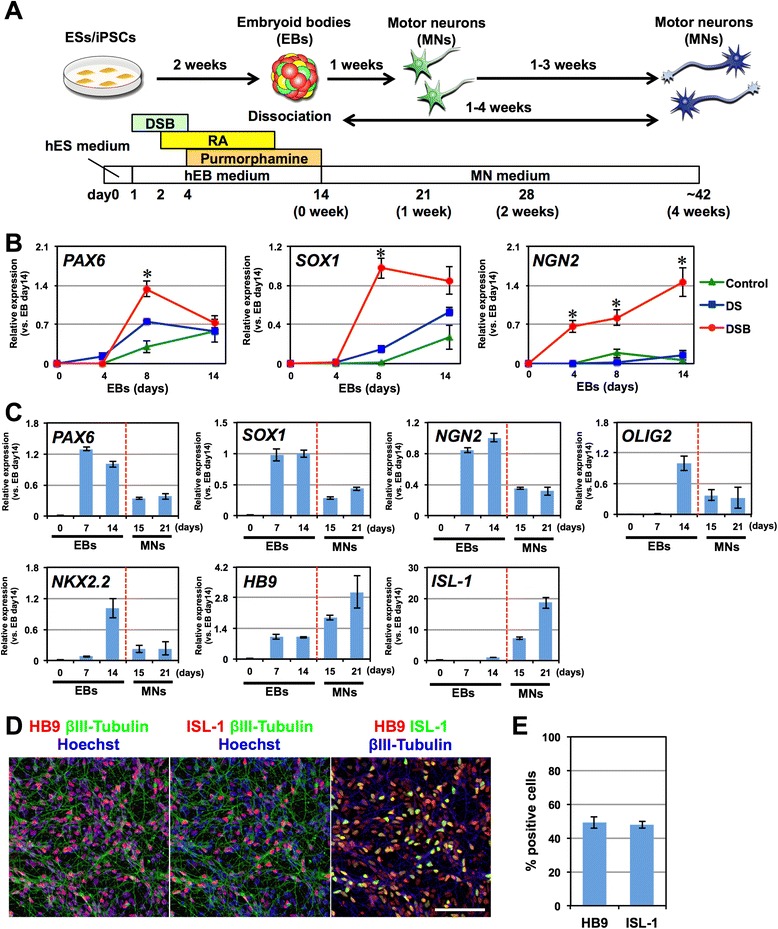
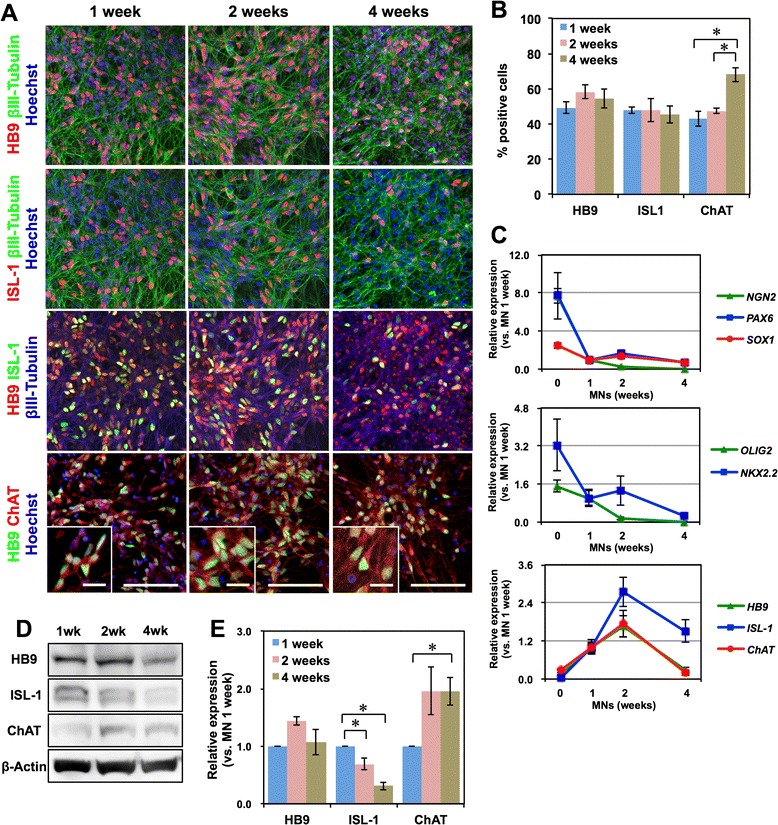
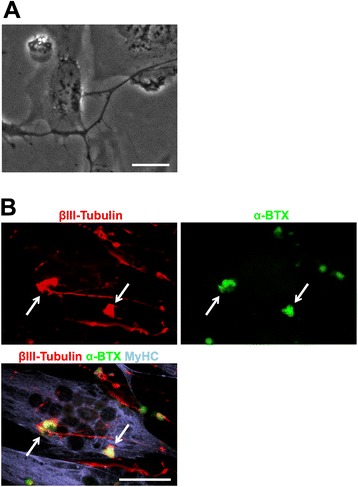
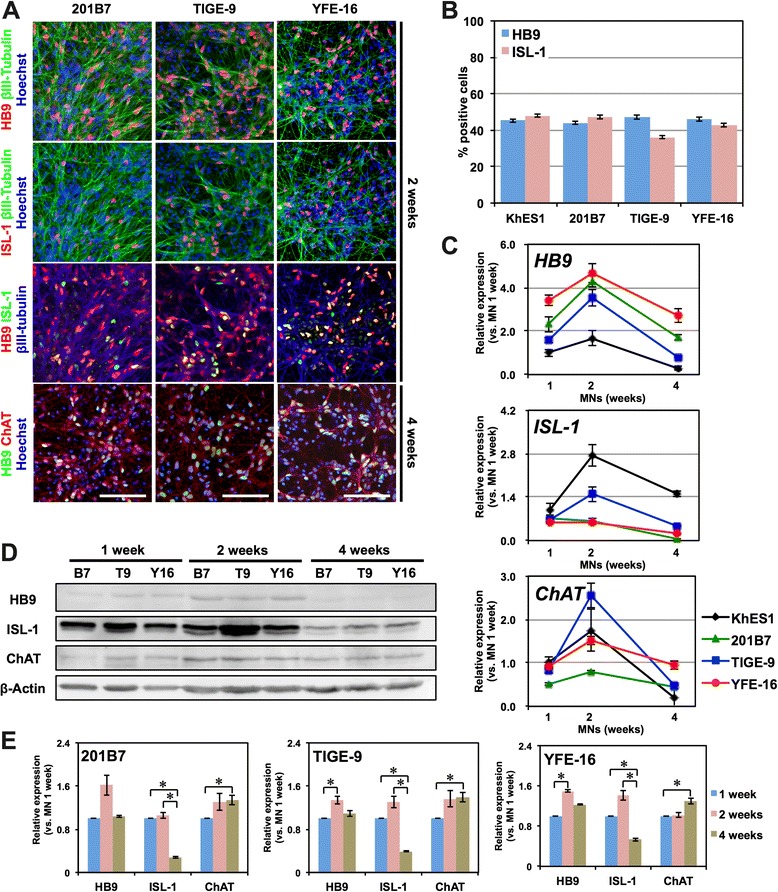
BACKGROUND: Human pluripotent stem cells (hPSCs) are being applied in regenerative medicine and for the in vitro modeling of human intractable disorders. In particular, neural cells derived from disease-specific human induced pluripotent stem cells (hiPSCs) established from patients with neurological disorders have been used as in vitro disease models to recapitulate in vivo pathogenesis because neural cells cannot be usually obtained from patients themselves. RESULTS: In this study, we established a rapid, efficient, and simple method for efficiently deriving motor neurons from hPSCs that is useful for pathophysiological analysis and the development of drugs to treat motor neuron diseases. Treatment with GSK3β inhibitors during the initial phase of differentiation in combination with dual SMAD inhibition was sufficient to induce PAX6 (+) and SOX1 (+) neural progenitors within 1 week, and subsequent treatment with retinoic acid (RA) and purmorphamine, which activates sonic hedgehog (SHH) signaling, resulted in the highly efficient induction of HB9(+) and ISL-1(+) motor neurons within 2 weeks. After 4 weeks of monolayer differentiation in motor neuron maturation medium, hPSC-derived motor neurons were shown to mature, displaying larger somas and clearer staining for the mature motor neuron marker choline acetyltransferase (ChAT). Moreover, hPSC-derived motor neurons were able to form neuromuscular junctions with human myotubes in vitro and induced acetylcholine receptor (AChR) clustering, as detected by Alexa 555-conjugated α-Bungarotoxin (α-BTX), suggesting that these hPSC-derived motor neurons formed functional contacts with skeletal muscles. This differentiation system is simple and is reproducible in several hiPSC clones, thereby minimizing clonal variation among hPSC clones. We also established a system for visualizing motor neurons with a lentiviral reporter for HB9 (HB9 (e438) ::Venus). The specificity of this reporter was confirmed through immunocytochemistry and quantitative RT-PCR analysis of high-positive fractions obtained via fluorescence-activated cell sorting (FACS), suggesting its applicability for motor neuron-specific analysis. CONCLUSIONS: Our motor neuron differentiation system and lentivirus-based reporter system for motor neurons facilitate the analysis of disease-specific hiPSCs for motor neuron diseases.
Overview
The claims and statistics of this paper haven’t been checked yet.
Free: it reads the open-access text and checks the first 5 claims that cite a source we can check. Create a free account to check every claim.
Integrity signals
Registry
Cites
Statistics
Figures
Verification
Claims the paper makes
The claims and statistics of this paper haven’t been checked yet.
Free: it reads the open-access text and checks the first 5 claims that cite a source we can check. Create a free account to check every claim.
Claims other papers make about this one
Each is checked against this paper’s own text: does it say what the citing paper says it does?
The cited source says what the claim attributes to it.
In the citing paper
“Such protocols have been developed, and provide motor neurons reproducibly from iPSCs15,16, however inconsistencies remain17.”
From Examining iPSC derived motor neuron variability and genome stability monitoring as a solution (2025) · cites this paper as [16]
Self-check
Percentages, sums and reported differences re-computed from the paper’s own numbers.
The self-check needs the paper’s full text.
Citations
Cites
Induction of Pluripotent Stem Cells from Adult Human Fibroblasts by Defined Factors
Takahashi, K., Tanabe, K., Ohnuki, M., Narita, M., Ichisaka, T., Tomoda, K., & Yamanaka, S. (2007) · Cell · doi:10.1016/j.cell.2007.11.019 · Cited by 20,221
Highly efficient neural conversion of human ES and iPS cells by dual inhibition of SMAD signaling
Chambers, S. M., Fasano, C. A., Papapetrou, E. P., Tomishima, M., Sadelain, M., & Studer, L. (2009) · Nature Biotechnology · doi:10.1038/nbt.1529 · Cited by 3,620 · cited 17×
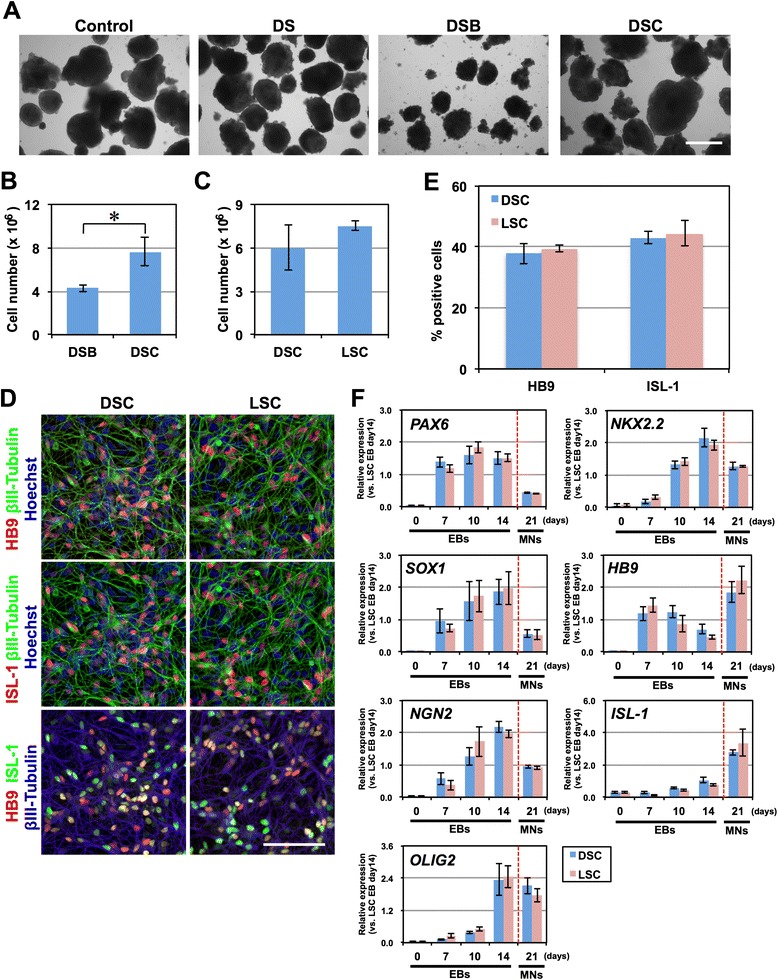
“LSC, LDN193189, SB431542, and CHIR99021. d Immunocytochemical analysis of motor neurons derived from DSC- or LSCtreated EBs for HB9, ISL-1 and βIII-Tubulin on day 7 of monolayer differentiation.”
MethodInfluentialNagai, T., Ibata, K., Park, E. S., Kubota, M., Mikoshiba, K., & Miyawaki, A. (2002) · Nature Biotechnology · doi:10.1038/nbt0102-87 · Cited by 2,753 · cited 1×
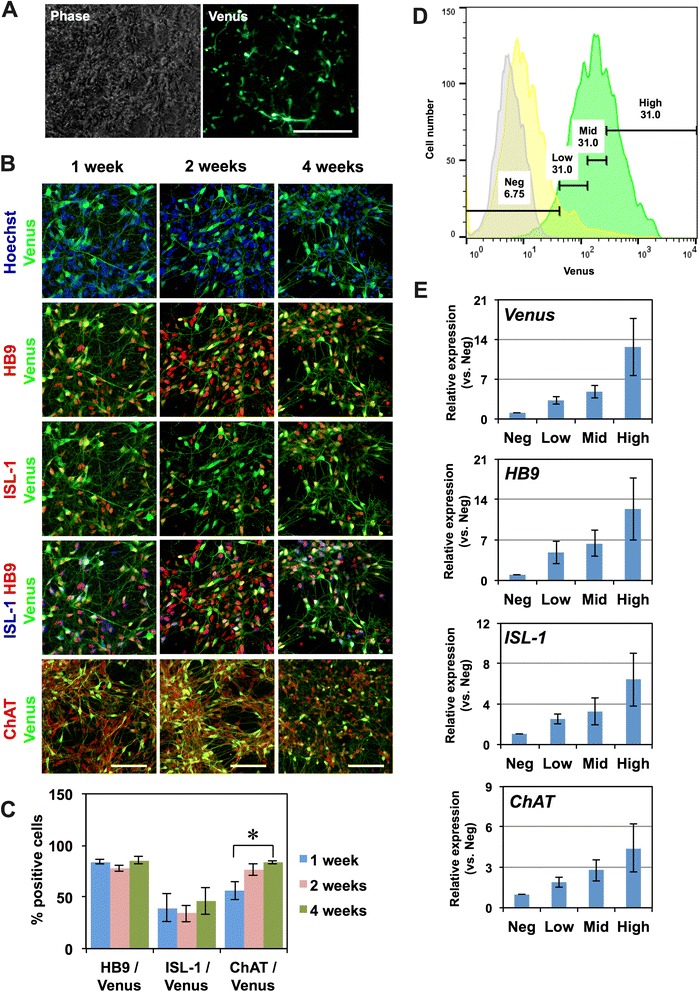
“To address these issues, we constructed an HB9::Venus reporter lentivirus, in which the Venus fluorescent protein (an altered yellow fluorescent protein; [14]) is expressed under the control of the 438-base pair HB9 enhancer element (HB9, [15]) and the human β-globin minimal promoter.”
MethodA more efficient method to generate integration-free human iPS cells
Okita, K., Matsumura, Y., Sato, Y., Okada, A., Morizane, A., Okamoto, S., Hong, H., Nakagawa, M., Tanabe, K., Tezuka, K.-I., et al. (2011) · Nature Methods · doi:10.1038/nmeth.1591 · Cited by 2,061 · cited 4×
“The properties of the established hiPSC clones were evaluated as described previously (Additional file 1: Figure S1) [34]. hiPSC clones YFE-16 and TIGE-9 were established from YF-HDF and TIG114-HDF, respectively.”
MethodInfluentialEiraku, M., Watanabe, K., Matsuo-Takasaki, M., Kawada, M., Yonemura, S., Matsumura, M., Wataya, T., Nishiyama, A., Muguruma, K., & Sasai, Y. (2008) · Cell Stem Cell · doi:10.1016/j.stem.2008.09.002 · Cited by 1,522 · cited 1×
“One previously reported method for deriving motor neurons from hPSCs is based on the serum-free floating culture of EB-like aggregates with quick reaggregation (SFEBq) method [2, 16].”
MethodMarked differences in differentiation propensity among human embryonic stem cell lines
Osafune, K., Caron, L., Borowiak, M., Martinez, R. J., Fitz-Gerald, C. S., Sato, Y., Cowan, C. A., Chien, K. R., & Melton, D. A. (2008) · Nature Biotechnology · doi:10.1038/nbt1383 · Cited by 816 · cited 2×
“Moreover, the efficiency of these methods tends to be low, and show variability depending on hPSC clones referred to as clonal variations [5].”
BackgroundHuman iPSC-based modeling of late-onset disease via progerin-induced aging
Miller, J. D., Ganat, Y. M., Kishinevsky, S., Bowman, R. L., Liu, B., Tu, E. Y., Mandal, P. K., Vera, E., Shim, J.-W., Kriks, S., et al. (2013) · Cell stem cell · doi:10.1016/j.stem.2013.11.006 · Cited by 777 · cited 1×
“To recapitulate aging in iPSC-derived neurons, forced expression of Progerin, which is known to enhance cellular aging, was performed to detect the phenotypes of the diseased neurons [25].”
BackgroundRequirement for the Homeobox Gene Hb9 in the Consolidation of Motor Neuron Identity
Arber, S., Han, B., Mendelsohn, M., Smith, M., Jessell, T. M., & Sockanathan, S. (1999) · Neuron · doi:10.1016/s0896-6273(01)80026-x · Cited by 609 · cited 1×
“moter element, was identified and has since been widely used to visualize HB9 motor neurons [33].”
MethodThe Wnt/β-catenin pathway directs neuronal differentiation of cortical neural precursor cells
Hirabayashi, Y., Itoh, Y., Tabata, H., Nakajima, K., Akiyama, T., Masuyama, N., & Gotoh, Y. (2004) · Development · doi:10.1242/dev.01165 · Cited by 600
Drug Screening for ALS Using Patient-Specific Induced Pluripotent Stem Cells
Egawa, N., Kitaoka, S., Tsukita, K., Naitoh, M., Takahashi, K., Yamamoto, T., Adachi, F., Kondo, T., Okita, K., Asaka, I., et al. (2012) · Science Translational Medicine · doi:10.1126/scitranslmed.3004052 · Cited by 549 · cited 1×
“One previously reported method for deriving motor neurons from hPSCs is based on the serum-free floating culture of EB-like aggregates with quick reaggregation (SFEBq) method [2, 16].”
MethodNori, S., Okada, Y., Yasuda, A., Tsuji, O., Takahashi, Y., Kobayashi, Y., Fujiyoshi, K., Koike, M., Uchiyama, Y., Ikeda, E., et al. (2011) · Proceedings of the National Academy of Sciences · doi:10.1073/pnas.1108077108 · Cited by 545 · cited 1×
“By modifying our previously established method for deriving neural stem/progenitor cells (NS/PCs) as neurospheres from hPSCs through embryoid body (EB) formation [6, 7], we established a rapid neural differentiation protocol from hPSCs (Fig.”
MethodSelf-citationGeneration and expansion of highly pure motor neuron progenitors from human pluripotent stem cells
Du, Z.-W., Chen, H., Liu, H., Lu, J., Qian, K., Huang, C.-L., Zhong, X., Fan, F., & Zhang, S.-C. (2015) · Nature Communications · doi:10.1038/ncomms7626 · Cited by 457 · cited 2×
“GSK3β inhibitors such as BIO and CHIR99021 have recently been used for neural induction [3, 18, 21].”
BackgroundMethodReinhardt, P., Glatza, M., Hemmer, K., Tsytsyura, Y., Thiel, C. S., Höing, S., Moritz, S., Parga, J. A., Wagner, L., Bruder, J. M., et al. (2013) · PLoS ONE · doi:10.1371/journal.pone.0059252 · Cited by 442 · cited 1×
“For example, a method involving dual SMAD inhibition, using dorsomorphin and SB431542, enabled the production of over 50 % pure HB9 motor neurons, but induction of these motor neurons required approximately 30 days [17, 18].”
MethodOkada, Y., Shimazaki, T., Sobue, G., & Okano, H. (2004) · Developmental Biology · doi:10.1016/j.ydbio.2004.07.038 · Cited by 333
Self-citationExcitation-induced ataxin-3 aggregation in neurons from patients with Machado–Joseph disease
Koch, P., Breuer, P., Peitz, M., Jungverdorben, J., Kesavan, J., Poppe, D., Doerr, J., Ladewig, J., Mertens, J., Tüting, T., et al. (2011) · Nature · doi:10.1038/nature10671 · Cited by 303
Suemori, H., Yasuchika, K., Hasegawa, K., Fujioka, T., Tsuneyoshi, N., & Nakatsuji, N. (2006) · Biochemical and Biophysical Research Communications · doi:10.1016/j.bbrc.2006.04.135 · Cited by 300 · cited 4×
“Suemori H, Yasuchika K, Hasegawa K, Fujioka T, Tsuneyoshi N, Nakatsuji N. Efficient establishment of human embryonic stem cell lines and long-term maintenance with stable karyotype by enzymatic bulk passage.”
MethodInfluentialMica, Y., Lee, G., Chambers, S. M., Tomishima, M. J., & Studer, L. (2013) · Cell Reports · doi:10.1016/j.celrep.2013.03.025 · Cited by 257 · cited 1×
“GSK3β inhibitors such as BIO and CHIR99021 have recently been used for neural induction [3, 18, 21].”
BackgroundTransmembrane Receptor DCC Associates with Protein Synthesis Machinery and Regulates Translation
Tcherkezian, J., Brittis, P. A., Thomas, F., Roux, P. P., & Flanagan, J. G. (2010) · Cell · doi:10.1016/j.cell.2010.04.008 · Cited by 249
Accelerated High-Yield Generation of Limb-Innervating Motor Neurons from Human Stem Cells
Amoroso, M. W., Croft, G. F., Williams, D. J., O'Keeffe, S., Carrasco, M. A., Davis, A. R., Roybon, L., Oakley, D. H., Maniatis, T., Henderson, C. E., et al. (2013) · The Journal of Neuroscience · doi:10.1523/jneurosci.0906-12.2013 · Cited by 248 · cited 1×
“In other studies, motor neurons were induced within 20–25 days, but the purity of HB9 cells was only 20–30 % [19, 20].”
BackgroundZeng, H., Guo, M., Martins-Taylor, K., Wang, X., Zhang, Z., Park, J. W., Zhan, S., Kronenberg, M. S., Lichtler, A., Liu, H.-X., et al. (2010) · PLoS ONE · doi:10.1371/journal.pone.0011853 · Cited by 198 · cited 1×
“In other studies, motor neurons were induced within 20–25 days, but the purity of HB9 cells was only 20–30 % [19, 20].”
BackgroundShimizu, T., Kagawa, T., Inoue, T., Nonaka, A., Takada, S., Aburatani, H., & Taga, T. (2008) · Molecular and Cellular Biology · doi:10.1128/mcb.01962-07 · Cited by 188
Okada, Y., Matsumoto, A., Shimazaki, T., Enoki, R., Koizumi, A., Ishii, S., Itoyama, Y., Sobue, G., & Okano, H. (2008) · Stem Cells · doi:10.1634/stemcells.2008-0293 · Cited by 178 · cited 3×
“The dissociated cells were plated on recombinant mouse Laminin (Thermo Fisher Scientific, USA)-coated dishes at a density of 5×10⁴–1×10⁵ cells/cm2 and cultured in motor neuron medium (MNM) consisting of media hormone mix (MHM) or KBM Neural Stem medium (Kohjin Bio, Japan) [6] supplemented with 2 % B27 supplement (Ther…”
MethodSelf-citationDeubiquitylase HAUSP stabilizes REST and promotes maintenance of neural progenitor cells
Huang, Z., Wu, Q., Guryanova, O. A., Cheng, L., Shou, W., Rich, J. N., & Bao, S. (2011) · Nature Cell Biology · doi:10.1038/ncb2153 · Cited by 161
Species-dependent posttranscriptional regulation of NOS1 by FMRP in the developing cerebral cortex
Kwan, K. Y., Lam, M. M. S., Johnson, M. B., Dube, U., Shim, S., Rašin, M.-R., Sousa, A. M. M., Fertuzinhos, S., Chen, J.-G., Arellano, J. I., et al. (2012) · Cell · doi:10.1016/j.cell.2012.02.060 · Cited by 137
Naujok, O., Lentes, J., Diekmann, U., Davenport, C., & Lenzen, S. (2014) · BMC Research Notes · doi:10.1186/1756-0500-7-273 · Cited by 129 · cited 13×
“Thus, the activation of Wnt/β-catenin signaling by GSK3β inhibition may directly enhance the transcription of genes associated with the initial steps of neural induction and may also promote the proliferation of induced NS/PCs in our culture system.”
BackgroundInfluentialNumasawa-Kuroiwa, Y., Okada, Y., Shibata, S., Kishi, N., Akamatsu, W., Shoji, M., Nakanishi, A., Oyama, M., Osaka, H., Inoue, K., et al. (2014) · Stem Cell Reports · doi:10.1016/j.stemcr.2014.03.007 · Cited by 117 · cited 1×
“Moreover, the recapitulation of cellular stress in vivo using glutamate or endoplasmic reticulum (ER) stress driven by tunicamycin has been employed to examine the pathology of neurons or glial cells derived from disease-specific hiPSCs [26, 27].”
BackgroundSelf-citationOtaegi, G., Pollock, A., Hong, J., & Sun, T. (2011) · The Journal of Neuroscience · doi:10.1523/jneurosci.4330-10.2011 · Cited by 115 · cited 1×
“For another example, the translation of FoxP1 in motor neuron progenitors in chick is suppressed by miR-9 and promotes their differentiation into the neurons in medium motor columns via the increase of Hb9 and Lhx3 and the decrease of Isl-1 [30].”
BackgroundNakano, T., Windrem, M. S., Zappavigna, V., & Goldman, S. A. (2005) · Developmental Biology · doi:10.1016/j.ydbio.2005.04.017 · Cited by 83 · cited 2×
“To address these issues, we constructed an HB9::Venus reporter lentivirus, in which the Venus fluorescent protein (an altered yellow fluorescent protein; [14]) is expressed under the control of the 438-base pair HB9 enhancer element (HB9, [15]) and the human β-globin minimal promoter.”
BackgroundMethodSurmacz, B., Fox, H., Gutteridge, A., Lubitz, S., & Whiting, P. (2012) · Stem Cells · doi:10.1002/stem.1166 · Cited by 79 · cited 1×
“We also examined the effects of LDN193189, a more specific and less toxic inhibitor of BMP signals [13].”
BackgroundMaturation of Spinal Motor Neurons Derived from Human Embryonic Stem Cells
Takazawa, T., Croft, G. F., Amoroso, M. W., Studer, L., Wichterle, H., & MacDermott, A. B. (2012) · PLoS ONE · doi:10.1371/journal.pone.0040154 · Cited by 72 · cited 1×
“of four weeks of monolayer differentiation, suggesting that motor neurons matured over this time in vitro [28].”
BackgroundOhta, E., Nihira, T., Uchino, A., Imaizumi, Y., Okada, Y., Akamatsu, W., Takahashi, K., Hayakawa, H., Nagai, M., Ohyama, M., et al. (2015) · Human Molecular Genetics · doi:10.1093/hmg/ddv212 · Cited by 70
Self-citationOsteogenic properties of human myogenic progenitor cells
Hashimoto, N., Kiyono, T., Wada, M. R., Umeda, R., Goto, Y., Nonaka, I., Shimizu, S., Yasumoto, S., & Ogashiwa, M. (2007) · Mechanisms of Development · doi:10.1016/j.mod.2007.11.004 · Cited by 55 · cited 7×
“Partially dissociated EBs derived from KhES1 cells were plated onto Hu5/E18-derived myotubes at a density of 2.5×10²–5×10³ cells/cm2 and cocultured with the myotubes for 3–4 days in MNM. RNA isolation and quantitative RT-PCR analysis RNA was isolated using an RNeasy mini kit (Qiagen, Germany) and then converted into c…”
MethodInfluentialNihei, Y., Ito, D., Okada, Y., Akamatsu, W., Yagi, T., Yoshizaki, T., Okano, H., & Suzuki, N. (2013) · Journal of Biological Chemistry · doi:10.1074/jbc.m112.408211 · Cited by 51
Self-citationImmortalization of human myogenic progenitor cell clone retaining multipotentiality
Hashimoto, N., Kiyono, T., Wada, M. R., Shimizu, S., Yasumoto, S., & Inagawa, M. (2006) · Biochemical and Biophysical Research Communications · doi:10.1016/j.bbrc.2006.08.006 · Cited by 39 · cited 7×
“Partially dissociated EBs derived from KhES1 cells were plated onto Hu5/E18-derived myotubes at a density of 2.5×10²–5×10³ cells/cm2 and cocultured with the myotubes for 3–4 days in MNM. RNA isolation and quantitative RT-PCR analysis RNA was isolated using an RNeasy mini kit (Qiagen, Germany) and then converted into c…”
MethodInfluentialChen, X., Li, Q., Xu, H., & Yin, Z. Q. (2014) · Cellular Physiology and Biochemistry · doi:10.1159/000366325 · Cited by 11
Cited by
Afshar Bakooshli, M., Lippmann, E. S., Mulcahy, B., Iyer, N., Nguyen, C. T., Tung, K., Stewart, B. A., van den Dorpel, H., Fuehrmann, T., Shoichet, M., et al. (2019) · eLife · doi:10.7554/elife.44530 · Cited by 268
“However, despite significant progress toward directing human pluripotent stem cells (PSCs) to the motor neuron lineage (Ashton et al., 2015; Hu and Zhang, 2010; Lippmann et al., 2014; Maury et al., 2015; Shimojo et al., 2015; Zhang et al., 2001) and establishing electrically and chemically responsive human muscle fibe…”
BackgroundChandrasekaran, A., Avci, H. X., Ochałek, A., Rösingh, L., Molnár, K., László, L., Bellák, T., Téglási, A., Pesti, K., Mike, A., et al. (2017) · Stem Cell Research · doi:10.1016/j.scr.2017.10.010 · Cited by 141
Personalized Hydrogels for Engineering Diverse Fully Autologous Tissue Implants
Edri, R., Gal, I., Noor, N., Harel, T., Fleischer, S., Adadi, N., Green, O., Shabat, D., Heller, L., Shapira, A., et al. (2019) · Advanced Materials · doi:10.1002/adma.201803895 · Cited by 128
Cell cycle inhibitors protect motor neurons in an organoid model of Spinal Muscular Atrophy
Hor, J. H., Soh, E. S.-Y., Tan, L. Y., Lim, V. J. W., Santosa, M. M., Winanto, W., Ho, B. X., Fan, Y., Soh, B.-S., & Ng, S. (2018) · Cell Death and Disease · doi:10.1038/s41419-018-1081-0 · Cited by 119
Ichiyanagi, N., Fujimori, K., Yano, M., Ishihara-Fujisaki, C., Sone, T., Akiyama, T., Okada, Y., Akamatsu, W., Matsumoto, T., Ishikawa, M., et al. (2016) · Stem Cell Reports · doi:10.1016/j.stemcr.2016.02.011 · Cited by 93
“Therefore, to label only motor neurons, HB9venus reporter lentivirus (HB9:Venus) (Shimojo et al., 2015) was infected into the iPSC-derived cells.”
BackgroundMethodSelf-citation
Metadata
- Authors
- Shimojo, D., Onodera, K., Doi-Torii, Y., Ishihara, Y., Hattori, C., Miwa, Y., Tanaka, S., Okada, R., Ohyama, M., Shoji, M., Nakanishi, A., Doyu, M., Okano, H., & Okada, Y.
- Affiliations
- Aichi Medical University (JP)
- Keio University (JP)
- Jikei University School of Medicine (JP)
- Takeda (Japan) (JP)
- Corresponding author
- Okano, Hideyuki
- Okada, Yohei
- ORCID
- Venue
- Molecular Brain
- Published
- 2015-12
- Volume
- 8
- Issue
- 1
- Pages
- 79-79
- ISSN
- 1756-6606 (ISSN-L)
- PMC
- PMC4666063
- OpenAlex
- W2187329396
- Cited by
- 99
- References
- 35
- Citations by year
- 2026: 4 · 2025: 15 · 2024: 9 · 2023: 9 · 2022: 7 · 2021: 12 · 2020: 20 · 2019: 8 · 2018: 12 · 2017: 2 · 2016: 1
- FWCI
- 2.17
- Type
- journal article
- Language
- en
- Open access
- gold
- doi.org
- Licence
- cc-by
- creativecommons.org/licenses/by/4.0/ (tdm)
- creativecommons.org/licenses/by/4.0/ (vor)
- Locations
- Molecular Brain (publishedVersion, cc-by)
- PubMed Central (publishedVersion, cc-by)
- PubMed (publishedVersion)
- Funders
- Ministry of Health, Labour and Welfare (H26-032)
- Japan Agency for Medical Research and Development (15Aek0109025h0002)
- Japan Society for the Promotion of Science (25・237, 26117007)
- Ministry of Education, Culture, Sports, Science, and Technology
- Japan Science and Technology Agency (15bm0609003h0004)
- Topics
- Life Sciences › Biochemistry, Genetics and Molecular Biology › Molecular Biology › Pluripotent Stem Cells Research
- Life Sciences › Neuroscience › Developmental Neuroscience › Neurogenesis and neuroplasticity mechanisms
- Life Sciences › Biochemistry, Genetics and Molecular Biology › Molecular Biology › Developmental Biology and Gene Regulation
- Keywords
- motor neuron differentiation, human pluripotent stem cells, induced pluripotent stem cells, GSK-3β inhibitors, SMAD inhibition, Sonic hedgehog signaling, retinoic acid, purmorphamine, neuromuscular junction formation, acetylcholine receptor clustering, HB9, motor neuron disease, in vitro disease model
- MeSH terms
- Human Embryonic Stem Cells, Adult, Animals, Cell Differentiation, Cells, Cultured, Humans, Male, Motor Neurons, Neuromuscular Junction, Lentivirus, Mice, SCID, Mice, Inbred NOD, Genes, Reporter, Muscle Fibers, Skeletal, Coculture Techniques, Cell Culture Techniques, Pluripotent Stem Cells, Small Molecule Libraries, Young Adult
About these checks
Registry, retraction, Cites and statistics results are computed, not judged, with one exception: a printed reference that no index lists is read once by a model before it counts as a citation error. Claims are extracted by a model and kept only when their quote appears verbatim in the text; each cited source is then checked, with a model’s help, for whether it says what the claim relies on. Those verdicts can be wrong — read the claim’s quote and the cited source before relying on one.
Statistics and arithmetic are recomputed, not judged.
Confidence bands are shown only for fields calibrated on our annotated test set. None is calibrated yet, so no band is shown.
What counts as a claim ›How we measure confidence ›How we check this ›
Are you an author, or do you see a problem with this page? Request a review
Data sources
Bibliographic data: Semantic Scholar, OpenAlex, Crossref.
Contains information from the Semantic Scholar Academic Graph Datasets, made available under the ODC Attribution License (ODC-BY 1.0).
Semantic Scholar’s data is described in: Kinney, R., et al. (2023). The Semantic Scholar Open Data Platform. arXiv:2301.10140.
