

Cancer-associated adipocytes: key players in breast cancer progression
Open accessThe DOI matches its Crossref record; 150 of the 151 references it cites were found in a registry or an index.
Abstract
Adipocytes are one of the primary stromal cells in many tissues, and they are considered to play an active role in the tumor microenvironment. Cancer-associated adipocytes (CAAs) are not only found adjacent to cancer cells, but also communicate with cancer cells through releasing various factors that can mediate local and systemic effects. The adipocyte-cancer cell crosstalk leads to phenotypical and functional changes of both cell types, which can further enhance tumor progression. Indeed, obesity, which is associated with an increase in adipose mass and an alteration of adipose tissue, is becoming pandemic in some countries and it is now considered to be an independent risk factor for cancer progression. In this review, we focus on the potential mechanisms involved with special attention to the adipocyte-cancer cell circle in breast cancer. We envisage that besides having a direct impact on tumor cells, CAAs systemically preconditions the tumor microenvironment by favoring anti-tumor immunity. A better understanding of cancer-associated adipocytes and the key molecular events in the adipocyte-cancer cell crosstalk will provide insights into tumor biology and permit the optimization of therapeutic strategies.
Overview
The claims and statistics of this paper haven’t been checked yet.
Free: it reads the open-access text and checks the first 5 claims that cite a source we can check. Create a free account to check every claim.
Integrity signals
Registry
Cites
Statistics
Figures
Verification
Claims the paper makes
The claims and statistics of this paper haven’t been checked yet.
Free: it reads the open-access text and checks the first 5 claims that cite a source we can check. Create a free account to check every claim.
Claims other papers make about this one
Each is checked against this paper’s own text: does it say what the citing paper says it does?
The cited source says what the claim attributes to it.
In the citing paper
“All these factors can modify the behavior and stimulate the tumorigenic potential of breast cancer cells.”
From 3D In Vitro Model (R)evolution: Unveiling Tumor–Stroma Interactions (2021) · cites this paper as [50]
The cited source says what the claim attributes to it.
In the citing paper
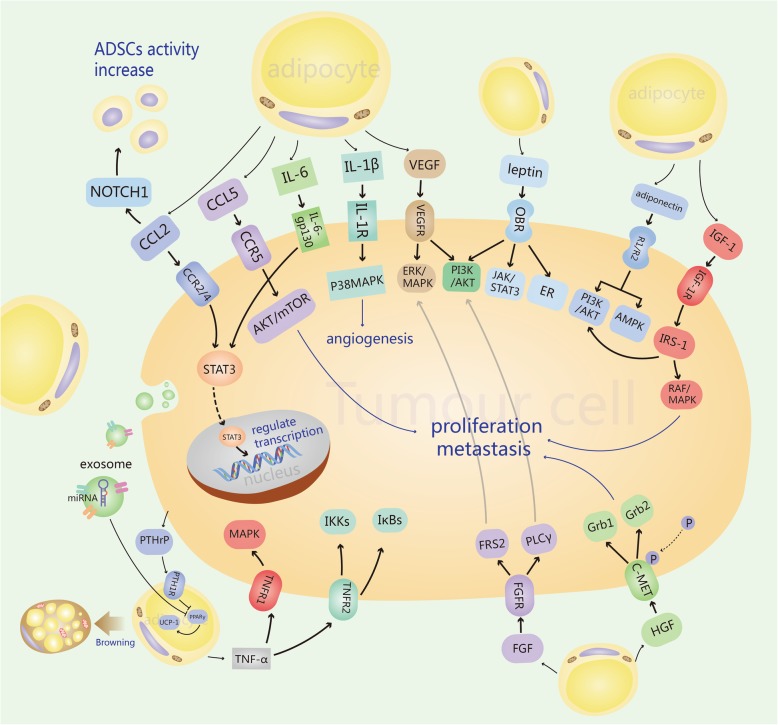
“In breast cancer, CAAs secrete chemokines CCL2 and CCL5, in fl ammatory factors such as IL-1 β and IL-6, VEGF, tumor necrosis factor (TNFα ), and adipokines such as leptin [50].”
From 3D In Vitro Model (R)evolution: Unveiling Tumor–Stroma Interactions (2021) · cites this paper as [50]
Self-check
Percentages, sums and reported differences re-computed from the paper’s own numbers.
The self-check needs the paper’s full text.
Citations
Cites
4 retracted
Akiyama, M., Hideshima, T., Hayashi, T., Tai, Y., Mitsiades, C. S., Mitsiades, N., Chauhan, D., Richardson, P. G. G., Munshi, N. C., & Anderson, K. C. (2003) · PubMed · Cited by 212
RetractedZhang, H., Zhu, L., Bai, M., Liu, Y., Zhan, Y., Deng, T., Yang, H., Sun, W., Wang, X., Zhu, K., et al. (2019) · International Journal of Cancer · doi:10.1002/ijc.31977 · Cited by 210
Self-citationRetractedWu, Q., Li, J., Li, Z., Sun, S., Zhu, S., Wang, L., Wu, J., Yuan, J., Zhang, Y., Sun, S., et al. (2019) · Journal of Experimental & Clinical Cancer Research · doi:10.1186/s13046-019-1210-3 · Cited by 137
Self-citationRetractedWu, Q., Sun, S., Li, Z., Yang, Q., Li, B., Zhu, S., Wang, L., Wu, J., Yuan, J., Yang, C., et al. (2018) · Molecular Cancer · doi:10.1186/s12943-018-0899-5 · Cited by 102
Self-citationRetractedUnderstanding the Warburg Effect: The Metabolic Requirements of Cell Proliferation
Vander Heiden, M. G., Cantley, L. C., & Thompson, C. B. (2009) · Science · doi:10.1126/science.1160809 · Cited by 16,197
Warburg, O. (1956) · Science · doi:10.1126/science.123.3191.309 · Cited by 13,425
The biology of VEGF and its receptors
Ferrara, N., Gerber, H.-P., & LeCouter, J. (2003) · Nature Medicine · doi:10.1038/nm0603-669 · Cited by 9,591
Long non-coding RNA HOTAIR reprograms chromatin state to promote cancer metastasis
Gupta, R. A., Shah, N., Wang, K. C., Kim, J., Horlings, H. M., Wong, D. J., Tsai, M.-C., Hung, T., Argani, P., Rinn, J. L., et al. (2010) · Nature · doi:10.1038/nature08975 · Cited by 5,218
Regulation of cancer cell metabolism
Cairns, R. A., Harris, I. S., & Mak, T. W. (2011) · Nature Reviews Cancer · doi:10.1038/nrc2981 · Cited by 4,744
Infliximab for Induction and Maintenance Therapy for Ulcerative Colitis
Rutgeerts, P., Sandborn, W. J., Feagan, B. G., Reinisch, W., Olson, A., Johanns, J., Travers, S., Rachmilewitz, D., Hanauer, S. B., Lichtenstein, G. R., et al. (2005) · New England Journal of Medicine · doi:10.1056/nejmoa050516 · Cited by 3,902
Cited by
Items 301–400 of 504
Kwon, D., Park, H. W., Min, B. S., & Choi, J. (2025) · Scientific Reports · doi:10.1038/s41598-025-13309-4 · Cited by 5
“Adipocytes have been studied for their role in cancer metastasis across multiple cancer types 4,14 However, they are critical in breast cancer 15 where the adjacent primarily consists of adipose tissue, leading to extensive interactions.”
Matter of Fat: Cancer‐Associated Adipocytes as Mediators of Tumor Progression and Immune Evasion
Sureka, N., Chohan, S., Zaheer, S., Aden, D., Ahuja, S., Agravat, A. H., Goel, S., Hassan, M. J., Chawgthu, L., Nobin, H., et al. (2025) · Cell Biology International · doi:10.1002/cbin.70085 · Cited by 5
“A study by Gyamfi et al. (2018) demonstrated that adipocytes within the TME secrete IL ‐ 6, which activates STAT3, leading to EMT — a key process in cancer metastasis.”
InfluentialLipolysis gone rogue: the HSL connection in feeding cancer
Hemadri, K., Subramanian, P., Aravindan, S., Periyasamy, L., & Aravindan, N. (2025) · Cell Biology and Toxicology · doi:10.1007/s10565-025-10098-4 · Cited by 5
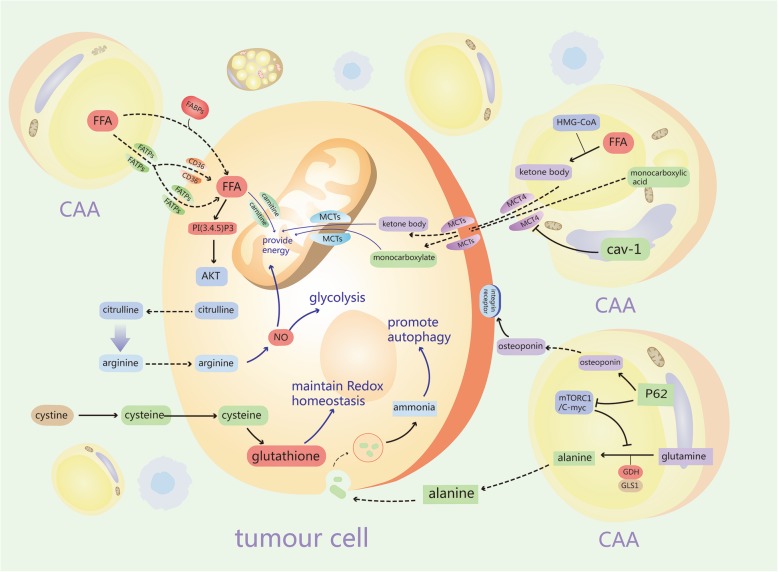
“Functionally, CAAs play a crucial role in metabolic reprogramming by releasing free fatty acids (FFAs) and adipokines that are readily taken up by cancer cells to fuel their energy demands and support rapid proliferation (Wu et al. 2019).”
Zhang, H., Ma, S., Wang, Y., Chen, X., Li, Y., Wang, M., & Xu, Y. (2024) · iScience · doi:10.1016/j.isci.2024.109133 · Cited by 5
Obesity correlates with the immunosuppressive ILC2s‐MDSCs axis in advanced breast cancer
Liu, W., Li, B., Liu, D., Zhao, B., Sun, G., & Ding, J. (2024) · Immunity Inflammation and Disease · doi:10.1002/iid3.1196 · Cited by 5
“Obesity may promote the recruitment of inflammatory cytokines, interference with immune surveillance, and tumor immune escape, 8,9 thus mediating its effects in breast cancer.”
BackgroundSelf-citationGuo, B., Wang, K., Wu, J., Yu, H., Geng, C., Jin, Y., & Song, Y. (2025) · Experimental Cell Research · doi:10.1016/j.yexcr.2025.114573 · Cited by 6
Hamel, K. M., Frazier, T. P., Williams, C. C., Duplessis, T., Rowan, B. G., Gimble, J. M., & Sanchez, C. G. (2024) · International Journal of Molecular Sciences · doi:10.3390/ijms25052728 · Cited by 5
“Adipocyte paracrine activity can promote breast cancer cell migration, an in vitro hallmark of metastasis [21,28,41,42].”
BackgroundAtorvastatin lowers breast cancer risk by reversing an early tumorigenic signature
Foda, M. Y., Salem, M. L., Alakwaa, F., & El-Khawaga, O. Y. (2024) · Scientific Reports · doi:10.1038/s41598-024-67706-2 · Cited by 5
All-optical label-free human breast tissue block histology using photoacoustic remote sensing
Abbasi, S., Dinakaran, D., Bigras, G., Mackey, J. R., & Reza, P. H. (2020) · Optics Letters · doi:10.1364/ol.397223 · Cited by 5
E2F Transcription Factors in Cancer, More than the Cell Cycle
Broeker, C. D., & Andrechek, E. R. (2021) · Elsevier eBooks · doi:10.1016/b978-0-12-820472-6.00102-x · Cited by 5
Obesity and cancer stem cells: Roles in cancer initiation, progression and therapy resistance
Xie, W., & Li, J. (2023) · World Journal of Stem Cells · doi:10.4252/wjsc.v15.i4.120 · Cited by 5
Self-citationWatford, M. (2020) · Elsevier eBooks · doi:10.1016/b978-0-12-819460-7.00028-1 · Cited by 5
Nutrients Lowering Obesity-Linked Chemokines Blamable for Metastasis
Ion, G., Bostan, M., Hardman, W. E., McFarland, M. P., Bleoţu, C., Radu, N., Diaconu, C. C., Mihaila, M. A., Caramihai, M. D., & Hotnog, C. M. (2025) · International Journal of Molecular Sciences · doi:10.3390/ijms26052275 · Cited by 4
“CAAs are better equipped to support tumor invasion and metastasis by releasing CCL2, CCL5, CXCL8, IL-6, leptin, adiponectin, and VEGF [171,172].”
Adipose-Derived Exosomes: mediators of crosstalk between Adipose tissue and cancer
Wang, C., Zheng, Z., Wu, C., Zhang, D., Wang, Y., Zhang, S., Wang, G., & Zhou, R. (2025) · Cancer Biology & Therapy · doi:10.1080/15384047.2025.2547564 · Cited by 4
“14,15 By contrast, ADSC-derived exosomes more frequently exert tumor-suppressive functions.”
Mammary adipose dysfunction in the dual epidemic of obesity and breast cancer
Jeyakumar, E. S. S., Sundararaju, S., Annett, S., & Elrayess, M. A. (2025) · Carcinogenesis · doi:10.1093/carcin/bgaf053 · Cited by 4
“Additionally, the new CAAs secrete inflammatory cytokines, chemokines, and growth factors that support cancer progression [42 – 44].”
Tissue engineered models of adipose tissue dysfunction to investigate obesity-related comorbidities
Celebi, L. E., Ketchum, F., Bozkaya, D. N., & Zorlutuna, P. (2025) · Progress in Biomedical Engineering · doi:10.1088/2516-1091/ae1cfe · Cited by 4
“Altogether, these changes contribute to cancer progression by promoting tumor growth, invasion, angiogenesis, epithelial-mesenchymal transition (EMT), and therapeutic resistance [27].”
Multidimensional risk impact of obesity on breast cancer incidence, treatment, and prognosis
Liu, Y., Xu, S., Yang, H., & Wang, Y. (2026) · International Journal of Obesity · doi:10.1038/s41366-025-02008-9 · Cited by 5
“The discovery of cancer-associated adipocytes (CAAs) undoubtedly adds to the discussion of adipocyte-breast cancer-related components [51], and CAAs drive the evolution of breast cancer from multiple dimensions including adipokine regulation, metabolic reprogramming, extracellular matrix remodeling…”
Tong, Y., Wang, Z., Qiao, N., Huang, R., Wu, C., Wang, H., Fei, X., Shen, K., & Chen, X. (2026) · Journal for ImmunoTherapy of Cancer · doi:10.1136/jitc-2025-012711 · Cited by 5
Kim, E., Yang, Y., Won, S., Lee, N., Kim, Y.-I., Shin, S.-K., Lee, S., Park, M.-J., Kim, H., Oh, K., et al. (2026) · Molecular Therapy · doi:10.1016/j.ymthe.2026.01.043 · Cited by 4
Nanotechnologies for Enhancing Anti-Tumor Therapies
Ning, J., Zhang, G., Balash, M., Hong, L., & Zhu, L. (2022) · OpenNano · doi:10.1016/j.onano.2022.100042 · Cited by 4
Mature white adipocyte plasticity during mammary gland remodelling and cancer
Singh, P., & Ali, S. A. (2023) · Cell Insight · doi:10.1016/j.cellin.2023.100123 · Cited by 4
“CAAs secrete more adipokines than mature adipocytes, including adiponectin, leptin, chemokine ligand 2 (CCL2), chemokine ligand 5 (CCL5), interleukin (IL)-6, and other cytokines (Crake, Phillips, Kleffmann, & Currie, 2019; Wu et al., 2019).”
BackgroundTani, N., KOREEDA, Y., Nawata, A., Fujisaki, A., Hayashida, Y., Shimajiri, S., Nakayama, T., Hisaoka, M., Inoue, Y., Hirata, K., et al. (2024) · Magnetic Resonance in Medical Sciences · doi:10.2463/mrms.mp.2023-0127 · Cited by 4
“19,20 Histologically, CAAs around BC are smaller in size and have less lipid compared to naive adipocytes.”
Talukdar, J., Nayek, A., Gogoi, G., Srivastava, T. P., Goel, I., Sahoo, O. S., Dhar, R., & Karmakar, S. (2025) · Discover Oncology · doi:10.1007/s12672-025-03437-8 · Cited by 4
“In breast cancer research, studies have revealed the sophisticated interplay between the TME and adjacent cellular communication that drives tumor advancement [33–35].”
Lipoproteins and the Tumor Microenvironment
Dossou, A. S., Sabnis, N. A., Nagarajan, B., Mathew, E., Fudala, R., & Lacko, A. G. (2020) · Advances in experimental medicine and biology · doi:10.1007/978-3-030-48457-6_6 · Cited by 4
Idris, M. K. H., Hasham, R., & Ismail, H. F. (2022) · DARU Journal of Pharmaceutical Sciences · doi:10.1007/s40199-021-00414-8 · Cited by 6
“Leptin particularly increases the expression of cyclin D1 and cyclin-dependent kinase (CDK) 2, which accelerates the cell cycle of breast cancer cells [36].”
BackgroundNagasaka, H., Sato, S., Suzuki, A., Terao, H., Nakamura, Y., Yoshihara, M., Okubo, Y., Washimi, K., Yokose, T., Kishida, T., et al. (2024) · The Prostate · doi:10.1002/pros.24825 · Cited by 3
“In cases of breast cancer, cancer ‐ associated adipocytes communicate with cancer cells, resulting in phenotypic and functional changes that promote tumor progression [39].”
Sæle, A. K. M., Svanøe, A. A., Askeland, C., Knutsvik, G., Ingebriktsen, L. M., Humlevik, R. O. C., Heie, A., Aas, T., Winge, I., Collett, K., et al. (2025) · The Journal of Pathology Clinical Research · doi:10.1002/2056-4538.70050 · Cited by 3
“It has been reported that adipocytes may induce pro-in fl ammatory genes in triple negative BC cell lines [56], and elevated levels of PD-L1 expression have been found in mature adipocytes [58].”
Macrophages: Traffic centers in the tumor immune microenvironment
Zou, F., Zhang, Y., Wang, M., Quan, Y., & Ping, H. (2025) · Cellular Immunology · doi:10.1016/j.cellimm.2025.105037 · Cited by 3
Zhan, D., She, Y., Zhang, X., Zhang, J., Wang, S., Hong, S., Zheng, Y., Wang, N., & Wang, Z. (2025) · Research · doi:10.34133/research.0980 · Cited by 4
Pietraszek‐Gremplewicz, K., Olszańska, J., Domagalski, M., Tymińska, A., Skoniecka, A., Pikuła, M., & Nowak, D. (2025) · Biological Research · doi:10.1186/s40659-025-00660-z · Cited by 4
“CAAs are found at the invasive front of tumors in various cancers, including breast, ovarian, and pancreatic cancers, and their presence correlates with increased tumor progression [5, 10, 58, 59].”
InfluentialThe Significance of CXCL1 in Cancer: An Overview of Molecular Mechanisms
Korbecki, J., Bosiacki, M., Dzięciołowska-Baran, E., Pawlik, P., Lubkowski, M., Walaszek, I., & Barczak, K. (2026) · International Journal of Molecular Sciences · doi:10.3390/ijms27062693 · Cited by 3
Lean adipocyte oxylipin signaling restrains breast cancer through ferroptosis
Curtin, M. C., Jackson, A. E., Lee, M. D., Brown, E. A., Maschek, J. A., Lum, D. H., Cox, J. E., Welm, A. L., & Hilgendorf, K. I. (2026) · Science · doi:10.1126/science.aea4287 · Cited by 3
Gu, J., Zhang, H., Qian, K., Ye, X., & Wu, G. (2024) · International Journal of Women s Health · doi:10.2147/ijwh.s496718 · Cited by 3
Estimating Absorbed Dose to Breast Adipose Tissue from Mammograms
Rashid, A. M., Dhakal, R., & Moussa, H. M. (2021) · Journal of Medical Physics · doi:10.4103/jmp.jmp_27_21 · Cited by 3
“[9-11] Irradiation of these adipose tissues may indirectly affect other breast tissues through direct cell-to-cell communication or through factors secreted by adipocytes which affect normal glandular cells or cancerous cells and vice versa.[12-15]”
BackgroundEsmaeili, F., Abolhasani, M., Mahmoudabadi, H. Z., Ebrahimi, S. S. S., Emamgholipour, S., & Paknejad, M. (2023) · Journal of Diabetes & Metabolic Disorders · doi:10.1007/s40200-023-01295-1 · Cited by 3
Murad, M., Chen, Y., Iaria, J., Teixeira, A. F., & Zhu, H. (2024) · Cells · doi:10.3390/cells13141166 · Cited by 3
“This approach may greatly increase our understanding of the role played by stromal cells, as demonstrated here for CAFs, but also expanded to investigate the contribution of vascular cells and adipocytes [50,51,62,63].”
BackgroundHu, S., Tey, S. K., & Kwong, A. (2024) · BMC Cancer · doi:10.1186/s12885-024-12931-1 · Cited by 3
“The study of the mechanism of invasion and metastasis of breast cancer has increased its importance particularly due to more clinical applications [10].”
BackgroundInteractions between cancer and stroma mediated by extracellular vesicles
Najafzadeh, M., Sajjadi, S. M., Kharazi, S., Karimifard, F., Safarpour, H., & Kharazinejad, E. (2024) · Egyptian Journal of Medical Human Genetics · doi:10.1186/s43042-024-00582-7 · Cited by 3
“Cancer-associated adipocytes (CAAs) exhibit a strong association with cancer cells, not only those located in the immediate vicinity, but also those situated at a distance, by releasing a diverse array of components [55].”
BackgroundMacrophages in Tumor-Associated Adipose Microenvironment Accelerate Tumor progressionPreprint
Li, B., Wu, Q., Yang, Q., Li, Z., Li, J., Wu, J., Zhu, S., Wang, L., Liao, S., Sun, S., et al. (2020) · Research Square · doi:10.21203/rs.3.rs-110545/v1 · Cited by 3
Self-citationLi, Y., Zhang, Z., Guan, H., & Zhu, Q. (2025) · ChemistrySelect · doi:10.1002/slct.202500227 · Cited by 2
A compendium of adipocyte morphologies across different breast pathologies
Dodson, A., Hanna, K., PALMER, K., Ibrahim, H., Kusserow, K., Eid, R. A., Lip, G., Spence, N., Husain, E. A., Elsberger, B., et al. (2025) · Adipocyte · doi:10.1080/21623945.2025.2568540 · Cited by 2
“Breast cancer cells can induce adipocyte lipolysis resulting in CAAs, which are smaller, more elongated and irregular in shape due to the reduction in lipid storage [5–8].”
Breaking Barriers: Immune Checkpoint Inhibitors in Breast Cancer
Dmuchowski, B., Hryniewicz, W. W., BARCZAK, I., Fręśko, K., Szarzyńska, Z., WĘCLEWSKI, H., Ślężak, J. K., Dobosz, P., & Gryczka, H. (2025) · Pharmaceutics · doi:10.3390/pharmaceutics18010034 · Cited by 2
“It is performed in order to remove the cancerous tissue—breast cancer cells, which modulate the tumour microenvironment [20], and cancer-associated adipocytes, which can promote the invasion and metastasis of breast cancer [21].”
Structural and Functional Insights Into Lyn Kinase: From Immune Regulation to Therapeutic Targeting
Khan, A., Taiyab, A., Hasan, G. M., Wajid, S., & Hassan, M. I. (2026) · Journal of Cellular Biochemistry · doi:10.1002/jcb.70082 · Cited by 2
Fibrosis of Periprostatic Adipose Tissue: A Potential Marker of Prostate Cancer Aggressiveness
Jin, Y., Hu, J., Wang, G., Zhang, Y., Bai, Z., Huang, M., & Chen, J. (2026) · Cancers · doi:10.3390/cancers18060949 · Cited by 2
Fenesan, M. P., Bogdan, R. G., Cosma, A. A., Vornicu, V., Melnic, E., Radu, D. V., Baran, P., Crăiniceanu, Z. P., Corlan, A. S., Cîmpean, A. M., et al. (2026) · Cancers · doi:10.3390/cancers18060966 · Cited by 2
Li, W., Qu, J., Li, W., Cao, Y., Xu, R., & Xu, L. (2026) · Nanoscale · doi:10.1039/d5nr05009j · Cited by 2
Adipocytes as Orchestrators of Multimodal Cancer Therapy Resistance
Park, J., & Cho, J. (2026) · Biomolecules & Therapeutics · doi:10.4062/biomolther.2026.036 · Cited by 2
Ferroptosis in breast cancer: From adipocyte–immune–iron regulation to therapeutic application
Sun, J., Qu, Y., Ru, Y., & Zhou, Y. (2026) · Clinical and Translational Medicine · doi:10.1002/ctm2.70707 · Cited by 2
Huang, R., Tong, Y., Sun, X., Wang, H., Wang, Z., Tang, Y., Shen, K., & Chen, X. (2026) · International Journal of Biological Sciences · doi:10.7150/ijbs.130653 · Cited by 2
“Through tumor-derived factors and cell-cell interactions, peritumoral normal adipocytes (NAs) are reprogrammed into CAAs, acquiring protumorigenic properties [16, 17].”
BREAST CANCER IN PREGNANCY AT DR. KARIADI GENERAL HOSPITAL: A SERIAL CASE
Martono, I. V., Pramono, B. A., Kristanto, H., & Adrianto, A. A. (2021) · Jurnal Kedokteran Diponegoro (Diponegoro Medical Journal) · doi:10.14710/dmj.v10i2.29172 · Cited by 2
Targeting adipocyte–immune cell crosstalk to control breast cancer progression
Wang, W., Chen, H., Yin, S., Yang, Z., & Zhang, F. (2023) · Journal of Cancer Research and Clinical Oncology · doi:10.1007/s00432-023-04685-3 · Cited by 2
Doyle, M., Kwami, N., Joshi, J., Arendt, L. M., & McCready, J. (2023) · Cancers · doi:10.3390/cancers15184500 · Cited by 2
“Additionally, ASCs express increased levels of inflammatory cytokines, which elicit increased macrophage recruitment, thereby amplifying the effects of macrophages [11,13].”
BackgroundHan, J., Li, S., Zhan, Q., Hu, Y., Zhong, C., Yang, J., & Qiu, Z. (2023) · Lipids in Health and Disease · doi:10.1186/s12944-023-01942-9 · Cited by 3
“Studies have revealed dysregulation of key adipogenic factors in breast cancer [5], prostate cancer [6], ovarian cancer [7], pancreatic cancer [8], and their altered expression has been associated with tumor progression, metastasis, and resistance to therapy.”
BackgroundАлександровна, С. А., Perepechaeva, M. L., Mikhaylova, E. S., Анатольевич, В. Н., & Autenshlyus, А. I. (2023) · Medical Immunology (Russia) · doi:10.15789/1563-0625-cpb-2647 · Cited by 2
The role of neck adipose tissue in lymph node metastasis of head and neck cancer
Pan, Y., Xu, Y., Cui, F., Miao, X., Shen, Y., Wang, Q., Wu, J., Hu, H., Wang, H., Xiang, M., et al. (2024) · Frontiers in Oncology · doi:10.3389/fonc.2024.1390824 · Cited by 3
“In addition, cancer-associated adipocytes have been found to release high levels of cytokines and growth factors such as IL-6, CCL2, CCL5, IL1 b , TNF a , and VEGF, which collectively contribute to enhanced tumor cell proliferation, invasion, and angiogenesis (43).”
BackgroundThe adipokines in oral cancer pathogenesis and its potential as a new therapeutic approach
Wang, X., Wang, J., Zhao, X., Zhang, J., & Zhang, Y. (2025) · Naunyn-Schmiedeberg s Archives of Pharmacology · doi:10.1007/s00210-025-03939-w · Cited by 2
“…altered phenotype and distinct biological character-istics—such as reduced differentiation markers of mature adipocytes, increased production of fat-derived factors, and facilitation of metabolic reprogramming in cancer cells—are referred to as cancer-associated adipocytes (CAAs) (Wu et al. 2019a).”
Bose, B., & Bozdag, S. (2020) · ACM International Conference on Bioinformatics, Computational Biology, and Health Informatics (ACM-BCB) · doi:10.1145/3388440.3412456 · Cited by 2
Kawasaki, M., Nagase, K., Aoki, S., Udo, K., Tobu, S., Yamamoto-Rikitake, M., Kubota, M., Narita, T., & Noguchi, M. (2022) · Human Cell · doi:10.1007/s13577-022-00668-7 · Cited by 2
“Cancer-associated adipocytes (CAAs) are known to affect adjacent cancer cells as well as distant cancer cells through the secretion of cytokines, chemokines and various inflammatory mediators [39].”
BackgroundGerson, D. S., Gerson-Cwilich, R., Lara-Torres, C. O., Kalach, A. C., Ventura-Gallegos, J. L., Badillo‐Garcia, L. E., Rocha, J. E. B., Maffuz‐Aziz, A., Forgach, E. R. S., Castorena-Rojí, G., et al. (2022) · Frontiers in Oncology · doi:10.3389/fonc.2022.988968 · Cited by 2
Shen, T., Sun, S., Li, W., Wang, X., Gao, Y., Yang, Q., & Cai, J. (2024) · Archives of Gynecology and Obstetrics · doi:10.1007/s00404-024-07528-9 · Cited by 2
Self-citationThe Interplay Between Adipose Tissue and Renal Cell Carcinoma: Decoding the Obesity Paradox
Ferreira, M. M. (2019) · Portuguese National Funding Agency for Science, Research and Technology (RCAAP Project by FCT) · doi:10.34626/29sh-jf69 · Cited by 2
Macrophages in tumor-associated adipose microenvironment accelerate tumor progressionPreprint
Li, B., Wu, Q., Yang, Q., Li, Z., Li, J., Wu, J., Zhu, S., Wang, L., Liao, S., Sun, S., et al. (2021) · Research Square · doi:10.21203/rs.3.rs-86067/v3 · Cited by 2
Self-citationWang, P. (2023) · Current Cancer Reports · doi:10.25082/ccr.2023.01.002 · Cited by 2
Rencüzoğulları, Ö., Ozfiliz-Kilbas, P., Bal, E., & Ayhan‐Sahin, B. (2024) · Biochemistry · doi:10.5772/intechopen.113859 · Cited by 1
Axillary fat metastasis in breast cancer: A case report
Zhang, S., Chen, J., Zhang, Y., Xu, Z., Ren, J., Huang, S., Wu, Z., & Wu, J. (2025) · Oncology Letters · doi:10.3892/ol.2025.15158 · Cited by 1
“These CAAs secrete several cytokines and chemokines that attract cancer cells and facilitate the formation of metastatic foci (21,22).”
Chen, X., Cao, L., Feng, M., Shuai, Q., Guo, M., Li, Z., Qi, C., Shi, J. R., Liu, Y., Zuo, S., et al. (2025) · British Journal of Cancer · doi:10.1038/s41416-025-03219-7 · Cited by 1
“Growing evidence has also suggested that CAAs play a signi fi cant role in the malignant progression of breast cancer, mediating a series of biological processes such as cell proliferation, differentiation, invasion, and metastasis [18 – 20].”
Self-citationCrosstalk between the extracellular matrix and breast stem cells in health and disease
Siragusa, G., Fernández-de-Larrea, L., Meesters, N., & Vivanco, M. D. (2026) · FEBS Journal · doi:10.1111/febs.70449 · Cited by 1
“Interestingly, MMP-11 is also secreted by cancer-associated adipocytes (CAAs), a specialised adipocyte population with elevated expression of collagen VI, decreased lipid droplets, low expression of adi-pokines and inflammatory factors and higher activity of MMPs [86].”
Holt-Kedde, I. L., Timmer‐Bosscha, H., Kruyt, F. A. E., Kelder, W., van der Vegt, B., Zwager, M. C., Schröder, C. P., & Arjaans, M. (2026) · Cancers · doi:10.3390/cancers18050868 · Cited by 1
“These findings align with previous studies showing that adipocytes can promote BC progression via cytokines such as IL-6, leptin, and VEGF, with obesity amplifying these effects [33,40,42,43].”
InfluentialNajera, J., Chen, H., Batista, B., Ketchum, F., Ali, A., Zorlutuna, P., Howard, S. S., & Datta, M. (2026) · iScience · doi:10.1016/j.isci.2026.115931 · Cited by 1
The role of cancer-associated fibroblasts in various cancer drug resistance
Dang, F., Na, J., Xiao, L., Tian, X., Shao, J., Zhong, L., & Zhao, Y. (2026) · Cancer Letters · doi:10.1016/j.canlet.2026.218584 · Cited by 2
FABP4 interacts with PPARγ to promote malignant progression in pancreatic cancer
Yang, C., Li, C.-X., Zhang, Q., Yun, J., Wang, H., Huangfu, J., Ren, J.-J., & Xiao, R. (2026) · iScience · doi:10.1016/j.isci.2026.116547 · Cited by 1
“31 FABP4 facilitates FA transport and mediates metabolic crosstalk.”
Zhai, D., Shi, Y., Fan, Y., Zheng, S., Zhang, M., Zhou, S., Shao, N., Zhang, Y., Cui, J., & Lin, Y. (2026) · Cell Death and Disease · doi:10.1038/s41419-026-09027-y · Cited by 1
“…CAAs aggravate FAO in TNBC cells, thereby reciprocally strengthening PCSK9 expression by potentiating G3BP1-mediated stabilization and enhancing tumor immune evasion by facilitating OPTN-mediated autophagic degradation of CD80/CD86, ultimately accelerating tumor progression and metastasis (Fig.”
Zhou, Z., Zhong, H., Wang, H., Wang, S., Zhang, N., Wang, Z., Huang, R., & Shen, K. (2026) · BMC Medicine · doi:10.1186/s12916-026-05049-7 · Cited by 2
“Under this influence, NAs undergo a phenotypic transformation into CAAs, which are known to promote tumor growth, invasion, and metastasis through the secretion of various cytokines and metabolites [12].”
Yoon, N. G., Kim, S.-Y., Jung, S., Kwon, K., Yeom, S. A., Park, H., Lee, J. H., Ryu, J., Lee, G. Y., Kang, M.-C., et al. (2026) · Signal Transduction and Targeted Therapy · doi:10.1038/s41392-026-02861-8 · Cited by 1
“3,4 Cancer cells recruit adipocytes and reprogram them into cancer-associated adipocytes (CAAs), which in turn fuel tumor growth.”
Moon, G. H., Lee, M. Y., Koh, J., Hong, K. Y., Fukuda, J., Kim, S. J., & Chun, Y. (2026) · Cancer Science · doi:10.1111/cas.70487 · Cited by 1
“Under these conditions, adipocytes exhibit increased secretion of cytokines, adipokines, and free fatty acids (FFAs), which enhance cancer malignancy [18].”
Dynamics, function, and regulation of mammary stem cells in development and disease
Lee, E., Tao, Y., Wang, A. J., & Kang, Y. (2026) · Experimental & Molecular Medicine · doi:10.1038/s12276-026-01780-6 · Cited by 1
“By secreting a diverse array of adipokines, lipids, and in fl ammatory mediators, such as leptin, IL-6, and tumor necrosis factor-α , adipocytes promote EMT-like programs, enhance stem-like properties, and support tumor-initiating capacity 81 .”
FAK regulates leptin-induced angiogenesis and vasculogenic mimicry in breast cancer
Herrera-Vargas, A. K., Jaime-Cruz, R., Rodríguez-Leviz, A., Catalán, M. A. M., Olea‐Flores, M., Villavicencio-Guzmán, L., Salazar–García, M., Patiño-Morales, C. C., & Navarro‐Tito, N. (2026) · Medical Oncology · doi:10.1007/s12032-026-03370-y · Cited by 1
Ćwilichowska-Puślecka, N., Malek-Chudzik, N., Gorzeń, O., Puślecki, T., Mlost, J., Nguyen, J., Dołęga-Kozierowski, B., Kasprzak, P., Sopel, M., Groborz, K. M., et al. (2026) · Breast Cancer Research · doi:10.1186/s13058-026-02397-3 · Cited by 1
Modulation of Cancer Cell Metabolism and Microenvironment by Phytochemicals
Shrama, A., Priyanshi, & Mandal, C. C. (2020) · Springer eBooks · doi:10.1007/978-981-15-5999-0_6 · Cited by 1
Mortara, L., Baci, D., Coco, G., Poggi, A. D., & Bruno, A. (2021) · Elsevier eBooks · doi:10.1016/b978-0-12-824375-6.00014-x · Cited by 1
Identification of Crosstalk between Biological Pathway Routes in Cancer Cohorts
Joshi, P., Wang, H., Jaramillo, S., Hong, S.-H., Giardina, C. A., & Shin, D. (2021) · IEEE International Conference on Bioinformatics and Biomedicine (BIBM) · doi:10.1109/bibm52615.2021.9669832 · Cited by 1
Chirumbolo, S., Bjørklund, G., & Vella, A. (2022) · Springer eBooks · doi:10.1007/978-981-15-9411-3_120 · Cited by 1
Molecular mechanisms of thermoradiotherapy efficacy in cancer patients with metabolic disorders
Валерьевна, Ю. Н., Svarovsky, D. A., Коновалов, А., Александровна, С. Е., & Старцева, Ж. А. (2023) · Voprosy Onkologii · doi:10.37469/0507-3758-2023-69-3-373-382 · Cited by 1
“Эти клетки, как полагают, могут дифференцироваться в ассоциированные с опухолью адипоциты и фибробласты, следовательно, ММСК играют ключевую роль в создании опухолевого микроокружения [39].”
Peri-tumoural spatial distribution of lipid composition and tubule formation in breast cancer
Cheung, S. M., Chan, K., Senn, N., Husain, E. A., Masannat, Y., Heys, S. D., & He, J. (2023) · Proceedings on CD-ROM - International Society for Magnetic Resonance in Medicine. Scientific Meeting and Exhibition/Proceedings of the International Society for Magnetic Resonance in Medicine, Scientific Meeting and Exhibition · doi:10.58530/2022/0935 · Cited by 1
Adipose Compounds in Breast Tumor Extracellular Matrix
Piccioni, F., & Luca, P. D. (2022) · Biology of extracellular matrix · doi:10.1007/978-3-030-99708-3_12 · Cited by 1
Fu, D., Zhang, T., Liu, J., Chang, B., Zhang, Q., Tan, Y., Chen, X., & Tan, L. (2024) · Heliyon · doi:10.1016/j.heliyon.2024.e33616 · Cited by 1
“The critical role of adipocyte infiltration in the TME has been validated in breast cancer [11], epithelial ovarian cancer [12], and esophageal cancer [13].”
BackgroundMechanisms of resistance to immunotherapy
Blauensteiner, B., Lentner, T., & Moreno‐Viedma, V. (2024) · Elsevier eBooks · doi:10.1016/b978-0-443-13376-3.00007-1 · Cited by 1
Li, S., & Zhang, S. (2025) · Medicine · doi:10.1097/md.0000000000043387 · Cited by 1
“[10] The TCM used in this paper is the plus–minus formula of Piper betel, in which the active ingredients of Piper betel (quercetin, kaempferol, and atractylenolide II) can be beneficial in preventing breast cancer via the nuclear factor E2-related factor/NAD(P)H:quinolone oxidoreductase pathway.”
Microengineered Breast Cancer Models: Shaping the Future of Personalized Oncology
Popoiu, T.-A., Cîmpean, A. M., Bojin, F. M., Cerbu, S., Gug, M.-C., Pirvu, C.-A., Pantea, Ș., & Neagu, A. (2025) · Cancers · doi:10.3390/cancers17193160 · Cited by 1
“Tumor-associated adipocytes also overexpress tumor-promoting factors like versican, enhancing angiogenesis [9,84,85].”
Quantitative MR Imaging of the Breast
Kataoka, M., Honda, M., Iima, M., Ueguchi, T., Matsuda, M., Aoki, T., & Ko, E. S. (2025) · Magnetic Resonance in Medical Sciences · doi:10.2463/mrms.rev.2025-0085 · Cited by 1
Overcharged lipid metabolism in mechanisms of antitumor by Tremella Fuciformis PolysaccharidePreprint
Li, X.-M., Su, Q., & Pan, Y. (2024) · doi:10.22541/au.170669104.45457151/v1 · Cited by 1
Bose, B., & Bozdag, S. (2020) · bioRxiv (Cold Spring Harbor Laboratory) · doi:10.1101/2020.06.13.149666
“In cancer, roles of immune cells are important and therapies targeting these immune cells are common [32] – [35].”
BackgroundInvestigation of S1P and S1P Signaling in Adipocytes and Adipocyte-Breast Cancer Cell Interaction
Wu, S. K. (2021) · HARVEST (University of Saskatchewan)
Lipid metabolism: a mediator of phenotypic transformation in ovarian cancer
Bezuidenhout, N. (2021) · AMS Dottorato Institutional Doctoral Theses Repository (University of Bologna) · doi:10.48676/unibo/amsdottorato/9632
Assessment of mammary adiposity in breast cancer using digital pathology
Isnaldi, E. (2021) · CINECA IRIS Institutial Research Information System (University of Genoa) · doi:10.15167/isnaldi-edoardo_phd2021-05-26
Vieira, I. D. L. (2021) · Digital Library of Theses and Dissertations (Universidade de São Paulo) · doi:10.11606/t.5.2021.tde-25102021-130239
Understanding Breast Health Awareness Among Nurses during conflict in YemenPreprint
Al-Naggar, R. A., & Alshaikhli, H. (2021) · Research Square · doi:10.21203/rs.3.rs-1049975/v1
Chirumbolo, S., Bjørklund, G., & Vella, A. (2021) · Springer eBooks · doi:10.1007/978-981-15-4501-6_120-1
Editorial: Metabolic Abnormalities and Breast Cancer: Challenges From Bench to Bedside
Wang, Z., Li, P., Pegram, M. D., & Chen, X. (2022) · Frontiers in Oncology · doi:10.3389/fonc.2022.890810
Metadata
- Authors
- Wu, Q., Li, B., Li, Z., Li, J., Sun, S., & Sun, S.
- Affiliations
- Université Paris-Sud (FR)
- Renmin Hospital of Wuhan University (CN)
- Corresponding author
- Sun, Si
- Sun, Shengrong
- Venue
- Journal of Hematology & Oncology
- Published
- 2019-09-10
- Volume
- 12
- Issue
- 1
- Pages
- 95-95
- ISSN
- 1756-8722 (ISSN-L)
- PMC
- PMC6734503
- OpenAlex
- W2972584423
- Semantic Scholar
- 894bc532f56c3ff5c11ff42c221956d25ebcc79d
- Cited by
- 462
- References
- 150
- Citations by year
- 2026: 44 · 2025: 59 · 2024: 82 · 2023: 82 · 2022: 70 · 2021: 71 · 2020: 52
- FWCI
- 4.63
- Type
- journal article
- Language
- en
- Open access
- gold
- doi.org
- Licence
- cc-by
- creativecommons.org/licenses/by/4.0/ (tdm)
- creativecommons.org/licenses/by/4.0/ (vor)
- Locations
- Journal of Hematology & Oncology (publishedVersion, cc-by)
- PubMed Central (publishedVersion, cc-by)
- PubMed (publishedVersion)
- DOAJ (DOAJ: Directory of Open Access Journals) (submittedVersion)
- Funders
- National Natural Science Foundation of China (81471781)
- National Key Scientific Instrument and Equipment Development Projects of China (2012YQ160203)
- Topics
- Life Sciences › Biochemistry, Genetics and Molecular Biology › Cancer Research › Cancer, Lipids, and Metabolism
- Health Sciences › Medicine › Endocrinology, Diabetes and Metabolism › Adipokines, Inflammation, and Metabolic Diseases
- Health Sciences › Medicine › Physiology (medical) › Adipose Tissue and Metabolism
- Keywords
- cancer-associated adipocytes, breast cancer progression, tumor microenvironment, obesity, adipose tissue, antitumor immunity, tumor stroma
- MeSH terms
- Breast Neoplasms, Female, Gene Expression Regulation, Humans, Cytokines, Adipocytes, Disease Progression, Tumor Microenvironment
About these checks
Registry, retraction, Cites and statistics results are computed, not judged, with one exception: a printed reference that no index lists is read once by a model before it counts as a citation error. Claims are extracted by a model and kept only when their quote appears verbatim in the text; each cited source is then checked, with a model’s help, for whether it says what the claim relies on. Those verdicts can be wrong — read the claim’s quote and the cited source before relying on one.
Statistics and arithmetic are recomputed, not judged.
Confidence bands are shown only for fields calibrated on our annotated test set. None is calibrated yet, so no band is shown.
What counts as a claim ›How we measure confidence ›How we check this ›
Are you an author, or do you see a problem with this page? Request a review
Data sources
Bibliographic data: Semantic Scholar, OpenAlex, Crossref.
Contains information from the Semantic Scholar Academic Graph Datasets, made available under the ODC Attribution License (ODC-BY 1.0).
Semantic Scholar’s data is described in: Kinney, R., et al. (2023). The Semantic Scholar Open Data Platform. arXiv:2301.10140.
