

Wnt/β-catenin signaling pathway in carcinogenesis and cancer therapy
Open accessThe DOI matches its Crossref record; 353 of the 355 references it cites were found in a registry or an index.
Abstract
The Wnt/β-catenin signaling pathway plays a crucial role in various physiological processes, encompassing development, tissue homeostasis, and cell proliferation. Under normal physiological conditions, the Wnt/β-catenin signaling pathway is meticulously regulated. However, aberrant activation of this pathway and downstream target genes can occur due to mutations in key components of the Wnt/β-catenin pathway, epigenetic modifications, and crosstalk with other signaling pathways. Consequently, these dysregulations contribute significantly to tumor initiation and progression. Therapies targeting the Wnt/β-catenin signaling transduction have exhibited promising prospects and potential for tumor treatment. An increasing number of medications targeting this pathway are continuously being developed and validated. This comprehensive review aims to summarize the latest advances in our understanding of the role played by the Wnt/β-catenin signaling pathway in carcinogenesis and targeted therapy, providing valuable insights into acknowledging current opportunities and challenges associated with targeting this signaling pathway in cancer research and treatment.
Overview
The claims and statistics of this paper haven’t been checked yet.
Free: it reads the open-access text and checks the first 5 claims that cite a source we can check. Create a free account to check every claim.
Integrity signals
Registry
Cites
Statistics
Figures
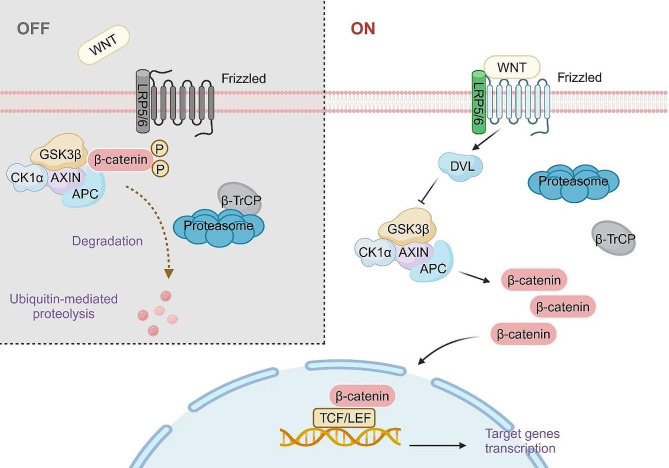
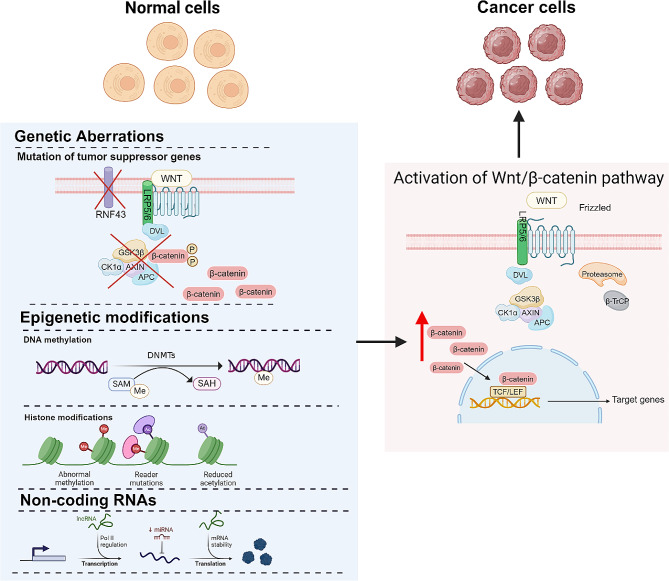
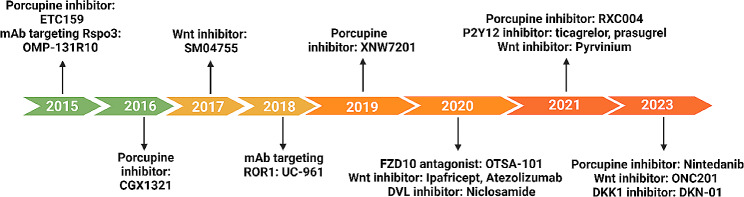
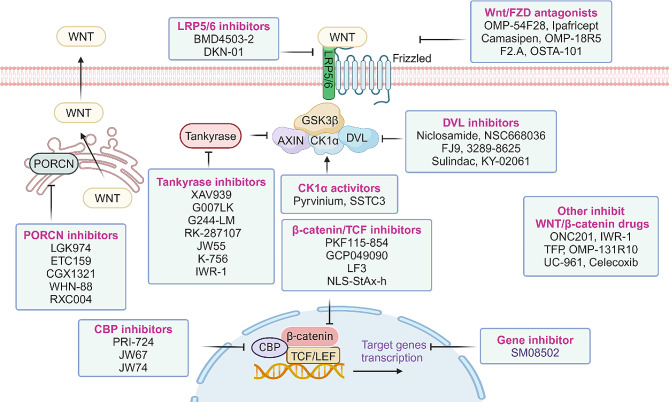
Verification
Claims the paper makes
The claims and statistics of this paper haven’t been checked yet.
Free: it reads the open-access text and checks the first 5 claims that cite a source we can check. Create a free account to check every claim.
Claims other papers make about this one
Each is checked against this paper’s own text: does it say what the citing paper says it does?
The source backs part of the claim, not all of it — or backs it for a different population, condition or comparison.
In the citing paper
“The Wnt/β-catenin pathway is a well-established oncogenic driver in numerous cancers, including ccRCC, where its aberrant activation is linked to tumor initiation and progression [30–32].”
From PPP1R18-mediated activation of Wnt/β-catenin and EMT is dependent on ERK signaling in clear cell renal cell carcinoma (2026) · cites this paper as [31]
Experimental — accuracy not yet measured
Self-check
Percentages, sums and reported differences re-computed from the paper’s own numbers.
The self-check needs the paper’s full text.
Citations
Cites
1 retracted
Wu, L., He, S., He, Y., Wang, X., & Lu, L. (2018) · Medical Science Monitor · doi:10.12659/msm.910742 · Cited by 14 · cited 1×
“IC-2, a small molecule inhibitor, effectively diminishes the population of CD44 cells (liver CSCs) and impedes sphere-forming capacity in HCC, CRC, and bladder cancer cells [343–345].”
BackgroundRetractedComprehensive molecular characterization of human colon and rectal cancer
The Cancer Genome Atlas Network (2012) · Nature · doi:10.1038/nature11252 · Cited by 8,499 · cited 1×
“The Wnt signaling pathway alterations are universally observed in CRC tissues, with more than 90% of CRC cases harboring mutations in genes such as APC, CTNNB1, RNF42, AXIN1, or RSPO [196].”
BackgroundIdentification of stem cells in small intestine and colon by marker gene Lgr5
Barker, N., van Es, J. H., Kuipers, J., Kujala, P., van den Born, M., Cozijnsen, M., Haegebarth, A., Korving, J., Begthel, H., Peters, P. J., et al. (2007) · Nature · doi:10.1038/nature06196 · Cited by 5,687 · cited 1×
“Several characteristics have been identified in stem cells, including Lgr5, Bmi1, Lrig1 and Dclk1 [205–207].”
BackgroundWnt/β-Catenin Signaling, Disease, and Emerging Therapeutic Modalities
Nusse, R., & Clevers, H. (2017) · Cell · doi:10.1016/j.cell.2017.05.016 · Cited by 4,342
Integrative Clinical Genomics of Advanced Prostate Cancer
Robinson, D., Van Allen, E. M., Wu, Y.-M., Schultz, N., Lonigro, R. J., Mosquera, J.-M., Montgomery, B., Taplin, M.-E., Pritchard, C. C., Attard, G., et al. (2015) · Cell · doi:10.1016/j.cell.2015.05.001 · Cited by 3,645 · cited 1×
“…that activation of Wnt/β-catenin signaling due to genetic changes occurs more frequently in castration-resistant prostate cancer (CRPC) compared to treatment-naïve cases, as evidenced by clinical samples obtained from CRPC patients, which demonstrate alterations in CTNNB1 and APC genes [237].”
BackgroundWnt/β-catenin signalling: function, biological mechanisms, and therapeutic opportunities
Liu, J., Xiao, Q., Xiao, J., Niu, C., Li, Y., Zhang, X., Zhou, Z., Shu, G., & Yin, G. (2022) · Signal Transduction and Targeted Therapy · doi:10.1038/s41392-021-00762-6 · Cited by 2,519 · cited 1×
“…chloroquine is an FDA-approved drug commonly utilized for treating tapeworm infection and stands out due to its mechanism involving internalization of the FZD1 receptor, reduction in DVL2 protein levels, and targeting of LRP6 to impede tumor proliferation, stemness, and metastasis [356, 357].”
BackgroundTankyrase inhibition stabilizes axin and antagonizes Wnt signalling
Huang, S.-M. A., Mishina, Y. M., Liu, S., Cheung, A., Stegmeier, F., Michaud, G. A., Charlat, O., Wiellette, E., Zhang, Y., Wiessner, S., et al. (2009) · Nature · doi:10.1038/nature08356 · Cited by 2,037 · cited 1×
“Several TNKS inhibitors with favorable therapeutic effects have been developed, including XAV939, G007LK, G244-LM, RK-287,107, JW55, K-756, IWR-1, MSC2504877, AZ1366, JW74, and NVP-TNKS656 [308–317].”
BackgroundWNT signalling pathways as therapeutic targets in cancer
Anastas, J. N., & Moon, R. T. (2013) · Nature Reviews Cancer · doi:10.1038/nrc3419 · Cited by 1,911 · cited 1×
“The downstream effector in this cascade is β-catenin which serves as a vital component of the canonical Wnt pathway [25].”
BackgroundNusse, R., & Varmus, H. E. (1982) · Cell · doi:10.1016/0092-8674(82)90409-3 · Cited by 1,863 · cited 1×
“The Wnt gene is synonymous with the Drosophila segment polarity gene Wingless and the murine proto-onco-gene integration 1, which was molecularly characterized from mouse tumor cells in 1982 [14].”
BackgroundThe many faces and functions of β‐catenin
Valenta, T., Hausmann, G., & Basler, K. (2012) · The EMBO Journal · doi:10.1038/emboj.2012.150 · Cited by 1,598
Research works printed but not linked: 6
- Nusse R Clevers H Wnt/beta-Catenin signaling, Disease, and emerging therapeutic modalities Cell 2017 169 6 985 99 10.1016/j.cell.2017.05.016 28575679 · DOI · Paper page
- Cai J Fang L Huang Y Li R Xu X Hu Z Simultaneous overactivation of Wnt/β-catenin and TGFβ signalling by mir-128-3p confers chemoresistance-associated metastasis in NSCLC Nat Commun 2017 8 15870 10.1038/ncomms15870 28627514 PMC5481840 · DOI · Paper page
- Chai S Ng KY Tong M Lau EY Lee TK Chan KW Octamer 4/microRNA-1246 signaling axis drives Wnt/β-catenin activation in liver cancer stem cells Hepatology 2016 64 6 2062 76 10.1002/hep.28821 27639189 · DOI · Paper page
- Wang Z Li Z Ji H Direct targeting of β-catenin in the wnt signaling pathway: current progress and perspectives Med Res Rev 2021 41 4 2109 29 10.1002/med.21787 33475177 PMC8217106 · DOI
- Jung YS Park JI Wnt signaling in cancer: therapeutic targeting of wnt signaling beyond β-catenin and the destruction complex Exp Mol Med 2020 52 2 183 91 10.1038/s12276-020-0380-6 32037398 PMC7062731 · DOI · Paper page
- Zhao H Ming T Tang S Ren S Yang H Liu M Wnt signaling in colorectal cancer: pathogenic role and therapeutic target Mol Cancer 2022 21 1 144 10.1186/s12943-022-01616-7 35836256 PMC9281132 · DOI · Paper page
Cited by
Helicobacter pylori and gastric cancer: mechanisms and new perspectives
Duan, Y., Xu, Y., Dou, Y., & Xu, D. (2025) · Journal of Hematology & Oncology · doi:10.1186/s13045-024-01654-2 · Cited by 300
Cancer stem cells: landscape, challenges and emerging therapeutic innovations
Lee, H., Kim, B., Park, J., Park, S., Yoo, G., Yum, S., Kang, W., Lee, J.-M., Youn, H., & Youn, B. (2025) · Signal Transduction and Targeted Therapy · doi:10.1038/s41392-025-02360-2 · Cited by 188
Yu, B., & Ma, W. (2024) · Cytokine & Growth Factor Reviews · doi:10.1016/j.cytogfr.2024.08.006 · Cited by 121
Cell migration in diabetic wound healing: Molecular mechanisms and therapeutic strategies (Review)
Song, J., Zhao, T., Wang, C., Sun, X., Sun, J., & Zhang, Z. (2025) · International Journal of Molecular Medicine · doi:10.3892/ijmm.2025.5567 · Cited by 116
“7) (146).”
Galasso, L., Termite, F., Mignini, I., Esposto, G., Borriello, R., Vitale, F., Nicoletti, A., Paratore, M., Ainora, M. E., Gasbarrini, A., et al. (2025) · Cancers · doi:10.3390/cancers17030368 · Cited by 90
“Activation of this pathway by F. nucleatum has been associated with poor outcomes in CRC patients due to its role in driving uncontrolled tumor growth and metastasis [23,24].”
Drug resistance in breast cancer: Mechanisms and strategies for management
Wu, G., Xiao, M., Hao, W.-C., Yang, Z., Liu, X., Xu, D., Peng, Z.-X., & Zhang, L. (2025) · Drug Resistance Updates · doi:10.1016/j.drup.2025.101288 · Cited by 91
Targeting ubiquitination in disease and therapy
Yang, X., Lan, T., Zhang, B., Tao, X., Qi, W., Xie, K., Cai, Y., Liu, C., Han, J., & Wu, H. M. (2025) · Signal Transduction and Targeted Therapy · doi:10.1038/s41392-025-02392-8 · Cited by 70
Ahuja, S., & Zaheer, S. (2025) · Immunology · doi:10.1111/imm.70045 · Cited by 55
“The Wnt/β-catenin pathway plays a pivotal role in regulating various cellular processes, including cell fate determination, stem cell maintenance, and tissue homeostasis [243, 244].”
Jan, A., Sofi, S., Jan, N., & Mir, M. A. (2025) · Future Oncology · doi:10.1080/14796694.2025.2461443 · Cited by 43
WNT signaling in cancer: molecular mechanisms and potential therapies
Liang, J., Pan, Y., Yang, J., Zeng, D., & Li, J. (2025) · Molecular Biomedicine · doi:10.1186/s43556-025-00327-x · Cited by 42
“Similar to BC, GBM rarely harbor mutations in core components of the WNT pathway [151].”
Unlocking glioblastoma: breakthroughs in molecular mechanisms and next-generation therapies
Rizwani, F., Patil, P., & Jain, K. (2025) · Medical Oncology · doi:10.1007/s12032-025-02830-1 · Cited by 39
Mechanotransduction for therapeutic approaches: Cellular aging and rejuvenation
Han, H.-M., Kim, S.-Y., & Kim, D. (2025) · APL Bioengineering · doi:10.1063/5.0263236 · Cited by 39
Breast Cancer: Molecular Pathogenesis and Targeted Therapy
Samad, M. A., Ahmad, I., Khan, M. R., Suhail, M., Zughaibi, T. A., Al-Abbasi, F. A., Alhosaini, K. A., Khan, M. S., Kumer, A., & Tabrez, S. S. M. (2025) · MedComm · doi:10.1002/mco2.70404 · Cited by 34
Pandey, S., Anshu, T., Maharana, K. C., & Sinha, S. (2025) · Cytokine · doi:10.1016/j.cyto.2025.156957 · Cited by 31
Targeting esophageal carcinoma: molecular mechanisms and clinical studies
Wang, W., Ye, L., Li, H., Mao, W., & Xu, X. (2024) · MedComm · doi:10.1002/mco2.782 · Cited by 27
“50 Furthermore, research by Wei Wang and colleagues demonstrated that in ESCC, downregulation of the METTL3/YTHDF-coupled epitope transcriptome via the APC gene negatively regulates the Wnt/ β -catenin pathway, thereby enhancing cell proliferation and tumor development.”
BackgroundHippo/YAP signaling’s multifaceted crosstalk in cancer
Zhang, J., Wu, H., Ren, X., Chen, Z., Ye, S., Chen, S., Fang, J., Wu, Q., & Zhao, T. (2025) · Frontiers in Cell and Developmental Biology · doi:10.3389/fcell.2025.1595362 · Cited by 27
Targeting DLL3: Innovative Strategies for Tumor Treatment
Wang, H., Zheng, T., Xu, D., Sun, C., Huang, D., & Liu, X. (2025) · Pharmaceutics · doi:10.3390/pharmaceutics17040520 · Cited by 26
“DLL3 activates the Wnt signaling pathway, which is required in various physiological processes [53].”
Chen, C., Chen, X., Zhang, Y., Zhang, Q., & Shi, H. (2025) · Frontiers in Oncology · doi:10.3389/fonc.2025.1605085 · Cited by 25
Advances and challenges in CAR-T cell therapy for head and neck squamous cell carcinoma
Masouleh, S. S., Nasiri, K., Ravari, A. O., Rad, M. S., Kiani, K., Sultani, A. S., Nejati, S. T., & Nabi‐Afjadi, M. (2025) · Biomarker Research · doi:10.1186/s40364-025-00783-1 · Cited by 24
Cancer stem cells: Bridging microenvironmental interactions and clinical therapy
Wang, H., Li, J., Du, F., & Deng, H. (2025) · Clinical and Translational Medicine · doi:10.1002/ctm2.70406 · Cited by 24
Bridging technology and medicine: artificial intelligence in targeted anticancer drug delivery
Khorsandi, D., Farahani, A., Zarepour, A., Khosravi, A., Iravani, S., & Zarrabi, A. (2025) · RSC Advances · doi:10.1039/d5ra03747f · Cited by 23
Fibroblast–Myofibroblast Transition in Osteoarthritis Progression: Current Insights
Peng, R., Lin, Q., Yang, Z., Li, H., Li, J. J., & Xing, D. (2025) · International Journal of Molecular Sciences · doi:10.3390/ijms26167881 · Cited by 24
“Insights from other tissues have revealed potential roles of Wnt target genes, including Cyclin D1, c-Myc, and MMPs, whose upregulation is implicated in fibroblast activation leading to increased proliferation, migration, and ECM remodeling, thereby promoting fibrosis [60,61].”
Intratumoral microbiota: implications for cancer progression and treatment
Xie, Z., Wu, Z., Liu, Y., Gu, Y., Niu, J., & Lv, K. (2025) · Frontiers in Microbiology · doi:10.3389/fmicb.2025.1551515 · Cited by 23
“Consequently, it facilitates the growth and development of various cancers, including ovarian, pancreatic, colorectal, hepatocellular, lung, and pancreatic cancers (Song et al., 2024, Wang H. et al., 2024).”
Self-citationp53 terminates the regenerative fetal-like state after colitis-associated injury
Hartl, K., Bayram, Ş., Wetzel, A., Harnack, C., Lin, M., Fischer, A., Liu, L., Beccaceci, G., Mastrobuoni, G., Geisberger, S., et al. (2024) · Science Advances · doi:10.1126/sciadv.adp8783 · Cited by 22
Next-generation T cell immunotherapy: overcoming exhaustion, senescence, and suppression
Li, G., Li, D., & Zhu, X. (2025) · Frontiers in Immunology · doi:10.3389/fimmu.2025.1662145 · Cited by 20
Nanozyme for precision treatment of hepatocellular carcinoma
Feng, S., Xuan, Y., Jin, H., Cui, M., Meng, X., Liao, J., & Feng, J. (2026) · Materials Today Bio · doi:10.1016/j.mtbio.2026.102840 · Cited by 22
Molecular and immune landscape of hepatocellular carcinoma for therapeutic development
Suzuki, H., Mishra, S. M., Paul, S., & Hoshida, Y. (2024) · Journal of Liver Cancer · doi:10.17998/jlc.2024.12.02 · Cited by 20
Targeting the KRAS Oncogene for Patients with Metastatic Colorectal Cancer
Miao, R., Yu, J. B., & Kim, R. D. (2025) · Cancers · doi:10.3390/cancers17091512 · Cited by 21
Gu, Z., Wang, Z.-H., Zhang, X., Zhou, G., Liang, G.-H., Zeng, L., & Liu, J. (2025) · Frontiers in Pharmacology · doi:10.3389/fphar.2025.1609211 · Cited by 19
Belling the “cat”: Wnt/β-catenin signaling and its significance in future cancer therapies
Goyal, A., Murkute, S. L., Bhowmik, S., Prasad, C. P., & Mohapatra, P. (2024) · Biochimica et Biophysica Acta (BBA) - Reviews on Cancer · doi:10.1016/j.bbcan.2024.189195 · Cited by 19
Curcumin, EGCG and apigenin in cervical cancer: mechanistic insights and therapeutic potential
Asiri, A., Bokhari, B. T., Sadaf, S., Eisa, A. A., Aljohani, H. M., Nofal, W., Kausar, T., & Najm, M. Z. (2025) · Frontiers in Pharmacology · doi:10.3389/fphar.2025.1592395 · Cited by 18
Mohamed, F. R. R., Aldubaisi, S., Akbar, A., Khan, M. I., & Yaqinuddin, A. (2025) · Cancers · doi:10.3390/cancers17182953 · Cited by 17
“For example, demethylation of regulatory regions can modulate the PI3K/AKT, Wnt/ β -catenin, and NF-κ B axes, thereby influencing proliferation, apoptosis, and invasive behavior [81].”
Chen, H., Li, Z., Yuan, Y., Zhu, X., Wang, J., Chen, Y., Wang, Y., Luo, Z., & Liu, H. (2025) · Frontiers in Cell and Developmental Biology · doi:10.3389/fcell.2025.1617200 · Cited by 15
“…3D co-culture of tumor cells and CAFs, with Wnt3a and Wnt16 activating Wnt signaling in both cancer cells and CAFs and promoting the CSC phenotype (Song et al., 2024; Yu et al., 2024) showed that Wnt5a expression was upregulated in SLC14A1 + irCAFs and that it positively correlated with the…”
Kirkness, K. B., & Scarlata, S. (2025) · International Journal of Molecular Sciences · doi:10.3390/ijms27010160 · Cited by 15
“The pathway drives target gene expression, including HAS2 , linking extracellular signals to genetic programs [68,69].”
Nanomaterials targeting cancer stem cells to overcome drug resistance and tumor recurrence
Kumbhakar, D. V., Thakkar, L., Akhand, C., Sharaf, S., & Vemuganti, G. K. (2025) · Frontiers in Oncology · doi:10.3389/fonc.2025.1499283 · Cited by 14
The Colonic Crypt: Cellular Dynamics and Signaling Pathways in Homeostasis and Cancer
Nguyen, A. L., Lausten, M. A., & Boman, B. M. (2025) · Cells · doi:10.3390/cells14181428 · Cited by 14
“WNT ligands are glycoproteins secreted from cells after modification in their endoplasmic reticulum [155].”
Targeting Cancer Stem Cells with Phytochemicals: Molecular Mechanisms and Therapeutic Potential
Sah, A. K., Das, J., Умарович, А. И., Agarwal, S., Prabhakar, P. K., Vashishtha, A., Elshaikh, R. H., Choudhary, R. K., & Alfeel, A. H. (2026) · Biomedicines · doi:10.3390/biomedicines14010215 · Cited by 14
“Aberrant activation of canonical Wnt signaling promotes β -catenin stabilization, nuclear translocation, and transcription of stemness-related genes (e.g., c-Myc, Cyclin D1), which underlies the capacity of CSCs to self-renew and resist differentiation [29–31].”
InfluentialKarnik, M., Tulimilli, S. V., Anantharaju, P. G., Bettadapura, A. D. S., Natraj, S. M., Mohideen, H. S., Dovat, S., Sharma, A. K., & Madhunapantula, S. V. (2026) · Cancers · doi:10.3390/cancers18020318 · Cited by 15
“AXIN2, a well-known negative feedback regulator of Wnt signaling, is overexpressed in cervical neoplasia due to persistent β -catenin activation [163].”
Wiggins, R., Woo, J., & Mito, S. (2024) · Cancers · doi:10.3390/cancers16203548 · Cited by 14
Chen, X., Song, X., Zheng, X., Qian, T., Zhang, B., Wu, L., Lian, Q., Chen, J., Luo, Q., Xu, W., et al. (2025) · Cell Death and Disease · doi:10.1038/s41419-025-07393-7 · Cited by 13
“…regulated by multiple mechanisms, including protein stability via the ubiquitin-proteasome and autophagy pathways, subcellular localization mediated by nuclear pore complexes and chaper-ones, and transcriptional activity orchestrated by transcriptional complexes and regulatory cofactors [36, 37].”
miR‑100: A key tumor suppressor regulatory factor in human malignant tumors (Review)
Zhang, L., Zhang, J., Zhang, X., Liu, S., Qi, C., & Gao, S. (2025) · International Journal of Molecular Medicine · doi:10.3892/ijmm.2025.5508 · Cited by 14
“The Wnt/ β ‑catenin signaling pathway serves a critical role in tumor cell prolif‑ eration, differentiation and metastasis. miR‑100 regulates key molecules within the Wnt/ β ‑catenin pathway to suppress tumor cell proliferation and migration (160).”
The role of deubiquitinases in cardiovascular diseases: mechanisms and therapeutic implications
Fei, X., Song, C., Cui, J., Li, Y., Lei, X., & Tang, H. (2025) · Frontiers in Cardiovascular Medicine · doi:10.3389/fcvm.2025.1582049 · Cited by 14
“Targeting β -catenin for therapeutic intervention has shown promise in cancer research (51), and is gaining attention for its potential in cardiovascular diseases.”
Pallatt, S., Nambidi, S., Adhikary, S., Banerjee, A., Pathak, S., & Duttaroy, A. K. (2025) · Oncology Reviews · doi:10.3389/or.2025.1549416 · Cited by 14
Wen, W., & Wang, R. (2025) · npj Precision Oncology · doi:10.1038/s41698-025-01010-8 · Cited by 13
Biology of stem cell paradox: a double-edged sword-implications for cancer therapy
Mengistu, B. A., Demessie, Y., Kinde, M. Z., Getnet, K., Bitew, A. B., Berrie, K., Sendeku, W., Berihun, A. M., Abat, A. S., Mebratu, A. S., et al. (2025) · Cancer Cell International · doi:10.1186/s12935-025-03981-x · Cited by 13
“[191, 192] Therapeutic Approaches Agents targeting CSC-specific signalling pathways are under investigation in clinical trials.”
InfluentialZhu, S., Liu, Y., Chen, H., Zhu, X., Liu, X., Xu, K., Sang, Y., Shang, L., Chong, W., & Li, L. (2025) · Clinical Medicine Insights Oncology · doi:10.1177/11795549251331755 · Cited by 13
“94 As one of the 4 major cancer treatment modalities, along with surgery, radiation therapy, chemotherapy, and immuno-therapy, radiation therapy can be employed either as a curative treatment or as adjuvant therapy after surgery for various cancers.”
Self-citationAdvances in cancer research on FUT8 molecular mechanisms and clinical applications
Ma, Q., Liu, Y., Fan, Q., Zhu, X., Yang, D., & Zhao, Z. (2025) · International Journal of Surgery · doi:10.1097/js9.0000000000002669 · Cited by 12
“This inhibition results in the accumulation of β -catenin in the cytoplasm, which is partially translocated to the nucleus [ 86 ] .”
Self-citationWnt/Ca2+ signaling: Dichotomous roles in regulating tumor progress (Review)
Jing, L., Wang, H., Xia, S., & Shao, Q. (2025) · Oncology Letters · doi:10.3892/ol.2025.15145 · Cited by 11
Hsu, C., Ahmed, A. Y., Ullah, M. I., Ballal, S., Singh, A., Kavitha, V. S. N. P., Nathiya, D., Abdulhussain, M. A., Abass, M. A., & Hashemzadeh, A. (2025) · International Journal of Biological Macromolecules · doi:10.1016/j.ijbiomac.2025.145514 · Cited by 11
Sun, S., Yang, N., Nie, J., Zhang, L., Wang, D., Sun, X., Jin, Y. X., & Cheng, L. (2025) · Bioactive Materials · doi:10.1016/j.bioactmat.2025.10.011 · Cited by 11
“As a central mediator of CSC niche maintenance, aberrant activation of β -catenin not only promotes tumor initiation and progression but also fosters an immunosuppressive TME that evades anti-tumor immune responses [11,12].”
Alam, A., Siddiqui, M. F., Hamoudi, R., Kishore, U., Fernández-Cabezudo, M. J., & al-Ramadi, B. K. (2025) · Computational and Structural Biotechnology Journal · doi:10.1016/j.csbj.2025.11.061 · Cited by 11
Natural Product Modulators of Protein–Protein Interactions: A Comprehensive Review
Kamel, E. M., Allam, A. A., Rudayni, H. A., Alkhayl, F. F. A., Ahmed, N. A., & Lamsabhi, A. M. (2026) · Phytochemical Analysis · doi:10.1002/pca.70054 · Cited by 11
“The Wnt/β-catenin signaling pathway features the interaction of β-catenin (a transcriptional co-activator) with TCF/LEF DNA-binding proteins—a PPI that activates oncogenic gene expression in many cancers [79, 80].”
Wu, S., Ye, X., Wang, J., Li, M., Fu, Y., & Wang, S. (2026) · Neoplasia · doi:10.1016/j.neo.2026.101290 · Cited by 11
“Aberrant activation of the Wnt/ β -catenin pathway — critical for embryonic development and tissue homeostasis — is strongly linked to multiple tumor types [200].”
Nuclear porcupine mediates XRCC6/Ku70 S-palmitoylation in the DNA damage response
Chen, Y., Xiao, M., Mo, Y., Ma, J., Han, Y., Li, Q., Zeng, Q., Boohaker, R. J., Fried, J. S., Li, Y., et al. (2024) · Experimental Hematology and Oncology · doi:10.1186/s40164-024-00572-w · Cited by 14
Targeting the SMURF2-HIF1α axis: a new frontier in cancer therapy
Youssef, E. M., Zhao, S., Purcell, C., Olson, G. L., & El‐Deiry, W. S. (2024) · Frontiers in Oncology · doi:10.3389/fonc.2024.1484515 · Cited by 11
Fang, K. (2024) · Ibrain · doi:10.1002/ibra.12185 · Cited by 10
“64 – 66 The noncanonical Wnt/PCP pathway is β ‐ catenin independent.”
NRF2 modulates WNT signaling pathway to enhance photodynamic therapy resistance in oral leukoplakia
Xu, T., Zhong, L., Liu, Q., Wang, F., Kuang, W., Liang, J., Yang, D., Zhou, X., Dan, H., Zhao, H., et al. (2025) · EMBO Molecular Medicine · doi:10.1038/s44321-025-00256-w · Cited by 10
“Activation of the WNT signaling pathway is a common driving event in human cancers, conferring cancer cells with self-renewal and growth properties and contributing to therapeutic resistance in various malignancies (Song et al, 2024; Yu et al, 2021).”
DSG3 promotes bladder cancer growth and metastasis via AKT/GSK3β/β-catenin pathway
Wang, T., Du, A.-Q., Peng, Y., Yin, J., Sun, G., Yu, Y., Sun, Z., Chang, Q., Gong, K., Han, S., et al. (2025) · Journal of Translational Medicine · doi:10.1186/s12967-025-06754-2 · Cited by 11
“Consequently, β-catenin accumulates in the cytoplasm, translocates to the nucleus, and forms a complex with TCF/LEF to regulate target gene expression [58, 62].”
Pathobiology and Molecular Pathways Implicated in Osteosarcoma Lung Metastasis: A Scoping Review
Bashir, A., Ismail, A., Mavadia, A., Ghose, A., Ovsepian, S. V., & Boussios, S. (2025) · Technology in Cancer Research & Treatment · doi:10.1177/15330338251359716 · Cited by 10
“20 23”
Bhatia, I., & Khanchandani, S. (2025) · Journal of Drug Delivery Science and Technology · doi:10.1016/j.jddst.2025.107387 · Cited by 10
Chen, K., Pan, X., Zhang, S., Xu, M., Chen, X., Pei, F., Wu, M., Meng, F., Sun, B., Zhang, M., et al. (2025) · Cellular & Molecular Biology Letters · doi:10.1186/s11658-025-00814-7 · Cited by 10
“…functions, including cell growth, differentiation, and migration. β-Catenin is an essential element of the varied Wnt signaling pathway, significantly contributing to intracellular communication that is vital for embryonic growth, sustaining balance within the body, and cancer progression [46].”
Wali, A. F., Talath, S., Babiker, R., El‐Tanani, M., Rangraze, I. R., Ibraheem, W., Al-Dhaheri, Y., Satyam, S. M., & El‐Tanani, Y. (2026) · Frontiers in Pharmacology · doi:10.3389/fphar.2026.1764550 · Cited by 10
“…of lung cancer are facilitated by inappropriate activation of the Wnt/ β -catenin pathway and increases cell entry, longevity, and replication (Song et al., 2024; Zhang Z. et al., 2024). β -catenin can interact with other signaling pathways, including EGFR and PI3K/AKT and may further…”
Advances in osteosarcoma research: Pathogenesis and emerging therapeutic strategies
Yan, L. ‐., Dong, X., & Chen, S. (2026) · Critical Reviews in Oncology/Hematology · doi:10.1016/j.critrevonc.2026.105252 · Cited by 11
Wang, Z., Liu, Z., Cui, L., Sun, J., Bu, C., Tang, M. C., Li, M., Gao, S., Chen, W., & Tao, X. (2024) · Journal of Advanced Research · doi:10.1016/j.jare.2024.07.019 · Cited by 9
Hong, Y. (2025) · American Journal of Cancer Research · doi:10.62347/kela7583 · Cited by 9
“Pan et al. [32] demonstrated that aberrant activation of the WNT/β-catenin pathway is a major driver of tumorigenesis in multiple cancers, with its downstream targets serving as potential intervention points for cancer treatment.”
Regulatory effect of Wnt signaling on mitochondria in cancer: from mechanism to therapy
Han, J., Yuan, Y., Zhang, J., Hou, Y., Xu, H., Nie, X., Zhao, Z., & Hou, J. (2025) · APOPTOSIS · doi:10.1007/s10495-025-02114-z · Cited by 9
Systemic Therapy for Unresectable Hepatocellular Carcinoma: Current Landscape and Future Directions
Philippi, Z., Reddy, K. D., Malik, S., Al-Khalil, Z., & Dbouk, N. (2025) · International Journal of Molecular Sciences · doi:10.3390/ijms26135994 · Cited by 9
“The Wnt/ β -catenin pathway is activated via CTNNB1 mutations, AXIN1/APC loss, or epigenetic silencing of Wnt antagonists, driving proliferation and chemoresistance [22].”
The Role of the CDH1 Gene in the Pathogenesis and Progression of Lobular Breast Cancer
Mitchell, G., Mitchell, M. G., & Akinbo, P. (2025) · Cureus · doi:10.7759/cureus.89290 · Cited by 9
Medical embryology and regenerative medicine: research and applications in clinical practice
Soczyńska, J., Gawełczyk, W., Obrycka, P., Żołyniak, M., Muzyka, A., Majcherczyk, K., Papierkowska, J., & Woźniak, S. (2025) · Frontiers in Cell and Developmental Biology · doi:10.3389/fcell.2025.1619036 · Cited by 9
Xu, J., Sun, P., Zhu, W., Liu, X., & Ma, L. (2025) · Theranostics · doi:10.7150/thno.121601 · Cited by 9
Shrestha, B. T., Feng, Y., Lad, A., Bates, A. S., Chen, J., Brown, K., Zeng, F., & Wang, N. (2025) · International Journal of Molecular Sciences · doi:10.3390/ijms26209838 · Cited by 9
“…Wnt stimulation, β -catenin is phosphorylated by a destruction complex containing adenomatous polyposis coli (APC), axis inhibitor protein (AXIN), GSK-3 β , casein kinase 1 α (CK1 α ), and the E3 ubiquitin ligase β -TrCP (SCF β -TrCP), leading to its ubiquitination and proteasomal degradation [19].”
Chen, Y., Jin, Y., Chen, Y.-K., Cui, C., Yao, J., Zhang, Y., Li, M. H., Cao, G. F., Yang, S., Fan, Y. H., et al. (2026) · Annals of Oncology · doi:10.1016/j.annonc.2026.01.005 · Cited by 9
Self-citationSun, M., Zhu, H., Yang, Y. P., Yao, Y., Li, H., Feng, F., Wáng, Q., Liu, R., & Sun, C. (2025) · International Journal of Oncology · doi:10.3892/ijo.2025.5742 · Cited by 9
“Numerous studies have explored the diverse mechanisms of Wnt signaling acti‑ vation in the occurrence and development of cancer (23,30‑32) (Fig.”
Bacteria and Carcinogenesis and the Management of Cancer: A Narrative Review
Plewa, P., Kiełbowski, K., Mentel, O., Figiel, K., Bakinowska, E., Becht, R., Banach, B., & Pawlik, A. (2025) · Pathogens · doi:10.3390/pathogens14050509 · Cited by 9
“The most important pathway affected by Fad2 is the WNT/ β -catenin signaling pathway [57].”
Meng, X., Li, X., Gao, Y., & Zhang, S. (2025) · Molecular Cancer · doi:10.1186/s12943-025-02362-2 · Cited by 9
“…cells, cytokine-induced killer (CIK) cells, and natural killer T (NKT) cells isolated from patients; or by affecting signals related to tumor survival, such as epidermal growth factor receptor (EGFR)-related pathways, phosphatidylinositol 3-Kinase (PI3 K)/Akt, and the Wnt/ β-catenin pathway [3–7].”
Saadh, M. J., Ahmed, H. H., Kareem, R. A., Chandra, M., Monsi, M., Walia, C., Prasad, G. V. S., Taher, W. M., Alwan, M., Jawad, M. J., et al. (2025) · Molecular Biotechnology · doi:10.1007/s12033-025-01428-2 · Cited by 8
Farahani, M. E., Zhang, Y., Akinyemi, A. O., Seilani, F., Alam, M. R., & Liu, X. (2025) · Biomedicines · doi:10.3390/biomedicines13071642 · Cited by 8
“In the context of prostate cancer, aberrant activation of this pathway has been linked to disease progression, therapy resistance, and maintenance of cancer stem-like cells, potentially through interactions with pluripotency factors like OCT4 [55–57].”
Yang, X., & Gu, Y. (2025) · Materials Today Bio · doi:10.1016/j.mtbio.2025.102218 · Cited by 8
“ER α activation can enhance Wnt signaling transcriptional activity by non-genomic interactions with β -catenin, thereby promoting tumor cell proliferation and invasion [30,31].”
S100A4/FSP1: A Prognostic Marker and a Promising Target for Antitumor Therapy
Bogachek, M. V., Kazakova, A., Sergeevichev, D., Vladimirov, S., Richter, V. A., & Nushtaeva, A. A. (2025) · International Journal of Molecular Sciences · doi:10.3390/ijms26199370 · Cited by 8
Kohwi, Y., Wong, X., Grange, M., Sexton, T., Richards, H. W., Kitagawa, Y., Sakaguchi, S., Liang, Y., Chuong, C., Botchkarev, V. A., et al. (2025) · eLife · doi:10.7554/elife.105915.3 · Cited by 8
O-GlcNAcylation in ovarian tumorigenesis and its therapeutic implications
Xia, L., Mei, J., Huang, M., Bao, D., Wang, Z. P., & Chen, Y. (2024) · Translational Oncology · doi:10.1016/j.tranon.2024.102220 · Cited by 9
Beyond Tumor Borders: Intratumoral Microbiome Effects on Tumor Behavior and Therapeutic Responses
Harmak, Z., Kone, A.-S., Ghouzlani, A., Ghazi, B., & Badou, A. (2024) · Immune Network · doi:10.4110/in.2024.24.e40 · Cited by 8
Stachyra, P., & Grzybowska‐Szatkowska, L. (2025) · Genes · doi:10.3390/genes16050600 · Cited by 8
“Furthermore, the Wnt/ β -catenin signaling pathway orchestrates other cell signaling cascades, such as Notch, Sonic Hedgehog, and PI3K/AKT pathways, which also contribute to cancer development [83].”
Sharma, V., Sharma, P. M., Mannan, A., Dhiman, S., Mohan, M., Singh, S., & Singh, T. G. (2025) · Behavioural Brain Research · doi:10.1016/j.bbr.2025.115720 · Cited by 8
Ma, J., Pang, X., Xue, W., Wang, J., Huo, H.-X., Zhao, M., Huang, Y., Yin, Z., Gao, Y., Zhao, Y., et al. (2024) · Journal of Ethnopharmacology · doi:10.1016/j.jep.2024.119037 · Cited by 8
Self-citationSignature Gene Mutations in Colorectal Cancer: Potential Neoantigens for Cancer Vaccines
Yoon, J., Moon, H., Jeon, Y., Choe, S., & Yoon, H. (2025) · International Journal of Molecular Sciences · doi:10.3390/ijms26104559 · Cited by 7
“However, when APC functions abnormally, the accumulation of β -catenin triggers the transcription of Wnt target genes associated with cancer cell proliferation, survival, and metastasis, thereby creating an immunosuppressive TME [68–70].”
Role of cancer cell-derived exosomal glycoproteins in macrophage polarization
Wadhonkar, K., Singh, Y., Rughetti, A., Das, S., Yangdol, R., Sk, M. H., & Baig, M. S. (2025) · Molecular Biology Reports · doi:10.1007/s11033-025-10535-x · Cited by 7
Role of signaling pathways in lung cancer development and advances in targeted therapies (Review)
Zhāng, T., Shao, W., Zhou, H., Xia, S., Zeng, J., Ren, J., Wang, X., & Zhu, H. (2025) · Oncology Letters · doi:10.3892/ol.2025.15335 · Cited by 7
Liu, Y., Wang, S., Xiang, X., Du, Y., Xue, Q., Niu, Y., Peng, W., Ye, L., & Zhou, Q. (2026) · International Journal of Biological Sciences · doi:10.7150/ijbs.126977 · Cited by 7
“These dysregulated gene expressions significantly contribute to tumor initiation and progression [80-83].”
Self-citationSzymański, M., Jerka, D., Bonowicz, K., Antosik, P., & Gagat, M. (2025) · International Journal of Molecular Sciences · doi:10.3390/ijms26030890 · Cited by 7
Chen, L., Wu, Y., Qian, Y., Li, J., He, Y., Huang, Y., Xie, C., & Su, H. (2025) · Frontiers in Oncology · doi:10.3389/fonc.2025.1543426 · Cited by 7
Self-citationGu, T., Raval, R., Bashkin, Z., Zhou, C., Ko, S., Kong, N., Hong, S., Bhaskara, A., Shah, S., Joshi, A. A., et al. (2025) · Bioorganic & Medicinal Chemistry Letters · doi:10.1016/j.bmcl.2025.130163 · Cited by 7
Kravvas, G., Xie, B., Millar, M., Freeman, A., Haider, A., Alnajjar, H. M., Muneer, A., Ahmed, A., & Bunker, C. B. (2025) · JID Innovations · doi:10.1016/j.xjidi.2025.100372 · Cited by 7
Sialoblastomas With Solid Pattern Have FGFR2 Mutations and an Unfavorable Prognosis
Jia, X., Leng, N.-N., Wang, M., Zhan, X., & Li, J. (2025) · The American Journal of Surgical Pathology · doi:10.1097/pas.0000000000002356 · Cited by 7
“36 These factors highlight the complexity of β - catenin regulation and explain that β -catenin nuclear-positive SBLs do not necessarily have CTNNB1 mutations.”
Mannan, A., Mohan, M., & Singh, T. G. (2025) · Critical Reviews in Oncology/Hematology · doi:10.1016/j.critrevonc.2025.104707 · Cited by 7
An Overview of the Etiopathogenic Mechanisms Involved in the Expression of the Oral Microbiota
Popovici, I. A., Orǎșanu, C. I., Cozaru, G. C., Ionescu, A.-C., Kajanto, L. A., Cîmpineanu, B., Chisoi, A., Mitroi, A. N., Poinăreanu, I., Vodă, R. I., et al. (2025) · Clinics and Practice · doi:10.3390/clinpract15040080 · Cited by 6
“This deregulation favors genomic instability and more tumor invasibility [112,113].”
Evolutionary conservation and cancer implications of the WNT signaling pathway
Prajapati, D., Ambere, G. D., Mathure, D. M., Karati, D., & Kumar, D. (2025) · Medical Oncology · doi:10.1007/s12032-025-02950-8 · Cited by 6
The role of quantum dots in enhancing the therapeutic targeting of cancer stem cells
Mofokeng, M. T., Didamson, O. C., & Abrahamse, H. (2025) · Chemical Communications · doi:10.1039/d5cc02925b · Cited by 6
TCF/LEF-mediated transcriptional regulation in the canonical Wnt pathway
Takano, C., & Higuchi, Y. (2025) · Current Molecular Pharmacology · doi:10.1016/j.cmp.2025.09.004 · Cited by 6
Fioretzaki, R., Trifylli, E.-M., Sarantis, P., Charalampakis, N., Christofidis, K., Despotidis, M., Karamouzis, M. V., Sakellariou, S., & Schizas, D. (2025) · Cells · doi:10.3390/cells14231895 · Cited by 6
“Similarly, RASSF1A, APC, and E-cadherin promoter methylations have also been reported, which lead to cell cycle dysregulation and apoptosis suppression for the former, β -catenin accumulation for the second, while invasion and metastatic dissemination for the latter [161,192].”
Metadata
- Authors
- Song, P., Gao, Z., Bao, Y., Chen, L., Huang, Y., Liu, Y., Dong, Q., & Wei, X.
- Affiliations
- West China Hospital of Sichuan University (CN)
- Sichuan University (CN)
- Corresponding author
- Dong, Qiang
- Wei, Xiawei
- Venue
- Journal of Hematology & Oncology
- Published
- 2024-06-18
- Volume
- 17
- Issue
- 1
- Pages
- 46-46
- ISSN
- 1756-8722 (ISSN-L)
- PMC
- PMC11184729
- OpenAlex
- W4399792819
- Cited by
- 382
- References
- 354
- Citations by year
- 2026: 167 · 2025: 193 · 2024: 22
- FWCI
- 15.54
- Type
- journal article
- Language
- en
- Open access
- gold
- doi.org
- Licence
- cc-by
- creativecommons.org/licenses/by/4.0 (tdm)
- creativecommons.org/licenses/by/4.0 (vor)
- Locations
- Journal of Hematology & Oncology (publishedVersion, cc-by)
- PubMed Central (publishedVersion, cc-by)
- PubMed (publishedVersion)
- DOAJ (DOAJ: Directory of Open Access Journals) (submittedVersion)
- Funders
- National Science Foundation for Excellent Young Scholars (32122052)
- National Natural Science Foundation Regional Innovation and Development (No. U19A2003)
- Topics
- Life Sciences › Biochemistry, Genetics and Molecular Biology › Molecular Biology › Wnt/β-catenin signaling in development and cancer
- Health Sciences › Medicine › Oncology › Colorectal Cancer Treatments and Studies
- Life Sciences › Biochemistry, Genetics and Molecular Biology › Molecular Biology › Signaling Pathways in Disease
- Keywords
- Wnt/β-catenin signaling, carcinogenesis, cancer therapy, targeted therapy, tumor initiation and progression, epigenetic modifications, signaling crosstalk, Wnt inhibitors, cell proliferation, tissue homeostasis
- MeSH terms
- Animals, Antineoplastic Agents, Humans, Neoplasms, beta Catenin, Molecular Targeted Therapy, Wnt Signaling Pathway, Carcinogenesis
About these checks
Registry, retraction, Cites and statistics results are computed, not judged, with one exception: a printed reference that no index lists is read once by a model before it counts as a citation error. Claims are extracted by a model and kept only when their quote appears verbatim in the text; each cited source is then checked, with a model’s help, for whether it says what the claim relies on. Those verdicts can be wrong — read the claim’s quote and the cited source before relying on one.
Statistics and arithmetic are recomputed, not judged.
Confidence bands are shown only for fields calibrated on our annotated test set. None is calibrated yet, so no band is shown.
What counts as a claim ›How we measure confidence ›How we check this ›
Are you an author, or do you see a problem with this page? Request a review
Data sources
Bibliographic data: Semantic Scholar, OpenAlex, Crossref.
Contains information from the Semantic Scholar Academic Graph Datasets, made available under the ODC Attribution License (ODC-BY 1.0).
Semantic Scholar’s data is described in: Kinney, R., et al. (2023). The Semantic Scholar Open Data Platform. arXiv:2301.10140.
