

Wnt/β-catenin signaling pathway in carcinogenesis and cancer therapy
Open accessThe DOI matches its Crossref record; 353 of the 355 references it cites were found in a registry or an index.
Abstract
The Wnt/β-catenin signaling pathway plays a crucial role in various physiological processes, encompassing development, tissue homeostasis, and cell proliferation. Under normal physiological conditions, the Wnt/β-catenin signaling pathway is meticulously regulated. However, aberrant activation of this pathway and downstream target genes can occur due to mutations in key components of the Wnt/β-catenin pathway, epigenetic modifications, and crosstalk with other signaling pathways. Consequently, these dysregulations contribute significantly to tumor initiation and progression. Therapies targeting the Wnt/β-catenin signaling transduction have exhibited promising prospects and potential for tumor treatment. An increasing number of medications targeting this pathway are continuously being developed and validated. This comprehensive review aims to summarize the latest advances in our understanding of the role played by the Wnt/β-catenin signaling pathway in carcinogenesis and targeted therapy, providing valuable insights into acknowledging current opportunities and challenges associated with targeting this signaling pathway in cancer research and treatment.
Overview
The claims and statistics of this paper haven’t been checked yet.
Free: it reads the open-access text and checks the first 5 claims that cite a source we can check. Create a free account to check every claim.
Integrity signals
Registry
Cites
Statistics
Figures
Verification
Claims the paper makes
The claims and statistics of this paper haven’t been checked yet.
Free: it reads the open-access text and checks the first 5 claims that cite a source we can check. Create a free account to check every claim.
Claims other papers make about this one
Each is checked against this paper’s own text: does it say what the citing paper says it does?
The source backs part of the claim, not all of it — or backs it for a different population, condition or comparison.
In the citing paper
“The Wnt/β-catenin pathway is a well-established oncogenic driver in numerous cancers, including ccRCC, where its aberrant activation is linked to tumor initiation and progression [30–32].”
From PPP1R18-mediated activation of Wnt/β-catenin and EMT is dependent on ERK signaling in clear cell renal cell carcinoma (2026) · cites this paper as [31]
Experimental — accuracy not yet measured
Self-check
Percentages, sums and reported differences re-computed from the paper’s own numbers.
The self-check needs the paper’s full text.
Citations
Cites
1 retracted
Wu, L., He, S., He, Y., Wang, X., & Lu, L. (2018) · Medical Science Monitor · doi:10.12659/msm.910742 · Cited by 14 · cited 1×
“IC-2, a small molecule inhibitor, effectively diminishes the population of CD44 cells (liver CSCs) and impedes sphere-forming capacity in HCC, CRC, and bladder cancer cells [343–345].”
BackgroundRetractedComprehensive molecular characterization of human colon and rectal cancer
The Cancer Genome Atlas Network (2012) · Nature · doi:10.1038/nature11252 · Cited by 8,499 · cited 1×
“The Wnt signaling pathway alterations are universally observed in CRC tissues, with more than 90% of CRC cases harboring mutations in genes such as APC, CTNNB1, RNF42, AXIN1, or RSPO [196].”
BackgroundIdentification of stem cells in small intestine and colon by marker gene Lgr5
Barker, N., van Es, J. H., Kuipers, J., Kujala, P., van den Born, M., Cozijnsen, M., Haegebarth, A., Korving, J., Begthel, H., Peters, P. J., et al. (2007) · Nature · doi:10.1038/nature06196 · Cited by 5,687 · cited 1×
“Several characteristics have been identified in stem cells, including Lgr5, Bmi1, Lrig1 and Dclk1 [205–207].”
BackgroundWnt/β-Catenin Signaling, Disease, and Emerging Therapeutic Modalities
Nusse, R., & Clevers, H. (2017) · Cell · doi:10.1016/j.cell.2017.05.016 · Cited by 4,342
Integrative Clinical Genomics of Advanced Prostate Cancer
Robinson, D., Van Allen, E. M., Wu, Y.-M., Schultz, N., Lonigro, R. J., Mosquera, J.-M., Montgomery, B., Taplin, M.-E., Pritchard, C. C., Attard, G., et al. (2015) · Cell · doi:10.1016/j.cell.2015.05.001 · Cited by 3,645 · cited 1×
“…that activation of Wnt/β-catenin signaling due to genetic changes occurs more frequently in castration-resistant prostate cancer (CRPC) compared to treatment-naïve cases, as evidenced by clinical samples obtained from CRPC patients, which demonstrate alterations in CTNNB1 and APC genes [237].”
BackgroundWnt/β-catenin signalling: function, biological mechanisms, and therapeutic opportunities
Liu, J., Xiao, Q., Xiao, J., Niu, C., Li, Y., Zhang, X., Zhou, Z., Shu, G., & Yin, G. (2022) · Signal Transduction and Targeted Therapy · doi:10.1038/s41392-021-00762-6 · Cited by 2,519 · cited 1×
“…chloroquine is an FDA-approved drug commonly utilized for treating tapeworm infection and stands out due to its mechanism involving internalization of the FZD1 receptor, reduction in DVL2 protein levels, and targeting of LRP6 to impede tumor proliferation, stemness, and metastasis [356, 357].”
BackgroundTankyrase inhibition stabilizes axin and antagonizes Wnt signalling
Huang, S.-M. A., Mishina, Y. M., Liu, S., Cheung, A., Stegmeier, F., Michaud, G. A., Charlat, O., Wiellette, E., Zhang, Y., Wiessner, S., et al. (2009) · Nature · doi:10.1038/nature08356 · Cited by 2,037 · cited 1×
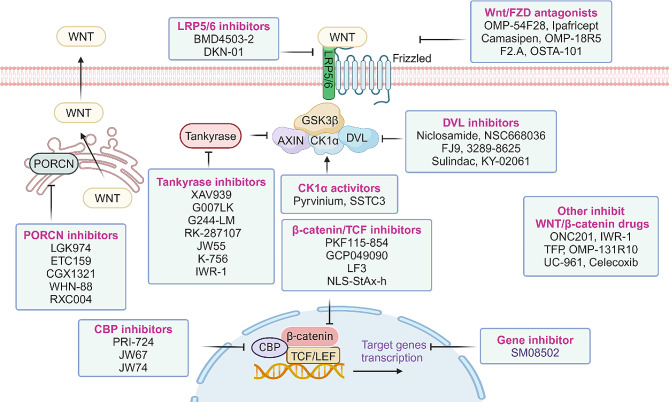
“Several TNKS inhibitors with favorable therapeutic effects have been developed, including XAV939, G007LK, G244-LM, RK-287,107, JW55, K-756, IWR-1, MSC2504877, AZ1366, JW74, and NVP-TNKS656 [308–317].”
BackgroundWNT signalling pathways as therapeutic targets in cancer
Anastas, J. N., & Moon, R. T. (2013) · Nature Reviews Cancer · doi:10.1038/nrc3419 · Cited by 1,911 · cited 1×
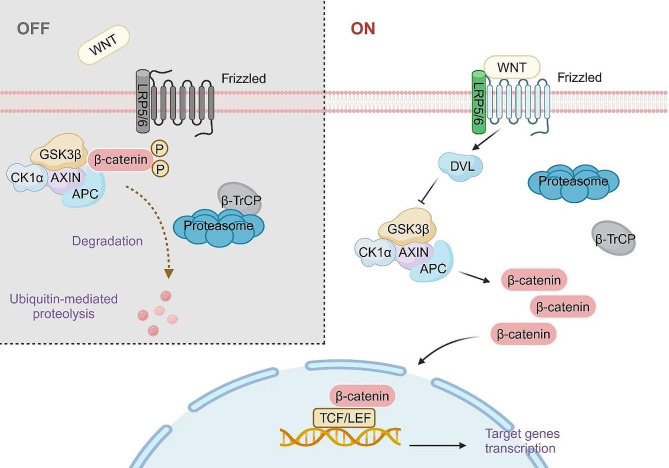
“The downstream effector in this cascade is β-catenin which serves as a vital component of the canonical Wnt pathway [25].”
BackgroundNusse, R., & Varmus, H. E. (1982) · Cell · doi:10.1016/0092-8674(82)90409-3 · Cited by 1,863 · cited 1×
“The Wnt gene is synonymous with the Drosophila segment polarity gene Wingless and the murine proto-onco-gene integration 1, which was molecularly characterized from mouse tumor cells in 1982 [14].”
BackgroundThe many faces and functions of β‐catenin
Valenta, T., Hausmann, G., & Basler, K. (2012) · The EMBO Journal · doi:10.1038/emboj.2012.150 · Cited by 1,598
Research works printed but not linked: 6
- Nusse R Clevers H Wnt/beta-Catenin signaling, Disease, and emerging therapeutic modalities Cell 2017 169 6 985 99 10.1016/j.cell.2017.05.016 28575679 · DOI · Paper page
- Cai J Fang L Huang Y Li R Xu X Hu Z Simultaneous overactivation of Wnt/β-catenin and TGFβ signalling by mir-128-3p confers chemoresistance-associated metastasis in NSCLC Nat Commun 2017 8 15870 10.1038/ncomms15870 28627514 PMC5481840 · DOI · Paper page
- Chai S Ng KY Tong M Lau EY Lee TK Chan KW Octamer 4/microRNA-1246 signaling axis drives Wnt/β-catenin activation in liver cancer stem cells Hepatology 2016 64 6 2062 76 10.1002/hep.28821 27639189 · DOI · Paper page
- Wang Z Li Z Ji H Direct targeting of β-catenin in the wnt signaling pathway: current progress and perspectives Med Res Rev 2021 41 4 2109 29 10.1002/med.21787 33475177 PMC8217106 · DOI
- Jung YS Park JI Wnt signaling in cancer: therapeutic targeting of wnt signaling beyond β-catenin and the destruction complex Exp Mol Med 2020 52 2 183 91 10.1038/s12276-020-0380-6 32037398 PMC7062731 · DOI · Paper page
- Zhao H Ming T Tang S Ren S Yang H Liu M Wnt signaling in colorectal cancer: pathogenic role and therapeutic target Mol Cancer 2022 21 1 144 10.1186/s12943-022-01616-7 35836256 PMC9281132 · DOI · Paper page
Cited by
Items 201–300 of 454
MATE, R. T., Chivate, A. N., Chivate, N. D., & Bhosale, M. V. (2026) · Journal of Pharmaceutical Innovation · doi:10.1007/s12247-026-10493-2 · Cited by 2
“Enrichment in broader Pathways in cancer and MicroRNAs in cancer underscores a potential impact on a wide spectrum of oncogenic processes, including those regulating the epithelial-mesenchymal transition (EMT) and immune modulation [61, 62].”
Gastrodin and gastrodigenin: advancing neurogenesis in neurological disease management
Ma, W., Wang, S., Yang, X., Chen, Y.-B., Li, Y., & Cui, Y. L. (2026) · Food Research International · doi:10.1016/j.foodres.2026.118882 · Cited by 2
Liu, X., Chen, X., Wang, N., Cheng, Z., Xie, Y., Jiang, T., & Pei, Z. (2026) · Nano Biomedicine and Engineering · doi:10.1016/j.nbe.2026.100058 · Cited by 2
Shah, A. A., Goswami, A., DEV, K. A. P. I. L., Hingorani, L., Maurya, R., Srivastava, K. R., & Chattopadhyay, N. (2026) · Phytotherapy Research · doi:10.1002/ptr.70304 · Cited by 2
Prabhakaran, R., Muthu, R., Mahendran, K., Thamarai, R., Subramanian, V., Revathi, S., Velramar, B., Dharani, S., & Balachandran, R. (2026) · Frontiers in Cell and Developmental Biology · doi:10.3389/fcell.2026.1808500 · Cited by 2
“As a result, the epigenetically altered cells have the capacity to modify molecules associated with the Wnt/ β - Catenin cascade, thereby changing Wnt/ β -Catenin signaling mediated via modifications in key regulatory proteins of the Wnt/ β -Catenin signaling cascade; for example, by increasing levels of β -Catenin an…”
InfluentialPathophysiology and Molecular Signalling in Osteoporosis: Linking Risk Factors to Bone Loss
Pramoda, G., Shivhare, K., Gupta, P. K., Sahebkar, A., Kesharwani, P., & Shukla, R. (2026) · Journal of Cellular and Molecular Medicine · doi:10.1111/jcmm.71155 · Cited by 2
Qin, Z.-P., Zhang, N., Li, Y., Xia, Y., Zhao, C., & Qingshan, L. (2026) · Molecular Neurobiology · doi:10.1007/s12035-026-06013-5 · Cited by 2
Modeling Alzheimer’s disease with brain organoids: mechanisms, applications, and future directions
Zhao, Q., Li, S., Ju, Y., Kong, X., & Liu, X. (2026) · Frontiers in Cell and Developmental Biology · doi:10.3389/fcell.2026.1791272 · Cited by 2
“Therefore, Wnt activation provides protection against AD (Perez-Corredor et al., 2024; Song et al., 2024).”
Tumor Plasticity and Microenvironmental Crosstalk as Drivers of Metastasis and Therapy Resistance
Dagar, G., Dagar, M., Gupta, A., Surendranath, A., Das, S. K., Rehmani, M. U., Tanwar, M., Mirza, S., Macha, M. A., Akil, A. S. A.-S., et al. (2026) · MedComm · doi:10.1002/mco2.70836 · Cited by 2
Xu, H., Min, P., Fu, Y., Sun, G., Wu, H., Pan, M., Zhao, C., Li, J., Wu, Y., Xu, Y., et al. (2026) · Advanced Materials · doi:10.1002/adma.202521283 · Cited by 4
Chen, L., Tang, J., Chang, Y., Hang, D., Ji, J., & Chen, G. (2024) · Biochemical Pharmacology · doi:10.1016/j.bcp.2024.116688 · Cited by 2
Self-citationChen, S.-D., Zhang, C., Huang, H., Wang, Y., Lian, M., & Hong, G. (2025) · Journal of Molecular Histology · doi:10.1007/s10735-024-10342-x · Cited by 2
“Since WNT4 itself does not directly bind to β-catenin, but by affecting the activity of GSK3β, WNT4 can compete with β-catenin for binding to GSK3β, thereby reducing the phosphorylation and degradation of β-catenin by GSK3β (Song et al. 2024).”
Tan, J. Y., lian, H., Zheng, Q., Yang, T., & Wang, T. (2025) · Current Cancer Drug Targets · doi:10.2174/0115680096360071241215171342 · Cited by 2
β-Catenin Regulates Glycolytic and Mitochondrial Function in T-Cell Acute Lymphoblastic Leukemia
Zhang, L., Zhao, Y., Wang, S., Zhang, J., Li, X., Wang, S., Huang, T., Wang, J., & Liu, J. (2025) · Biomedicines · doi:10.3390/biomedicines13020292 · Cited by 2
“In breast cancer CSCs, β -catenin mRNA is significantly upregulated and correlates with the self-renewal function of CSCs [39].”
Yang, W., Zhu, W., Yao, Z., Wang, Z., Liu, S., Guan, X., & Qin, J. (2025) · Recent Patents on Anti-Cancer Drug Discovery · doi:10.2174/0115748928376279250613051117 · Cited by 2
Wang, S.-Y., & Wang, K.-J. (2025) · World Journal of Gastroenterology · doi:10.3748/wjg.v31.i6.99750 · Cited by 1
“These studies collectively highlight the potential of the Wnt/ β - catenin signalling pathway as a new target for cancer immunotherapy, particularly through regulating the function and phenotype of TAMs and their impact on tumour angiogenesis and immune surveillance[14].”
InfluentialCao, W., Li, H., Fan, K., & Tuya, W. (2025) · Jundishapur Journal of Microbiology · doi:10.5812/jjm-158800 · Cited by 1
Chen, Y., Wang, Q., Bian, S., Dong, J., Xiong, J., & Le, J. (2025) · Discover Oncology · doi:10.1007/s12672-025-02341-5 · Cited by 1
SLC41A2 Suppresses Colon Cancer Progression by Inhibiting GSK3β Ubiquitin-proteasome Degradation
Lu, Y., Shen, Y., Liu, J., Deng, J., Wang, Y., Liu, Q., & Lu, W. (2025) · Current Molecular Medicine · doi:10.2174/0115665240397574250630060947 · Cited by 1
Cancer stem cell enrichment in in vitro models: Techniques, insights, and applications
Ranjbar-Niavol, F., Barisam, M., Khosravi, A., Kashaninejad, N., Zarrabi, A., & Vosough, M. (2025) · Cancer Letters · doi:10.1016/j.canlet.2025.217966 · Cited by 1
Molecular Pathways and Biomarkers in Endometrial Carcinoma: Paving the Way for Precision Medicine
Sharma, K. K., Tamta, S., Pandey, M., Gupta, R., & Kumar, G. (2025) · Anti-Cancer Agents in Medicinal Chemistry · doi:10.2174/0118715206390892250803033306 · Cited by 1
Liu, H., Zhu, B., Cui, Y., Liu, W., Xu, Q., Lu, X., Tan, Z., Tian, Y., & Xu, W. (2025) · Translational Oncology · doi:10.1016/j.tranon.2025.102515 · Cited by 1
“The aggressive behavior of several cancers, including glioma, is greatly influenced by the Wnt/ β -catenin/EMT pathway [50,51].”
From single-cell maps to diagnostics: enabling biomarker discovery in precision medicine
Lee, J. H. (2025) · Academia molecular biology and genomics. · doi:10.20935/acadmolbiogen7859 · Cited by 1
Yan, J., & Deng, Y. (2025) · The Kaohsiung Journal of Medical Sciences · doi:10.1002/kjm2.70103 · Cited by 1
A Photothermal Nano‐Switch for Tumor‐Selective Wnt Hyperactivation in Vivo
Fang, C., Liu, Y., Zhang, B., Liu, T., Hu, X., Li, B., Gan, Y., Huang, C., Xue, P., Zhang, S., et al. (2025) · Angewandte Chemie · doi:10.1002/ange.202506666 · Cited by 1
Self-citationThe Future of Type 1 Diabetes: Can Stem Cells Provide a Cure?
Chakrabarti, S. K., & Chattopadhyay, D. (2025) · Exploratory Research and Hypothesis in Medicine · doi:10.14218/erhm.2025.00029 · Cited by 1
Okotel, M., & Huang, C. (2025) · Critical Reviews™ in Oncogenesis · doi:10.1615/critrevoncog.2025060830 · Cited by 1
Peteříková, A. S., Fedeli, F., Rychlý, B., Soukup, J., Michal, M., Martínek, P., Grendár, M., Mosaieby, E., Ptáková, N., Slisarenko, M., et al. (2025) · Archiv für Pathologische Anatomie und Physiologie und für Klinische Medicin · doi:10.1007/s00428-025-04281-5 · Cited by 1
Wu, C., Zhou, Y., Mu, Y., Cheng, Y., Xu, W., Huang, M., Xu, J., Li, M., Gu, J., Meng, X., et al. (2025) · Cancer Cell International · doi:10.1186/s12935-025-04001-8 · Cited by 1
“The Wnt/β-catenin signaling is a major branch of Wnt signaling and also represents a pivotal signaling cascade, and its dysregulation has been linked to a variety of cancers, including solid tumors, hematological malignancies, and sarcomas [24].”
Therapeutic potential of α-santalol: Sources, mechanisms, and anti-tumor prospects
Wang, R., Shi, G., Liu, Y., Pan, Y., & He, Z. (2025) · Fitoterapia · doi:10.1016/j.fitote.2025.106957 · Cited by 1
Self-citationPal, S., Panda, A., Bhowmick, B., & Bera, K. (2025) · Pharmacological Research - Modern Chinese Medicine · doi:10.1016/j.prmcm.2025.100714 · Cited by 1
KIAA1429 Stabilizes FAM84B mRNA to Enhance Colorectal Cancer Tumorigenesis via Wnt/β-Catenin Pathway
Lü, Y., Wang, W., Peng, L., & Wang, Z. (2025) · Biochemical Genetics · doi:10.1007/s10528-025-11297-8 · Cited by 1
“The Wnt/β-catenin pathway is precisely controlled under normal conditions, and its disruption is increasingly recognized as a key factor in the onset of diverse diseases, including cancer (Song et al. 2024 ).”
SPDEF-mediated BIRC5 transcriptional activation enhances non-small cell lung cancer progression
Qiao, Z., Lv, Z., Song, X., & He, J. (2025) · Mutation research. Fundamental and molecular mechanisms of mutagenesis · doi:10.1016/j.mrfmmm.2025.111926 · Cited by 1
Mass spectrometry (MS)-based proteomics and the sulfome: clinical potential
Oswald, S. O., Daly, L. A., Mesdaghi, S., Jones, S., Rigden, D. J., Eyers, P. A., & Eyers, C. E. (2025) · Expert Review of Proteomics · doi:10.1080/14789450.2025.2601523 · Cited by 1
“Given the well-established roles of Wnt proteins in embryonic development [167], tissue differentiation [168] and cancer progression [169], sulfation of analogous residues in mammalian Wnt proteins (which are predicted based on sequence [170]) represents a promising area for investigation.”
Wang, B., Chen, X., Li, Y., Wang, H., Wang, K., & Li, X. (2025) · Computational Biology and Chemistry · doi:10.1016/j.compbiolchem.2025.108837 · Cited by 1
Minoxidil ameliorates myelodysplastic syndrome by targeting Wnt4 while sparing normal hematopoiesis
Shi, X., Liu, Y., Huang, L., Ou, Y., Chen, X., Ling, Y., Zhang, Y., & Qing, L. (2025) · Cell Communication and Signaling · doi:10.1186/s12964-025-02615-z · Cited by 1
Self-citationSterba, J. J., Beltramone, N., Celi, A. B., Casal, J. J., Fanelli, M. A., Capurro, C., Rivarola, V., Giusto, G. D., & Ford, P. (2025) · Journal of Cellular Physiology · doi:10.1002/jcp.70127 · Cited by 1
Nguyen, T., Duong, T. T. C., & Nguyen, H. (2025) · Asian Pacific Journal of Cancer Prevention · doi:10.31557/apjcp.2025.26.12.4433 · Cited by 1
SO‘LAK BEZLARI O‘SMALARINING PATOGENEZI VA MOLEKULAR-GENETIK JIHATLARI
O‘g‘li, E. Z. N. (2025) · Research Focus International Scientific Journal · doi:10.66073/researchfocus.v4i6.1712 · Cited by 1
“Wnt/β-katenin yo‘lining giperaqtiyatsiyasi o‘smaviy hujayralarning agressiv fenotipini shakllantirishga va ularning an’anaviy terapiyaga chidamliligiga yordam beradi [12,15].”
Deng, X., Cao, J., Liang, Y., Lyu, B., & Tong, L. (2025) · Discover Oncology · doi:10.1007/s12672-025-04373-3 · Cited by 1
“The Wnt/β-catenin signaling pathway plays an essential role in various physiological functions, including development, tissue homeostasis, and cell proliferation, and its aberrant regulation significantly contributes to hepatocellular carcinoma initiation and progression [30].”
Zhang, S., Xiang, P., Suo, M., Yi, Z., Wei, Z., Li, J., Zeng, Y., & Chen, Y. (2025) · Brain Research Bulletin · doi:10.1016/j.brainresbull.2025.111710 · Cited by 1
Fang, C., Zhang, B., Li, F., & Ling, D. (2025) · Small · doi:10.1002/smll.202513457 · Cited by 1
The Silent Menace of Fumonisins: Cancer Risks, Outbreak Lessons, and Mitigation Pathways
Kaur, L., Kaur, G., Dwivedi, S. K., & Mishra, J. (2026) · Microorganisms for sustainability · doi:10.1007/978-981-95-3989-5_11 · Cited by 1
Museedi, O. S., Abdullah, B. H., & Al-Rawi, N. H. (2026) · European Journal of Dentistry · doi:10.1055/s-0045-1814075 · Cited by 1
“…evidenced by β -catenin accumulation in the cytoplasm and nucleus 11,12 — is a well-established contributor to many carcinomas, including HNSCC. 13,14 Aberrant activation of the Wnt/ β -catenin signaling pathway is a hallmark of HNSCC. 13 While GABA signaling has traditionally been studied in…”
Shah, S., & Lucke-Wold, B. P. (2026) · Clinical & Translational Oncology · doi:10.1007/s12094-025-04212-5 · Cited by 1
“Second, IRS2 enhances beta-catenin activation by promoting its phosphorylation and nuclear translocation, thereby driving transcription of downstream targets such as MYC, AXIN2, and CCND1 [44–46].”
Mahanti, K., Saha, J., Mondal, P., Sarkar, D., Pramanik, A., Das, D., Mahato, M., & Bhattacharyya, S. (2026) · Journal of Pharmacology and Experimental Therapeutics · doi:10.1016/j.jpet.2026.103810 · Cited by 1
Tamilselvi, Y., Velmurugan, P., & Sivasubramanian, K. (2026) · The Ukrainian Biochemical Journal · doi:10.15407/ubj98.01.005 · Cited by 1
Popović, K. J., Popović, D. J., Miljković, D., Popović, J. K., Poša, M., Drljača, J., & Dolićanin, Z. (2026) · Pharmaceuticals · doi:10.3390/ph19030407 · Cited by 1
Hashim, N. T., Babiker, R. A., Mohammed, R., Elsheikh, M., Padmanabhan, V., Islam, M. S., Elseed, M. G., Chaitanya, N. C., Siriwardena, B. S. M. S., Rahman, M. M., et al. (2026) · Molecules · doi:10.3390/molecules31050901 · Cited by 1
“Beyond canonical Wnt ligand-dependent activation, β -catenin can be influenced by noncanonical mechanisms independent of Wnt signaling, including disruption of the destruction complex, cross-talk with receptor tyrosine kinases, and inflammatory signaling cascades [31,37].”
Mohammad-Jafarieh, P., Avci, Ç. B., Nezamdoust, F. V., Rahbarghazi, R., Khalilnezhad, A., Shahriyari, E., & Vosough, M. (2026) · Cancer Cell International · doi:10.1186/s12935-026-04226-1 · Cited by 1
“It has been indicated that the activity of Wnt/β-catenin signaling pathway is crucial in the hemostasis and function of tumor cells [71].”
Zhang, Y., Bai, X., Ning, X., & Ren, J. (2026) · Clinical Cosmetic and Investigational Dermatology · doi:10.2147/ccid.s586819 · Cited by 1
Liang, J., Pan, Y., Kong, Z., Wang, B., Yang, J., & Li, J. (2026) · Acta Pharmaceutica Sinica B · doi:10.1016/j.apsb.2026.03.046 · Cited by 1
Liu, N. (2026) · American Journal of Cancer Research · doi:10.62347/yygc8240 · Cited by 1
Srivastava, A., Tyagi, N., Mubashra, Shukla, A., & Srivastava, S. (2026) · Biochimica et Biophysica Acta (BBA) - Reviews on Cancer · doi:10.1016/j.bbcan.2026.189594 · Cited by 1
Insights into nuciferine: A natural multifunctional bioactive alkaloid (Review)
Liu, Y., Li, X., Huang, B., Lai, X., Ye, B., Miao, H., Zhang, L., & Xiong, X. (2026) · Molecular Medicine Reports · doi:10.3892/mmr.2026.13885 · Cited by 1
“However, its aberrant activation drives tumor initiation and progression, making it a promising target for cancer therapies (112). liu et al (18) demonstrated that nF markedly reduced the proliferation of nSclc cells, enhanced the stabilization of axin and induced apoptosis by decreasing the…”
Self-citationMenaga, S., & Geetha, N. (2026) · Cell Biochemistry and Function · doi:10.1002/cbf.70220 · Cited by 1
Zhang, N., Li, T., & Wen, K. (2026) · Journal of Translational Medicine · doi:10.1186/s12967-026-08173-3 · Cited by 1
“The Wnt/β-catenin pathway is a major oncogenic cascade regulating development, tissue homeostasis, and cell-fate determination, and is extensively implicated in cancer initiation and progression [18].”
Keyhani, A., Kashani, H. H., Asl, K. D., Mazloumi, Z., kaikavoosnejad, F., Moosavi, S. S., Verdi, M., Rafat, A., & Nejati, R. (2026) · Biomolecules · doi:10.3390/biom16050653 · Cited by 1
“Extensive crosstalk with pathways such as Hedgehog, Notch, and TGF-β further reinforces resistance, while the presence of multiple co-receptors limits the effectiveness of targeted inhibitors [110,111].”
Arora, A., & Ghosh, S. S. (2026) · Biochemical Pharmacology · doi:10.1016/j.bcp.2026.118029 · Cited by 1
Сигнальный путь Wnt и открытие лекарств. I. Фармакологические мишени
Степанович, Х. Ю., Zaitsev, S., Tiasto, V., Митяева, А. М., Шодунке, О. К., & Степанович, Б. И. (2026) · Clinical and Fundamental Medicine · doi:10.24866/3033-5485/2026-1/42-67 · Cited by 1
Zhou, X., Tan, B., Zhang, T., Liu, W., Zuo, Y., Ren, B., Wang, T., Li, L., Chen, S., & Lu, J. (2026) · Cellular Oncology · doi:10.1007/s13402-026-01223-4 · Cited by 1
“Studies revealed Wnt/β-catenin pathway dysregulation in approximately 30% of solid tumors (e.g., colorectal, hepatic, and breast carcinomas), characterized by aberrant nuclear accumulation of β-catenin and consequent oncogene overexpression (e.g., c-Myc, CyclinD1) [71].”
Mweene, B. C., Neikirk, K., Masenga, S. K., Thapliyal, S., Marshall, A., Venkhatesh, P., Katti, P., Crabtree, A., Vetha, B. S. S., Albritton, C. F., et al. (2026) · Aging advances. · doi:10.4103/agingadv.agingadv-d-25-00047 · Cited by 1
Plant-derived miRNAs: Cross-kingdom anti-tumor agents and next generation of oral biopharmaceuticals
Jin, W., Li, Z., Zhao, J., Li, Y., & Dong, Z. (2026) · Molecular Therapy · doi:10.1016/j.ymthe.2026.05.018 · Cited by 1
Yang, Y., Sun, Y., Kang, H., Guan, E., Liu, R., Yang, K., & Jiang, D. (2026) · Journal of Translational Medicine · doi:10.1186/s12967-026-08299-4 · Cited by 1
“This mechanism promotes proliferation, differentiation, and survival [79, 80].”
Amalia, D., Febriani, F., & Arfianti, A. (2025) · Iranian Biomedical Journal · doi:10.66224/ibj.5158 · Cited by 1
Zhao, X., Lv, S., Wang, H., Lu, Z., Kang, P., Li, J., Liang, Y., Ma, S., Hua, C., You, J., et al. (2026) · MedScience · doi:10.1007/s11684-026-1237-8 · Cited by 1
Sharma, S., Mishra, A., & Pandey, P. (2026) · Biointerface Research in Applied Chemistry · doi:10.33263/briac163.086 · Cited by 1
Yu, J., Zhang, R., Sun, Z., Sekhar, K. P. C., Sun, W., Xiaoqing, Y., Gao, Z., Cui, J., & Yu, D. (2026) · Bioactive Materials · doi:10.1016/j.bioactmat.2026.06.013 · Cited by 1
“The Wnt/ β -catenin signaling pathway is a central regulator of tumor immune evasion, metabolic rewiring, and therapeutic resistance [21, 22].”
Self-citationXu, C., Gao, L., Yu, J., Zhou, Y., Yang, B., & Pan, T. (2026) · Scientific Reports · doi:10.1038/s41598-026-58416-y · Cited by 1
Liu, L., 陈颖君, Guo, M., Yun, F., Li, X., Chen, L., Li, Y. M., & Li, F. (2026) · Frontiers in Pharmacology · doi:10.3389/fphar.2026.1782130 · Cited by 1
“There it binds T-cell factor (TCF)/lymphoid enhancer-binding factor (LEF) to drive targets such as MYC proto-oncogene (c-MYC) and Cyclin D1 (Song et al., 2024).”
Self-citationShehzadi, S. A., Naveed, S., Khan, D., Arif, K., Islam, A., Hassan, M., Kloczkowski, A., Hassan, E. S., & Abdelhameed, A. S. (2026) · Bioorganic Chemistry · doi:10.1016/j.bioorg.2026.110318 · Cited by 1
A transition zone enriched WIF1 + basal cell subtype is associated with benign prostatic hyperplasia
Wang, R., Zheng, Q., Graham, M. K., Vaghasia, A. M., Liu, J., Gregg, J. M., Jones, T., Gupta, A., Castagna, N., Zhang, Y., et al. (2026) · The Journal of Pathology · doi:10.1002/path.70117 · Cited by 1
Ahmadi, Y., Far, B. E., & Abolhasani, S. (2026) · Stem Cell Reviews and Reports · doi:10.1007/s12015-026-11217-2 · Cited by 1
“Genetic and epigen - etic alterations in pathway components such as APC or β-catenin further enhance these CSC-supportive programs across colorectal and other malignancies [131].”
Liu, B., Chu, Z., Fan, Y., Tian, Y., Jin, J., Wang, T., & He, X. (2026) · Translational Oncology · doi:10.1016/j.tranon.2026.103048 · Cited by 1
“Consequently, dysregulation of the Wnt/ β -catenin signaling pathway acts as a crucial driver that promotes and sustains the malignant phenotypes of tumor cells [19,20].”
Saspriyana, K. Y., Budiana, I., Hardiany, N., Kekalih, A., Anggraini, T., Rachmadi, L., & Winarto, H. (2026) · Airlangga University Press eBooks · doi:10.20473/aup.1702 · Cited by 1
The NORE1A/RASSF5 Tumor Suppressor Forms a Complex with GSK-3β to Regulate β-Catenin
Schmidt, M., Donninger, H., & Clark, G. J. (2024) · Journal of Biosciences and Medicines · doi:10.4236/jbm.2024.128006 · Cited by 1
Wang, G., Man, Y., Cao, K., Zhao, L., Lun, L., Chen, Y., Zhao, X., Wang, X., Zhang, L., & Hao, C. (2024) · Heliyon · doi:10.1016/j.heliyon.2024.e39025 · Cited by 1
“Both of these signaling pathways are evolutionarily conserved and play a critical role in carcinogenesis and the regulation of immune response [60,61].”
BackgroundEmerging nanoparticles that target and eliminate cancer stem cells
Fan, Z., Chen, B., Yang, X., & Li, Z. (2025) · Nanomedicine · doi:10.1080/17435889.2025.2544509 · Cited by 1
A FUT2-β-catenin axis mediates chemoresistance and cancer stemness in lung adenocarcinoma
Liu, Y., Zhu, Y., Dong, C., Bian, Z., Guo, S., Hu, D., & Chen, X. (2025) · Cellular Signalling · doi:10.1016/j.cellsig.2025.112057 · Cited by 1
Self-citationJi, X., Yun, Y., Zhu, Z., Wu, T., Ruan, M., Fan, Y., & Zhang, Q. (2026) · Cancer Cell International · doi:10.1186/s12935-026-04266-7
He, J. (2024) · American Journal of Cancer Research · doi:10.62347/rkqx3504
Kyrgiafini, M.-A., Katsigianni, M., Giannoulis, T., Sarafidou, T., Chatziparasidou, A., & Mamuris, Z. (2025) · Non-Coding RNA · doi:10.3390/ncrna11010004
The role of SOX18 in nasopharyngeal carcinoma: implications for prognosis and therapy
Ni, G., Wang, W., Dang, Y., Cheng, C., & Wang, Q. (2025) · American Journal of Translational Research · doi:10.62347/ytrv6870
Decoding YOD1: Insights into tumour regulation and translational opportunities
Chong, Z. X. (2025) · Biochemical Pharmacology · doi:10.1016/j.bcp.2025.116889
Research Progress of Wnt/β-catenin Pathway in Tumor Therapy
Tao, J. (2025) · Theoretical and Natural Science · doi:10.54254/2753-8818/2025.21967
PATHOGENESIS AND MOLECULAR-GENETIC ASPECTS OF SALIVARY GLAND TUMORS
Rizaev, J., & Akhrorov, A. (2025) · Medical science of Uzbekistan · doi:10.56121/2181-3612-2025-2-155-160
Zhen, K., Huo, L., Zhu, T., & Li, Y. (2025) · American Journal of Men s Health · doi:10.1177/15579883251332732
“Abnormal activation of this pathway may promote tumorigenesis (P. Song et al., 2024; Y. Zhang & Wang, 2020).”
Association of WNT Antagonist Gene Polymorphisms with Breast Cancer in a Turkish Population
Dönmez, G. (2025) · Lokman Hekim Health Sciences · doi:10.14744/lhhs.2025.46780
Kohwi, Y., Wong, X., Grange, M., Sexton, T., Richards, H. W., Kitagawa, Y., Sakaguchi, S., Liang, Y., Chuong, C., Botchkarev, V. A., et al. (2025) · eLife · doi:10.7554/elife.105915.2
Ashraf, R., Buchanan, C. D., Monk, J. M., Robinson, L. E., & David, W. L. (2025) · Current Oncology Reports · doi:10.1007/s11912-026-01820-4
“Given the com - plex interplay between Wnt/β-catenin signaling, immune modulation, and tumor development [132], the implications of the observed upregulation of Lef1 expression following n-3 PUFA supplementation require further investigation to determine whether Lef1 plays a pro-tumorigenic or…”
Vaziri, S. S., Tajbakhsh, E., Khamesipour, F., & Momtaz, H. (2025) · Iranian Journal of Microbiology · doi:10.18502/ijm.v17i3.18824
Bai, Y., Wang, J., Li, W., Liu, N., Liu, K., Li, H., Zhao, Y., Duan, X., & Ding, Y. (2025) · Bioorganic Chemistry · doi:10.1016/j.bioorg.2025.108808
Cytoplasmic RBBP8 as a Novel β-Catenin Adaptor by Competing with APC and Impacts LLPS HomeostasisPreprint
Yan, J., Fu, Y., Yu, R., Wu, J., Ma, C., Wang, Y., Rajan, D. K., Di, X., Wen, D., Guo, Z., et al. (2025) · SSRN Electronic Journal · doi:10.2139/ssrn.5350622
Nontamo, T., Kamsu, G. T., & Ndebia, E. J. (2025) · Gastroenterology & Endoscopy · doi:10.1016/j.gande.2025.08.001
Diagnosis of breast cancer with high accuracy via Petri net modeling of signaling pathways
Khodaei, S., Sarvari, M., Sajadi, E., Assadzadeh, F., Ebrahimian, H., Rahgozar, M., & Kavousi, K. (2026) · Scientific Reports · doi:10.1038/s41598-026-68824-9
“Researchers have used feature selection algorithms and gene expression analysis to improve cancer diagnosis and classification 8,21,33,39 .”
Zhang, J., Zhou, S., Dai, Z., Gong, F., & Zhang, J. (2025) · Journal of Cellular and Molecular Medicine · doi:10.1111/jcmm.70726
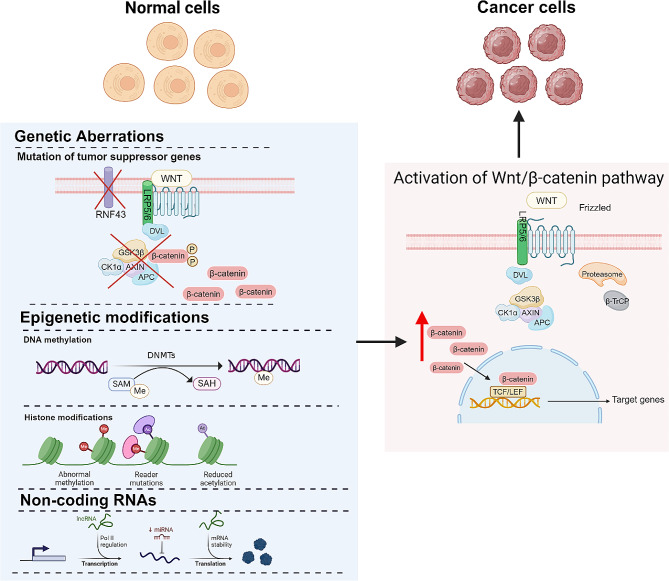
“However, abnormalities in the Wnt/β-catenin pathway due to epigenetic modifications or other factors often lead to the pathway and its downstream target genes being aberrantly activated [12].”
InfluentialAkl, M. M., & Ahmed, A. K. K. (2025) · Сибирский научный медицинский журнал · doi:10.18699/ssmj20250401
Actionable Genes and Carcinogenic Pathways for Gastric Cancer in Latinos
Montes‐Rodríguez, I. M., Centeno‐Girona, H., Pérez‐Mártir, S. V., Rivera, N., & Cruz-Correa, M. R. (2025) · Cancer Medicine · doi:10.1002/cam4.71216
Zhang, G., Cao, F., & Zhang, L. (2026) · Translational Oncology · doi:10.1016/j.tranon.2026.103108
Zhang, H., Li, Y., & Li, Y. (2025) · Frontiers in Molecular Biosciences · doi:10.3389/fmolb.2025.1663517
Metadata
- Authors
- Song, P., Gao, Z., Bao, Y., Chen, L., Huang, Y., Liu, Y., Dong, Q., & Wei, X.
- Affiliations
- West China Hospital of Sichuan University (CN)
- Sichuan University (CN)
- Corresponding author
- Dong, Qiang
- Wei, Xiawei
- Venue
- Journal of Hematology & Oncology
- Published
- 2024-06-18
- Volume
- 17
- Issue
- 1
- Pages
- 46-46
- ISSN
- 1756-8722 (ISSN-L)
- PMC
- PMC11184729
- OpenAlex
- W4399792819
- Cited by
- 382
- References
- 354
- Citations by year
- 2026: 167 · 2025: 193 · 2024: 22
- FWCI
- 15.54
- Type
- journal article
- Language
- en
- Open access
- gold
- doi.org
- Licence
- cc-by
- creativecommons.org/licenses/by/4.0 (tdm)
- creativecommons.org/licenses/by/4.0 (vor)
- Locations
- Journal of Hematology & Oncology (publishedVersion, cc-by)
- PubMed Central (publishedVersion, cc-by)
- PubMed (publishedVersion)
- DOAJ (DOAJ: Directory of Open Access Journals) (submittedVersion)
- Funders
- National Science Foundation for Excellent Young Scholars (32122052)
- National Natural Science Foundation Regional Innovation and Development (No. U19A2003)
- Topics
- Life Sciences › Biochemistry, Genetics and Molecular Biology › Molecular Biology › Wnt/β-catenin signaling in development and cancer
- Health Sciences › Medicine › Oncology › Colorectal Cancer Treatments and Studies
- Life Sciences › Biochemistry, Genetics and Molecular Biology › Molecular Biology › Signaling Pathways in Disease
- Keywords
- Wnt/β-catenin signaling, carcinogenesis, cancer therapy, targeted therapy, tumor initiation and progression, epigenetic modifications, signaling crosstalk, Wnt inhibitors, cell proliferation, tissue homeostasis
- MeSH terms
- Animals, Antineoplastic Agents, Humans, Neoplasms, beta Catenin, Molecular Targeted Therapy, Wnt Signaling Pathway, Carcinogenesis
About these checks
Registry, retraction, Cites and statistics results are computed, not judged, with one exception: a printed reference that no index lists is read once by a model before it counts as a citation error. Claims are extracted by a model and kept only when their quote appears verbatim in the text; each cited source is then checked, with a model’s help, for whether it says what the claim relies on. Those verdicts can be wrong — read the claim’s quote and the cited source before relying on one.
Statistics and arithmetic are recomputed, not judged.
Confidence bands are shown only for fields calibrated on our annotated test set. None is calibrated yet, so no band is shown.
What counts as a claim ›How we measure confidence ›How we check this ›
Are you an author, or do you see a problem with this page? Request a review
Data sources
Bibliographic data: Semantic Scholar, OpenAlex, Crossref.
Contains information from the Semantic Scholar Academic Graph Datasets, made available under the ODC Attribution License (ODC-BY 1.0).
Semantic Scholar’s data is described in: Kinney, R., et al. (2023). The Semantic Scholar Open Data Platform. arXiv:2301.10140.
