

Wnt/β-catenin signaling pathway in carcinogenesis and cancer therapy
Open accessThe DOI matches its Crossref record; 353 of the 355 references it cites were found in a registry or an index.
Abstract
The Wnt/β-catenin signaling pathway plays a crucial role in various physiological processes, encompassing development, tissue homeostasis, and cell proliferation. Under normal physiological conditions, the Wnt/β-catenin signaling pathway is meticulously regulated. However, aberrant activation of this pathway and downstream target genes can occur due to mutations in key components of the Wnt/β-catenin pathway, epigenetic modifications, and crosstalk with other signaling pathways. Consequently, these dysregulations contribute significantly to tumor initiation and progression. Therapies targeting the Wnt/β-catenin signaling transduction have exhibited promising prospects and potential for tumor treatment. An increasing number of medications targeting this pathway are continuously being developed and validated. This comprehensive review aims to summarize the latest advances in our understanding of the role played by the Wnt/β-catenin signaling pathway in carcinogenesis and targeted therapy, providing valuable insights into acknowledging current opportunities and challenges associated with targeting this signaling pathway in cancer research and treatment.
Overview
The claims and statistics of this paper haven’t been checked yet.
Free: it reads the open-access text and checks the first 5 claims that cite a source we can check. Create a free account to check every claim.
Integrity signals
Registry
Cites
Statistics
Figures
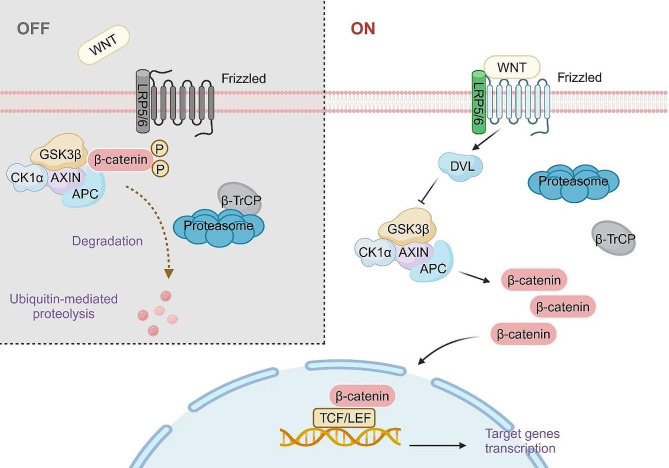
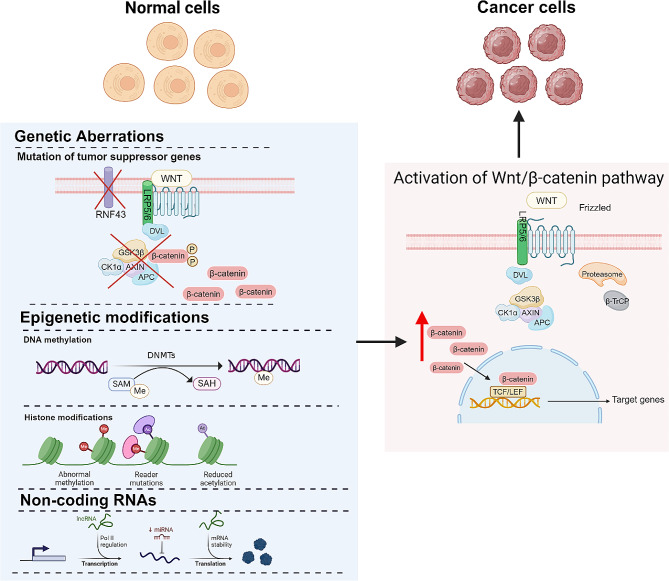
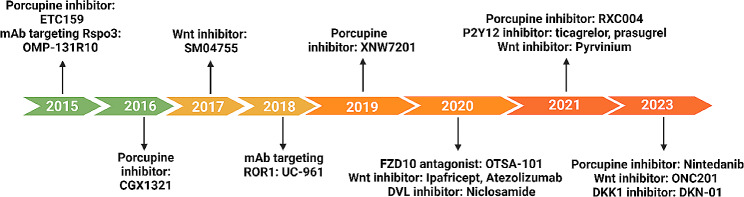
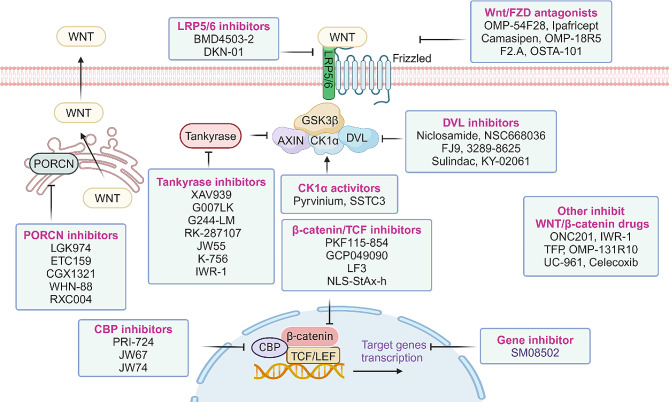
Verification
Claims the paper makes
The claims and statistics of this paper haven’t been checked yet.
Free: it reads the open-access text and checks the first 5 claims that cite a source we can check. Create a free account to check every claim.
Claims other papers make about this one
Each is checked against this paper’s own text: does it say what the citing paper says it does?
The source backs part of the claim, not all of it — or backs it for a different population, condition or comparison.
In the citing paper
“The Wnt/β-catenin pathway is a well-established oncogenic driver in numerous cancers, including ccRCC, where its aberrant activation is linked to tumor initiation and progression [30–32].”
From PPP1R18-mediated activation of Wnt/β-catenin and EMT is dependent on ERK signaling in clear cell renal cell carcinoma (2026) · cites this paper as [31]
Experimental — accuracy not yet measured
Self-check
Percentages, sums and reported differences re-computed from the paper’s own numbers.
The self-check needs the paper’s full text.
Citations
Cites
1 retracted
Wu, L., He, S., He, Y., Wang, X., & Lu, L. (2018) · Medical Science Monitor · doi:10.12659/msm.910742 · Cited by 14 · cited 1×
“IC-2, a small molecule inhibitor, effectively diminishes the population of CD44 cells (liver CSCs) and impedes sphere-forming capacity in HCC, CRC, and bladder cancer cells [343–345].”
BackgroundRetractedComprehensive molecular characterization of human colon and rectal cancer
The Cancer Genome Atlas Network (2012) · Nature · doi:10.1038/nature11252 · Cited by 8,499 · cited 1×
“The Wnt signaling pathway alterations are universally observed in CRC tissues, with more than 90% of CRC cases harboring mutations in genes such as APC, CTNNB1, RNF42, AXIN1, or RSPO [196].”
BackgroundIdentification of stem cells in small intestine and colon by marker gene Lgr5
Barker, N., van Es, J. H., Kuipers, J., Kujala, P., van den Born, M., Cozijnsen, M., Haegebarth, A., Korving, J., Begthel, H., Peters, P. J., et al. (2007) · Nature · doi:10.1038/nature06196 · Cited by 5,687 · cited 1×
“Several characteristics have been identified in stem cells, including Lgr5, Bmi1, Lrig1 and Dclk1 [205–207].”
BackgroundWnt/β-Catenin Signaling, Disease, and Emerging Therapeutic Modalities
Nusse, R., & Clevers, H. (2017) · Cell · doi:10.1016/j.cell.2017.05.016 · Cited by 4,342
Integrative Clinical Genomics of Advanced Prostate Cancer
Robinson, D., Van Allen, E. M., Wu, Y.-M., Schultz, N., Lonigro, R. J., Mosquera, J.-M., Montgomery, B., Taplin, M.-E., Pritchard, C. C., Attard, G., et al. (2015) · Cell · doi:10.1016/j.cell.2015.05.001 · Cited by 3,645 · cited 1×
“…that activation of Wnt/β-catenin signaling due to genetic changes occurs more frequently in castration-resistant prostate cancer (CRPC) compared to treatment-naïve cases, as evidenced by clinical samples obtained from CRPC patients, which demonstrate alterations in CTNNB1 and APC genes [237].”
BackgroundWnt/β-catenin signalling: function, biological mechanisms, and therapeutic opportunities
Liu, J., Xiao, Q., Xiao, J., Niu, C., Li, Y., Zhang, X., Zhou, Z., Shu, G., & Yin, G. (2022) · Signal Transduction and Targeted Therapy · doi:10.1038/s41392-021-00762-6 · Cited by 2,519 · cited 1×
“…chloroquine is an FDA-approved drug commonly utilized for treating tapeworm infection and stands out due to its mechanism involving internalization of the FZD1 receptor, reduction in DVL2 protein levels, and targeting of LRP6 to impede tumor proliferation, stemness, and metastasis [356, 357].”
BackgroundTankyrase inhibition stabilizes axin and antagonizes Wnt signalling
Huang, S.-M. A., Mishina, Y. M., Liu, S., Cheung, A., Stegmeier, F., Michaud, G. A., Charlat, O., Wiellette, E., Zhang, Y., Wiessner, S., et al. (2009) · Nature · doi:10.1038/nature08356 · Cited by 2,037 · cited 1×
“Several TNKS inhibitors with favorable therapeutic effects have been developed, including XAV939, G007LK, G244-LM, RK-287,107, JW55, K-756, IWR-1, MSC2504877, AZ1366, JW74, and NVP-TNKS656 [308–317].”
BackgroundWNT signalling pathways as therapeutic targets in cancer
Anastas, J. N., & Moon, R. T. (2013) · Nature Reviews Cancer · doi:10.1038/nrc3419 · Cited by 1,911 · cited 1×
“The downstream effector in this cascade is β-catenin which serves as a vital component of the canonical Wnt pathway [25].”
BackgroundNusse, R., & Varmus, H. E. (1982) · Cell · doi:10.1016/0092-8674(82)90409-3 · Cited by 1,863 · cited 1×
“The Wnt gene is synonymous with the Drosophila segment polarity gene Wingless and the murine proto-onco-gene integration 1, which was molecularly characterized from mouse tumor cells in 1982 [14].”
BackgroundThe many faces and functions of β‐catenin
Valenta, T., Hausmann, G., & Basler, K. (2012) · The EMBO Journal · doi:10.1038/emboj.2012.150 · Cited by 1,598
Research works printed but not linked: 6
- Nusse R Clevers H Wnt/beta-Catenin signaling, Disease, and emerging therapeutic modalities Cell 2017 169 6 985 99 10.1016/j.cell.2017.05.016 28575679 · DOI · Paper page
- Cai J Fang L Huang Y Li R Xu X Hu Z Simultaneous overactivation of Wnt/β-catenin and TGFβ signalling by mir-128-3p confers chemoresistance-associated metastasis in NSCLC Nat Commun 2017 8 15870 10.1038/ncomms15870 28627514 PMC5481840 · DOI · Paper page
- Chai S Ng KY Tong M Lau EY Lee TK Chan KW Octamer 4/microRNA-1246 signaling axis drives Wnt/β-catenin activation in liver cancer stem cells Hepatology 2016 64 6 2062 76 10.1002/hep.28821 27639189 · DOI · Paper page
- Wang Z Li Z Ji H Direct targeting of β-catenin in the wnt signaling pathway: current progress and perspectives Med Res Rev 2021 41 4 2109 29 10.1002/med.21787 33475177 PMC8217106 · DOI
- Jung YS Park JI Wnt signaling in cancer: therapeutic targeting of wnt signaling beyond β-catenin and the destruction complex Exp Mol Med 2020 52 2 183 91 10.1038/s12276-020-0380-6 32037398 PMC7062731 · DOI · Paper page
- Zhao H Ming T Tang S Ren S Yang H Liu M Wnt signaling in colorectal cancer: pathogenic role and therapeutic target Mol Cancer 2022 21 1 144 10.1186/s12943-022-01616-7 35836256 PMC9281132 · DOI · Paper page
Cited by
Items 101–200 of 454
Intriago-Baldeón, D. P., Pérez-Coral, E. S., Samaniego, M. I. A., Romero, V., Palacios, J., & Ordóñez, G. D. B. (2025) · International Journal of Molecular Sciences · doi:10.3390/ijms27010138 · Cited by 7
“This molecular mechanism has been identified in basal and metaplastic tumors [77].”
Helicobacter pylori and Cancer: What’s the Link?
Merola, E., Pes, G. M., Graham, D. Y., & Dore, M. P. (2026) · Clinical and Experimental Gastroenterology · doi:10.2147/ceg.s495588 · Cited by 6
“31 In addition, β-catenin activates EMT programs by inducing transcription factors that drive motility, invasion, and metastatic behavior.”
Puławska-Czub, A., Jakhar, A., Łukaszyk, K., & Kobielak, K. (2026) · International Journal of Molecular Sciences · doi:10.3390/ijms27083402 · Cited by 6
Yan, Y., Gong, Y., Liang, X., Xiong, Q., Lin, J., Wu, Y., Zhang, L., Chen, H., Jin, J., & Luan, X. (2024) · Biochimica et Biophysica Acta (BBA) - Reviews on Cancer · doi:10.1016/j.bbcan.2024.189232 · Cited by 6
FBXW7 in gastrointestinal cancers: from molecular mechanisms to therapeutic prospects
Wang, W., Liu, X., Zhao, L., Jiang, K., Yu, Z., Yang, R., Zhou, W., Cui, J., & Liang, T. (2024) · Frontiers in Pharmacology · doi:10.3389/fphar.2024.1505027 · Cited by 6
Unraveling the role of withanolides as key modulators in breast cancer mitigation
Hameed, H., Afzal, M., Khan, M. A., Javaid, L., Shahzad, M., & Abrar, K. (2025) · Molecular Biology Reports · doi:10.1007/s11033-025-10442-1 · Cited by 6
Current landscape of hypoxia in thyroid cancer pathogenesis and treatment
Ye, J., & Chen, L. (2025) · Critical Reviews in Oncology/Hematology · doi:10.1016/j.critrevonc.2025.104719 · Cited by 6
Self-citationHan, L., Ma, Y., Wu, W., Ni, Q., Xie, J., Huang, Y., Jin, Q., Wu, L., & Zhang, Y. (2025) · Frontiers in Oncology · doi:10.3389/fonc.2025.1555274 · Cited by 6
Self-citationExploring Lymphangioma: A Synthesis of the Literature and Clinical Perspectives
Bochor, N., & Gera, P. K. (2025) · Lymphatics · doi:10.3390/lymphatics3010004 · Cited by 5
Chmielarz-Czarnocińska, A., Durska, A., Skulimowski, B., Sobaniec, A., Gotz‐Więckowska, A., & Strauss, E. (2025) · Scientific Reports · doi:10.1038/s41598-025-95055-1 · Cited by 5
“Furthermore, both ADRB2 and VEGFB have been mentioned in studies related to cardiovascular disease, vessel growth, and tumor angiogenesis 43,44 .”
Chen, A. S., Wang, H., Li, X., Anastasaki, C., & Gutmann, D. H. (2025) · Genes & Development · doi:10.1101/gad.352508.124 · Cited by 5
Liu, X., Du, T., Xi, R., Cheng, L., Wang, Y., Lu, H., Guo, D., Zhu, J., Liu, T., & Li, F. (2025) · Drug Design Development and Therapy · doi:10.2147/dddt.s523809 · Cited by 5
“50 A natural compound from the traditional medicinal plant Scutellaria baicalensis, baicalin, was found to promote HF growth through Wnt/β-catenin pathway activation in mouse dermal papillar cells.”
MicroRNAs at the crossroad of cancer therapeutics: insights from WNT signaling & flavonoids
Gupta, A., Mehrotra, A., Sood, A., Sharma, B., Yadav, V., Kaur, G., Sak, K., Satapathy, S. R., & Tuli, H. S. (2025) · Frontiers in Molecular Biosciences · doi:10.3389/fmolb.2025.1616221 · Cited by 5
Jiang, Y., Wang, L., Li, Y., Liu, J., Lv, J., & Xu, P. (2025) · Biomolecules and Biomedicine · doi:10.17305/bb.2025.13047 · Cited by 5
“In the nucleus, β -catenin utilizes its armadillo repeat domain to form a tripartite transcriptional activation complex with TCF/LEF transcription factors and chromatin-modifying coactivators, driving the expression of Wnt target genes [12].”
Zhang, N., Zhang, Y., Yang, R.-F., Tan, M., Chu, H.-Q., Rehman, A., Yang, L., Li, Y., Alshabrmi, F. M., Zhou, X., et al. (2025) · Frontiers in Genetics · doi:10.3389/fgene.2025.1614254 · Cited by 5
Fattahi, M. R., Shoja, F., Mojaradi, M. A., Nazarinezhad, P., Dehghanbanadaki, H., Arefnezhad, R., Rezaei‐Tazangi, F., & Azimi, H. (2025) · Prostate International · doi:10.1016/j.prnil.2025.10.001 · Cited by 5
“91 When a Wnt ligand is present, Wnt binds to FZD and LRP5 or LRP6, which activates axin and Dvl, inducing phosphorylation of LRP5/6 and disrupting the β -catenin destruction complex.”
Genetically Modified Mouse Models for Sarcoma Research: A Comprehensive Review
Remiszewski, P., Siedlecki, E., Wełniak-Kamińska, M., Mikuła, M., & Czarnecka, A. M. (2025) · Current Oncology Reports · doi:10.1007/s11912-025-01717-8 · Cited by 5
Pulat, S., Zhou, R., Ji, M., Noh, M., Ha, H., Paik, M., & Kim, H. (2025) · Phytomedicine · doi:10.1016/j.phymed.2025.157560 · Cited by 5
Unveiling hidden players: the role of intratumoral microbiota in gastrointestinal cancer dynamics
Tang, W., Li, F., Zheng, H., Zhou, S., Li, C., Xu, X., & Fu, J. (2025) · Journal of Cancer Research and Clinical Oncology · doi:10.1007/s00432-025-06401-9 · Cited by 5
“…matory microenvironment facilitates epithelial damage and FadA binding activates the WNT/β-catenin pathway, driv - ing tumour growth and metastasis (Song et al. 2024; Sun et al. 2019; Dadgar-Zankbar et al. 2024), and disrupts the E-cadherin/β-catenin complex, inducing an…”
Liu, X., Zhu, Y., Huang, W.-Q., Chen, J., Lan, J., Long, X., & Zhou, J. (2025) · Experimental Cell Research · doi:10.1016/j.yexcr.2025.114448 · Cited by 5
Hashemiyan, M. K., Ardekani, R. M., Razavizade, M., Rafat, A., & Hemmati-Dinarvand, M. (2025) · Molecular Biology Reports · doi:10.1007/s11033-025-10696-9 · Cited by 5
SCMPPI: Supervised contrastive multimodal framework for predicting protein-protein interactions
Xu, S., Wang, Z., Zhai, J., & Lu, T. (2026) · Neurocomputing · doi:10.1016/j.neucom.2026.133428 · Cited by 5
β‐Catenin/c‐Myc Axis Modulates Autophagy Response to Different Ammonia Concentrations
Sergio, S., Spedicato, B., Corallo, G., Inguscio, A., Greco, M., Musarò, D., Vergara, D., Muro, A. F., Sabbata, G. D., Soria, L. R., et al. (2025) · Advanced Biology · doi:10.1002/adbi.202400408 · Cited by 5
Kalın, Ş. N., BAYINDIRLI, K., Toraman, E., Günaydın, Ş., Keleş, F., Altay, A., & Budak, H. (2025) · Pharmacology Research & Perspectives · doi:10.1002/prp2.70142 · Cited by 4
O‑GlcNAcylation as an emerging molecular target for cholangiocarcinoma therapy (Review)
Charoensuksai, P., & Jirawatnotai, S. (2025) · Oncology Reports · doi:10.3892/or.2025.8952 · Cited by 4
“…the tumor suppressor protein p53 for degradation (89). β ‑catenin, the key signal transducer in the Wnt signaling pathway, is commonly upregulated in various cancers including HCC, colorectal, breast and prostate cancer and osteosarcoma (90). β ‑catenin upregulation leads to an upregulation of UDP‑”
Huang, Y., & He, T. (2025) · Discover Oncology · doi:10.1007/s12672-025-04104-8 · Cited by 4
“Research has indicated that an abnormal activation of the Wnt/β-catenin signaling pathway is intimately associated with the escalating prevalence, malignant progression of the disease, unfavorable prognosis development, and even a heightened cancer-related mortality rate [93].”
Self-citationZhang, Q., Yang, H., Wang, C., Ousmane, D., Liu, J., Liu, Z., Liu, W., Yan, Y., Xu, Z., & Wang, J. (2025) · Journal of Translational Medicine · doi:10.1186/s12967-025-07310-8 · Cited by 4
“The Wnt/β-Catenin signaling pathway plays a central role in both embryonic development and tumorigenesis, and aberrant activation leads to the accumulation of β-catenin in cells, initiating the expression of related genes and promoting the malignant behavior of tumor cells [81–84].”
OTU deubiquitinases in cancer pathogenesis and precision therapy
Yu, S., Wang, Z., Wang, M., Li, K., Shang, X. C., Zhao, Y., Hu, R., Li, H., & Su, M. (2025) · American Journal of Cancer Research · doi:10.62347/jiar9649 · Cited by 4
Boonyong, C., & Powthong, P. (2026) · Toxicology Reports · doi:10.1016/j.toxrep.2026.102199 · Cited by 4
Samarji, M. E., Alam, E., Dakramanji, M., Bassam, M., Santina, J., Ayoub, M., Aprahamian, A., & Rima, M. (2026) · npj Aging · doi:10.1038/s41514-025-00322-0 · Cited by 5
“4A), suggesting an active Wnt/ β -catenin signaling that is known to be associated with various oncogenic processes including increased cell proliferation and EMT 56 .”
Prabhakaran, R., Muthu, R., Rajkumar, M., Subramanian, V., & Mahendran, K. (2026) · Frontiers in Molecular Biosciences · doi:10.3389/fmolb.2025.1736094 · Cited by 4
“Therapeutic delivery of tumor-suppressive miRNAs or inhibitors of oncogenic miRNAs/lncRNAs via nanoparticles, viral vectors, or other nanocarriers holds significant promise for overcoming resistance and targeting CRC more effectively (Song et al., 2024).”
Uti, D. E., Omang, W. A., Alum, E. U., Bawa, I., Ugwu, O. P.-C., & Egba, S. I. (2026) · Journal of Men s Health · doi:10.22514/jomh.2026.003 · Cited by 4
“…cancer, aberrant Wnt signaling leads to β -catenin stabilization and nuclear translocation, where it binds to T-cell Factor (TCF)/Lymphoid Enhancer-Binding Factor (LEF) transcription factors to activate genes involved in proliferation and stemness, such as c-Myc , Axin2 , and Cyclin D1 [ 48, 49].”
Mitochondrial Stress in Helicobacter pylori Infection and Associated Malignancies: A Review
Varga, V., Gelley, A., Margittai, É., Bagci, B., Wappler-Guzzetta, E. A., & Czegle, I. (2026) · Antioxidants · doi:10.3390/antiox15030285 · Cited by 4
Wnt signaling and the tumor microenvironment: implications for cancer progression and therapeutics
Ragupathi, A. B. M., Dang, C. V., & Zabransky, D. J. (2026) · Oncogene · doi:10.1038/s41388-026-03731-x · Cited by 7
Deng, X., Zhu, Y. C., Ning, M., Miao, R., Dai, Z., & Chen, H. (2026) · Advanced Functional Materials · doi:10.1002/adfm.75405 · Cited by 4
Sharma, P., Thuy, N. P., Ansari, I. H., Tripathi, R. M., Kala, M., Elberry, M. H., Sharma, N., & Lee, S. (2026) · Journal of Experimental & Clinical Cancer Research · doi:10.1186/s13046-026-03720-8 · Cited by 4
“Conversely, cells harboring epigenetic changes, such as loss of H3K4 methylation at differentiation gene loci, frequently revert to a stem-like state and reactivate the same signaling pathways [80, 81].”
USP21 drives immune evasion in colorectal cancer via deubiquitination and stabilization of β-catenin
Zhou, M., Han, A., Guan, B., Zhou, M., Zheng, C., Xiang, J., Mi, Y., Xie, B., Peng, L. I. A. N., Cai, S., et al. (2026) · Cellular and Molecular Immunology · doi:10.1038/s41423-026-01419-6 · Cited by 4
Khan, A., Allemailem, K. S., Alradhi, A. E., & Azam, F. (2025) · Pharmaceuticals · doi:10.3390/ph18040490 · Cited by 4
“Restoration of E-cadherin through FSE treatment may sequester β -catenin at the membrane, limiting its nuclear activity and attenuating Wnt-driven transcriptional regulation of oncogenic targets [64,65].”
Analysis of Oncogene Mutations in Odontogenic Myxoma
Pankam, J., Kitkumthorn, N., Khovidhunkit, S.-O. P., Bumalee, D., & Lapthanasupkul, P. (2025) · Modern Pathology · doi:10.1016/j.modpat.2025.100856 · Cited by 4
Melnik, B. C., Weiskirchen, R., Weiskirchen, S., Stremmel, W., John, S. M., Leitzmann, C., & Schmitz, G. (2025) · Frontiers in Nutrition · doi:10.3389/fnut.2025.1652297 · Cited by 4
A Photothermal Nano‐Switch for Tumor‐Selective Wnt Hyperactivation in Vivo
Fang, C., Liu, Y., Zhang, B., Liu, T., Hu, X., Li, B., Gan, Y., Huang, C., Xue, P., Zhang, S., et al. (2025) · Angewandte Chemie International Edition · doi:10.1002/anie.202506666 · Cited by 4
Self-citationTsukanov, V. V., Tonkikh, Y. L., Kasparov, E. V., & Vasyutin, A. V. (2024) · World Journal of Gastroenterology · doi:10.3748/wjg.v30.i40.4399 · Cited by 4
“However, aberrant activation of this pathway and its downstream target genes can occur due to mutations in key pathway components, epigenetic modifications, and other causes[32].”
PMAIP1 regulates the progression of follicular thyroid carcinoma through the Wnt3/FOSL1 pathway
Wang, H., Shang, F., Wang, Y., Pang, B., Kang, L., Zhou, C., Li, D., Li, Z., Jiang, X., Liu, B., et al. (2025) · Frontiers in Oncology · doi:10.3389/fonc.2025.1502391 · Cited by 4
Iqbal, M. O., Wang, Q., Khan, I. A., Gu, Y., Chen, J., & Wu, X. B. (2025) · Biochimica et Biophysica Acta (BBA) - Molecular Basis of Disease · doi:10.1016/j.bbadis.2025.167977 · Cited by 4
Qian, Y., Zhang, H., Li, J., Huang, L., Qin, Y., Zhang, J., & Wang, W. (2024) · BMC Oral Health · doi:10.1186/s12903-024-05003-0 · Cited by 3
“However, its aberrant activation is closely associated with tumorigenesis and progression in various cancers [5–7].”
Fan, D., Shang, Y., Cong, Y., Jiao, Y., Li, N., & Zhao, H. (2025) · Discover Oncology · doi:10.1007/s12672-025-02641-w · Cited by 3
“Initially, we elaborated on the mechanisms through which m6 A modifications regulate ncRNAs, encompassing their production, maturation, translation, export, stabilization, and degradation.”
Moheteer, A., Zhu, J., Pang, D., Rao, X., Aini, N., Aimulajiang, K., Zhang, Z., Abula, S., & Wusiman, A. (2025) · Frontiers in Pharmacology · doi:10.3389/fphar.2025.1600525 · Cited by 3
“Notably, among these genes, Wnt, FRP, CK2, β -catenin, CKI α , TAK1, TCF/LEF, Pontin52, and CBP are key components of the Wnt/ β -catenin signaling pathway (Bauer et al., 2000; Song et al., 2024; Yang et al., 2018).”
Wang, P., Shang, X., Wang, J., You, W., Qu, S., Yao, Y., & Zheng, X. X. (2025) · Frontiers in Immunology · doi:10.3389/fimmu.2025.1662385 · Cited by 3
Behery, F. A., Gendy, M. A. M. E., Zarka, M. A., Alzubaidi, M. A., Abou‐Zied, H. A., Bringmann, G., Abdelmohsen, U. R., & Elmaidomy, A. H. (2025) · Scientific Reports · doi:10.1038/s41598-025-03891-y · Cited by 3
Xu, Z., Sun, S., Gao, H., Feng, R., & Shen, X. (2025) · Cancer Drug Resistance · doi:10.20517/cdr.2025.110 · Cited by 3
Uehara, Y., Nishizaki, D., Fujiwara, Y., Miyashita, H., Lee, S., Pabla, S., DePietro, P., Ko, H. C., Jensen, T. J., Sicklick, J. K., et al. (2025) · Cancer Immunology Immunotherapy · doi:10.1007/s00262-025-04197-8 · Cited by 3
Medrano-Silva, M., Salmerón-Bárcenas, E. G., Aréchaga-Ocampo, E., Villegas‐Sepúlveda, N., Santos‐Argumedo, L., Pérez‐Tapia, S. M., Padilla-Cristerna, M. L., Hernández‐Montes, G., Hernández‐Galicia, G., Sánchez-Argáez, A. B., et al. (2025) · International Journal of Molecular Sciences · doi:10.3390/ijms262211066 · Cited by 3
“Additionally, Wnt proteins and BMP inhibitors in the tumor microenvironment promote self-renewal in PCSCs [30].”
Niu, X., Hou, S., Yu, Y., Liu, C., Yang, Y., Luo, Y., & Yan, X. (2025) · European Journal of Pharmacology · doi:10.1016/j.ejphar.2025.178428 · Cited by 3
Bi, Z., Wang, P., Liu, Z., Finkelberg, M. L., Li, E., Carlson, D., Shroyer, K. R., Yang, C., & Wang, Z. (2025) · Journal of Hazardous Materials · doi:10.1016/j.jhazmat.2025.140697 · Cited by 3
Beyond the Follicle: A Narrative Review on How Systemic Diseases and Drugs Affect Alopecia
Bose, D., Bellani, D., Patil, R., Jamasbi, K., Kapoor, R., & Shome, D. (2026) · Pharmaceutical Medicine · doi:10.1007/s40290-025-00600-y · Cited by 3
Molecular Drivers of Prostate Cancer Metastasis: Emerging Targets for Precision Therapy
Iweala, E., & Nwokoro, C. P. (2026) · Technology in Cancer Research & Treatment · doi:10.1177/15330338251408321 · Cited by 3
“29,30 The Wnt/ β -catenin signaling pathway functions importantly to govern CSCs in prostate cancer because these CSCs serve as initiators of disease onset and progression as well as metastatic relapses.”
Imbalances of mitochondrial dynamics in solid tumors
Roskam, C., Roessler, H. R. K., Medema, J. P., & Bijlsma, M. F. (2026) · Oncogenesis · doi:10.1038/s41389-026-00620-6 · Cited by 3
“In cancer, mutations in APC or CTNNB1 and over-expression of WNT components lead to β -catenin accumulation, driving proliferation, survival, metastasis and stemness [104, 111].”
Kumari, S., Misra, J. P., Ravi, K., Kumar, N., Jha, N. K., & Gupta, R. (2026) · Journal of Molecular Neuroscience · doi:10.1007/s12031-026-02536-7 · Cited by 4
Mishra, S. P., Jacobson, R., Wang, B., Prajapati, S. K., Sanberg, P., Bréchot, C., Jain, S., & Yadav, H. (2026) · Frontiers in Pharmacology · doi:10.3389/fphar.2026.1850919 · Cited by 3
“…barrier integrity (ZO-1), with potential secondary effects on mucus-layer organization, and by facilitating microbial translocation, thereby perpetuating the continuous activation of inflammatory and proliferative signaling pathways (Mishra et al., 2023; Li et al., 2024; Song et al., 2024).”
Jones, E., Eppler, N., Ahamed, F., & Zhang, Y. (2026) · Livers · doi:10.3390/livers6040074 · Cited by 3
“The Wnt/ β -catenin pathway is a critical regulator of cell proliferation, differentiation, and tissue homeostasis [248].”
Kong, P., Yang, H., Liu, H., Tong, Q., Yi, M.-A., Zhao, Y., & Yan, D. (2024) · European journal of medical research · doi:10.1186/s40001-024-02189-5 · Cited by 3
Li, X., Guo, Y., Wang, Z., Guo, X., Wang, J., Zhang, J., Zhang, T., Wang, J., Li, T., Zhou, J., et al. (2025) · International Journal of Medical Sciences · doi:10.7150/ijms.105523 · Cited by 3
“The classic Wnt pathway, also known as the Wnt/β-catenin pathway, is widely involved in physiological processes such as cell proliferation, activation, and migration, and plays a key role in maintaining homeostasis in the human body [51].”
Non-coding RNAs in thoracic disease: Barrett’s esophagus and esophageal adenocarcinoma
Sheng, S., Guo, J., Lu, C., & Hu, X. (2025) · Clinica Chimica Acta · doi:10.1016/j.cca.2025.120242 · Cited by 3
Wang, J., He, A., Huang, Z., Lu, H., Xiong, J., Wu, R., Feng, Q., Ge, J., Lei, J., Li, E., et al. (2025) · Cellular Signalling · doi:10.1016/j.cellsig.2025.111953 · Cited by 3
Carpanese, V., Sadeghi, S., Todesca, L. M., Szabó, I., & Checchetto, V. (2025) · Journal of Cellular Physiology · doi:10.1002/jcp.70092 · Cited by 3
“APC, a well ‐ known tumor suppressor, is a key component of the Wnt/ β ‐ catenin signaling pathway, which is frequently dysregulated in pancreatic cancer, leading to aberrant cell growth and survival (Song et al. 2024).”
Sheng, Y., Li, X., Ye, X., Fan, Q., Li, J., Qiao, C., Chen, X., Yang, Q., Wang, Z., Li, J., et al. (2025) · Journal of Ethnopharmacology · doi:10.1016/j.jep.2025.119865 · Cited by 3
Tyrosine kinases: Structural insights and mechanistic roles in cancer progression and therapeutics
Nadendla, E. K., Vadla, G. P., Radhakrishnan, M., & Nagampalli, R. S. K. (2025) · Innovative Medicines & Omics · doi:10.36922/imo025200022 · Cited by 3
Souza, D. S., Vicente, C. M., Macheroni, C., Campo, V. L., & Porto, C. S. (2025) · The Journal of Steroid Biochemistry and Molecular Biology · doi:10.1016/j.jsbmb.2025.106679 · Cited by 2
Potential prognostic biomarker of OSBPL10 in pan-cancer associated with immune infiltration
Qi, J., Yu, K., Liu, B., Wang, Y., Wang, W., An, R., Wang, C., Li, N., Xu, D., & Liu, L. (2025) · Naunyn-Schmiedeberg s Archives of Pharmacology · doi:10.1007/s00210-025-03998-z · Cited by 2
“Inhibiting Wnt signaling presents promising prospects for tumor treatment (Song et al. 2024).”
Aptamer inhibits P-glycoprotein efflux function via the Wnt/β-catenin signaling pathway
Li, Y., Liu, Y., Wu, A., Liu, H., Liang, M., Pan, Q., & Cheng, D. (2025) · Biochemical and Biophysical Research Communications · doi:10.1016/j.bbrc.2025.151709 · Cited by 2
Self-citationWang, W., Xing, Y., Chen, X., & Yang, Y. (2025) · Biochemical and Biophysical Research Communications · doi:10.1016/j.bbrc.2025.152092 · Cited by 2
The WNT/β-catenin signaling in the context of odontogenic cysts and tumors: an update
Polti, L. F., Felix, F. A., Souza, M. S., de Sousa, R. A., de Araújo, G. R., & de Sousa, S. F. (2025) · JORDI - Journal of Oral Diagnosis · doi:10.5327/2525-5711.335 · Cited by 2
Anti-cancer effects of Psoralea corylifolia: insights into cancer hallmarks
Chen, P.-R., Su, T., Chang, K., Chiu, C., Huang, S., Yeh, H., Wang, S., & Li, C. (2025) · Phytochemistry Reviews · doi:10.1007/s11101-025-10162-1 · Cited by 2
“This self-sufficiency in growth is mediated by key signaling pathways such as PI3K/AKT/mTOR, Ras/MAPK (Yip and Papa 2021), Wnt/ b -catenin (Song et al. 2024) and EGFR signaling (Uribe et al. 2021).”
Zhang, X., Li, Z., Wen, P., Yin, N., Zhang, Z., Zhong, T., Xia, F., Pan, J., Liu, L., & Dong, J. (2025) · Cellular Signalling · doi:10.1016/j.cellsig.2025.112012 · Cited by 2
Wang, T., He, C.-D., Zhou, J., & Tao, L. (2025) · Heliyon · doi:10.1016/j.heliyon.2025.e43705 · Cited by 2
Chen, X., Ni, D., Cheng, J., Liang, B., Zhang, R., Xiao, W., & Liu, R. (2025) · Frontiers in Oncology · doi:10.3389/fonc.2025.1641979 · Cited by 2
“…pathway is a central regulator of CSCs self-renewal and malignant progression in HCC. Activation of this pathway stabilizes b -catenin, facilitating its nuclear translocation and interaction with TCF4, which drives the transcription of downstream targets such as Cyclin D1 and c-Myc (17, 18, 29).”
InfluentialZhao, Q., Jing, Y., Zan, L., Wang, J., Wang, J., Li, J., Xi, Y., & Zhang, J. (2025) · Advanced Therapeutics · doi:10.1002/adtp.202500045 · Cited by 2
Xu, S., Zhang, W., Shen, C., Chen, Z., Zhang, Y., & Chen, J. (2025) · Biochemical and Biophysical Research Communications · doi:10.1016/j.bbrc.2025.152646 · Cited by 2
Mukherjee, M., Ghosh, S., Maity, A., Ray, S., Saha, H., Bahadur, R. P., & Goswami, S. (2025) · Molecular Medicine · doi:10.1186/s10020-025-01363-7 · Cited by 2
“Beta-catenin TCF complex assembly is another pathway activated upon CASC19 upregulation which is associated with Wnt/β-catenin signaling, a versatile pathway involved in transcription of many oncogenes (Shang et al. 2017; Song et al. 2024).”
The Role of LncRNAs in Radio- and Chemoresistance of Glioblastoma: Prognostic or Therapeutic?
Tremante, E., Méndez, A. B. D., & Rizzo, M. G. (2025) · Current Oncology · doi:10.3390/curroncol32100539 · Cited by 2
“Key signaling pathways such as PTEN/pAKT and WNT/ β -catenin have been recurrently implicated in therapy resistance across multiple cancer types [2].”
Zhou, Y., Wang, J., Sun, Y., Zhang, Q., & Su, X. (2025) · European journal of medical research · doi:10.1186/s40001-025-03332-6 · Cited by 2
“Notably, several Wnt target genes such as ZEB1, CD44, and FN1 have been associated with adhesion and migratory behaviors of tumor cells [22, 23].”
Cammarota, A. L., Carrizzo, A., Marco, M. D., Bukvić, N., Romano, F. J., Rosati, A., & Chetta, M. (2025) · International Journal of Molecular Sciences · doi:10.3390/ijms26209933 · Cited by 2
“Dysregulation of the WNT pathway results in β -catenin accumulation, promoting transcription of genes involved in proliferation and survival, thereby fostering tumor-supportive microenvironments [80].”
TIPE3 promotes breast cancer progression and metastasis via the AKT-GSK3β-β-catenin/Snail pathway
Bai, Y., Wu, J., Yu, D., Li, Q., Li, Y., & Xie, Y. (2025) · Translational Cancer Research · doi:10.21037/tcr-2025-717 · Cited by 2
Impact of All-trans Retinoic Acid on Skeletal Development: Mechanisms of Growth Plate Closure
Fan, X., Xing, Y., Mei, Z., Zhang, Y., Pi, Y., Wu, X., & Zhang, H. (2025) · Combinatorial Chemistry & High Throughput Screening · doi:10.2174/0113862073424590251103061707 · Cited by 2
Roles of the WNT/β-catenin signaling pathway in the metastasis and recurrence of NSCLC
Liu, Y., Ma, J., Zhang, J., & Sun, Q. (2025) · Advances in Cancer Biology - Metastasis · doi:10.1016/j.adcanc.2025.100162 · Cited by 2
Self-citationLithium-Induced Modulation of Proliferation and Apoptosis in an In Vitro Model of Colorectal Cancer
Villegas‐Vázquez, E. Y., Becerril-Vigueras, X. P., Leyva‐Gómez, G., Porras-Vázquez, S. A., Jiménez-Fernández, L. A., Almanza-Torres, J. M., Bustamante-Montes, L. P., Rodríguez-Morales, M., Condes, V. E. T., de la Torre-Núñez, M., et al. (2025) · International Journal of Molecular Sciences · doi:10.3390/ijms262211222 · Cited by 2
“However, the proliferative signals can be counteracted by lithium-induced apoptosis through mitochondrial pathways, particularly in tumor cells with disrupted Wnt signaling regulation, suggesting a dual role for lithium in modulating cell viability depending on the tumor context [15–17].”
Li, X., Lin, Z., Liu, Q., Yuan, Y., Luo, H., Zheng, H., & Luo, W. (2025) · International Journal of Biological Macromolecules · doi:10.1016/j.ijbiomac.2025.149130 · Cited by 2
Sadek, S. A., Hoseny, S. S., Fahmy, A. M., Ali, S. B., Kotb, M. A., Soliman, A. M., & Fahmy, S. R. (2025) · Medical Oncology · doi:10.1007/s12032-025-03123-3 · Cited by 2
“Enhanced PGPs availability at the colonic epithelium may be more effective in suppressing oncogenic pathways, such as the Wnt/β-catenin and NF-κB pathways, implicated in ACF formation and early tumorigenesis [65, 66].”
Cifuentes, M., Ramírez, E., Barahona, M. J., Martínez, F., de Lima, I., Ferrada, L., Bertinat, R., Ávila, F., Saldivia, N., Pérez‐Martín, M., et al. (2025) · Neurobiology of Disease · doi:10.1016/j.nbd.2025.107225 · Cited by 2
Dvorská, D., Žiláková, S., Medvecová, V., Šebová, D., Kajo, K., Baranovicova, E., Vaneková, Z., Goga, M., Routray, D., Strnádel, J., et al. (2025) · Journal of Nutrition · doi:10.1016/j.tjnut.2025.101293 · Cited by 2
The influence of cell-cell fusion on cancer heterogeneity and its promise for targeted treatments
Liu, K., Shi, J., Liu, J., Zhang, Y., Liang, J., Xu, J., Chen, S., & Zhang, S. (2026) · Cellular Oncology · doi:10.1007/s13402-025-01153-7 · Cited by 2
Guler, P., Takanlou, L. S., Takanlou, M. S., Rostamlou, A., & Avcı, Ç. B. (2026) · Molecular Biology Reports · doi:10.1007/s11033-025-11412-3 · Cited by 2
Novel niclosamide-derived Schiff bases as a dual-targeted anticancer agents
Ismail, M. M. F., Nasr, T., Abusaif, M. S., Abdelmoniem, A. S., & Ammar, Y. A. (2026) · Scientific Reports · doi:10.1038/s41598-025-33185-2 · Cited by 2
“IR (KBr, υ/cm − 1 ) showed a novel band at 1539 that represented C = N lacking the NIC’s NH 2 band; 1 H NMR (500 MHz, in DMSO-d6) showed methine-H as a singlet at δ 9.01 and ester functionality as a triplet-quartet pattern at δ 1.38 and 4.20 ppm. Additionally, the quinoline moiety indicated an increase in aromatic pro…”
InfluentialLiu, Q., Liu, B., Liu, Z., Gong, L., Li, M., & Luo, X. (2026) · Redox Biology · doi:10.1016/j.redox.2026.104025 · Cited by 2
“The Wnt/ β -catenin pathway is a conserved signaling cascade regulating proliferation, differentiation, apoptosis, migration, invasion, and tissue homeostasis [32 – 34].”
Wang, W., Jia, W., Du, Y., Zhao, D., & Chang, S. (2026) · Scientific Reports · doi:10.1038/s41598-026-36478-2 · Cited by 2
“Previous studies have demonstrated that Wnt hyperactivation disrupts intestinal stem cell differentiation to initiate tumorigenesis 35 , MAPK signaling, involving ERK1/2, JNK, and p38 families 36 , drives cancer progression 37 , and TGF-β enhances tumor cell survival, invasion, and metastasis 38 .”
Khairani, A. F., Alhaq, K. F., Herriyanto, R., Fauzi, M. B., & Alfarafisa, N. M. (2026) · Breast Cancer Targets and Therapy · doi:10.2147/bctt.s578887 · Cited by 2
From Signaling Pathways to Combination Therapy: Bioactive Compounds against Cancer Stem Cells
Psvv, C., Pai, N. S., Naik, N. A., Thuyyath, N., Joseph, A., Danthuluri, S., Palanki, S. S., Patel, N., & Lavudi, K. (2026) · Stem Cell Reviews and Reports · doi:10.1007/s12015-026-11057-0 · Cited by 2
ALMatrafi, T. A. (2026) · Biochemistry and Biophysics Reports · doi:10.1016/j.bbrep.2026.102446 · Cited by 2
Zhang, M., Wang, H., 潘军英, Jin, Y., & Tan, Z. (2026) · Frontiers in Pharmacology · doi:10.3389/fphar.2026.1719306 · Cited by 2
“…factors, activating target genes such as CyclinD1 (cell cycle regulation), c-Myc (cell proliferation), and Snail (epithelial-mesenchymal transition, EMT), thereby driving abnormal cell proliferation, inhibiting apoptosis, and promoting tumor invasion and metastasis (Song et al., 2024).”
Gu, X., Zhou, H., Chen, W., Ma, F., Liu, Y., Zhang, S., Liu, Y., Sun, J., & Hu, X. (2026) · Cancer Letters · doi:10.1016/j.canlet.2026.218353 · Cited by 2
Self-citation
Metadata
- Authors
- Song, P., Gao, Z., Bao, Y., Chen, L., Huang, Y., Liu, Y., Dong, Q., & Wei, X.
- Affiliations
- West China Hospital of Sichuan University (CN)
- Sichuan University (CN)
- Corresponding author
- Dong, Qiang
- Wei, Xiawei
- Venue
- Journal of Hematology & Oncology
- Published
- 2024-06-18
- Volume
- 17
- Issue
- 1
- Pages
- 46-46
- ISSN
- 1756-8722 (ISSN-L)
- PMC
- PMC11184729
- OpenAlex
- W4399792819
- Cited by
- 382
- References
- 354
- Citations by year
- 2026: 167 · 2025: 193 · 2024: 22
- FWCI
- 15.54
- Type
- journal article
- Language
- en
- Open access
- gold
- doi.org
- Licence
- cc-by
- creativecommons.org/licenses/by/4.0 (tdm)
- creativecommons.org/licenses/by/4.0 (vor)
- Locations
- Journal of Hematology & Oncology (publishedVersion, cc-by)
- PubMed Central (publishedVersion, cc-by)
- PubMed (publishedVersion)
- DOAJ (DOAJ: Directory of Open Access Journals) (submittedVersion)
- Funders
- National Science Foundation for Excellent Young Scholars (32122052)
- National Natural Science Foundation Regional Innovation and Development (No. U19A2003)
- Topics
- Life Sciences › Biochemistry, Genetics and Molecular Biology › Molecular Biology › Wnt/β-catenin signaling in development and cancer
- Health Sciences › Medicine › Oncology › Colorectal Cancer Treatments and Studies
- Life Sciences › Biochemistry, Genetics and Molecular Biology › Molecular Biology › Signaling Pathways in Disease
- Keywords
- Wnt/β-catenin signaling, carcinogenesis, cancer therapy, targeted therapy, tumor initiation and progression, epigenetic modifications, signaling crosstalk, Wnt inhibitors, cell proliferation, tissue homeostasis
- MeSH terms
- Animals, Antineoplastic Agents, Humans, Neoplasms, beta Catenin, Molecular Targeted Therapy, Wnt Signaling Pathway, Carcinogenesis
About these checks
Registry, retraction, Cites and statistics results are computed, not judged, with one exception: a printed reference that no index lists is read once by a model before it counts as a citation error. Claims are extracted by a model and kept only when their quote appears verbatim in the text; each cited source is then checked, with a model’s help, for whether it says what the claim relies on. Those verdicts can be wrong — read the claim’s quote and the cited source before relying on one.
Statistics and arithmetic are recomputed, not judged.
Confidence bands are shown only for fields calibrated on our annotated test set. None is calibrated yet, so no band is shown.
What counts as a claim ›How we measure confidence ›How we check this ›
Are you an author, or do you see a problem with this page? Request a review
Data sources
Bibliographic data: Semantic Scholar, OpenAlex, Crossref.
Contains information from the Semantic Scholar Academic Graph Datasets, made available under the ODC Attribution License (ODC-BY 1.0).
Semantic Scholar’s data is described in: Kinney, R., et al. (2023). The Semantic Scholar Open Data Platform. arXiv:2301.10140.
