

Wnt/β-catenin signaling pathway in carcinogenesis and cancer therapy
Open accessThe DOI matches its Crossref record; 353 of the 355 references it cites were found in a registry or an index.
Abstract
The Wnt/β-catenin signaling pathway plays a crucial role in various physiological processes, encompassing development, tissue homeostasis, and cell proliferation. Under normal physiological conditions, the Wnt/β-catenin signaling pathway is meticulously regulated. However, aberrant activation of this pathway and downstream target genes can occur due to mutations in key components of the Wnt/β-catenin pathway, epigenetic modifications, and crosstalk with other signaling pathways. Consequently, these dysregulations contribute significantly to tumor initiation and progression. Therapies targeting the Wnt/β-catenin signaling transduction have exhibited promising prospects and potential for tumor treatment. An increasing number of medications targeting this pathway are continuously being developed and validated. This comprehensive review aims to summarize the latest advances in our understanding of the role played by the Wnt/β-catenin signaling pathway in carcinogenesis and targeted therapy, providing valuable insights into acknowledging current opportunities and challenges associated with targeting this signaling pathway in cancer research and treatment.
Overview
The claims and statistics of this paper haven’t been checked yet.
Free: it reads the open-access text and checks the first 5 claims that cite a source we can check. Create a free account to check every claim.
Integrity signals
Registry
Cites
Statistics
Figures
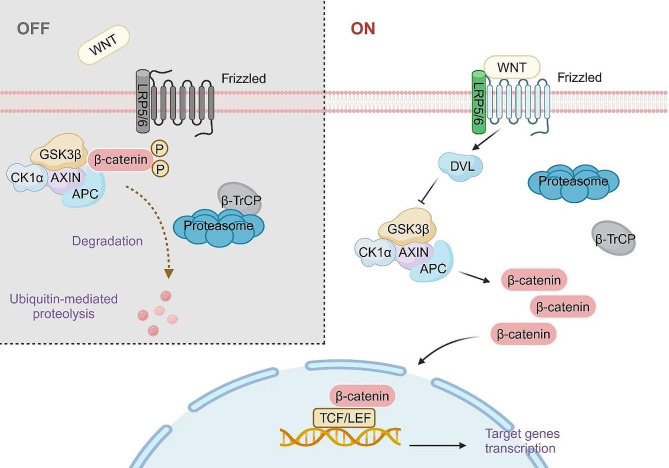
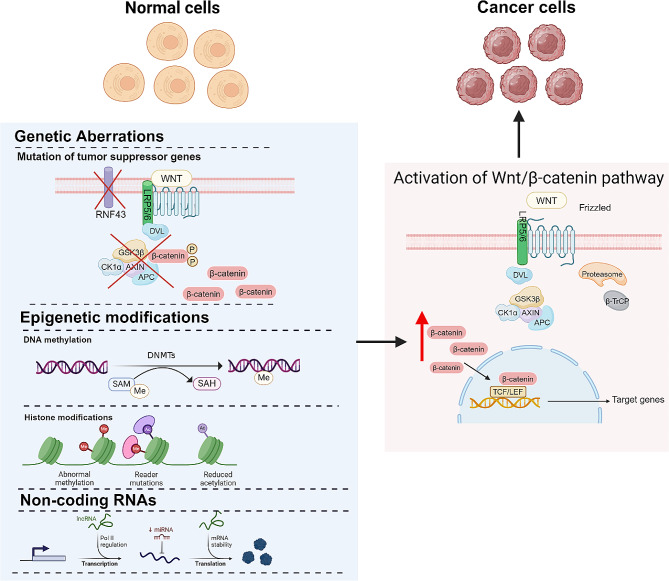
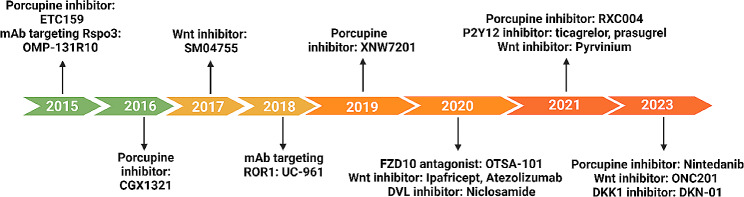
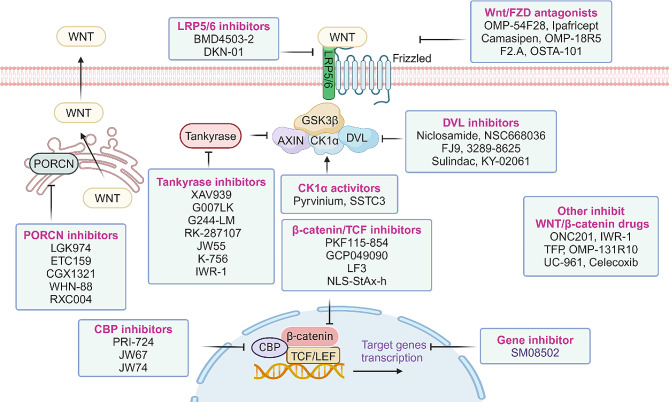
Verification
Claims the paper makes
The claims and statistics of this paper haven’t been checked yet.
Free: it reads the open-access text and checks the first 5 claims that cite a source we can check. Create a free account to check every claim.
Claims other papers make about this one
Each is checked against this paper’s own text: does it say what the citing paper says it does?
The source backs part of the claim, not all of it — or backs it for a different population, condition or comparison.
In the citing paper
“The Wnt/β-catenin pathway is a well-established oncogenic driver in numerous cancers, including ccRCC, where its aberrant activation is linked to tumor initiation and progression [30–32].”
From PPP1R18-mediated activation of Wnt/β-catenin and EMT is dependent on ERK signaling in clear cell renal cell carcinoma (2026) · cites this paper as [31]
Experimental — accuracy not yet measured
Self-check
Percentages, sums and reported differences re-computed from the paper’s own numbers.
The self-check needs the paper’s full text.
Citations
Cites
1 retracted
Wu, L., He, S., He, Y., Wang, X., & Lu, L. (2018) · Medical Science Monitor · doi:10.12659/msm.910742 · Cited by 14 · cited 1×
“IC-2, a small molecule inhibitor, effectively diminishes the population of CD44 cells (liver CSCs) and impedes sphere-forming capacity in HCC, CRC, and bladder cancer cells [343–345].”
BackgroundRetractedComprehensive molecular characterization of human colon and rectal cancer
The Cancer Genome Atlas Network (2012) · Nature · doi:10.1038/nature11252 · Cited by 8,499 · cited 1×
“The Wnt signaling pathway alterations are universally observed in CRC tissues, with more than 90% of CRC cases harboring mutations in genes such as APC, CTNNB1, RNF42, AXIN1, or RSPO [196].”
BackgroundIdentification of stem cells in small intestine and colon by marker gene Lgr5
Barker, N., van Es, J. H., Kuipers, J., Kujala, P., van den Born, M., Cozijnsen, M., Haegebarth, A., Korving, J., Begthel, H., Peters, P. J., et al. (2007) · Nature · doi:10.1038/nature06196 · Cited by 5,687 · cited 1×
“Several characteristics have been identified in stem cells, including Lgr5, Bmi1, Lrig1 and Dclk1 [205–207].”
BackgroundWnt/β-Catenin Signaling, Disease, and Emerging Therapeutic Modalities
Nusse, R., & Clevers, H. (2017) · Cell · doi:10.1016/j.cell.2017.05.016 · Cited by 4,342
Integrative Clinical Genomics of Advanced Prostate Cancer
Robinson, D., Van Allen, E. M., Wu, Y.-M., Schultz, N., Lonigro, R. J., Mosquera, J.-M., Montgomery, B., Taplin, M.-E., Pritchard, C. C., Attard, G., et al. (2015) · Cell · doi:10.1016/j.cell.2015.05.001 · Cited by 3,645 · cited 1×
“…that activation of Wnt/β-catenin signaling due to genetic changes occurs more frequently in castration-resistant prostate cancer (CRPC) compared to treatment-naïve cases, as evidenced by clinical samples obtained from CRPC patients, which demonstrate alterations in CTNNB1 and APC genes [237].”
BackgroundWnt/β-catenin signalling: function, biological mechanisms, and therapeutic opportunities
Liu, J., Xiao, Q., Xiao, J., Niu, C., Li, Y., Zhang, X., Zhou, Z., Shu, G., & Yin, G. (2022) · Signal Transduction and Targeted Therapy · doi:10.1038/s41392-021-00762-6 · Cited by 2,519 · cited 1×
“…chloroquine is an FDA-approved drug commonly utilized for treating tapeworm infection and stands out due to its mechanism involving internalization of the FZD1 receptor, reduction in DVL2 protein levels, and targeting of LRP6 to impede tumor proliferation, stemness, and metastasis [356, 357].”
BackgroundTankyrase inhibition stabilizes axin and antagonizes Wnt signalling
Huang, S.-M. A., Mishina, Y. M., Liu, S., Cheung, A., Stegmeier, F., Michaud, G. A., Charlat, O., Wiellette, E., Zhang, Y., Wiessner, S., et al. (2009) · Nature · doi:10.1038/nature08356 · Cited by 2,037 · cited 1×
“Several TNKS inhibitors with favorable therapeutic effects have been developed, including XAV939, G007LK, G244-LM, RK-287,107, JW55, K-756, IWR-1, MSC2504877, AZ1366, JW74, and NVP-TNKS656 [308–317].”
BackgroundWNT signalling pathways as therapeutic targets in cancer
Anastas, J. N., & Moon, R. T. (2013) · Nature Reviews Cancer · doi:10.1038/nrc3419 · Cited by 1,911 · cited 1×
“The downstream effector in this cascade is β-catenin which serves as a vital component of the canonical Wnt pathway [25].”
BackgroundNusse, R., & Varmus, H. E. (1982) · Cell · doi:10.1016/0092-8674(82)90409-3 · Cited by 1,863 · cited 1×
“The Wnt gene is synonymous with the Drosophila segment polarity gene Wingless and the murine proto-onco-gene integration 1, which was molecularly characterized from mouse tumor cells in 1982 [14].”
BackgroundThe many faces and functions of β‐catenin
Valenta, T., Hausmann, G., & Basler, K. (2012) · The EMBO Journal · doi:10.1038/emboj.2012.150 · Cited by 1,598
Research works printed but not linked: 6
- Nusse R Clevers H Wnt/beta-Catenin signaling, Disease, and emerging therapeutic modalities Cell 2017 169 6 985 99 10.1016/j.cell.2017.05.016 28575679 · DOI · Paper page
- Cai J Fang L Huang Y Li R Xu X Hu Z Simultaneous overactivation of Wnt/β-catenin and TGFβ signalling by mir-128-3p confers chemoresistance-associated metastasis in NSCLC Nat Commun 2017 8 15870 10.1038/ncomms15870 28627514 PMC5481840 · DOI · Paper page
- Chai S Ng KY Tong M Lau EY Lee TK Chan KW Octamer 4/microRNA-1246 signaling axis drives Wnt/β-catenin activation in liver cancer stem cells Hepatology 2016 64 6 2062 76 10.1002/hep.28821 27639189 · DOI · Paper page
- Wang Z Li Z Ji H Direct targeting of β-catenin in the wnt signaling pathway: current progress and perspectives Med Res Rev 2021 41 4 2109 29 10.1002/med.21787 33475177 PMC8217106 · DOI
- Jung YS Park JI Wnt signaling in cancer: therapeutic targeting of wnt signaling beyond β-catenin and the destruction complex Exp Mol Med 2020 52 2 183 91 10.1038/s12276-020-0380-6 32037398 PMC7062731 · DOI · Paper page
- Zhao H Ming T Tang S Ren S Yang H Liu M Wnt signaling in colorectal cancer: pathogenic role and therapeutic target Mol Cancer 2022 21 1 144 10.1186/s12943-022-01616-7 35836256 PMC9281132 · DOI · Paper page
Cited by
Items 301–400 of 454
THE IMPACT OF T-REGULATORY CELLS ON CANCER STEM CELLS: A LITERATURE REVIEW
TOLENDIYEVA, A., Kan, S. A., NURGALIYEVA, N., Omarbayeva, N., & Ostapchuk, Y. O. (2025) · Oncologia i radiologia Kazakhstana · doi:10.52532/10.52532/2521-6414-2025-3-77-450
Network pharmacology-based analysis of Gastrodin's molecular mechanisms in rectal cancer
Zhou, H. (2025) · New medicine. · doi:10.61958/nmky1201
Yang, C.-J., Chuang, P.-K., Chuang, C., Zhen, Y., Hung, H.-Y., Huang, C.-T., Wang, P., Jiang, P.-L., Lee, Y., Wang, C., et al. (2025) · Research Square · doi:10.21203/rs.3.rs-7615921/v1
Huang, S., Wang, H., Fu, S., Cheng, F., Liu, K., & Wu, J. (2025) · Functional & Integrative Genomics · doi:10.1007/s10142-025-01719-6
“…signaling pathway contributes to various oncogenic activities, including cell proliferation, invasion, and epithelial‒mes-enchymal transition (EMT), as well as self-renewal and differentiation of CSCs, which leads to tumor progression and metastasis(Song et al. 2024; Wang et al. 2024).”
Yang, Y., & Chen, W.-M. (2025) · World Journal of Gastroenterology · doi:10.3748/wjg.v31.i41.112642
Yao, J., Wang, J., Lin, S., Sha, G., Wang, S., Yang, M., Chang, Z., Xia, J., & Hu, M. (2025) · Archives of Biochemistry and Biophysics · doi:10.1016/j.abb.2025.110670
Phytochemical Interventions in Lung Cancer: Overcoming Stem Cell-Mediated Therapy Resistance
Mondal, S., Kundu, S., & Pal, A. (2025) · doi:10.52756/lbsopf.2025.v04.012
Uçucu Yağların ve Bileşenlerinin Antikanser Etki Mekanizmalarının Değerlendirilmesi
Erdoğan, A. (2025) · Bilecik Şeyh Edebali Üniversitesi Fen Bilimleri Dergisi · doi:10.35193/bseufbd.1622844
Ahmed, A. (2025) · Asian Pacific Journal of Cancer Prevention · doi:10.31557/apjcp.2025.26.11.4195
PCDH8 promotes malignant progression of cervical cancer via the Wnt/β-catenin axis
Yang, M., Peng, J., & Li, H. Z. (2025) · ONCOLOGIE · doi:10.1515/oncologie-2025-0194
Shang, Q., Wang, J., Wang, X., & Wang, H. (2025) · Clinical and Experimental Pharmacology and Physiology · doi:10.1111/1440-1681.70096
Genetic alterations and aberrant hormonal pathways in thymic epithelial tumors
Zhang, Y., Lian, W., Zuo, W., Wang, F., Zhang, Y., He, J., Wang, Y., & Gao, W. (2025) · BMC Cancer · doi:10.1186/s12885-025-15455-4
Therapeutic Interference and Signaling Pathways in Brain Tumors
Kumar, R., Guru, S. K., Tiwari, P., & Singh, P. K. (2025) · BENTHAM SCIENCE PUBLISHERS eBooks · doi:10.2174/9798898811716125010009
FAM83A Promotes Lung Adenocarcinoma Progression by Modulating the GSK3β/β-Catenin Signaling Axis
徐, 成. (2025) · Advances in Clinical Medicine · doi:10.12677/acm.2025.15123631
Kapetanović, A., Bajić, G., Marušić, J., Pleho, D., & Radović, A. H. (2025) · Genetics & Applications · doi:10.31383/ga.vol9iss2ga07
Prognostic significance of L1CAM in cervical cancer: A narrative review
Romanova, M., & Klát, J. (2026) · Biomedical Papers · doi:10.5507/bp.2025.035
Ye, Z., Xiang, G. A. O., Qi, C. H. E. N., Xiaoqiao, Y. U., & Hanmin, L. I. (2025) · Lishizhen Medicine and Materia Medica Research · doi:10.70976/j.1008-0805.szgygy-2025-2310
CATHEPSIN D: MOLECULAR, GENETIC AND FUNCTIONAL ASPECTS IN THE TUMOR MICROENVIRONMENT
Corrêa, E. D. A., Crystal, J. L., Moraes, J. D. N., Francisco, Á. F., Ribeiro, J. G., & Calderón, L. A. (2026) · Derecho y cambio social. · doi:10.54899/dcs.v23i86.4229
“Additionally, it facilitates the invasion of CSCs into neighboring tissues and their dissemination into the bloodstream.”
InfluentialmiRNA Modulation of Cancer Therapeutic Resistance Due to Failed Autophagy and Cancer Stemness
Alam, K. T., Tisha, Z. T., & Ahmed, T. (2026) · Springer eBooks · doi:10.1007/978-981-95-5989-3_7
Innovative Drug Combinations for Enhanced Solid Tumor Treatment Efficacy
(2026) · Frontiers research topics · doi:10.3389/978-2-8325-7377-8
Covey, S. C., Ortiz, M. M. D. J., Jernigan, A. M., Balakrishnan, R., Kim, S. Y., & Miele, L. (2026) · Cancer Genetics · doi:10.1016/j.cancergen.2026.01.011
pCancer and FOXK2 (Forkhead Box K2): Oncogenic and Tumor-Suppressive Roles of FOXK2 in Cancer
Akın, Ş., Ozturk, İ., & Hepokur, C. (2026) · Biochemical Genetics · doi:10.1007/s10528-026-11320-6
“The activation of this pathway has been associated with tumor recurrence, particularly in colorectal, breast, and lung cancers (Krishnamurthy and Kurzrock 2018; Song et al. 2024; Samant et al. 2024 ; Chen et al. 2024 ).”
Ke, S., Yan, J., Feng, X., & Li, B. (2026) · Oncology Research Featuring Preclinical and Clinical Cancer Therapeutics · doi:10.32604/or.2026.071617
“Low RNF186 expression correlates with higher mutation frequencies in CTNNB1, BIRC6, and RGPD4, suggesting its potential role in suppressing Wnt/ β -catenin signaling, maintaining apoptosis regulation, and preserving genomic stability [52,53].”
Vijayakumar, D. (2026) · Algal Research · doi:10.1016/j.algal.2026.104568 · Cited by 1
Li, N., Wen, S., Li, D., Shi, Y., Mei, Z., Liu, D., Yang, H., Wang, Y., Lin, X., Xiang, Y., et al. (2025) · Neural Regeneration Research · doi:10.4103/nrr.nrr-d-24-01239
Somatic β-catenin gene mutations and WNT signaling in adrenal tumors
Perreault, F., & Bourdeau, I. (2026) · Elsevier eBooks · doi:10.1016/b978-0-443-13825-6.00335-6
Du, G., Li, B., Zhao, R., Tong, H., He, Y., & Ding, J. (2026) · bioRxiv (Cold Spring Harbor Laboratory) · doi:10.64898/2026.02.20.707140
Song, L., Zhou, Y., Zhan, Z., Pan, L., & Fang, L. (2026) · Pharmacological Research - Modern Chinese Medicine · doi:10.1016/j.prmcm.2026.100790
Jiang, J., He, H., Wang, X., Jin, S., Xiao, W., Xie, Y., Wei, E., Qian, C., Fu, J., Wang, J., et al. (2026) · Biology Direct · doi:10.1186/s13062-026-00746-y
“The high prevalence of APC or CTNNB1 mutations in CRC presents a potential hurdle, as these alterations constitutively stabilize β-catenin [41].”
Zhang, C., Wang, H., Zhou, Y., He, D., Feng, T., Wang, X., Ni, S., & Zhang, J. (2026) · Frontiers in Oncology · doi:10.3389/fonc.2026.1762850
“Wnt/ b -catenin signaling pathway plays an important role in embryonic development, tissue homeostasis and tumorigenesis (26, 27). b -catenin is a key molecule in Wnt signaling pathway.”
Liu, L., He, W., Liu, J., & Zhang, H. (2026) · The Turkish Journal of Gastroenterology · doi:10.5152/tjg.2026.25188
Gao, W., Chen, H., Lin, F., Liu, J., Huang, T., Wang, H., Weng, X., Wang, X., Lin, X., & Jiang, T. (2026) · The FASEB Journal · doi:10.1096/fj.202503587r
Stem Cell Physiology and Cellular Differentiation: Molecular Insights and Therapeutic Potential
Khairullah, A. R., Rehman, S., Mustofa, I., Pratama, B. P., Martindah, E., Ansori, A. N. M., Sukmanadi, M., Ma’ruf, I. F., Analianasari, A., Ahmad, R. Z., et al. (2026) · Trends in Sciences · doi:10.48048/tis.2026.12653
“This pathway also plays a role in determining the mesoderm and endoderm lineages in embryonic stem cells and balancing proliferation and differentiation in adult tissues [66].”
Cellular and molecular determinants of all trans retinoic acid sensitivity in different cancers
Kiełbowski, K., Bakinowska, E., Taghavi, N., Dastghaib, S., & Vakili, S. (2026) · Elsevier eBooks · doi:10.1016/b978-0-443-22305-1.00001-1
Huo, Z., Sun, W., Lou, C., & Yang, T. (2026) · Discover Oncology · doi:10.1007/s12672-026-04824-5
“Notably, this mechanism is highly consistent with the stemness-maintaining pathways, including Wnt/β-catenin [29] 、 Notch [30]and JAK-STAT3 [31], identified in our study through CellChat analysis, collectively forming a regulatory network that drives state transitions in TNBC cells.”
Lwin, T. M., Waldrup, B., Carranza, F., Manjarrez, S., Brar, G., Mannan, R., Raoof, M., & Velazquez-Villarreal, E. I. (2026) · The American Journal of Surgery · doi:10.1016/j.amjsurg.2026.116941
Li, J., Li, F., Meng, X., Yang, Z., Li, Z., Tang, H., Zhu, W., Li, H., He, X., Lin, X., et al. (2026) · Biology Direct · doi:10.1186/s13062-026-00761-z
Emerging roles of POLR2L of RNA polymerase II dynamics and disease mechanisms (Review)
Lee, B., Son, C., Eom, S., Li, Y., Kim, S., & Park, J. (2026) · Molecular Medicine Reports · doi:10.3892/mmr.2026.13869
“Polr2l enhanced the transcription of Wnt target genes, including ccnd1 and MYc (76). activation of β ‑catenin via Polr2l‑dependent transcription promoted cancer cell proliferation and motility (77) (Fig.”
Expression profile of the WNT3A genein ductal breast carcinoma
Łuszczak, J., Ziaja‐Sołtys, M., & Zalewski, D. P. (2026) · Current Issues in Pharmacy and Medical Sciences · doi:10.12923/cipms-2026-0008
Exploring the Prognostic Role of SLC9A1 (NHE1) in Colon Adenocarcinoma
Adalı, Y., Özdil, B., & Köseler, A. (2026) · Genel Tıp Dergisi · doi:10.54005/geneltip.1758107
Cytoplasmic Fidgetin Induces Noncanonical Activation of β-Catenin to Support Cancer Progression
Wang, H., Duan, J., Wang, J., Chen, Y., He, L., Huang, X., Wu, Z., & Wang, X. (2026) · Cancer Research · doi:10.1158/0008-5472.can-25-2427
GPR84 upregulation in colorectal cancer suppresses tumor progression through the DOK3 signaling axis
Meng, Y., Chen, X., Lu, Z., Qin, F., Qin, S., & Jiang, H. (2026) · Journal of Radiation Research and Applied Sciences · doi:10.1016/j.jrras.2026.102360
Liu, C., Meng, Y., Song, J.-N., Lu, Y., Li, S., & Jin, C.-H. (2026) · Journal of Molecular Structure · doi:10.1016/j.molstruc.2026.146172
Molecular and genetic aspects of invasive lobular breast cancer
Senderovich, A. I. (2026) · Oncopathology · doi:10.17650/2618-7019-2026-9-1-10-18
CircRNAs in Cutaneous Squamous Cell Carcinoma: Emerging Biomarkers and Potential Therapeutic Targets
Zou, J., Qian, W., & Guo, J. (2026) · Cell Biochemistry and Function · doi:10.1002/cbf.70218
“Its prolonged activation is linked to a number of carcinogenic processes, including enhanced cell division and epithelial‐ mesenchymal transition (EMT), as well as the preservation of cancer stem cells' (CSCs') ability to self‐renew [57].”
Sheng, X., & Qin, J.-M. (2026) · World Chinese Journal of Digestology · doi:10.11569/wcjd.v34.i3.190
Fan, D., Li, X., Yao, T., Jin, C., Wang, X., & Huang, C. (2026) · PubMed Central · doi:10.12122/j.issn.1673-4254.2026.04.12
STEAP1 Suppresses Oral Squamous Cell Carcinoma by Targeting Wnt/β‐Catenin Signalling and EMT
Jin, K., Liu, S., Jin, H., Zhang, D., Lu, R., & Wang, W. (2026) · Cancer Medicine · doi:10.1002/cam4.71862
You, Y., Qin, L., Yang, X., Zou, Y., Lu, Q., Liao, W., Wang, H., Li, Z., & Wu, X. (2026) · Experimental Eye Research · doi:10.1016/j.exer.2026.111037
Mutational landscape in the precancerous stages of sporadic colorectal cancer
Valickova, A., Urbanová, M., Horak, J., Jungwirth, J., Král, J., Hucl, T., Makajevová, V., Summerova, S., Kohout, P., Matěj, R., et al. (2026) · Oncology Letters · doi:10.3892/ol.2026.15634
“APC mutations, a hallmark of early Wnt signaling dysregulation (33), were again the most prevalent.”
Andrographis restrains the progression of colorectal cancer by inhibiting the KLF3/LEMD1 axis
Zhang, L., Li, D., Tang, Y., & Xie, Y. (2026) · Functional & Integrative Genomics · doi:10.1007/s10142-026-01877-1
Dehghanbanadaki, N., Taghdir, M., Sabaghian, H., & Naderi‐Manesh, H. (2026) · Journal of Molecular Liquids · doi:10.1016/j.molliq.2026.129644
Rotaru, V., & Ambros, A. (2025) · Public Health Economy and Management in Medicine · doi:10.52556/2587-3873.2025.2(104).25
Gao, S., Li, S., Hu, Y., & Sheng, W. (2026) · Developmental Neurobiology · doi:10.1002/dneu.70040
“…pathway, when Wnt signaling is activated, the downregulation of GSK-3 β expression leads to the stable accumulation of the core effector molecule β-catenin in the cytoplasm, where it binds to transcription factors of the TCF/LEF family (Song et al. 2024 ; Lin et al. 2024 ; Wu et al. 2025 ).”
The Dickkopf Protein Family in Non-Neoplastic Disorders: Emerging Roles and Therapeutic Targeting
Zhou, J., Zhu, X., Chen, W., Tan, J., Hong, L., Yang, L., Liu, Y., Zhai, T., & Chen, K. (2026) · Aging and Disease · doi:10.14336/ad.2025.1506
Self-citationLu, Y., Yao, N., Zhou, L., 周然, Wang, J., Yang, R., Fan, Y., Nie, W., Liu, K., Jiang, W., et al. (2026) · Cancer Letters · doi:10.1016/j.canlet.2026.218623
Priyadarshi, K., & Rao, T. S. R. B. (2026) · Elsevier eBooks · doi:10.1016/b978-0-443-45717-3.00008-8
Ding, W., Wu, S., Zeng, L., Fan, Z., Luo, Y., Yi, X., Wang, P., Mo, L., & Li, Y. (2026) · Frontiers in Bioscience-Landmark · doi:10.31083/fbl48267
Trudova, E. (2026) · Epsilon Archive for Student Projects (Swedish University of Agricultural Sciences)
Bitki kaynaklı Ziziphora tenuior ekstraktının endometriyal kanser tedavisindeki potansiyel rolü
Pehlivanoğlu, Ş., Mermer, Ş., Koş, H. İ., İPEK, G., & Vural, H. C. (2026) · DergiPark
Shen, M., Jin, H., Huang, Z., Dong, N., Liu, G., Zeng, Y., Meng, Y., Liu, Y., Yang, L., & Ren, X. (2026) · Cell Death and Disease · doi:10.1038/s41419-026-08909-5
Self-citationZhang, X., Tang, Y., Li, X., Li, O., Liu, Y. R., He, J., & Liu, T. (2026) · Journal of Cellular and Molecular Medicine · doi:10.1111/jcmm.71170
“While the canonical Wnt/β-catenin pathway has a well-defined oncogenic role, the non-canonical pathway has emerged as an equally important modulator of tumour behaviour, influencing cell proliferation, migration, invasion, and stemness-like traits [27].”
Self-citationMani, R., Enzinger, L., Thommes, C., Devlitsarov, D., Rokohl, A. C., Deisl, C., Heindl, L. M., & Pruszak, J. (2026) · Cancers · doi:10.3390/cancers18121891
“Many of the phospho-proteins tested are part of pathways previously implicated in cancer progression [44–47].”
Puxeddu, M., Cui, Z., Colla, C., Nalli, M., Manetto, S., Ciogli, A., Cuřínová, P., Bufano, M., Toto, A., Gianni, S., et al. (2026) · Journal of Medicinal Chemistry · doi:10.1021/acs.jmedchem.6c00706
Patel, G., Pathak, Y. V., & Prajapati, B. (2026) · Elsevier eBooks · doi:10.1016/b978-0-443-36783-0.00004-6
Kotolloshi, R., Berndt‐Paetz, M., Lerner, E., Najjar, G., Azoitei, A., Singh, K. P., Gupta, S. K., Wolkenhauer, O., Güneş, Ç., Huber, O., et al. (2026) · Molecular Oncology · doi:10.1002/1878-0261.70292
Cai, Y., Wang, M., Qiu, R., Liu, S., Liu, T., & Wang, G. (2026) · Genes & Diseases · doi:10.1016/j.gendis.2026.102311
Cytogenetic Perspective on Paediatric AML: A Rare Case of t (1;12) (q24; q24.1) with Trisomy 21
*, P. J. T., Barad, K. D., Patel, N., & Oza, R. (2026) · Journal of Clinical and Laboratory Research · doi:10.31579/2768-0487/195
Thiostrepton potentiates chemotherapy-induced cell death in cisplatin-resistant SKOV3 cells
Motafeghi, F., Barghi, E. G., Gharab, J. G., Mortazavi, P., Tehrani, F. R., Ashari, S., & Ghassemi-Barghi, N. (2026) · BMC Cancer · doi:10.1186/s12885-026-16376-6
Xue, K.-L., Xiao-hua, J., Qi, W.-T., Wang, J.-W., & Liang, L. (2026) · World Journal of Gastrointestinal Surgery · doi:10.4240/wjgs.118213
The regulation of stem cell fate and its application in neural regeneration
He, Y., Chen, X., He, M., & Li, Z. Y. (2026) · Interdisciplinary medicine · doi:10.1002/inmd.70137
DeMatteo, R. P., Hartlein, T., Zeng, S., Rossi, F., Morris, M., Sussman, J., Beckman, M., Barbur, I., Do, K. J., Pérez, J. E., et al. (2026) · Research Square · doi:10.21203/rs.3.rs-9930164/v1
“This makes upstream regulators like ERRα attractive entry points into the Wnt/EMT axis, complementing ongoing efforts with porcupine inhibitors and β-catenin/TCF blockers that are currently in clinical trials (51).”
Zhang, Y., Huang, Q. Y., Qin, X., Ma, L. L., & Ye, H. (2026) · Medicine · doi:10.1097/md.0000000000049442
“26–29] ENSG00000281406 has been reported to promote tumorigenesis and indicates poor prognosis in small cell lung cancer and colorectal cancer.”
Integrative therapies and combination approaches for synergistic cancer therapeutics
Bahri, R., Mathur, B., Bhatnagar, H., Bansal, H., Kumar, J., Chourasia, M., & Santoshi, S. (2026) · Elsevier eBooks · doi:10.1016/b978-0-443-44181-3.00007-2
Central neural circuits and their associated mechanisms of inter-organ crosstalk
Kang, L., Salas-Hernandez, J. L., & Xu, R. (2026) · Frontiers in Cell and Developmental Biology · doi:10.3389/fcell.2026.1830768
“These functions include interoception (Chen et al., 2017; Mayer, 2011; Levinthal and Strick, 2020), cognition (Song et al., 2024; Shi et al., 2024; Hu et al., 2023; Song and Hu, 2024), and social behavior (Cao et al., 2025; Walsh et al., 2023; Yang et al., 2023).”
Garg, C., Ahmad, S. S., Pandit, K., Suri, A., Macha, M. A., & Kaur, S. (2026) · Discover Oncology · doi:10.1007/s12672-026-05465-4
Ye, Y., Liang, Y., Lan, H., Zhang, N., Ke, Y., An, L., Liu, Z., & Wang, C. (2026) · Phytomedicine · doi:10.1016/j.phymed.2026.158528
Alves, A. L. V., Düzağaç, F., Zaheer, M., Martin, A. C. B. M., Baroni, M., Rosa, M. N., Teixeira, S. A., Silva, V. A. O., Oliveira, R. J. D. S., Guimarães, D. P., et al. (2026) · Biomedicine & Pharmacotherapy · doi:10.1016/j.biopha.2026.119721
“Several studies have reported that natural compounds can effectively inhibit β -catenin signaling through different molecular mechanisms [34, 35].”
Munir, Y. A., Sajjad, F., Bashir, A., Musari, K. A., Magaji, M., Anas, A. T., & Aliyu, S. H. (2026) · UMYU Journal of Microbiology Research (UJMR) · doi:10.47430/ujmr.26112.008
Zhao, X., Wu, J., Li, L., Zhang, H., Li, J., Zhong, H., Dan, Y., Song, Q., Chen, H., & Xu, B. (2026) · Oncology Letters · doi:10.3892/ol.2026.15753
Novel regulatory network of PS-1/β-catenin/p-PTEN axis in gastric cancer invasion
Xiao, S., Song, D.-D., Yu, Y.-P., Xu, X.-Z., Tang, J.-F., & Zhou, C.-F. (2026) · World Journal of Gastrointestinal Oncology · doi:10.4251/wjgo.v18.i7.118256
Cancer Signaling Pathways and Cancer Biology
Nair, A., Prasad, A. P., Anand, A. V., Shyl, D., & Yesupatham, S. K. (2026) · Studies in Rhythm Engineering · doi:10.1007/978-981-95-8938-8_7
Genetics of Pancreatic Cystic Tumors
Sharma, R. K., Singh, A., Rana, S. S., & Mishra, N. K. (2026) · Springer eBooks · doi:10.1007/978-981-92-0654-4_13
FLT3 inhibitors in AML: from classic scaffolds to next-generation approaches
Elmenier, F. M., Dokla, E. M. E., Samir, N., Lasheen, D. S., Abouzid, K. A. M., & Ella, D. A. A. E. (2026) · RSC Advances · doi:10.1039/d6ra01319h
纪竹青, Wang, Y., Xu, Z., & Qian, L. (2026) · Cellular Signalling · doi:10.1016/j.cellsig.2026.112741
Chattopadhyay, T., Let, A., Saha, B., Kannan, K., Samanta, S., Agrawalla, S. K., Malik, S., Biswas, C., Purohit, C. S., Kiran, M. S., et al. (2026) · Inorganica Chimica Acta · doi:10.1016/j.ica.2026.123376
Molecular mechanism of Cervical Cancer and potential therapeutics development
Pramanik, A., Singh, S., Yadav, P., Jha, S. K., & Upadhyay, P. (2026) · Biomedical and Therapeutics Letters · doi:10.62110/sciencein.btl.2026.v13.1877
Wang, L., Cao, J., Tang, T., Ren, W., & Chen, L. (2026) · Acta Poloniae Pharmaceutica - Drug Research · doi:10.32383/appdr/224959
Self-citationKumar, A. S., Tynninen, O., & Korja, M. (2026) · Cancer Cell International · doi:10.1186/s12935-026-04393-1
“Originally identified for its role in embryogenesis and tissue homeostasis, aberrant activation of the Wnt pathway has been implicated in numerous cancers, where it contributes to oncogenesis through modulation of cell cycle, migration, and stemness [30, 31].”
Ganguly, D., GHOSH, S., Deka, H., Sarmah, J., Majumdar, S., Mahanti, K., Hoque, N., & Ghosh, S. (2026) · Clinical & Translational Oncology · doi:10.1007/s12094-026-04516-0
Сигнальный путь Wnt и открытие лекарств. II. Низкомолекулярные ингибиторы Wnt/β-катенинового пути
Степанович, Х. Ю., Zaitsev, S., Tiasto, V., Митяева, А. М., Шодунке, О. К., & Степанович, Б. И. (2026) · Clinical and Fundamental Medicine · doi:10.24866/3033-5485/2026-2/58-100
Targeting the Wnt/β-catenin pathway: veratramine mitigates MNNG-induced gastric precancerous lesions
Zhang, P., Sun, X., Liu, L. B., Zhang, Y., Bo, J., Huang, W., Na, Y. Y., Zhang, J., Qin, X., & Luo, Q. (2026) · Molecular and Cellular Biochemistry · doi:10.1007/s11010-026-05648-1
Cai, K., Chen, S., Ma, G., Wu, W., Wang, S., Quan, B., Jin, C., Wang, Y., He, Z., & Wang, T. (2026) · Cell Death and Disease · doi:10.1038/s41419-026-08958-w
Suryasaputra, D., Ruswanto, R., Amalia, R., Fakih, T. M., Kamarulzaman, E. E., & Muchtaridi, M. (2026) · Chemical Physics Impact · doi:10.1016/j.chphi.2026.101128
Wu, Y., Sun, Y., Song, Y., & Wang, X. (2026) · Frontiers in Pharmacology · doi:10.3389/fphar.2026.1902090
“In the nucleus, β -catenin forms a complex with TCF/LEF and activates the transcription of target genes (Song et al., 2024). β - catenin has dual functions in cell adhesion and transcriptional coactivation, and its subcellular localization determines distinct biological effects.”
Ubiquitination in cancer: mechanisms, signaling networks and potential therapeutic opportunities
Xue, Y., Wu, H., & Liu, W. (2026) · Molecular Cancer · doi:10.1186/s12943-026-02768-6
Liu, L., Sun, L., He, J., & Li, Z. (2026) · Journal of Medical Virology · doi:10.1002/jmv.71098
“This leads to disruption of the core destruction complex [(AXIN, APC, casein kinase 1α (CK1α), and glycogen synthase kinase‐3 β(GSK3β)], resulting in stabilization of β‐catenin and its subsequent translocation into the nucleus [13].”
Jiang, J., Abdelbaki, A., Papachristou, G. I., & Krishna, S. G. (2026) · Elsevier eBooks · doi:10.1016/b978-0-443-28605-6.00004-2
Metadata
- Authors
- Song, P., Gao, Z., Bao, Y., Chen, L., Huang, Y., Liu, Y., Dong, Q., & Wei, X.
- Affiliations
- West China Hospital of Sichuan University (CN)
- Sichuan University (CN)
- Corresponding author
- Dong, Qiang
- Wei, Xiawei
- Venue
- Journal of Hematology & Oncology
- Published
- 2024-06-18
- Volume
- 17
- Issue
- 1
- Pages
- 46-46
- ISSN
- 1756-8722 (ISSN-L)
- PMC
- PMC11184729
- OpenAlex
- W4399792819
- Cited by
- 382
- References
- 354
- Citations by year
- 2026: 167 · 2025: 193 · 2024: 22
- FWCI
- 15.54
- Type
- journal article
- Language
- en
- Open access
- gold
- doi.org
- Licence
- cc-by
- creativecommons.org/licenses/by/4.0 (tdm)
- creativecommons.org/licenses/by/4.0 (vor)
- Locations
- Journal of Hematology & Oncology (publishedVersion, cc-by)
- PubMed Central (publishedVersion, cc-by)
- PubMed (publishedVersion)
- DOAJ (DOAJ: Directory of Open Access Journals) (submittedVersion)
- Funders
- National Science Foundation for Excellent Young Scholars (32122052)
- National Natural Science Foundation Regional Innovation and Development (No. U19A2003)
- Topics
- Life Sciences › Biochemistry, Genetics and Molecular Biology › Molecular Biology › Wnt/β-catenin signaling in development and cancer
- Health Sciences › Medicine › Oncology › Colorectal Cancer Treatments and Studies
- Life Sciences › Biochemistry, Genetics and Molecular Biology › Molecular Biology › Signaling Pathways in Disease
- Keywords
- Wnt/β-catenin signaling, carcinogenesis, cancer therapy, targeted therapy, tumor initiation and progression, epigenetic modifications, signaling crosstalk, Wnt inhibitors, cell proliferation, tissue homeostasis
- MeSH terms
- Animals, Antineoplastic Agents, Humans, Neoplasms, beta Catenin, Molecular Targeted Therapy, Wnt Signaling Pathway, Carcinogenesis
About these checks
Registry, retraction, Cites and statistics results are computed, not judged, with one exception: a printed reference that no index lists is read once by a model before it counts as a citation error. Claims are extracted by a model and kept only when their quote appears verbatim in the text; each cited source is then checked, with a model’s help, for whether it says what the claim relies on. Those verdicts can be wrong — read the claim’s quote and the cited source before relying on one.
Statistics and arithmetic are recomputed, not judged.
Confidence bands are shown only for fields calibrated on our annotated test set. None is calibrated yet, so no band is shown.
What counts as a claim ›How we measure confidence ›How we check this ›
Are you an author, or do you see a problem with this page? Request a review
Data sources
Bibliographic data: Semantic Scholar, OpenAlex, Crossref.
Contains information from the Semantic Scholar Academic Graph Datasets, made available under the ODC Attribution License (ODC-BY 1.0).
Semantic Scholar’s data is described in: Kinney, R., et al. (2023). The Semantic Scholar Open Data Platform. arXiv:2301.10140.
