

Surviving critical illness: What is next? An expert consensus statement on physical rehabilitation after hospital discharge.
Open accessThe DOI matches its Crossref record; 42 of the 42 references it cites were found in a registry or an index.
Abstract
BACKGROUND: The study objective was to obtain consensus on physical therapy (PT) in the rehabilitation of critical illness survivors after hospital discharge. Research questions were: what are PT goals, what are recommended measurement tools, and what constitutes an optimal PT intervention for survivors of critical illness? METHODS: A Delphi consensus study was conducted. Panelists were included based on relevant fields of expertise, years of clinical experience, and publication record. A literature review determined five themes, forming the basis for Delphi round one, which was aimed at generating ideas. Statements were drafted and ranked on a 5-point Likert scale in two additional rounds with the objective to reach consensus. Results were expressed as median and semi-interquartile range, with the consensus threshold set at ≤0.5. RESULTS: Ten internationally established researchers and clinicians participated in this Delphi panel, with a response rate of 80 %, 100 %, and 100 % across three rounds. Consensus was reached on 88.5 % of the statements, resulting in a framework for PT after hospital discharge. Essential handover information should include information on 15 parameters. A core set of outcomes should test exercise capacity, skeletal muscle strength, function in activities of daily living, mobility, quality of life, and pain. PT interventions should include functional exercises, circuit and endurance training, strengthening exercises for limb and respiratory muscles, education on recovery, and a nutritional component. Screening tools to identify impairments in other health domains and referral to specialists are proposed. CONCLUSIONS: A consensus-based framework for optimal PT after hospital discharge is proposed. Future research should focus on feasibility testing of this framework, developing risk stratification tools and validating core outcome measures for ICU survivors.
Overview
The claims and statistics of this paper haven’t been checked yet.
Free: it reads the open-access text and checks the first 5 claims that cite a source we can check. Create a free account to check every claim.
Integrity signals
Registry
Cites
Statistics
Figures
Verification
Claims the paper makes
The claims and statistics of this paper haven’t been checked yet.
Free: it reads the open-access text and checks the first 5 claims that cite a source we can check. Create a free account to check every claim.
Claims other papers make about this one
Each is checked against this paper’s own text: does it say what the citing paper says it does?
The source backs part of the claim, not all of it — or backs it for a different population, condition or comparison.
In the citing paper
“Several randomized studies have assessed physical rehabilitation programs for survivors of critical illness (581,606,(644)(645)(646)(647)(648)(649)(650)(651).”
From Surviving Sepsis Campaign: International Guidelines for Management of Sepsis and Septic Shock 2021. (2021) · cites this paper as [649]
Experimental — accuracy not yet measuredThe check wasn’t confident either way, so it gives no verdict — never disputed.
In the citing paper
“In several qualitative studies, ICU survivors described peer support as a helpful aid to recovery (559-563).”
From Surviving Sepsis Campaign: International Guidelines for Management of Sepsis and Septic Shock 2021. (2021) · cites this paper as [562]
Experimental — accuracy not yet measured
Self-check
Percentages, sums and reported differences re-computed from the paper’s own numbers.
The self-check needs the paper’s full text.
Citations
Cites
Hao (2015) · doi:10.1002/14651858 · Cited by 11,321
Diamond, I. R., Grant, R. C., Feldman, B. M., Pencharz, P. B., Ling, S. C., Moore, A. M., & Wales, P. W. (2014) · Journal of Clinical Epidemiology · doi:10.1016/j.jclinepi.2013.12.002 · Cited by 3,740 · cited 3×
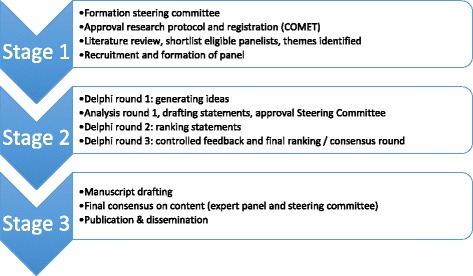
“The need for a minimum of three online Delphi rounds was estimated prior to the start, as per literature recommendations in situations where the quantity of scientific research is limited [21, 22].”
Functional Disability 5 Years after Acute Respiratory Distress Syndrome
Herridge, M. S., Tansey, C. M., Matté, A., Tomlinson, G., Diaz-Granados, N., Cooper, A., Guest, C. B., Mazer, C. D., Mehta, S., Stewart, T. E., et al. (2011) · New England Journal of Medicine · doi:10.1056/nejmoa1011802 · Cited by 2,847
Needham, D. M., Davidson, J., Cohen, H., Hopkins, R. O., Weinert, C., Wunsch, H., Zawistowski, C., Bemis-Dougherty, A., Berney, S. C., Bienvenu, O. J., et al. (2012) · Critical Care Medicine · doi:10.1097/ccm.0b013e318232da75 · Cited by 2,639 · cited 1×
“Long-term impairments in physical and mental health associated with prolonged ICU stay and impeding recovery have now been characterized as post-intensive care syndrome (PICS) [9].”
Self-citationBoulkedid, R., Abdoul, H., Loustau, M., Sibony, O., & Alberti, C. (2011) · PLoS ONE · doi:10.1371/journal.pone.0020476 · Cited by 2,045 · cited 1×
“The need for a minimum of three online Delphi rounds was estimated prior to the start, as per literature recommendations in situations where the quantity of scientific research is limited [21, 22].”
Consensus measurement in Delphi studies
von der Gracht, H. A. (2012) · Technological Forecasting and Social Change · doi:10.1016/j.techfore.2012.04.013 · Cited by 1,831
Developing core outcome sets for clinical trials: issues to consider
Williamson, P. R., Altman, D. G., Blazeby, J. M., Clarke, M., Devane, D., Gargon, E., & Tugwell, P. (2012) · Trials · doi:10.1186/1745-6215-13-132 · Cited by 1,661 · cited 1×
“Measuring the core outcomes is essential, while additional measurements can be undertaken dependent on individual patient needs [17].”
Development of a shuttle walking test of disability in patients with chronic airways obstruction.
Singh, S. J., Morgan, M. D., Scott, S., Walters, D., & Hardman, A. E. (1992) · Thorax · doi:10.1136/thx.47.12.1019 · Cited by 1,455 · cited 1×
“Predicting maximum exercise capacity by means of the ISWT may be an appropriate alternative, because criterion validity against the CPET was established [40 – 42] and psychometric properties of the ISWT in similar populations yield promising results.”
Posttraumatic stress disorder in general intensive care unit survivors: a systematic review
Davydow, D. S., Gifford, J. M., Desai, S. V., Needham, D. M., & Bienvenu, O. J. (2008) · General Hospital Psychiatry · doi:10.1016/j.genhosppsych.2008.05.006 · Cited by 676
Self-citationHodgson, C. L., Stiller, K., Needham, D. M., Tipping, C. J., Harrold, M., Baldwin, C. E., Bradley, S., Berney, S., Caruana, L. R., Elliott, D., et al. (2014) · Critical Care · doi:10.1186/s13054-014-0658-y · Cited by 657 · cited 2×
“Interdisciplinary interventions directed towards early mobilization of critically ill patients within ICUs are implemented in many hospitals across the world [1, 2].”
Self-citation
Cited by
Surviving sepsis campaign: international guidelines for management of sepsis and septic shock 2021
Evans, L., Rhodes, A., Alhazzani, W., Antonelli, M., Coopersmith, C. M., French, C., Machado, F. R., Mcintyre, L., Ostermann, M., Prescott, H. C., et al. (2021) · Intensive Care Medicine · doi:10.1007/s00134-021-06506-y · Cited by 5,082
Surviving Sepsis Campaign: International Guidelines for Management of Sepsis and Septic Shock 2021.
Evans, L., Rhodes, A., Alhazzani, W., Antonelli, M., Coopersmith, C. M., French, C., Machado, F. R., Mcintyre, L., Ostermann, M., Prescott, H. C., et al. (2021) · Critical Care Medicine · doi:10.1097/ccm.0000000000005337 · Cited by 2,935
Enhancing Recovery From Sepsis: A Review
Prescott, H. C., & Angus, D. C. (2018) · JAMA · doi:10.1001/jama.2017.17687 · Cited by 1,059
“The goals of rehabilitation, as in analogous clinical situations, in- clude improving exercise capacity, strengthening skeletal and re- spiratory muscles, and promoting independent completion of ADLs.81 Potential tools to screen for new functional disability war- rantingreferral includetheKatz IndexofADLs,TimedUpandGo…”
Needham, D. M., Sepulveda, K. A., Dinglas, V. D., Chessare, C. M., Friedman, L. A., Bingham, C. O., & Turnbull, A. E. (2017) · American Journal of Respiratory and Critical Care Medicine · doi:10.1164/rccm.201702-0372oc · Cited by 464
“other pain-specific instruments, including a visual analogue scale, as recommended by an expert group [29]) is recommended as part of a future research agenda (Figure 2).”
BackgroundSelf-citationThe ICM research agenda on intensive care unit-acquired weakness
Latronico, N., Herridge, M., Hopkins, R. O., Angus, D., Hart, N., Hermans, G., Iwashyna, T., Arabi, Y., Citerio, G., Wesley Ely, E., et al. (2017) · Intensive Care Medicine · doi:10.1007/s00134-017-4757-5 · Cited by 256
“Background Persistent pain is a major problem in survivors of critical illness [64], and pain assessment in these patients was rated as “very important” in a recent expert consensus for physical rehabilitation in ICU survivors [33].”
BackgroundSelf-citationPost-sepsis syndrome – an evolving entity that afflicts survivors of sepsis
Mostel, Z., Perl, A., Marck, M., Mehdi, S. F., Lowell, B., Bathija, S., Santosh, R., Pavlov, V. A., Chavan, S. S., & Roth, J. (2020) · Molecular Medicine · doi:10.1186/s10020-019-0132-z · Cited by 219
Long-term Cognitive and Functional Impairments After Critical Illness
Rengel, K. F., Hayhurst, C. J., Pandharipande, P. P., & Hughes, C. G. (2019) · Anesthesia & Analgesia · doi:10.1213/ane.0000000000004066 · Cited by 189
Post-intensive care syndrome after a critical COVID-19: cohort study from a Belgian follow-up clinic
Rousseau, A., Minguet, P., Colson, C., Kellens, I., Chaabane, S., Delanaye, P., Cavalier, E., Chase, J. G., Lambermont, B. C., & Misset, B. (2021) · Annals of Intensive Care · doi:10.1186/s13613-021-00910-9 · Cited by 156
Spies, C., Krampe, H., Paul, N., Denke, C., Kiselev, J., Piper, S. K., Kruppa, J., Grunow, J. J., Steinecke, K., Gülmez, T., et al. (2020) · Journal of the Intensive Care Society · doi:10.1177/1751143720923597 · Cited by 152
“Implications for clinical research and practice It is yet unknown which of the outcomes and measurement instruments of PICS domains will prove relevant, reliable, responsive, and valid in future projects to develop a COS for PICS.2,8,32,39 Furthermore, variations in COS, OMIs, as well as definitions and quantification…”
BackgroundInfluentialClarissa, C., Salisbury, L., Rodgers, S. E., & Kean, S. (2019) · Journal of Intensive Care · doi:10.1186/s40560-018-0355-z · Cited by 167
Chronic pain in critical care survivors: a narrative review
Kemp, H. I., Laycock, H. C., Costello, A., & Brett, S. J. (2019) · British Journal of Anaesthesia · doi:10.1016/j.bja.2019.03.025 · Cited by 160
“availability of pain-specific data may change, as the recommendations for core outcome sets to include pain measures are integrated into new study protocols.(36,37) The development of interventions targeted at pain is likely”
BackgroundRecommendations for Hospital-Based Physical Therapists Managing Patients With COVID-19
Felten-Barentsz, K. M., van Oorsouw, R., Klooster, E., Koenders, N., Driehuis, F., Hulzebos, E. H. J., van der Schaaf, M., Hoogeboom, T. J., & van der Wees, P. J. (2020) · Physical Therapy · doi:10.1093/ptj/pzaa114 · Cited by 105
Review: Post-Intensive Care Syndrome: Unique Challenges in the Neurointensive Care Unit
LaBuzetta, J. N., Rosand, J. M., & Vranceanu, A. (2019) · Neurocritical Care · doi:10.1007/s12028-019-00826-0 · Cited by 121
Turnbull, A. E., Sepulveda, K. A., Dinglas, V. D., Chessare, C. M., Bingham, C. O., & Needham, D. M. (2017) · Critical Care Medicine · doi:10.1097/ccm.0000000000002435 · Cited by 100
Self-citationHome and Community-Based Physical Therapist Management of Adults With Post–Intensive Care Syndrome
Smith, J. M., Lee, A. C., Zeleznik, H., Scott, J. C., Fatima, A., Needham, D. M., & Ohtake, P. J. (2020) · Physical Therapy · doi:10.1093/ptj/pzaa059 · Cited by 119
“While therapists may be tempted to choose the 2 minute-walk test (2MWT) as an alternative to a 6MWT, the 2MWT has been shown to be of less value than the 6MWT.(41,43) Even when a person is only able to walk 10 meters, that score on the 6MWT is informative and presents the opportunity to reveal improvement, rather than…”
MethodSelf-citationPost‐intensive care syndrome: Recent advances and future directions
Inoue, S., Nakanishi, N., Amaya, F., Fujinami, Y., Hatakeyama, J., Hifumi, T., Iida, Y., Kawakami, D., Kawai, Y., Kondo, Y., et al. (2024) · Acute Medicine & Surgery · doi:10.1002/ams2.929 · Cited by 148
“90 However, the efficacy of home-based rehabilitation on PICS remains unclear because there are fewer cases than those of early rehabilitation in the ICU.”
BackgroundAssociation between Adherence to Recommended Care and Outcomes for Adult Survivors of Sepsis
Taylor, S. P., Chou, S.-H., Sierra, M. F., Shuman, T. P., McWilliams, A. D., Taylor, B. T., Russo, M., Evans, S. L., Rossman, W., Murphy, S., et al. (2020) · Annals of the American Thoracic Society · doi:10.1513/annalsats.201907-514oc · Cited by 69
ICU-acquired weakness: should medical sovereignty belong to any specialist?
Intiso, D. (2018) · Critical Care · doi:10.1186/s13054-017-1923-7 · Cited by 62
Taito, S., Yamauchi, K., Tsujimoto, Y., Banno, M., Tsujimoto, H., & Kataoka, Y. (2019) · BMJ Open · doi:10.1136/bmjopen-2018-026075 · Cited by 75
“Some experts do recommend physical rehabilitation following ICU discharge to improve ADL function and QOL.(7) With regard to sepsis survivors, the findings of a large observational strengths and limitations of this study”
BackgroundMajor, M. E., Dettling-Ihnenfeldt, D. S., Ramaekers, S. P. J., Engelbert, R., & van der Schaaf, M. (2021) · Critical Care · doi:10.1186/s13054-021-03709-z · Cited by 62
“While expert recommendations for home-based, PTled interventions for survivors of critical illness have been published [26, 30, 31], feasibility of such interventions within the primary care setting is yet to be investigated.”
BackgroundSelf-citationSurvey among critical care nurses and physicians about delirium management
Nydahl, P., Dewes, M., Dubb, R., Hermes, C., Kaltwasser, A., Krotsetis, S., & von Haken, R. (2017) · Nursing in Critical Care · doi:10.1111/nicc.12299 · Cited by 59
Home Health Rehabilitation Utilization Among Medicare Beneficiaries Following Critical Illness
Falvey, J. R., Murphy, T. E., Gill, T. M., Stevens‐Lapsley, J. E., & Ferrante, L. E. (2020) · Journal of the American Geriatrics Society · doi:10.1111/jgs.16412 · Cited by 56
“Post-hospital rehabilitation is believed to be an important part of post-ICU functional recovery.(5,6,11,17-19) Yet we found that 1 of every 3 critical illness survivors never receives restorative rehabilitation during their episode of HH care, and among those who do, the number of rehabilitation visits is relatively…”
BackgroundReignier, J., Roux, B. G., Dequin, P. F., Maluf, V. A. B., Bohé, J., Casaer, M. P., Delbove, A., Dupuis, C., Fontaine, E. M., Gamon, P., et al. (2025) · Annals of Intensive Care · doi:10.1186/s13613-025-01509-0 · Cited by 64
“The success of multimodal rehabilitation depends on setting individualized goals in collaboration with the patients and tailoring the protocol to maximize patient satisfaction while minimizing healthcare needs [185, 188, 189].”
Core outcomes sets for studies evaluating critical illness and patient recovery
Dinglas, V. D., Cherukuri, S. P. S., & Needham, D. M. (2020) · Current Opinion in Critical Care · doi:10.1097/mcc.0000000000000750 · Cited by 57
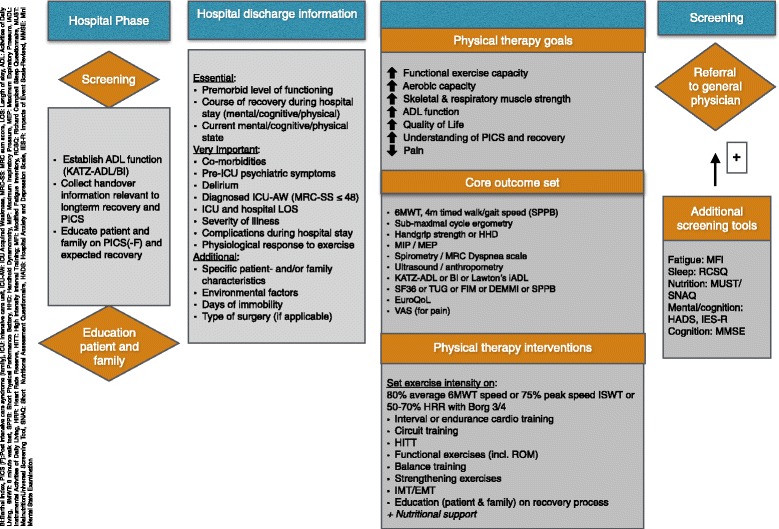
“Physical rehabilitation framework after hospital discharge for clinical practice and all research studies [48] Core outcome set Exercise capacity and intensity Overall muscle strength Respiratory muscle function Pulmonary function Body composition tests Physical function and mobility”
BackgroundMethodSelf-citationSouto‐Miranda, S., Saraiva, I., Spruit, M. A., & Marques, A. S. P. D. D. (2023) · Thorax · doi:10.1136/thorax-2023-220522 · Cited by 49
Takaoka, A., Utgikar, R., Rochwerg, B. N., Cook, D. J., & Kho, M. E. (2020) · Annals of the American Thoracic Society · doi:10.1513/annalsats.202001-059oc · Cited by 49
Self-citationCharacteristics and influence on quality of life of new‐onset pain in critical COVID‐19 survivors
Ojeda, A., Calvo, A., Cuñat, T., Mellado-Artigas, R., Comino‐Trinidad, O., Aliaga, J., Arias, M., Ferrando, C., Martínez‐Palli, G., & Dürsteler, C. (2021) · European Journal of Pain · doi:10.1002/ejp.1897 · Cited by 42
“Consensus statement on physical rehabilitation in ICU survivors recommend to assess pain using the VAS (Major et al., 2016).”
MethodScheunemann, L. P., White, J. S., Prinjha, S., Hamm, M., Girard, T. D., Skidmore, E. R., Reynolds, C. F., & Leland, N. E. (2020) · Annals of the American Thoracic Society · doi:10.1513/annalsats.201904-332oc · Cited by 49
“Thus, patients need services to address mobility and self315 care on the wards and early after discharge (12, 15, 17, 18, 49), and services to address 316 psychological health later (probably > 3 months after discharge) (12, 15, 18, 19).”
BackgroundInfluentialCare and treatments related to intensive care unit–acquired muscle weakness: A cohort study
Raurell‐Torredà, M., Arias-Rivera, S., Martí, J.-D., Mera, M. J. F., Zaragoza‐García, I., Gallart, E., Sanz, T. R. V., José-Arribas, A. S., Blázquez-Martínez, E., Delgado, M. E. R., et al. (2021) · Australian Critical Care · doi:10.1016/j.aucc.2020.12.005 · Cited by 49
Theorising survivorship after intensive care: A systematic review of patient and family experiences
Kean, S., Donaghy, E., Bancroft, A., Clegg, G. R., & Rodgers, S. E. (2021) · Journal of Clinical Nursing · doi:10.1111/jocn.15766 · Cited by 50
Engaging Families in Rehabilitation of People Who Are Critically Ill: An Underutilized Resource
Haines, K. J. (2018) · Physical Therapy · doi:10.1093/ptj/pzy066 · Cited by 37
A Decade of Post-Intensive Care Syndrome: A Bibliometric Network Analysis
Paul, N., Albrecht, V., Denke, C., Spies, C., Krampe, H., & Weiß, B. (2022) · Medicina · doi:10.3390/medicina58020170 · Cited by 35
Raurell‐Torredà, M., Arias-Rivera, S., Martí, J.-D., Mera, M. J. F., Zaragoza‐García, I., Gallart, E., Sanz, T. R. V., José-Arribas, A. S., Blázquez-Martínez, E., Delgado, M. E. R., et al. (2018) · Enfermería Intensiva · doi:10.1016/j.enfi.2018.04.004 · Cited by 49
Mayer, K. P., Dhar, S., Cassity, E. P., Denham, A., England, J., Morris, P. E., & Dupont‐Versteegden, E. E. (2020) · Physical Therapy · doi:10.1093/ptj/pzaa068 · Cited by 36
Morelli, N., Parry, S. M., Steele, A. K., Lusby, M. L., Montgomery-Yates, A. A., Morris, P. E., & Mayer, K. P. (2022) · Journal of Intensive Care Medicine · doi:10.1177/08850666221075568 · Cited by 30
S3-Leitlinie Sepsis – Prävention, Diagnose, Therapie und Nachsorge – Update 2025
Brunkhorst, F. M., Adamzik, M., Axer, H., Bauer, M. W., Bode, C., Bone, H.-G., Brenner, T., Bucher, M., David, S., Dietrich, M., et al. (2025) · Medizinische Klinik - Intensivmedizin und Notfallmedizin · doi:10.1007/s00063-025-01317-1 · Cited by 47
Ahn, S., LaNoue, M. D., Su, H., Moale, A. C., Scheunemann, L. P., Kiehl, A. L., Douglas, I. S., Exline, M. C., Gong, M. N., Khan, B. A., et al. (2025) · JAMA Network Open · doi:10.1001/jamanetworkopen.2025.3443 · Cited by 32
Mayer, K. P., Parry, S. M., Kalema, A. G., Joshi, R. R., Soper, M. K., Steele, A. K., Lusby, M. L., Dupont‐Versteegden, E. E., Montgomery-Yates, A. A., & Morris, P. E. (2021) · Critical Care Explorations · doi:10.1097/cce.0000000000000516 · Cited by 30
Pandolfi, F., Brun‐Buisson, C., Guillemot, D., & Watier, L. (2023) · Critical Care · doi:10.1186/s13054-023-04726-w · Cited by 28
Rehabilitation for patients with sepsis: A systematic review and meta-analysis
Taito, S., Taito, M., Banno, M., Tsujimoto, H., Kataoka, Y., & Tsujimoto, Y. (2018) · PLoS ONE · doi:10.1371/journal.pone.0201292 · Cited by 28
Adaptación y validación de la ICU Mobility Scale en España
Arias-Rivera, S., Raurell‐Torredà, M., Thuissard, I. J., Vázquez, C. A., Hodgson, C. L., Cámara-Conde, N., Peñuelas-Rodríguez, O., Herrero, R., Sánchez-Sánchez, M. M., Fraile-Gamo, M. P., et al. (2020) · Enfermería Intensiva · doi:10.1016/j.enfi.2019.10.001 · Cited by 30
Bone metabolism and fracture risk during and after critical illness
Rousseau, A., Kerschan‐Schindl, K., Scherkl, M., & Amrein, K. (2020) · Current Opinion in Critical Care · doi:10.1097/mcc.0000000000000734 · Cited by 26
“In addition, it is absolutely necessary to keep up with rehabilitation after ICU discharge (in the general ward) and after hospital discharge [69].”
BackgroundFleischmann-Struzek, C., Joost, F. E. A., Pletz, M. W., Weiß, B., Paul, N., Ely, E. W., Reinhart, K., & Rose, N. (2024) · Critical Care · doi:10.1186/s13054-024-05076-x · Cited by 27
“…initiative, e.g. providing core outcome measures for physical therapy in the rehabilitation of critical illness survivors after hospital discharge [62]. b) Therapy The overlap in pathophysiology among LC, PSS and PICS suggests that similar symptom-focused treatment strategies could be beneficial…”
BackgroundTaito, S., Shime, N., Yasuda, H., Ota, K., Sarada, K., Lefor, A. K., & Sanui, M. (2018) · Journal of Critical Care · doi:10.1016/j.jcrc.2018.06.022 · Cited by 20
Reframing Hospital to Home Discharge from “Should We?” to “How Can We?”: COVID‐19 and Beyond
Gustavson, A. M., Toonstra, A., Johnson, J. K., & Ensrud, K. E. (2021) · Journal of the American Geriatrics Society · doi:10.1111/jgs.17036 · Cited by 20
“, home set-up).(5,6) The COVID-19 pandemic has retained these elements as critical to discharge planning.”
BackgroundPhysical Functioning After Admission to the PICU: A Scoping Review
Bossen, D., de Boer, R. M., Knoester, H., Maaskant, J. M., van der Schaaf, M., Alsem, M. W., Gemke, R. J. B. J., van Woensel, J. B. M., Oosterlaan, J., & Engelbert, R. (2021) · Critical Care Explorations · doi:10.1097/cce.0000000000000462 · Cited by 23
“, exercise capacity, skeletal muscle strength, function in activities of daily living, mobility, quality of life and pain) (89).”
BackgroundSelf-citationPhysiotherapy treatment approaches for survivors of critical illness: a proposal from a Delphi study
Kwakman, R. C. H., Major, M. E., Dettling-Ihnenfeldt, D. S., Nollet, F., Engelbert, R., & van der Schaaf, M. (2019) · Physiotherapy Theory and Practice · doi:10.1080/09593985.2019.1579283 · Cited by 23
Self-citationLai, D. J., Liu, Z., Johnston, E., Dikomitis, L., D’Oliveira, T. C., & Shergill, S. S. (2024) · Critical Care · doi:10.1186/s13054-024-05089-6 · Cited by 20
“Study design varied considerably across the studies with 46% (6/13) of studies being Randomised Controlled feasibility Trials (RCT) [31–33, 36, 41, 42], 38.4% (5/13) prospective observational cohort studies [34, 35, 38, 40, 43], and 15.3% (2/13) qualitative studies [37, 39].”
BackgroundMethodInfluentialProbert, J. M., Lin, S., Yan, H., Leoutsakos, J., Dinglas, V. D., Hosey, M. M., Parker, A. M., Hopkins, R. O., Needham, D. M., & Neufeld, K. J. (2021) · Journal of Psychosomatic Research · doi:10.1016/j.jpsychores.2021.110418 · Cited by 18
Self-citationPaul, N., Cittadino, J., Weiß, B., Krampe, H., Denke, C., & Spies, C. (2023) · Critical Care Medicine · doi:10.1097/ccm.0000000000005742 · Cited by 17
Vickory, F., Ridgeway, K. J., Falvey, J. R., Houwer, B., Gunlikson, J., Payne, K., & Niehaus, W. (2021) · Physical Therapy · doi:10.1093/ptj/pzab208 · Cited by 15
Consensus-Based Recommendations for Assessing Post-Intensive Care Syndrome: A Systematic Review
Bornemann‐Cimenti, H., Lang, J., Hammer, S., Lang-Illievich, K., Labenbacher, S., Neuwersch-Sommeregger, S., & Klivinyi, C. (2025) · Journal of Clinical Medicine · doi:10.3390/jcm14103595 · Cited by 15
“Historically, the initial recommendation was formulated by Major et al. [29].”
Predictors of Functional Dependence After COVID-19
Leigh, A. E., McCall, J., Burke, R. V., Rome, R. B., & Raines, A. M. (2020) · American Journal of Physical Medicine & Rehabilitation · doi:10.1097/phm.0000000000001614 · Cited by 15
Mayer, K. P., Welle, M. M., Evans, C. G., Greenhill, B. G., Montgomery-Yates, A. A., Dupont‐Versteegden, E. E., Morris, P. E., & Parry, S. M. (2020) · The American Journal of the Medical Sciences · doi:10.1016/j.amjms.2020.09.018 · Cited by 15
Yoshihiro, S., Taito, S., Yamauchi, K., Kina, S., Terayama, T., Tsutsumi, Y., Kataoka, Y., & Unoki, T. (2023) · PeerJ · doi:10.7717/peerj.15260 · Cited by 19
Grund, S., Caljouw, M. A. A., Haaksma, M. L., Gordon, A. L., van Balen, R., Bauer, J. M., Schols, J. M. G. A., & Achterberg, W. P. (2021) · The journal of nutrition health & aging · doi:10.1007/s12603-021-1607-5 · Cited by 19
“A number of COVID-19 patients have required intensive care admission, therefore rehabilitation experiences from other ICU patients may be useful as we learn how to rehabilitate those with COVID-19 (12-14).”
Quach, S., Veitch, A., Zaccagnini, M., West, A. J., & Nonoyama, M. L. (2022) · Respiratory Care · doi:10.4187/respcare.10012 · Cited by 15
Development and psychometric evaluation of the family intensive care units syndrome inventory
Saeid, Y., Ebadi, A., Salaree, M. M., & Moradian, S. T. (2023) · Brain and Behavior · doi:10.1002/brb3.3101 · Cited by 13
“Lack of a comprehensive and specific instrument is a major barrier to effective FICUS assessment (Major et al., 2016) and highlights the need for further studies to develop such instruments.”
BackgroundFresenko, L. E., Rivera, Z. C., Parry, S. M., & Mayer, K. P. (2024) · Critical Care Clinics · doi:10.1016/j.ccc.2024.08.004 · Cited by 15
Assessing the safety of physical rehabilitation in critically ill patients: a Delphi study
Woodbridge, H. R., McCarthy, C. J., Jones, M., Willis, M. D., Antcliffe, D. B., Alexander, C. M., & Gordon, A. C. (2024) · Critical Care · doi:10.1186/s13054-024-04919-x · Cited by 16
“Clinicians were approached through contact details of the corresponding authors of papers gathered after a background literature search of the topics under consideration here [40, 41].”
BackgroundThe Psychometric Properties of the EuroQol 5D Five Level in Survivors of Critical Illness
Silva, S. D., Neto, A. S., Sathe, A., Higgins, A. M., & Hodgson, C. L. (2024) · Critical Care Medicine · doi:10.1097/ccm.0000000000006516 · Cited by 12
“The current consensus framework highlighted the importance of continuing to care for survivors following critical illness, including risk assessment and documenting every stage of their recovery (30).”
Diarasarri, S. I., Ampudia, C. B., Barreira-Méndez, R., Vallejo-Delacueva, A., Bediaga-Díazdecerio, I., Martínez-Alutiz, S., Ruilope-Alvaro, L., Vinuesa-Lozano, C., Cortajarena, N. A., Sebastián-Hurtado, A. S., et al. (2022) · Medicina Intensiva · doi:10.1016/j.medin.2022.09.004 · Cited by 9
Major, M. E., van Egmond, M. A., Dettling-Ihnenfeldt, D. S., Ramaekers, S. P. J., Engelbert, R., & van der Schaaf, M. (2023) · PLoS ONE · doi:10.1371/journal.pone.0284097 · Cited by 11
“MIP and MEP and potential associations with other functional outcomes in survivors of critical illness, we could determine if, and when, tailored respiratory muscle training could be valuable to include in post-ICU rehabilitation interventions, as is recommended by recent Delphi studies [24, 25].”
BackgroundSelf-citationJones, J. R. A., Puthucheary, Z., McDonald, L. A., Denehy, L., & Berney, S. C. (2020) · Journal of Cardiopulmonary Rehabilitation and Prevention · doi:10.1097/hcr.0000000000000549 · Cited by 10
Self-citationCritical illness and bone metabolism: where are we now and what is next?
Yun, C., Kang, F.-X., & Wang, X. (2022) · European journal of medical research · doi:10.1186/s40001-022-00805-w · Cited by 9
“Therefore, it is necessary to maintain rehabilitation training in the ICU, transfer from ICU to the general ward, and after discharge [77].”
BackgroundValidation into Spanish of a Scale to Detect the Post-intensive Care Syndrome
Narváez-Martínez, M. A., & Henao-Castaño, Á. M. (2023) · Investigación y Educación en Enfermería · doi:10.17533/udea.iee.v41n1e09 · Cited by 12
Folgen kritischer Erkrankung und mögliche Interventionen
Dodoo‐Schittko, F., Brandstetter, S., Apfelbacher, C., & Bein, T. (2017) · AINS - Anästhesiologie · Intensivmedizin · Notfallmedizin · Schmerztherapie · doi:10.1055/s-0042-103263 · Cited by 10
“Maßnahmen und primäre Ziele physischer Rehabilitationsmaßnahmen nach überlebter kritischer Erkrankung [39].”
BackgroundOptimizing Sleep and Circadian Health in the NeuroICU
LaBuzetta, J. N., Malhotra, A., Zee, P. C., & Maas, M. B. (2022) · Current Treatment Options in Neurology · doi:10.1007/s11940-022-00724-5 · Cited by 8
Scales to measure post intensive care syndrome, a scoping review
Narváez-Martínez, M. A., Tovar, L. O. G., & Henao-Castaño, Á. M. (2022) · Enfermería Clínica (English Edition) · doi:10.1016/j.enfcle.2022.07.003 · Cited by 12
Tavares, G. S., Oliveira, C. C., Mendes, L. P. D. S., & Velloso, M. (2023) · Heart & Lung · doi:10.1016/j.hrtlng.2023.08.004 · Cited by 7
Thomas, S., Sauter, W., Starrost, U., Pohl, M., & Mehrholz, J. (2017) · Disability and Rehabilitation · doi:10.1080/09638288.2017.1300341 · Cited by 8
Long-Term Morbidities in Children with Critical Illness: Gaps and Opportunities
Senna, S., Ong, C., Ng, Z. M., & Lee, J. H. (2018) · Annals of the Academy of Medicine Singapore · doi:10.47102/annals-acadmedsg.v47n8p291 · Cited by 9
Adaptation and validation of the ICU Mobility Scale in Spain
Arias-Rivera, S., Raurell‐Torredà, M., Thuissard, I. J., Vázquez, C. A., & Hodgson, C. L. (2020) · Enfermería Intensiva (English ed ) · doi:10.1016/j.enfie.2019.03.005 · Cited by 7
Raurell‐Torredà, M., Arias-Rivera, S., Martí, J.-D., Mera, M. J. F., Zaragoza‐García, I., Gallart, E., Sanz, T. R. V., José-Arribas, A. S., Blázquez-Martínez, E., Delgado, M. E. R., et al. (2019) · Enfermería Intensiva (English ed ) · doi:10.1016/j.enfie.2019.04.002 · Cited by 10
Terbraak, M. S., Major, M. E., Jorstad, H. T., Reimer, W. J. M. S. O., & van der Schaaf, M. (2023) · European Journal of Physiotherapy · doi:10.1080/21679169.2023.2276712 · Cited by 10
“For each statement, we calculated the median score, siQR, and the level of agreement (la) as the percentage of panel members who scored the median value of the statement [22,23]. consensus was defined a priori as an siQR of ≤ 1.0.”
MethodInfluentialSelf-citationFrom hospital to home: A heightened window of vulnerability post-critical illness
Howard, A. F., Lynch, K., Thorne, S. E., Currie, L. M., Arora, R. C., McDermid, R. C., Ahmad, O., Crowe, S., Hoiss, S., David, A., et al. (2025) · PLoS ONE · doi:10.1371/journal.pone.0334092 · Cited by 9
Instrumentos para valorar el síndrome pos cuidado intensivo, revisión de alcance
Narváez-Martínez, M. A., Tovar, L. O. G., & Henao-Castaño, Á. M. (2022) · Enfermería Clínica · doi:10.1016/j.enfcli.2022.07.003 · Cited by 8
Wójcik, B., Superata, J., Nguyen, H. B., & Szyguła, Z. (2019) · Advances in Therapy · doi:10.1007/s12325-019-01047-9 · Cited by 7
Cijs, B., Valkenet, K., Heijnen, G. H., Visser‐Meily, J. M. A., & van der Schaaf, M. (2023) · Physical Therapy · doi:10.1093/ptj/pzad039 · Cited by 7
“13,55,56 As with patients without COVID-19 in the ICU, a functional (re)assessment is recommended 3 months after hospital discharge, with referral to the appropriate rehabilitation or specialist services if the patient appears to be recovering at a slower rate than anticipated or if the patient has…”
Rehabilitation in Intensive Care
Gosselink, R., & Clini, E. M. (2017) · Springer eBooks · doi:10.1007/978-3-319-65888-9_26 · Cited by 13
Self-citationSiesage, K., Schandl, A. R., Johansson, M., Nygren‐Bonnier, M., Karlsson, E., & Joelsson‐Alm, E. (2024) · Disability and Rehabilitation · doi:10.1080/09638288.2024.2392036 · Cited by 8
“The majority of patients treated at an intensive care unit (ICU) survive the acute phase of their critical illness, but approximately 30% suffer from long-term physical and psychological health impairments and reduced quality of life one year after ICU discharge [2–4].”
Post-intensive care syndrome one month after discharge in surviving critically ill COVID-19 patients
Diarasarri, S. I., Ampudia, C. B., Barreira-Méndez, R., Vallejo-Delacueva, A., Bediaga-Díazdecerio, I., Martínez-Alutiz, S., Ruilope-Alvaro, L., Vinuesa-Lozano, C., Cortajarena, N. A., Sebastián-Hurtado, A. S., et al. (2022) · Medicina Intensiva (English Edition) · doi:10.1016/j.medine.2022.10.012 · Cited by 5
Hamzeh, H., Kelly, C. A., Lee, A. L., Spinou, A., Marques, A. S. P. D. D., Herrero‐Cortina, B., Burtin, C., Hall, K., & Spencer, S. (2024) · Heliyon · doi:10.1016/j.heliyon.2024.e34101 · Cited by 5
“An overlap is evident in the outcomes of the current COS and the outcomes recommended by two projects involving physiotherapy in COPD [28] and for critical care survivors [29].”
BackgroundKwakman, R. C. H., Voorn, E. L., Sommers, J., Gerrits, K. H. L., Nollet, F., Engelbert, R., & van der Schaaf, M. (2023) · Australian Critical Care · doi:10.1016/j.aucc.2023.04.006 · Cited by 7
Self-citationThe effect of comprehensive rehabilitation on post-COVID-19 syndrome
Kesikburun, B., Ata, A. M., Borman, P., Özdemir, E. E., Becenen, E., Metin, N., & Alemdaroğlu, E. (2023) · Egyptian Rheumatology and Rehabilitation · doi:10.1186/s43166-023-00227-4 · Cited by 5
“It is clear that the rehabilitation program is recommended for the patients discharged from hospital and intensive care to reduce the complications related to COVID-19 syndrome [18, 19].”
BackgroundFink, E. L., & Watson, R. S. (2018) · Pediatric Critical Care Medicine · doi:10.1097/pcc.0000000000001498 · Cited by 5
Protein nutrition and exercise survival kit for critically ill
Weijs, P. J. M. (2017) · Current Opinion in Critical Care · doi:10.1097/mcc.0000000000000425 · Cited by 5
Mayer, K. P., Steele, A. K., Joshi, R. R., Soper, M. K., Dupont‐Versteegden, E. E., Morris, P. E., Montgomery-Yates, A. A., & Parry, S. M. (2020) · Cardiopulmonary Physical Therapy Journal · doi:10.1097/cpt.0000000000000156 · Cited by 4
Aarden, J. J., Major, M. E., Aghina, C. M. W., van der Esch, M., Buurman, B. M., Engelbert, R., & van der Schaaf, M. (2023) · PLoS ONE · doi:10.1371/journal.pone.0283545 · Cited by 5
Self-citationPhysical function measures in ICU survivors, where to now? A scoping review
Plessis, I. D., Lupton-Smith, A. R., & Hanekom, S. D. (2024) · Southern African Journal of Critical Care · doi:10.7196/sajcc.2024.v40i2.1742 · Cited by 5
“[14,32,34] The heterogeneity of measures used prevents the synthesis of data to determine intervention efficacy and conduct meta-analyses.”
InfluentialSelf-citationZeidan, R. S., Ohama, M. K., Evripidou, N., Anton, S. D., Hamed, L., Lin, Y., Leeuwenburgh, C., Guirgis, F. W., Efron, P. A., Flynn, S. M., et al. (2024) · JMIR Research Protocols · doi:10.2196/60270 · Cited by 2
Jain, S., Murphy, T. E., Falvey, J. R., Leo-Summers, L. S., Zang, E. X., Gill, T. M., Krumholz, H. M., & Ferrante, L. E. (2025) · Annals of the American Thoracic Society · doi:10.1513/annalsats.202504-387oc · Cited by 4
Sevin, C. M. (2021) · Springer eBooks · doi:10.1007/978-3-030-68680-2_12 · Cited by 4
ERS International Congress 2023: highlights from the Respiratory Intensive Care Assembly
Bianquis, C., Agüero, S. L., Cantero, C., Bonmatí, A. G., González, J., Hu, X., Lacoste-Palasset, T., Livesey, A., Guillamat‐Prats, R., Salai, G., et al. (2023) · ERJ Open Research · doi:10.1183/23120541.00886-2023 · Cited by 3
“The need to evaluate patients in these centres with a variety of tools was stressed [85, 86] as well as the importance of multidimensional [65] and volitional assessments [87] (such as spirometry and muscle strength) and preventive actions [88].”
BackgroundSchmidt, K. F. R., & Gehrke-Beck, S. (2021) · Springer eBooks · doi:10.1007/978-3-030-68680-2_17 · Cited by 3
Customised Care: Post Intensive Care Syndrome
van Tol, B., Dettling-Ihnenfeldt, D. S., Kruizenga, H. M., Pellegrom, S., Major, M. E., Siebel, M., & van der Schaaf, M. (2020) · Kompass Nutrition & Dietetics · doi:10.1159/000513300 · Cited by 3
Self-citationChronic post-ICU pain: A review of the mechanism and the rehabilitation management
Nazir, A. (2024) · Anaesthesia Pain & Intensive Care · doi:10.35975/apic.v28i1.2389 · Cited by 3
“22 Chronic pain management consists of pharmacotherapy, prevention, and comprehensive management by giving multimodalities.”
BackgroundPhysical rehabilitation and critical illness
Cox, K., Rix, A., & Hodgson, C. L. (2024) · Anaesthesia & intensive care medicine · doi:10.1016/j.mpaic.2024.06.012 · Cited by 2
Mesina, R. S., Rustøen, T., Hagen, M. C., Laake, J. H., & Hofsø, K. (2025) · Intensive and Critical Care Nursing · doi:10.1016/j.iccn.2025.104184 · Cited by 2
The Role of Physical Therapy in the Intensive Care Unit
Kosson, Z., Paśnicki, M., & Kołacz, M. (2021) · Emergency Medical Service · doi:10.36740/emems202103108 · Cited by 2
Metadata
- Authors
- Major, M. E., Kwakman, R., Kho, M. E., Connolly, B., McWilliams, D., Denehy, L., Hanekom, S., Patman, S., Gosselink, R., Jones, C., Nollet, F., Needham, D. M., Engelbert, R. H. H., & van der Schaaf, M.
- Affiliations
- Amsterdam University of Applied Sciences (NL)
- McMaster University (CA)
- King's College London (GB)
- University Hospitals Birmingham NHS Foundation Trust (GB)
- The University of Melbourne (AU)
- Stellenbosch University (ZA)
- The University of Notre Dame Australia (AU)
- KU Leuven (BE)
- University of Liverpool (GB)
- Amsterdam UMC Location University of Amsterdam (NL)
- Johns Hopkins University (US)
- ORCID
- Venue
- Critical Care
- Published
- 2016-10-29
- Volume
- 20
- Issue
- 1
- Pages
- 354-354
- ISSN
- 1364-8535 (ISSN-L)
- PMC
- PMC5086052
- OpenAlex
- W2545717629
- Semantic Scholar
- d547684992ff14b981aedc42e14b077e4d1a9dcc
- Cited by
- 141
- References
- 41
- Citations by year
- 2026: 8 · 2025: 11 · 2024: 18 · 2023: 24 · 2022: 11 · 2021: 19 · 2020: 19 · 2019: 14 · 2018: 8 · 2017: 9
- FWCI
- 9.40
- Type
- journal article
- Language
- en
- Open access
- gold
- doi.org
- Licence
- cc-by
- Locations
- Critical Care (publishedVersion, cc-by)
- PubMed Central (publishedVersion, cc-by)
- PubMed (publishedVersion)
- Pure Amsterdam UMC (publishedVersion, other-oa)
- Data Archiving and Networked Services (DANS) (submittedVersion)
- Minerva Access (University of Melbourne) (submittedVersion, cc-by)
- Lirias (submittedVersion, cc-by)
- ResearchOnline@ND (The University of Notre Dame) (submittedVersion)
- Data Archiving and Networked Services (DANS) (submittedVersion, cc-by)
- SUNScholar (Stellenbosch University) (submittedVersion)
- Funders
- Nederlandse Organisatie voor Wetenschappelijk Onderzoek
- Canada Research Chairs
- Topics
- Health Sciences › Medicine › Critical Care and Intensive Care Medicine › Intensive Care Unit Cognitive Disorders
- Health Sciences › Health Professions › Physical Therapy, Sports Therapy and Rehabilitation › Medical Practices and Rehabilitation
- Health Sciences › Nursing › Nutrition and Dietetics › Clinical Nutrition and Gastroenterology
- Keywords
- critical illness survivors, physical rehabilitation, physiotherapy, hospital discharge, intensive care unit survivors, rehabilitation goals, outcome measures, exercise capacity, skeletal muscle strength, functional training, respiratory muscle training, nutritional support, screening tool, quality of life, pain, mobility (physical function)
- MeSH terms
- Activities of Daily Living, Delphi Technique, Humans, Patient Discharge, Rehabilitation, Critical Illness, Survivors, Physical Therapy Modalities, Consensus
About these checks
Registry, retraction, Cites and statistics results are computed, not judged, with one exception: a printed reference that no index lists is read once by a model before it counts as a citation error. Claims are extracted by a model and kept only when their quote appears verbatim in the text; each cited source is then checked, with a model’s help, for whether it says what the claim relies on. Those verdicts can be wrong — read the claim’s quote and the cited source before relying on one.
Statistics and arithmetic are recomputed, not judged.
Confidence bands are shown only for fields calibrated on our annotated test set. None is calibrated yet, so no band is shown.
What counts as a claim ›How we measure confidence ›How we check this ›
Are you an author, or do you see a problem with this page? Request a review
Data sources
Bibliographic data: Semantic Scholar, OpenAlex, Crossref.
Contains information from the Semantic Scholar Academic Graph Datasets, made available under the ODC Attribution License (ODC-BY 1.0).
Semantic Scholar’s data is described in: Kinney, R., et al. (2023). The Semantic Scholar Open Data Platform. arXiv:2301.10140.
