

Targeting tumor–stromal interactions in triple-negative breast cancer using a human vascularized micro-tumor model
Open accessPublished version of a preprint
The DOI matches its Crossref record; 83 of the 83 references it cites were found in a registry or an index.
Abstract
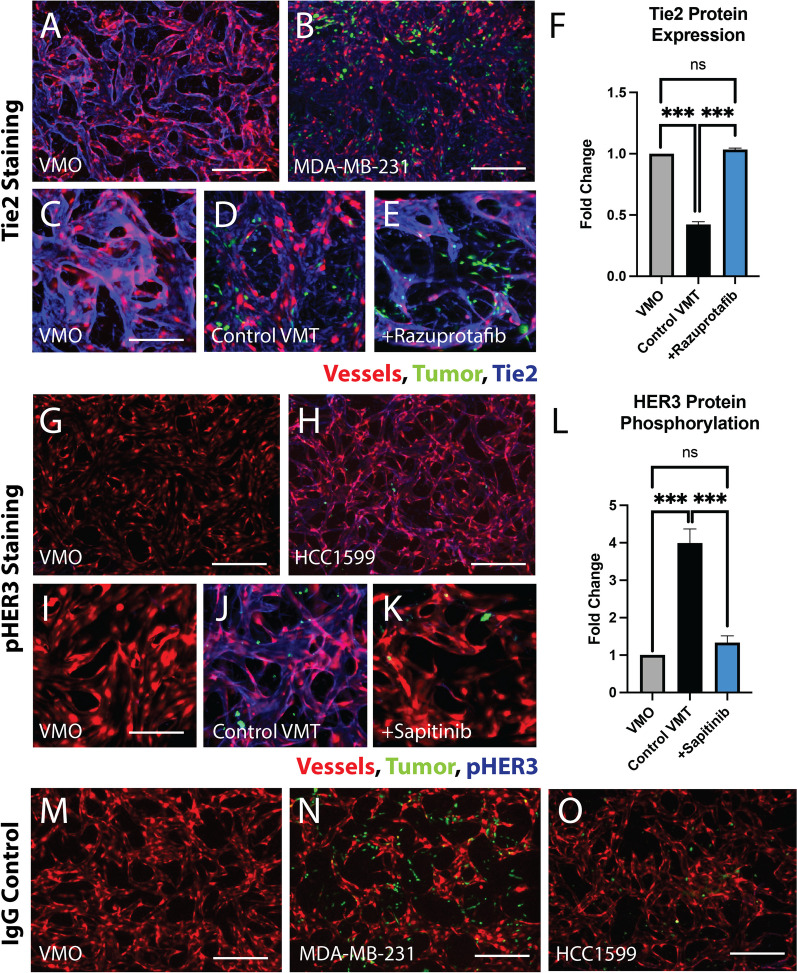
Triple-negative breast cancer (TNBC) is highly aggressive with limited available treatments. Stromal cells in the tumor microenvironment (TME) are crucial in TNBC progression; however, understanding the molecular basis of stromal cell activation and tumor-stromal crosstalk in TNBC is limited. To investigate therapeutic targets in the TNBC stromal niche, we used an advanced human in vitro microphysiological system called the vascularized micro-tumor (VMT). Using single-cell RNA sequencing, we revealed that normal breast tissue stromal cells activate neoplastic signaling pathways in the TNBC TME. By comparing interactions in VMTs with clinical data, we identified therapeutic targets at the tumor-stromal interface with potential clinical significance. Combining treatments targeting Tie2 signaling with paclitaxel resulted in vessel normalization and increased efficacy of paclitaxel in the TNBC VMT. Dual inhibition of HER3 and Akt also showed efficacy against TNBC. These data demonstrate the potential of inducing a favorable TME as a targeted therapeutic approach in TNBC.
Overview
The claims and statistics of this paper haven’t been checked yet.
Free: it reads the open-access text and checks the first 5 claims that cite a source we can check. Create a free account to check every claim.
Integrity signals
Registry
Cites
Statistics
Figures
Verification
Claims the paper makes
The claims and statistics of this paper haven’t been checked yet.
Free: it reads the open-access text and checks the first 5 claims that cite a source we can check. Create a free account to check every claim.
Claims other papers make about this one
Each is checked against this paper’s own text: does it say what the citing paper says it does?
The source backs part of the claim, not all of it — or backs it for a different population, condition or comparison.
In the citing paper
“The model has been adapted to multiple cancer types, including immunologically ‘cold’ or ‘mixed’ tumors such as breast cancer, MSS subtype colorectal cancer and ovarian cancer, which display varying degrees of vascular disruption (Jahid et al., 2022; Hachey et al., 2024), Hachey et al. (2021)).”
From Microphysiological systems as models for immunologically ‘cold’ tumors (2024) · cites this paper as Hachey et al., 2024
Experimental — accuracy not yet measured
Self-check
Percentages, sums and reported differences re-computed from the paper’s own numbers.
The self-check needs the paper’s full text.
Citations
Cites
clusterProfiler: an R Package for Comparing Biological Themes Among Gene Clusters
Yu, G., Wang, L.-G., Han, Y., & He, Q.-Y. (2012) · OMICS: A Journal of Integrative Biology · doi:10.1089/omi.2011.0118 · Cited by 36,259 · cited 2×
“Pathway analysis was performed using clusterProfiler [35] with the GO Biological Process 2021 database on the top 100 differentially expressed genes.”
MethodSiegel, R. L., Miller, K. D., Wagle, N. S., & Jemal, A. (2023) · CA: A Cancer Journal for Clinicians · doi:10.3322/caac.21763 · Cited by 16,303 · cited 1×
“Consequently, TNBC disproportionally accounts for 30% of all breast cancer-related mortality, with approximately 150,000 deaths estimated in 2023 [2].”
BackgroundComprehensive Integration of Single-Cell Data
Stuart, T., Butler, A., Hoffman, P., Hafemeister, C., Papalexi, E., Mauck, W. M., Hao, Y., Stoeckius, M., Smibert, P., & Satija, R. (2019) · Cell · doi:10.1016/j.cell.2019.05.031 · Cited by 15,453
Integrating single-cell transcriptomic data across different conditions, technologies, and species
Butler, A., Hoffman, P., Smibert, P., Papalexi, E., & Satija, R. (2018) · Nature Biotechnology · doi:10.1038/nbt.4096 · Cited by 13,174
Inference and analysis of cell-cell communication using CellChat
Jin, S., Guerrero-Juarez, C. F., Zhang, L., Chang, I., Ramos, R., Kuan, C.-H., Myung, P., Plikus, M. V., & Nie, Q. (2021) · Nature Communications · doi:10.1038/s41467-021-21246-9 · Cited by 8,409 · cited 1×
“LIANA aggregates results from multiple cell–cell communication pipelines, and the results from the CellChat [76], Connectome [77], iTALK [78], NATMI [79], and SingleCellSignalR [80] pipelines were computed.”
MethodTrapnell, C., Cacchiarelli, D., Grimsby, J., Pokharel, P., Li, S., Morse, M., Lennon, N. J., Livak, K. J., Mikkelsen, T. S., & Rinn, J. L. (2014) · Nature Biotechnology · doi:10.1038/nbt.2859 · Cited by 7,314 · cited 1×
“Pseudotime was performed using Monocle v2 [31, 82].”
Spatial reconstruction of single-cell gene expression data
Satija, R., Farrell, J. A., Gennert, D., Schier, A. F., & Regev, A. (2015) · Nature Biotechnology · doi:10.1038/nbt.3192 · Cited by 7,055 · cited 1×
“Count matrices were loaded into RStudio (1.2.5042 version, R version 4.0.4 [61, 62]) and converted into a Seurat object using the Seurat R Package (version 4.0.0.9015) [63, 64].”
MethodInfluentialReversed graph embedding resolves complex single-cell trajectories
Qiu, X., Mao, Q., Tang, Y., Wang, L., Chawla, R., Pliner, H. A., & Trapnell, C. (2017) · Nature Methods · doi:10.1038/nmeth.4402 · Cited by 5,070 · cited 2×
“Pseudotime was performed using Monocle v2 [31, 82].”
MethodAran, D., Looney, A. P., Liu, L., Wu, E., Fong, V., Hsu, A., Chak, S., Naikawadi, R. P., Wolters, P. J., Abate, A. R., et al. (2019) · Nature Immunology · doi:10.1038/s41590-018-0276-y · Cited by 4,984 · cited 1×
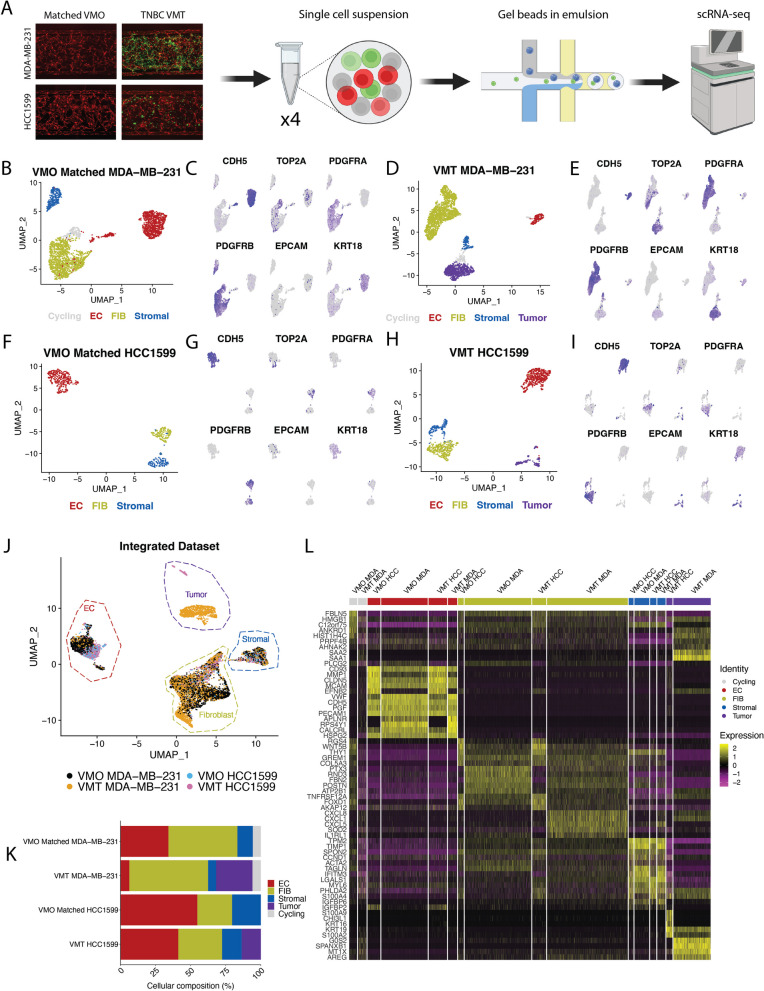
“…of known markers (ECs: PECAM1, CDH5, VWF, KDR, CLDN5 [67], Fibroblasts: PDGFRA, PDG-FRB, COL1A1 [68], Stroma: PDGFRB, TPM1, ACTA2 [68], Cycling cells: MKI67 and TOP2A [69], and Tumor: KRT18 and EPCAM [70]), and cell types were later confirmed using the SingleR R package (version 1.4.1) [71].”
InfluentialMcGinnis, C. S., Murrow, L. M., & Gartner, Z. J. (2019) · Cell Systems · doi:10.1016/j.cels.2019.03.003 · Cited by 4,521
The biology and function of fibroblasts in cancer
Kalluri, R. (2016) · Nature Reviews Cancer · doi:10.1038/nrc.2016.73 · Cited by 4,366 · cited 1×
“Importantly, activated fibroblasts, despite their plasticity, demonstrate considerable heterogeneity in expression patterns, playing a role in cancer progression that varies depending on the tissue of origin [49].”
BackgroundTriple-negative breast cancer molecular subtyping and treatment progress
Yin, L., Duan, J.-J., Bian, X.-W., & Yu, S.-C. (2020) · Breast Cancer Research · doi:10.1186/s13058-020-01296-5 · Cited by 2,452 · cited 2×
“Compared with hormone receptor (HR)-positive breast cancer, TNBC is more commonly diagnosed in women younger than 40 years and has a worse 5-year survival rate [3].”
BackgroundTreatment landscape of triple-negative breast cancer — expanded options, evolving needs
Bianchini, G., De Angelis, C., Licata, L., & Gianni, L. (2022) · Nature Reviews Clinical Oncology · doi:10.1038/s41571-021-00565-2 · Cited by 1,382 · cited 3×
“Additionally, patients with stage IV TNBC treated with standard-of-care chemotherapy have a median overall survival of just 10.2 months [5].”
BackgroundInfluentialClustering trees: a visualization for evaluating clusterings at multiple resolutions
Zappia, L., & Oshlack, A. (2018) · GigaScience · doi:10.1093/gigascience/giy083 · Cited by 1,064
Correlating chemical sensitivity and basal gene expression reveals mechanism of action
Rees, M. G., Seashore-Ludlow, B., Cheah, J. H., Adams, D. J., Price, E. V., Gill, S., Javaid, S., Coletti, M. E., Jones, V. L., Bodycombe, N. E., et al. (2016) · Nature Chemical Biology · doi:10.1038/nchembio.1986 · Cited by 898 · cited 1×
“G) [48].”
Hirai, H., Sootome, H., Nakatsuru, Y., Miyama, K., Taguchi, S., Tsujioka, K., Ueno, Y., Hatch, H., Majumder, P. K., Pan, B.-S., et al. (2010) · Molecular Cancer Therapeutics · doi:10.1158/1535-7163.mct-09-1012 · Cited by 860
scMC learns biological variation through the alignment of multiple single-cell genomics datasets
Zhang, L., & Nie, Q. (2021) · Genome Biology · doi:10.1186/s13059-020-02238-2 · Cited by 845 · cited 5×
“Individual libraries were integrated using the scMC Run-scMC R function and package (version 1.0.0) with default settings [21]. scMC removes the technical variation while preserving biological variation using variance analysis in an unsupervised manner.”
BackgroundMethodInfluentialTriple negative breast cancer: Pitfalls and progress
Zagami, P., & Carey, L. A. (2022) · npj Breast Cancer · doi:10.1038/s41523-022-00468-0 · Cited by 839 · cited 1×
“Triple-negative breast cancer (TNBC), representing approximately 15% of all breast carcinomas, is an aggressive disease with limited treatment options [1].”
BackgroundLin, N. U., Vanderplas, A., Hughes, M. E., Theriault, R. L., Edge, S. B., Wong, Y., Blayney, D. W., Niland, J. C., Winer, E. P., & Weeks, J. C. (2012) · Cancer · doi:10.1002/cncr.27581 · Cited by 695 · cited 2×
“…Cancer Network Centers found that women with TNBC experienced worse breast cancer-specific and over-all survival (OS) in multivariate analyses (OS: adjusted hazard ratio, 2.72; 95% confidence interval 2.39–3.10; p < 0.0001 ) compared to women with HR-positive/ HER2-negative breast cancer [4].”
BackgroundResultInfluentialMuhl, L., Genové, G., Leptidis, S., Liu, J., He, L., Mocci, G., Sun, Y., Gustafsson, S., Buyandelger, B., Chivukula, I. V., et al. (2020) · Nature Communications · doi:10.1038/s41467-020-17740-1 · Cited by 665 · cited 2×
“…on the expression of known markers (ECs: PECAM1, CDH5, VWF, KDR, CLDN5 [67], Fibroblasts: PDGFRA, PDG-FRB, COL1A1 [68], Stroma: PDGFRB, TPM1, ACTA2 [68], Cycling cells: MKI67 and TOP2A [69], and Tumor: KRT18 and EPCAM [70]), and cell types were later confirmed using the SingleR R package (version…”
MethodDimitrov, D., Türei, D., Garrido-Rodriguez, M., Burmedi, P. L., Nagai, J. S., Boys, C., Ramirez Flores, R. O., Kim, H., Szalai, B., Costa, I. G., et al. (2022) · Nature Communications · doi:10.1038/s41467-022-30755-0 · Cited by 664 · cited 2×
“In order to identify dysregulated cell– cell communication that might be impacting the vascular niche, we employed LIANA [32] on the individual datasets.”
MethodInfluentialNeutrophils in cancer carcinogenesis and metastasis
Xiong, S., Dong, L., & Cheng, L. (2021) · Journal of Hematology & Oncology · doi:10.1186/s13045-021-01187-y · Cited by 564 · cited 1×
“In addition, the VMT stromal cells express genes known to increase neutrophil activation, which may support the dual role of neutrophil activation in promoting and suppressing cancer in vivo [24] (Additional file 1: Fig.”
BackgroundEpCAM Is Overexpressed in Breast Cancer and Is a Potential Target for Breast Cancer Gene Therapy
Osta, W. A., Chen, Y., Mikhitarian, K., Mitas, M., Salem, M., Hannun, Y. A., Cole, D. J., & Gillanders, W. E. (2004) · Cancer Research · doi:10.1158/0008-5472.can-04-0754 · Cited by 563 · cited 1×
“Strikingly, and in contrast to published expression data from monolayer cultures [29, 30], MDA-MB-231 cells growing in the VMT lacked expression of the epithelial marker EPCAM, indicating transcriptional consistency with the invasive and migratory phenotype of MDA-MB-231 in the VMT.”
ResultNewman, A. C., Nakatsu, M. N., Chou, W., Gershon, P. D., & Hughes, C. C. W. (2011) · Molecular Biology of the Cell · doi:10.1091/mbc.e11-05-0393 · Cited by 489 · cited 1×
“In contrast, stromal cells in the VMO control for the HCC1599 VMT exhibited better regulation of the ECM, with increased expression of COL1A1 and TGFBI , both crucial for supporting lumen formation [27].”
BackgroundSelf-citationYoneda, T., Williams, P. J., Hiraga, T., Niewolna, M., & Nishimura, R. (2001) · Journal of Bone and Mineral Research · doi:10.1359/jbmr.2001.16.8.1486 · Cited by 473 · cited 1×
“MDA-MB-231 is an aggressive and poorly differentiated claudin-low molecular subtype TNBC cell line, known for its invasiveness and metastatic potential in various organs of mice [50].”
BackgroundPal, B., Chen, Y., Vaillant, F., Capaldo, B. D., Joyce, R., Song, X., Bryant, V. L., Penington, J. S., Di Stefano, L., Tubau Ribera, N., et al. (2021) · The EMBO Journal · doi:10.15252/embj.2020107333 · Cited by 469 · cited 1×
“The Pal [37] libraries contain four libraries from triple-negative tumor with additional microenvironment cells (GSM4909284, GSM4909283, GSM4909282, and GSM4909281).”
BackgroundCazet, A. S., Hui, M. N., Elsworth, B. L., Wu, S. Z., Roden, D., Chan, C.-L., Skhinas, J. N., Collot, R., Yang, J., Harvey, K., et al. (2018) · Nature Communications · doi:10.1038/s41467-018-05220-6 · Cited by 437 · cited 1×
“These vascular changes observed in the VMT closely resemble the structural and functional vascular disruption seen in solid tumors, which often contributes to tumor progression by hindering effective delivery of anti-cancer therapies [8, 51, 52].”
BackgroundStromal cell diversity associated with immune evasion in human triple‐negative breast cancer
Wu, S. Z., Roden, D. L., Wang, C., Holliday, H., Harvey, K., Cazet, A. S., Murphy, K. J., Pereira, B., Al‐Eryani, G., Bartonicek, N., et al. (2020) · The EMBO Journal · doi:10.15252/embj.2019104063 · Cited by 436 · cited 2×
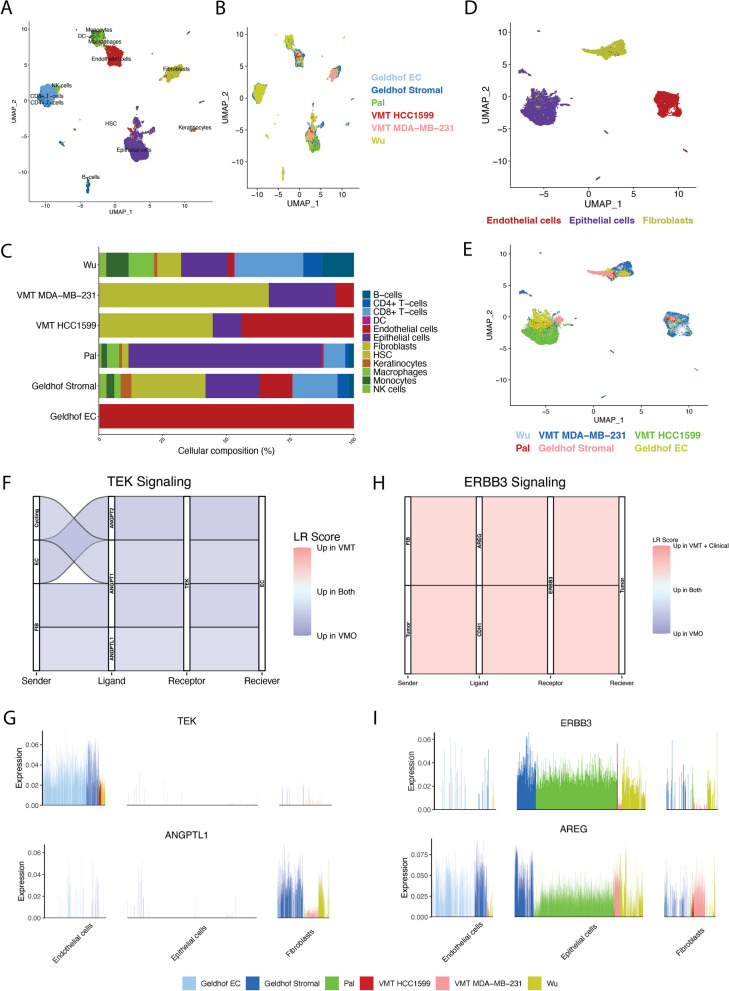
“Patient samples from 3 publications [36–38] that included 17 TNBC patients were integrated with both the HCC1599 and MDA-MB-231 VMTs using scMerge [39] (Fig.”
BackgroundMethodSingleCellSignalR: inference of intercellular networks from single-cell transcriptomics
Cabello-Aguilar, S., Alame, M., Kon-Sun-Tack, F., Fau, C., Lacroix, M., & Colinge, J. (2020) · Nucleic Acids Research · doi:10.1093/nar/gkaa183 · Cited by 407 · cited 1×
“LIANA aggregates results from multiple cell–cell communication pipelines, and the results from the CellChat [76], Connectome [77], iTALK [78], NATMI [79], and SingleCellSignalR [80] pipelines were computed.”
MethodSchmid, P., Abraham, J., Chan, S., Wheatley, D., Brunt, A. M., Nemsadze, G., Baird, R. D., Park, Y. H., Hall, P. S., Perren, T., et al. (2020) · Journal of Clinical Oncology · doi:10.1200/jco.19.00368 · Cited by 391 · cited 2×
“However, a similar clinical trial assessing the combination of Akt inhibition as combination therapy with paclitaxel did show promising results with increased progression-free survival [45].”
BackgroundIn Vitro Perfused Human Capillary Networks
Moya, M. L., Hsu, Y.-H., Lee, A. P., Hughes, C. C. W., & George, S. C. (2013) · Tissue Engineering Part C: Methods · doi:10.1089/ten.tec.2012.0430 · Cited by 387 · cited 1×
“Device fabrication and loading has been described previously [13, 14, 16, 17, 57].”
Self-citation3D microtumors in vitro supported by perfused vascular networks
Sobrino, A., Phan, D. T. T., Datta, R., Wang, X., Hachey, S. J., Romero-López, M., Gratton, E., Lee, A. P., George, S. C., & Hughes, C. C. W. (2016) · Scientific Reports · doi:10.1038/srep31589 · Cited by 387 · cited 2×
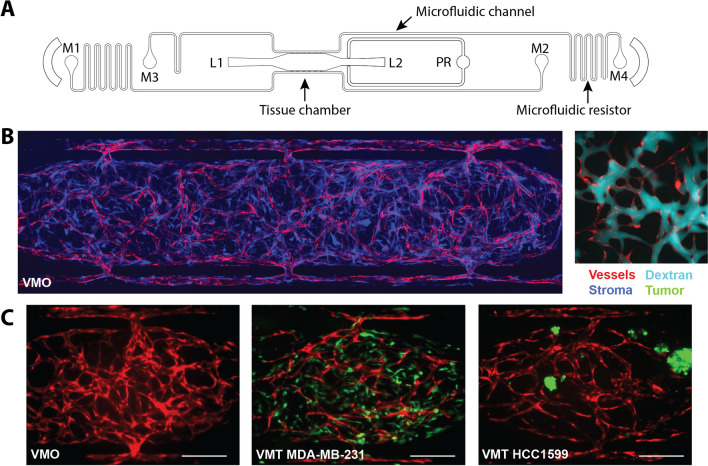
“The VMT is a microphysiologic in vitro cancer model that we have validated for disease modeling, drug screening and personalized medicine applications for solid tumors [13–17].”
MethodSelf-citationIntegrated intra‐ and intercellular signaling knowledge for multicellular omics analysis
Türei, D., Valdeolivas, A., Gul, L., Palacio‐Escat, N., Klein, M., Ivanova, O., Ölbei, M., Gábor, A., Theis, F., Módos, D., et al. (2021) · Molecular Systems Biology · doi:10.15252/msb.20209923 · Cited by 369
iTALK: an R Package to Characterize and Illustrate Intercellular Communication
Wang, Y., Wang, R., Zhang, S., Song, S., Jiang, C., Han, G., Wang, M., Ajani, J., Futreal, A., & Wang, L. (2019) · bioRxiv (Cold Spring Harbor Laboratory) · doi:10.1101/507871 · Cited by 331 · cited 1×
“Liana aggregates results from multiple cell-cell communication pipelines, and the results from the CellChat [74], Conectome [75], iTALK [76], NATMI [77], and SingleCellSignalR [78] pipelines were computed.”
MethodA vascularized and perfused organ-on-a-chip platform for large-scale drug screening applications
Phan, D. T. T., Wang, X., Craver, B. M., Sobrino, A., Zhao, D., Chen, J. C., Lee, L. Y. N., George, S. C., Lee, A. P., & Hughes, C. C. W. (2017) · Lab on a Chip · doi:10.1039/c6lc01422d · Cited by 325 · cited 1×
“Device fabrication and loading has been described previously [13, 14, 16, 17, 57].”
Self-citationCombining microenvironment normalization strategies to improve cancer immunotherapy
Mpekris, F., Voutouri, C., Baish, J. W., Duda, D. G., Munn, L. L., Stylianopoulos, T., & Jain, R. K. (2020) · Proceedings of the National Academy of Sciences · doi:10.1073/pnas.1919764117 · Cited by 286 · cited 1×
“These vascular changes observed in the VMT closely resemble the structural and functional vascular disruption seen in solid tumors, which often contributes to tumor progression by hindering effective delivery of anti-cancer therapies [8, 51, 52].”
BackgroundCancer‐associated fibroblasts in breast cancer: Challenges and opportunities
Hu, D., Li, Z., Zheng, B., Lin, X., Pan, Y., Gong, P., Zhuo, W., Hu, Y., Chen, C., Chen, L., et al. (2022) · Cancer Communications · doi:10.1002/cac2.12291 · Cited by 286 · cited 1×
“Upregulated pathways include those associated with ECM remodeling and chemokine signaling, which contribute to tumor cell growth and invasion as well as vascular destabilization [10–12].”
BackgroundPredicting cell-to-cell communication networks using NATMI
Hou, R., Denisenko, E., Ong, H. T., Ramilowski, J. A., & Forrest, A. R. R. (2020) · Nature Communications · doi:10.1038/s41467-020-18873-z · Cited by 285 · cited 1×
“LIANA aggregates results from multiple cell–cell communication pipelines, and the results from the CellChat [76], Connectome [77], iTALK [78], NATMI [79], and SingleCellSignalR [80] pipelines were computed.”
MethodXing, Y., Lin, N. U., Maurer, M. A., Chen, H., Mahvash, A., Sahin, A., Akcakanat, A., Li, Y., Abramson, V., Litton, J., et al. (2019) · Breast Cancer Research · doi:10.1186/s13058-019-1154-8 · Cited by 220 · cited 1×
“Recent clinical trials have highlighted the survival benefits of incorporating AKT inhibition in the treatment of TNBC [44, 45].”
BackgroundTargeting VE-PTP activates TIE2 and stabilizes the ocular vasculature
Shen, J., Frye, M., Lee, B. L., Reinardy, J. L., McClung, J. M., Ding, K., Kojima, M., Xia, H., Seidel, C., Silva, R. L. E., et al. (2014) · Journal of Clinical Investigation · doi:10.1172/jci74527 · Cited by 217 · cited 1×
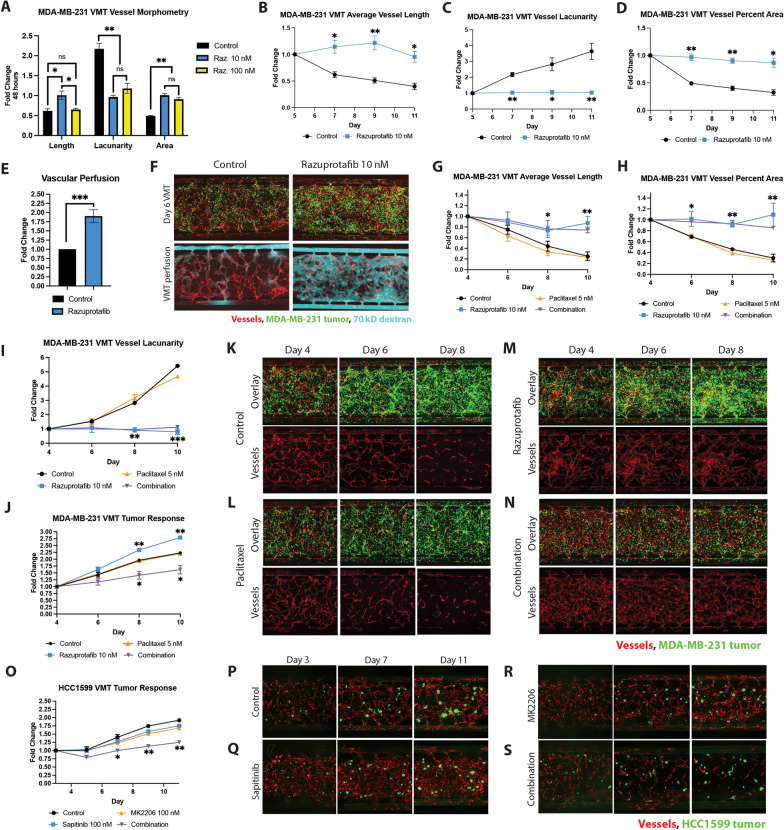
“In order to establish the most effective concentration for treating MDA-MB-231 VMT with razuprotafib, a VE-PTP inhibitor known for its high potency in cell-free assay (IC50 = 17 pM [43]), we conducted a dose-response experiment.”
MethodPrimary Patient-Derived Cancer Cells and Their Potential for Personalized Cancer Patient Care
Kodack, D. P., Farago, A. F., Dastur, A., Held, M. A., Dardaei, L., Friboulet, L., von Flotow, F., Damon, L. J., Lee, D., Parks, M., et al. (2017) · Cell Reports · doi:10.1016/j.celrep.2017.11.051 · Cited by 193 · cited 1×
“…of known markers (ECs: PECAM1, CDH5, VWF, KDR, CLDN5 [67], Fibroblasts: PDGFRA, PDG-FRB, COL1A1 [68], Stroma: PDGFRB, TPM1, ACTA2 [68], Cycling cells: MKI67 and TOP2A [69], and Tumor: KRT18 and EPCAM [70]), and cell types were later confirmed using the SingleR R package (version 1.4.1) [71].”
InfluentialRole of tumor microenvironment in triple-negative breast cancer and its prognostic significance
Yu, T., Department of Breast Surgery, F. U. S. C. C., Di, G., & Department of Oncology, S. M. C. (2017) · Chinese Journal of Cancer Research · doi:10.21147/j.issn.1000-9604.2017.03.10 · Cited by 179 · cited 1×
“These characteristics observed within the tumor microenvironment have been previously associated with unfavorable outcomes in TNBC [11], underscoring the potential of utilizing the VMT to gain deeper insights into the intricate interplay within the TNBC TME.”
BackgroundHER3 signaling and targeted therapy in cancer
Mishra, R., Patel, H., Alanazi, S., Yuan, L., & Garrett, J. T. (2018) · Oncology Reviews · doi:10.4081/oncol.2018.355 · Cited by 174 · cited 2×
“Furthermore, studies have shown that the combination of EGFR and HER3 antagonism with AKT inhibition enhances the anti-cancer effects [41, 46].”
BackgroundThe Reference Genome Group of the Gene Ontology Consortium (2009) · PLoS Computational Biology · doi:10.1371/journal.pcbi.1000431 · Cited by 171 · cited 1×
“…of known markers (ECs: PECAM1, CDH5, VWF, KDR, CLDN5 [67], Fibroblasts: PDGFRA, PDG-FRB, COL1A1 [68], Stroma: PDGFRB, TPM1, ACTA2 [68], Cycling cells: MKI67 and TOP2A [69], and Tumor: KRT18 and EPCAM [70]), and cell types were later confirmed using the SingleR R package (version 1.4.1) [71].”
InfluentialLin, Y., Ghazanfar, S., Wang, K. Y. X., Gagnon-Bartsch, J. A., Lo, K. K., Su, X., Han, Z.-G., Ormerod, J. T., Speed, T. P., Yang, P., et al. (2019) · Proceedings of the National Academy of Sciences · doi:10.1073/pnas.1820006116 · Cited by 170
Tao, J. J., Castel, P., Radosevic-Robin, N., Elkabets, M., Auricchio, N., Aceto, N., Weitsman, G., Barber, P., Vojnovic, B., Ellis, H., et al. (2014) · Science Signaling · doi:10.1126/scisignal.2005125 · Cited by 167 · cited 1×
“Notably, recent preclinical studies have highlighted the importance of targeting both HER3/ EGFR and the downstream mediator Akt for optimal response in TNBC, particularly in TNBC cells with mutations in PIK3CA, AKT, or loss of PTEN [46, 56].”
BackgroundGeldhof, V., de Rooij, L. P. M. H., Sokol, L., Amersfoort, J., Schepper, M. D., Rohlenová, K., Hoste, G., Vanderstichele, A., Delsupehe, A.-M., Isnaldi, E., et al. (2022) · Nature Communications · doi:10.1038/s41467-022-33052-y · Cited by 162 · cited 2×
“The Geldhof [38] libraries contain 8,433 ECs from 9 breast cancer patients and 26,515 total cells (GSE155109).”
BackgroundMethodSinger, C. F., Kronsteiner, N., Márton, E., Kubista, M., Cullen, K. J., Hirtenlehner, K., Seifert, M., & Kubista, E. (2002) · Breast Cancer Research and Treatment · doi:10.1023/a:1014918512569 · Cited by 146 · cited 1×
“Although both VMO and VMT fibroblasts regulate their surrounding ECM, one gene that is unique to the VMT population is MMP2, which has been shown to have increased expression in the presence of breast cancer [23](supplemental figure A1H).”
BackgroundGlobal computational alignment of tumor and cell line transcriptional profiles
Warren, A., Chen, Y., Jones, A., Shibue, T., Hahn, W. C., Boehm, J. S., Vazquez, F., Tsherniak, A., & McFarland, J. M. (2021) · Nature Communications · doi:10.1038/s41467-020-20294-x · Cited by 144 · cited 2×
“HCC1599, a basal-like TNBC cell line, has been shown to better represent primary TNBC disease based on various ‘-omics’ metrics compared to other cell lines [18, 19].”
BackgroundResultRaredon, M. S. B., Yang, J., Garritano, J., Wang, M., Kushnir, D., Schupp, J. C., Adams, T. S., Greaney, A. M., Leiby, K. L., Kaminski, N., et al. (2022) · Scientific Reports · doi:10.1038/s41598-022-07959-x · Cited by 138 · cited 1×
“LIANA aggregates results from multiple cell–cell communication pipelines, and the results from the CellChat [76], Connectome [77], iTALK [78], NATMI [79], and SingleCellSignalR [80] pipelines were computed.”
MethodSoysal, S. D., Muenst, S. E., Barbie, T. U., Fleming, T. P., Gao, F., Spizzo, G., Oertli, D., Viehl, C. T., Obermann, E. C., & Gillanders, W. E. (2013) · British Journal of Cancer · doi:10.1038/bjc.2013.80 · Cited by 137 · cited 1×
“Strikingly, and in contrast to published expression data from monolayer cultures [29, 30], MDA-MB-231 cells growing in the VMT lacked expression of the epithelial marker EPCAM , indicating transcriptional consistency with the invasive and migratory phenotype of MDA-MB-231 in the VMT.”
ResultApplications of tumor chip technology
Hachey, S. J., & Hughes, C. C. W. (2018) · Lab on a Chip · doi:10.1039/c8lc00330k · Cited by 128
Self-citationHachey, S. J., Movsesyan, S., Nguyen, Q. H., Burton-Sojo, G., Tankazyan, A., Wu, J., Hoang, T., Zhao, D., Wang, S., Hatch, M. M., et al. (2021) · Lab on a Chip · doi:10.1039/d0lc01216e · Cited by 124 · cited 2×
“Device fabrication and loading has been described previously [13, 14, 16, 17, 57].”
BackgroundSelf-citationIdentification of endothelial cell genes by combined database mining and microarray analysis
Ho, M., Yang, E., Matcuk, G., Deng, D., Sampas, N., Tsalenko, A., Tabibiazar, R., Zhang, Y., Chen, M., Talbi, S., et al. (2003) · Physiological Genomics · doi:10.1152/physiolgenomics.00186.2002 · Cited by 120 · cited 1×
“Clusters were labeled based on the expression of known markers (ECs: PECAM1, CDH5, VWF, KDR, CLDN5 [67], Fibroblasts: PDGFRA, PDG-FRB, COL1A1 [68], Stroma: PDGFRB, TPM1, ACTA2 [68], Cycling cells: MKI67 and TOP2A [69], and Tumor: KRT18 and EPCAM [70]), and cell types were later confirmed using the…”
MethodGoel, S., Gupta, N., Walcott, B. P., Snuderl, M., Kesler, C. T., Kirkpatrick, N. D., Heishi, T., Huang, Y., Martin, J. D., Ager, E., et al. (2013) · JNCI: Journal of the National Cancer Institute · doi:10.1093/jnci/djt164 · Cited by 117 · cited 4×
“Razuprotafib (AKB-9778) is a first-in-class VE-PTP inhibitor that induces Tie-2 activation in ECs to promote vascular maturation and enhance tumor perfusion [33].”
BackgroundInfluentialZheng, S., Zou, Y., Tang, Y., Yang, A., Liang, J.-Y., Wu, L., Tian, W., Xiao, W., Xie, X., Yang, L., et al. (2022) · OncoImmunology · doi:10.1080/2162402x.2021.2020984 · Cited by 105
Role of sphingosine kinase‐1 in paracrine/transcellular angiogenesis and lymphangiogenesis in vitro
Anelli, V., Gault, C. R., Snider, A. J., & Obeid, L. M. (2010) · The FASEB Journal · doi:10.1096/fj.09-150540 · Cited by 103 · cited 1×
“The HCC1599 VMT fibroblasts demonstrated deficiencies in regulating angiogenesis, as evidenced by the lack of expression of SPHK1, which has been shown to be necessary for supporting endothelial tube cell formation [25] (Additional file 1: Fig.”
BackgroundSelecting single cell clustering parameter values using subsampling-based robustness metrics
Patterson-Cross, R. B., Levine, A. J., & Menon, V. (2021) · BMC Bioinformatics · doi:10.1186/s12859-021-03957-4 · Cited by 81 · cited 1×
“A modified version of the chooseR R package [66] was used to generate silhouette scores for selecting the resolution.”
MethodDevelopment of Effective Therapeutics Targeting HER3 for Cancer Treatment
Liu, X., Liu, S., Lyu, H., Riker, A. I., Zhang, Y., & Liu, B. (2019) · Biological Procedures Online · doi:10.1186/s12575-019-0093-1 · Cited by 78
Blanco, R., Borroto, A., Schamel, W. W. A., Pereira, P., & Alarcón, B. (2014) · Science Signaling · doi:10.1126/scisignal.2005650 · Cited by 78
Yu, Y., Wang, W., Lu, W., Chen, W., & Shang, A. (2021) · Bioengineered · doi:10.1080/21655979.2021.1957754 · Cited by 75 · cited 1×
“Additionally, the HCC1599 VMT fibroblasts exhibited increased expression of Inhibin Beta-A (INHBA), which has been implicated in epithelial–mesenchymal transition (EMT) and correlated with decreased breast cancer survival [26].”
BackgroundSalvadores, M., Fuster-Tormo, F., & Supek, F. (2020) · Science Advances · doi:10.1126/sciadv.aba1862 · Cited by 71 · cited 2×
“HCC1599, a basal-like TNBC cell line, has been shown to better represent primary TNBC disease based on various ‘-omics’ metrics compared to other cell lines [18, 19].”
BackgroundResultPreneoplastic stromal cells promote BRCA1-mediated breast tumorigenesis
Nee, K., Ma, D., Nguyen, Q., Pein, M., Pervolarakis, N., Insua‐Rodríguez, J., Gong, Y., Hernandez, G. A., Alshetaiwi, H. S., Williams, J., et al. (2023) · Nature Genetics · doi:10.1038/s41588-023-01298-x · Cited by 69 · cited 1×
“Tissue was processed as previously reported in [59].”
MethodSelf-citationmTORC2 mediates CXCL12-induced angiogenesis
Ziegler, M. E., Hatch, M. M. S., Wu, N., Muawad, S. A., & Hughes, C. C. W. (2016) · Angiogenesis · doi:10.1007/s10456-016-9509-6 · Cited by 68 · cited 1×
“Notably, MDA-MB-231 VMT ECs have increased cell and tissue migration and a marginal decrease of angiogenesis, most prominently noted by a lack of CXCR4, which is essential for EC tube formation [22] (Additional file 1: Fig.”
BackgroundSelf-citationSimultaneously targeting cancer-associated fibroblasts and angiogenic vessel as a treatment for TNBC
Sharma, M., Turaga, R. C., Yuan, Y., Satyanarayana, G., Mishra, F., Bian, Z., Liu, W., Sun, L. Z., Yang, J. J., & Liu, Z. (2021) · The Journal of Experimental Medicine · doi:10.1084/jem.20200712 · Cited by 65 · cited 1×
“These vascular changes observed in the VMT closely resemble the structural and functional vascular disruption seen in solid tumors, which often contributes to tumor progression by hindering effective delivery of anti-cancer therapies [8, 51, 52].”
BackgroundOgden, A., Bhattarai, S., Sahoo, B., Mongan, N. P., Alsaleem, M. A., Green, A. R., Aleskandarany, M. A., Ellis, I. O., Pattni, S., Li, X., et al. (2020) · Scientific Reports · doi:10.1038/s41598-020-59514-1 · Cited by 58 · cited 2×
“Furthermore, studies have shown that the combination of EGFR and HER3 antagonism with AKT inhibition enhances the anti-cancer effects [41, 46].”
BackgroundCrossTalkeR: analysis and visualization of ligand–receptorne tworks
Nagai, J. S., Leimkühler, N. B., Schaub, M. T., Schneider, R. K., & Costa, I. G. (2021) · Bioinformatics · doi:10.1093/bioinformatics/btab370 · Cited by 58 · cited 1×
“Individual receptor interactions were visualized using the CrossTalkeR R package (version 1.3.2) [81].”
MethodInfluentialIntegrated analysis reveals the molecular features of fibrosis in triple-negative breast cancer
Ding, J.-H., Xiao, Y., Zhao, S., Xu, Y., Xiao, Y.-L., Shao, Z., Jiang, Y., & Di, G. (2022) · Molecular Therapy — Oncolytics · doi:10.1016/j.omto.2022.02.003 · Cited by 51
Johnston, S. R. D., Basik, M., Hegg, R., Lausoontornsiri, W., Grzeda, L., Clemons, M. J., Dreosti, L., Mann, H., Stuart, M., & Cristofanilli, M. (2016) · Breast Cancer Research and Treatment · doi:10.1007/s10549-016-3979-5 · Cited by 49 · cited 1×
“Previous phase II trials of sapitinib in combination with paclitaxel for advanced breast cancer did not meet their primary endpoint of significantly increased duration of progression-free survival in the combination arm [53].”
BackgroundVE‐PTP inhibition stabilizes endothelial junctions by activating FGD5
Braun, L. J., Zinnhardt, M., Vockel, M., Drexler, H. C. A., Peters, K. G., & Vestweber, D. (2019) · EMBO Reports · doi:10.15252/embr.201847046 · Cited by 44 · cited 1×
“The potentially reduced TEK signaling observed in MDA-MB-231 VMT suggests an impairment in vascular maturation and stabilization, as TEK signaling is essential for these processes [33, 34].”
BackgroundFurukawa, N., Stearns, V., Santa-Maria, C. A., & Popel, A. S. (2022) · Expert Opinion on Therapeutic Targets · doi:10.1080/14728222.2022.2170779 · Cited by 37 · cited 1×
“There is growing evidence that stromal cells in the tumor microenvironment (TME) play an important role in cancer progression and treatment resistance in TNBC [5–9] and are therefore considered a potential therapeutic target.”
BackgroundIdentification of Cancer-Associated Fibroblast Subtype of Triple-Negative Breast Cancer
Wang, M., Feng, R., Chen, Z., Shi, W., Li, C., Liu, H., Wu, K., Li, D., & Li, X. (2022) · Journal of Oncology · doi:10.1155/2022/6452636 · Cited by 35 · cited 2×
“A3D, additional CAF markers AEBP1 , COL11A1 , COL12A1 , CXCL1 , EDNRA , and FAP [12] are upregulated in the CAF population compared to the other fibroblast types.”
BackgroundHachey, S. J., Sobrino, A., Lee, J. G., Jafari, M. D., Klempner, S. J., Puttock, E. J., Edwards, R. A., Lowengrub, J. S., Waterman, M. L., Zell, J. A., et al. (2023) · Translational Research · doi:10.1016/j.trsl.2022.11.011 · Cited by 33 · cited 2×
“The VMT is a microphysiologic in vitro cancer model that we have validated for disease modeling, drug screening and personalized medicine applications for solid tumors [13–17].”
MethodSelf-citationPolychrome : Creating and Assessing Qualitative Palettes with Many Colors
Coombes, K. R., Brock, G. N., Abrams, Z. B., & Abruzzo, L. V. (2019) · Journal of Statistical Software · doi:10.18637/jss.v090.c01 · Cited by 33
Atlas-scale single-cell multi-sample multi-condition data integration using scMerge2
Lin, Y., Cao, Y., Willie, E., Patrick, E., & Yang, J. Y. H. (2023) · Nature Communications · doi:10.1038/s41467-023-39923-2 · Cited by 27
Izutsu, R., Osaki, M., Nemoto, H., Jingu, M., Sasaki, R., Yoshioka, Y., Ochiya, T., & Okada, F. (2022) · Scientific Reports · doi:10.1038/s41598-021-04662-1 · Cited by 26 · cited 1×
“The TNBC population of MDA-MB-231 exhibited upregulation of AMIGO2 , which is implicated in cancer metastasis [28], and enhanced translational initiation (Additional file 1: Fig.”
BackgroundJeon, D., & McNeel, D. G. (2022) · OncoImmunology · doi:10.1080/2162402x.2022.2054758 · Cited by 22
You-on-a-chip’ for precision medicine
Low, L. A., & Tagle, D. A. (2018) · Expert Review of Precision Medicine and Drug Development · doi:10.1080/23808993.2018.1456333 · Cited by 18 · cited 1×
“Recently, federal organizations, academic institutions, and industry experts have also recognized the value of tumor chips in expediting oncology drug discovery and streamlining preclinical development processes [57].”
BackgroundEstablishing a physiologic human vascularized micro-tumor model for cancer research
Hachey, S. J., Gaebler, D., & Hughes, C. C. W. (2023) · Journal of Visualized Experiments · doi:10.3791/65865 · Cited by 11 · cited 1×
“A published protocol was used to establish VMOs and VMTs [60].”
MethodSelf-citationGaudet, P., & Reference Genome Group (2009) · Nature Precedings · doi:10.1038/npre.2009.3150.1 · Cited by 10
Polychrome: Creating and Assessing Qualitative Palettes With Many ColorsPreprint
Coombes, K. R., Brock, G. N., Abrams, Z. B., et al. (2018) · bioRxiv (Cold Spring Harbor Laboratory) · doi:10.1101/303883 · Cited by 9
Atlas-scale single-cell multi-sample multi-condition data integration using scMerge2Preprint
Lin, Y., Cao, Y., Willie, E., et al. (2022) · bioRxiv (Cold Spring Harbor Laboratory) · doi:10.1101/2022.12.08.519588 · Cited by 9
Li, G., Sachdev, U., Peters, K. G., Liang, X., & Lotze, M. T. (2019) · Journal of Immunotherapy · doi:10.1097/cji.0000000000000290 · Cited by 8
Cited by
Tissue‐Engineered Microvessels: A Review of Current Engineering Strategies and Applications
Zhao, N., Pessell, A. F., Zhu, N., & Searson, P. C. (2024) · Advanced Healthcare Materials · doi:10.1002/adhm.202303419 · Cited by 43
Palma, M. (2025) · Vaccines · doi:10.3390/vaccines13040344 · Cited by 42
Martier, A. T., Chen, Z., Schaps, H., Mondrinos, M. J., & Fang, J. (2024) · Frontiers in Physiology · doi:10.3389/fphys.2024.1425618 · Cited by 25
Evolving immunotherapeutic solutions for triple-negative breast carcinoma
Wu, S., Ge, A., Deng, X., Liu, L., & Wang, Y. (2024) · Cancer Treatment Reviews · doi:10.1016/j.ctrv.2024.102817 · Cited by 24
Gaebler, D., Hachey, S. J., & Hughes, C. C. W. (2024) · Frontiers in Bioengineering and Biotechnology · doi:10.3389/fbioe.2024.1462293 · Cited by 22
“Additionally, it was revealed that stromal cells from normal breast tissue activate oncogenic signaling pathways within the TNBC microenvironment.”
BackgroundMethodInfluentialSelf-citation
Metadata
- Authors
- Hachey, S. J., Hatch, C. J., Gaebler, D., Mocherla, A., Nee, K., Kessenbrock, K., & Hughes, C. C. W.
- Affiliations
- University of California, Irvine (US)
- Corresponding author
- Hachey, Stephanie J.
- Venue
- Breast Cancer Research
- Published
- 2024-01-05
- Volume
- 26
- Issue
- 1
- Pages
- 5-5
- ISSN
- 1465-5411 (ISSN-L)
- 1465-542X
- PMC
- PMC10768273
- OpenAlex
- W4390616031
- Semantic Scholar
- b1ecb6c86d7a57239462b42a4c3f3d910984298d
- Cited by
- 24
- References
- 81
- Citations by year
- 2026: 8 · 2025: 8 · 2024: 8
- FWCI
- 4.11
- Type
- journal article
- Language
- en
- Open access
- gold
- doi.org
- Licence
- cc-by
- creativecommons.org/licenses/by/4.0 (tdm)
- creativecommons.org/licenses/by/4.0 (vor)
- Locations
- Breast Cancer Research (publishedVersion, cc-by)
- bioRxiv (Cold Spring Harbor Laboratory) (acceptedVersion, cc-by-nc-nd)
- PubMed Central (publishedVersion, cc-by)
- PubMed (publishedVersion)
- eScholarship (California Digital Library) (submittedVersion, cc-by)
- DOAJ (DOAJ: Directory of Open Access Journals) (submittedVersion, cc-by-sa)
- Funders
- National Center for Advancing Translational Sciences (TR001415)
- National Heart, Lung, and Blood Institute (T32HL116270)
- National Cancer Institute, United States (U54CA217378)
- Topics
- Health Sciences › Medicine › Oncology › Cancer Cells and Metastasis
- Life Sciences › Biochemistry, Genetics and Molecular Biology › Cancer Research › Breast Cancer Treatment Studies
- Life Sciences › Biochemistry, Genetics and Molecular Biology › Molecular Biology › Angiogenesis and VEGF in Cancer
- Keywords
- triple-negative breast cancer, tumor-stroma interactions, tumor microenvironment, Tie2 signaling, paclitaxel, HER3, AKT inhibition, vessel normalization, therapeutic target, single-cell RNA sequencing
- MeSH terms
- Breast, Humans, Signal Transduction, Stromal Cells, Paclitaxel, Tumor Microenvironment, Triple Negative Breast Neoplasms
About these checks
Registry, retraction, Cites and statistics results are computed, not judged, with one exception: a printed reference that no index lists is read once by a model before it counts as a citation error. Claims are extracted by a model and kept only when their quote appears verbatim in the text; each cited source is then checked, with a model’s help, for whether it says what the claim relies on. Those verdicts can be wrong — read the claim’s quote and the cited source before relying on one.
Statistics and arithmetic are recomputed, not judged.
Confidence bands are shown only for fields calibrated on our annotated test set. None is calibrated yet, so no band is shown.
What counts as a claim ›How we measure confidence ›How we check this ›
Are you an author, or do you see a problem with this page? Request a review
Data sources
Bibliographic data: Semantic Scholar, OpenAlex, Crossref.
Contains information from the Semantic Scholar Academic Graph Datasets, made available under the ODC Attribution License (ODC-BY 1.0).
Semantic Scholar’s data is described in: Kinney, R., et al. (2023). The Semantic Scholar Open Data Platform. arXiv:2301.10140.
