

Cultivation of algal biofilm using different lignocellulosic materials as carriers
Open accessThe DOI matches its Crossref record; 37 of the 37 references it cites were found in a registry or an index.
Abstract
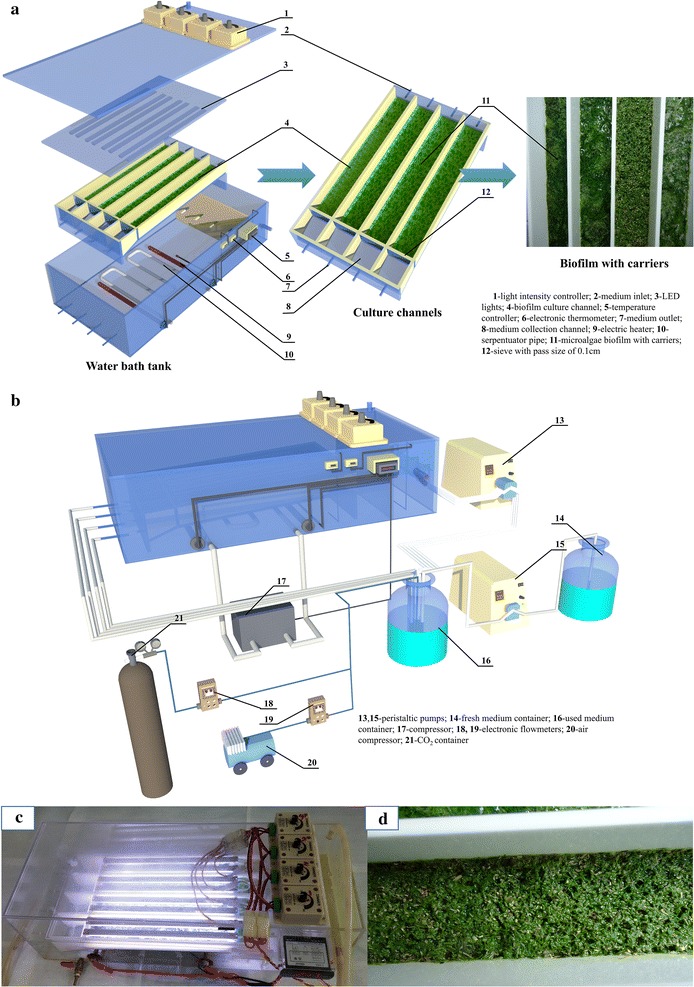
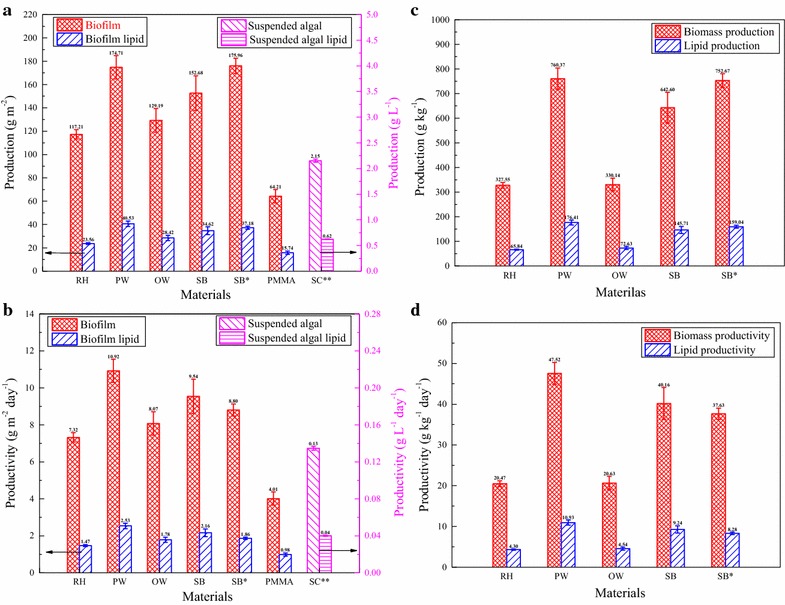
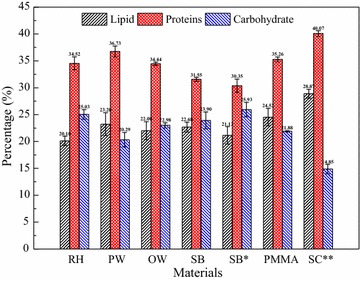
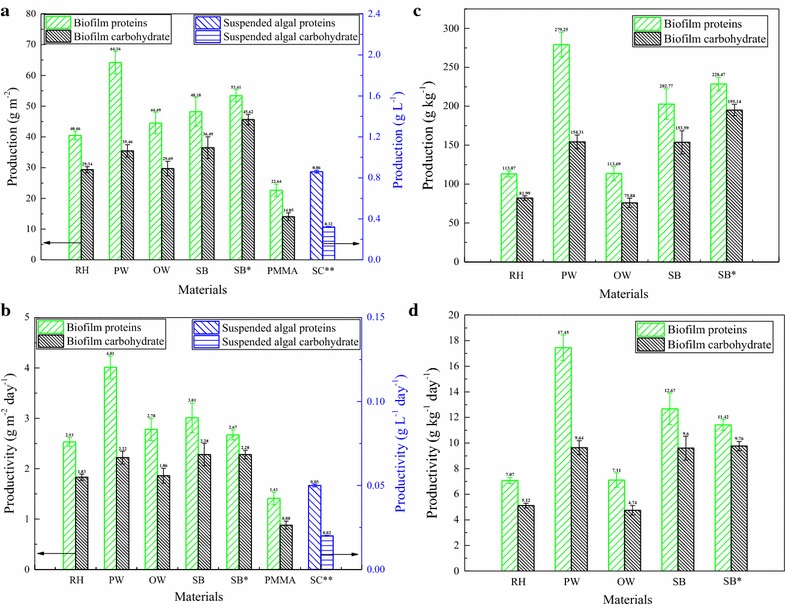
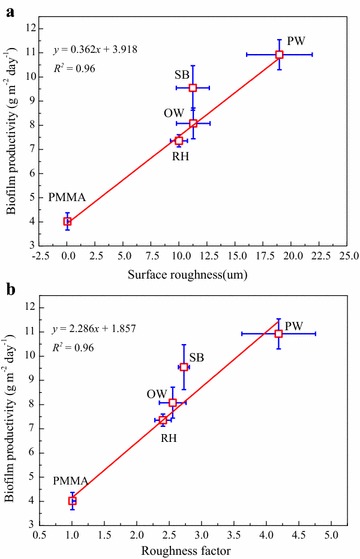
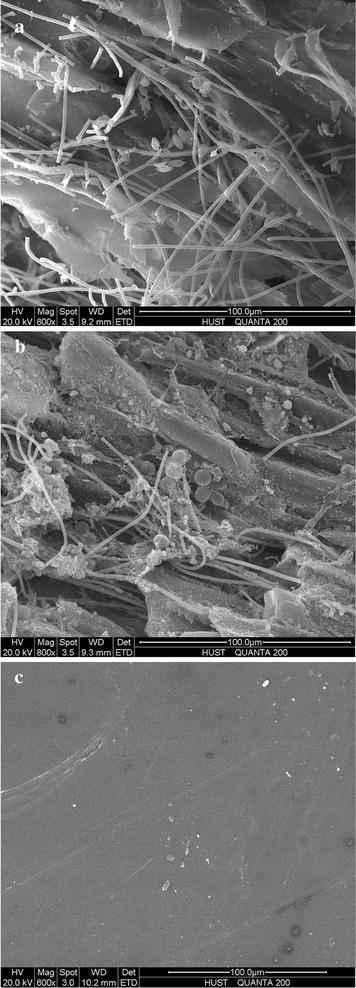
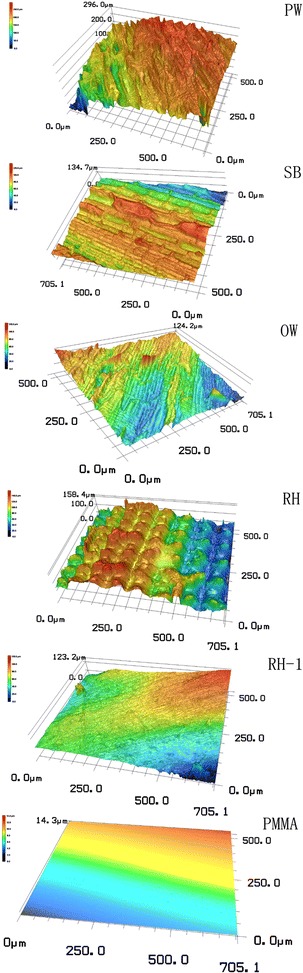
Algal biofilm technology is recently supposed to be a promising method to produce algal biomass as the feedstock for the production of biofuels. However, the carrier materials currently used to form algal biofilm are either difficult to be obtained at a low price or undurable. Commercialization of the biofilm technology for algal biomass production extremely requires new and inexpensive materials as biofilm carriers with high biomass production performances. Four types of lignocellulosic materials were investigated to evaluate their performance of acting as carriers for algal cells attachment and the relevant effects on the algal biomass production in this study. The cultivation of algal biofilm was processed in a self-designed flat plate photo-bioreactor. The biofilm production and chemical composition of the harvested biomass were determined. The surface physics properties of the materials were examined through a confocal laser-scanning microscopy. Algal biomass production varied significantly with the variation of the carriers ( P < 0.05). All the lignocellulosic materials showed better performances in biofilm production than poly methyl methacrylate, and the application of pine sawdust as the carrier could gain the maximum biofilm productivity of 10.92 g m −2 day −1 after 16-day cultivation. In addition, 20.10–23.20% total lipid, 30.35–36.73% crude proteins, and 20.29–25.93% carbohydrate were achieved from the harvested biomasses. Biomass productivity increased linearly as the increase of surface roughness, and Wenzel’s roughness factor of the tested materials, and surface roughness might significantly affect the biomass production through the size of surface morphology and the area of surface ( P < 0.05). The results showed that lignocellulosic materials can be efficient carriers for low-cost cultivation of algal biofilm and the enhancement of biomass productivity.
Overview
The claims and statistics of this paper haven’t been checked yet.
Free: it reads the open-access text and checks the first 5 claims that cite a source we can check. Create a free account to check every claim.
Integrity signals
Registry
Cites
Statistics
Figures
Verification
Claims the paper makes
The claims and statistics of this paper haven’t been checked yet.
Free: it reads the open-access text and checks the first 5 claims that cite a source we can check. Create a free account to check every claim.
Claims other papers make about this one
Each is checked against this paper’s own text: does it say what the citing paper says it does?
The cited source says what the claim attributes to it.
In the citing paper
“The selected materials for algal cell attachment need to be durable, inexpensive, easy to be obtained, and non-toxic to algal cells (cotton rope, membranes, stainless steel woven meshes, etc.) [66].”
From Overview and Challenges of Large-Scale Cultivation of Photosynthetic Microalgae and Cyanobacteria (2023) · cites this paper as [66]
The cited source says what the claim attributes to it.
In the citing paper
“Recently Zhang et al. [66] proposed the cultivation of algal biofilm using lignocellulosic materials.”
From Overview and Challenges of Large-Scale Cultivation of Photosynthetic Microalgae and Cyanobacteria (2023) · cites this paper as [66]
The cited source says what the claim attributes to it.
In the citing paper
“The results showed that lignocellulosic materials could be efficient carriers for low-cost cultivation of algal biofilm and the enhancement of biomass productivity.”
From Overview and Challenges of Large-Scale Cultivation of Photosynthetic Microalgae and Cyanobacteria (2023) · cites this paper as [66]
The cited source says what the claim attributes to it.
In the citing paper
“Moreover, after cultivation, algal biomass can be harvested together with the lignocellulosic materials. Amazingly, the harvested blend (mixture of the lignocellulosic materials and algal biomass) can be directly utilized as a feedstock for bioenergy conversion [66].”
From Overview and Challenges of Large-Scale Cultivation of Photosynthetic Microalgae and Cyanobacteria (2023) · cites this paper as [66]
The cited source says what the claim attributes to it.
In the citing paper
“This is the first attempt to develop a new biofilm technology using lignocellulosic materials as biofilm carriers, such as pine sawdust, rice husk, sugar bagasse, and oak sawdust, all of which are environmentally friendly, cheap, and renewable with a wide range of distribution around the world.”
From Overview and Challenges of Large-Scale Cultivation of Photosynthetic Microalgae and Cyanobacteria (2023) · cites this paper as [66]
Self-check
Percentages, sums and reported differences re-computed from the paper’s own numbers.
The self-check needs the paper’s full text.
Citations
Cites
Brennan, L., & Owende, P. (2010) · Renewable and Sustainable Energy Reviews · doi:10.1016/j.rser.2009.10.009 · Cited by 4,894 · cited 1×
“Owing to (1) the low dry biomass content, (2) similar density to water and (3) micron-size of cells or clusters [4, 5], the harvesting process of algal biomass from suspended culture is the main challenge for the commercialization of algae-based bioenergy, since it involves high-energy consumption processes such as fl…”
BackgroundMicrobial Cellulose Utilization: Fundamentals and Biotechnology
Lynd, L. R., Weimer, P. J., van Zyl, W. H., & Pretorius, I. S. (2002) · Microbiology and Molecular Biology Reviews · doi:10.1128/mmbr.66.3.506-577.2002 · Cited by 4,726 · cited 1×
“As a kind of lignocellulosic material, the tested carrier could be degraded by a wide range of microorganism including bacteria and fungi with anaerobic and aerobic habit [24].”
BackgroundJoelsson, E., Erdei, B., Galbe, M., & Wallberg, O. (2016) · Biotechnology for Biofuels · doi:10.1186/s13068-015-0423-8 · Cited by 669
Emission of Air Pollutants from Crop Residue Burning in India
Jain, N., Bhatia, A., & Pathak, H. (2014) · Aerosol and Air Quality Research · doi:10.4209/aaqr.2013.01.0031 · Cited by 631 · cited 1×
“Therefore, this paper made the first attempt to develop a new biofilm technology using lignocellulosic materials as biofilm carriers such as pine sawdust, rice husk, sugar bagasse and oak sawdust, all of which are environmentally friendly, cheap, and renewable with a wide range of distribution around the world [17].”
BackgroundDevelopment of an attached microalgal growth system for biofuel production
Johnson, M. B., & Wen, Z. (2010) · Applied Microbiology and Biotechnology · doi:10.1007/s00253-009-2133-2 · Cited by 418
Christenson, L. B., & Sims, R. C. (2012) · Biotechnology and Bioengineering · doi:10.1002/bit.24451 · Cited by 399 · cited 6×
“They were generally characterized by high surface energy and achieved greater attachment than synthetic polymers which just had low surface energy [15].”
BackgroundInfluentialOzkan, A., Kinney, K., Katz, L., & Berberoglu, H. (2012) · Bioresource Technology · doi:10.1016/j.biortech.2012.03.055 · Cited by 349 · cited 2×
“Due to easier harvesting and system operation, higher mass transfer rate and dry mass content, less water consumption and even lower capital construction cost, algal biofilm technology has been regarded as a promising approach to produce biomass for algae-based bioenergy [12].”
BackgroundAttached cultivation technology of microalgae for efficient biomass feedstock production
Liu, T., Wang, J., Hu, Q., Cheng, P., Ji, B., Liu, J., Chen, Y., Zhang, W., Chen, X., Chen, L., et al. (2013) · Bioresource Technology · doi:10.1016/j.biortech.2012.09.100 · Cited by 328 · cited 2×
“Such decrease is consistent with the findings of other reports [3, 14].”
MethodResultGross, M., Henry, W., Michael, C., & Wen, Z. (2013) · Bioresource Technology · doi:10.1016/j.biortech.2013.10.016 · Cited by 298 · cited 5×
“Such decrease is consistent with the findings of other reports [3, 14].”
BackgroundResultInfluentialA novel method to harvest microalgae via co-culture of filamentous fungi to form cell pellets
Zhang, J., & Hu, B. (2012) · Bioresource Technology · doi:10.1016/j.biortech.2012.03.054 · Cited by 276 · cited 4×
“Owing to (1) the low dry biomass content, (2) similar density to water and (3) micron-size of cells or clusters [4, 5], the harvesting process of algal biomass from suspended culture is the main challenge for the commercialization of algae-based bioenergy, since it involves high-energy consumption processes such as fl…”
BackgroundInfluential
Cited by
Overview and Challenges of Large-Scale Cultivation of Photosynthetic Microalgae and Cyanobacteria
Novoveská, L., Nielsen, S. L., Eroldoğan, O. T., Haznedaroglu, B. Z., Rinkevich, B., Fazi, S., Robbens, J., Vasquez, M., & Einarsson, H. (2023) · Marine Drugs · doi:10.3390/md21080445 · Cited by 368
“[66] proposed the cultivation of algal biofilm using lignocellulosic materials.”
BackgroundBiomass from microalgae: the potential of domestication towards sustainable biofactories
Benedetti, M., Vecchi, V., Barera, S., & Dall’Osto, L. (2018) · Microbial Cell Factories · doi:10.1186/s12934-018-1019-3 · Cited by 362
“Algal biofilm system thus appears a good option for low-cost productions [81, 82], however more research is needed to move from bench-scale to pilot plant.”
BackgroundPhysiology of microalgal biofilm: a review on prediction of adhesion on substrates
Cheah, Y. T., & Chan, D. J. C. (2021) · Bioengineered · doi:10.1080/21655979.2021.1980671 · Cited by 154
“As an example, hydrophilic materials with good liquidholding capacity are preferable for Chlorella, Chroococcus, Chlorosarcinopsis, Synechococcus and Scenedemus, which are easily immobilized by the hydrophilic polymers [114].”
BackgroundA Review of Microalgal Biofilm Technologies: Definition, Applications, Settings and Analysis
Osorio, J. H. M., Pollio, A., Frunzo, L., Lens, P. N. L., & Esposito, G. (2021) · Frontiers in Chemical Engineering · doi:10.3389/fceng.2021.737710 · Cited by 144
Yadav, G., Shanmugam, S., Sivaramakrishnan, R., Kumar, D., Mathimani, T., Brindhadevi, K., Pugazhendhi, A., & Rajendran, K. (2020) · Fuel · doi:10.1016/j.fuel.2020.119093 · Cited by 124
Cheah, Y. T., & Chan, D. J. C. (2022) · Journal of Applied Microbiology · doi:10.1111/jam.15455 · Cited by 108
“Besides, quantification of biofilm dry mass is preferred in most of the biofilm studies as it usually gives more consistent result than wet weight by eliminating the moisture content (Gross et al., 2016; Shen et al., 2015; Zhang et al., 2017).”
BackgroundZhang, Q., Yu, Z., Zhu, L., Ye, T., Zuo, J., Li, X., Xiao, B., & Jin, S. (2018) · Water Research · doi:10.1016/j.watres.2018.03.076 · Cited by 107
Self-citationMicroalgal biofilms: Towards a sustainable biomass production
Ennaceri, H., Ishika, T., Mkpuma, V. O., & Moheimani, N. R. (2023) · Algal Research · doi:10.1016/j.algal.2023.103124 · Cited by 108
Zhou, T., Cao, L., Zhang, Q., Liu, Y., Xiang, S., Liu, T., & Ruan, R. (2021) · Journal of Hazardous Materials · doi:10.1016/j.jhazmat.2021.125310 · Cited by 95
Self-citationYuan, H., Zhang, X., Jiang, Z., Wang, X. Y., Wang, Y., Cao, L., & Zhang, X. (2020) · Renewable Energy · doi:10.1016/j.renene.2020.04.109 · Cited by 96
Self-citationDevelopment of microalgae-bacteria symbiosis system for enhanced treatment of biogas slurry
Yan, H., Lu, R., Liu, Y., Cui, X., Wang, Y., Yu, Z., Ruan, R. R., & Zhang, Q. (2022) · Bioresource Technology · doi:10.1016/j.biortech.2022.127187 · Cited by 91
Self-citationTong, C. Y., & Chan, D. J. C. (2021) · Environmental Research · doi:10.1016/j.envres.2021.112602 · Cited by 85
Chen, Z., Osman, A. I., Rooney, D. W., Oh, W., & Yap, P. (2023) · Sustainability · doi:10.3390/su15065128 · Cited by 84
Self-citationZhang, Q., Li, X., Guo, D., Ye, T., Xiong, M., Zhu, L., Liu, C., Jin, S., & Hu, Z. (2018) · Bioresource Technology · doi:10.1016/j.biortech.2018.01.014 · Cited by 84
Self-citationYu, Z., Pei, H., Li, Y., Yang, Z., Xie, Z., Hou, Q., & Nie, C. (2020) · Bioresource Technology · doi:10.1016/j.biortech.2020.123761 · Cited by 71
Self-citationGu, Z., Liu, Y., Zou, G., Zhang, Q., Lu, R., Yan, H., Cao, L., Liu, T., & Ruan, R. R. (2021) · Bioresource Technology · doi:10.1016/j.biortech.2021.124846 · Cited by 71
Self-citationMagalhães, I. B., Ferreira, J., Castro, J. D. S., de Assis, L. R., & Calijuri, M. L. (2021) · Algal Research · doi:10.1016/j.algal.2021.102346 · Cited by 66
Microalgal dewatering with focus on filtration and antifouling strategies: A review
Mkpuma, V. O., Moheimani, N. R., & Ennaceri, H. (2021) · Algal Research · doi:10.1016/j.algal.2021.102588 · Cited by 68
Gao, Y., Bernard, O., Fanesi, A., Perré, P., & Lopes, F. (2024) · Scientific Reports · doi:10.1038/s41598-023-50432-6 · Cited by 74
Hu, Y., Xiao, Y., Liao, K., Leng, Y., & Lu, Q. (2021) · Journal of Chemical Technology & Biotechnology · doi:10.1002/jctb.6850 · Cited by 62
Zhang, Q., Yu, Z., Jin, S., Liu, C., Li, Y., Guo, D., Hu, M. H., Ruan, R. R., & Liu, Y. (2020) · Algal Research · doi:10.1016/j.algal.2019.101787 · Cited by 60
Self-citationLi, T., Strous, M., & Melkonian, M. (2017) · FEMS Microbiology Letters · doi:10.1093/femsle/fnx218 · Cited by 54
Microfluidic techniques for enhancing biofuel and biorefinery industry based on microalgae
Bodénès, P., Wang, H.-Y., Lee, T.-H., Chen, H.-Y., & Wang, C.-Y. (2019) · Biotechnology for Biofuels · doi:10.1186/s13068-019-1369-z · Cited by 56
Huang, Q., Yan, H., Liu, Y., Cui, X., Wang, Y., Yu, Z., Ruan, R. R., & Zhang, Q. (2022) · Journal of Cleaner Production · doi:10.1016/j.jclepro.2022.132271 · Cited by 52
Self-citationDerakhshan, Z., Ehrampoush, M. H., Mahvi, A. H., Dehghani, M., Faramarzian, M., & Eslami, H. (2018) · Chemical Engineering Journal · doi:10.1016/j.cej.2018.08.155 · Cited by 50
The use of a natural substrate for immobilization of microalgae cultivated in wastewater
Garbowski, T., Pietryka, M., Pulikowski, K., & Richter, D. (2020) · Scientific Reports · doi:10.1038/s41598-020-64656-3 · Cited by 46
Zhang, Q., Yu, Z., Jin, S., Zhu, L., Liu, C., Zheng, H., Zhou, T., Liu, Y., & Ruan, R. R. (2019) · Bioresource Technology · doi:10.1016/j.biortech.2019.122091 · Cited by 48
Self-citationZhang, Q., Wang, L., Yu, Z., Zhou, T., Gu, Z., Huang, Q., Xiao, B., Zhou, W., Ruan, R. R., & Liu, Y. (2020) · Journal of Cleaner Production · doi:10.1016/j.jclepro.2020.120449 · Cited by 48
Self-citationLu, R., Hong, B., Wang, Y., Cui, X., Liu, C., Liu, Y., Wu, X., Ruan, R. R., & Zhang, Q. (2025) · Chemical Engineering Journal · doi:10.1016/j.cej.2025.161656 · Cited by 47
Self-citationBohutskyi, P., Keller, T. A., Phan, D., Parris, M. L., Li, M., Richardson, L., & Kopachevsky, A. M. (2019) · Frontiers in Energy Research · doi:10.3389/fenrg.2019.00047 · Cited by 45
“Similar Na+ concentrations have been reported to inhibit methanogenic ruminal and AD cultures (Zhou et al., 2011; Zhang et al., 2017b).”
BackgroundMethodKamshybayeva, G. K., Kossalbayev, B. D., Sadvakasova, A. K., Kakimova, A. B., Bauenova, M. O., Zayadan, B. K., Lan, C.-W., Alwasel, S. H., Tomo, T., Chang, J., et al. (2023) · International Journal of Hydrogen Energy · doi:10.1016/j.ijhydene.2022.12.342 · Cited by 44
Lu, R., Yan, H., Liu, Y., Wang, Y., Cui, X., Wu, X., Yu, Z., Ruan, R. R., & Zhang, Q. (2022) · Journal of Cleaner Production · doi:10.1016/j.jclepro.2022.134193 · Cited by 43
Self-citationPereira, A. S. A. D. P., Silva, T. A., Magalhães, I. B., Ferreira, J., Braga, M. Q., Lorentz, J. F., Assemany, P. P., Couto, E. D. A. D., & Calijuri, M. L. (2024) · Science of The Total Environment · doi:10.1016/j.scitotenv.2024.170918 · Cited by 41
Microfluidics for Microalgal Biotechnology
Ozdalgic, B., Ustun, M., Dabbagh, S. R., Haznedaroglu, B. Z., Kiraz, A., & Tasoglu, S. (2021) · Biotechnology and Bioengineering · doi:10.1002/bit.27669 · Cited by 37
“Cell trapping systems, microdroplet approach, microchamber systems are also utilized to cultivate microalgal cells in several biofuel and biorefinery studies (Bodenes et al., 2019; Zhang et al., 2017).”
BackgroundMethodInfluentialNguyen, V.-T., Le, V.-A., Do, Q.-H., Le, T.-N.-C., & Vo, T.-D.-H. (2023) · The Science of The Total Environment · doi:10.1016/j.scitotenv.2023.168911 · Cited by 38
Tong, C. Y., Lew, J. K., & Chan, D. J. C. (2022) · Chemosphere · doi:10.1016/j.chemosphere.2022.135740 · Cited by 36
Tong, C. Y., & Derek, C. J. C. (2021) · Journal of Applied Phycology · doi:10.1007/s10811-021-02504-1 · Cited by 35
“This type of lignocellulosic material mostly consists of cellulose, hemicellulose, and lignose which are all hydrophilic natural polymers with extremely good liquid-holding capacity, resulting in preference of the immobilization of the hydrophilic natural polymers likes polysaccharides and hydroxy acids onto the subst…”
BackgroundMkpuma, V. O., Moheimani, N. R., & Ennaceri, H. (2023) · The Science of The Total Environment · doi:10.1016/j.scitotenv.2023.165439 · Cited by 32
He, S., Ding, L., Wang, X., Pan, Y., Hu, H., Li, K., & Ren, H. (2018) · Applied Microbiology and Biotechnology · doi:10.1007/s00253-018-9317-6 · Cited by 34
Self-citationNovel and innovative approaches to partial denitrification coupled with anammox: A critical review
Nkonogumo, P. L. E., Zhu, Z., Emmanuel, N., Zhang, X., Zhou, L., & Wu, P. (2024) · Chemosphere · doi:10.1016/j.chemosphere.2024.142066 · Cited by 29
Ugya, A. Y., Chen, H., & Wang, Q. (2023) · International Journal of Phytoremediation · doi:10.1080/15226514.2023.2229920 · Cited by 31
Devi, N. D., Tiwari, R., & Goud, V. V. (2021) · Biomass Conversion and Biorefinery · doi:10.1007/s13399-021-01432-x · Cited by 28
Immobilized microalgae: principles, processes and its applications in wastewater treatment
Li, Y., Wu, X., Liu, Y., & Taidi, B. (2024) · World Journal of Microbiology and Biotechnology · doi:10.1007/s11274-024-03930-2 · Cited by 27
Self-citationEvaluation of kenaf fibers as moving bed biofilm carriers in algal membrane photobioreactor
Derakhshan, Z., Mahvi, A. H., Ehrampoush, M. H., Ghaneian, M. T., Yousefinejad, S., Faramarzian, M., Mazloomi, S. M., Dehghani, M., & Fallahzadeh, H. (2018) · Ecotoxicology and Environmental Safety · doi:10.1016/j.ecoenv.2018.01.024 · Cited by 26
Increasing Porosity of Molded Calcium‐Based Sorbents by Glucose Templating for Cyclic CO2 Capture
Xu, Y., Ding, H., Luo, C., Zheng, Y., Li, X., Yang, X., Zhang, Z., Zhao, W., & Zhang, L. (2018) · Chemical Engineering & Technology · doi:10.1002/ceat.201700527 · Cited by 25
The effect of surface properties on the formation of Scenedesmus rubescens biofilm
Tsavatopoulou, V. D., & Manariotis, I. D. (2020) · Algal Research · doi:10.1016/j.algal.2020.102095 · Cited by 24
Wang, B., Ma, P., Liu, M., Huang, R., Qiu, Z., Pan, L., Wang, J., Liu, Y., & Zhang, Q. (2024) · Environmental Research · doi:10.1016/j.envres.2024.120342 · Cited by 23
Self-citationKatam, K., & Bhattacharyya, D. (2020) · Bioresource Technology Reports · doi:10.1016/j.biteb.2020.100618 · Cited by 23
Water treatment of recirculating aquaculture system (RAS) effluent water through microalgal biofilms
Böpple, H., Kymmell, N. L. E., Slegers, P. M., Breuhaus, P., & Kleinegris, D. M. M. (2024) · Algal Research · doi:10.1016/j.algal.2024.103798 · Cited by 23
“The choice of the carrier material depends on the biofilm reactor design and micro-algae strain, and material testing varies from hard surface materials (glass, a range of metals, plastics [26] to lignocellulosic materials [27] and textiles [28]).”
Katam, K., Bhattacharyya, D., Soda, S., & Shimizu, T. (2021) · Journal of Industrial and Engineering Chemistry · doi:10.1016/j.jiec.2021.07.022 · Cited by 22
Liao, Y., Fatehi, P., & Liao, B. (2023) · Colloids and Surfaces B Biointerfaces · doi:10.1016/j.colsurfb.2023.113514 · Cited by 21
Development of yeast and microalgae consortium biofilm growth system for biofuel production
Bisht, B., Verma, M., Sharma, R., Chauhan, P. K., Pant, K., Kim, H., Vlaskin, M. S., & Kumar, V. (2023) · Heliyon · doi:10.1016/j.heliyon.2023.e19353 · Cited by 21
“5 efficacy of biomass formation in various algal biofilm systems is thought to be substantially impacted not only by culture conditions, algal strains, and process scale, but also by the qualities of materials that allow adherent growth prior to changing into biofilm [14].”
BackgroundSarker, N. K., & Kaparaju, P. (2025) · Fermentation · doi:10.3390/fermentation11100574 · Cited by 21
Rosmahadi, N. A., Rawindran, H., Lim, J. W., Kiatkittipong, W., Assabumrungrat, S., Najdanovic‐Visak, V., Wang, J., Chidi, B. S., Ho, C., Abdelfattah, E. A., et al. (2022) · Renewable and Sustainable Energy Reviews · doi:10.1016/j.rser.2022.112940 · Cited by 21
Mkpuma, V. O., Moheimani, N. R., & Ennaceri, H. (2024) · Chemosphere · doi:10.1016/j.chemosphere.2024.141688 · Cited by 19
Zou, G., Liu, Y., Zhang, Q., Zhou, T., Xiang, S., Gu, Z., Huang, Q., Yan, H., Zheng, H., Wu, X., et al. (2020) · Energies · doi:10.3390/en13071644 · Cited by 19
“Afterwards, 137 sterilized cold water was applied to clean up the residual NaClO [17].”
MethodSelf-citationLuo, S., Sampara, P., & He, Z. (2018) · Bioresource Technology · doi:10.1016/j.biortech.2018.01.001 · Cited by 19
“Different lignocellulosic materials including pine sawdust and rice husk have also been investigated as carriers for the algal attachment with reducing the operational cost for algal harvesting (Zhang et al., 2017).”
BackgroundSilva, T. A., Pereira, A. S. A. D. P., Ferreira, J., Lorentz, J. F., de Assis, M. L., Assemany, P. P., dos Reis, A. J. D., & Calijuri, M. L. (2024) · Journal of Environmental Management · doi:10.1016/j.jenvman.2024.120505 · Cited by 20
Tsavatopoulou, V. D., & Manariotis, I. D. (2022) · Biomass Conversion and Biorefinery · doi:10.1007/s13399-022-02752-2 · Cited by 19
“As the mix-otrphic cultures contained bacteria and protozoa, which have lower lipid content compared to algae, a lower lipid content of mixotrophic cultures is expected [6].”
Jayakumar, T., & Rakesh, S. (2022) · BioEnergy Research · doi:10.1007/s12155-022-10557-4 · Cited by 16
Lu, Q. (2025) · Water · doi:10.3390/w17040536 · Cited by 14
“Under this situation, pretreatment of the FPW can promote the release of nutrients contained in the undissolved organics, thus balancing the nutrient profile of wastewater and providing microalgae with more digestible nutrients [58].”
InfluentialYang, L., Duan, B., & Lu, Q. (2025) · Frontiers in Nutrition · doi:10.3389/fnut.2025.1664674 · Cited by 13
(2021) · Biointerface Research in Applied Chemistry · doi:10.33263/briac115.1284312857 · Cited by 14
“High crude protein content could be suitable feed for animals and aquaculture [11].”
Wu, X., Jin, C., Zhang, C., Li, P., Huang, J. J., Wu, J., Wu, J., & Hu, Z. (2024) · Journal of Environmental Sciences · doi:10.1016/j.jes.2024.06.017 · Cited by 12
Self-citationWen, J., Dan, Y., Liu, X., & Li, H. (2024) · Colloids and Surfaces B Biointerfaces · doi:10.1016/j.colsurfb.2024.114168 · Cited by 13
Huang, Y. Y., Zhang, B., Chen, K., Xia, A., Zhu, X., Zhu, X., & Liao, Q. (2022) · Environmental Research · doi:10.1016/j.envres.2022.114645 · Cited by 14
Mkpuma, V. O., Moheimani, N. R., & Ennaceri, H. (2024) · Journal of Water Process Engineering · doi:10.1016/j.jwpe.2024.105811 · Cited by 11
Zhang, B., Liu, J., Cai, C., & Zhou, Y. (2024) · Bioresource Technology · doi:10.1016/j.biortech.2024.131999 · Cited by 11
Mathur, M., Choudhary, P., Sujathan, S., Naaz, F., Trenado-Yuste, C., & Malik, A. (2024) · Frontiers in Water · doi:10.3389/frwa.2024.1430900 · Cited by 10
Walther, J., Erdmann, N., Stoffel, M. H., Wastian, K., Schwarz, A. M., Strieth, D., Muffler, K., & Ulber, R. (2022) · Biotechnology and Bioengineering · doi:10.1002/bit.28072 · Cited by 10
Biotechnological Applications of Immobilized Microalgae
Vasilieva, S., Lobakova, E. S., & Solovchenko, A. E. (2020) · Environmental chemistry for a sustainable world · doi:10.1007/978-3-030-48973-1_7 · Cited by 13
Chen, C., Wen, S., Wang, Z., Zhang, D., Zhang, J., Yan, C., & Cong, W. (2022) · Journal of Polymer Research · doi:10.1007/s10965-022-02901-1 · Cited by 9
Sarker, N. K., & Kaparaju, P. (2025) · ChemEngineering · doi:10.3390/chemengineering9050111 · Cited by 9
Algal biofilms: potential wastewater treatment applications and biotechnological significance
Srivastava, K., Singh, S., Singh, M., Parabia, F. M., & Chandrasekhar, K. (2022) · Elsevier eBooks · doi:10.1016/b978-0-323-90513-8.00014-5 · Cited by 6
Sivakumar, M., Inbakandan, D., Clements, C., Thirumurugan, N. K., Chakraborty, S., Chandrasekar, A., Vinayagam, J., Chandrasekaran, K., Thirugnanasambandam, R., Suriyaraj, S. A. S., et al. (2025) · Algal Research · doi:10.1016/j.algal.2025.104024 · Cited by 5
Effective Methods of Bacterial Biofilm Measurements
Sinha, A., Mallick, U., Singh, S., Mishra, P. R., Sahu, M. C., & Panda, S. K. (2025) · Springer eBooks · doi:10.1007/978-981-96-8975-0_14 · Cited by 4
Omics Approaches for Microalgal Applications in Wastewater Treatment
Chowdhury, B. R., Das, S., Bardhan, S., & Lahiri, D. (2023) · Wiley eBooks · doi:10.1002/9781119852131.ch8 · Cited by 4
Xie, S., Wang, Y., & Li, Q. (2025) · Chinese Journal of Chemical Engineering · doi:10.1016/j.cjche.2025.09.004 · Cited by 3
Wang, C., Zhang, Q., Gu, Z., Zhang, L., Lu, R., Liu, C., & Liu, Y. (2024) · Fermentation · doi:10.3390/fermentation10110577 · Cited by 4
Self-citationRole of biofiltration in the treatment of sewage
Khuntia, H. K., Mohapatra, S., Sukhani, S., & Chanakya, H. N. (2022) · Elsevier eBooks · doi:10.1016/b978-0-12-823946-9.00007-3 · Cited by 3
Photobioreactors – Models of Photosynthesis and Related Effects
Merchuk, J. C., García-Camacho, F., & Grima, E. M. (2019) · Elsevier eBooks · doi:10.1016/b978-0-444-64046-8.00081-1 · Cited by 5
Algae-Mediated Wastewater Valorization and Bioenergy Recovery
Battula, S. R., Mitra, S., Mukherjee, S., & Sen, R. (2024) · Clean Energy Production Technologies · doi:10.1007/978-981-97-3458-0_13 · Cited by 1
Immobilized Microalgae System: An Upgrading Approach to Recovery of Nutrients from Wastewater
Udaypal, Goswami, R. K., & Verma, P. (2026) · Interdisciplinary biotechnological advances · doi:10.1007/978-981-95-5179-8_14 · Cited by 1
Yoon, S.-W., Noh, J.-H., Tak, J.-H., Oh, S., Choi, B. G., & Maeng, S. K. (2026) · Journal of Water Process Engineering · doi:10.1016/j.jwpe.2026.109656 · Cited by 1
Photo-bioreactors: Harnessing Solar Energy in Biological Way
Nigam, A., & Sharma, A. (2019) · Proceedings of the National Academy of Sciences India Section B Biological Sciences · doi:10.1007/s40011-019-01132-7 · Cited by 1
O’Higgins, L., & Hamed, I. (2024) · Developments in applied phycology. · doi:10.1007/978-3-031-43969-8_18 · Cited by 1
Li, S. (2022) · theses.fr (ABES) · doi:10.70675/283a38a9z174az42cez866czb889d89c40f6 · Cited by 5
Microalgal biofilm and their prospective application for wastewater treatment and biofuel production
Nayak, R., Pradhan, B., Patra, S., Bhuyan, P. P., Behera, C., Parida, S., Behera, A. K., Mandal, A. K., & Jena, M. (2023) · Elsevier eBooks · doi:10.1016/b978-0-323-99977-9.00021-1 · Cited by 1
Xu, K., & Zou, X. (2023) · SSRN Electronic Journal · doi:10.2139/ssrn.4508779
Algal systems for wastewater treatment
Nguyen, K. A., & Nguyen, T.-T. (2025) · Elsevier eBooks · doi:10.1016/b978-0-443-23662-4.00009-3
Cheung, S. L. (2021) · TSpace (University of Toronto)
Veerabadhran, M., Kanagaraj, J., Annamalai, A., Romy, C., & Arunkumar, K. (2026) · Research Square · doi:10.21203/rs.3.rs-8649144/v1
Microalgal biofilms for nutrients removal from industrial wastewater
Osorio, J. H. M. (2018) · theses.fr (ABES) · doi:10.70675/eac74d5dz5ff2z4c21z9cd5z9ad5f7ea7672
Optimisation of microalgae biofilms as a future source of biomolecules
Yan, G. (2023) · theses.fr (ABES) · doi:10.70675/68193749zd83cz4e0ezb803zcb2fe456d0e0
Growing Algae in Biofilms: Principles and Emerging Opportunities
Mateos, L. D., & Spilling, K. (2026) · Methods in molecular biology · doi:10.1007/978-1-0716-5031-8_4
Gupta, S., Chelak, P., Mishra, S., Das, M., Abhinav, A., Gupta, R., & Jha, M. K. (2025) · Indian Journal of Geo-Marine Sciences · doi:10.56042/ijms.v54i09.18118
Metadata
- Authors
- Zhang, Q., Liu, C., Li, Y., Yu, Z., Chen, Z., Ye, T., Wang, X., Hu, Z., Liu, S., Xiao, B., & Jin, S.
- Affiliations
- Huazhong University of Science and Technology (CN)
- Zhongyuan University of Technology (CN)
- Wuhan University of Technology (CN)
- Hong Kong University of Science and Technology (HK)
- Henan Normal University (CN)
- Corresponding author
- Jin, Shiping
- Venue
- Biotechnology for Biofuels
- Published
- 2017-05-04
- Volume
- 10
- Issue
- 1
- Pages
- 115-115
- ISSN
- 1754-6834 (ISSN-L)
- PMC
- PMC5418734
- OpenAlex
- W2611283209
- Cited by
- 97
- References
- 37
- Citations by year
- 2026: 3 · 2025: 10 · 2024: 16 · 2023: 14 · 2022: 15 · 2021: 14 · 2020: 10 · 2019: 5 · 2018: 9 · 2017: 1
- FWCI
- 1.83
- Type
- journal article
- Language
- en
- Open access
- gold
- doi.org
- Licence
- cc-by
- Locations
- Biotechnology for Biofuels (publishedVersion, cc-by)
- PubMed Central (publishedVersion, cc-by)
- PubMed (publishedVersion)
- Rare & Special e-Zone (The Hong Kong University of Science and Technology) (submittedVersion)
- DOAJ (DOAJ: Directory of Open Access Journals) (submittedVersion, cc-by-sa)
- Funders
- National Science and Technology Support Program of China (2015BAD21B05)
- Fundamental Research Funds for the Central Universities of China (0118120122)
- Topics
- Physical Sciences › Energy › Renewable Energy, Sustainability and the Environment › Algal biology and biofuel production
- Physical Sciences › Chemical Engineering › Fluid Flow and Transfer Processes › Fluid Dynamics and Mixing
- Physical Sciences › Environmental Science › Environmental Chemistry › Aquatic Ecosystems and Phytoplankton Dynamics
- Keywords
- algal biofilms, algal biomass production, biofilm carriers, pine sawdust, surface roughness, flat panel photobioreactor, algal lipid content, algal carbohydrates, low-cost cultivation, biofuel feedstock
About these checks
Registry, retraction, Cites and statistics results are computed, not judged, with one exception: a printed reference that no index lists is read once by a model before it counts as a citation error. Claims are extracted by a model and kept only when their quote appears verbatim in the text; each cited source is then checked, with a model’s help, for whether it says what the claim relies on. Those verdicts can be wrong — read the claim’s quote and the cited source before relying on one.
Statistics and arithmetic are recomputed, not judged.
Confidence bands are shown only for fields calibrated on our annotated test set. None is calibrated yet, so no band is shown.
What counts as a claim ›How we measure confidence ›How we check this ›
Are you an author, or do you see a problem with this page? Request a review
Data sources
Bibliographic data: Semantic Scholar, OpenAlex, Crossref.
Contains information from the Semantic Scholar Academic Graph Datasets, made available under the ODC Attribution License (ODC-BY 1.0).
Semantic Scholar’s data is described in: Kinney, R., et al. (2023). The Semantic Scholar Open Data Platform. arXiv:2301.10140.
