

Countrywide serological evaluation of canine prevalence for Anaplasma spp., Borrelia burgdorferi (sensu lato), Dirofilaria immitis and Ehrlichia canis in Mexico
Open accessThe DOI matches its Crossref record; 61 of the 61 references it cites were found in a registry or an index.
Abstract
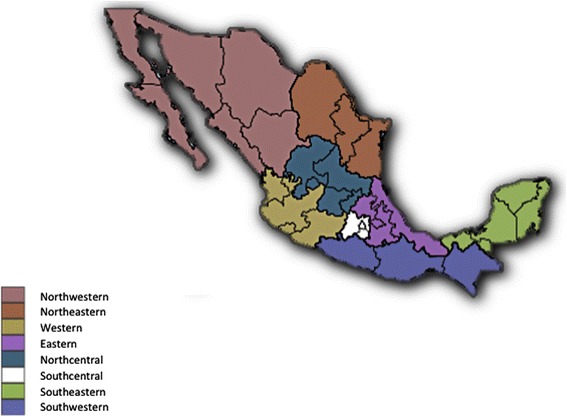
BACKGROUND: Canine vector-borne diseases (CVBD) have become a major concern for canine and human public health. The aim of the study described here is to add epidemiological data regarding four pathogens responsible for CVBD, namely anaplasmosis, borreliosis, dirofilariosis and ehrlichiosis in a national survey conducted in Mexico. METHODS: Seventy-four veterinary centres located in 21 federal Mexican states were asked to test dogs with clinical signs suspect for CVBD and healthy dogs, for detection of Dirofilaria immitis antigen and antibodies against Anaplasma spp., Borrelia burgdorferi (sensu lato) and Ehrlichia canis using the SNAP® 4DX® from IDEXX® Laboratories. RESULTS: A total of 1706 dogs were tested, including 943 apparently healthy and 722 CVBD-suspect dogs. Infected dogs were 36.7 %. The highest percentages of infection with E. canis (51.0 %) and Anaplasma spp. (16.4 %) were obtained in the northwestern region, while D. immitis was most frequently found in the northeastern region of the country (8.9 %). Four dogs from the northwestern, northeastern, eastern and southeastern regions, respectively, were positive for B. burgdorferi (sensu lato). Northcentral regions showed lowest overall prevalence of infection (2.4 %). Co-infections were detected in 8.8 % of the dogs tested. Statistically significant lower positivity was found among dogs aged less than one year (23.2 %) and small-sized dogs (27.6 %), while higher prevalence of infection was found in dogs living outdoors (42.0 %), dogs with detectable tick infestation (43.3 %) and dogs that received treatment for tick-transmitted infections (58.8 %). Seropositivity was a risk factor for the presence of clinical signs as follows: Anaplasma spp. (OR = 2.63; 95 % CI: 1.88-3.67; P < 0.0001), D. immitis (OR = 2.52; 95 % CI: 1.61-3.95; P < 0.0001), E. canis (OR = 3.58; 95 % CI: 2.88-4.45; P < 0.0001), mixed infections (OR = 4.08; 95 % CI: 2.79-5.96; P < 0.0001), one or more agents (OR = 3.58; 95 % CI: 2.91-4.42; P < 0.0001). CONCLUSIONS: Canine serological evidence supports that dogs from Mexico are at risk of acquiring Anaplasma spp., D. immitis and/or E. canis, while B. burgdorferi (sensu lato) transmission is minimal in the country. Practitioners play a fundamental role in the detection and control of these diseases to protect dogs and humans.
Overview
The claims and statistics of this paper haven’t been checked yet.
Free: it reads the open-access text and checks the first 5 claims that cite a source we can check. Create a free account to check every claim.
Integrity signals
Registry
Cites
Statistics
Figures
Verification
Claims the paper makes
The claims and statistics of this paper haven’t been checked yet.
Free: it reads the open-access text and checks the first 5 claims that cite a source we can check. Create a free account to check every claim.
Self-check
Percentages, sums and reported differences re-computed from the paper’s own numbers.
The self-check needs the paper’s full text.
Citations
Cites
Dumler, J. S., Barbet, A. F., Bekker, C. P., Dasch, G. A., Palmer, G. H., Ray, S. C., Rikihisa, Y., & Rurangirwa, F. R. (2001) · International Journal of Systematic and Evolutionary Microbiology · doi:10.1099/00207713-51-6-2145 · Cited by 2,089
Chapter 4 Heartworm Disease in Animals and Humans
McCall, J. W., Genchi, C., Kramer, L. H., Guerrero, J., & Venco, L. (2008) · Advances in Parasitology · doi:10.1016/s0065-308x(08)00204-2 · Cited by 609 · cited 1×
“Cardiopulmonary dirofilariosis is a potentially fatal disease caused by infection mainly with the adult stages of the nematode Dirofilaria immitis, also known as heartworm, and mosquitoes of the genus Aedes and Culex are considered main vectors [15].”
BackgroundDiagnosis of canine monocytotropic ehrlichiosis (Ehrlichia canis): An overview
Harrus, S., & Waner, T. (2011) · The Veterinary Journal · doi:10.1016/j.tvjl.2010.02.001 · Cited by 362
Tick-borne infectious diseases of dogs
Shaw, S. E., Day, M. J., Birtles, R. J., & Breitschwerdt, E. B. (2001) · Trends in Parasitology · doi:10.1016/s1471-4922(00)01856-0 · Cited by 343 · cited 1×
“In addition to suffering from illness, dogs can be subclinically infected and act as reservoir hosts for arthropod-transmitted zoonotic pathogens [6].”
BackgroundEmerging arthropod borne diseases of companion animals in Europe
Beugnet, F., & Marié, J.-L. (2009) · Veterinary Parasitology · doi:10.1016/j.vetpar.2009.03.028 · Cited by 337 · cited 1×
“A diverse range of pathogens transmitted by haematophagous arthropods, mainly ticks and mosquitoes, cause CVBD [5], which have become a major focus of interest due to their importance to canine and human public health.”
BackgroundManaging canine vector-borne diseases of zoonotic concern: part one
Otranto, D., Dantas-Torres, F., & Breitschwerdt, E. B. (2009) · Trends in Parasitology · doi:10.1016/j.pt.2009.01.003 · Cited by 311 · cited 1×
“The increasing canine population and the close relationship with humans in both rural and urban areas add new concerns [7].”
BackgroundDantas-Torres, F., Latrofa, M. S., Annoscia, G., Giannelli, A., Parisi, A., & Otranto, D. (2013) · Parasites & Vectors · doi:10.1186/1756-3305-6-213 · Cited by 308 · cited 1×
“The Gram-negative bacterium Ehrlichia canis is the causative agent of canine monocytic ehrlichiosis, transmitted worldwide by the brown dog tick Rhipicephalus sanguineus (sensu lato) [17, 18].”
BackgroundManaging canine vector-borne diseases of zoonotic concern: part two
Otranto, D., Dantas-Torres, F., & Breitschwerdt, E. B. (2009) · Trends in Parasitology · doi:10.1016/j.pt.2009.02.005 · Cited by 296 · cited 1×
“Epidemiological tools are essential to guide the definitive etiological diagnosis of CVBD and establish adequate methods for prevention [32].”
MethodBowman, D., Little, S. E., Lorentzen, L., Shields, J., Sullivan, M. P., & Carlin, E. P. (2009) · Veterinary Parasitology · doi:10.1016/j.vetpar.2008.10.093 · Cited by 287 · cited 1×
“Studies mapping the national seroprevalence of certain CVBD agents have been recently conducted in other countries [33–49].”
BackgroundVector-borne parasitic zoonoses: emerging scenarios and new perspectives
Colwell, D. D., Dantas-Torres, F., & Otranto, D. (2011) · Veterinary Parasitology · doi:10.1016/j.vetpar.2011.07.012 · Cited by 262 · cited 1×
“Background In the last decades, worldwide emergence and reemergence of many canine vector-borne diseases (CVBD) have been documented [1–4].”
Background
Research works printed but not linked: 1
- Tinoco-Gracia L Quiroz-Romero H Quintero-Martinez MT Renteria-Evangelista TB Barreras-Serrano A Lopez-Valencia G Seroprevalence of Borrelia burgdorferi in dogs from a Mexico-U.S. border desert region: pilot study J Anim Vet Adv 2007 6 787 9
Cited by
A review on the occurrence of companion vector-borne diseases in pet animals in Latin America
Maggi, R. G., & Krämer, F. (2019) · Parasites & Vectors · doi:10.1186/s13071-019-3407-x · Cited by 182
Anvari, D., Narouei, E., Daryani, A., Sarvi, S., Moosazadeh, M., Hezarjaribi, H. Z., Narouei, M. R., & Gholami, S. (2020) · Research in Veterinary Science · doi:10.1016/j.rvsc.2020.04.002 · Cited by 92
The Complexity of Zoonotic Filariasis Episystem and Its Consequences: A Multidisciplinary View
Simón, F., González-Miguel, J., Diosdado, A., Gómez, P. J., Morchón, R., & Kartashev, V. (2017) · BioMed Research International · doi:10.1155/2017/6436130 · Cited by 76
“Recent studies have described the notable increase of the prevalence in some Western states of USA [4], Mexico [58], Colombia [59], and Argentina [60].”
Khatat, S. E. H., Daminet, S., Duchateau, L., Elhachimi, L., Kachani, M., & Sahibi, H. (2021) · Frontiers in Veterinary Science · doi:10.3389/fvets.2021.686644 · Cited by 72
Diniz, P. P. V. D. P., & de Aguiar, D. M. (2022) · Veterinary Clinics of North America Small Animal Practice · doi:10.1016/j.cvsm.2022.07.002 · Cited by 66
Epidemiological survey of ticks and tick-borne pathogens in pet dogs in south-eastern China
Zhang, J., Liu, Q., Wang, D., Li, W., Beugnet, F., & Zhou, J. (2017) · Parasite · doi:10.1051/parasite/2017036 · Cited by 54
“38% were serologically positive for Borrelia infection, which correlates with investigations performed in dogs in individual reports in other countries [15,16].”
ResultLyme disease and relapsing fever in Mexico: An overview of human and wildlife infections
Colunga‐Salas, P., Sánchez‐Montes, S., Volkow, P., Ruiz‐Remigio, A., & Becker, I. (2020) · PLoS ONE · doi:10.1371/journal.pone.0238496 · Cited by 40
“More animal species were screened for Borrelia DNA and veterinarians started to perform epidemiological surveys in domestic and wild animals [89, 90].”
BackgroundMolecular detection of Dirofilaria immitis in dogs and mosquitoes in Tabasco, Mexico
Garcia-Rejon, J. E., Torres-Chable, O. M., Baak‐Baak, C. M., Cigarroa-Toledo, N., Blitvich, B. J., Brito-Argaez, L., Alvarado-Kantún, Y. N., Zaragoza-Vera, C. V., Arjona-Jiménez, G., Moreno-Perez, L. G., et al. (2018) · Journal of Vector Borne Diseases · doi:10.4103/0972-9062.242563 · Cited by 37
Petruccelli, A., Ferrara, G., Iovane, G., Schettini, R., Ciarcia, R., Caputo, V., Pompameo, M., Pagnini, U., & Montagnaro, S. (2020) · Animals · doi:10.3390/ani11010009 · Cited by 32
“In addition, the dogs subclinically infected can be reservoir hosts for arthropod-transmitted zoonotic pathogens [10].”
BackgroundEbani, V. V. (2019) · Pathogens · doi:10.3390/pathogens8010003 · Cited by 32
“As has been suggested by other authors [19], the positive reactions to A. phagocytophilum could be due to cross-reactivity with Anaplasma platys , which has been previously found in the canine population in Italy [22,23].”
ResultMontenegro, V. M., Bonilla, M. C., Kaminsky, D., Zúñiga, J. J. R., Siebert, S., & Krämer, F. (2017) · Veterinary Parasitology · doi:10.1016/j.vetpar.2017.02.009 · Cited by 33
Self-citationPolyparasitism and zoonotic parasites in dogs from a rural area of the Argentine Chaco
Enriquez, G. F., Macchiaverna, N. P., Argibay, H. D., Arias, L. S. L., Farber, M. D., Gürtler, R. E., Cardinal, M. V., & Garbossa, G. (2019) · Veterinary Parasitology Regional Studies and Reports · doi:10.1016/j.vprsr.2019.100287 · Cited by 32
Salomon, J., Fernández‐Santos, N. A., Zecca, I. B., Estrada-Franco, J. G., Davila, E., Hamer, G. L., Rodríguez-Pérez, M. A., & Hamer, S. A. (2022) · International Journal of Environmental Research and Public Health · doi:10.3390/ijerph19106249 · Cited by 29
Self, S. C. W., Liu, Y., Nordone, S. K., Yabsley, M. J., Walden, H. S., Lund, R., Bowman, D. D., Carpenter, C. F., McMahan, C. S., & Gettings, J. R. (2019) · Animal Health Research Reviews · doi:10.1017/s1466252319000045 · Cited by 29
Rojero-Vázquez, E., Gordillo-Pérez, G., & Weber, M. (2017) · Frontiers in Ecology and Evolution · doi:10.3389/fevo.2017.00161 · Cited by 26
“…found that dogs with access to veterinary care might Frontiers in Ecology and Evolution | www.frontiersin.org 5 December 2017 | Volume 5 | Article 161 have low prevalence values, opposite to our study area (Jensen et al., 2007; Bowman et al., 2009; Çetinkaya et al., 2016; Movilla et al., 2016).”
BackgroundResultZobba, R., Saïd, M. B., Belkahia, H., Pittau, M., Cacciotto, C., Parpaglia, M. L. P., Messadi, L., & Alberti, A. (2019) · Acta Tropica · doi:10.1016/j.actatropica.2019.105286 · Cited by 26
Seroprevalence and Current Infections of Canine Vector-Borne Diseases in Costa Rica
Springer, A., Montenegro, V. M., Schicht, S., Vrhovec, M., Pantchev, N., Balzer, J., & Strübe, C. (2019) · Frontiers in Veterinary Science · doi:10.3389/fvets.2019.00164 · Cited by 25
“As in previous studies from Central America and Mexico (10, 11, 36), B. burgdorferi s.l. seroprevalence was very low.”
BackgroundResultInfluentialClinical and pathological factors associated with Ehrlichia canis in companion dogs
Espino-Solís, G. P., Flores-Lira, E. A., Barreras, A., García-Reynoso, I. C., de la Mora-Covarrubias, A., Jiménez-Vega, F., & Ávila, A. M. E. (2023) · The Journal of Infection in Developing Countries · doi:10.3855/jidc.17961 · Cited by 24
“Barrantes-González et al. estimate an OR of 1.6 in dogs between two and seven years old [22], Piantedosi et al. of 2.35 in dogs older than three years [23]; and Movilla et al. obtained the same result of OR 2.02 in adult dogs [19].”
BackgroundResultInfluentialAktaş, M., Özübek, S., & Uluçeşme, M. C. (2021) · Animals · doi:10.3390/ani11030814 · Cited by 22
“phagocytophilum and other Anaplasma species [31,32].”
Bendas, A. J. R., Mendes-de-Almeida, F., Guerrero, J., & Labarthe, N. (2017) · Brazilian Journal of Veterinary Research and Animal Science · doi:10.11606/issn.1678-4456.bjvras.2017.132572 · Cited by 22
Liu, Y., Watson, S. C., Gettings, J. R., Lund, R., Nordone, S. K., Yabsley, M. J., & McMahan, C. S. (2017) · PLoS ONE · doi:10.1371/journal.pone.0182028 · Cited by 22
Seroprevalence and current infections of canine vector-borne diseases in Nicaragua
Springer, A., Montenegro, V. M., Schicht, S., Pantchev, N., & Strübe, C. (2018) · Parasites & Vectors · doi:10.1186/s13071-018-3173-1 · Cited by 19
“Borrelia burgdorferi (s.l.) antibodies were not detected, which is in line with the very low seroprevalences reported from Mexico and Costa Rica [9, 14], confirming the fact that Central America is not a Lyme borreliosis endemic region.”
BackgroundResultInfluentialAcosta‐Jamett, G., Weitzel, T., López, J., Alvarado, D., & Abarca, K., V (2020) · Vector-Borne and Zoonotic Diseases · doi:10.1089/vbz.2019.2587 · Cited by 17
“Heavy tick infestation on the other hand has been identified as a risk factor for canine infection with Anaplasma spp. in a study from Mexico (Movilla et al. 2016).”
Medrano-Bugarini, R. A., Millán, J. V. F., Rivera-Chavira, B. E., Lira-Amaya, J. J., Rodríguez-Alarcón, C. A., Beristain-Ruiz, D. M., & Adame-Gallegos, J. R. (2019) · Southwestern Entomologist · doi:10.3958/059.044.0310 · Cited by 17
“In Mexico, seroprevalence of Anaplasma sp. was evaluated in companion animals such as dogs (Movilla et al. 2016), but not horses.”
BackgroundVogt, N. A., Sargeant, J. M., MacKinnon, M. C., & Versluis, A. M. (2019) · Journal of Veterinary Internal Medicine · doi:10.1111/jvim.15344 · Cited by 16
“Mexico was excluded because it is uncertain whether Lyme disease is endemic in this region.(15,16) For the intervention, studies that reported the use of a canine B.”
BackgroundPrevalence of canine and human dirofilariosis in Puebla, Mexico
Zumaquero-Ríos, J. L., Simón, F., Carretón, E., Hernández, I., Sandoval-Ruiz, C. A., & Morchón, R. (2020) · Veterinary Parasitology · doi:10.1016/j.vetpar.2020.109098 · Cited by 16
Vector-borne pathogens in dogs from Guatemala, Central America
Bader, J., Ramos, R. A. N., Otranto, D., & Dantas‐Torres, F. (2020) · Veterinary Parasitology Regional Studies and Reports · doi:10.1016/j.vprsr.2020.100468 · Cited by 16
Karlsen, A., Vojtek, B., Mojžišová, J., Prokeš, M., & Drážovská, M. (2020) · Folia veterinaria · doi:10.2478/fv-2020-0033 · Cited by 15
Barradas, P. F., Vilhena, H., Oliveira, A., Granada, S., Amorim, I., Ferreira, P., Cardoso, L., Gärtner, F., & de Sousa, R. (2017) · Parasites & Vectors · doi:10.1186/s13071-017-2216-3 · Cited by 15
“When infected, these ectoparasites may transmit the pathogens to dogs, which in turn may develop clinical manifestations or remain apparently healthy although infected, but potentially acting as a reservoir for those agents [3].”
BackgroundBadillo‐Viloria, M., Pérez, A. D., Orozco-Sánchez, C. J., & Lavalle-Galvis, R. J. D. (2017) · Revista Mvz Córdoba · doi:10.21897/rmvz.1072 · Cited by 14
“As reported, infection can be mainly associated in dogs older than one year in comparison with younger dogs, due to their immunological status, greater exposure to vectors and hosts and less care by their owners (16,28).”
BackgroundBedoya, F., Beugnet, F., Tobías, E., Mendizábal, E. G., Hay-Parker, S., Montes, N., Uribe, J., & Mondaca, E. (2022) · Current Research in Parasitology and Vector-Borne Diseases · doi:10.1016/j.crpvbd.2022.100112 · Cited by 13
“It was similar for Ehrlichia spp. (most likely E. canis) in the present study (i.e. 30.9% (1090/3522)) compared to Movilla et al. (2016) (30.8% (526/1706)), as well as for B. burgdorferi, 0.1% (5/3522) compared to 0.2% (4/1702) and D. immitis, 5.2% (182/3522) compared to 5.3% (91/1706).”
BackgroundMethodResultInfluentialLira-Amaya, J. J., Beristain-Ruiz, D. M., Racanco-Delgado, J., Garza-Hernández, J. A., Vital‐García, C., Santamaria-Espinosa, M., Martínez-García, G., Alvarez-Martínez, A., Quezada‐Casasola, A., Rojas-Martínez, C., et al. (2023) · Life · doi:10.3390/life13081629 · Cited by 11
Serological and Molecular Evidence of Patients Infected with Anaplasma phagocytophilum in Mexico
Sosa-Gutierrez, C. G., Cervantes-Castillo, M. A., Laguna-Gonzalez, R., Lopez-Echeverria, L. Y., Ojeda-Ramírez, D., & Oyervides, M. (2021) · Diseases · doi:10.3390/diseases9020037 · Cited by 11
Merino, O., Badillo-Moreno, V., Loredo‐Osti, J., Barrios-García, H., & la Fuente, V. C.-D. (2020) · Abanico veterinario · doi:10.21929/abavet2021.29 · Cited by 11
Parthiban, A. B. R., Azhahianambi, P., Srinivasan, S., Mohanan, A., Ghosh, S., & Gopalan, T. K. (2024) · Research in Veterinary Science · doi:10.1016/j.rvsc.2024.105311 · Cited by 8
Defining priority issues for managing stray dog populations: The case of Greece
Papavasili, T., Kontogeorgos, A., Mavrommati, A., Chatzitheodoridis, F., & SOSSIDOU, E. (2023) · Journal of the Hellenic Veterinary Medical Society · doi:10.12681/jhvms.29295 · Cited by 8
“…social problems raised (i.e. dog attacks) (Mead et al., 2011; Strand, 2011; Trotta et al., 2012; Pérez-Ve - ra et al., 2014; Otranto et all., 2015; Movilla et al., 2016; Iliopoulou et al., 2018; Rusu et al., 2018; An - gelou et al., 2019; Evason et al., 2019; Galluzzo et al., 2020; Huang et al.,…”
BackgroundGökmen, T., GÜNAYDIN, E., Turut, N., Bünyamin, A. K. I. N., Koc, Ö. M., & Ütük, A. E. (2019) · Atatürk Üniversitesi Veteriner Bilimleri Dergisi · doi:10.17094/ataunivbd.580250 · Cited by 8
Rivadeneira-Barreiro, P. E., Jiménez, R. M. D. O., Vázquez-Chagoyán, J. C., Martínez-Subiela, S., Morán-Loor, A., Ochoa-García, L., Zambrano-Rodríguez, P. C., Garg, N. J., & Guerrero, J. A. V. (2021) · Microbial Pathogenesis · doi:10.1016/j.micpath.2021.104884 · Cited by 8
Clinical Study and Serological Diagnosis of Vector-Borne Pathogens in Sardinian Dogs
Chisu, V., Tanda, A., Sechi, S., Parpaglia, M. L. P., Masu, G., Loi, F., & Masala, G. (2024) · Veterinary Sciences · doi:10.3390/vetsci11070313 · Cited by 7
“Dogs that are subclinically infected can be reservoir hosts for arthropod-transmitted zoonotic pathogens [16], and sometimes the VBD can have severe health implications such as thrombocytopenia and/or death in Ehrlichia and Anaplasma infections [17,18].”
BackgroundClímaco, L. R., Núñez, C. R., & Cardenas, R. H. (2020) · Acta Biológica Colombiana · doi:10.15446/abc.v25n2.77737 · Cited by 6
“Estudios recientes reportan que los perros infestados con garrapatas presentan un mayor porcentaje de seropositividad a E. canis (Movilla et al., 2016), por lo que se considera necesario implementar medidas de prevención contra la infección en perros.”
BackgroundPrevalence of Borrelia burgdorferi Sensu Lato in Pet Dogs and Associated Ticks in Pakistan
Usman, M. H., Durrani, A. Z., Mehmood, N., Saleem, M. H., & Chaudhry, M. (2022) · Pakistan Journal of Zoology · doi:10.17582/journal.pjz/20210827160812 · Cited by 6
“…showed that prevalence in dogs was quite high in our study as compared to previous studies which reported 0.1%-5.4% prevalence in dogs (Angelou et al., 2019; Galluzzo et al., 2020; Movilla et al., 2016), whereas 0.3-2.0% in dog-sourced ticks (Geurden et al., 2018; Parry, 2016; Zhang et al., 2017).”
ResultInfluentialHigh seroprevalence of selected vector-borne pathogens in dogs from Saipan, Northern Mariana Islands
Kelly, M. A., Anderson, K., Saleh, M. N., Ramos, R. A. N., Valeris-Chacin, R. J., Budke, C. M., & Verocai, G. G. (2025) · Parasites & Vectors · doi:10.1186/s13071-025-06705-2 · Cited by 5
Pedreáñez, A. B., Mosquera-Sulbarán, J., & Muñóz, N. (2021) · Revue Vétérinaire Clinique · doi:10.1016/j.anicom.2021.09.002 · Cited by 5
A Case Study of Photosensitivity Associated with Anaplasma spp. Infection in Cattle
Anton, A., & Solcan, G. (2022) · Animals · doi:10.3390/ani12243568 · Cited by 5
López‐Valencia, G., Meza-Silva, K. M., Haro, P., Trasviña-Muñoz, E., García-Reynoso, I. C., Herrera-Ramírez, J. C., & Gómez-Gómez, S. D. (2024) · Austral journal of veterinary sciences · doi:10.4206/ajvs.562.06 · Cited by 4
“In Mexico, the seroprevalence of E. canis ranges from 33.1% to 74.3% (Sosa-Gutiérrez et al. , 2013; Salinas-Melén-dez et al. , 2015; Almazán et al. , 2016; Movilla et al. , 2016), however, epidemiological studies on this disease in canine populations in the State of Baja California are insufficient.”
BackgroundResultInfluentialCermeño, J. R., Martínez, O. F., Tong-Morao, P. W., Penna, S., & Natera, T. Y. (2025) · Biomédica · doi:10.7705/biomedica.7635 · Cited by 3
“En contraste, otros investigadores han señalado predominio de la coinfección Ehrlichia spp. y Anaplasma spp. (66).”
Villa-Mancera, A., Castillo-Barojas, M., Trejo-Campos, A., Meneses, E. C. F., Robles-Robles, J. M., Olivares-Pérez, J., Olmedo‐Juárez, A., Utrera-Quintana, F., González-Gardúño, R., Pérez-Mendoza, N., et al. (2024) · Parasitologia · doi:10.3390/parasitologia4030024 · Cited by 3
Serological investigation of seven zoonotic pathogens in companion dogs in South Korea, 2018–2021
Song, Y., Hong, S., Park, W. B., Kim, S., Lee, E., Choen, D., & Yoo, H. S. (2024) · Veterinary Medicine and Science · doi:10.1002/vms3.1380 · Cited by 3
“Further afield, E. canis seroprevalence rates appear to be low in Japan (Inokuma et al., 2003), North America and the United States (Little et al., 2021) but reached 30.83% in Mexico (Movilla et al., 2016).”
BackgroundInfluentialAlcántara, R. T., & Ampuero, J. M. V. (2021) · Salud y Tecnología Veterinaria · doi:10.20453/stv.v9i2.4110 · Cited by 2
“(Delgado y Montoya, 2018; Movilla et al., 2016), mayor frecuencia de Ehrlichia en perros mayores de 3 años (González et al., 2013; Movilla et al., 2016); y son similares a estudios que encuentran mayor frecuencia en perros hasta 1 año de edad (Paico, 2018), y una frecuencia de 100% en perros…”
BackgroundUnderstanding the Diagnosing of Canine Ehrlichiosis: A Comprehensive Review
Alcon-Chino, M. E. T., & De-Simone, S. G. (2025) · IntechOpen eBooks · doi:10.5772/intechopen.1010408 · Cited by 2
Advancements In Understanding and Diagnosing Canine Ehrlichiosis: A Comprehensive ReviewPreprint
Alcon-Chino, M. E. T., & De-Simone, S. G. (2024) · Preprints.org · doi:10.20944/preprints202404.0490.v1 · Cited by 2
Madesh, S. (2021) · K-State Research Exchange (Kansas State University) · Cited by 2
Exploring the World of Parasites
De-Simone, S. G., & Lechuga, G. C. (2024) · IntechOpen eBooks · doi:10.5772/intechopen.1004958 · Cited by 2
Comparación de diferentes técnicas de diagnóstico de Dirofilaria immitis en caninos de México
Rubio, C. M. L., Huitrón, N. R. F., Labat, J. P. M., Herrejón, F. F. R., Coronado, C., Acevedo-Jiménez, G. E., Escobar-Chavarría, O., Ramírez-Andoney, V., Ruíz, A. V., Marin‐Flamand, E., et al. (2024) · Ciencia Latina Revista Científica Multidisciplinar · doi:10.37811/cl_rcm.v8i6.15113 · Cited by 1
Ehrlichiosis canina en Pungarabato, Guerrero, México. Reporte de caso
Arellano, N. D., Saucedo–Campos, A. D., Martínez–Cruz, L., Toro-Herrera, J. D., & Jiménez, J. B. H. (2024) · Revista Científica de la Facultad de Ciencias Veterinarias · doi:10.52973/rcfcv-e34492 · Cited by 1
Carrillo-Castro, K. I., Aguilar‐Domínguez, M., Zaragoza-Vera, C. V., Arjona-Jiménez, G., Zaragoza-Vera, M., González-Gardúño, R., Baak-Baak, C. M., Cigarroa-Toledo, N., García-Rejón, J. E., & Torres-Chable, O. M. (2026) · Southwestern Entomologist · doi:10.3958/059.051.0118 · Cited by 1
García-Montes, J. A., Castillo-Ureta, H., Montoya, E. H. T., Zazueta-Moreno, J. M., Torres-Avendaño, J. I., Ibañez-Garduño, L. R., Olimón-Andalón, V., Apodaca-Medina, A. I., Cázares-Martínez, J., & Ríos‐Tostado, J. J. (2026) · Journal of Parasitology Research · doi:10.1155/japr/4921761 · Cited by 1
Dirofilaria immitis en caninos del medio Sinú: un posible riesgo para la salud pública
Hurtado, C. A. B., Calderón, A., & Mejía, G. P. J. (2021) · Revista Médica de Risaralda · doi:10.22517/25395203.24697 · Cited by 1
Latent data modeling with biostatistical applications
Liu, Y. (2017) · TigerPrints (Clemson University) · Cited by 1
Vogt, N. A., Sargeant, J. M., MacKinnon, M. C., & Versluis, A. M. (2016) · The Atrium (University of Guelph)
Estudo de algumas doenças transmitidas por ixodídeos em cães da região do Alentejo litoral
de Vasconcelos, P. J. R. (2018) · Portuguese National Funding Agency for Science, Research and Technology (RCAAP Project by FCT)
Serosurvey of Canine Dirofilariasis in a Population of Southern Guatemala
Arimany, M. (2022) · Journal of Veterinary Physiology and Pathology · doi:10.58803/jvpp.v1i4.11
Cárdenas-Arias, M. C., Rodríguez-Venegas, R., Robles-Trillo, P. A., Véliz-Deras, F. G., Alvarado-Espino, A. S., González-Álvarez, V. H., Legarreta-González, M. A., & Rodríguez-Martínez, R. (2025) · Veterinary Sciences · doi:10.3390/vetsci12080771
“On the other hand, the higher prevalence of Ehrlichia canis in rural areas compared to urban areas could be explained by the fact that it is more common for dogs in rural areas to live outside homes, which increases exposure to vectors [67].”
Canine Monocytic Ehrlichiosis. Review of your state of the art
Viteri Flórez, J. A. (2016) · Institutional Repository University of Antioquia (University of Antioquia)
Dyer, J. L., Jacobson, L. S., Serrano, M. A., DiGangi, B. A., Friedman, J., Garcia, H. M., Cuccinello, M. K., & Levy, J. K. (2026) · Parasites & Vectors · doi:10.1186/s13071-026-07514-x
Kanté, N., Salako, A. S., Akesse, A. L. A., Traoré, A. K., Traoré, D., Akesse, A. L. A., Kaba, L., Camara, A., Diallo, M. L. C., & Barro, N. (2026) · Companion Animal Health and Genetics · doi:10.1186/s40575-026-00160-7
Metadata
- Authors
- Movilla, R., García, C., Siebert, S., & Roura, X.
- Affiliations
- Universitat Autònoma de Barcelona (ES)
- Elanco Animal Health (Germany) (DE)
- Corresponding author
- Movilla, Rebeca
- ORCID
- Roura, Xavier
- Venue
- Parasites & Vectors
- Published
- 2016-07-29
- Volume
- 9
- Issue
- 1
- Pages
- 421-421
- ISSN
- 1756-3305 (ISSN-L)
- PMC
- PMC4966591
- OpenAlex
- W2484003804
- Cited by
- 56
- References
- 61
- Citations by year
- 2026: 3 · 2025: 4 · 2024: 8 · 2023: 3 · 2022: 5 · 2021: 6 · 2020: 9 · 2019: 7 · 2018: 3 · 2017: 8
- FWCI
- 6.18
- Type
- journal article
- Language
- en
- Open access
- gold
- doi.org
- Licence
- cc-by
- Locations
- Parasites & Vectors (publishedVersion, cc-by)
- Europe PMC (PubMed Central) (publishedVersion, cc-by)
- PubMed Central (publishedVersion, cc-by)
- PubMed (publishedVersion)
- Dipòsit Digital de Documents de la UAB (Universitat Autònoma de Barcelona) (submittedVersion, cc-by)
- Funders
- Bayer HealthCare
- Topics
- Life Sciences › Immunology and Microbiology › Parasitology › Vector-borne infectious diseases
- Life Sciences › Immunology and Microbiology › Virology › Vector-Borne Animal Diseases
- Health Sciences › Medicine › Infectious Diseases › Bartonella species infections research
- Keywords
- canine vector-borne diseases, Anaplasma, Borrelia burgdorferi, Dirofilaria immitis, Ehrlichia canis, canine anaplasmosis, canine dirofilariasis, canine ehrlichiosis, seroprevalence, co-infection, risk factors, tick infestation
- MeSH terms
- Anaplasma, Anaplasmosis, Animals, Antibodies, Bacterial, Antibodies, Helminth, Dirofilaria immitis, Dirofilariasis, Dog Diseases, Dogs, Female, Lyme Disease, Male, Mexico, Prevalence, Ehrlichiosis, Borrelia burgdorferi, Ehrlichia canis, Coinfection
About these checks
Registry, retraction, Cites and statistics results are computed, not judged, with one exception: a printed reference that no index lists is read once by a model before it counts as a citation error. Claims are extracted by a model and kept only when their quote appears verbatim in the text; each cited source is then checked, with a model’s help, for whether it says what the claim relies on. Those verdicts can be wrong — read the claim’s quote and the cited source before relying on one.
Statistics and arithmetic are recomputed, not judged.
Confidence bands are shown only for fields calibrated on our annotated test set. None is calibrated yet, so no band is shown.
What counts as a claim ›How we measure confidence ›How we check this ›
Are you an author, or do you see a problem with this page? Request a review
Data sources
Bibliographic data: Semantic Scholar, OpenAlex, Crossref.
Contains information from the Semantic Scholar Academic Graph Datasets, made available under the ODC Attribution License (ODC-BY 1.0).
Semantic Scholar’s data is described in: Kinney, R., et al. (2023). The Semantic Scholar Open Data Platform. arXiv:2301.10140.
