

Modules, networks and systems medicine for understanding disease and aiding diagnosis
Open accessThe DOI matches its Crossref record; 70 of the 70 references it cites were found in a registry or an index.
Abstract
Many common diseases, such as asthma, diabetes or obesity, involve altered interactions between thousands of genes. High-throughput techniques (omics) allow identification of such genes and their products, but functional understanding is a formidable challenge. Network-based analyses of omics data have identified modules of disease-associated genes that have been used to obtain both a systems level and a molecular understanding of disease mechanisms. For example, in allergy a module was used to find a novel candidate gene that was validated by functional and clinical studies. Such analyses play important roles in systems medicine. This is an emerging discipline that aims to gain a translational understanding of the complex mechanisms underlying common diseases. In this review, we will explain and provide examples of how network-based analyses of omics data, in combination with functional and clinical studies, are aiding our understanding of disease, as well as helping to prioritize diagnostic markers or therapeutic candidate genes. Such analyses involve significant problems and limitations, which will be discussed. We also highlight the steps needed for clinical implementation.
Overview
The claims and statistics of this paper haven’t been checked yet.
Free: it reads the open-access text and checks the first 5 claims that cite a source we can check. Create a free account to check every claim.
Integrity signals
Registry
Cites
Statistics
Figures
Verification
Claims the paper makes
The claims and statistics of this paper haven’t been checked yet.
Free: it reads the open-access text and checks the first 5 claims that cite a source we can check. Create a free account to check every claim.
Claims other papers make about this one
Each is checked against this paper’s own text: does it say what the citing paper says it does?
The source backs part of the claim, not all of it — or backs it for a different population, condition or comparison.
In the citing paper
“Complex diseases such as cancer need to be studied on a systems level, because the interplay of highly diverse modalities (DNA mutations, Gene expression, Methylation, etc.) substantially contributes to disease progression [86].”
From Towards multi-modal causability with graph neural networks enabling information fusion for explainable ai (2021) · cites this paper as [86]
Experimental — accuracy not yet measured
Self-check
Percentages, sums and reported differences re-computed from the paper’s own numbers.
The self-check needs the paper’s full text.
Citations
Cites
Emergence of Scaling in Random Networks
Barabási, A.-L., & Albert, R. (1999) · Science · doi:10.1126/science.286.5439.509 · Cited by 36,135
Self-citationLethality and centrality in protein networks
Jeong, H., Mason, S. P., Barabási, A.-L., & Oltvai, Z. N. (2001) · Nature · doi:10.1038/35075138 · Cited by 5,287 · cited 1×
“studied network design principles in model organisms like yeast cells or worms [15].”
BackgroundSelf-citationNetwork medicine: a network-based approach to human disease
Barabási, A.-L., Gulbahce, N., & Loscalzo, J. (2011) · Nature Reviews Genetics · doi:10.1038/nrg2918 · Cited by 5,034 · cited 2×
“Systems medicine is an emerging discipline that aims to address the problem that a disease is rarely caused by malfunction of one individual gene product, but instead depends on multiple gene products that interact in a complex network [7].”
BackgroundSelf-citationmRNA-Seq whole-transcriptome analysis of a single cell
Tang, F., Barbacioru, C., Wang, Y., Nordman, E., Lee, C., Xu, N., Wang, X., Bodeau, J., Tuch, B. B., Siddiqui, A., et al. (2009) · Nature Methods · doi:10.1038/nmeth.1315 · Cited by 3,969 · cited 1×
“Recent developments in sequencing allow determination of single-cell genomes and transcriptomes [55,56], while mass cytometry enables the targeted quantification of proteins and their modifications in different cells from a heterogeneous population [57].”
BackgroundGoh, K.-I., Cusick, M. E., Valle, D., Childs, B., Vidal, M., & Barabási, A.-L. (2007) · Proceedings of the National Academy of Sciences · doi:10.1073/pnas.0701361104 · Cited by 3,242
Self-citationTumour evolution inferred by single-cell sequencing
Navin, N., Kendall, J., Troge, J., Andrews, P., Rodgers, L., McIndoo, J., Cook, K., Stepansky, A., Levy, D., Esposito, D., et al. (2011) · Nature · doi:10.1038/nature09807 · Cited by 2,598 · cited 1×
“Recent developments in sequencing allow determination of single-cell genomes and transcriptomes [55,56], while mass cytometry enables the targeted quantification of proteins and their modifications in different cells from a heterogeneous population [57].”
BackgroundGenetics of rheumatoid arthritis contributes to biology and drug discovery
the RACI consortium, Okada, Y., the GARNET consortium, Wu, D., Trynka, G., Raj, T., Terao, C., Ikari, K., Kochi, Y., Ohmura, K., et al. (2014) · Nature · doi:10.1038/nature12873 · Cited by 2,310
Protein biomarker discovery and validation: the long and uncertain path to clinical utility
Rifai, N., Gillette, M. A., & Carr, S. A. (2006) · Nature Biotechnology · doi:10.1038/nbt1235 · Cited by 1,867 · cited 1×
“However, recent technological advances indicate that targeted proteomics may partly address these limitations and render the analysis of predetermined sets of proteins over large numbers of samples [58,59].”
BackgroundYıldırım, M. A., Goh, K.-I., Cusick, M. E., Barabási, A.-L., & Vidal, M. (2007) · Nature Biotechnology · doi:10.1038/nbt1338 · Cited by 1,708 · cited 1×
“Indeed, genes targeted by drugs have more interactions than other genes [30], which increases the risk that a drug targeting a specific disease gene may have an off-target effect [31].”
BackgroundSelf-citationMining electronic health records: towards better research applications and clinical care
Jensen, P. B., Jensen, L. J., & Brunak, S. (2012) · Nature Reviews Genetics · doi:10.1038/nrg3208 · Cited by 1,680 · cited 1×
“Other approaches to disease reclassification have involved mining of electronic health records to search for comorbidity patterns and underlying genetic variants [46-51].”
BackgroundSelf-citation
Research works printed but not linked: 1
- McShane LM Cavenagh MM Lively TG Eberhard DA Bigbee WL Williams PM Mesirov JP Polley MYC Kim KY Tricoli JV Taylor JM Shuman DJ Simon RM Doroshow JH Conley BA Criteria for the use of omics-based predictors in clinical trials Nature 2013 502 317 320 10.1038/nature12564 24132288 PMC4180668 · DOI · Paper page
Cited by
The role of inflammation and genetics in periodontal disease
Loos, B. G., & Van Dyke, T. E. (2020) · Periodontology 2000 · doi:10.1111/prd.12297 · Cited by 612
Mostafavi, S., Gaiteri, C., Sullivan, S. E., White, C. C., Tasaki, S., Xu, J., Taga, M., Klein, H.-U., Patrick, E., Komashko, V., et al. (2018) · Nature Neuroscience · doi:10.1038/s41593-018-0154-9 · Cited by 509
“A network-based perspective provides a more nuanced molecular definition of complex disease than do traditional single-gene associations because it provides a natural framework with which to assemble disparate single gene findings into disease mechanisms 5–8 .”
Holzinger, A., Malle, B., Saranti, A., & Pfeifer, B. (2021) · Information Fusion · doi:10.1016/j.inffus.2021.01.008 · Cited by 352
Integrated gut/liver microphysiological systems elucidates inflammatory inter‐tissue crosstalk
Chen, W. L. K., Edington, C., Suter, E., Yu, J., Velazquez, J. J., Velazquez, J. G., Shockley, M., Large, E. M., Venkataramanan, R., Hughes, D. J., et al. (2017) · Biotechnology and Bioengineering · doi:10.1002/bit.26370 · Cited by 172
“This work is motivated by recent advances in systems biology, where cell-cell communication within and across multiple organs is conceptualized in the form of networks and modeled accordingly to address pathophysiology effectively (Gustafsson et al., 2014).”
BackgroundProblems, challenges and promises: perspectives on precision medicine
Duffy, D. J. (2015) · Briefings in Bioinformatics · doi:10.1093/bib/bbv060 · Cited by 175
Concussion As a Multi-Scale Complex System: An Interdisciplinary Synthesis of Current Knowledge
Kenzie, E. S., Parks, E. L., Bigler, E. D., Lim, M. M., Chesnutt, J. C., & Wakeland, W. W. (2017) · Frontiers in Neurology · doi:10.3389/fneur.2017.00513 · Cited by 179
“Indeed, in systems medicine, disease heterogeneity is seen as necessitating multiple markers (185).”
BackgroundMTGO: PPI Network Analysis Via Topological and Functional Module Identification
Vella, D., Marini, S., Vitali, F., Silvestre, D. D., Mauri, G., & Bellazzi, R. (2018) · Scientific Reports · doi:10.1038/s41598-018-23672-0 · Cited by 162
“MTGO time complexity analysis is reported in the Supplementary Materials Section 6.”
BackgroundInfluentialHistory of Inflammatory Bowel Diseases
Actis, G. C., Pellicano, R., Fagoonee, S., & Ribaldone, D. G. (2019) · Journal of Clinical Medicine · doi:10.3390/jcm8111970 · Cited by 160
“Genome-wide associated studies of omics data have revealed modules of disease-associated genes that have been used to obtain a molecular understanding of disease mechanisms [93].”
BackgroundApplication of network methods for understanding mental disorders: pitfalls and promise
Guloksuz, S., Pries, L.-K., & van Os, J. (2017) · Psychological Medicine · doi:10.1017/s0033291717001350 · Cited by 125
Using omics approaches to understand pulmonary diseases
Kan, M., Shumyatcher, M., & Himes, B. E. (2017) · Respiratory Research · doi:10.1186/s12931-017-0631-9 · Cited by 124
“, the key nodes) and of modules consisting of highly connected groups of nodes that are thought to participate in specific biological or pathogenic processes or share other commonalities [213, 214].”
BackgroundSystems medicine disease maps: community-driven comprehensive representation of disease mechanisms
Mazein, A., Ostaszewski, M., Kuperstein, I., Watterson, S., Novère, N. G. L., Lefaudeux, D., Meulder, B. D., Pellet, J., Balaur, I., Saqi, M. A. S., et al. (2018) · npj Systems Biology and Applications · doi:10.1038/s41540-018-0059-y · Cited by 139
Large-scale analysis of disease pathways in the human interactome
Agrawal, M., Zitnik, M., & Leskovec, J. (2018) · Biocomputing 2018 · doi:10.1142/9789813235533_0011 · Cited by 103
Vella, D., Zoppis, I. F., Mauri, G., Mauri, P., & Silvestre, D. D. (2017) · EURASIP Journal on Bioinformatics and Systems Biology · doi:10.1186/s13637-017-0059-z · Cited by 116
“The comparison between pathological and physiological conditions has finally led to the definition of disease modules, such as a set of nodes with a putative key role concerning mechanisms impaired due to disease [26, 51].”
BackgroundDefining Patient Centric Pharmaceutical Drug Product Design
Stegemann, S., Ternik, R. L., Onder, G., Khan, M. A., & van Riet‐Nales, D. A. (2016) · The AAPS Journal · doi:10.1208/s12248-016-9938-6 · Cited by 113
“Over the past decade, tremendous progress has been made in understanding a wide range of diseases both at the genotype and phenotype levels (2).”
BackgroundWhat does endotyping mean for treatment in chronic obstructive pulmonary disease?
Agustí, A. G. N., Celli, B. R., & Faner, R. (2017) · The Lancet · doi:10.1016/s0140-6736(17)32136-0 · Cited by 102
Gawel, D. R., Serra-Musach, J., Lilja, S., Aagesen, J., Arenas, A., Asking, B., Bengnér, M., Björkander, J., Biggs, S., Ernerudh, J., et al. (2019) · Genome Medicine · doi:10.1186/s13073-019-0657-3 · Cited by 98
Self-citationType 1 diabetes genome‐wide association studies: not to be lost in translation
Pociot, F. (2017) · Clinical & Translational Immunology · doi:10.1038/cti.2017.51 · Cited by 112
Systems medicine: evolution of systems biology from bench to bedside
Wang, R., Maron, B. A., & Loscalzo, J. (2015) · WIREs Systems Biology and Medicine · doi:10.1002/wsbm.1297 · Cited by 90
Chaitankar, V., Karakülah, G., Ratnapriya, R., Giuste, F., Brooks, M. J., & Swaroop, A. (2016) · Progress in Retinal and Eye Research · doi:10.1016/j.preteyeres.2016.06.001 · Cited by 100
“…and abnormal functioning of the whole cell, tissue and the organism by integrating multiple data sets (such as genetic, epigenetic, proteomic, functional) on molecules into pathways and networks (Barabasi et al., 2011; Chuang et al., 2010; Gustafsson et al., 2014; Kitano, 2002; Vidal et al., 2011).”
An atlas of gene expression and gene co-regulation in the human retina
Pinelli, M., Carissimo, A., Cutillo, L., Lai, C.-H., Mutarelli, M., Moretti, M. N., Singh, M. V., Karali, M., Carrella, D., Pizzo, M., et al. (2016) · Nucleic Acids Research · doi:10.1093/nar/gkw486 · Cited by 78
“Gene networks have also been used in the literature to prioritise disease-associated genes and for the diagnosis of rare genetic disorders (32).”
Integrating gene regulatory pathways into differential network analysis of gene expression data
Grimes, T., Potter, S. S., & Datta, S. (2019) · Scientific Reports · doi:10.1038/s41598-019-41918-3 · Cited by 84
Agustí, A. G. N., Antó, J. M., Auffray, C., Barbé, F., Barreiro, E., Dorca, J., Escarrabill, J., Faner, R., Furlong, L. I., García‐Aymerich, J., et al. (2014) · American Journal of Respiratory and Critical Care Medicine · doi:10.1164/rccm.201410-1935pp · Cited by 78
Self-citationRitchie, S. C., Watts, S. C., Fearnley, L. G., Holt, K. E., Abraham, G., & Inouye, M. (2016) · Cell Systems · doi:10.1016/j.cels.2016.06.012 · Cited by 90
“These are commonly referred to as network ‘‘modules’’ (Gustafsson et al., 2014; Rotival and Petretto, 2014).”
EMODMI: A Multi-Objective Optimization Based Method to Identify Disease Modules
Tian, Y., Su, X., Su, Y., & Zhang, X. (2020) · IEEE Transactions on Emerging Topics in Computational Intelligence · doi:10.1109/tetci.2020.3014923 · Cited by 70
Zierer, J., Pallister, T., Tsai, P.-C., Krumsiek, J., Bell, J. T., Lauc, G., Spector, T. D., Menni, C., & Kastenmüller, G. (2016) · Scientific Reports · doi:10.1038/srep37646 · Cited by 63
Biomarkers and severe asthma: a critical appraisal
Chiappori, A., Ferrari, L. D., Folli, C., Mauri, P., Riccio, A., & Canonica, G. W. (2015) · Clinical and Molecular Allergy · doi:10.1186/s12948-015-0027-7 · Cited by 72
Use of systems biology to decipher host–pathogen interaction networks and predict biomarkers
Dix, A., Vlaic, S., Guthke, R., & Linde, J. (2016) · Clinical Microbiology and Infection · doi:10.1016/j.cmi.2016.04.014 · Cited by 76
“Similarly, the elucidation of interactions of genes and/or proteins by network analysis is crucial to reveal disease processing [98].”
BackgroundBenson, M. (2016) · Journal of Internal Medicine · doi:10.1111/joim.12412 · Cited by 60
Self-citationThe Application of Genome-Wide 5-Hydroxymethylcytosine Studies in Cancer Research
Thomson, J. P., & Meehan, R. R. (2016) · Epigenomics · doi:10.2217/epi-2016-0122 · Cited by 70
Self-citationWang, R., & Loscalzo, J. (2018) · Journal of Molecular Biology · doi:10.1016/j.jmb.2018.05.016 · Cited by 65
Wimalagunasekara, S. S., Weeraman, J., Tirimanne, S., & Fernando, P. C. (2023) · Journal of Genetic Engineering and Biotechnology · doi:10.1186/s43141-023-00515-8 · Cited by 56
Nelson, C. A., Bove, R., Butte, A. J., & Baranzini, S. E. (2022) · Journal of the American Medical Informatics Association · doi:10.1093/jamia/ocab270 · Cited by 50
“A recently recognized need is the consideration of known general biological mechanisms in patientspecific health data analytics.(10) This need can be addressed by knowledge graphs (KGs) which naturally bridge the gap between basic science research and medical practice.”
Self-citationBasha, O., Flom, D., Barshir, R., Smoly, I. Y., Tirman, S., & Yeger‐Lotem, E. (2015) · Nucleic Acids Research · doi:10.1093/nar/gkv515 · Cited by 61
“The analysis of interactomes, especially in the context of human disease, is becoming more and more common (45,46).”
BackgroundDeriving disease modules from the compressed transcriptional space embedded in a deep autoencoder
Dwivedi, S. K., Tjärnberg, A., Tegner, J. N., & Gustafsson, M. (2020) · Nature Communications · doi:10.1038/s41467-020-14666-6 · Cited by 49
Self-citationGenes Affecting β-Cell Function in Type 1 Diabetes
Fløyel, T., Kaur, S., & Pociot, F. (2015) · Current Diabetes Reports · doi:10.1007/s11892-015-0655-9 · Cited by 57
Multi-level differential network analysis of COPD exacerbations
Noell, G. G., Cosío, B. G., Faner, R., Monsó, E., Peces‐Barba, G., de Diego, A., Esteban, C., Gea, J., Rodriguez‐Roisin, R., García-Núñez, M., et al. (2017) · European Respiratory Journal · doi:10.1183/13993003.00075-2017 · Cited by 49
Treatment response heterogeneity in asthma: the role of genetic variation
Vijverberg, S. J. H., Farzan, N., Slob, E. M. A., Neerincx, A. H., & der Zee, A. H. M. (2017) · Expert Review of Respiratory Medicine · doi:10.1080/17476348.2018.1403318 · Cited by 44
“With rapid advances in the bio-informatics field and well-phenotyped cohorts, systems medicine approaches that link different -omics layers, might be able to show a more complete picture of the pathways underlying treatment response in asthmatics than pharmacogenomics solely [74].”
BackgroundAdvances in Mass Spectrometry-Based Single Cell Analysis
Lee, S., Vu, H. M., Lee, J., Lim, H., & Kim, M. (2023) · Biology · doi:10.3390/biology12030395 · Cited by 53
Systems medicine of inflammaging
Castellani, G., Menichetti, G., Garagnani, P., Bacalini, M. G., Pirazzini, C., Franceschi, C., Collino, S., Sala, C., Remondini, D., Giampieri, E., et al. (2015) · Briefings in Bioinformatics · doi:10.1093/bib/bbv062 · Cited by 50
“mation can be analyzed altogether [111].”
Network-based analysis of diagnosis progression patterns using claims data
Jeong, E., Ko, K., Oh, S., & Han, H. W. (2017) · Scientific Reports · doi:10.1038/s41598-017-15647-4 · Cited by 56
A comparison of mechanistic signaling pathway activity analysis methods
Amadoz, A., Hidalgo, M. R., Çubuk, C., Carbonell‐Caballero, J., & Dopazo, J. (2018) · Briefings in Bioinformatics · doi:10.1093/bib/bby040 · Cited by 44
Lucchetta, M., da Piedade, I., Mounir, M., Vabistsevits, M., Terkelsen, T., & Papaleo, E. (2019) · BMC Cancer · doi:10.1186/s12885-019-5965-x · Cited by 45
Stegemann, S. (2015) · European Journal of Pharmaceutical Sciences · doi:10.1016/j.ejps.2015.11.003 · Cited by 50
“Linking the phenotype with the genotype as well as environmental patient factors will reveal a mechanistic understanding of a disease and network of diseases with direct impact on the classification of the diseases as well therapy of a patient [Gustafsson et al., 2014; Denny et al., 2013].”
Schleidgen, S., Fernau, S., Fleischer, H., Schickhardt, C., Oßa, A.-K., & Winkler, E. C. (2017) · BMC Health Services Research · doi:10.1186/s12913-017-2688-z · Cited by 46
“First, as regards category Means iv) (Networks), it has to be stated that, although terms like “network-based approach” [25, 26] or “network-level view” [25] might suggest that networks are a distinctive methodological feature of Systems Medicine, most text passages with reference to “network” show an understanding of…”
BackgroundLv, J., Wang, L., Shen, H., & Wang, X. (2018) · Cell Biology and Toxicology · doi:10.1007/s10565-018-9422-4 · Cited by 38
Integrative analysis of human protein, function and disease networks
Liu, W., Wu, A., Pellegrini, M. A., & Wang, X. (2015) · Scientific Reports · doi:10.1038/srep14344 · Cited by 43
Embracing Complexity beyond Systems Medicine: A New Approach to Chronic Immune Disorders
Velde, A. A. T., Bezema, T., van Kampen, A. H. C., Kraneveld, A. D., Hart, B. A. ‘., van Middendorp, H., Hack, E., van Montfrans, J. M., Belzer, C., Jans-Beken, L., et al. (2016) · Frontiers in Immunology · doi:10.3389/fimmu.2016.00587 · Cited by 41
“Recent work in the field of systems medicine (24, 25) shows commonalities at the molecular and cellular level between subgroups of patients diagnosed with different CIDs.”
Network and Pathway Analysis of Toxicogenomics Data
Barel, G., & Herwig, R. (2018) · Frontiers in Genetics · doi:10.3389/fgene.2018.00484 · Cited by 45
HyMM: hybrid method for disease-gene prediction by integrating multiscale module structure
Xiang, J., Meng, X., Zhao, Y., Wu, F., & Li, M. (2022) · Briefings in Bioinformatics · doi:10.1093/bib/bbac072 · Cited by 38
Amell, A., Roso‐Llorach, A., Palomero, L., Cuadras, D., Galván‐Femenía, I., Serra-Musach, J., Comellas, F., de Cid, R., Pujana, M. Á., & Violán, C. (2018) · Scientific Reports · doi:10.1038/s41598-018-34361-3 · Cited by 37
Self-citationUsing mechanistic models for the clinical interpretation of complex genomic variation
Peña-Chilet, M., Esteban‐Medina, M., Falco, M. M., Rian, K., Hidalgo, M. R., Loucera, C., & Dopazo, J. (2019) · Scientific Reports · doi:10.1038/s41598-019-55454-7 · Cited by 43
Leysen, H., Walter, D., Christiaenssen, B., Vandoren, R., Harputluoğlu, İ., Loon, N. V., & Maudsley, S. R. (2021) · International Journal of Molecular Sciences · doi:10.3390/ijms222413387 · Cited by 34
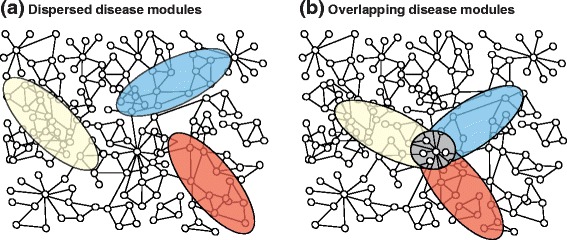
“Changes in the network that are potential causes of disease can create a pathological molecular subnetwork also called a disease module [164,165,172,173].”
BackgroundAIT (allergen immunotherapy): a model for the “precision medicine”
Passalacqua, G., & Canonica, G. W. (2015) · Clinical and Molecular Allergy · doi:10.1186/s12948-015-0028-6 · Cited by 38
“We are aware that more precise information and markers will be provided by systems medicine [28] and networks projects [29, 30]: these will further improve AIT indication, patient selection for clinical trials, prescription and, consequently, effectiveness and cost/effectiveness.”
BackgroundBanerjee, P., Balraj, P., Ambhore, N. S., Wicher, S. A., Britt, R. D., Pabelick, C. M., Prakash, Y. S., & Sathish, V. (2021) · Scientific Reports · doi:10.1038/s41598-021-93845-x · Cited by 38
Technological readiness and implementation of genomic‐driven precision medicine for complex diseases
Franks, P. W., Melén, E., Friedman, M., Sundström, J., Kockum, I. S., Klareskog, L., Almqvist, C., Bergen, S. E., Czene, K., Hägg, S., et al. (2021) · Journal of Internal Medicine · doi:10.1111/joim.13330 · Cited by 53
Self-citationFerrari, L. D., Chiappori, A., Bagnasco, D., Riccio, A., Passalacqua, G., & Canonica, G. W. (2015) · Expert Review of Respiratory Medicine · doi:10.1586/17476348.2016.1111763 · Cited by 31
Dynamic Targeting in Cancer Treatment
Wang, Z., & Deisboeck, T. S. (2019) · Frontiers in Physiology · doi:10.3389/fphys.2019.00096 · Cited by 31
Designing a Network Proximity-Based Drug Repurposing Strategy for COVID-19
Stolfi, P., Manni, L., Soligo, M., Vergni, D., & Tieri, P. (2020) · Frontiers in Cell and Developmental Biology · doi:10.3389/fcell.2020.545089 · Cited by 31
Martin, N. A., Nawrocki, A., Molnar, V., Elkjaer, M. L., Thygesen, E. K., Palkovits, M., Acs, P., Sejbaek, T., Nielsen, H. H., Hegedus, Z., et al. (2018) · PLOS ONE · doi:10.1371/journal.pone.0202530 · Cited by 29
“Focused, hypothesis-driven exploratory translational omics are promising players in omics-driven precision medicine [13].”
BackgroundYin, H., Duo, H., Li, S., Qin, D., Xie, L., Xiao, Y., Sun, J., Tao, J., Zhang, X., Li, Y., et al. (2024) · Journal of Advanced Research · doi:10.1016/j.jare.2024.12.004 · Cited by 39
“…involved in various physiological processes [84], making PPI network construction a valuable approach for understanding cellular functions [85] as well as disease mechanisms [86], aiding drug design and repurposing [87], and deciphering subcellular gene interactions [88,89] (as shown in Fig.”
Farzan, N., Vijverberg, S. J. H., Kabesch, M., Sterk, P. J., & der Zee, A. H. M. (2018) · Pediatric Pulmonology · doi:10.1002/ppul.23976 · Cited by 31
“In contrast to genomics, epigenomics, and transcriptomics profiles are tissue-specific and in complex diseases such as asthma, several types of tissues and cells are involved in the disease pathology.(116,135) Hence, to gain a better understanding of the disease, samples from different tissues must be collected.”
BackgroundSelf-citationThe root of Actinidia chinensis inhibits hepatocellular carcinomas cells through LAMB3
Hou, J., Wang, L., & Wu, D. (2017) · Cell Biology and Toxicology · doi:10.1007/s10565-017-9416-7 · Cited by 28
“Hierarchical clustering (average linkage clustering by using Pearson correlation as the distance metric) was performed within parameters (Gu et al. 2015; Gustafsson et al. 2014).”
Translating genomic medicine to the clinic: challenges and opportunities
Zhang, H., Klareskog, L., Matussek, A., Pfister, S. M., & Benson, M. (2019) · Genome Medicine · doi:10.1186/s13073-019-0622-1 · Cited by 33
“It is reasonable to hypothesize that the integration of the most predictive markers from different omics layers will have greater potential than the assessment of genetic alterations alone [8].”
Self-citationWang, L., Hou, J., Wang, J., Zhu, Z., Zhang, W., Zhang, X., Shen, H., & Wang, X. (2020) · Clinical and Translational Medicine · doi:10.1002/ctm2.46 · Cited by 27
Predicting uveitis in juvenile idiopathic arthritis: from biomarkers to clinical practice
Haasnoot, A. J. W., Kuiper, J. J. W., & de Boer, J. H. (2019) · Expert Review of Clinical Immunology · doi:10.1080/1744666x.2019.1593139 · Cited by 26
“, transcriptome, epigenome, proteome, and metabolome of individual immune cell subsets or serum/plasma) and ultimately integrates these data layers with high performance computational modelling to an underlying network of nodes leading to disease [98,99].”
BackgroundOxidative Stress in Type 2 Diabetes: The Case for Future Pediatric Redoxomics Studies
Alu, S. N., LOS, E. A., Ford, G. A., & Stone, W. L. (2022) · Antioxidants · doi:10.3390/antiox11071336 · Cited by 27
“Some medical schools, like Georgetown University, already implement systems medicine into their curriculum [75,116].”
BackgroundReview on Graph Clustering and Subgraph Similarity Based Analysis of Neurological Disorders
Thomas, J., Seo, D., & Sael, L. (2016) · International Journal of Molecular Sciences · doi:10.3390/ijms17060862 · Cited by 26
“Although with technical challenges still remaining, the multi-layer graph is being recognized for being beneficial in organizing and analyzing disease simultaneously, which enables improvement of the decisions made by medical professionals and patients [94].”
BackgroundIzarzugaza, J. M. G., Ellesøe, S. G., Doğanlı, C., Ehlers, N. S., Dalgaard, M., Audain, E., Dombrowsky, G., Banasik, K., Sifrim, A., Wilsdon, A., et al. (2020) · Genome Medicine · doi:10.1186/s13073-020-00772-z · Cited by 26
Self-citationTian, S., Xu, M., Geng, X., Fang, J., Xu, H., Xue, X., Hu, H., Zhang, Q., Yu, D., Guo, M., et al. (2024) · Advanced Science · doi:10.1002/advs.202410285 · Cited by 35
Self-citationBiological Random Walks: multi-omics integration for disease gene prioritization
Gentili, M., Martini, L., Sponziello, M., & Becchetti, L. (2022) · Bioinformatics · doi:10.1093/bioinformatics/btac446 · Cited by 25
New perspectives: systems medicine in cardiovascular disease
Krämer, F., Just, S., & Zeller, T. (2018) · BMC Systems Biology · doi:10.1186/s12918-018-0579-5 · Cited by 30
From cause and effect to causes and effects
Sturmberg, J. P., & Marcum, J. A. (2023) · Journal of Evaluation in Clinical Practice · doi:10.1111/jep.13814 · Cited by 33
Smelik, M., Zhao, Y., Li, X., Loscalzo, J., Sysoev, O., Mahmud, F., Aly, D. M., & Benson, M. (2024) · Scientific Reports · doi:10.1038/s41598-024-63399-9 · Cited by 29
Self-citationPersonalized Medicine for Sepsis
da Silva, F. P., & Machado, M. C. C. (2015) · The American Journal of the Medical Sciences · doi:10.1097/maj.0000000000000558 · Cited by 24
“Moreover, combining genomic sequencing with RNA sequencing and proteomic and metabolomic data will help us to interpret the clinical relevance of genome variations,(30,31) although this kind of integrative analysis is probably our biggest challenge at present.(32) In effect, the gene expression of sepsis is profoundly…”
BackgroundCSF proteome in multiple sclerosis subtypes related to brain lesion transcriptomes
Elkjaer, M. L., Nawrocki, A., Kacprowski, T., Lassen, P. S., Simonsen, A. H., Marignier, R., Sejbæk, T., Nielsen, H. H., Wermuth, L., Rashid, A. Y., et al. (2021) · Scientific Reports · doi:10.1038/s41598-021-83591-5 · Cited by 22
Network Medicine: A Mandatory Next Step for Inflammatory Bowel Disease
de Souza, H. S. P., & Fiocchi, C. (2018) · Inflammatory Bowel Diseases · doi:10.1093/ibd/izx111 · Cited by 21
Role of genomics in asthma exacerbations
Luis, E. H., Hernandez‐Pacheco, N., Vijverberg, S. J. H., Flores, C., & Pino-Yanes, M. D. M. (2018) · Current Opinion in Pulmonary Medicine · doi:10.1097/mcp.0000000000000533 · Cited by 21
Connectivity Significance for Disease Gene Prioritization in an Expanding Universe
Petti, M., Bizzarri, D., Verrienti, A., Falcone, R., & Farina, L. (2019) · IEEE Transactions on Computational Biology and Bioinformatics · doi:10.1109/tcbb.2019.2938512 · Cited by 21
“TODAY, big data, genomics, and quantitative in silico integration methodologies, have the potential to push forward the frontiers of medicine in an unprecedented way [1], [2].”
BackgroundGawel, D. R., Lee, E. J., Li, X., Lilja, S., Matussek, A., Schäfer, S., Olsen, R. S., Stenmarker, M., Zhang, H., & Benson, M. (2019) · Scientific Reports · doi:10.1038/s41598-019-51999-9 · Cited by 22
Self-citationGheorghe, D. N., Camen, A., Popescu, D. M., Şincar, C. D., Pitru, A. R., Ionele, C. M., Nicolae, F. M., Danilescu, C. M., Roman, A., & Florescu, C. (2022) · Journal of Personalized Medicine · doi:10.3390/jpm12030341 · Cited by 24
“Thus, the disease results from complex interactions between genetic activity and the environment, such as bacterial communities (biofilms) and the host’s immune response [34].”
BackgroundNetwork Medicine: A Potential Approach for Virtual Drug Screening
Ma, M., Huang, M. J., He, Y., Fang, J., Li, J., Li, X., Liu, M., Zhou, M., Cui, G., & Fan, Q. (2024) · Pharmaceuticals · doi:10.3390/ph17070899 · Cited by 23
“Table 2 details various databases that focus on drug and natural product targets, Table 2 including”
BackgroundBadam, T. V. S., de Weerd, H. A., Martínez-Enguita, D., Olsson, T. P., Alfredsson, L. S., Kockum, I. S., Jagodic, M., Lubovac-Pilav, Z., & Gustafsson, M. (2021) · BMC Genomics · doi:10.1186/s12864-021-07935-1 · Cited by 19
Self-citationKannan, V., Swartz, F., Kiani, N. A., Silberberg, G., Tsipras, G., Gómez-Cabrero, D., Alexanderson, K. A. E., & Tegner, J. N. (2016) · Scientific Reports · doi:10.1038/srep26170 · Cited by 22
“(1) in the right hand side of combinatorial identities of Eq.”
BackgroundTime-ordered comorbidity correlations identify patients at risk of mis- and overdiagnosis
Jørgensen, I. F., & Brunak, S. (2021) · npj Digital Medicine · doi:10.1038/s41746-021-00382-y · Cited by 19
Self-citationAggregated network centrality shows non-random structure of genomic and proteomic networks
Halder, A. K., Denkiewicz, M., Sengupta, K., Basu, S., & Plewczyński, D. (2019) · Methods · doi:10.1016/j.ymeth.2019.11.006 · Cited by 19
Medical knowledge integration and “systems medicine”: Needs, ambitions, limitations and options
Tretter, F., & Löffler‐Stastka, H. (2019) · Medical Hypotheses · doi:10.1016/j.mehy.2019.109386 · Cited by 19
“Also network medicine (see below) does not really provide progress by cross correlations of gene expression patterns that are involved in comorbidity and that are expressed by graph theoretical methods of data analysis [10,11].”
BackgroundFiscon, G., Pegoraro, S., Conte, F., Manfioletti, G., & Paci, P. (2021) · FEBS Letters · doi:10.1002/1873-3468.14085 · Cited by 20
Targeted Sequencing and Meta-Analysis of Preterm Birth
Uzun, A., Schuster, J. S., McGonnigal, B., Schorl, C., DeWan, A. T., & Padbury, J. F. (2016) · PLoS ONE · doi:10.1371/journal.pone.0155021 · Cited by 18
Navigating the disease landscape: knowledge representations for contextualizing molecular signatures
Saqi, M. A. S., Lysenko, A., Guo, Y., Tsunoda, T., & Auffray, C. (2018) · Briefings in Bioinformatics · doi:10.1093/bib/bby025 · Cited by 19
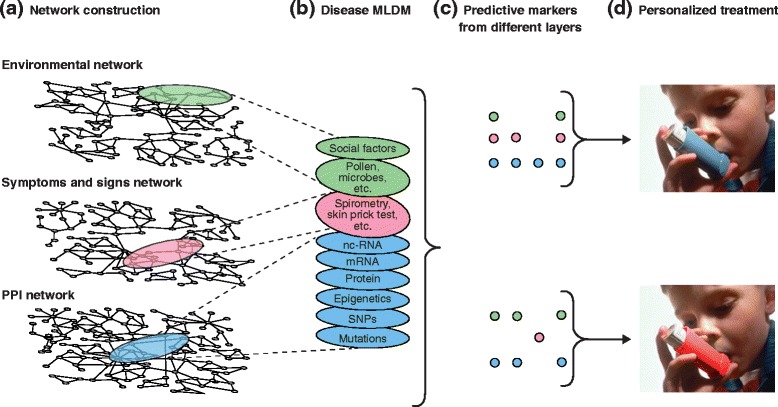
“[17] discussed the concept of multilayer disease modules as a possible framework to generate predictive markers that capture multiple types of disease-related information (PPI, symptoms, etc.”
BackgroundBjörn, N., Badam, T. V. S., Spalinskas, R., Brandén, E., Koyi, H., Lewensohn, R., Petris, L. D., Lubovac-Pilav, Z., Sahlén, P., Lundeberg, J., et al. (2020) · npj Systems Biology and Applications · doi:10.1038/s41540-020-00146-6 · Cited by 20
Self-citationProgress in integrative systems biology, physiology and medicine: towards a scale-relative biology
Auffray, C., Noble, D., Nottale, L., & Turner, P. (2020) · The European Physical Journal A · doi:10.1140/epja/s10050-020-00090-3 · Cited by 23
WMDS.net: a network control framework for identifying key players in transcriptome programs
Cheng, X., Amanullah, M., Liu, W., Liu, Y., Pan, X., Zhang, H., Xu, H., Liu, P., & Lü, Y. (2023) · Bioinformatics · doi:10.1093/bioinformatics/btad071 · Cited by 21
Self-citationChu, H., Sun, P., Yin, J., Liu, G., Wang, Y., Zhao, P., Zhu, Y. Z., Yang, X., Zheng, T., Zhou, X., et al. (2017) · PLoS ONE · doi:10.1371/journal.pone.0174964 · Cited by 17
Network-based feature screening with applications to genome data
Wu, M., Zhu, L., & Feng, X. (2018) · The Annals of Applied Statistics · doi:10.1214/17-aoas1097 · Cited by 15
“Diseases such as asthma, diabetes or obesity, often involve altered interactions between thousands of genes who may act together in various signaling and regulatory pathways and protein complexes (Leiserson et al., 2015; Gustafsson et al., 2014).”
BackgroundHerrgårdh, T., Madai, V. I., Kelleher, J. D., Magnusson, R., Gustafsson, M., Milani, L. A., Gennemark, P., & Cedersund, G. (2021) · NeuroImage Clinical · doi:10.1016/j.nicl.2021.102694 · Cited by 19
“…networks, in order to systematically analyse the relation be-tween factors that are found to individually have small effects, e.g. clusters of genes that together show a significantly changed expression pattern (Gustafsson et al., 2014; Kim and Tagkopoulos, 2018; Rappoport and Shamir, 2018).”
BackgroundMethodSelf-citationGraham, K., Steel, A., & Wardle, J. (2021) · Journal of Multidisciplinary Healthcare · doi:10.2147/jmdh.s327260 · Cited by 18
Vaiman, D., & Miralles, F. (2016) · PLoS ONE · doi:10.1371/journal.pone.0165849 · Cited by 17
Sex-specific disease-associated modules for depression
Duman, R. S. (2017) · Nature Medicine · doi:10.1038/nm.4391 · Cited by 16
Multiscale networks in multiple sclerosis
Kennedy, K., de Rosbo, N. K., Uccelli, A., Cellerino, M., Ivaldi, F., Contini, P., Palma, R. D., Harbo, H. F., Berge, T., Bos, S. D., et al. (2024) · PLoS Computational Biology · doi:10.1371/journal.pcbi.1010980 · Cited by 15
Self-citationAron, D. C. (2016) · Journal of Evaluation in Clinical Practice · doi:10.1111/jep.12600 · Cited by 11
Metadata
- Authors
- Gustafsson, M., Nestor, C. E., Zhang, H., Barabási, A.-L., Baranzini, S., Brunak, S., Chung, K. F., Federoff, H. J., Gavin, A.-C., Meehan, R. R., Picotti, P., Pujana, M. Á., Rajewsky, N., Smith, K. G., Sterk, P. J., Villoslada, P., & Benson, M.
- Affiliations
- Linköping University (SE)
- University of California, San Francisco (US)
- Imperial College London (GB)
- Georgetown University Medical Center (US)
- European Molecular Biology Laboratory (DE)
- Institute of Genetics and Cancer (GB)
- University of Zurich (CH)
- Institut d'Investigació Biomédica de Bellvitge (ES)
- Max Delbrück Center (DE)
- University of Cambridge (GB)
- Amsterdam UMC Location University of Amsterdam (NL)
- Hospital Clínic de Barcelona (ES)
- Corresponding author
- Benson, Mikael
- ORCID
- Venue
- Genome Medicine
- Published
- 2014-10-17
- Volume
- 6
- Issue
- 10
- Pages
- 82-82
- ISSN
- 1756-994X (ISSN-L)
- PMC
- PMC4254417
- OpenAlex
- W2156695919
- Cited by
- 194
- References
- 70
- Citations by year
- 2026: 10 · 2025: 6 · 2024: 10 · 2023: 13 · 2022: 11 · 2021: 19 · 2020: 20 · 2019: 20 · 2018: 24 · 2017: 23 · 2016: 20 · 2015: 16 · 2014: 2
- FWCI
- 8.34
- Type
- journal article
- Language
- en
- Open access
- gold
- doi.org
- Licence
- cc-by
- creativecommons.org/licenses/by/4.0 (tdm)
- creativecommons.org/licenses/by/4.0 (vor)
- Locations
- Genome Medicine (publishedVersion, cc-by)
- Europe PMC (PubMed Central) (publishedVersion, cc-by)
- PubMed Central (publishedVersion, cc-by)
- PubMed (publishedVersion)
- Pure Amsterdam UMC (publishedVersion)
- RECERCAT (Consorci de Serveis Universitaris de Catalunya) (publishedVersion, cc-by)
- MDC Repository (Max-Delbrueck-Center for Molecular Medicine) (acceptedVersion)
- Archive ouverte UNIGE (University of Geneva) (submittedVersion, public-domain)
- National University of Singapore (submittedVersion, cc-by)
- Data Archiving and Networked Services (DANS) (submittedVersion)
- DiVA (Linkoping University) (submittedVersion, other-oa)
- Dipòsit Digital de la Universitat de Barcelona (Universitat de Barcelona) (submittedVersion, cc-by)
- eScholarship (California Digital Library) (submittedVersion)
- Research at the University of Copenhagen (University of Copenhagen) (submittedVersion)
- Technical University of Denmark, DTU Orbit (Technical University of Denmark, DTU) (submittedVersion, cc-by)
- Archive ouverte UNIGE (University of Geneva) (submittedVersion, cc-by)
- Repository for Publications and Research Data (ETH Zurich) (submittedVersion, cc-by)
- ETH Zürich Research Collection (cc-by)
- Funders
- Wellcome Trust (100140)
- European Commission
- Linköpings Universitet
- Medical Research Council
- Biotechnology and Biological Sciences Research Council (BB/J021032/1)
- Topics
- Life Sciences › Biochemistry, Genetics and Molecular Biology › Molecular Biology › Bioinformatics and Genomic Networks
- Health Sciences › Medicine › Health Informatics › Biomedical Text Mining and Ontologies
- Life Sciences › Biochemistry, Genetics and Molecular Biology › Molecular Biology › Gene Regulatory Network Analysis
- Keywords
- systems medicine, gene interaction networks, disease modules, multi-omics integration, network analysis, asthma, allergy, diabetes mellitus, obesity, candidate gene identification, diagnostic biomarkers, drug target prioritization, clinical implementation
About these checks
Registry, retraction, Cites and statistics results are computed, not judged, with one exception: a printed reference that no index lists is read once by a model before it counts as a citation error. Claims are extracted by a model and kept only when their quote appears verbatim in the text; each cited source is then checked, with a model’s help, for whether it says what the claim relies on. Those verdicts can be wrong — read the claim’s quote and the cited source before relying on one.
Statistics and arithmetic are recomputed, not judged.
Confidence bands are shown only for fields calibrated on our annotated test set. None is calibrated yet, so no band is shown.
What counts as a claim ›How we measure confidence ›How we check this ›
Are you an author, or do you see a problem with this page? Request a review
Data sources
Bibliographic data: Semantic Scholar, OpenAlex, Crossref.
Contains information from the Semantic Scholar Academic Graph Datasets, made available under the ODC Attribution License (ODC-BY 1.0).
Semantic Scholar’s data is described in: Kinney, R., et al. (2023). The Semantic Scholar Open Data Platform. arXiv:2301.10140.
