

Modules, networks and systems medicine for understanding disease and aiding diagnosis
Open accessThe DOI matches its Crossref record; 70 of the 70 references it cites were found in a registry or an index.
Abstract
Many common diseases, such as asthma, diabetes or obesity, involve altered interactions between thousands of genes. High-throughput techniques (omics) allow identification of such genes and their products, but functional understanding is a formidable challenge. Network-based analyses of omics data have identified modules of disease-associated genes that have been used to obtain both a systems level and a molecular understanding of disease mechanisms. For example, in allergy a module was used to find a novel candidate gene that was validated by functional and clinical studies. Such analyses play important roles in systems medicine. This is an emerging discipline that aims to gain a translational understanding of the complex mechanisms underlying common diseases. In this review, we will explain and provide examples of how network-based analyses of omics data, in combination with functional and clinical studies, are aiding our understanding of disease, as well as helping to prioritize diagnostic markers or therapeutic candidate genes. Such analyses involve significant problems and limitations, which will be discussed. We also highlight the steps needed for clinical implementation.
Overview
The claims and statistics of this paper haven’t been checked yet.
Free: it reads the open-access text and checks the first 5 claims that cite a source we can check. Create a free account to check every claim.
Integrity signals
Registry
Cites
Statistics
Figures
Verification
Claims the paper makes
The claims and statistics of this paper haven’t been checked yet.
Free: it reads the open-access text and checks the first 5 claims that cite a source we can check. Create a free account to check every claim.
Claims other papers make about this one
Each is checked against this paper’s own text: does it say what the citing paper says it does?
The source backs part of the claim, not all of it — or backs it for a different population, condition or comparison.
In the citing paper
“Complex diseases such as cancer need to be studied on a systems level, because the interplay of highly diverse modalities (DNA mutations, Gene expression, Methylation, etc.) substantially contributes to disease progression [86].”
From Towards multi-modal causability with graph neural networks enabling information fusion for explainable ai (2021) · cites this paper as [86]
Experimental — accuracy not yet measured
Self-check
Percentages, sums and reported differences re-computed from the paper’s own numbers.
The self-check needs the paper’s full text.
Citations
Cites
Emergence of Scaling in Random Networks
Barabási, A.-L., & Albert, R. (1999) · Science · doi:10.1126/science.286.5439.509 · Cited by 36,135
Self-citationLethality and centrality in protein networks
Jeong, H., Mason, S. P., Barabási, A.-L., & Oltvai, Z. N. (2001) · Nature · doi:10.1038/35075138 · Cited by 5,287 · cited 1×
“studied network design principles in model organisms like yeast cells or worms [15].”
BackgroundSelf-citationNetwork medicine: a network-based approach to human disease
Barabási, A.-L., Gulbahce, N., & Loscalzo, J. (2011) · Nature Reviews Genetics · doi:10.1038/nrg2918 · Cited by 5,034 · cited 2×
“Systems medicine is an emerging discipline that aims to address the problem that a disease is rarely caused by malfunction of one individual gene product, but instead depends on multiple gene products that interact in a complex network [7].”
BackgroundSelf-citationmRNA-Seq whole-transcriptome analysis of a single cell
Tang, F., Barbacioru, C., Wang, Y., Nordman, E., Lee, C., Xu, N., Wang, X., Bodeau, J., Tuch, B. B., Siddiqui, A., et al. (2009) · Nature Methods · doi:10.1038/nmeth.1315 · Cited by 3,969 · cited 1×
“Recent developments in sequencing allow determination of single-cell genomes and transcriptomes [55,56], while mass cytometry enables the targeted quantification of proteins and their modifications in different cells from a heterogeneous population [57].”
BackgroundGoh, K.-I., Cusick, M. E., Valle, D., Childs, B., Vidal, M., & Barabási, A.-L. (2007) · Proceedings of the National Academy of Sciences · doi:10.1073/pnas.0701361104 · Cited by 3,242
Self-citationTumour evolution inferred by single-cell sequencing
Navin, N., Kendall, J., Troge, J., Andrews, P., Rodgers, L., McIndoo, J., Cook, K., Stepansky, A., Levy, D., Esposito, D., et al. (2011) · Nature · doi:10.1038/nature09807 · Cited by 2,598 · cited 1×
“Recent developments in sequencing allow determination of single-cell genomes and transcriptomes [55,56], while mass cytometry enables the targeted quantification of proteins and their modifications in different cells from a heterogeneous population [57].”
BackgroundGenetics of rheumatoid arthritis contributes to biology and drug discovery
the RACI consortium, Okada, Y., the GARNET consortium, Wu, D., Trynka, G., Raj, T., Terao, C., Ikari, K., Kochi, Y., Ohmura, K., et al. (2014) · Nature · doi:10.1038/nature12873 · Cited by 2,310
Protein biomarker discovery and validation: the long and uncertain path to clinical utility
Rifai, N., Gillette, M. A., & Carr, S. A. (2006) · Nature Biotechnology · doi:10.1038/nbt1235 · Cited by 1,867 · cited 1×
“However, recent technological advances indicate that targeted proteomics may partly address these limitations and render the analysis of predetermined sets of proteins over large numbers of samples [58,59].”
BackgroundYıldırım, M. A., Goh, K.-I., Cusick, M. E., Barabási, A.-L., & Vidal, M. (2007) · Nature Biotechnology · doi:10.1038/nbt1338 · Cited by 1,708 · cited 1×
“Indeed, genes targeted by drugs have more interactions than other genes [30], which increases the risk that a drug targeting a specific disease gene may have an off-target effect [31].”
BackgroundSelf-citationMining electronic health records: towards better research applications and clinical care
Jensen, P. B., Jensen, L. J., & Brunak, S. (2012) · Nature Reviews Genetics · doi:10.1038/nrg3208 · Cited by 1,680 · cited 1×
“Other approaches to disease reclassification have involved mining of electronic health records to search for comorbidity patterns and underlying genetic variants [46-51].”
BackgroundSelf-citationNetwork‐based classification of breast cancer metastasis
Chuang, H., Lee, E., Liu, Y., Lee, D., & Ideker, T. (2007) · Molecular Systems Biology · doi:10.1038/msb4100180 · Cited by 1,431 · cited 1×
“cancer [17-20], neurological [21-23], cardiovascular [24], and inflammatory diseases [25-27].”
BackgroundA network-based analysis of systemic inflammation in humans
Program, I. A. H. R. T. I. L. S. C. R., Calvano, S. E., Xiao, W., Richards, D. R., Felciano, R. M., Baker, H. V., Cho, R. J., Chen, R. O., Brownstein, B. H., Cobb, J. P., et al. (2005) · Nature · doi:10.1038/nature03985 · Cited by 1,429 · cited 1×
“Several module-based studies have been performed in other diseases, including cancer [17-20], neurological [21-23], cardiovascular [24], and inflammatory diseases [25-27].”
BackgroundEvolution and impact of subclonal mutations in chronic lymphocytic leukemia
Landau, D. A., Carter, S. L., Stojanov, P., McKenna, A., Stevenson, K., Lawrence, M. S., Sougnez, C., Stewart, C., Sivachenko, A., Wang, L., et al. (2013) · Cell · doi:10.1016/j.cell.2013.01.019 · Cited by 1,379 · cited 1×
“lymphocytic leukemia revealed the development of substantial genetic heterogeneity of tumor cells from the same patients over time [40].”
BackgroundSelected reaction monitoring–based proteomics: workflows, potential, pitfalls and future directions
Picotti, P., & Aebersold, R. (2012) · Nature Methods · doi:10.1038/nmeth.2015 · Cited by 1,302 · cited 1×
“Targeted protein assays may also enable the quantification of highly homologous protein sequences, such as splice variants, protein isoforms and mutated versions of a protein [60], in a clinical laboratory setting.”
BackgroundSelf-citationDenny, J. C., Bastarache, L., Ritchie, M. D., Carroll, R. J., Zink, R., Mosley, J. D., Field, J. R., Pulley, J. M., Ramirez, A. H., Bowton, E., et al. (2013) · Nature Biotechnology · doi:10.1038/nbt.2749 · Cited by 1,013 · cited 2×
“For example, the presence of polymorphisms in IRF4 was linked to skin cancer and actinic keratosis [46].”
BackgroundStatistical strategies for avoiding false discoveries in metabolomics and related experiments
Broadhurst, D. I., & Kell, D. B. (2007) · Metabolomics · doi:10.1007/s11306-006-0037-z · Cited by 817 · cited 1×
“Therefore, it is mandatory to follow recommendations for multiscale analysis [66], thereby strictly limiting false discovery [67].”
BackgroundA Randomized Trial of Genotype-Guided Dosing of Warfarin
Pirmohamed, M., Burnside, G., Eriksson, N., Jorgensen, A. L., Toh, C. H., Nicholson, T., Kesteven, P., Christersson, C., Wahlström, B., Stafberg, C., et al. (2013) · New England Journal of Medicine · doi:10.1056/nejmoa1311386 · Cited by 811
Sirota, M., Dudley, J. T., Kim, J., Chiang, A. P., Morgan, A. A., Sweet-Cordero, A., Sage, J., & Butte, A. J. (2011) · Science Translational Medicine · doi:10.1126/scitranslmed.3001318 · Cited by 799 · cited 1×
“For example, an antiulcer drug, cimetidine, was shown to be a therapeutic candidate in lung cancer [52].”
BackgroundLim, J., Hao, T., Shaw, C., Patel, A. J., Szabó, G., Rual, J.-F., Fisk, C. J., Li, N., Smolyar, A., Hill, D. E., et al. (2006) · Cell · doi:10.1016/j.cell.2006.03.032 · Cited by 789 · cited 1×
“Thus, novel candidate genes can be found among the interactors of known disease genes [32].”
BackgroundSelf-citationDynamic modularity in protein interaction networks predicts breast cancer outcome
Taylor, I. W., Linding, R., Warde-Farley, D., Liu, Y., Pesquita, C., Faria, D., Bull, S., Pawson, T., Morris, Q., & Wrana, J. L. (2009) · Nature Biotechnology · doi:10.1038/nbt.1522 · Cited by 697 · cited 2×
“cancer [17-20], neurological [21-23], cardiovascular [24], and inflammatory diseases [25-27].”
BackgroundLee, M. J., Ye, A. S., Gardino, A. K., Heijink, A. M., Sorger, P. K., MacBeath, G., & Yaffe, M. B. (2012) · Cell · doi:10.1016/j.cell.2012.03.031 · Cited by 680 · cited 1×
“In breast cancer, module kinetics has been directly linked to treatment response; in a subset of patients, treatment with one drug rewired the disease module so that it became sensitive to another drug [41].”
BackgroundA Dynamic Network Approach for the Study of Human Phenotypes
Hidalgo, C. A., Blumm, N., Barabási, A.-L., & Christakis, N. A. (2009) · PLoS Computational Biology · doi:10.1371/journal.pcbi.1000353 · Cited by 674
Self-citationEvidence for two types of brown adipose tissue in humans
Lidell, M. E., Betz, M. J., Leinhard, O. D., Heglind, M., Elander, L., Slawik, M., Mussack, T., Nilsson, D., Romu, T., Nuutila, P., et al. (2013) · Nature Medicine · doi:10.1038/nm.3017 · Cited by 657
Hood, L., & Flores, M. (2012) · New Biotechnology · doi:10.1016/j.nbt.2012.03.004 · Cited by 648 · cited 1×
“Variations in response may underlie the observation that between 10 and 20% of patients do not respond to one of the most common asthma drugs, corticosteroids [2].”
BackgroundDecoding global gene expression programs in liver cancer by noninvasive imaging
Segal, E., Sirlin, C. B., Ooi, C., Adler, A. S., Gollub, J., Chen, X., Chan, B. K., Matcuk, G. R., Barry, C. T., Chang, H. Y., et al. (2007) · Nature Biotechnology · doi:10.1038/nbt1306 · Cited by 629 · cited 1×
“This would allow, for example, specific traits imaged in liver cancer to be linked to prognostic gene expression changes [42].”
BackgroundNetwork modeling links breast cancer susceptibility and centrosome dysfunction
Pujana, M. A., Han, J.-D. J., Starita, L. M., Stevens, K. N., Tewari, M., Ahn, J. S., Rennert, G., Moreno, V., Kirchhoff, T., Gold, B., et al. (2007) · Nature Genetics · doi:10.1038/ng.2007.2 · Cited by 618 · cited 1×
“[16] described a module relevant to breast cancer, and identified a novel candidate gene, HMMR , that was validated by functional and genetic studies.”
BackgroundSelf-citationMultiplexed mass cytometry profiling of cellular states perturbed by small-molecule regulators
Bodenmiller, B., Zunder, E. R., Finck, R., Chen, T. J., Savig, E. S., Bruggner, R. V., Simonds, E. F., Bendall, S. C., Sachs, K., Krutzik, P. O., et al. (2012) · Nature Biotechnology · doi:10.1038/nbt.2317 · Cited by 546 · cited 1×
“Recent developments in sequencing allow determination of single-cell genomes and transcriptomes [55,56], while mass cytometry enables the targeted quantification of proteins and their modifications in different cells from a heterogeneous population [57].”
BackgroundIntegrative approaches for finding modular structure in biological networks
Mitra, K., Carvunis, A.-R., Ramesh, S. K., & Ideker, T. (2013) · Nature Reviews Genetics · doi:10.1038/nrg3552 · Cited by 535 · cited 1×
“Another important characteristic is that functionally related nodes tend to be highly interconnected and co-localize in networks, thereby forming modules [7,14] (Table 1).”
BackgroundA CD8+ T cell transcription signature predicts prognosis in autoimmune disease
McKinney, E. F., Lyons, P. A., Carr, E. J., Hollis, J. L., Jayne, D. R. W., Willcocks, L. C., Koukoulaki, M., Brazma, A., Jovanovic, V., Kemeny, D. M., et al. (2010) · Nature Medicine · doi:10.1038/nm.2130 · Cited by 370 · cited 1×
“In a study of autoimmune diseases, mRNA modules were used to predict disease progression based on functional studies of underlying mechanisms [28].”
BackgroundSelf-citationA complete mass-spectrometric map of the yeast proteome applied to quantitative trait analysis
Picotti, P., Clément-Ziza, M., Lam, H., Campbell, D. S., Schmidt, A., Deutsch, E. W., Röst, H., Sun, Z., Rinner, O., Reiter, L., et al. (2013) · Nature · doi:10.1038/nature11835 · Cited by 318 · cited 1×
“However, recent technological advances indicate that targeted proteomics may partly address these limitations and render the analysis of predetermined sets of proteins over large numbers of samples [58,59].”
BackgroundSelf-citationProbing genetic overlap among complex human phenotypes
Rzhetsky, A., Wajngurt, D., Park, N., & Zheng, T. (2007) · Proceedings of the National Academy of Sciences · doi:10.1073/pnas.0704820104 · Cited by 298 · cited 1×
“Other approaches to disease reclassification have involved mining of electronic health records to search for comorbidity patterns and underlying genetic variants [46-51].”
BackgroundA systems approach to prion disease
Hwang, D., Lee, I. Y., Yoo, H., Gehlenborg, N., Cho, J., Petritis, B., Baxter, D., Pitstick, R., Young, R., Spicer, D., et al. (2009) · Molecular Systems Biology · doi:10.1038/msb.2009.10 · Cited by 287
Application of ’omics technologies to biomarker discovery in inflammatory lung diseases
Wheelock, C. E., Goss, V. M., Balgoma, D., Nicholas, B., Brandsma, J., Skipp, P. J., Snowden, S., Burg, D., D'Amico, A., Horvath, I., et al. (2013) · European Respiratory Journal · doi:10.1183/09031936.00078812 · Cited by 272
Self-citationReproducible Quantification of Cancer-Associated Proteins in Body Fluids Using Targeted Proteomics
Hüttenhain, R., Soste, M., Selevsek, N., Röst, H., Sethi, A., Carapito, C., Farrah, T., Deutsch, E. W., Kusebauch, U., Moritz, R. L., et al. (2012) · Science Translational Medicine · doi:10.1126/scitranslmed.3003989 · Cited by 246 · cited 1×
“Literature knowledge and MLDM layers that are more easily measured than proteins, such as mRNA or genomic information, could help to identify proteins for such targeted analyses [62].”
BackgroundCriteria for the use of omics-based predictors in clinical trials
McShane, L. M., Cavenagh, M. M., Lively, T. G., Eberhard, D. A., Bigbee, W. L., Williams, P. M., Mesirov, J. P., Polley, M.-Y. C., Kim, K. Y., Tricoli, J. V., et al. (2013) · Nature · doi:10.1038/nature12564 · Cited by 241
Genomic Medicine: A Decade of Successes, Challenges, and Opportunities
McCarthy, J. J., McLeod, H. L., & Ginsburg, G. S. (2013) · Science Translational Medicine · doi:10.1126/scitranslmed.3005785 · Cited by 239 · cited 1×
“genotyping in breast cancer, CCR5 mutation status in HIV infection and newborn screening for metabolic defects [4].”
BackgroundA Nondegenerate Code of Deleterious Variants in Mendelian Loci Contributes to Complex Disease Risk
Blair, D. R., Lyttle, C. S., Mortensen, J. M., Bearden, C. F., Jensen, A. B., Khiabanian, H., Melamed, R., Rabadan, R., Bernstam, E. V., Brunak, S., et al. (2013) · Cell · doi:10.1016/j.cell.2013.08.030 · Cited by 215
Self-citationHigh-Throughput Methods for Combinatorial Drug Discovery
Sun, X., Vilar, S., & Tatonetti, N. P. (2013) · Science Translational Medicine · doi:10.1126/scitranslmed.3006667 · Cited by 197 · cited 1×
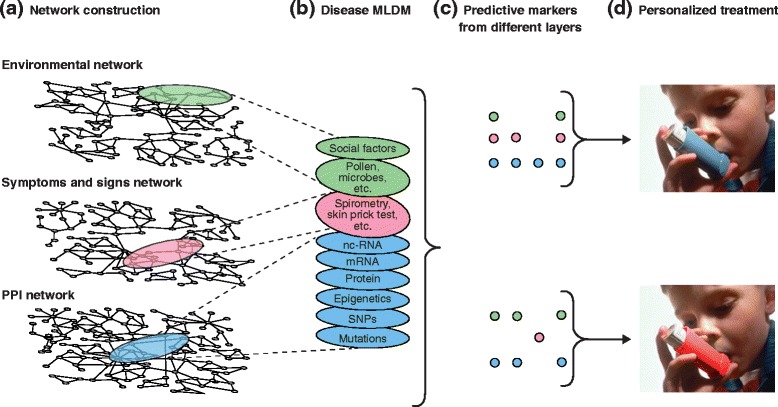
“Microbes Environment to organize and analyze all relevant disease data simultaneously, thereby informing and improving the decisional pathway of medical professionals and patients [12].”
BackgroundMolecular Profiling for Breast Cancer: A Comprehensive Review
Kittaneh, M., Montero, A. J., & Glück, S. (2013) · Biomarkers in Cancer · doi:10.4137/bic.s9455 · Cited by 190 · cited 1×
“Diagnostic products to stratify breast cancer based on gene expression profiling are commercially available, such as the MammaPrint [69].”
BackgroundPresson, A. P., Sobel, E. M., Papp, J. C., Suarez, C. J., Whistler, T., Rajeevan, M. S., Vernon, S. D., & Horvath, S. (2008) · BMC Systems Biology · doi:10.1186/1752-0509-2-95 · Cited by 188 · cited 1×
“cancer [17-20], neurological [21-23], cardiovascular [24], and inflammatory diseases [25-27].”
Dumas, M., Kinross, J., & Nicholson, J. K. (2014) · Gastroenterology · doi:10.1053/j.gastro.2013.11.001 · Cited by 187 · cited 1×
“Similarly, recent technical advances may help to include targeted metabolites and lipids in the MLDMs [63,64].”
BackgroundNetwork-Based Analysis of Affected Biological Processes in Type 2 Diabetes Models
Liu, M., Liberzon, A., Kong, S. W., Lai, W. R., Park, P. J., Kohane, I. S., & Kasif, S. (2007) · PLoS Genetics · doi:10.1371/journal.pgen.0030096 · Cited by 180 · cited 1×
“cancer [17-20], neurological [21-23], cardiovascular [24], and inflammatory diseases [25-27].”
BackgroundMultiple sclerosis: Prospects and promise
Hauser, S. L., Chan, J. R., & Oksenberg, J. R. (2013) · Annals of Neurology · doi:10.1002/ana.24009 · Cited by 179 · cited 1×
“The clinical advantages of predictive and preventative medicine can be exemplified by early treatment of rheumatoid arthritis and multiple sclerosis, which reduces the risk of debilitating disease [71].”
BackgroundA network biology approach to prostate cancer
Ergün, A., Lawrence, C. A., Kohanski, M. A., Brennan, T. A., & Collins, J. J. (2007) · Molecular Systems Biology · doi:10.1038/msb4100125 · Cited by 161 · cited 1×
“cancer [17-20], neurological [21-23], cardiovascular [24], and inflammatory diseases [25-27].”
BackgroundClinical implications of shared genetics and pathogenesis in autoimmune diseases
Zhernakova, A., Withoff, S., & Wijmenga, C. (2013) · Nature Reviews Endocrinology · doi:10.1038/nrendo.2013.161 · Cited by 158 · cited 1×
“Similar observations were made for networks derived from expression profiling [45].”
MethodAn Integrative Systems Biology Approach to Understanding Pulmonary Diseases
Auffray, C., Adcock, I. M., Chung, K. F., Djukanović, R., Pison, C. M., & Sterk, P. J. (2010) · CHEST Journal · doi:10.1378/chest.09-1850 · Cited by 151 · cited 1×
“Already, there are examples of this, such as in severe asthma [54].”
BackgroundSelf-citationMolecular signatures from omics data: From chaos to consensus
Sung, J., Wang, Y., Chandrasekaran, S., Witten, D. M., & Price, N. D. (2012) · Biotechnology Journal · doi:10.1002/biot.201100305 · Cited by 141 · cited 1×
“tions for multiscale analysis [66], thereby strictly limiting false discovery [67].”
BackgroundNEW: Network-Enabled Wisdom in Biology, Medicine, and Health Care
Schadt, E. E., & Björkegren, J. L. M. (2012) · Science Translational Medicine · doi:10.1126/scitranslmed.3002132 · Cited by 131 · cited 1×
“For example, important limitations of PPI networks are that they are generally not cell specific, and are constructed based on heterogeneous sources such as literature and databases, experimental data, inferences from high-throughput studies, or computational predictions [65].”
BackgroundMass spectrometric protein maps for biomarker discovery and clinical research
Liu, Y., Hüttenhain, R., Collins, B., & Aebersold, R. (2013) · Expert Review of Molecular Diagnostics · doi:10.1586/14737159.2013.845089 · Cited by 126 · cited 1×
“Another emerging targeted proteomic application is the generation of perpetually reusable digitalized maps of the proteomic signals of a sample [61].”
BackgroundSystems biology and its application to the understanding of neurological diseases
Villoslada, P., Steinman, L., & Baranzini, S. E. (2009) · Annals of Neurology · doi:10.1002/ana.21634 · Cited by 126 · cited 1×
“cancer [17-20], neurological [21-23], cardiovascular [24], and inflammatory diseases [25-27].”
BackgroundSelf-citationHägg, S., Skogsberg, J., Lundström, J., Noori, P., Nilsson, R., Zhong, H., Maleki, S., Shang, M.-M., Brinne, B., Bradshaw, M., et al. (2009) · PLoS Genetics · doi:10.1371/journal.pgen.1000754 · Cited by 122
Systematic identification of proteins that elicit drug side effects
Kuhn, M., Al Banchaabouchi, M., Campillos, M., Jensen, L. J., Gross, C., Gavin, A., & Bork, P. (2013) · Molecular Systems Biology · doi:10.1038/msb.2013.10 · Cited by 120
Self-citationRay, M., Ruan, J., & Zhang, W. (2008) · Genome Biology · doi:10.1186/gb-2008-9-10-r148 · Cited by 119 · cited 1×
“cancer [17-20], neurological [21-23], cardiovascular [24], and inflammatory diseases [25-27].”
BackgroundDiscovering disease-disease associations by fusing systems-level molecular data
Žitnik, M., Janjić, V., Larminie, C., Zupan, B., & Pržulj, N. (2013) · Scientific Reports · doi:10.1038/srep03202 · Cited by 106 · cited 1×
“Other approaches to disease reclassification have involved mining of electronic health records to search for comorbidity patterns and underlying genetic variants [46-51].”
BackgroundGenovese, G., Ergun, A., Shukla, S. A., Campos, B., Hanna, J., Ghosh, P., Quayle, S. N., Rai, K., Colla, S., Ying, H., et al. (2012) · Cancer Discovery · doi:10.1158/2159-8290.cd-12-0111 · Cited by 105
Self-citationBarrenäs, F., Chavali, S., Alves, A. C., Coin, L., Järvelin, M., Jörnsten, R. J., Langston, M. A., Ramasamy, A., Rogers, G. L., Wang, H., et al. (2012) · Genome biology · doi:10.1186/gb-2012-13-6-r46 · Cited by 90 · cited 4×
“Because the shared module was highly enriched for GWAS genes it is likely that it has an important causal role, which has diagnostic implications for predictive and preventative medicine [3,39].”
InfluentialSelf-citationA Generally Applicable Translational Strategy Identifies S100A4 as a Candidate Gene in Allergy
Bruhn, S., Yu, F. H. Z., Barrenäs, F., Gustafsson, M., Zhang, H., Konstantinell, A., Krönke, A., Sönnichsen, B., Bresnick, A. R., Dulyaninova, N. G., et al. (2014) · Science Translational Medicine · doi:10.1126/scitranslmed.3007410 · Cited by 89 · cited 6×
“If these two genome-scale analyses support the findings, then detailed functional and clinical studies can be performed, including mouse disease models [33].”
BackgroundInfluentialSelf-citationNetwork modeling of the transcriptional effects of copy number aberrations in glioblastoma
Jörnsten, R., Abenius, T., Kling, T., Schmidt, L., Johansson, E., Nordling, T. E. M., Nordlander, B., Sander, C., Gennemark, P., Funa, K., et al. (2011) · Molecular Systems Biology · doi:10.1038/msb.2011.17 · Cited by 89 · cited 1×
“For example, microRNAs and genetic variants have been used to examine disease-associated variations in mRNA expression in gliomas, and to predict disease outcome [36,37].”
BackgroundEnabling multiscale modeling in systems medicine
Wolkenhauer, O., Auffray, C., Brass, O., Clairambault, J., Deutsch, A., Drasdo, D., Gervasio, F., Preziosi, L., Maini, P., Marciniak-Czochra, A., et al. (2014) · Genome Medicine · doi:10.1186/gm538 · Cited by 82 · cited 1×
“that relate to clinical outcomes such as treatment response [10,11].”
BackgroundA quantitative liposome microarray to systematically characterize protein-lipid interactions
Saliba, A.-E., Vonkova, I., Ceschia, S., Findlay, G. M., Maeda, K., Tischer, C., Deghou, S., van Noort, V., Bork, P., Pawson, T., et al. (2014) · Nature Methods · doi:10.1038/nmeth.2734 · Cited by 80
Self-citationWhat happened to personalized medicine?
(2012) · Nature Biotechnology · doi:10.1038/nbt.2096 · Cited by 64
Medicine gets up close and personal
Gibbs, W. W. (2014) · Nature · doi:10.1038/506144a · Cited by 59 · cited 1×
“If successful, the study will expand to include 100,000 subjects [70].”
BackgroundA gene harvest revealing the archeology and complexity of human disease
Petretto, E. G., Liu, E. T., & Aitman, T. J. (2007) · Nature Genetics · doi:10.1038/ng1107-1299 · Cited by 57 · cited 1×
“However, the diagnostic accuracy of individual or pairs of biomarkers is likely to be limited as only a fraction of disease-associated genes is predicted to have a large effect on any specific disease; most disease-associated genes have small effects [6].”
BackgroundMicroRNAs act complementarily to regulate disease-related mRNA modules in human diseases
Chavali, S., Bruhn, S., Tiemann, K., Sætrom, P., Barrenäs, F., Saito, T., Kanduri, K., Wang, H., & Benson, M. (2013) · RNA · doi:10.1261/rna.038414.113 · Cited by 46 · cited 1×
“In allergy, functional studies showed that mRNA modules were co-regulated by microRNAs, some of which had hub-like functions and potential diagnostic relevance [38].”
BackgroundSelf-citationGustafsson, M., Edström, M., Gawel, D. R., Nestor, C. E., Wang, H., Zhang, H., Barrenäs, F., Tojo, J., Kockum, I. S., Olsson, T. P., et al. (2014) · Genome Medicine · doi:10.1186/gm534 · Cited by 41 · cited 2×
“This variation, however, can potentially be exploited to find novel drugs for nonresponders in asthma, allergy and other diseases, as well as to identify patients that require such drugs [3].”
BackgroundSelf-citationFuture medicine shaped by an interdisciplinary new biology
O’Shea, P. (2012) · The Lancet · doi:10.1016/s0140-6736(12)60476-0 · Cited by 24
Pedicini, M., Barrenäs, F., Clancy, T., Castiglione, F., Hovig, E. J., Kanduri, K., Santoni, D., & Benson, M. (2010) · PLoS Computational Biology · doi:10.1371/journal.pcbi.1001032 · Cited by 24 · cited 1×
“The simulation yielded unexpected results, which were validated by analyses of correlation patterns in public mRNA microarray data from different T-cell-associated diseases [53].”
ResultSelf-citationTargeted omics and systems medicine: personalising care
Zhang, H., Gustafsson, M., Nestor, C. E., Chung, K. F., & Benson, M. (2014) · The Lancet Respiratory Medicine · doi:10.1016/s2213-2600(14)70188-2 · Cited by 22 · cited 1×
“generally accepted definition of systems medicine, although different proposals are available [8,9].”
BackgroundSelf-citationWuchty, S., Zhang, A., Walling, J., Ahn, S. J., Li, A., Quezado, M., Oberholtzer, J. C., Zenklusen, J.-C., & Fine, H. A. (2010) · Journal of Biomedical Informatics · doi:10.1016/j.jbi.2010.08.011 · Cited by 13 · cited 1×
“cancer [17-20], neurological [21-23], cardiovascular [24], and inflammatory diseases [25-27].”
BackgroundSystems medicine: opportunities and challenges for systems biology approaches
Kölch, W., & Kholodenko, B. Ν. (2013) · FEBS Journal · doi:10.1111/febs.12560 · Cited by 4 · cited 1×
“that relate to clinical outcomes such as treatment response [10,11].”
Background
Research works printed but not linked: 1
- McShane LM Cavenagh MM Lively TG Eberhard DA Bigbee WL Williams PM Mesirov JP Polley MYC Kim KY Tricoli JV Taylor JM Shuman DJ Simon RM Doroshow JH Conley BA Criteria for the use of omics-based predictors in clinical trials Nature 2013 502 317 320 10.1038/nature12564 24132288 PMC4180668 · DOI · Paper page
Cited by
The role of inflammation and genetics in periodontal disease
Loos, B. G., & Van Dyke, T. E. (2020) · Periodontology 2000 · doi:10.1111/prd.12297 · Cited by 612
Mostafavi, S., Gaiteri, C., Sullivan, S. E., White, C. C., Tasaki, S., Xu, J., Taga, M., Klein, H.-U., Patrick, E., Komashko, V., et al. (2018) · Nature Neuroscience · doi:10.1038/s41593-018-0154-9 · Cited by 509
“A network-based perspective provides a more nuanced molecular definition of complex disease than do traditional single-gene associations because it provides a natural framework with which to assemble disparate single gene findings into disease mechanisms 5–8 .”
Holzinger, A., Malle, B., Saranti, A., & Pfeifer, B. (2021) · Information Fusion · doi:10.1016/j.inffus.2021.01.008 · Cited by 352
Integrated gut/liver microphysiological systems elucidates inflammatory inter‐tissue crosstalk
Chen, W. L. K., Edington, C., Suter, E., Yu, J., Velazquez, J. J., Velazquez, J. G., Shockley, M., Large, E. M., Venkataramanan, R., Hughes, D. J., et al. (2017) · Biotechnology and Bioengineering · doi:10.1002/bit.26370 · Cited by 172
“This work is motivated by recent advances in systems biology, where cell-cell communication within and across multiple organs is conceptualized in the form of networks and modeled accordingly to address pathophysiology effectively (Gustafsson et al., 2014).”
BackgroundProblems, challenges and promises: perspectives on precision medicine
Duffy, D. J. (2015) · Briefings in Bioinformatics · doi:10.1093/bib/bbv060 · Cited by 175
Metadata
- Authors
- Gustafsson, M., Nestor, C. E., Zhang, H., Barabási, A.-L., Baranzini, S., Brunak, S., Chung, K. F., Federoff, H. J., Gavin, A.-C., Meehan, R. R., Picotti, P., Pujana, M. Á., Rajewsky, N., Smith, K. G., Sterk, P. J., Villoslada, P., & Benson, M.
- Affiliations
- Linköping University (SE)
- University of California, San Francisco (US)
- Imperial College London (GB)
- Georgetown University Medical Center (US)
- European Molecular Biology Laboratory (DE)
- Institute of Genetics and Cancer (GB)
- University of Zurich (CH)
- Institut d'Investigació Biomédica de Bellvitge (ES)
- Max Delbrück Center (DE)
- University of Cambridge (GB)
- Amsterdam UMC Location University of Amsterdam (NL)
- Hospital Clínic de Barcelona (ES)
- Corresponding author
- Benson, Mikael
- ORCID
- Venue
- Genome Medicine
- Published
- 2014-10-17
- Volume
- 6
- Issue
- 10
- Pages
- 82-82
- ISSN
- 1756-994X (ISSN-L)
- PMC
- PMC4254417
- OpenAlex
- W2156695919
- Cited by
- 194
- References
- 70
- Citations by year
- 2026: 10 · 2025: 6 · 2024: 10 · 2023: 13 · 2022: 11 · 2021: 19 · 2020: 20 · 2019: 20 · 2018: 24 · 2017: 23 · 2016: 20 · 2015: 16 · 2014: 2
- FWCI
- 8.34
- Type
- journal article
- Language
- en
- Open access
- gold
- doi.org
- Licence
- cc-by
- creativecommons.org/licenses/by/4.0 (tdm)
- creativecommons.org/licenses/by/4.0 (vor)
- Locations
- Genome Medicine (publishedVersion, cc-by)
- Europe PMC (PubMed Central) (publishedVersion, cc-by)
- PubMed Central (publishedVersion, cc-by)
- PubMed (publishedVersion)
- Pure Amsterdam UMC (publishedVersion)
- RECERCAT (Consorci de Serveis Universitaris de Catalunya) (publishedVersion, cc-by)
- MDC Repository (Max-Delbrueck-Center for Molecular Medicine) (acceptedVersion)
- Archive ouverte UNIGE (University of Geneva) (submittedVersion, public-domain)
- National University of Singapore (submittedVersion, cc-by)
- Data Archiving and Networked Services (DANS) (submittedVersion)
- DiVA (Linkoping University) (submittedVersion, other-oa)
- Dipòsit Digital de la Universitat de Barcelona (Universitat de Barcelona) (submittedVersion, cc-by)
- eScholarship (California Digital Library) (submittedVersion)
- Research at the University of Copenhagen (University of Copenhagen) (submittedVersion)
- Technical University of Denmark, DTU Orbit (Technical University of Denmark, DTU) (submittedVersion, cc-by)
- Archive ouverte UNIGE (University of Geneva) (submittedVersion, cc-by)
- Repository for Publications and Research Data (ETH Zurich) (submittedVersion, cc-by)
- ETH Zürich Research Collection (cc-by)
- Funders
- Wellcome Trust (100140)
- European Commission
- Linköpings Universitet
- Medical Research Council
- Biotechnology and Biological Sciences Research Council (BB/J021032/1)
- Topics
- Life Sciences › Biochemistry, Genetics and Molecular Biology › Molecular Biology › Bioinformatics and Genomic Networks
- Health Sciences › Medicine › Health Informatics › Biomedical Text Mining and Ontologies
- Life Sciences › Biochemistry, Genetics and Molecular Biology › Molecular Biology › Gene Regulatory Network Analysis
- Keywords
- systems medicine, gene interaction networks, disease modules, multi-omics integration, network analysis, asthma, allergy, diabetes mellitus, obesity, candidate gene identification, diagnostic biomarkers, drug target prioritization, clinical implementation
About these checks
Registry, retraction, Cites and statistics results are computed, not judged, with one exception: a printed reference that no index lists is read once by a model before it counts as a citation error. Claims are extracted by a model and kept only when their quote appears verbatim in the text; each cited source is then checked, with a model’s help, for whether it says what the claim relies on. Those verdicts can be wrong — read the claim’s quote and the cited source before relying on one.
Statistics and arithmetic are recomputed, not judged.
Confidence bands are shown only for fields calibrated on our annotated test set. None is calibrated yet, so no band is shown.
What counts as a claim ›How we measure confidence ›How we check this ›
Are you an author, or do you see a problem with this page? Request a review
Data sources
Bibliographic data: Semantic Scholar, OpenAlex, Crossref.
Contains information from the Semantic Scholar Academic Graph Datasets, made available under the ODC Attribution License (ODC-BY 1.0).
Semantic Scholar’s data is described in: Kinney, R., et al. (2023). The Semantic Scholar Open Data Platform. arXiv:2301.10140.
