

YMAP: a pipeline for visualization of copy number variation and loss of heterozygosity in eukaryotic pathogens
Open accessThe DOI matches its Crossref record; 44 of the 45 references it cites were found in a registry or an index.
Abstract
The design of effective antimicrobial therapies for serious eukaryotic pathogens requires a clear understanding of their highly variable genomes. To facilitate analysis of copy number variations, single nucleotide polymorphisms and loss of heterozygosity events in these pathogens, we developed a pipeline for analyzing diverse genome-scale datasets from microarray, deep sequencing, and restriction site associated DNA sequence experiments for clinical and laboratory strains of Candida albicans, the most prevalent human fungal pathogen. The Y MAP pipeline (http://lovelace.cs.umn.edu/Ymap/) automatically illustrates genome-wide information in a single intuitive figure and is readily modified for the analysis of other pathogens with small genomes.
Overview
The claims and statistics of this paper haven’t been checked yet.
Free: it reads the open-access text and checks the first 5 claims that cite a source we can check. Create a free account to check every claim.
Integrity signals
Registry
Cites
Statistics
Figures
Verification
Claims the paper makes
The claims and statistics of this paper haven’t been checked yet.
Free: it reads the open-access text and checks the first 5 claims that cite a source we can check. Create a free account to check every claim.
Claims other papers make about this one
Each is checked against this paper’s own text: does it say what the citing paper says it does?
The check wasn’t confident either way, so it gives no verdict — never disputed.
In the citing paper
“It is therefore unlikely that aneuploidy represents the main mechanism underlying tolerance.”
From Antifungal tolerance is a subpopulation effect distinct from resistance and is associated with persistent candidemia (2018) · cites this paper as [64]
Experimental — accuracy not yet measured
Self-check
Percentages, sums and reported differences re-computed from the paper’s own numbers.
The self-check needs the paper’s full text.
Citations
Cites
The Sequence Alignment/Map format and SAMtools
Li, H., Handsaker, B., Wysoker, A., Fennell, T., Ruan, J., Homer, N., Marth, G., Abecasis, G., Durbin, R., & 1000 Genome Project Data Processing Subgroup (2009) · Bioinformatics · doi:10.1093/bioinformatics/btp352 · Cited by 62,041 · cited 1×
“SAMtools [30] is used to compress this into a BAM file.”
MethodFast gapped-read alignment with Bowtie 2
Langmead, B., & Salzberg, S. L. (2012) · Nature Methods · doi:10.1038/nmeth.1923 · Cited by 56,400 · cited 1×
“The single-or paired-end reads are aligned to one of the installed reference genomes using Bowtie2 with SAM output mode set to ‘ very sensitive ’ [29], resulting in a Sequence Alignment/ Mapping (SAM) file.”
MethodThe Genome Analysis Toolkit: A MapReduce framework for analyzing next-generation DNA sequencing data
McKenna, A., Hanna, M., Banks, E., Sivachenko, A., Cibulskis, K., Kernytsky, A., Garimella, K., Altshuler, D., Gabriel, S., Daly, M., et al. (2010) · Genome Research · doi:10.1101/gr.107524.110 · Cited by 27,895 · cited 1×
“…identify the quality coding system used in the input FASTQ files, as a prelude to defining the input parameters for processing by the Genome Analysis ToolKit (GATK) [33], which performs indel-realignment of the BAM files, removing spurious apparent SNPs around true indels in the primary alignment.”
MethodRobinson, J. T., Thorvaldsdóttir, H., Winckler, W., Guttman, M., Lander, E. S., Getz, G., & Mesirov, J. P. (2011) · Nature Biotechnology · doi:10.1038/nbt.1754 · Cited by 15,390 · cited 1×
“One of the most versatile visualization tools, IGV [22,23], can display different types of genomic variants (for example, copy number variation (CNV), SNPs, loss of heterozygosity (LOH), sequence coverage, among others), but visualization is limited to one genomic phenotype at a time, and thus it…”
MethodRobust Locally Weighted Regression and Smoothing Scatterplots
Cleveland, W. S. (1979) · Journal of the American Statistical Association · doi:10.1080/01621459.1979.10481038 · Cited by 11,594 · cited 1×
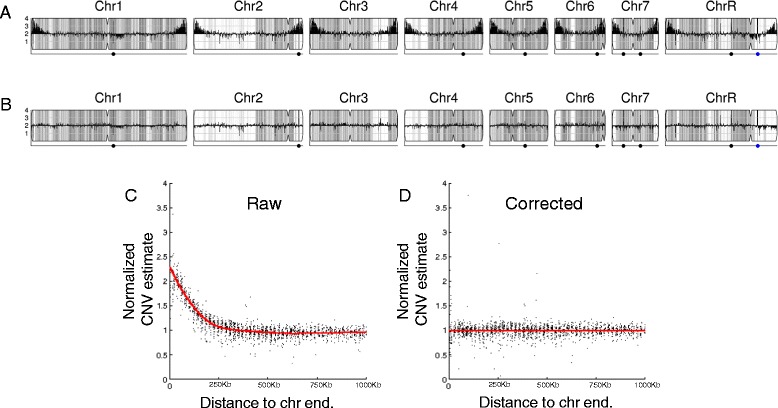
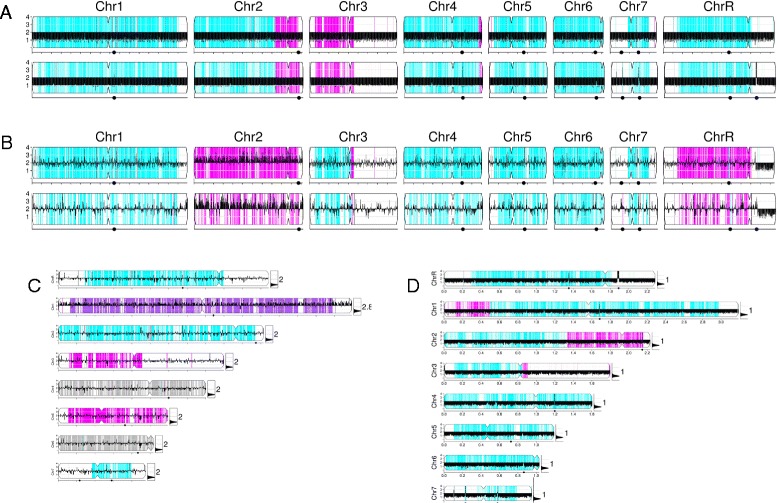
“The chromosome-end bias is normalized using locally weighted scatterplot smoothing (LOWESS) normalization [37] of average read depth versus distance to the nearest chromosome end, for 5,000 bp windows tiled along each chromosome (Figure 2C).”
MethodDatabase resources of the National Center for Biotechnology Information: update
Wheeler, D. L. (2004) · Nucleic Acids Research · doi:10.1093/nar/gkh073 · Cited by 10,641
Integrative Genomics Viewer (IGV): high-performance genomics data visualization and exploration
Thorvaldsdottir, H., Robinson, J. T., & Mesirov, J. P. (2013) · Briefings in Bioinformatics · doi:10.1093/bib/bbs017 · Cited by 9,049 · cited 1×
“One of the most versatile visualization tools, IGV [22,23], can display different types of genomic variants (for example, copy number variation (CNV), SNPs, loss of heterozygosity (LOH), sequence coverage, among others), but visualization is limited to one genomic phenotype at a time, and thus it…”
MethodA survey of cross-validation procedures for model selection
Arlot, S., & Célisse, A. (2010) · LillOA (Université de Lille (University Of Lille)) · Cited by 3,663
A survey of cross-validation procedures for model selection
Arlot, S., & Celisse, A. (2010) · Statistics Surveys · doi:10.1214/09-ss054 · Cited by 3,522 · cited 1×
“The LOWESS fitting is performed with a smoothing window size determined for each dataset as that which produces the least error between the fit and the raw data, using 10-fold cross-validation [38].”
MethodEvolution of pathogenicity and sexual reproduction in eight Candida genomes
Butler, G., Rasmussen, M. D., Lin, M. F., Santos, M. A. S., Sakthikumar, S., Munro, C. A., Rheinbay, E., Grabherr, M., Forche, A., Reedy, J. L., et al. (2009) · Nature · doi:10.1038/nature08064 · Cited by 1,065 · cited 1×
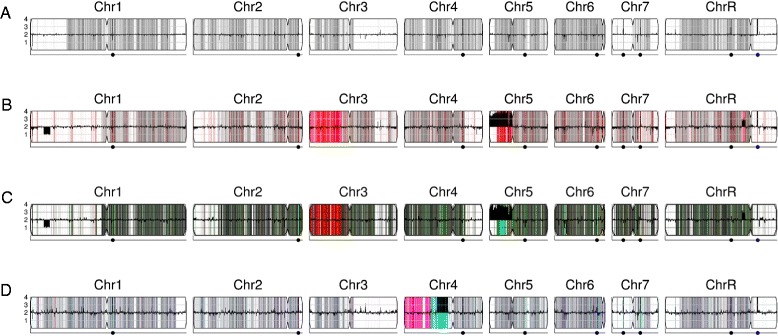
“For example, reference strain SC5314 (Figure 9A) has large LOHs at the telomeres of chromosomes 3, 7, and R and smaller LOHs at the telomeres of chromosomes 2, 3, and 5 (as illustrated in [40]).”
BackgroundSelf-citationAneuploidy and Isochromosome Formation in Drug-Resistant Candida albicans
Selmecki, A., Forche, A., & Berman, J. (2006) · Science · doi:10.1126/science.1128242 · Cited by 733 · cited 2×
“aneuploid chromosomes appear frequently and in some cases specific aneuploidies or genome changes are diagnostic of specific changes, such as the acquisition of drug resistance [1,11].”
BackgroundSelf-citationA survey of tools for variant analysis of next-generation genome sequencing data
Pabinger, S., Dander, A., Fischer, M., Snajder, R., Sperk, M., Efremova, M., Krabichler, B., Speicher, M. R., Zschocke, J., & Trajanoski, Z. (2014) · Briefings in Bioinformatics · doi:10.1093/bib/bbs086 · Cited by 596 · cited 1×
“Many tools identify short-range variations in next-generation sequence datasets (reviewed in [12,13]).”
BackgroundNoble, S. M., & Johnson, A. D. (2005) · Eukaryotic Cell · doi:10.1128/ec.4.2.298-309.2005 · Cited by 592 · cited 1×
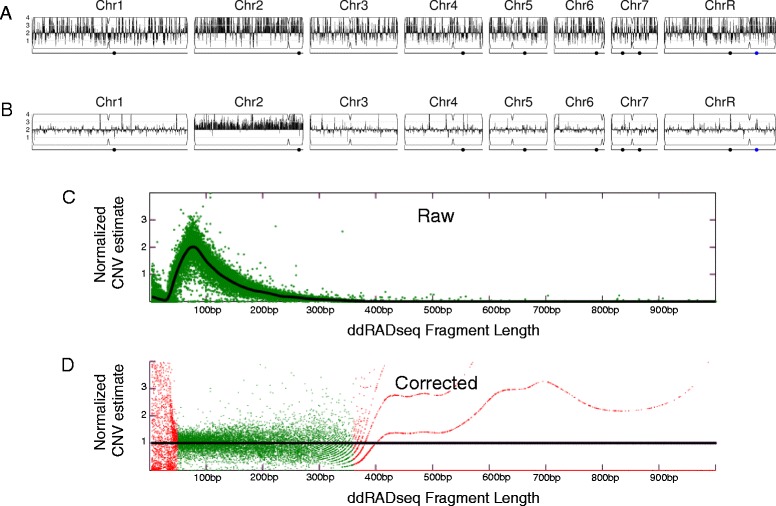
“(C) Average read-depth CNV estimates versus predicted restriction fragment length for strain RBY917 Mata/a -his, -leu, delta gal1::SAT1/GAL1 derived from SNY87 [36].”
BackgroundMiller, M. G., & Johnson, A. D. (2002) · Cell · doi:10.1016/s0092-8674(02)00837-1 · Cited by 568
Kobayashi, T., Heck, D. J., Nomura, M., & Horiuchi, T. (1998) · Genes & Development · doi:10.1101/gad.12.24.3821 · Cited by 388 · cited 9×
“Mapping of small yeast genomes was pioneered in Saccharomyces cerevisiae , which has 16 very small chromosomes (0.2 to 1.5 Mbp), point centromeres spanning only approximately 100 bp and short telomere repeats that span approximately 300 to 400 bp, a single rDNA locus containing approximately 150 tandem repeats, and no…”
BackgroundInfluentialDatabase resources of the National Center for Biotechnology Information
(2014) · Nucleic Acids Research · doi:10.1093/nar/gkt1146 · Cited by 384
Exome sequencing-based copy-number variation and loss of heterozygosity detection: ExomeCNV
Sathirapongsasuti, J. F., Lee, H., Horst, B. A. J., Brunner, G., Cochran, A. J., Binder, S., Quackenbush, J., & Nelson, S. F. (2011) · Bioinformatics · doi:10.1093/bioinformatics/btr462 · Cited by 378
Forche, A., Alby, K., Schaefer, D., Johnson, A. D., Berman, J., & Bennett, R. J. (2008) · PLoS Biology · doi:10.1371/journal.pbio.0060110 · Cited by 338 · cited 1×
“dataset for near-diploid isolate Ss2 [43], showing LOHs and a trisomy”
BackgroundSelf-citationAn isochromosome confers drug resistance in vivo by amplification of two genes, ERG11 and TAC1
Selmecki, A., Gerami‐Nejad, M., Paulson, C., Forche, A., & Berman, J. (2008) · Molecular Microbiology · doi:10.1111/j.1365-2958.2008.06176.x · Cited by 325 · cited 2×
“Comparison with the parental type using the pipeline revealed several large and one small LOH tracts across the series (Figure 10), in addition to the copy number changes that were previously characterized using CGH array analysis [2].”
BackgroundMethodSelf-citationThe ‘obligate diploid’ Candida albicans forms mating-competent haploids
Hickman, M. A., Zeng, G., Forche, A., Hirakawa, M. P., Abbey, D., Harrison, B. D., Wang, Y.-M., Su, C.-H., Bennett, R. J., Wang, Y., et al. (2013) · Nature · doi:10.1038/nature11865 · Cited by 284 · cited 1×
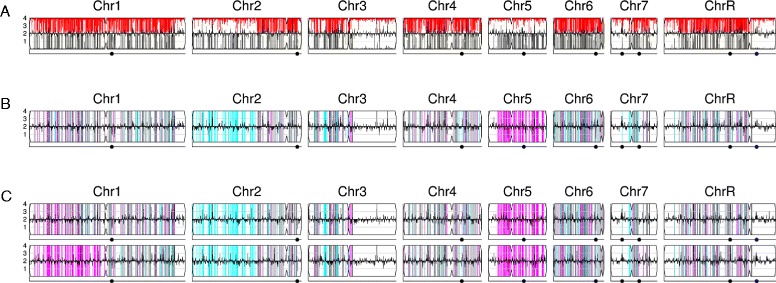
“An important feature of Y MAP is the visualization of hapmaps by comparison with a reference WGseq dataset - for example, for comparison of C. albicans diploid reference strain SC5314 with a haploid strain derived from it (YJB12353 [41]) using SNP/CGH arrays (Figure 8A).”
MethodSelf-citationJanbon, G., Sherman, F., & Rustchenko, E. (1998) · Proceedings of the National Academy of Sciences · doi:10.1073/pnas.95.9.5150 · Cited by 202 · cited 1×
“In C. albicans , as in human cancer cells and some normal human tissues, aneuploid chromosomes appear frequently and in some cases specific aneuploidies or genome changes are diagnostic of specific changes, such as the acquisition of drug resistance [1,11].”
BackgroundStraver, R., Sistermans, E. A., Holstege, H., Visser, A., Oudejans, C. B. M., & Reinders, M. J. T. (2014) · Nucleic Acids Research · doi:10.1093/nar/gkt992 · Cited by 166 · cited 1×
“Most tools that produce a visualization primarily represent one major aspect of a genome: rearrangements (for example, CIRCUS [14], inGAP [15], Gremlin [16]) or large CNVs (WISECONDOR [17], FAST-SeqS [18]).”
BackgroundAssembly of the Candida albicans genome into sixteen supercontigs aligned on the eight chromosomes
van het Hoog, M., Rast, T. J., Martchenko, M., Grindle, S., Dignard, D., Hogues, H., Cuomo, C., Berriman, M., Scherer, S., Magee, B., et al. (2007) · Genome Biology · doi:10.1186/gb-2007-8-4-r52 · Cited by 166 · cited 1×
“…, like higher organisms, has regional, epigenetic centromeres that are relatively small (3 to 5 kbp compared with 0.5 to 10 Mbp in humans) [4,5], telomere repeats that span several hundred base pairs [6] and a set of telomere-adjacent genes ( TLO1 to TLO16 ) found at most chromosome ends [7,8].”
BackgroundInfluentialNeocentromeres Form Efficiently at Multiple Possible Loci in Candida albicans
Ketel, C., Wang, H. S. W., McClellan, M., Bouchonville, K., Selmecki, A., Lahav, T., Gerami-Nejad, M., & Berman, J. (2009) · PLoS Genetics · doi:10.1371/journal.pgen.1000400 · Cited by 164 · cited 1×
“…albicans , like higher organisms, has regional, epigenetic centromeres that are relatively small (3 to 5 kbp compared with 0.5 to 10 Mbp in humans) [4,5], telomere repeats that span several hundred base pairs [6] and a set of telomere-adjacent genes ( TLO1 to TLO16 ) found at most chromosome ends…”
BackgroundInfluentialSelf-citationHaplotype Mapping of a Diploid Non-Meiotic Organism Using Existing and Induced Aneuploidies
Legrand, M., Forche, A., Selmecki, A., Chan, C., Kirkpatrick, D. T., & Berman, J. (2008) · PLoS Genetics · doi:10.1371/journal.pgen.0040001 · Cited by 152 · cited 2×
“For new genomes such as clinical isolates, it visualizes LOH events and, with appropriate homozygosed derivatives, it facilitates the construction of haplotype maps (hapmaps) [24].”
BackgroundSelf-citationMarr, K. A., White, T. C., van Burik, J. H., & Bowden, R. A. (1997) · Clinical Infectious Diseases · doi:10.1086/515553 · Cited by 145 · cited 1×
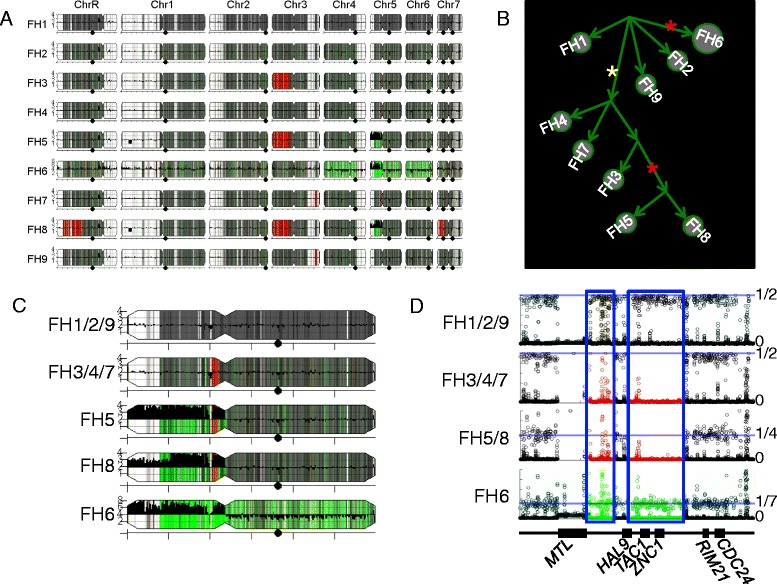
“We demonstrate this ability to visualize alterations in SNP distribution using a series of nine isolates collected sequentially over the course of treatment from a patient who developed invasive candidiasis during bone marrow transplant [45].”
MethodRustchenko, E. P., Curran, T. M., & Sherman, F. (1993) · Journal of Bacteriology · doi:10.1128/jb.175.22.7189-7199.1993 · Cited by 136 · cited 1×
“In addition to the single rDNA locus that includes 25 to 175 tandem repeats, C. albicans chromosomes each carry one or two major repeat sequences composed of nested repeat units that span 50 to 130 kbp [9,10].”
BackgroundGenomic Sequence Diversity and Population Structure of Saccharomyces cerevisiae Assessed by RAD-seq
Cromie, G. A., Hyma, K. E., Ludlow, C. L., Garmendia-Torres, C., Gilbert, T. L., May, P., Huang, A. A., Dudley, A. M., & Fay, J. C. (2013) · G3 Genes|Genomes|Genetics · doi:10.1534/g3.113.007492 · Cited by 133
Muzzey, D., Schwartz, K., Weissman, J. S., & Sherlock, G. (2013) · Genome Biology · doi:10.1186/gb-2013-14-9-r97 · Cited by 126 · cited 1×
“In total, 72,729 (99.48% of the reference total) SNP coordinates were mapped to one of the two homologs (Additional file 9), which is comparable to the 69,688 phased SNPs mapped in [42].”
BackgroundInfluentialAccurate detection of aneuploidies in array CGH and gene expression microarray data
Myers, C. L., Dunham, M. J., Kung, S., & Troyanskaya, O. G. (2004) · Bioinformatics · doi:10.1093/bioinformatics/bth440 · Cited by 124 · cited 1×
“ChARM [19] detects and visualizes copy number changes in micro-array datasets.”
BackgroundSelf-citationArnaud, M. B. (2004) · Nucleic Acids Research · doi:10.1093/nar/gki003 · Cited by 122 · cited 1×
“…of the pipeline to enable output of SNP and CNV data to a GBrowse format that operates on the Stanford genome database and Candida Genome Database [46] for the facile comparison of data-sets with the comprehensive gene annotations available for the C. albicans and other Candida species at the…”
MethodFormation of functional centromeric chromatin is specified epigenetically in Candida albicans
Baum, M., Sanyal, K., Mishra, P. K., Thaler, N., & Carbon, J. (2006) · Proceedings of the National Academy of Sciences · doi:10.1073/pnas.0606958103 · Cited by 94 · cited 1×
“…, like higher organisms, has regional, epigenetic centromeres that are relatively small (3 to 5 kbp compared with 0.5 to 10 Mbp in humans) [4,5], telomere repeats that span several hundred base pairs [6] and a set of telomere-adjacent genes ( TLO1 to TLO16 ) found at most chromosome ends…”
BackgroundInfluentialUnusually large telomeric repeats in the yeast Candida albicans.
McEachern, M. J., & Hicks, J. B. (1993) · Molecular and Cellular Biology · doi:10.1128/mcb.13.1.551 · Cited by 89
inGAP-sv: a novel scheme to identify and visualize structural variation from paired end mapping data
Qi, J., & Zhao, F. (2011) · Nucleic Acids Research · doi:10.1093/nar/gkr506 · Cited by 79 · cited 1×
“Most tools that produce a visualization primarily represent one major aspect of a genome: rearrangements (for example, CIRCUS [14], inGAP [15], Gremlin [16]) or large CNVs (WISECONDOR [17], FAST-SeqS [18]).”
BackgroundComputational and Bioinformatics Frameworks for Next‐Generation Whole Exome and Genome Sequencing
Dolled-Filhart, M. P., Lee, M. A., Ou-Yang, C.-W., Haraksingh, R., & Lin, J. (2013) · The Scientific World JOURNAL · doi:10.1155/2013/730210 · Cited by 76 · cited 1×
“Many tools identify short-range variations in next-generation sequence datasets (reviewed in [12,13]).”
BackgroundThe BioSample Database (BioSD) at the European Bioinformatics Institute
Gostev, M., Faulconbridge, A., Brandizi, M., Fernandez-Banet, J., Sarkans, U., Brāzma, A., & Parkinson, H. (2011) · Nucleic Acids Research · doi:10.1093/nar/gkr937 · Cited by 70 · cited 2×
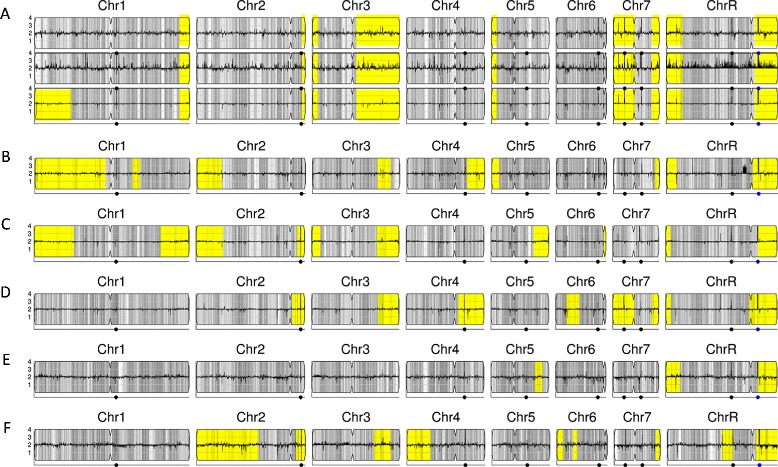
“(E) YL1 (EMBL EBI BioSamples [34], accession SAMEA1879767).”
Kinde, I., Papadopoulos, N., Kinzler, K. W., & Vogelstein, B. (2012) · PLoS ONE · doi:10.1371/journal.pone.0041162 · Cited by 70 · cited 1×
“Most tools that produce a visualization primarily represent one major aspect of a genome: rearrangements (for example, CIRCUS [14], inGAP [15], Gremlin [16]) or large CNVs (WISECONDOR [17], FAST-SeqS [18]).”
BackgroundAbbey, D., Hickman, M., Gresham, D., & Berman, J. (2011) · G3 Genes|Genomes|Genetics · doi:10.1534/g3.111.000885 · Cited by 64
Self-citationNaquin, D., d’Aubenton-Carafa, Y., Thermes, C., & Silvain, M. (2014) · BMC Bioinformatics · doi:10.1186/1471-2105-15-198 · Cited by 53 · cited 1×
“Most tools that produce a visualization primarily represent one major aspect of a genome: rearrangements (for example, CIRCUS [14], inGAP [15], Gremlin [16]) or large CNVs (WISECONDOR [17], FAST-SeqS [18]).”
BackgroundEffect of the Major Repeat Sequence on Chromosome Loss in Candida albicans
Lephart, P. R., Chibana, H., & Magee, P. T. (2005) · Eukaryotic Cell · doi:10.1128/ec.4.4.733-741.2005 · Cited by 46 · cited 1×
“In addition to the single rDNA locus that includes 25 to 175 tandem repeats, C. albicans chromosomes each carry one or two major repeat sequences composed of nested repeat units that span 50 to 130 kbp [9,10].”
BackgroundAnderson, M. Z., Baller, J. A., Dulmage, K., Wigen, L., & Berman, J. (2012) · Eukaryotic Cell · doi:10.1128/ec.00230-12 · Cited by 38 · cited 1×
“…, like higher organisms, has regional, epigenetic centromeres that are relatively small (3 to 5 kbp compared with 0.5 to 10 Mbp in humans) [4,5], telomere repeats that span several hundred base pairs [6] and a set of telomere-adjacent genes ( TLO1 to TLO16 ) found at most chromosome ends [7,8].”
BackgroundInfluentialSelf-citationGremlin: An Interactive Visualization Model for Analyzing Genomic Rearrangements
O'Brien, T. M., Ritz, A., Raphael, B. J., & Laidlaw, D. H. (2010) · IEEE Transactions on Visualization and Computer Graphics · doi:10.1109/tvcg.2010.163 · Cited by 29
Piazza, R., Magistroni, V., Pirola, A., Redaelli, S., Spinelli, R., Redaelli, S., Galbiati, M., Valletta, S., Giudici, G., Cazzaniga, G., et al. (2013) · PLoS ONE · doi:10.1371/journal.pone.0074825 · Cited by 27 · cited 1×
“CEQer [20] and ExomeCNV [21] process and visualize copy number changes in exome-only sequence data.”
Transmission of P32-Labeled Candida Albicans to Newborn Mice at Birth
Kozinn, P. J. (1960) · Archives of Pediatrics and Adolescent Medicine · doi:10.1001/archpedi.1960.02070030033006 · Cited by 13 · cited 1×
“In general, most human individuals are thought to be colonized with a single strain of C. albicans that they acquired from their mothers [44].”
Background
Cited by
Wang, Y., Guo, J., Ni, G., Yang, J., Visscher, P. M., & Yengo, L. (2020) · Nature Communications · doi:10.1038/s41467-020-17719-y · Cited by 271
Rosenberg, A., Ene, I. V., Bibi, M., Zakin, S., Segal, E. S., Ziv, N., Dahan, A. M., Colombo, A. L., Bennett, R. J., & Berman, J. (2018) · Nature Communications · doi:10.1038/s41467-018-04926-x · Cited by 270
Self-citationExperimental evolution of a fungal pathogen into a gut symbiont
Tso, G. H. W., Reales-Calderon, J. A., Tan, A. S. M., Sem, X., Le, G. T. T., Tan, T. G., Lai, G. C., Srinivasan, K. G., Yurieva, M., Liao, W., et al. (2018) · Science · doi:10.1126/science.aat0537 · Cited by 248
Ingle, D. J., Valcanis, M., Kuzevski, A., Tauschek, M., Inouye, M., Stinear, T., Levine, M. M., Robins-Browne, R. M., & Holt, K. E. (2016) · Microbial Genomics · doi:10.1099/mgen.0.000064 · Cited by 226
Dynamic ploidy changes drive fluconazole resistance in human cryptococcal meningitis
Stone, N. R. H., Rhodes, J., Fisher, M. C., Mfinanga, S., Kivuyo, S., Rugemalila, J., Segal, E. S., Needleman, L., Molloy, S. F., Kwon-Chung, J., et al. (2019) · Journal of Clinical Investigation · doi:10.1172/jci124516 · Cited by 167
“figures were generated using the YMAP analysis pipeline (58).”
MethodSelf-citation
Metadata
- Authors
- Abbey, D. A., Funt, J., Lurie-Weinberger, M. N., Thompson, D. A., Regev, A., Myers, C. L., & Berman, J.
- Affiliations
- University of Minnesota (US)
- Broad Institute (US)
- Tel Aviv University (IL)
- ORCID
- Venue
- Genome Medicine
- Published
- 2014-11-20
- Volume
- 6
- Issue
- 11
- Pages
- 100-100
- ISSN
- 1756-994X (ISSN-L)
- PMC
- PMC4263066
- OpenAlex
- W2132284327
- Cited by
- 147
- References
- 45
- Citations by year
- 2026: 5 · 2025: 17 · 2024: 25 · 2023: 19 · 2022: 18 · 2021: 16 · 2020: 12 · 2019: 14 · 2018: 6 · 2017: 8 · 2016: 3 · 2015: 4
- FWCI
- 2.04
- Type
- journal article
- Language
- en
- Open access
- gold
- doi.org
- Licence
- creativecommons.org/licenses/by/4.0 (tdm)
- creativecommons.org/licenses/by/4.0 (vor)
- Locations
- Genome Medicine (publishedVersion)
- Genome Medicine (publishedVersion, cc-by)
- PubMed Central (publishedVersion, cc-by)
- PubMed (publishedVersion)
- Funders
- National Science Foundation (0953881, FP7/2007-2013, T32GM007287)
- Howard Hughes Medical Institute (T32GM007287)
- Burroughs Wellcome Fund
- University of Minnesota
- Canadian Institute for Advanced Research
- Broad Institute
- European Commission (303635, 2007–2013, FP7 2007-2013, FP7/2007)
- National Institutes of Health (FP7/2007-2013, 5r01ca119176-10)
- National Cancer Institute (R01-CA119176)
- National Institute of General Medical Sciences (T32GM007287)
- National Institute of Allergy and Infectious Diseases
- FP7 Ideas: European Research Council (340087)
- Topics
- Life Sciences › Biochemistry, Genetics and Molecular Biology › Molecular Biology › Fungal and yeast genetics research
- Life Sciences › Biochemistry, Genetics and Molecular Biology › Genetics › Genomic variations and chromosomal abnormalities
- Life Sciences › Biochemistry, Genetics and Molecular Biology › Molecular Biology › Genomics and Phylogenetic Studies
- Keywords
- copy number variation, loss of heterozygosity, Candida albicans, eukaryotic pathogens, genome visualization, single nucleotide polymorphisms, restriction site-associated DNA sequencing, microarray data analysis, antimicrobial therapy, fungal genomics
About these checks
Registry, retraction, Cites and statistics results are computed, not judged, with one exception: a printed reference that no index lists is read once by a model before it counts as a citation error. Claims are extracted by a model and kept only when their quote appears verbatim in the text; each cited source is then checked, with a model’s help, for whether it says what the claim relies on. Those verdicts can be wrong — read the claim’s quote and the cited source before relying on one.
Statistics and arithmetic are recomputed, not judged.
Confidence bands are shown only for fields calibrated on our annotated test set. None is calibrated yet, so no band is shown.
What counts as a claim ›How we measure confidence ›How we check this ›
Are you an author, or do you see a problem with this page? Request a review
Data sources
Bibliographic data: Semantic Scholar, OpenAlex, Crossref.
Contains information from the Semantic Scholar Academic Graph Datasets, made available under the ODC Attribution License (ODC-BY 1.0).
Semantic Scholar’s data is described in: Kinney, R., et al. (2023). The Semantic Scholar Open Data Platform. arXiv:2301.10140.
