

YMAP: a pipeline for visualization of copy number variation and loss of heterozygosity in eukaryotic pathogens
Open accessThe DOI matches its Crossref record; 44 of the 45 references it cites were found in a registry or an index.
Abstract
The design of effective antimicrobial therapies for serious eukaryotic pathogens requires a clear understanding of their highly variable genomes. To facilitate analysis of copy number variations, single nucleotide polymorphisms and loss of heterozygosity events in these pathogens, we developed a pipeline for analyzing diverse genome-scale datasets from microarray, deep sequencing, and restriction site associated DNA sequence experiments for clinical and laboratory strains of Candida albicans, the most prevalent human fungal pathogen. The Y MAP pipeline (http://lovelace.cs.umn.edu/Ymap/) automatically illustrates genome-wide information in a single intuitive figure and is readily modified for the analysis of other pathogens with small genomes.
Overview
The claims and statistics of this paper haven’t been checked yet.
Free: it reads the open-access text and checks the first 5 claims that cite a source we can check. Create a free account to check every claim.
Integrity signals
Registry
Cites
Statistics
Figures
Verification
Claims the paper makes
The claims and statistics of this paper haven’t been checked yet.
Free: it reads the open-access text and checks the first 5 claims that cite a source we can check. Create a free account to check every claim.
Claims other papers make about this one
Each is checked against this paper’s own text: does it say what the citing paper says it does?
The check wasn’t confident either way, so it gives no verdict — never disputed.
In the citing paper
“It is therefore unlikely that aneuploidy represents the main mechanism underlying tolerance.”
From Antifungal tolerance is a subpopulation effect distinct from resistance and is associated with persistent candidemia (2018) · cites this paper as [64]
Experimental — accuracy not yet measured
Self-check
Percentages, sums and reported differences re-computed from the paper’s own numbers.
The self-check needs the paper’s full text.
Citations
Cites
The Sequence Alignment/Map format and SAMtools
Li, H., Handsaker, B., Wysoker, A., Fennell, T., Ruan, J., Homer, N., Marth, G., Abecasis, G., Durbin, R., & 1000 Genome Project Data Processing Subgroup (2009) · Bioinformatics · doi:10.1093/bioinformatics/btp352 · Cited by 62,041 · cited 1×
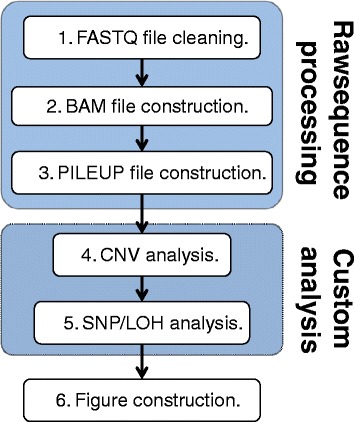
“SAMtools [30] is used to compress this into a BAM file.”
MethodFast gapped-read alignment with Bowtie 2
Langmead, B., & Salzberg, S. L. (2012) · Nature Methods · doi:10.1038/nmeth.1923 · Cited by 56,400 · cited 1×
“The single-or paired-end reads are aligned to one of the installed reference genomes using Bowtie2 with SAM output mode set to ‘ very sensitive ’ [29], resulting in a Sequence Alignment/ Mapping (SAM) file.”
MethodThe Genome Analysis Toolkit: A MapReduce framework for analyzing next-generation DNA sequencing data
McKenna, A., Hanna, M., Banks, E., Sivachenko, A., Cibulskis, K., Kernytsky, A., Garimella, K., Altshuler, D., Gabriel, S., Daly, M., et al. (2010) · Genome Research · doi:10.1101/gr.107524.110 · Cited by 27,895 · cited 1×
“…identify the quality coding system used in the input FASTQ files, as a prelude to defining the input parameters for processing by the Genome Analysis ToolKit (GATK) [33], which performs indel-realignment of the BAM files, removing spurious apparent SNPs around true indels in the primary alignment.”
MethodRobinson, J. T., Thorvaldsdóttir, H., Winckler, W., Guttman, M., Lander, E. S., Getz, G., & Mesirov, J. P. (2011) · Nature Biotechnology · doi:10.1038/nbt.1754 · Cited by 15,390 · cited 1×
“One of the most versatile visualization tools, IGV [22,23], can display different types of genomic variants (for example, copy number variation (CNV), SNPs, loss of heterozygosity (LOH), sequence coverage, among others), but visualization is limited to one genomic phenotype at a time, and thus it…”
MethodRobust Locally Weighted Regression and Smoothing Scatterplots
Cleveland, W. S. (1979) · Journal of the American Statistical Association · doi:10.1080/01621459.1979.10481038 · Cited by 11,594 · cited 1×
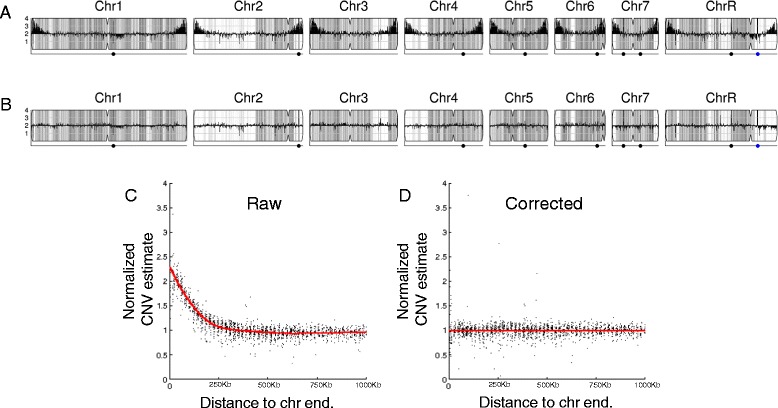
“The chromosome-end bias is normalized using locally weighted scatterplot smoothing (LOWESS) normalization [37] of average read depth versus distance to the nearest chromosome end, for 5,000 bp windows tiled along each chromosome (Figure 2C).”
MethodDatabase resources of the National Center for Biotechnology Information: update
Wheeler, D. L. (2004) · Nucleic Acids Research · doi:10.1093/nar/gkh073 · Cited by 10,641
Integrative Genomics Viewer (IGV): high-performance genomics data visualization and exploration
Thorvaldsdottir, H., Robinson, J. T., & Mesirov, J. P. (2013) · Briefings in Bioinformatics · doi:10.1093/bib/bbs017 · Cited by 9,049 · cited 1×
“One of the most versatile visualization tools, IGV [22,23], can display different types of genomic variants (for example, copy number variation (CNV), SNPs, loss of heterozygosity (LOH), sequence coverage, among others), but visualization is limited to one genomic phenotype at a time, and thus it…”
MethodA survey of cross-validation procedures for model selection
Arlot, S., & Célisse, A. (2010) · LillOA (Université de Lille (University Of Lille)) · Cited by 3,662
A survey of cross-validation procedures for model selection
Arlot, S., & Celisse, A. (2010) · Statistics Surveys · doi:10.1214/09-ss054 · Cited by 3,522 · cited 1×
“The LOWESS fitting is performed with a smoothing window size determined for each dataset as that which produces the least error between the fit and the raw data, using 10-fold cross-validation [38].”
MethodEvolution of pathogenicity and sexual reproduction in eight Candida genomes
Butler, G., Rasmussen, M. D., Lin, M. F., Santos, M. A. S., Sakthikumar, S., Munro, C. A., Rheinbay, E., Grabherr, M., Forche, A., Reedy, J. L., et al. (2009) · Nature · doi:10.1038/nature08064 · Cited by 1,065 · cited 1×
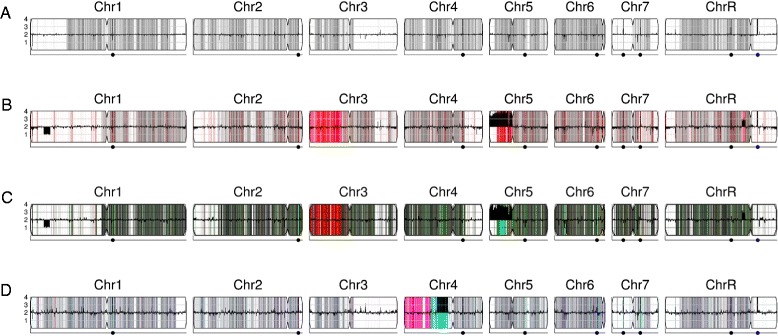
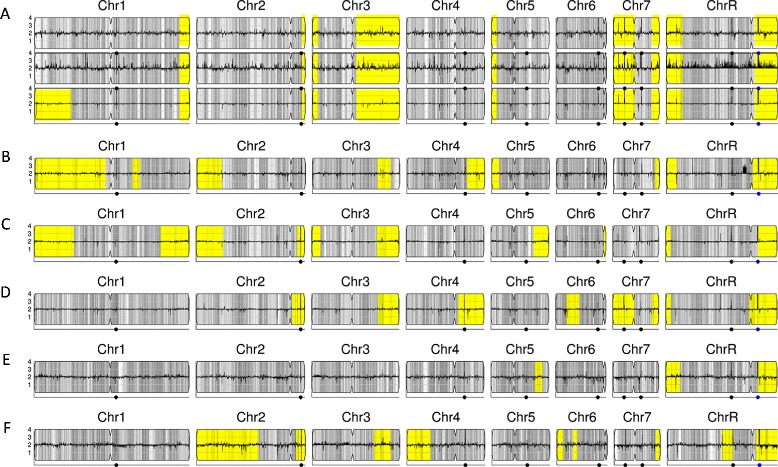
“For example, reference strain SC5314 (Figure 9A) has large LOHs at the telomeres of chromosomes 3, 7, and R and smaller LOHs at the telomeres of chromosomes 2, 3, and 5 (as illustrated in [40]).”
BackgroundSelf-citation
Cited by
Wang, Y., Guo, J., Ni, G., Yang, J., Visscher, P. M., & Yengo, L. (2020) · Nature Communications · doi:10.1038/s41467-020-17719-y · Cited by 271
Rosenberg, A., Ene, I. V., Bibi, M., Zakin, S., Segal, E. S., Ziv, N., Dahan, A. M., Colombo, A. L., Bennett, R. J., & Berman, J. (2018) · Nature Communications · doi:10.1038/s41467-018-04926-x · Cited by 270
Self-citationExperimental evolution of a fungal pathogen into a gut symbiont
Tso, G. H. W., Reales-Calderon, J. A., Tan, A. S. M., Sem, X., Le, G. T. T., Tan, T. G., Lai, G. C., Srinivasan, K. G., Yurieva, M., Liao, W., et al. (2018) · Science · doi:10.1126/science.aat0537 · Cited by 248
Ingle, D. J., Valcanis, M., Kuzevski, A., Tauschek, M., Inouye, M., Stinear, T., Levine, M. M., Robins-Browne, R. M., & Holt, K. E. (2016) · Microbial Genomics · doi:10.1099/mgen.0.000064 · Cited by 226
Dynamic ploidy changes drive fluconazole resistance in human cryptococcal meningitis
Stone, N. R. H., Rhodes, J., Fisher, M. C., Mfinanga, S., Kivuyo, S., Rugemalila, J., Segal, E. S., Needleman, L., Molloy, S. F., Kwon-Chung, J., et al. (2019) · Journal of Clinical Investigation · doi:10.1172/jci124516 · Cited by 167
“figures were generated using the YMAP analysis pipeline (58).”
MethodSelf-citationPolyploid titan cells produce haploid and aneuploid progeny to promote stress adaptation
Gerstein, A. C., Fu, M. S., Mukaremera, L., Li, Z., Ormerod, K. L., Fraser, J. A., Berman, J., & Nielsen, K. (2015) · mBio · doi:10.1128/mbio.01340-15 · Cited by 167
“Polyploid individuals have been sampled in natural isolates of Saccharomyces cerevisiae (13), among clinical isolates of Candida albicans (14), and even within nuclei that share a cytoplasm in Ashbya gossypii (15).”
BackgroundSelf-citationExpandable and reversible copy number amplification drives rapid adaptation to antifungal drugs
Todd, R. T., & Selmecki, A. (2020) · eLife · doi:10.7554/elife.58349 · Cited by 138
Ploidy Variation in Fungi: Polyploidy, Aneuploidy, and Genome Evolution
Todd, R. T., Forche, A., & Selmecki, A. (2017) · Microbiology Spectrum · doi:10.1128/microbiolspec.funk-0051-2016 · Cited by 121
“Though it was previously considered an obligate diploid organism (44, 45), alternative ploidy states have been described including haploid, triploid, and tetraploid cells (10, 15, 46 – 48).”
Ingle, D. J., Levine, M. M., Kotloff, K. L., Holt, K. E., & Robins-Browne, R. M. (2018) · Nature Microbiology · doi:10.1038/s41564-018-0217-4 · Cited by 128
Genome plasticity in Candida albicans is driven by long repeat sequences
Todd, R. T., Wikoff, T. D., Forche, A., & Selmecki, A. (2019) · eLife · doi:10.7554/elife.45954 · Cited by 118
Hickman, M. A., Paulson, C., Dudley, A., & Berman, J. (2015) · Genetics · doi:10.1534/genetics.115.178020 · Cited by 113
“Abbey, D. A., J. Funt, M. N. Lurie-Weinberger, D. A. Thompson, A. Regev et al., 2014 YMAP: a pipeline for visualization of copy number variation and loss of heterozygosity in eukaryotic pathogens.”
MethodInfluentialSelf-citationMacAlpine, J., Daniel-Ivad, M., Liu, Z., Yano, J., Revie, N. M., Todd, R. T., Stogios, P. J., Sanchez, H., O’Meara, T. R., Tompkins, T. A., et al. (2021) · Nature Communications · doi:10.1038/s41467-021-26390-w · Cited by 110
“Copy number variation of each sequenced strain was visualized using Y MAP (version 1.0) 63 .”
InfluentialAneuploidy Enables Cross-Adaptation to Unrelated Drugs
Yang, F., Teoh, F., Tan, A. S. M., Cao, Y., Pavelka, N., & Berman, J. (2019) · Molecular Biology and Evolution · doi:10.1093/molbev/msz104 · Cited by 101
“YMAP analysis also confirmed that a HU survivor (YFT1), previously shown to carry increased DNA content (fig.”
MethodSelf-citationIngle, D. J., Nair, S., Hartman, H. B., Ashton, P., Dyson, Z. A., Day, M. R., Freedman, J., Chattaway, M. A., Holt, K. E., & Dallman, T. J. (2019) · PLoS neglected tropical diseases · doi:10.1371/journal.pntd.0007620 · Cited by 90
Burrack, L. S., Todd, R. T., Soisangwan, N., Wiederhold, N. P., & Selmecki, A. (2022) · mBio · doi:10.1128/mbio.00842-22 · Cited by 82
“To further examine CNVs, we performed Illumina WGS and mapped read depth using YMAP.”
MethodInfluentialYang, F., Zhang, L., Wakabayashi, H., Myers, J., Jiang, Y., Cao, Y., Jimenez-Ortigosa, C., Perlin, D. S., & Rustchenko, E. (2017) · Antimicrobial Agents and Chemotherapy · doi:10.1128/aac.00071-17 · Cited by 81
“DNA-seq data were analyzed with YMAP pipeline (29).”
MethodFridman, H., Yntema, H. G., Mägi, R., Andreson, R., Metspalu, A., Mezzavilla, M., Tyler‐Smith, C., Xue, Y., Carmi, S., Levy‐Lahad, E., et al. (2021) · The American Journal of Human Genetics · doi:10.1016/j.ajhg.2021.03.004 · Cited by 89
Carey, M. E., Jain, R., Yousuf, M. A., Maes, M., Dyson, Z. A., Thu, T. N. H., Nguyen, T. N. T., Dan, T. H. N., Nguyen, Q. N. P., Mahindroo, J., et al. (2021) · Clinical Infectious Diseases · doi:10.1093/cid/ciaa1773 · Cited by 96
The fitness costs and benefits of trisomy of each Candida albicans chromosome
Yang, F., Todd, R. T., Selmecki, A., Jiang, Y.-Y., Cao, Y.-B., & Berman, J. (2021) · Genetics · doi:10.1093/genetics/iyab056 · Cited by 72
Self-citationPandey, G. S., Pandey, O. P., Rogers, A. J., Ahsen, M. E., Hoffman, G. E., Raby, B. A., Weiss, S. T., Schadt, E. E., & Bunyavanich, S. (2018) · Scientific Reports · doi:10.1038/s41598-018-27189-4 · Cited by 76
Ploidy dynamics and evolvability in fungi
Wertheimer, N. B., Stone, N., & Berman, J. (2016) · Philosophical Transactions of the Royal Society B: Biological Sciences · doi:10.1098/rstb.2015.0461 · Cited by 65
Self-citationYang, F., Scopel, E. F. C., Li, H., Sun, L.-L., Kawar, N., Cao, Y.-B., Jiang, Y.-Y., & Berman, J. (2023) · mBio · doi:10.1128/mbio.00227-23 · Cited by 62
“The karyotypes were visualized by using Ymap (C).”
MethodInfluentialSelf-citationTunicamycin Potentiates Antifungal Drug Tolerance via Aneuploidy in Candida albicans
Yang, F., Gritsenko, V., Slor Futterman, Y., Gao, L., Zhen, C., Lu, H., Jiang, Y.-Y., & Berman, J. (2021) · mBio · doi:10.1128/mbio.02272-21 · Cited by 59
“All the tolerant (n = 62) adaptors obtained from the 3 approaches were sequenced and analyzed by Ymap to detect ploidy and allele specificity (25) (Fig.”
MethodSelf-citationA ‘parameiosis’ drives depolyploidization and homologous recombination in Candida albicans
Anderson, M. Z., Thomson, G. J., Hirakawa, M. P., & Bennett, R. J. (2019) · Nature Communications · doi:10.1038/s41467-019-12376-2 · Cited by 81
Forche, A., Solis, N. V., Swidergall, M., Thomas, R., Guyer, A., Beach, A., Cromie, G. A., Le, G. T., Lowell, E., Pavelka, N., et al. (2019) · PLOS Genetics · doi:10.1371/journal.pgen.1008137 · Cited by 54
“Copy number and allele status was visualized using YMAP (Abbey et al. 2014).”
MethodSelf-citationAntifungal Drug Concentration Impacts the Spectrum of Adaptive Mutations in Candida albicans
Todd, R. T., Soisangwan, N., Peters, S., Kemp, B., Crooks, T., Gerstein, A., & Selmecki, A. (2023) · Molecular Biology and Evolution · doi:10.1093/molbev/msad009 · Cited by 53
“0) (Abbey et al. 2014).”
Rybak, J. M., Dickens, C. M., Parker, J. E., Caudle, K. E., Manigaba, K., Whaley, S. G., Nishimoto, A. T., Luna-Tapia, A., Roy, S., Zhang, Q., et al. (2017) · Antimicrobial Agents and Chemotherapy · doi:10.1128/aac.00651-17 · Cited by 53
“edu/Ymap) was used to identify chromosomal copy number variation (CNV) and loss of heterozygosity (LOH) between isolate 1 and isolate 2 (16).”
MethodWeil, T., Santamaría, R., Lee, W., Rung, J., Tocci, N., Abbey, D., Bezerra, A. R., Carreto, L., Moura, G. R., Bayés, M., et al. (2017) · mSphere · doi:10.1128/msphere.00167-17 · Cited by 52
“After YMAP processed the data, it produced cartoon figures displaying copy number and allelic ratio changes across the genome for each clone.”
MethodSelf-citationPRODIGY: personalized prioritization of driver genes
Dinstag, G., & Shamir, R. (2019) · Bioinformatics · doi:10.1093/bioinformatics/btz815 · Cited by 66
Within-Host Genomic Diversity of Candida albicans in Healthy Carriers
Sitterlé, E., Maufrais, C., Sertour, N., Palayret, M., d’Enfert, C., & Bougnoux, M.-E. (2019) · Scientific Reports · doi:10.1038/s41598-019-38768-4 · Cited by 51
Yang, F., Gritsenko, V., Lu, H., Zhen, C., Gao, L., Berman, J., & Jiang, Y.-Y. (2021) · Microbiology Spectrum · doi:10.1128/spectrum.00723-21 · Cited by 49
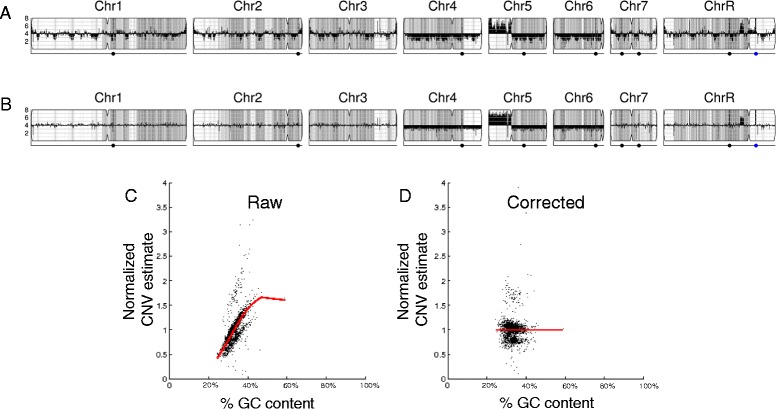
“Chromosome end bias and GC content bias were corrected by YMAP as described in reference 20.”
MethodSelf-citationGerstein, A. C., Lim, H., Berman, J., & Hickman, M. A. (2017) · Evolution · doi:10.1111/evo.13205 · Cited by 46
Self-citationMba, I. E., Nweze, E. I., Eze, E. A., & Anyaegbunam, Z. K. G. (2022) · Infection, Genetics and Evolution · doi:10.1016/j.meegid.2022.105256 · Cited by 46
Loss of Heterozygosity and Its Importance in Evolution
Heil, C. S. (2023) · Journal of Molecular Evolution · doi:10.1007/s00239-022-10088-8 · Cited by 57
“Similarly to intraspecific hybrid LOH, programs Y MAP and CONTROL-FREEC are common choices for copy number variant analysis (Abbey et al. 2014; Boeva et al. 2012), and sppIDer can also assess hybrid LOH (Langdon et al. 2018).”
Shift and adapt: the costs and benefits of karyotype variations
Gerstein, A. C., & Berman, J. G. (2015) · Current Opinion in Microbiology · doi:10.1016/j.mib.2015.06.010 · Cited by 47
Self-citationThe population genetics of ploidy change in unicellular fungi
Gerstein, A. C., & Sharp, N. P. (2021) · FEMS Microbiology Reviews · doi:10.1093/femsre/fuab006 · Cited by 41
Mount, H. O., Revie, N. M., Todd, R. T., Anstett, K., Collins, C., Costanzo, M., Boone, C., Robbins, N., Selmecki, A., & Cowen, L. E. (2018) · PLOS Genetics · doi:10.1371/journal.pgen.1007319 · Cited by 34
Enhanced Efflux Pump Expression in Candida Mutants Results in Decreased Manogepix Susceptibility
Liston, S. D., Whitesell, L., Kapoor, M., Shaw, K. J., & Cowen, L. E. (2020) · Antimicrobial Agents and Chemotherapy · doi:10.1128/aac.00261-20 · Cited by 39
“Loss of heterozygosity or aneuploidy was not detected by the Yeast Mapping Analysis Pipeline (34) and CNV-seq (35).”
Feri, A., Loll-Krippleber, R., Commere, P.-H., Maufrais, C., Sertour, N., Schwartz, K., Sherlock, G., Bougnoux, M.-E., d’Enfert, C., & Legrand, M. (2016) · mBio · doi:10.1128/mbio.01109-16 · Cited by 39
“(94).”
Narayanan, A., Kumar, P., Chauhan, A., Kumar, M., Yadav, K., Banerjee, A., Sharma, R. D., Rudramurthy, S. M., Chakrabarti, A., Sanyal, K., et al. (2022) · mBio · doi:10.1128/mbio.03052-22 · Cited by 35
“GCA_003013715) using YMAP (http:// lovelace.cs.umn.edu/Ymap/) that detected two segmental duplications as distinct peaks, one each in F1.”
MethodKukurudz, R. J., Chapel, M., Wonitowy, Q., Adamu Bukari, A.-R., Sidney, B., Sierhuis, R., & Gerstein, A. C. (2022) · G3 · doi:10.1093/g3journal/jkac156 · Cited by 35
PerSVade: personalized structural variant detection in any species of interest
Schikora-Tamarit, M. À., & Gabaldón, T. (2022) · Genome Biology · doi:10.1186/s13059-022-02737-4 · Cited by 35
“A straightforward implementation of this concept to find CNVs is challenging because many genomic features drive variability in read depth independently of CNV [55, 56].”
BackgroundMethodA synthetic peptide mimic kills Candida albicans and synergistically prevents infection
Schaefer, S., Vij, R., Sprague, J. L., Austermeier, S., Dinh, H., Judzewitsch, P. R., Müller‐Loennies, S., Silva, T. L., Seemann, E. A., Qualmann, B., et al. (2024) · Nature Communications · doi:10.1038/s41467-024-50491-x · Cited by 45
“Changes in ploidy, loss of heterozygosity and copy number variation were determined by YMAP 103 .”
McTaggart, L. R., Cabrera, A. L., Cronin, K. I., & Kus, J. V. (2020) · Antimicrobial Agents and Chemotherapy · doi:10.1128/aac.00402-20 · Cited by 39
“While the exact chromosomal configuration was not determined, YMAP analysis suggested that the entire supercontig 3.8 was duplicated, progressing from diploid to a September 2020 Volume 64 Issue 9 e00402-20 aac.asm.org 13 ploidy of 4, with a partial section located on the left side progressing to a ploidy of 6, possib…”
MethodInfluentialDiversity, functional classification and genotyping of SHV β-lactamases in Klebsiella pneumoniae
Tsang, K. K., Lam, M. M. C., Wick, R. R., Wyres, K. L., Bachman, M. A., Baker, S. G., Barry, K., Brisse, S., Campino, S. G., Chiaverini, A., et al. (2024) · Microbial Genomics · doi:10.1099/mgen.0.001294 · Cited by 46
Using genomics to understand the mechanisms of virulence and drug resistance in fungal pathogens
Schikora-Tamarit, M. À., & Gabaldón, T. (2022) · Biochemical Society Transactions · doi:10.1042/bst20211123 · Cited by 35
Avramovska, O., & Hickman, M. A. (2019) · G3 Genes Genomes Genetics · doi:10.1534/g3.119.400752 · Cited by 29
Smith, A. C., & Hickman, M. A. (2020) · mSphere · doi:10.1128/msphere.00433-20 · Cited by 25
“We used three tetraploid strains: the laboratory tetraploid strain, a mating product between two laboratory diploids (21); a bloodstream clinical tetraploid recovered from a marrow transplant patient (27, 28); and a vaginal clinical strain recovered from a vaginal infection (24).”
Aneuploidy Underlies Tolerance and Cross-Tolerance to Drugs in Candida parapsilosis
Yang, F., Lu, H., Wu, H., Fang, T., Berman, J., & Jiang, Y.-Y. (2021) · Microbiology Spectrum · doi:10.1128/spectrum.00508-21 · Cited by 27
Self-citationLoss of Heterozygosity Spectrum Depends on Ploidy Level in Natural Yeast Populations
Dutta, A., Dutreux, F., & Schacherer, J. (2022) · Molecular Biology and Evolution · doi:10.1093/molbev/msac214 · Cited by 31
“Additionally, polyploids have been detected in other yeast species (e.g., C. neoformans and C. albicans) and LOH events are widespread, spanning up to 20% of their genome (Feldmesser et al. 2000; Selmecki et al. 2010; Abbey et al. 2014; Smith and Hickman 2020; Mba et al. 2022).”
BackgroundMcHugh, M. P., Parcell, B. J., Pettigrew, K. A., Toner, G., Khatamzas, E., Sakka, N. E., Kärcher, A. M., Walker, J., Weir, R., Meunier, D., et al. (2022) · Microbiology · doi:10.1099/mic.0.001137 · Cited by 26
Zhou, X., Hilk, A. L., Solis, N. V., Scott, N. E., Beach, A., Soisangwan, N., Billings, C. L., Burrack, L. S., Filler, S. G., & Selmecki, A. M. (2024) · Nature Microbiology · doi:10.1038/s41564-024-01795-7 · Cited by 24
“Approximate LOH boundaries were identified from YMAP GBrowse allele ratio tracks and confirmed by visual inspection in IGV (IGV v.2.8.2) 78 .”
InfluentialPathway centric analysis for single-cell RNA-seq and spatial transcriptomics data with GSDensity
Liang, Q., Huang, Y., He, S., & Chen, K. (2023) · Nature Communications · doi:10.1038/s41467-023-44206-x · Cited by 28
Futile wound healing drives mesenchymal-like cell phenotypes in human glioblastomaPreprint
Albiach, A. M., Janusauskas, J., Jacobsen, J. K., Kapustová, I., Karamzadeh, R., Kvedaraite, E., Hu, L., Franck, M. C. M., Mannens, C. C. A., Codeluppi, S., et al. (2023) · bioRxiv (Cold Spring Harbor Laboratory) · doi:10.1101/2023.09.01.555882 · Cited by 23
The role of gene copy number variation in antimicrobial resistance in human fungal pathogens
Jay, A., Jordan, D., Gerstein, A. C., & Landry, C. R. (2025) · npj Antimicrobials and Resistance · doi:10.1038/s44259-024-00072-1 · Cited by 31
Cholet, F., Lisik, A., Agogué, H., Ijaz, U. Z., Pineau, P., Lachaussée, N., & Smith, C. J. (2022) · mSphere · doi:10.1128/msphere.00324-22 · Cited by 27
Ploidy Variation in Fungi: Polyploidy, Aneuploidy, and Genome Evolution
Todd, R. T., Forche, A., & Selmecki, A. M. (2017) · ASM Press eBooks · doi:10.1128/9781555819583.ch28 · Cited by 24
Aneuploidy enables cross-tolerance to unrelated antifungal drugs in Candida parapsilosis
Sun, L.-L., Li, H., Yan, T., Cao, Y., Jiang, Y., & Yang, F. J. (2023) · Frontiers in Microbiology · doi:10.3389/fmicb.2023.1137083 · Cited by 25
“Chromosome end bias and GC content bias were corrected by YMAP (Abbey et al., 2014).”
MethodInfluentialZande, P. V., Gautier, C., Kawar, N., Maufrais, C., Metzner, K., Wash, E., Beach, A. K., Bracken, R., Maciel, E. I., de Sá, N. P., et al. (2024) · PLoS Pathogens · doi:10.1371/journal.ppat.1012497 · Cited by 23
Self-citationMin, K., Jannace, T. F., Si, H., Veeramah, K. R., Haley, J. D., & Konopka, J. B. (2021) · PLoS Pathogens · doi:10.1371/journal.ppat.1009861 · Cited by 24
“Copy number estimates scaled to genome ploidy (Y-axis) and chromosome location (X-axis) were plotted using YMAP [89].”
MethodAneuploidy Mediates Rapid Adaptation to a Subinhibitory Amount of Fluconazole in Candida albicans
Sun, L.-L., Li, H., Yan, T.-H., Fang, T., Wu, H., Cao, Y.-B., Lu, H., Jiang, Y.-Y., & Yang, F. (2023) · Microbiology Spectrum · doi:10.1128/spectrum.03016-22 · Cited by 17
“The data were visualized using Ymap (37).”
The challenges of the genome-based identification of antifungal resistance in the clinical routine
Alastruey‐Izquierdo, A., & Martín-Galiano, A. J. (2023) · Frontiers in Microbiology · doi:10.3389/fmicb.2023.1134755 · Cited by 20
“Fungal-specific and other tools have been already designed for this task, such as YMAP (Abbey et al., 2014).”
MethodGenome-wide analysis of in vivo-evolved Candida auris reveals multidrug-resistance mechanisms
Chen, X.-F., Zhang, H., Liu, L.-L., Guo, L., Liu, W., Liu, Y., Li, D. S., Zhao, Y., Zhu, R.-Y., Li, Y., et al. (2024) · Mycopathologia · doi:10.1007/s11046-024-00832-7 · Cited by 19
“Identification of aneuploidy, and copy number variation were conducted using whole-genome sequencing data and the Yeast Mapping Analysis Pipeline (YMAP) [19].”
Thakur, S., Spruijtenburg, B., Abhishek, A., Shaw, D., de Groot, T., Meijer, E. F. J., Narang, T. K., Dogra, S., Chakrabarti, A., Meis, J. F. G. M., et al. (2025) · Mycopathologia · doi:10.1007/s11046-024-00920-8 · Cited by 17
“The reference genome D15P127 and BAM files were uploaded to the Yeast Mapping Analysis Pipeline (YMAP) to detect copy number variation in resistance-associated genes SQLE and salA (TERG_03218) [39].”
Functional divergence of a global regulatory complex governing fungal filamentation
Polvi, E. J., Veri, A. O., Liu, Z., Hossain, S., Hyde, S., Kim, S. H., Tebbji, F., Sellam, A., Todd, R. T., Xie, J. L., et al. (2019) · PLoS Genetics · doi:10.1371/journal.pgen.1007901 · Cited by 17
Tetraploidy accelerates adaptation under drug selection in a fungal pathogen
Avramovska, O., Smith, A. C., Rego, E., & Hickman, M. A. (2022) · Frontiers in Fungal Biology · doi:10.3389/ffunb.2022.984377 · Cited by 18
Chen, X.-F., Zhang, H., Jia, X., Cao, J., Li, L., Hu, X., Li, N., Xiao, Y., Xia, F., Ye, L., et al. (2022) · Frontiers in Microbiology · doi:10.3389/fmicb.2022.1001845 · Cited by 16
Zhou, X., Hilk, A. L., Solis, N. V., de Sá, N. P., Hogan, B. M., Bierbaum, T. A., Poeta, M. D., Filler, S. G., Burrack, L. S., & Selmecki, A. M. (2024) · PLoS Pathogens · doi:10.1371/journal.ppat.1012389 · Cited by 20
Exploration of novel mechanisms of azole resistance in Candida auris
Li, J., Brandalise, D., Coste, A. T., Sanglard, D., & Lamoth, F. (2024) · Antimicrobial Agents and Chemotherapy · doi:10.1128/aac.01265-24 · Cited by 19
“S1) (26).”
Smith, A. C., Morran, L. T., & Hickman, M. A. (2021) · Infection and Immunity · doi:10.1128/iai.00328-21 · Cited by 18
“BAM files were uploaded to YMAP and plotted using the Candida albicans reference genome (A21-s02smo8r09) with corrections for chromosome end bias and GC content (58).”
MethodZhou, Z., Zhu, C., Ip, M., Liu, M., Zhu, Z., Liu, R., Li, X., Zeng, L., & Wu, W. (2022) · Frontiers in Microbiology · doi:10.3389/fmicb.2022.942940 · Cited by 18
Patel, S. K., Sahu, S. R., Utkalaja, B. G., Bose, S., & Acharya, N. (2023) · Gut Microbes · doi:10.1080/19490976.2022.2163840 · Cited by 14
“First, we used a web-based tool YMAP (Yeast Mapping Analysis Pipeline) that generates a chromosomal map and analyzes the genome sequence to map copy number variations (CNV), SNPs, and LOH.”
Yau, K. P. S., Weerasinghe, H., Olivier, F. A. B., Lo, T. L., Powell, D., Koch, B., Beilharz, T. H., & Traven, A. (2023) · PLoS Pathogens · doi:10.1371/journal.ppat.1011338 · Cited by 18
“To check for evidence of changes to chromosome copy number the WGS paired-end fastq files were uploaded to the YMAP analysis site [50].”
MethodAneuploidy Underlies Brefeldin A‐Induced Antifungal Drug Resistance in Cryptococcus Neoformans
Zhang, Z.-H., Sun, L.-L., Fu, B.-Q., Deng, J., Jia, C.-L., Miao, M.-X., Yang, F., Cao, Y.-B., & Yan, T.-H. (2024) · Frontiers in Cellular and Infection Microbiology · doi:10.3389/fcimb.2024.1397724 · Cited by 14
Candida albicans’ inorganic phosphate transport and evolutionary adaptation to phosphate scarcity
Acosta-Zaldívar, M., Qi, W., Mishra, A., Roy, U., King, W. R., Li, Y., Patton-Vogt, J., Anderson, M. Z., & Köhler, J. R. (2024) · PLOS Genetics · doi:10.1371/journal.pgen.1011156 · Cited by 14
Späth, G. F., & Bussotti, G. (2021) · Nucleic Acids Research · doi:10.1093/nar/gkab1237 · Cited by 13
“Likewise, 284 current tools are often restricted to the analysis of data from one or few species only (53-57), 285 but are not generally applicable to different biological systems, which interferes with the 286 investigation of genome variations across multiple species and the exploration potentially 287 conserved gen…”
BackgroundMa, Q., Ola, M., Iracane, E., & Butler, G. (2019) · mSphere · doi:10.1128/msphere.00402-19 · Cited by 16
“albicans SC5314 reference genome using YMAP (27).”
MethodInfluentialXu, F., Ge, C., Li, S., Tang, S., Wu, X., Luo, H., Deng, X., Zhang, G., Stevenson, A., & Baker, R. C. (2021) · International Journal of Food Microbiology · doi:10.1016/j.ijfoodmicro.2021.109167 · Cited by 14
Zheng, L., Xu, Y., Wang, C., & Guo, L. (2024) · Frontiers in Microbiology · doi:10.3389/fmicb.2024.1450557 · Cited by 14
Teixeira, M. D. M., Almeida‐Paes, R., Bernardes‐Engemann, A. R., Nicola, A. M., de Macedo, P. M., do Valle, A. C. F., Gutierrez‐Galhardo, M. C., Freitas, D. F. S., Barker, B. M., Matute, D. R., et al. (2022) · Fungal Genetics and Biology · doi:10.1016/j.fgb.2022.103743 · Cited by 15
Amsri, A., Pruksaphon, K., Thammasit, P., Nosanchuk, J. D., & Youngchim, S. (2024) · Frontiers in Cellular and Infection Microbiology · doi:10.3389/fcimb.2024.1367656 · Cited by 12
Budding off: bringing functional genomics to Candida albicans
Anderson, M. Z., & Bennett, R. J. (2016) · Briefings in Functional Genomics · doi:10.1093/bfgp/elv035 · Cited by 11
Todd, R. T., & Selmecki, A. M. (2023) · Methods in molecular biology · doi:10.1007/978-1-0716-3155-3_8 · Cited by 14
McHugh, M. P., Pettigrew, K. A., Taori, S. K., Evans, T. J., Leanord, A., Gillespie, S. H., Templeton, K. E., & Holden, M. T. G. (2024) · Journal of Antimicrobial Chemotherapy · doi:10.1093/jac/dkae023 · Cited by 12
Distinct routes to thermotolerance in the fungal pathogen Cryptococcus neoformans
Schwiesow, M. J. W., Farinella, L. A., Ruzic, M., Leinas, J. T., Elde, N. C., & Hilbert, Z. A. (2025) · Genetics · doi:10.1093/genetics/iyaf165 · Cited by 14
“Changes in copy number were assessed using breseq and the Yeast Mapping Analysis Pipeline (YMAP, v 1.0) with corrections for GC-content and chromosome-end bias; visualizations shown were created using YMAP (Abbey et al. 2014).”
InfluentialGuo, L., Zheng, L., Dong, Y., Wang, C., Deng, H., Wang, Z., & Xu, Y. (2024) · Frontiers in Cellular and Infection Microbiology · doi:10.3389/fcimb.2024.1392564 · Cited by 10
Fletcher, J., O’Connor-Moneley, J., Frawley, D., Flanagan, P. R., Alaalm, L., Menéndez-Manjón, P., Estevez, S. V., Hendricks, S., Woodruff, A. L., Buscaino, A., et al. (2023) · PLoS Genetics · doi:10.1371/journal.pgen.1011082 · Cited by 11
Truong, B. T., Shull, L. C., Lencer, E. S., Bend, E. G., Field, M. J., Blue, E., Bamshad, M. J., Skinner, C. D., Everman, D. B., Schwartz, C. E., et al. (2023) · Disease Models & Mechanisms · doi:10.1242/dmm.049977 · Cited by 9
JLOH: Inferring loss of heterozygosity blocks from sequencing data
Schiavinato, M., del Olmo, V., Muya, V. N., & Gabaldón, T. (2023) · Computational and Structural Biotechnology Journal · doi:10.1016/j.csbj.2023.11.003 · Cited by 12
“The ability of “ jloh extract ” to retrieve LOH blocks was compared to that of the online available software YMAP [21].”
BackgroundMethodResultInfluentialRenault, V., Tost, J., Pichon, F., Renault, S., Letouzé, É., Imbeaud, S., Zucman‐Rossi, J., Deleuze, J., & How‐Kit, A. (2017) · PLoS ONE · doi:10.1371/journal.pone.0189334 · Cited by 9
Rizzo, M., Soisangwan, N., Vega, S. B. P., Price, R. J., Uyl, C., Iracane, E., Shaw, M., Soetaert, J., Selmecki, A. M., & Buscaino, A. (2022) · PLoS Genetics · doi:10.1371/journal.pgen.1010576 · Cited by 9
Chadwick, B. J., Ristow, L. C., Blackburn, E., Xie, X., Krysan, D. J., & Lin, X. (2025) · Cell Reports · doi:10.1016/j.celrep.2025.115349 · Cited by 8
Rácz, H. V., Mukhtar, F., Imre, A., Rádai, Z., Gombert, A. K., Rátonyi, T., Nagy, J., Pócsi, I., & Pfliegler, W. P. (2021) · Yeast · doi:10.1002/yea.3562 · Cited by 10
Zheng, L., Xu, Y., & Guo, L. (2024) · Frontiers in Microbiology · doi:10.3389/fmicb.2024.1470454 · Cited by 6
Hybrids unleashed: exploring the emergence and genomic insights of pathogenic yeast hybrids
del Olmo, V., & Gabaldón, T. (2024) · Current Opinion in Microbiology · doi:10.1016/j.mib.2024.102491 · Cited by 9
Spruijtenburg, B., Carolis, E. D., Magri, C., Meis, J. F. G. M., Sanguinetti, M., de Groot, T., & Meijer, E. F. J. (2024) · Journal of Hospital Infection · doi:10.1016/j.jhin.2024.10.003 · Cited by 9
Halu, A., Chelvanambi, S., Decano, J. L., Matamalas, J. T., Whelan, M. C., Asano, T., Kalicharran, N., Singh, S. A., Loscalzo, J., & Aikawa, M. (2025) · Genome Medicine · doi:10.1186/s13073-025-01431-x · Cited by 9
Marton, T., Feri, A., Commère, P., Maufrais, C., d’Enfert, C., & Legrand, M. (2019) · mSphere · doi:10.1128/msphere.00709-18 · Cited by 9
“Furthermore, several studies revealed that genome heterozygosity showed a significant correlation with higher growth rates (6, 8, 9).”
BackgroundLi, H., Cao, Y., Yan, T., Jiang, Y., & Yang, F. J. (2022) · Journal of Infection · doi:10.1016/j.jinf.2022.09.028 · Cited by 9
Chromosome 1 trisomy confers resistance to aureobasidin A in Candida albicans
Zheng, L., Xu, Y., Dong, Y., Ma, X., Wang, C., Yang, F. J., & Guo, L. (2023) · Frontiers in Microbiology · doi:10.3389/fmicb.2023.1128160 · Cited by 8
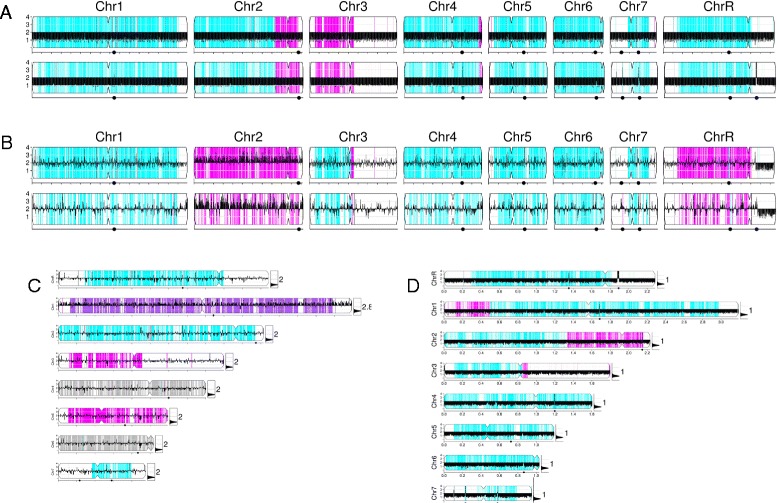
“Read depth was plotted as a function of 1 http://lovelace.cs.umn.edu/Ymap/ chromosome position using the Assembly 22 version of the SC5314 reference genome.2”
Metadata
- Authors
- Abbey, D. A., Funt, J., Lurie-Weinberger, M. N., Thompson, D. A., Regev, A., Myers, C. L., & Berman, J.
- Affiliations
- University of Minnesota (US)
- Broad Institute (US)
- Tel Aviv University (IL)
- ORCID
- Venue
- Genome Medicine
- Published
- 2014-11-20
- Volume
- 6
- Issue
- 11
- Pages
- 100-100
- ISSN
- 1756-994X (ISSN-L)
- PMC
- PMC4263066
- OpenAlex
- W2132284327
- Cited by
- 147
- References
- 45
- Citations by year
- 2026: 5 · 2025: 17 · 2024: 25 · 2023: 19 · 2022: 18 · 2021: 16 · 2020: 12 · 2019: 14 · 2018: 6 · 2017: 8 · 2016: 3 · 2015: 4
- FWCI
- 2.04
- Type
- journal article
- Language
- en
- Open access
- gold
- doi.org
- Licence
- creativecommons.org/licenses/by/4.0 (tdm)
- creativecommons.org/licenses/by/4.0 (vor)
- Locations
- Genome Medicine (publishedVersion)
- Genome Medicine (publishedVersion, cc-by)
- PubMed Central (publishedVersion, cc-by)
- PubMed (publishedVersion)
- Funders
- National Science Foundation (0953881, FP7/2007-2013, T32GM007287)
- Howard Hughes Medical Institute (T32GM007287)
- Burroughs Wellcome Fund
- University of Minnesota
- Canadian Institute for Advanced Research
- Broad Institute
- European Commission (303635, 2007–2013, FP7 2007-2013, FP7/2007)
- National Institutes of Health (FP7/2007-2013, 5r01ca119176-10)
- National Cancer Institute (R01-CA119176)
- National Institute of General Medical Sciences (T32GM007287)
- National Institute of Allergy and Infectious Diseases
- FP7 Ideas: European Research Council (340087)
- Topics
- Life Sciences › Biochemistry, Genetics and Molecular Biology › Molecular Biology › Fungal and yeast genetics research
- Life Sciences › Biochemistry, Genetics and Molecular Biology › Genetics › Genomic variations and chromosomal abnormalities
- Life Sciences › Biochemistry, Genetics and Molecular Biology › Molecular Biology › Genomics and Phylogenetic Studies
- Keywords
- copy number variation, loss of heterozygosity, Candida albicans, eukaryotic pathogens, genome visualization, single nucleotide polymorphisms, restriction site-associated DNA sequencing, microarray data analysis, antimicrobial therapy, fungal genomics
About these checks
Registry, retraction, Cites and statistics results are computed, not judged, with one exception: a printed reference that no index lists is read once by a model before it counts as a citation error. Claims are extracted by a model and kept only when their quote appears verbatim in the text; each cited source is then checked, with a model’s help, for whether it says what the claim relies on. Those verdicts can be wrong — read the claim’s quote and the cited source before relying on one.
Statistics and arithmetic are recomputed, not judged.
Confidence bands are shown only for fields calibrated on our annotated test set. None is calibrated yet, so no band is shown.
What counts as a claim ›How we measure confidence ›How we check this ›
Are you an author, or do you see a problem with this page? Request a review
Data sources
Bibliographic data: Semantic Scholar, OpenAlex, Crossref.
Contains information from the Semantic Scholar Academic Graph Datasets, made available under the ODC Attribution License (ODC-BY 1.0).
Semantic Scholar’s data is described in: Kinney, R., et al. (2023). The Semantic Scholar Open Data Platform. arXiv:2301.10140.
