

The impact of diagnostic criteria for gestational diabetes on its prevalence: a systematic review and meta-analysis
Open accessThe DOI matches its Crossref record; 89 of the 90 references it cites were found in a registry or an index.
Abstract
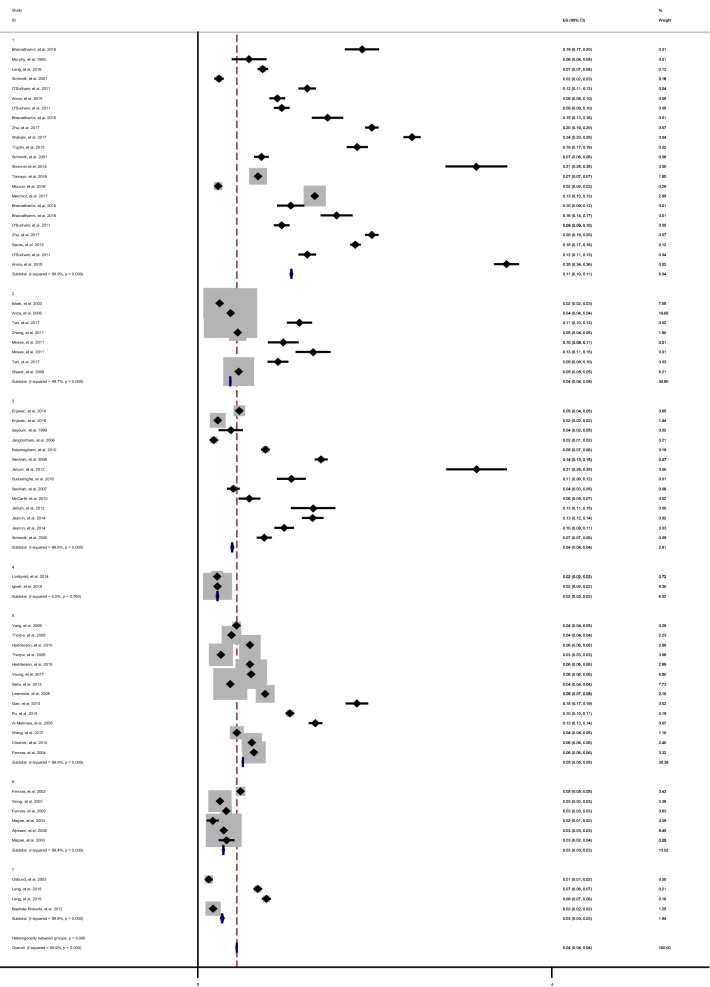
BACKGROUND: The absence of universal gold standards for screening of gestational diabetes (GDM) has led to heterogeneity in the identification of GDM, thereby impacting the accurate estimation of the prevalence of GDM. We aimed to evaluate the effect of different diagnostic criteria for GDM on its prevalence among general populations of pregnant women worldwide, and also to investigate the prevalence of GDM based on various geographic regions. METHODS: A comprehensive literature search was performed in PubMed, Scopus and Google-scholar databases for retrieving articles in English investigating the prevalence of GDM. All populations were classified to seven groups based-on their diagnostic criteria for GDM. Heterogeneous and non-heterogeneous results were analyzed using the fixed effect and random-effects inverse variance model for calculating the pooled effect. Publication bias was assessed by Begg's test. The Meta-prop method was used for the pooled estimation of the prevalence of GDM. Meta-regression was conducted to explore the association between prevalence of GDM and its diagnostic criteria. Modified Newcastle-Ottawa Quality Assessment Scale for nonrandomized studies was used for quality assessment of the studies included; the ROBINS and the Cochrane Collaboration's risk of bias assessment tools were used to evaluate the risk of bias. RESULTS: We used data from 51 population-based studies, i.e. a study population of 5,349,476 pregnant women. Worldwide, the pooled overall-prevalence of GDM, regardless of type of screening threshold categories was 4.4%, (95% CI 4.3-4.4%). The pooled overall prevalence of GDM in the diagnostic threshold used in IADPSG criteria was 10.6% (95% CI 10.5-10.6%), which was the highest pooled prevalence of GDM among studies included. Meta-regression showed that the prevalence of GDM among studies that used the IADPSG criteria was significantly higher (6-11 fold) than other subgroups. The highest and lowest prevalence of GDM, regardless of screening criteria were reported in East-Asia and Australia (Pooled-P = 11.4%, 95% CI 11.1-11.7%) and (Pooled-P = 3.6%, 95% CI 3.6-3.7%), respectively. CONCLUSION: Over the past quarter century, the diagnosis of gestational diabetes has been changed several times; along with worldwide increasing trend of obesity and diabetes, reducing the threshold of GDM is associated with a significant increase in the incidence of GDM. The harm and benefit of reducing the threshold of diagnostic criteria on pregnancy outcomes, women's psychological aspects, and health costs should be evaluated precisely.
Overview
The claims and statistics of this paper haven’t been checked yet.
Free: it reads the open-access text and checks the first 5 claims that cite a source we can check. Create a free account to check every claim.
Integrity signals
Registry
Cites
Statistics
Figures
Verification
Claims the paper makes
The claims and statistics of this paper haven’t been checked yet.
Free: it reads the open-access text and checks the first 5 claims that cite a source we can check. Create a free account to check every claim.
Claims other papers make about this one
Each is checked against this paper’s own text: does it say what the citing paper says it does?
The source backs part of the claim, not all of it — or backs it for a different population, condition or comparison.
In the citing paper
“Therefore, a majority of health authorities, such as the WHO and the American Diabetes Association, have come to support the broad criteria, such as the criteria of the International Association of the Diabetes and Pregnancy Study Groups (IADPSG)26,39.”
From A global view of hypertensive disorders and diabetes mellitus during pregnancy (2022) · cites this paper as [39]
Experimental — accuracy not yet measuredThe source backs part of the claim, not all of it — or backs it for a different population, condition or comparison.
In the citing paper
“This policy has led to an increase in the incidence of GDM in Japan, as well as other countries 8 , 9 .”
From Clinical challenges in early pregnancy in Japan: An update on gestational diabetes (2024) · cites this paper as [9]
Experimental — accuracy not yet measuredThe source backs part of the claim, not all of it — or backs it for a different population, condition or comparison.
In the citing paper
“GDM is the most frequent endocrinopathy during pregnancy in Canada [63]”
From Evolution of Gestational Diabetes Mellitus across Continents in 21st Century (2022) · cites this paper as [63]
Experimental — accuracy not yet measuredThe cited source says what the claim attributes to it.
In the citing paper
“Adopting broad definitions of GDM might result in a considerable increase in the prevalence and incidence of GDM26,39”
From A global view of hypertensive disorders and diabetes mellitus during pregnancy (2022) · cites this paper as [39]
Self-check
Percentages, sums and reported differences re-computed from the paper’s own numbers.
The self-check needs the paper’s full text.
Citations
Cites
Preferred Reporting Items for Systematic Reviews and Meta-Analyses: the PRISMA statement
Moher, D., Liberati, A., Tetzlaff, J., Altman, D. G., & for the PRISMA Group (2009) · BMJ · doi:10.1136/bmj.b2535 · Cited by 83,823
Preferred reporting items for systematic reviews and meta-analyses: the PRISMA Statement.
(2009) · PubMed Central · Cited by 44,859
Preferred reporting items for systematic reviews and meta-analyses: The PRISMA statement
Moher, D., Liberati, A., Tetzlaff, J., Altman, D. G., & the PRISMA Group* (2009) · Annals of Internal Medicine · doi:10.7326/0003-4819-151-4-200908180-00135 · Cited by 37,554
Cochrane Handbook for Systematic Reviews of Interventions: Cochrane Book Series
(2008) · doi:10.1002/9780470712184 · Cited by 25,048
ROBINS-I: a tool for assessing risk of bias in non-randomised studies of interventions
Sterne, J. A., Hernán, M. A., Reeves, B. C., Savović, J., Berkman, N. D., Viswanathan, M., Henry, D., Altman, D. G., Ansari, M. T., Boutron, I., et al. (2016) · BMJ · doi:10.1136/bmj.i4919 · Cited by 20,329
(2014) · Medical Entomology and Zoology · Cited by 17,633
Cochrane Handbook for Systematic Reviews of Interventions
Higgins, J. P. T., Green, S., & Ben Van Den, A. (2020) · International Coaching Psychology Review · doi:10.53841/bpsicpr.2020.15.2.123 · Cited by 5,670
Hyperglycemia and adverse pregnancy outcomes
(2008) · New England Journal of Medicine · doi:10.1056/nejmoa0707943 · Cited by 5,563
International Association of Diabetes and Pregnancy Study Groups Consensus Panel (2010) · Diabetes Care · doi:10.2337/dc09-1848 · Cited by 5,390
2. Classification and Diagnosis of Diabetes: Standards of Medical Care in Diabetes—2018
American Diabetes Association (2018) · Diabetes Care · doi:10.2337/dc18-s002 · Cited by 3,159
Research works printed but not linked: 3
- National Institute for Health and Care Excellence. NICE guideline. Diabetes in pregnancy: management from preconception to the postnatal period (NG3). London: NICE. http://www.nice.org.uk/guidance/ng3/resources/diabetesin-pregnancy-management-of-diabetes-and-itscomplications-from-preconception-to-the-postnatal-period-51038446021. Accessed 23 July 2017. 31846258
- National Collaborating Centre for Women’s and Children’s Health (UK). Health, Diabetes in pregnancy: management of diabetes and its complications from preconception to the postnatal period. 2015. 25950069
- Gillespie P O’Neill C Avalos G Dunne FP ALANTIC DIP Collaborators New estimates of the costs of universal screening for gestational diabetes mellitus in Ireland Ir Med J 2012 105 5 Suppl 15 18 22838102
Cited by
Items 101–200 of 337
Extracellular Vesicles—New Players in Cell-to-Cell Communication in Gestational Diabetes Mellitus
Palma, C., McIntyre, D. H., & Salomón, C. (2022) · Biomedicines · doi:10.3390/biomedicines10020462 · Cited by 15
“Hyperglycaemia that develops during pregnancy and resolves after birth (gestational diabetes mellitus (GDM)) has been recognised for over 50 years as a pregnancy complication [1], but different expert panels have been unable to agree on the uniform global diagnostic values for GDM and optimal treatment protocols [2,3].”
BackgroundSalameh, M. A., Oniya, O., Chamseddine, R. S., & Konje, J. C. (2021) · Maternal-Fetal Medicine · doi:10.1097/fm9.0000000000000125 · Cited by 19
“Gestational diabetes mellitus (GDM) affects around 10%of all pregnancies and is defined as hyperglycemia or any degree of glucose intolerance that begins, or is first recognized, during pregnancy, excluding pregestational diabetes that is first discovered in pregnancy.(1) The incidence of GDM varies with patients’ rac…”
BackgroundFrança, D. C. H., França, E. L., Sobrevía, L., Barbosa, A. M. P., Honório‐França, A. C., & Rudge, M. V. C. (2023) · Biochimica et Biophysica Acta (BBA) - Molecular Basis of Disease · doi:10.1016/j.bbadis.2023.166737 · Cited by 19
Gomes, C. P., Futterman, I. D., Sher, O., Gluck, B., Hillier, T. A., Tehrani, F. R., Chaarani, N., Fisher, N., Berghella, V., & McLaren, R. A. (2024) · American Journal of Obstetrics & Gynecology MFM · doi:10.1016/j.ajogmf.2024.101346 · Cited by 17
Haghighatdoost, F., Riahi, R., Safari, S., & Heidari, Z. (2022) · Food Science & Nutrition · doi:10.1002/fsn3.3042 · Cited by 14
Tranidou, A., Magriplis, E., Tsakiridis, I. G., Pazaras, N., Apostolopoulou, A., Chourdakis, M., & Dagklis, T. (2023) · Nutrients · doi:10.3390/nu15040893 · Cited by 17
Niroomand, M., Afsar, J., Hosseinpanah, F., Afrakhteh, M., Farzaneh, F., & Serahati, S. (2019) · Intern J Endocrinol Metab · doi:10.5812/ijem.88343 · Cited by 14
“This variation in prevalence mainly results from geographic and demographic factors, as well as differences in diagnostic criteria (3).”
BackgroundResultInfluentialYarandi, R. B., Amiri, M., Tehrani, F. R., & Behboudi‐Gandevani, S. (2021) · Journal of Diabetes Investigation · doi:10.1111/jdi.13603 · Cited by 17
Self-citationGestational Diabetes in Malaysia: A Systematic Review of Prevalence, Risk Factors and Outcomes
Cheong, L. T., Foo, K. Y., Ka, M. L., Shen, Y. T., Chan, X. H., & Sivalingam, N. (2021) · Sains Malaysiana · doi:10.17576/jsm-2021-5008-19 · Cited by 19
“A metaanalysis of 50 population-based prevalence studies showed that Asia has the highest prevalence (South Asia 11.4%, East Asia 10.8%), while lower rates were seen in Australia with 3.6%, North America with 4.5% and North Europe with 6% (Behboudi-Gandevani et al. 2019).”
BackgroundInfluentialBarnes, R. A., Flack, J. R., Wong, T., Ross, G. P., Griffiths, M. M., Stephens, M., Kourloufas, L., Smart, C. E., Collins, C. E., & MacDonald‐Wicks, L. K. (2021) · Diabetic Medicine · doi:10.1111/dme.14692 · Cited by 14
Bastobbe, S., Heimann, Y., Schleußner, E., Groten, T., & Weschenfelder, F. (2023) · Acta Diabetologica · doi:10.1007/s00592-023-02042-x · Cited by 15
“Depending on different definitions and diagnostic criteria, the prevalence is determined to be 7–10% in pregnancies and even exceeding 10% when the diagnostic threshold used in the IADPSG criteria is applied [1, 2].”
MethodThe role of microRNAs in pregnancies complicated by maternal diabetes
Owen, M. D., Kennedy, M., Quilang, R., SCOTT, E. M., & Forbes, K. A. (2024) · Clinical Science · doi:10.1042/cs20230681 · Cited by 15
“There is currently a lack of consensus on the gold standard diagnostic criteria that should be used for GDM, which has led to heterogenous guidelines and confusion about the prevalence of GDM worldwide [323].”
BackgroundTehrani, F. R., Behboudi‐Gandevani, S., Abedini, M., Soleymani-Dodaran, M., Khalili, D., Farzadfar, F., Hosseinpanah, F., Hadaegh, F., Valizadeh, M., Torkestani, F., et al. (2019) · Diabetology & Metabolic Syndrome · doi:10.1186/s13098-019-0493-z · Cited by 13
Self-citationChodick, G., Omer, M., Derazne, E., Puris, G., Rotem, R. S., Tzur, D., Pinhas‐Hamiel, O., Cukierman‐Yaffe, T., Shina, A., Zucker, I., et al. (2021) · EClinicalMedicine · doi:10.1016/j.eclinm.2021.101211 · Cited by 14
“Definitions of GDM and screening approaches have changed over the years [7].”
BackgroundGujski, M., Szukiewicz, D., Chołuj, M., Sawicki, W., & Bojar, I. (2020) · Journal of Clinical Medicine · doi:10.3390/jcm9113530 · Cited by 14
“Another factor to consider is demographic differences between populations and ethnicities, including how these characteristics affect pregnancy and GDM prevalence [22,23].”
BackgroundFrom Molecular Insights to Clinical Management of Gestational Diabetes Mellitus—A Narrative Review
Assani, M.-Z., Boldeanu, L., Manolea, M. M., Boldeanu, M. V., Siloşi, I., Assani, A.-D., Văduva, C.-C., & Dijmărescu, A. L. (2025) · International Journal of Molecular Sciences · doi:10.3390/ijms26178719 · Cited by 14
Wang, H., Jiang, Y., Wiley, J. A., & Lin, G. (2022) · Psychology Research and Behavior Management · doi:10.2147/prbm.s389562 · Cited by 13
“6%.(2) Women with GDM are seven times more likely to develop Type 2 diabetes mellitus (T2DM) later in life than women with normal glycemia during pregnancy.”
BackgroundEaston, Z. J. W., Luo, X. F., Li, L., & Regnault, T. R. H. (2023) · PLoS ONE · doi:10.1371/journal.pone.0283118 · Cited by 14
“It is currently estimated that up to 1 in 10 pregnancies worldwide are impacted by maternal DM [2,3], however these rates may be even higher in certain at risk demographics including Indigenous populations [4].”
BackgroundRahmi, R. M., de Oliveira, P., Selistre, L. D. S., Rezende, P. C., Pezzella, G. N., dos Santos, P. A., Vergani, D. D. O. P., Madi, S. R. C., & Madi, J. M. (2021) · PLoS ONE · doi:10.1371/journal.pone.0253047 · Cited by 13
Wali, A. S., Rafique, R., Iftikhar, S., Ambreen, R., & Yakoob, M. Y. (2019) · Pakistan Journal of Medical Sciences · doi:10.12669/pjms.36.icon-suppl.1723 · Cited by 11
“Age in years (median) 32 (30-35) 26 (23-30) 28 (25-31.”
BackgroundDube, R., Bambani, T., Saif, S., Hashmi, N., Patni, M. A., & Kedia, N. R. (2024) · Diabetology · doi:10.3390/diabetology5040032 · Cited by 14
“…of Diabetes and Pregnancy Study Group (IADPSG), the Australasian Diabetes in Pregnancy Society (ADIPS), Diabetes Canada, German Association for Gynecology and Obstetrics (DGGG), Hyperglycemia and Adverse Pregnancy Outcomes (HAPO) Study Cooperative Research Group, and a few others [23–26].”
Ahmad, R., Nnamdi, O. A., Etando, A., Sharma, P., Sinha, S., Chowdhury, K., Rowaiye, A. B., Akter, S., Mou, T. J., Dhingra, S., et al. (2023) · Journal of Applied Pharmaceutical Science · doi:10.7324/japs.2023.142387 · Cited by 17
Wang, X., Zhang, S., Yu, W., Li, G., Li, J., Ji, J., Mi, Y., & Luo, X. (2023) · Frontiers in Endocrinology · doi:10.3389/fendo.2023.1238873 · Cited by 15
Akın, M. N., Kasap, B., Pirinççi, F., Sezgin, B., Özdemir, Ç., Bilgiç, A. D., Aftabı, Y., & Edgünlü, T. (2023) · Gene · doi:10.1016/j.gene.2023.148061 · Cited by 12
Adipose tissue-liver cross-talk: a route to hepatic dysfunction in pregnant women with obesity
Sousa, D., Magalhães, C. C., Matafome, P. N., & Pereira, S. P. (2024) · Bioscience Reports · doi:10.1042/bsr20231679 · Cited by 11
Identification of MODY among patients screened for gestational diabetes: a clinician’s guide
Urbanová, J., Brunerová, L., Nunes, M. A., & Brož, J. (2020) · Archives of Gynecology and Obstetrics · doi:10.1007/s00404-020-05626-y · Cited by 11
Ahmed, M. A., Bailey, H. D., Pereira, G. F., White, S. W., Wong, K., & Shepherd, C. (2022) · BMC Public Health · doi:10.1186/s12889-022-12663-6 · Cited by 11
“The implementation of the new guidelines was associated with a substantial increase in the prevalence of GDM globally [45], and we expect a similar contribution to the increasing trends of GDM among both Aboriginal and non-Aboriginal pregnant women in Western Australia.”
ResultReyes-Muñoz, E., y Sosa, S. E., Flores-Robles, C. M., Arce-Sánchez, L., Martínez-Cruz, N., Garduño-García, G., Tawney-Serrano, C. R., Domínguez‐Rodríguez, J. J., Martínez-Hernández, M. L., Pérez-Mota, L. R., et al. (2023) · Gaceta Médica de México · doi:10.24875/gmm.m20000438 · Cited by 17
Bakiris, E., Luiro, K., Jokelainen, J. J., Morin-Papunen, L. C., Keinanen-Kiukaanniemi, S. M., Kaikkonen, K., Piltonen, T., Tapanainen, J. S., & AUVINEN, J. P. (2024) · Acta Obstetricia Et Gynecologica Scandinavica · doi:10.1111/aogs.14861 · Cited by 14
Ayele, A. D., Gedefaw, G. A., Alemu, B. K., Wang, Y., & wang, C. C. (2025) · BMJ Evidence-Based Medicine · doi:10.1136/bmjebm-2025-114065 · Cited by 13
Valizadeh, M., Hosseinpanah, F., Tehrani, F. R., Abdi, H., Mehran, L., Hadaegh, F., Amouzegar, A., Sarvghadi, F., Azizi, F., & Iranian Endocrine Society Task Force (2020) · Intern J Endocrinol Metab · doi:10.5812/ijem.107906 · Cited by 11
de Langarica, A. G. G., Hediger, H., Kaeppeli, B. M., & Keller‐Senn, A. (2022) · Midwifery · doi:10.1016/j.midw.2022.103367 · Cited by 14
Common pregnancy complications and polyphenols intake: an overview
Deckmann, I., Santos‐Terra, J., Martel, F., & Carletti, J. V. (2023) · Critical Reviews in Food Science and Nutrition · doi:10.1080/10408398.2022.2160960 · Cited by 10
“The global prevalence of GDM is around 7%–10% (Behboudi-Gandevani et al. 2019), being one of the most common pregnancy complications.”
BackgroundArain, H., Patel, T., Mureanu, N., Efthymiou, A., Lombardi, G., Tree, T. I. M., Nicolaides, K. H., & Shangaris, P. (2023) · Frontiers in Immunology · doi:10.3389/fimmu.2023.1226617 · Cited by 10
Martínez-Cruz, N., Rapisarda, A. M. C., Soriano-Ortega, K. P., Arce-Sánchez, L., Cianci, A., Ortega-González, C., Torres-Herrera, U., y Sosa, S. E., Estrada‐Gutiérrez, G., Montoya-Estrada, A., et al. (2019) · Diabetes Metabolic Syndrome and Obesity · doi:10.2147/dmso.s229671 · Cited by 12
“A recent systematic review showed that the prevalence of GDM among studies that used the IADPSG criteria was significantly higher (6–11 fold) than other diagnostic criteria subgroups.(9) The increase in the number of women with GDM has implications for health services and human and material resources, and could “medic…”
BackgroundGiommi, C., Lombó, M., Montik, N., Paolucci, M., Notarstefano, V., Carpini, G. D., Ciavattini, A., Ragusa, A., Maradonna, F., Giorgini, E., et al. (2023) · International Journal of Molecular Sciences · doi:10.3390/ijms24032240 · Cited by 10
“GDM is one of the most common gestational pathologies, affecting 7–10% of pregnant woman worldwide [3,4].”
BackgroundChiu, H.-Y., Chen, H., Wang, C.-W., Lu, H., Wu, C.-H., Yang, C., Lee, S.-L., & Lai, J. C. (2024) · Taiwanese Journal of Obstetrics and Gynecology · doi:10.1016/j.tjog.2024.01.039 · Cited by 13
Filippo, D. D., Darling, J., Chang, M. H. Y., Henry, A., & Welsh, A. W. (2023) · Archives of Gynecology and Obstetrics · doi:10.1007/s00404-023-06949-2 · Cited by 9
“As a result, the number of women diagnosed with GDM has increased dramatically although without significant improvements in maternal or fetal/neonatal outcomes [4–6].”
BackgroundPredictors of Treatment Requirements in Women with Gestational Diabetes: A Retrospective Analysis
Weschenfelder, F., Lohse, K., Lehmann, T., Schleußner, E., & Groten, T. (2021) · Journal of Clinical Medicine · doi:10.3390/jcm10194421 · Cited by 11
“With a worldwide incidence of about 11%, gestational diabetes mellitus (GDM) is defined as a glucose tolerance disorder diagnosed during pregnancy following a standardized 75 g oral glucose tolerance test (OGTT) using IADPSG (International Association of the Diabetes and Pregnancy Study Group) criteria [1].”
MethodInfluentialCaputo, M., Bullara, V., Mele, C., Sama, M., Zavattaro, M., Ferrero, A., Daffara, T., Leone, I., Giachetti, G., Antoniotti, V., et al. (2021) · International Journal of Endocrinology · doi:10.1155/2021/9474805 · Cited by 11
Psychosocial needs of inpatient women with gestational diabetes mellitus: a qualitative study
Siahkal, S. F., Javadifar, N., Najafian, M., Iravani, M., Zakerkish, M., & Heshmati, R. (2022) · Journal of Reproductive and Infant Psychology · doi:10.1080/02646838.2022.2110221 · Cited by 10
“Gestational diabetes mellitus (GDM) is one of the most common endocrinological disturbances in pregnancy with an approximate prevalence of 7 to 10% (Behboudi-Gandevani et al., 2019).”
BackgroundGESTATIONAL DIABETES MELLITUS: Challenges in diagnostics, management and impact
de Wit, L. (2020) · Utrecht University Repository (Utrecht University) · doi:10.33540/195 · Cited by 9
Kumar, S. N., Suseela, T. L., Parveen, S., Neeraja, S. R. K., Vaishnavi, R., Jyothi, S., & Ganesh, R. S. (2025) · Diabetes Research and Clinical Practice · doi:10.1016/j.diabres.2025.112256 · Cited by 9
Linde, D. S., Le, H. M., Vu, D., Dang, N.-A. T., Ái, N. T., Vu, P. T., Nguyen, X. B., Nguyen, D. C., Meyrowitsch, D. W., Søndergaard, J., et al. (2025) · Pilot and Feasibility Studies · doi:10.1186/s40814-025-01657-x · Cited by 8
“Globally, the prevalence of GDM varies greatly depending on the country and the diagnostic criteria used, and the recent studies have shown that the prevalence of GDM may range from 4% to above 20% [9, 10].”
Barnes, R. A., Morrison, M., Flack, J. R., Ross, G. P., Smart, C. E., Collins, C. E., & MacDonald‐Wicks, L. K. (2022) · Journal of Human Nutrition and Dietetics · doi:10.1111/jhn.13013 · Cited by 9
“Range (low and moderate protein diets, 10%–25%) 8 (11) 22 (24)”
BackgroundEarly-Onset of Gestational Diabetes vs. Late-Onset: Can We Revamp Pregnancy Outcomes?
Parveen, N., Hassan, S.-U.-N., Zahra, A., Iqbal, N., & Batool, A. (2022) · Iranian Journal of Public Health · doi:10.18502/ijph.v51i5.9418 · Cited by 13
Subarto, C. B., Matsuzaki, M., Estradé, M., Sundemeir, S., Hakimi, M., Isnaeni, Y., Hadi, H., Kurniasari, Y., Fatimah, S., Yulyani, L., et al. (2022) · Open Access Macedonian Journal of Medical Sciences · doi:10.3889/oamjms.2022.9500 · Cited by 9
Prevalence of Gestational Diabetes Mellitus in Pakistan: A Cross Sectional Study
Inam, I., Madnia, E., Ammar, A., & Sajjad, S. (2022) · Pakistan Journal of Medical and Health Sciences · doi:10.53350/pjmhs221610241 · Cited by 12
Does fasting plasma glucose values 5.1-5.6 mmol/l in the first trimester of gestation a matter?
Tehrani, F. R., Farzadfar, F., Hosseinpanah, F., Rahmati, M., Firouzi, F., Abedini, M., Hadaegh, F., Valizadeh, M., Torkestani, F., Khalili, D., et al. (2023) · Frontiers in Endocrinology · doi:10.3389/fendo.2023.1155007 · Cited by 9
Self-citationSpinelli, P., Fields, A. M., Falcone, S., Mesaros, C., & Susiarjo, M. (2023) · Endocrinology · doi:10.1210/endocr/bqad130 · Cited by 8
Maternal Diabetes Mellitus and Neonatal Outcomes in Bisha: A Retrospective Cohort Study
Alshomrany, A., Miskeen, E., Alfaifi, J. A., Alshamrani, H., & Alshahrani, A. (2024) · Medical Sciences · doi:10.3390/medsci12020021 · Cited by 12
“Diabetes during pregnancy is associated with significant short-and long-term effects, such as an increased risk of obesity and diabetes development in both mothers and children, as well as extremely high healthcare costs [4,12].”
BackgroundGestational diabetes mellitus among Sub-Saharan African and Surinamese women in the Netherlands
Rademaker, D., van Schaijik, C. I., Oostvogels, A. J. J. M., van Rijn, B. B., Evers, I. M., DeVries, J. H., Agyemang, C. O., Vrijkotte, T. G. M., & Painter, R. C. (2020) · Diabetes Research and Clinical Practice · doi:10.1016/j.diabres.2020.108367 · Cited by 8
Dingena, C. F., Holmes, M. J., Campbell, M. D., Cade, J. E., SCOTT, E. M., & Zulyniak, M. A. (2023) · Frontiers in Endocrinology · doi:10.3389/fendo.2023.1065985 · Cited by 8
Hyperglycemia in pregnancy: sleep alterations, comorbidities and pharmacotherapy
Façanha, C. F. S., de Bruin, V. M. S., de Bruin, P. F. C., FACANHA, A. S., Rocha, H. C. L. S., de Araújo, M. S. P., Forti, A. C. E., & Macêdo, R. B. L. (2021) · Revista da Associação Médica Brasileira · doi:10.1590/1806-9282.67.01.20200216 · Cited by 11
Defective Visceral Adipose Tissue Adaptation in Gestational Diabetes Mellitus
McElwain, C. J., Manna, S., Musumeci, A., Sylvester, I., Rouchon, C., O'Callaghan, A. M., Ebad, M. A. B., McCarthy, F. P., & McCarthy, C. M. (2024) · The Journal of Clinical Endocrinology & Metabolism · doi:10.1210/clinem/dgad699 · Cited by 7
Biomarkers of Gestational Diabetes Mellitus: Mechanisms, Advances, and Clinical Utility
Pramodkumar, T. A., Hannah, W., Anjana, R. M., Ram, U., Tiwaskar, M., Gokulakrishnan, K., Popova, P. V., & Mohan, V. (2025) · Journal of The Association of Physicians of India · doi:10.59556/japi.73.0849 · Cited by 7
“32,33 Additionally, the test requires significant time (2–3 hours) and can cause discomfort due to nausea and vomiting, leading to poor patient compliance.”
Targeted metabolomics reveals novel biomarkers for gestational diabetes mellitus
Xu, Z., Fang, J., Wang, Y., Wu, X., Liu, L., Cui, X., Zhong, H., & Zhong, T. (2025) · Diabetes Obesity and Metabolism · doi:10.1111/dom.16213 · Cited by 8
Akbari, M. R., Masjedi, F., Nekooeian, M., Dara, M., & Roozbeh, J. (2025) · Journal of Diabetes Investigation · doi:10.1111/jdi.70071 · Cited by 7
“Gestational Diabetes Mellitus (GDM) is a prevalent pregnancy complication, affecting 5 – 10% of pregnancies worldwide 52 .”
Ip, P. N. P., Nguyen‐Hoang, L., Chaemsaithong, P., Guo, J., Wang, X., Sahota, D. S., Chung, J. P. W., & Poon, L. C. (2024) · Taiwanese Journal of Obstetrics and Gynecology · doi:10.1016/j.tjog.2023.09.023 · Cited by 7
Estimated impact of introduction of new diagnostic criteria for gestational diabetes mellitus
Wit, L. D., Zijlmans, A. B., Rademaker, D., Naaktgeboren, C. A., DeVries, J. H., Franx, A., Painter, R. C., & van Rijn, B. B. (2021) · World Journal of Diabetes · doi:10.4239/wjd.v12.i6.868 · Cited by 7
Predictive Gestational Diabetes Biomarkers With Sustained Alterations Throughout Pregnancy
Heath, H., Luevano, J., Johnson, C., Phelan, S., & Frano, M. R. L. (2022) · Journal of the Endocrine Society · doi:10.1210/jendso/bvac134 · Cited by 8
“The prevalence of GDM varies worldwide, currently estimated at 7% to 10% [1], although it is difficult to pinpoint due to unstandardized screening and diagnostic criteria.”
BackgroundValidation of Insurance Billing Codes for Monitoring Antenatal Screening
Nethery, E., Hutcheon, J. A., Law, M. R., & Janssen, P. A. (2022) · Epidemiology · doi:10.1097/ede.0000000000001569 · Cited by 7
Chen, J.-L., Dai, H.-F., Kan, X.-C., Wu, J., & Chen, H.-W. (2024) · Frontiers in Immunology · doi:10.3389/fimmu.2024.1296855 · Cited by 8
Cooray, S. D., Boyle, J. A., Soldatos, G., Thangaratinam, S., & Teede, H. J. (2020) · Seminars in Reproductive Medicine · doi:10.1055/s-0041-1723778 · Cited by 7
Yuen, L., Wong, V., Wolmarans, L., & Simmons, D. S. (2021) · International Journal of Environmental Research and Public Health · doi:10.3390/ijerph18094588 · Cited by 8
“What remains unclear is whether this evolution in screening, diagnostic criteria, and treatment thresholds in New Zealand and Australia have led to improved pregnancy and neonatal outcomes for women with GDM, given the increasing numbers of patients being diagnosed, and the pressure it places on finite resources [11,1…”
BackgroundMussa, J., Brazeau, A., Peters, T. M., Dahhou, M., Sanmartin, C., Ross, N. A., Rahme, E., & Dasgupta, K. (2021) · BMC Public Health · doi:10.1186/s12889-021-12000-3 · Cited by 8
“GDM is a condition that complicates up to 3–5% of pregnancies in Canada [24] and 10% of all pregnancies worldwide [25], and can be captured via in-patient discharge diagnostic codes [26].”
BackgroundShah, M. K., Shah, M. A., Shah, S. D., Shah, P. K., Patel, K., & Gupta, M. (2022) · Journal of Family Medicine and Primary Care · doi:10.4103/jfmpc.jfmpc_1319_21 · Cited by 6
“Hence, controversy prevails as to which drug should be considered more safe and effective over the other for managing GDM.[1,4] To answer this question, many randomized controlled trials (RCTs) have been carried out to compare these drugs in terms of their safety and efficacy comparing only two drugs with each other.”
BackgroundInfluentialOntiveros, J., Gunnarsdóttir, J., & Einarsdóttir, K. (2024) · European Journal of Public Health · doi:10.1093/eurpub/ckae105 · Cited by 6
“…other countries, examining the effect of various diagnostic thresholds on the prevalence of GDM among pregnant women worldwide, regardless of geographical region, reported a 6-to 11-fold increase in identified women with GDM when using the IADPSG recommendations compared to other guidelines [14].”
Meloncelli, N. J. L., Shipton, E. V., Doust, J. A., dʼEmden, M. C., McIntyre, D. H., Callaway, L. K., & de Jersey, S. (2022) · Australian and New Zealand Journal of Obstetrics and Gynaecology · doi:10.1111/ajo.13601 · Cited by 7
Yuan, J., Gu, X., Yang, J., Lin, X.-Z., Hu, J., Jiang, S., Du, L., Zhou, W., Cao, Y., Lee, S. K., et al. (2023) · American Journal of Perinatology · doi:10.1055/s-0043-1771501 · Cited by 6
The Implications of a “Flat” Oral Glucose Tolerance Test Curve in Pregnancy
Lopian, M., Segal, E. S., Neiger, R., Many, A., & Ligumsky, L. K. (2024) · American Journal of Perinatology · doi:10.1055/a-2405-1909 · Cited by 6
Schneider, A. K., Leemaqz, S., Dalton, J. A., Verburg, P. E., Mol, B. W., Dekker, G., Roberts, C. T., & Grieger, J. A. (2021) · Acta Diabetologica · doi:10.1007/s00592-021-01696-9 · Cited by 7
Yang, C., Li, Y., Hu, J., Wu, J., & Huang, S. (2022) · Frontiers in Endocrinology · doi:10.3389/fendo.2022.910914 · Cited by 6
Treatment of Diabetes in Pregnancy With Metformin
Newman, C., & Dunne, F. (2024) · Obstetrics and Gynecology · doi:10.1097/aog.0000000000005705 · Cited by 6
“The influence of metformin use after pregnancy in individuals with previous GDM has been evaluated through the Diabetes Prevention Program.”
InfluentialChen, T., Wu, C.-H., Gau, M., & Cheng, S. (2024) · Midwifery · doi:10.1016/j.midw.2024.104211 · Cited by 4
Sirtuins and Their Implications in the Physiopathology of Gestational Diabetes Mellitus
Zgutka, K., Tkacz, M., Grabowska, M., Mikołajek-Bedner, W., & Tarnowski, M. (2025) · Pharmaceuticals · doi:10.3390/ph18010041 · Cited by 5
“It is evidenced by pancreatic hyperplasia and hypertrophy, intensi fi ed proliferation, and It is evidenced by pancreatic hyperplasia and hypertrophy, intensified proliferation, and reduced cell death [7]. reduced cell death [7].”
FREQUENCY AND RISKS OF ADVERSE OUTCOMES ASSOCIATED WITH GESTATIONAL DIABETES MELLITUS IN NEONATES
Klymchuk, Y. Y. (2019) · Актуальні проблеми сучасної медицини Вісник Української медичної стоматологічної академії · doi:10.31718/2077-1096.19.2.30 · Cited by 5
“У третьому мета-аналізі (Behboudi-Gandevani С, 2019) [4], що включав 51 популяційне дослідження (5439476 вагітних жінок), загальна поширеність ГЦД, незалежно від референтних значень скринінгу, становила 4,4% з найвищою частотою в Східній Азії та найменшою – в Австралії (відповідно, 11,4% і 3,6%).”
Sonaglioni, A., Nicolosi, G. L., Esposito, V., Bianchi, S., & Lombardo, M. (2021) · European Journal of Obstetrics & Gynecology and Reproductive Biology · doi:10.1016/j.ejogrb.2021.12.020 · Cited by 6
Periconceptional Mediterranean Diet during Pregnancy on Children’s Health
Çobanoğulları, H., Ergören, M. Ç., Dündar, M., Bertelli, M., & Tulay, P. (2022) · Journal of preventive medicine and hygiene · doi:10.15167/2421-4248/jpmh2022.63.2s3.2748 · Cited by 7
“Depending on the diagnostic threshold and the population studied, 1-28% of all pregnancies are affected [49, 50].”
BackgroundSteigt jetzt das Risiko für Geburtskomplikationen?
Sontag, I., & Adamek, H. E. (2023) · Info Diabetologie · doi:10.1007/s15034-023-4499-0 · Cited by 5
Nouhjah, S., Shahbazian, H. B., Zarei, J., & Mehrdad, S. (2023) · Clinical Nutrition ESPEN · doi:10.1016/j.clnesp.2023.07.084 · Cited by 5
Ghosh, D., Chowdhury, K., & Muhuri, S. (2023) · Multimedia Tools and Applications · doi:10.1007/s11042-023-16449-9 · Cited by 5
“GDM accounts for approximately 75-90% of HIP cases globally [34], while approximately 7-10% of all pregnancies worldwide are estimated to be impacted by GDM [22].”
Chermon, D., & Birk, R. Z. (2024) · Journal of Perinatal Medicine · doi:10.1515/jpm-2023-0366 · Cited by 7
“…prevalence of GDM is closely linked to the global obesity rise, attributed to genetic predisposition expression following changes in lifestyle and dietary habits, including the adoption of a sedentary lifestyle and high-calorie processed foods consumption, and advancing maternal age [7 – 9].”
BackgroundInfluentialVersace, V. L., Beks, H., Hannah, W., Namara, K. M., Hague, W. M., Anjana, R. M., Mohan, V., Khunti, K., & Dunbar, J. (2020) · Seminars in Reproductive Medicine · doi:10.1055/s-0041-1727203 · Cited by 6
Koerner, R., Groer, M. E., & Prescott, S. M. (2022) · Journal of Obstetric, Gynecologic & Neonatal Nursing · doi:10.1016/j.jogn.2022.06.037 · Cited by 7
Zhao, D., Yuan, N., Sun, J., Zhao, X., & Zhang, X. (2024) · Endokrynologia Polska · doi:10.5603/ep.98554 · Cited by 6
Editorial: Emerging Roles of the Gut Microbiota in the Pathogenesis of Metabolic Disorders
Moreno‐Indias, I., Salgado‐Somoza, A., el Azzouzi, H., & Murri, M. (2021) · Frontiers in Endocrinology · doi:10.3389/fendo.2021.736371 · Cited by 5
Phoblap, N., Jatavan, P., & Tongsong, T. (2024) · Journal of Diabetes Investigation · doi:10.1111/jdi.14370 · Cited by 6
“The highest and lowest prevalence of GDM, regardless of screening criteria were reported in East-Asia and Australia (11.4%, 95% CI 11.1 – 11.7% vs 3.6%, 95% CI 3.6 – 3.7%, respectively) 21 .”
InfluentialSuvarna, R., & Shetty, S. (2026) · BMC Pregnancy and Childbirth · doi:10.1186/s12884-026-08663-8 · Cited by 6
“The prevalence varies widely depending on diagnostic criteria, geographic regions, and population characteristics [3].”
Zhu, S., Ren, J., Feng, L., & Jiang, Y. (2024) · International Journal of Women s Health · doi:10.2147/ijwh.s461640 · Cited by 4
“Previous studies indicated treatment with high-dose glucocorticoids (prednisolone use ≥1 mg/kg/day) causes 12% of pregnant SLE women to develop GDM. 45,46 A meta-analysis showed use of glucocorticoids during pregnancy in SLE patients is positively correlated with the risk of GDM, and steroid…”
BackgroundWang, J., Cui, C., Hou, F., Wu, Z., Peng, Y., & Jin, H. (2025) · European journal of medical research · doi:10.1186/s40001-025-02526-2 · Cited by 4
“Together, GDM and PCOS, which act and affect up to 20% of generally young women, are two critical risk factors for the future development of type 2 diabetes [18, 19].”
Wilson, C. A., Santorelli, G., Reynolds, R. M., Simonoff, E. A., Howard, L. M., & Ismail, K. (2022) · BMJ Open · doi:10.1136/bmjopen-2021-051498 · Cited by 5
Sfameni, S. F., Wein, P., & Sfameni, A. M. (2023) · International Journal of Gynecology & Obstetrics · doi:10.1002/ijgo.15074 · Cited by 5
Payot, M. D., Villavieja, A., & Pineda-Cortel, M. R. (2024) · International Journal of Molecular Sciences · doi:10.3390/ijms251910527 · Cited by 5
“The lack of universally accepted gold standards for GDM screening has resulted in diverse approaches to identifying GDM, affecting the precision of prevalence estimates [16].”
BackgroundGanho ponderal e estado nutricional de mulheres portadoras de diabetes mellitus gestacional
Neris, V. A., da Silva, T. V. N., Albuquerque, M. N. D. L., Augusto, F. D. R., Gomes, A. C. B., da Silva, S. A., Maio, R., & Burgos, M. G. P. D. A. (2021) · Research Society and Development · doi:10.33448/rsd-v10i3.13565 · Cited by 5
Azeez, T. A., Briggs, T. A., & Adeyanju, A. S. (2023) · The New Indian Journal of OBGYN · doi:10.21276/obgyn.2023.9.2.2 · Cited by 4
Modern aspects of gestational diabetes mellitus: definition, risk factors
Негматуллаева, М. Н., Туксанова, Д. И., & Насырова, Ш. Ш. (2025) · Russian Bulletin of Obstetrician-Gynecologist · doi:10.17116/rosakush20252502135 · Cited by 4
Tehrani, F. R., Sheidaei, A., Rahmati, M., Farzadfar, F., Noroozzadeh, M., Hosseinpanah, F., Abedini, M., Hadaegh, F., Valizadeh, M., Torkestani, F., et al. (2023) · BMJ Open Diabetes Research & Care · doi:10.1136/bmjdrc-2023-003510 · Cited by 4
Self-citationDunne, P., Carvalho, M., Byrne, M., Murphy, A. W., & O'Reilly, S. L. (2023) · Journal of the Academy of Nutrition and Dietetics · doi:10.1016/j.jand.2023.12.012 · Cited by 3
Almazyad, N. S., & Jahan, S. (2024) · Cureus · doi:10.7759/cureus.59345 · Cited by 4
“Globally, the prevalence of GDM is reported to be 7-10% of all pregnancies worldwide [7].”
Background
Metadata
- Authors
- Behboudi-Gandevani, S., Amiri, M., Bidhendi Yarandi, R., & Ramezani Tehrani, F.
- Affiliations
- Research Institute for Endocrine Sciences (IR)
- ORCID
- Amiri, Mina
- Venue
- Diabetology & Metabolic Syndrome
- Published
- 2019-02-01
- Volume
- 11
- Issue
- 1
- Pages
- 11-11
- ISSN
- 1758-5996 (ISSN-L)
- PMC
- PMC6359830
- OpenAlex
- W2939678352
- Cited by
- 321
- References
- 90
- Citations by year
- 2026: 12 · 2025: 37 · 2024: 60 · 2023: 47 · 2022: 53 · 2021: 58 · 2020: 44 · 2019: 10
- FWCI
- 6.52
- Type
- journal article
- Language
- en
- Open access
- gold
- doi.org
- Licence
- cc-by
- creativecommons.org/licenses/by/4.0/ (tdm)
- Locations
- Diabetology & Metabolic Syndrome (publishedVersion, cc-by)
- Europe PMC (PubMed Central) (publishedVersion, other-oa)
- PubMed Central (publishedVersion, cc-by)
- PubMed (publishedVersion)
- DOAJ (DOAJ: Directory of Open Access Journals) (submittedVersion, cc-by-sa)
- NORA - Norwegian Open Research Archives (submittedVersion, cc-by)
- Topics
- Health Sciences › Medicine › Obstetrics and Gynecology › Gestational Diabetes Research and Management
- Health Sciences › Medicine › Endocrinology, Diabetes and Metabolism › Diabetes, Cardiovascular Risks, and Lipoproteins
- Health Sciences › Medicine › Endocrinology, Diabetes and Metabolism › Diabetes Management and Research
- Keywords
- gestational diabetes mellitus, diagnostic criteria, prevalence, IADPSG criteria, diagnostic thresholds, GDM screening, pregnant women, regional variation, obesity, diabetes incidence trends, risk of bias, meta-regression, pooled prevalence, risk of bias assessment, Newcastle-Ottawa Scale, Cochrane risk of bias tool, risk of bias in non-randomized studies
About these checks
Registry, retraction, Cites and statistics results are computed, not judged, with one exception: a printed reference that no index lists is read once by a model before it counts as a citation error. Claims are extracted by a model and kept only when their quote appears verbatim in the text; each cited source is then checked, with a model’s help, for whether it says what the claim relies on. Those verdicts can be wrong — read the claim’s quote and the cited source before relying on one.
Statistics and arithmetic are recomputed, not judged.
Confidence bands are shown only for fields calibrated on our annotated test set. None is calibrated yet, so no band is shown.
What counts as a claim ›How we measure confidence ›How we check this ›
Are you an author, or do you see a problem with this page? Request a review
Data sources
Bibliographic data: Semantic Scholar, OpenAlex, Crossref.
Contains information from the Semantic Scholar Academic Graph Datasets, made available under the ODC Attribution License (ODC-BY 1.0).
Semantic Scholar’s data is described in: Kinney, R., et al. (2023). The Semantic Scholar Open Data Platform. arXiv:2301.10140.
