

The impact of diagnostic criteria for gestational diabetes on its prevalence: a systematic review and meta-analysis
Open accessThe DOI matches its Crossref record; 89 of the 90 references it cites were found in a registry or an index.
Abstract
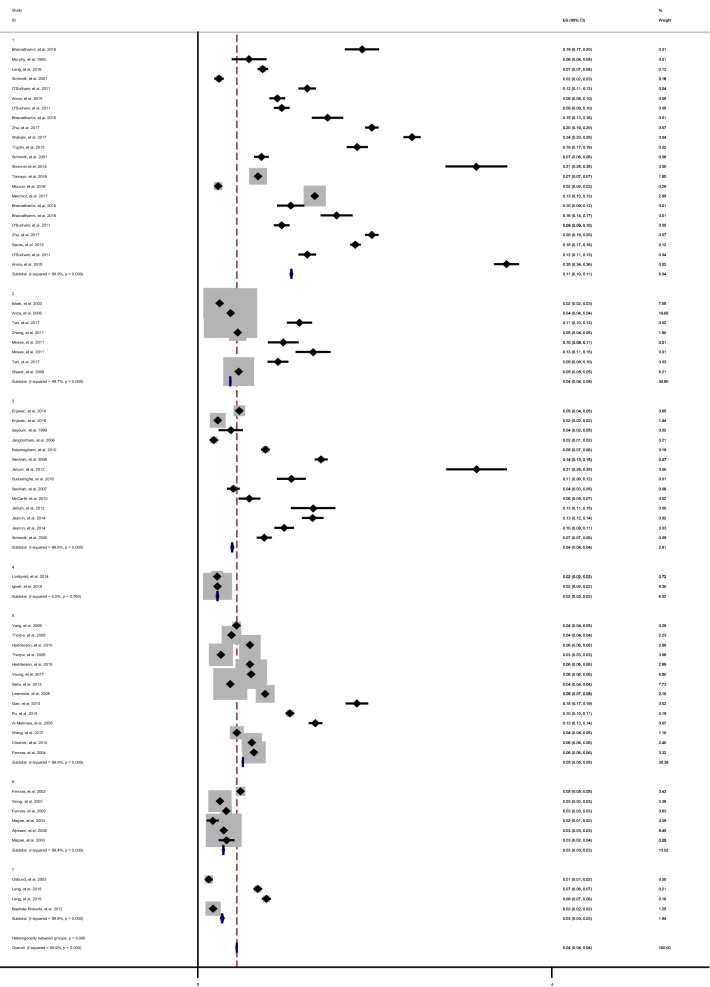
BACKGROUND: The absence of universal gold standards for screening of gestational diabetes (GDM) has led to heterogeneity in the identification of GDM, thereby impacting the accurate estimation of the prevalence of GDM. We aimed to evaluate the effect of different diagnostic criteria for GDM on its prevalence among general populations of pregnant women worldwide, and also to investigate the prevalence of GDM based on various geographic regions. METHODS: A comprehensive literature search was performed in PubMed, Scopus and Google-scholar databases for retrieving articles in English investigating the prevalence of GDM. All populations were classified to seven groups based-on their diagnostic criteria for GDM. Heterogeneous and non-heterogeneous results were analyzed using the fixed effect and random-effects inverse variance model for calculating the pooled effect. Publication bias was assessed by Begg's test. The Meta-prop method was used for the pooled estimation of the prevalence of GDM. Meta-regression was conducted to explore the association between prevalence of GDM and its diagnostic criteria. Modified Newcastle-Ottawa Quality Assessment Scale for nonrandomized studies was used for quality assessment of the studies included; the ROBINS and the Cochrane Collaboration's risk of bias assessment tools were used to evaluate the risk of bias. RESULTS: We used data from 51 population-based studies, i.e. a study population of 5,349,476 pregnant women. Worldwide, the pooled overall-prevalence of GDM, regardless of type of screening threshold categories was 4.4%, (95% CI 4.3-4.4%). The pooled overall prevalence of GDM in the diagnostic threshold used in IADPSG criteria was 10.6% (95% CI 10.5-10.6%), which was the highest pooled prevalence of GDM among studies included. Meta-regression showed that the prevalence of GDM among studies that used the IADPSG criteria was significantly higher (6-11 fold) than other subgroups. The highest and lowest prevalence of GDM, regardless of screening criteria were reported in East-Asia and Australia (Pooled-P = 11.4%, 95% CI 11.1-11.7%) and (Pooled-P = 3.6%, 95% CI 3.6-3.7%), respectively. CONCLUSION: Over the past quarter century, the diagnosis of gestational diabetes has been changed several times; along with worldwide increasing trend of obesity and diabetes, reducing the threshold of GDM is associated with a significant increase in the incidence of GDM. The harm and benefit of reducing the threshold of diagnostic criteria on pregnancy outcomes, women's psychological aspects, and health costs should be evaluated precisely.
Overview
The claims and statistics of this paper haven’t been checked yet.
Free: it reads the open-access text and checks the first 5 claims that cite a source we can check. Create a free account to check every claim.
Integrity signals
Registry
Cites
Statistics
Figures
Verification
Claims the paper makes
The claims and statistics of this paper haven’t been checked yet.
Free: it reads the open-access text and checks the first 5 claims that cite a source we can check. Create a free account to check every claim.
Claims other papers make about this one
Each is checked against this paper’s own text: does it say what the citing paper says it does?
The source backs part of the claim, not all of it — or backs it for a different population, condition or comparison.
In the citing paper
“Therefore, a majority of health authorities, such as the WHO and the American Diabetes Association, have come to support the broad criteria, such as the criteria of the International Association of the Diabetes and Pregnancy Study Groups (IADPSG)26,39.”
From A global view of hypertensive disorders and diabetes mellitus during pregnancy (2022) · cites this paper as [39]
Experimental — accuracy not yet measuredThe source backs part of the claim, not all of it — or backs it for a different population, condition or comparison.
In the citing paper
“This policy has led to an increase in the incidence of GDM in Japan, as well as other countries 8 , 9 .”
From Clinical challenges in early pregnancy in Japan: An update on gestational diabetes (2024) · cites this paper as [9]
Experimental — accuracy not yet measuredThe source backs part of the claim, not all of it — or backs it for a different population, condition or comparison.
In the citing paper
“GDM is the most frequent endocrinopathy during pregnancy in Canada [63]”
From Evolution of Gestational Diabetes Mellitus across Continents in 21st Century (2022) · cites this paper as [63]
Experimental — accuracy not yet measuredThe cited source says what the claim attributes to it.
In the citing paper
“Adopting broad definitions of GDM might result in a considerable increase in the prevalence and incidence of GDM26,39”
From A global view of hypertensive disorders and diabetes mellitus during pregnancy (2022) · cites this paper as [39]
Self-check
Percentages, sums and reported differences re-computed from the paper’s own numbers.
The self-check needs the paper’s full text.
Citations
Cites
Preferred Reporting Items for Systematic Reviews and Meta-Analyses: the PRISMA statement
Moher, D., Liberati, A., Tetzlaff, J., Altman, D. G., & for the PRISMA Group (2009) · BMJ · doi:10.1136/bmj.b2535 · Cited by 83,823
Preferred reporting items for systematic reviews and meta-analyses: the PRISMA Statement.
(2009) · PubMed Central · Cited by 44,859
Preferred reporting items for systematic reviews and meta-analyses: The PRISMA statement
Moher, D., Liberati, A., Tetzlaff, J., Altman, D. G., & the PRISMA Group* (2009) · Annals of Internal Medicine · doi:10.7326/0003-4819-151-4-200908180-00135 · Cited by 37,554
Cochrane Handbook for Systematic Reviews of Interventions: Cochrane Book Series
(2008) · doi:10.1002/9780470712184 · Cited by 25,048
ROBINS-I: a tool for assessing risk of bias in non-randomised studies of interventions
Sterne, J. A., Hernán, M. A., Reeves, B. C., Savović, J., Berkman, N. D., Viswanathan, M., Henry, D., Altman, D. G., Ansari, M. T., Boutron, I., et al. (2016) · BMJ · doi:10.1136/bmj.i4919 · Cited by 20,329
(2014) · Medical Entomology and Zoology · Cited by 17,633
Cochrane Handbook for Systematic Reviews of Interventions
Higgins, J. P. T., Green, S., & Ben Van Den, A. (2020) · International Coaching Psychology Review · doi:10.53841/bpsicpr.2020.15.2.123 · Cited by 5,670
Hyperglycemia and adverse pregnancy outcomes
(2008) · New England Journal of Medicine · doi:10.1056/nejmoa0707943 · Cited by 5,563
International Association of Diabetes and Pregnancy Study Groups Consensus Panel (2010) · Diabetes Care · doi:10.2337/dc09-1848 · Cited by 5,390
2. Classification and Diagnosis of Diabetes: Standards of Medical Care in Diabetes—2018
American Diabetes Association (2018) · Diabetes Care · doi:10.2337/dc18-s002 · Cited by 3,159
Research works printed but not linked: 3
- National Institute for Health and Care Excellence. NICE guideline. Diabetes in pregnancy: management from preconception to the postnatal period (NG3). London: NICE. http://www.nice.org.uk/guidance/ng3/resources/diabetesin-pregnancy-management-of-diabetes-and-itscomplications-from-preconception-to-the-postnatal-period-51038446021. Accessed 23 July 2017. 31846258
- National Collaborating Centre for Women’s and Children’s Health (UK). Health, Diabetes in pregnancy: management of diabetes and its complications from preconception to the postnatal period. 2015. 25950069
- Gillespie P O’Neill C Avalos G Dunne FP ALANTIC DIP Collaborators New estimates of the costs of universal screening for gestational diabetes mellitus in Ireland Ir Med J 2012 105 5 Suppl 15 18 22838102
Cited by
Wang, H., Li, N., Chivese, T., Werfalli, M., Sun, H., Yuen, L., Hoegfeldt, C. A., Elise Powe, C., Immanuel, J., Karuranga, S., et al. (2022) · Diabetes Research and Clinical Practice · doi:10.1016/j.diabres.2021.109050 · Cited by 1,260
Gestational Diabetes Mellitus: A Harbinger of the Vicious Cycle of Diabetes
Alejandro, E. U., Mamerto, T. P., Chung, G., Villavieja, A., Gaus, N. L., Morgan, E., & Pineda-Cortel, M. R. B. (2020) · International Journal of Molecular Sciences · doi:10.3390/ijms21145003 · Cited by 353
A global view of hypertensive disorders and diabetes mellitus during pregnancy
Jiang, L., Tang, K., Magee, L. A., von Dadelszen, P., Ekeroma, A., Li, X., Zhang, E., & Bhutta, Z. A. (2022) · Nature Reviews Endocrinology · doi:10.1038/s41574-022-00734-y · Cited by 314
Saeedi, M., Cao, Y., Fadl, H., Gustafson, H., & Simmons, D. (2021) · Diabetes Research and Clinical Practice · doi:10.1016/j.diabres.2020.108642 · Cited by 234
Li, Z., Cheng, Y., Wang, D., Chen, H., Chen, H., Ming, W.-K., & Wang, Z. (2020) · Journal of Diabetes Research · doi:10.1155/2020/3076463 · Cited by 231
“The highest conversion from GDM to T2DM in Asian populations in our finding might, in part, explain why Asia has emerged as the major area with a rapidly developing T2DM epidemic [56]; apart from that, Asia has the highest prevalence of GDM [57].”
BackgroundThe immune system and microbiome in pregnancy
Fuhler, G. M. (2020) · Best Practice & Research Clinical Gastroenterology · doi:10.1016/j.bpg.2020.101671 · Cited by 160
“GDM was associated with increased rather than decreased levels of alpha diversity from middle to late pregnancy, with increased Firmicutes and Faecalibacterium and reduced Bacteroides [120].”
BackgroundGestational Diabetes Mellitus and Maternal Immune Dysregulation: What We Know So Far
McElwain, C. J., McCarthy, F. P., & McCarthy, C. (2021) · International Journal of Molecular Sciences · doi:10.3390/ijms22084261 · Cited by 143
“Gestational diabetes mellitus (GDM), defined as any degree of glucose intolerance with onset or first recognition during pregnancy, is a serious obstetric complication that affects approximately 5–10% of pregnancies worldwide and is characterised by an insufficient insulin response to compensate for the insulin-resist…”
BackgroundAlwash, S. M., McIntyre, H. D., & Mamun, A. (2021) · Obesity Research & Clinical Practice · doi:10.1016/j.orcp.2021.07.005 · Cited by 110
Diabetes: From Research to Clinical Practice
Islam, M. S. (2020) · Advances in experimental medicine and biology · doi:10.1007/5584_2020_553 · Cited by 96
Coping, wellbeing, and psychopathology during high-risk pregnancy: A systematic review
Williamson, S. P., Moffitt, R. L., Broadbent, J., Neumann, D. L., & Hamblin, P. S. (2022) · Midwifery · doi:10.1016/j.midw.2022.103556 · Cited by 105
Tandon, P., Govardhanam, V., Leung, K. K., Maxwell, C. V., & Huang, V. (2020) · Alimentary Pharmacology & Therapeutics · doi:10.1111/apt.15587 · Cited by 100
Owen, M. D., Baker, B., SCOTT, E. M., & Forbes, K. A. (2021) · International Journal of Molecular Sciences · doi:10.3390/ijms22115759 · Cited by 99
“A lack of standardised diagnostic or screening criteria for GDM may leave many women undiagnosed and untreated, which could lead to inconsistencies in clinical trial design [173].”
BackgroundMazumder, T., Akter, E., Rahman, S. M., Islam, M. T., & Talukder, M. R. (2022) · International Journal of Environmental Research and Public Health · doi:10.3390/ijerph19052583 · Cited by 79
“The differential prevalence of GDM has been reported across studies globally because of different diagnostic criteria for GDM, and a higher rate was observed following the introduction of updated diagnostic criteria [8].”
BackgroundEades, C. E., Burrows, K. A., Andreeva, R., Stansfield, D., & Evans, J. M. M. (2024) · BMC Pregnancy and Childbirth · doi:10.1186/s12884-024-06378-2 · Cited by 96
“[10].”
What is known and what remains unresolved regarding gestational diabetes mellitus (GDM)
Vince, K., Perković, P., & Matijević, R. (2020) · Journal of Perinatal Medicine · doi:10.1515/jpm-2020-0254 · Cited by 76
“Such variable difference is dependent on the geographicareaor country studied,butmore importantlyon the screening method and diagnostic criteria used [8].”
MethodPreston, E. V., Rifas-Shiman, S. L., Hivert, M.-F., Zota, A. R., Sagiv, S. K., Calafat, A. M., Oken, E., & James-Todd, T. (2020) · The Journal of Clinical Endocrinology & Metabolism · doi:10.1210/clinem/dgaa328 · Cited by 57
Climate factors and gestational diabetes mellitus risk – a systematic review
Preston, E. V., Eberle, C., Brown, F. M., & James-Todd, T. M. (2020) · Environmental Health · doi:10.1186/s12940-020-00668-w · Cited by 66
“Conversely, in the United States, GDM is generally screened and diagnosed using a more conservative twostep approach, consisting of [1] a non-fasting 50-g GCT, followed by [2] a fasting 3-h 100-g OGTT, with higher glucose level thresholds than the IADPSG criteria, requiring two abnormal values for a positive test [8].”
MethodBehboudi‐Gandevani, S., Yarandi, R. B., Panahi, M. H., Mardani, A., Paal, P., Prinds, C., & Vaismoradi, M. (2022) · Annals of Global Health · doi:10.5334/aogh.3591 · Cited by 68
Self-citationBarochiner, J., & Martínez, R. (2020) · Journal of Clinical Pharmacy and Therapeutics · doi:10.1111/jcpt.13246 · Cited by 59
Diabetic retinopathy in pregnancy - A review
Chandrasekaran, P. R., Madanagopalan, V. G., & Narayanan, R. (2021) · Indian Journal of Ophthalmology · doi:10.4103/ijo.ijo_1377_21 · Cited by 65
“Tests used should be feasible and affordable for patients.[9-12] Adverse fetal and maternal outcomes are associated with GD and obesity either in isolation or in combination as shown by Hyperglycemia and Adverse Pregnancy Outcome Study (HAPOS).”
BackgroundResultEberle, C., & Stichling, S. (2022) · BMC Public Health · doi:10.1186/s12889-022-13965-5 · Cited by 59
Stillbirth: prevention and supportive bereavement care
Atkins, B., Kindinger, L. M., Mahindra, M. P., Moatti, Z., & Siassakos, D. M. (2023) · BMJ Medicine · doi:10.1136/bmjmed-2022-000262 · Cited by 57
Saito, Y., Kobayashi, S., Ito, S., Miyashita, C., Umazume, T., Cho, K., Watari, H., Ito, Y., Saijo, Y., Kishi, R., et al. (2022) · Journal of Diabetes Investigation · doi:10.1111/jdi.13907 · Cited by 32
Mild Gestational Diabetes and Adverse Pregnancy Outcome: A Systemic Review and Meta-Analysis
Yarandi, R. B., Vaismoradi, M., Panahi, M. H., Kymre, I. G., & Behboudi‐Gandevani, S. (2021) · Frontiers in Medicine · doi:10.3389/fmed.2021.699412 · Cited by 57
Self-citationAmirian, A., Rahnemaei, F. A., & Abdi, F. (2020) · Diabetes & Metabolic Syndrome Clinical Research & Reviews · doi:10.1016/j.dsx.2020.02.004 · Cited by 53
Behboudi‐Gandevani, S., Yarandi, R. B., Panahi, M. H., & Vaismoradi, M. (2021) · Frontiers in Endocrinology · doi:10.3389/fendo.2021.640004 · Cited by 52
Self-citationKent, N. L., Young, S. L., Akison, L. K., & Cuffe, J. S. M. (2021) · Endocrine · doi:10.1007/s12020-021-02733-x · Cited by 47
Wambua, S., Singh, M., Okoth, K., Snell, K. I. E., Riley, R. D., Yau, C., Thangaratinam, S., Nirantharakumar, K., Crowe, F. L., & on behalf of the MuM-PreDiCT Group (2024) · BMC Medicine · doi:10.1186/s12916-024-03284-4 · Cited by 50
“GDM affects around 7–10% of pregnancies globally and can lead to a higher incidence of still births and large for gestational-age babies [9].”
BackgroundMustafa, M., Bogdanet, D., Khattak, A., Carmody, L. A., Kirwan, B., Gaffney, G., O’Shea, P. M., & Dunne, F. (2020) · QJM · doi:10.1093/qjmed/hcaa167 · Cited by 51
Tranidou, A., Dagklis, T., Tsakiridis, I., Siargkas, A., Apostolopoulou, A., Mamopoulos, A., Goulis, D. G., & Chourdakis, M. (2021) · Journal of Endocrinological Investigation · doi:10.1007/s40618-020-01464-6 · Cited by 43
Early Gestational Diabetes Mellitus: Diagnostic Strategies and Clinical Implications
Bhattacharya, S., Nagendra, L., Krishnamurthy, A., Lakhani, O. J., Kapoor, N., Kalra, B., & Kalra, S. (2021) · Medical Sciences · doi:10.3390/medsci9040059 · Cited by 43
“However, the dominant etiology behind the surge in GDM cases is related to the increase in the prevalence of obesity and DM in the reproductive age group [2,3].”
BackgroundHou, Y., Li, S., Xia, L., Yang, Q., Zhang, L., Zhang, X., Liu, H., Huo, R., Cao, G., Huang, C., et al. (2020) · The Science of The Total Environment · doi:10.1016/j.scitotenv.2020.142085 · Cited by 45
Barriers and benefits to breastfeeding with gestational diabetes
Doughty, K. N., & Taylor, S. N. (2020) · Seminars in Perinatology · doi:10.1016/j.semperi.2020.151385 · Cited by 51
Increasing trend in the prevalence of gestational diabetes mellitus in Taiwan
Su, F.-L., Lu, M., Yu, S., Yang, C., Yang, C., Tseng, S., & Yan, Y. (2021) · Journal of Diabetes Investigation · doi:10.1111/jdi.13595 · Cited by 48
Mussa, J., Meltzer, S., Bond, R., Garfield, N., & Dasgupta, K. (2021) · International Journal of Environmental Research and Public Health · doi:10.3390/ijerph18041454 · Cited by 46
“In Canada, gestational diabetes mellitus (GDM) is the most frequent endocrinopathy of pregnancy [1].”
BackgroundEvolution of Gestational Diabetes Mellitus across Continents in 21st Century
Dłuski, D. F., Ruszała, M., Rudziński, G., Pożarowska, K., Brzuszkiewicz, K., & Leszczyńska-Gorzelak, B. (2022) · International Journal of Environmental Research and Public Health · doi:10.3390/ijerph192315804 · Cited by 68
Dysglycemia in Pregnancy and Maternal/Fetal Outcomes
Silva, C. M., Arnegard, M. E., & Maric‐Bilkan, C. (2021) · Journal of Women s Health · doi:10.1089/jwh.2020.8853 · Cited by 50
Doi, S. A. R., Furuya‐Kanamori, L., Toft, E., Musa, O. A. H., Islam, N., Clark, J., & Thalib, L. (2020) · Obesity Reviews · doi:10.1111/obr.12964 · Cited by 39
HtrA1 in Gestational Diabetes Mellitus: A Possible Biomarker?
Tossetta, G., Fantone, S., Gesuita, R., Renzo, G. C. D., Meyyazhagan, A., Tersigni, C., Scambia, G., Simone, N. D., & Marzioni, D. (2022) · Diagnostics · doi:10.3390/diagnostics12112705 · Cited by 43
“Gestational diabetes mellitus (GDM) is a gestational complication, the frequency of which is increasing in the world, showing a prevalence among 5–15% of all pregnancies worldwide [1].”
BackgroundPereda, J., Bove, I., & Pineyro, M. M. (2020) · Frontiers in Endocrinology · doi:10.3389/fendo.2020.588443 · Cited by 35
“Furthermore, using lower fasting glucose level thresholds supported by IADSPS identifies 6 to 11-fold more women with GD as compared to previous diagnostic criteria (53).”
MethodRamezani Tehrani, F., Naz, M. S. G., Yarandi, R. B., & Behboudi-Gandevani, S. (2021) · Journal of Clinical Medicine · doi:10.3390/jcm10040666 · Cited by 34
Self-citationPhysical activity in pregnancy prevents gestational diabetes: A meta-analysis
Doi, S. A. R., Furuya-Kanamori, L., Toft, E., Musa, O. A. H., Mohamed, A. M., Clark, J., & Thalib, L. (2020) · Diabetes Research and Clinical Practice · doi:10.1016/j.diabres.2020.108371 · Cited by 33
“[63] Behboudi-Gandevani S, Amiri M, Bidhendi Yarandi R, Ramezani TF.”
BackgroundHe, Y., Huang, C., He, Q., Liao, S., & Luo, B. (2024) · JMIR mHealth and uHealth · doi:10.2196/49373 · Cited by 33
“Using lower glucose level thresholds as recommended by the IADPSG, significantly higher numbers of women with GDM were identified compared with using other diagnostic criteria [50].”
Weschenfelder, F., Hein, F., Lehmann, T., Schleußner, E., & Groten, T. (2021) · Journal of Clinical Medicine · doi:10.3390/jcm10020348 · Cited by 36
“The worldwide incidence of GDM is up to 11% using IADPSG (International Association of the Diabetes and Pregnancy Study Group) criteria [3].”
MethodPapazoglou, Α. S., Moysidis, D. V., Panagopoulos, P., Kaklamanos, E. G., Tsagkaris, C., Vouloagkas, I., Karagiannidis, E., Tagarakis, G. I., Papamitsou, T., Papanikolaou, I. G., et al. (2021) · The Journal of Maternal-Fetal & Neonatal Medicine · doi:10.1080/14767058.2021.1960968 · Cited by 41
“Study Citation Design Diabetes Population size (n) Diabetic mothers (n) Non- diabetic mothers (n) Diabetes criteria Quality score in N-OS (S/C/O-E) [2003] Wren C. et al. (U.K.) [20] CC PGDM 192,618 609 192,009 NDR 3/1/2 [2009] Agha M. et al. (Canada) [11] CC PGDM 2,058,755 27,543 2,031,212 NDR 4/1/2 [2010] Eidem I. et…”
MethodInfluentialKoralegedara, I. S., Warnasekara, J. N., Dayaratne, K. G., de Silva, F. N., Premadasa, J., & Agampodi, S. B. (2022) · BMJ Open Gastroenterology · doi:10.1136/bmjgast-2021-000831 · Cited by 34
Tehrani, F. R., Naz, M. S. G., Yarandi, R. B., & Behboudi‐Gandevani, S. (2022) · Diabetes & Metabolism Journal · doi:10.4093/dmj.2021.0178 · Cited by 37
“Different approaches identify different feto-maternal and neonatal risks leading to variation in prevalence and pregnancy related outcomes [3, However stringent criteria of IADPSG, that is accepted by many organizations, led to increase of GDM cases [3].”
Self-citationImpact of nutrients and Mediterranean diet on the occurrence of gestational diabetes
Mahjoub, F., Jemaa, H. B., Sabeh, F. B., Amor, N. B., Gamoudi, A., & Jamoussi, H. (2021) · Libyan Journal of Medicine · doi:10.1080/19932820.2021.1930346 · Cited by 36
Diabetes detection in women with gestational diabetes and polycystic ovarian syndrome
Hanna, F., Wu, P., Heald, A. H., & Fryer, A. A. (2023) · BMJ · doi:10.1136/bmj-2022-071675 · Cited by 35
Pham, S., Churruca, K., Ellis, L. A., & Braithwaite, J. (2022) · BMC Pregnancy and Childbirth · doi:10.1186/s12884-022-04931-5 · Cited by 30
“GDM is estimated to affect 7–10% of all pregnancies worldwide, though the absence of a universal gold standard for screening means it is difficult to achieve an accurate estimation of prevalence [6], and the prevalence of GDM varies considerably depending on the data source used [7].”
BackgroundVestergaard, A. L., Christensen, M. S., Andreasen, M. F., Larsen, A., & Bor, P. (2023) · BMC Pregnancy and Childbirth · doi:10.1186/s12884-023-05484-x · Cited by 32
“Today GDM is described as the most common metabolic disorder of pregnancy with an increasing prevalence, affecting around 7–10% of all pregnancies worldwide [26].”
BackgroundWu, X., Tiemeier, H. W., & Xu, T. (2025) · Reviews in Endocrine and Metabolic Disorders · doi:10.1007/s11154-025-09987-0 · Cited by 34
Muhammad, H. F. L., Pramono, A., & Rahman, M. N. (2020) · Clinical Obesity · doi:10.1111/cob.12428 · Cited by 32
“It is estimated that GDM affects around 7% to 10% of all pregnancies worldwide.(11) In addition, pre-eclampsia contributes for 16.”
BackgroundMahmoud, E., Elsayed, A. M., Elsayed, B. M. S., Elsalakawi, Y., Gopinath, A., & Chivese, T. (2024) · BMJ Open · doi:10.1136/bmjopen-2024-091258 · Cited by 34
Meertens, L. J. E., Scheepers, H. C. J., van Kuijk, S. M. J., Roeleveld, N., Aardenburg, R., van Dooren, I. M. A., Langenveld, J., Zwaan, I. M., Spaanderman, M. E. A., van Gelder, M. M. H. J., et al. (2020) · Acta Obstetricia Et Gynecologica Scandinavica · doi:10.1111/aogs.13811 · Cited by 30
Azeez, T. A., Abo-Briggs, T., & Adeyanju, A. S. (2021) · Indian Journal of Endocrinology and Metabolism · doi:10.4103/ijem.ijem_301_21 · Cited by 38
“Previous authors have also made similar observations.[7,8,68,69] There are no universal criteria for the diagnosis of GDM.”
ResultDong, Y., Dai, Z., Wang, Z., Hong, W., Yuan, F., Zhu, Y., Ye, D., & Wang, B. (2019) · BMC Pregnancy and Childbirth · doi:10.1186/s12884-019-2329-0 · Cited by 28
“As previous studies reported that diabetes mellitus was developed around 12% of SLE patients due to highdose glucocorticoid therapy (prednisolone use ≥1 mg/kg/ day) [29, 30].”
BackgroundSonaglioni, A., Barlocci, E., Adda, G., Esposito, V., Ferrulli, A., Nicolosi, G. L., Bianchi, S., Lombardo, M., & Luzi, L. (2021) · Nutrition Metabolism and Cardiovascular Diseases · doi:10.1016/j.numecd.2021.10.011 · Cited by 30
Reichental, Z. L., O’Brien, V., & O'Reilly, S. L. (2021) · Obesity Reviews · doi:10.1111/obr.13371 · Cited by 31
Rosu, L. M., Prodan-Bărbulescu, C., Maghiari, A. L., Bernad, E. S., Bernad, R. L., Iacob, R., Stoicescu, E. R., Borozan, F., & Ghenciu, L. A. (2024) · Diagnostics · doi:10.3390/diagnostics14040369 · Cited by 29
New Zealand women’s experiences of managing gestational diabetes through diet: a qualitative study
Lawrence, R. L., Ward, K. L., Wall, C. R., & Bloomfield, F. H. (2021) · BMC Pregnancy and Childbirth · doi:10.1186/s12884-021-04297-0 · Cited by 27
“[7] with overall trends showing increasing prevalence [8].”
BackgroundTeixeira, R. D. A., Silva, C., Ferreira, A. C., Martins, D., Leite-Moreira, A. F., Miranda, I. M., & Barros, A. S. (2023) · Microorganisms · doi:10.3390/microorganisms11071749 · Cited by 26
Saito, Y., Kobayashi, S., Araki, A., Ito, S., Miyashita, C., Kimura, T., Hirata, T., Tamakoshi, A., Mayama, M., Noshiro, K., et al. (2021) · Journal of Diabetes Investigation · doi:10.1111/jdi.13723 · Cited by 26
Gestational Diabetes Mellitus pregnancy by pregnancy: early, late and nonrecurrent GDM
Giuliani, C., Sciacca, L., Biase, N. D., Tumminia, A., Milluzzo, A., Faggiano, A., Amorosi, F. R., Convertino, A., Bitterman, O., Festa, C., et al. (2022) · Diabetes Research and Clinical Practice · doi:10.1016/j.diabres.2022.109911 · Cited by 26
Gestational diabetes in Germany: Development of screening participation and prevalence
Reitzle, L., Schmidt, C., Heidemann, C., Icks, A., Kaltheuner, M., Ziese, T., & Scheidt-Nave, C. (2021) · Robert Koch-Institut · doi:10.25646/8325 · Cited by 23
Rahnemaei, F. A., Abdi, F., Pakzad, R., Sharami, S. H., Mokhtari, F., & Kazemian, E. (2022) · PLoS ONE · doi:10.1371/journal.pone.0271068 · Cited by 27
Karamali, M., Dastyar, F., Badakhsh, M. H., Aghadavod, E., Amirani, E., & Asemi, Z. (2019) · Biological Trace Element Research · doi:10.1007/s12011-019-01818-z · Cited by 23
Ghasemi, F., Vakilian, K., & Khalajinia, Z. (2021) · Primary care diabetes · doi:10.1016/j.pcd.2021.05.009 · Cited by 24
Beyene, F. Y., Kassa, B. G., Mihretie, G. N., & Ayele, A. D. (2023) · European journal of medical research · doi:10.1186/s40001-023-01088-5 · Cited by 27
Cooray, S. D., Wijeyaratne, L. A., Soldatos, G., Allotey, J., Boyle, J. A., & Teede, H. J. (2020) · International Journal of Environmental Research and Public Health · doi:10.3390/ijerph17093048 · Cited by 28
Guevara‐Ramírez, P., Paz‐Cruz, E., Cadena-Ullauri, S., Ruiz‐Pozo, V. A., Tamayo‐Trujillo, R., Felix, M. L., Simancas‐Racines, D., & Zambrano, A. K. (2023) · Frontiers in Nutrition · doi:10.3389/fnut.2023.1228703 · Cited by 26
Schellong, K., Melchior, K., Ziska, T., Henrich, W., Rancourt, R. C., & Plagemann, A. (2019) · The Journal of Nutritional Biochemistry · doi:10.1016/j.jnutbio.2019.108257 · Cited by 21
Shah, L. M., Kwapong, Y. A., Boakye, E., Ogunwole, S. M., Bennett, W. L., Blumenthal, R. S., Hays, A. G., Blaha, M. J., Nasir, K., Zakaria, S., et al. (2022) · CJC Open · doi:10.1016/j.cjco.2022.02.008 · Cited by 21
“Defined as glucose intolerance that is first recognized during pregnancy, GDM is associated with both short- and long-term implications for the health of the mother and the child.(2,4) In comparison with women without GDM, those who have had GDM are almost 10 times more likely to develop type 2 diabetes mellitus (DM)…”
BackgroundCooray, S. D., Boyle, J. A., Soldatos, G., Wijeyaratne, L. A., & Teede, H. J. (2019) · Systematic Reviews · doi:10.1186/s13643-019-1151-0 · Cited by 21
Nguyen, L. M., Omage, J. I., Noble, K. N., McNew, K. L., Moore, D. J., Aronoff, D. M., & Doster, R. S. (2021) · American Journal of Reproductive Immunology · doi:10.1111/aji.13501 · Cited by 24
Musumeci, A., McElwain, C. J., Manna, S., McCarthy, F. P., & McCarthy, C. (2024) · Clinical & Experimental Immunology · doi:10.1093/cei/uxae010 · Cited by 22
“Gestational diabetes mellitus (GDM) is a serious obstetric complication that affects approximately 10–15% of pregnancies [1, 2].”
Antenatal Care Strategies to Improve Perinatal and Newborn Outcomes
Yasin, R., Azhar, M., Allahuddin, Z., Das, J. K., & Bhutta, Z. A. (2024) · Neonatology · doi:10.1159/000542702 · Cited by 24
“A meta-analysis [49] of 51 population-based studies suggested that South Asia and Australia exhibited the lowest and highest rates of GDM prevalence (pooled P = 11.4%, 95% CI 11.1 – 11.7”
InfluentialA Systematic Review of the Prevalence of Gestational Diabetes in Norway
Behboudi-Gandevani, S., Parajuli, R., & Vaismoradi, M. (2021) · International Journal of Environmental Research and Public Health · doi:10.3390/ijerph18041423 · Cited by 19
Self-citationEsmaeilzadeh, S., Ghadimi, R., Mashayekh‐Amiri, S., Delavar, M. A., & Basirat, Z. (2022) · Minerva Obstetrics and Gynecology · doi:10.23736/s2724-606x.22.05036-9 · Cited by 24
Fuller, H., Iles, M. M., Moore, J. B., & Zulyniak, M. A. (2022) · Journal of Nutrition · doi:10.1093/jn/nxac163 · Cited by 24
“However, for approximately 1 in 7 pregnancies, insulin resistance exceeds normal “healthy” levels and enters a diabetic state, putting the mother and her growing offspring in danger of short- and long-term health risks (6, 7).”
BackgroundYuen, L., Wong, V., Immanuel, J., Hague, W. M., Cheung, N. W., Teede, H., Hibbert, E., Nolan, C. J., Peek, M., Flack, J. R., et al. (2025) · The Journal of Clinical Endocrinology & Metabolism · doi:10.1210/clinem/dgae838 · Cited by 18
Fetal and obstetrics manifestations of mitochondrial diseases
Adelizzi, A., Anastasia, G., Donfrancesco, A. D., Boito, S., Prigione, A., Bottani, E., Bollati, V., Tiranti, V., Persico, N., & Brunetti, D. (2024) · Journal of Translational Medicine · doi:10.1186/s12967-024-05633-6 · Cited by 23
“A 2019 meta-analysis, applying the International Association of Diabetes and Pregnancy Study Groups (IADPSG) criteria, reported the highest pooled prevalence of GDM in South Asia (Bangladesh, India, and Sri Lanka) at 11.4%, compared to 3.6–6.0% in other regions [106].”
MethodInfluentialTryggvadóttir, E. A., Halldorsson, T. I., Landberg, R., Hrólfsdóttir, L., Birgisdóttir, B. E., Magnúsdóttir, Ó. K., Hreidarsdottir, I. T., Harðardóttir, H., & Gunnarsdóttir, I. (2020) · Journal of Nutrition · doi:10.1093/jn/nxaa449 · Cited by 21
Weschenfelder, F., Lohse, K., Lehmann, T., Schleußner, E., & Groten, T. (2021) · Acta Diabetologica · doi:10.1007/s00592-021-01708-8 · Cited by 22
“Coincidentally with the worldwide increase in non-communicable diseases in the last few decades, a rising incidence of GDM cases up to 11% and higher using IADPSG criteria has been reported [22].”
BackgroundAubry, E. M., Raio, L., & Oelhafen, S. (2021) · Diabetes Research and Clinical Practice · doi:10.1016/j.diabres.2021.108830 · Cited by 17
“[5] Behboudi-Gandevani S, Amiri M, Bidhendi Yarandi R, Ramezani Tehrani F.”
BackgroundWang, Z., Man, K. K. C., Ma, T., Howard, L. M., Wei, L., Wong, I. C. K., & Brauer, R. (2020) · Schizophrenia Research · doi:10.1016/j.schres.2020.11.021 · Cited by 17
Vounzoulaki, E., & Seidu, S. (2020) · Springer eBooks · doi:10.1007/978-3-030-53370-0_35 · Cited by 17
Negotiating Gestational Diabetes Mellitus in India: A National Approach
Thanawala, U., Divakar, H., Jain, R. K., & Agarwal, M. (2021) · Medicina · doi:10.3390/medicina57090942 · Cited by 18
“Another study, using data from 51 population studies, showed that the prevalence of GDM is impacted by the different criteria used for diagnosis [36].”
MethodSubramanian, A., Idkowiak, J., Toulis, K. A., Thangaratinam, S., Arlt, W., & Nirantharakumar, K. (2020) · European Journal of Endocrinology · doi:10.1530/eje-20-0296 · Cited by 17
A portrait of gestational diabetes mellitus in Brazil: A systematic review and meta-analysis
Iser, B. P. M., Stein, C., Alves, L. F., Carvalho, M. L. D. S., Espinoza, S. A. R., & Schmidt, M. I. (2023) · Archives of Endocrinology and Metabolism · doi:10.20945/2359-4292-2022-0521 · Cited by 21
Putoto, G., Somigliana, E., Olivo, F., Ponte, S., Koroma, M. M., Citterio, F., Orsi, M., Pisani, E., Pilon, M., Manenti, F., et al. (2020) · Archives of Gynecology and Obstetrics · doi:10.1007/s00404-020-05708-x · Cited by 17
Buelo, A., Kirk, A. F., & Jepson, R. G. (2020) · Pilot and Feasibility Studies · doi:10.1186/s40814-020-00711-0 · Cited by 17
Sukarna, N., Tan, P. C., Hong, J. G. S., Sulaiman, S., & Omar, S. Z. (2021) · Archives of Gynecology and Obstetrics · doi:10.1007/s00404-020-05950-3 · Cited by 16
Luo, R., Wen, W., Corsi, D. J., Fell, D. B., Taljaard, M., Wen, S. W., & Walker, M. C. (2023) · BMC Pregnancy and Childbirth · doi:10.1186/s12884-023-05779-z · Cited by 17
“Globally, GDM affects 7–10% of all pregnancies, depending on the screening and diagnostic criteria and population profile [2].”
BackgroundMethodA Cluster Randomized Noninferiority Field Trial of Gestational Diabetes Mellitus Screening
Ramezani Tehrani, F., Behboudi-Gandevani, S., Farzadfar, F., Hosseinpanah, F., Hadaegh, F., Khalili, D., Soleymani-Dodaran, M., Valizadeh, M., Abedini, M., Rahmati, M., et al. (2022) · The Journal of Clinical Endocrinology & Metabolism · doi:10.1210/clinem/dgac181 · Cited by 15
Self-citationCho, Y., Chang, Y., Ryu, S., Kim, C., Wild, S. H., & Byrne, C. D. (2023) · The American Journal of Gastroenterology · doi:10.14309/ajg.0000000000002250 · Cited by 16
“Gestational diabetes mellitus (GDM), de fi ned as impaired glucose metabolism during pregnancy (5), is becoming increasingly common and a ff ects between 1 in 8 and 1 in 25 pregnancies (6,7).”
BackgroundAlwash, S. M., Huda, M. M., McIntyre, D. H., & Mamun, A. A. (2023) · Australian and New Zealand Journal of Obstetrics and Gynaecology · doi:10.1111/ajo.13734 · Cited by 15
Chukwuemeka, S. C., Chivese, T., Gopinath, A., & Obikeze, K. (2024) · BMJ Open · doi:10.1136/bmjopen-2021-058625 · Cited by 16
Lim, S. S., Chen, M., Makama, M., & O'Reilly, S. L. (2020) · Seminars in Reproductive Medicine · doi:10.1055/s-0040-1722315 · Cited by 16
Factors Associated With Gestational Diabetes Mellitus: A Cross-Sectional Study
Wagan, N., Amanullah, A. T., Makhijani, P. B., & Kumari, R. (2021) · Cureus · doi:10.7759/cureus.17113 · Cited by 22
“The rates of prevalence are also different for various other reasons which include different geographies of the population such as age and BMI, variation in the methods used for screening pregnant women, differences in the techniques used for testing, and variation in the criteria used for diagnosis [9].”
Method
Metadata
- Authors
- Behboudi-Gandevani, S., Amiri, M., Bidhendi Yarandi, R., & Ramezani Tehrani, F.
- Affiliations
- Research Institute for Endocrine Sciences (IR)
- ORCID
- Amiri, Mina
- Venue
- Diabetology & Metabolic Syndrome
- Published
- 2019-02-01
- Volume
- 11
- Issue
- 1
- Pages
- 11-11
- ISSN
- 1758-5996 (ISSN-L)
- PMC
- PMC6359830
- OpenAlex
- W2939678352
- Cited by
- 321
- References
- 90
- Citations by year
- 2026: 12 · 2025: 37 · 2024: 60 · 2023: 47 · 2022: 53 · 2021: 58 · 2020: 44 · 2019: 10
- FWCI
- 6.52
- Type
- journal article
- Language
- en
- Open access
- gold
- doi.org
- Licence
- cc-by
- creativecommons.org/licenses/by/4.0/ (tdm)
- Locations
- Diabetology & Metabolic Syndrome (publishedVersion, cc-by)
- Europe PMC (PubMed Central) (publishedVersion, other-oa)
- PubMed Central (publishedVersion, cc-by)
- PubMed (publishedVersion)
- DOAJ (DOAJ: Directory of Open Access Journals) (submittedVersion, cc-by-sa)
- NORA - Norwegian Open Research Archives (submittedVersion, cc-by)
- Topics
- Health Sciences › Medicine › Obstetrics and Gynecology › Gestational Diabetes Research and Management
- Health Sciences › Medicine › Endocrinology, Diabetes and Metabolism › Diabetes, Cardiovascular Risks, and Lipoproteins
- Health Sciences › Medicine › Endocrinology, Diabetes and Metabolism › Diabetes Management and Research
- Keywords
- gestational diabetes mellitus, diagnostic criteria, prevalence, IADPSG criteria, diagnostic thresholds, GDM screening, pregnant women, regional variation, obesity, diabetes incidence trends, risk of bias, meta-regression, pooled prevalence, risk of bias assessment, Newcastle-Ottawa Scale, Cochrane risk of bias tool, risk of bias in non-randomized studies
About these checks
Registry, retraction, Cites and statistics results are computed, not judged, with one exception: a printed reference that no index lists is read once by a model before it counts as a citation error. Claims are extracted by a model and kept only when their quote appears verbatim in the text; each cited source is then checked, with a model’s help, for whether it says what the claim relies on. Those verdicts can be wrong — read the claim’s quote and the cited source before relying on one.
Statistics and arithmetic are recomputed, not judged.
Confidence bands are shown only for fields calibrated on our annotated test set. None is calibrated yet, so no band is shown.
What counts as a claim ›How we measure confidence ›How we check this ›
Are you an author, or do you see a problem with this page? Request a review
Data sources
Bibliographic data: Semantic Scholar, OpenAlex, Crossref.
Contains information from the Semantic Scholar Academic Graph Datasets, made available under the ODC Attribution License (ODC-BY 1.0).
Semantic Scholar’s data is described in: Kinney, R., et al. (2023). The Semantic Scholar Open Data Platform. arXiv:2301.10140.
