

The DOI matches its Crossref record; 157 of the 157 references it cites were found in a registry or an index.
Stem cell models of Alzheimer’s disease: progress and challenges
Open accessAbstract
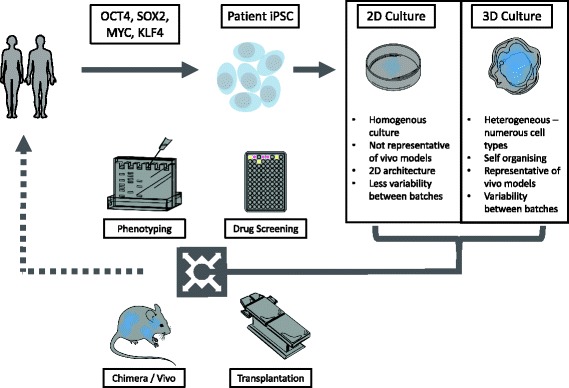
A major challenge to our understanding of the molecular mechanisms of Alzheimer's disease (AD) has been the lack of physiologically relevant in vitro models which capture the precise patient genome, in the cell type of interest, with physiological expression levels of the gene(s) of interest. Induced pluripotent stem cell (iPSC) technology, together with advances in 2D and 3D neuronal differentiation, offers a unique opportunity to overcome this challenge and generate a limitless supply of human neurons for in vitro studies. iPSC-neuron models have been widely employed to model AD and we discuss in this review the progress that has been made to date using patient-derived neurons to recapitulate key aspects of AD pathology and how these models have contributed to a deeper understanding of AD molecular mechanisms, as well as addressing the key challenges posed by using this technology and what progress is being made to overcome these. Finally, we highlight future directions for the use of iPSC-neurons in AD research and highlight the potential value of this technology to neurodegenerative research in the coming years.
Overview
The claims and statistics of this paper haven’t been checked yet.
Run the check — free, no account needed. It reads the open-access text and checks the sources it cites.
Integrity signals
Registry
Cites
Statistics
Figures
Verification
Claims the paper makes
The claims and statistics of this paper haven’t been checked yet.
Run the check — free, no account needed. It reads the open-access text and checks the sources it cites.
Claims other papers make about this one
Each is checked against this paper’s own text: does it say what the citing paper says it does?
The check wasn’t confident either way, so it gives no verdict — never disputed.
In the citing paper
“For example, monolayer cultures of microglia have been widely used to study the basic functions of microglia, such as migration and phagocytosis.16”
From Acoustofluidic assembly of 3D neurospheroids to model Alzheimer's disease (2020) · cites this paper as [16]
Experimental — accuracy not yet measured
Self-check
Percentages, sums and reported differences re-computed from the paper’s own numbers.
The self-check needs the paper’s full text.
Citations
Cites
2 retracted
Crews, L. A., Spencer, B. J., Desplats, P., Patrick, C., Paulino, A., Rockenstein, E. M., Hansen, L. A., Adame, A., Galasko, D. R., & Masliah, E. (2010) · PLoS ONE · doi:10.1371/journal.pone.0009313 · Cited by 379
RetractedYamamizu, K., Iwasaki, M., Takakubo, H., Sakamoto, T., Ikuno, T., Miyoshi, M., Kondo, T., Nakao, Y., Nakagawa, M., Inoue, H., et al. (2017) · Stem Cell Reports · doi:10.1016/j.stemcr.2017.01.023 · Cited by 51
RetractedInduction of Pluripotent Stem Cells from Adult Human Fibroblasts by Defined Factors
Takahashi, K., Tanabe, K., Ohnuki, M., Narita, M., Ichisaka, T., Tomoda, K., & Yamanaka, S. (2007) · Cell · doi:10.1016/j.cell.2007.11.019 · Cited by 20,221
Neuropathological stageing of Alzheimer-related changes.
Braak, H., & Braak, E. (1991) · Acta Neuropathologica · doi:10.1007/bf00308809 · Cited by 16,123
Multiplex Genome Engineering Using CRISPR/Cas Systems
Cong, L., Ran, F. A., Cox, D., Lin, S., Barretto, R., Habib, N., Hsu, P. D., Wu, X., Jiang, W., Marraffini, L. A., et al. (2013) · Science · doi:10.1126/science.1231143 · Cited by 15,339
Amyloid oligomers exacerbate tau pathology in a mouse model of tauopathy
Selenica, M.-L. B., Brownlow, M., Jimenez, J. P., Lee, D. C., Pena, G., Dickey, C. A., Gordon, M. N., & Morgan, D. (2013) · Neurodegenerative Diseases · doi:10.1159/000337230 · Cited by 10,359
Induced Pluripotent Stem Cell Lines Derived from Human Somatic Cells
Yu, J., Vodyanik, M. A., Smuga-Otto, K., Antosiewicz-Bourget, J., Frane, J. L., Tian, S., Nie, J., Jonsdottir, G. A., Ruotti, V., Stewart, R., et al. (2007) · Science · doi:10.1126/science.1151526 · Cited by 10,310
Corder, E. H., Saunders, A. M., Strittmatter, W. J., Schmechel, D. E., Gaskell, P. C., Small, G. W., Roses, A. D., Haines, J. L., & Pericak-Vance, M. A. (1993) · Science · doi:10.1126/science.8346443 · Cited by 9,429
RNA-Guided Human Genome Engineering via Cas9
Mali, P., Yang, L., Esvelt, K. M., Aach, J., Guell, M., DiCarlo, J. E., Norville, J. E., & Church, G. M. (2013) · Science · doi:10.1126/science.1232033 · Cited by 9,210
Cerebral organoids model human brain development and microcephaly
Lancaster, M. A., Renner, M., Martin, C.-A., Wenzel, D., Bicknell, L. S., Hurles, M. E., Homfray, T., Penninger, J. M., Jackson, A. P., & Knoblich, J. A. (2013) · Nature · doi:10.1038/nature12517 · Cited by 5,372
Research works printed but not linked: 1
- Huang Y-WA, Zhou B, Wernig M, Südhof TCTC. ApoE2, ApoE3, and ApoE4 differentially stimulate APP transcription and Aβ secretion. Cell. 2017;168(3):427–41.e21. · DOI · Paper page
Cited by
Sorted by citations
Ageing as a risk factor for neurodegenerative disease
Hou, Y., Dan, X., Babbar, M., Wei, Y., Hasselbalch, S. G., Croteau, D. L., & Bohr, V. A. (2019) · Nature Reviews Neurology · doi:10.1038/s41582-019-0244-7 · Cited by 3,310
Brain organoids: advances, applications and challenges
Qian, X., Song, H., & Ming, G.-L. (2019) · Development · doi:10.1242/dev.166074 · Cited by 724
The multiplex model of the genetics of Alzheimer's disease
Sims, R., Hill, M., & Williams, J. (2020) · Nature Neuroscience · doi:10.1038/s41593-020-0599-5 · Cited by 466
The complexity of Alzheimer’s disease: an evolving puzzle
Ferrari, C., & Sorbi, S. (2021) · Physiological Reviews · doi:10.1152/physrev.00015.2020 · Cited by 341
The amyloid cascade hypothesis: an updated critical review
Kepp, K. P., Robakis, N. K. R. K., Høilund‐Carlsen, P. F., Sensi, S. L., & Vissel, B. (2023) · Brain · doi:10.1093/brain/awad159 · Cited by 315
A 3D human brain–like tissue model of herpes-induced Alzheimer’s disease
Cairns, D. M., Rouleau, N., Parker, R. N., Walsh, K. G., Gehrke, L., & Kaplan, D. L. (2020) · Science Advances · doi:10.1126/sciadv.aay8828 · Cited by 247
Liu, S., Sun, Y.-P., Gao, X.-L., & Sui, Y. (2019) · Neural Regeneration Research · doi:10.4103/1673-5374.255995 · Cited by 213
Arber, C., Toombs, J., Lovejoy, C., Ryan, N. S., Paterson, R. W., Willumsen, N., Gkanatsiou, E., Portelius, E., Blennow, K., Heslegrave, A., et al. (2020) · Molecular Psychiatry · doi:10.1038/s41380-019-0410-8 · Cited by 148
Self-citation3D Bioprinting of Neural Tissues
Cadena, M., Ning, L., King, A. T., Hwang, B., Jin, L., Serpooshan, V., & Sloan, S. A. (2020) · Advanced Healthcare Materials · doi:10.1002/adhm.202001600 · Cited by 151
Awad, R., Avital, A., & Sosnik, A. (2022) · Acta Pharmaceutica Sinica B · doi:10.1016/j.apsb.2022.07.003 · Cited by 149
Biomaterials for stem cell engineering and biomanufacturing
Xu, Y., Chen, C., Hellwarth, P. B., & Bao, X. (2019) · Bioactive Materials · doi:10.1016/j.bioactmat.2019.11.002 · Cited by 127
Leveraging preclinical models for the development of Alzheimer disease therapeutics
Scearce-Levie, K. A., Sanchez, P. E., & Lewcock, J. W. (2020) · Nature Reviews Drug Discovery · doi:10.1038/s41573-020-0065-9 · Cited by 121
Logan, S., Arzua, T., Canfield, S. G., Seminary, E. R., Sison, S. L., Ebert, A. D., & Bai, X. (2019) · Comprehensive physiology · doi:10.1002/cphy.c180025 · Cited by 142
Organotypic brain slice cultures to model neurodegenerative proteinopathies
Croft, C. L., Futch, H. S., Moore, B. D., & Golde, T. E. (2019) · Molecular Neurodegeneration · doi:10.1186/s13024-019-0346-0 · Cited by 122
Pomeshchik, Y., Klementieva, O., Gil, J., Martinsson, I., Hansen, M. G., de Vries, T., Sancho-Balsells, A., Russ, K., Savchenko, E., Collin, A., et al. (2020) · Stem Cell Reports · doi:10.1016/j.stemcr.2020.06.001 · Cited by 95
Harnessing endophenotypes and network medicine for Alzheimer's drug repurposing
Fang, J., Pieper, A. A., Nussinov, R., Lee, G., Bekris, L. M., Leverenz, J. B., Cummings, J. L., & Cheng, F. (2020) · Medicinal Research Reviews · doi:10.1002/med.21709 · Cited by 95
Alzheimer’s disease and its treatment–yesterday, today, and tomorrow
Kim, A. Y., Jerdi, S. A., MacDonald, R., & Triggle, C. R. (2024) · Frontiers in Pharmacology · doi:10.3389/fphar.2024.1399121 · Cited by 98
Human pluripotent stem cell–derived models and drug screening in CNS precision medicine
Silva, M. C., & Haggarty, S. J. (2019) · Annals of the New York Academy of Sciences · doi:10.1111/nyas.14012 · Cited by 87
Serneels, L., T’Syen, D., Pérez‐Benito, L., Theys, T., Holt, M. G., & Strooper, B. D. (2020) · Molecular Neurodegeneration · doi:10.1186/s13024-020-00399-z · Cited by 78
Development and application of CRISPR/Cas9 technologies in genomic editing
Zhang, C., Quan, R., & Wang, J. (2018) · Human Molecular Genetics · doi:10.1093/hmg/ddy120 · Cited by 80
Wu, Q., Shaikh, M., Meymand, E. S., Zhang, B., Luk, K. C., Trojanowski, J. Q., & Lee, V. M. ‐. (2020) · Acta Neuropathologica · doi:10.1007/s00401-020-02227-6 · Cited by 71
Comparative analysis of human microglial models for studies of HIV replication and pathogenesis
Mohammad, A., Hammonds, J. E., Pujato, M. A., Mayhew, C. N., Roskin, K. M., & Spearman, P. W. (2020) · Retrovirology · doi:10.1186/s12977-020-00544-y · Cited by 78
Neuroimmune contributions to Alzheimer’s disease: a focus on human data
Haage, V., & De Jager, P. L. (2022) · Molecular Psychiatry · doi:10.1038/s41380-022-01637-0 · Cited by 74
Olesen, M. A., Villavicencio-Tejo, F., & Quintanilla, R. A. (2022) · Translational Neurodegeneration · doi:10.1186/s40035-022-00308-y · Cited by 76
Have there been improvements in Alzheimer’s disease drug discovery over the past 5 years?
Cacabelos, R. (2018) · Expert Opinion on Drug Discovery · doi:10.1080/17460441.2018.1457645 · Cited by 72
Brown, N., Cambruzzi, J., Cox, P. J., Davies, M., Dunbar, J., Plumbley, D., Sellwood, M. A., Sim, A., Williams-Jones, B. I., Zwierzyna, M., et al. (2018) · Progress in medicinal chemistry · doi:10.1016/bs.pmch.2017.12.003 · Cited by 75
Human Pluripotent Stem Cells in Neurodegenerative Diseases: Potentials, Advances and Limitations
Kolagar, T. A., Farzaneh, M., Nikkar, N., & Khoshnam, S. E. (2019) · Current Stem Cell Research & Therapy · doi:10.2174/1574888x14666190823142911 · Cited by 71
Acoustofluidic assembly of 3D neurospheroids to model Alzheimer's disease
Cai, H., Ao, Z., Hu, L., Moon, Y., Wu, Z., Lu, H.-C., Kim, J., & Guo, F. (2020) · The Analyst · doi:10.1039/d0an01373k · Cited by 70
Towards Advanced iPSC-based Drug Development for Neurodegenerative Disease
Pasteuning-Vuhman, S., de Jongh, R., Timmers, A., & Pasterkamp, R. J. (2020) · Trends in Molecular Medicine · doi:10.1016/j.molmed.2020.09.013 · Cited by 72
Dubey, S. K., Munnangi, S. R., Krishna, K. V., Saha, R. N., Singhvi, G., Agrawal, M., Ajazuddin, M., Saraf, S., Saraf, S., & Alexander, A. (2019) · Cellular and Molecular Neurobiology · doi:10.1007/s10571-019-00653-z · Cited by 64
Yin, J., & VanDongen, A. M. J. (2020) · ACS Biomaterials Science & Engineering · doi:10.1021/acsbiomaterials.0c01583 · Cited by 59
Using stem cell–derived neurons in drug screening for neurological diseases
Little, D., Ketteler, R., Gissen, P., & Devine, M. J. (2019) · Neurobiology of Aging · doi:10.1016/j.neurobiolaging.2019.02.008 · Cited by 56
Modelling microglial function with induced pluripotent stem cells: an update
Pocock, J. M., & Piers, T. M. (2018) · Nature reviews. Neuroscience · doi:10.1038/s41583-018-0030-3 · Cited by 59
Promoting Alzheimer’s disease research and therapy with stem cell technology
Cao, Z., Kong, F., Ding, J., Chen, C., He, F., & Deng, W. (2024) · Stem Cell Research & Therapy · doi:10.1186/s13287-024-03737-w · Cited by 60
Yildirimer, L., Zhang, Q., Kuang, S., Cheung, J. C., Chu, K. A., He, Y., Yang, M., & Zhao, X. (2019) · Biofabrication · doi:10.1088/1758-5090/ab17aa · Cited by 54
Maniv, I., Sarji, M., Bdarneh, A., Feldman, A., Ankawa, R., Koren, E., Magid-Gold, I., Reis, N., Soteriou, D., Salomon‐Zimri, S., et al. (2023) · Nature Communications · doi:10.1038/s41467-023-41545-7 · Cited by 53
Preparation of organotypic brain slice cultures for the study of Alzheimer’s disease
Croft, C. L., & Noble, W. J. (2018) · F1000Research · doi:10.12688/f1000research.14500.2 · Cited by 51
Shimada, H., Sato, Y., Sasaki, T., Shimozawa, A., Imaizumi, K., Shindo, T., Miyao, S., Kiyama, K., Kondo, T., Shibata, S., et al. (2022) · Cell Reports Methods · doi:10.1016/j.crmeth.2022.100289 · Cited by 50
Materials for Neural Differentiation, Trans‐Differentiation, and Modeling of Neurological Disease
Gong, L., Cao, L., Shen, Z., Shao, L., Gao, S., Zhang, C., Lü, J., & Li, W. (2018) · Advanced Materials · doi:10.1002/adma.201705684 · Cited by 40
Camic, P. M., Crutch, S. J., Murphy, C., Firth, N. C., Harding, E., Harrison, C., Howard, S., Strohmaier, S., Leewen, J. V., West, J., et al. (2018) · Frontiers in Psychology · doi:10.3389/fpsyg.2018.01842 · Cited by 43
Self-citationModelling Sporadic Alzheimer’s Disease Using Induced Pluripotent Stem Cells
Rowland, H. A., Hooper, N. M., & Kellett, K. A. B. (2018) · Neurochemical Research · doi:10.1007/s11064-018-2663-z · Cited by 38
Toward three-dimensional in vitro models to study neurovascular unit functions in health and disease
Robert, J., Caffrey, T. M., & Button, E. B. (2021) · Neural Regeneration Research · doi:10.4103/1673-5374.310671 · Cited by 37
Jacquet, A. D. R., Denis, H. L., Cicchetti, F., & Alpaugh, M. (2021) · Molecular Psychiatry · doi:10.1038/s41380-020-00999-7 · Cited by 36
Alzheimer's disease mechanisms in peripheral cells: Promises and challenges
Trushina, E. V. (2019) · Alzheimer s & Dementia Translational Research & Clinical Interventions · doi:10.1016/j.trci.2019.06.008 · Cited by 35
If Human Brain Organoids Are the Answer to Understanding Dementia, What Are the Questions?
Ooi, L., Dottori, M., Cook, A. L., Engel, M., Gautam, V., Grubman, A., Hernández, D., King, A. E., Maksour, S., Anastacio, H. T. D., et al. (2020) · The Neuroscientist · doi:10.1177/1073858420912404 · Cited by 35
Ghaffari, L., Starr, A., Nelson, A. T., & Sattler, R. (2018) · Frontiers in Neuroscience · doi:10.3389/fnins.2018.00056 · Cited by 35
Stem cells as a promising therapeutic approach for Alzheimer’s disease: a review
Fouad, G. I. (2019) · Bulletin of the National Research Centre/Bulletin of the National Research Center · doi:10.1186/s42269-019-0078-x · Cited by 34
Current and Emerging Pharmacological Targets for the Treatment of Alzheimer’s Disease
Morsy, A., & Trippier, P. C. (2019) · Journal of Alzheimer s Disease · doi:10.3233/jad-190744 · Cited by 36
Steg, L. C., Shireby, G. L., Imm, J. L., Davies, J. P., Franklin, A., Flynn, R. J., Namboori, S. C., Bhinge, A., Jeffries, A. R., Burrage, J., et al. (2021) · Molecular Brain · doi:10.1186/s13041-021-00810-w · Cited by 32
Generation of defined neural populations from pluripotent stem cells
McComish, S. F., & Caldwell, M. A. (2018) · Philosophical Transactions of the Royal Society B Biological Sciences · doi:10.1098/rstb.2017.0214 · Cited by 32
Modelling Alzheimer's disease: Insights fromin vivotoin vitrothree-dimensional culture platforms
Ranjan, V., Qiu, L., Tan, E., Zeng, L., & Zhang, Y. (2018) · Journal of Tissue Engineering and Regenerative Medicine · doi:10.1002/term.2728 · Cited by 41
Mullane, K., & Williams, M. (2018) · Biochemical Pharmacology · doi:10.1016/j.bcp.2018.09.027 · Cited by 32
Pimenova, A. A., & Goate, A. (2020) · Neurobiology of Disease · doi:10.1016/j.nbd.2020.104785 · Cited by 34
de Sá, R. V., Luna, M. C., & Pasterkamp, R. J. (2021) · Tissue Engineering Part C Methods · doi:10.1089/ten.tec.2020.0337 · Cited by 31
Genome-wide CRISPR screen identifies protein pathways modulating tau protein levels in neurons
Sanchez, C. G., Acker, C. M., Gray, A. J., Varadarajan, M., Song, C., Cochran, N. R., Paula, S., Lindeman, A., An, S., McAllister, G., et al. (2021) · Communications Biology · doi:10.1038/s42003-021-02272-1 · Cited by 36
Hebisch, M., Klostermeier, S., Wolf, K., Boccaccini, A. R., Wolf, S. E., Tanzi, R. E., & Kim, D. Y. (2023) · Advanced Science · doi:10.1002/advs.202205037 · Cited by 31
Microglia show differential transcriptomic response to Aβ peptide aggregates ex vivo and in vivo
McFarland, K. N., Ceballos, C., Rosario, A. M., Ladd, T. B., Moore, B. D., Golde, G., Wang, X., Allen, M., Ertekin‐Taner, N., Funk, C. C., et al. (2021) · Life Science Alliance · doi:10.26508/lsa.202101108 · Cited by 31
Saavedra, L., Wallace, K., Freudenrich, T. M., Mall, M., Mundy, W. R., Davila, J., Shafer, T. J., Wernig, M., & Haag, D. (2021) · Toxicological Sciences · doi:10.1093/toxsci/kfab008 · Cited by 26
Yeganeh, P. N., Kwak, S. S., Jorfi, M., Koler, K., Kalatturu, T., von Maydell, D. K., Liu, Z., Guo, K., Choi, Y., Park, J., et al. (2024) · Neuron · doi:10.1016/j.neuron.2024.10.029 · Cited by 24
A consolidated review on stem cell therapy for treatment and management of Alzheimer's disease
Ahmad, F., & Sachdeva, P. (2022) · Aging Medicine · doi:10.1002/agm2.12216 · Cited by 23
McGeachan, R. I., Meftah, S., Taylor, L. W., Catterson, J. H., Negro, D., Bonthron, C., Holt, K., Tulloch, J., Rose, J. L., Gobbo, F., et al. (2025) · Nature Communications · doi:10.1038/s41467-025-58879-z · Cited by 23
Fink, J. J., & Levine, E. S. (2018) · Frontiers in Neurology · doi:10.3389/fneur.2018.00237 · Cited by 26
Quiroga, I. Y., Cruikshank, A. E., Reed, K. S. M., Bond, M. L., Evangelista, B., Tseng, J., Ragusa, J. V., Meeker, R. B., Won, H., Cohen, S., et al. (2022) · Journal of Neuroinflammation · doi:10.1186/s12974-022-02459-1 · Cited by 19
Wang, J., Qiao, H., Wang, Z., Zhao, W., Chen, T., Li, B., Zhu, L., Chen, S., Gu, L., Wu, Y., et al. (2023) · Advanced Materials · doi:10.1002/adma.202210631 · Cited by 20
Li, L., Kim, H. J., Roh, J. H., Kim, M., Koh, W., Kim, Y., Heo, H., Chung, J. H., Nakanishi, M., Yoon, T., et al. (2020) · Cell Proliferation · doi:10.1111/cpr.12798 · Cited by 19
Neural In Vitro Models for Studying Substances Acting on the Central Nervous System
Fritsche, E., Tigges, J., Hartmann, J., Kapr, J., Serafini, M. M., & Viviani, B. (2020) · Handbook of experimental pharmacology · doi:10.1007/164_2020_367 · Cited by 21
Modeling Alzheimer’s disease brains in vitro
Henstridge, C. M., & Spires‐Jones, T. L. (2018) · Nature Neuroscience · doi:10.1038/s41593-018-0177-2 · Cited by 19
Lin, L., Liu, A., Li, H., Feng, J., & Yan, Z. (2019) · Journal of Alzheimer s Disease · doi:10.3233/jad-190190 · Cited by 18
Cell models for Down syndrome-Alzheimer’s disease research
Wu, Y., West, N. R., Bhattacharyya, A., & Wiseman, F. K. (2022) · Neuronal Signaling · doi:10.1042/ns20210054 · Cited by 17
Tezel, G., Timur, S. S., Bozkurt, İ., Türkoğlu, Ö. F., Eroğlu, İ., Nemutlu, E., Öner, L., & Eroğlu, H. (2019) · Chemical and Pharmaceutical Bulletin · doi:10.1248/cpb.c19-00511 · Cited by 17
Quarta, A., Meese, T., Pieters, Z., Breedam, E. V., Blon, D. L., Broeckhoven, J. V., Hendrix, S., Goossens, H., Hens, N., Berneman, Z. N., et al. (2020) · Glia · doi:10.1002/glia.23899 · Cited by 17
Han, F., Liu, C., Huang, J., Chen, J., Wei, C., Geng, X., Liu, Y., Han, D., & Li, M. (2019) · Brain Science Advances · doi:10.1177/2096595819896178 · Cited by 16
Vignon, A., Salvador-Prince, L., Lehmann, S., Perrier, V., & Torrent, J. (2021) · International Journal of Molecular Sciences · doi:10.3390/ijms22168769 · Cited by 17
Wuli, W., Tsai, S., Chiou, T., & Harn, H. (2020) · International Journal of Molecular Sciences · doi:10.3390/ijms21041327 · Cited by 16
Arber, C., Alatza, A., Leckey, C. A., Paterson, R. W., Zetterberg, H., & Wray, S. (2021) · Journal of Neurochemistry · doi:10.1111/jnc.15315 · Cited by 13
Self-citationBiomaterials-based strategies for in vitro neural models
Özgün, A., Lomboni, D. J., Arnott, H. G., Staines, W. A., Woulfe, J., & Variola, F. (2022) · Biomaterials Science · doi:10.1039/d1bm01361k · Cited by 13
Disruption of the gene regulatory programme in neurodevelopmental disorders
Griffin, A., Mahesh, A., & Tiwari, V. K. (2022) · Biochimica et Biophysica Acta (BBA) - Gene Regulatory Mechanisms · doi:10.1016/j.bbagrm.2022.194860 · Cited by 14
Important advances in Alzheimer’s disease from the use of induced pluripotent stem cells
Majolo, F., Marinowic, D. R., Machado, D. C., & da Costa, J. C. (2019) · Journal of Biomedical Science · doi:10.1186/s12929-019-0501-5 · Cited by 15
Arber, C., Belder, C. R. S., Tomczuk, F., Gabriele, R. M. C., Buhidma, Y., Farrell, C., O’Connor, A., Rice, H., Lashley, T., Fox, N. C., et al. (2024) · Alzheimer s & Dementia · doi:10.1002/alz.13904 · Cited by 11
Self-citationBak, A., Schmied, K., Jakob, M., Bedogni, F., Squire, O. A., Gittel, B., Jesinghausen, M., Schünemann, K. D., Weber, Y. G., Kampa, B. M., et al. (2024) · Journal of Neurophysiology · doi:10.1152/jn.00178.2024 · Cited by 10
Human-Derived Brain Models: Windows into Neuropsychiatric Disorders and Drug Therapies
Papariello, A. R., & Litwa, K. (2019) · Assay and Drug Development Technologies · doi:10.1089/adt.2019.922 · Cited by 11
Takeuchi, L. E., Kalia, L. V., & Simmons, C. A. (2025) · Neurobiology of Disease · doi:10.1016/j.nbd.2025.106864 · Cited by 11
Willerth, S. M. (2018) · Journal of 3D Printing in Medicine · doi:10.2217/3dp-2018-0016 · Cited by 9
A Human Embryonic Stem Cell Model of Aβ-Dependent Chronic Progressive Neurodegeneration
Ubina, T., Magallanes, M., Srivastava, S., Warden, C., Yee, J., & Salvaterra, P. M. (2019) · Frontiers in Neuroscience · doi:10.3389/fnins.2019.01007 · Cited by 9
Tang, Y., Han, Y., Yu, H., Zhang, B., & Li, G. (2020) · Neuroscience Letters · doi:10.1016/j.neulet.2020.135208 · Cited by 9
Mitochondrial Function in Alzheimer’s Disease: Focus on Astrocytes
Lampinen, R., Belaya, I., Boccuni, I., Malm, T., & Kanninen, K. M. (2018) · Astrocyte - Physiology and Pathology · doi:10.5772/intechopen.71825 · Cited by 8
Introductory Chapter: Concept of Neuroprotection - A New Perspective
Chang, R. C., & Ho, J. Y. S. (2019) · IntechOpen eBooks · doi:10.5772/intechopen.85631 · Cited by 8
Phadke, L., Lau, D. H. W., Aghaizu, N. D., Ibarra, S., Navarrón, C. M., Granat, L., Magno, L., Whiting, P. J., & Jolly, S. (2022) · Frontiers in Aging Neuroscience · doi:10.3389/fnagi.2022.1056067 · Cited by 8
Mesa, H., Zhang, E. Y., Wang, Y., & Zhang, Q. (2023) · Journal of Cellular Physiology · doi:10.1002/jcp.30999 · Cited by 9
Tucker, M., Liao, G. Y., Keely, A., Park, J. Y., Rosenfeld, M., Wezeman, J., Mangalindan, R., Ratner, D., Darvas, M., & Ladiges, W. (2024) · Aging Pathobiology and Therapeutics · doi:10.31491/apt.2024.09.148 · Cited by 7
AI reveals insights into link between CD33 and cognitive impairment in Alzheimer’s Disease
Raschka, T., Sood, M., Schultz, B. T., Altay, A., Ebeling, C., & Fröhlich, H. (2023) · PLoS Computational Biology · doi:10.1371/journal.pcbi.1009894 · Cited by 4
Lee, J., Ju, I. G., Lim, Y., Kim, J. H., Lee, S.-M., Choi, Y., Oh, M. S., Kim, J., & Kim, D. (2024) · Biomaterials Science · doi:10.1039/d4bm01368a · Cited by 5
Neuroscience models: choose your dimension
Marx, V. (2018) · Nature Methods · doi:10.1038/s41592-018-0191-z · Cited by 5
Cellular Technologies in Traumatology: from Cells to Tissue Engineering
Дремина, Н. Н., Сергеевна, Т. И., & Александровна, Ш. И. (2021) · Бюллетень Восточно-Сибирского научного центра Сибирского отделения Российской академии медицинских наук · doi:10.29413/abs.2020-5.6.8 · Cited by 5
Research Progress on Neural Cell Culture Systems
Li, T., Qin, X., & Ao, Q. (2025) · Current Neuropharmacology · doi:10.2174/011570159x360193250219082312 · Cited by 4
Three-dimensional culture systems in central nervous system research
Onuwaje, I., & Phillips, J. B. (2020) · Elsevier eBooks · doi:10.1016/b978-0-12-818084-6.00016-7 · Cited by 4
Naffaa, M. M. (2025) · Lifespan development and mental health. · doi:10.70322/ldmh.2025.10005 · Cited by 3
Tarnanas, I., Seixas, A. A., Wyss, M., Vlamos, P., & Çöltekin, A. (2026) · Frontiers in Digital Health · doi:10.3389/fdgth.2025.1727707 · Cited by 3
Saguer, I. L., Gabriele, R. M. C., Bradshaw, T. Y., Leckey, C. A., Belder, C. R. S., Chávez‐Gutiérrez, L., de Silva, R., Fox, N. C., Wray, S., Oxtoby, N. P., et al. (2026) · Brain Communications · doi:10.1093/braincomms/fcag105 · Cited by 3
Self-citationXu, Y., Wang, S., & Zhu, P. (2022) · Current Stem Cell Research & Therapy · doi:10.2174/1574888x17666220426114050 · Cited by 3
Metadata
- Authors
- Arber, C., Lovejoy, C., & Wray, S.
- Affiliations
- UCL Queen Square Institute of Neurology (GB)
- Corresponding author
- Wray, Selina
- Venue
- Alzheimer's Research & Therapy
- Published
- 2017-06-13
- Volume
- 9
- Issue
- 1
- Pages
- 42-42
- ISSN
- 1758-9193 (ISSN-L)
- PMC
- PMC5470327
- OpenAlex
- W2624768339
- Cited by
- 143
- References
- 157
- Citations by year
- 2026: 7 · 2025: 8 · 2024: 13 · 2023: 10 · 2022: 14 · 2021: 19 · 2020: 26 · 2019: 26 · 2018: 19
- FWCI
- 2.38
- Type
- journal article
- Language
- en
- Open access
- gold
- doi.org
- Licence
- cc-by
- Locations
- Alzheimer s Research & Therapy (publishedVersion, cc-by)
- Europe PMC (PubMed Central) (publishedVersion, cc-by)
- PubMed Central (publishedVersion, cc-by)
- PubMed (publishedVersion)
- DOAJ (DOAJ: Directory of Open Access Journals) (submittedVersion, cc-by-sa)
- UCL Discovery (University College London) (submittedVersion)
- Funders
- Alzheimer’s Research UK
- National Centre for the Replacement, Refinement and Reduction of Animals in Research
- National Institute for Health Research
- Topics
- Life Sciences › Neuroscience › Cellular and Molecular Neuroscience › Alzheimer's disease research and treatments
- Life Sciences › Biochemistry, Genetics and Molecular Biology › Molecular Biology › Pluripotent Stem Cells Research
- Health Sciences › Medicine › Psychiatry and Mental health › Dementia and Cognitive Impairment Research
- Keywords
- Alzheimer's disease, induced pluripotent stem cells, iPSC-derived neurons, patient-derived neurons, neuronal differentiation, in vitro disease model, neurodegeneration
- MeSH terms
- Alzheimer Disease, Animals, Cells, Cultured, Disease Models, Animal, Humans, Organoids, Tissue Engineering, Induced Pluripotent Stem Cells, Neural Stem Cells, Batch Cell Culture Techniques
About these checks
Registry, retraction, Cites and statistics results are computed, not judged, with one exception: a printed reference that no index lists is read once by a model before it counts as a citation error. Claims are extracted by a model and kept only when their quote appears verbatim in the text; each cited source is then checked, with a model’s help, for whether it says what the claim relies on. Those verdicts can be wrong — read the claim’s quote and the cited source before relying on one.
Statistics and arithmetic are recomputed, not judged.
Confidence bands are shown only for fields calibrated on our annotated test set. None is calibrated yet, so no band is shown.
What counts as a claim ›How we measure confidence ›How we check this ›
Are you an author, or do you see a problem with this page? Request a review
