

The DOI matches its Crossref record; 157 of the 157 references it cites were found in a registry or an index.
Stem cell models of Alzheimer’s disease: progress and challenges
Open accessAbstract
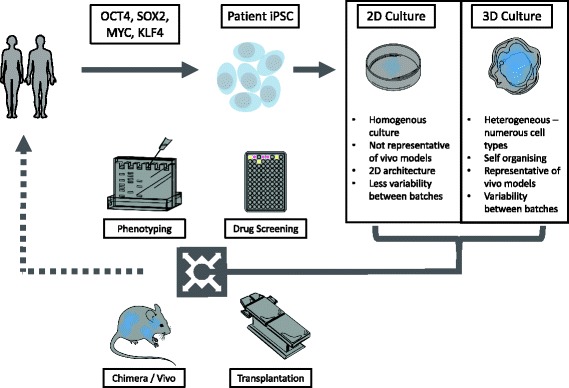
A major challenge to our understanding of the molecular mechanisms of Alzheimer's disease (AD) has been the lack of physiologically relevant in vitro models which capture the precise patient genome, in the cell type of interest, with physiological expression levels of the gene(s) of interest. Induced pluripotent stem cell (iPSC) technology, together with advances in 2D and 3D neuronal differentiation, offers a unique opportunity to overcome this challenge and generate a limitless supply of human neurons for in vitro studies. iPSC-neuron models have been widely employed to model AD and we discuss in this review the progress that has been made to date using patient-derived neurons to recapitulate key aspects of AD pathology and how these models have contributed to a deeper understanding of AD molecular mechanisms, as well as addressing the key challenges posed by using this technology and what progress is being made to overcome these. Finally, we highlight future directions for the use of iPSC-neurons in AD research and highlight the potential value of this technology to neurodegenerative research in the coming years.
Overview
The claims and statistics of this paper haven’t been checked yet.
Run the check — free, no account needed. It reads the open-access text and checks the sources it cites.
Integrity signals
Registry
Cites
Statistics
Figures
Verification
Claims the paper makes
The claims and statistics of this paper haven’t been checked yet.
Run the check — free, no account needed. It reads the open-access text and checks the sources it cites.
Claims other papers make about this one
Each is checked against this paper’s own text: does it say what the citing paper says it does?
The check wasn’t confident either way, so it gives no verdict — never disputed.
In the citing paper
“For example, monolayer cultures of microglia have been widely used to study the basic functions of microglia, such as migration and phagocytosis.16”
From Acoustofluidic assembly of 3D neurospheroids to model Alzheimer's disease (2020) · cites this paper as [16]
Experimental — accuracy not yet measured
Self-check
Percentages, sums and reported differences re-computed from the paper’s own numbers.
The self-check needs the paper’s full text.
Citations
Cites
2 retracted
Crews, L. A., Spencer, B. J., Desplats, P., Patrick, C., Paulino, A., Rockenstein, E. M., Hansen, L. A., Adame, A., Galasko, D. R., & Masliah, E. (2010) · PLoS ONE · doi:10.1371/journal.pone.0009313 · Cited by 379
RetractedYamamizu, K., Iwasaki, M., Takakubo, H., Sakamoto, T., Ikuno, T., Miyoshi, M., Kondo, T., Nakao, Y., Nakagawa, M., Inoue, H., et al. (2017) · Stem Cell Reports · doi:10.1016/j.stemcr.2017.01.023 · Cited by 51
RetractedInduction of Pluripotent Stem Cells from Adult Human Fibroblasts by Defined Factors
Takahashi, K., Tanabe, K., Ohnuki, M., Narita, M., Ichisaka, T., Tomoda, K., & Yamanaka, S. (2007) · Cell · doi:10.1016/j.cell.2007.11.019 · Cited by 20,221
Neuropathological stageing of Alzheimer-related changes.
Braak, H., & Braak, E. (1991) · Acta Neuropathologica · doi:10.1007/bf00308809 · Cited by 16,123
Multiplex Genome Engineering Using CRISPR/Cas Systems
Cong, L., Ran, F. A., Cox, D., Lin, S., Barretto, R., Habib, N., Hsu, P. D., Wu, X., Jiang, W., Marraffini, L. A., et al. (2013) · Science · doi:10.1126/science.1231143 · Cited by 15,339
Amyloid oligomers exacerbate tau pathology in a mouse model of tauopathy
Selenica, M.-L. B., Brownlow, M., Jimenez, J. P., Lee, D. C., Pena, G., Dickey, C. A., Gordon, M. N., & Morgan, D. (2013) · Neurodegenerative Diseases · doi:10.1159/000337230 · Cited by 10,359
Induced Pluripotent Stem Cell Lines Derived from Human Somatic Cells
Yu, J., Vodyanik, M. A., Smuga-Otto, K., Antosiewicz-Bourget, J., Frane, J. L., Tian, S., Nie, J., Jonsdottir, G. A., Ruotti, V., Stewart, R., et al. (2007) · Science · doi:10.1126/science.1151526 · Cited by 10,310
Corder, E. H., Saunders, A. M., Strittmatter, W. J., Schmechel, D. E., Gaskell, P. C., Small, G. W., Roses, A. D., Haines, J. L., & Pericak-Vance, M. A. (1993) · Science · doi:10.1126/science.8346443 · Cited by 9,429
RNA-Guided Human Genome Engineering via Cas9
Mali, P., Yang, L., Esvelt, K. M., Aach, J., Guell, M., DiCarlo, J. E., Norville, J. E., & Church, G. M. (2013) · Science · doi:10.1126/science.1232033 · Cited by 9,210
Cerebral organoids model human brain development and microcephaly
Lancaster, M. A., Renner, M., Martin, C.-A., Wenzel, D., Bicknell, L. S., Hurles, M. E., Homfray, T., Penninger, J. M., Jackson, A. P., & Knoblich, J. A. (2013) · Nature · doi:10.1038/nature12517 · Cited by 5,372
Meta-Analysis of 74,046 Individuals Identifies 11 New Susceptibility Loci for Alzheimer’s Disease
(EADI), E. A. D. I., Lambert, J.-C., (GERAD), G. A. E. R. I. A. D., Alzheimer's Disease Genetic Consortium (ADGC), (CHARGE), C. F. H. A. A. R. I. G. E., Ibrahim-Verbaas, C. A., Harold, D., Naj, A. C., Sims, R., Bellenguez, C., et al. (2013) · Nature Genetics · doi:10.1038/ng.2802 · Cited by 4,336
Highly efficient neural conversion of human ES and iPS cells by dual inhibition of SMAD signaling
Chambers, S. M., Fasano, C. A., Papapetrou, E. P., Tomishima, M., Sadelain, M., & Studer, L. (2009) · Nature Biotechnology · doi:10.1038/nbt.1529 · Cited by 3,620
Organoid Models and Applications in Biomedical Research
Xinaris, C., Brizi, V., & Remuzzi, G. (2015) · The Nephron journals/Nephron journals · doi:10.1159/000433566 · Cited by 3,519
Neuropathological alterations in Alzheimer disease
Serrano-Pozo, A., Frosch, M. P., Masliah, E., & Hyman, B. T. (2011) · Cold Spring Harbor Perspectives in Medicine · doi:10.1101/cshperspect.a006189 · Cited by 3,345
Harold, D., Abraham, R., Hollingworth, P., Sims, R., Gerrish, A., Hamshere, M. L., Pahwa, J. S., Moskvina, V., Dowzell, K., Williams, A., et al. (2009) · Nature Genetics · doi:10.1038/ng.440 · Cited by 3,326
TREM2 Variants in Alzheimer's Disease
Guerreiro, R., Wojtas, A., Bras, J., Carrasquillo, M., Rogaeva, E., Majounie, E., Cruchaga, C., Sassi, C., Kauwe, J. S. K., Younkin, S., et al. (2013) · New England Journal of Medicine · doi:10.1056/nejmoa1211851 · Cited by 3,020
Three-Dimensional Scaffolds for Tissue Engineering Applications: Role of Porosity and Pore Size
Loh, Q. L., & Choong, C. (2013) · Tissue Engineering Part B: Reviews · doi:10.1089/ten.teb.2012.0437 · Cited by 2,668
Cellular Scaling Rules for the Brains of Marsupials: Not as “Primitive” as Expected
Santos, S. E. D., Porfírio, J., Cunha, F., Manger, P. R., Tavares, W. C., Pessôa, L. M., Raghanti, M. A., Sherwood, C. C., & Herculano‐Houzel, S. (2017) · Brain Behavior and Evolution · doi:10.1159/000452856 · Cited by 2,652
Variant of TREM2 Associated with the Risk of Alzheimer's Disease
Jonsson, T., Stefansson, H., Steinberg, S., Jonsdottir, I., Jonsson, P. V., Snaedal, J., Bjornsson, S., Huttenlocher, J., Levey, A. I., Lah, J. J., et al. (2013) · New England Journal of Medicine · doi:10.1056/nejmoa1211103 · Cited by 2,558
Goedert, M., Spillantini, M. G., Jakes, R., Rutherford, D., & Crowther, R. A. (1989) · Neuron · doi:10.1016/0896-6273(89)90210-9 · Cited by 2,492
Breaking the Code of DNA Binding Specificity of TAL-Type III Effectors
Boch, J., Scholze, H., Schornack, S., Landgraf, A., Hahn, S., Kay, S., Lahaye, T., Nickstadt, A., & Bonas, U. (2009) · Science · doi:10.1126/science.1178811 · Cited by 2,470
Azevedo, F. A. C., Carvalho, L. R. B., Grinberg, L. T., Farfel, J. M., Ferretti, R. E. L., Leite, R. E. P., Filho, W. J., Lent, R., & Herculano‐Houzel, S. (2009) · Journal of Comparative Neurology · doi:10.1002/cne.21974 · Cited by 2,337
The cholinergic hypothesis of Alzheimer’s disease: A review of progress
Francis, P. T., Palmer, A. M., Snape, M., & Wilcock, G. K. (1999) · Journal of Neurology, Neurosurgery & Psychiatry · doi:10.1136/jnnp.66.2.137 · Cited by 2,198 · cited 1×
“Additionally, there is evidence that pyramidal cell innervation by cholinergic neurons is lost early in AD, defining the basis of the cholinergic hypothesis of AD and suggesting that cholinergic cells initiate AD [7].”
Disease-Specific Induced Pluripotent Stem Cells.
Park, I.-H., Arora, N., Huo, H., Maherali, N., Ahfeldt, T., Shimamura, A., Lensch, M. W., Cowan, C., Hochedlinger, K., & Daley, G. Q. (2008) · Cell · doi:10.1016/j.cell.2008.07.041 · Cited by 2,196
Buée, L., Bussière, T., Buée‐Scherrer, V., Delacourte, A., & Hof, P. R. (2000) · Brain Research Reviews · doi:10.1016/s0165-0173(00)00019-9 · Cited by 2,133
Brain-Region-Specific Organoids Using Mini-bioreactors for Modeling ZIKV Exposure
Qian, X., Nguyen, H. N., Song, M. M., Hadiono, C., Ogden, S. C., Hammack, C., Yao, B., Hamersky, G. R., Jacob, F., Zhong, C., et al. (2016) · Cell · doi:10.1016/j.cell.2016.04.032 · Cited by 2,127
Tau Suppression in a Neurodegenerative Mouse Model Improves Memory Function
SantaCruz, K., Lewis, J., Spires, T., Paulson, J., Kotilinek, L., Ingelsson, M., Guimaraes, A., DeTure, M., Ramsden, M., McGowan, E., et al. (2005) · Science · doi:10.1126/science.1113694 · Cited by 2,014
Initiative, T. A. D. N., Hollingworth, P., CHARGE consortium, EADI1 consortium, Harold, D., Sims, R., Gerrish, A., Lambert, J.-C., Carrasquillo, M. M., Abraham, R., et al. (2011) · Nature Genetics · doi:10.1038/ng.803 · Cited by 1,997
In vitro differentiation of transplantable neural precursors from human embryonic stem cells
Zhang, S., Wernig, M., Duncan, I. D., Brüstle, O., & Thomson, J. A. (2001) · Nature Biotechnology · doi:10.1038/nbt1201-1129 · Cited by 1,935
Naj, A. C., Jun, G., Beecham, G. W., Wang, L.-S., Vardarajan, B. N., Buros, J., Gallins, P. J., Buxbaum, J. D., Jarvik, G. P., Crane, P. K., et al. (2011) · Nature Genetics · doi:10.1038/ng.801 · Cited by 1,901
Reducing Endogenous Tau Ameliorates Amyloid ß-Induced Deficits in an Alzheimer's Disease Mouse Model
Roberson, E. D., Scearce-Levie, K., Palop, J. J., Yan, F., Cheng, I. H., Wu, T., Gerstein, H., Yu, G.-Q., & Mucke, L. (2007) · Science · doi:10.1126/science.1141736 · Cited by 1,892
Generation of cerebral organoids from human pluripotent stem cells
Lancaster, M. A., & Knoblich, J. A. (2014) · Nature Protocols · doi:10.1038/nprot.2014.158 · Cited by 1,823
A mutation in APP protects against Alzheimer’s disease and age-related cognitive decline
Jonsson, T., Atwal, J. K., Steinberg, S., Snaedal, J., Jonsson, P. V., Bjornsson, S., Stefansson, H., Sulem, P., Gudbjartsson, D., Maloney, J., et al. (2012) · Nature · doi:10.1038/nature11283 · Cited by 1,738
Rapid single-step induction of functional neurons from human pluripotent stem cells
Zhang, Y., Pak, C., Han, Y., Ahlenius, H., Zhang, Z., Chanda, S., Marro, S., Patzke, C., Acuna, C., Covy, J., et al. (2013) · Neuron · doi:10.1016/j.neuron.2013.05.029 · Cited by 1,644
Functional cortical neurons and astrocytes from human pluripotent stem cells in 3D culture
Paşca, A. M., Sloan, S. A., Clarke, L. E., Tian, Y., Makinson, C. D., Huber, N., Kim, C. H., Park, J.-Y., O'Rourke, N. A., Nguyen, K. D., et al. (2015) · Nature Methods · doi:10.1038/nmeth.3415 · Cited by 1,609
Depletion of microglia and inhibition of exosome synthesis halt tau propagation
Asai, H., Ikezu, S., Tsunoda, S., Medalla, M., Luebke, J., Haydar, T., Wolozin, B., Butovsky, O., Kügler, S., & Ikezu, T. (2015) · Nature Neuroscience · doi:10.1038/nn.4132 · Cited by 1,591
Eiraku, M., Watanabe, K., Matsuo-Takasaki, M., Kawada, M., Yonemura, S., Matsumura, M., Wataya, T., Nishiyama, A., Muguruma, K., & Sasai, Y. (2008) · Cell Stem Cell · doi:10.1016/j.stem.2008.09.002 · Cited by 1,522
Conversion of embryonic stem cells into neuroectodermal precursors in adherent monoculture
Ying, Q.-L., Stavridis, M., Griffiths, D., Li, M., & Smith, A. (2003) · Nature Biotechnology · doi:10.1038/nbt780 · Cited by 1,504
Self-formation of optic cups and storable stratified neural retina from human ESCs
Nakano, T., Ando, S., Takata, N., Kawada, M., Muguruma, K., Sekiguchi, K., Saito, K., Yonemura, S., Eiraku, M., & Sasai, Y. (2012) · Cell stem cell · doi:10.1016/j.stem.2012.05.009 · Cited by 1,447
Alzheimer’s Disease Risk Genes and Mechanisms of Disease Pathogenesis
Karch, C. M., & Goate, A. M. (2015) · Biological Psychiatry · doi:10.1016/j.biopsych.2014.05.006 · Cited by 1,357
Probing sporadic and familial Alzheimer’s disease using induced pluripotent stem cells
Israel, M. A., Yuan, S. H., Bardy, C., Reyna, S. M., Mu, Y., Herrera, C., Hefferan, M. P., Van Gorp, S., Nazor, K. L., Boscolo, F. S., et al. (2012) · Nature · doi:10.1038/nature10821 · Cited by 1,253
Genome-wide Analysis of Genetic Loci Associated With Alzheimer Disease
Seshadri, S. (2010) · JAMA · doi:10.1001/jama.2010.574 · Cited by 1,219
A three-dimensional human neural cell culture model of Alzheimer’s disease
Choi, S. H., Kim, Y. H., Hebisch, M., Sliwinski, C., Lee, S., D’Avanzo, C., Chen, H., Hooli, B., Asselin, C., Muffat, J., et al. (2014) · Nature · doi:10.1038/nature13800 · Cited by 1,195
iPSC-derived human microglia-like cells to study neurological diseases
Abud, E. M., Ramirez, R. N., Martinez, E. S., Healy, L. M., Nguyen, C. H. H., Newman, S. A., Yeromin, A. V., Scarfone, V. M., Marsh, S. E., Fimbres, C., et al. (2017) · Neuron · doi:10.1016/j.neuron.2017.03.042 · Cited by 1,154
Human cerebral organoids recapitulate gene expression programs of fetal neocortex development
Camp, J. G., Badsha, F., Florio, M., Kanton, S., Gerber, T., Wilsch-Bräuninger, M., Lewitus, E., Sykes, A., Hevers, W., Lancaster, M., et al. (2015) · Proceedings of the National Academy of Sciences · doi:10.1073/pnas.1520760112 · Cited by 1,130
Hockemeyer, D. F., Soldner, F., Beard, C., Gao, Q., Mitalipova, M. M., DeKelver, R. C., Katibah, G. E., Amora, R., Boydston, E. A., Zeitler, B., et al. (2009) · Nature Biotechnology · doi:10.1038/nbt.1562 · Cited by 1,060
Goedert, M., Spillantini, M. G., Potier, M. C., Ulrich, J., & Crowther, R. A. (1989) · The EMBO Journal · doi:10.1002/j.1460-2075.1989.tb03390.x · Cited by 1,037
Kadoshima, T., Sakaguchi, H., Nakano, T., Soen, M., Ando, S., Eiraku, M., & Sasai, Y. (2013) · Proceedings of the National Academy of Sciences · doi:10.1073/pnas.1315710110 · Cited by 999
Tau phosphorylation: the therapeutic challenge for neurodegenerative disease
Hanger, D. P., Anderton, B. H., & Noble, W. (2009) · Trends in Molecular Medicine · doi:10.1016/j.molmed.2009.01.003 · Cited by 965
Jo, J., Xiao, Y., Sun, A. X., Cukuroglu, E., Tran, H.-D., Göke, J., Tan, Z. Y., Saw, T. Y., Tan, C.-P., Lokman, H., et al. (2016) · Cell Stem Cell · doi:10.1016/j.stem.2016.07.005 · Cited by 861
Neuronal activity enhances tau propagation and tau pathology in vivo
Wu, J. W., Hussaini, S. A., Bastille, I. M., Rodriguez, G. A., Mrejeru, A., Rilett, K., Sanders, D. W., Cook, C., Fu, H., Boonen, R. A. C. M., et al. (2016) · Nature Neuroscience · doi:10.1038/nn.4328 · Cited by 820
Self-citationHuman cerebral cortex development from pluripotent stem cells to functional excitatory synapses
Shi, Y., Kirwan, P., Smith, J., Robinson, H. P. C., & Livesey, F. J. (2012) · Nature Neuroscience · doi:10.1038/nn.3041 · Cited by 813
Directed differentiation of telencephalic precursors from embryonic stem cells
Watanabe, K., Kamiya, D., Nishiyama, A., Katayama, T., Nozaki, S., Kawasaki, H., Watanabe, Y., Mizuseki, K., & Sasai, Y. (2005) · Nature Neuroscience · doi:10.1038/nn1402 · Cited by 784
Human iPSC-based modeling of late-onset disease via progerin-induced aging
Miller, J. D., Ganat, Y. M., Kishinevsky, S., Bowman, R. L., Liu, B., Tu, E. Y., Mandal, P. K., Vera, E., Shim, J.-W., Kriks, S., et al. (2013) · Cell stem cell · doi:10.1016/j.stem.2013.11.006 · Cited by 777
Mertens, J., Paquola, A. C. M., Ku, M., Hatch, E., Böhnke, L., Ladjevardi, S., McGrath, S., Campbell, B., Lee, H., Herdy, J. R., et al. (2015) · Cell Stem Cell · doi:10.1016/j.stem.2015.09.001 · Cited by 765
Kondo, T., Asai, M., Tsukita, K., Kutoku, Y., Ohsawa, Y., Sunada, Y., Imamura, K., Egawa, N., Yahata, N., Okita, K., et al. (2013) · Cell Stem Cell · doi:10.1016/j.stem.2013.01.009 · Cited by 741
Self-Organization of Polarized Cerebellar Tissue in 3D Culture of Human Pluripotent Stem Cells
Muguruma, K., Nishiyama, A., Kawakami, H., Hashimoto, K., & Sasai, Y. (2015) · Cell Reports · doi:10.1016/j.celrep.2014.12.051 · Cited by 692
An overview of APP processing enzymes and products.
Chow, V. W., Mattson, M. P., Wong, P. C., & Gleichmann, M. (2010) · NeuroMolecular Medicine · doi:10.1007/s12017-009-8104-z · Cited by 684
Efficient derivation of microglia-like cells from human pluripotent stem cells
Muffat, J., Li, Y., Yuan, B., Mitalipova, M., Omer, A., Corcoran, S., Bakiasi, G., Tsai, L.-H., Aubourg, P., Ransohoff, R. M., et al. (2016) · Nature Medicine · doi:10.1038/nm.4189 · Cited by 651
An intrinsic mechanism of corticogenesis from embryonic stem cells
Gaspard, N., Bouschet, T., Hourez, R., Dimidschstein, J., Naeije, G., van den Ameele, J., Espuny-Camacho, I., Herpoel, A., Passante, L., Schiffmann, S. N., et al. (2008) · Nature · doi:10.1038/nature07287 · Cited by 641
Structure and novel exons of the human .tau. gene
Andreadis, A., Brown, W. M., & Kosik, K. S. (1992) · Biochemistry · doi:10.1021/bi00158a027 · Cited by 625
Microglial dysfunction in brain aging and Alzheimer's disease
Mosher, K. I., & Wyss-Coray, T. (2014) · Biochemical Pharmacology · doi:10.1016/j.bcp.2014.01.008 · Cited by 618
Modeling familial Alzheimer's disease with induced pluripotent stem cells
Yagi, T., Ito, D., Okada, Y., Akamatsu, W., Nihei, Y., Yoshizaki, T., Yamanaka, S., Okano, H., & Suzuki, N. (2011) · Human Molecular Genetics · doi:10.1093/hmg/ddr394 · Cited by 599
Maroof, A. M., Keros, S., Tyson, J. A., Ying, S.-W., Ganat, Y. M., Merkle, F. T., Liu, B., Goulburn, A., Stanley, E. G., Elefanty, A. G., et al. (2013) · Cell Stem Cell · doi:10.1016/j.stem.2013.04.008 · Cited by 596
Blood–Brain Barrier Dysfunction as a Cause and Consequence of Alzheimer's Disease
Erickson, M. A., & Banks, W. A. (2013) · Journal of Cerebral Blood Flow & Metabolism · doi:10.1038/jcbfm.2013.135 · Cited by 572
Raja, W. K., Mungenast, A. E., Lin, Y.-T., Ko, T., Abdurrob, F., Seo, J., & Tsai, L.-H. (2016) · PLOS ONE · doi:10.1371/journal.pone.0161969 · Cited by 569
Bershteyn, M., Nowakowski, T. J., Pollen, A. A., Di Lullo, E., Nene, A., Wynshaw-Boris, A., & Kriegstein, A. R. (2017) · Cell Stem Cell · doi:10.1016/j.stem.2016.12.007 · Cited by 566
ApoE2, ApoE3, and ApoE4 Differentially Stimulate APP Transcription and Aβ Secretion
Huang, Y.-W. A., Zhou, B., Wernig, M., & Südhof, T. C. (2017) · Cell · doi:10.1016/j.cell.2016.12.044 · Cited by 528
Gene Targeting of a Disease-Related Gene in Human Induced Pluripotent Stem and Embryonic Stem Cells
Zou, J., Maeder, M. L., Mali, P., Pruett‐Miller, S. M., Thibodeau-Beganny, S., Chou, B.-K., Chen, G., Ye, Z., Park, I., Daley, G. Q., et al. (2009) · Cell stem cell · doi:10.1016/j.stem.2009.05.023 · Cited by 512
Tau Reduction Prevents Aβ-Induced Defects in Axonal Transport
Vossel, K. A., Zhang, K., Brodbeck, J., Daub, A. C., Sharma, P., Finkbeiner, S., Cui, B., & Mucke, L. (2010) · Science · doi:10.1126/science.1194653 · Cited by 486
Astrocytes in Alzheimer's Disease
Verkhratsky, A., Olabarria, M., Noristani, H. N., Yeh, C., & Rodriguez, J. J. (2010) · Neurotherapeutics · doi:10.1016/j.nurt.2010.05.017 · Cited by 470
Astrocytes in physiological aging and Alzheimer’s disease
Rodríguez-Arellano, J. J., Parpura, V., Zorec, R., & Verkhratsky, A. (2016) · Neuroscience · doi:10.1016/j.neuroscience.2015.01.007 · Cited by 439
Induction of Expansion and Folding in Human Cerebral Organoids
Li, Y., Muffat, J., Omer, A., Bosch, I., Lancaster, M. A., Sur, M., Gehrke, L., Knoblich, J. A., & Jaenisch, R. (2017) · Cell Stem Cell · doi:10.1016/j.stem.2016.11.017 · Cited by 436
Differentiation of human and murine induced pluripotent stem cells to microglia-like cells
Pandya, H., Shen, M. J., Ichikawa, D. M., Sedlock, A. B., Choi, Y., Johnson, K. R., Kim, G., Brown, M. A., Elkahloun, A. G., Maric, D., et al. (2017) · Nature Neuroscience · doi:10.1038/nn.4534 · Cited by 405
Spires, T. L., Orne, J. D., SantaCruz, K., Pitstick, R., Carlson, G. A., Ashe, K. H., & Hyman, B. T. (2006) · The American Journal of Pathology · doi:10.2353/ajpath.2006.050840 · Cited by 401
Muratore, C. R., Rice, H. C., Srikanth, P., Callahan, D. G., Shin, T., Benjamin, L. N. P., Walsh, D. M., Selkoe, D. J., & Young-Pearse, T. L. (2014) · Human Molecular Genetics · doi:10.1093/hmg/ddu064 · Cited by 379
Serio, A., Bilican, B., Barmada, S. J., Ando, D. M., Zhao, C., Siller, R., Burr, K., Haghi, G., Story, D., Nishimura, A. L., et al. (2013) · Proceedings of the National Academy of Sciences · doi:10.1073/pnas.1300398110 · Cited by 345
Origins and implications of pluripotent stem cell variability and heterogeneity
Cahan, P., & Daley, G. Q. (2013) · Nature Reviews Molecular Cell Biology · doi:10.1038/nrm3584 · Cited by 333
Li, X.-J., Zhang, X., Johnson, M. A., Wang, Z.-B., LaVaute, T. M., & Zhang, S. (2009) · Development · doi:10.1242/dev.036624 · Cited by 318
Johnson, M. A., Weick, J. P., Pearce, R. A., & Zhang, S.-C. (2007) · The Journal of Neuroscience · doi:10.1523/jneurosci.4562-06.2007 · Cited by 318
A Human Stem Cell Model of Early Alzheimer’s Disease Pathology in Down Syndrome
Shi, Y., Kirwan, P., Smith, J., MacLean, G., Orkin, S. H., & Livesey, F. J. (2012) · Science Translational Medicine · doi:10.1126/scitranslmed.3003771 · Cited by 310
The promises and challenges of human brain organoids as models of neuropsychiatric disease
Quadrato, G., Brown, J., & Arlotta, P. (2016) · Nature Medicine · doi:10.1038/nm.4214 · Cited by 304
Grover, A., Houlden, H., Baker, M. C., Adamson, J. L., Lewis, J. M., Prihar, G., Pickering-Brown, S. M., Duff, K., & Hutton, M. (1999) · Journal of Biological Chemistry · doi:10.1074/jbc.274.21.15134 · Cited by 300
Sannerud, R., Esselens, C., Ejsmont, P., Mattera, R., Rochin, L., Tharkeshwar, A. K., De Baets, G., De Wever, V., Habets, R., Baert, V., et al. (2016) · Cell · doi:10.1016/j.cell.2016.05.020 · Cited by 299
Smith, J. R., Vallier, L., Lupo, G., Alexander, M., Harris, W. A., & Pedersen, R. A. (2007) · Developmental Biology · doi:10.1016/j.ydbio.2007.10.003 · Cited by 295
Neural Subtype Specification from Human Pluripotent Stem Cells
Tao, Y., & Zhang, S.-C. (2016) · Cell Stem Cell · doi:10.1016/j.stem.2016.10.015 · Cited by 287
Qi, Y., Zhang, X.-J., Renier, N., Wu, Z., Atkin, T., Sun, Z., Ozair, M. Z., Tchieu, J., Zimmer, B., Fattahi, F., et al. (2017) · Nature Biotechnology · doi:10.1038/nbt.3777 · Cited by 248
Usenovic, M., Niroomand, S., Drolet, R. E., Yao, L., Gaspar, R. C., Hatcher, N. G., Schachter, J., Renger, J. J., & Parmentier-Batteur, S. (2015) · The Journal of Neuroscience · doi:10.1523/jneurosci.1523-15.2015 · Cited by 245
Hallmarks of Alzheimer’s Disease in Stem-Cell-Derived Human Neurons Transplanted into Mouse Brain
Espuny-Camacho, I., Arranz, A. M., Fiers, M., Snellinx, A., Ando, K., Munck, S., Bonnefont, J., Lambot, L., Corthout, N., Omodho, L., et al. (2017) · Neuron · doi:10.1016/j.neuron.2017.02.001 · Cited by 244
Self-citationCoppola, G., Chinnathambi, S., Lee, J. J., Dombroski, B. A., Baker, M. C., Soto-Ortolaza, A. I., Lee, S. E., Klein, E., Huang, A. Y., Sears, R., et al. (2012) · Human Molecular Genetics · doi:10.1093/hmg/dds161 · Cited by 240
Lee, G., Ramirez, C. N., Kim, H., Zeltner, N., Liu, B., Radu, C., Bhinder, B., Kim, Y. J., Choi, I. Y., Mukherjee-Clavin, B., et al. (2012) · Nature Biotechnology · doi:10.1038/nbt.2435 · Cited by 230
Woodard, C. M., Campos, B. A., Kuo, S., Nirenberg, M. J., Nestor, M. W., Zimmer, M., Mosharov, E. V., Sulzer, D., Zhou, H., Paull, D. J., et al. (2014) · Cell Reports · doi:10.1016/j.celrep.2014.10.023 · Cited by 226
Maloney, J. A., Bainbridge, T. W., Gustafson, A. E., Zhang, S., Kyauk, R. V., Steiner, P., van der Brug, M., Liu, Y., Ernst, J. A., Watts, R. J., et al. (2014) · Journal of Biological Chemistry · doi:10.1074/jbc.m114.589069 · Cited by 211
van de Leemput, J., Boles, N. C., Kiehl, T. R., Corneo, B., Lederman, P. L., Menon, V., Lee, C., Martinez, R. A., Levi, B. P., Thompson, C. L., et al. (2014) · Neuron · doi:10.1016/j.neuron.2014.05.013 · Cited by 210
Chen, H.-K., Ji, Z.-S., Dodson, S. E., Miranda, R. D., Rosenblum, C. I., Reynolds, I. J., Freedman, S. B., Weisgraber, K. H., Huang, Y., & Mahley, R. W. (2011) · Journal of Biological Chemistry · doi:10.1074/jbc.m110.151084 · Cited by 209
Mufson, E. J., Ma, S. Y., Dills, J. L., Cochran, E. J., Leurgans, S. E., Wuu, J., Bennett, D. A., Jaffar, S., Gilmor, M. L., Levey, A. I., et al. (2002) · The Journal of Comparative Neurology · doi:10.1002/cne.10122 · Cited by 198
Swimming muscles power suction feeding in largemouth bass
Camp, A. L., Roberts, T. J., & Brainerd, E. L. (2015) · Proceedings of the National Academy of Sciences · doi:10.1073/pnas.1508055112 · Cited by 193
Lee, H.-K., Velazquez Sanchez, C., Chen, M., Morin, P. J., Wells, J. M., Hanlon, E. B., & Xia, W. (2016) · PLOS ONE · doi:10.1371/journal.pone.0163072 · Cited by 190
Young, J. E., Boulanger-Weill, J., Williams, D. A., Woodruff, G., Buen, F., Revilla, A. C., Herrera, C. M., Israel, M. A., Yuan, S. H., Edland, S. D., et al. (2015) · Cell stem cell · doi:10.1016/j.stem.2015.02.004 · Cited by 189
Presenilin 1 Is Required for Maturation and Cell Surface Accumulation of Nicastrin
Leem, J. Y., Vijayan, S., Han, P., Cai, D., Machura, M., Radomski, K. L., Veselits, M., Xu, H., & Thinakaran, G. (2002) · Journal of Biological Chemistry · doi:10.1074/jbc.c200148200 · Cited by 187
High Levels of Circulating Aβ42 Are Sequestered by Plasma Proteins in Alzheimer's Disease
Kuo, Y., Emmerling, M. R., Lampert, H. C., Hempelman, S. R., Kokjohn, T. A., Woods, A. S., Cotter, R. J., & Roher, A. E. (1999) · Biochemical and Biophysical Research Communications · doi:10.1006/bbrc.1999.0552 · Cited by 182
Vera, E., Bosco, N., & Studer, L. (2016) · Cell Reports · doi:10.1016/j.celrep.2016.09.062 · Cited by 179
APP Metabolism Regulates Tau Proteostasis in Human Cerebral Cortex Neurons.
Moore, S., Evans, L. D. B., Andersson, T., Portelius, E., Smith, J., Dias, T. B., Saurat, N., McGlade, A., Kirwan, P., Blennow, K., et al. (2015) · Cell Reports · doi:10.1016/j.celrep.2015.03.068 · Cited by 179
Yahata, N., Asai, M., Kitaoka, S., Takahashi, K., Asaka, I., Hioki, H., Kaneko, T., Maruyama, K., Saido, T. C., Nakahata, T., et al. (2011) · PLoS ONE · doi:10.1371/journal.pone.0025788 · Cited by 177
Woodruff, G., Young, J. E., Martinez, F. J., Buen, F., Gore, A., Kinaga, J., Li, Z., Yuan, S. H., Zhang, K., & Goldstein, L. S. B. (2013) · Cell Reports · doi:10.1016/j.celrep.2013.10.018 · Cited by 177
Bissonnette, C. J., Lyass, L., Bhattacharyya, B. J., Belmadani, A. A., Miller, R. J., & Kessler, J. A. (2011) · Stem Cells · doi:10.1002/stem.626 · Cited by 174
Morizane, A., Doi, D., Kikuchi, T., Nishimura, K., & Takahashi, J. B. (2010) · Journal of Neuroscience Research · doi:10.1002/jnr.22547 · Cited by 173
Zhang, D., Pekkanen-Mattila, M., Shahsavani, M., Falk, A., Teixeira, A. I., & Herland, A. (2014) · Biomaterials · doi:10.1016/j.biomaterials.2013.11.028 · Cited by 171
Hibaoui, Y., Grad, I., Letourneau, A., Sailani, M. R., Dahoun, S., Santoni, F. A., Gimelli, S., Guipponi, M., Pelte, M. F., Béna, F., et al. (2014) · EMBO Molecular Medicine · doi:10.1002/emmm.201302848 · Cited by 170
The Amyloid β Peptide (Aβ 1 - 40 ) Is Thermodynamically Soluble at Physiological Concentrations
Sengupta, P., Garai, K., Sahoo, B., Shi, Y., Callaway, D. J. E., & Maiti, S. (2003) · Biochemistry · doi:10.1021/bi0341410 · Cited by 166
Duan, L., Bhattacharyya, B. J., Belmadani, A. A., Pan, L., Miller, R. J., & Kessler, J. A. (2014) · Molecular Neurodegeneration · doi:10.1186/1750-1326-9-3 · Cited by 165
Sproul, A. A., Jacob, S., Pre, D., Kim, S. H., Nestor, M. W., Navarro-Sobrino, M., Santa-Maria, I., Zimmer, M., Aubry, S., Steele, J. W., et al. (2014) · PLoS ONE · doi:10.1371/journal.pone.0084547 · Cited by 162
Iovino, M., Agathou, S., González-Rueda, A., Del Castillo Velasco-Herrera, M., Borroni, B., Alberici, A., Lynch, T., O’Dowd, S., Geti, I., Gaffney, D., et al. (2015) · Brain · doi:10.1093/brain/awv222 · Cited by 155
Bunker, J. M., Wilson, L., Jordan, M. A., & Feinstein, S. C. (2004) · Molecular Biology of the Cell · doi:10.1091/mbc.e04-01-0062 · Cited by 154
Relevance of Transgenic Mouse Models to Human Alzheimer Disease
Morrissette, D. A., Parachikova, A. I., Green, K. N., & LaFerla, F. M. (2008) · Journal of Biological Chemistry · doi:10.1074/jbc.r800030200 · Cited by 150
Uemura, M., Refaat, M. M., Shinoyama, M., Hayashi, H., Hashimoto, N., & Takahashi, J. B. (2009) · Journal of Neuroscience Research · doi:10.1002/jnr.22223 · Cited by 150
Sposito, T., Preza, E., Mahoney, C. J., Setó-Salvia, N., Ryan, N. S., Morris, H. R., Arber, C., Devine, M. J., Houlden, H., Warner, T. T., et al. (2015) · Human Molecular Genetics · doi:10.1093/hmg/ddv246 · Cited by 148
Self-citationBosi, S., Rauti, R., Laishram, J., Turco, A., Lonardoni, D., Nieus, T. R., Prato, M., Scaini, D., & Ballerini, L. (2015) · Scientific Reports · doi:10.1038/srep09562 · Cited by 139
Hossini, A. M., Megges, M., Prigione, A., Lichtner, B., Toliat, M. R., Wruck, W., Schröter, F., Nüernberg, P., Kroll, H., Makrantonaki, E., et al. (2015) · BMC Genomics · doi:10.1186/s12864-015-1262-5 · Cited by 139
Engineering of Midbrain Organoids Containing Long-Lived Dopaminergic Neurons
Tieng, V., Stoppini, L., Villy, S., Fathi, M., Dubois‐Dauphin, M., & Krause, K. (2014) · Stem Cells and Development · doi:10.1089/scd.2013.0442 · Cited by 124
Mahairaki, V., Ryu, J., Peters, A., Chang, Q., Li, T., Park, T. S., Burridge, P. W., Talbot, C. C., Asnaghi, L., Martin, L. J., et al. (2014) · Stem Cells and Development · doi:10.1089/scd.2013.0511 · Cited by 120
Koch, P., Tamboli, I. Y., Mertens, J., Wunderlich, P., Ladewig, J., Stüber, K., Esselmann, H., Wiltfang, J., Brüstle, O., & Walter, J. (2012) · American Journal Of Pathology · doi:10.1016/j.ajpath.2012.02.012 · Cited by 115
Genome Editing in Human Pluripotent Stem Cells: Approaches, Pitfalls, and Solutions
Hendriks, W. T., Warren, C. R., & Cowan, C. A. (2016) · Cell Stem Cell · doi:10.1016/j.stem.2015.12.002 · Cited by 110
Lacovich, V., Espíndola, S. L., Alloatti, M., Devoto, V. M. P., Cromberg, L. E., Čarná, M. E., Forte, G., Gallo, J., Bruno, L., Stokin, G. B., et al. (2016) · Journal of Neuroscience · doi:10.1523/jneurosci.2305-16.2016 · Cited by 108
Alzheimer's disease-related amyloid-β induces synaptotoxicity in human iPS cell-derived neurons
Nieweg, K., Andreyeva, A., van Stegen, B., Tanriöver, G., & Gottmann, K. (2015) · Cell Death and Disease · doi:10.1038/cddis.2015.72 · Cited by 105
Silva, M. C., Cheng, C., Mair, W., Almeida, S., Fong, H., Biswas, M. H. U., Zhang, Z., Huang, Y., Temple, S., Coppola, G., et al. (2016) · Stem Cell Reports · doi:10.1016/j.stemcr.2016.08.001 · Cited by 103
Soluble Amyloid Precursor Protein Induces Rapid Neural Differentiation of Human Embryonic Stem Cells
Freude, K., Penjwini, M., Davis, J. L., LaFerla, F. M., & Blurton-Jones, M. M. (2011) · Journal of Biological Chemistry · doi:10.1074/jbc.m111.227421 · Cited by 102
Single-Cell Detection of Secreted Aβ and sAPPα from Human IPSC-Derived Neurons and Astrocytes
Liao, M.-C., Muratore, C., Gierahn, T. M., Sullivan, S. E., Srikanth, P., Jager, P. L. D., Love, J. C., & Young‐Pearse, T. L. (2016) · Journal of Neuroscience · doi:10.1523/jneurosci.2735-15.2016 · Cited by 96
Vazin, T., Ball, K. A., Lü, H., Park, H., Ataeijannati, Y., Head-Gordon, T. L., Poo, M., & Schaffer, D. V. (2013) · Neurobiology of Disease · doi:10.1016/j.nbd.2013.09.005 · Cited by 94
Using Human iPSC-Derived Neurons to Model TAU Aggregation
Verheyen, A., Diels, A., Dijkmans, J., Oyelami, T., Meneghello, G., Mertens, L., Versweyveld, S., Borgers, M., Buist, A., Peeters, P., et al. (2015) · PLOS ONE · doi:10.1371/journal.pone.0146127 · Cited by 86
Wren, M. C., Zhao, J., Liu, C., Murray, M. E., Atagi, Y., Davis, M. D., Fu, Y., Okano, H. J., Ogaki, K., Strongosky, A. J., et al. (2015) · Molecular Neurodegeneration · doi:10.1186/s13024-015-0042-7 · Cited by 86
Calcium dysregulation contributes to neurodegeneration in FTLD patient iPSC-derived neurons
Imamura, K., Sahara, N., Kanaan, N. M., Tsukita, K., Kondo, T., Kutoku, Y., Ohsawa, Y., Sunada, Y., Kawakami, K., Hotta, A., et al. (2016) · Scientific Reports · doi:10.1038/srep34904 · Cited by 84
Pyramidal Nerve Cell Loss in Alzheimer's Disease
Mann, D. M. A. (1996) · Neurodegeneration · doi:10.1006/neur.1996.0057 · Cited by 81
Kara, E., Ling, H., Pittman, A. M., Shaw, K., de Silva, R., Simone, R., Holton, J. L., Warren, J. D., Rohrer, J. D., Xiromerisiou, G., et al. (2012) · Neurobiology of Aging · doi:10.1016/j.neurobiolaging.2012.04.006 · Cited by 81
Chang, C., Chen, S.-M., Lu, H.-E., Lai, S.-M., Lai, P., Shen, P.-W., Chen, P.-Y., Shen, C.-I., Harn, H., Lin, S., et al. (2015) · Scientific Reports · doi:10.1038/srep08744 · Cited by 79
Bergström, P., Agholme, L., Nazir, F. H., Şatır, T. M., Toombs, J., Wellington, H., Strandberg, J., Bontell, T. O., Kvartsberg, H., Holmström, M., et al. (2016) · Scientific Reports · doi:10.1038/srep29200 · Cited by 78
Self-citationCambray, S., Arber, C., Little, G. E., Dougalis, A., Paola, V. D., Ungless, M. A., Li, M. C., & Rodríguez, T. A. (2012) · Nature Communications · doi:10.1038/ncomms1817 · Cited by 71
Self-citationQuantitative analysis of tau isoform transcripts in sporadic tauopathies
Connell, J. W., Rodriguez-Martin, T., Gibb, G. M., Kahn, N. M., Grierson, A. J., Hanger, D. P., Revesz, T., Lantos, P. L., Anderton, B. H., & Gallo, J.-M. (2005) · Molecular Brain Research · doi:10.1016/j.molbrainres.2005.02.014 · Cited by 70
Takamatsu, K., Ikeda, T., Haruta, M., Matsumura, K., Ogi, Y., Nakagata, N., Uchino, M., Ando, Y., Nishimura, Y., & Senju, S. (2014) · Stem Cell Research · doi:10.1016/j.scr.2014.10.001 · Cited by 69
Edmondson, R., Adcock, A. F., & Yang, L. (2016) · PLoS ONE · doi:10.1371/journal.pone.0158116 · Cited by 69
Brownjohn, P. W., Smith, J. C., Portelius, E., Serneels, L., Kvartsberg, H., Strooper, B. D., Blennow, K., Zetterberg, H., & Livesey, F. J. (2017) · Stem Cell Reports · doi:10.1016/j.stemcr.2017.02.006 · Cited by 68
Comparison of Genomic and Epigenomic Expression in Monozygotic Twins Discordant for Rett Syndrome
Kunio, M., Yang, C., Minakuchi, Y., Ohori, K., Soutome, M., Hirasawa, T., Kazuki, Y., Adachi, N., Suzuki, S., Itoh, M., et al. (2013) · PLoS ONE · doi:10.1371/journal.pone.0066729 · Cited by 67
Engineering the human pluripotent stem cell microenvironment to direct cell fate
Hazeltine, L. B., Selekman, J. A., & Palecek, S. P. (2013) · Biotechnology Advances · doi:10.1016/j.biotechadv.2013.03.002 · Cited by 66
Porayette, P., Gallego, M. J., Kaltcheva, M. M., Bowen, R. L., Meethal, S. V., & Atwood, C. (2009) · Journal of Biological Chemistry · doi:10.1074/jbc.m109.026328 · Cited by 65
Early pathogenic event of Alzheimer’s disease documented in iPSCs from patients with PSEN1 mutations
Yang, J., Zhao, H., Ma, Y., Shi, G., Song, J. H., Tang, Y., Li, S., Li, T., Liu, N., Tang, F., et al. (2016) · Oncotarget · doi:10.18632/oncotarget.13776 · Cited by 58
Bosutti, A., & Degens, H. (2015) · Scientific Reports · doi:10.1038/srep12192 · Cited by 55
Patani, R., Lewis, P. A., Trabzuni, D., Puddifoot, C. A., Wyllie, D. J. A., WALKER, R. E., Smith, C., Hardingham, G. E., Weale, M. E., Hardy, J., et al. (2012) · Journal of Neurochemistry · doi:10.1111/j.1471-4159.2012.07825.x · Cited by 52
Minami, H., Tashiro, K., Okada, A., Hirata, N., Yamaguchi, T., Takayama, K., Mizuguchi, H., & Kawabata, K. (2015) · PLoS ONE · doi:10.1371/journal.pone.0128890 · Cited by 48
Unclassifiable tauopathy associated with an A152T variation in MAPT exon 7
Kovács, G. G., Wöehrer, A., Ströbel, T., Botond, G., Attems, J., & Budka, H. (2011) · Clinical Neuropathology · doi:10.5414/npp30003 · Cited by 40
Neural organoids for disease phenotyping, drug screening and developmental biology studies
Hartley, B. J., & Brennand, K. (2016) · Neurochemistry International · doi:10.1016/j.neuint.2016.10.004 · Cited by 38
Biswas, M. H. U., Almeida, S., Lopez-Gonzalez, R., Mao, W., Zhang, Z., Karydas, A., Geschwind, M. D., Biernat, J., Mandelkow, E., Futai, K., et al. (2016) · Stem Cell Reports · doi:10.1016/j.stemcr.2016.08.006 · Cited by 33
Dashinimaev, E. B., Artyuhov, A., Bolshakov, A. P., Vorotelyak, E. A., & Vasiliev, A. V. (2017) · Journal of Alzheimer s Disease · doi:10.3233/jad-160945 · Cited by 32
Hejazian, L. B., Esmaeilzade, B., Ghoroghi, F. M., Moradi, F., Hejazian, M. B., Aslani, A., Bakhtiari, M., Soleimani, M., & Nobakht, M. (1996) · Europe PMC (PubMed Central) · doi:10.6091/ibj.1074.2012 · Cited by 32
Sanalkumar, R., Sasidharan, V., Pillai, I. C. L., & James, J. (2010) · Journal of Molecular Neuroscience · doi:10.1007/s12031-010-9335-z · Cited by 25
Vazin, T., Ball, K. A., Lü, H., Park, H., Ataeijannati, Y., Head-Gordon, T. L., Poo, M., & Schaffer, D. V. (2014) · Neurobiology of Disease · doi:10.1016/j.nbd.2013.12.012 · Cited by 12
Schröter, F., Sleegers, K., Cauwenberghe, C. V., Bohndorf, M., Wruck, W., Broeckhoven, C. V., & Adjaye, J. (2016) · Stem Cell Research · doi:10.1016/j.scr.2016.10.003 · Cited by 9
Research works printed but not linked: 1
- Huang Y-WA, Zhou B, Wernig M, Südhof TCTC. ApoE2, ApoE3, and ApoE4 differentially stimulate APP transcription and Aβ secretion. Cell. 2017;168(3):427–41.e21. · DOI · Paper page
Cited by
Sorted by citations
Ageing as a risk factor for neurodegenerative disease
Hou, Y., Dan, X., Babbar, M., Wei, Y., Hasselbalch, S. G., Croteau, D. L., & Bohr, V. A. (2019) · Nature Reviews Neurology · doi:10.1038/s41582-019-0244-7 · Cited by 3,310
Brain organoids: advances, applications and challenges
Qian, X., Song, H., & Ming, G.-L. (2019) · Development · doi:10.1242/dev.166074 · Cited by 724
The multiplex model of the genetics of Alzheimer's disease
Sims, R., Hill, M., & Williams, J. (2020) · Nature Neuroscience · doi:10.1038/s41593-020-0599-5 · Cited by 466
The complexity of Alzheimer’s disease: an evolving puzzle
Ferrari, C., & Sorbi, S. (2021) · Physiological Reviews · doi:10.1152/physrev.00015.2020 · Cited by 341
The amyloid cascade hypothesis: an updated critical review
Kepp, K. P., Robakis, N. K. R. K., Høilund‐Carlsen, P. F., Sensi, S. L., & Vissel, B. (2023) · Brain · doi:10.1093/brain/awad159 · Cited by 315
Metadata
- Authors
- Arber, C., Lovejoy, C., & Wray, S.
- Affiliations
- UCL Queen Square Institute of Neurology (GB)
- Corresponding author
- Wray, Selina
- Venue
- Alzheimer's Research & Therapy
- Published
- 2017-06-13
- Volume
- 9
- Issue
- 1
- Pages
- 42-42
- ISSN
- 1758-9193 (ISSN-L)
- PMC
- PMC5470327
- OpenAlex
- W2624768339
- Cited by
- 143
- References
- 157
- Citations by year
- 2026: 7 · 2025: 8 · 2024: 13 · 2023: 10 · 2022: 14 · 2021: 19 · 2020: 26 · 2019: 26 · 2018: 19
- FWCI
- 2.38
- Type
- journal article
- Language
- en
- Open access
- gold
- doi.org
- Licence
- cc-by
- Locations
- Alzheimer s Research & Therapy (publishedVersion, cc-by)
- Europe PMC (PubMed Central) (publishedVersion, cc-by)
- PubMed Central (publishedVersion, cc-by)
- PubMed (publishedVersion)
- DOAJ (DOAJ: Directory of Open Access Journals) (submittedVersion, cc-by-sa)
- UCL Discovery (University College London) (submittedVersion)
- Funders
- Alzheimer’s Research UK
- National Centre for the Replacement, Refinement and Reduction of Animals in Research
- National Institute for Health Research
- Topics
- Life Sciences › Neuroscience › Cellular and Molecular Neuroscience › Alzheimer's disease research and treatments
- Life Sciences › Biochemistry, Genetics and Molecular Biology › Molecular Biology › Pluripotent Stem Cells Research
- Health Sciences › Medicine › Psychiatry and Mental health › Dementia and Cognitive Impairment Research
- Keywords
- Alzheimer's disease, induced pluripotent stem cells, iPSC-derived neurons, patient-derived neurons, neuronal differentiation, in vitro disease model, neurodegeneration
- MeSH terms
- Alzheimer Disease, Animals, Cells, Cultured, Disease Models, Animal, Humans, Organoids, Tissue Engineering, Induced Pluripotent Stem Cells, Neural Stem Cells, Batch Cell Culture Techniques
About these checks
Registry, retraction, Cites and statistics results are computed, not judged, with one exception: a printed reference that no index lists is read once by a model before it counts as a citation error. Claims are extracted by a model and kept only when their quote appears verbatim in the text; each cited source is then checked, with a model’s help, for whether it says what the claim relies on. Those verdicts can be wrong — read the claim’s quote and the cited source before relying on one.
Statistics and arithmetic are recomputed, not judged.
Confidence bands are shown only for fields calibrated on our annotated test set. None is calibrated yet, so no band is shown.
What counts as a claim ›How we measure confidence ›How we check this ›
Are you an author, or do you see a problem with this page? Request a review
