

An update on molecular cat allergens: Fel d 1 and what else? Chapter 1: Fel d 1, the major cat allergen
Open accessThe DOI matches its Crossref record; 92 of the 92 references it cites were found in a registry or an index.
Abstract
BACKGROUND: Cats are the major source of indoor inhalant allergens after house dust mites. The global incidence of cat allergies is rising sharply, posing a major public health problem. Ten cat allergens have been identified. The major allergen responsible for symptoms is Fel d 1, a secretoglobin and not a lipocalin, making the cat a special case among mammals. MAIN BODY: Given its clinical predominance, it is essential to have a good knowledge of this allergenic fraction, including its basic structure, to understand the new exciting diagnostic and therapeutic applications currently in development. The recent arrival of the component-resolved diagnosis, which uses molecular allergens, represents a unique opportunity to improve our understanding of the disease. Recombinant Fel d 1 is now available for in vitro diagnosis by the anti-Fel d 1 specific IgE assay. The first part of the review will seek to describe the recent advances related to Fel d 1 in terms of positive diagnosis and assessment of disease severity. In daily practice, anti-Fel d 1 IgE tend to replace those directed against the overall extract but is this attitude justified? We will look at the most recent arguments to try to answer this question. In parallel, a second revolution is taking place thanks to molecular engineering, which has allowed the development of various forms of recombinant Fel d 1 and which seeks to modify the immunomodulatory properties of the molecule and thus the clinical history of the disease via various modalities of anti-Fel d 1-specific immunotherapy. We will endeavor to give a clear and practical overview of all these trends.
Overview
The claims and statistics of this paper haven’t been checked yet.
Free: it reads the open-access text and checks the first 5 claims that cite a source we can check. Create a free account to check every claim.
Integrity signals
Registry
Cites
Statistics
Figures
Verification
Claims the paper makes
The claims and statistics of this paper haven’t been checked yet.
Free: it reads the open-access text and checks the first 5 claims that cite a source we can check. Create a free account to check every claim.
Claims other papers make about this one
Each is checked against this paper’s own text: does it say what the citing paper says it does?
The source backs part of the claim, not all of it — or backs it for a different population, condition or comparison.
In the citing paper
“The primary allergenic protein associated with cat allergies is Felis domesticus 1 (Fel d 1), which accounts for >95% of allergic sensitization in humans (22,23).”
From Indoor Allergen Interventions in Homes and Schools for Managing Asthma (2025) · cites this paper as [22]
Experimental — accuracy not yet measuredThe cited source says what the claim attributes to it.
In the citing paper
“Although, its role in cats remains unknown, Fel d 1 is the primary trigger for IgE-mediated allergic response in sensitive individuals (22,23).”
From Indoor Allergen Interventions in Homes and Schools for Managing Asthma (2025) · cites this paper as [22]
Self-check
Percentages, sums and reported differences re-computed from the paper’s own numbers.
The self-check needs the paper’s full text.
Citations
Cites
Pushko, P., Pumpens, P., & Grens, E. (2013) · Intervirology · doi:10.1159/000346773 · Cited by 5,950
Sublingual immunotherapy: World Allergy Organization position paper 2013 update
Canonica, G. W., Cox, L., Pawankar, R., Baena-Cagnani, C. E., Blaiss, M., Bonini, S., Bousquet, J., Calderón, M., Compalati, E., Durham, S. R., et al. (2014) · World Allergy Organization Journal · doi:10.1186/1939-4551-7-6 · Cited by 591 · cited 1×
“Subcutaneous immunotherapy is a lengthy process requiring many administrations over a period of 3–5 years [85] and in addition entails various side effects [88].”
BackgroundDoes early exposure to cat or dog protect against later allergy development?
HESSELMAR, Åberg, Åberg, ERIKSSON, & BJÖRKSTÉN (1999) · Clinical & Experimental Allergy · doi:10.1046/j.1365-2222.1999.00534.x · Cited by 540
Till, S. J., Francis, J. N., Nouri-Aria, K., & Durham, S. R. (2004) · Journal of Allergy and Clinical Immunology · doi:10.1016/j.jaci.2004.03.024 · Cited by 434 · cited 1×
“allergens by different delivery routes (mainly subcutaneous, sublingual or oral), results in long-term allergenic desensitization [66, 67].”
BackgroundLødrup Carlsen, K. C., Roll, S., Carlsen, K.-H., Mowinckel, P., Wijga, A. H., Brunekreef, B., Torrent, M., Roberts, G., Arshad, S. H., Kull, I., et al. (2012) · PLoS ONE · doi:10.1371/journal.pone.0043214 · Cited by 400 · cited 1×
“In another study, Carlsen’s team showed that the acquisition of a pet in early life did not appear to either increase or reduce the risk of asthma or allergic rhinitis symptoms in children aged 6–10 years [45].”
BackgroundTreatment of cat allergy with T-cell reactive peptides.
Norman, P. S., Ohman, J. L., Long, A. A., Creticos, P. S., Gefter, M. A., Shaked, Z., Wood, R. A., Eggleston, P. A., Hafner, K. B., Rao, P., et al. (1996) · American Journal of Respiratory and Critical Care Medicine · doi:10.1164/ajrccm.154.6.8970345 · Cited by 365 · cited 3×
“Unlike Fel d 1, these two peptides caused histamine release from basophils in < 1% of cat allergic patients and are unable to crosslink allergen-specific IgE molecules on basophils in vitro [72].”
BackgroundMethodInfluentialOldfield, W., Larché, M., & Kay, A. (2002) · The Lancet · doi:10.1016/s0140-6736(02)09332-7 · Cited by 347 · cited 1×
“were generated, in particular one using 12 shorter synthetic peptides, which reduced late-phase cutaneous reaction in a randomized double-blind controlled trial and late asthmatic reaction in another trial after 3–4 months of treatment [55, 74].”
MethodLuczynska, C. M., Li, Y., Chapman, M. D., & Platts-Mills, T. A. E. (1990) · American Review of Respiratory Disease · doi:10.1164/ajrccm/141.2.361 · Cited by 340
Heinzerling, L. M., Burbach, G. J., Edenharter, G., Bachert, C., Bindslev‐Jensen, C., Bonini, S., Bousquet, J., Bousquet‐Rouanet, L., Bousquet, P. J., Bresciani, M., et al. (2009) · Allergy · doi:10.1111/j.1398-9995.2009.02093.x · Cited by 332 · cited 1×
“A significant proportion of atopic subjects (about 20–40%) are sensitized to cat allergens [2, 3].”
BackgroundIntralymphatic immunotherapy for cat allergy induces tolerance after only 3 injections
Senti, G., Crameri, R., Kuster, D., Johansen, P., Martinez-Gomez, J. M., Graf, N., Steiner, M., Hothorn, L. A., Grönlund, H., Tivig, C., et al. (2012) · Journal of Allergy and Clinical Immunology · doi:10.1016/j.jaci.2012.02.026 · Cited by 271 · cited 4×
“Subcutaneous immunotherapy is a lengthy process requiring many administrations over a period of 3–5 years [85] and in addition entails various side effects [88].”
BackgroundMethodInfluential
Cited by
Atopic Dermatitis: Identification and Management of Complicating Factors
Tamagawa-Mineoka, R., & Katoh, N. (2020) · International Journal of Molecular Sciences · doi:10.3390/ijms21082671 · Cited by 112
“The major allergen responsible for symptoms is Fel d 1, a secretoglobin [33].”
BackgroundSatyaraj, E., Wedner, H. J., & Bousquet, J. (2019) · Allergy · doi:10.1111/all.14013 · Cited by 78
“Allergic rhinitis and its impact on asthma (ARIA) 2008 update (in collaboration with the World Health Organization, GA(2)LEN and AllerGen).”
BackgroundComponent-resolved diagnostics in pet allergy: Current perspectives and future directions
Schoos, A.-M. M., Nwaru, B. I., & Borres, M. P. (2021) · Journal of Allergy and Clinical Immunology · doi:10.1016/j.jaci.2020.12.640 · Cited by 70
van Hage, M., Käck, U., Asarnoj, A., & Konradsen, J. R. (2023) · Molecular Immunology · doi:10.1016/j.molimm.2023.03.003 · Cited by 40
Bedroom Allergen Exposure Beyond House Dust Mites
Salo, P. M., Cohn, R. D., & Zeldin, D. C. (2018) · Current Allergy and Asthma Reports · doi:10.1007/s11882-018-0805-7 · Cited by 40
Immunization of Cats against Fel d 1 Results in Reduced Allergic Symptoms of Owners
Thoms, F., Haas, S., Erhart, A., Nett, C. S., Rüfenacht, S., Graf, N., Strods, A., Patil, G., Leenadevi, T., Fontaine, M. C., et al. (2020) · Viruses · doi:10.3390/v12030288 · Cited by 37
Anti-Fel d1 immunoglobulin Y antibody-containing egg ingredient lowers allergen levels in cat saliva
Satyaraj, E., Li, Q., Sun, P., & Sherrill, S. (2019) · Journal of Feline Medicine and Surgery · doi:10.1177/1098612x19861218 · Cited by 30
Bienboire-Frosini, C., Durairaj, R., Pelosi, P., & Pageat, P. (2020) · International Journal of Molecular Sciences · doi:10.3390/ijms21041365 · Cited by 26
“, with retained disulfide formations) and stable way failed [4,27].”
BackgroundInfluentialMolecular diagnosis in cat allergy
Popescu, F.-D., Ganea, C. S., Panaitescu, C., & Vieru, M. (2021) · World Journal of Methodology · doi:10.5662/wjm.v11.i3.46 · Cited by 25
Inhalant Mediated Allergy: Immunobiology, Clinical Manifestations and Diagnosis
Lam, K., Au, E. Y. L., Ip, W., Tam, J. K., & Leung, P. S. C. (2025) · Clinical Reviews in Allergy & Immunology · doi:10.1007/s12016-025-09053-2 · Cited by 27
“As discussed above, the major cat allergen, Fel d 1, can remain airborne for long periods due to its small size [16, 26]. sIgE to Fel d 1 correlates strongly with cat allergic asthma [59].”
Human allergy to cats: A review for veterinarians on prevalence, causes, symptoms and control
Sparkes, A. (2021) · Journal of Feline Medicine and Surgery · doi:10.1177/1098612x211036793 · Cited by 29
Allergenic Activity of Individual Cat Allergen Molecules
Trifonova, D., Curin, M., Riabova, K. A., Васильевна, К. А., Keller, W., Grönlund, H., Käck, U., Konradsen, J. R., van Hage, M., Karaulov, A. V., et al. (2023) · International Journal of Molecular Sciences · doi:10.3390/ijms242316729 · Cited by 26
“Regarding diagnostics, IgE sensitization to the major cat allergen, Fel d 1, was even considered as one of the most important marker allergens for severe symptoms of cat allergy in children and for the prediction of respiratory symptoms in adolescence [15,27,28].”
BackgroundEffect of air filtration on house dust mite, cat and dog allergens and particulate matter in homes
Maya‐Manzano, J. M., Pusch, G., Ebner von Eschenbach, C., Bartusel, E., Belzner, T., Karg, E., Bardolatzy, U., Scheja, M., Schmidt‐Weber, C., & Buters, J. (2022) · Clinical and Translational Allergy · doi:10.1002/clt2.12137 · Cited by 18
Durairaj, R., Pageat, P., & Bienboire-Frosini, C. (2018) · PLOS ONE · doi:10.1371/journal.pone.0197618 · Cited by 19
Does air filtration work for cat allergen exposure?
Gherasim, A., & de Blay, F. (2020) · Current Allergy and Asthma Reports · doi:10.1007/s11882-020-00912-w · Cited by 18
Gutiérrez-Vera, C., García-Betancourt, R., Palacios, P. A., Müller, M., Montero, D. A., Verdugo, C., Ortiz, F., Simón, F., Kalergis, A. M., González, P. A., et al. (2024) · Frontiers in Immunology · doi:10.3389/fimmu.2024.1364774 · Cited by 22
Indolfi, C., D’Addio, E., Bencivenga, C. L., Rivetti, G., Bettini, I., Licari, A., Manti, S., Mori, F., del Giudice, M. M., & Klain, A. (2023) · Life · doi:10.3390/life13091859 · Cited by 23
“Cat allergy symptoms are mostly caused by Fel d1, a secretoglobin [11].”
BackgroundIs there an association between vitamin D levels and cow’s milk protein allergy at infancy?
Ercan, N., Bostancı, İ., Özmen, S., & Tekindal, M. A. (2019) · Archivos Argentinos de Pediatria · doi:10.5546/aap.2019.eng.306 · Cited by 17
“Multiple allergic diseases 7 (12,5) 4 (7,3)”
Multi-Level Safety Studies of Anti Fel d 1 IgY Ingredient in Cat Food
Matulka, R. A., Thompson, L., & Corley, D. (2020) · Frontiers in Veterinary Science · doi:10.3389/fvets.2019.00477 · Cited by 17
Ogrina, A., Skrastiņa, D., Baļķe, I., Kalnciema, I., Jansons, J., Bachmann, M. F., & Zeltiņš, A. (2022) · Vaccines · doi:10.3390/vaccines10040485 · Cited by 17
“he ain cat allergen fro Feline do esticus, Fel 1, is responsible for ost allergies caused by cats orld ide, and cat allergies re ain a ajor proble despite several ne treat ent approaches [15].”
BackgroundCat allergy in children and the effect of the COVID-19 pandemic
Yaytokgil, Ş. B., Metbulut, A. P., Giniş, T., Toyran, M., Civelek, E., & Mısırlıoğlu, E. D. (2022) · Allergy and Asthma Proceedings · doi:10.2500/aap.2022.43.220037 · Cited by 19
Ermiş, S. S. Ö., Norouzi, A., Borres, M. P., Basna, R., Ekerljung, L., Malmhäll, C., Goksör, E., Wennergren, G., Rådinger, M., Lötvall, J. O., et al. (2023) · Clinical and Translational Allergy · doi:10.1002/clt2.12294 · Cited by 15
“Measurement of minor allergens, in addition to major cat allergen, Fel d 1, could help to identify different phenotypes of cat sensitization and also give additional information about the clinical course.(1,35,36) The contribution of this study is to elaborate on the patterns and prevalence of sensitization to specifi…”
BackgroundResultInfluentialGeneration of Fel d 1 chain 2 genome-edited cats by CRISPR-Cas9 system
Lee, S. R., Lee, K.-L., Song, S.-H., Joo, M.-D., Lee, S.-H., Kang, J.-S., Kang, S.-M., Idrees, M., Kim, J.-W., & Kong, I.-K. (2024) · Scientific Reports · doi:10.1038/s41598-024-55464-0 · Cited by 13
An, W., Li, T., Tian, X., Fu, X., Li, C., Wang, Z., Wang, J., & Wang, X. (2024) · International Journal of Molecular Sciences · doi:10.3390/ijms251910520 · Cited by 21
“The IgY antibody treatment lacks comprehensive long-term clinical trial data, while additional allergens such as Cat-NPC2, Fel d S100, and Fel d Hp have been identified [130,131].”
BackgroundIndoor bioaerosols and asthma: Overview, implications, and mitigation strategies
Dannemiller, K. C., Conrad, L. A., Haines, S. R., Huang, Y. J., Marr, L. C., Siegel, J. A., Hassan, S., King, J. C., Prussin, A. J., Shamblin, A., et al. (2024) · Journal of Allergy and Clinical Immunology · doi:10.1016/j.jaci.2024.11.027 · Cited by 19
Giusti, D., Guemari, A., Perotin, J., Fontaine, J. F., Libyh, M. T., Gatouillat, G., Tabary, T., Pham, B., & Vitte, J. (2024) · Clinical Chemistry and Laboratory Medicine (CCLM) · doi:10.1515/cclm-2024-0305 · Cited by 17
“Table 1 presents a selection of marker MA frequently used in the clinical laboratory [11, 22, 34, 36, 38, 39].”
BackgroundKwon, H., Ko, S., Ha, K., Lee, J. K., & Choi, Y. (2024) · PLoS ONE · doi:10.1371/journal.pone.0306254 · Cited by 12
Prevalence, causes and treatments of allergic rhinitis in Malaysia: a literature review
Prasad, V., Abdullah, M., Nordin, F., & Subha, S. T. (2022) · The Egyptian Journal of Otolaryngology · doi:10.1186/s43163-022-00361-4 · Cited by 11
Effects of mechanical washing and drying on the removal of pet allergens
Choi, Y., Seong, S., Lee, K. S., Lee, K., Seo, H., & Oh, J. (2022) · Allergy and Asthma Proceedings · doi:10.2500/aap.2022.43.220029 · Cited by 9
Tear Film Proteome of Healthy Domestic Cats
Veloso, J. F., Guedes, P. E. B., Lacerda, L. C., Santana, J. O., Mora-Ocampo, I. Y., Pirovani, C. P., Oriá, A. P., Munhoz, A. D., & Carlos, R. S. A. (2021) · Veterinary Medicine International · doi:10.1155/2021/8708023 · Cited by 9
Matsuura, R., Kawamura, A., Ota, R., Fukushima, T., Fujimoto, K., Kozaki, M., Yamashiro, M., Somei, J., Matsumoto, Y., & Aida, Y. (2023) · Toxics · doi:10.3390/toxics11080718 · Cited by 8
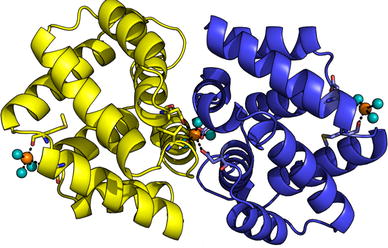
“Notably, Fel d1 is a glycoprotein consisting of two identical heterodimers, each 18–19 kDa, which eventually form a tetramer [11,65,66].”
BackgroundInfluentialOxidative Stress in Pediatric Asthma: Sources, Mechanisms, and Therapeutic Potential of Antioxidants
Han, Y., Zhang, M., Yu, S., & Jia, L. (2025) · Frontiers in Bioscience-Landmark · doi:10.31083/fbl22688 · Cited by 11
Shoormasti, R. S., Sabetkish, N., Kazemnejad, A., Vahabi, N., Fazlollahi, M. R., Pourpak, Z., Mari, A., & Moin, M. (2019) · Aerobiologia · doi:10.1007/s10453-019-09586-y · Cited by 9
Vaňková, R., Čelakovská, J., Bukač, J., Krčmová, I., Krejsek, J., & Andrýs, C. (2020) · Acta Medica (Hradec Kralove Czech Republic) · doi:10.14712/18059694.2020.59 · Cited by 11
“Animals are the second most important source of indoor allergens after house dust mites (45).”
BackgroundOgrina, A., Baļķe, I., Kalnciema, I., Skrastiņa, D., Jansons, J., Bachmann, M. F., & Zeltiņš, A. (2023) · Frontiers in Microbiology · doi:10.3389/fmicb.2023.1154990 · Cited by 9
“domesticus arise each year, affecting a large part of the population, as common symptoms such as allergic respiratory diseases negatively affect quality of life (Bonnet et al., 2018).”
BackgroundEvaluation of anti-Fel d 1 IgY ingredient for pet food on growth performance in kittens
Hedrick, E. D., Matulka, R. A., Conboy-Schmidt, L., & May, K. A. (2024) · Frontiers in Veterinary Science · doi:10.3389/fvets.2024.1355390 · Cited by 7
“All cats produce Fel d 1 regardless of breed, age, hair (length, color or pattern), sex (male or female; neutered or intact), housing (indoors vs. outdoors), or body weight; there are no truly allergen-free or hypoallergenic cats (3, 5–10).”
BackgroundIndoor Allergen Interventions in Homes and Schools for Managing Asthma
Beheshti, R., Phipatanakul, W., DiMango, E., & Grant, T. L. (2025) · The Journal of Allergy and Clinical Immunology: In Practice · doi:10.1016/j.jaip.2025.04.027 · Cited by 6
Martínez‐Cañavate, A., del Castillo, M. M., Carballada, F., Juesas, C. R., Porto, J. Á., Blasco, C., Lozano, M. A., Lozano, J., Niño, J. A. M., Martínez, M. J., et al. (2025) · International Journal of Molecular Sciences · doi:10.3390/ijms26072963 · Cited by 6
“Given that Fel d 1 is a highly diffusible protein, it is known for its persistence in the environment, even in spaces where cats are not present [50].”
Behniafard, N., Modarresi, S. Z., Nafei, Z., & Vakili, M. (2023) · Archives of Iranian Medicine · doi:10.34172/aim.2023.102 · Cited by 6
“22 Moreover, cat-keeping in the first year of a child’s life provides protection against asthma and allergic diseases.”
BackgroundRabin, R. L., Croote, D., Chen, A., Dobrovolskaia, E., Wong, J. J. W., Grossman, J. D., & Hamilton, R. G. (2024) · Frontiers in Allergy · doi:10.3389/falgy.2024.1417879 · Cited by 6
Study of Cat Allergy Using Controlled Methodology—A Review of the Literature and a Call to Action
Hossenbaccus, L., Linton, S., Ramchandani, R., Burrows, A. G., & Ellis, A. K. (2022) · Frontiers in Allergy · doi:10.3389/falgy.2022.828091 · Cited by 7
Matsuura, R., & Aida, Y. (2024) · Journal of Veterinary Medical Science · doi:10.1292/jvms.24-0055 · Cited by 5
Devadoss, D., Surbaugh, K., Manevski, M., Wickramaratne, C., Chaput, D., Chung, A., de Leon, F., Chand, H. S., & Dhau, J. S. (2023) · Scientific Reports · doi:10.1038/s41598-023-38155-0 · Cited by 5
“(2) The presence of Fel d1 at below the detection limit level in air could cause allergic responses in mice.”
BackgroundMethodIndoor Environmental Allergens
Michel, M., Sérémé, Y., Mezouar, S., & Vitte, J. (2019) · Elsevier eBooks · doi:10.1016/b978-0-12-801238-3.11492-8 · Cited by 6
Sensitization to cat and dog components and prediction of symptoms in cat-sensitized children
Smejda, K., Jerzyńska, J., Podlecka, D., & Brzozowska, A. (2024) · Asian Pacific Journal of Allergy and Immunology · doi:10.12932/ap-070920-0953 · Cited by 5
Hello, kitty: could cat allergy be a form of intoxication?
Ligabue‐Braun, R. (2020) · The Journal of venomous animals and toxins including tropical diseases · doi:10.1590/1678-9199-jvatitd-2020-0051 · Cited by 5
“Cats, present in up to half of all households in the world, are the second major cause of indoor allergies, being surpassed only by mites [22,23].”
BackgroundAdvance in Managing Indoor Cat Allergen Proteins: Molecular Insights, Detection, and Control
Jiang, Y., Tian, X., Fu, X., Ma, B., Wang, Z., Han, B., Tao, H., Wang, J., & Wang, X. (2025) · International Journal of Molecular Sciences · doi:10.3390/ijms262210913 · Cited by 3
“Alternatively, it may be involved in the transport of lipid molecules, such as steroids, hormones, or pheromones [33].”
Dvareckienė, J., Žvirblis, G., Zaveckas, M., & Petraitytė-Burneikienė, R. (2025) · Applied Microbiology and Biotechnology · doi:10.1007/s00253-025-13465-7 · Cited by 3
“On the one hand, glycosylation can be critical for the folding and activity of the recombinant allergen (Bonnet et al. 2018).”
Gromek, W., Kołdej, N., Kurowski, M. M., & Majsiak, E. (2025) · Clinical Reviews in Allergy & Immunology · doi:10.1007/s12016-025-09086-7 · Cited by 6
“Regarding the clinical relevance of sensitization to Fel d 1, it is recognized as a primary marker of cat allergy [139].”
Cat, Dog, and Exotic Animal Allergy
Sotoudeh, S., Choudhry, H., Cantillo, J. F., Miranda, M. A., Caldas, E. F., & Lockey, R. F. (2025) · The Journal of Allergy and Clinical Immunology In Practice · doi:10.1016/j.jaip.2025.08.011 · Cited by 3
Cat, dog, and horse allergies: emerging new insights
Koçali, B., Ocak, M., & Şekerel, B. E. (2025) · The Turkish Journal of Pediatrics · doi:10.24953/turkjpediatr.2025.5754 · Cited by 4
Sex Differences in Mouse Exploratory Behaviour to Fel d 1, a Cat ABP-Like Protein
Grau, C., Bienboire‐Frosini, C., Arroub, S., Lafont‐Lecuelle, C., Leclercq, J., & Pageat, P. (2021) · Animals · doi:10.3390/ani11113149 · Cited by 3
“Fel d 1 is particularly present in the facial area of cats due to the high density of sebaceous glands [9,12].”
BackgroundRajesh, D., Pageat, P., & Bienboire‐Frosini, C. (2023) · International Journal of Molecular Sciences · doi:10.3390/ijms241411685 · Cited by 3
“Cats are the prime source of indoor respiratory allergens after house mites and raise major health problems for humans [2].”
BackgroundLeptin favors imbalance of antigen-specific CD4+ T-cells associated with severity of cat allergy
Vollmer, C. M., Dias, A., Sales, M. C., Sacramento, P. M., Silva, J. C., Oyamada, H. A. A., Linhares, U. C., Gupta, S., Kasahara, T. M., & Bento, C. A. M. (2023) · Frontiers in Immunology · doi:10.3389/fimmu.2023.1290740 · Cited by 4
Do commercial dog extracts cross-react with Felis domesticus allergen 1
Hellu, T. S., Gomez, R., Weiss, S., SMITH, D. R., & Steigelman, D. A. (2024) · Allergy and Asthma Proceedings · doi:10.2500/aap.2024.45.240072 · Cited by 3
Apport de la biologie dans le diagnostic d’allergie immédiate
Savoye, B., Berger, A.-E., Mauff, B. L., Lambert, C., & AllergoBioNet, P. L. G. (2020) · Revue Francophone des Laboratoires · doi:10.1016/s1773-035x(20)30126-x · Cited by 3
Innovative Management Methods for Patients Allergic to Cats
Namazova-Baranova, L. S., Efendieva, K. E., Levina, J. G., Vishneva, Е. A., Alekseeva, A. A., Геннадьевна, К. В., Станиславович, В. К., Arimova, P. S., Pankova, A. R., & Lamasova, A. D. (2020) · Вопросы современной педиатрии · doi:10.15690/vsp.v19i4.2136 · Cited by 3
Guedes, P. E. B., Veloso, J. F., Lacerda, L. C., Santana, J. O., Mora-Ocampo, I. Y., Pirovani, C. P., Cruz, R. D. S., Munhoz, A. D., & Carlos, R. S. A. (2021) · BMC Veterinary Research · doi:10.1186/s12917-021-03080-9 · Cited by 7
Cockroach immunotherapy modulates dominant T-cell responses independent of allergen extract content
Antunes, R. D. S., Sutherland, A., Abawi, A., Frazier, A., Pomés, A., Glesner, J., Slater, J. E., Mindaye, S. T., Cho, K., Zhou, G. G., et al. (2025) · Journal of Allergy and Clinical Immunology · doi:10.1016/j.jaci.2025.07.011 · Cited by 2
Ramos‐Ramírez, P., Liu, J., Mogren, S., Gregory, J. A., Noreby, M., Petrén, A., Lei, Y., Olsson, H., van Hage, M., Kervinen, J., et al. (2023) · Journal of Immunology Research · doi:10.1155/2023/9393497 · Cited by 2
“House dust mite and cat allergens are highly immunogenic substances and contain several allergens and molecules that stimulate both innate and adaptive immunity [10, 11].”
BackgroundRiabova, K. A., Kozlov, E. M., Trifonova, D., Galashin, A. R., Levshina, A., Dubovets, A. A., Васильевна, К. А., Валентиновна, Е. И., Karaulov, A. V., & Valenta, R. (2023) · Immunologiya · doi:10.33029/0206-4952-2023-44-3-368-378 · Cited by 2
Hossenbaccus, L., Linton, S., Garvey, S., Botting, H., Walker, T., Steacy, L. M., & Ellis, A. K. (2025) · Allergy Asthma and Clinical Immunology · doi:10.1186/s13223-025-00978-z · Cited by 3
“The biological purpose of Fel d 1 for cats remains theorized, including providing mucosal protection [2]being a chemical mediator [49]or more recently, having variable functions among different species of cats [50].”
Could a bite trigger the onset of cat allergy?
Leo, G., Incorvaia, C., & Arasi, S. (2022) · Pediatric Allergy and Immunology · doi:10.1111/pai.13841 · Cited by 2
Jiménez-Blanco, M. A., González-Mendiola, M. R., Boteanu, C., Elera, J. D., Sánchez-Millán, M. L., Ruíz-García, M., & Laguna, J. J. (2025) · Frontiers in Allergy · doi:10.3389/falgy.2025.1642315 · Cited by 2
Johansson, R., Rönmark, E., Hedman, L., Borres, M. P., Winberg, A., & Bjerg, A. (2026) · International Archives of Allergy and Immunology · doi:10.1159/000550493 · Cited by 1
“The allergen molecule Fel d 1 has consistently been shown to dominate the sensitization pattern to cat across studies [13, 34–37].”
InfluentialKAya, G., Yüksel, H., Taneli, F., & Yılmaz, Ö. (2026) · Clinical and Translational Science · doi:10.1111/cts.70521 · Cited by 1
Taming pet allergens: strategies to make furry cats less allergenic
Guillet, C., Lüthi, A., Šošić, L., Paolucci, M., Kündig, T. M., & Johansen, P. (2026) · Frontiers in Allergy · doi:10.3389/falgy.2026.1930696 · Cited by 1
“Male cats generally produce higher levels of Fel d 1 than females (23, 56, 57), while castration is associated with reduced allergen production (57, 58), suggesting hormonal regulation of allergen expression.”
InfluentialEnvironmental and Occupational Factors; Contribution and Perspectives on Difficult to Treat Asthma
Latorre, C. C., Colon, S. M., Diaz, A. D. R., Ferrer, V. F., Perez, M. M., Lamboy-Hernandez, I. V., Gerena-Montano, L. O., Cintron, W. R., & Fonseca, O. C. (2023) · IntechOpen eBooks · doi:10.5772/intechopen.108605 · Cited by 3
Belyayeva, I. A., Turti, T. V., Namazova-Baranova, L. S., Петровна, Б. Е., Vishneva, Е. A., Kaytukovа, E. V., Efendieva, K. E., Shukenbaeva, R. A., & Sadchikov, P. E. (2023) · Вопросы современной педиатрии · doi:10.15690/vsp.v21i6.2496 · Cited by 1
ПРОФІЛЬ СЕНСИБІЛІЗАЦІЇ У ДІТЕЙ З АЛЕРГІЧНИМИ РЕСПІРАТОРНИМИ ЗАХВОРЮВАННЯМИ
Уманец, Т. Р., Buratynska, А. А., Rudnev, O. O., Lapshyn, V. F., & Antipkin, Y. G. (2020) · Asthma and allergy · doi:10.31655/2307-3373-2020-3-29-34 · Cited by 1
“The molecule Fel d 1 is ranked second by scientists after house dust mites indoors [10], but in Ukraine it has taken the lead.”
BackgroundPREDICTION OF ASTHMA CONTROL STATUS IN SCHOOL-AGE CHILDREN SENSITIZED TO CAT ALLERGENS
Kryvopustova, M. V. (2022) · Wiadomości Lekarskie · doi:10.36740/wlek202206110 · Cited by 1
(2020) · Journal of the American Veterinary Medical Association · doi:10.2460/javma.256.5.542 · Cited by 1
Sharikadze, O. (2019) · Inter Collegas · doi:10.35339/ic.6.4.216-220
“The high activity of cat allergens and the high risk of allergic reactions after short-term contact, as well as data on the high activity of this allergen and the possibility of its transmission through contact with the owner of the animal, have been proven [1, 3, 6, 7, 13].”
BackgroundKryvopustova, M. V. (2021) · CHILD`S HEALTH · doi:10.22141/2224-0551.16.2.2021.229885
THE INCIDENCE OF ALLERGY TO COMMON ALLERGENS BASED ON A RETROSPECTIVE ANALYSIS
Czarny-Działak, M. A., Działak, M., Wójcik, T., Chmielowiec, B., & Chmielewski, J. P. (2021) · Health Problems of Civilization · doi:10.5114/hpc.2021.106583
“Allergens are probably carried on the body, clothing or everyday objects of cat owners [46-50].”
Background(2019) · Archivos Argentinos de Pediatria · doi:10.5546/aap.2019.306
“Nutrición del lactante durante los primeros seis meses (n, %) Lactancia materna 43 (76,8) 45 (81,8) Lactancia materna + leche maternizada 11 (19,6) 7 (12,7) 0,570 Leche maternizada 2 (3,6) 3 (5,4)”
BackgroundKryvopustova, M. V. (2022) · CHILD`S HEALTH · doi:10.22141/2224-0551.17.1.2022.1485
Dong, X., & Zhong, N. (2022) · IntechOpen eBooks · doi:10.5772/intechopen.101004
Generation and cloning of CH2 knockout cats by CRISPR-Cas9 system: Hypoallergenic catsPreprint
Lee, S. R., Lee, K.-L., Song, S., Joo, M., Lee, S.-H., Kang, J.-S., Kang, S.-M., Idrees, M., Kim, J., Ko, J., et al. (2023) · doi:10.22541/au.167351057.70261720/v1
Bruner, T., & Duhaime, S. (2023) · Physician Assistant Clinics · doi:10.1016/j.cpha.2023.05.002
Pomés, A., Wünschmann, S., & Chapman, M. D. (2024) · Elsevier eBooks · doi:10.1016/b978-0-128-24465-4.00028-4
Tizard, I. R. (2024) · Elsevier eBooks · doi:10.1016/b978-0-443-29178-4.00015-0
Should the Cat Stay Home? A Guide to Managing Cat Allergies
Beheshti, R., Huang, P., Le, M., Peterson, R., & Tversky, J. R. (2025) · Allergies · doi:10.3390/allergies5020012
“These allergens are found in cat dander, saliva, and urine, and can readily transfer to surfaces and remain airborne [7,8,16,17].”
Studies on nanoprotein vaccine alleviating symptoms of mice allergic to rFel d 1
Mai, Y., Sun, X., Liu, X., Chen, H., Liang, X., Huang, Y., Wu, X., Wei, S., Wang, D., & Pei, Y. (2025) · Frontiers in Immunology · doi:10.3389/fimmu.2025.1524929
Development of high-affinity, single-domain protein binders for neutralizing household allergensPreprint
Zhang, D. K. Y., Yue, Q., He, Q., Li, Y., Qu, Z., Zhao, G., Andreissen, N., & Zhao, E. M. (2025) · bioRxiv (Cold Spring Harbor Laboratory) · doi:10.1101/2025.08.03.668213
“Allergies to common household pets and dust mites affect nearly 30% of the world’s population 1 , with greater than 90% of US households having detectable levels of multiple allergens 2,3 .”
Allergen‐Specific Human Monoclonal IgG Antibodies for Use in Passive Allergy Immunotherapy
Smith, S. A., Stone, C. A., & Jacquet, A. (2025) · Clinical & Experimental Allergy · doi:10.1111/cea.70153
Geniş, C., Kuzucu, F. N., Selmanoğlu, A., Emeksiz, Z. Ş., & Mısırlıoğlu, E. D. (2025) · Postgraduate Medicine · doi:10.1080/00325481.2025.2602227
“Supporting this interpretation, we observed a specific association between vitamin D deficiency and sensitization to cat dander, a potent allergen known to trigger type 2– driven inflammation [29].”
Engineering Epitope-Specific IgY Antibodies to Neutralize the Major Fel d 1 Allergen in Cats
Tian, X., Li, C., An, W., Wang, Y., Wang, Z., Wang, J., Fu, X., Han, B., Tao, H., Andrews, C. J., et al. (2026) · International Journal of Molecular Sciences · doi:10.3390/ijms27052500
“Serological analyses reveal that 60–90% of immunoglobulin E (IgE) antibodies in allergic patients specifically target Fel d 1 [4].”
Structure-guided deimmunisation of Fel d 1 suppresses allergic effector functions ex vivoPreprint
Ha, K., Yum, S., Kwon, H., Lee, H. W., Koo, O., Eom, K.-H., Lee, J. K., & Choi, Y. (2026) · bioRxiv (Cold Spring Harbor Laboratory) · doi:10.64898/2026.03.18.712552
Premières étapes dans l'interaction hôte-pathogène : rôle de l'immunité locale et innée
Michel, M. (2022) · theses.fr (ABES) · doi:10.70675/4647f4d2zd802z40abza572z8ff228db523f
Local allergic asthma to cat allergens
de Souza, B., Junior, J. F. D. M., Ferreira, M. A., Kalil, J. E., Junior, P. F. G.-B., & Agondi, R. C. (2026) · Journal of Allergy and Clinical Immunology Global · doi:10.1016/j.jacig.2026.100772
“44,45 Two patients developed wheals during the NPT with cat allergen extract, though both had a history of controlled chronic spontaneous urticaria before the test.”
Yang, Y., Ao, K., Tang, F., He, Z., Zhang, Y., Wang, C., & Huang, F. (2026) · Materials Horizons · doi:10.1039/d6mh01297c
Metadata
- Authors
- Bonnet, B., Messaoudi, K., Jacomet, F., Michaud, E., Fauquert, J. L., Caillaud, D., & Evrard, B.
- Affiliations
- Université Clermont Auvergne (FR)
- Centre Hospitalier Universitaire d'Angers (FR)
- Centre Hospitalier Universitaire de Poitiers (FR)
- Centre Hospitalier Universitaire de Clermont-Ferrand (FR)
- Corresponding author
- Evrard, B.
- Venue
- Allergy, Asthma & Clinical Immunology
- Published
- 2018-04-10
- Volume
- 14
- Issue
- 1
- Pages
- 14-14
- ISSN
- 1710-1484 (ISSN-L)
- 1710-1492
- PMC
- PMC5891966
- OpenAlex
- W2804582076
- Cited by
- 96
- References
- 92
- Citations by year
- 2026: 8 · 2025: 17 · 2024: 12 · 2023: 15 · 2022: 12 · 2021: 11 · 2020: 11 · 2019: 8 · 2018: 2
- FWCI
- 1.19
- Type
- journal article
- Language
- en
- Open access
- gold
- doi.org
- Licence
- cc-by
- creativecommons.org/licenses/by/4.0/ (tdm)
- Locations
- Allergy Asthma and Clinical Immunology (publishedVersion, cc-by)
- Europe PMC (PubMed Central) (publishedVersion, other-oa)
- PubMed Central (publishedVersion, cc-by)
- PubMed (publishedVersion)
- HAL (submittedVersion, cc-by)
- DOAJ (DOAJ: Directory of Open Access Journals) (submittedVersion, cc-by-sa)
- Topics
- Health Sciences › Medicine › Immunology and Allergy › Allergic Rhinitis and Sensitization
- Health Sciences › Medicine › Immunology and Allergy › Food Allergy and Anaphylaxis Research
- Health Sciences › Medicine › Pulmonary and Respiratory Medicine › Asthma and respiratory diseases
- Keywords
- Fel d 1, cat allergen, feline allergens, secretoglobin, component-resolved diagnosis, cat allergy, allergen immunotherapy, disease severity assessment, molecular allergens
About these checks
Registry, retraction, Cites and statistics results are computed, not judged, with one exception: a printed reference that no index lists is read once by a model before it counts as a citation error. Claims are extracted by a model and kept only when their quote appears verbatim in the text; each cited source is then checked, with a model’s help, for whether it says what the claim relies on. Those verdicts can be wrong — read the claim’s quote and the cited source before relying on one.
Statistics and arithmetic are recomputed, not judged.
Confidence bands are shown only for fields calibrated on our annotated test set. None is calibrated yet, so no band is shown.
What counts as a claim ›How we measure confidence ›How we check this ›
Are you an author, or do you see a problem with this page? Request a review
Data sources
Bibliographic data: Semantic Scholar, OpenAlex, Crossref.
Contains information from the Semantic Scholar Academic Graph Datasets, made available under the ODC Attribution License (ODC-BY 1.0).
Semantic Scholar’s data is described in: Kinney, R., et al. (2023). The Semantic Scholar Open Data Platform. arXiv:2301.10140.
