

Autistic children at risk of being underestimated: school based pilot study of a strength-informed assessment
Open accessThe DOI matches its Crossref record; 45 of the 45 references it cites were found in a registry or an index.
Abstract
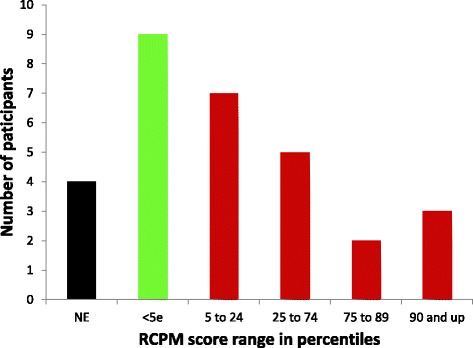
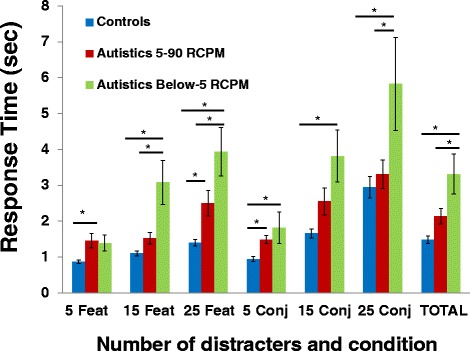
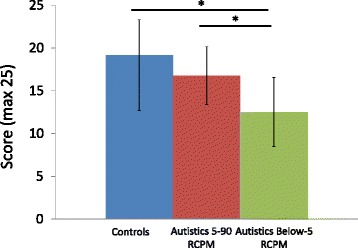
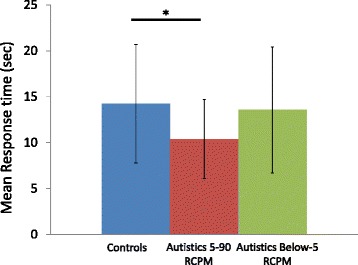
BACKGROUND: An important minority of school-aged autistic children, often characterized as 'nonverbal' or 'minimally verbal,' displays little or no spoken language. These children are at risk of being judged 'low-functioning' or 'untestable' via conventional cognitive testing practices. One neglected avenue for assessing autistic children so situated is to engage current knowledge of autistic cognitive strengths. Our aim was thus to pilot a strength-informed assessment of autistic children whose poor performance on conventional instruments suggests their cognitive potential is very limited. METHODS: Thirty autistic children (6 to 12 years) with little or no spoken language, attending specialized schools for autistic children with the highest levels of impairment, were assessed using Wechsler Intelligence Scale for Children (WISC-IV), Raven's Colored Progressive Matrices board form (RCPM), Children's Embedded Figures Test (CEFT), and a visual search task. An age-matched control group of 27 typical children was also assessed. RESULTS: None of the autistic children could complete WISC-IV; only six completed any subtest. In contrast, 26 autistic children could complete RCPM, with 17 scoring between the 5th and 90th percentile. Twenty-seven autistic children completed the visual search task, while 26 completed CEFT, on which autistic children were faster than RCPM-matched typical children. Autistic performance on RCPM, CEFT, and visual search were correlated. CONCLUSION: These results indicate that 'minimally verbal' or 'nonverbal' school-aged autistic children may be at risk of being underestimated: they may be wrongly regarded as having little cognitive potential. Our findings support the usefulness of strength-informed approaches to autism and have important implications for the assessment and education of autistic children.
Overview
The claims and statistics of this paper haven’t been checked yet.
Free: it reads the open-access text and checks the first 5 claims that cite a source we can check. Create a free account to check every claim.
Integrity signals
Registry
Cites
Statistics
Figures
Verification
Claims the paper makes
The claims and statistics of this paper haven’t been checked yet.
Free: it reads the open-access text and checks the first 5 claims that cite a source we can check. Create a free account to check every claim.
Claims other papers make about this one
Each is checked against this paper’s own text: does it say what the citing paper says it does?
The source backs part of the claim, not all of it — or backs it for a different population, condition or comparison.
In the citing paper
“When individuals with CCN, who were identified as having Intellectual Disability using language-based measures, were reassessed using more appropriate non-language-based instruments that employ visual spatial tasks, a significant proportion were found to be within or above the expected IQ range (Dawson et al., 2007; Barbeau et al., 2013; Courchesne et al., 2015; Crossley and Zimmerman, 2019).”
From Perspective: Presuming Autistic Communication Competence and Reframing Facilitated Communication (2022) · cites this paper as Courchesne et al., 2015
Experimental — accuracy not yet measuredThe source backs part of the claim, not all of it — or backs it for a different population, condition or comparison.
In the citing paper
“This argument is sustained by research that shows conventional measures for intelligence (e.g., WISC test batteries) generally underestimate the ability of nonspeaking autistics (Courchesne et al., 2015; Nadar et al., 2016; Akhtar and Jaswal, 2019).”
From Perspective: Presuming Autistic Communication Competence and Reframing Facilitated Communication (2022) · cites this paper as Courchesne et al., 2015
Experimental — accuracy not yet measuredIn the citing paper
“Recent research has shown that the cognitive abilities of nonspeaking autistic people have been significantly underestimated 43 .”
From Eye-tracking reveals agency in assisted autistic communication (2020) · cites this paper as [43]
Self-check
Percentages, sums and reported differences re-computed from the paper’s own numbers.
The self-check needs the paper’s full text.
Citations
Cites
Lord, C., Rutter, M., & Le Couteur, A. (1994) · Journal of Autism and Developmental Disorders · doi:10.1007/bf02172145 · Cited by 9,065 · cited 1×
“A review of the 30 participants’ files indicated an autism diagnosis based on Autism Diagnostic Observation Schedule (ADOS; [28]) for six participants; combined ADOS and Autism Diagnostic Interview Revised (ADI-R; [29]) for 12 participants; Childhood Autism Rating Scale (CARS; [30]) for two participants; and DSM-IV an…”
BackgroundLord, C., Risi, S., Lambrecht, L., Cook, E. H., Leventhal, B. L., DiLavore, P. C., Pickles, A., & Rutter, M. (2000) · Journal of Autism and Developmental Disorders · doi:10.1023/a:1005592401947 · Cited by 7,520 · cited 1×
“A review of the 30 participants’ files indicated an autism diagnosis based on Autism Diagnostic Observation Schedule (ADOS; [28]) for six participants; combined ADOS and Autism Diagnostic Interview Revised (ADI-R; [29]) for 12 participants; Childhood Autism Rating Scale (CARS; [30]) for two participants; and DSM-IV an…”
BackgroundToward objective classification of childhood autism: Childhood Autism Rating Scale (CARS)
Schopler, E., Reichler, R. J., DeVellis, R. F., & Daly, K. (1980) · Journal of Autism and Developmental Disorders · doi:10.1007/bf02408436 · Cited by 2,432 · cited 1×
“A review of the 30 participants’ files indicated an autism diagnosis based on Autism Diagnostic Observation Schedule (ADOS; [28]) for six participants; combined ADOS and Autism Diagnostic Interview Revised (ADI-R; [29]) for 12 participants; Childhood Autism Rating Scale (CARS; [30]) for two participants; and DSM-IV an…”
BackgroundTager‐Flusberg, H., & Kasari, C. (2013) · Autism Research · doi:10.1002/aur.1329 · Cited by 985 · cited 1×
“Background Autistic children who reach school age with little or no spoken language, and thus acquire labels such as ‘nonverbal’ or ‘minimally verbal’, have recently attracted concern as a neglected subgroup in autism research [1].”
BackgroundAn islet of ability in autistic children: a research note
Shah, A., & Frith, U. (1983) · Journal of Child Psychology and Psychiatry · doi:10.1111/j.1469-7610.1983.tb00137.x · Cited by 888 · cited 1×
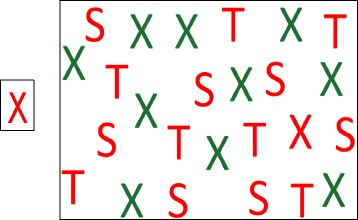
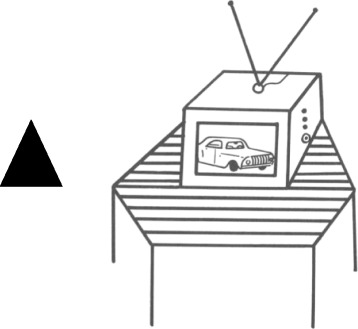
“We chose visual search [20,21] and embedded figures [22-24] tasks as the second and third tests in the pilot assessment.”
MethodVolkmar, F., Siegel, M., Woodbury-Smith, M., King, B., McCracken, J., & State, M. (2014) · Journal of the American Academy of Child & Adolescent Psychiatry · doi:10.1016/j.jaac.2013.10.013 · Cited by 848 · cited 1×
“Their difficult situation is made more so by prevailing views in which atypical autistic strengths and related strong interests are interpreted negatively as deficits, as suboptimal, as impediments to learning, or as symptoms which worsen autism ‘severity’ (for example, [43,44]; for more examples and reviews, see [9,4…”
BackgroundAre People with Autism and Asperger Syndrome Faster Than Normal on the Embedded Figures Test?
Jolliffe, T., & Baron‐Cohen, S. (1997) · Journal of Child Psychology and Psychiatry · doi:10.1111/j.1469-7610.1997.tb01539.x · Cited by 742 · cited 1×
“We chose visual search [20,21] and embedded figures [22-24] tasks as the second and third tests in the pilot assessment.”
MethodDevelopmental pathways to autism: A review of prospective studies of infants at risk
Jones, E. J. H., Gliga, T., Bedford, R., Charman, T., & Johnson, M. H. (2014) · Neuroscience & Biobehavioral Reviews · doi:10.1016/j.neubiorev.2013.12.001 · Cited by 607
IQ in children with autism spectrum disorders: Data from the special needs and autism project (SNAP)
Charman, T., Pickles, A., Simonoff, E., Chandler, S., Loucas, T., & Baird, G. (2011) · Psychological Medicine · doi:10.1017/s0033291710000991 · Cited by 599 · cited 2×
“The first test is Raven’s Progressive Matrices, an important test of general and fluid intelligence [13] on which autistics have displayed an advantage over Wechsler scales of intelligence that is not found in the nonautistic population [6,7,14-16].”
BackgroundMethodSuperior visual search in autism.
O'Riordan, M. A., Plaisted, K. C., Driver, J., & Baron-Cohen, S. (2001) · Journal of Experimental Psychology: Human Perception and Performance · doi:10.1037//0096-1523.27.3.719 · Cited by 557 · cited 1×
“The test used here was an adapted cardboard form of the computerized version in O’Riordan, Plaisted, Driver, and Baron-Cohen [34].”
Method
Research works printed but not linked: 7
- Raven J Raven JC Court JH Raven Manual 1998 Oxford, England Oxford Psychologists Press
- Dawson M Mottron L Where Autistics Excel: Compiling an Inventory of Autistic Cognitive Strengths 2009 Chicago, IL International Meeting for Autism Research
- Wechsler D The Wechsler Intelligence Scales for Children, Fourth Édition: Canadian (WISC-IV) 2005 Toronto, Canada Psychological Corporation
- Roid GH Miller LJ Leiter International Performance Scale-Revised: Examiners Manual 1997 Wood Dale, IL Stoeling Co.
- Raven JC Court JH Raven J Coloured Progressive Matrices 1995 Oxford Psychologist Press
- Witkin HA Oltman PK Raskin E Karp SA A Manual for the Embedded Figure Tests 1971 Palo Alto, CA Consulting Psychologists Press
- Baron-Cohen S Enhanced attention to detail and hyper-systemizing in autism. Commentary on Milne, E., Swettenham, J., & Campbell, R. Motion perception in autism: a review Curr Psychol Cogn 2005 23 59 64
Cited by
Annual Research Review: Shifting from ‘normal science’ to neurodiversity in autism science
Pellicano, E., & den Houting, J. (2022) · Journal of Child Psychology and Psychiatry · doi:10.1111/jcpp.13534 · Cited by 744
Lai, M.-C., Anagnostou, E., Wiznitzer, M., Allison, C., & Baron-Cohen, S. (2020) · The Lancet Neurology · doi:10.1016/s1474-4422(20)30034-x · Cited by 250
A capabilities approach to understanding and supporting autistic adulthood
Pellicano, E., Fatima, U., Hall, G., Heyworth, M., Lawson, W., Lilley, R., Mahony, J., & Stears, M. (2022) · Nature Reviews Psychology · doi:10.1038/s44159-022-00099-z · Cited by 237
Language Acquisition and Language Disorders
(2013) · Language acquisition & language disorders · doi:10.1075/lald · Cited by 165
Mottron, L. (2017) · European Child & Adolescent Psychiatry · doi:10.1007/s00787-017-0955-5 · Cited by 159
“Our group has provided substantial evidence that intelligence is “at risk of being underestimated” in young non-verbal autistic individuals [11].”
BackgroundKapp, S. K. (2023) · Education Sciences · doi:10.3390/educsci13020106 · Cited by 182
Bal, V. H., Katz, T., Bishop, S. L., & Krasileva, K. (2016) · Journal of Child Psychology and Psychiatry · doi:10.1111/jcpp.12609 · Cited by 139
Why We Should Study the Broader Autism Phenotype in Typically Developing Populations
Landry, O., & Chouinard, P. A. (2016) · Journal of Cognition and Development · doi:10.1080/15248372.2016.1200046 · Cited by 125
Perspective: Presuming Autistic Communication Competence and Reframing Facilitated Communication
Heyworth, M., Chan, T., & Lawson, W. (2022) · Frontiers in Psychology · doi:10.3389/fpsyg.2022.864991 · Cited by 103
Cherewick, M., & Matergia, M. (2023) · Advances in Neurodevelopmental Disorders · doi:10.1007/s41252-023-00348-z · Cited by 116
“…and reduce depression and anxiety in non-autistic populations (Schutte & Malouff, 2019), and evidence suggests that strength-based approaches promote wellbeing, mental health, and quality of life in autistic populations (Courchesne et al., 2015; Dykshoorn & Cormier, 2019; Huntley et al., 2019).”
Eye-tracking reveals agency in assisted autistic communication
Jaswal, V. K., Wayne, A., & Golino, H. (2020) · Scientific Reports · doi:10.1038/s41598-020-64553-9 · Cited by 68
A review of executive functioning challenges and strengths in autistic adults
John, T. S., Woods, S. E. O., Bode, T., Ritter, C., & Estes, A. M. (2021) · The Clinical Neuropsychologist · doi:10.1080/13854046.2021.1971767 · Cited by 85
“…this including difficulty measuring cognitive abilities in autistic individuals with intellectual disability using a standardized approach and high overlap between intelligence and cognitive abilities among individuals with lower intellectual ability (Courchesne et al., 2015; Roelofs et al., 2015).”
BackgroundMethodSerret, S., Hun, S., Thümmler, S., Pierron, P., Santos, A., Bourgeois, J., & Askenazy-Gittard, F. (2017) · Frontiers in Psychology · doi:10.3389/fpsyg.2017.01523 · Cited by 79
“It has been designed based on the following principles: (1) Minimally verbal school-aged children with ASD present spared non-verbal cognitive abilities (Courchesne et al., 2015), on which SEMA-TIC relies to teach literacy skills.”
BackgroundMethodInfluentialCourchesne, V., Girard, D., Jacques, C., & Soulières, I. (2018) · Journal of Autism and Developmental Disorders · doi:10.1007/s10803-018-3786-4 · Cited by 84
Self-citationL’autisme, une autre intelligence
Mottron, L. (2016) · Bulletin de l Académie Nationale de Médecine · doi:10.1016/s0001-4079(19)30719-8 · Cited by 75
Adaptive trajectories and early risk factors in the autism spectrum: A 15‐year prospective study
Baghdadli, A., Michelon, C., Pernon, É., Picot, M., Miot, S., Sonié, S., Rattaz, C., & Mottron, L. (2018) · Autism Research · doi:10.1002/aur.2022 · Cited by 67
Blume, J., Wittke, K., Naigles, L., & Mastergeorge, A. M. (2020) · Journal of Autism and Developmental Disorders · doi:10.1007/s10803-020-04576-3 · Cited by 78
“Traditional standardized assessments of language do not always account for nonverbal communicative attempts (e.g., Courchesne et al. 2015), nor do interventions focused on nonverbal communication consistently measure language growth (Kasari et al. 2008; LeBarton et al. 2015).”
BackgroundParent-identified strengths of autistic youth
Warren, N., Eatchel, B., Kirby, A. V., Diener, E., Wright, C., & D’Astous, V. (2020) · Autism · doi:10.1177/1362361320945556 · Cited by 58
“Additional research has found that misinterpretation of autism challenges, strengths, and abilities can complicate assessment of autistic individuals, including cognitive assessment, causing underestimation of intellectual ability (Courchesne et al., 2015; Dawson et al., 2007).”
BackgroundPrototypical autism: New diagnostic criteria and asymmetrical bifurcation model
Mottron, L., & Gagnon, D. (2023) · Acta Psychologica · doi:10.1016/j.actpsy.2023.103938 · Cited by 67
Mössler, K. A., Schmid, W., Aßmus, J., Fusar‐Poli, L., & Gold, C. (2020) · Journal of Autism and Developmental Disorders · doi:10.1007/s10803-020-04448-w · Cited by 68
Subcortical structural covariance in young children with autism spectrum disorder
Duan, X., Wang, R., Xiao, J., Li, Y., Huang, X., Guo, X., Cao, J., He, L., He, C., Ling, Z., et al. (2020) · Progress in Neuro-Psychopharmacology and Biological Psychiatry · doi:10.1016/j.pnpbp.2020.109874 · Cited by 48
Bayonet-shaped language development in autism with regression: a retrospective study
Gagnon, D., Zeribi, A., Douard, E. A., Courchesne, V., Rodríguez‐Herreros, B., Huguet, G., Jacquemont, S., Loum, M. A., & Mottron, L. (2021) · Molecular Autism · doi:10.1186/s13229-021-00444-8 · Cited by 44
“Overall, this emphasizes the importance of assessing non-verbal intelligence, regardless of how challenging this may be in autistic preschool-age children [72].”
BackgroundSelf-citationBallester‐Plané, J., Laporta‐Hoyos, O., Macaya, A., Póo, P., Meléndez-Plumed, M., Méndez, E. V., Delgado, I., Zubiaurre‐Elorza, L., Narberhaus, A., Tamargo, E. T., et al. (2016) · Research in Developmental Disabilities · doi:10.1016/j.ridd.2016.04.009 · Cited by 35
Gillespie‐Lynch, K., Dwyer, P. S. R., Constantino, C. D., Kapp, S. K., Hotez, E., Riccio, A., DeNigris, D., Kofner, B., & Endlich, E. (2020) · Emerald Group Publishing Limited eBooks · doi:10.1108/s1479-354720200000012013 · Cited by 40
Predictive sensorimotor control in autism
Arthur, T., Vine, S., Brosnan, M., & Buckingham, G. (2020) · Brain · doi:10.1093/brain/awaa243 · Cited by 29
Woods, S. E. O., & Estes, A. M. (2023) · Frontiers in Psychiatry · doi:10.3389/fpsyt.2023.1264516 · Cited by 49
“…visual-spatial reasoning [e.g., Block Design on the Wechsler tests, (88)], other nonverbal tasks that required identifying visual features embedded among other distracters [e.g., visual search tasks, (77, 89), and embedded figures tests, (86, 87)], and certain executive functioning tasks (90).”
BackgroundLiteracy in nonspeaking autistic people
Jaswal, V. K., Lampi, A. J., & Stockwell, K. M. (2024) · Autism · doi:10.1177/13623613241230709 · Cited by 38
“Their cognitive ability is vastly underestimated on conventional intelligence tests (Courchesne et al., 2015), many of which require spoken responses.”
BackgroundStrengths-Based Practice to Enhance Mental Health for Autistic People: A Scoping Review
Murthi, K., Chen, Y., Shore, S., & Patten, K. K. (2023) · American Journal of Occupational Therapy · doi:10.5014/ajot.2023.050074 · Cited by 39
“Although no intervention or exploratory studies developed or used strengths-based assessments, 5 descriptive studies (Braun et al., 2017; Cosden et al., 2006; Courchesne et al., 2015; Grove et al., 2016; Russell et al., 2019) developed or incorporated strength-based assessments.”
Modeling autism spectrum disorders with human neurons
Beltrão-Braga, P. C. B., & Muotri, A. R. (2016) · Brain Research · doi:10.1016/j.brainres.2016.01.057 · Cited by 45
“Therefore, identifying genetic signatures and biological markers could facilitate diagnosis of autism in young children (Courchesne et al., 2015).”
Comparison of Measures of Ability in Adolescents with Intellectual Disability
Mungkhetklang, C., Crewther, S. G., Bavin, E. L., Goharpey, N., & Parsons, C. (2016) · Frontiers in Psychology · doi:10.3389/fpsyg.2016.00683 · Cited by 38
Interests and Strengths in Autism, Useful but Misunderstood: A Pragmatic Case-Study
Courchesne, V., Langlois, V., Gregoire, P., St-Denis, A., Bouvet, L., Ostrolenk, A., & Mottron, L. (2020) · Frontiers in Psychology · doi:10.3389/fpsyg.2020.569339 · Cited by 32
“be suited to the assessment of autistic intelligence, especially when verbal skills are limited (Courchesne et al., 2015).”
BackgroundSelf-citationAutism-related shifts in the brain’s information processing hierarchy
Bernhardt, B. C., Valk, S. L., Hong, S., Soulières, I., & Mottron, L. (2025) · Trends in Cognitive Sciences · doi:10.1016/j.tics.2025.04.008 · Cited by 35
“An imbalance in verbal and nonverbal intelligence quotient [86,87] is consistent with many autistic individuals experiencing speech onset delay, with them performing worse on verbal tasks but adequately or even better than neurotypical individuals on tasks that do not require verbal skills and…”
Self-citationCourchesne, V., Bedford, R., Pickles, A. R., Duku, E., Kerns, C. M., Mirenda, P., Bennett, T. A., Georgiades, S., Smith, I. M., Ungar, W. J., et al. (2021) · Molecular Autism · doi:10.1186/s13229-021-00461-7 · Cited by 33
Self-citationGiofrè, D., Provazza, S., Angione, D., Çini, A., Menazza, C., Oppi, F., & Cornoldi, C. (2019) · Research in Developmental Disabilities · doi:10.1016/j.ridd.2019.04.009 · Cited by 28
O’Connor, R., Doherty, M., Ryan-Enright, T., & Gaynor, K. (2023) · Autism · doi:10.1177/13623613231215026 · Cited by 34
“Furthermore, breaking down stigma can begin during the assessment process, by adopting neurodiversity-affirmative and strengths-focussed approaches (e.g. Brown et al., 2021; Courchesne et al., 2015).”
BackgroundBottema‐Beutel, K., Zisk, A. H., Zimmerman, J., & Yu, B. (2025) · Autism · doi:10.1177/13623613251332573 · Cited by 24
“Further, when autistic people who are non-speaking or minimally speaking do not have access to effective expressive language tools, their receptive language abilities are often underestimated by standardized measures (Courchesne et al., 2015; Muller et al., 2022; Zimmerman, 2022).”
Brown, A., & Crewther, D. P. (2017) · Frontiers in Human Neuroscience · doi:10.3389/fnhum.2017.00239 · Cited by 26
“In addition, the language-based subtest scores that are predictive of general IQ in a typical population are not predictive in ASD (Bello et al., 2008; Charman et al., 2011; Courchesne et al., 2015).”
BackgroundBarriers to tests and exams for autistic pupils: improving access and longer-term outcomes
Wood, R., & Happe, F. G. E. (2020) · International Journal of Inclusive Education · doi:10.1080/13603116.2020.1866685 · Cited by 25
“2007, 657), while the abilities of autistic children who have minimal speech can be underestimated if conventional assessment instruments are used (Courchesne et al. 2015).”
BackgroundVision Research Literature May Not Represent the Full Intellectual Range of Autism Spectrum Disorder
Brown, A., Chouinard, P. A., & Crewther, S. G. (2017) · Frontiers in Human Neuroscience · doi:10.3389/fnhum.2017.00057 · Cited by 26
“Furthermore, while language based subtests are predictive of general IQ in typically developing populations, this is not considered to be the case for ASD (Bello et al., 2008; Charman et al., 2011; Muth et al., 2014; Courchesne et al., 2015).”
BackgroundMethodVariations in Raven's Progressive Matrices scores among Chinese children and adolescents
Qiu, C., Hatton, R. E. M., & Hou, M. (2020) · Personality and Individual Differences · doi:10.1016/j.paid.2020.110064 · Cited by 24
Systematic Review of Attention Testing in Allegedly “Untestable” Populations
Rosário, V. M., Gomes, C. M. A., & Loureiro, C. M. V. (2019) · International Journal of Psychological Research and Reviews · doi:10.28933/ijprr-2019-07-1905 · Cited by 25
Interactive AR Applications for Nonspeaking Autistic People? - A Usability Study
Nazari, A., Shahidi, A., Kaufman, K. M., Bondi, J. E., Alabood, L., Jaswal, V. K., Krishnamurthy, D., & Wang, M. (2023) · CHI Conference on Human Factors in Computing Systems · doi:10.1145/3544548.3580721 · Cited by 20
“(Note that a recent study found that the cognitive abilities of nonspeaking autistic children have indeed been vastly underestimated [9].”
BackgroundOstrolenk, A., Courchesne, V., & Mottron, L. (2023) · Brain and Cognition · doi:10.1016/j.bandc.2023.106099 · Cited by 20
“Multiple exceptional abilities often co-exist in a single autistic individual (Bal et al., 2022; Meilleur et al., 2015).”
BackgroundMethodSelf-citationSensory–movement underpinnings of lifelong neurodivergence: getting a grip on autism
Kapp, S. K. (2025) · Frontiers in Integrative Neuroscience · doi:10.3389/fnint.2025.1489322 · Cited by 24
Using Q-sort method to explore autistic students’ views of the impacts of their anxiety at school
Ambrose, K., Simpson, K., & Adams, D. (2024) · Autism · doi:10.1177/13623613241231607 · Cited by 17
“…information presented using a technological device, thus utilising the cognitive strengths and activity preferences, and accommodating the communication challenges, that characterise some autistic individuals (Clark & Adams, 2020; Courchesne et al., 2015; Dawson et al., 2007; Duret et al., 2018).”
MethodGirard, D., Courchesne, V., Degré‐Pelletier, J., Letendre, C., & Soulières, I. (2021) · Autism Research · doi:10.1002/aur.2630 · Cited by 19
Self-citationDevelopmental Profiles in Autism Spectrum Disorder: Theoretical and methodological implications
Silleresi, S. (2023) · Language acquisition & language disorders · doi:10.1075/lald.68 · Cited by 17
The Prevalence of Autism Spectrum Disorders in the Russian Federation: A Retrospective Study
Ustinova, N. V., Namazova-Baranova, L. S., Basova, A. Y., Soloshenko, M. А., Vishneva, Е. A., Suleymanova, Z. Y., & Lapshin, M. S. (2022) · Consortium Psychiatricum · doi:10.17816/cp211 · Cited by 21
“Thus, the use of special interventions for children with intellectual disabilities contributes to the emergence of alternative ways of communication and additional opportunities for them to solve complex problems [24–26].”
BackgroundLowe, N. M., Qualter, P., SINCLAIR, J. K., Gupta, S., & Zaman, M. (2023) · Nutrients · doi:10.3390/nu15071768 · Cited by 24
“The RCPM minimizes the need for instructions and specific abilities, such as typical language comprehension or production [28].”
BackgroundRašková, B., Hapčová, M., Celušáková, H., Franková, D., Kopčíková, M., Demkaninová, D., Januška, J., & Babinská, K. (2025) · Research on Child and Adolescent Psychopathology · doi:10.1007/s10802-025-01341-x · Cited by 18
“On the other side, our sample consisted of children with ASD who were not verbally fluent or non-ver - bal, which significantly complicates objective assessment and increases the risk of underestimating cognitive abilities, as demonstrated in previous studies (Courchesne et al., 2015, 2019).”
Allgar, V. L., Wright, B., Taylor, A., Couter, A. L., & Phillips, H. (2021) · Journal of Clinical Medicine · doi:10.3390/jcm10194374 · Cited by 17
“…and schools meeting the needs of deaf children with ASD [31], and the risk of underestimating any children diagnosed with ASD in school settings [32], there is a large risk for placing a deaf child without ASD in an ASD setting, for example, related to opportunities to develop social skills.”
Alabood, L., Dow, T., Feeley, K. B., Jaswal, V. K., & Krishnamurthy, D. (2024) · CHI Conference on Human Factors in Computing Systems · doi:10.1145/3613904.3642626 · Cited by 15
“For example, the cognitive abilities of nonspeakers are routinely underestimated [14] and they are hence often segregated into special classrooms where teaching of basic life skills are prioritized over academic instruction [33].”
BackgroundDebate: How far can we modify the expression of autism by modifying the environment?
Mottron, L., & Gagnon, D. (2023) · Child and Adolescent Mental Health · doi:10.1111/camh.12686 · Cited by 11
Neurobiology of cognitive abilities in early childhood autism
Denisova, K. (2024) · JCPP Advances · doi:10.1002/jcv2.12214 · Cited by 15
“Fluid intelligence may be unaffected or even superior in some school ‐ aged children with ASD who are minimally verbal, despite seemingly unestimable (or low) general intelligence assessed using traditional instruments (Courchesne et al., 2015; Dawson et al., 2007).”
BackgroundMethodInfluentialEnhanced interest in letters and numbers in autistic children
Ostrolenk, A., Gagnon, D., Boisvert, M., Lemire, O., Dick, S.-C., Côté, M.-P., & Mottron, L. (2024) · Molecular Autism · doi:10.1186/s13229-024-00606-4 · Cited by 16
“95% CI [ − 0.81– − 0.27], p = 1.2 e − 04), despite a generally higher level of competence (clinical: ß = 0.329, 95% CI [0.09–0.57], p = 0.007; TD: ß = 0.774.”
InfluentialBottema‐Beutel, K., Sasson, N. J., McKinnon, R., Braun, C., Guo, R., Hand, B. N., Kapp, S. K., Espinas, D. R., Bailin, A., Lester, J. N., et al. (2024) · Language Speech and Hearing Services in Schools · doi:10.1044/2024_lshss-24-00036 · Cited by 14
Educators Describe the “Best Things” About Students with Autism at School
Mirenda, P., Zaidman‐Zait, A., Cost, K. T., Smith, I. M., Zwaigenbaum, L., Duku, E., Kerns, C. M., Georgiades, S., Vaillancourt, T., Elsabbagh, M., et al. (2022) · Journal of Autism and Developmental Disorders · doi:10.1007/s10803-022-05761-2 · Cited by 15
“…school psychologists and educators to emphasize and incorporate students’ strengths in assessment (Cosden et al., 2006 ; Christopher & Lord, 2022 ; Courchesne et al., 2015), parent education (Steiner, 2011), extra-curricular activities (Lee et al., 2020), and interventions aimed at increasing…”
The experience of autism from the perspective of autistic adolescents
Trew, S. (2024) · Disability & Society · doi:10.1080/09687599.2024.2374484 · Cited by 12
EAST: Early Autism Screening Tool for Preschoolers
Arshad, M. B., Sarwar, M. F., Zaidi, M. F., & Shahid, S. (2020) · CHI Conference on Human Factors in Computing Systems · doi:10.1145/3313831.3376164 · Cited by 14
Larose, V., Sotelo, K., Mottron, L., & Jacques, C. (2021) · Canadian Journal of Behavioural Science/Revue canadienne des sciences du comportement · doi:10.1037/cbs0000268 · Cited by 14
Girard, D., Courchesne, V., Cimon‐Paquet, C., Jacques, C., & Soulières, I. (2023) · Autism · doi:10.1177/13623613231166189 · Cited by 15
“…level processing—assessing abilities to solve novel problems by inferring and integrating rules— such as Raven’s Progressive Matrices (Bölte et al., 2009; Charman et al., 2011; Courchesne et al., 2015, 2019; Dawson et al., 2007; Hayashi et al., 2008; Nader et al., 2016; Soulières et al., 2011).”
BackgroundMethodInfluentialSelf-citationAR-Based Educational Software for Nonspeaking Autistic People - A Feasibility Study
Shahidi, A., Alabood, L., Kaufman, K. M., Jaswal, V. K., Krishnamurthy, D., & Wang, M. (2023) · Proceedings - International Symposium on Mixed and Augmented Reality, ISMAR · doi:10.1109/ismar59233.2023.00069 · Cited by 15
“As a result, nonspeaking autistic people’s (nonspeakers’) abilities and potential are routinely underestimated [10], greatly limiting the opportunities offered to them.”
BackgroundSensorimotor variability distinguishes early features of cognition in toddlers with autism
Denisova, K., & Wolpert, D. M. (2024) · iScience · doi:10.1016/j.isci.2024.110685 · Cited by 10
Robinson, E., & Crane, L. (2025) · British Journal of Special Education · doi:10.1111/1467-8578.70000 · Cited by 11
Lessons on Collecting Data from Autistic Children using Wrist-worn Sensors
Bell, M., Robinson, E., Day, S. E., Gilbert, T., Hamilton, A. F. D. C., & Ward, J. A. (2022) · ACM International Symposium on Wearable Computers (ISWC) · doi:10.1145/3544794.3558478 · Cited by 13
“However, minimally verbal autistic children with the ‘highest level of impairment’ can demonstrate higher cognitive potential when alternative methods of assessment are employed, such as perceptual tasks [12].”
Mottron, L. (2020) · Handbook of clinical neurology · doi:10.1016/b978-0-444-64148-9.00010-7 · Cited by 12
Shui, A. M., Lampinen, L. A., Zheng, S., & Katz, T. (2020) · Research in Autism · doi:10.1016/j.rasd.2020.101698 · Cited by 9
Muller, K., Brady, N. C., & Fleming, K. (2022) · Autism · doi:10.1177/13623613211065225 · Cited by 7
“Pointing tasks may be difficult for individuals with noncompliance issues, motor delays, or limited behavioral repertoires (Brady et al., 2014; Coderre et al., 2019; Courchesne et al., 2015).”
BackgroundResultInfluentialFrazier, T. W., Hauschild, K. M., Klingemier, E. W., Strauss, M., Hardan, A. Y., & Youngstrom, E. A. (2020) · Journal of Intellectual & Developmental Disability · doi:10.3109/13668250.2019.1698287 · Cited by 6
Examining the validity of the use of ratio IQs in psychological assessments
Ostrolenk, A., & Courchesne, V. (2023) · Acta Psychologica · doi:10.1016/j.actpsy.2023.104054 · Cited by 7
Self-citationDegré‐Pelletier, J., Danis, É., Thérien, V. D., Bernhardt, B. C., Barbeau, É. B., & Soulières, I. (2024) · Cerebral Cortex · doi:10.1093/cercor/bhae093 · Cited by 12
“…Block Design subtest) than on tests relying on elaboration of verbal responses (e.g. vocabulary and similarities in Wechsler intelligence quotient [IQ] test) (Dawson et al. 2007; Courchesne et al. 2015), one could expect better performance on visuospatial than on semantic reasoning task.”
MethodSelf-citationThe Strengths of Speech Divergence in Autistic People: Implications for Assessment and Support
Kapp, S. K., & Gudknecht, J. (2025) · Infant and Child Development · doi:10.1002/icd.70017 · Cited by 7
Sbicigo, J. B., Bosa, C. A., Bandeira, D. R., Teixeira, M. C. T. V., & de Salles, J. F. (2019) · Revista Avaliação Psicológica · doi:10.15689/ap.2019.1802.16917.10 · Cited by 5
“De fato, o estudo de Courchesne et al. (2015) revelou, em um grupo de 26 crianças com TEA e repertórios verbais reduzidos, avaliadas com o MPCR, que se elas tivessem sido avaliadas exclusivamente com o WISC IV, as mesmas teriam corrido o risco de serem subestimadas quanto ao seu potencial cognitivo.”
BackgroundAubineau, M., Blicharska, T., & Kalubi, J.-C. (2017) · Neuropsychiatrie de l Enfance et de l Adolescence · doi:10.1016/j.neurenf.2017.09.007 · Cited by 8
“outiller au mieux pour leur permettre d’atteindre leur plein potentiel scolaire [13].”
Avaliação da inteligência em crianças com transtorno do espectro autista (TEA)
Bezam, P. D. B. (2020) · Digital Library of Theses and Dissertations (Universidade de São Paulo) · doi:10.11606/d.59.2020.tde-28042020-100710 · Cited by 6
Lai, M., Anagnostou, E. A., Wiznitzer, M., Allison, C. L., & Baron‐Cohen, S. (2018) · OSF Preprints (OSF Preprints) · doi:10.31219/osf.io/8z5rv · Cited by 7
Kedar, M., & Bauminger‐Zviely, N. (2022) · Autism Research · doi:10.1002/aur.2852 · Cited by 6
“…of peeroriented social-skills intervention studies, alongside the difficulties in conducting reliable cognitive assessments for school-age MVAS (Courchesne et al., 2015, 2019; Plesa Skwerer et al., 2016), highlights the crucial need for further investigation of the role played by verbal and…”
BackgroundRimmer, C., Philibert-Lignières, G., Iarocci, G., & Quintin, E. (2023) · Journal of Autism and Developmental Disorders · doi:10.1007/s10803-022-05834-2 · Cited by 9
“…skills (visual and auditory) as compared to verbal skills for persons on the autism spectrum, which has been well documented in the literature (Ankenman et al., 2014; Charman et al., 2011; Courchesne et al., 2015; Joseph et al., 2002; Nader et al., 2015; Soulières et al., 2011).”
Rethinking communication and consciousness: Lessons from the telepathy tapes podcast
Weiler, M., & Woollacott, M. H. (2025) · EXPLORE · doi:10.1016/j.explore.2025.103271 · Cited by 3
Normocentric biases taint cognitive neuroscience and intervention of autism
Mottron, L. (2019) · Behavioral and Brain Sciences · doi:10.1017/s0140525x18002297 · Cited by 3
Barriers to Knowing and Being Known: Constructions of (In)competence in Research
Woodfield, C., & Freedman, J. E. (2021) · Philosophical Inquiry in Education · doi:10.7202/1082924ar · Cited by 8
Kapp, S. K. (2020) · Autistic Community and the Neurodiversity Movement · doi:10.1007/978-981-13-8437-0_22 · Cited by 3
Severino, I., Mandelli, V., Bertelsen, N., & Lombardo, M. V. (2026) · Biological Psychiatry Cognitive Neuroscience and Neuroimaging · doi:10.1016/j.bpsc.2026.06.005 · Cited by 5
Structural Language and Nonverbal Ability Profiles in Monolingual and Bilingual Children with ASD
Silleresi, S. (2018) · theses.fr (ABES) · doi:10.70675/f16bd1f4zf081z4f89zac3bzac3f4727a65b · Cited by 7
“..................................................... 76 2.2.1 Performance of children with ASD: discrepancies between RPM and FSIQ (WISC-IV) ...................................................................................................................... 80 2.2.2 Performance of children with ASD: discrepancies b…”
ResultInfluentialVisual strategies in solving Raven’s Matrices: Insights from autism
Diu, A., Batty, M., & Bouvet, L. (2025) · Research in Autism · doi:10.1016/j.reia.2025.202694 · Cited by 2
Minimally-Signing Autism in Deaf Children of Deaf Parents: A Case Series
Shield, A., Parnes, G., & Chenausky, K. V. (2026) · Autism & Developmental Language Impairments · doi:10.1177/23969415261416767 · Cited by 3
“…of nonverbal cognition and ASL comprehension is incomplete; future work could incorporate alternative nonverbal measures such as Raven ’ s Colored Progressive Matrices, which minimizes linguistic demands and is commonly used in both Deaf and autistic populations (Courchesne et al., 2015).”
Occupational Therapy using Rapid Prompting Method: A Case Report
McQuiddy, V. A., & Brennan, A. M. (2016) · Autism - Open Access · doi:10.4172/2165-7890.1000165 · Cited by 2
“Previously, autistic children with significantly limited verbal skills were thought to have severe cognitive impairments, but recent research has found that traditional IQ tests are not appropriate for these individuals and that children judged as “low functioning” have more cognitive potential than what was previousl…”
BackgroundSankalaite, S., Eylen, L. V., Ceulemans, E., Noens, I. L. J., & Baeyens, D. (2025) · Advances in Neurodevelopmental Disorders · doi:10.1007/s41252-024-00434-w · Cited by 3
Hristova, M., Manolova, H., Staykova, S. N., & Markova, G. (2018) · Journal of Intellectual Disability - Diagnosis and Treatment · doi:10.6000/2292-2598.2017.05.04.4 · Cited by 2
Evidências de validade convergente Raven e R-2 em crianças com TEA
Bezam, P. D. B., Antonelli-Ponti, M., & Silva, J. A. D. (2020) · Revista Psicologia em Pesquisa · doi:10.34019/1982-1247.2020.v14.30531 · Cited by 3
The Strengths of Speech Delay: Getting a Grip on the Sensory-Motor Complexity of AutismPreprint
Kapp, S. K. (2023) · Authorea · doi:10.22541/au.168428686.66533786/v1 · Cited by 2
Sykes-Haas, H. S., & Bonneh, Y. S. (2025) · bioRxiv (Cold Spring Harbor Laboratory) · doi:10.1101/2025.06.26.661808 · Cited by 2
Kimhi, Y. (2025) · Frontiers in Education · doi:10.3389/feduc.2025.1722796 · Cited by 1
The cognitive profile in Slovak children with autism spectrum disorders
Celušáková, H., Polónyiov, K., & Ostatníková, D. (2021) · Journal of Systems and Integrative Neuroscience · doi:10.15761/jsin.1000242 · Cited by 1
Kwok, W. M., Bourke‐Taylor, H. M., Carey, S., & McKenzie, M. (2023) · Australian Occupational Therapy Journal · doi:10.1111/1440-1630.12924 · Cited by 1
Bennett, M., Webster, A. A., Goodall, E., & Rowland, S. (2018) · Springer eBooks · doi:10.1007/978-981-13-3359-0_7 · Cited by 1
Snider, L. A. (2020) · Digital Commons - DU (University of Denver) · Cited by 1
Nuwer, R. (2021) · The Transmitter · doi:10.53053/rahq7664 · Cited by 3
Metadata
- Authors
- Courchesne, V., Meilleur, A.-A. S., Poulin-Lord, M.-P., Dawson, M., & Soulières, I.
- Affiliations
- Hôpital Rivière-des-Prairies (CA)
- Université du Québec à Montréal (CA)
- Corresponding author
- Soulières, Isabelle
- Venue
- Molecular Autism
- Published
- 2015-03-06
- Volume
- 6
- Issue
- 1
- Pages
- 12-12
- ISSN
- 2040-2392 (ISSN-L)
- PMC
- PMC4359559
- OpenAlex
- W2140319834
- Semantic Scholar
- 46f7853a604211109f88e592cbff925afea55ee0
- Cited by
- 160
- References
- 45
- Citations by year
- 2026: 7 · 2025: 15 · 2024: 15 · 2023: 38 · 2022: 10 · 2021: 19 · 2020: 21 · 2019: 6 · 2018: 11 · 2017: 9 · 2016: 8
- FWCI
- 5.61
- Type
- journal article
- Language
- en
- Open access
- gold
- doi.org
- Locations
- Molecular Autism (publishedVersion, cc-by)
- Europe PMC (PubMed Central) (publishedVersion, cc-by)
- PubMed Central (publishedVersion, cc-by)
- PubMed (publishedVersion)
- Topics
- Life Sciences › Neuroscience › Cognitive Neuroscience › Autism Spectrum Disorder Research
- Social Sciences › Psychology › Neuropsychology and Physiological Psychology › Developmental and Educational Neuropsychology
- Health Sciences › Medicine › Public Health, Environmental and Occupational Health › Down syndrome and intellectual disability research
- Keywords
- autism spectrum disorder, children with autism, nonverbal autism, minimally verbal children, cognitive assessment, Coloured Progressive Matrices, Children's Embedded Figures Test, visual search, WISC-IV
About these checks
Registry, retraction, Cites and statistics results are computed, not judged, with one exception: a printed reference that no index lists is read once by a model before it counts as a citation error. Claims are extracted by a model and kept only when their quote appears verbatim in the text; each cited source is then checked, with a model’s help, for whether it says what the claim relies on. Those verdicts can be wrong — read the claim’s quote and the cited source before relying on one.
Statistics and arithmetic are recomputed, not judged.
Confidence bands are shown only for fields calibrated on our annotated test set. None is calibrated yet, so no band is shown.
What counts as a claim ›How we measure confidence ›How we check this ›
Are you an author, or do you see a problem with this page? Request a review
Data sources
Bibliographic data: Semantic Scholar, OpenAlex, Crossref.
Contains information from the Semantic Scholar Academic Graph Datasets, made available under the ODC Attribution License (ODC-BY 1.0).
Semantic Scholar’s data is described in: Kinney, R., et al. (2023). The Semantic Scholar Open Data Platform. arXiv:2301.10140.
