

The EU-AIMS Longitudinal European Autism Project (LEAP): clinical characterisation
Open accessThe DOI matches its Crossref record; 95 of the 98 references it cites were found in a registry or an index.
Abstract
BACKGROUND: The EU-AIMS Longitudinal European Autism Project (LEAP) is to date the largest multi-centre, multi-disciplinary observational study on biomarkers for autism spectrum disorder (ASD). The current paper describes the clinical characteristics of the LEAP cohort and examines age, sex and IQ differences in ASD core symptoms and common co-occurring psychiatric symptoms. A companion paper describes the overall design and experimental protocol and outlines the strategy to identify stratification biomarkers. METHODS: From six research centres in four European countries, we recruited 437 children and adults with ASD and 300 controls between the ages of 6 and 30 years with IQs varying between 50 and 148. We conducted in-depth clinical characterisation including a wide range of observational, interview and questionnaire measures of the ASD phenotype, as well as co-occurring psychiatric symptoms. RESULTS: The cohort showed heterogeneity in ASD symptom presentation, with only minimal to moderate site differences on core clinical and cognitive measures. On both parent-report interview and questionnaire measures, ASD symptom severity was lower in adults compared to children and adolescents. The precise pattern of differences varied across measures, but there was some evidence of both lower social symptoms and lower repetitive behaviour severity in adults. Males had higher ASD symptom scores than females on clinician-rated and parent interview diagnostic measures but not on parent-reported dimensional measures of ASD symptoms. In contrast, self-reported ASD symptom severity was higher in adults compared to adolescents, and in adult females compared to males. Higher scores on ASD symptom measures were moderately associated with lower IQ. Both inattentive and hyperactive/impulsive ADHD symptoms were lower in adults than in children and adolescents, and males with ASD had higher levels of inattentive and hyperactive/impulsive ADHD symptoms than females. CONCLUSIONS: The established phenotypic heterogeneity in ASD is well captured in the LEAP cohort. Variation both in core ASD symptom severity and in commonly co-occurring psychiatric symptoms were systematically associated with sex, age and IQ. The pattern of ASD symptom differences with age and sex also varied by whether these were clinician ratings or parent- or self-reported which has important implications for establishing stratification biomarkers and for their potential use as outcome measures in clinical trials.
Overview
The claims and statistics of this paper haven’t been checked yet.
Free: it reads the open-access text and checks the first 5 claims that cite a source we can check. Create a free account to check every claim.
Integrity signals
Registry
Cites
Statistics
Figures
Verification
Claims the paper makes
The claims and statistics of this paper haven’t been checked yet.
Free: it reads the open-access text and checks the first 5 claims that cite a source we can check. Create a free account to check every claim.
Claims other papers make about this one
Each is checked against this paper’s own text: does it say what the citing paper says it does?
The source backs part of the claim, not all of it — or backs it for a different population, condition or comparison.
In the citing paper
“This gender inconsistency may reflect (1) disparate sensitivity of diagnostic measures that were primarily normed using male-dominated samples, particularly with regard to lower degrees of severity in repetitive behaviors (Charman et al. 2017; Frazier and Hardan 2017) and perhaps sensory symptoms (Øien et al. 2017, 2018);”
From The Diagnosis of Autism: From Kanner to DSM-III to DSM-5 and Beyond (2021) · cites this paper as Charman et al. 2017
Experimental — accuracy not yet measuredIn the citing paper
“Several major collaborative efforts in ASD, such as the EU-AIMS (eu-aims.eu) specifically aim to understand biomarkers potentially relevant to stratification [266–268].”
From The contribution of environmental exposure to the etiology of autism spectrum disorder (2019) · cites this paper as [266]
Self-check
Percentages, sums and reported differences re-computed from the paper’s own numbers.
The self-check needs the paper’s full text.
Citations
Cites
1 retracted
Christensen, D. L., Baio, J., Braun, K. V. N., Bilder, D., Charles, J., Constantino, J. N., Daniels, J., Durkin, M. S., Fitzgerald, R. T., Kurzius-Spencer, M., et al. (2016) · MMWR. Surveillance Summaries · doi:10.15585/mmwr.ss6503a1 · Cited by 1,964
RetractedDiagnostic and Statistical Manual of Mental Disorders
American Psychiatric Association (2013) · doi:10.1176/appi.books.9780890425596 · Cited by 116,369
Diagnostic and Statistical Manual of Mental Disorders
Williams, J. B. W., & First, M. (2013) · Encyclopedia of Social Work · doi:10.1093/acrefore/9780199975839.013.104 · Cited by 109,519
Diagnostic and Statistical Manual of Mental Disorders
(2012) · SpringerReference · doi:10.1007/springerreference_121117 · Cited by 20,570
Diagnostic and Statistical Manual of Mental Disorders.
Widiger, T. A. (2000) · Encyclopedia of Psychology, Vol. 3. · doi:10.1037/10518-009 · Cited by 19,744
Lord, C., Rutter, M., & Le Couteur, A. (1994) · Journal of Autism and Developmental Disorders · doi:10.1007/bf02172145 · Cited by 9,065 · cited 1×
“For example, the ADI-R diagnostic algorithm domain scores are based on past history and in particular the early developmental period (age 4 to 5 years) when it has been proposed that ASD presentation is most prototypical [97].”
Cohen, J. (1992) · Psychological Bulletin · doi:10.1037//0033-2909.112.1.155 · Cited by 8,771
Beck, A. T., Steer, R. A., & Brown, G. (2011) · PsycTESTS Dataset · doi:10.1037/t00742-000 · Cited by 7,535 · cited 1×
“Second Edition (BDI-II; [78]) is a 21-item inventory measuring the severity of characteristic attitudes and symptoms associated with depression.”
Lord, C., Risi, S., Lambrecht, L., Cook, E. H., Leventhal, B. L., DiLavore, P. C., Pickles, A., & Rutter, M. (2000) · Journal of Autism and Developmental Disorders · doi:10.1023/a:1005592401947 · Cited by 7,520 · cited 2×
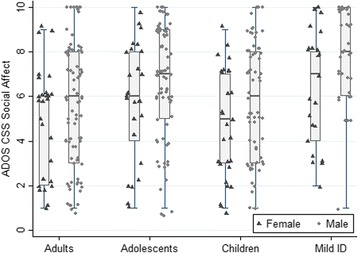
“The Autism Diagnostic Observation Schedule (ADOS; [53, 54]), a standardised social interaction observation assessment, was used to assess current symptoms in ASD participants (module 2 for 2 participants, module 3 for 154 participants, module 4 for 208 participants).”
Baron-Cohen, S., Wheelwright, S., Skinner, R., Martin, J., & Clubley, E. (2001) · Journal of Autism and Developmental Disorders · doi:10.1023/a:1005653411471 · Cited by 6,450 · cited 2×
“The AQ [62 – 64]) is a continuous self-or parent-report measure that quantifies the degree to which children, adolescents or adults of average intelligence show behavioural characteristics associated with ASD.”
Self-citation
Research works printed but not linked: 6
- 54. Lord C, Rutter M, DiLavore PC, Risi S, Gotham K, Bishop S. Autism Diagnostic Observation Schedule, Second Edition (ADOS-2) manual (part I): modules 1-4. Torrance: Western Psychological Services; 2012.
- 71. Dunn W. The sensory profile manual. San Antonio: Psychological Corporation; 1999.
- 77. Sattler JM. Assessment of children (revised and updated. 3rd ed. San Diego: Jerome M. Sattler; 1992.
- 79. Beck JS, Beck AT, Jolly JB, Steer RA. Beck Youth Inventories. 2nd ed. San Antonio: Harcourt Assessment; 2005.
- 80. Beck AT, Steer RA. Beck Anxiety Inventory Manual. San Antonio: The Psychological Corporation Harcourt Brace & Company; 1993.
- 81. StataCorp. Stata statistical software: release 14. College Station: StataCorp LP; 2015.
Cited by
Lai, M.-C., Kassee, C., Besney, R., Bonato, S., Hull, L., Mandy, W., Szatmari, P., & Ameis, S. H. (2019) · The Lancet Psychiatry · doi:10.1016/s2215-0366(19)30289-5 · Cited by 1,892
Self-citationBig data approaches to decomposing heterogeneity across the autism spectrum
Lombardo, M. V., Lai, M.-C., & Baron-Cohen, S. (2019) · Molecular Psychiatry · doi:10.1038/s41380-018-0321-0 · Cited by 537
Self-citationThe contribution of environmental exposure to the etiology of autism spectrum disorder
Bölte, S., Girdler, S., & Marschik, P. B. (2019) · Cellular and Molecular Life Sciences · doi:10.1007/s00018-018-2988-4 · Cited by 509
Self-citationZhou, H., Xu, X., Yan, W., Zou, X., Wu, L., Luo, X., Li, T., Huang, Y., Guan, H., Chen, X., et al. (2020) · Neuroscience Bulletin · doi:10.1007/s12264-020-00530-6 · Cited by 464
“Although studies have generally found that the clinical phenotypes of ASD show little variation with country or culture [36], a lower ASD prevalence has been consistently reported in Hispanic and African American populations and in populations associated with low socioeconomic status in the USA in surveys by the CDC s…”
ResultSex differences in autism spectrum disorder: a review
Ferri, S. L., Abel, T., & Brodkin, E. S. (2018) · Current Psychiatry Reports · doi:10.1007/s11920-018-0874-2 · Cited by 392
The Diagnosis of Autism: From Kanner to DSM-III to DSM-5 and Beyond
Rosen, N. E., Lord, C., & Volkmar, F. R. (2021) · Journal of Autism and Developmental Disorders · doi:10.1007/s10803-021-04904-1 · Cited by 302
Sex Differences in Autism Spectrum Disorder: Diagnostic, Neurobiological, and Behavioral Features
Napolitano, A., Schiavi, S., La Rosa, P., Rossi-Espagnet, M. C., Petrillo, S., Bottino, F., Tagliente, E., Longo, D., Lupi, E., Casula, L., et al. (2022) · Frontiers in Psychiatry · doi:10.3389/fpsyt.2022.889636 · Cited by 234
Dissecting the Heterogeneous Cortical Anatomy of Autism Spectrum Disorder Using Normative Models
Zabihi, M., Oldehinkel, M., Wolfers, T., Frouin, V., Goyard, D., Loth, E., Charman, T., Tillmann, J., Banaschewski, T., Dumas, G., et al. (2019) · Biological Psychiatry: Cognitive Neuroscience and Neuroimaging · doi:10.1016/j.bpsc.2018.11.013 · Cited by 201
“(LEAP)(40) cohort with a structural MRI scan surviving quality control and the necessary clinical and demographic data.”
BackgroundSelf-citationOldehinkel, M., Mennes, M., Marquand, A., Charman, T., Tillmann, J., Ecker, C., Dell’Acqua, F., Brandeis, D., Banaschewski, T., Baumeister, S., et al. (2019) · Biological Psychiatry: Cognitive Neuroscience and Neuroimaging · doi:10.1016/j.bpsc.2018.11.010 · Cited by 153
Self-citationIs There a Bias Towards Males in the Diagnosis of Autism? A Systematic Review and Meta-Analysis
Cruz, S., Zubizarreta, S. C.-P., Costa, A. D., Araújo, R., Martinho, J., Tubío-Fungueiriño, M., Sampaio, A., Cruz, R., Carracedo, Á., & Fernández‐Prieto, M. (2024) · Neuropsychology Review · doi:10.1007/s11065-023-09630-2 · Cited by 191
Tillmann, J., San José Cáceres, A., Chatham, C. H., Crawley, D., Holt, R., Oakley, B., Banaschewski, T., Baron‐Cohen, S., Bölte, S., Buitelaar, J. K., et al. (2019) · Autism Research · doi:10.1002/aur.2081 · Cited by 152
“…unique predictors of adaptive functioning as measured by the VABS and the discrepancy between IQ and adaptive functioning in a well-characterized sample of individuals with ASD as part of the EU-AIMS Longitudinal European Autism Project (LEAP) cohort [Charman et al., 2017; Loth et al., 2017].”
MethodInfluentialSelf-citationGenetic correlates of phenotypic heterogeneity in autism
Warrier, V., Zhang, X., Reed, P., Havdahl, A., Moore, T. M., Cliquet, F., Leblond, C. S., Rolland, T., Rosengren, A., LEAP, E.-A., et al. (2022) · Nature Genetics · doi:10.1038/s41588-022-01072-5 · Cited by 152
Self-citationCortese, S., Solmi, M., Michelini, G., Bellato, A., Blanner, C., Canozzi, A., Eudave, L., Farhat, L. C., Højlund, M., Köhler‐Forsberg, O., et al. (2023) · World Psychiatry · doi:10.1002/wps.21037 · Cited by 147
Self-citationAtypical Brain Asymmetry in Autism—A Candidate for Clinically Meaningful Stratification
Floris, D. L., Wolfers, T., Zabihi, M., Holz, N. E., Zwiers, M. P., Charman, T., Tillmann, J., Ecker, C., Dell’Acqua, F., Banaschewski, T., et al. (2020) · Biological Psychiatry Cognitive Neuroscience and Neuroimaging · doi:10.1016/j.bpsc.2020.08.008 · Cited by 145
Self-citationHollestein, V., Poelmans, G., Forde, N., Beckmann, C., Ecker, C., Mann, C., Schäfer, T., Moessnang, C., Baumeister, S., Banaschewski, T., et al. (2021) · bioRxiv · doi:10.1038/s41398-023-02317-5 · Cited by 109
Self-citationLoth, E., Garrido, L., Ahmad, J., Watson, E., Duff, A., & Duchaine, B. (2018) · Molecular Autism · doi:10.1186/s13229-018-0187-7 · Cited by 121
“We have included an abridged version of the Films Expression Test and a companion child version in the follow-up assessment battery of the EU-AIMS Longitudinal European Autism Project [47, 48] to test whether the current findings can be replicated in an independent sample more diverse in age and ability level, to furt…”
InfluentialSelf-citationOakley, B. F., Tillmann, J., Ahmad, J., Crawley, D., San José Cáceres, A., Holt, R., Charman, T., Banaschewski, T., Buitelaar, J., Simonoff, E., et al. (2021) · Autism · doi:10.1177/1362361320959959 · Cited by 133
“…using data from the European Autism Interventions Multicentre Study for Developing New Medications (EU-AIMS) Longitudinal European Autism Project (LEAP; Charman et al., 2017; Loth et al., 2017) – a well-characterised cohort of autistic males and females, diverse in age (6–30 years) and IQ (50–148).”
MethodSelf-citationOakley, B. F. M., Jones, E. J. H., Crawley, D., Charman, T., Buitelaar, J., Tillmann, J., Murphy, D. G., Loth, E., & The EU-AIMS LEAP Group (2022) · Psychological Medicine · doi:10.1017/s0033291720003244 · Cited by 126
“The clinical characteristics of the full LEAP cohort are reported elsewhere (Charman et al., 2017).”
Self-citationTillmann, J., Ashwood, K., Absoud, M., Bölte, S., Bonnet-Brilhault, F., Buitelaar, J. K., Calderoni, S., Calvo, R., Canal-Bedia, R., Canitano, R., et al. (2018) · Journal of Autism and Developmental Disorders · doi:10.1007/s10803-018-3510-4 · Cited by 121
“Larger cross-sectional samples that have also reported differences in symptomatology with age are rare, but those that did, did not find significant age differences on the ADOS when IQ was included in the model (e.g. N = 325, Mandy et al. 2012; N = 437; Charman et al. 2017).”
BackgroundResultInfluentialSelf-citationKaat, A. J., Shui, A. M., Ghods, S. S., Farmer, C. A., Esler, A. N., Thurm, A., Georgiades, S., Kanne, S. M., Lord, C., Kim, Y. S., et al. (2021) · Journal of Child Psychology and Psychiatry · doi:10.1111/jcpp.13242 · Cited by 116
“Except for recent notable examples (Charman et al., 2017; Tillman et al., 2018), previous studies have not been adequately powered to consider multiple developmental variables, or have not accounted for these factors simultaneously.”
BackgroundResultSex Differences in Autism Spectrum Disorder: Focus on High Functioning Children and Adolescents
de Giambattista, C., Ventura, P., Trerotoli, P., Margari, F., & Margari, L. (2021) · Frontiers in Psychiatry · doi:10.3389/fpsyt.2021.539835 · Cited by 116
Fractionating autism based on neuroanatomical normative modeling
Zabihi, M., Floris, D. L., Kia, S. M., Wolfers, T., Tillmann, J., Arenas, A. L., Moessnang, C., Banaschewski, T., Holt, R., Baron-Cohen, S., et al. (2020) · Translational Psychiatry · doi:10.1038/s41398-020-01057-0 · Cited by 96
Self-citationPsychometric Evaluation of the Short Sensory Profile in Youth with Autism Spectrum Disorder
Williams, Z. J., Failla, M. D., Gotham, K. O., Woynaroski, T. G., & Cascio, C. (2018) · Journal of Autism and Developmental Disorders · doi:10.1007/s10803-018-3678-7 · Cited by 91
“The SSP has served as the sensory phenotyping measure of choice in large-scale ASD projects such as the Autism Speaks Autism Treatment Network (Lajonchere, Jones, Coury, & Perrin, 2012) and the EUAIMS Longitudinal European Autism Project (Charman et al., 2017), likely due to its reduced participant burden relative to…”
MethodConnectome-wide Mega-analysis Reveals Robust Patterns of Atypical Functional Connectivity in Autism
Ilioska, I., Oldehinkel, M., Llera, A., Chopra, S., Looden, T., Chauvin, R. J., van Rooij, D., Floris, D. L., Tillmann, J., Moessnang, C., et al. (2022) · Biological Psychiatry · doi:10.1016/j.biopsych.2022.12.018 · Cited by 104
Self-citationClinical implications of brain asymmetries
Ocklenburg, S., Mundorf, A., Gerrits, R., Karlsson, E., Παπαδάτου-Παστού, Μ., & Vingerhoets, G. (2024) · Nature Reviews Neurology · doi:10.1038/s41582-024-00974-8 · Cited by 103
Sprengers, J. J., van Andel, D. M., Zuithoff, N. P. A., Keijzer-Veen, M. G., Schulp, A. J. A., Scheepers, F. E., Lilien, M. R., Oranje, B., & Bruining, H. (2021) · Journal of the American Academy of Child & Adolescent Psychiatry · doi:10.1016/j.jaac.2020.07.888 · Cited by 97
Self-citationDrug development for Autism Spectrum Disorder (ASD): Progress, challenges, and future directions
McCracken, J. T., Anagnostou, E. A., Arango, C., Dawson, G., Farchione, T. R., Mantua, V., McPartland, J. C., Murphy, D., Pandina, G., & Veenstra-VanderWeele, J. M. (2021) · European Neuropsychopharmacology · doi:10.1016/j.euroneuro.2021.05.010 · Cited by 98
Self-citationCrawley, D., Zhang, L., Jones, E. J. H., Ahmad, J., Oakley, B. F. M., Cáceres, A. S. J., Charman, T., Buitelaar, J. K., Murphy, D., Chatham, C. H., et al. (2020) · PLoS Biology · doi:10.1371/journal.pbio.3000908 · Cited by 96
“This study was part of the EU-AIMS Longitudinal European Autism Project (LEAP; [40, 41])— a multidisciplinary, multicenter study of children (6–11 years), adolescents (12–17 years), and adults (18–30 years) with and without ASD from six European sites.”
Self-citationSocial and non-social autism symptoms and trait domains are genetically dissociable
Warrier, V., Toro, R., Won, H., Leblond, C. S., Cliquet, F., Delorme, R., De Witte, W., Bralten, J., Chakrabarti, B., Børglum, A. D., et al. (2019) · Communications Biology · doi:10.1038/s42003-019-0558-4 · Cited by 94
Self-citationResting state EEG power spectrum and functional connectivity in autism: a cross-sectional analysis
Garcés, P., Baumeister, S., Mason, L., Chatham, C. H., Holiga, Š., Dukart, J., Jones, E. J. H., Banaschewski, T., Baron‐Cohen, S., Bölte, S., et al. (2022) · Molecular Autism · doi:10.1186/s13229-022-00500-x · Cited by 92
“A complete description of the study design and clinical characterization of the participants can be found elsewhere [21, 22].”
Self-citationTowards robust and replicable sex differences in the intrinsic brain function of autism
Floris, D. L., Filho, J. O. A., Lai, M.-C., Giavasis, S., Oldehinkel, M., Mennes, M., Charman, T., Tillmann, J., Dumas, G., Ecker, C., et al. (2021) · Molecular Autism · doi:10.1186/s13229-021-00415-z · Cited by 74
“Thus, we conducted secondary analyses to assess the 172 extent to which the pattern of findings obtained in our discovery analyses were also observed 173 a) after applying different nuisance pre-processing steps that have been previously validated, 174 though used inconsistently in the autism literature [45], and b) a…”
MethodSelf-citationBrain imaging-based machine learning in autism spectrum disorder: methods and applications
Xu, M., Calhoun, V. D., Jiang, R., Yan, W., & Sui, J. (2021) · Journal of Neuroscience Methods · doi:10.1016/j.jneumeth.2021.109271 · Cited by 81
“Current large samples mainly come from retrospective data aggregation, and from prospective multicenter collections, such as ABIDE (Di Martino et al., 2017; Di Martino et al., 2014) and EU-AIMS LEAP (Charman et al., 2017), however, the biological diversity of patients is still not optimally reflected.”
BackgroundTillmann, J., Uljarević, M., Crawley, D., Dumas, G., Loth, E., Murphy, D., Buitelaar, J. K., Charman, T., the AIMS-2-TRIALS LEAP group, Ahmad, J., et al. (2020) · Molecular Autism · doi:10.1186/s13229-020-00367-w · Cited by 78
Self-citationCalderoni, S. (2022) · Journal of Neuroscience Research · doi:10.1002/jnr.25000 · Cited by 77
the EU-AIMS LEAP group, Moessnang, C., Baumeister, S., Tillmann, J., Goyard, D., Charman, T., Ambrosino, S., Baron‐Cohen, S., Beckmann, C. F., Bölte, S., et al. (2020) · Molecular Autism · doi:10.1186/s13229-020-0317-x · Cited by 79
Self-citationEcker, C., Pretzsch, C. M., Bletsch, A., Mann, C., Schäfer, T., Ambrosino, S., Tillmann, J., Yousaf, A., Chiocchetti, A. G., Lombardo, M. V., et al. (2021) · American Journal of Psychiatry · doi:10.1176/appi.ajp.2021.20050630 · Cited by 75
Self-citationSocial orienting and social seeking behaviors in ASD. A meta analytic investigation
Hedger, N., Dubey, I., & Chakrabarti, B. (2020) · Neuroscience & Biobehavioral Reviews · doi:10.1016/j.neubiorev.2020.10.003 · Cited by 69
Self-citationKurzius‐Spencer, M., Pettygrove, S. D., Christensen, D., Pedersen, A. L., Cunniff, C. M., Meaney, F. J., Soke, G. N., Harrington, R. A., Durkin, M. S., & Rice, S. A. (2018) · Research in Autism · doi:10.1016/j.rasd.2018.09.002 · Cited by 63
Bertelsen, N., Landi, I., Bethlehem, R. A. I., Seidlitz, J., Busuoli, E. M., Mandelli, V., Satta, E., Trakoshis, S., Auyeung, B., Kundu, P., et al. (2021) · Communications Biology · doi:10.1038/s42003-021-02015-2 · Cited by 60
Self-citationProcessing of social and monetary rewards in autism spectrum disorders
Baumeister, S., Moessnang, C., Bast, N., Hohmann, S., Aggensteiner, P.-M., Kaiser, A., Tillmann, J., Goyard, D., Charman, T., Ambrosino, S., et al. (2023) · The British Journal of Psychiatry · doi:10.1192/bjp.2022.157 · Cited by 60
Self-citationLefebvre, A., Delorme, R., Delanoë, C., Amsellem, F., Beggiato, A., Germanaud, D., Bourgeron, T., Toro, R., & Dumas, G. (2018) · Frontiers in Neuroscience · doi:10.3389/fnins.2018.00662 · Cited by 58
Self-citationLobular patterns of cerebellar resting‐state connectivity in adults with Autism Spectrum Disorder
Olivito, G., Lupo, M., Laghi, F., Clausi, S., Baiocco, R., Cercignani, M., Bozzali, M., & Leggio, M. G. (2017) · European Journal of Neuroscience · doi:10.1111/ejn.13752 · Cited by 58
Jacques, C., Courchesne, V., Meilleur, A. S., Mineau, S., Ferguson, S., Cousineau, D., Labbe, A., Dawson, M., & Mottron, L. (2018) · PLoS ONE · doi:10.1371/journal.pone.0209251 · Cited by 54
Baghdadli, A., Miot, S., Rattaz, C., Akbaraly, T. N., Geoffray, M., Michelon, C., Loubersac, J., Traver, S., Mortamais, M., Sonié, S., et al. (2019) · BMJ Open · doi:10.1136/bmjopen-2018-026286 · Cited by 53
Mei, T., Llera, A., Floris, D. L., Forde, N. J., Tillmann, J., Durston, S., Moessnang, C., Banaschewski, T., Holt, R., Baron‐Cohen, S., et al. (2020) · Molecular Autism · doi:10.1186/s13229-020-00389-4 · Cited by 51
Self-citationStratifying the autistic phenotype using electrophysiological indices of social perception
Mason, L., Moessnang, C., Chatham, C., Ham, L. M., Tillmann, J., Dumas, G., Ellis, C. L., Leblond, C. S., Cliquet, F., Bourgeron, T., et al. (2022) · Science Translational Medicine · doi:10.1126/scitranslmed.abf8987 · Cited by 52
Self-citationJuarez-Martinez, E. L., Sprengers, J. J., Cristian, G., Oranje, B., van Andel, D. M., Avramiea, A.-E., Simpraga, S., Houtman, S. J., Hardstone, R., Gerver, C., et al. (2023) · Biological Psychiatry: Cognitive Neuroscience and Neuroimaging · doi:10.1016/j.bpsc.2021.08.009 · Cited by 48
Self-citationWood, J. J., Wood, K. S., Cho, A. C., Rosenau, K. A., Guevara, M. V. C., Galán, C. A., Bazzano, A., Zeldin, A. S., & Hellemann, G. S. (2021) · Journal of Consulting and Clinical Psychology · doi:10.1037/ccp0000621 · Cited by 48
“…a modular format to allow treatment to focus on the most pressing of the commonly experienced clinical needs of children with ASD within the commonly impacted domains of social-communication skills, peer relationships, RRBs, emotion dysregulation, and self-care skills (e.g., Charman et al., 2017).”
BackgroundKissel, L. T., & Werling, D. M. (2022) · Biological Psychiatry · doi:10.1016/j.biopsych.2020.11.023 · Cited by 46
In Search of Biomarkers for Autism Spectrum Disorder
Rubido, M. D. V., McCracken, J. T., Hollander, E., Shic, F., Noeldeke, J., Boak, L. M., Khwaja, O., Sadikhov, S., da Fontoura, P. P., & Umbricht, D. (2018) · Autism Research · doi:10.1002/aur.2026 · Cited by 46
“Given that both IQ and age have been identified as factors influencing the severity of ASD symptoms [Charman et al., 2017] and development of compensation in social skills, it is conceivable that people with ASD may apply different strategies to extract socially relevant information at different developmental stages.”
BackgroundPrigge, M. B. D., Bigler, E. D., Lange, N., Morgan, J., Froehlich, A. L., Freeman, A., Kellett, K. A., Kane, K. L., King, C. K., Taylor, J. S., et al. (2021) · Journal of Autism and Developmental Disorders · doi:10.1007/s10803-021-05227-x · Cited by 45
Huberty, S., Leno, V. C., van Noordt, S. J. R., Bedford, R., Pickles, A. R., Desjardins, J. A., Webb, S. J., The BASIS Team, & Elsabbagh, M. (2021) · Autism Research · doi:10.1002/aur.2518 · Cited by 44
“Furthermore, ASD is heterogenous; infants at HR who go on to a diagnosis differ substantially in their developmental outcomes across multiple domains (Charman et al., 2017).”
BackgroundRoche, L., Zhang, D., Bartl-Pokorny, K. D., Pokorny, F. B., Schuller, B. W., Esposito, G., Bölte, S., Roeyers, H., Poustka, L., Gugatschka, M., et al. (2018) · Advances in Neurodevelopmental Disorders · doi:10.1007/s41252-017-0051-3 · Cited by 42
“These cases are informative in that younger siblings have an increased likelihood of receiving a diagnosis of ASD due to shared genetic risks (e.g. Bölte et al. 2013; Charman et al. 2017; Loth et al. 2017; Ozonoff et al. 2011; Paul et al. 2011; Zwaigenbaum et al. 2009).”
Self-citationCerebellar Atypicalities in Autism?
Laidi, C., Floris, D. L., Tillmann, J., Elandaloussi, Y., Zabihi, M., Charman, T., Wolfers, T., Durston, S., Moessnang, C., Dell’Acqua, F., et al. (2022) · Biological Psychiatry · doi:10.1016/j.biopsych.2022.05.020 · Cited by 41
“The full clinical assessment of the EU-AIMS cohort is described elsewhere (25) and in Supplemental Methods.”
MethodSelf-citationSpera, G., Retico, A., Bosco, P., Ferrari, E., Palumbo, L., Oliva, P., Muratori, F., & Calderoni, S. (2019) · Frontiers in Psychiatry · doi:10.3389/fpsyt.2019.00620 · Cited by 40
“Lowercase letters are reported to indicate each region, in reference to the reference to the results reported in Tables 6 and 7 . of etiopathogenesis (43), neuroanatomical alterations (44), and phenotypic expression (45).”
ResultSaccade dysmetria indicates attenuated visual exploration in autism spectrum disorder
Bast, N., Mason, L., Freitag, C. M., Smith, T. J., Portugal, A. M., Poustka, L., Banaschewski, T., Johnson, M. H., & The EU‐AIMS LEAP Group (2020) · Journal of Child Psychology and Psychiatry · doi:10.1111/jcpp.13267 · Cited by 40
“Accordingly, classi-fier performance was significantly increased (AUC > .733) in more homogenous age, IQ, and sex subgroups (see Table S6), which emphasized those covariates as ASD stratification markers (Charman et al., 2017).”
InfluentialSelf-citationNeurobiological Correlates of Change in Adaptive Behavior in Autism
Pretzsch, C. M., Schäfer, T., Lombardo, M. V., Warrier, V., Mann, C., Bletsch, A., Chatham, C., Floris, D. L., Tillmann, J., Yousaf, A., et al. (2022) · American Journal of Psychiatry · doi:10.1176/appi.ajp.21070711 · Cited by 38
“This is because other samples do not possess the same breadth of phenotyping, sample heterogeneity, and longitudinal approach from childhood to adulthood as LEAP does (21).”
BackgroundSelf-citationThe Link Between Autism and Sex-Related Neuroanatomy, and Associated Cognition and Gene Expression
Floris, D. L., Peng, H., Warrier, V., Lombardo, M. V., Pretzsch, C. M., Moreau, C. A., Tsompanidis, A., Gong, W., Mennes, M., Llera, A., et al. (2022) · American Journal of Psychiatry · doi:10.1176/appi.ajp.20220194 · Cited by 38
“…females: the UK Biobank (33), comprising over 10,000 individuals; the Autism Brain Imaging Data Exchange (ABIDE [34, 35]); and the EU-AIMS/AIMS-2-TRIALS Longitudinal European Autism Project (LEAP [36, 37], the largest European multicenter initiative aimed at identifying biomarkers in autism).”
Self-citationFacial expression recognition is linked to clinical and neurofunctional differences in autism
Meyer-Lindenberg, H., Moessnang, C., Oakley, B. F. M., Ahmad, J., Mason, L., Jones, E. J. H., Hayward, H., Cooke, J., Crawley, D., Holt, R., et al. (2022) · Molecular Autism · doi:10.1186/s13229-022-00520-7 · Cited by 32
Self-citationvan Kessel, R., Steinhoff, P., Varga, O., Breznoščáková, D., Czabanowska, K., Brayne, C., Baron‐Cohen, S., & Román-Urrestarazu, A. (2020) · Research in Developmental Disabilities · doi:10.1016/j.ridd.2020.103734 · Cited by 33
Self-citationThe Future of Disentangling the Heterogeneity of Autism With Neuroimaging Studies
Duan, X., Shan, X., Uddin, L. Q., & Chen, H. (2024) · Biological Psychiatry · doi:10.1016/j.biopsych.2024.08.008 · Cited by 31
Uljarević, M., Spackman, E. K., Whitehouse, A., Frazier, T. W., Billingham, W., Condron, P., Hardan, A. Y., & Leekam, S. (2023) · Clinical Psychology Review · doi:10.1016/j.cpr.2023.102286 · Cited by 33
Normative age modelling of cortical thickness in autistic malesPreprint
Bethlehem, R. A. I., Seidlitz, J., Romero-García, R., Dumas, G., & Lombardo, M. V. (2018) · bioRxiv (Cold Spring Harbor Laboratory) · doi:10.1101/252593 · Cited by 29
Self-citationA multimodal neural signature of face processing in autism within the fusiform gyrus
Floris, D. L., Llera, A., Zabihi, M., Moessnang, C., Jones, E. J. H., Mason, L., Haartsen, R., Holz, N. E., Mei, T., Elleaume, C., et al. (2025) · Nature Mental Health · doi:10.1038/s44220-024-00349-4 · Cited by 28
“Participants were part of the EU–AIMS/AIMS-2-TRIALS LEAP cohort 47,48 .”
Self-citationThe neuroanatomical substrates of autism and ADHD and their link to putative genomic underpinnings
Berg, L. M., Gurr, C., Leyhausen, J., Seelemeyer, H., Bletsch, A., Schaefer, T., Pretzsch, C. M., Oakley, B. F. M., Loth, E., Floris, D. L., et al. (2023) · Molecular Autism · doi:10.1186/s13229-023-00568-z · Cited by 28
“A comprehensive description of the sample has been published elsewhere [23].”
BackgroundMethodInfluentialSelf-citationLefebvre, A., Tillmann, J., Cliquet, F., Amsellem, F., Maruani, A., Leblond, C. S., Beggiato, A., Germanaud, D., Amestoy, A., Moal, M. L., et al. (2022) · Autism Research · doi:10.1002/aur.2861 · Cited by 25
Self-citationSensory Reactivity Symptoms Are a Core Feature of ADNP Syndrome Irrespective of Autism Diagnosis
Siper, P. M., Layton, C., Levy, T., Lurie, S., Benrey, N., Zweifach, J., Rowe, M. A., Tang, L., Guillory, S. B., Halpern, D. B., et al. (2021) · Genes · doi:10.3390/genes12030351 · Cited by 23
“Comprehensive clinical evaluations were completed using a battery of well-validated instruments commonly used in the assessment of individuals with ASD, ID, and related conditions [26].”
MethodUnique dynamic profiles of social attention in autistic females
Bianco, T. D., Mason, L., Lai, M., Loth, E., Tillmann, J., Charman, T., Hayward, H., Gleissl, T., Buitelaar, J. K., Murphy, D., et al. (2022) · Journal of Child Psychology and Psychiatry · doi:10.1111/jcpp.13630 · Cited by 24
Self-citationCahart, M., O’Daly, O., Giampietro, V., Timmers, M., Streffer, J. R., Einstein, S. G., Zelaya, F. O., Dell’Acqua, F., & Williams, S. (2022) · Human Brain Mapping · doi:10.1002/hbm.26180 · Cited by 22
“The ICC score is typically defined as the proportion of withinsubject variability in relation to between-subject variability as follows, where MSEb and MSEw are the between-subject and within-subject mean squared errors, respectively (Charman et al., 2017):”
BackgroundSelf-citationMason, L., Shic, F., Falck‐Ytter, T., Chakrabarti, B., Charman, T., Loth, E., Tillmann, J., Banaschewski, T., Baron‐Cohen, S., Bölte, S., et al. (2021) · Molecular Autism · doi:10.1186/s13229-021-00476-0 · Cited by 22
“The LEAP study as a whole involved 453 participants with ASD and 311 non-autistic controls, recruited at six sites across Europe (for a thorough description of the sample and a list of sites, see [10].”
MethodSelf-citationLlera, A., Brammer, M. J., Oakley, B. F. M., Tillmann, J., Zabihi, M., Amelink, J. S., Mei, T., Charman, T., Ecker, C., Dell’Acqua, F., et al. (2022) · BMC Medical Research Methodology · doi:10.1186/s12874-022-01656-z · Cited by 22
“A detailed description of the clinical cohort and extended characterisation can be found in [6], [33] .”
BackgroundMethodSelf-citationJacob, S., Anagnostou, E. A., Hollander, E., Jou, R. J., McNamara, N., Sikich, L., Tobe, R. H., Murphy, D., McCracken, J. T., Ashford, E., et al. (2022) · Molecular Autism · doi:10.1186/s13229-022-00505-6 · Cited by 23
Self-citationCarrington, S. J., Barrett, S., Sivagamasundari, U., Fretwell, C., Noens, I. L. J., Maljaars, J., & Leekam, S. (2019) · Journal of Autism and Developmental Disorders · doi:10.1007/s10803-019-04214-7 · Cited by 21
Autism Is Associated With Interindividual Variations of Gray and White Matter Morphology
Mei, T., Forde, N. J., Floris, D. L., Dell’Acqua, F., Stones, R., Ilioska, I., Durston, S., Moessnang, C., Banaschewski, T., Holt, R., et al. (2022) · Biological Psychiatry Cognitive Neuroscience and Neuroimaging · doi:10.1016/j.bpsc.2022.08.011 · Cited by 21
Self-citationSeeing the forest and the trees: Disentangling autism phenotypes in the age of DSM-5
Volkmar, F. R., Woodbury‐Smith, M., Macari, S. L., & Øien, R. A. (2021) · Development and Psychopathology · doi:10.1017/s0954579420002047 · Cited by 20
“For example, they exhibit lower levels of restrictive, repetitive behaviors (Charman et al., 2017; Frazier, Georgiades, Bishop, & Hardan, 2013), less severe sensory issues and better joint attention (Oien et al., 2017), and a lesser degree of social avoidance (Oien et al., 2018).”
Neuroimaging brain growth charts: A road to mental health
Chen, L.-Z., Holmes, A. J., Zuo, X., & Dong, Q. (2021) · Psychoradiology · doi:10.1093/psyrad/kkab022 · Cited by 20
“Based on this dataset, a brain age prediction model found smaller brain age in ASD patients, suggesting the delayed brain development of these patients (Wang et al., 2021).”
InfluentialBast, N., Mason, L., Ecker, C., Baumeister, S., Banaschewski, T., Jones, E. J. H., Murphy, D., Buitelaar, J. K., Loth, E., Pandina, G., et al. (2023) · Molecular Autism · doi:10.1186/s13229-023-00537-6 · Cited by 18
“The sample is a subsample of the project “European Autism Interventions—A Multicentre Study for Developing New Medications (EU-AIMS) Longitudinal European Autism Project (LEAP) study” [62] of participants with sufficient eye-tracking data (73.”
BackgroundSelf-citationEU-AIMS Longitudinal European Autism Project (LEAP): the autism twin cohort
the EU-AIMS LEAP group, Isaksson, J., Tammimies, K., Neufeld, J., Cauvet, É., Lundin, K., Buitelaar, J. K., Loth, E., Murphy, D. G. M., Spooren, W., et al. (2018) · Molecular Autism · doi:10.1186/s13229-018-0212-x · Cited by 17
“Overall, these descriptive results indicate consistency of the twin sample with the LEAP case-control singletons in terms of SRS-2, ADOS-2, and ADI-R-score distributions for ASD cases [6].”
BackgroundMethodResultSelf-citationGodel, M., Andrews, D. S., Amaral, D. G., Ozonoff, S. J., Young, G. S., Lee, J. K., Nordahl, C. W., & Schaer, M. (2021) · Frontiers in Neuroscience · doi:10.3389/fnins.2021.669194 · Cited by 17
Can stratification biomarkers address the heterogeneity of autism spectrum disorder?
Molloy, C. J., & Gallagher, L. (2021) · Irish Journal of Psychological Medicine · doi:10.1017/ipm.2021.73 · Cited by 17
“As for EEG, some individuals with sensory issues may also find this less tolerable.”
MethodInfluentialLoth, E. (2023) · Frontiers in Psychiatry · doi:10.3389/fpsyt.2023.1085445 · Cited by 16
Self-citationThe European Innovative Medicines Initiative: Progress to Date
Faure, J., Dyląg, T., Norstedt, I., & Matthiessen, L. (2018) · Pharmaceutical Medicine · doi:10.1007/s40290-018-0241-y · Cited by 17
Roselló, R., Martínez-Raga, J., Tomás, J. M., Miranda, B. R., Berenguer, C., & Cortese, S. (2022) · Journal of Neural Transmission · doi:10.1007/s00702-022-02554-w · Cited by 16
Jin, F., & Wang, Z. (2024) · Frontiers in Neuroscience · doi:10.3389/fnins.2024.1514678 · Cited by 16
Tien, I. S., Pearson, A., Sozeri, S., & Seers, K. (2025) · Autism in Adulthood · doi:10.1089/aut.2024.0178 · Cited by 17
Calderoni, S., Ricca, I., Balboni, G., Cagiano, R., Cassandrini, D., Doccini, S., Cosenza, A., Tolomeo, D., Tancredi, R., Santorelli, F. M., et al. (2020) · Journal of Personalized Medicine · doi:10.3390/jpm10040160 · Cited by 17
Corpus Callosum Volumes in Children with Autism Spectrum Disorders: Sex-Associated Differences
Zhang, Y., Qin, B., Wang, L., Zhang, K., Song, C., Chen, J., Cai, J., & Li, T. (2022) · Journal of Autism and Developmental Disorders · doi:10.1007/s10803-022-05538-7 · Cited by 16
Cahart, M., Dell’Acqua, F., Giampietro, V., Cabral, J., Timmers, M., Streffer, J. R., Einstein, S. G., Zelaya, F. O., Williams, S., & O’Daly, O. (2022) · Frontiers in Human Neuroscience · doi:10.3389/fnhum.2022.980280 · Cited by 16
“between-subject variability as follows, where MSEb and MSEw are the between-subject and within-subject mean squared errors, respectively (Charman et al., 2017):”
BackgroundSelf-citationIQ trajectories in autistic children through preadolescence
Solomon, M., Cho, A. C., Iosif, A., Heath, B. E., Srivastav, A., Nordahl, C. W., Ferrer, E. E., & Amaral, D. G. (2023) · JCPP Advances · doi:10.1002/jcv2.12127 · Cited by 16
Leyhausen, J., Schäfer, T., Gurr, C., Berg, L. M., Seelemeyer, H., Pretzsch, C. M., Loth, E., Oakley, B. F. M., Buitelaar, J. K., Beckmann, C. F., et al. (2023) · Biological Psychiatry · doi:10.1016/j.biopsych.2023.06.010 · Cited by 16
Self-citationSex- and age-related differences in autistic behaviours in children with neurofibromatosis type 1
Chisholm, A. K., Lami, F., Haebich, K. M., Ure, A., Brignell, A., Maloof, T., Pride, N. A., Walsh, K. S., Maier, A., Rouel, M., et al. (2022) · Journal of Autism and Developmental Disorders · doi:10.1007/s10803-022-05571-6 · Cited by 15
Markfeld, J. E., Feldman, J. I., Bordman, S. L., Daly, C., Santapuram, P., Humphreys, K. L., Keçeli-Kaysılı, B., & Woynaroski, T. G. (2022) · Journal of Speech Language and Hearing Research · doi:10.1044/2022_jslhr-22-00154 · Cited by 15
“Additionally, Sibs-autism who are not diagnosed with the condition are more likely to present with a language disorder, display below-average developmental functioning, and/or present with subclinical autistic features (e.g., Charman et al., 2017; Landa et al., 2012; Messinger et al., 2013).”
BackgroundGenetic correlates of phenotypic heterogeneity in autism
(2020) · doi:10.1101/2020.07.21.20159228 · Cited by 14
“Simplex Collection (SSC) (22), the Autism Genetic Resource Exchange (AGRE, CHOP 47 sample) (Nmax = 1,200) (23), and the AIMS-2-TRIALS LEAP sample (Nmax = 262) (24).”
BackgroundGeertjens, L., van Voorst, T. W., Bouman, A., van Boven, M. A., Kleefstra, T., Verhage, M., Linkenkaer‐Hansen, K., Kasri, N. N., Cornelisse, L. N., & Bruining, H. (2022) · Genes · doi:10.3390/genes13020390 · Cited by 14
“Thus, influencing E/I ratios is regarded as a promising target for pharmaceutical interventions, but is complicated by the multifaceted heterogeneity of nderlying mechanisms and thus requires personalized treatment strategies [17].”
BackgroundLooden, T., Floris, D. L., Llera, A., Chauvin, R. J., Charman, T., Banaschewski, T., Murphy, D., Marquand, A. F., Buitelaar, J. K., Beckmann, C. F., et al. (2022) · Molecular Autism · doi:10.1186/s13229-022-00529-y · Cited by 14
Self-citationAmbrosino, S., Elbendary, H. M., Lequin, M. H., Rijkelijkhuizen, D. N. J., Banaschewski, T., Baron‐Cohen, S., Bast, N., Baumeister, S., Buitelaar, J. K., Charman, T., et al. (2022) · NeuroImage Clinical · doi:10.1016/j.nicl.2022.103118 · Cited by 13
Self-citationLombardi, L., Clerc, S. L., Wu, C., Bouassida, J., Boukouaci, W., Sugusabesan, S., Richard, J., Lajnef, M., Tison, M., Corvoisier, P. L., et al. (2023) · Translational Psychiatry · doi:10.1038/s41398-023-02550-y · Cited by 13
“Inclusion and exclusion criteria for ASD patients as well as for the typically developing (TD) group were as described previously [45, 46].”
MethodSelf-citationBianco, T. D., Estrin, G. L., Tillmann, J., Oakley, B. F. M., Crawley, D., Cáceres, A. S. J., Hayward, H., Potter, M., Mackay, W., Smit, P., et al. (2023) · Autism · doi:10.1177/13623613231200297 · Cited by 13
“…status of 764 participants of Wave 1 of the Longitudinal European Autism Project (LEAP; for a description of the design and rationale of the study, see Loth et al., 2017), of whom 453 were autistic, and 311 non-autistic (for an in-depth clinical characterisation, see Charman et al., 2017).”
BackgroundSelf-citationRubido, M. D. V., Hollander, E., McCracken, J. T., Shic, F., Noeldeke, J., Boak, L. M., Khwaja, O., Sadikhov, S., da Fontoura, P. P., & Umbricht, D. (2020) · Journal of Autism and Developmental Disorders · doi:10.1007/s10803-020-04493-5 · Cited by 13
“2013) and levels of intellectual and functional communication ability and constitutes a major obstacle both to the diagnosis and treatment of ASD (Charman et al. 2017; Jeste and Geschwind 2014; Masi et al. 2017).”
BackgroundEcker, C., Pretzsch, C. M., Leyhausen, J., Berg, L. M., Gurr, C., Seelemeyer, H., McAlonan, G. M., Puts, N. A. J., Loth, E., Dell’Acqua, F., et al. (2025) · Nature Communications · doi:10.1038/s41467-025-61927-3 · Cited by 11
“These data were derived from participants enrolled in the EU-AIMS Longitudinal European Autism Project (LEAP; www.aims-2-trials.eu) 42 .”
Self-citation
Metadata
- Authors
- Charman, T., Loth, E., Tillmann, J., Crawley, D., Wooldridge, C., Goyard, D., Ahmad, J., Auyeung, B., Ambrosino, S., Banaschewski, T., Baron-Cohen, S., Baumeister, S., Beckmann, C., Bölte, S., Bourgeron, T., Bours, C., Brammer, M., Brandeis, D., Brogna, C., de Bruijn, Y., Chakrabarti, B., Cornelissen, I., Acqua, F. D., Dumas, G., Durston, S., Ecker, C., Faulkner, J., Frouin, V., Garcés, P., Ham, L., Hayward, H., Hipp, J., Holt, R. J., Isaksson, J., Johnson, M. H., Jones, E. J. H., Kundu, P., Lai, M.-C., D’ardhuy, X. L., Lombardo, M. V., Lythgoe, D. J., Mandl, R., Mason, L., Meyer-Lindenberg, A., Moessnang, C., Mueller, N., O’Dwyer, L., Oldehinkel, M., Oranje, B., Pandina, G., Persico, A. M., Ruggeri, B., Ruigrok, A. N. V., Sabet, J., Sacco, R., Cáceres, A. S. J., Simonoff, E., Toro, R., Tost, H., Waldman, J., Williams, S. C. R., Zwiers, M. P., Spooren, W., Murphy, D. G. M., & Buitelaar, J. K.
- Affiliations
- King's College London (GB)
- Commissariat à l'Énergie Atomique et aux Énergies Alternatives (FR)
- University Medical Center Utrecht (NL)
- Heidelberg University (DE)
- Radboud University Medical Center (NL)
- Region Stockholm (SE)
- Institut Pasteur (FR)
- Università Campus Bio-Medico (IT)
- University of Cambridge (GB)
- Goethe University Frankfurt (DE)
- F. Hoffmann-La Roche AG (CH)
- Uppsala University (SE)
- University of London (GB)
- Icahn School of Medicine at Mount Sinai (US)
- Centre for Addiction and Mental Health (CA)
- University of Messina (IT)
- Corresponding author
- Charman, Tony
- ORCID
- Charman, Tony
- Loth, Eva
- Tillmann, Julian
- Crawley, Daisy
- Ahmad, Jumana
- Ambrosino, Sara
- Banaschewski, Tobias
- Baumeister, Sarah
- Beckmann, Christian
- Bölte, Sven
- Bourgeron, Thomas
- Bours, Carsten
- Brammer, Michael
- Brogna, Claudia
- Chakrabarti, Bhismadev
- Dumas, Guillaume
- Ecker, Christine
- Faulkner, Jessica
- Frouin, Vincent
- Garcés, Pilar
- Ham, Lindsay
- Hayward, Hannah
- Hipp, Joerg
- Holt, Rosemary J.
- Isaksson, Johan
- Johnson, Mark H.
- Jones, Emily J. H.
- Kundu, Prantik
- Lai, Meng-Chuan
- D’ardhuy, Xavier Liogier
- Lombardo, Michael V.
- Lythgoe, David J
- Mandl, René
- Mason, Luke
- Moessnang, Carolin
- Oldehinkel, Marianne
- Oranje, Bob
- Pandina, Gahan
- Persico, Antonio M.
- Ruggeri, Barbara
- Ruigrok, Amber N. V.
- Sacco, Roberto
- Simonoff, Emily
- Toro, Roberto
- Tost, Heike
- Zwiers, Marcel P.
- Murphy, Declan G. M.
- Buitelaar, Jan K.
- Venue
- Molecular Autism
- Published
- 2017-06-23
- Volume
- 8
- Issue
- 1
- Pages
- 27-27
- ISSN
- 2040-2392 (ISSN-L)
- PMC
- PMC5481972
- OpenAlex
- W2616029603
- Semantic Scholar
- 74f515ec595e2b0c8d2a4fb779f9236bb7abbe59
- Cited by
- 183
- References
- 98
- Citations by year
- 2026: 13 · 2025: 15 · 2024: 20 · 2023: 21 · 2022: 34 · 2021: 25 · 2020: 27 · 2019: 8 · 2018: 19 · 2017: 1
- FWCI
- 8.64
- Type
- journal article
- Language
- en
- Open access
- gold
- doi.org
- Licence
- cc-by
- Locations
- Molecular Autism (publishedVersion, cc-by)
- Europe PMC (PubMed Central) (publishedVersion, other-oa)
- PubMed Central (publishedVersion, cc-by)
- PubMed (publishedVersion)
- Edinburgh Research Explorer (University of Edinburgh) (publishedVersion, cc-by)
- CentAUR (University of Reading) (acceptedVersion)
- BIROn (Birkbeck, University of London) (acceptedVersion)
- Greenwich Academic Literature Archive (University of Greenwich) (acceptedVersion)
- Zurich Open Repository and Archive (University of Zurich) (acceptedVersion, cc-by)
- HAL (submittedVersion, cc-by)
- IRIS UNIMORE (University of Modena and Reggio Emilia) (submittedVersion, cc-by)
- TSpace (University of Toronto) (submittedVersion, cc-by)
- Apollo (University of Cambridge) (submittedVersion, cc-by)
- Radboud Repository (Radboud University) (submittedVersion, other-oa)
- KTH Publication Database DiVA (KTH Royal Institute of Technology) (submittedVersion, other-oa)
- DOAJ (DOAJ: Directory of Open Access Journals) (submittedVersion)
- Utrecht University Repository (Utrecht University) (submittedVersion, other-oa)
- eSpace (Curtin University) (submittedVersion)
- Research Portal (King's College London) (submittedVersion, cc-by)
- Research Explorer (The University of Manchester) (submittedVersion, other-oa)
- Radboud Repository (Radboud University) (submittedVersion)
- Zurich Open Repository and Archive (University of Zurich) (submittedVersion, cc-by)
- Apollo
- Apollo (cc-by)
- Zurich Open Repository and Archive (University of Zurich)
- Funders
- Innovative Medicines Initiative Joint Undertaking (115300)
- Topics
- Life Sciences › Neuroscience › Cognitive Neuroscience › Autism Spectrum Disorder Research
- Life Sciences › Biochemistry, Genetics and Molecular Biology › Genetics › Genetics and Neurodevelopmental Disorders
- Health Sciences › Medicine › Psychiatry and Mental health › Child Nutrition and Feeding Issues
- Keywords
- autism spectrum disorder, ASD severity, sex differences, age differences, IQ, ADHD symptoms, social symptoms, repetitive behavior, biomarkers, outcome measures, children and adults
- MeSH terms
- Autism Spectrum Disorder, Adolescent, Adult, Age Factors, Child, Female, Humans, Impulsive Behavior, Individuality, Longitudinal Studies, Male, Parents, Phenotype, Surveys and Questionnaires, Severity of Illness Index, Sex Factors, Biomarkers, Genetic Heterogeneity, Self Report
About these checks
Registry, retraction, Cites and statistics results are computed, not judged, with one exception: a printed reference that no index lists is read once by a model before it counts as a citation error. Claims are extracted by a model and kept only when their quote appears verbatim in the text; each cited source is then checked, with a model’s help, for whether it says what the claim relies on. Those verdicts can be wrong — read the claim’s quote and the cited source before relying on one.
Statistics and arithmetic are recomputed, not judged.
Confidence bands are shown only for fields calibrated on our annotated test set. None is calibrated yet, so no band is shown.
What counts as a claim ›How we measure confidence ›How we check this ›
Are you an author, or do you see a problem with this page? Request a review
Data sources
Bibliographic data: Semantic Scholar, OpenAlex, Crossref.
Contains information from the Semantic Scholar Academic Graph Datasets, made available under the ODC Attribution License (ODC-BY 1.0).
Semantic Scholar’s data is described in: Kinney, R., et al. (2023). The Semantic Scholar Open Data Platform. arXiv:2301.10140.
