

The EU-AIMS Longitudinal European Autism Project (LEAP): clinical characterisation
Open accessThe DOI matches its Crossref record; 95 of the 98 references it cites were found in a registry or an index.
Abstract
BACKGROUND: The EU-AIMS Longitudinal European Autism Project (LEAP) is to date the largest multi-centre, multi-disciplinary observational study on biomarkers for autism spectrum disorder (ASD). The current paper describes the clinical characteristics of the LEAP cohort and examines age, sex and IQ differences in ASD core symptoms and common co-occurring psychiatric symptoms. A companion paper describes the overall design and experimental protocol and outlines the strategy to identify stratification biomarkers. METHODS: From six research centres in four European countries, we recruited 437 children and adults with ASD and 300 controls between the ages of 6 and 30 years with IQs varying between 50 and 148. We conducted in-depth clinical characterisation including a wide range of observational, interview and questionnaire measures of the ASD phenotype, as well as co-occurring psychiatric symptoms. RESULTS: The cohort showed heterogeneity in ASD symptom presentation, with only minimal to moderate site differences on core clinical and cognitive measures. On both parent-report interview and questionnaire measures, ASD symptom severity was lower in adults compared to children and adolescents. The precise pattern of differences varied across measures, but there was some evidence of both lower social symptoms and lower repetitive behaviour severity in adults. Males had higher ASD symptom scores than females on clinician-rated and parent interview diagnostic measures but not on parent-reported dimensional measures of ASD symptoms. In contrast, self-reported ASD symptom severity was higher in adults compared to adolescents, and in adult females compared to males. Higher scores on ASD symptom measures were moderately associated with lower IQ. Both inattentive and hyperactive/impulsive ADHD symptoms were lower in adults than in children and adolescents, and males with ASD had higher levels of inattentive and hyperactive/impulsive ADHD symptoms than females. CONCLUSIONS: The established phenotypic heterogeneity in ASD is well captured in the LEAP cohort. Variation both in core ASD symptom severity and in commonly co-occurring psychiatric symptoms were systematically associated with sex, age and IQ. The pattern of ASD symptom differences with age and sex also varied by whether these were clinician ratings or parent- or self-reported which has important implications for establishing stratification biomarkers and for their potential use as outcome measures in clinical trials.
Overview
The claims and statistics of this paper haven’t been checked yet.
Free: it reads the open-access text and checks the first 5 claims that cite a source we can check. Create a free account to check every claim.
Integrity signals
Registry
Cites
Statistics
Figures
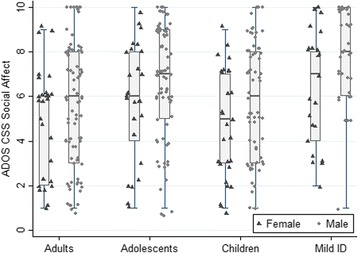
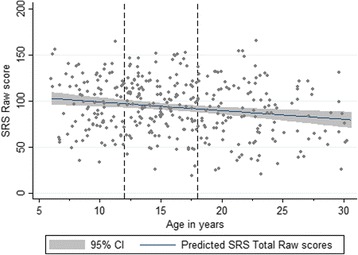
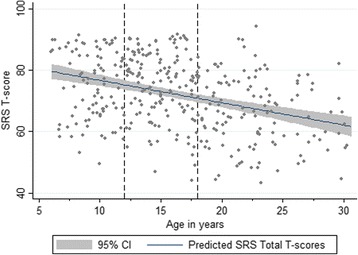
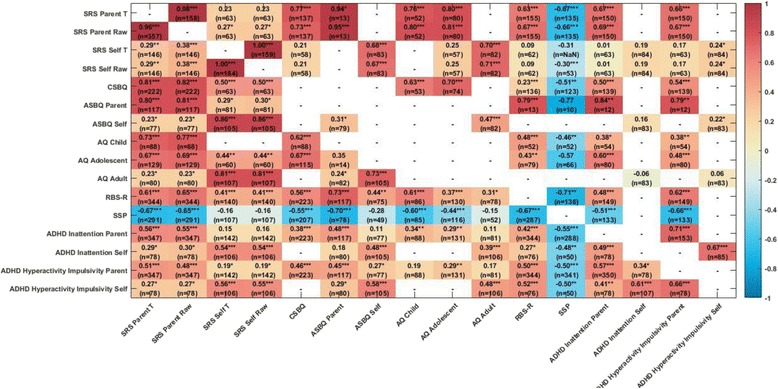
Verification
Claims the paper makes
The claims and statistics of this paper haven’t been checked yet.
Free: it reads the open-access text and checks the first 5 claims that cite a source we can check. Create a free account to check every claim.
Claims other papers make about this one
Each is checked against this paper’s own text: does it say what the citing paper says it does?
The source backs part of the claim, not all of it — or backs it for a different population, condition or comparison.
In the citing paper
“This gender inconsistency may reflect (1) disparate sensitivity of diagnostic measures that were primarily normed using male-dominated samples, particularly with regard to lower degrees of severity in repetitive behaviors (Charman et al. 2017; Frazier and Hardan 2017) and perhaps sensory symptoms (Øien et al. 2017, 2018);”
From The Diagnosis of Autism: From Kanner to DSM-III to DSM-5 and Beyond (2021) · cites this paper as Charman et al. 2017
Experimental — accuracy not yet measuredIn the citing paper
“Several major collaborative efforts in ASD, such as the EU-AIMS (eu-aims.eu) specifically aim to understand biomarkers potentially relevant to stratification [266–268].”
From The contribution of environmental exposure to the etiology of autism spectrum disorder (2019) · cites this paper as [266]
Self-check
Percentages, sums and reported differences re-computed from the paper’s own numbers.
The self-check needs the paper’s full text.
Citations
Cites
1 retracted
Christensen, D. L., Baio, J., Braun, K. V. N., Bilder, D., Charles, J., Constantino, J. N., Daniels, J., Durkin, M. S., Fitzgerald, R. T., Kurzius-Spencer, M., et al. (2016) · MMWR. Surveillance Summaries · doi:10.15585/mmwr.ss6503a1 · Cited by 1,964
RetractedDiagnostic and Statistical Manual of Mental Disorders
American Psychiatric Association (2013) · doi:10.1176/appi.books.9780890425596 · Cited by 116,369
Diagnostic and Statistical Manual of Mental Disorders
Williams, J. B. W., & First, M. (2013) · Encyclopedia of Social Work · doi:10.1093/acrefore/9780199975839.013.104 · Cited by 109,519
Diagnostic and Statistical Manual of Mental Disorders
(2012) · SpringerReference · doi:10.1007/springerreference_121117 · Cited by 20,570
Diagnostic and Statistical Manual of Mental Disorders.
Widiger, T. A. (2000) · Encyclopedia of Psychology, Vol. 3. · doi:10.1037/10518-009 · Cited by 19,744
Lord, C., Rutter, M., & Le Couteur, A. (1994) · Journal of Autism and Developmental Disorders · doi:10.1007/bf02172145 · Cited by 9,065 · cited 1×
“For example, the ADI-R diagnostic algorithm domain scores are based on past history and in particular the early developmental period (age 4 to 5 years) when it has been proposed that ASD presentation is most prototypical [97].”
Cohen, J. (1992) · Psychological Bulletin · doi:10.1037//0033-2909.112.1.155 · Cited by 8,771
Beck, A. T., Steer, R. A., & Brown, G. (2011) · PsycTESTS Dataset · doi:10.1037/t00742-000 · Cited by 7,535 · cited 1×
“Second Edition (BDI-II; [78]) is a 21-item inventory measuring the severity of characteristic attitudes and symptoms associated with depression.”
Lord, C., Risi, S., Lambrecht, L., Cook, E. H., Leventhal, B. L., DiLavore, P. C., Pickles, A., & Rutter, M. (2000) · Journal of Autism and Developmental Disorders · doi:10.1023/a:1005592401947 · Cited by 7,520 · cited 2×
“The Autism Diagnostic Observation Schedule (ADOS; [53, 54]), a standardised social interaction observation assessment, was used to assess current symptoms in ASD participants (module 2 for 2 participants, module 3 for 154 participants, module 4 for 208 participants).”
Baron-Cohen, S., Wheelwright, S., Skinner, R., Martin, J., & Clubley, E. (2001) · Journal of Autism and Developmental Disorders · doi:10.1023/a:1005653411471 · Cited by 6,450 · cited 2×
“The AQ [62 – 64]) is a continuous self-or parent-report measure that quantifies the degree to which children, adolescents or adults of average intelligence show behavioural characteristics associated with ASD.”
Self-citationAchenbach, T. M., McConaughy, S. H., & Howell, C. T. (1987) · Psychological Bulletin · doi:10.1037/0033-2909.101.2.213 · Cited by 5,436 · cited 1×
“Parent-report of ASD symptoms was only moderately associated with self-reported anxiety and depression, as has been previously reported in ASD [91] and non-ASD samples [92].”
Simonoff, E., Pickles, A., Charman, T., Chandler, S., Loucas, T., & Baird, G. (2008) · Journal of the American Academy of Child & Adolescent Psychiatry · doi:10.1097/chi.0b013e318179964f · Cited by 3,399 · cited 15×
“%) and hyperactivity/ impulsivity ADHD domains (28%).”
InfluentialSelf-citationToward the future of psychiatric diagnosis: the seven pillars of RDoC
Cuthbert, B. N., & Insel, T. R. (2013) · BMC Medicine · doi:10.1186/1741-7015-11-126 · Cited by 3,053 · cited 1×
“Within the framework of the NIH Research Domain Criteria (RDoC; [95]) initiative, core neurobiological or genetic systems vulnerabilities might map better onto neurodevelopmental or neurocognitive systems than the disorder-specific behavioural domains.”
Lai, M.-C., Lombardo, M. V., & Baron-Cohen, S. (2014) · The Lancet · doi:10.1016/s0140-6736(13)61539-1 · Cited by 2,371
Self-citationWechsler Adult Intelligence Scale--Third Edition
Wechsler, D. (2019) · PsycTESTS Dataset · doi:10.1037/t49755-000 · Cited by 2,327
Wechsler Adult Intelligence Scale--Fourth Edition
Wechsler, D. (2012) · PsycTESTS Dataset · doi:10.1037/t15169-000 · Cited by 2,232
Baird, G., Simonoff, E., Pickles, A., Chandler, S., Loucas, T., Meldrum, D., & Charman, T. (2006) · The Lancet · doi:10.1016/s0140-6736(06)69041-7 · Cited by 2,104
Self-citationComorbid psychiatric disorders in children with autism: interview development and rates of disorders
Leyfer, O. T., Folstein, S. E., Bacalman, S., Davis, N. O., Dinh, E., Morgan, J., Tager-Flusberg, H., & Lainhart, J. E. (2006) · Journal of Autism and Developmental Disorders · doi:10.1007/s10803-006-0123-0 · Cited by 1,637 · cited 1×
“The proportion of individuals with elevated anxiety scores is lower in the current sample than in many previous studies, but note that we were using questionnaire screening measures of psychiatric symptoms and not diagnostic instruments where 30 to 40% of individuals with ASD have met criteria for an anxiety disorder…”
Hinshaw, S. P. (1992) · Psychological Bulletin · doi:10.1037//0033-2909.111.1.127 · Cited by 1,632
Autism Diagnostic Interview-Revised
Rutter, M., LeCouteur, A., & Lord, C. (2016) · PsycTESTS Dataset · doi:10.1037/t18128-000 · Cited by 1,627
Standardizing ADOS Scores for a Measure of Severity in Autism Spectrum Disorders
Gotham, K., Pickles, A., & Lord, C. (2009) · Journal of Autism and Developmental Disorders · doi:10.1007/s10803-008-0674-3 · Cited by 1,605
Wechsler Intelligence Scale for Children, Fourth Edition
Wechsler, D. (2012) · PsycTESTS Dataset · doi:10.1037/t15174-000 · Cited by 1,577
Tomchek, S. D., & Dunn, W. (2007) · American Journal of Occupational Therapy · doi:10.5014/ajot.61.2.190 · Cited by 1,534
Anxiety Disorders in Children and Adolescents with Autistic Spectrum Disorders: A Meta-Analysis
van Steensel, F. J. A., Bögels, S. M., & Perrin, S. (2011) · Clinical Child and Family Psychology Review · doi:10.1007/s10567-011-0097-0 · Cited by 1,463 · cited 2×
“Parent-report and self-report of co-occurring psychiatric symptoms were weakly negatively correlated with IQ, consistent with some previous studies [38, 45].”
Most genetic risk for autism resides with common variation
Gaugler, T., Klei, L., Sanders, S. J., Bodea, C. A., Goldberg, A. P., Lee, A. B., Mahajan, M., Manaa, D., Pawitan, Y., Reichert, J., et al. (2014) · Nature Genetics · doi:10.1038/ng.3039 · Cited by 1,239 · cited 1×
“Similarly, some rare genetic variants found in a small percentage of individuals are highly penetrant for ASD (i.e. copy number variants, single nucleotide variants) but also affect a diverse set of biological pathways [12 – 14].”
Varieties of Repetitive Behavior in Autism: Comparisons to Mental Retardation
Bodfish, J. W., Symons, F. J., Parker, D. E., & Lewis, M. H. (2000) · Journal of Autism and Developmental Disorders · doi:10.1023/a:1005596502855 · Cited by 1,223
Wechsler Abbreviated Scale of Intelligence--Second Edition
Wechsler, D. (2018) · PsycTESTS Dataset · doi:10.1037/t15171-000 · Cited by 1,153
Sex/Gender Differences and Autism: Setting the Scene for Future Research
Lai, M.-C., Lombardo, M. V., Auyeung, B., Chakrabarti, B., & Baron-Cohen, S. (2015) · Journal of the American Academy of Child & Adolescent Psychiatry · doi:10.1016/j.jaac.2014.10.003 · Cited by 1,120 · cited 5×
“A final point to note is that, with the notable exception of the SRS-2, none of the other measures have sex-specific norms which should be a future goal for further psychometric development of ASD symptom measures (Table 8) [18, 87].”
InfluentialSelf-citationFrom the genetic architecture to synaptic plasticity in autism spectrum disorder
Bourgeron, T. (2015) · Nature Reviews Neuroscience · doi:10.1038/nrn3992 · Cited by 975 · cited 1×
“Similarly, some rare genetic variants found in a small percentage of individuals are highly penetrant for ASD (i.e. copy number variants, single nucleotide variants) but also affect a diverse set of biological pathways [12 – 14].”
Self-citationAutism From 2 to 9 Years of Age
Lord, C., Risi, S., DiLavore, P. S., Shulman, C., Thurm, A., & Pickles, A. (2006) · Archives of General Psychiatry · doi:10.1001/archpsyc.63.6.694 · Cited by 973
Constantino, J. N. (2013) · Encyclopedia of Autism Spectrum Disorders · doi:10.1007/978-1-4419-1698-3_296 · Cited by 908
Epidemiology of Autism Spectrum Disorders in Adults in the Community in England
Brugha, T. S., McManus, S., Bankart, J., Scott, F., Purdon, S., Smith, J., Bebbington, P., Jenkins, R., & Meltzer, H. (2011) · Archives of General Psychiatry · doi:10.1001/archgenpsychiatry.2011.38 · Cited by 903
Costello, E. J., Copeland, W., & Angold, A. (2011) · Journal of Child Psychology and Psychiatry · doi:10.1111/j.1469-7610.2011.02446.x · Cited by 864 · cited 1×
“Among individuals with ASD, males had higher levels of inattentive and hyperactive/impulsive symptoms than females and both inattentive and hyperactive/impulsive symptoms were lower in adults than in adolescents, as has been found in non-ASD samples [88].”
Mandy, W., Chilvers, R., Chowdhury, U., Salter, G., Seigal, A., & Skuse, D. (2012) · Journal of Autism and Developmental Disorders · doi:10.1007/s10803-011-1356-0 · Cited by 715
A behavioral comparison of male and female adults with high functioning autism spectrum conditions
Lai, M.-C., Lombardo, M. V., Pasco, G., Ruigrok, A. N. V., Wheelwright, S. J., Sadek, S. A., Chakrabarti, B., MRC AIMS Consortium, & Baron-Cohen, S. (2011) · PLoS ONE · doi:10.1371/journal.pone.0020835 · Cited by 650 · cited 1×
“A similar pattern has been reported in previous studies [93, 94] and may be due to higher self-reflective ability in adult females than males with ASD, identity-driven ‘ biases ’ or truly heightened ASD traits.”
Self-citationDisentangling the heterogeneity of autism spectrum disorder through genetic findings
Jeste, S. S., & Geschwind, D. H. (2014) · Nature Reviews Neurology · doi:10.1038/nrneurol.2013.278 · Cited by 644 · cited 1×
“Heterogeneity within ASD is a challenge for basic science attempts to understand the pathophysiological and neurodevelopmental mechanisms that lead to the disorder and for the development of effective psychopharmacological or behavioural treatments [16].”
Wechsler Intelligence Scale for Children–Fourth Edition
Dumont, R., Willis, J. O., Veizel, K., & Zibulsky, J. (2014) · Encyclopedia of Special Education · doi:10.1002/9781118660584.ese2522 · Cited by 634
Dworzynski, K., Ronald, A., Bolton, P., & Happé, F. (2012) · Journal of the American Academy of Child & Adolescent Psychiatry · doi:10.1016/j.jaac.2012.05.018 · Cited by 633 · cited 1×
“In addition, there is evidence from population studies that girls with similar levels of symptoms to boys are less likely to be diagnosed by community services [19], unless there are more substantial behavioural or cognitive difficulties [20].”
The Autism Spectrum Quotient: Children’s Version (AQ-Child)
Auyeung, B., Baron-Cohen, S., Wheelwright, S., & Allison, C. (2008) · Journal of Autism and Developmental Disorders · doi:10.1007/s10803-007-0504-z · Cited by 600
Self-citationLever, A. G., & Geurts, H. M. (2016) · Journal of Autism and Developmental Disorders · doi:10.1007/s10803-016-2722-8 · Cited by 572
Hus, V., Gotham, K., & Lord, C. (2014) · Journal of Autism and Developmental Disorders · doi:10.1007/s10803-012-1719-1 · Cited by 568
Shattuck, P. T., Seltzer, M. M., Greenberg, J. S., Orsmond, G. I., Bolt, D., Kring, S., Lounds, J., & Lord, C. (2007) · Journal of Autism and Developmental Disorders · doi:10.1007/s10803-006-0307-7 · Cited by 558
Van Wijngaarden-Cremers, P. J. M., van Eeten, E., Groen, W. B., Van Deurzen, P. A., Oosterling, I. J., & Van der Gaag, R. J. (2014) · Journal of Autism and Developmental Disorders · doi:10.1007/s10803-013-1913-9 · Cited by 547 · cited 3×
“In addition, there is evidence from population studies that girls with similar levels of symptoms to boys are less likely to be diagnosed by community services [19], unless there are more substantial behavioural or cognitive difficulties [20].”
The Autism-Spectrum Quotient (AQ)—Adolescent Version
Baron-Cohen, S., Hoekstra, R. A., Knickmeyer, R., & Wheelwright, S. (2006) · Journal of Autism and Developmental Disorders · doi:10.1007/s10803-006-0073-6 · Cited by 546
Self-citationGene hunting in autism spectrum disorder: on the path to precision medicine
Geschwind, D. H., & State, M. W. (2015) · The Lancet Neurology · doi:10.1016/s1474-4422(15)00044-7 · Cited by 471
Charman, T., Taylor, E., Drew, A., Cockerill, H., Brown, J., & Baird, G. (2005) · Journal of Child Psychology and Psychiatry · doi:10.1111/j.1469-7610.2004.00377.x · Cited by 469 · cited 1×
“There are some reports of reductions in ASD symptoms over early childhood [27] but also high variability in the trajectory over childhood and into early adolescence with some children showing stable high or low severity across development, while a minority significantly improve or worsen, respectively [28–33].”
Self-citationHowlin, P., Moss, P., Savage, S., & Rutter, M. (2013) · Journal of the American Academy of Child & Adolescent Psychiatry · doi:10.1016/j.jaac.2013.02.017 · Cited by 456
Frazier, T. W., Georgiades, S., Bishop, S. L., & Hardan, A. Y. (2014) · Journal of the American Academy of Child & Adolescent Psychiatry · doi:10.1016/j.jaac.2013.12.004 · Cited by 409
Aspirin: a review of its neurobiological properties and therapeutic potential for mental illness
Berk, M., Dean, O., Drexhage, H., McNeil, J. J., Moylan, S., O'Neil, A., Davey, C. G., Sanna, L., & Maes, M. (2013) · BMC Medicine · doi:10.1186/1741-7015-11-74 · Cited by 391
Systematic review of tools to measure outcomes for young children with autism spectrum disorder
McConachie, H., Parr, J. R., Glod, M., Hanratty, J., Livingstone, N., Oono, I. P., Robalino, S., Baird, G., Beresford, B., Charman, T., et al. (2015) · Health Technology Assessment · doi:10.3310/hta19410 · Cited by 373
Self-citationSix Developmental Trajectories Characterize Children With Autism
Fountain, C., Winter, A. S., & Bearman, P. S. (2012) · Pediatrics · doi:10.1542/peds.2011-1601 · Cited by 372
Genetic risk for autism spectrum disorders and neuropsychiatric variation in the general population
iPSYCH-SSI-Broad Autism Group, Robinson, E. B., St Pourcain, B., Anttila, V., Kosmicki, J. A., Bulik-Sullivan, B., Grove, J., Maller, J., Samocha, K. E., Sanders, S. J., et al. (2016) · Nature Genetics · doi:10.1038/ng.3529 · Cited by 367 · cited 1×
“Alternatively, diagnostic measures that tap variation in clinical level symptoms and ‘trait’ measures of individual differences across populations of the ASD phenotype are of a different kind, although recent twin studies suggest that they share a common genetic architecture [86].”
Hiller, R. M., Young, R. L., & Weber, N. (2014) · Journal of Abnormal Child Psychology · doi:10.1007/s10802-014-9881-x · Cited by 364
Bishop, S. L., Richler, J., & Lord, C. (2006) · Child Neuropsychology · doi:10.1080/09297040600630288 · Cited by 347
Subgrouping the Autism Spectrum: Reflections on DSM-5
Lai, M.-C., Lombardo, M. V., Chakrabarti, B., & Baron-Cohen, S. (2013) · PLoS Biology · doi:10.1371/journal.pbio.1001544 · Cited by 330 · cited 1×
“However, there is wide heterogeneity in clinical presentation, both in terms of symptom profiles and severity (hence the use of the term ‘ spectrum ’ ; [6]) and levels of intellectual and functional communication ability.”
Self-citationMazefsky, C. A., Kao, J., & Oswald, D. P. (2011) · Research in Autism Spectrum Disorders · doi:10.1016/j.rasd.2010.03.006 · Cited by 325
Szatmari, P., Georgiades, S., Duku, E., Bennett, T. A., Bryson, S., Fombonne, E., Mirenda, P., Roberts, W., Smith, I. M., Vaillancourt, T., et al. (2015) · JAMA Psychiatry · doi:10.1001/jamapsychiatry.2014.2463 · Cited by 322
Billstedt, E., Carina Gillberg, I., & Gillberg, C. (2007) · Journal of Child Psychology and Psychiatry · doi:10.1111/j.1469-7610.2007.01774.x · Cited by 309
Daily living skills in individuals with autism spectrum disorder from 2 to 21 years of age
Bal, V. H., Kim, S.-H., Cheong, D., & Lord, C. (2015) · Autism · doi:10.1177/1362361315575840 · Cited by 306
Loth, E., Charman, T., Mason, L., Tillmann, J., Jones, E. J. H., Wooldridge, C., Ahmad, J., Auyeung, B., Brogna, C., Ambrosino, S., et al. (2017) · Molecular Autism · doi:10.1186/s13229-017-0146-8 · Cited by 299 · cited 5×
“Each schedule received a tailored and largely comparable study protocol to take into account differences in age and cognitive level [46].”
InfluentialSelf-citationConstantino, J. N., & Charman, T. (2016) · The Lancet Neurology · doi:10.1016/s1474-4422(15)00151-9 · Cited by 294 · cited 1×
“A final point to note is that, with the notable exception of the SRS-2, none of the other measures have sex-specific norms which should be a future goal for further psychometric development of ASD symptom measures (Table 8) [18, 87].”
Self-citationFactors influencing scores on the social responsiveness scale
Hus, V., Bishop, S., Gotham, K., Huerta, M., & Lord, C. (2013) · Journal of Child Psychology and Psychiatry · doi:10.1111/j.1469-7610.2012.02589.x · Cited by 290 · cited 1×
“Most parent-report measures of ASD symptoms were moderately to strongly associated with parent-report of both ADHD inattention and hyperactivity/impulsivity symptoms [90] (and similarly for selfreported ASD symptoms and self-reported associated psychiatric symptoms) but the AQ somewhat less so (see Fig.”
Changes in the Autism Behavioral Phenotype During the Transition to Adulthood
Taylor, J. L., & Seltzer, M. M. (2010) · Journal of Autism and Developmental Disorders · doi:10.1007/s10803-010-1005-z · Cited by 289
Mandy, W., & Lai, M. (2016) · Journal of Child Psychology and Psychiatry · doi:10.1111/jcpp.12501 · Cited by 283 · cited 1×
“Environmental factors as well as the interplay between genetic and environmental risk mechanisms are also likely important, though the magnitude of impact is still largely unknown [15].”
Self-citationTrajectories of Autism Severity in Children Using Standardized ADOS Scores
Gotham, K., Pickles, A., & Lord, C. (2012) · Pediatrics · doi:10.1542/peds.2011-3668 · Cited by 271
Variables Associated with Anxiety and Depression in Children with Autism
Mayes, S. D., Calhoun, S. L., Murray, M. J., & Zahid, J. (2011) · Journal of Developmental and Physical Disabilities · doi:10.1007/s10882-011-9231-7 · Cited by 246
Different Functional Neural Substrates for Good and Poor Language Outcome in Autism
Lombardo, M. V., Pierce, K., Eyler, L. T., Carter Barnes, C., Ahrens-Barbeau, C., Solso, S., Campbell, K., & Courchesne, E. (2015) · Neuron · doi:10.1016/j.neuron.2015.03.023 · Cited by 213
Self-citationAnagnostou, E., Jones, N., Huerta, M., Halladay, A. K., Wang, P., Scahill, L., Horrigan, J. P., Kasari, C., Lord, C., Choi, D., et al. (2015) · Autism · doi:10.1177/1362361314542955 · Cited by 210 · cited 1×
“Given the cautious conclusions of recent reviews of ASD symptom measures as potential endpoints for clinical trials [59 – 61], we used a range of different measures of ASD symptoms (a full list of all clinical measures is reported in the Additional file 1: Table 3).”
The persistence and stability of psychiatric problems in adolescents with autism spectrum disorders
Simonoff, E., Jones, C. R. G., Baird, G., Pickles, A., Happé, F., & Charman, T. (2013) · Journal of Child Psychology and Psychiatry · doi:10.1111/j.1469-7610.2012.02606.x · Cited by 208
Self-citationDevelopmental trajectories as autism phenotypes
Lord, C., Bishop, S., & Anderson, D. (2015) · American Journal of Medical Genetics Part C: Seminars in Medical Genetics · doi:10.1002/ajmg.c.31440 · Cited by 197 · cited 1×
“Heterogeneity is present both between individuals who fulfil the diagnostic criteria and within individuals across development [9, 10].”
Sex differences in repetitive stereotyped behaviors in autism: Implications for genetic liability
Szatmari, P., Liu, X., Goldberg, J., Zwaigenbaum, L., Paterson, A. D., Woodbury‐Smith, M., Georgiades, S., Duku, E., & Thompson, A. (2012) · American Journal of Medical Genetics Part B: Neuropsychiatric Genetics · doi:10.1002/ajmg.b.31238 · Cited by 187
Hartman, C. A., Luteijn, E., Serra, M., & Minderaa, R. (2006) · Journal of Autism and Developmental Disorders · doi:10.1007/s10803-005-0072-z · Cited by 187
Charman, T., & Gotham, K. (2013) · Child and Adolescent Mental Health · doi:10.1111/j.1475-3588.2012.00664.x · Cited by 185 · cited 2×
“Clinical judgement has been found to be more stable than scores on individual diagnostic instruments alone [56], reflecting the moderate-to-good but still imperfect accuracy of such tools [57].”
Self-citationBut what does it mean? The use of effect sizes in educational research
Elliot, K. (2004) · National Foundation for Educational Research in England and Wales eBooks · Cited by 184
Ford, T. J., Goodman, R., & Meltzer, H. (2004) · Social Psychiatry and Psychiatric Epidemiology · doi:10.1007/s00127-004-0782-0 · Cited by 179
Attenuation of Typical Sex Differences in 800 Adults with Autism vs. 3,900 Controls
Baron-Cohen, S., Cassidy, S., Auyeung, B., Allison, C., Achoukhi, M., Robertson, S., Pohl, A., & Lai, M.-C. (2014) · PLoS ONE · doi:10.1371/journal.pone.0102251 · Cited by 177 · cited 1×
“A similar pattern has been reported in previous studies [93, 94] and may be due to higher self-reflective ability in adult females than males with ASD, identity-driven ‘biases’ or truly heightened ASD traits.”
Self-citationJack, A., & A. Pelphrey, K. (2017) · Journal of Child Psychology and Psychiatry · doi:10.1111/jcpp.12687 · Cited by 159 · cited 1×
“It is a notable limitation of the representativeness of the current sample that in common with many studies, we excluded ASD participants with severe intellectual disability and this remains a challenge to scientific enquiry, in particular perhaps in the domain of cognitive neuroscience [84].”
May, T., Cornish, K. M., & Rinehart, N. (2013) · Journal of Autism and Developmental Disorders · doi:10.1007/s10803-013-1964-y · Cited by 154 · cited 1×
“Similarly, some studies have reported higher levels of anxiety in girls than boys with ASD and more externalising symptoms in boys [24 – 26] — but other studies have not [7].”
Identification and validation of biomarkers for autism spectrum disorders
Loth, E., Spooren, W., Ham, L. M., Isaac, M. B., Auriche-Benichou, C., Banaschewski, T., Baron-Cohen, S., Broich, K., Bölte, S., Bourgeron, T., et al. (2016) · Nature Reviews Drug Discovery · doi:10.1038/nrd.2015.7 · Cited by 140 · cited 3×
“As described in the companion paper [46], as part of the EU-AIMS clinical research programme [47 – 49], we established the Longitudinal European Autism Project (LEAP).”
Self-citationSzatmari, P., Bryson, S., Duku, E., Vaccarella, L., Zwaigenbaum, L., Bennett, T., & Boyle, M. H. (2009) · Journal of Child Psychology and Psychiatry · doi:10.1111/j.1469-7610.2009.02123.x · Cited by 136
Does sex influence the diagnostic evaluation of autism spectrum disorder in adults?
Wilson, C. E., Murphy, C. M., McAlonan, G., Robertson, D. M., Spain, D., Hayward, H., Woodhouse, E., Deeley, P. Q., Gillan, N., Ohlsen, J. C., et al. (2016) · Autism · doi:10.1177/1362361315611381 · Cited by 129 · cited 2×
“…repetitive and restricted behaviours and interests (RRB) in females but comparable levels of social communication difficulties in males and females [19, 21], other studies have reported greater social communication difficulties and lower cognitive ability and adaptive function in females [22, 23].”
Self-citationEffect sizes in multilevel models.
Tymms, P. B. (2004) · Durham Research Online (Durham University) · Cited by 108
Unsupervised data-driven stratification of mentalizing heterogeneity in autism
Lombardo, M. V., Lai, M.-C., Auyeung, B., Holt, R. J., Allison, C., Smith, P., Chakrabarti, B., Ruigrok, A. N. V., Suckling, J., Bullmore, E. T., et al. (2016) · Scientific Reports · doi:10.1038/srep35333 · Cited by 88 · cited 1×
“Decomposing this heterogeneity may get us closer to more precise inferences about which subsets of individuals are best characterised by different cognitive theories of ASD [11].”
Self-citationStaal, W. G., de Krom, M., & de Jonge, M. V. (2012) · Journal of Autism and Developmental Disorders · doi:10.1007/s10803-011-1312-z · Cited by 75
Horwitz, E., Schoevers, R. A., Ketelaars, C. E. J., Kan, C. C., van Lammeren, A. M. D. N., Meesters, Y., Spek, A. A., Wouters, S., Teunisse, J., Cuppen, L., et al. (2016) · Research in Autism · doi:10.1016/j.rasd.2016.01.003 · Cited by 74
EU-AIMS: a boost to autism research
Murphy, D., & Spooren, W. P. J. M. (2012) · Nature Reviews Drug Discovery · doi:10.1038/nrd3881 · Cited by 72
Self-citationZhao, Y., & Castellanos, F. X. (2016) · Journal of Child Psychology and Psychiatry · doi:10.1111/jcpp.12503 · Cited by 62 · cited 1×
“This guided the ‘deep phenotyping’ approach we have taken in the EU-AIMS LEAP study to characterise the cohort not only comprehensively in terms of their ASD and co-occurring disorders behavioural phenotype but also at the level of structural and functional brain development, neurocognitive function and biochemical an…”
Replication of Standardized ADOS Domain Scores in the Simons Simplex Collection
Bal, V. H., & Lord, C. (2015) · Autism Research · doi:10.1002/aur.1474 · Cited by 50 · cited 2×
“Related to this point, we note that the ADOS CSS scores were somewhat lower overall in the current LEAP sample (Table 7) compared to other large cohorts such as the Simons Simplex Collection [85] which predominantly consists of clinically ascertained samples and included participants with lower IQ than in the present…”
the Research Units on Pediatric Psychopharmacology (RUPP) Autism Network), Scahill, L., Hallett, V., Aman, M. G., McDougle, C. J., Eugene Arnold, L., McCracken, J. T., Tierney, E., Deng, Y., Dziura, J., et al. (2013) · Journal of Autism and Developmental Disorders · doi:10.1007/s10803-012-1689-3 · Cited by 47
Neurodevelopmental disorders: research challenges and solutions
Fletcher‐Watson, S., & Durkin, K. (2014) · Durham Research Online (Durham University) · Cited by 28
Gokoolparsadh, A., Sutton, G. J., Charamko, A., Green, N. F. O., Pardy, C. J., & Voineagu, I. (2016) · Cellular and Molecular Life Sciences · doi:10.1007/s00018-016-2304-0 · Cited by 25 · cited 1×
“Heterogeneity is a core feature of the ASD phenotype Autism spectrum disorder (ASD) is a common neurodevelopmental disorder, affecting ~1% of children and adults [1 – 4].”
Verheij, C., Louwerse, A., van der Ende, J., Eussen, M. L. J. M., Van Gool, A. R., Verheij, F., Verhulst, F. C., & Greaves-Lord, K. (2015) · Journal of Autism and Developmental Disorders · doi:10.1007/s10803-015-2592-5 · Cited by 22
New treatment targets for autism spectrum disorders: EU-AIMS
Loth, E., Spooren, W. P. J. M., & Murphy, D. (2014) · The Lancet Psychiatry · doi:10.1016/s2215-0366(14)00004-2 · Cited by 22
Self-citationVariability in neurodevelopmental disorders: evidence from Autism Spectrum Disorders
Grahame, V., & Rodgers, J. (2014) · Psychology Press eBooks · doi:10.4324/9781315735313-17 · Cited by 18
Unsupervised data-driven stratification of mentalizing heterogeneity in autismPreprint
Lombardo, M. V., Lai, M., Auyeung, B., et al. (2015) · bioRxiv (Cold Spring Harbor Laboratory) · doi:10.1101/034454 · Cited by 13
Self-citation
Research works printed but not linked: 6
- 54. Lord C, Rutter M, DiLavore PC, Risi S, Gotham K, Bishop S. Autism Diagnostic Observation Schedule, Second Edition (ADOS-2) manual (part I): modules 1-4. Torrance: Western Psychological Services; 2012.
- 71. Dunn W. The sensory profile manual. San Antonio: Psychological Corporation; 1999.
- 77. Sattler JM. Assessment of children (revised and updated. 3rd ed. San Diego: Jerome M. Sattler; 1992.
- 79. Beck JS, Beck AT, Jolly JB, Steer RA. Beck Youth Inventories. 2nd ed. San Antonio: Harcourt Assessment; 2005.
- 80. Beck AT, Steer RA. Beck Anxiety Inventory Manual. San Antonio: The Psychological Corporation Harcourt Brace & Company; 1993.
- 81. StataCorp. Stata statistical software: release 14. College Station: StataCorp LP; 2015.
Cited by
Lai, M.-C., Kassee, C., Besney, R., Bonato, S., Hull, L., Mandy, W., Szatmari, P., & Ameis, S. H. (2019) · The Lancet Psychiatry · doi:10.1016/s2215-0366(19)30289-5 · Cited by 1,892
Self-citationBig data approaches to decomposing heterogeneity across the autism spectrum
Lombardo, M. V., Lai, M.-C., & Baron-Cohen, S. (2019) · Molecular Psychiatry · doi:10.1038/s41380-018-0321-0 · Cited by 537
Self-citationThe contribution of environmental exposure to the etiology of autism spectrum disorder
Bölte, S., Girdler, S., & Marschik, P. B. (2019) · Cellular and Molecular Life Sciences · doi:10.1007/s00018-018-2988-4 · Cited by 509
Self-citationZhou, H., Xu, X., Yan, W., Zou, X., Wu, L., Luo, X., Li, T., Huang, Y., Guan, H., Chen, X., et al. (2020) · Neuroscience Bulletin · doi:10.1007/s12264-020-00530-6 · Cited by 464
“Although studies have generally found that the clinical phenotypes of ASD show little variation with country or culture [36], a lower ASD prevalence has been consistently reported in Hispanic and African American populations and in populations associated with low socioeconomic status in the USA in surveys by the CDC s…”
ResultSex differences in autism spectrum disorder: a review
Ferri, S. L., Abel, T., & Brodkin, E. S. (2018) · Current Psychiatry Reports · doi:10.1007/s11920-018-0874-2 · Cited by 392
Metadata
- Authors
- Charman, T., Loth, E., Tillmann, J., Crawley, D., Wooldridge, C., Goyard, D., Ahmad, J., Auyeung, B., Ambrosino, S., Banaschewski, T., Baron-Cohen, S., Baumeister, S., Beckmann, C., Bölte, S., Bourgeron, T., Bours, C., Brammer, M., Brandeis, D., Brogna, C., de Bruijn, Y., Chakrabarti, B., Cornelissen, I., Acqua, F. D., Dumas, G., Durston, S., Ecker, C., Faulkner, J., Frouin, V., Garcés, P., Ham, L., Hayward, H., Hipp, J., Holt, R. J., Isaksson, J., Johnson, M. H., Jones, E. J. H., Kundu, P., Lai, M.-C., D’ardhuy, X. L., Lombardo, M. V., Lythgoe, D. J., Mandl, R., Mason, L., Meyer-Lindenberg, A., Moessnang, C., Mueller, N., O’Dwyer, L., Oldehinkel, M., Oranje, B., Pandina, G., Persico, A. M., Ruggeri, B., Ruigrok, A. N. V., Sabet, J., Sacco, R., Cáceres, A. S. J., Simonoff, E., Toro, R., Tost, H., Waldman, J., Williams, S. C. R., Zwiers, M. P., Spooren, W., Murphy, D. G. M., & Buitelaar, J. K.
- Affiliations
- King's College London (GB)
- Commissariat à l'Énergie Atomique et aux Énergies Alternatives (FR)
- University Medical Center Utrecht (NL)
- Heidelberg University (DE)
- Radboud University Medical Center (NL)
- Region Stockholm (SE)
- Institut Pasteur (FR)
- Università Campus Bio-Medico (IT)
- University of Cambridge (GB)
- Goethe University Frankfurt (DE)
- F. Hoffmann-La Roche AG (CH)
- Uppsala University (SE)
- University of London (GB)
- Icahn School of Medicine at Mount Sinai (US)
- Centre for Addiction and Mental Health (CA)
- University of Messina (IT)
- Corresponding author
- Charman, Tony
- ORCID
- Charman, Tony
- Loth, Eva
- Tillmann, Julian
- Crawley, Daisy
- Ahmad, Jumana
- Ambrosino, Sara
- Banaschewski, Tobias
- Baumeister, Sarah
- Beckmann, Christian
- Bölte, Sven
- Bourgeron, Thomas
- Bours, Carsten
- Brammer, Michael
- Brogna, Claudia
- Chakrabarti, Bhismadev
- Dumas, Guillaume
- Ecker, Christine
- Faulkner, Jessica
- Frouin, Vincent
- Garcés, Pilar
- Ham, Lindsay
- Hayward, Hannah
- Hipp, Joerg
- Holt, Rosemary J.
- Isaksson, Johan
- Johnson, Mark H.
- Jones, Emily J. H.
- Kundu, Prantik
- Lai, Meng-Chuan
- D’ardhuy, Xavier Liogier
- Lombardo, Michael V.
- Lythgoe, David J
- Mandl, René
- Mason, Luke
- Moessnang, Carolin
- Oldehinkel, Marianne
- Oranje, Bob
- Pandina, Gahan
- Persico, Antonio M.
- Ruggeri, Barbara
- Ruigrok, Amber N. V.
- Sacco, Roberto
- Simonoff, Emily
- Toro, Roberto
- Tost, Heike
- Zwiers, Marcel P.
- Murphy, Declan G. M.
- Buitelaar, Jan K.
- Venue
- Molecular Autism
- Published
- 2017-06-23
- Volume
- 8
- Issue
- 1
- Pages
- 27-27
- ISSN
- 2040-2392 (ISSN-L)
- PMC
- PMC5481972
- OpenAlex
- W2616029603
- Semantic Scholar
- 74f515ec595e2b0c8d2a4fb779f9236bb7abbe59
- Cited by
- 183
- References
- 98
- Citations by year
- 2026: 13 · 2025: 15 · 2024: 20 · 2023: 21 · 2022: 34 · 2021: 25 · 2020: 27 · 2019: 8 · 2018: 19 · 2017: 1
- FWCI
- 8.64
- Type
- journal article
- Language
- en
- Open access
- gold
- doi.org
- Licence
- cc-by
- Locations
- Molecular Autism (publishedVersion, cc-by)
- Europe PMC (PubMed Central) (publishedVersion, other-oa)
- PubMed Central (publishedVersion, cc-by)
- PubMed (publishedVersion)
- Edinburgh Research Explorer (University of Edinburgh) (publishedVersion, cc-by)
- CentAUR (University of Reading) (acceptedVersion)
- BIROn (Birkbeck, University of London) (acceptedVersion)
- Greenwich Academic Literature Archive (University of Greenwich) (acceptedVersion)
- Zurich Open Repository and Archive (University of Zurich) (acceptedVersion, cc-by)
- HAL (submittedVersion, cc-by)
- IRIS UNIMORE (University of Modena and Reggio Emilia) (submittedVersion, cc-by)
- TSpace (University of Toronto) (submittedVersion, cc-by)
- Apollo (University of Cambridge) (submittedVersion, cc-by)
- Radboud Repository (Radboud University) (submittedVersion, other-oa)
- KTH Publication Database DiVA (KTH Royal Institute of Technology) (submittedVersion, other-oa)
- DOAJ (DOAJ: Directory of Open Access Journals) (submittedVersion)
- Utrecht University Repository (Utrecht University) (submittedVersion, other-oa)
- eSpace (Curtin University) (submittedVersion)
- Research Portal (King's College London) (submittedVersion, cc-by)
- Research Explorer (The University of Manchester) (submittedVersion, other-oa)
- Radboud Repository (Radboud University) (submittedVersion)
- Zurich Open Repository and Archive (University of Zurich) (submittedVersion, cc-by)
- Apollo
- Apollo (cc-by)
- Zurich Open Repository and Archive (University of Zurich)
- Funders
- Innovative Medicines Initiative Joint Undertaking (115300)
- Topics
- Life Sciences › Neuroscience › Cognitive Neuroscience › Autism Spectrum Disorder Research
- Life Sciences › Biochemistry, Genetics and Molecular Biology › Genetics › Genetics and Neurodevelopmental Disorders
- Health Sciences › Medicine › Psychiatry and Mental health › Child Nutrition and Feeding Issues
- Keywords
- autism spectrum disorder, ASD severity, sex differences, age differences, IQ, ADHD symptoms, social symptoms, repetitive behavior, biomarkers, outcome measures, children and adults
- MeSH terms
- Autism Spectrum Disorder, Adolescent, Adult, Age Factors, Child, Female, Humans, Impulsive Behavior, Individuality, Longitudinal Studies, Male, Parents, Phenotype, Surveys and Questionnaires, Severity of Illness Index, Sex Factors, Biomarkers, Genetic Heterogeneity, Self Report
About these checks
Registry, retraction, Cites and statistics results are computed, not judged, with one exception: a printed reference that no index lists is read once by a model before it counts as a citation error. Claims are extracted by a model and kept only when their quote appears verbatim in the text; each cited source is then checked, with a model’s help, for whether it says what the claim relies on. Those verdicts can be wrong — read the claim’s quote and the cited source before relying on one.
Statistics and arithmetic are recomputed, not judged.
Confidence bands are shown only for fields calibrated on our annotated test set. None is calibrated yet, so no band is shown.
What counts as a claim ›How we measure confidence ›How we check this ›
Are you an author, or do you see a problem with this page? Request a review
Data sources
Bibliographic data: Semantic Scholar, OpenAlex, Crossref.
Contains information from the Semantic Scholar Academic Graph Datasets, made available under the ODC Attribution License (ODC-BY 1.0).
Semantic Scholar’s data is described in: Kinney, R., et al. (2023). The Semantic Scholar Open Data Platform. arXiv:2301.10140.
