

Transplantation of human induced pluripotent stem cell-derived cardiomyocytes improves myocardial function and reverses ventricular remodeling in infarcted rat hearts
Open accessThe DOI matches its Crossref record; 33 of the 33 references it cites were found in a registry or an index.
Abstract
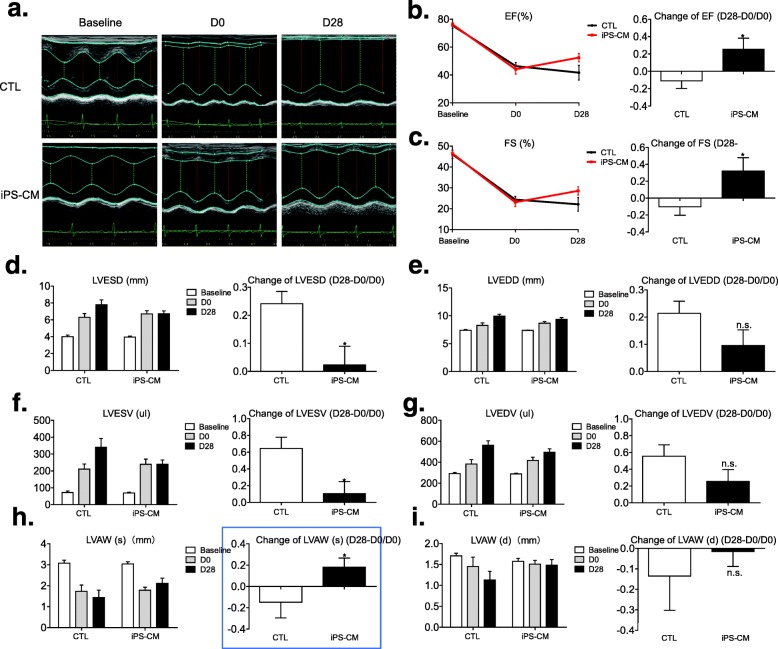
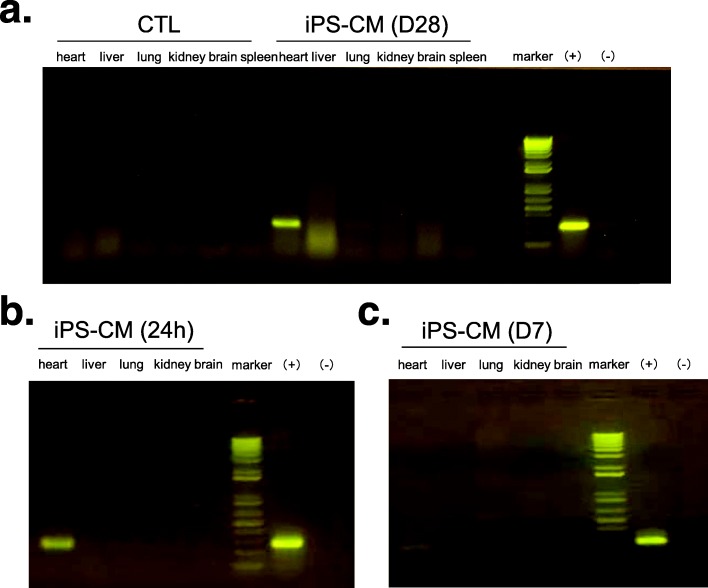
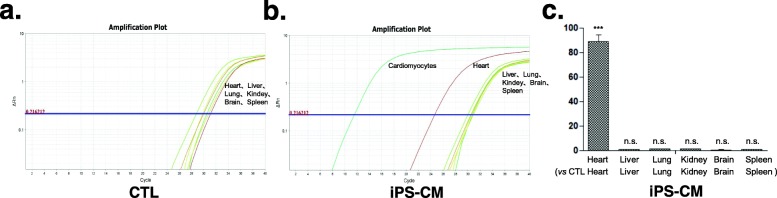
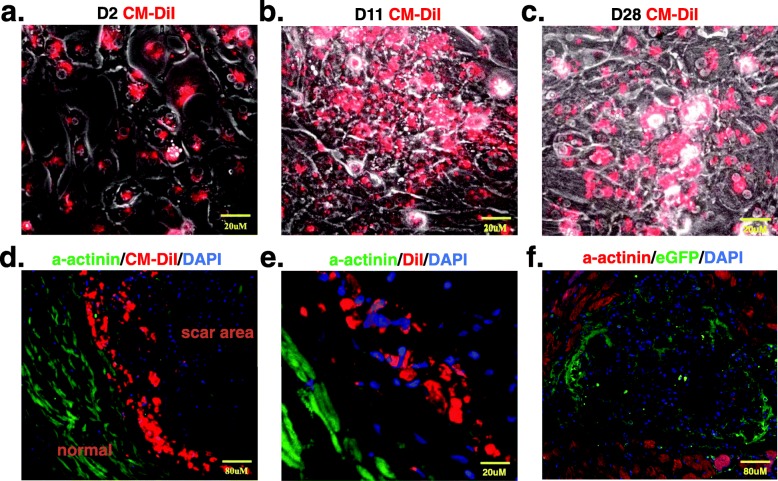
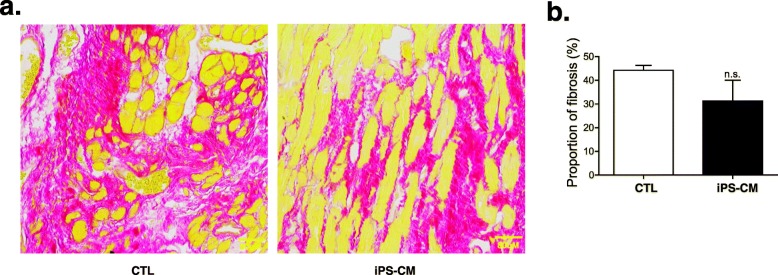
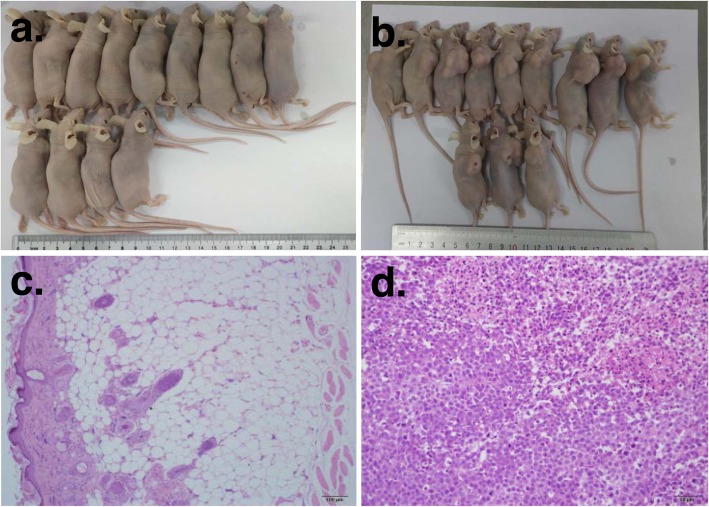
BACKGROUND: Human-induced pluripotent stem cell-derived cardiomyocytes (iPSC-CMs) have shed great light on cardiac regenerative medicine and specifically myocardial repair in heart failure patients. However, the treatment efficacy and the survival of iPSC-CMs in vivo after transplantation have yielded inconsistent results. OBJECTIVES: The objective of this study was to evaluate the ability of human iPSC-CMs to improve myocardial function in a rat postinfarction heart failure model. METHODS: human iPSC-CMs 10 days after undergoing left anterior descending (LAD) coronary artery ligation. Cyclosporine A and methylprednisolone were administered before iPSC-CM injection and until the rats were killed to prevent graft rejection. Cardiac function was evaluated by echocardiography. The survival of grafted cardiomyocytes was confirmed by observing the fluorescent cell tracer Vybrant™ CM-DiI or expression of the enhanced green fluorescent protein (eGFP) in transplanted cells, or survival was demonstrated by polymerase chain reaction (PCR)-based detection of human mitochondrial DNA. Sirius red stain was used to evaluate the fibrosis ratio. Hematoxylin-eosin staining was used to observe the formation of teratomas. RESULTS: Four weeks after intramyocardial injection of iPSC-CMs, animals undergoing iPSC-CM transplantation had lower mortality than the control group. Animals injected with cell-free solution (control group) demonstrated significant left ventricular (LV) functional deterioration, whereas grafting of iPSC-CMs attenuated this remodeling process. In the control group, the ejection fraction deteriorated by 10.11% (from 46.36 to 41.67%), and fractional shortening deteriorated by 9.23% (from 24.37 to 22.12%) by 4 weeks. In the iPSC-CM injection group, the ejection fraction improved by 18.86% (from 44.09 to 52.41%), and fractional shortening improved by 23.69% (from 23.08 to 28.54%). Cell labeling, tracking, and molecular biology techniques indicated that the grafted cardiomyocytes survived in the rat heart 1 month after iPSC-CM transplantation. Myocardial fibrosis was also attenuated in the iPSC-CM treatment group. CONCLUSIONS: Human iPSC-CM grafts survived in infarcted rat hearts and restored myocardial function 4 weeks after transplantation. Cell replacement therapy also reversed ventricular remodeling, indicating the potential of iPSC-CMs for cardiac repair strategies.
Overview
The claims and statistics of this paper haven’t been checked yet.
Free: it reads the open-access text and checks the first 5 claims that cite a source we can check. Create a free account to check every claim.
Integrity signals
Registry
Cites
Statistics
Figures
Verification
Claims the paper makes
The claims and statistics of this paper haven’t been checked yet.
Free: it reads the open-access text and checks the first 5 claims that cite a source we can check. Create a free account to check every claim.
Claims other papers make about this one
Each is checked against this paper’s own text: does it say what the citing paper says it does?
The cited source says what the claim attributes to it.
In the citing paper
“Although there are no efficacy data from their Phase 1/2 clinical trial at the moment, their preclinical study using rat models suggested that the implanted human cardiomyocytes improved heart function through cardiac remodeling [79].”
From Utility of iPSC-Derived Cells for Disease Modeling, Drug Development, and Cell Therapy (2022) · cites this paper as [79]
Self-check
Percentages, sums and reported differences re-computed from the paper’s own numbers.
The self-check needs the paper’s full text.
Citations
Cites
Induction of Pluripotent Stem Cells from Adult Human Fibroblasts by Defined Factors
Takahashi, K., Tanabe, K., Ohnuki, M., Narita, M., Ichisaka, T., Tomoda, K., & Yamanaka, S. (2007) · Cell · doi:10.1016/j.cell.2007.11.019 · Cited by 20,221
Embryonic Stem Cell Lines Derived from Human Blastocysts
Thomson, J. A., Itskovitz-Eldor, J., Shapiro, S. S., Waknitz, M. A., Swiergiel, J. J., Marshall, V. S., & Jones, J. M. (1998) · Science · doi:10.1126/science.282.5391.1145 · Cited by 15,926
Lozano, R., Naghavi, M., Foreman, K., Lim, S., Shibuya, K., Aboyans, V., Abraham, J., Adair, T., Aggarwal, R., Ahn, S. Y., et al. (2012) · The Lancet · doi:10.1016/s0140-6736(12)61728-0 · Cited by 14,070
Pfeffer, M. A., & Braunwald, E. (1990) · Circulation · doi:10.1161/01.cir.81.4.1161 · Cited by 2,877
Laflamme, M. A., Chen, K. Y., Naumova, A. V., Muskheli, V., Fugate, J. A., Dupras, S. K., Reinecke, H., Xu, C., Hassanipour, M., Police, S., et al. (2007) · Nature Biotechnology · doi:10.1038/nbt1327 · Cited by 2,206
Self-citationKehat, I., Kenyagin‐Karsenti, D., Snir, M., Segev, H., Amit, M., Gepstein, A., Livne, E., Binah, O., Itskovitz‐Eldor, J., & Gepstein, L. (2001) · Journal of Clinical Investigation · doi:10.1172/jci12131 · Cited by 1,814
Chemically defined generation of human cardiomyocytes
Burridge, P. W., Matsa, E., Shukla, P., Lin, Z. C., Churko, J. M., Ebert, A. D., Lan, F., Diecke, S., Huber, B., Mordwinkin, N. M., et al. (2014) · Nature Methods · doi:10.1038/nmeth.2999 · Cited by 1,606
Kehat, I., Kenyagin‐Karsenti, D., Snir, M., et al. (2001) · Journal of Clinical Investigation · doi:10.1172/jci200112131 · Cited by 1,536
Human embryonic-stem-cell-derived cardiomyocytes regenerate non-human primate hearts
Chong, J. J. H., Yang, X., Don, C. W., Minami, E., Liu, Y.-W., Weyers, J. J., Mahoney, W. M., Van Biber, B., Cook, S. M., Palpant, N. J., et al. (2014) · Nature · doi:10.1038/nature13233 · Cited by 1,408
Laflamme, M. A., & Murry, C. E. (2011) · Nature · doi:10.1038/nature10147 · Cited by 1,206
Cited by
Pluripotent stem-cell-derived therapies in clinical trial: A 2025 update
Kirkeby, A., Main, H., & Carpenter, M. (2025) · Cell Stem Cell · doi:10.1016/j.stem.2024.12.005 · Cited by 196
Jarrige, M., Frank, E., Herardot, E., Martineau, S., Darle, A., Benabidès, M., Domingues, S., Chose, O., Habeler, W., Lorant, J., et al. (2021) · Cells · doi:10.3390/cells10020240 · Cited by 117
“The preclinical evaluation of hPSC-CM functionality has been conducted in rodents [87] and larger animals (pigs or primates) [88–90].”
Lin, C., Guo, Y., Xia, Y., Li, C., Xu, X., Qi, T., Zhang, F., Fan, M., Hu, G., Zhao, H., et al. (2021) · Journal of Molecular and Cellular Cardiology · doi:10.1016/j.yjmcc.2021.06.013 · Cited by 109
Self-citationInduced cardiomyocytes-integrated conductive microneedle patch for treating myocardial infarction
Sun, L., Zhu, X., Zhang, X., Chen, G., Bian, F., Wang, J., Zhou, Q., Wang, D., & Zhao, Y. (2021) · Chemical Engineering Journal · doi:10.1016/j.cej.2021.128723 · Cited by 93
Self-citationModeling Cardiovascular Diseases with hiPSC-Derived Cardiomyocytes in 2D and 3D Cultures
Sacchetto, C., Vitiello, L., de Windt, L. J., Rampazzo, A., & Calore, M. (2020) · International Journal of Molecular Sciences · doi:10.3390/ijms21093404 · Cited by 91
Cheng, Y., Hsieh, M. L., Lin, C., Chang, C. M., Huang, C.-Y., Puntney, R., Moy, A., Ting, C.-Y., Chan, D. Z. H., Nicholson, M. W., et al. (2023) · Circulation · doi:10.1161/circulationaha.122.061736 · Cited by 87
Wu, K., Wang, Y., Yang, H. Y., Chen, Y., Lu, K., Wu, Y., Liu, C., Zhang, H., Meng, H., Yu, Q., et al. (2023) · ACS Applied Materials & Interfaces · doi:10.1021/acsami.2c16682 · Cited by 69
Self-citationUtility of iPSC-Derived Cells for Disease Modeling, Drug Development, and Cell Therapy
Nicholson, M. W., Ting, C.-Y., Chan, D. Z. H., Cheng, Y.-C., Lee, Y.-C., Hsu, C.-C., Huang, C.-Y., & Hsieh, P. C. H. (2022) · Cells · doi:10.3390/cells11111853 · Cited by 65
“Although there are no efficacy data from their Phase 1/2 clinical trial at the moment, their preclinical study using rat models suggested that the implanted human cardiomyocytes improved heart function through cardiac remodeling [79].”
BackgroundLach, M., Rosochowicz, M. A., Richter, M., Jagiełło, I., Suchorska, W. M., & Trzeciak, T. (2022) · Cells · doi:10.3390/cells11030529 · Cited by 59
“It was shown in an example of myocardial repair, where iPSC-derived cardiomyocytes significantly improved the ejection fraction with the observable attenuated remodelling of the myocardium into fibrotic tissue [95].”
BackgroundSilver, S. E., Barrs, R. W., & Mei, Y. (2021) · Frontiers in Cardiovascular Medicine · doi:10.3389/fcvm.2021.707890 · Cited by 46
Zhang, H., Xue, Y., Pan, T., Zhu, X., Chong, H., Xu, C., Fan, F., Cao, H., Zhang, B., Pan, J., et al. (2022) · BMJ Open · doi:10.1136/bmjopen-2021-056264 · Cited by 44
Self-citationZheng, X., Hermann, D. M., Bähr, M., & Doeppner, T. R. (2021) · Stem Cells · doi:10.1002/stem.3329 · Cited by 39
Csöbönyeiová, M., Beerová, N., Klein, M., Čeháková, M., & Danišovič, Ľ. (2022) · International Journal of Molecular Sciences · doi:10.3390/ijms231810314 · Cited by 43
“Nowadays, cell transplantation is the most intensively studied strategy, with numerous successful outcomes in animal in vivo and in vitro models [30,31].”
BackgroundWu, P., Sai, X., Li, Z., Ye, X., Li, J., Liu, G., Li, G., Yang, P., Zhao, M., Zhu, S., et al. (2022) · Bioactive Materials · doi:10.1016/j.bioactmat.2022.05.024 · Cited by 38
New treatment methods for myocardial infarction
Sun, B., Wang, L., Guo, W., Chen, S., Ma, Y., & Wang, D. (2023) · Frontiers in Cardiovascular Medicine · doi:10.3389/fcvm.2023.1251669 · Cited by 31
“However, other researchers claimed that undifferentiated iPSCs posed a risk of potential teratoma and arrhythmia (28, 29) and that long-term culture would lead to genetic instability and karyotype abnormalities, implying that the heterogeneity of transplanted iPSCs must be limited to avoid possible immune rejection (3…”
BackgroundSelf-citationPushp, P., Nogueira, D. E. S., Rodrigues, C. A. V., Ferreira, F. C., Cabral, J. M. S., & Gupta, M. K. (2020) · Stem Cell Reviews and Reports · doi:10.1007/s12015-020-10061-2 · Cited by 27
Cell Therapy With Human ESC-Derived Cardiac Cells: Clinical Perspectives
Menasché, P. (2020) · Frontiers in Bioengineering and Biotechnology · doi:10.3389/fbioe.2020.601560 · Cited by 30
“…immunosuppression is used to prevent rejection but despite the persisting uncertainties regarding the optimal drug regimen, it is admitted that these drugs are fraught with sideeffects which may lead to their discontinuation with an attendant loss of the grafted cells (Guan et al., 2020).”
BackgroundCardiac regeneration: Options for repairing the injured heart
Wang, J., An, M., Haubner, B. J., & Penninger, J. M. (2023) · Frontiers in Cardiovascular Medicine · doi:10.3389/fcvm.2022.981982 · Cited by 30
Self-citationOptimizing the Use of iPSC-CMs for Cardiac Regeneration in Animal Models
Bizy, A., & Klos, M. (2020) · Animals · doi:10.3390/ani10091561 · Cited by 26
Progress and Challenges of Amniotic Fluid Derived Stem Cells in Therapy of Ischemic Heart Disease
Fang, Y., Wang, S. P. H., Chang, H., Yang, P.-J., Liu, P., & Liu, Y.-W. (2020) · International Journal of Molecular Sciences · doi:10.3390/ijms22010102 · Cited by 26
“Therapeutic effect of myocardial infarction in animal Yes [20] Restrictive [43] Yes [44] Restrictive [45] Yes [21]”
BackgroundA comprehensive analysis of induced pluripotent stem cell (iPSC) production and applications
Matiukhova, M., Ryapolova, A., Andriianov, V. S., Reshetnikov, V. V., Zhuravleva, S., Ivanov, R. A., Karabelsky, A. V., & Minskaia, E. (2025) · Frontiers in Cell and Developmental Biology · doi:10.3389/fcell.2025.1593207 · Cited by 30
Vo, Q. D., Saito, Y., Nakamura, K., Iida, T., & Yuasa, S. (2024) · International Journal of Molecular Sciences · doi:10.3390/ijms25020987 · Cited by 25
“Many studies have indicated that cardiomyocytes derived from induced pluripotent stem cells (iPSC) demonstrate the formation of spontaneously beating sarcomeres during in vitro culture [9,10].”
BackgroundMethodResultInfluentialAdvances in 3D Organoid Models for Stem Cell-Based Cardiac Regeneration
Martin, M., Gähwiler, E. K. N., Generali, M., Hoerstrup, S. P., & Emmert, M. Y. (2023) · International Journal of Molecular Sciences · doi:10.3390/ijms24065188 · Cited by 21
Stem cell and exosome therapies for regenerating damaged myocardium in heart failure
Yahyazadeh, R., Rahimi, V. B., & Askari, V. R. (2024) · Life Sciences · doi:10.1016/j.lfs.2024.122858 · Cited by 21
Nerolidol attenuates isoproterenol-induced acute myocardial infarction in rats
Gonçalves, M. S. S., Silva, E. A. P., dos Santos, D. M., de Santana, I. R., Souza, D. S., de Araújo, A. M., Heimfarth, L., de Vasconcelos, C. M. L., Santos, V. C. O., dos Santos, M. R. V., et al. (2022) · Naunyn-Schmiedeberg s Archives of Pharmacology · doi:10.1007/s00210-022-02202-w · Cited by 19
Johnson, R. D., Lei, M., McVey, J. H., & Camelliti, P. (2023) · Cellular and Molecular Life Sciences · doi:10.1007/s00018-023-04924-3 · Cited by 20
“Transplantation of cardiomyocytes derived from ESCs/iPSCs into the infarcted myocardium of small and large animals can lead to remuscularization and improved cardiac function [3, 4], although long-term engraftment and survival of transplanted cells is questionable [5, 6].”
BackgroundAdvanced heart failure: state of the art and future directions
Masarone, D., Kittleson, M. M., Petraio, A., & Pacileo, G. (2022) · Reviews in Cardiovascular Medicine · doi:10.31083/j.rcm2302048 · Cited by 17
“Alternatively, transplantation of induced pluripotent stem cells into the hearts of patients with AdvHF could lead (through production of new myocardiocytes) to improved myocardial performance [99].”
BackgroundFarboud, S. P., Fathi, E., Valipour, B., & Farahzadi, R. (2024) · Journal of Translational Medicine · doi:10.1186/s12967-024-05499-8 · Cited by 18
“Their study showed that hiPSC-CM grafts survived in infarcted rat hearts for 4 weeks and restored myocardial function [125].”
BackgroundShahannaz, D. C., Sugiura, T., & Ferrell, B. E. (2025) · BioChem · doi:10.3390/biochem5030023 · Cited by 16
“%) of the OXPHOS-derived ATP seen in adult CMs [74–79].”
Kishino, Y., & Fukuda, K. (2023) · Biomedicines · doi:10.3390/biomedicines11030915 · Cited by 16
“An intramyocardial injection of 10 × 106 hiPSC-CMs into the myocardium 10 days after ligation of the LAD coronary artery, resulted in reduced mortality and cardiac remodeling versus controls, and LVEF increased by almost 20% after 4 weeks [76].”
BackgroundMethodInjectable myocardium-derived hydrogels with SDF-1α releasing for cardiac repair
Xu, J., Brown, J., Shaik, R., Soto-Garcia, L. F., Liao, J., Nguyen, K. T., Zhang, G., & Hong, Y. (2025) · Biomaterials Advances · doi:10.1016/j.bioadv.2025.214203 · Cited by 13
Barreto-Gamarra, C., & Domenech, M. (2025) · Journal of Molecular and Cellular Cardiology · doi:10.1016/j.yjmcc.2025.02.009 · Cited by 13
Advanced Technologies to Target Cardiac Cell Fate Plasticity for Heart Regeneration
Testa, G., Benedetto, G. D., & Passaro, F. (2021) · International Journal of Molecular Sciences · doi:10.3390/ijms22179517 · Cited by 13
Reviving Hearts, Restoring Lives
Zhang, H., Wang, Q., Zhu, X., Xue, Y., Wang, J., & Wang, D. (2025) · JACC Basic to Translational Science · doi:10.1016/j.jacbts.2025.01.007 · Cited by 12
Self-citationOommen, S. G., Man, R. K., Talluri, K., Nizam, M., Kohir, T., Aviles, M. A., Nino, M., Jaisankar, L. G., Jaura, J., Wannakuwatte, R. A., et al. (2024) · Cureus · doi:10.7759/cureus.61790 · Cited by 12
“…potential ability to be utilized as a regenerative therapy for myocardial muscle damage and can be explored as a promising therapeutic modality in restoring cardiac function among patients of HF. Stem cells induce myocyte differentiation, cardiac muscle maturation, and myocyte regeneration [89].”
BackgroundConstruction of extracellular matrix-based 3D hydrogel and its effects on cardiomyocytes
Xiao, X., Wang, M., Qiu, X., Ling, W., Chu, X., Huang, Y., & Li, T. (2021) · Experimental Cell Research · doi:10.1016/j.yexcr.2021.112843 · Cited by 12
The Structural and the Functional Aspects of Intercellular Communication in iPSC-Cardiomyocytes
Kiss, É., Fischer, C., Sauter, J.-M., Sun, J., & Ullrich, N. D. (2022) · International Journal of Molecular Sciences · doi:10.3390/ijms23084460 · Cited by 11
Cell augmentation strategies for cardiac stem cell therapies
Cruz‐Samperio, R., Jordan, M., & Perriman, A. W. (2021) · Stem Cells Translational Medicine · doi:10.1002/sctm.20-0489 · Cited by 11
Chien, C., Chien, Y., Lin, Y.-Y., Tsai, P., Chou, S., Yarmishyn, A. A., Rastegari, E., Wang, T.-X., Leu, H., Yang, Y.-P., et al. (2021) · Frontiers in Cell and Developmental Biology · doi:10.3389/fcell.2021.634190 · Cited by 10
Lee, M. C., Jodat, Y. A., Endo, Y., Rodríguez‐delaRosa, A., Zhang, T., Karvar, M., Tanoury, Z. A., Quint, J. P., Kamperman, T., Kiaee, K., et al. (2024) · Trends in biotechnology · doi:10.1016/j.tibtech.2024.08.001 · Cited by 10
Li, L., Li, D., Wang, J., & Dai, Y. (2024) · Scientific Reports · doi:10.1038/s41598-024-79488-8 · Cited by 9
“Another transcription factor expressed in 6, ZIC2 , was identified in a genome-wide CRISPR-knockout screen for cardiac differentiation from hESCs and has been proven to be a key gene in determining cardiac progenitor cell fate during human cardiogenesis 42 .”
InfluentialSelf-citationRole of Cx43 in iPSC-CM Damage Induced by Microwave Radiation
Yin, Y., Xu, X., Li, D., Yao, B., Wang, H., Zhao, L., Wang, H., Dong, J., Zhang, J., & Ruiyun, P. (2023) · International Journal of Molecular Sciences · doi:10.3390/ijms241612533 · Cited by 9
“Due to the electrophysiological properties of iPSC-CMs with autonomous pulsation, they have been widely used in heart disease modeling and high-throughput drug screening [31,32].”
MethodChen, T.-A., Sharma, D., Jia, W., Ha, D., Man, K., Zhang, J., Yang, Y. S., Zhou, Y., Kamp, T. J., & Zhao, F. (2023) · Biomimetics · doi:10.3390/biomimetics8070551 · Cited by 9
“It prevents cell loss in traditional injection treatment, leading to better clinical outcomes [2,3].”
BackgroundBenya, P. D., Kavanaugh, A. E., Zakarian, M., Söderlind, P., Jashashvili, T., Zhang, N., Waldorff, E. I., Ryaby, J. T., & Billi, F. (2021) · PLoS ONE · doi:10.1371/journal.pone.0244223 · Cited by 9
Xiao, Y., Chen, Y., Shao, C., Wang, Y., Hu, S., & Lei, W. (2022) · Frontiers in Bioengineering and Biotechnology · doi:10.3389/fbioe.2022.973496 · Cited by 9
“The PSC-derived cardiomyocytes (PSC-CMs) were recently shown to have a significant ameliorative effect on MI, replacing some of the damaged cardiomyocytes and restoring the mechanical contractility of cardiomyocytes after transplantation into the infarcted area (Qiao et al., 2011; Yu et al., 2019; Guan et al., 2020).”
BackgroundSelf-citationLi, Y., Zhang, Z., Hao, X., Yu, T., & Li, S. (2022) · Evidence-based Complementary and Alternative Medicine · doi:10.1155/2022/9361077 · Cited by 8
“656 G>A) hiPSC-CMs were obtained from HELP +erapeutics (Nanjing, China) and cultured as described previously [13].”
MethodInduced pluripotent stem cell-based therapies for organ fibrosis
Cheng, W., Fan, C., Song, Q., Chen, P., Peng, H., Lin, L., Liu, C., Wang, B., & Zhou, Z. (2023) · Frontiers in Bioengineering and Biotechnology · doi:10.3389/fbioe.2023.1119606 · Cited by 8
Genetic and bioactive functionalization of bioinks for 3D bioprinting
Kumar, P., Sharma, J., Kumar, R., Najser, J., Frantík, J., Sunnam, N., Sindhu, A., & Praveenkumar, S. (2025) · Bioprocess and Biosystems Engineering · doi:10.1007/s00449-025-03180-y · Cited by 10
Guan, X., Xu, W., Zhang, H., Wang, Q., Yu, J., Zhang, R., Chen, Y., Xia, Y., Wang, J., & Wang, D. (2020) · Stem Cell Research & Therapy · doi:10.1186/s13287-020-01673-z · Cited by 7
Self-citationGuan, X., Zhang, P., Wang, Q., Zhang, Y., Zhang, Y., Zhang, H., Zhang, H., Jiang, W., Wu, Y., Wang, X., et al. (2025) · Stem Cell Research & Therapy · doi:10.1186/s13287-025-04664-0 · Cited by 7
“In line with previous reports [6, 13, 24], we confirmed that these generated hiPSC-CMs can re-muscularize monkey hearts, increase cardiac contractile function, and reverse ventricular remodeling after MI, indicating that this cell type has notable reparative potential [6, 12, 13, 24].”
Self-citationLei, W., Wang, X., Cai, J., & Pan, L. (2025) · Biotechnology Journal · doi:10.1002/biot.70152 · Cited by 6
“Preclinical studies have shown that transplanting iPSC-derived cardiomyocytes improves cardiac function and limits remodeling after myocardial infarction [64].”
Bain, J., Barrs, R. W., & Mei, Y. (2026) · npj Biomedical Innovations. · doi:10.1038/s44385-025-00048-4 · Cited by 7
Li, H., Wang, T., Feng, Y., Sun, K., Huang, G., Cao, Y., & Xu, A. (2023) · MedComm · doi:10.1002/mco2.289 · Cited by 6
Disse, P., Aymanns, I., Mücher, L., Sandmann, S., Varghese, J., Ritter, N., Strutz‐Seebohm, N., Seebohm, G., & Peischard, S. (2023) · International Journal of Molecular Sciences · doi:10.3390/ijms241713366 · Cited by 6
Uribe‐Juarez, O. E., Godínez, R., Morales‐Corona, J., Velasco, M., Olayo‐Valles, R., Acosta-García, M. C., Muñoz, E. J. A., Miguel-Alavez, L., Carrillo-González, O.-J., -Sánchez, M. G. F., et al. (2021) · Journal of Materials Science Materials in Medicine · doi:10.1007/s10856-021-06595-7 · Cited by 7
“CCT with human pluripotent stem cells, which are until now the only demonstrated and robust source of either authentic human cardiomyogenic progenitors or differentiated cardiomyocytes, has been shown to enhances cardiac function in macaque monkeys with large myocardial infarctions, and their clinical safety in humans…”
BackgroundInfluentialLe, D. C. P., Bui, H. T., Vu, Y. T. H., & Vo, Q. D. (2024) · Regenerative Medicine · doi:10.1080/17460751.2024.2393558 · Cited by 5
Soczyńska, J., Gawełczyk, W., Majcherczyk, K., Rydzek, J., Muzyka, A., Żołyniak, M., & Woźniak, S. (2025) · Cells · doi:10.3390/cells14211674 · Cited by 4
Kazemi, J., Shahsavarani, H., Pakzad, P., & Shokrgozar, M. A. (2021) · Journal of Men s Health · doi:10.31083/jomh.2021.097 · Cited by 4
From genome editing to blastocyst complementation: A new horizon in heart transplantation?
Konstantinov, I. E., King, G., & Porrello, E. R. (2022) · JTCVS Techniques · doi:10.1016/j.xjtc.2022.01.012 · Cited by 4
Cai, S., & Dai, Q. (2024) · Journal of Zhejiang University (Medical Sciences) · doi:10.3724/zdxbyxb-2023-0402 · Cited by 3
Zhang, H., Menasché, P., Fan, J., Gao, L., Luo, H., Xue, Y., Zhu, X., Wang, Q., Li, C., Xu, Y., et al. (2026) · Nature Medicine · doi:10.1038/s41591-026-04605-1 · Cited by 5
“Cardiac differentiation was adapted, with modifications, from published protocols 7,46 . hiPSCs were maintained and expanded under feeder-free conditions in chemically defined Essential 8 medium and induced to differentiate at approximately 90% confluence (designated day 0).”
Self-citationZhou, Y., Huang, S.-T., CHENG-WU, L., Qiao, Y., Liu, Q., Chen, T., Wang, J., & Liu, Y. (2022) · Advanced Biology · doi:10.1002/adbi.202200130 · Cited by 4
Self-citationRaziyeva, K., Zharkinbekov, Z., Kim, Y., & Saparov, A. (2024) · Engineered Regeneration · doi:10.1016/j.engreg.2024.04.001 · Cited by 4
Molecular Imaging of Human Skeletal Myoblasts (huSKM) in Mouse Post-Infarction Myocardium
Fiedorowicz, K., Wargocka-Matuszewska, W., Ambrożkiewicz, K. A., Rugowska, A., Cheda, Ł., Fiedorowicz, M., Zimna, A., Drabik, M., Borkowski, S., Świątkiewicz, M., et al. (2021) · International Journal of Molecular Sciences · doi:10.3390/ijms221910885 · Cited by 3
“Even though various types of stem/progenitor cells (bone marrow stem cells, skeletal myoblasts (huSkM), mesenchymal stem cells (MSCs), embryonic stem cells, or iPSC-derived cardiomyocytes) have been proposed and tested [2], the optimal cell population has not been identified.”
BackgroundThe past, present, and future promise of pluripotent stem cells
Seo, J., Saha, S., & Brown, M. E. (2024) · Journal of Immunology and Regenerative Medicine · doi:10.1016/j.regen.2024.100077 · Cited by 3
Therapeutic drug delivery system for ischemic heart disease based on hydrogel carriers
He, Y., Tang, J., Wu, C., Zhang, Z., Yan, K., Zhou, X., Tian, J., Li, Y., & Li, C. (2025) · Journal of Drug Delivery Science and Technology · doi:10.1016/j.jddst.2025.106782 · Cited by 5
Ma, X., Lee, H. J., Kim, D. O., Kwon, Y. D., Ha, G., Kim, C. K., Nam, H., Yeon, J. Y., Lee, K.-H., Lee, S.-H., et al. (2025) · Transplant Immunology · doi:10.1016/j.trim.2025.102247 · Cited by 3
Pluripotent stem cell-derived cardiomyocyte transplantation: marching from bench to bedside
Yi, H., Liu, J., Wang, W., Li, H., Kong, W., Li, X., Zhang, W., Pahlavan, S., Tang, Y., Wang, X., et al. (2025) · Science China Life Sciences · doi:10.1007/s11427-024-2801-x · Cited by 2
“However, iPSC-CMs have not been demonstrated to result in teratoma formation after in vivo transplantation in preclinical and clinical studies (Guan et al., 2020; Li et al., 2023; Liu et al., 2018; Miyagawa et al., 2022).”
Cardiac‐Derived ECM Microspheres for Enhanced hiPSC‐CMs Maturation
Xu, J., Aboagye, J., Edwards, M., Rogozinski, N., Wen, Y., Gomez, A. H., Pan, Z., Zhang, G., Yang, H., & Hong, Y. (2026) · Advanced Functional Materials · doi:10.1002/adfm.202524938 · Cited by 2
Gibbs, C. E., & Boyle, P. M. (2026) · The Journal of Precision Medicine Health and Disease · doi:10.1016/j.premed.2026.100035 · Cited by 2
Liu, D., Yang, M., Liu, J., Li, H., Ren, J., Leng, X., Zhang, X., Yu, Q., Jiao, S., Gong, M., et al. (2026) · Bioactive Materials · doi:10.1016/j.bioactmat.2026.03.050 · Cited by 4
“Transplantation of pluripotent stem cell-derived cardiomyocytes (PSC-CMs) improves cardiac function, reverses ventricular remodeling, promotes myocardial repair, and provides an unlimited source of cardiomyocytes for treatment after myocardial injury [11,12].”
Early dynamic changes in iPSC oxygen consumption rate predict future cardiomyocyte differentiation
Nikitina, A. A., Roysam, T., & Kemp, M. L. (2023) · Biotechnology and Bioengineering · doi:10.1002/bit.28489 · Cited by 2
“Human induced pluripotent stem cells (iPSCs) are emerging as a promising tool for the replacement of the lost CM population (Guan et al., 2020; Shiba et al., 2016); however, differentiation of iPSCs into mature CMs is a lengthy process with many critical parameters influencing yields, resulting in…”
BackgroundMicroelectrode Arrays: A Valuable Tool to Analyze Stem Cell-Derived Cardiomyocytes
Kussauer, S., David, R., & Lemcke, H. (2021) · Springer eBooks · doi:10.1007/978-3-030-77052-5_1 · Cited by 3
Molecular Signature of Stem Cells Undergoing Cardiomyogenic Differentiation
Govarthanan, K., Gupta, P. K., Zipporah, B. E., Sharma, V., Rajasundari, M., & Haider, K. H. (2022) · Springer eBooks · doi:10.1007/978-981-19-2655-6_43 · Cited by 2
Bonciog, D.-D., Berdich, A., Mâţiu-Iovan, L., & Ordodi, V. L. (2026) · Technologies · doi:10.3390/technologies14010029 · Cited by 3
“Myocardial regeneration through cell transplantation has been extensively explored; however, limitations regarding retention, viability, and cellular integration have led to the development of advanced recellularization strategies based on biomimetic scaffolds [53].”
Banimohamad‐Shotorbani, B., Farajpour, H., Sefat, F., Khosroshahi, S. A., Shafaei, H., & Keshel, S. H. (2021) · Biotechnology and Bioengineering · doi:10.1002/bit.27729 · Cited by 2
Liang, N.-X., Wang, Q., Zhang, H., Li, Z., Chen, T., Xu, F., Guo, Z., Chen, G., Yang, H., Wang, D., et al. (2022) · Research Square · doi:10.21203/rs.3.rs-1413999/v1
Self-citationCell Therapy with Human ESC-Derived Cardiac Cells: Clinical Perspectives
Menasché, P. (2022) · Springer eBooks · doi:10.1007/978-3-030-86140-7_17
Molecular Signature of Stem Cells Undergoing Cardiomyogenic Differentiation
Govarthanan, K., Gupta, P. K., Zipporah, B. E., Sharma, V., Rajasundari, M., & Haider, K. H. (2022) · Springer eBooks · doi:10.1007/978-981-16-6016-0_43-1
Zhang, Z., Li, Y., Yan, M., Yu, T., Yuan, X., & Li, S. (2022) · Biochemistry and Biophysics Reports · doi:10.1016/j.bbrep.2022.101407
Follin, B., Caluori, G., Dobrolińska, M. M., Stachura, J., Muzzamil, H., Wojakowski, W., Qayyum, A. A., & Jadczyk, T. (2023) · Springer eBooks · doi:10.1007/978-981-99-0722-9_3
Kussauer, S., David, R., & Lemcke, H. (2023) · Springer eBooks · doi:10.1007/978-3-031-25378-2_1
García, C., & Blanco, M. (2023) · ANALES RANM · doi:10.32440/ar.2023.140.02.rev06 · Cited by 1
Multifaceted Role of Induced Pluripotent Stem Cells in Preclinical Cardiac Regeneration Research
Derish, I., & Cecere, R. (2023) · Springer eBooks · doi:10.1007/978-981-99-0846-2_33-1
Hu, Y., Zhao, L., Dai, S., Lu, Y., Chen, L., Lu, Y., Li, H., Huang, Y., Li, C., Ma, X., et al. (2024) · Research Square · doi:10.21203/rs.3.rs-3814528/v1
Multifaceted Role of Induced Pluripotent Stem Cells in Preclinical Cardiac Regeneration Research
Derish, I., & Cecere, R. (2024) · Springer eBooks · doi:10.1007/978-981-99-7119-0_33
Current Advancement in Stem Cell-Based Cardiac Regenerative Treatment in End-Stage Heart Failure
Poyraz, E. (2025) · Cardiology and cardiovascular medicine. · doi:10.5772/intechopen.1009805
In silico evaluation of cardiac tissue-engineered patch interventions
Sayut, J., Jilberto, J., Bonini, M., Hirschvogel, M., Zhang, W., & Nordsletten, D. (2025) · Computers in Biology and Medicine · doi:10.1016/j.compbiomed.2025.111249 · Cited by 2
Callender, K., & Smith, G. L. (2026) · Journal of Cardiovascular Development and Disease · doi:10.3390/jcdd13010042 · Cited by 1
“There was a notable trend of improved systolic function without significant changes in LV end-diastolic volume (LVEDV) from baseline [32,33,36,45,47,49].”
InfluentialSirisha, B., Katta, V., Pothuraju, M., Obili, U. K., & Sk, M. S. (2026) · International journal of research in pharmacy and life sciences. · doi:10.30904/j.ijrpls.2026.4964
Clinical landscape of human pluripotent stem cell-derived cardiomyocyte therapy
Mui, B. W. H., Neofytou, E. A., & Wu, J. C. (2026) · Cell Reports Medicine · doi:10.1016/j.xcrm.2026.102962
Alsulami, M. A. B. O., Rasool, M., Masoud, A. N., Al-Hoban, W. A., Shorbaji, A. M., & Zeid, I. M. A. (2026) · Cardiology · doi:10.1159/000553321
iPSC-derived cardiomyocytes for personalized medicine- promises and challenges
Alagarsamy, K. N., Bueckert, E., Gupta, M., Milosevic, D. A., & Dhingra, S. (2026) · Biochimica et Biophysica Acta (BBA) - Molecular Basis of Disease · doi:10.1016/j.bbadis.2026.168496
Metadata
- Authors
- Guan, X., Xu, W., Zhang, H., Wang, Q., Yu, J., Zhang, R., Chen, Y., Xia, Y., Wang, J., & Wang, D.
- Affiliations
- First Affiliated Hospital of Dalian Medical University (CN)
- Nanjing University of Chinese Medicine (CN)
- Chinese Academy of Medical Sciences & Peking Union Medical College (CN)
- HELP Therapeutics (China) (CN)
- Jiangsu Province Hospital (CN)
- Nanjing Drum Tower Hospital (CN)
- Corresponding author
- Wang, Jiaxian
- Wang, Dongjin
- Venue
- Stem Cell Research & Therapy
- Published
- 2020-02-21
- Volume
- 11
- Issue
- 1
- Pages
- 201-201
- ISSN
- 1757-6512 (ISSN-L)
- PMC
- PMC7033912
- OpenAlex
- W3012728641
- Semantic Scholar
- 10039c42ecb4cffae9d6401cc0913f867a084dd8
- Cited by
- 91
- References
- 32
- Citations by year
- 2026: 8 · 2025: 14 · 2024: 12 · 2023: 19 · 2022: 17 · 2021: 15 · 2020: 6
- FWCI
- 4.62
- Type
- journal article
- Language
- en
- Update notices
- correction (2020-05-27)
- Open access
- gold
- doi.org
- Licence
- cc-by
- creativecommons.org/licenses/by/4.0/ (tdm)
- creativecommons.org/licenses/by/4.0/ (vor)
- Locations
- Stem Cell Research & Therapy (publishedVersion, cc-by)
- Europe PMC (PubMed Central) (publishedVersion, cc-by)
- PubMed Central (publishedVersion, cc-by)
- PubMed (publishedVersion)
- DOAJ (DOAJ: Directory of Open Access Journals) (submittedVersion, cc-by-sa)
- Funders
- National Outstanding Youth Science Fund Project of National Natural Science Foundation of China (81900253)
- Topics
- Life Sciences › Biochemistry, Genetics and Molecular Biology › Molecular Biology › Pluripotent Stem Cells Research
- Life Sciences › Biochemistry, Genetics and Molecular Biology › Cell Biology › Mesenchymal stem cell research
- Life Sciences › Biochemistry, Genetics and Molecular Biology › Molecular Biology › Congenital heart defects research
- Keywords
- iPSC-derived cardiomyocytes, cell transplantation, myocardial infarction, ventricular remodeling, heart failure, graft survival, myocardial fibrosis, intramyocardial injection, graft rejection prevention, cyclosporine, methylprednisolone, teratoma formation, cardiac regeneration, ejection fraction, rat model, cell tracking, mitochondrial DNA
- MeSH terms
- Animals, Cell Differentiation, Disease Models, Animal, Humans, Male, Myocardial Infarction, Rats, Sprague-Dawley, Ventricular Remodeling, Myocytes, Cardiac, Stem Cell Transplantation, Regenerative Medicine, Rats, Induced Pluripotent Stem Cells
About these checks
Registry, retraction, Cites and statistics results are computed, not judged, with one exception: a printed reference that no index lists is read once by a model before it counts as a citation error. Claims are extracted by a model and kept only when their quote appears verbatim in the text; each cited source is then checked, with a model’s help, for whether it says what the claim relies on. Those verdicts can be wrong — read the claim’s quote and the cited source before relying on one.
Statistics and arithmetic are recomputed, not judged.
Confidence bands are shown only for fields calibrated on our annotated test set. None is calibrated yet, so no band is shown.
What counts as a claim ›How we measure confidence ›How we check this ›
Are you an author, or do you see a problem with this page? Request a review
Data sources
Bibliographic data: Semantic Scholar, OpenAlex, Crossref.
Contains information from the Semantic Scholar Academic Graph Datasets, made available under the ODC Attribution License (ODC-BY 1.0).
Semantic Scholar’s data is described in: Kinney, R., et al. (2023). The Semantic Scholar Open Data Platform. arXiv:2301.10140.
