

Three-dimensional culture of MSCs produces exosomes with improved yield and enhanced therapeutic efficacy for cisplatin-induced acute kidney injury
Open accessThe DOI matches its Crossref record; 51 of the 51 references it cites were found in a registry or an index.
Abstract
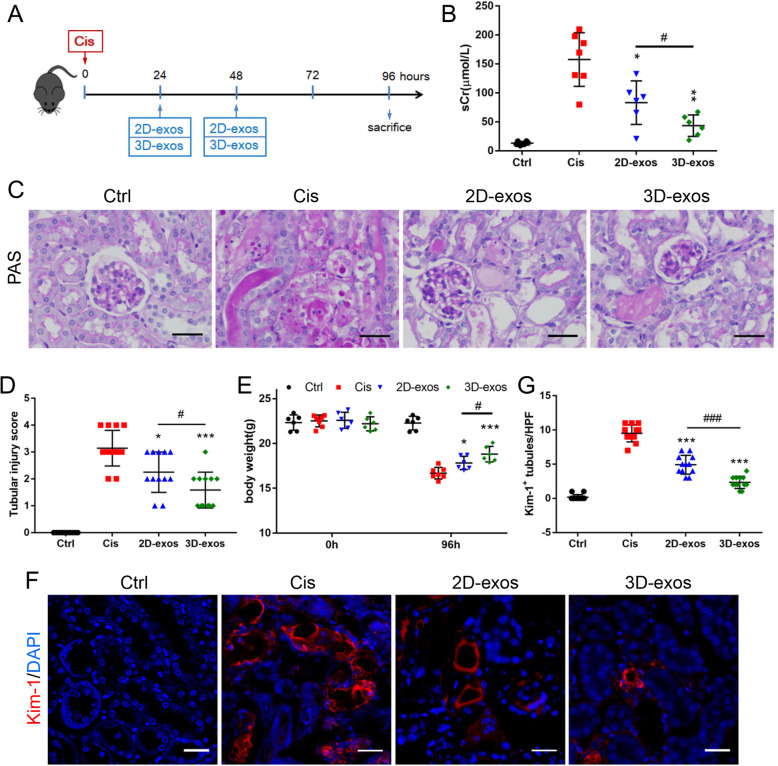
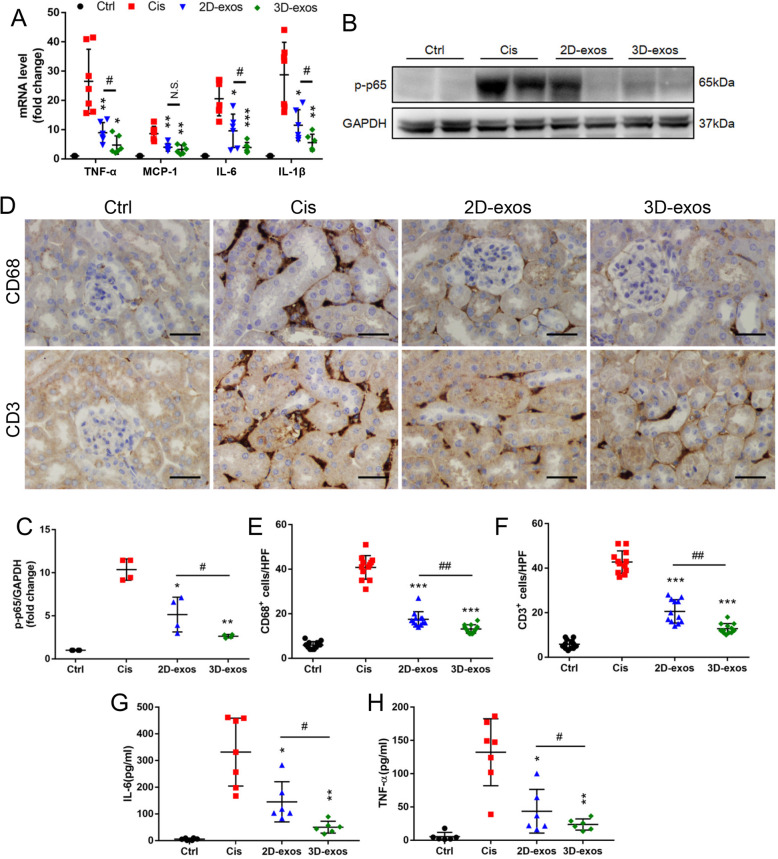
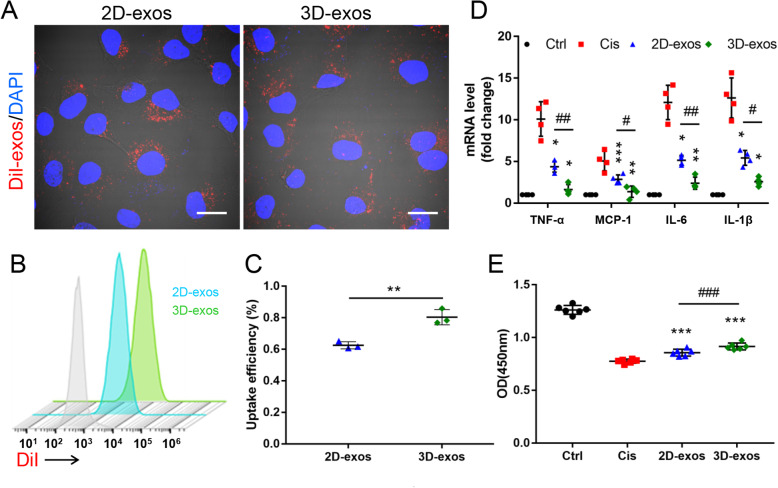
Background: Exosomes derived from mesenchymal stem cells (MSC-exos) have been demonstrated with great potential in the treatment of multiple human diseases including acute kidney injury (AKI) by virtue of their intrinsic cargoes. However, there are major challenges of low yield and the lack of an established biomanufacturing platform to efficiently produce MSC-exos, thereby limiting their therapeutic application. Here, we aimed to establish a novel strategy to produce MSC-exos with a hollow fiber bioreactor-based three-dimensional (3D) culture system and evaluate the therapeutic efficacy of 3D-exosomes (3D-exos) on AKI. Methods: Mesenchymal stem cells (MSCs) were isolated from fresh human umbilical cord and cultured in two-dimensional (2D) flasks. 2 × 10 8 MSCs were inoculated into the hollow fiber bioreactor for 3D culture. The culture supernatants were collected every 1 or 2 days for isolating exosomes. Exosomes from 2D (2D-exos) and 3D cultures were characterized by transmission electron microscopy, nanoparticle tracking analysis, and western blotting analysis of exosome markers. The yield of exosomes from 2 × 10 8 MSCs seeded in 2D and 3D culture system was compared, based on protein quantification. The therapeutic efficacy of 2D-exos and 3D-exos was investigated in a murine model of cisplatin-induced AKI in vivo and in vitro. Results: 3D culture did not significantly change the surface markers of MSCs, as well as the morphology, size, and exosomal markers of 3D-exos when compared to those of 2D-exos. Compared with conventional 2D culture, the 3D culture system increased total exosome production up to 19.4-fold. 3D-exos were more concentrated in the harvested supernatants (15.5-fold) than 2D-exos, which led to a higher exosome collection efficiency of 3D culture system. In vivo,both 2D-exos and 3D-exos significantly alleviated cisplatin-induced murine AKI evidenced by improved renal function, attenuated pathological changes of renal tubules, reduced inflammatory factors, and repressed T cell and macrophage infiltration. Impressively, 3D-exos were more effective than 2D-exos. Moreover, 3D-exos were taken up by tubular epithelial cells (TECs) with improved efficiency, thereby exhibiting superior anti-inflammatory effect and improved viability of TECs in vitro. Conclusions: In summary, our findings demonstrate that the hollow fiber 3D culture system provides an efficient strategy for the continuous production of MSC-exos which has enhanced therapeutic potential for cisplatin-induced AKI.
Overview
The claims and statistics of this paper haven’t been checked yet.
Free: it reads the open-access text and checks the first 5 claims that cite a source we can check. Create a free account to check every claim.
Integrity signals
Registry
Cites
Statistics
Figures
Verification
Claims the paper makes
The claims and statistics of this paper haven’t been checked yet.
Free: it reads the open-access text and checks the first 5 claims that cite a source we can check. Create a free account to check every claim.
Claims other papers make about this one
Each is checked against this paper’s own text: does it say what the citing paper says it does?
The source backs part of the claim, not all of it — or backs it for a different population, condition or comparison.
In the citing paper
“As a result, strategies such as 3D culture systems, bioreactors, or chemical stimulation are being explored to enhance exosome yield and scalability for therapeutic applications [232,233,234].”
From The Impact of Neurotoxin Proteins Trafficked by Primary Cilia and Extracellular Vesicles in Neurodegenerative Diseases (2025) · cites this paper as [232]
Experimental — accuracy not yet measured
Self-check
Percentages, sums and reported differences re-computed from the paper’s own numbers.
The self-check needs the paper’s full text.
Citations
Cites
Dominici, M., Le Blanc, K., Mueller, I., Slaper-Cortenbach, I., Marini, F. C., Krause, D. S., Deans, R. J., Keating, A., Prockop, D. J., & Horwitz, E. M. (2006) · Cytotherapy · doi:10.1080/14653240600855905 · Cited by 17,766 · cited 1×
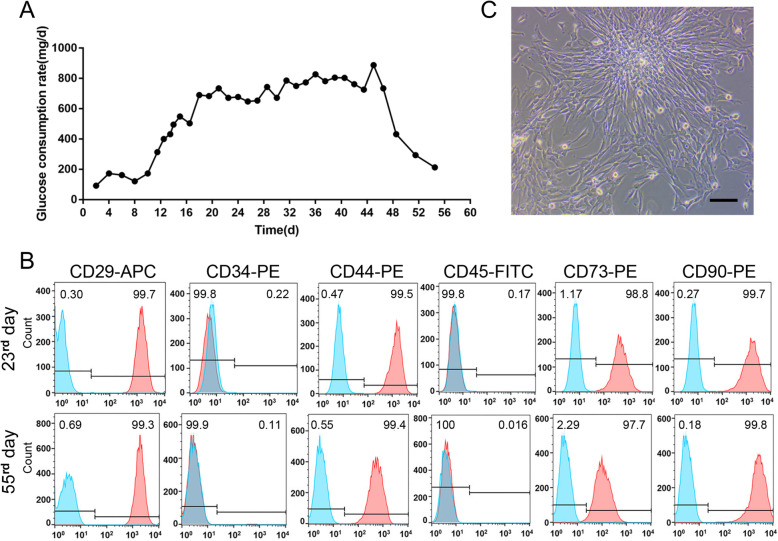
“All of these results were consistent with the criteria for defining multipotent MSCs [36].”
Shedding light on the cell biology of extracellular vesicles
van Niel, G., D'Angelo, G., & Raposo, G. (2018) · Nature Reviews Molecular Cell Biology · doi:10.1038/nrm.2017.125 · Cited by 8,369
Exosomes facilitate therapeutic targeting of oncogenic KRAS in pancreatic cancer
Kamerkar, S., LeBleu, V. S., Sugimoto, H., Yang, S., Ruivo, C. F., Melo, S. A., Lee, J. J., & Kalluri, R. (2017) · Nature · doi:10.1038/nature22341 · Cited by 2,639
Bellomo, R., Kellum, J. A., & Ronco, C. (2012) · The Lancet · doi:10.1016/s0140-6736(11)61454-2 · Cited by 2,598
Ronco, C., Bellomo, R., & Kellum, J. A. (2019) · The Lancet · doi:10.1016/s0140-6736(19)32563-2 · Cited by 1,910
Exosome Theranostics: Biology and Translational Medicine
He, C., Zheng, S., Luo, Y., & Wang, B. (2018) · Theranostics · doi:10.7150/thno.21945 · Cited by 1,249
Self-citationImmunoregulatory mechanisms of mesenchymal stem and stromal cells in inflammatory diseases
Shi, Y., Wang, Y., Li, Q., Liu, K., Hou, J., Shao, C., & Wang, Y. (2018) · Nature Reviews Nephrology · doi:10.1038/s41581-018-0023-5 · Cited by 1,223
MSC-derived exosomes: a novel tool to treat therapy-refractory graft-versus-host disease
Kordelas, L., Rebmann, V, Ludwig, A.-K., Radtke, S., Ruesing, J., Doeppner, T. R., Epple, M., Horn, P. A., Beelen, D. W., & Giebel, B. (2014) · Leukemia · doi:10.1038/leu.2014.41 · Cited by 1,084 · cited 1×
“To date, administration of MSC-exos effectively improves clinical outcomes in patients suffering from graft-versus-host disease and chronic kidney diseases [24, 25].”
Advances in therapeutic applications of extracellular vesicles
Wiklander, O. P. B., Brennan, M. Á., Lötvall, J., Breakefield, X. O., & EL Andaloussi, S. (2019) · Science Translational Medicine · doi:10.1126/scitranslmed.aav8521 · Cited by 1,039
Renal tubule injury: a driving force toward chronic kidney disease
Liu, B.-C., Tang, T.-T., Lv, L.-L., & Lan, H.-Y. (2018) · Kidney International · doi:10.1016/j.kint.2017.09.033 · Cited by 913
Self-citation
Cited by
Bian, D., Wu, Y., Song, G., Azizi, R., & Zamani, A. (2022) · Stem Cell Research & Therapy · doi:10.1186/s13287-021-02697-9 · Cited by 370
The power of imaging to understand extracellular vesicle biology in vivo
Verweij, F. J., Balaj, L., Boulanger, C. M., Carter, D. R. F., Compeer, E. B., D’Angelo, G., El Andaloussi, S., Goetz, J. G., Gross, J. C., Hyenne, V., et al. (2021) · Nature Methods · doi:10.1038/s41592-021-01206-3 · Cited by 329
Cao, J.-Y., Wang, B., Tang, T.-T., Wen, Y., Li, Z.-L., Feng, S.-T., Wu, M., Liu, D., Yin, D., Ma, K.-L., et al. (2021) · Theranostics · doi:10.7150/thno.54550 · Cited by 303
“MSC-exos were isolated by gradient centrifugation and filtration [16].”
BackgroundMethodSelf-citationHan, M., Yang, H., Lu, X., Li, Y., Liu, Z., Li, F., Shang, Z., Wang, X., Li, X., Li, J., et al. (2022) · Nano Letters · doi:10.1021/acs.nanolett.2c02259 · Cited by 228
Lin, F., Chen, W., Zhou, J., Zhu, J., Yao, Q., Feng, B., Feng, X., Shi, X., Pan, Q., Yu, J., et al. (2022) · Cell Death & Disease · doi:10.1038/s41419-022-04708-w · Cited by 206
Moghadasi, S., Elveny, M., Rahman, H. S., Suksatan, W., Jalil, A. T., Abdelbasset, W. K., Yumashev, A. V., Shariatzadeh, S., Motavalli, R., Behzad, F., et al. (2021) · Journal of Translational Medicine · doi:10.1186/s12967-021-02980-6 · Cited by 203
RetractedManufacturing Therapeutic Exosomes: from Bench to Industry
Ahn, S.-H., Ryu, S.-W., Choi, H., You, S., Park, J., & Choi, C. (2022) · Molecules and Cells · doi:10.14348/molcells.2022.2033 · Cited by 191
“In practice, adherent-type two-dimensional and suspension-type three-dimensional cultures in both single-use culture systems are used to produce stable exosomes at a 1,000-2,000 L industrial scale (Cao et al., 2020; Thippabhotla et al., 2019).”
MethodMesenchymal stem cells-derived exosomes for drug delivery
Sun, Y., Liu, G., Zhang, K., Cao, Q., Liu, T., & Li, J. (2021) · Stem Cell Research & Therapy · doi:10.1186/s13287-021-02629-7 · Cited by 182
Zhang, Y., Chen, J., Fu, H., Kuang, S., He, F., Zhang, M., Shen, Z., Qin, W., Lin, Z., & Huang, S. (2021) · International Journal of Oral Science · doi:10.1038/s41368-021-00150-4 · Cited by 176
“However, the traditional production of exosomes based on 2D adherent monolayer cell culture generates a low yield, requiring hundreds of culture flasks to yield enough exosomes for animal experiments, and the therapeutic effect of exosomes produced in this way is often inconsistent in large randomized controlled studi…”
BackgroundTechnological advances towards extracellular vesicles mass production
Grangier, A., Branchu, J., Volatron, J., Piffoux, M., Gazeau, F., Wilhelm, C., & Silva, A. K. A. (2021) · Advanced Drug Delivery Reviews · doi:10.1016/j.addr.2021.113843 · Cited by 174
“Furthermore, 3D culture platforms or chemical and physical stimulation of mother cells have notably been reported to enhance EV potency compared to control 2D EVs in some studies, notably for regeneration of cartilage [65], kidney [123], skin [89] and heart [78], and for immunostimulation [69,82].”
BackgroundPalanisamy, C. P., Pei, J., Alugoju, P., Anthikapalli, N. V. A., Jayaraman, S., Veeraraghavan, V. P., Gopathy, S., Roy, J. R., Janaki, C. S., Thalamati, D., et al. (2023) · Theranostics · doi:10.7150/thno.83066 · Cited by 165
“Researchers used differential ultracentrifugation to test the therapeutic effects of human bone-marrow derived MSCs in three-dimensional (3D) cell cultures [212].”
MethodMethods of the Large-Scale Production of Extracellular Vesicles
Syromiatnikova, V., Prokopeva, A. E., & Gomzikova, M. O. (2022) · International Journal of Molecular Sciences · doi:10.3390/ijms231810522 · Cited by 169
“To date, few studies have demonstrated that EVs derived from a 3D cell culture showed an increased regenerative potential in cartilage [34], kidney [35], skin [27], and heart [36] treatment compared to EVs derived from a 2D cell culture [37].”
BackgroundScalable Production of Extracellular Vesicles and Its Therapeutic Values: A Review
Ng, C. Y., Kee, L. T., Al-Masawa, M. E., Lee, Q. H., Subramaniam, T., Kok, D., Ng, M. H., & Law, J. X. (2022) · International Journal of Molecular Sciences · doi:10.3390/ijms23147986 · Cited by 172
Chen, S., Sun, F., Qian, H., Xu, W., & Jiang, J. (2022) · Stem Cells International · doi:10.1155/2022/1779346 · Cited by 142
“3D-exosomes could alleviated cisplatin-induced acute kidney injury more significantly as well [64].”
BackgroundInfluentialExtracellular Vesicle Heterogeneity and Its Impact for Regenerative Medicine Applications
van de Wakker, S. I., Meijers, F. M., Sluijter, J. P. G., & Vader, P. (2023) · Pharmacological Reviews · doi:10.1124/pharmrev.123.000841 · Cited by 157
“Three classes of EVs derived from MSCs were recovered from low-, middle-, and high-density gradient fractions and were termed LD-EVs, MD-EVs, and HD-EVs.”
BackgroundInfluentialAlmeria, C., Kreß, S., Weber, V., Egger, D., & Kasper, C. (2022) · Cell & Bioscience · doi:10.1186/s13578-022-00786-7 · Cited by 161
Oveili, E., Vafaei, S., Bazavar, H., Eslami, Y., Mamaghanizadeh, E., Yasamineh, S., & Gholizadeh, O. (2023) · Cell Communication and Signaling · doi:10.1186/s12964-022-01017-9 · Cited by 122
“In another investigation, researchers showed that scalable microcarrier-in 3D cultures could twofold the accumulation of MSCs and efficiency more EXOs than 2D cultures [62, 64, 65].”
BackgroundMethodExtracellular vesicle–matrix interactions
Debnath, K., Heras, K. L., Rivera, A., Lenzini, S. B., & Shin, J. (2023) · Nature Reviews Materials · doi:10.1038/s41578-023-00551-3 · Cited by 128
The physico-chemical landscape of extracellular vesicles
Manno, M., Bongiovanni, A., Margolis, L. B., Bergese, P., & Arosio, P. (2024) · Nature Reviews Bioengineering · doi:10.1038/s44222-024-00255-5 · Cited by 132
“Such continuous manufacturing can also be applied to extracellular vesicles, for example, using hollow fibre bioreactors 159–162 and batch–refeed cultures 163 .”
Single-EV analysis (sEVA) of mutated proteins allows detection of stage 1 pancreatic cancer
Ferguson, S. W., Yang, K. S., Zelga, P. J., Liss, A. S., Carlson, J., del Castillo, C. F., & Weissleder, R. (2022) · Science Advances · doi:10.1126/sciadv.abm3453 · Cited by 115
Extracellular vesicles in nanomedicine and regenerative medicine: A review over the last decade
Moghassemi, S., Dadashzadeh, A., Sousa, M. J., Vlieghe, H., Yang, J., León-Félix, C. M., & Amorim, C. A. (2024) · Bioactive Materials · doi:10.1016/j.bioactmat.2024.02.021 · Cited by 150
Programming assembly of biomimetic exosomes: An emerging theranostic nanomedicine platform
Xu, X., Xu, L., Wen, C., Xia, J., Zhang, Y., & Liang, Y. (2023) · Materials Today Bio · doi:10.1016/j.mtbio.2023.100760 · Cited by 101
Cell culture‐derived extracellular vesicles: Considerations for reporting cell culturing parameters
Shekari, F., Alibhai, F. J., Baharvand, H., Börger, V., Bruno, S., Davies, O. G., Giebel, B., Gimona, M., Salekdeh, G. H., Jaular, L. M., et al. (2023) · Journal of Extracellular Biology · doi:10.1002/jex2.115 · Cited by 107
“…2015; Sekiya et al., 2002; Trajkovic et al., 2019), thereby affecting the production rate, biochemical composition and function of released EVs (Cao et al., 2020; Gao et al., 2020; Guerreiro et al., 2018; Gurunathan et al., 2021; Haraszti et al., 2018; Hayes et al., 2005; Mitchell et al.,…”
BackgroundResultInfluentialRezaie, J., Nejati, V., Mahmoodi, M., & Ahmadi, M. (2022) · Biochemical Pharmacology · doi:10.1016/j.bcp.2022.115167 · Cited by 80
Functional Extracellular Vesicles for Regenerative Medicine
Kim, H. Y., Kwon, S., Um, W., Shin, S., Kim, C. H., Park, J. H., & Kim, B. (2022) · Small · doi:10.1002/smll.202106569 · Cited by 85
Engineering approaches for effective therapeutic applications based on extracellular vesicles
Kwon, S., Shin, S., Do, M., Oh, B. H., Song, Y., Bui, V. D., Lee, E. S., Jo, D., Cho, Y. W., Kim, D., et al. (2020) · Journal of Controlled Release · doi:10.1016/j.jconrel.2020.11.062 · Cited by 83
Munoz-Perez, E., Gonzalez‐Pujana, A., Igartúa, M., Santos‐Vizcaíno, E., & Hernández, R. M. (2021) · Pharmaceutics · doi:10.3390/pharmaceutics13111802 · Cited by 86
“Moreover, EVs obtained from 3D-cultured MSCs (3D-MSC-EVs) have been shown to display superior functions in some studies [126,127].”
BackgroundMSCs and their exosomes: a rapidly evolving approach in the context of cutaneous wounds therapy
Marofi, F., Alexandrovna, K. I., Margiana, R., Bahramali, M., Suksatan, W., Abdelbasset, W. K., Chupradit, S., Nasimi, M., & Maashi, M. S. (2021) · Stem Cell Research & Therapy · doi:10.1186/s13287-021-02662-6 · Cited by 83
Saadh, M. J., Mikhailova, M. V., Rasoolzadegan, S., Falaki, M., Akhavanfar, R., Gonzáles, J. L. A., Rigi, A., & Kiasari, B. A. (2023) · European Journal of Medical Research · doi:10.1186/s40001-023-01008-7 · Cited by 74
“In addition, hollow fiber 3D culture system may offer prolonged man-ufacture of MSC-exosome with better immunoregulatory competencies in vivo [226].”
Kronstadt, S. M., Patel, D. B., Born, L. J., Levy, D. H., Lerman, M. J., Mahadik, B. P., McLoughlin, S. T., Fasuyi, A., Fowlkes, L., Heyningen, L. H. V., et al. (2023) · Advanced Healthcare Materials · doi:10.1002/adhm.202300584 · Cited by 81
Zhang, Z., Mi, T., Jin, L., Li, M., Zhanghuang, C., Wang, J., Tan, X., Lu, H., Shen, L., Long, C., et al. (2022) · Stem Cell Research & Therapy · doi:10.1186/s13287-022-03008-6 · Cited by 76
Extracellular Vesicles and Hydrogels: An Innovative Approach to Tissue Regeneration
Hashemi, A., Ezati, M., Nasr, M. P., Zumberg, I., & Provaznik, V. (2024) · ACS Omega · doi:10.1021/acsomega.3c08280 · Cited by 78
Mesenchymal Stem/Progenitor Cells: The Prospect of Human Clinical Translation
Rady, D., Abbass, M. M. S., El-Rashidy, A. A., El Moshy, S., Radwan, I. A., Dörfer, C. E., & Fawzy El-Sayed, K. M. (2020) · Stem Cells International · doi:10.1155/2020/8837654 · Cited by 68
“Furthermore, 3D-exosomes were efficiently captured by tubular epithelial cells, thereby improving their viability and inducing an upregulated anti-inflammatory effect in vitro [349].”
BackgroundPan, W., Chen, H., Wang, A., Wang, F., & Zhang, X. (2023) · Life Sciences · doi:10.1016/j.lfs.2023.121524 · Cited by 77
Exosome-based therapies for inflammatory disorders: a review of recent advances
Saleem, M., Shahzad, K. A., Marryum, M., Singh, S., Zhou, Q., Du, S., Wang, S., Shao, C., & Shaikh, I. I. (2024) · Stem Cell Research & Therapy · doi:10.1186/s13287-024-04107-2 · Cited by 70
Miao, A.-F., Liang, J.-X., Yao, L., Han, J.-L., & Zhou, L.-J. (2021) · Renal Failure · doi:10.1080/0886022x.2021.1915801 · Cited by 68
Production and Utility of Extracellular Vesicles with 3D Culture Methods
Ester, M. C., & Day, R. M. (2023) · Pharmaceutics · doi:10.3390/pharmaceutics15020663 · Cited by 75
Current Strategies for Promoting the Large-scale Production of Exosomes
Qu, Q., Fu, B., Long, Y., Liu, Z., & Tian, X. (2023) · Current Neuropharmacology · doi:10.2174/1570159x21666230216095938 · Cited by 72
“In addition, 3D-EXO has also shown better effects in improving memory and cognitive deficits in Alz-heimer's disease mice [85], protecting kidneys [86], enhancing the osteogenic capacity of BMSC [87], stimulating cell migration and proliferation, and inhibiting apoptosis [87].”
BackgroundShokravi, S., Borisov, V. V., Zaman, B. A., Niazvand, F., Hazrati, R., Khah, M. M., Thangavelu, L. P., Marzban, S., Sohrabi, A. D., & Zamani, A. (2022) · Stem Cell Research & Therapy · doi:10.1186/s13287-022-02825-z · Cited by 73
Role of MSC‐derived small extracellular vesicles in tissue repair and regeneration
Koga, B. A. A., Fernandes, L. A., Fratini, P., Sogayar, M. C., & Carreira, A. C. O. (2023) · Frontiers in Cell and Developmental Biology · doi:10.3389/fcell.2022.1047094 · Cited by 83
Kahrizi, M. S., Mousavi, E., Khosravi, A., Rahnama, S., Salehi, A., Nasrabadi, N., Ebrahimzadeh, F., & Jamali, S. (2023) · Stem Cell Research & Therapy · doi:10.1186/s13287-023-03374-9 · Cited by 74
“Besides, it has been suggested that expanding MSCs in hollow fiber bioreactor-based 3D) culture systems could potentiate their ability to ameliorate renal function in vivo mainly by enhancing exosome secretion [136].”
BackgroundExosomal microRNAs from mesenchymal stem/stromal cells: Biology and applications in neuroprotection
Nasirishargh, A., Kumar, P., Ramasubramanian, L., Clark, K. C., Hao, D., Lazar, S. V., & Wang, A. (2021) · World Journal of Stem Cells · doi:10.4252/wjsc.v13.i7.776 · Cited by 65
Sun, L. V., Ji, Y., Chi, B., Xiao, T., Li, C., Yan, X., Xiong, X., Mao, L., Cai, D., Zou, A., et al. (2023) · Biomedicine & Pharmacotherapy · doi:10.1016/j.biopha.2023.114557 · Cited by 63
Kwak, S., Song, C. L., Lee, J., Kim, S., Nam, S., Park, Y.-J., & Lee, J. (2024) · Biomaterials · doi:10.1016/j.biomaterials.2024.122522 · Cited by 63
Roles of extracellular vesicles from mesenchymal stem cells in regeneration
Jung, H., Jung, Y., Seo, J. H., Bae, Y., Kim, H.-S., & Jeong, W. (2024) · Molecules and Cells · doi:10.1016/j.mocell.2024.100151 · Cited by 67
Wang, Q., Guo, W., Niu, L., Zhou, Y., Wang, Z., Chen, J., Chen, J., Ma, J., Zhang, J., Jiang, Z., et al. (2024) · Advanced Science · doi:10.1002/advs.202404064 · Cited by 74
Self-citationExosomes based advancements for application in medical aesthetics
Bin, Z., Gong, J., He, L., Khan, A., Xiong, T., Shen, H., & Li, Z. (2022) · Frontiers in Bioengineering and Biotechnology · doi:10.3389/fbioe.2022.1083640 · Cited by 65
Self-citationExtracellular vesicles: From large-scale production and engineering to clinical applications
Wang, Y., Xiong, J., Ouyang, K., Ling, M., Luo, J., Sun, J., Xi, Q., Chen, T., & Zhang, Y. (2025) · Journal of Tissue Engineering · doi:10.1177/20417314251319474 · Cited by 62
“200 Thus, we hypothesize that different culture conditions influence not only EV production but also EV function, potentially by altering EV components.”
Exosomes: from basic research to clinical diagnostic and therapeutic applications in cancer
Araujo‐Abad, S., Berna, J. M., Lloret-Lopez, E., López‐Cortés, A., Saceda, M., & Romero, C. D. J. (2024) · Cellular Oncology · doi:10.1007/s13402-024-00990-2 · Cited by 63
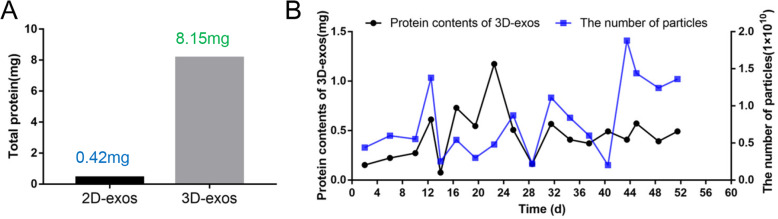
“The 3D culture approach enhanced overall exosome production up to 19.4-fold when compared to conventional 2D culture, resulting in a higher exosome collection efficiency of the 3D culture technique [ 231 ].”
InfluentialMiceli, V., Zito, G., Bulati, M., Gallo, A., Busà, R., Iannolo, G., & Conaldi, P. G. (2023) · World Journal of Stem Cells · doi:10.4252/wjsc.v15.i5.400 · Cited by 57
Wiest, E. F., & Zubair, A. C. (2025) · Biology · doi:10.3390/biology14030313 · Cited by 62
“This was demonstrated by a decrease in anti-inflammatory markers and the tubular injury score in mice treated with 3D EVs compared to those treated with 2D EVs in a kidney injury mouse model [29].”
Potential of Exosomes as Cell-Free Therapy in Articular Cartilage Regeneration: A Review
Ng, C. Y., Chai, J. Y., Foo, J. B., Yahaya, N. H. M., Yang, Y., Ng, M. H., & Law, J. X. (2021) · International Journal of Nanomedicine · doi:10.2147/ijn.s327059 · Cited by 57
Three-dimensional-cultured MSC-derived exosome with hydrogel for cerebral ischemia repair
Han, M., Zhang, Z., Liu, Z., Liu, Y., Zhao, H., Wang, B., Zhang, C., Shang, H., Li, Y., Wang, S., et al. (2023) · Biomaterials Advances · doi:10.1016/j.bioadv.2023.213396 · Cited by 59
Self-citationExtracellular vesicles for renal therapeutics: State of the art and future perspective
Tang, T., Wang, B., Lv, L., Dong, Z., & Liu, B. (2022) · Journal of Controlled Release · doi:10.1016/j.jconrel.2022.06.049 · Cited by 52
Self-citationExosomes for angiogenesis induction in ischemic disorders
Moeinabadi‐Bidgoli, K., Rezaee, M., Hossein‐Khannazer, N., Babajani, A., Aghdaei, H. A., Arki, M. K., Afaghi, S., Niknejad, H., & Vosough, M. (2023) · Journal of Cellular and Molecular Medicine · doi:10.1111/jcmm.17689 · Cited by 55
García‐Aponte, O. F., Kahlenberg, S., Kouroupis, D., Egger, D., & Kasper, C. (2025) · Journal of Extracellular Vesicles · doi:10.1002/jev2.70057 · Cited by 55
Hazrati, A., Malekpour, K., Soudi, S., & Hashemi, S. M. (2022) · Biomedicine & Pharmacotherapy · doi:10.1016/j.biopha.2022.113211 · Cited by 58
Targeting of Extracellular Vesicle-Based Therapeutics to the Brain
Williams, A., Branscome, H., Kashanchi, F., & Batrakova, E. V. (2025) · Cells · doi:10.3390/cells14070548 · Cited by 51
“Overall, two distinct approaches can be utilized for the loading of EV carriers with therapeutic cargo: ( i ) exogenous loading of EVs (i.e., loading naïve EVs isolated from parental cells ex vitro) and ( ii ) endogenous loading of EVs (i.e., parental cells are loaded with either the drug or…”
Jakl, V., Ehmele, M., Winkelmann, M., Ehrenberg, S., Eiseler, T., Friemert, B., Rojewski, M., & Schrezenmeier, H. (2023) · Frontiers in Bioengineering and Biotechnology · doi:10.3389/fbioe.2023.1107055 · Cited by 52
“However, only few studies investigated the use of hollow fiber bioreactor-based systems for the production ofMSC-derived sEVs (Mendt et al., 2018; Cao et al., 2020; Yan and Wu, 2020; Gobin et al., 2021; Bellio et al., 2022).”
BackgroundDu, R., Wang, C., Zhu, L., & Yang, Y. (2022) · Pharmaceutics · doi:10.3390/pharmaceutics14102236 · Cited by 47
“[43] found by the same method that the yield of EVs extracted from 3D culture was 19.”
MethodBasic Guide for Approaching Drug Delivery with Extracellular Vesicles
Brezgin, S. A., Danilik, O., Yudaeva, A., Kachanov, A., Kostyusheva, A. P., Karandashov, I. V., Ponomareva, N., Zamyatnin, A. A., Parodi, A., Chulanov, V., et al. (2024) · International Journal of Molecular Sciences · doi:10.3390/ijms251910401 · Cited by 51
“The culturing of cells as a spheroids [78,79], the use of hollow-fiber bioreactors [80,81], semi-permeable capsules [82], culturing on microcarriers in stirred tank bioreactors [83] and rational media supplementation (increased glucose, additional nutrients, and others [84]) boosts the EV yield up…”
BackgroundEmerging technologies towards extracellular vesicles large-scale production
Huang, J., Chen, H., Li, N., Liu, P., Yang, J., & Zhao, Y. (2025) · Bioactive Materials · doi:10.1016/j.bioactmat.2025.06.005 · Cited by 89
Li, Y., Dong, Y., Ran, Y., Zhang, Y., Wu, B., Xie, J., Cao, Y., Mo, M., Li, S., Deng, H., et al. (2021) · Stem Cell Research & Therapy · doi:10.1186/s13287-021-02416-4 · Cited by 48
“Another study showed a decreased infiltration of macrophages with 3D-exosomes treatment in the cisplatin-induced murine acute kidney injury model [26].”
BackgroundChen, J., Huang, T., Liu, R., Wang, C., Jiang, H., & Sun, H. (2022) · Journal of Nanobiotechnology · doi:10.1186/s12951-022-01352-6 · Cited by 44
“[52] that used hollow fiber bioreactor FiberCell System and the study by Cao et al.”
MethodExosomes: Emerging Therapy Delivery Tools and Biomarkers for Kidney Diseases
Jin, C., Wu, P., Li, L., Xu, W., & Qian, H. (2021) · Stem Cells International · doi:10.1155/2021/7844455 · Cited by 50
“In addition, the scale of production is not yet sufficient, which implies additional demands for improved cell culture protocols, novel isolation methods, and engineered exosomes [133, 144].”
BackgroundLim, K. M., Kim, S. H., Yeom, J., Choi, Y., Lee, Y., An, J., Gil, M., Dayem, A. A., Kim, K., Kang, G., et al. (2022) · Journal of Advanced Research · doi:10.1016/j.jare.2022.09.005 · Cited by 41
“Importantly, MSCs cultivated as spheroids have been reported to show substantially increased secretion of EVs [13,15,20] which may be important for enhanced regenerative and immunomodulatory effects [21,22].”
BackgroundGarcia, S. G., Sanroque‐Muñoz, M., Clos‐Sansalvador, M., Font‐Morón, M., Tortajada, M., Borràs, F. E., & Franquesa, M. (2024) · Extracellular Vesicles and Circulating Nucleic Acids · doi:10.20517/evcna.2023.76 · Cited by 43
Zhou, W., Wang, X., Dong, Y., Gao, P., Zhao, X. F., Wang, M., Wu, X. F., Shen, J., Zhang, X., Lü, Z., et al. (2024) · Theranostics · doi:10.7150/thno.95953 · Cited by 44
“Some studies have demonstrated that MSCs within a hollow fiber bioreactor increased the total production of EVs by up to 19.4-fold in 3D culture [101], and when combined with tangential flow filtration (TFF), MSCs can enhance the yield of EVs by as much as 100-fold [102].”
BackgroundInfluentialSun, F., Sun, Y., Wu, F., Xu, W., & Qian, H. (2022) · Pharmaceutics · doi:10.3390/pharmaceutics14102208 · Cited by 42
Chen, W., Wu, P., Jin, C., Chen, Y. E., Li, C., & Qian, H. (2024) · Journal of Nanobiotechnology · doi:10.1186/s12951-024-02455-y · Cited by 46
“EVs derived from 2D cultured hucMSCs suffered from low yield and limited therapeutic effect in the treatment of acute kidney injury (AKI) [23, 28].”
BackgroundInfluentialLi, Z., Yan, J., Li, X., Chen, H., Chen, L., Zhang, Y., Gao, T., Zhang, Y., Shu, Y. L., Pan, S.-Y., et al. (2025) · Frontiers in Bioengineering and Biotechnology · doi:10.3389/fbioe.2025.1487627 · Cited by 55
Self-citationJung, S.-Y., Lee, S., Kim, H. J., Kim, S., Moon, J. H., Chung, H., Kang, S., & Park, C. (2023) · Experimental & Molecular Medicine · doi:10.1038/s12276-023-00949-7 · Cited by 35
Small extracellular vesicles purification and scale-up
Zheng, X., Ai, H., Qian, K., Li, G., Zhang, S., Zou, Y., Lei, C., Fu, W., & Hu, S. (2024) · Frontiers in Immunology · doi:10.3389/fimmu.2024.1344681 · Cited by 46
Toghiani, R., Azimian, V., Najafi, H., Mirian, M., Azarpira, N., Abolmaali, S. S., Varshosaz, J., & Tamaddon, A. M. (2024) · Stem Cell Research & Therapy · doi:10.1186/s13287-024-03845-7 · Cited by 36
“These exosomes exhibited high anti-inflammatory properties, offering protection against cisplatin-induced kidney injury [61].”
BackgroundVarious Three-Dimensional Culture Methods and Cell Types for Exosome Production
Lee, D.-H., Yun, D. W., Kim, Y. H., Im, G.-B., Hyun, J., Park, H. S., Bhang, S. H., & Choi, S. H. (2023) · Tissue Engineering and Regenerative Medicine · doi:10.1007/s13770-023-00551-y · Cited by 33
Li, J.-K., Yang, C., Su, Y., Luo, J., Luo, M.-H., Huang, D.-L., Tu, G.-W., & Luo, Z. (2021) · Frontiers in Immunology · doi:10.3389/fimmu.2021.684496 · Cited by 36
Alasmari, W. A., El‐Shetry, E. S., Ibrahim, D., ElSawy, N. A., Eldoumani, H., Metwally, A. S., Saleh, A. A., Mona, M. M., Abd-Elsalam, M. M., Hendam, B. M., et al. (2022) · Free Radical Biology and Medicine · doi:10.1016/j.freeradbiomed.2022.02.024 · Cited by 33
3D Spheroid Cultures of Stem Cells and Exosome Applications for Cartilage Repair
Lee, S. Y., & Lee, J. W. (2022) · Life · doi:10.3390/life12070939 · Cited by 42
“Meanwhile, unlike immortal cell lines, the expansion of MSCs in culture is limited, with most studies recommending that only cells from passage six be used [71].”
BackgroundEnhancement of the therapeutic efficacy of mesenchymal stem cell-derived exosomes in osteoarthritis
Zhang, Z., Zhao, S., Sun, Z., Zhai, C., Xia, J., Wen, C., Zhang, Y., & Zhang, Y. (2023) · Cellular & Molecular Biology Letters · doi:10.1186/s11658-023-00485-2 · Cited by 34
“For example, Cao et al. [151] showed that a 3D culture system increased the total yield of MSC-Exos by 19.4-fold, with higher production efficiency and excellent antiinflammatory effects.”
BackgroundInfluentialMiao, A.-F., Liang, J.-X., Yao, L., Han, J.-L., & Zhou, L.-J. (2021) · Figshare · doi:10.6084/m9.figshare.14564335 · Cited by 33
Liu, L., Yao, W., Wang, P., Shi, M., Wang, J., Ma, H., & Sun, D. (2021) · International Journal of Stem Cells · doi:10.15283/ijsc20184 · Cited by 34
“Studies have shown that exosomes derived from MSCs play important roles in protecting the kidney (13).”
Alasmari, W. A., Abdelfattah‐Hassan, A., El-Ghazali, H. M., Abdo, S. A., Ibrahim, D., ElSawy, N. A., El‐Shetry, E. S., Saleh, A. A., Abourehab, M. A. S., & Mahfouz, H. (2022) · Biomolecules · doi:10.3390/biom12050663 · Cited by 31
Li, Q., Liu, J., Su, R., Zhen, J., Liu, X., & Liu, G. (2024) · International Immunopharmacology · doi:10.1016/j.intimp.2024.112667 · Cited by 32
Li, D., Lin, F., Li, G., & Zeng, F. (2021) · Cytotechnology · doi:10.1007/s10616-021-00480-5 · Cited by 30
“Besides, MSCs can interact with NK cells to contribute to the immunomodulatory effects, since NK cells are key effector molecules of innate immunity (Castro-Manrreza and Montesinos 2015).”
Background3D bioprinted extracellular vesicles for tissue engineering—a perspective
Han, P., & Ivanovski, S. (2022) · Biofabrication · doi:10.1088/1758-5090/ac9809 · Cited by 35
“Moving to 3D cell culture techniques, such as melt electrospun scaffolds and dynamic bioreactors, to obtain high EVs yields is a promising approach [51, 52].”
Endogenous Lipid Carriers—Bench-to-Bedside Roadblocks in Production and Drug Loading of Exosomes
Richards, T., Patel, H., Patel, K. R., & Schanne, F. (2023) · Pharmaceuticals · doi:10.3390/ph16030421 · Cited by 37
Xu, X., Qu, S., Zhang, C., Zhang, M., Qin, W., Ren, G., Bao, H., Li, L., Zen, K., & Liu, Z. (2023) · Advanced Science · doi:10.1002/advs.202301492 · Cited by 36
Stem Cell-Derived Extracellular Vesicles as Potential Therapeutic Approach for Acute Kidney Injury
Quaglia, M., Merlotti, G., Colombatto, A., Bruno, S., Stasi, A., Franzin, R., Castellano, G., Grossini, E., Fanelli, V., & Cantaluppi, V. (2022) · Frontiers in Immunology · doi:10.3389/fimmu.2022.849891 · Cited by 31
Physicochemical Modulation Strategies for Mass Production of Extracellular Vesicle
Park, H., Seo, Y., Arai, Y., & Lee, S. (2025) · Tissue Engineering and Regenerative Medicine · doi:10.1007/s13770-025-00726-9 · Cited by 31
Gerami, M. H., Khorram, R., Rasoolzadegan, S., Mardpour, S., Nakhaei, P., Hashemi, S., Al-Naqeeb, B. Z. T., Aminian, A., & Samimi, S. (2023) · European Journal of Medical Research · doi:10.1186/s40001-023-01034-5 · Cited by 27
“A hollow fiber threedimensional (3D) culture system can also enable continuous production of MSC-derived exosomes [123, 124] and leads to exosomes yields 20-fold more than two-dimensional (2D) cultures [125].”
RetractedWong, C., Stoilova, I., Gazeau, F., Herbeuval, J., & Fourniols, T. (2024) · Frontiers in Immunology · doi:10.3389/fimmu.2024.1355845 · Cited by 30
Mesenchymal stem cell-derived extracellular vesicles for human diseases
Zhang, X., Che, X., Zhang, S., Wang, R., Li, M., Jin, Y., Wang, T., & Song, Y. (2024) · Extracellular Vesicles and Circulating Nucleic Acids · doi:10.20517/evcna.2023.47 · Cited by 30
Extracellular Vesicles as a Therapeutic Tool for Kidney Disease: Current Advances and Perspectives
Corrêa, R. R., Juncosa, E. M., Masereeuw, R., & Lindoso, R. S. (2021) · International Journal of Molecular Sciences · doi:10.3390/ijms22115787 · Cited by 27
“Increase in the EV production with therapeutic effects (higher protective and anti-inflammatory properties) [65,67]”
BackgroundEngineered Extracellular Vesicles as a New Class of Nanomedicine
Wen, X., Hao, Z., Yin, H., Min, J., Wang, X., Sun, S., & Ruan, G. (2024) · Chem & Bio Engineering · doi:10.1021/cbe.4c00122 · Cited by 29
Hisey, C. L., Artuyants, A., Guo, G., Chang, V. R. J., Reshef, G., Middleditch, M., Jacob, B., Chamley, L. W., & Blenkiron, C. (2022) · Journal of Extracellular Biology · doi:10.1002/jex2.60 · Cited by 26
“It would also be interesting to assess whether the growth conditions affect the function of the EVs as well as their cargo, as recently reported for mesenchymal stem cells (Cao et al., 2020; Kusuma et al., 2022).”
BackgroundMethodMSC-EV therapy for bone/cartilage diseases
Kodama, J., Wilkinson, K. J., & Otsuru, S. (2022) · Bone Reports · doi:10.1016/j.bonr.2022.101636 · Cited by 31
“Additionally, EVs from 3D culture systems have therapeutic activities equivalent to or superior to those from 2D systems (Cao et al., 2020; de Almeida Fuzeta et al., 2020; Haraszti et al., 2018; Yan and Wu, 2020).”
BackgroundCell Therapy for Androgenetic Alopecia: Elixir or Trick?
Mao, Y., Liu, P., Wei, J., Xie, Y., Zheng, Q., Li, R., & Yao, J. (2023) · Stem Cell Reviews and Reports · doi:10.1007/s12015-023-10532-2 · Cited by 28
Application of mesenchymal stem cell-derived exosomes in kidney diseases
Deng, G., Yu, C. J., Zhu, S., Zhu, P., & Nasser, M. I. (2021) · Cellular Immunology · doi:10.1016/j.cellimm.2021.104358 · Cited by 26
Paganini, C., Boyce, H., Libort, G., & Arosio, P. (2022) · Advanced Healthcare Materials · doi:10.1002/adhm.202202232 · Cited by 27
Zhang, Q., Liu, T., Li, Y., Yang, F., Shang, H., Zhao, H., Sun, H., Yu, Z., Han, M., & Wan, C. (2024) · International Journal of Biological Macromolecules · doi:10.1016/j.ijbiomac.2024.133336 · Cited by 33
Metadata
- Authors
- Cao, J., Wang, B., Tang, T., Lv, L., Ding, Z., Li, Z., Hu, R., Wei, Q., Shen, A., Fu, Y., & Liu, B.
- Affiliations
- Zhongda Hospital Southeast University (CN)
- Venue
- Stem Cell Research & Therapy
- Published
- 2020-05-27
- Volume
- 11
- Issue
- 1
- Pages
- 206-206
- ISSN
- 1757-6512 (ISSN-L)
- PMC
- PMC7251891
- OpenAlex
- W3032250687
- Cited by
- 264
- References
- 51
- Citations by year
- 2026: 26 · 2025: 64 · 2024: 48 · 2023: 51 · 2022: 45 · 2021: 26 · 2020: 4
- FWCI
- 10.17
- Type
- journal article
- Language
- en
- Open access
- gold
- doi.org
- Licence
- cc-by
- creativecommons.org/licenses/by/4.0 (tdm)
- creativecommons.org/licenses/by/4.0 (vor)
- Locations
- Stem Cell Research & Therapy (publishedVersion, cc-by)
- PubMed Central (publishedVersion, cc-by)
- PubMed (publishedVersion)
- DOAJ (DOAJ: Directory of Open Access Journals) (submittedVersion, cc-by-sa)
- Funders
- National Natural Science Foundation of China (81720108007, 81670696)
- National Key Research and Development Program (2018YFC1314000)
- Topics
- Life Sciences › Biochemistry, Genetics and Molecular Biology › Molecular Biology › Extracellular vesicles in disease
- Life Sciences › Biochemistry, Genetics and Molecular Biology › Cell Biology › Mesenchymal stem cell research
- Life Sciences › Pharmacology, Toxicology and Pharmaceutics › Toxicology › Chemotherapy-induced organ toxicity mitigation
- Keywords
- mesenchymal stem cells, exosomes, 3D cell culture, hollow fiber bioreactor, exosome yield, cisplatin-induced acute kidney injury, renal tubular epithelial cells, exosome uptake, renal inflammation, T cell infiltration, macrophage infiltration, exosome therapy, umbilical cord-derived stem cells, tubular regeneration, renal fibrosis
- MeSH terms
- Animals, Cisplatin, Humans, Umbilical Cord, Mice, Exosomes, Acute Kidney Injury, Mesenchymal Stem Cells
About these checks
Registry, retraction, Cites and statistics results are computed, not judged, with one exception: a printed reference that no index lists is read once by a model before it counts as a citation error. Claims are extracted by a model and kept only when their quote appears verbatim in the text; each cited source is then checked, with a model’s help, for whether it says what the claim relies on. Those verdicts can be wrong — read the claim’s quote and the cited source before relying on one.
Statistics and arithmetic are recomputed, not judged.
Confidence bands are shown only for fields calibrated on our annotated test set. None is calibrated yet, so no band is shown.
What counts as a claim ›How we measure confidence ›How we check this ›
Are you an author, or do you see a problem with this page? Request a review
Data sources
Bibliographic data: Semantic Scholar, OpenAlex, Crossref.
Contains information from the Semantic Scholar Academic Graph Datasets, made available under the ODC Attribution License (ODC-BY 1.0).
Semantic Scholar’s data is described in: Kinney, R., et al. (2023). The Semantic Scholar Open Data Platform. arXiv:2301.10140.
