

Mesenchymal stromal cell therapies: immunomodulatory properties and clinical progress
Open accessThe DOI matches its Crossref record; 241 of the 242 references it cites were found in a registry or an index.
Abstract
Mesenchymal stromal cells (MSCs) are a subset of heterogeneous non-hematopoietic fibroblast-like cells that can differentiate into cells of multiple lineages, such as chondrocytes, osteoblasts, adipocytes, myoblasts, and others. These multipotent MSCs can be found in nearly all tissues but mostly located in perivascular niches, playing a significant role in tissue repair and regeneration. Additionally, MSCs interact with immune cells both in innate and adaptive immune systems, modulating immune responses and enabling immunosuppression and tolerance induction. Understanding the biology of MSCs and their roles in clinical treatment is crucial for developing MSC-based cellular therapy for a variety of pathological conditions. Here, we review the progress in the study on the mechanisms underlying the immunomodulatory and regenerative effects of MSCs; update the medical translation of MSCs, focusing on the registration trials leading to regulatory approvals; and discuss how to improve therapeutic efficacy and safety of MSC applications for future.
Overview
The claims and statistics of this paper haven’t been checked yet.
Free: it reads the open-access text and checks the first 5 claims that cite a source we can check. Create a free account to check every claim.
Integrity signals
Registry
Cites
Statistics
Figures
Verification
Claims the paper makes
The claims and statistics of this paper haven’t been checked yet.
Free: it reads the open-access text and checks the first 5 claims that cite a source we can check. Create a free account to check every claim.
Claims other papers make about this one
Each is checked against this paper’s own text: does it say what the citing paper says it does?
The source backs part of the claim, not all of it — or backs it for a different population, condition or comparison.
In the citing paper
“MSCs, self-renewing multipotent stromal cells, can differentiate into many cell types, including hepatocyte-like cells.”
From From signaling pathways to clinical trials: mesenchymal stem cells as multimodal regenerative architects in liver cirrhosis therapy (2025) · cites this paper as [37]
Experimental — accuracy not yet measuredThe source backs part of the claim, not all of it — or backs it for a different population, condition or comparison.
In the citing paper
“The cells possess two distinctive properties: the ability to self-renew in their undifferentiated form and the ability to differentiate into multiple cell lineages [37, 38].”
From From signaling pathways to clinical trials: mesenchymal stem cells as multimodal regenerative architects in liver cirrhosis therapy (2025) · cites this paper as [37]
Experimental — accuracy not yet measuredThe cited source says what the claim attributes to it.
In the citing paper
“Mesenchymal stem cells are multi-potential stromal cells found in the majority of tissues, including bone marrow(BM), umbilical cord (UC) blood, fat, and amniotic fluid (AF).”
From From signaling pathways to clinical trials: mesenchymal stem cells as multimodal regenerative architects in liver cirrhosis therapy (2025) · cites this paper as [37]
Self-check
Percentages, sums and reported differences re-computed from the paper’s own numbers.
The self-check needs the paper’s full text.
Citations
Cites
Multilineage potential of adult human mesenchymal stem cells
Pittenger, M. F., Mackay, A. M., Beck, S. C., Jaiswal, R. K., Douglas, R., Mosca, J. D., Moorman, M. A., Simonetti, D. W., Craig, S., & Marshak, D. R. (1999) · Science · doi:10.1126/science.284.5411.143 · Cited by 21,052 · cited 1×
“established that human bone marrow (BM) also contains a subpopulation of stromal cells exhibiting trilineage mesenchymal potential, differentiating into adipocytes, chondroblasts, and osteoblasts under defined condition in vitro [7].”
BackgroundDominici, M., Le Blanc, K., Mueller, I., Slaper-Cortenbach, I., Marini, F. C., Krause, D. S., Deans, R. J., Keating, A., Prockop, D. J., & Horwitz, E. M. (2006) · Cytotherapy · doi:10.1080/14653240600855905 · Cited by 17,766
Caplan, A. I. (1991) · Journal of Orthopaedic Research · doi:10.1002/jor.1100090504 · Cited by 6,548
The chemokine system in diverse forms of macrophage activation and polarization
MANTOVANI, A., SICA, A., SOZZANI, S., ALLAVENA, P., VECCHI, A., & LOCATI, M. (2004) · Trends in Immunology · doi:10.1016/j.it.2004.09.015 · Cited by 6,534
Afshin, A., Sur, P. J., Fay, K. A., Cornaby, L., Ferrara, G., Salama, J. S., Mullany, E. C., Abate, K. H., Abbafati, C., Abebe, Z., et al. (2019) · The Lancet · doi:10.1016/s0140-6736(19)30041-8 · Cited by 5,811
Human mesenchymal stem cells modulate allogeneic immune cell responses
Aggarwal, S., & Pittenger, M. F. (2005) · Blood · doi:10.1182/blood-2004-04-1559 · Cited by 4,511
A perivascular origin for mesenchymal stem cells in multiple human organs
Crisan, M., Yap, S., Casteilla, L., Chen, C.-W., Corselli, M., Park, T. S., Andriolo, G., Sun, B., Zheng, B., Zhang, L., et al. (2008) · Cell Stem Cell · doi:10.1016/j.stem.2008.07.003 · Cited by 3,991 · cited 1×
“perivascular pericytes [17, 18], which markedly diversifying the study and application of MSCs.”
BackgroundMesenchymal stem cells in health and disease
Uccelli, A., Moretta, L., & Pistoia, V. (2008) · Nature Reviews Immunology · doi:10.1038/nri2395 · Cited by 3,746 · cited 4×
“Very importantly, fail-safe mechanism exists in MSCs’ actions, preventing excessive inhibition of T cell responses and host being vulnerable to infectious agents [11, 119].”
BackgroundInfluentialJohnson, C. O., Nguyen, M., Roth, G. A., Nichols, E., Alam, T., Abate, D., Abd-Allah, F., Abdelalim, A., Abraha, H. N., Abu-Rmeileh, N. M., et al. (2019) · The Lancet Neurology · doi:10.1016/s1474-4422(19)30034-1 · Cited by 3,264
Di Nicola, M., Carlo-Stella, C., Magni, M., Milanesi, M., Longoni, P. D., Matteucci, P., Grisanti, S., & Gianni, A. M. (2002) · Blood · doi:10.1182/blood.v99.10.3838 · Cited by 3,226 · cited 4×
“It has been demonstrated that in vitro T lymphocyte proliferation induced by polyclonal mitogens, allogeneic cells, or specific antigen can be considerably inhibited by MSCs. MSCs are capable of promoting apoptosis of activated T cells via the Fas/Fas ligand pathway [111], as well as constitutively secreting inhibitor…”
BackgroundInfluential
Research works printed but not linked: 1
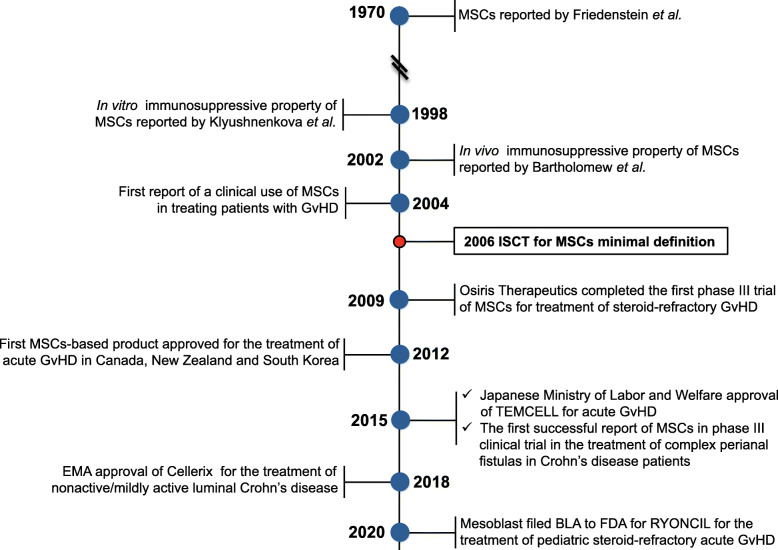
- Klyushnenkova E, Mosca JD, McIntosh KR, Thiede MA. Human mesenchymal stem cells suppress allogeneic T cell responses in vitro: implications for allogeneic transplantation [abstract]. Blood. 1998;92:642a.
Cited by
Improving head and neck cancer therapies by immunomodulation of the tumour microenvironment
Ruffin, A. T., Li, H., Vujanovic, L., Zandberg, D. P., Ferris, R. L., & Bruno, T. C. (2023) · Nature Reviews Cancer · doi:10.1038/s41568-022-00531-9 · Cited by 305
Mesenchymal stem cells and their microenvironment
Liu, J., Gao, J., Liang, Z., Gao, C., Niu, Q., Wu, F., & Zhang, L. (2022) · Stem Cell Research & Therapy · doi:10.1186/s13287-022-02985-y · Cited by 236
“They are widely used in cell therapy, tissue engineering and regenerative medicine for their self-renewal, pluripotency and immunomodulatory properties [3, 4].”
BackgroundMesenchymal stem cells in treating human diseases: molecular mechanisms and clinical studies
Han, X., Liao, R., Li, X., Zhang, C., Huo, S., Qin, L., Xiong, Y., He, T., Xiao, G., & Zhang, T. (2025) · Signal Transduction and Targeted Therapy · doi:10.1038/s41392-025-02313-9 · Cited by 227
Immunomodulatory strategies for bone regeneration: A review from the perspective of disease types
Su, N., Villicana, C., & Yang, F. (2022) · Biomaterials · doi:10.1016/j.biomaterials.2022.121604 · Cited by 179
Recent advances to enhance the immunomodulatory potential of mesenchymal stem cells
Sarsenova, M., Kim, Y., Raziyeva, K., Kazybay, B., Ogay, V. B., & Saparov, A. (2022) · Frontiers in Immunology · doi:10.3389/fimmu.2022.1010399 · Cited by 138
Differences and similarities between cancer and somatic stem cells: therapeutic implications
Rossi, F., Noren, H., Jove, R., Beljanski, V., & Grinnemo, K.-H. (2020) · Stem Cell Research & Therapy · doi:10.1186/s13287-020-02018-6 · Cited by 121
Xu, X., Jiang, W., Chen, L., Xu, Z., Zhang, Q., Zhu, M., Ye, P., Li, H., Yu, L., Zhou, X., et al. (2021) · Clinical and Translational Medicine · doi:10.1002/ctm2.297 · Cited by 148
Self-citationMesenchymal Stem Cell-Based Therapy for Stroke: Current Understanding and Challenges
Li, W., Shi, L., Hu, B., Hong, Y., Zhang, H., Li, X., & Zhang, Y. (2021) · Frontiers in Cellular Neuroscience · doi:10.3389/fncel.2021.628940 · Cited by 115
LNP-RNA-engineered adipose stem cells for accelerated diabetic wound healing
Xue, Y., Zhang, Y., Zhong, Y., Du, S., Hou, X., Li, W., Li, H., Wang, S., Wang, C., Yan, J., et al. (2024) · Nature Communications · doi:10.1038/s41467-024-45094-5 · Cited by 103
“consistently show that the long-term engraftment of ASCs isn ’ t detectable in the recipient tissues after transplantation, meaning that the observed therapeutic effects of ASCs are performed in a ‘ hit-and-run ’ mechanism rather than retaining and replacing the local tissues 1,2,8,15 – 20 .”
Therapeutic Mesenchymal Stem/Stromal Cells: Value, Challenges and Optimization
Najar, M., Melki, R., Khalife, F., Lagneaux, L., Bouhtit, F., Agha, D. M., Fahmi, H., Lewalle, P., Fayyad‐Kazan, M., & Merimi, M. (2022) · Frontiers in Cell and Developmental Biology · doi:10.3389/fcell.2021.716853 · Cited by 103
Chen, L., Qu, J., Mei, Q., Chen, X., Fang, Y., Chen, L., Li, Y., & Xiang, C. (2021) · Stem Cell Research & Therapy · doi:10.1186/s13287-021-02511-6 · Cited by 98
Su, N., Villicana, C., Barati, D., Freeman, P., Luo, Y., & Yang, F. (2023) · Advanced Materials · doi:10.1002/adma.202208781 · Cited by 99
Skeletal stem and progenitor cells in bone physiology, ageing and disease
Melis, S., Trompet, D., Chagin, A. S., & Maes, C. (2024) · Nature Reviews Endocrinology · doi:10.1038/s41574-024-01039-y · Cited by 104
Mechanisms behind therapeutic potentials of mesenchymal stem cell mitochondria transfer/delivery
Malekpour, K., Hazrati, A., Soudi, S., & Hashemi, S. M. (2023) · Journal of Controlled Release · doi:10.1016/j.jconrel.2023.01.059 · Cited by 88
Advancements and Challenges in Stem Cell Transplantation for Regenerative Medicine
Wei, L., Yan, W., Shah, W., Zhang, Z., Wang, M., Liu, B., Xue, Z., Cao, Y., Hou, X., Zhang, K., et al. (2024) · Heliyon · doi:10.1016/j.heliyon.2024.e35836 · Cited by 79
“In neurology, MSC-based therapies are being investigated for their ability to promote neuro-regeneration and functional recovery in stroke, traumatic brain injury, and neurodegenerative diseases such as Parkinson ’ s and Alzheimer ’ s disease [141].”
BackgroundNew insights into peripheral nerve regeneration: The role of secretomes
Contreras, E., Bolívar, S., Navarro, X., & Udina, E. (2022) · Experimental Neurology · doi:10.1016/j.expneurol.2022.114069 · Cited by 82
“and help to reduce neuroinflammation and even differentiate in specific cell types (Wu et al., 2020).”
BackgroundExploring mesenchymal stem cells homing mechanisms and improvement strategies
Sajjad, U., Ahmed, M. Z., Iqbal, M. Z., Riaz, M., Mustafa, M., Biedermann, T., & Klar, A. S. (2024) · Stem Cells Translational Medicine · doi:10.1093/stcltm/szae045 · Cited by 76
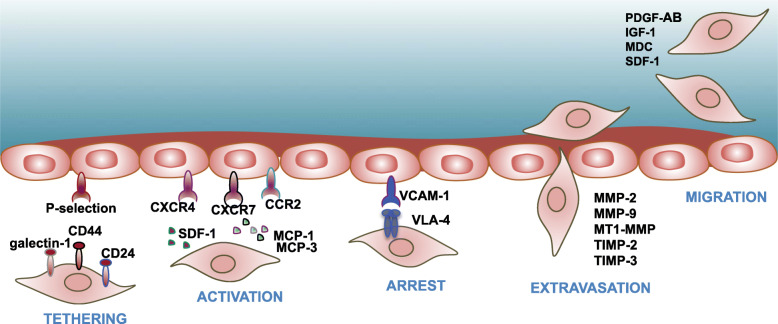
“29 In contrast, in systemic homing, MSCs are administered into the bloodstream and migrate through a multistep process to the injury site after leaving circulation.”
Abbasi, B., Shamsasenjan, K., Ahmadi, M., Beheshti, S. A., & Saleh, M. (2022) · Stem Cell Research & Therapy · doi:10.1186/s13287-022-02777-4 · Cited by 72
Li, X., Wu, L., Tian, X., Zheng, W., Yuan, M., Tian, X., Zuo, H., Song, H., & Zhong-yang, S. (2022) · Oxidative Medicine and Cellular Longevity · doi:10.1155/2022/6520789 · Cited by 75
“They play an important role in organ injury repair and transplantation immune regulation [4 – 6].”
The engineering and application of extracellular matrix hydrogels: a review
Zhang, Y.-T., Xu, Y., & Gao, J. (2023) · Biomaterials Science · doi:10.1039/d3bm00183k · Cited by 79
Hope on the Horizon: Wharton’s Jelly Mesenchymal Stem Cells in the Fight Against COVID-19
Gupta, G., Hussain, M. S., Thapa, R., Dahiya, R., Mahapatra, D. K., Bhat, A. A., Singla, N., Subramaniyan, V., Rawat, S., Jakhmola, V., et al. (2023) · Regenerative Medicine · doi:10.2217/rme-2023-0077 · Cited by 63
“The analysis found that MSC treatment was associated with improved clinical outcomes, including reduced mortality, shorter hospital stays and improved lung function [17].”
BackgroundSanz‐Nogués, C., & O’Brien, T. (2021) · Biomaterials and Biosystems · doi:10.1016/j.bbiosy.2021.100018 · Cited by 62
“During the past years, the safety nd efficacy of this cell therapy product has been investigated across the orld for a wide variety of clinical indications [1] .”
BackgroundMesenchymal stem cells in glioblastoma therapy and progression: How one cell does it all
Nowak, B., Rogujski, P., Janowski, M., Łukomska, B., & Andrzejewska, A. (2021) · Biochimica et Biophysica Acta (BBA) - Reviews on Cancer · doi:10.1016/j.bbcan.2021.188582 · Cited by 62
Gene Therapy in Hemophilia: Recent Advances
Rodriguez-Merchan, E. C., Pablo-Moreno, J. A. D., & Liras, A. (2021) · International Journal of Molecular Sciences · doi:10.3390/ijms22147647 · Cited by 68
“Of all multipotent stem cells or adult cells, the ones presenting with the highest clinical application potential are the mesenchymal stem cells derived from adipose tissue, bone marrow, umbilical cord and placenta, due to their low immunogenicity, their immunomodulatory effect, and the fact that they do not induce an…”
BackgroundStromal vascular fraction therapy for knee osteoarthritis: a systematic review
Boada-Pladellorens, A., Avellanet, M., Pagès, E., & Veiga, A. (2022) · Therapeutic Advances in Musculoskeletal Disease · doi:10.1177/1759720x221117879 · Cited by 59
Massaro, F., Corrillon, F., Stamatopoulos, B., Dubois, N., Ruer, A., Meuleman, N., Bron, D., & Lagneaux, L. (2023) · Frontiers in Immunology · doi:10.3389/fimmu.2023.1267550 · Cited by 60
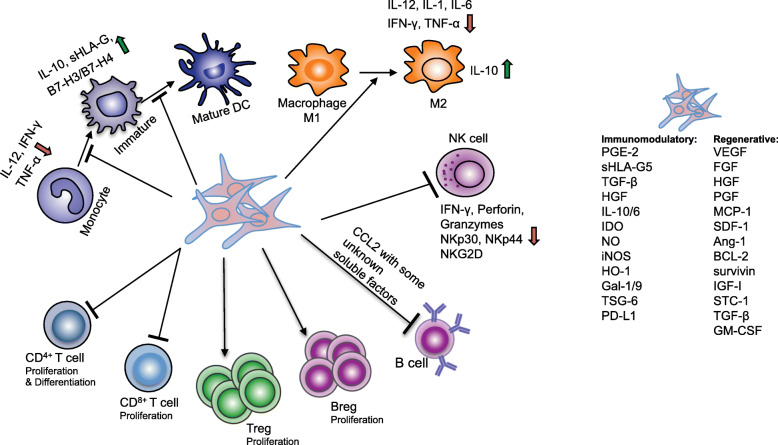
“MSC can limit B and T cell proliferation, dendritic cell differentiation, promote regulatory T cell expansion and M2 macrophage polarization (18).”
BackgroundLach, M., Rosochowicz, M. A., Richter, M., Jagiełło, I., Suchorska, W. M., & Trzeciak, T. (2022) · Cells · doi:10.3390/cells11030529 · Cited by 59
“The source of these cells should also be indicated and emphasised, because they exhibit different immunomodulatory and paracrine properties [82].”
BackgroundDo Extracellular Vesicles Derived from Mesenchymal Stem Cells Contain Functional Mitochondria?
Zorova, L. D., Kovalchuk, S. I., Popkov, V. A., Chernikov, V. P., Zharikova, A. A., Khutornenko, A. A., Zorov, S. D., Plokhikh, K. S., Zinovkin, R. A., Evtushenko, E. A., et al. (2022) · International Journal of Molecular Sciences · doi:10.3390/ijms23137408 · Cited by 58
Zhuang, Z., Zhang, Y., Yang, X., Yu, T., Zhang, Y., Sun, K., Zhang, Y., Cheng, F., Zhang, L., & Wang, H. (2022) · Acta Biomaterialia · doi:10.1016/j.actbio.2022.07.010 · Cited by 55
Cancer stem cells targets and combined therapies to prevent cancer recurrence
Raghav, P. K., & Mann, Z. (2021) · Life Sciences · doi:10.1016/j.lfs.2021.119465 · Cited by 53
Stem Cell Therapies for Progressive Multiple Sclerosis
Smith, J. A., Nicaise, A. M., Ionescu, R.-B., Hamel, R., Peruzzotti‐Jametti, L., & Pluchino, S. (2021) · Frontiers in Cell and Developmental Biology · doi:10.3389/fcell.2021.696434 · Cited by 57
Emerging roles of mesenchymal stem cell therapy in patients with critical limb ischemia
Shirbaghaee, Z., Hassani, M., Keshel, S. H., & Soleimani, M. (2022) · Stem Cell Research & Therapy · doi:10.1186/s13287-022-03148-9 · Cited by 53
“MSCs also produce HLAG, which is typically associated with the development of immunological tolerance at the maternal–fetal junction, and express the coinhibitory molecules PD-L1 (B7-H) and VTCN1 (B7-H4) to enhance the immune evasion [34].”
BackgroundMukherjee, S., Yadav, G., & Kumar, R. (2021) · World Journal of Stem Cells · doi:10.4252/wjsc.v13.i6.521 · Cited by 54
Translational Animal Models Provide Insight Into Mesenchymal Stromal Cell (MSC) Secretome Therapy
Harman, R. M., Marx, C., & de Walle, G. R. V. (2021) · Frontiers in Cell and Developmental Biology · doi:10.3389/fcell.2021.654885 · Cited by 53
“Originally considered as whole-cell therapy, whereby injected MSCs migrate to the site of tissue damage and differentiate into cells needed for repair or regeneration, it is now accepted that transplanted MSCs do not survive for long and that the effects of MSC-based therapies are due to a broad array of secreted bioa…”
BackgroundEndometriosis: Future Biological Perspectives for Diagnosis and Treatment
Garvey, M. (2024) · International Journal of Molecular Sciences · doi:10.3390/ijms252212242 · Cited by 53
Chen, L., Qu, J., Kalyani, F. S., Zhang, Q., Fan, L., Fang, Y., Li, Y., & Xiang, C. (2022) · Cellular and Molecular Life Sciences · doi:10.1007/s00018-021-04096-y · Cited by 51
“MSCs can regulate both innate and adaptive immunity by interacting with various immune cells [56, 58, 142, 143].”
BackgroundAntioxidant nanozyme microneedles with stem cell loading for in situ endometrial repair
Zhu, Y., Li, S., Li, Y., Tan, H. F., Zhao, Y., & Sun, L. (2022) · Chemical Engineering Journal · doi:10.1016/j.cej.2022.137786 · Cited by 47
Mesenchymal Stem Cell-based Scaffolds in Regenerative Medicine of Dental Diseases
Kiarashi, M., Bayat, H., Shahrtash, S. A., Etajuri, E. A., Khah, M. M., AL-Shaheri, N. A., Nasiri, K., Esfahaniani, M., & Yasamineh, S. (2024) · Stem Cell Reviews and Reports · doi:10.1007/s12015-024-10687-6 · Cited by 51
“To develop MSC-based cellular therapies for a wide range of pathological conditions, it is vital to comprehend the biology of MSCs and their clinical importance [28].”
Adipose-derived mesenchymal stromal cells in clinical trials: Insights from single-cell studies
Kostecka, A., Kalamon, N., Skoniecka, A., Koczkowska, M., Skowron, P. M., Piotrowski, A., & Pikuła, M. (2024) · Life Sciences · doi:10.1016/j.lfs.2024.122761 · Cited by 47
Lee, S. S., Vũ, T. T., Weiss, A. S., & Yeo, G. C. (2023) · European Journal of Cell Biology · doi:10.1016/j.ejcb.2023.151331 · Cited by 46
Woods, K., & Guezguez, B. (2021) · Frontiers in Cell and Developmental Biology · doi:10.3389/fcell.2021.714716 · Cited by 50
Yang, C., Wu, M., You, M., Chen, Y., Luo, M., & Chen, Q. (2021) · Stem Cell Research & Therapy · doi:10.1186/s13287-021-02158-3 · Cited by 42
Self-citationThe functional effects of Piezo channels in mesenchymal stem cells
Huang, Z., Huang, Y., Ning, X., Li, H., Li, Q., & Wu, J. (2023) · Stem Cell Research & Therapy · doi:10.1186/s13287-023-03452-y · Cited by 40
“Due to the multiple advantages of MSCs, such as pluripotency and self-renewal, MSCs are often used as primary functional cells in tissue engineering, regenerative medicine, and cell therapy [67, 68].”
BackgroundVenugopal, D., Vishwakarma, S., Kaur, I., & Samavedi, S. (2022) · Acta Biomaterialia · doi:10.1016/j.actbio.2022.06.004 · Cited by 43
Micro/Nanosystems for Magnetic Targeted Delivery of Bioagents
Garello, F., Svenskaya, Y. I., Parakhonskiy, B. V., & Filippi, M. (2022) · Pharmaceutics · doi:10.3390/pharmaceutics14061132 · Cited by 40
Ye, T., Liu, X., Zhong, X., Yan, R., & Shi, P. (2023) · Nature Communications · doi:10.1038/s41467-023-41609-8 · Cited by 38
Self-citationAbyadeh, M., Mirshahvaladi, S., Kashani, S. A., Paulo, J. A., Amirkhani, A., Mehryab, F., Seydi, H., Moradpour, N., Jodeiryjabarzade, S., Mirzaei, M., et al. (2024) · Journal of Extracellular Biology · doi:10.1002/jex2.159 · Cited by 38
Immunomodulating Profile of Dental Mesenchymal Stromal Cells: A Comprehensive Overview
Paganelli, A., Trubiani, O., Diomede, F., Pisciotta, A., & Paganelli, R. (2021) · Frontiers in Oral Health · doi:10.3389/froh.2021.635055 · Cited by 38
Newer Advancement in Immunomodulatory Therapy in Sepsis: A Comprehensive Review
Jain, A., Singam, A. P., & Mudiganti, V. N. K. S. (2024) · Cureus · doi:10.7759/cureus.57309 · Cited by 44
“These versatile cells can regulate immune responses, rendering them invaluable in treating various immune-mediated conditions [26,27].”
Wang, M., Zhao, N., Wang, C., Jin, Z., & Zhang, L. (2023) · Allergy · doi:10.1111/all.15729 · Cited by 37
Moeinabadi‐Bidgoli, K., Mazloomnejad, R., Maal, A. B., Aghdaei, H. A., Arki, M. K., Hossein‐Khannazer, N., & Vosough, M. (2023) · Expert Opinion on Biological Therapy · doi:10.1080/14712598.2023.2205017 · Cited by 39
Miceli, V., & Bertani, A. (2022) · Cells · doi:10.3390/cells11050826 · Cited by 35
“These cells can produce many cytokines/chemokines controlling the immune system by interacting with both innate and adaptive responses, resulting in immunosuppression and the induction of tolerance [101].”
BackgroundNovel approaches for long-term lung transplant survival
Miller, C. L., O, J. M., Allan, J. S., & Madsen, J. C. (2022) · Frontiers in Immunology · doi:10.3389/fimmu.2022.931251 · Cited by 33
Revisiting the role of mesenchymal stem cells in tuberculosis and other infectious diseases
Devi, A., Pahuja, I., Singh, M., Verma, A., Bhattacharya, D., Bhaskar, A., Dwivedi, V. P., & Das, G. (2023) · Cellular and Molecular Immunology · doi:10.1038/s41423-023-01028-7 · Cited by 32
“Additionally, immunosuppressive factors such as IDO, PGE2, and TGF-β participate in the inhibition of NK cells [112].”
BackgroundNovel therapies for graft versus host disease with a focus on cell therapies
Zeiser, R., Ringdén, O. T. H., Sadeghi, B., Gonen-Yaacovi, G., & Segurado, O. G. (2023) · Frontiers in Immunology · doi:10.3389/fimmu.2023.1241068 · Cited by 33
“All possible mechanisms of the immunosuppressive activity of MSCs in GVHD have been previously reviewed in detail (107 – 109).”
BackgroundFu, H., Sun, X., Lin, R., Wang, Y., Xuan, L., Yao, H., Zhang, Y., Mo, X., lv, M., Zheng, F., et al. (2024) · BMC Medicine · doi:10.1186/s12916-024-03275-5 · Cited by 31
“They work by producing extracellular vesicles (EVs) and secreting cytokines, chemokines and growth factors that can signal to other cells and tissues, ultimately leading to immunosuppression [63–66].”
BackgroundSelf-citationSaadh, M. J., Ramírez-Coronel, A. A., Saini, R. S., Arias-Gonzáles, J. L., Amin, A. H., Gavilán, J. C. O., & Sârbu, I. (2023) · Human Cell · doi:10.1007/s13577-023-00904-8 · Cited by 30
“genic, osteogenic, adipogenic, myogenic, and other lineages [24].”
Mesenchymal Stromal Cells in Ischemic Brain Injury
Brooks, B., Ebedes, D. M., Usmani, A., Gonzales-Portillo, J. V., Gonzales-Portillo, D., & Borlongan, C. V. (2022) · Cells · doi:10.3390/cells11061013 · Cited by 31
“Given the wide degree of MSC potency, advances must first be made in optimizing cell tissue origin selection, harvesting, and culturing [7,18].”
BackgroundMatheakakis, A., Batsali, A. K., Papadaki, H. Α., & Pontikoglou, C. G. (2021) · International Journal of Molecular Sciences · doi:10.3390/ijms221810132 · Cited by 32
“MSCs decrease the production of IFN-γ IL-12 and TNF by DCs, whereas they induce IL-10 production, thereby impairing their ability for antigen presentation [2,42,51,63,69].”
BackgroundZhu, F., Ji, L., Dai, K., Deng, S., Wang, J., & Liu, C. (2024) · Proceedings of the National Academy of Sciences · doi:10.1073/pnas.2410579121 · Cited by 28
Cicione, C., Vadalà, G., Giacomo, G. D., Tilotta, V., Ambrosio, L., Russo, F., Zampogna, B., Cannata, F., Papalia, R., & Denaro, V. (2023) · Frontiers in Bioengineering and Biotechnology · doi:10.3389/fbioe.2023.911600 · Cited by 30
“Similar to MSCs, the repairing/regenerative properties of ASCs have been related to different mechanisms: differentiation towards committed resident cell phenotypes and secretion of immunomodulatory factors, cytokines, growth factors, extracellular vesicles (EVs), as well as other bioactive mediators with anti-apoptot…”
BackgroundA GMP-compliant manufacturing method for Wharton’s jelly-derived mesenchymal stromal cells
Chu, W., Zhang, F., Zeng, X., He, F., Shang, G., Guo, T., Wang, Q., Wu, J., Li, T., Zhong, Z.-Q., et al. (2024) · Stem Cell Research & Therapy · doi:10.1186/s13287-024-03725-0 · Cited by 29
Luo, T., Zhu, P., Li, S., Qin, M., Fang, Z., Wu, F., Wu, Q., Lu, S., Zhang, Y., Chen, Y., et al. (2025) · Materials Today Bio · doi:10.1016/j.mtbio.2025.101973 · Cited by 26
Self-citationMesenchymal stem cell-derived exosomes: a novel therapeutic frontier in hematological disorders
Saadh, M. J., Hussein, A., Bayani, A., Dastafkan, S., Amiri, M., Akbari, A., Shahsavan, S., Samarkhazan, H. S., & Asl, V. S. (2025) · Medical Oncology · doi:10.1007/s12032-025-02742-0 · Cited by 27
Shokati, A., Moghadasi, A. N., Nikbakht, M., Sahraian, M. A., Mousavi, S. A., & Ai, J. (2021) · Stem Cell Research & Therapy · doi:10.1186/s13287-021-02477-5 · Cited by 26
Tumorigenic Aspects of MSC Senescence—Implication in Cancer Development and Therapy
Mojsilović, S. B., Jauković, A., Кукољ, Т., Obradović, H., Djordjević, I. O., Petrović, A., & Bugarski, D. S. (2021) · Journal of Personalized Medicine · doi:10.3390/jpm11111133 · Cited by 27
“They also promote the polarization of macrophages toward the anti-inflammatory M2 phenotype, suppress migration and maturation of DC and impede their antigen-presenting potential [27].”
BackgroundMesenchymal Stromal Cells: New Generation Treatment of Inflammatory Bowel Disease
Wei, S., Li, M., Wang, Q. L., Zhao, Y., Du, F., Chen, Y., Deng, S., Shen, J., Wu, K., Yang, J., et al. (2024) · Journal of Inflammation Research · doi:10.2147/jir.s458103 · Cited by 25
Self-citationSkoracka, J., Bajewska, K., Kulawik, M., Suchorska, W. M., & Kulcenty, K. I. (2024) · EXCLI journal · doi:10.17179/excli2024-7088 · Cited by 32
Introna, M., & Golay, J. (2020) · Frontiers in Immunology · doi:10.3389/fimmu.2020.609063 · Cited by 25
Mesenchymal stem cells-based therapy in liver diseases
Han, H., Jin, W., & Li, X. (2022) · Molecular Biomedicine · doi:10.1186/s43556-022-00088-x · Cited by 25
Zhang, S., Lee, Y., Liu, Y., Yu, Y., & Han, I. (2024) · International Journal of Molecular Sciences · doi:10.3390/ijms25094979 · Cited by 25
“, indicating potential strategies for combating osteoporosis related to hormonal fluctuations [97].”
BackgroundKamprom, W., Tangporncharoen, R., Vongthaiwan, N., Tragoonlugkana, P., Phetfong, J., Pruksapong, C., & Supokawej, A. (2024) · Scientific Reports · doi:10.1038/s41598-024-59910-x · Cited by 25
“There are increasing reports of clinical uses of MSCs in patients with inflammatory disease, autoimmune disease, and graft-versus-host disease 1 .”
Yang, L., Wei, D., Tao, Y., Jing, F., Liu, T., Jiao, G., & Zhang, T. (2024) · Chemical Engineering Journal · doi:10.1016/j.cej.2024.154435 · Cited by 24
López‐Santalla, M., & Garin, M. I. (2021) · Biomedicines · doi:10.3390/biomedicines9111507 · Cited by 25
“In this context, mesenchymal stem/stromal cell (MSCs) therapy may be an innovative therapeutic alternative for IBD due to its capacity for modulating inflammatory immune responses and tissue regeneration [7].”
BackgroundThe Role of MSCs and Cell Fusion in Tissue Regeneration
Dörnen, J., & Dittmar, T. (2021) · International Journal of Molecular Sciences · doi:10.3390/ijms222010980 · Cited by 25
“One of these cell types are mesenchymal stem/stromal cells (MSCs), which are needed due to their ability to differentiate into cells of mesodermal lineage and their immunomodulatory activity [11,12].”
BackgroundRoßmanith, E., Roßmanith, E., Pasztorek, M., Fiedler, C., Gröger, M., Rauscher, S., Weber, V., & Fischer, M. B. (2022) · PLoS ONE · doi:10.1371/journal.pone.0278895 · Cited by 24
“3 Mesenchymal stem cells (MSCs) are the stem cells of the connective tissue 47 showing strong regenerative activity to counteract degenerative diseases due to their 48 multi-lineage differentiation and self-renewal capability [1-4].”
BackgroundShao, B., Zhou, D., Wang, J., Yang, D., & Gao, J. (2023) · Aging · doi:10.18632/aging.204895 · Cited by 24
Mesenchymal Stem Cells in Radiation-Induced Pulmonary Fibrosis: Future Prospects
Chen, Y., Liu, X., & Tong, Z. (2022) · Cells · doi:10.3390/cells12010006 · Cited by 24
“Several immunosuppressive soluble factors, such as indoleamine 2,3-dioxygenase (IDO), nitric oxide (NO), PGE2, heme oxygenase-1 (HO-1), TGF-β, have been reported to be involved in the immunomodulatory process [65].”
Self-citationMesenchymal stem cell-derived exosomes as a potential therapeutic strategy for ferroptosis
Zayed, M., Elwakeel, E., Ezzat, P., & Jeong, B. (2025) · Stem Cell Research & Therapy · doi:10.1186/s13287-025-04511-2 · Cited by 24
“MSCs have been shown to exhibit anti-inflammatory and immunosuppressive properties, primarily mediated through direct interactions with immune cells [38–40].”
Liu, J., Gao, J., Niu, Q., Wu, F., Wu, Z., & Zhang, L. (2022) · Frontiers in Immunology · doi:10.3389/fimmu.2022.1001598 · Cited by 22
“MSCs have immense potential for cell therapy because of their immunomodulatory and pluripotency properties (4).”
BackgroundExtracellular vesicles and their cells of origin: Open issues in autoimmune diseases
Haghighitalab, A., Dominici, M., Matin, M. M., Shekari, F., Warkiani, M. E., Lim, R., Ahmadiankia, N., Mirahmadi, M., Bahrami, A. R., & Bidkhori, H. R. (2023) · Frontiers in Immunology · doi:10.3389/fimmu.2023.1090416 · Cited by 23
Mesenchymal Stem Cell-Derived Exosomes and Their MicroRNAs in Heart Repair and Regeneration
Akbar, N., Razzaq, S. S., Salim, A., & Haneef, K. (2023) · Journal of Cardiovascular Translational Research · doi:10.1007/s12265-023-10449-8 · Cited by 22
Mesenchymal Stem Cells in the Treatment of COVID-19
Guo, B.-C., Wu, K., Chen, C., Lin, W.-Y., Chang, Y., Lee, T.-A., Lin, M.-J., & Wu, H. (2023) · International Journal of Molecular Sciences · doi:10.3390/ijms241914800 · Cited by 23
“Unlike immunosuppressants, mesenchymal stem cells (MSCs) possess a unique combination of properties, including the ability to reduce inflammation, immunomodulation, and regenerative capabilities [28].”
BackgroundSalame, N., Bikorimana, J., El-Hachem, N., Saad, W., Kurdi, M., Zhao, J., Eliopoulos, N., Shammaa, R., & Rafei, M. (2022) · Stem Cell Research & Therapy · doi:10.1186/s13287-021-02693-z · Cited by 22
Agborbesong, E., Bissler, J. J., & Li, X. (2023) · Genes · doi:10.3390/genes14071367 · Cited by 20
Zhang, J., Lin, R., Li, Y., Wang, J., Ding, H., Fang, P.-F., Huang, Y., Shi, J., Gao, J., & Zhang, T. (2024) · Biotechnology Journal · doi:10.1002/biot.202300174 · Cited by 22
“8] The above capabilities enabled MSCs as a novel therapeutic agent that was different from the chemical drug or hormonal drug for inflammatory suppression.”
BackgroundSelf-citationLi, M., Liu, Y., Huang, B., Zhou, G., Pan, M., Jin, J., Wang, F., Wang, Y., Ren, X., Xu, B., et al. (2024) · ACS Nano · doi:10.1021/acsnano.3c08346 · Cited by 19
Kim, S. H., Kwon, J. S., Cho, J., Park, K. G., Lim, T. H., Kim, M. S., Choi, H. S., Park, C. H., & Lee, S. J. (2021) · Bioengineering & Translational Medicine · doi:10.1002/btm2.10216 · Cited by 21
Immunomodulation and Regenerative Capacity of MSCs for Long-COVID
Loke, X. Y., Imran, S. A. M., Tye, G. J., Zaman, W. S. W. K., & Nordin, F. (2021) · International Journal of Molecular Sciences · doi:10.3390/ijms222212421 · Cited by 19
“More molecular interactions are thought to be involved in MSCs extravasation, although the mechanism is yet to be comprehensible [72,75].”
BackgroundInfluentialAnalyses of the pericyte transcriptome in ischemic skeletal muscles
Teng, Y., Porfírio‐Sousa, A. L., Ribeiro, G. M., Arend, M. C., Meirelles, L. D. S., Chen, E., Rosa, D. S., & Han, S. W. (2021) · Stem Cell Research & Therapy · doi:10.1186/s13287-021-02247-3 · Cited by 20
Role of secretomes in cell-free therapeutic strategies in regenerative medicine
Karimian, A., Khoshnazar, S. M., Kazemi, T., Asadi, A., & Abdolmaleki, A. (2023) · Cell and Tissue Banking · doi:10.1007/s10561-023-10073-5 · Cited by 18
“In these experiments, cell transplantation improved neuronal survival and axonal regeneration, but they had limitations, such as the need for immunosuppressive medicine or a large number of cells for practical usage (Wu et al. 2020).”
Moghaddam, M. M., Fazel, P., Fallah, A., Sedighian, H., Kachuei, R., Behzadi, E., & Fooladi, A. A. I. (2023) · Stem Cell Reviews and Reports · doi:10.1007/s12015-023-10594-2 · Cited by 19
“Among the notable features of these cells are strong immunomodulatory properties and high regeneration capacities to restore cellular homeostasis and tissue damage by producing a large number of bioactive components [71].”
BackgroundCell-based immunotherapies for solid tumors: advances, challenges, and future directions
Zhao, T., You, J., Wang, C., Li, B., Liu, Y., Shao, M., Zhao, W., & Zhou, C. (2025) · Frontiers in Oncology · doi:10.3389/fonc.2025.1551583 · Cited by 19
“CIK cells are a heterogeneous population, including T cells and NK-like cells, with potent anti-tumor effects (117).”
Herger, N., Bermudez‐Lekerika, P., Farshad, M., Albers, C. E., Distler, O., Gantenbein, B., & Dudli, S. (2022) · International Journal of Molecular Sciences · doi:10.3390/ijms23052721 · Cited by 19
Stamnitz, S., Krawczenko, A., Szałaj, U., Górecka, Ż., Antończyk, A., Kiełbowicz, Z., Święszkowski, W., Łojkowski, W., & Klimczak, A. (2022) · Cells · doi:10.3390/cells11213446 · Cited by 18
Sen, A., & Ta, M. (2023) · Experimental Cell Research · doi:10.1016/j.yexcr.2023.113467 · Cited by 17
Comparing stem cells, transdifferentiation and brain organoids as tools for psychiatric research
Bellon, A. (2024) · Translational Psychiatry · doi:10.1038/s41398-024-02780-8 · Cited by 17
“The hypothetical bene fi t of MSCs relied originally on the possibility of stem cells to replace ailing somatic cells and more recently, on its immunomodulatory properties capable of reducing in fl ammation [42].”
BackgroundPatel, A. A., Shafie, A., Mohamed, A. H., Ali, S., Tayeb, F. J., Waggiallah, H. A., Ahmad, I., Sheweita, S. A., Muzammil, K., AlShahrani, A. M., et al. (2025) · Stem Cell Research & Therapy · doi:10.1186/s13287-025-04221-9 · Cited by 16
“They are distributed across a diverse range of human tissues, including bone marrow (BM), adipose tissue (AD), umbilical cord (UC), and menstrual blood [14–17].”
Xie, Y., Ni, X., Wan, X., Xu, N., Chen, L., Lin, C., Zheng, X., Cai, B., Lin, Q., Ke, R., et al. (2025) · Cellular & Molecular Biology Letters · doi:10.1186/s11658-025-00702-0 · Cited by 16
“Although, numerous clinical studies have consistently shown that ADSCs are not retained long-term at the recipient site after transplantation [34, 35], they are supposed to secrete essential proteins quickly, minimizing the risk of adverse reactions while enhancing therapeutic efficacy.”
Guan, A., Alibrandi, L., Verma, E., Sareen, N., Guan, Q., Lionetti, V., & Dhingra, S. (2025) · Vascular Pharmacology · doi:10.1016/j.vph.2025.107491 · Cited by 18
Metadata
- Authors
- Wu, X., Jiang, J., Gu, Z., Zhang, J., Chen, Y., & Liu, X.
- Affiliations
- University of Basel (CH)
- Fuzhou Dermatosis Prevention Hospital (CN)
- Fudan University (CN)
- Fujian Medical University (CN)
- Corresponding author
- Chen, Yang
- Liu, Xiaolong
- Venue
- Stem Cell Research & Therapy
- Published
- 2020-08-08
- Volume
- 11
- Issue
- 1
- Pages
- 345-345
- ISSN
- 1757-6512 (ISSN-L)
- PMC
- PMC7414268
- OpenAlex
- W3047744932
- Semantic Scholar
- 15d07be05f6ef52a4d64f181441d8da3647cc210
- Cited by
- 343
- References
- 242
- Citations by year
- 2026: 41 · 2025: 70 · 2024: 72 · 2023: 59 · 2022: 55 · 2021: 41 · 2020: 5
- FWCI
- 5.88
- Type
- journal article
- Language
- en
- Open access
- gold
- doi.org
- Licence
- cc-by
- creativecommons.org/licenses/by/4.0 (tdm)
- creativecommons.org/licenses/by/4.0 (vor)
- Locations
- Stem Cell Research & Therapy (publishedVersion, cc-by)
- PubMed Central (publishedVersion, cc-by)
- PubMed (publishedVersion)
- DOAJ (DOAJ: Directory of Open Access Journals) (submittedVersion, cc-by-sa)
- Funders
- the science foundation of Fuzhou (2019-S-95)
- the Key Clinical Specialty Discipline Construction Program of Fuzhou (201807111)
- the Clinical Medicine Center Construction Program of Fuzhou (2018080309)
- Topics
- Life Sciences › Biochemistry, Genetics and Molecular Biology › Cell Biology › Mesenchymal stem cell research
- Health Sciences › Dentistry › Periodontics › Periodontal Regeneration and Treatments
- Health Sciences › Medicine › Hematology › Hematopoietic Stem Cell Transplantation
- Keywords
- mesenchymal stem cells, immunomodulation, immunosuppression, tolerance induction, tissue regeneration, multipotency, perivascular niche, clinical translation, regulatory approval, clinical trials, treatment safety
- MeSH terms
- Cell Differentiation, Immunity, Mesenchymal Stem Cell Transplantation, Immunomodulation, Mesenchymal Stem Cells, Cell- and Tissue-Based Therapy
About these checks
Registry, retraction, Cites and statistics results are computed, not judged, with one exception: a printed reference that no index lists is read once by a model before it counts as a citation error. Claims are extracted by a model and kept only when their quote appears verbatim in the text; each cited source is then checked, with a model’s help, for whether it says what the claim relies on. Those verdicts can be wrong — read the claim’s quote and the cited source before relying on one.
Statistics and arithmetic are recomputed, not judged.
Confidence bands are shown only for fields calibrated on our annotated test set. None is calibrated yet, so no band is shown.
What counts as a claim ›How we measure confidence ›How we check this ›
Are you an author, or do you see a problem with this page? Request a review
Data sources
Bibliographic data: Semantic Scholar, OpenAlex, Crossref.
Contains information from the Semantic Scholar Academic Graph Datasets, made available under the ODC Attribution License (ODC-BY 1.0).
Semantic Scholar’s data is described in: Kinney, R., et al. (2023). The Semantic Scholar Open Data Platform. arXiv:2301.10140.
