

Mesenchymal stromal cell therapies: immunomodulatory properties and clinical progress
Open accessThe DOI matches its Crossref record; 241 of the 242 references it cites were found in a registry or an index.
Abstract
Mesenchymal stromal cells (MSCs) are a subset of heterogeneous non-hematopoietic fibroblast-like cells that can differentiate into cells of multiple lineages, such as chondrocytes, osteoblasts, adipocytes, myoblasts, and others. These multipotent MSCs can be found in nearly all tissues but mostly located in perivascular niches, playing a significant role in tissue repair and regeneration. Additionally, MSCs interact with immune cells both in innate and adaptive immune systems, modulating immune responses and enabling immunosuppression and tolerance induction. Understanding the biology of MSCs and their roles in clinical treatment is crucial for developing MSC-based cellular therapy for a variety of pathological conditions. Here, we review the progress in the study on the mechanisms underlying the immunomodulatory and regenerative effects of MSCs; update the medical translation of MSCs, focusing on the registration trials leading to regulatory approvals; and discuss how to improve therapeutic efficacy and safety of MSC applications for future.
Overview
The claims and statistics of this paper haven’t been checked yet.
Free: it reads the open-access text and checks the first 5 claims that cite a source we can check. Create a free account to check every claim.
Integrity signals
Registry
Cites
Statistics
Figures
Verification
Claims the paper makes
The claims and statistics of this paper haven’t been checked yet.
Free: it reads the open-access text and checks the first 5 claims that cite a source we can check. Create a free account to check every claim.
Claims other papers make about this one
Each is checked against this paper’s own text: does it say what the citing paper says it does?
The source backs part of the claim, not all of it — or backs it for a different population, condition or comparison.
In the citing paper
“MSCs, self-renewing multipotent stromal cells, can differentiate into many cell types, including hepatocyte-like cells.”
From From signaling pathways to clinical trials: mesenchymal stem cells as multimodal regenerative architects in liver cirrhosis therapy (2025) · cites this paper as [37]
Experimental — accuracy not yet measuredThe source backs part of the claim, not all of it — or backs it for a different population, condition or comparison.
In the citing paper
“The cells possess two distinctive properties: the ability to self-renew in their undifferentiated form and the ability to differentiate into multiple cell lineages [37, 38].”
From From signaling pathways to clinical trials: mesenchymal stem cells as multimodal regenerative architects in liver cirrhosis therapy (2025) · cites this paper as [37]
Experimental — accuracy not yet measuredThe cited source says what the claim attributes to it.
In the citing paper
“Mesenchymal stem cells are multi-potential stromal cells found in the majority of tissues, including bone marrow(BM), umbilical cord (UC) blood, fat, and amniotic fluid (AF).”
From From signaling pathways to clinical trials: mesenchymal stem cells as multimodal regenerative architects in liver cirrhosis therapy (2025) · cites this paper as [37]
Self-check
Percentages, sums and reported differences re-computed from the paper’s own numbers.
The self-check needs the paper’s full text.
Citations
Cites
Multilineage potential of adult human mesenchymal stem cells
Pittenger, M. F., Mackay, A. M., Beck, S. C., Jaiswal, R. K., Douglas, R., Mosca, J. D., Moorman, M. A., Simonetti, D. W., Craig, S., & Marshak, D. R. (1999) · Science · doi:10.1126/science.284.5411.143 · Cited by 21,052 · cited 1×
“established that human bone marrow (BM) also contains a subpopulation of stromal cells exhibiting trilineage mesenchymal potential, differentiating into adipocytes, chondroblasts, and osteoblasts under defined condition in vitro [7].”
BackgroundDominici, M., Le Blanc, K., Mueller, I., Slaper-Cortenbach, I., Marini, F. C., Krause, D. S., Deans, R. J., Keating, A., Prockop, D. J., & Horwitz, E. M. (2006) · Cytotherapy · doi:10.1080/14653240600855905 · Cited by 17,766
Caplan, A. I. (1991) · Journal of Orthopaedic Research · doi:10.1002/jor.1100090504 · Cited by 6,548
The chemokine system in diverse forms of macrophage activation and polarization
MANTOVANI, A., SICA, A., SOZZANI, S., ALLAVENA, P., VECCHI, A., & LOCATI, M. (2004) · Trends in Immunology · doi:10.1016/j.it.2004.09.015 · Cited by 6,534
Afshin, A., Sur, P. J., Fay, K. A., Cornaby, L., Ferrara, G., Salama, J. S., Mullany, E. C., Abate, K. H., Abbafati, C., Abebe, Z., et al. (2019) · The Lancet · doi:10.1016/s0140-6736(19)30041-8 · Cited by 5,811
Human mesenchymal stem cells modulate allogeneic immune cell responses
Aggarwal, S., & Pittenger, M. F. (2005) · Blood · doi:10.1182/blood-2004-04-1559 · Cited by 4,511
A perivascular origin for mesenchymal stem cells in multiple human organs
Crisan, M., Yap, S., Casteilla, L., Chen, C.-W., Corselli, M., Park, T. S., Andriolo, G., Sun, B., Zheng, B., Zhang, L., et al. (2008) · Cell Stem Cell · doi:10.1016/j.stem.2008.07.003 · Cited by 3,991 · cited 1×
“perivascular pericytes [17, 18], which markedly diversifying the study and application of MSCs.”
BackgroundMesenchymal stem cells in health and disease
Uccelli, A., Moretta, L., & Pistoia, V. (2008) · Nature Reviews Immunology · doi:10.1038/nri2395 · Cited by 3,746 · cited 4×
“Very importantly, fail-safe mechanism exists in MSCs’ actions, preventing excessive inhibition of T cell responses and host being vulnerable to infectious agents [11, 119].”
BackgroundInfluentialJohnson, C. O., Nguyen, M., Roth, G. A., Nichols, E., Alam, T., Abate, D., Abd-Allah, F., Abdelalim, A., Abraha, H. N., Abu-Rmeileh, N. M., et al. (2019) · The Lancet Neurology · doi:10.1016/s1474-4422(19)30034-1 · Cited by 3,264
Di Nicola, M., Carlo-Stella, C., Magni, M., Milanesi, M., Longoni, P. D., Matteucci, P., Grisanti, S., & Gianni, A. M. (2002) · Blood · doi:10.1182/blood.v99.10.3838 · Cited by 3,226 · cited 4×
“It has been demonstrated that in vitro T lymphocyte proliferation induced by polyclonal mitogens, allogeneic cells, or specific antigen can be considerably inhibited by MSCs. MSCs are capable of promoting apoptosis of activated T cells via the Fas/Fas ligand pathway [111], as well as constitutively secreting inhibitor…”
BackgroundInfluentialLe Blanc, K., Rasmusson, I., Sundberg, B., Götherström, C., Hassan, M., Uzunel, M., & Ringdén, O. (2004) · The Lancet · doi:10.1016/s0140-6736(04)16104-7 · Cited by 2,734 · cited 5×
“Immunoregulation capability of MSCs suggests their potential application in lessening GvHD severity and facilitating the engraftment of HSCs [26].”
BackgroundInfluentialFriedenstein, A. J., Chailakhjan, R. K., & Lalykina, K. S. (1970) · Cell Proliferation · doi:10.1111/j.1365-2184.1970.tb00347.x · Cited by 2,724
Hematopoietic Stem-Cell Transplantation
Copelan, E. A. (2006) · New England Journal of Medicine · doi:10.1056/nejmra052638 · Cited by 2,522
Ferrara, J. L., Levine, J. E., Reddy, P., & Holler, E. (2009) · The Lancet · doi:10.1016/s0140-6736(09)60237-3 · Cited by 2,464
Németh, K., Leelahavanichkul, A., Yuen, P. S. T., Mayer, B., Parmelee, A., Doi, K., Robey, P. G., Leelahavanichkul, K., Koller, B. H., Brown, J. M., et al. (2009) · Nature Medicine · doi:10.1038/nm.1905 · Cited by 2,364
Bartholomew, A., Sturgeon, C., Siatskas, M., Ferrer, K., McIntosh, K., Patil, S., Hardy, W., Devine, S., Ucker, D., Deans, R., et al. (2002) · Experimental Hematology · doi:10.1016/s0301-472x(01)00769-x · Cited by 2,295 · cited 1×
“found MSCs capable of suppressing the proliferation of co-cultured leukocytes in a dose-dependent manner, and regardless of MSC-donor origin, such suppression could be induced and observed [78].”
BackgroundSecretion of angiogenic and antiapoptotic factors by human adipose stromal cells
Rehman, J., Traktuev, D., Li, J., Merfeld-Clauss, S., Temm-Grove, C. J., Bovenkerk, J. E., Pell, C. L., Johnstone, B. H., Considine, R. V., & March, K. L. (2004) · Circulation · doi:10.1161/01.cir.0000121425.42966.f1 · Cited by 2,269
Human Mesenchymal Stem Cells Differentiate to a Cardiomyocyte Phenotype in the Adult Murine Heart
Toma, C., Pittenger, M. F., Cahill, K. S., Byrne, B. J., & Kessler, P. D. (2002) · Circulation · doi:10.1161/hc0102.101442 · Cited by 2,234
Baumgart, D. C., & Sandborn, W. J. (2012) · The Lancet · doi:10.1016/s0140-6736(12)60026-9 · Cited by 2,154
Horwitz, E. M., Le Blanc, K., Dominici, M., Mueller, I., Slaper-Cortenbach, I., Marini, F. C., Deans, R. J., Krause, D. S., & Keating, A. (2005) · Cytotherapy · doi:10.1080/14653240500319234 · Cited by 2,073
Mesenchymal stem cell perspective: cell biology to clinical progress
Pittenger, M. F., Discher, D. E., Péault, B. M., Phinney, D. G., Hare, J. M., & Caplan, A. I. (2019) · npj Regenerative Medicine · doi:10.1038/s41536-019-0083-6 · Cited by 2,008 · cited 3×
“MSCs exert immune tolerant phenotype by expressing very low levels of major histocompatibility complex (MHC) Class I surface antigens, accompanied by reduced expression levels of the major components of the antigen processing machinery (APM), and do not express MHC Class II antigens unless inflammatory signaling stimu…”
BackgroundLee, R. H., Pulin, A. A., Seo, M. J., Kota, D. J., Ylostalo, J., Larson, B. L., Semprun-Prieto, L., Delafontaine, P., & Prockop, D. J. (2009) · Cell Stem Cell · doi:10.1016/j.stem.2009.05.003 · Cited by 1,898
Mesenchymal Stromal Cells: Clinical Challenges and Therapeutic Opportunities
Galipeau, J., & Sensébé, L. (2018) · Cell Stem Cell · doi:10.1016/j.stem.2018.05.004 · Cited by 1,819 · cited 3×
“MSCs exert immune tolerant phenotype by expressing very low levels of major histocompatibility complex (MHC) Class I surface antigens, accompanied by reduced expression levels of the major components of the antigen processing machinery (APM), and do not express MHC Class II antigens unless inflammatory signaling stimu…”
BackgroundMethodImmunomodulatory properties of mesenchymal stromal cells
Nauta, A. J., & Fibbe, W. E. (2007) · Blood · doi:10.1182/blood-2007-02-069716 · Cited by 1,788
Human mesenchymal stem cells modulate B-cell functions
Corcione, A., Benvenuto, F., Ferretti, E., Giunti, D., Cappiello, V., Cazzanti, F., Risso, M., Gualandi, F., Mancardi, G. L., Pistoia, V., et al. (2006) · Blood · doi:10.1182/blood-2005-07-2657 · Cited by 1,767
Osteogenesis in transplants of bone marrow cells
Friedenstein, A. J., Piatetzky-Shapiro, I. I., & Petrakova, K. V. (1966) · Development · doi:10.1242/dev.16.3.381 · Cited by 1,671
Fibroblast precursors in normal and irradiated mouse hematopoietic organs.
Friedenstein, A. J., Jf, G., & Nn, K. (1976) · PubMed · Cited by 1,658
Mesenchymal Stem Cells: Revisiting History, Concepts, and Assays
Bianco, P., Robey, P. G., & Simmons, P. J. (2008) · Cell Stem Cell · doi:10.1016/j.stem.2008.03.002 · Cited by 1,621 · cited 1×
“perivascular pericytes [17, 18], which markedly diversifying the study and application of MSCs.”
BackgroundKrampera, M., Glennie, S., Dyson, J., Scott, D., Laylor, R., Simpson, E., & Dazzi, F. (2003) · Blood · doi:10.1182/blood-2002-07-2104 · Cited by 1,598
Mesenchymal stem cells: immune evasive, not immune privileged
Ankrum, J. A., Ong, J. F., & Karp, J. M. (2014) · Nature Biotechnology · doi:10.1038/nbt.2816 · Cited by 1,531 · cited 1×
“Furthermore, several studies have reported the ability of MSCs to polarize T cells towards immunosuppressive regulatory phenotype, dampening inflammation [11, 35].”
BackgroundTse, W. T., Pendleton, J. D., Beyer, W. M., Egalka, M. C., & Guinan, E. C. (2003) · Transplantation · doi:10.1097/01.tp.0000045055.63901.a9 · Cited by 1,500 · cited 1×
“This new insight that MSCs have unique immunologic characteristics underlying their survival and growth in allogeneic or xenogeneic environments potentially opened the avenue for MSCs in the applications of treating various immunology related disorders [81].”
BackgroundPlasticity of mesenchymal stem cells in immunomodulation: pathological and therapeutic implications
Wang, Y., Chen, X., Cao, W., & Shi, Y. (2014) · Nature Immunology · doi:10.1038/ni.3002 · Cited by 1,452 · cited 1×
“nomodulation [120], enabling MSCs to influence the func-”
BackgroundMesenchymal Stem Cell Homing: The Devil Is in the Details
Karp, J. M., & Leng Teo, G. S. (2009) · Cell Stem Cell · doi:10.1016/j.stem.2009.02.001 · Cited by 1,445
Friedenstein, A. J., Chailakhyan, R. K., Latsinik, N. V., Panasyuk, A. F., & Keiliss-Borok, I. V. (1974) · Transplantation · doi:10.1097/00007890-197404000-00001 · Cited by 1,431
Mesenchymal stem cells ameliorate experimental autoimmune encephalomyelitis inducing T-cell anergy
Zappia, E., Casazza, S., Pedemonte, E., Benvenuto, F., Bonanni, I., Gerdoni, E., Giunti, D., Ceravolo, A., Cazzanti, F., Frassoni, F., et al. (2005) · Blood · doi:10.1182/blood-2005-04-1496 · Cited by 1,430 · cited 2×
“Immunomodulation featured treatments have been exploited to ameliorate inflammation and neurodegeneration, with some MSC transplantation studies showing improved outcome in the MS animal model of experimental allergic encephalitis (EAE) [228, 229].”
BackgroundMesenchymal Stromal Cells: Sensors and Switchers of Inflammation
Bernardo, M. E., & Fibbe, W. E. (2013) · Cell Stem Cell · doi:10.1016/j.stem.2013.09.006 · Cited by 1,383 · cited 1×
“immune response with significant plasticity [104].”
Jiang, X.-X., Zhang, Y., Liu, B., Zhang, S.-X., Wu, Y., Yu, X.-D., & Mao, N. (2005) · Blood · doi:10.1182/blood-2004-02-0586 · Cited by 1,346
Mesenchymal Stem Cell-derived Extracellular Vesicles: Toward Cell-free Therapeutic Applications
Rani, S., Ryan, A. E., Griffin, M. D., & Ritter, T. (2015) · Molecular Therapy · doi:10.1038/mt.2015.44 · Cited by 1,227
Liechty, K. W., MacKenzie, T. C., Shaaban, A. F., Radu, A., Moseley, A. B., Deans, R., Marshak, D. R., & Flake, A. W. (2000) · Nature Medicine · doi:10.1038/81395 · Cited by 1,215
Hare, J. M., Fishman, J. E., Gerstenblith, G., DiFede Velazquez, D. L., Zambrano, J. P., Suncion, V. Y., Tracy, M., Ghersin, E., Johnston, P. V., Brinker, J. A., et al. (2012) · JAMA · doi:10.1001/jama.2012.25321 · Cited by 1,192
Chen, S.-L., Fang, W.-W., Ye, F., Liu, Y.-H., Qian, J., Shan, S.-J., Zhang, J.-J., Chunhua, R. Z., Liao, L.-M., Lin, S., et al. (2004) · The American Journal of Cardiology · doi:10.1016/j.amjcard.2004.03.034 · Cited by 1,191
Self-citationNatural Killer Cells: Development, Maturation, and Clinical Utilization
Abel, A. M., Yang, C., Thakar, M. S., & Malarkannan, S. (2018) · Frontiers in Immunology · doi:10.3389/fimmu.2018.01869 · Cited by 1,150 · cited 2×
“In contrast to cytotoxic T cells, NK cells do not require prior antigen exposure to mediate their cytolytic activity [92].”
BackgroundSpaggiari, G. M., Capobianco, A., Abdelrazik, H., Becchetti, F., Mingari, M. C., & Moretta, L. (2008) · Blood · doi:10.1182/blood-2007-02-074997 · Cited by 1,146
Panés, J., García-Olmo, D., Van Assche, G., Colombel, J. F., Reinisch, W., Baumgart, D. C., Dignass, A., Nachury, M., Ferrante, M., Kazemi-Shirazi, L., et al. (2016) · The Lancet · doi:10.1016/s0140-6736(16)31203-x · Cited by 1,092 · cited 2×
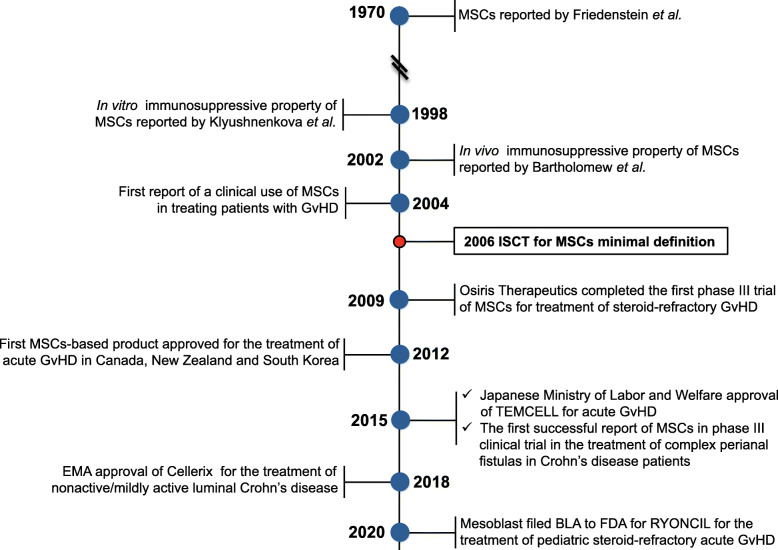
“In 2015, this TiGenix-sponsored randomized, doubleblind, placebo-controlled phase III clinical trial (NCT01541579) [177, 178] was completed, reporting statistically significant improvement over control in the treatment of complex perianal fistulas in Crohn’s disease patients, which represents the first unambiguously s…”
MethodAmado, L. C., Saliaris, A. P., Schuleri, K. H., St. John, M., Xie, J.-S., Cattaneo, S., Durand, D. J., Fitton, T., Kuang, J. Q., Stewart, G., et al. (2005) · Proceedings of the National Academy of Sciences · doi:10.1073/pnas.0504388102 · Cited by 1,073
Spaggiari, G. M., Capobianco, A., Becchetti, S., Mingari, M. C., & Moretta, L. (2006) · Blood · doi:10.1182/blood-2005-07-2775 · Cited by 1,067
Ortiz, L. A., DuTreil, M., Fattman, C., Pandey, A. C., Torres, G., Go, K., & Phinney, D. G. (2007) · Proceedings of the National Academy of Sciences · doi:10.1073/pnas.0704421104 · Cited by 1,019
Multipotent mesenchymal stromal cells and the innate immune system
Le Blanc, K., & Mougiakakos, D. (2012) · Nature Reviews Immunology · doi:10.1038/nri3209 · Cited by 1,018 · cited 1×
“Since the first clinical trial using MSCs as cellular pharmaceutical agents, numerous clinical trials have been conducted to test the efficacy of MSC-based therapy and over 10,000 of patients have been administered with allogeneic or autologous MSCs for the treatment of various diseases [21, 29] (Mesenchymal stem cell…”
BackgroundBone marrow osteogenic stem cells: in vitro cultivation and transplantation in diffusion chambers
Friedenstein, A. J., Chailakhyan, R. K., & Gerasimov, U. V. (1987) · Cell Proliferation · doi:10.1111/j.1365-2184.1987.tb01309.x · Cited by 983
Nitric oxide plays a critical role in suppression of T-cell proliferation by mesenchymal stem cells
Sato, K., Ozaki, K., Oh, I., Meguro, A., Hatanaka, K., Nagai, T., Muroi, K., & Ozawa, K. (2007) · Blood · doi:10.1182/blood-2006-02-002246 · Cited by 954
Terness, P., Bauer, T. M., Röse, L., Dufter, C., Watzlik, A., Simon, H., & Opelz, G. (2002) · The Journal of Experimental Medicine · doi:10.1084/jem.20020052 · Cited by 937 · cited 1×
“Particularly, soluble mediator IDO promotes the degradation of tryptophan to generate kynurenine and numerous other catabolites, which have been shown to contribute greatly to suppressing T cell proliferation and inducing Treg cells [117, 118].”
BackgroundCardiac fibrosis in myocardial infarction—from repair and remodeling to regeneration
Talman, V., & Ruskoaho, H. (2016) · Cell and Tissue Research · doi:10.1007/s00441-016-2431-9 · Cited by 905
Tolerogenic dendritic cells and the quest for transplant tolerance
Morelli, A. E., & Thomson, A. W. (2007) · Nature Reviews Immunology · doi:10.1038/nri2132 · Cited by 899
Viswanathan, S., Shi, Y., Galipeau, J., Krampera, M., Leblanc, K., Martin, I., Nolta, J., Phinney, D. G., & Sensebe, L. (2019) · Cytotherapy · doi:10.1016/j.jcyt.2019.08.002 · Cited by 839
The war against heart failure: the Lancet lecture
Braunwald, E. (2015) · The Lancet · doi:10.1016/s0140-6736(14)61889-4 · Cited by 811
Mesenchymal stem cell–educated macrophages: A novel type of alternatively activated macrophages
Kim, J., & Hematti, P. (2009) · Experimental Hematology · doi:10.1016/j.exphem.2009.09.004 · Cited by 785
Nauta, A. J., Kruisselbrink, A. B., Lurvink, E., Willemze, R., & Fibbe, W. E. (2006) · The Journal of Immunology · doi:10.4049/jimmunol.177.4.2080 · Cited by 740 · cited 2×
“and decrease the cell-surface expression of CD1-α, CD40, CD80, CD83, CD86, and MHC-II [70, 88, 89].”
BackgroundHonczarenko, M., Le, Y., Swierkowski, M., Ghiran, I., Glodek, A. M., & Silberstein, L. E. (2006) · Stem Cells · doi:10.1634/stemcells.2005-0319 · Cited by 722 · cited 1×
“Indeed, aside from CXCR4, MSCs express CCR1, CCR4, CCR7, CCR10, CCR9, CXCR5, and CXCR6 [75, 76], of which their roles remain to be elucidated in detail.”
BackgroundMesenchymal-Stem-Cell-Induced Immunoregulation Involves FAS-Ligand-/FAS-Mediated T Cell Apoptosis
Akiyama, K., Chen, C., Wang, D., Xu, X., Qu, C., Yamaza, T., Cai, T., Chen, W., Sun, L., & Shi, S. (2012) · Cell Stem Cell · doi:10.1016/j.stem.2012.03.007 · Cited by 705
Kidd, S., Spaeth, E., Dembinski, J. L., Dietrich, M., Watson, K., Klopp, A., Battula, V. L., Weil, M., Andreeff, M., & Marini, F. C. (2009) · Stem Cells · doi:10.1002/stem.187 · Cited by 679
The elusive nature and function of mesenchymal stem cells
Nombela-Arrieta, C., Ritz, J., & Silberstein, L. E. (2011) · Nature Reviews Molecular Cell Biology · doi:10.1038/nrm3049 · Cited by 670 · cited 1×
“Since then, these multipotent stromal cells have been isolated from a variety of tissues other than BM, including skeletal muscle, adipose tissue (AT), dental pulp, tendon, Wharton’s jelly, umbilical cords, amniotic fluid, and placentae, literately nearly all tissues but essentially from perivascular fraction [8].”
BackgroundDjouad, F., Charbonnier, L.-M., Bouffi, C., Louis-Plence, P., Bony, C., Apparailly, F., Cantos, C., Jorgensen, C., & Noël, D. (2007) · Stem Cells · doi:10.1634/stemcells.2006-0548 · Cited by 667
Apoptosis in mesenchymal stromal cells induces in vivo recipient-mediated immunomodulation
Galleu, A., Riffo-Vasquez, Y., Trento, C., Lomas, C., Dolcetti, L., Cheung, T. S., von Bonin, M., Barbieri, L., Halai, K., Ward, S., et al. (2017) · Science Translational Medicine · doi:10.1126/scitranslmed.aam7828 · Cited by 646
Sackstein, R., Merzaban, J. S., Cain, D. W., Dagia, N. M., Spencer, J. A., Lin, C. P., & Wohlgemuth, R. (2008) · Nature Medicine · doi:10.1038/nm1703 · Cited by 641 · cited 3×
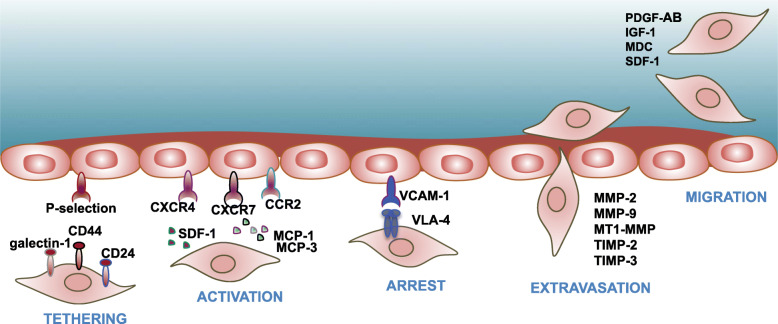
“However, as most understanding of migration and homing mechanisms derived from studies evaluating leucocytes migrating into inflamed tissues, the fact that MSCs do not express the hematopoietic cell E-/L-selectin ligand (HCELL) [135], a specialized glycoform of CD44 on the migrating cell, as well as the P-selectin gly…”
BackgroundSon, B., Marquez‐Curtis, L. A., Kucia, M., Wysoczynski, M., Turner, A. R., Ratajczak, J., Ratajczak, M. Z., & Janowska‐Wieczorek, A. (2006) · STEM CELLS · doi:10.1634/stemcells.2005-0271 · Cited by 641 · cited 1×
“It has also been shown this step is regulated by tissue inhibitor metalloproteinase 3 (TIMP-3), TIMP-2, and membrane type 1 MMP (MT1-MMP), and very likely, there are more molecular interactions involved in MSC extravasation [150, 151].”
BackgroundTögel, F., Weiss, K., Yang, Y., Hu, Z., Zhang, P., & Westenfelder, C. (2007) · American Journal of Physiology-Renal Physiology · doi:10.1152/ajprenal.00339.2006 · Cited by 641
Etemadi, A., Safiri, S., Sepanlou, S. G., Ikuta, K., Bisignano, C., Shakeri, R., Amani, M., Fitzmaurice, C., Nixon, M., Abbasi, N., et al. (2020) · The Lancet Gastroenterology & Hepatology · doi:10.1016/s2468-1253(19)30328-0 · Cited by 635
Duijvestein, M., Vos, A. C. W., Roelofs, H., Wildenberg, M. E., Wendrich, B. B., Verspaget, H. W., Kooy-Winkelaar, E. M. C., Koning, F., Zwaginga, J. J., Fidder, H. H., et al. (2010) · Gut · doi:10.1136/gut.2010.215152 · Cited by 622
Connick, P., Kolappan, M., Crawley, C., Webber, D. J., Patani, R., Michell, A. W., Du, M.-Q., Luan, S.-L., Altmann, D. R., Thompson, A. J., et al. (2012) · The Lancet Neurology · doi:10.1016/s1474-4422(11)70305-2 · Cited by 607 · cited 1×
“Currently, there have been 29 clinical trials of MS registered on the ClinicalTrial Database utilizing MSC therapy as medical interventions, and based on completed phase I/ II trials, autologous BM MSCs are suggested to be neuroprotective and safe in treating MS patients [235].”
Klyushnenkova, E., Mosca, J. D., Zernetkina, V., Majumdar, M. K., Beggs, K. J., Simonetti, D. W., Deans, R. J., & McIntosh, K. R. (2005) · Journal of Biomedical Science · doi:10.1007/s11373-004-8183-7 · Cited by 605
Quevedo, H. C., Hatzistergos, K. E., Oskouei, B. N., Feigenbaum, G. S., Rodriguez, J. E., Valdes, D., Pattany, P. M., Zambrano, J. P., Hu, Q., McNiece, I., et al. (2009) · Proceedings of the National Academy of Sciences · doi:10.1073/pnas.0903201106 · Cited by 586
IFN‐γ activation of mesenchymal stem cells for treatment and prevention of graft versus host disease
Polchert, D., Sobinsky, J., Douglas, G., Kidd, M., Moadsiri, A., Reina, E., Genrich, K., Mehrotra, S., Setty, S., Smith, B., et al. (2008) · European Journal of Immunology · doi:10.1002/eji.200738129 · Cited by 581
von Bahr, L., Batsis, I., Moll, G., Hägg, M., Szakos, A., Sundberg, B., Uzunel, M., Ringden, O., & Le Blanc, K. (2012) · Stem Cells · doi:10.1002/stem.1118 · Cited by 577 · cited 1×
“Recently, tissues from 18 patients who received MHC-mismatched or haplo-identical MSCs were systemically analyzed, and basically, no ectopic tissue was observed [36], although high levels of donor DNA (> 1/1000 cells) were found in one patient at multiple sites; however, this patient was unrepresentative given he was…”
BackgroundHeldman, A. W., DiFede, D. L., Fishman, J. E., Zambrano, J. P., Trachtenberg, B. H., Karantalis, V., Mushtaq, M., Williams, A. R., Suncion, V. Y., McNiece, I. K., et al. (2014) · JAMA · doi:10.1001/jama.2013.282909 · Cited by 570
Challenges and Controversies in Human Mesenchymal Stem Cell Therapy
Lukomska, B., Stanaszek, L., Zuba-Surma, E., Legosz, P., Sarzynska, S., & Drela, K. (2019) · Stem Cells International · doi:10.1155/2019/9628536 · Cited by 550 · cited 1×
“However, similar to mediating T cell activity, inadequate inflammatory signal-activated MSCs may support proliferation and differentiation of antibody-releasing B cells [130, 131], meaning MSC suppressive effects relying on the strength of the inflammatory stimulation to yield the plasticity of MSC immunomodulation [1…”
BackgroundMesenchymal Stromal Cell Homing: Mechanisms and Strategies for Improvement
Ullah, M., Liu, D. D., & Thakor, A. S. (2019) · iScience · doi:10.1016/j.isci.2019.05.004 · Cited by 549 · cited 7×
“However, the expression of the chemokine receptor CXCR4 on MSCs is inconsistently observed, suggesting that other receptors are also involved, for some groups did not observe expression of the receptor while other studies demonstrated overexpression of CXCR4 on MSCs affected migration in response to SDF-1 [142–144].”
BackgroundInfluentialBai, L., Lennon, D. P., Eaton, V., Maier, K., Caplan, A. I., Miller, S. D., & Miller, R. H. (2009) · Glia · doi:10.1002/glia.20841 · Cited by 546 · cited 2×
“Immunomodulation featured treatments have been exploited to ameliorate inflammation and neurodegeneration, with some MSC transplantation studies showing improved outcome in the MS animal model of experimental allergic encephalitis (EAE) [228, 229].”
BackgroundMechanisms underlying the protective effects of mesenchymal stem cell-based therapy
Fan, X.-L., Zhang, Y., Li, X., & Fu, Q.-L. (2020) · Cellular and Molecular Life Sciences · doi:10.1007/s00018-020-03454-6 · Cited by 535 · cited 1×
“However, similar to mediating T cell activity, inadequate inflammatory signal-activated MSCs may support proliferation and differentiation of antibody-releasing B cells [130, 131], meaning MSC suppressive effects relying on the strength of the inflammatory stimulation to yield the plasticity of MSC immunomodulation [1…”
BackgroundMolecular control of activation and priming in macrophages
Glass, C. K., & Natoli, G. (2016) · Nature Immunology · doi:10.1038/ni.3306 · Cited by 530
Mesenchymal Stem Cell-Based Immunomodulation: Properties and Clinical Application
Wang, M., Yuan, Q., & Xie, L. (2018) · Stem Cells International · doi:10.1155/2018/3057624 · Cited by 505 · cited 2×
“Several other signaling pathways, such as B lymphocyte-induced maturation protein 1 (Blimp1), p38, extracellular response kinase 1/ 2 (ERK1/2), and PI3K/AKT/mTOR signaling, also negatively modulate B cell activation [129].”
BackgroundMSC-Based Product Characterization for Clinical Trials: An FDA Perspective
Mendicino, M., Bailey, A. M., Wonnacott, K., Puri, R. K., & Bauer, S. R. (2014) · Cell Stem Cell · doi:10.1016/j.stem.2014.01.013 · Cited by 497 · cited 1×
“Previously, investigational new cellular therapeutics were almost exclusively derived from BM [19]; however, in the past decade, approximately half of the new MSC products applied in clinical trials have been obtained from tissues other than BM, typically enriched with vascular structure [13].”
BackgroundLiotta, F., Angeli, R., Cosmi, L., Filì, L., Manuelli, C., Frosali, F., Mazzinghi, B., Maggi, L., Pasini, A., Lisi, V., et al. (2008) · Stem Cells · doi:10.1634/stemcells.2007-0454 · Cited by 485
Toll-like receptors and their ligands control mesenchymal stem cell functions
Pevsner-Fischer, M., Morad, V., Cohen-Sfady, M., Rousso-Noori, L., Zanin-Zhorov, A., Cohen, S., Cohen, I. R., & Zipori, D. (2007) · Blood · doi:10.1182/blood-2006-06-028704 · Cited by 484 · cited 1×
“Very importantly, fail-safe mechanism exists in MSCs’ actions, preventing excessive inhibition of T cell responses and host being vulnerable to infectious agents [11, 119].”
BackgroundPanés, J., García-Olmo, D., Van Assche, G., Colombel, J. F., Reinisch, W., Baumgart, D. C., Dignass, A., Nachury, M., Ferrante, M., Kazemi-Shirazi, L., et al. (2018) · Gastroenterology · doi:10.1053/j.gastro.2017.12.020 · Cited by 483 · cited 2×
“In 2015, this TiGenix-sponsored randomized, doubleblind, placebo-controlled phase III clinical trial (NCT01541579) [177, 178] was completed, reporting statistically significant improvement over control in the treatment of complex perianal fistulas in Crohn’s disease patients, which represents the first unambiguously s…”
MethodGerdoni, E., Gallo, B., Casazza, S., Musio, S., Bonanni, I., Pedemonte, E., Mantegazza, R., Frassoni, F., Mancardi, G., Pedotti, R., et al. (2007) · Annals of Neurology · doi:10.1002/ana.21076 · Cited by 482
Intramyocardial, Autologous CD34+ Cell Therapy for Refractory Angina
Losordo, D. W., Henry, T. D., Davidson, C., Sup Lee, J., Costa, M. A., Bass, T., Mendelsohn, F., Fortuin, F. D., Pepine, C. J., Traverse, J. H., et al. (2011) · Circulation Research · doi:10.1161/circresaha.111.245993 · Cited by 482
Ramasamy, R., Fazekasova, H., Lam, E. W.-F., Soeiro, I., Lombardi, G., & Dazzi, F. (2007) · Transplantation · doi:10.1097/01.tp.0000244572.24780.54 · Cited by 469
Pathogenesis of Human Systemic Lupus Erythematosus: A Cellular Perspective
Moulton, V. R., Suarez-Fueyo, A., Meidan, E., Li, H., Mizui, M., & Tsokos, G. C. (2017) · Trends in Molecular Medicine · doi:10.1016/j.molmed.2017.05.006 · Cited by 469
Homing and migration of mesenchymal stromal cells: How to improve the efficacy of cell therapy?
Becker, A. D., & Riet, I. V. (2016) · World Journal of Stem Cells · doi:10.4252/wjsc.v8.i3.73 · Cited by 460
Zhang, M., Mal, N., Kiedrowski, M., Chacko, M., Askari, A. T., Popovic, Z. B., Koc, O. N., & Penn, M. S. (2007) · The FASEB Journal · doi:10.1096/fj.06-6558com · Cited by 457
Moll, G., Ankrum, J. A., Kamhieh-Milz, J., Bieback, K., Ringdén, O., Volk, H.-D., Geissler, S., & Reinke, P. (2019) · Trends in Molecular Medicine · doi:10.1016/j.molmed.2018.12.006 · Cited by 440 · cited 4×
“placenta, amniotic membranes, and cord blood [13].”
BackgroundMethodInfluentialUse of Mesenchymal Stem Cells for Therapy of Cardiac Disease
Karantalis, V., & Hare, J. M. (2015) · Circulation Research · doi:10.1161/circresaha.116.303614 · Cited by 425 · cited 1×
“A total of 60 patients were randomized to receive the injection of either MSCs or placebo, and after 12 months, MSC infusion appeared to have induced the regeneration of damaged myocardial tissue along with the improved functional capacity of heart [204].”
BackgroundCasiraghi, F., Azzollini, N., Cassis, P., Imberti, B., Morigi, M., Cugini, D., Cavinato, R. A., Todeschini, M., Solini, S., Sonzogni, A., et al. (2008) · The Journal of Immunology · doi:10.4049/jimmunol.181.6.3933 · Cited by 423
Bai, L., Lennon, D. P., Caplan, A. I., DeChant, A., Hecker, J., Kranso, J., Zaremba, A., & Miller, R. H. (2012) · Nature Neuroscience · doi:10.1038/nn.3109 · Cited by 421
A biomarker panel for acute graft-versus-host disease
Paczesny, S., Krijanovski, O. I., Braun, T. M., Choi, S. W., Clouthier, S. G., Kuick, R., Misek, D. E., Cooke, K. R., Kitko, C. L., Weyand, A., et al. (2009) · Blood · doi:10.1182/blood-2008-07-167098 · Cited by 407 · cited 1×
“treatment of acute GvHD with the response rate of 50– 80% [155, 157, 158].”
BackgroundManifestations of systemic lupus erythematosus.
Cojocaru, M., Cojocaru, I. M., Siloşi, I., & Vrabie, C. D. (2011) · PubMed Central · Cited by 400
Assessment of Gelatinases (MMP-2 and MMP-9) by Gelatin Zymography
Toth, M., Sohail, A., & Fridman, R. (2012) · Methods in Molecular Biology · doi:10.1007/978-1-61779-854-2_8 · Cited by 395
Gene Expression Profiling of Human Decidual Macrophages: Evidence for Immunosuppressive Phenotype
Gustafsson, C., Mjösberg, J., Matussek, A., Geffers, R., Matthiesen, L., Berg, G., Sharma, S., Buer, J., & Ernerudh, J. (2008) · PLoS ONE · doi:10.1371/journal.pone.0002078 · Cited by 373
Biodistribution, migration and homing of systemically applied mesenchymal stem/stromal cells
Leibacher, J., & Henschler, R. (2016) · Stem Cell Research & Therapy · doi:10.1186/s13287-015-0271-2 · Cited by 367 · cited 1×
“Using donor DNA/RNA analysis, bioluminescence tracking, and intravital imaging, engrafted MSCs were shown to be short-lived [38].”
BackgroundToma, C., Wagner, W. R., Bowry, S., Schwartz, A., & Villanueva, F. (2009) · Circulation Research · doi:10.1161/circresaha.108.187724 · Cited by 366
The pathogenesis of systemic lupus erythematosus—an update
Choi, J., Kim, S. T., & Craft, J. (2012) · Current Opinion in Immunology · doi:10.1016/j.coi.2012.10.004 · Cited by 360
Are Therapeutic Human Mesenchymal Stromal Cells Compatible with Human Blood?
Moll, G., Rasmusson-Duprez, I., von Bahr, L., Connolly-Andersen, A.-M., Elgue, G., Funke, L., Hamad, O. A., Lönnies, H., Magnusson, P. U., Sanchez, J., et al. (2012) · Stem Cells · doi:10.1002/stem.1111 · Cited by 357 · cited 6×
“Secondly, the complement cascade capable of initiating innate immune attack and MSC embolization is another major leading cause of IBMIR [43, 153, 154].”
BackgroundInfluentialBone marrow mesenchymal stem cell transplantation in patients with multiple sclerosis: A pilot study
Yamout, B., Hourani, R., Salti, H., Barada, W., El-Hajj, T., Al-Kutoubi, A., Herlopian, A., Baz, E. K., Mahfouz, R., Khalil-Hamdan, R., et al. (2010) · Journal of Neuroimmunology · doi:10.1016/j.jneuroim.2010.07.013 · Cited by 356
The Role of Indoleamine 2, 3-Dioxygenase in Immune Suppression and Autoimmunity
Mbongue, J., Nicholas, D., Torrez, T., Kim, N.-S., Firek, A., & Langridge, W. (2015) · Vaccines · doi:10.3390/vaccines3030703 · Cited by 351 · cited 1×
“Particularly, soluble mediator IDO promotes the degradation of tryptophan to generate kynurenine and numerous other catabolites, which have been shown to contribute greatly to suppressing T cell proliferation and inducing Treg cells [117, 118].”
BackgroundImmunosuppressive Effects of Mesenchymal Stem Cells: Involvement of HLA-G
Nasef, A., Mathieu, N., Chapel, A., Frick, J., François, S., Mazurier, C., Boutarfa, A., Bouchet, S., Gorin, N.-C., Thierry, D., et al. (2007) · Transplantation · doi:10.1097/01.tp.0000267918.07906.08 · Cited by 350 · cited 1×
“inhibitory molecules B7-H1 (PD-L1) and B7-H4, to further prevent the immune attacking [84].”
BackgroundKarantalis, V., DiFede, D. L., Gerstenblith, G., Pham, S., Symes, J., Zambrano, J. P., Fishman, J., Pattany, P., McNiece, I., Conte, J., et al. (2014) · Circulation Research · doi:10.1161/circresaha.114.303180 · Cited by 348
Manufacturing of primed mesenchymal stromal cells for therapy
Yin, J. Q., Zhu, J., & Ankrum, J. A. (2019) · Nature Biomedical Engineering · doi:10.1038/s41551-018-0325-8 · Cited by 343
Kassis, I., Grigoriadis, N., Gowda-Kurkalli, B., Mizrachi-Kol, R., Ben-Hur, T., Slavin, S., Abramsky, O., & Karussis, D. (2008) · Archives of Neurology · doi:10.1001/archneur.65.6.753 · Cited by 339
Forbes, G. M., Sturm, M. J., Leong, R. W., Sparrow, M. P., Segarajasingam, D., Cummins, A. G., Phillips, M., & Herrmann, R. P. (2014) · Clinical Gastroenterology and Hepatology · doi:10.1016/j.cgh.2013.06.021 · Cited by 333
Burrack, A. L., Martinov, T., & Fife, B. T. (2017) · Frontiers in Endocrinology · doi:10.3389/fendo.2017.00343 · Cited by 330 · cited 1×
“Type 1 diabetes is a form of diabetes mellitus that results from T cell-mediated autoimmune destruction of insulin-producing pancreatic β cells as well as decreasing insulin secretion owing to anti-islet autoantibodies [217, 218].”
BackgroundCasado-Díaz, A., Quesada-Gómez, J. M., & Dorado, G. (2020) · Frontiers in Bioengineering and Biotechnology · doi:10.3389/fbioe.2020.00146 · Cited by 313
Cahill, T. J., Choudhury, R. P., & Riley, P. R. (2017) · Nature Reviews Drug Discovery · doi:10.1038/nrd.2017.106 · Cited by 312
Mesenchymal Stromal Cell Therapeutic Delivery: Translational Challenges to Clinical Application
Caplan, H., Olson, S. D., Kumar, A., George, M., Prabhakara, K. S., Wenzel, P., Bedi, S., Toledano-Furman, N. E., Triolo, F., Kamhieh-Milz, J., et al. (2019) · Frontiers in Immunology · doi:10.3389/fimmu.2019.01645 · Cited by 306 · cited 8×
“resulting in MSCs rapidly embolized and destroyed in the microvasculature [13, 44].”
BackgroundInfluentialMesenchymal Stem Cells Cooperate with Bone Marrow Cells in Therapy of Diabetes
Urbán, V. S., Kiss, J., Kovács, J., Gócza, E., Vas, V., Monostori, Ė., & Uher, F. (2008) · Stem Cells · doi:10.1634/stemcells.2007-0267 · Cited by 292 · cited 1×
“It has been showed that transplantation of BM cells and MSCs in sublethally irradiated diabetic mice could regenerate islet β cells and reinforce glycemic control of type 1 diabetes; in their study, combined BMCs and MSCs infusion appeared to be synergistic [224, 225].”
BackgroundNetwork deconvolution as a general method to distinguish direct dependencies in networks
Feizi, S., Marbach, D., Médard, M., & Kellis, M. (2013) · Nature Biotechnology · doi:10.1038/nbt.2635 · Cited by 287
Reis, M., Mavin, E., Nicholson, L., Green, K., Dickinson, A. M., & Wang, X.-N. (2018) · Frontiers in Immunology · doi:10.3389/fimmu.2018.02538 · Cited by 286 · cited 1×
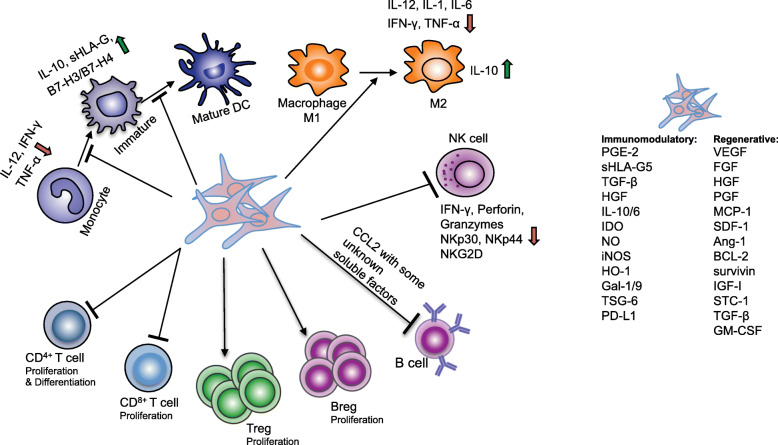
“immunomodulatory microRNAs, such as miR-21-5p, miR-142-3p, miR-223-3p, and miR-126-3p, were capable of distinctively undermining immature DCs antigen uptaking as well as halting DC maturation [91].”
BackgroundAdipose-derived regenerative cells in patients with ischemic cardiomyopathy: The PRECISE Trial
Perin, E. C., Sanz-Ruiz, R., Sánchez, P. L., Lasso, J., Pérez-Cano, R., Alonso-Farto, J. C., Pérez-David, E., Fernández-Santos, M. E., Serruys, P. W., Duckers, H. J., et al. (2014) · American Heart Journal · doi:10.1016/j.ahj.2014.03.022 · Cited by 283
Traggiai, E., Volpi, S., Schena, F., Gattorno, M., Ferlito, F., Moretta, L., & Martini, A. (2008) · Stem Cells · doi:10.1634/stemcells.2007-0528 · Cited by 282 · cited 1×
“However, similar to mediating T cell activity, inadequate inflammatory signal-activated MSCs may support proliferation and differentiation of antibody-releasing B cells [130, 131], meaning MSC suppressive effects relying on the strength of the inflammatory stimulation to yield the plasticity of MSC immunomodulation [1…”
BackgroundMesenchymal Stem Cells Stimulate Antibody Secretion in Human B Cells
Rasmusson, I., Le Blanc, K., Sundberg, B., & Ringdén, O. (2007) · Scandinavian Journal of Immunology · doi:10.1111/j.1365-3083.2007.01905.x · Cited by 281 · cited 1×
“However, similar to mediating T cell activity, inadequate inflammatory signal-activated MSCs may support proliferation and differentiation of antibody-releasing B cells [130, 131], meaning MSC suppressive effects relying on the strength of the inflammatory stimulation to yield the plasticity of MSC immunomodulation [1…”
BackgroundZhang, D., Fan, G.-C., Zhou, X., Zhao, T., Pasha, Z., Xu, M., Zhu, Y., Ashraf, M., & Wang, Y. (2008) · Journal of Molecular and Cellular Cardiology · doi:10.1016/j.yjmcc.2007.11.010 · Cited by 278
Role of Toll‐Like Receptors on Human Adipose‐Derived Stromal Cells
Hwa Cho, H., Bae, Y. C., & Jung, J. S. (2006) · STEM CELLS · doi:10.1634/stemcells.2006-0189 · Cited by 276
The angiogenic properties of mesenchymal stem/stromal cells and their therapeutic potential
Watt, S. M., Gullo, F., van der Garde, M., Markeson, D., Camicia, R., Khoo, C. P., & Zwaginga, J. J. (2013) · British Medical Bulletin · doi:10.1093/bmb/ldt031 · Cited by 273
Stromal cell-derived factor-1 (SDF-1): homing factor for engineered regenerative medicine
Lau, T. T., & Wang, D.-A. (2011) · Expert Opinion on Biological Therapy · doi:10.1517/14712598.2011.546338 · Cited by 270
Wang, D., Zhang, H., Liang, J., Li, X., Feng, X., Wang, H., Hua, B., Liu, B., Lu, L., Gilkeson, G. S., et al. (2013) · Cell Transplantation · doi:10.3727/096368911x582769c · Cited by 268 · cited 1×
“Recently allogeneic bone marrow or umbilical cord-derived MSCs were applied to the treatment of 87 refractory SLE patients [216] in open-label single armed phase I/II clinical trial (NCT01741857).”
MethodRole of regulatory B cells in immune tolerance to allergens and beyond
van de Veen, W., Stanic, B., Wirz, O. F., Jansen, K., Globinska, A., & Akdis, M. (2016) · Journal of Allergy and Clinical Immunology · doi:10.1016/j.jaci.2016.07.006 · Cited by 258 · cited 1×
“In addition, MSCs have been shown to affect the chemotactic properties of B cells, as the CXCR4, CXCR5, and CCR7 in B cell expression were significantly downregulated in the presence of MSCs, along with declined chemotaxis to CXCL12/13, the CXCR4/5 ligands [125, 126].”
BackgroundHypoglycemia: The neglected complication
Kalra, S., Mukherjee, J. J., Venkataraman, S., Bantwal, G., Shaikh, S., Saboo, B., Das, A. K., & Ramachandran, A. (2013) · Indian Journal of Endocrinology and Metabolism · doi:10.4103/2230-8210.117219 · Cited by 255 · cited 1×
“However, adverse effects are accompanied by intense insulin injection, and maintaining normal glycemic levels is often difficult and associated with increased frequency of hypoglycemic episodes, prompting new strategies to tackle this emerging global epidemic [219, 220].”
BackgroundAutologous mesenchymal stem cells produce reverse remodelling in chronic ischaemic cardiomyopathy
Schuleri, K. H., Feigenbaum, G. S., Centola, M., Weiss, E. S., Zimmet, J. M., Turney, J., Kellner, J., Zviman, M. M., Hatzistergos, K. E., Detrick, B., et al. (2009) · European Heart Journal · doi:10.1093/eurheartj/ehp265 · Cited by 253
Rohde, E., Pachler, K., & Gimona, M. (2019) · Cytotherapy · doi:10.1016/j.jcyt.2018.12.006 · Cited by 234 · cited 1×
“0” [237], given EV exhibiting specific advantages for patient safety such as lower propensity to trigger innate and adaptive immune responses and inability to directly form tumors.”
BackgroundCharacterization of key mechanisms in transmigration and invasion of mesenchymal stem cells
Steingen, C., Brenig, F., Baumgartner, L., Schmidt, J., Schmidt, A., & Bloch, W. (2008) · Journal of Molecular and Cellular Cardiology · doi:10.1016/j.yjmcc.2008.03.010 · Cited by 233
Angiogenic properties of aged adipose derived mesenchymal stem cells after hypoxic conditioning
Efimenko, A., Starostina, E., Kalinina, N., & Stolzing, A. (2011) · Journal of Translational Medicine · doi:10.1186/1479-5876-9-10 · Cited by 230
Assessment of Gelatinases (MMP-2 and MMP-9) by Gelatin Zymography
Toth, M., & Fridman, R. (2003) · Metastasis Research Protocols · doi:10.1385/1-59259-136-1:163 · Cited by 229
NASEF, A., CHAPEL, A., MAZURIER, C., BOUCHET, S., LOPEZ, M., MATHIEU, N., SENSEBÉ, L., ZHANG, Y., GORIN, N.-C., THIERRY, D., et al. (2006) · Gene Expression · doi:10.3727/000000006780666957 · Cited by 227
Vacca, P., Vitale, C., Montaldo, E., Conte, R., Cantoni, C., Fulcheri, E., Darretta, V., Moretta, L., & Mingari, M. C. (2011) · Proceedings of the National Academy of Sciences · doi:10.1073/pnas.1016257108 · Cited by 226
Ip, J. E., Wu, Y., Huang, J., Zhang, L., Pratt, R. E., & Dzau, V. J. (2007) · Molecular Biology of the Cell · doi:10.1091/mbc.e07-02-0166 · Cited by 224
Preclinical translation of exosomes derived from mesenchymal stem/stromal cells
Elahi, F. M., Farwell, D. G., Nolta, J. A., & Anderson, J. D. (2020) · Stem Cells · doi:10.1002/stem.3061 · Cited by 224
Steroid-Refractory Acute GVHD: Predictors and Outcomes
Westin, J. R., Saliba, R. M., De Lima, M., Alousi, A., Hosing, C., Qazilbash, M. H., Khouri, I. F., Shpall, E. J., Anderlini, P., Rondon, G., et al. (2011) · Advances in Hematology · doi:10.1155/2011/601953 · Cited by 217 · cited 1×
“It has been estimated that nearly 50% of all allogeneic blood and marrow transplant patients develop acute GvHD [156].”
BackgroundFranquesa, M., Mensah, F. K., Huizinga, R., Strini, T., Boon, L., Lombardo, E., DelaRosa, O., Laman, J. D., Grinyó, J. M., Weimar, W., et al. (2015) · Stem Cells · doi:10.1002/stem.1881 · Cited by 213 · cited 1×
“B cells are the second major cell population related to adaptive immune response, and it has been shown MSCs are capable of suppressing B cell proliferation, reducing plasmablast formation as well as promoting induction of regulatory B cells (Bregs) [124, 125].”
BackgroundManufacturing human mesenchymal stem cells at clinical scale: process and regulatory challenges
Jossen, V., van den Bos, C., Eibl, R., & Eibl, D. (2018) · Applied Microbiology and Biotechnology · doi:10.1007/s00253-018-8912-x · Cited by 208
Meier, T., Gräfe, K., Senn, F., Sur, P., Stangl, G. I., Dawczynski, C., März, W., Kleber, M. E., & Lorkowski, S. (2019) · European Journal of Epidemiology · doi:10.1007/s10654-018-0473-x · Cited by 206
Kurtzberg, J., Abdel-Azim, H., Carpenter, P., Chaudhury, S., Horn, B., Mahadeo, K., Nemecek, E., Neudorf, S., Prasad, V., Prockop, S., et al. (2020) · Biology of Blood and Marrow Transplantation · doi:10.1016/j.bbmt.2020.01.018 · Cited by 206
Mesenchymal stem cell adhesion to cardiac microvascular endothelium: activators and mechanisms
Segers, V. F. M., Van Riet, I., Andries, L. J., Lemmens, K., Demolder, M. J., De Becker, A. J. M. L., Kockx, M. M., & De Keulenaer, G. W. (2006) · American Journal of Physiology-Heart and Circulatory Physiology · doi:10.1152/ajpheart.00523.2005 · Cited by 204 · cited 3×
“In the final step, MSCs must travel through the basement membrane underlying endothelial cells, which requiring various matrix metalloproteinases (MMPs) to cleave the components of the connective tissue [145].”
BackgroundInfluentialLüttichau, I. V., Notohamiprodjo, M., Wechselberger, A., Peters, C., Henger, A., Seliger, C., Djafarzadeh, R., Huss, R., & Nelson, P. J. (2005) · Stem Cells and Development · doi:10.1089/scd.2005.14.329 · Cited by 202 · cited 1×
“Indeed, aside from CXCR4, MSCs express CCR1, CCR4, CCR7, CCR10, CCR9, CXCR5, and CXCR6 [75, 76], of which their roles remain to be elucidated in detail.”
BackgroundPopp, F. C., Eggenhofer, E., Renner, P., Slowik, P., Lang, S. A., Kaspar, H., Geissler, E. K., Piso, P., Schlitt, H. J., & Dahlke, M. H. (2008) · Transplant Immunology · doi:10.1016/j.trim.2008.08.004 · Cited by 196
Kebriaei, P., Hayes, J., Daly, A., Uberti, J., Marks, D. I., Soiffer, R., Waller, E. K., Burke, E., Skerrett, D., Shpall, E., et al. (2020) · Biology of Blood and Marrow Transplantation · doi:10.1016/j.bbmt.2019.08.029 · Cited by 186
Ishigami, S., Ohtsuki, S., Tarui, S., Ousaka, D., Eitoku, T., Kondo, M., Okuyama, M., Kobayashi, J., Baba, K., Arai, S., et al. (2015) · Circulation Research · doi:10.1161/circresaha.116.304671 · Cited by 183
The Role of Chemokines in Mesenchymal Stem Cell Homing to Wounds
Hocking, A. M. (2015) · Advances in Wound Care · doi:10.1089/wound.2014.0579 · Cited by 182
Cai, J., Wu, Z., Xu, X., Liao, L., Chen, J., Huang, L., Wu, W., Luo, F., Wu, C., Pugliese, A., et al. (2016) · Diabetes Care · doi:10.2337/dc15-0171 · Cited by 182 · cited 2×
“ment compared with baseline and the standard treatment controlled group [224].”
BackgroundResultTrivedi, P., & Hematti, P. (2008) · Experimental Hematology · doi:10.1016/j.exphem.2007.10.007 · Cited by 176
Moll, G., Drzeniek, N., Kamhieh-Milz, J., Geissler, S., Volk, H.-D., & Reinke, P. (2020) · Frontiers in Immunology · doi:10.3389/fimmu.2020.01091 · Cited by 176 · cited 3×
“diabetes, lupus, arthritis, acute lung injury, Covid-19 [30], cirrhosis, and so on.”
InfluentialCurrent State of Clinical Translation of Cardioprotective Agents for Acute Myocardial Infarction
Kloner, R. A. (2013) · Circulation Research · doi:10.1161/circresaha.112.300627 · Cited by 172
Chinnadurai, R., Copland, I. B., Garcia, M. A., Petersen, C. T., Lewis, C. N., Waller, E. K., Kirk, A. D., & Galipeau, J. (2016) · Stem Cells · doi:10.1002/stem.2415 · Cited by 167
Mesenchymal Stem Cell Homing Capacity
Sordi, V. (2009) · Transplantation · doi:10.1097/tp.0b013e3181a28533 · Cited by 164
Rosado, M. M., Bernardo, M. E., Scarsella, M., Conforti, A., Giorda, E., Biagini, S., Cascioli, S., Rossi, F., Guzzo, I., Vivarelli, M., et al. (2015) · Stem Cells and Development · doi:10.1089/scd.2014.0155 · Cited by 158 · cited 1×
“Both cell-contact and secreted factors are needed for MSC modulation of B cells [127].”
BackgroundMoll, G., Jitschin, R., von Bahr, L., Rasmusson-Duprez, I., Sundberg, B., Lönnies, L., Elgue, G., Nilsson-Ekdahl, K., Mougiakakos, D., Lambris, J. D., et al. (2011) · PLoS ONE · doi:10.1371/journal.pone.0021703 · Cited by 155 · cited 5×
“Secondly, the complement cascade capable of initiating innate immune attack and MSC embolization is another major leading cause of IBMIR [43, 153, 154].”
BackgroundInfluentialThe SDF-1/CXCR4 axis in stem cell preconditioning
Cencioni, C., Capogrossi, M. C., & Napolitano, M. (2012) · Cardiovascular Research · doi:10.1093/cvr/cvs132 · Cited by 155
Zhao, H., Bernardo, M. M., Osenkowski, P., Sohail, A., Pei, D., Nagase, H., Kashiwagi, M., Soloway, P. D., DeClerck, Y. A., & Fridman, R. (2004) · Journal of Biological Chemistry · doi:10.1074/jbc.m308708200 · Cited by 150
Barnhoorn, M. C., Wasser, M. N. J. M., Roelofs, H., Maljaars, J., Molendijk, I., Bonsing, B. A., Oosten, L. E. M., Dijkstra, G. D. H., van der Woude, C. J., Roelen, D. L., et al. (2019) · Journal of Crohn s and Colitis · doi:10.1093/ecco-jcc/jjz116 · Cited by 140
Moll, G., Ignatowicz, L., Catar, R., Luecht, C., Sadeghi, B., Hamad, O., Jungebluth, P., Dragun, D., Schmidtchen, A., & Ringdén, O. (2015) · Stem Cells and Development · doi:10.1089/scd.2015.0120 · Cited by 139 · cited 5×
“Secondly, the complement cascade capable of initiating innate immune attack and MSC embolization is another major leading cause of IBMIR [43, 153, 154].”
BackgroundInfluentialEvolution, comparative biology and ontogeny of vertebrate heart regeneration
Vivien, C. J., Hudson, J. E., & Porrello, E. R. (2016) · npj Regenerative Medicine · doi:10.1038/npjregenmed.2016.12 · Cited by 137
Emerging routes to the generation of functional β-cells for diabetes mellitus cell therapy
Nair, G. G., Tzanakakis, E. S., & Hebrok, M. (2020) · Nature Reviews Endocrinology · doi:10.1038/s41574-020-0375-3 · Cited by 134
Immunoregulatory Effects of Stem Cell-Derived Extracellular Vesicles on Immune Cells
Xie, M., Xiong, W., She, Z., Wen, Z., Abdirahman, A. S., Wan, W., & Wen, C. (2020) · Frontiers in Immunology · doi:10.3389/fimmu.2020.00013 · Cited by 130
Editorial: Safety, Efficacy and Mechanisms of Action of Mesenchymal Stem Cell Therapies
Moll, G., Hoogduijn, M. J., & Ankrum, J. A. (2020) · Frontiers in Immunology · doi:10.3389/fimmu.2020.00243 · Cited by 128 · cited 1×
“At present, more than 1000 MSC clinical trials have been registered globally, enabling meta-analysis to demonstrate MSC application safety [22].”
BackgroundTeerlink, J. R., Metra, M., Filippatos, G. S., Davison, B. A., Bartunek, J., Terzic, A., Gersh, B. J., Povsic, T. J., Henry, T. D., Alexandre, B., et al. (2017) · European Journal of Heart Failure · doi:10.1002/ejhf.898 · Cited by 121
Negi, N., & Griffin, M. D. (2020) · Stem Cells · doi:10.1002/stem.3151 · Cited by 118 · cited 1×
“In adaptive system, MSCs can modulate the intensity of immune response by inhibiting antigen-specific T cell proliferation and cytotoxicity, as well as promoting the generation of regulatory T cell (Treg) [110].”
BackgroundMagatti, M., Vertua, E., De Munari, S., Caro, M., Caruso, M., Silini, A., Delgado, M., & Parolini, O. (2017) · Journal of Tissue Engineering and Regenerative Medicine · doi:10.1002/term.2193 · Cited by 117 · cited 1×
“In an animal model of skin wound healing, it has also been shown MSCs were capable of improving wound closure, dampening the M1 inflammatory response and promoting the induction of M2 macrophages [109].”
BackgroundThe Role of TNF-α induced MSCs on Suppressive Inflammation by Increasing TGF-β and IL-10
Putra, A., Ridwan, F. B., Putridewi, A. I., Kustiyah, A. R., Wirastuti, K., Sadyah, N. A. C., Rosdiana, I., & Munir, D. (2018) · Open Access Macedonian Journal of Medical Sciences · doi:10.3889/oamjms.2018.404 · Cited by 116
Cutting Edge: T Cells Respond to Lipopolysaccharide Innately via TLR4 Signaling
Zanin-Zhorov, A., Tal-Lapidot, G., Cahalon, L., Cohen-Sfady, M., Pevsner-Fischer, M., Lider, O., & Cohen, I. R. (2007) · The Journal of Immunology · doi:10.4049/jimmunol.179.1.41 · Cited by 114
Capkun, G., Dahlke, F., Lahoz, R., Nordstrom, B., Tilson, H. H., Cutter, G., Bischof, D., Moore, A., Simeone, J., Fraeman, K., et al. (2015) · Multiple Sclerosis and Related Disorders · doi:10.1016/j.msard.2015.08.005 · Cited by 113 · cited 1×
“3 million people influenced by this disease [226, 227], there is no effective means to stop the progression of disease and induce remyelination.”
BackgroundQayyum, A. A., Haack‐Sørensen, M., Mathiasen, A. B., J⊘rgensen, E., Ekblond, A., & Kastrup, J. (2012) · Regenerative Medicine · doi:10.2217/rme.12.17 · Cited by 111
Yamahara, K., Harada, K., Ohshima, M., Ishikane, S., Ohnishi, S., Tsuda, H., Otani, K., Taguchi, A., Soma, T., Ogawa, H., et al. (2014) · PLoS ONE · doi:10.1371/journal.pone.0088319 · Cited by 107
Miceli, V., Pampalone, M., Vella, S., Carreca, A. P., Amico, G., & Conaldi, P. G. (2019) · Stem Cells International · doi:10.1155/2019/7486279 · Cited by 107
Crohn’s disease: a clinical update
Ha, F., & Khalil, H. (2015) · Therapeutic Advances in Gastroenterology · doi:10.1177/1756283x15592585 · Cited by 106
Karaöz, E., Okçu, A., HALBUTOĞULLARI, Z. S., Subaşı, C., Sağlam, Ö., & Duruksu, G. (2013) · Cytotherapy · doi:10.1016/j.jcyt.2013.01.005 · Cited by 98
Mesenchymal Stem Cell Functionalization for Enhanced Therapeutic Applications
Kouroupis, D., Sanjurjo-Rodriguez, C., Jones, E., & Correa, D. (2019) · Tissue Engineering Part B: Reviews · doi:10.1089/ten.teb.2018.0118 · Cited by 92
TLR Ligands Stimulation Protects MSC from NK Killing
Giuliani, M., Bennaceur-Griscelli, A., Nanbakhsh, A., Oudrhiri, N., Chouaib, S., Azzarone, B., Durrbach, A., & Lataillade, J.-J. (2014) · Stem Cells · doi:10.1002/stem.1563 · Cited by 91
Mesenchymal Stromal Cell-Based Therapy: New Perspectives and Challenges
Najar, M., Bouhtit, F., Melki, R., Afif, H., Hamal, A., Fahmi, H., Merimi, M., & Lagneaux, L. (2019) · Journal of Clinical Medicine · doi:10.3390/jcm8050626 · Cited by 91
Mesenchymal stem cell-based therapy for type 1 diabetes.
Wu, H., & Mahato, R. I. (2014) · PubMed · Cited by 88
Wilson, A., Webster, A., & Genever, P. (2019) · Regenerative Medicine · doi:10.2217/rme-2018-0145 · Cited by 87
Fetal and adult multipotent mesenchymal stromal cells are killed by different pathways
Gotherstrom, C. O. T., Lundqvist, A., Duprez, I. R., Childs, R. W., Berg, L., & Blanc, K. L. (2010) · Cytotherapy · doi:10.3109/14653249.2010.523077 · Cited by 86 · cited 1×
“Both autologous and allogeneic MSCs have been found dissolved by cytokineactivated NK cells when sufficient activating receptors expressing on NK cells [98].”
BackgroundCongestive Heart Failure Cardiopoietic Regenerative Therapy (CHART-1) Trial Design
Bartunek, J., Davison, B., Sherman, W., Povsic, T., Henry, T. D., Gersh, B., Metra, M., Filippatos, G., Hajjar, R., Behfar, A., et al. (2016) · European Journal of Heart Failure · doi:10.1002/ejhf.434 · Cited by 85 · cited 1×
“In a recently completed sham-controlled phase III trial for the treatment of chronic advanced ischemic heart failure (NCT01768702) [206], autologous marrow-derived MSCs were polarized to undergo lineage specification to acquire cardiopoietic phenotype and then administrated via endomyocardial injections.”
BackgroundMonaco, S., Sparano, V., Gioia, M., Sbardella, D., Pierro, D. D., Marini, S., & Coletta, M. (2006) · Protein Science · doi:10.1110/ps.062430706 · Cited by 83
Jin, P., Zhao, Y., Liu, H., Chen, J., Ren, J., Jin, J., Bedognetti, D., Liu, S., Wang, E., Marincola, F., et al. (2016) · Scientific Reports · doi:10.1038/srep26345 · Cited by 82
Wu, Q., Fang, T., Lang, H., Chen, M., Shi, P., Pang, X., & Qi, G. (2017) · International Journal of Molecular Medicine · doi:10.3892/ijmm.2017.2897 · Cited by 81
Bailey, A. M., Lawrence, M. B., Shang, H., Katz, A. J., & Peirce, S. M. (2009) · PLoS Computational Biology · doi:10.1371/journal.pcbi.1000294 · Cited by 80 · cited 1×
“One study has identified galectin-1 [138] as one such candidate, and another study has identified CD24 as a potential P-selectin ligand [139].”
BackgroundOkazaki, T., Magaki, T., Takeda, M., Kajiwara, Y., Hanaya, R., Sugiyama, K., Arita, K., Nishimura, M., Kato, Y., & Kurisu, K. (2007) · Neuroscience Letters · doi:10.1016/j.neulet.2007.10.046 · Cited by 79
Mesenchymal stem cells in multiple sclerosis - translation to clinical trials.
Moradian, S. T., Nourozi, K., Ebbadi, A., & Khankeh, H. R. (2015) · PubMed Central · Cited by 79
Kim, S., Lee, D.-W., Yu, L. H., Zhang, H., Kim, C. E., Kim, J., Park, T., Cha, K., Seo, S., Roh, M.-S., et al. (2012) · Cardiovascular Research · doi:10.1093/cvr/cvs224 · Cited by 77
Clinical Cellular Therapeutics Accelerate Clot Formation
George, M. J., Prabhakara, K., Toledano-Furman, N. E., Wang, Y.-W., Gill, B. S., Wade, C. E., Olson, S. D., & Cox, C. S. (2018) · Stem Cells Translational Medicine · doi:10.1002/sctm.18-0015 · Cited by 77 · cited 1×
“Firstly, eliciting IBMIR by MSC products is correlated with their expression of tissue factor (TF/CD142) [43, 152, 153], which has been found to be a potent trigger of coagulation.”
BackgroundAbomaray, F., Jumah, M. A., Kalionis, B., Alaskar, A. S., Harthy, S. A., Jawdat, D. M., Al-Khaldi, A., Alkushi, A. O., Knawy, B. A., & Abumaree, M. (2014) · Stem Cell Reviews and Reports · doi:10.1007/s12015-014-9562-8 · Cited by 76
Kim, S.-W., Zhang, H.-Z., Kim, C. E., An, H. S., Kim, J.-M., & Kim, M. H. (2012) · Cardiovascular Research · doi:10.1093/cvr/cvr328 · Cited by 76
Acute graft-versus-host disease: new treatment strategies
Paczesny, S., Choi, S. W., & Ferrara, J. L. M. (2009) · Current Opinion in Hematology · doi:10.1097/moh.0b013e3283319a6f · Cited by 75 · cited 1×
“treatment of acute GvHD with the response rate of 50– 80% [155, 157, 158].”
BackgroundLaroni, A., de Rosbo, N. K., & Uccelli, A. (2015) · Immunology Letters · doi:10.1016/j.imlet.2015.08.007 · Cited by 72
Silva, D. G., Daley, S. R., Hogan, J., Lee, S. K., Teh, C. E., Hu, D. Y., Lam, K.-P., Goodnow, C. C., & Vinuesa, C. G. (2011) · Diabetes · doi:10.2337/db10-1344 · Cited by 72
Mesenchymal stromal cell derived endothelial progenitor treatment in patients with refractory angina
Friis, T., Haack‐Sørensen, M., Mathiasen, A. B., Ripa, R. S., Kristoffersen, U. S., Jørgensen, E. O., Hansen, L. S., Bindslev, L., Kjær, A., Hesse, B., et al. (2011) · Scandinavian Cardiovascular Journal · doi:10.3109/14017431.2011.569571 · Cited by 71 · cited 1×
“Significant improvement in left ventricular function and exercise capacity was reported in this study, in addition to various improvements in clinical symptoms [205].”
ResultCarvalho, M. S., Silva, J. C., Cabral, J. M. S., Silva, C. L., & Vashishth, D. (2019) · Journal of Tissue Engineering and Regenerative Medicine · doi:10.1002/term.2907 · Cited by 71
Kurtzberg, J., Prockop, S. E., Chaudhury, S., Horn, B. N., Nemecek, E. R., Prasad, V. K., Satwani, P., Teira, P., Hayes, J., & Burke, E. (2020) · Transplantation and Cellular Therapy · doi:10.1016/j.bbmt.2020.01.026 · Cited by 70
de Soure, A. M., Fernandes‐Platzgummer, A., Moreira, F., Lilaia, C., Liu, S.-W., Ku, C.-P., Huang, Y., Milligan, W. D., Cabral, J. M. S., & da Silva, C. L. (2016) · Journal of Tissue Engineering and Regenerative Medicine · doi:10.1002/term.2200 · Cited by 66
Hommes, D. W., Duijvestein, M., Zelinková, Z., Stokkers, P. C. F., de Ley, M., Stoker, J., Voermans, C., van Oers, M. H. J., & Kersten, M. J. (2011) · Journal of Crohn s and Colitis · doi:10.1016/j.crohns.2011.05.004 · Cited by 63
Li, W., Zhang, Q., Wang, M., Wu, H., Mao, F., Zhang, B., Ji, R., Gao, S., Sun, Z., Zhu, W., et al. (2013) · Stem Cell Research · doi:10.1016/j.scr.2013.01.005 · Cited by 59 · cited 1×
“For instance, applying MSCs to treat renal damage after ischemia lessened the infiltration of macrophages and increased the proportion of M2 macrophages, combined with increased IL-1/6 production and secretion of IL-10 at ischemic sites [108].”
BackgroundSelf-citationKwon, S., Ki, S. M., Park, S. E., Kim, M.-J., Hyung, B., Lee, N. K., Shim, S., Choi, B., Na, D. L., Lee, J. E., et al. (2016) · Molecular Therapy · doi:10.1038/mt.2016.125 · Cited by 58
Research works printed but not linked: 1
- Klyushnenkova E, Mosca JD, McIntosh KR, Thiede MA. Human mesenchymal stem cells suppress allogeneic T cell responses in vitro: implications for allogeneic transplantation [abstract]. Blood. 1998;92:642a.
Cited by
Improving head and neck cancer therapies by immunomodulation of the tumour microenvironment
Ruffin, A. T., Li, H., Vujanovic, L., Zandberg, D. P., Ferris, R. L., & Bruno, T. C. (2023) · Nature Reviews Cancer · doi:10.1038/s41568-022-00531-9 · Cited by 305
Mesenchymal stem cells and their microenvironment
Liu, J., Gao, J., Liang, Z., Gao, C., Niu, Q., Wu, F., & Zhang, L. (2022) · Stem Cell Research & Therapy · doi:10.1186/s13287-022-02985-y · Cited by 236
“They are widely used in cell therapy, tissue engineering and regenerative medicine for their self-renewal, pluripotency and immunomodulatory properties [3, 4].”
BackgroundMesenchymal stem cells in treating human diseases: molecular mechanisms and clinical studies
Han, X., Liao, R., Li, X., Zhang, C., Huo, S., Qin, L., Xiong, Y., He, T., Xiao, G., & Zhang, T. (2025) · Signal Transduction and Targeted Therapy · doi:10.1038/s41392-025-02313-9 · Cited by 227
Immunomodulatory strategies for bone regeneration: A review from the perspective of disease types
Su, N., Villicana, C., & Yang, F. (2022) · Biomaterials · doi:10.1016/j.biomaterials.2022.121604 · Cited by 179
Recent advances to enhance the immunomodulatory potential of mesenchymal stem cells
Sarsenova, M., Kim, Y., Raziyeva, K., Kazybay, B., Ogay, V. B., & Saparov, A. (2022) · Frontiers in Immunology · doi:10.3389/fimmu.2022.1010399 · Cited by 138
Metadata
- Authors
- Wu, X., Jiang, J., Gu, Z., Zhang, J., Chen, Y., & Liu, X.
- Affiliations
- University of Basel (CH)
- Fuzhou Dermatosis Prevention Hospital (CN)
- Fudan University (CN)
- Fujian Medical University (CN)
- Corresponding author
- Chen, Yang
- Liu, Xiaolong
- Venue
- Stem Cell Research & Therapy
- Published
- 2020-08-08
- Volume
- 11
- Issue
- 1
- Pages
- 345-345
- ISSN
- 1757-6512 (ISSN-L)
- PMC
- PMC7414268
- OpenAlex
- W3047744932
- Semantic Scholar
- 15d07be05f6ef52a4d64f181441d8da3647cc210
- Cited by
- 343
- References
- 242
- Citations by year
- 2026: 41 · 2025: 70 · 2024: 72 · 2023: 59 · 2022: 55 · 2021: 41 · 2020: 5
- FWCI
- 5.88
- Type
- journal article
- Language
- en
- Open access
- gold
- doi.org
- Licence
- cc-by
- creativecommons.org/licenses/by/4.0 (tdm)
- creativecommons.org/licenses/by/4.0 (vor)
- Locations
- Stem Cell Research & Therapy (publishedVersion, cc-by)
- PubMed Central (publishedVersion, cc-by)
- PubMed (publishedVersion)
- DOAJ (DOAJ: Directory of Open Access Journals) (submittedVersion, cc-by-sa)
- Funders
- the science foundation of Fuzhou (2019-S-95)
- the Key Clinical Specialty Discipline Construction Program of Fuzhou (201807111)
- the Clinical Medicine Center Construction Program of Fuzhou (2018080309)
- Topics
- Life Sciences › Biochemistry, Genetics and Molecular Biology › Cell Biology › Mesenchymal stem cell research
- Health Sciences › Dentistry › Periodontics › Periodontal Regeneration and Treatments
- Health Sciences › Medicine › Hematology › Hematopoietic Stem Cell Transplantation
- Keywords
- mesenchymal stem cells, immunomodulation, immunosuppression, tolerance induction, tissue regeneration, multipotency, perivascular niche, clinical translation, regulatory approval, clinical trials, treatment safety
- MeSH terms
- Cell Differentiation, Immunity, Mesenchymal Stem Cell Transplantation, Immunomodulation, Mesenchymal Stem Cells, Cell- and Tissue-Based Therapy
About these checks
Registry, retraction, Cites and statistics results are computed, not judged, with one exception: a printed reference that no index lists is read once by a model before it counts as a citation error. Claims are extracted by a model and kept only when their quote appears verbatim in the text; each cited source is then checked, with a model’s help, for whether it says what the claim relies on. Those verdicts can be wrong — read the claim’s quote and the cited source before relying on one.
Statistics and arithmetic are recomputed, not judged.
Confidence bands are shown only for fields calibrated on our annotated test set. None is calibrated yet, so no band is shown.
What counts as a claim ›How we measure confidence ›How we check this ›
Are you an author, or do you see a problem with this page? Request a review
Data sources
Bibliographic data: Semantic Scholar, OpenAlex, Crossref.
Contains information from the Semantic Scholar Academic Graph Datasets, made available under the ODC Attribution License (ODC-BY 1.0).
Semantic Scholar’s data is described in: Kinney, R., et al. (2023). The Semantic Scholar Open Data Platform. arXiv:2301.10140.
