

Stem cell-based therapy for pulmonary fibrosis
Open accessThe DOI matches its Crossref record; 161 of the 162 references it cites were found in a registry or an index.
Abstract
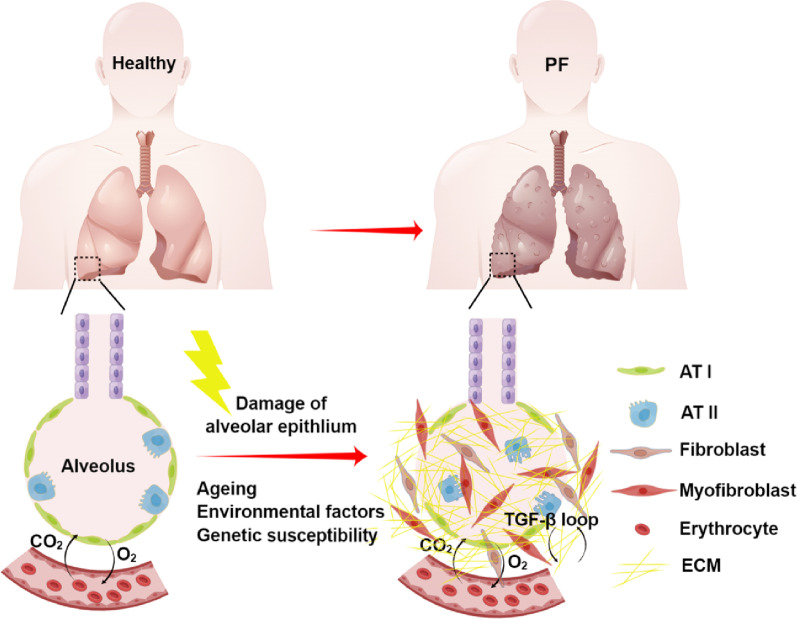
Pulmonary fibrosis (PF) is a chronic and relentlessly progressive interstitial lung disease in which the accumulation of fibroblasts and extracellular matrix (ECM) induces the destruction of normal alveolar structures, ultimately leading to respiratory failure. Patients with advanced PF are unable to perform physical labor and often have concomitant cough and dyspnea, which markedly impair their quality of life. However, there is a paucity of available pharmacological therapies, and to date, lung transplantation remains the only possible treatment for patients suffering from end-stage PF; moreover, the complexity of transplantation surgery and the paucity of donors greatly restrict the application of this treatment. Therefore, there is a pressing need for alternative therapeutic strategies for this complex disease. Due to their capacity for pluripotency and paracrine actions, stem cells are promising therapeutic agents for the treatment of interstitial lung disease, and an extensive body of literature supports the therapeutic efficacy of stem cells in lung fibrosis. Although stem cell transplantation may play an important role in the treatment of PF, some key issues, such as safety and therapeutic efficacy, remain to be resolved. In this review, we summarize recent preclinical and clinical studies on the stem cell-mediated regeneration of fibrotic lungs and present an analysis of concerning issues related to stem cell therapy to guide therapeutic development for this complex disease.
Overview
The claims and statistics of this paper haven’t been checked yet.
Free: it reads the open-access text and checks the first 5 claims that cite a source we can check. Create a free account to check every claim.
Integrity signals
Registry
Cites
Statistics
Figures
Verification
Claims the paper makes
The claims and statistics of this paper haven’t been checked yet.
Free: it reads the open-access text and checks the first 5 claims that cite a source we can check. Create a free account to check every claim.
Claims other papers make about this one
Each is checked against this paper’s own text: does it say what the citing paper says it does?
The cited source says what the claim attributes to it.
In the citing paper
“Several phase 1 trials, including AETHER, demonstrated stem cells were safe and feasible to use in IPF [160–163].”
From Emerging pharmacological options in the treatment of idiopathic pulmonary fibrosis (IPF) (2024) · cites this paper as [160]
Self-check
Percentages, sums and reported differences re-computed from the paper’s own numbers.
The self-check needs the paper’s full text.
Citations
Cites
Takahashi, K., & Yamanaka, S. (2006) · Cell · doi:10.1016/j.cell.2006.07.024 · Cited by 26,673
Efficacy and Safety of Nintedanib in Idiopathic Pulmonary Fibrosis
Richeldi, L., du Bois, R. M., Raghu, G., Azuma, A., Brown, K. K., Costabel, U., Cottin, V., Flaherty, K. R., Hansell, D. M., Inoue, Y., et al. (2014) · New England Journal of Medicine · doi:10.1056/nejmoa1402584 · Cited by 4,654
A phase 3 trial of pirfenidone in patients with idiopathic pulmonary fibrosis.
King, T. E., Bradford, W. Z., Castro-Bernardini, S., Fagan, E. A., Glaspole, I., Glassberg, M. K., Gorina, E., Hopkins, P. M., Kardatzke, D., Lancaster, L., et al. (2014) · New England Journal of Medicine · doi:10.1056/nejmoa1402582 · Cited by 3,975
Kern, S., Eichler, H., Stoeve, J., Klüter, H., & Bieback, K. (2006) · STEM CELLS · doi:10.1634/stemcells.2005-0342 · Cited by 3,370
Multi-Organ, Multi-Lineage Engraftment by a Single Bone Marrow-Derived Stem Cell
Krause, D. S., Theise, N. D., Collector, M. I., Henegariu, O., Hwang, S., Gardner, R., Neutzel, S., & Sharkis, S. J. (2001) · Cell · doi:10.1016/s0092-8674(01)00328-2 · Cited by 2,667
King, T. E., Pardo, A., & Selman, M. (2011) · The Lancet · doi:10.1016/s0140-6736(11)60052-4 · Cited by 2,194
Lederer, D. J., & Martinez, F. J. (2018) · New England Journal of Medicine · doi:10.1056/nejmra1705751 · Cited by 2,056
Richeldi, L., Collard, H. R., & Jones, M. G. (2017) · The Lancet · doi:10.1016/s0140-6736(17)30866-8 · Cited by 2,020
Lee, R. H., Pulin, A. A., Seo, M. J., Kota, D. J., Ylostalo, J., Larson, B. L., Semprun-Prieto, L., Delafontaine, P., & Prockop, D. J. (2009) · Cell Stem Cell · doi:10.1016/j.stem.2009.05.003 · Cited by 1,898
Type 2 alveolar cells are stem cells in adult lung
Barkauskas, C. E., Cronce, M. J., Rackley, C. R., Bowie, E. J., Keene, D. R., Stripp, B. R., Randell, S. H., Noble, P. W., & Hogan, B. L. M. (2013) · Journal of Clinical Investigation · doi:10.1172/jci68782 · Cited by 1,776 · cited 1×
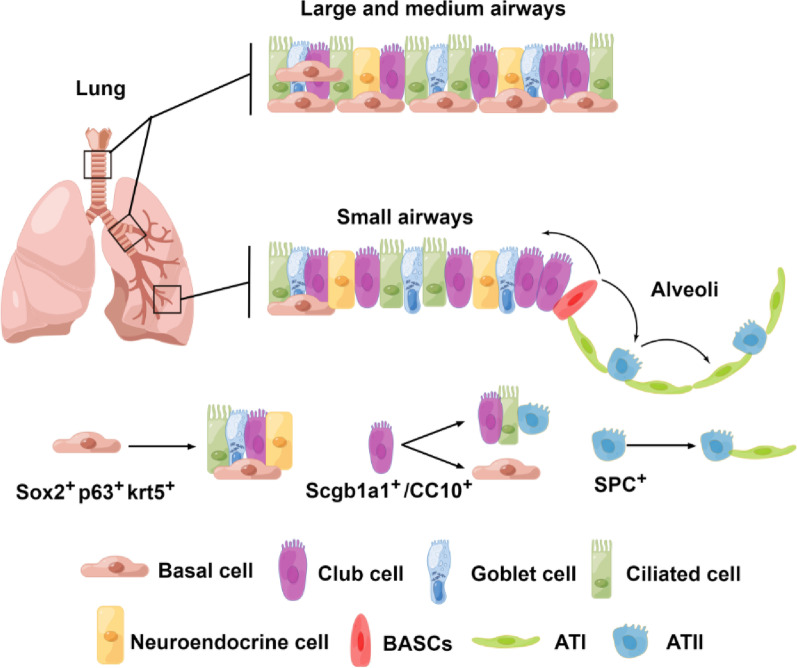
“ATII cells produce surfactant protein C (SPC), a circulating surfactant protein in alveoli, and are the progenitor cells for ATI cells [45].”
BackgroundCaplan, A. I., & Correa, D. (2011) · Cell Stem Cell · doi:10.1016/j.stem.2011.06.008 · Cited by 1,682
Basal cells as stem cells of the mouse trachea and human airway epithelium
Rock, J. R., Onaitis, M. W., Rawlins, E. L., Lu, Y., Clark, C. P., Xue, Y., Randell, S. H., & Hogan, B. L. M. (2009) · Proceedings of the National Academy of Sciences · doi:10.1073/pnas.0906850106 · Cited by 1,559
Ortiz, L. A., Gambelli, F., McBride, C., Gaupp, D., Baddoo, M., Kaminski, N., & Phinney, D. G. (2003) · Proceedings of the National Academy of Sciences · doi:10.1073/pnas.1432929100 · Cited by 1,445 · cited 1×
“Two recent preclinical studies have used BLM to establish animal models of ALI and evaluate the therapeutic effect of stem cells [27, 87].”
BackgroundImmunogenicity of induced pluripotent stem cells
Zhao, T., Zhang, Z.-N., Rong, Z., & Xu, Y. (2011) · Nature · doi:10.1038/nature10135 · Cited by 1,444 · cited 1×
“Originally, researchers generated iPSCs using genomic integration technologies to remove the subsequent transgene, and subsequent studies demonstrated that iPSCs can be generated in mice and humans without genomic integration [74, 76].”
BackgroundMartinez, F. J., Collard, H. R., Pardo, A., Raghu, G., Richeldi, L., Selman, M., Swigris, J. J., Taniguchi, H., & Wells, A. U. (2017) · Nature Reviews Disease Primers · doi:10.1038/nrdp.2017.74 · Cited by 1,388
Pluripotent Stem Cell-Based Cell Therapy—Promise and Challenges
Yamanaka, S. (2020) · Cell Stem Cell · doi:10.1016/j.stem.2020.09.014 · Cited by 1,213 · cited 1×
“Further genomic, epigenomic, and functional evaluations of cells generated by these new methods are essential to ascertain whether there is a reprogramming procedure that will allow the safe clinical application of iPSCs [80].”
BackgroundFibroblasts in fibrosis: novel roles and mediators
Kendall, R. T., & Feghali-Bostwick, C. A. (2014) · Frontiers in Pharmacology · doi:10.3389/fphar.2014.00123 · Cited by 1,082 · cited 1×
“On the other hand, activated fibroblasts/myofibroblasts produce inflammatory mediators, including TGF-β, interleukin (IL)-1 and IL-33, that promote fibrogenesis and recruit immune cells to aggravate chronic inflammation [12].”
BackgroundMultilineage differentiation from human embryonic stem cell lines
Odorico, J. S., Kaufman, D. S., & Thomson, J. A. (2001) · Stem Cells · doi:10.1634/stemcells.19-3-193 · Cited by 969 · cited 1×
“Embryonic stem cells ESCs are pluripotent stem cells isolated from blastocysts that can be induced to generate a variety of specialized cell types [55, 56].”
BackgroundBone Marrow–Derived Mesenchymal Stem Cells in Repair of the Injured Lung
Rojas, M., Xu, J., Woods, C. R., Mora, A. L., Spears, W., Roman, J., & Brigham, K. L. (2005) · American Journal of Respiratory Cell and Molecular Biology · doi:10.1165/rcmb.2004-0330oc · Cited by 848
Murine models of pulmonary fibrosis
Moore, B. B., & Hogaboam, C. M. (2008) · American Journal of Physiology-Lung Cellular and Molecular Physiology · doi:10.1152/ajplung.00313.2007 · Cited by 796 · cited 1×
“BLM-induced ALI and fibrosis in mice is a wellestablished model known to mimic the onset of human lung fibrosis that proceeds through the following three stages: the inflammatory stage, the fibroblast proliferation stage, and the interstitial remodeling stage [142, 143].”
BackgroundRisk factors in the development of stem cell therapy
Herberts, C. A., Kwa, M. S., & Hermsen, H. P. (2011) · Journal of Translational Medicine · doi:10.1186/1479-5876-9-29 · Cited by 753 · cited 1×
“MSCs are currently the most commonly used stem cells in clinical trials because of their low immunogenicity and tumorigenicity and the lack of potential ethical problems [126].”
BackgroundPrecursor Cells of Mechanocytes
Friedenstein, A. J. (1976) · International Review of Cytology · doi:10.1016/s0074-7696(08)60092-3 · Cited by 742 · cited 2×
“MSCs were originally isolated from the bone marrow by Friedenstein [81].”
Lineage-negative progenitors mobilize to regenerate lung epithelium after major injury
Vaughan, A. E., Brumwell, A. N., Xi, Y., Gotts, J. E., Brownfield, D. G., Treutlein, B., Tan, K., Tan, V., Liu, F. C., Looney, M. R., et al. (2015) · Nature · doi:10.1038/nature14112 · Cited by 677 · cited 1×
“Distal airway stem cells (DASCs), which express the basal cell-restricted transcription factors p63 and KRT5, are also essential for lung regeneration [33, 34].”
BackgroundDedifferentiation of committed epithelial cells into stem cells in vivo
Tata, P. R., Mou, H., Pardo-Saganta, A., Zhao, R., Prabhu, M., Law, B. M., Vinarsky, V., Cho, J. L., Breton, S., Sahay, A., et al. (2013) · Nature · doi:10.1038/nature12777 · Cited by 667 · cited 1×
“Classic Scgb1A1+ club cells can undergo self-renewal and differentiate into ciliated cells under certain conditions [41].”
BackgroundWillis, G. R., Fernandez-Gonzalez, A., Anastas, J., Vitali, S. H., Liu, X., Ericsson, M., Kwong, A., Mitsialis, S. A., & Kourembanas, S. (2018) · American Journal of Respiratory and Critical Care Medicine · doi:10.1164/rccm.201705-0925oc · Cited by 631 · cited 1×
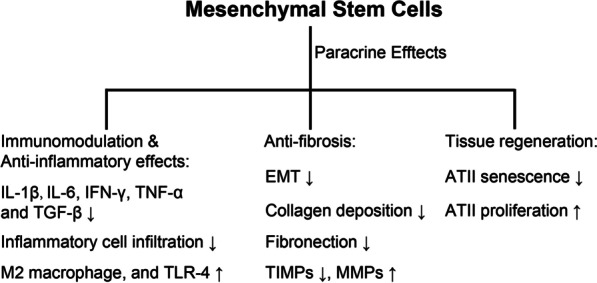
“In addition, MSCs can improve the microenvironment at the implantation site, which can enhance therapeutic efficacy via paracrine actions [92, 96, 100].”
BackgroundChoi, J., Park, J.-E., Tsagkogeorga, G., Yanagita, M., Koo, B.-K., Han, N., & Lee, J.-H. (2020) · Cell Stem Cell · doi:10.1016/j.stem.2020.06.020 · Cited by 588 · cited 1×
“Notably, ATII cells can transiently acquire a transitional state (pre-alveolar type-1 transitional state, PATS) during their differentiation into ATI cells, which is associated with normal epithelial tissue repair and its abnormal persistence in disease conditions in mice [48, 49].”
BackgroundKumar, P. A., Hu, Y., Yamamoto, Y., Hoe, N. B., Wei, T. S., Mu, D., Sun, Y., Joo, L. S., Dagher, R., Zielonka, E. M., et al. (2011) · Cell · doi:10.1016/j.cell.2011.10.001 · Cited by 577 · cited 1×
“DASCs have been shown to yield alveoli in vitro following H1N1 influenza infection [35] and to ameliorate bleomycin (BLM)-induced PF in vivo [36].”
BackgroundSelf-citationIdiopathic pulmonary fibrosis: pathogenesis and management
Sgalla, G., Iovene, B., Calvello, M., Ori, M., Varone, F., & Richeldi, L. (2018) · Respiratory Research · doi:10.1186/s12931-018-0730-2 · Cited by 573 · cited 1×
“Accumulating evidence indicates that ATII injury is an early event in the onset of PF [5].”
BackgroundEfficient generation of lung and airway epithelial cells from human pluripotent stem cells
Huang, S. X. L., Islam, M. N., O'Neill, J., Hu, Z., Yang, Y.-G., Chen, Y.-W., Mumau, M., Green, M. D., Vunjak-Novakovic, G., Bhattacharya, J., et al. (2014) · Nature Biotechnology · doi:10.1038/nbt.2754 · Cited by 567
Differentiation of Human Pluripotent Stem Cells into Functional Lung Alveolar Epithelial Cells
Jacob, A., Morley, M., Hawkins, F., McCauley, K. B., Jean, J. C., Heins, H., Na, C.-L., Weaver, T. E., Vedaie, M., Hurley, K., et al. (2017) · Cell Stem Cell · doi:10.1016/j.stem.2017.08.014 · Cited by 565 · cited 2×
“However, iPSC-derived ATII cells form monolayered epithelial cultures, without the mesenchymal support, have potential to be adapted as a new therapeutic approach for lung injury [64].”
BackgroundBone marrow-derived cells as progenitors of lung alveolar epithelium
Kotton, D. N., Ma, B. Y., Cardoso, W. V., Sanderson, E. A., Summer, R. S., Williams, M. C., & Fine, A. (2001) · Development · doi:10.1242/dev.128.24.5181 · Cited by 559
Kobayashi, Y., Tata, A., Konkimalla, A., Katsura, H., Lee, R. F., Ou, J., Banovich, N. E., Kropski, J. A., & Tata, P. R. (2020) · Nature Cell Biology · doi:10.1038/s41556-020-0542-8 · Cited by 559 · cited 1×
“Notably, ATII cells can transiently acquire a transitional state (pre-alveolar type-1 transitional state, PATS) during their differentiation into ATI cells, which is associated with normal epithelial tissue repair and its abnormal persistence in disease conditions in mice [48, 49].”
Backgroundp63+Krt5+ distal airway stem cells are essential for lung regeneration
Zuo, W., Zhang, T., Wu, D. Z., Guan, S. P., Liew, A.-A., Yamamoto, Y., Wang, X., Lim, S. J., Vincent, M., Lessard, M., et al. (2015) · Nature · doi:10.1038/nature13903 · Cited by 529 · cited 1×
“Distal airway stem cells (DASCs), which express the basal cell-restricted transcription factors p63 and KRT5, are also essential for lung regeneration [33, 34].”
BackgroundKim, M. Y., Yu, K.-R., Kenderian, S. S., Ruella, M., Chen, S., Shin, T.-H., Aljanahi, A. A., Schreeder, D., Klichinsky, M., Shestova, O., et al. (2018) · Cell · doi:10.1016/j.cell.2018.05.013 · Cited by 459
Kabat, M., Bobkov, I., Kumar, S., & Grumet, M. (2020) · Stem Cells Translational Medicine · doi:10.1002/sctm.19-0202 · Cited by 444 · cited 1×
“patient among trials that reported positive results [135].”
BackgroundInhalation of lung spheroid cell secretome and exosomes promotes lung repair in pulmonary fibrosis
Dinh, P.-U. C., Paudel, D., Brochu, H., Popowski, K. D., Gracieux, M. C., Cores, J., Huang, K., Hensley, M. T., Harrell, E., Vandergriff, A. C., et al. (2020) · Nature Communications · doi:10.1038/s41467-020-14344-7 · Cited by 435 · cited 1×
“In addition to traditional systemic intravenous injection and intratracheal instillation, nebulization can uniformly distribute drugs in injured lung tissues [131, 132].”
BackgroundMSCs: Delivery Routes and Engraftment, Cell-Targeting Strategies, and Immune Modulation
Kean, T. J., Lin, P., Caplan, A. I., & Dennis, J. E. (2013) · Stem Cells International · doi:10.1155/2013/732742 · Cited by 433 · cited 1×
“The delivery route is the main factor that affects the transport of cells to target organs [127].”
BackgroundProgressive Pulmonary Fibrosis Is Caused by Elevated Mechanical Tension on Alveolar Stem Cells
Wu, H., Yu, Y., Huang, H., Hu, Y., Fu, S., Wang, Z., Shi, M., Zhao, X., Yuan, J., Li, J., et al. (2020) · Cell · doi:10.1016/j.cell.2019.11.027 · Cited by 417
Emerging therapies for idiopathic pulmonary fibrosis, a progressive age-related disease
Mora, A. L., Rojas, M., Pardo, A., & Selman, M. (2017) · Nature Reviews Drug Discovery · doi:10.1038/nrd.2017.170 · Cited by 402
Induced Pluripotent Stem Cells and Their Use in Human Models of Disease and Development
Karagiannis, P., Takahashi, K., Saito, M., Yoshida, Y., Okita, K., Watanabe, A., Inoue, H., Yamashita, J. K., Todani, M., Nakagawa, M., et al. (2019) · Physiological Reviews · doi:10.1152/physrev.00039.2017 · Cited by 368 · cited 1×
“Moreover, in the 10 years since the first report, human iPSCs have become the basis for new cell therapies and drug discovery approaches that have reached clinical application [77].”
BackgroundHuman Umbilical Cord Mesenchymal Stem Cells Reduce Fibrosis of Bleomycin-Induced Lung Injury
Moodley, Y., Atienza, D., Manuelpillai, U., Samuel, C. S., Tchongue, J., Ilancheran, S., Boyd, R., & Trounson, A. (2009) · The American Journal of Pathology · doi:10.2353/ajpath.2009.080629 · Cited by 356
Immune mechanisms in pulmonary fibrosis
Kolahian, S., Fernandez, I. E., Eickelberg, O., & Hartl, D. (2016) · American Journal of Respiratory Cell and Molecular Biology · doi:10.1165/rcmb.2016-0121tr · Cited by 349 · cited 2×
“Macrophages might induce ECM remodeling via production of TGF-β, angiogenic factors and various cytokines, or attenuate PF through matrix metalloproteinase (MMP)-mediated ECM degradation [8].”
BackgroundHuman distal lung maps and lineage hierarchies reveal a bipotent progenitor
Kadur Lakshminarasimha Murthy, P., Sontake, V., Tata, A., Kobayashi, Y., Macadlo, L., Okuda, K., Conchola, A. S., Nakano, S., Gregory, S., Miller, L. A., et al. (2022) · Nature · doi:10.1038/s41586-022-04541-3 · Cited by 344 · cited 1×
“Recently, Kadur and colleagues have identified a bipotent progenitor terming alveolar type-0 (AT0) in human lung tissues, another transitional state, that can differentiate into either ATIs or respiratory bronchioles secretory cells (TRB-SCs) during ATIIs’ differentiation [50].”
BackgroundProgress toward the clinical application of patient-specific pluripotent stem cells
Kiskinis, E., & Eggan, K. (2010) · Journal of Clinical Investigation · doi:10.1172/jci40553 · Cited by 339 · cited 1×
“Various modifications to reprogramming are currently being developed to obtain cell lines without viral vectors and transgene sequences [71].”
MethodFunctional Gene Correction for Cystic Fibrosis in Lung Epithelial Cells Generated from Patient iPSCs
Firth, A. L., Menon, T., Parker, G. S., Qualls, S. J., Lewis, B. M., Ke, E., Dargitz, C. T., Wright, R., Khanna, A., Gage, F. H., et al. (2015) · Cell Reports · doi:10.1016/j.celrep.2015.07.062 · Cited by 326 · cited 1×
“In one study, correction of the dysfunctional gene in iPSCs generated from cystic fibrosis patients led to differentiation into mature airway epithelial cells [78].”
BackgroundMeng, F., Xu, R., Wang, S., Xu, Z., Zhang, C., Li, Y., Yang, T., Shi, L., Fu, J., Jiang, T., et al. (2020) · Signal Transduction and Targeted Therapy · doi:10.1038/s41392-020-00286-5 · Cited by 323
Lung regeneration by multipotent stem cells residing at the bronchioalveolar-duct junction
Liu, Q., Liu, K., Cui, G., Huang, X., Yao, S., Guo, W., Qin, Z., Li, Y., Yang, R., Pu, W., et al. (2019) · Nature Genetics · doi:10.1038/s41588-019-0346-6 · Cited by 319
Self-citationMesenchymal Stromal Cell Therapeutic Delivery: Translational Challenges to Clinical Application
Caplan, H., Olson, S. D., Kumar, A., George, M., Prabhakara, K. S., Wenzel, P., Bedi, S., Toledano-Furman, N. E., Triolo, F., Kamhieh-Milz, J., et al. (2019) · Frontiers in Immunology · doi:10.3389/fimmu.2019.01645 · Cited by 306 · cited 1×
“intraperitoneal injection), MSCs can home to injured tissues and target sites of damage [96, 97].”
BackgroundChua, F., Gauldie, J., & Laurent, G. J. (2005) · American Journal of Respiratory Cell and Molecular Biology · doi:10.1165/rcmb.2005-0062tr · Cited by 305 · cited 1×
“BLM-induced ALI and fibrosis in mice is a wellestablished model known to mimic the onset of human lung fibrosis that proceeds through the following three stages: the inflammatory stage, the fibroblast proliferation stage, and the interstitial remodeling stage [142, 143].”
BackgroundLung transplantation for idiopathic pulmonary fibrosis
George, P. M., Patterson, C. M., Reed, A. K., & Thillai, M. (2019) · The Lancet Respiratory Medicine · doi:10.1016/s2213-2600(18)30502-2 · Cited by 297
Pirfenidone safety and adverse event management in idiopathic pulmonary fibrosis
Lancaster, L. H., de Andrade, J. A., Zibrak, J. D., Padilla, M. L., Albera, C., Nathan, S. D., Wijsenbeek, M. S., Stauffer, J. L., Kirchgaessler, K.-U., & Costabel, U. (2017) · European Respiratory Review · doi:10.1183/16000617.0057-2017 · Cited by 295 · cited 1×
“Pirfenidone is an antifibrotic compound that can target TGF-β, tumor necrosis factor-α (TNF-α), and ILs [14, 15].”
BackgroundImmune dysregulation as a driver of idiopathic pulmonary fibrosis
Shenderov, K., Collins, S. L., Powell, J. D., & Horton, M. R. (2021) · Journal of Clinical Investigation · doi:10.1172/jci143226 · Cited by 295 · cited 2×
“Both innate (macrophages and neutrophils) and adaptive (T cells) cells modulate the fibrogenesis in different ways [7].”
BackgroundChambers, D. C., Enever, D., Ilic, N., Sparks, L., Whitelaw, K., Ayres, J., Yerkovich, S. T., Khalil, D., Atkinson, K. M., & Hopkins, P. M. A. (2014) · Respirology · doi:10.1111/resp.12343 · Cited by 278
Capture of Mouse and Human Stem Cells with Features of Formative Pluripotency
Kinoshita, M., Barber, M., Mansfield, W., Cui, Y., Spindlow, D., Stirparo, G. G., Dietmann, S., Nichols, J., & Smith, A. (2021) · Cell Stem Cell · doi:10.1016/j.stem.2020.11.005 · Cited by 276
Failure of Bone Marrow to Reconstitute Lung Epithelium
Kotton, D. N., Fabian, A. J., & Mulligan, R. C. (2005) · American Journal of Respiratory Cell and Molecular Biology · doi:10.1165/rcmb.2005-0175rc · Cited by 272 · cited 1×
“However, subsequent studies found that it was difficult for MSCs to engraft and differentiate into alveolar epithelial cells within the injured lungs [88, 89].”
BackgroundLong-term expansion of alveolar stem cells derived from human iPS cells in organoids
Yamamoto, Y., Gotoh, S., Korogi, Y., Seki, M., Konishi, S., Ikeo, S., Sone, N., Nagasaki, T., Matsumoto, H., Muro, S., et al. (2017) · Nature Methods · doi:10.1038/nmeth.4448 · Cited by 270
Tzouvelekis, A., Paspaliaris, V., Koliakos, G., Ntolios, P., Bouros, E., Oikonomou, A., Zissimopoulos, A., Boussios, N., Dardzinski, B., Gritzalis, D., et al. (2013) · Journal of Translational Medicine · doi:10.1186/1479-5876-11-171 · Cited by 255
Stem Cell Therapies for Treating Diabetes: Progress and Remaining Challenges
Sneddon, J. B., Tang, Q., Stock, P., Bluestone, J. A., Roy, S., Desai, T., & Hebrok, M. (2018) · Cell Stem Cell · doi:10.1016/j.stem.2018.05.016 · Cited by 250
Glassberg, M. K., Minkiewicz, J., Toonkel, R. L., Simonet, E. S., Rubio, G. A., DiFede, D., Shafazand, S., Khan, A., Pujol, M. V., LaRussa, V. F., et al. (2017) · Chest · doi:10.1016/j.chest.2016.10.061 · Cited by 249
Konishi, S., Gotoh, S., Tateishi, K., Yamamoto, Y., Korogi, Y., Nagasaki, T., Matsumoto, H., Muro, S., Hirai, T., Ito, I., et al. (2016) · Stem Cell Reports · doi:10.1016/j.stemcr.2015.11.010 · Cited by 246
A pure population of lung alveolar epithelial type II cells derived from human embryonic stem cells
Wang, D., Haviland, D. L., Burns, A. R., Zsigmond, E., & Wetsel, R. A. (2007) · Proceedings of the National Academy of Sciences · doi:10.1073/pnas.0700052104 · Cited by 245 · cited 1×
“developed a reliable transfection and culture procedure that facilitates the differentiation of hESCs into an essentially pure (> 99%) population of ATII cells that could be used therapeutically to treat distal lung diseases [26].”
Self-citationDerivation of Airway Basal Stem Cells from Human Pluripotent Stem Cells
Hawkins, F. J., Suzuki, S., Beermann, M. L., Barillà, C., Wang, R., Villacorta-Martin, C., Berical, A., Jean, J. C., Le Suer, J., Matte, T., et al. (2021) · Cell Stem Cell · doi:10.1016/j.stem.2020.09.017 · Cited by 241
Cargnoni, A., Gibelli, L., Tosini, A., Signoroni, P. B., Nassuato, C., Arienti, D., Lombardi, G., Albertini, A., Wengler, G. S., & Parolini, O. (2009) · Cell Transplantation · doi:10.3727/096368909788809857 · Cited by 240 · cited 2×
“In preclinical and clinical studies of MSC-based PF treatment, the delivery routes have mainly included intravenous injection, intratracheal instillation, and intraperitoneal injection [95, 108, 120].”
BackgroundMansouri, N., Willis, G. R., Fernandez-Gonzalez, A., Reis, M., Nassiri, S., Mitsialis, S. A., & Kourembanas, S. (2019) · JCI Insight · doi:10.1172/jci.insight.128060 · Cited by 237 · cited 1×
“In addition, MSCs can improve the microenvironment at the implantation site, which can enhance therapeutic efficacy via paracrine actions [92, 96, 100].”
BackgroundTherapeutic antibodies reveal Notch control of transdifferentiation in the adult lung
Lafkas, D., Shelton, A., Chiu, C., de Leon Boenig, G., Chen, Y., Stawicki, S. S., Siltanen, C., Reichelt, M., Zhou, M., Wu, X., et al. (2015) · Nature · doi:10.1038/nature15715 · Cited by 233 · cited 1×
“Club cell homeostasis is maintained through interactions with ciliated cells [40].”
BackgroundHuman iPS cell–derived alveolar epithelium repopulates lung extracellular matrix
Ghaedi, M., Calle, E. A., Mendez, J. J., Gard, A. L., Balestrini, J., Booth, A., Bove, P. F., Gui, L., White, E. S., & Niklason, L. E. (2013) · Journal of Clinical Investigation · doi:10.1172/jci68793 · Cited by 230 · cited 1×
“In defined differentiation medium, human iPSCs (hiPSCs) can differentiate into lung and airway progenitor cells [62] and exhibit ultrastructural characteristics and biological functions similar to those of normal ATII cells in vitro [67].”
BackgroundGlobal impairment of CD4+CD25+FOXP3+ regulatory T cells in idiopathic pulmonary fibrosis
Kotsianidis, I., Nakou, E., Bouchliou, I., Tzouvelekis, A., Spanoudakis, E., Steiropoulos, P., Sotiriou, I., Aidinis, V., Margaritis, D., Tsatalas, C., et al. (2009) · American Journal of Respiratory and Critical Care Medicine · doi:10.1164/rccm.200812-1936oc · Cited by 230 · cited 1×
“Tregs may exert both anti- and pro-fibrotic roles, which depending on the balance of Th1/Th2 cells in lung [10, 11].”
BackgroundZhao, T., Zhang, Z.-N., Westenskow, P. D., Todorova, D., Hu, Z., Lin, T., Rong, Z., Kim, J., He, J., Wang, M., et al. (2015) · Cell Stem Cell · doi:10.1016/j.stem.2015.07.021 · Cited by 226
Shi, M., Yang, Q., Monsel, A., Yan, J., Dai, C., Zhao, J., Shi, G., Zhou, M., Zhu, X., Li, S., et al. (2021) · Journal of Extracellular Vesicles · doi:10.1002/jev2.12134 · Cited by 224 · cited 1×
“In addition to traditional systemic intravenous injection and intratracheal instillation, nebulization can uniformly distribute drugs in injured lung tissues [131, 132].”
BackgroundThe in vitro generation of lung and airway progenitor cells from human pluripotent stem cells
Huang, S. X. L., Green, M. D., de Carvalho, A. T., Mumau, M., Chen, Y.-W., D'Souza, S. L., & Snoeck, H.-W. (2015) · Nature Protocols · doi:10.1038/nprot.2015.023 · Cited by 211 · cited 1×
“In defined differentiation medium, human iPSCs (hiPSCs) can differentiate into lung and airway progenitor cells [62] and exhibit ultrastructural characteristics and biological functions similar to those of normal ATII cells in vitro [67].”
BackgroundAmnion Epithelial Cell-Derived Exosomes Restrict Lung Injury and Enhance Endogenous Lung Repair
Tan, J. L., Lau, S. N., Leaw, B., Nguyen, H. P. T., Salamonsen, L. A., Saad, M. I., Chan, S. T., Zhu, D., Krause, M., Kim, C., et al. (2018) · Stem Cells Translational Medicine · doi:10.1002/sctm.17-0185 · Cited by 206
Embryonic Stem Cells Generate Airway Epithelial Tissue
Coraux, C., Nawrocki-Raby, B., Hinnrasky, J., Kileztky, C., Gaillard, D., Dani, C., & Puchelle, E. (2005) · American Journal of Respiratory Cell and Molecular Biology · doi:10.1165/rcmb.2004-0079rc · Cited by 194 · cited 1×
“showed that murine ESCs could differentiate into alveolar epithelial cells, when the cells were cultured at the air–liquid interface [59], indicating the potential of transplanting human embryonic stem (hES)-ATII cells as an effective strategy to treat the injured epithelium in airway diseases.”
BackgroundThe role and importance of club cells (Clara cells) in the pathogenesis of some respiratory diseases
Rokicki, W., Rokicki, M., Wojtacha, J., & Dżeljijli, A. (2016) · Polish Journal of Cardio-Thoracic Surgery · doi:10.5114/kitp.2016.58961 · Cited by 191 · cited 1×
“A molecular feature of the entire club cell population is the expression of secretoglobin family 1A member 1 (Scgb1a1), which responds during epithelial homeostasis and repair after lung injury [38, 39].”
BackgroundExosome: a significant nano-scale drug delivery carrier
Peng, H., Ji, W., Zhao, R., Yang, J., Lu, Z., Li, Y., & Zhang, X. (2020) · Journal of Materials Chemistry B · doi:10.1039/d0tb01499k · Cited by 187
Kadota, T., Fujita, Y., Araya, J., Watanabe, N., Fujimoto, S., Kawamoto, H., Minagawa, S., Hara, H., Ohtsuka, T., Yamamoto, Y., et al. (2021) · Journal of Extracellular Vesicles · doi:10.1002/jev2.12124 · Cited by 187
Derivation of Type II Alveolar Epithelial Cells from Murine Embryonic Stem Cells
Ali, N. N., Edgar, A. J., Samadikuchaksaraei, A., Timson, C. M., Romanska, H. M., Polak, J. M., & Bishop, A. E. (2002) · Tissue Engineering · doi:10.1089/107632702760240463 · Cited by 183 · cited 1×
“ESCs were shown to differentiate into ATII cells spontaneously in ESC medium, and after enrichment, could serve as a promising transplantable cell type used to treat distal lung injury [57, 58].”
BackgroundHaematopoietic stem cell transplantation for autoimmune diseases
Swart, J. F., Delemarre, E. M., van Wijk, F., Boelens, J.-J., Kuball, J., van Laar, J. M., & Wulffraat, N. M. (2017) · Nature Reviews Rheumatology · doi:10.1038/nrrheum.2017.7 · Cited by 175
Human Stem Cell-Derived Neurons Repair Circuits and Restore Neural Function
Xiong, M., Tao, Y., Gao, Q., Feng, B., Yan, W., Zhou, Y., Kotsonis, T. A., Yuan, T., You, Z., Wu, Z., et al. (2021) · Cell Stem Cell · doi:10.1016/j.stem.2020.08.014 · Cited by 174
Intratracheal Transplantation of Alveolar Type II Cells Reverses Bleomycin-induced Lung Fibrosis
Serrano-Mollar, A., Nacher, M., Gay-Jordi, G., Closa, D., Xaubet, A., & Bulbena, O. (2007) · American Journal of Respiratory and Critical Care Medicine · doi:10.1164/rccm.200610-1491oc · Cited by 166 · cited 1×
“Some studies have demonstrated that the transplantation of ATII cells decreased collagen deposition and the severity of BLM-induced PF, even in the context of middle- or late-stage fibrotic lesions [46, 47].”
BackgroundMice Lacking Neutrophil Elastase Are Resistant to Bleomycin-Induced Pulmonary Fibrosis
Chua, F., Dunsmore, S. E., Clingen, P. H., Mutsaers, S. E., Shapiro, S. D., Segal, A. W., Roes, J., & Laurent, G. J. (2007) · The American Journal of Pathology · doi:10.2353/ajpath.2007.060352 · Cited by 159 · cited 1×
“Neutrophils produce various proteases, such as serine proteases (neutrophil elastase) and MMPs to degrade ECM but can also active TGF-β, thereby promoting ECM accumulation [1, 8, 9].”
BackgroundAveryanov, A., Koroleva, I., Konoplyannikov, M., Revkova, V., Lesnyak, V., Kalsin, V., Danilevskaya, O., Nikitin, A., Sotnikova, A., Kotova, S., et al. (2020) · Stem Cells Translational Medicine · doi:10.1002/sctm.19-0037 · Cited by 158
Jun, D., Garat, C., West, J., Thorn, N., Chow, K., Cleaver, T., Sullivan, T., Torchia, E. C., Childs, C., Shade, T., et al. (2011) · Stem Cells · doi:10.1002/stem.604 · Cited by 155
Cao, X., Duan, L., Hou, H., Liu, Y., Chen, S., Zhang, S., Liu, Y., Wang, C., Qi, X., Liu, N., et al. (2020) · Theranostics · doi:10.7150/thno.45434 · Cited by 155
Guiot, J., Cambier, M., Boeckx, A., Henket, M., Nivelles, O., Gester, F., Louis, E., Malaise, M., Dequiedt, F., Louis, R., et al. (2020) · Thorax · doi:10.1136/thoraxjnl-2019-214077 · Cited by 150
Derivation of Distal Airway Epithelium from Human Embryonic Stem Cells
Samadikuchaksaraei, A., Cohen, S., Isaac, K., Rippon, H. J., Polak, J. M., Bielby, R. C., & Bishop, A. E. (2006) · Tissue Engineering · doi:10.1089/ten.2006.12.867 · Cited by 149 · cited 1×
“ESCs were shown to differentiate into ATII cells spontaneously in ESC medium, and after enrichment, could serve as a promising transplantable cell type used to treat distal lung injury [57, 58].”
BackgroundMesenchymal Stromal Cells as Critical Contributors to Tissue Regeneration
Sagaradze, G. D., Basalova, N. A., Efimenko, A. Y., & Va, T. (2020) · Frontiers in Cell and Developmental Biology · doi:10.3389/fcell.2020.576176 · Cited by 149 · cited 1×
“In addition, intravenously administered MSCs can receive signals released by damaged tissues, thus inducing cell homing to the injured areas [129].”
BackgroundGuha, A., Vasconcelos, M., Cai, Y., Yoneda, M., Hinds, A., Qian, J., Li, G., Dickel, L., Johnson, J. E., Kimura, S., et al. (2012) · Proceedings of the National Academy of Sciences · doi:10.1073/pnas.1204710109 · Cited by 148 · cited 1×
“Studies have shown that variant club cells can help maintain the airway and promote postinjury repair by differentiating into a variety of cell types, including classic club cells and ciliated cells [42, 43].”
BackgroundChen, S., Cui, G., Peng, C., Lavin, M. F., Sun, X., Zhang, E., Yang, Y., Guan, Y., Du, Z., & Shao, H. (2018) · Stem Cell Research & Therapy · doi:10.1186/s13287-018-0846-9 · Cited by 142
Wang, D., Morales, J. E., Calame, D. G., Alcorn, J. L., & Wetsel, R. A. (2010) · Molecular Therapy · doi:10.1038/mt.2009.317 · Cited by 141 · cited 14×
“The results of this study suggested that a single administration of stem cells could prevent the progression of ALI and attenuate the development of advanced PF induced by BLM; however, it was unable to restore the damaged lungs to normal conditions.”
BackgroundSelf-citationPreda, M. B., Neculachi, C. A., Fenyo, I. M., Vacaru, A. M., Publik, M. A., Simionescu, M., & Burlacu, A. (2021) · Cell Death and Disease · doi:10.1038/s41419-021-03839-w · Cited by 139
Therapeutic application of multipotent stem cells
Mirzaei, H., Sahebkar, A., Sichani, L. S., Moridikia, A., Nazari, S., Nahand, J. S., Salehi, H., Stenvang, J., Masoudifar, A., Mirzaei, H. R., et al. (2017) · Journal of Cellular Physiology · doi:10.1002/jcp.25990 · Cited by 133 · cited 1×
“Stem cells have the abilities of self-renewal and multipotent differentiation into different cell types, such as neurons, adipocytes, chondrocytes, osteoblasts, epithelial cells, and muscle cells [20].”
BackgroundCahill, E. F., Kennelly, H., Carty, F., Mahon, B. P., & English, K. (2016) · Stem Cells Translational Medicine · doi:10.5966/sctm.2015-0337 · Cited by 129
Smirnova, N. F., Schamberger, A. C., Nayakanti, S., Hatz, R., Behr, J., & Eickelberg, O. (2016) · Respiratory Research · doi:10.1186/s12931-016-0404-x · Cited by 129 · cited 1×
“Basal cells have been considered the lung progenitor cells, and they are characterized by the combined expression of p63, KRT5, and Sox2 [30].”
BackgroundEvidence that Bone Marrow Cells Do Not Contribute to the Alveolar Epithelium
Chang, J. C., Summer, R., Sun, X., Fitzsimmons, K., & Fine, A. (2005) · American Journal of Respiratory Cell and Molecular Biology · doi:10.1165/rcmb.2005-0129oc · Cited by 127 · cited 1×
“However, subsequent studies found that it was difficult for MSCs to engraft and differentiate into alveolar epithelial cells within the injured lungs [88, 89].”
BackgroundAkram, K. M., Samad, S., Spiteri, M. A., & Forsyth, N. R. (2013) · Respiratory Research · doi:10.1186/1465-9921-14-9 · Cited by 122
Ono, M., Ohkouchi, S., Kanehira, M., Tode, N., Kobayashi, M., Ebina, M., Nukiwa, T., Irokawa, T., Ogawa, H., Akaike, T., et al. (2015) · Molecular Therapy · doi:10.1038/mt.2014.217 · Cited by 111 · cited 1×
“Some studies showed that in the early stage, stem cell transplantation effectively abrogated BLM-induced ALI by reducing inflammatory cell infiltration and collagen deposition and promoting the repair of injured lungs [98, 102, 109, 115].”
BackgroundOntogeny and Biology of Human Small Airway Epithelial Club Cells
Zuo, W.-L., Shenoy, S. A., Li, S., O’Beirne, S. L., Strulovici‐Barel, Y., Leopold, P. L., Wang, G., Staudt, M. R., Walters, M. S., Mason, C., et al. (2018) · American Journal of Respiratory and Critical Care Medicine · doi:10.1164/rccm.201710-2107oc · Cited by 111 · cited 1×
“A molecular feature of the entire club cell population is the expression of secretoglobin family 1A member 1 (Scgb1a1), which responds during epithelial homeostasis and repair after lung injury [38, 39].”
BackgroundLei, X., He, N., Zhu, L., Zhou, M., Zhang, K., Wang, C., Huang, H., Chen, S., Li, Y., Liu, Q., et al. (2021) · Antioxidants & Redox Signaling · doi:10.1089/ars.2019.7965 · Cited by 111
Guha, A., Deshpande, A., Jain, A., Sebastiani, P., & Cardoso, W. V. (2017) · Cell Reports · doi:10.1016/j.celrep.2017.03.051 · Cited by 107 · cited 2×
“Studies have shown that variant club cells can help maintain the airway and promote postinjury repair by differentiating into a variety of cell types, including classic club cells and ciliated cells [42, 43].”
BackgroundRashidghamat, E., Kadiyirire, T., Ayis, S. A., Petrof, G., Liu, L., Pullabhatla, V., Ainali, C., Guy, A., Aristodemou, S., McMillan, J. R., et al. (2019) · Journal of the American Academy of Dermatology · doi:10.1016/j.jaad.2019.11.038 · Cited by 106
Choi, M., Ban, T., & Rhim, T. (2014) · Molecules and Cells · doi:10.14348/molcells.2014.2317 · Cited by 102
Stem cells and lung regeneration
Parekh, K. R., Nawroth, J. C., Pai, A. C., Busch, S. M., Senger, C. N., & Ryan, A. L. (2020) · American Journal of Physiology-Cell Physiology · doi:10.1152/ajpcell.00036.2020 · Cited by 102 · cited 1×
“Interestingly, the lungs can repair or restore injured alveolar cells through a cascade of finely synchronized biological processes [4].”
BackgroundAlveolar epithelial differentiation of human induced pluripotent stem cells in a rotating bioreactor
Ghaedi, M., Mendez, J. J., Bove, P. F., Sivarapatna, A., Raredon, M. S. B., & Niklason, L. E. (2013) · Biomaterials · doi:10.1016/j.biomaterials.2013.10.018 · Cited by 100 · cited 1×
“In addition, hiPSCs can be differentiated into alveolar epithelial cells in a rotating bioreactor with an air–liquid interface [79], indicating a new method for the large-scale production of the alveolar epithelium for clinical application.”
MethodTashiro, J., Elliot, S. J., Gerth, D. J., Xia, X., Pereira-Simon, S., Choi, R., Catanuto, P., Shahzeidi, S., Toonkel, R. L., Shah, R. H., et al. (2015) · Translational Research · doi:10.1016/j.trsl.2015.09.004 · Cited by 99
Nintedanib for the treatment of idiopathic pulmonary fibrosis
Varone, F., Sgalla, G., Iovene, B., Bruni, T., & Richeldi, L. (2018) · Expert Opinion on Pharmacotherapy · doi:10.1080/14656566.2018.1425681 · Cited by 98 · cited 2×
“Nintedanib is a tyrosine kinase inhibitor that targets vascular endothelial growth factor receptor (VEGFR), FGF receptor (FGFR), and platelet-derived growth factor receptor (PDGFR) [16].”
BackgroundChambers, D. C., Enever, D., Lawrence, S., Sturm, M., Herrmann, R., Yerkovich, S. T., Musk, M., & Hopkins, P. M.-A. (2017) · Stem Cells Translational Medicine · doi:10.1002/sctm.16-0372 · Cited by 94
Reddy, M., Fonseca, L., Gowda, S., Chougule, B., Hari, A., & Totey, S. (2016) · International Journal of Stem Cells · doi:10.15283/ijsc16041 · Cited by 93 · cited 1×
“In preclinical and clinical studies of MSC-based PF treatment, the delivery routes have mainly included intravenous injection, intratracheal instillation, and intraperitoneal injection [95, 108, 120].”
BackgroundLan, Y.-W., Theng, S.-M., Huang, T.-T., Choo, K.-B., Chen, C.-M., Kuo, H.-P., & Chong, K.-Y. (2017) · Stem Cells Translational Medicine · doi:10.5966/sctm.2016-0054 · Cited by 91
Willis, G. R., Fernandez‐Gonzalez, A., Reis, M., Yeung, V., Liu, X., Ericsson, M., Andrews, N. A., Mitsialis, S. A., & Kourembanas, S. (2020) · Journal of Extracellular Vesicles · doi:10.1080/20013078.2020.1790874 · Cited by 91
Chen, X., Wu, Y., Wang, Y., Chen, L., Zheng, W., Zhou, S., Xu, H., Li, Y., Yuan, L., & Xiang, C. (2020) · Stem Cell Research & Therapy · doi:10.1186/s13287-020-01926-x · Cited by 90
Takov, K., He, Z., Johnston, H. E., Timms, J. F., Guillot, P. V., Yellon, D. M., & Davidson, S. M. (2020) · Basic Research in Cardiology · doi:10.1007/s00395-020-0785-3 · Cited by 89
Abreu, S. C., Lopes-Pacheco, M., Weiss, D. J., & Rocco, P. R. M. (2021) · Frontiers in Cell and Developmental Biology · doi:10.3389/fcell.2021.600711 · Cited by 86
Hypoxia-preconditioned mesenchymal stem cells ameliorate ischemia/reperfusion-induced lung injury
Liu, Y.-Y., Chiang, C., Hung, S., Chian, C., Tsai, C., Chen, W., & Zhang, H. (2017) · PLoS ONE · doi:10.1371/journal.pone.0187637 · Cited by 85
Chu, K.-A., Wang, S.-Y., Yeh, C.-C., Fu, T.-W., Fu, Y.-Y., Ko, T.-L., Chiu, M.-M., Chen, T.-H., Tsai, P.-J., & Fu, Y.-S. (2019) · Theranostics · doi:10.7150/thno.33741 · Cited by 85 · cited 2×
“In preclinical and clinical studies of MSC-based PF treatment, the delivery routes have mainly included intravenous injection, intratracheal instillation, and intraperitoneal injection [95, 108, 120].”
BackgroundXu, C., Zhao, J., Li, Q., Hou, L., Wang, Y., Li, S., Jiang, F., Zhu, Z., & Tian, L. (2020) · Stem Cell Research & Therapy · doi:10.1186/s13287-020-02023-9 · Cited by 83
Gu, L.-H., Zhang, T., Yang, L., Yan, H.-J., Qi, H., & Li, F. (2014) · Cellular and Molecular Immunology · doi:10.1038/cmi.2014.70 · Cited by 81
Gad, E. S., Salama, A., Elshafie, M. F., Arafa, H. M. M., Abdelsalam, R. M., & Khattab, M. M. (2019) · Inflammation · doi:10.1007/s10753-019-01101-2 · Cited by 80
Bandeira, E., de Oliveira, H. D., Silva, J. D., Menna‐Barreto, R. F. S., Takyia, C. M., Suk, J. S., Witwer, K. W., Paulaitis, M. E., Hanes, J. S., Rocco, P. R. M., et al. (2018) · Respiratory Research · doi:10.1186/s12931-018-0802-3 · Cited by 76
O’Koren, E. G., Hogan, B. L. M., & Gunn, M. D. (2013) · American Journal of Respiratory Cell and Molecular Biology · doi:10.1165/rcmb.2012-0369oc · Cited by 75 · cited 1×
“However, the loss of epithelial progenitor cells triggered uncontrolled proliferation of the underlying stroma, leading to the accumulation of fibroblasts and development of obliterative airway lesions [32].”
BackgroundInducing iPSCs to Escape the Dish
Barrilleaux, B. L., & Knoepfler, P. S. (2011) · Cell stem cell · doi:10.1016/j.stem.2011.07.006 · Cited by 70 · cited 1×
“Originally, researchers generated iPSCs using genomic integration technologies to remove the subsequent transgene, and subsequent studies demonstrated that iPSCs can be generated in mice and humans without genomic integration [74, 76].”
BackgroundInduced Pluripotent Stem Cell Technology in Regenerative Medicine and Biology
Pei, D., Xu, J., Zhuang, Q., Tse, H., & Esteban, M. A. (2010) · Springer eBooks · doi:10.1007/10_2010_72 · Cited by 67
Hou, Z., Ye, Q., Qiu, M., Hao, Y., Han, J., & Zeng, H. (2017) · Respiratory Research · doi:10.1186/s12931-017-0653-3 · Cited by 64 · cited 1×
“Tregs may exert both anti- and pro-fibrotic roles, which depending on the balance of Th1/Th2 cells in lung [10, 11].”
BackgroundMesenchymal stem cell immunomodulation: in pursuit of controlling COVID-19 related cytokine storm
Song, N., Wakimoto, H., Rossignoli, F., Bhere, D., Ciccocioppo, R., Chen, K.-S., Khalsa, J. K., Mastrolia, I., Samarelli, A. V., Dominici, M., et al. (2021) · Stem Cells · doi:10.1002/stem.3354 · Cited by 62 · cited 1×
“An extensive body of literature on animals and humans supports the therapeutic efficacy of MSCs for the treatment of ALI, PF, and acute pneumonia caused by coronavirus disease 2019 (COVID-19) due to the combination of multipotency, migratory ability, and preservation of immune privilege [98, 99].”
BackgroundQuan, Y., Wang, Z., Gong, L., Peng, X., Richard, M. A., Zhang, J., Fornage, M., Alcorn, J. L., & Wang, D. (2017) · Stem Cell Research & Therapy · doi:10.1186/s13287-017-0586-2 · Cited by 58 · cited 1×
“Recently, we showed that human ATII-derived exosome miR-371b-5p promoted ATII proliferation and the re-epithelialization of injured alveoli, indicating miR-371b-5p may serve as a niche signaling to augment ATII proliferation in the injured environment [51].”
BackgroundSelf-citationÁlvarez-Palomo, B., Sánchez-López, L. I., Moodley, Y. P., Edel, M. J., & Serrano‐Mollar, A. (2020) · Stem Cell Research & Therapy · doi:10.1186/s13287-020-01726-3 · Cited by 58 · cited 1×
“ciliated cells, and alveolar epithelial cells both in vitro and in vivo [61–65], which may be useful for regenerative medicine; thus, iPSCs are a valuable resource for the treatment of fibrotic lung disease [66].”
BackgroundShi, L., Han, Q., Hong, Y., Li, W., Gong, G., Cui, J., Mao, M., Liang, X., Hu, B., Li, X., et al. (2021) · Stem Cell Research & Therapy · doi:10.1186/s13287-021-02215-x · Cited by 58
Therapeutic Potential of Exosomes in Pulmonary Fibrosis
Xie, L., & Zeng, Y. (2020) · Frontiers in Pharmacology · doi:10.3389/fphar.2020.590972 · Cited by 57
Self-citationZhang, E., Yang, Y., Chen, S., Peng, C., Lavin, M. F., Yeo, A. J., Li, C. R., Liu, X., Guan, Y., Du, X., et al. (2018) · Stem Cell Research & Therapy · doi:10.1186/s13287-018-1045-4 · Cited by 56
Shi, L., Ren, J., Li, J., Wang, D., Wang, Y., Qin, T., Li, X., Zhang, G., Li, C., & Wang, Y. (2021) · Stem Cell Research & Therapy · doi:10.1186/s13287-021-02296-8 · Cited by 56
Self-citationRubio, G. A., Elliot, S. J., Wikramanayake, T. C., Xia, X., Pereira‐Simon, S., Thaller, S. R., Glinos, G. D., Jozic, I., Hirt, P., Pastar, I., et al. (2018) · Journal of Cellular Physiology · doi:10.1002/jcp.26418 · Cited by 55 · cited 1×
“Some studies showed that in the early stage, stem cell transplantation effectively abrogated BLM-induced ALI by reducing inflammatory cell infiltration and collagen deposition and promoting the repair of injured lungs [98, 102, 109, 115].”
BackgroundCells derived from iPSC can be immunogenic — Yes or No?
Cao, J., Li, X., Lu, X., Zhang, C., Yu, H., & Zhao, T. (2014) · Protein & Cell · doi:10.1007/s13238-013-0003-2 · Cited by 54
Cargnoni, A., Romele, P., Signoroni, P. B., Farigu, S., Magatti, M., Vertua, E., Toschi, I., Cesari, V., Silini, A. R., Stefani, F. R., et al. (2020) · Stem Cells Translational Medicine · doi:10.1002/sctm.20-0068 · Cited by 53 · cited 1×
“Some studies showed that in the early stage, stem cell transplantation effectively abrogated BLM-induced ALI by reducing inflammatory cell infiltration and collagen deposition and promoting the repair of injured lungs [98, 102, 109, 115].”
BackgroundAlveolar Type II cell transplantation restores pulmonary surfactant protein levels in lung fibrosis
Guillamat‐Prats, R., Gay-Jordi, G., Xaubet, A., Peinado, V. I., & Serrano‐Mollar, A. (2014) · The Journal of Heart and Lung Transplantation · doi:10.1016/j.healun.2014.03.008 · Cited by 52 · cited 1×
“Some studies have demonstrated that the transplantation of ATII cells decreased collagen deposition and the severity of BLM-induced PF, even in the context of middle- or late-stage fibrotic lesions [46, 47].”
BackgroundDifferentiation of Club Cells to Alveolar Epithelial Cells In Vitro
Zheng, D., Soh, B.-S., Yin, L., Hu, G., Chen, Q., Choi, H., Han, J., Chow, V. T. K., & Chen, J. (2017) · Scientific Reports · doi:10.1038/srep41661 · Cited by 52 · cited 1×
“Interestingly, the results of cell lineage tracing experiment showed that when alveolar epithelial cells are damaged, club cells can differentiate into ATII and ATI cells [44].”
Distal airway stem cells ameliorate bleomycin-induced pulmonary fibrosis in mice
Shi, Y., Dong, M., Zhou, Y., Li, W., Gao, Y., Han, L., Chen, M., Lin, H., Zuo, W., & Jin, F. (2019) · Stem Cell Research & Therapy · doi:10.1186/s13287-019-1257-2 · Cited by 49 · cited 2×
“DASCs have been shown to yield alveoli in vitro following H1N1 influenza infection [35] and to ameliorate bleomycin (BLM)-induced PF in vivo [36].”
BackgroundYan, J., Liang, J., Cao, Y., Akkawi, M. M. E., Liao, X., Chen, X., Li, C., Li, K., Xie, G.-H., & Liu, H. (2021) · Stem Cell Research & Therapy · doi:10.1186/s13287-021-02288-8 · Cited by 49 · cited 2×
“intraperitoneal injection), MSCs can home to injured tissues and target sites of damage [96, 97].”
BackgroundRoyce, S. G., Patel, K. P., Mao, W., Zhu, D., Lim, R., & Samuel, C. S. (2019) · British Journal of Pharmacology · doi:10.1111/bph.14666 · Cited by 45
Zhou, Q., Ye, X., Sun, R., Matsumoto, Y., Moriyama, M., Asano, Y., Ajioka, Y., & Saijo, Y. (2014) · Stem Cells Translational Medicine · doi:10.5966/sctm.2013-0142 · Cited by 44 · cited 1×
“When the differentiated iPSCs were seeded and cultured in a decellularized mouse lung scaffold, they expressed protein markers, reduced collagen deposition and fibrosis progression, and showed potential for regenerating the three-dimensional (3-D) alveolar lung structure [69].”
BackgroundModified mesenchymal stem cells using miRNA transduction alter lung injury in a bleomycin model
Huleihel, L., Sellarés, J., Cárdenes, N., Álvarez, D., Faner, R., Sakamoto, K., Yu, G., Kapetanaki, M. G., Kaminski, N., & Rojas, M. M. (2017) · American Journal of Physiology-Lung Cellular and Molecular Physiology · doi:10.1152/ajplung.00323.2016 · Cited by 43
Adult stem cells for acute lung injury: Remaining questions and concerns
Zhu, Y., Hao, Q., Monsel, A., Feng, X., & Lee, J. W. (2013) · Respirology · doi:10.1111/resp.12093 · Cited by 42 · cited 1×
“Intravenous injection has been the main delivery route in most studies, as it is minimally invasive, simple to perform, and the most common method of MSC administration in the treatment of various lung diseases [128].”
MethodCui, P., Xin, H., Yao, Y.-M., Xiao, S., Zhu, F., Gong, Z., Tang, Z., Zhan, Q., Qin, W., Lai, Y., et al. (2018) · Stem Cell Research & Therapy · doi:10.1186/s13287-018-0856-7 · Cited by 40
Soh, B.-S., Zheng, D., Yeo, J., Yang, H. H., Ng, S., Wong, L. H., Zhang, W. C., Li, P., Nichane, M., Asmat, A., et al. (2012) · Molecular Therapy · doi:10.1038/mt.2012.182 · Cited by 39
He, F., Wang, Y., Li, Y., & Yu, L. (2020) · Life Sciences · doi:10.1016/j.lfs.2020.117290 · Cited by 39
Cores, J., Hensley, M. T., Kinlaw, K., Rikard, S. M., Dinh, P.-U., Paudel, D., Tang, J., Vandergriff, A. C., Allen, T. A., Li, Y., et al. (2017) · Stem Cells Translational Medicine · doi:10.1002/sctm.16-0374 · Cited by 38 · cited 1×
“Homologous lung stem/progenitor cells also represent a new tool for the personalized treatment of PF as they have shown therapeutic efficacy and safety [36, 53, 54].”
BackgroundHuman Endometrial Regenerative Cells Attenuate Bleomycin-Induced Pulmonary Fibrosis in Mice
Zhao, Y., Xu, L., Wang, Y., Xu, X., Lu, S., Li, X., Zhang, B., Shi, G., Gu, X., Du, C., et al. (2018) · Stem Cells International · doi:10.1155/2018/3475137 · Cited by 38
Chu, K.-A., Yeh, C., Kuo, F.-H., Lin, W.-R., Hsu, C.-W., Chen, T.-H., & Fu, Y.-S. (2020) · Stem Cell Research & Therapy · doi:10.1186/s13287-020-02012-y · Cited by 38
Therapeutic effects of bone marrow-derived mesenchymal stem cells on radiation-induced lung injury
Xia, C., Chang, P., ZHANG, Y., Shi, W., Liu, B., Ding, L., Liu, M., Gao, L., & Dong, L. (2015) · Oncology Reports · doi:10.3892/or.2015.4433 · Cited by 37
Zhou, Y., Shi, Y., Yang, L., Sun, Y., Han, Y., Zhao, Z., Wang, Y., Liu, Y., Ma, Y., Zhang, T., et al. (2020) · EMBO Molecular Medicine · doi:10.15252/emmm.201810233 · Cited by 37
Zhang, Y., Jiang, X., & Ren, L. (2019) · Scientific Reports · doi:10.1038/s41598-019-41576-5 · Cited by 35
Tang, Z., Gao, J., Wu, J., Zeng, G., Liao, Y., Song, Z., Liang, X., Hu, J., Hu, Y., Liu, M., et al. (2021) · Stem Cell Research & Therapy · doi:10.1186/s13287-021-02469-5 · Cited by 35 · cited 2×
“Some studies showed that in the early stage, stem cell transplantation effectively abrogated BLM-induced ALI by reducing inflammatory cell infiltration and collagen deposition and promoting the repair of injured lungs [98, 102, 109, 115].”
BackgroundWarheit-Niemi, H. I., Hult, E. M., & Moore, B. B. (2019) · Clinical & Translational Immunology · doi:10.1002/cti2.1065 · Cited by 33 · cited 1×
“Indeed, in most cases, this response is limited but repetitive injury to ATII cells can lead to exudative inflammation that evokes the recruitment of numerous immune cells and immune dysregulation to promote chronic inflammation [6].”
BackgroundLi, F., Han, F., Li, H., Zhang, J., Qiao, X., Shi, J., Li, Y., Dong, J., Luo, M., Wei, J., et al. (2017) · Molecular Immunology · doi:10.1016/j.molimm.2017.06.032 · Cited by 30
Yan, Q., Quan, Y., Sun, H., Peng, X., Zou, Z., Alcorn, J. L., Wetsel, R. A., & Wang, D. (2014) · Stem Cells · doi:10.1002/stem.1570 · Cited by 27 · cited 16×
“The results of this study suggested that a single administration of stem cells could prevent the progression of ALI and attenuate the development of advanced PF induced by BLM; however, it was unable to restore the damaged lungs to normal conditions.”
BackgroundMethodSelf-citationWang, X., Zhao, Y., Li, D., Feng, Y., Xie, Y., Zhou, Y., Zhou, M., Wang, Y., Qu, J., & Zuo, W. (2021) · Cell Proliferation · doi:10.1111/cpr.13046 · Cited by 27 · cited 1×
“Homologous lung stem/progenitor cells also represent a new tool for the personalized treatment of PF as they have shown therapeutic efficacy and safety [36, 53, 54].”
BackgroundLai, X., Huang, S., Lin, S., Pu, L., Wang, Y., Lin, Y., Huang, W., & Wang, Z. (2022) · Stem Cell Research & Therapy · doi:10.1186/s13287-021-02688-w · Cited by 26
Basal Cells in Lung Development and Repair
Morrisey, E. E. (2018) · Developmental Cell · doi:10.1016/j.devcel.2018.03.004 · Cited by 25 · cited 1×
“Endogenous lung stem/progenitor cells Early lung stem/progenitor cells are found throughout the pulmonary epithelium and play an important role in the development of the lungs and maintenance of alveolar homeostasis [29].”
BackgroundZickri, M. B., Fadl, S. G. A., & Metwally, H. G. (2014) · International Journal of Stem Cells · doi:10.15283/ijsc.2014.7.1.1 · Cited by 23 · cited 1×
“In addition, the intraperitoneal injection of MSCs has been reported to have a certain preventive effect on ALI and PF [120, 130].”
BackgroundWei, Y., Chen, X., Zhang, H., Su, Q., Peng, Y., Fu, Q., Li, J., Gao, Y., Li, X., Yang, S., et al. (2021) · Frontiers in Immunology · doi:10.3389/fimmu.2021.662441 · Cited by 19
Survival of Mesenchymal Stem Cells in Different Methods of Nebulization
Averyanov, A., Konoplyannikov, A., Antonov, N. S., Osipova, G. L., Васильева, О. С., Sakharova, M. G., Татарский, А. Р., & Kobylyansky, V. I. (2018) · Bulletin of Experimental Biology and Medicine · doi:10.1007/s10517-018-4034-9 · Cited by 13 · cited 1×
“Although some studies explored the feasibility of nebulization-based delivery of stem cells into lungs, which might not apply here in PF therapy due to a significant loss of cell viability as reported [133, 134].”
BackgroundAlveolar epithelial type II cells from embryonic stem cells: knights in shining armour?
Fehrenbach, H. (2012) · European Respiratory Journal · doi:10.1183/09031936.00162111 · Cited by 9 · cited 1×
“The use of lung stem/progenitor cells derived from iPSCs in the repair of BLM-injured lungs has opened the door to new treatments for PF [37, 70].”
BackgroundCastillo‐Aleman, Y. M., Valverde, C. A. V., Ventura‐Carmenate, Y., Hadi, L. A., Jimenez, R. A. R., Rezgui, R., Alagha, S. H., Shamat, S. S., & Bencomo‐Hernandez, A. A. (2021) · PubMed · Cited by 8
Research works printed but not linked: 1
- Averyanov A Koroleva I Konoplyannikov M Revkova V Lesnyak V Kalsin V Danilevskaya O Nikitin A Sotnikova A Kotova S First-in-human high-cumulative-dose stem cell therapy in idiopathic pulmonary fibrosis with rapid lung function decline Stem Cells Transl Med 2020 9 1 6 16 10.1002/sctm.19-0037 31613055 PMC6954714 · DOI · Paper page
Cited by
Targeting Fibrosis: From Molecular Mechanisms to Advanced Therapies
Di, X., Li, Y., Wei, J., Li, T., & Liao, B. (2024) · Advanced Science · doi:10.1002/advs.202410416 · Cited by 124
Li, M., Huang, H., Wei, X., Li, H., Li, J., Xie, B., Yang, Y., Fang, X., Wang, L., Zhang, X., et al. (2025) · Signal Transduction and Targeted Therapy · doi:10.1038/s41392-025-02262-3 · Cited by 110
Self-citationDrobiova, H., Sindhu, S. T. A. K., Ahmad, R., Haddad, D., Al‐Mulla, F., & Madhoun, A. S. A. (2023) · Frontiers in Cell and Developmental Biology · doi:10.3389/fcell.2023.1211217 · Cited by 108
“, 2022), even in cell-based therapies (Cheng et al., 2022).”
Ovarian fibrosis: molecular mechanisms and potential therapeutic targets
Gu, M., Wang, Y., & Yang, Y. (2024) · Journal of Ovarian Research · doi:10.1186/s13048-024-01448-7 · Cited by 83
“Additionally, stem cell transplantation is emerging as a significant therapeutic approach in pulmonary fibrosis treatment [87].”
BackgroundPulmonary fibrosis: Emerging diagnostic and therapeutic strategies
Selvarajah, B., Platé, M., & Chambers, R. C. (2023) · Molecular Aspects of Medicine · doi:10.1016/j.mam.2023.101227 · Cited by 57
Metadata
- Authors
- Cheng, W., Zeng, Y., & Wang, D.
- Affiliations
- Second Affiliated Hospital of Fujian Medical University (CN)
- Corresponding author
- Wang, Dachun
- Venue
- Stem Cell Research & Therapy
- Published
- 2022-10-04
- Volume
- 13
- Issue
- 1
- Pages
- 492-492
- ISSN
- 1757-6512 (ISSN-L)
- PMC
- PMC9530416
- OpenAlex
- W4301396679
- Cited by
- 65
- References
- 162
- Citations by year
- 2026: 10 · 2025: 23 · 2024: 22 · 2023: 9 · 2022: 1
- FWCI
- 2.38
- Type
- journal article
- Language
- en
- Open access
- gold
- doi.org
- Licence
- cc-by
- creativecommons.org/licenses/by/4.0 (tdm)
- creativecommons.org/licenses/by/4.0 (vor)
- Locations
- Stem Cell Research & Therapy (publishedVersion, cc-by)
- PubMed Central (publishedVersion, cc-by)
- PubMed (publishedVersion)
- DOAJ (DOAJ: Directory of Open Access Journals) (submittedVersion, cc-by-sa)
- Funders
- the Quanzhou City Science & Technology Program of China: Quanzhou High-level talent team project (2020CT001)
- the Science and Technology Department of Fujian Province, China (2020J01239)
- the Startup Fund for Scientific Research of Fujian Medical University (2019HQ1114, BS202004)
- Topics
- Health Sciences › Medicine › Pulmonary and Respiratory Medicine › Interstitial Lung Diseases and Idiopathic Pulmonary Fibrosis
- Life Sciences › Biochemistry, Genetics and Molecular Biology › Cell Biology › Mesenchymal stem cell research
- Life Sciences › Biochemistry, Genetics and Molecular Biology › Molecular Biology › Pluripotent Stem Cells Research
- Keywords
- pulmonary fibrosis, stem cell therapy, interstitial lung disease, lung regeneration, fibroblast accumulation, extracellular matrix, paracrine effects, stem cell transplantation, lung transplantation, stem cell safety, treatment efficacy
- MeSH terms
- Fibroblasts, Humans, Pulmonary Fibrosis, Quality of Life, Mesenchymal Stem Cell Transplantation
About these checks
Registry, retraction, Cites and statistics results are computed, not judged, with one exception: a printed reference that no index lists is read once by a model before it counts as a citation error. Claims are extracted by a model and kept only when their quote appears verbatim in the text; each cited source is then checked, with a model’s help, for whether it says what the claim relies on. Those verdicts can be wrong — read the claim’s quote and the cited source before relying on one.
Statistics and arithmetic are recomputed, not judged.
Confidence bands are shown only for fields calibrated on our annotated test set. None is calibrated yet, so no band is shown.
What counts as a claim ›How we measure confidence ›How we check this ›
Are you an author, or do you see a problem with this page? Request a review
Data sources
Bibliographic data: Semantic Scholar, OpenAlex, Crossref.
Contains information from the Semantic Scholar Academic Graph Datasets, made available under the ODC Attribution License (ODC-BY 1.0).
Semantic Scholar’s data is described in: Kinney, R., et al. (2023). The Semantic Scholar Open Data Platform. arXiv:2301.10140.
