

The role of sex-differential biology in risk for autism spectrum disorder
Open accessThe DOI matches its Crossref record; 130 of the 130 references it cites were found in a registry or an index.
Abstract
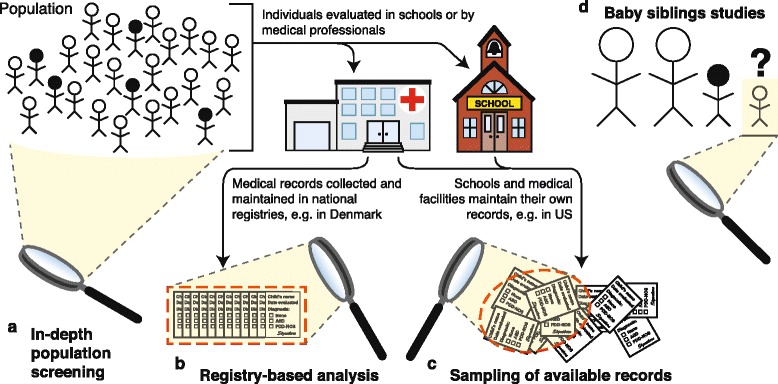
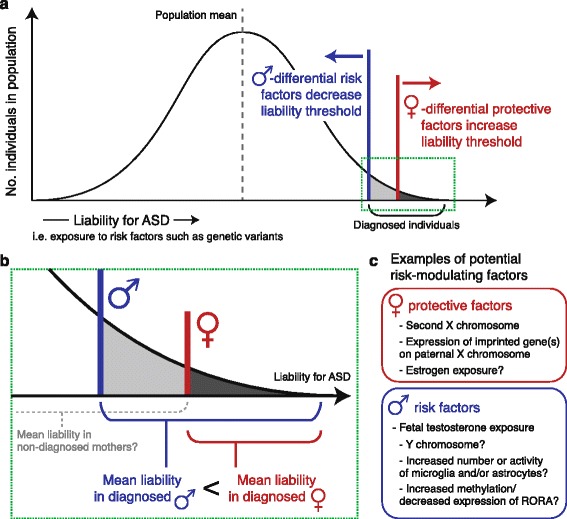
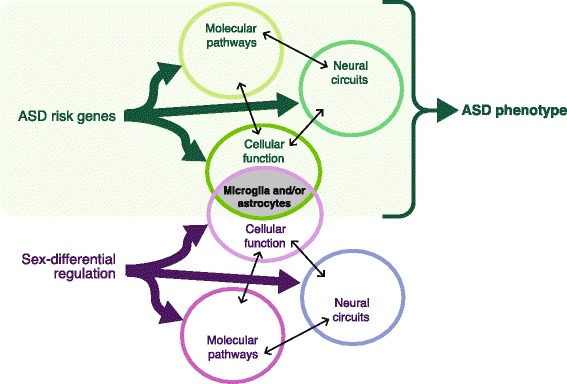
Autism spectrum disorder (ASD) is a developmental condition that affects approximately four times as many males as females, a strong sex bias that has not yet been fully explained. Understanding the causes of this biased prevalence may highlight novel avenues for treatment development that could benefit patients with diverse genetic backgrounds, and the expertise of sex differences researchers will be invaluable in this endeavor. In this review, I aim to assess current evidence pertaining to the sex difference in ASD prevalence and to identify outstanding questions and remaining gaps in our understanding of how males come to be more frequently affected and/or diagnosed with ASD. Though males consistently outnumber females in ASD prevalence studies, prevalence estimates generated using different approaches report male/female ratios of variable magnitude that suggest that ascertainment or diagnostic biases may contribute to the male skew in ASD. Here, I present the different methods applied and implications of their findings. Additionally, even as prevalence estimations challenge the degree of male bias in ASD, support is growing for the long-proposed female protective effect model of ASD risk, and I review the relevant results from recurrence rate, quantitative trait, and genetic analyses. Lastly, I describe work investigating several sex-differential biological factors and pathways that may be responsible for females' protection and/or males' increased risk predicted by the female protective effect model, including sex steroid hormone exposure and regulation and sex-differential activity of certain neural cell types. However, much future work from both the ASD and sex differences research communities will be required to flesh out our understanding of how these factors act to influence the developing brain and modulate ASD risk.
Overview
The claims and statistics of this paper haven’t been checked yet.
Free: it reads the open-access text and checks the first 5 claims that cite a source we can check. Create a free account to check every claim.
Integrity signals
Registry
Cites
Statistics
Figures
Verification
Claims the paper makes
The claims and statistics of this paper haven’t been checked yet.
Free: it reads the open-access text and checks the first 5 claims that cite a source we can check. Create a free account to check every claim.
Claims other papers make about this one
Each is checked against this paper’s own text: does it say what the citing paper says it does?
The cited source says what the claim attributes to it.
In the citing paper
“This result is consistent with the female protective effect model, which postulates that females require an increased genetic load to reach the threshold for ASD diagnosis”
From Large-Scale Exome Sequencing Study Implicates Both Developmental and Functional Changes in the Neurobiology of Autism (2020) · cites this paper as Werling, 2016
The cited source says what the claim attributes to it.
In the citing paper
“These results are consistent with a “female protective effect” in which females in the general population tolerate a greater genetic load of ASD risk, and likewise a greater genetic load is required for females to meet diagnostic criteria for ASD case status21.”
From A phenotypic spectrum of autism is attributable to the combined effects of rare variants, polygenic risk and sex (2022) · cites this paper as [21]
Self-check
Percentages, sums and reported differences re-computed from the paper’s own numbers.
The self-check needs the paper’s full text.
Citations
Cites
Diagnostic and Statistical Manual of Mental Disorders
American Psychiatric Association (2013) · doi:10.1176/appi.books.9780890425596 · Cited by 116,369
(1943) · The Nervous child · Cited by 8,870
Baio, J., Wiggins, L., Christensen, D. L., Maenner, M. J., Daniels, J., Warren, Z., Kurzius-Spencer, M., Zahorodny, W., Robinson, C., Rosenberg, et al. (2018) · MMWR. Surveillance Summaries · doi:10.15585/mmwr.ss6706a1 · Cited by 6,078 · cited 1×
“For example, the Autism and Developmental Disabilities Monitoring Network (ADDM) of the Centers for Disease Control (CDC) in the USA periodically reports on ASD prevalence across multiple sites nationwide, and these reports show an increase in ASD prevalence over time [49, 57, 58].”
BackgroundMindblindness: An Essay on Autism and Theory of Mind
(1995) · Choice Reviews Online · doi:10.5860/choice.33-2412 · Cited by 3,670 · cited 1×
“For much of the field, top priority questions included characterizing the behaviorally defined autistic phenotype in neuroscientific terms, particularly from the cognitive neuroscience [26, 27] and structural/functional neuroanatomical perspectives [28–31], with the intention to leverage these descriptions to discover…”
BackgroundMindblindness: An Essay on Autism and Theory of Mind
Baron-Cohen, S. (1995) · doi:10.7551/mitpress/4635.001.0001 · Cited by 3,428
Autistic disturbances of affective contact.
Kanner, L. (1968) · PubMed · Cited by 3,143
Cahoy, J. D., Emery, B., Kaushal, A., Foo, L. C., Zamanian, J. L., Christopherson, K. S., Xing, Y., Lubischer, J. L., Krieg, P. A., Krupenko, S. A., et al. (2008) · The Journal of Neuroscience · doi:10.1523/jneurosci.4178-07.2008 · Cited by 3,129 · cited 1×
“Genes with higher expression in males also showed significant enrichment for sets of astrocyte and microglial marker genes derived from independent experiments [116, 117].”
BackgroundCell types in the mouse cortex and hippocampus revealed by single-cell RNA-seq
Zeisel, A., Muñoz-Manchado, A. B., Codeluppi, S., Lönnerberg, P., La Manno, G., Juréus, A., Marques, S., Munguba, H., He, L., Betsholtz, C., et al. (2015) · Science · doi:10.1126/science.aaa1934 · Cited by 3,124
Strong association of de novo copy number mutations with autism
Sebat, J., Lakshmi, B., Malhotra, D., Troge, J., Lese-Martin, C., Walsh, T., Yamrom, B., Yoon, S., Krasnitz, A., Kendall, J., et al. (2007) · Science · doi:10.1126/science.1138659 · Cited by 2,795
Synaptic, transcriptional and chromatin genes disrupted in autism
Study, T. D., De Rubeis, S., Autism, H. M. C. F., UK10K Consortium, The Autism Sequencing Consortium, He, X., Goldberg, A. P., Poultney, C. S., Samocha, K., Ercument Cicek, A., et al. (2014) · Nature · doi:10.1038/nature13772 · Cited by 2,746 · cited 1×
“Later analysis of whole exome sequencing in a larger, combined sample of 16 constituent ASD sample sets was able to find a significantly increased rate of de novo lossof-function SNVs in genes associated with ASD risk in females [20].”
Research works printed but not linked: 2
- Gould J Ashton-Smith J Missed diagnosis or misdiagnosis? Girls and women on the autism spectrum Good Autism Pract 2011 12 34 41
- Autism Sisters Project. [ http://autismsciencefoundation.org/about-asf/media-center/press-releases/autism-sisters-project/].
Cited by
Items 101–200 of 221
Molecular and Genetic Mechanisms in Autism Spectrum Disorder
Pruitt, A., Gupta, A. R., & Hoffman, E. J. (2025) · Annals of Neurology · doi:10.1002/ana.70013 · Cited by 12
“31 There has been limited research on the prevalence rate and experiences of ASDs in transgender and gender-diverse individuals.”
InfluentialAlmandil, N. B., Alismail, M. A., Alsuwat, H. S., Alsulaiman, A. A., AbdulAzeez, S., & Borgio, J. F. (2023) · Frontiers in Medicine · doi:10.3389/fmed.2023.1051039 · Cited by 8
Béroule, D. (2018) · BMC Neuroscience · doi:10.1186/s12868-018-0477-1 · Cited by 10
Huntingtin gene CAG repeat size affects autism risk: Family‐based and case–control association study
Piras, I. S., Picinelli, C., Iennaco, R., Baccarin, M., Castronovo, P., Tomaiuolo, P., Cucinotta, F., Ricciardello, A., Turriziani, L., Nanetti, L., et al. (2020) · American Journal of Medical Genetics Part B Neuropsychiatric Genetics · doi:10.1002/ajmg.b.32806 · Cited by 8
Transcriptomic convergence and the female protective effect in autism
Andersen, R., Talukdar, M., Sakamoto, T., Exposito-Alonso, D., Song, J. H. T., Qian, X., Lee, S., Murugan, N., Delgado, R. N., Zhao, S., et al. (2026) · Nature · doi:10.1101/2025.01.20.634000 · Cited by 11
“As ZFX is recurrently downregulated upon disruption of ASD genes, its female-biased expression in combination with its role as a regulator of ASD-relevant genes could result in cascading and broad sex-differential impacts on ASD gene expression, potentially contributing to the FPE in ASD ( Fig.”
InfluentialZhu, L., Zhang, H., Wang, L., & Yang, X. (2025) · Risk Management and Healthcare Policy · doi:10.2147/rmhp.s510506 · Cited by 7
From heterogeneity to idiosyncrasy in the autistic brain
Lin, H., Breakspear, M. J., & Mottron, L. (2026) · Nature Mental Health · doi:10.1038/s44220-026-00601-z · Cited by 10
Mutation in the mitochondrial chaperone TRAP1 leads to autism with more severe symptoms in males
Rydzanicz, M., Kuźniewska, B., Magnowska, M., Wójtowicz, T., Stawikowska, A., Hojka, A., Borsuk, E., Meyza, K. Z., Gewartowska, O., Gruchota, J., et al. (2024) · EMBO Molecular Medicine · doi:10.1038/s44321-024-00147-6 · Cited by 9
“Autism spectrum disorders (ASD) are a heterogeneous group of early-onset neurodevelopmental disorders with an estimated prevalence of ~1% in the general population and an average male-to-female ratio of 4 – 5:1 (Werling, 2016).”
Identification of Autism in Girls: Role of Trait Subtleties, Social Acceptance and Masking.
Corscadden, P., & Casserly, A. M. (2021) · REACH: Journal of Inclusive Education in Ireland · Cited by 21
Advancing research on early autism through an integrated risk and resilience perspective
Stallworthy, I. C., & Masten, A. S. (2022) · Development and Psychopathology · doi:10.1017/s0954579421001437 · Cited by 9
“Mounting evidence suggests that for reasons still not well understood, females may be categorically protected from ASD (Constantino, 2011, 2016, 2017; Werling, 2016).”
BackgroundPignataro, A., Krashia, P., Introna, M. D., Nobili, A., Sabetta, A., Stabile, F., Barbera, L. L., D’Addario, S. L., Ventura, R., Cecconi, F., et al. (2023) · Translational Psychiatry · doi:10.1038/s41398-023-02357-x · Cited by 7
“Then, considering that pathways involved in the female protective effect (FPE), like sex steroid female hormones [17], could be selectively altered in autophagydeficient autistic females, we measured hippocampal expression levels of α and β estrogens receptors (ER) to examine their fluctuation upon variation of hippoc…”
BackgroundŞener, E. F., Dana, H., Tahtasakal, R., Hamurcu, Z., Taheri, S., Delibaşı, N., Mehmetbeyoğlu, E., Şükranlı, Z. Y., Dal, F., Tufan, E., et al. (2023) · Progress in Neuro-Psychopharmacology and Biological Psychiatry · doi:10.1016/j.pnpbp.2023.110764 · Cited by 9
“…show frequently low intellectual level and greater internalizing symptoms compared to male patients with greater social and externalizing behavioral problems, such as aggressive behaviors and increased repetitive stereotyped behaviors (Baio et al., 2018; Iossifov et al., 2014; Werling, 2016).”
BackgroundAnalysis of estrogen receptor β gene methylation in autistic males in a Chinese Han population
Wang, X., Liang, S., Sun, Y. E., Li, H., Endo, F., Nakao, M., Saitoh, N., & Wu, L. (2017) · Metabolic Brain Disease · doi:10.1007/s11011-017-9990-7 · Cited by 9
“ASD has long been known to occur predominantly in males, with a widely reported male:female ratio of 4–5:1 and a more recently reported male:female ratio of 2–3:1 from population-based studies (Kim et al. 2011; Lai et al. 2015; Werling 2016).”
BackgroundSchieve, L. A., & Shapira, S. K. (2018) · American Journal of Epidemiology · doi:10.1093/aje/kwx369 · Cited by 7
“…while human and animal studies link endocrine disrupters to various neurodevelopmental symptoms, the data on specific disorders, such as ASD, are yet sparse (36), and limited data on fetal testosterone and ASD in males suggest associations with high levels of testosterone rather than deficits (37).”
Liu, C., Guo, Z., Pang, J., Zhang, Y., Yang, Z., Cao, J., & Zhang, T. (2024) · Behavioural Brain Research · doi:10.1016/j.bbr.2024.115052 · Cited by 6
Association of placental pathology and gross morphology with autism spectrum disorders
Soullane, S., Spence, A. R., & Abenhaim, H. A. (2021) · Autism Research · doi:10.1002/aur.2658 · Cited by 6
“In our study, the vast majority of children diagnosed with autism were males, which indicates a sex-related differential in ASD (Werling, 2016).”
BackgroundConstantino, J. N. (2017) · Autism · doi:10.1177/1362361317704414 · Cited by 7
“Establishing a benchmark of diagnostic equivalency is a critical anchor for ongoing efforts to understand the biology of differential liability to ASD as a function of sex, which is one of the most profound and pervasive modifiers in this remarkably heterogeneous—and remarkably heritable—group of disorders (see Tick e…”
BackgroundVaria, J. C., Herbert, M. R., & Hooker, B. S. (2025) · Molecular Neurobiology · doi:10.1007/s12035-025-05589-8 · Cited by 10
“The sexually dimorphic prevalence of auto-immune disease for females [5, 102, 117, 289, 379, 390, 594] and ASD for males [145, 352, 574] remains one of the most intriguing clinical observations among both groups of these disorders.”
Sex-Differential Neuroanatomy in Autism: A Shift Toward Male-Characteristic Brain Structure
Hernandez, L. M. (2023) · American Journal of Psychiatry · doi:10.1176/appi.ajp.20220939 · Cited by 5
Oxytocin receptor controls promiscuity and development in prairie volesPreprint
Sharma, R., Berendzen, K. M., Everitt, A., Wang, B., Williams, G., Wang, S., Quine, K., Larios, R., Long, K. L. P., Hoglen, N. E. G., et al. (2024) · bioRxiv (Cold Spring Harbor Laboratory) · doi:10.1101/2024.09.25.613753 · Cited by 9
The inactive X chromosome as a female protector in autism and beyond
Talukdar, M., & Page, D. C. (2026) · Nature Genetics · doi:10.1038/s41588-026-02534-w · Cited by 8
Maternal androgens and autism spectrum disorder in the MARBLES prospective cohort study
Granillo, L., Iosif, A., Goodrich, A. J., Snyder, N. W., & Schmidt, R. J. (2022) · Research in Autism · doi:10.1016/j.rasd.2022.102054 · Cited by 4
Rare damaging variants in the sex differences of congenital heart disease: an exome sequencing study
Sun, H., Hao, X., Liu, H., Zhang, S., Han, J., Zhang, Y., Liu, T., Yang, X., Wang, H., Fan, J., et al. (2025) · EBioMedicine · doi:10.1016/j.ebiom.2025.105736 · Cited by 7
“Contrary to the “ female protective effect ” observed in neurodevelopmental disorders like autism, where females require a higher variant burden for phenotypic manifestation, 53,54 our data revealed no evidence of increased variant burden in female patients with CHD.”
Guerini, F. R., Bolognesi, E., Mensi, M. M., Zanette, M., Agliardi, C., Zanzottera, M., Chiappedi, M. A., Annunziata, S., Garcia‐García, F., Cavallini, A. R., et al. (2024) · International Journal of Molecular Sciences · doi:10.3390/ijms25189879 · Cited by 7
“However, despite the known sex differences, genetic studies in ASD have primarily focused on male or mixed-sex samples, limiting the understanding of female-specific genetic contributions [26–28].”
BackgroundFerrini, L., Bartolini, E., Mancini, A., Tancredi, R., Ferrari, A. R., & Calderoni, S. (2025) · Journal of Clinical Medicine · doi:10.3390/jcm14020529 · Cited by 4
“…between 3:1 and 4:1 [1]; this difference is probably due to several aspects, including the use of androcentric diagnostic criteria and tools [4], the phenomenon of camouflaging [5], and the hypothetical protective effect carried out by particular genetic, epigenetic, and hormonal factors [6–8].”
Echevarria-Cooper, D. M., & Kearney, J. A. (2023) · microPublication biology · doi:10.17912/micropub.biology.000850 · Cited by 4
Smith, C. J. W., Kingsbury, M. A., Dziabis, J. E., Hanamsagar, R. M., Malacon, K. E., Tran, J. N., Norris, H. A., Gulino, M., & Bilbo, S. D. (2020) · bioRxiv (Cold Spring Harbor Laboratory) · doi:10.1101/2020.04.30.068924 · Cited by 4
Oxytocin receptor controls promiscuity and development in prairie volesPreprint
Sharma, R., Berendzen, K. M., Everitt, A., Wang, B., Williams, G., Wang, S., Quine, K., Larios, R., Long, K. L. P., Hoglen, N. E. G., et al. (2025) · eLife · doi:10.7554/elife.104889.1 · Cited by 6
James, D. M., Lam, V. T., Jo, B., & Fung, L. K. (2025) · Behavioural Neurology · doi:10.1155/bn/2951294 · Cited by 3
Alabood, L., Nazari, A., Dow, T., Alabood, S., Jaswal, V. K., & Krishnamurthy, D. (2025) · Designing Interactive Systems Conference · doi:10.1145/3715336.3735719 · Cited by 3
“The final sample was therefore 19 participants, 16 males and 3 females, consistent with the 4:1 male to female autism diagnosis ratio [40].”
Díaz‐Pons, A., Castaño-Castaño, S., de la Foz, V. O., & Ayesa‐Arriola, R. (2025) · European Child & Adolescent Psychiatry · doi:10.1007/s00787-025-02837-z · Cited by 4
“The early emergence of these signs could indicate the need for more tailored screening methods to capture neurodevelopmental risks in females, which might otherwise be overlooked under traditional focus on male-dominated symptoms [39, 78, 98].”
Step, K., Leal, T. P., Kamel, W. A., Waldo, E., Bardien, S., & Mata, I. F. (2025) · Frontiers in Genetics · doi:10.3389/fgene.2025.1650259 · Cited by 3
“…of restricted interests and repetitive behaviors, is one of the most common childhood disorders among males, with a male-to-female ratio of 4.3:1 (Werling, 2016), although this disparity may partly re fl ect a diagnosis bias rather than true prevalence, as females often exhibit better masking of…”
InfluentialNautiyal, H., Jaiswar, A., Jha, P. K., & Dwivedi, S. (2024) · Mammalian Genome · doi:10.1007/s00335-024-10036-5 · Cited by 5
“The female ASD phenotype shows higher social motivation and capacities than males with ASD (Hiller et al. 2014; Lai and Baron-Cohen 2015; Mandy et al. 2012; Werling 2016).”
Sex-specific patterns in social visual attention among individuals with autistic traits
Zhang, L., Guan, X., Xue, H., Liu, X., Zhang, B., Liu, S., & Ming, D. (2025) · BMC Psychiatry · doi:10.1186/s12888-025-06896-z · Cited by 3
“According to the extreme male brain theory, male neurobiology is more strongly associated with autism and typically exhibits higher levels of autistic traits compared to females [24–26].”
Salia, S., Burke, F. F., Hinks, M., Randell, A. M., Matheson, M. A., Walling, S. G., & Swift‐Gallant, A. (2024) · bioRxiv (Cold Spring Harbor Laboratory) · doi:10.1101/2024.06.18.599415 · Cited by 3
“As such, it is likely that sex-specific factors in early development contribute to ASD etiology (6,7).”
BackgroundCooke, K., Walsh-Adams, J., Pecora, L. A., & Stokes, M. A. (2025) · Springer eBooks · doi:10.1007/978-3-031-40858-8_279-1 · Cited by 3
Risk factors for developmental delays in small for gestational age children at age of 24–36 months
Zhang, Y., Shao, S., Qin, J., Liu, J., Liu, G., Liu, Z., & Zhang, X. (2025) · European Child & Adolescent Psychiatry · doi:10.1007/s00787-025-02855-x · Cited by 2
“The systematic review and meta-analysis conducted by Wu et al. [52] included 23 studies disorder prevalence in boys [61].”
Fetal exposure to persistent organic pollutants and childhood autism risk
Petrick, L. M., Dassanayake, P. S., Gennings, C., Guan, H., Akintunde, B., Martinez, M., Regmi, P., Hertz‐Picciotto, I., Arora, M., & Bennett, D. H. (2026) · Environmental Research · doi:10.1016/j.envres.2026.125179 · Cited by 3
Associations between autistic-like traits and polymorphisms in NFKBIL1
Strenn, N., Hovey, D., Jönsson, L., Anckarsäter, H. S., Lundström, S., Lichtenstein, P., & Ekman, A. (2019) · Acta Neuropsychiatrica · doi:10.1017/neu.2019.18 · Cited by 3
“Studies showed that ASD is four times more prevalent in males than females, and the underlying reasons for this gender bias is still poorly understood (Lai et al., 2014; Werling, 2016).”
BackgroundÅkerlund, S., Håkansson, A., & Claesdotter‐Knutsson, E. (2023) · Frontiers in Psychology · doi:10.3389/fpsyg.2022.1068001 · Cited by 3
“Frontiers in Psychology 12 frontiersin.org Werling and Geschwind, 2013; Werling, 2016); however, one would think that a protection would mean females also have less rated problems within social responsiveness which is not the case.”
BackgroundFink, B. K., Moreira, A. G., & Lima, S. S. D. (2023) · Brazilian Journal of Development · doi:10.34117/bjdv9n9-056 · Cited by 15
Sex and the Developing Brain Second Edition
McCarthy, M. M. (2017) · Colloquium Series on The Developing Brain · doi:10.4199/c00152ed1v01y201703dbr014 · Cited by 4
Shores, M. M. (2020) · Springer eBooks · doi:10.1007/978-3-030-54482-9_12 · Cited by 3
Echevarria-Cooper, D. M., & Kearney, J. A. (2023) · bioRxiv (Cold Spring Harbor Laboratory) · doi:10.1101/2023.04.27.538584 · Cited by 2
Oxytocin receptor controls promiscuity and development in prairie volesPreprint
Sharma, R., Berendzen, K. M., Everitt, A., Wang, B., Williams, G., Wang, S., Quine, K., Larios, R., Long, K. L. P., Hoglen, N. E. G., et al. (2026) · eLife · doi:10.7554/elife.104889 · Cited by 4
Sabatini, B. E. J., Cobus, D., & Ito, V. C. (2023) · Dataset Reports · doi:10.58951/dataset.2023.64 · Cited by 4
“This factor can be considered a risk modulator of the disorder (Maia et al., 2018; Werling, 2016).”
BackgroundEmbracing evolutionary theories of autism: Implications for psychiatry
Procyshyn, T. L., Tsompanidis, A., & Baron‐Cohen, S. (2024) · Acta Psychiatrica Scandinavica · doi:10.1111/acps.13653 · Cited by 2
“19 Another commonly used framework in evolutionary psychiatry is that an extreme of an adaptation may manifest in a way that resembles a disorder.”
BackgroundAlimentação seletiva em crianças com Transtorno do Espectro Autista: Uma Revisão de Literatura
de Aguiar, J. V., Souza, M. C. D. J., & Lisboa, C. S. (2024) · REVISTA SAÚDE MULTIDISCIPLINAR · doi:10.53740/rsm.v16i1.762 · Cited by 3
Pre and perinatal predictors on autism spectrum disorders: a case-control study in the west of Iran
Jenabi, E., Salehi, A. M., Ayubi, E., Seyedi, M., Khazaei, S., & Jourmand, H. (2024) · Maternal Health Neonatology and Perinatology · doi:10.1186/s40748-024-00183-7 · Cited by 3
“Our study confirmed it and presented that the male gender increased the 3.51 risk of ASD after adjusting confounder variables [20, 21].”
InfluentialD’Aiello, B., Pontillo, M., Demaria, F., Luzio, M. D., Vincenzo, C. D., Bertoncini, I., Villani, V., Menghini, D., & Vicari, S. (2025) · Journal of Neurodevelopmental Disorders · doi:10.1186/s11689-025-09665-x · Cited by 1
“Several theories have been put forward without finding confirmation [46–48].”
Rodulfo-Cárdenas, R., Biosca-Brull, J., Barberà-Parada, S., Gabaldón-Díaz, R., Ruiz‐Sobremazas, D., Blanco, J., Cabré, M., Domingo, J. L., López-Granero, C., Sánchez-Santed, F., et al. (2026) · NeuroToxicology · doi:10.1016/j.neuro.2026.103466 · Cited by 1
Akbari, M., Badrlou, E., Eslami, S., Hussen, B. M., Taheri, M. N., Neishabouri, S. M., & Ghafouri‐Fard, S. (2022) · Human Gene · doi:10.1016/j.humgen.2022.201046 · Cited by 2
Neubauer, J. C., Kaiser, A., & Hohmann, S. (2023) · Zeitschrift für Kinder- und Jugendpsychiatrie und Psychotherapie · doi:10.1024/1422-4917/a000962 · Cited by 1
Carcamo, M. D. L. A., Quintanilla, R. A., Tiznado, W., & Ruíz, L. M. (2024) · Mitochondrial Communications · doi:10.1016/j.mitoco.2024.12.001 · Cited by 2
COVID-19 y cerebro fetal: afectación y secuelas
de Medicina, M. P. D. E. E. O. Y. G. D. D. P. E. M. M. F. U. C. D. V. M. C. A. N., & Cabrera-Lozada, C. (2022) · Gaceta Médica de Caracas · doi:10.47307/gmc.2022.130.4.15 · Cited by 3
The reasons for girls diagnosed with autism spectrum disorders (ASD) less commonly than boys
Li, Y. (2023) · International Journal of Frontiers in Medicine · doi:10.25236/ijfm.2023.050612
“…general, the more research on the genetics and neurobiology of male- female differences there is, the easier it will be to discover the characteristics of autistic patients, and it will also be more effective for girls with autism. which need more data support and verification (Werling, 2016) [55].”
BackgroundThe link between autism and sex-specific neuroanatomy, and associated cognition and gene expressionPreprint
Floris, D. L., Peng, H., Warrier, V., Lombardo, M. V., Pretzsch, C. M., Moreau, C. A., Tsompanidis, A., Gong, W., Mennes, M., Llera, A., et al. (2022) · medRxiv · doi:10.1101/2022.03.18.22272409 · Cited by 1
“In line with etiological models and evidence suggesting that typical male neurobiology is associated with higher autism likelihood (14, 16, 20, 21), we derived the following hypotheses: using a structural brain imaging-based sex prediction classifier pre-trained in neurotypical males and females to…”
BackgroundMethodWang, S., Wang, B. L., Drury, V., Drake, S., Sun, N., Alkhairo, H., Arbelaez, J., Duhn, C., Genetics), T. I. C. G. (., Bal, V. H., et al. (2022) · medRxiv · doi:10.1101/2022.09.22.22280248 · Cited by 1
Mutation in mitochondrial chaperone TRAP1 results in male-specific autismPreprint
Rydzanicz, M., Kuźniewska, B., Magnowska, M., Wójtowicz, T., Borsuk, E., Gewartowska, O., Gruchota, J., Hojka, A., Miłek, J., Stawikowska, A., et al. (2023) · bioRxiv (Cold Spring Harbor Laboratory) · doi:10.1101/2023.06.02.543381 · Cited by 1
“Autism spectrum disorders (ASD) are a heterogeneous group of early-onset neurodevelopmental disorders with an estimated prevalence of ~1% in the general population and an average male-tofemale ratio of 4-5:1 (1).”
BackgroundSalehi, M., Ahmad, A., Lotfi, A., & Gunturu, S. (2024) · Research Square · doi:10.21203/rs.3.rs-3921934/v1 · Cited by 1
Kim, S., Kim, H., Pelayo, J. P., Alvarez, S., Jang, G., Kim, J., Hoelscher, V. M., Calleja‐Pérez, B., Jung, H., Lee, J., et al. (2025) · medRxiv · doi:10.1101/2025.06.07.25328825 · Cited by 2
Hormonal Regulation of Cerebellar Development and Its Disorders
Koibuchi, N. (2017) · Contemporary clinical neuroscience · doi:10.1007/978-3-319-59749-2_11
Perspectivas neurobiológicas para explicar el autismo: una revisión sistemática de literatura
Sosa, M., Alessandroni, N., & Piro, M. C. (2017) · Revista de Psicología · doi:10.24215/2422572xe60-96 · Cited by 6
On Neuroimmunology and Brain Function: Experimental and Clinical Studies
Strenn, N. (2019) · Gothenburg University Publications Electronic Archive (Gothenburg University)
Sterling, K. (2020) · York University Digital Library (York University)
Silva, A. L. T. E. (2020) · Digital Library of Theses and Dissertations (Universidade de São Paulo) · doi:10.11606/d.41.2020.tde-30112020-001426
Investigation of Genetic and Clinical Heterogeneity in Subtypes of Autism Spectrum Disorder
Chan, A. J. S. (2020) · TSpace (University of Toronto)
Reyna, D. M., García, L. I., Castilla, P. C., Coria‐Ávila, G. A., Toledo‐Cárdenas, M. R., Hernández‐Aguilar, M. E., & Manzo, J. (2019) · eNeurobiología · doi:10.25009/eb.v10i23.2540
Differences in Degree and Form
Floris, D. L., & Andrews, D. S. (2021) · Biological Psychiatry Cognitive Neuroscience and Neuroimaging · doi:10.1016/j.bpsc.2021.06.009
一个非常实用的重要结论——函数的导数(变化率)与函数的凹凸性的关系
王学红 (2009) · 考试周刊 · Cited by 1
Hormonal Regulation of Cerebellar Development and Its Disorders
Koibuchi, N. (2023) · Contemporary clinical neuroscience · doi:10.1007/978-3-031-23104-9_14
Lacroix, A. (2023) · UGA Éditions eBooks · doi:10.4000/books.ugaeditions.29935
إدراكات الآباء السعوديين حول أسباب اضطراب طيف التوحد وخيارات التدخل العلاجي المقدمة لأطفالهم
حمدان, م. (2022) · University of Sharjah (UoS) Journal of Humanities and Social Sciences · doi:10.36394/jhss/19/4/13
Gender differences in sensory sensitivity in ASD patients aged 2 to 15Preprint
Amiri, N. M., & Mehdi, A. (2023) · Research Square · doi:10.21203/rs.3.rs-3132801/v1 · Cited by 1
Replication of rs10099100 Association with Autism Spectrum Disorder Risk in a Polish‐Origin Cohort
Karwowska, J., Polewko-Klim, A., Panasiuk, B., Stasiewicz‐Jarocka, B., Tafazoli, A., Dobrowolska, E., Jarząbek, K., Posmyk, R., & Wawrusiewicz‐Kurylonek, N. (2025) · Research in Autism · doi:10.1016/j.reia.2025.202542
Genetic and Epigenetic Factors Affecting Autism Spectrum DisorderPreprint
Pathak, A. (2025) · doi:10.58445/rars.2491
Kretz, P. F., Wagner, C., Mikhaleva, A., Montillot, C., Hugel, S., Morella, I., Kannan, M., Fischer, M., Milhau, M., Yalçın, İ., et al. (2024) · Figshare · doi:10.6084/m9.figshare.26640508
Scheggi, S., Guzzi, F., Braccagni, G., Montis, M. G. D., Parenti, M. D., & Gambarana, C. (2020) · Figshare · doi:10.6084/m9.figshare.12726457
Kretz, P. F., Wagner, C., Mikhaleva, A., Montillot, C., Hugel, S., Morella, I., Kannan, M., Fischer, M., Milhau, M., Yalçın, İ., et al. (2024) · Figshare · doi:10.6084/m9.figshare.26640532
Kim, S.-W., Lee, H., Song, D. Y., Lee, G. Q., Ji, J., Park, J. W., Han, J. H., Lee, J. W., Byun, H. J., Son, J. H., et al. (2024) · Figshare · doi:10.6084/m9.figshare.27124237
Self-citationKretz, P. F., Wagner, C., Mikhaleva, A., Montillot, C., Hugel, S., Morella, I., Kannan, M., Fischer, M., Milhau, M., Yalçın, İ., et al. (2024) · Figshare · doi:10.6084/m9.figshare.26640514
Kretz, P. F., Wagner, C., Mikhaleva, A., Montillot, C., Hugel, S., Morella, I., Kannan, M., Fischer, M., Milhau, M., Yalçın, İ., et al. (2024) · Figshare · doi:10.6084/m9.figshare.26640520
Kretz, P. F., Wagner, C., Mikhaleva, A., Montillot, C., Hugel, S., Morella, I., Kannan, M., Fischer, M., Milhau, M., Yalçın, İ., et al. (2024) · Figshare · doi:10.6084/m9.figshare.26640502
Kretz, P. F., Wagner, C., Mikhaleva, A., Montillot, C., Hugel, S., Morella, I., Kannan, M., Fischer, M., Milhau, M., Yalçın, İ., et al. (2024) · Figshare · doi:10.6084/m9.figshare.24572204
Scheggi, S., Guzzi, F., Braccagni, G., Montis, M. G. D., Parenti, M. D., & Gambarana, C. (2020) · Figshare · doi:10.6084/m9.figshare.12726454
Scheggi, S., Guzzi, F., Braccagni, G., Montis, M. G. D., Parenti, M. D., & Gambarana, C. (2020) · Figshare · doi:10.6084/m9.figshare.12726451
Kretz, P. F., Wagner, C., Mikhaleva, A., Montillot, C., Hugel, S., Morella, I., Kannan, M., Fischer, M., Milhau, M., Yalçın, İ., et al. (2024) · Figshare · doi:10.6084/m9.figshare.26640529
Kim, S.-W., Lee, H., Song, D. Y., Lee, G. Q., Ji, J., Park, J. W., Han, J. H., Lee, J. W., Byun, H. J., Son, J. H., et al. (2024) · Figshare · doi:10.6084/m9.figshare.27124240
Self-citationKim, S.-W., Lee, H., Song, D. Y., Lee, G. Q., Ji, J., Park, J. W., Han, J. H., Lee, J. W., Byun, H. J., Son, J. H., et al. (2024) · Figshare · doi:10.6084/m9.figshare.27124216
Self-citationKim, S.-W., Lee, H., Song, D. Y., Lee, G. Q., Ji, J., Park, J. W., Han, J. H., Lee, J. W., Byun, H. J., Son, J. H., et al. (2024) · Figshare · doi:10.6084/m9.figshare.27124213
Self-citationKim, S.-W., Lee, H., Song, D. Y., Lee, G. Q., Ji, J., Park, J. W., Han, J. H., Lee, J. W., Byun, H. J., Son, J. H., et al. (2024) · Figshare · doi:10.6084/m9.figshare.27124228
Self-citationKim, S.-W., Lee, H., Song, D. Y., Lee, G. Q., Ji, J., Park, J. W., Han, J. H., Lee, J. W., Byun, H. J., Son, J. H., et al. (2024) · Figshare · doi:10.6084/m9.figshare.27124234
Self-citationKretz, P. F., Wagner, C., Mikhaleva, A., Montillot, C., Hugel, S., Morella, I., Kannan, M., Fischer, M., Milhau, M., Yalçın, İ., et al. (2024) · Figshare · doi:10.6084/m9.figshare.26640511
Kretz, P. F., Wagner, C., Mikhaleva, A., Montillot, C., Hugel, S., Morella, I., Kannan, M., Fischer, M., Milhau, M., Yalçın, İ., et al. (2024) · Figshare · doi:10.6084/m9.figshare.26640505
Kretz, P. F., Wagner, C., Mikhaleva, A., Montillot, C., Hugel, S., Morella, I., Kannan, M., Fischer, M., Milhau, M., Yalçın, İ., et al. (2024) · Figshare · doi:10.6084/m9.figshare.26640517
Kim, S.-W., Lee, H., Song, D. Y., Lee, G. Q., Ji, J., Park, J. W., Han, J. H., Lee, J. W., Byun, H. J., Son, J. H., et al. (2024) · Figshare · doi:10.6084/m9.figshare.27124219
Self-citationKretz, P. F., Wagner, C., Mikhaleva, A., Montillot, C., Hugel, S., Morella, I., Kannan, M., Fischer, M., Milhau, M., Yalçın, İ., et al. (2024) · Figshare · doi:10.6084/m9.figshare.26640523
Kretz, P. F., Wagner, C., Mikhaleva, A., Montillot, C., Hugel, S., Morella, I., Kannan, M., Fischer, M., Milhau, M., Yalçın, İ., et al. (2023) · Figshare · doi:10.6084/m9.figshare.24571899
Kim, S.-W., Lee, H., Song, D. Y., Lee, G. Q., Ji, J., Park, J. W., Han, J. H., Lee, J. W., Byun, H. J., Son, J. H., et al. (2024) · Figshare · doi:10.6084/m9.figshare.27124231
Self-citationKretz, P. F., Wagner, C., Mikhaleva, A., Montillot, C., Hugel, S., Morella, I., Kannan, M., Fischer, M., Milhau, M., Yalçın, İ., et al. (2024) · Figshare · doi:10.6084/m9.figshare.26640526
Metadata
- Authors
- Werling, D. M.
- Affiliations
- University of California, San Francisco (US)
- Corresponding author
- Werling, Donna M.
- ORCID
- Werling, Donna M.
- Venue
- Biology of Sex Differences
- Published
- 2016-11-16
- Volume
- 7
- Issue
- 1
- Pages
- 58-58
- ISSN
- 2042-6410 (ISSN-L)
- PMC
- PMC5112643
- OpenAlex
- W2556402961
- Semantic Scholar
- c5ffdc6f9f3a3318b6bd4cd5e645731d6c0b63a1
- Cited by
- 208
- References
- 129
- Citations by year
- 2026: 23 · 2025: 26 · 2024: 27 · 2023: 31 · 2022: 21 · 2021: 18 · 2020: 25 · 2019: 16 · 2018: 11 · 2017: 9
- FWCI
- 1.26
- Type
- journal article
- Language
- en
- Open access
- gold
- doi.org
- Licence
- cc-by
- creativecommons.org/licenses/by/4.0/ (tdm)
- creativecommons.org/licenses/by/4.0/ (vor)
- Locations
- Biology of Sex Differences (publishedVersion, cc-by)
- Europe PMC (PubMed Central) (publishedVersion, cc-by)
- PubMed Central (publishedVersion, cc-by)
- PubMed (publishedVersion)
- Funders
- National Institute of Mental Health (MH106934)
- Simons Foundation (307705)
- Autism Science Foundation (16-009)
- Topics
- Life Sciences › Neuroscience › Cognitive Neuroscience › Autism Spectrum Disorder Research
- Life Sciences › Biochemistry, Genetics and Molecular Biology › Genetics › Genetics and Neurodevelopmental Disorders
- Health Sciences › Medicine › Endocrinology, Diabetes and Metabolism › Sexual Differentiation and Disorders
- Keywords
- autism spectrum disorder, sex differences, diagnostic bias, ascertainment bias, recurrence rate, quantitative trait loci, sex hormones, brain development, ASD risk
About these checks
Registry, retraction, Cites and statistics results are computed, not judged, with one exception: a printed reference that no index lists is read once by a model before it counts as a citation error. Claims are extracted by a model and kept only when their quote appears verbatim in the text; each cited source is then checked, with a model’s help, for whether it says what the claim relies on. Those verdicts can be wrong — read the claim’s quote and the cited source before relying on one.
Statistics and arithmetic are recomputed, not judged.
Confidence bands are shown only for fields calibrated on our annotated test set. None is calibrated yet, so no band is shown.
What counts as a claim ›How we measure confidence ›How we check this ›
Are you an author, or do you see a problem with this page? Request a review
Data sources
Bibliographic data: Semantic Scholar, OpenAlex, Crossref.
Contains information from the Semantic Scholar Academic Graph Datasets, made available under the ODC Attribution License (ODC-BY 1.0).
Semantic Scholar’s data is described in: Kinney, R., et al. (2023). The Semantic Scholar Open Data Platform. arXiv:2301.10140.
