

The role of sex-differential biology in risk for autism spectrum disorder
Open accessThe DOI matches its Crossref record; 130 of the 130 references it cites were found in a registry or an index.
Abstract
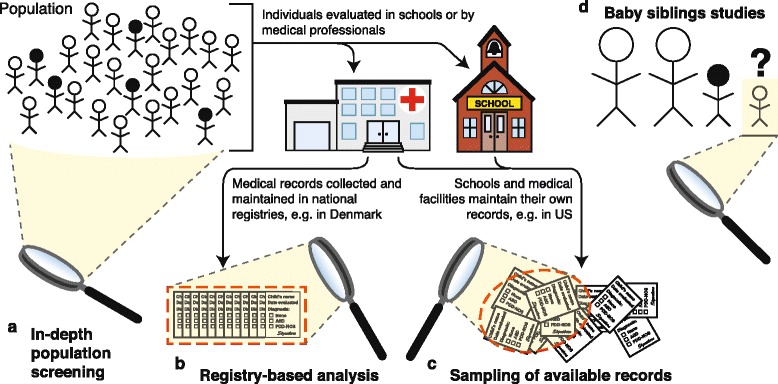
Autism spectrum disorder (ASD) is a developmental condition that affects approximately four times as many males as females, a strong sex bias that has not yet been fully explained. Understanding the causes of this biased prevalence may highlight novel avenues for treatment development that could benefit patients with diverse genetic backgrounds, and the expertise of sex differences researchers will be invaluable in this endeavor. In this review, I aim to assess current evidence pertaining to the sex difference in ASD prevalence and to identify outstanding questions and remaining gaps in our understanding of how males come to be more frequently affected and/or diagnosed with ASD. Though males consistently outnumber females in ASD prevalence studies, prevalence estimates generated using different approaches report male/female ratios of variable magnitude that suggest that ascertainment or diagnostic biases may contribute to the male skew in ASD. Here, I present the different methods applied and implications of their findings. Additionally, even as prevalence estimations challenge the degree of male bias in ASD, support is growing for the long-proposed female protective effect model of ASD risk, and I review the relevant results from recurrence rate, quantitative trait, and genetic analyses. Lastly, I describe work investigating several sex-differential biological factors and pathways that may be responsible for females' protection and/or males' increased risk predicted by the female protective effect model, including sex steroid hormone exposure and regulation and sex-differential activity of certain neural cell types. However, much future work from both the ASD and sex differences research communities will be required to flesh out our understanding of how these factors act to influence the developing brain and modulate ASD risk.
Overview
The claims and statistics of this paper haven’t been checked yet.
Free: it reads the open-access text and checks the first 5 claims that cite a source we can check. Create a free account to check every claim.
Integrity signals
Registry
Cites
Statistics
Figures
Verification
Claims the paper makes
The claims and statistics of this paper haven’t been checked yet.
Free: it reads the open-access text and checks the first 5 claims that cite a source we can check. Create a free account to check every claim.
Claims other papers make about this one
Each is checked against this paper’s own text: does it say what the citing paper says it does?
The cited source says what the claim attributes to it.
In the citing paper
“This result is consistent with the female protective effect model, which postulates that females require an increased genetic load to reach the threshold for ASD diagnosis”
From Large-Scale Exome Sequencing Study Implicates Both Developmental and Functional Changes in the Neurobiology of Autism (2020) · cites this paper as Werling, 2016
The cited source says what the claim attributes to it.
In the citing paper
“These results are consistent with a “female protective effect” in which females in the general population tolerate a greater genetic load of ASD risk, and likewise a greater genetic load is required for females to meet diagnostic criteria for ASD case status21.”
From A phenotypic spectrum of autism is attributable to the combined effects of rare variants, polygenic risk and sex (2022) · cites this paper as [21]
Self-check
Percentages, sums and reported differences re-computed from the paper’s own numbers.
The self-check needs the paper’s full text.
Citations
Cites
Diagnostic and Statistical Manual of Mental Disorders
American Psychiatric Association (2013) · doi:10.1176/appi.books.9780890425596 · Cited by 116,369
(1943) · The Nervous child · Cited by 8,870
Baio, J., Wiggins, L., Christensen, D. L., Maenner, M. J., Daniels, J., Warren, Z., Kurzius-Spencer, M., Zahorodny, W., Robinson, C., Rosenberg, et al. (2018) · MMWR. Surveillance Summaries · doi:10.15585/mmwr.ss6706a1 · Cited by 6,078 · cited 1×
“For example, the Autism and Developmental Disabilities Monitoring Network (ADDM) of the Centers for Disease Control (CDC) in the USA periodically reports on ASD prevalence across multiple sites nationwide, and these reports show an increase in ASD prevalence over time [49, 57, 58].”
BackgroundMindblindness: An Essay on Autism and Theory of Mind
(1995) · Choice Reviews Online · doi:10.5860/choice.33-2412 · Cited by 3,670 · cited 1×
“For much of the field, top priority questions included characterizing the behaviorally defined autistic phenotype in neuroscientific terms, particularly from the cognitive neuroscience [26, 27] and structural/functional neuroanatomical perspectives [28–31], with the intention to leverage these descriptions to discover…”
BackgroundMindblindness: An Essay on Autism and Theory of Mind
Baron-Cohen, S. (1995) · doi:10.7551/mitpress/4635.001.0001 · Cited by 3,428
Autistic disturbances of affective contact.
Kanner, L. (1968) · PubMed · Cited by 3,143
Cahoy, J. D., Emery, B., Kaushal, A., Foo, L. C., Zamanian, J. L., Christopherson, K. S., Xing, Y., Lubischer, J. L., Krieg, P. A., Krupenko, S. A., et al. (2008) · The Journal of Neuroscience · doi:10.1523/jneurosci.4178-07.2008 · Cited by 3,129 · cited 1×
“Genes with higher expression in males also showed significant enrichment for sets of astrocyte and microglial marker genes derived from independent experiments [116, 117].”
BackgroundCell types in the mouse cortex and hippocampus revealed by single-cell RNA-seq
Zeisel, A., Muñoz-Manchado, A. B., Codeluppi, S., Lönnerberg, P., La Manno, G., Juréus, A., Marques, S., Munguba, H., He, L., Betsholtz, C., et al. (2015) · Science · doi:10.1126/science.aaa1934 · Cited by 3,124
Strong association of de novo copy number mutations with autism
Sebat, J., Lakshmi, B., Malhotra, D., Troge, J., Lese-Martin, C., Walsh, T., Yamrom, B., Yoon, S., Krasnitz, A., Kendall, J., et al. (2007) · Science · doi:10.1126/science.1138659 · Cited by 2,795
Synaptic, transcriptional and chromatin genes disrupted in autism
Study, T. D., De Rubeis, S., Autism, H. M. C. F., UK10K Consortium, The Autism Sequencing Consortium, He, X., Goldberg, A. P., Poultney, C. S., Samocha, K., Ercument Cicek, A., et al. (2014) · Nature · doi:10.1038/nature13772 · Cited by 2,746 · cited 1×
“Later analysis of whole exome sequencing in a larger, combined sample of 16 constituent ASD sample sets was able to find a significantly increased rate of de novo lossof-function SNVs in genes associated with ASD risk in females [20].”
Research works printed but not linked: 2
- Gould J Ashton-Smith J Missed diagnosis or misdiagnosis? Girls and women on the autism spectrum Good Autism Pract 2011 12 34 41
- Autism Sisters Project. [ http://autismsciencefoundation.org/about-asf/media-center/press-releases/autism-sisters-project/].
Cited by
Satterstrom, F. K., Kosmicki, J. A., Wang, J., Breen, M. S., De Rubeis, S., An, J.-Y., Peng, M., Collins, R., Grove, J., Klei, L., et al. (2020) · Cell · doi:10.1016/j.cell.2019.12.036 · Cited by 2,321
Big data approaches to decomposing heterogeneity across the autism spectrum
Lombardo, M. V., Lai, M.-C., & Baron-Cohen, S. (2019) · Molecular Psychiatry · doi:10.1038/s41380-018-0321-0 · Cited by 537
Masini, E., Loi, E., Vega-Benedetti, A. F., Carta, M., Doneddu, G., Fadda, R., & Zavattari, P. (2020) · International Journal of Molecular Sciences · doi:10.3390/ijms21218290 · Cited by 280
Signalling pathways in autism spectrum disorder: mechanisms and therapeutic implications
Jiang, C.-C., Lin, L.-S., Long, S., Ke, X.-Y., Fukunaga, K., Lu, Y.-M., & Han, F. (2022) · Signal Transduction and Targeted Therapy · doi:10.1038/s41392-022-01081-0 · Cited by 258
Sex Differences in Autism Spectrum Disorder: Diagnostic, Neurobiological, and Behavioral Features
Napolitano, A., Schiavi, S., La Rosa, P., Rossi-Espagnet, M. C., Petrillo, S., Bottino, F., Tagliente, E., Longo, D., Lupi, E., Casula, L., et al. (2022) · Frontiers in Psychiatry · doi:10.3389/fpsyt.2022.889636 · Cited by 234
“, environmental exposures), before their ASD became evident is greater than for males (9).”
BackgroundGenomics, convergent neuroscience and progress in understanding autism spectrum disorder
Willsey, H. R., Willsey, A. J., Wang, B., & State, M. W. (2022) · Nature Reviews Neuroscience · doi:10.1038/s41583-022-00576-7 · Cited by 229
Antaki, D., Guevara, J., Maihofer, A. X., Klein, M., Gujral, M., Grove, J., Carey, C. E., Hong, O., Arranz, M. J., Hervas, A., et al. (2022) · Nature Genetics · doi:10.1038/s41588-022-01064-5 · Cited by 206
Trakoshis, S., Martínez-Cañada, P., Rocchi, F., Canella, C., You, W., Chakrabarti, B., Ruigrok, A. N., Bullmore, E. T., Suckling, J., Markicevic, M., et al. (2020) · eLife · doi:10.7554/elife.55684 · Cited by 174
Social Camouflaging in Females with Autism Spectrum Disorder: A Systematic Review
Tubío-Fungueiriño, M., Cruz, S., Sampaio, A., Carracedo, A., & Fernández-Prieto, M. (2021) · Journal of Autism and Developmental Disorders · doi:10.1007/s10803-020-04695-x · Cited by 168
“2015); (b) the fact that females can be protected by innate mechanisms, for example, sex-steroid hormones (Werling, 2016); (c) differences in empathizing and systemizing, as females seem to be more empathic because of social compensatory skills and/or (d) the camouflaging of ASD core symptoms.”
BackgroundAutism Spectrum Disorder Genetics and the Search for Pathological Mechanisms
Manoli, D. S., & State, M. W. (2021) · American Journal of Psychiatry · doi:10.1176/appi.ajp.2020.20111608 · Cited by 146
Neural self-representation in autistic women and association with ‘compensatory camouflaging’
Lai, M.-C., Lombardo, M. V., Chakrabarti, B., Ruigrok, A. N., Bullmore, E. T., Suckling, J., Auyeung, B., Happé, F., Szatmari, P., Baron-Cohen, S., et al. (2019) · Autism · doi:10.1177/1362361318807159 · Cited by 134
“Through stratification by sex- and gender-related variables, the deeper translational research goal will be to understand better how specific aetiological and developmental mechanisms of autism diverge among sexes/genders, and contribute to the sex/gender-differential vulnerability (Lai et al., 2015, 2017a; Werling, 2…”
BackgroundClinical characteristics and problems diagnosing autism spectrum disorder in girls
Young, H., Oreve, M.-J., & Speranza, M. (2018) · Archives de Pédiatrie · doi:10.1016/j.arcped.2018.06.008 · Cited by 133
Camouflage and masking behavior in adult autism
Alaghband‐Rad, J., Hajikarim‐Hamedani, A., & Motamed, M. (2023) · Frontiers in Psychiatry · doi:10.3389/fpsyt.2023.1108110 · Cited by 205
“Multiple biological and cognitive factors seem to explain the disparities between men and girls in terms of ASD diagnosis (5), such as: (a) cognitive development disparities exist since females seem to have superior visual abilities and higher IQ scores (8); (b) the fact that females are preserved by intrinsic systems…”
BackgroundEltokhi, A., Kurpiers, B., & Pitzer, C. (2020) · Scientific Reports · doi:10.1038/s41598-020-67758-0 · Cited by 105
Genetic architecture of autism spectrum disorder: Lessons from large-scale genomic studies
Choi, L., & An, J. (2021) · Neuroscience & Biobehavioral Reviews · doi:10.1016/j.neubiorev.2021.06.028 · Cited by 88
“Phenotypic heterogeneity inherent in ASD is influenced by genetic variability, comorbidities, and sex (Beggiato et al., 2017; Bishop et al., 2017; Werling, 2016).”
Andrews, D. S., Lee, J. K., Solomon, M., Rogers, S. J., Amaral, D. G., & Nordahl, C. W. (2019) · Journal of Neurodevelopmental Disorders · doi:10.1186/s11689-019-9291-z · Cited by 70
“, “female protective” and “male risk” models) [48].”
BackgroundSatterstrom, F. K., Kosmicki, J. A., Wang, J., Breen, M. S., De Rubeis, S., An, J.-Y., Peng, M., Collins, R., Grove, J., Klei, L., et al. (2018) · doi:10.1101/484113 · Cited by 2,323
“ASD and consequently requiring an increased genetic load (in this case, deleterious variants of 18 larger effect) to reach the threshold for a diagnosis (35, 36).”
BackgroundSelf-citationSex differences in neuroimmunity as an inherent risk factor
McCarthy, M. M. (2018) · Neuropsychopharmacology · doi:10.1038/s41386-018-0138-1 · Cited by 64
Jacobs, G. R., Voineskos, A. N., Hawco, C. S., Stefanik, L., Forde, N. J., Dickie, E. W., Lai, M., Szatmári, P., Schachar, R. J., Crosbie, J., et al. (2020) · Neuropsychopharmacology · doi:10.1038/s41386-020-00902-6 · Cited by 71
Dougherty, J. D., Marrus, N. M., Maloney, S. E., Yip, B. H. K., Sandin, S., Turner, T. N., Selmanovic, D., Kroll, K. L., Gutmann, D. H., Constantino, J. N., et al. (2022) · Neuron · doi:10.1016/j.neuron.2022.06.020 · Cited by 90
“Some reviews directly equate the FPE to the DT-LTM (Werling, 2016), whereas others mention the DT-LTM or similar models as a possible explanation for “female Neuron.”
Thomaidis, L., Mavroeidi, N., Richardson, C., Choleva, A., Damianos, G., Bolias, K., & Tsolia, M. (2020) · Journal of Clinical Medicine · doi:10.3390/jcm9072163 · Cited by 57
Imaging-genetics of sex differences in ASD: distinct effects of OXTR variants on brain connectivity
Hernandez, L. M., Lawrence, K. E., Padgaonkar, N. T., Inada, M., Hoekstra, J. N., Lowe, J. K., Eilbott, J., Jack, A., Aylward, E., Gaab, N., et al. (2020) · Translational Psychiatry · doi:10.1038/s41398-020-0750-9 · Cited by 54
Gene regulatory mechanisms underlying sex differences in brain development and psychiatric disease
Manoli, D. S., & Tollkühn, J. (2018) · Annals of the New York Academy of Sciences · doi:10.1111/nyas.13564 · Cited by 63
Mo, K., Sadoway, T., Bonato, S., Ameis, S. H., Anagnostou, E., Lerch, J. P., Taylor, M. J., & Lai, M.-C. (2021) · NeuroImage: Clinical · doi:10.1016/j.nicl.2021.102811 · Cited by 53
“…an ascertainment bias in the clinical recognition of this condition which may in part contribute to the apparent male bias in reported prevalence (Werling, 2016), despite the fact that the diagnostic conceptualization and broad-construct level definition of autism are meant to be…”
BackgroundBolneo, E., Chau, P. Y. S., Noakes, P. G., & Bellingham, M. C. (2022) · International Journal of Molecular Sciences · doi:10.3390/ijms23147965 · Cited by 61
Wilkinson, C. L., Levin, A. R., Gabard-Durnam, L. J., Tager-Flusberg, H. B., & Nelson, C. A. (2019) · Autism Research · doi:10.1002/aur.2131 · Cited by 54
The psychopharmacology of autism spectrum disorder and Rett syndrome
Persico, A. M., Ricciardello, A., & Cucinotta, F. (2019) · Handbook of clinical neurology · doi:10.1016/b978-0-444-64012-3.00024-1 · Cited by 61
Eltokhi, A., Kurpiers, B., & Pitzer, C. (2021) · Scientific Reports · doi:10.1038/s41598-021-85858-3 · Cited by 60
Sex-Specific Differences in Redox Homeostasis in Brain Norm and Disease
Ruszkiewicz, J. A., Miranda‐Vizuete, A., Tinkov, A. A., Геннадиевна, С. М., Skalny, A. V., Tsatsakis, A. M., & Aschner, M. (2019) · Journal of Molecular Neuroscience · doi:10.1007/s12031-018-1241-9 · Cited by 49
Towards understanding sex differences in autism spectrum disorders
Leow, K. Q., Tonta, M. A., Lü, J., Coleman, H. A., & Parkington, H. C. (2024) · Brain Research · doi:10.1016/j.brainres.2024.148877 · Cited by 65
“Genetic studies in ASD have primarily focused on male or mixed-gender samples, limiting the understanding of female-specific genetic contributions (Klin et al., 2003; Szatmari et al., 2009; Werling, 2016).”
Cirzi, C., Dyckow, J., Legrand, C., Schott, J., Guo, W., Pérez-Hernández, D., Hisaoka, M., Parlato, R., Pitzer, C., van der Hoeven, F., et al. (2023) · The EMBO Journal · doi:10.15252/embj.2022112507 · Cited by 52
“Susceptibility to various other neurological disorders has also been found to differ between male and female individuals, including a 4:1 ratio in autism spectrum disorders (Werling, 2016) and a 1:2 ratio in depression (Kang et al , 2020), respectively.”
BackgroundCumin, J., Peláez, S., & Mottron, L. (2021) · Autism · doi:10.1177/13623613211042719 · Cited by 67
Chromosome X-wide common variant association study in autism spectrum disorder
de Aquino, M. M., Chen, D., Engchuan, W., Leal, T. P., Thiruvahindrapuram, B., Trost, B., Howe, J., Pellecchia, G., Nalpathamkalam, T., Alexandrova, R., et al. (2024) · The American Journal of Human Genetics · doi:10.1016/j.ajhg.2024.11.008 · Cited by 53
Prosperi, M., Turi, M., Guerrera, S., Napoli, E., Tancredi, R., Igliozzi, R., Apicella, F., Valeri, G., Lattarulo, C., Gemma, A., et al. (2021) · Frontiers in Integrative Neuroscience · doi:10.3389/fnint.2020.594082 · Cited by 52
“Although this sex imbalance remains a matter of debate, genetic, and/or sex-related hormone pathogenesis are thought to play a considerable role (Werling, 2016).”
BackgroundRelating pathogenic loss-of-function mutations in humans to their evolutionary fitness costs
Agarwal, I., Fuller, Z. L., Myers, S. R., & Przeworski, M. (2023) · eLife · doi:10.7554/elife.83172 · Cited by 41
Scheggi, S., Guzzi, F., Braccagni, G., Montis, M. G. D., Parenti, M. D., & Gambarana, C. (2020) · Molecular Autism · doi:10.1186/s13229-020-00358-x · Cited by 51
“Thus, the results support the face validity of the model that mimics relevant features of ASD clinical presentation, where female subjects generally show better social skills than males [44, 45].”
ResultSex Hormones Regulate SHANK Expression
Berkel, S., Eltokhi, A., Fröhlich, H., Porras-Gonzalez, D., Rafiullah, R., Sprengel, R., & Rappold, G. A. (2018) · Frontiers in Molecular Neuroscience · doi:10.3389/fnmol.2018.00337 · Cited by 41
“Males show higher prenatal and postnatal testosterone levels than females (Baron-Cohen, 2002; Werling, 2016).”
BackgroundInfluentialSex Differences in Brain Disorders
Ziemka‐Nałęcz, M., Pawelec, P., Ziąbska, K., & Zalewska, T. (2023) · International Journal of Molecular Sciences · doi:10.3390/ijms241914571 · Cited by 54
Smith, C. J. W., Kingsbury, M. A., Dziabis, J. E., Hanamsagar, R., Malacon, K. E., Tran, J. N., Norris, H. A., Gulino, M., Bordt, E. A., & Bilbo, S. D. (2020) · Brain Behavior and Immunity · doi:10.1016/j.bbi.2020.08.013 · Cited by 53
Intrauterine Viral Infections: Impact of Inflammation on Fetal Neurodevelopment
Ganguli, S., & Chavali, P. L. (2021) · Frontiers in Neuroscience · doi:10.3389/fnins.2021.771557 · Cited by 53
“Males have been shown to be more susceptible to ASD, ADHD, schizophrenia, and bipolar disorder than females (Werling and Geschwind, 2013; Werling, 2016).”
BackgroundPsychotropic Polypharmacy Among Children and Youth with Autism: A Systematic Review
Ritter, C., Hewitt, K., & McMorris, C. A. (2021) · Journal of Child and Adolescent Psychopharmacology · doi:10.1089/cap.2020.0110 · Cited by 45
“As autism affects males four times more often than females (Fombonne 2009; Werling 2016), studies in our review appear to be consistent with this ratio, with * 82% of males across all 16 studies.”
Sex Differences in the Epigenome: A Cause or Consequence of Sexual Differentiation of the Brain?
Gegenhuber, B., & Tollkühn, J. (2019) · Genes · doi:10.3390/genes10060432 · Cited by 49
“Autism spectrum disorders (ASD) are diagnosed more frequently in boys than girls (4:1), and there is substantial evidence that a genetic component drives this sex-bias [153].”
BackgroundNeural responsivity to social rewards in autistic female youth
Lawrence, K. E., Hernandez, L. M., Eilbott, J., Jack, A., Aylward, E., Gaab, N., Van Horn, J. D., Bernier, R. A., Geschwind, D. H., McPartland, J. C., et al. (2020) · Translational Psychiatry · doi:10.1038/s41398-020-0824-8 · Cited by 39
Lei, J., Lecarie, E., Jurayj, J., Boland, S., Sukhodolsky, D. G., Ventola, P., Pelphrey, K. A., & Jou, R. J. (2019) · Autism Research · doi:10.1002/aur.2180 · Cited by 36
Gut–brain axis in the executive function of austism spectrum disorder
Román, P., Rueda‐Ruzafa, L., Cardona, D., & Cortés‐Rodríguez, A. E. (2018) · Behavioural Pharmacology · doi:10.1097/fbp.0000000000000428 · Cited by 39
Molecular causes of sex‐specific deficits in rodent models of neurodevelopmental disorders
Mossa, A., & Manzini, M. C. (2019) · Journal of Neuroscience Research · doi:10.1002/jnr.24577 · Cited by 39
“Reports on higher intelligence quotient (IQ) autistic individuals find male:female ratios as high as 10:1 (Fombonne, 2005; Werling, 2016) and genetic studies suggested that autistic males with higher IQ may be a genetically distinct group, showing that autistic females overlap with autistic males…”
BackgroundInfluentialThe Link Between Autism and Sex-Related Neuroanatomy, and Associated Cognition and Gene Expression
Floris, D. L., Peng, H., Warrier, V., Lombardo, M. V., Pretzsch, C. M., Moreau, C. A., Tsompanidis, A., Gong, W., Mennes, M., Llera, A., et al. (2022) · American Journal of Psychiatry · doi:10.1176/appi.ajp.20220194 · Cited by 38
“In line with etiological models and evidence suggesting that typical male neurobiology is associated with a higher likelihood of autism (14, 16, 19, 21), we derived three hypotheses, using a T 1 -weighted structural brain imaging – based sex prediction classi fi er pretrained in neurotypical males…”
No Sex Differences in Cognitive Ability in Young Children with Autism Spectrum Disorder
Duvall, S. W., Huang-Storms, L. Y., Hill, A. P., Myers, J., & Fombonne, E. J. (2019) · Journal of Autism and Developmental Disorders · doi:10.1007/s10803-019-03933-1 · Cited by 41
The Polygenic Nature and Complex Genetic Architecture of Specific Learning Disorder
Georgitsi, M., Dermitzakis, I., Soumelidou, E., & Bonti, E. (2021) · Brain Sciences · doi:10.3390/brainsci11050631 · Cited by 44
Salem, N. A., Mahnke, A. H., Konganti, K., Hillhouse, A., & Miranda, R. C. (2021) · iScience · doi:10.1016/j.isci.2021.102439 · Cited by 73
“Intriguingly, although there is a large sex bias in presentation of ASD toward males (Werling, 2016; Werling and Geschwind, 2013), we found that a larger number of ASD-implicated genes were altered by PAE in female neural clusters compared with male, with up to 26% of ASD-identified NDD genes…”
Kim, S.-W., Lee, H., Song, D. Y., Lee, G., Ji, J., Park, J. W., Han, J. H., Lee, J., Byun, H. J., Son, J. H., et al. (2024) · Genome Medicine · doi:10.1186/s13073-024-01385-6 · Cited by 43
Self-citationMatsui, F., Hecht, P. M., Yoshimoto, K., Watanabe, Y., Morimoto, M., Fritsche, K. L., Will, M. J., & Beversdorf, D. Q. (2017) · Neuroscience · doi:10.1016/j.neuroscience.2017.12.029 · Cited by 35
“Moreover, the model may have translational implications for the sex differences observed in the clinical population of ASD, one of the most stable features of ASDs (Werling, 2016).”
Impact of autism genetic risk on brain connectivity: a mechanism for the female protective effect
Lawrence, K. E., Hernandez, L. M., Fuster, E., Padgaonkar, N. T., Patterson, G., Jung, J., Okada, N. J., Lowe, J. K., Hoekstra, J. N., Jack, A., et al. (2021) · Brain · doi:10.1093/brain/awab204 · Cited by 37
Prenatal Nutritional Factors and Neurodevelopmental Disorders: A Narrative Review
Cernigliaro, F., Santangelo, A., Nardello, R., Cascio, S. L., D’Agostino, S., Correnti, E., Marchese, F., Pitino, R., Valdese, S., Rizzo, C., et al. (2024) · Life · doi:10.3390/life14091084 · Cited by 45
“Another potential risk factor for ASD is fetal exposure to sex hormones (in fact, the fetal testosterone theory was one of the theories proposed to explain the major prevalence of ASD in males, a very controversial hypothesis) [25].”
BackgroundAssociation between ultrasonography foetal anomalies and autism spectrum disorder
Regev, O., Hadar, A., Meiri, G., Flusser, H., Michaelovski, A., Dinstein, I., Hershkovitz, R., & Menashe, I. (2022) · Brain · doi:10.1093/brain/awac008 · Cited by 33
Walsh, M. J. M., Pagni, B. A., Monahan, L., Delaney, S., Smith, C. J., Baxter, L. C., & Braden, B. B. (2022) · Cerebral Cortex · doi:10.1093/cercor/bhac069 · Cited by 30
Molecular diagnosis of 405 individuals with autism spectrum disorder
Miyake, N., Tsurusaki, Y., Fukai, R., Kushima, I., Okamoto, N., Ohashi, K., Nakamura, K., Hashimoto, R., Hiraki, Y., Son, S., et al. (2023) · European Journal of Human Genetics · doi:10.1038/s41431-023-01335-7 · Cited by 36
“…as 9:1 among cases with normal-to-high-range intelligence quotient scores [high-functioning] but as low as 1.6:1 among cases with intellectual disability), and it has been suggested that ASD may be masked by higher language skills, especially in high-functioning females (reviewed by Werling [38]).”
InfluentialAlteration of the steroidogenesis in boys with autism spectrum disorders
Janšáková, K., Hill, M., Čelárová, D., Celušáková, H., Repiská, G., Bičíková, M., Máčová, L., & Ostatníková, D. (2020) · Translational Psychiatry · doi:10.1038/s41398-020-01017-8 · Cited by 29
Reilly, J., Gallagher, L., Leader, G., & Shen, S. (2020) · PLoS ONE · doi:10.1371/journal.pone.0242773 · Cited by 31
Carbone, E., Buzzelli, V., Manduca, A., Leone, S., Rava, A., & Trezza, V. (2023) · International Journal of Molecular Sciences · doi:10.3390/ijms24043920 · Cited by 33
Nitschke, A. S., do Valle, H. A., Vallance, B. A., Bickford, C., Ip, A., Lanphear, N. E., Lanphear, B. P., Weikum, W., Oberlander, T. F., & Hanley, G. E. (2023) · Paediatric and Perinatal Epidemiology · doi:10.1111/ppe.12972 · Cited by 29
Transcriptomic sex differences in postmortem brain samples from patients with psychiatric disorders
Xia, Y., Xia, C., Jiang, Y. W., Chen, Y., Zhou, J., Dai, R., Han, C., Mao, Z., Liu, C., Chen, C., et al. (2024) · Science Translational Medicine · doi:10.1126/scitranslmed.adh9974 · Cited by 35
Whyte, E. M., & Scherf, K. S. (2017) · Clinical Psychological Science · doi:10.1177/2167702617738380 · Cited by 28
“, hormones, sexually dimorphic genes) that protect them from developing symptoms of autism (Robinson, Lichtenstein, Anckarsäter, Happé, & Ronald, 2013; Werling, 2016; Werling, Parikshak, & Geschwind, 2016).”
BackgroundInfluentialAutism Spectrum Disorder: Genetic Mechanisms and Inheritance Patterns
Monica, I. L., Iorio, M. R. D., Sica, A., Rufino, F., Sotira, C., Pastore, L., & Lombardo, B. (2025) · Genes · doi:10.3390/genes16050478 · Cited by 43
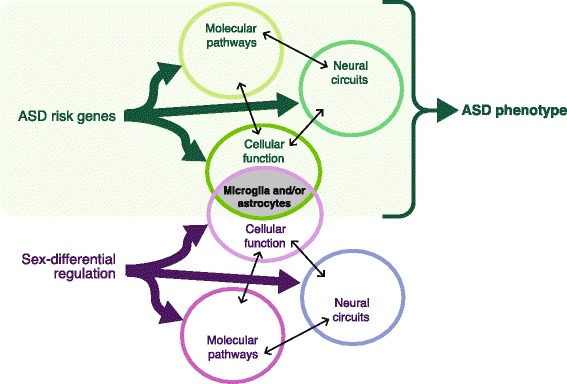
“…and pathways that may account for the observed female protection and increased male risk in autism, predicted by the female protective effect model, are believed to involve the regulation and exposure to sex steroid hormones, as well as sex-differentiated activity in certain neural cell types [17].”
Rare X-linked variants carry predominantly male risk in autism, Tourette syndrome, and ADHD
Wang, S., Wang, B., Drury, V., Drake, S., Sun, N., Alkhairo, H., Arbelaez, J., Duhn, C., Genetics), T. I. C. G. (., Bromberg, Y., et al. (2023) · Nature Communications · doi:10.1038/s41467-023-43776-0 · Cited by 40
Salia, S., Burke, F. F., Hinks, M., Randell, A. M., Matheson, M. A., Walling, S. G., & Swift‐Gallant, A. (2024) · Brain Behavior and Immunity · doi:10.1016/j.bbi.2024.10.030 · Cited by 31
“Same or cross-sex transplantation of vehicle or MIA microbiota produced a donor sex-specific shift in alpha diversity and overall bacterial abundance regardless of recipient sex.”
Stress during pregnancy: Fetal males pay the price
McCarthy, M. M. (2019) · Proceedings of the National Academy of Sciences · doi:10.1073/pnas.1916909116 · Cited by 27
Working toward a better understanding of the life experiences of women on the autism spectrum
Taylor, J. L., & DaWalt, L. S. (2020) · Autism · doi:10.1177/1362361320913754 · Cited by 28
“Recent research has examined the so-called “female protective effect” (i.e. genetic and early environmental mechanisms that might protect females from developing autism; Lai et al., 2015; Werling, 2016) and sex/gender differences in the autism phenotype (Hull et al.”
BackgroundPalacios-Muñoz, A., Moreira, D. D. P., Silva, V., García, I. E., Aboitiz, F., Zarrei, M., Campos, G. D. S., Rennie, O., Howe, J., Anagnostou, E. A., et al. (2022) · Molecular Psychiatry · doi:10.1038/s41380-022-01555-1 · Cited by 22
“ASD symptoms and the impact of risk factors can differ in men and women [66], and, interestingly, we found that, unlike males, trpγ mutant female flies did not show consistent differences in total sleep compared to controls (Fig.”
ResultSujan, A. C., Young‐Wolff, K. C., & Avalos, L. A. (2022) · Birth Defects Research · doi:10.1002/bdr2.2060 · Cited by 24
“For example, there is a higher prevalence of autism spectrum disorders in boys compared with girls (Werling, 2016).”
BackgroundA broad autism phenotype expressed in facial morphology
Tan, D. W., Maybery, M. T., Gilani, S. Z., Alvares, G. A., Mian, A. S., Suter, D., & Whitehouse, A. (2020) · Translational Psychiatry · doi:10.1038/s41398-020-0695-z · Cited by 28
Signaling Pathways and Sex Differential Processes in Autism Spectrum Disorder
Enriquez, K., Gupta, A. R., & Hoffman, E. J. (2021) · Frontiers in Psychiatry · doi:10.3389/fpsyt.2021.716673 · Cited by 23
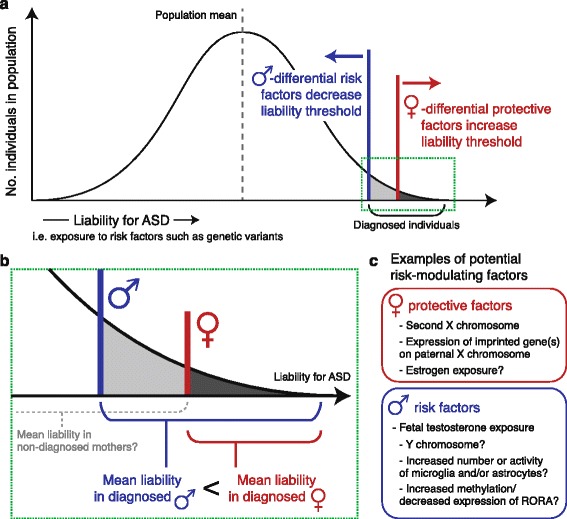
“The female protective effect theory assumes that the risk for ASD is quantitative and follows a normal distribution in the general population, but that females are protected against this risk and thus have a higher liability threshold for ASD diagnosis (5, 7).”
BackgroundInfluentialKretz, P. F., Wagner, C., Mikhaleva, A., Montillot, C., Hugel, S., Morella, I., Kannan, M., Fischer, M., Milhau, M., Yalçın, İ., et al. (2023) · Genome biology · doi:10.1186/s13059-023-03092-8 · Cited by 23
Sex differences in trajectories of cortical development in autistic children from 2–13 years of age
Andrews, D. S., Diers, K., Lee, J. K., Harvey, D. J., Heath, B. E., Cordero, D., Rogers, S. J., Reuter, M., Solomon, M., Amaral, D. G., et al. (2024) · Molecular Psychiatry · doi:10.1038/s41380-024-02592-8 · Cited by 19
Sex/gender differences in neurology and psychiatry: Autism
Ruigrok, A. N. V., & Lai, M. (2020) · Handbook of clinical neurology · doi:10.1016/b978-0-444-64123-6.00020-5 · Cited by 21
Quantitative and Qualitative Sex Modulations in the Brain Anatomy of Autism
Hammill, C. F., Lerch, J. P., Taylor, M. J., Ameis, S. H., Chakravarty, M. M., Szatmári, P., Anagnostou, E. A., & Lai, M. (2021) · Biological Psychiatry Cognitive Neuroscience and Neuroimaging · doi:10.1016/j.bpsc.2021.03.001 · Cited by 19
Montani, C., Balasco, L., Pagani, M., Alvino, F. G., Barsotti, N., de Guzman, A. E., Galbusera, A., Felice, A. D., Nickl‐Jockschat, T., Migliarini, S., et al. (2024) · Science Advances · doi:10.1126/sciadv.adg1421 · Cited by 16
“Several ideas have been proposed to explain this phenomenon (Lai et al., 2015; Werling, 2016).”
Interactions of genetic risks for autism and the broad autism phenotypes
Dong, L., Wang, Y., Wang, X., Luo, T., Zhou, Q., Zhao, G., Li, B., Xia, L., Xia, K., & Li, J. (2023) · Frontiers in Psychiatry · doi:10.3389/fpsyt.2023.1110080 · Cited by 14
“The “female protective effect” under a liability threshold model in ASD may also contribute to the sex difference, as females may require more genetic risks than males to meet the ASD diagnostic threshold (6).”
BackgroundSteroid hormone pathways, vitamin D and autism: a systematic review
Amestoy, A., Baudrillard, C., Briot, K., Pizano, A., Bouvard, M. P., & Lai, M. (2023) · Journal of Neural Transmission · doi:10.1007/s00702-022-02582-6 · Cited by 16
“A multi-threshold liability model could then explain the sex difference in autism incidence and prevalence in the general population (Werling 2016).”
BackgroundRam, H. S., Solt, I., & Chodick, G. (2017) · BMJ Open · doi:10.1136/bmjopen-2016-014606 · Cited by 19
Persico, A. M., Cucinotta, F., Ricciardello, A., & Turriziani, L. (2020) · Elsevier eBooks · doi:10.1016/b978-0-12-814409-1.00003-3 · Cited by 18
Whole-genome sequencing identifies novel genes for autism in Chinese trios
Chang, S., Liu, J. J., Zhao, Y., Pang, T., Zheng, X., Song, Z., Zhang, A., Gao, X., Luo, L., Guo, Y., et al. (2024) · Science China Life Sciences · doi:10.1007/s11427-023-2564-8 · Cited by 14
“One hypothesis is that female requires an increased genetic load to reach the threshold for ASD diagnosis (Werling, 2016).”
Putative contributions of the sex chromosome proteins SOX3 and SRY to neurodevelopmental disorders
Tahira, A. C., Barbosa, A. R., Feltrin, A. S., Gastaldi, V. D., de Toledo, V. H. C., de Carvalho Pereira, J. G., Lisboa, B. C. G., de Souza Reis, V. N., dos Santos, A. C. F., Maschietto, M., et al. (2019) · American Journal of Medical Genetics Part B: Neuropsychiatric Genetics · doi:10.1002/ajmg.b.32704 · Cited by 11
“Contributions to the sex-skewed prevalence of ASD seem to be related to naturally sexually dimorphic processes, which could modulate the impact of variants in a sex specific manner (Werling, 2016; Werling, Parikshak, & Geschwind, 2016).”
BackgroundSex bias in social deficits, neural circuits and nutrient demand in Cttnbp2 autism models
Yen, T., Huang, T., Lin, M.-H., Hsu, T., Lu, M., Shih, P.-Y., Ellegood, J., Lerch, J. P., & Hsueh, Y. (2022) · Brain · doi:10.1093/brain/awac429 · Cited by 12
Davies, W. (2021) · European Journal of Medical Genetics · doi:10.1016/j.ejmg.2021.104169 · Cited by 12
“Females affected by developmental disorders have been reported to exhibit higher rates of deleterious genetic variants compared to males affected by such conditions, even after matching for symptom severity, suggesting the possibility that females are somehow protected, or buffered, against the effects of such variant…”
BackgroundUsing Pattern Classification to Identify Brain Imaging Markers in Autism Spectrum Disorder
Andrews, D. S., Marquand, A. F., Ecker, C., & McAlonan, G. M. (2018) · Current topics in behavioral neurosciences · doi:10.1007/7854_2018_47 · Cited by 16
Sex-biased single-cell genetic landscape in mice with autism spectrum disorder
Zhang, Q., Wang, Y., Tao, J., Xia, R., Zhang, Y., Liu, Z., & Cheng, J. (2023) · Journal of genetics and genomics/Journal of Genetics and Genomics · doi:10.1016/j.jgg.2023.08.012 · Cited by 11
Examining Diagnostic Trends and Gender Differences in the ADOS-II
Tien, I. S., Johnson, A. R., Kim, J., & Wood, J. J. (2023) · Journal of Autism and Developmental Disorders · doi:10.1007/s10803-023-06191-4 · Cited by 16
“It has been suggested in a multiple-thresh - old liability model that females have protective genetic factors that work in conjunction with male risk factors that present as lesser autism symptoms and lead to differences in diagnostic rates (Werling, 2016).”
Carpente, J., & Gattino, G. (2018) · Nordic Journal of Music Therapy · doi:10.1080/08098131.2018.1456480 · Cited by 13
“This ratio is in accordance with previous ASD studies and will not influence the results of this study (Werling, 2016).”
ResultOrigin of Sex-Biased Mental Disorders: An Evolutionary Perspective
Singh, R. S., Singh, K. K., & Singh, S. M. (2021) · Journal of Molecular Evolution · doi:10.1007/s00239-021-09999-9 · Cited by 12
“Because females exhibit reduced autism risk, a genetic protective model has also been proposed which causes the diagnostic threshold to be higher for females than males but does not explain how or why (Lai et al. 2011; Robinson et al. 2013; Jacquemont et al. 2014; Gockley et al. 2015; Lai, Baron-Cohen et al. 2015a, b;…”
BackgroundSexual Dimorphism in Telomere Length in Childhood Autism
Panahi, Y., Moghaddam, F. S., Babaei, K., Eftekhar, M., Badv, R. S., Eskandari, M. R., Vafaee‐Shahi, M., Pezeshk, H., & Pedram, M. (2022) · Journal of Autism and Developmental Disorders · doi:10.1007/s10803-022-05486-2 · Cited by 10
Mouat, J. S., Krigbaum, N. Y., Hakam, S. M., Thrall, E., Kuodza, G. E., Mellis, J., Yasui, D. H., Cirillo, P. M., Ludeña, Y., Schmidt, R. J., et al. (2025) · Biology of Sex Differences · doi:10.1186/s13293-025-00712-9 · Cited by 16
Early establishment and life course stability of sex biases in the human brain transcriptome
Benoit‐Pilven, C., Asteljoki, J. V., Leinonen, J. T., Karjalainen, J. M., Daly, M. J., & Tukiainen, T. (2025) · Cell Genomics · doi:10.1016/j.xgen.2025.100890 · Cited by 14
“5,6 Despite these abundant sex differences related to the human brain function, little is known about how and when they appear.”
Microglia alter sex-specific cerebellar myelination following placental hormone loss
Salzbank, J., Lacaille, H., Gaby, J., O’Reilly, J. J., Kissner, M. D., Vacher, C., & Penn, A. A. (2025) · Nature Communications · doi:10.1038/s41467-025-64814-z · Cited by 12
“Source data are provided as a Source Data fi le. developing brain, while in fl ammation in the male brain increases during the process of brain masculinization 55 .”
Diffusion radiomics for subtyping and clustering in autism spectrum disorder: A preclinical study
Singh, A. P., Jain, V., & Yu, J. J. (2022) · Magnetic Resonance Imaging · doi:10.1016/j.mri.2022.12.003 · Cited by 9
AMBRA1, Autophagy, and the Extreme Male Brain Theory of Autism
Crespi, B. J., Read, S., Ly, A., & Hurd, P. L. (2019) · Autism Research and Treatment · doi:10.1155/2019/1968580 · Cited by 11
Hu, C., Wang, Y., Li, C., Mei, L., Zhou, B., Li, D., Li, H., Xu, Q., & Xu, X. (2023) · Frontiers in Genetics · doi:10.3389/fgene.2023.1083779 · Cited by 13
“It is believed that sex differences are consistent with the female protective effect model, which assumes that women need an increased genetic load to reach the threshold for ASD diagnosis (Werling, 2016).”
BackgroundNing, Z., Williams, J. M., Kumari, R., Baranov, P. V., & Moore, T. (2019) · Frontiers in Psychiatry · doi:10.3389/fpsyt.2019.00416 · Cited by 11
AR-Based Educational Software for Nonspeaking Autistic People - A Feasibility Study
Shahidi, A., Alabood, L., Kaufman, K. M., Jaswal, V. K., Krishnamurthy, D., & Wang, M. (2023) · Proceedings - International Symposium on Mixed and Augmented Reality, ISMAR · doi:10.1109/ismar59233.2023.00069 · Cited by 15
“Autism is traditionally four times more likely to be diagnosed in males than females [40].”
BackgroundAdvancing precision diagnosis in autism: Insights from large-scale genomic studies
Kim, S.-W., & An, J. (2025) · Molecules and Cells · doi:10.1016/j.mocell.2025.100248 · Cited by 14
“Higher genetic burden in female ASD than male ASD supports the female protective effect, which posits that females require a greater genetic risk to surpass the threshold for ASD diagnosis compared with males (Werling, 2016) (Fig.”
Metadata
- Authors
- Werling, D. M.
- Affiliations
- University of California, San Francisco (US)
- Corresponding author
- Werling, Donna M.
- ORCID
- Werling, Donna M.
- Venue
- Biology of Sex Differences
- Published
- 2016-11-16
- Volume
- 7
- Issue
- 1
- Pages
- 58-58
- ISSN
- 2042-6410 (ISSN-L)
- PMC
- PMC5112643
- OpenAlex
- W2556402961
- Semantic Scholar
- c5ffdc6f9f3a3318b6bd4cd5e645731d6c0b63a1
- Cited by
- 208
- References
- 129
- Citations by year
- 2026: 23 · 2025: 26 · 2024: 27 · 2023: 31 · 2022: 21 · 2021: 18 · 2020: 25 · 2019: 16 · 2018: 11 · 2017: 9
- FWCI
- 1.26
- Type
- journal article
- Language
- en
- Open access
- gold
- doi.org
- Licence
- cc-by
- creativecommons.org/licenses/by/4.0/ (tdm)
- creativecommons.org/licenses/by/4.0/ (vor)
- Locations
- Biology of Sex Differences (publishedVersion, cc-by)
- Europe PMC (PubMed Central) (publishedVersion, cc-by)
- PubMed Central (publishedVersion, cc-by)
- PubMed (publishedVersion)
- Funders
- National Institute of Mental Health (MH106934)
- Simons Foundation (307705)
- Autism Science Foundation (16-009)
- Topics
- Life Sciences › Neuroscience › Cognitive Neuroscience › Autism Spectrum Disorder Research
- Life Sciences › Biochemistry, Genetics and Molecular Biology › Genetics › Genetics and Neurodevelopmental Disorders
- Health Sciences › Medicine › Endocrinology, Diabetes and Metabolism › Sexual Differentiation and Disorders
- Keywords
- autism spectrum disorder, sex differences, diagnostic bias, ascertainment bias, recurrence rate, quantitative trait loci, sex hormones, brain development, ASD risk
About these checks
Registry, retraction, Cites and statistics results are computed, not judged, with one exception: a printed reference that no index lists is read once by a model before it counts as a citation error. Claims are extracted by a model and kept only when their quote appears verbatim in the text; each cited source is then checked, with a model’s help, for whether it says what the claim relies on. Those verdicts can be wrong — read the claim’s quote and the cited source before relying on one.
Statistics and arithmetic are recomputed, not judged.
Confidence bands are shown only for fields calibrated on our annotated test set. None is calibrated yet, so no band is shown.
What counts as a claim ›How we measure confidence ›How we check this ›
Are you an author, or do you see a problem with this page? Request a review
Data sources
Bibliographic data: Semantic Scholar, OpenAlex, Crossref.
Contains information from the Semantic Scholar Academic Graph Datasets, made available under the ODC Attribution License (ODC-BY 1.0).
Semantic Scholar’s data is described in: Kinney, R., et al. (2023). The Semantic Scholar Open Data Platform. arXiv:2301.10140.
