

The role of sex-differential biology in risk for autism spectrum disorder
Open accessThe DOI matches its Crossref record; 130 of the 130 references it cites were found in a registry or an index.
Abstract
Autism spectrum disorder (ASD) is a developmental condition that affects approximately four times as many males as females, a strong sex bias that has not yet been fully explained. Understanding the causes of this biased prevalence may highlight novel avenues for treatment development that could benefit patients with diverse genetic backgrounds, and the expertise of sex differences researchers will be invaluable in this endeavor. In this review, I aim to assess current evidence pertaining to the sex difference in ASD prevalence and to identify outstanding questions and remaining gaps in our understanding of how males come to be more frequently affected and/or diagnosed with ASD. Though males consistently outnumber females in ASD prevalence studies, prevalence estimates generated using different approaches report male/female ratios of variable magnitude that suggest that ascertainment or diagnostic biases may contribute to the male skew in ASD. Here, I present the different methods applied and implications of their findings. Additionally, even as prevalence estimations challenge the degree of male bias in ASD, support is growing for the long-proposed female protective effect model of ASD risk, and I review the relevant results from recurrence rate, quantitative trait, and genetic analyses. Lastly, I describe work investigating several sex-differential biological factors and pathways that may be responsible for females' protection and/or males' increased risk predicted by the female protective effect model, including sex steroid hormone exposure and regulation and sex-differential activity of certain neural cell types. However, much future work from both the ASD and sex differences research communities will be required to flesh out our understanding of how these factors act to influence the developing brain and modulate ASD risk.
Overview
The claims and statistics of this paper haven’t been checked yet.
Free: it reads the open-access text and checks the first 5 claims that cite a source we can check. Create a free account to check every claim.
Integrity signals
Registry
Cites
Statistics
Figures
Verification
Claims the paper makes
The claims and statistics of this paper haven’t been checked yet.
Free: it reads the open-access text and checks the first 5 claims that cite a source we can check. Create a free account to check every claim.
Claims other papers make about this one
Each is checked against this paper’s own text: does it say what the citing paper says it does?
The cited source says what the claim attributes to it.
In the citing paper
“This result is consistent with the female protective effect model, which postulates that females require an increased genetic load to reach the threshold for ASD diagnosis”
From Large-Scale Exome Sequencing Study Implicates Both Developmental and Functional Changes in the Neurobiology of Autism (2020) · cites this paper as Werling, 2016
The cited source says what the claim attributes to it.
In the citing paper
“These results are consistent with a “female protective effect” in which females in the general population tolerate a greater genetic load of ASD risk, and likewise a greater genetic load is required for females to meet diagnostic criteria for ASD case status21.”
From A phenotypic spectrum of autism is attributable to the combined effects of rare variants, polygenic risk and sex (2022) · cites this paper as [21]
Self-check
Percentages, sums and reported differences re-computed from the paper’s own numbers.
The self-check needs the paper’s full text.
Citations
Cites
Diagnostic and Statistical Manual of Mental Disorders
American Psychiatric Association (2013) · doi:10.1176/appi.books.9780890425596 · Cited by 116,369
(1943) · The Nervous child · Cited by 8,870
Baio, J., Wiggins, L., Christensen, D. L., Maenner, M. J., Daniels, J., Warren, Z., Kurzius-Spencer, M., Zahorodny, W., Robinson, C., Rosenberg, et al. (2018) · MMWR. Surveillance Summaries · doi:10.15585/mmwr.ss6706a1 · Cited by 6,078 · cited 1×
“For example, the Autism and Developmental Disabilities Monitoring Network (ADDM) of the Centers for Disease Control (CDC) in the USA periodically reports on ASD prevalence across multiple sites nationwide, and these reports show an increase in ASD prevalence over time [49, 57, 58].”
BackgroundMindblindness: An Essay on Autism and Theory of Mind
(1995) · Choice Reviews Online · doi:10.5860/choice.33-2412 · Cited by 3,670 · cited 1×
“For much of the field, top priority questions included characterizing the behaviorally defined autistic phenotype in neuroscientific terms, particularly from the cognitive neuroscience [26, 27] and structural/functional neuroanatomical perspectives [28–31], with the intention to leverage these descriptions to discover…”
BackgroundMindblindness: An Essay on Autism and Theory of Mind
Baron-Cohen, S. (1995) · doi:10.7551/mitpress/4635.001.0001 · Cited by 3,428
Autistic disturbances of affective contact.
Kanner, L. (1968) · PubMed · Cited by 3,143
Cahoy, J. D., Emery, B., Kaushal, A., Foo, L. C., Zamanian, J. L., Christopherson, K. S., Xing, Y., Lubischer, J. L., Krieg, P. A., Krupenko, S. A., et al. (2008) · The Journal of Neuroscience · doi:10.1523/jneurosci.4178-07.2008 · Cited by 3,129 · cited 1×
“Genes with higher expression in males also showed significant enrichment for sets of astrocyte and microglial marker genes derived from independent experiments [116, 117].”
BackgroundCell types in the mouse cortex and hippocampus revealed by single-cell RNA-seq
Zeisel, A., Muñoz-Manchado, A. B., Codeluppi, S., Lönnerberg, P., La Manno, G., Juréus, A., Marques, S., Munguba, H., He, L., Betsholtz, C., et al. (2015) · Science · doi:10.1126/science.aaa1934 · Cited by 3,124
Strong association of de novo copy number mutations with autism
Sebat, J., Lakshmi, B., Malhotra, D., Troge, J., Lese-Martin, C., Walsh, T., Yamrom, B., Yoon, S., Krasnitz, A., Kendall, J., et al. (2007) · Science · doi:10.1126/science.1138659 · Cited by 2,795
Synaptic, transcriptional and chromatin genes disrupted in autism
Study, T. D., De Rubeis, S., Autism, H. M. C. F., UK10K Consortium, The Autism Sequencing Consortium, He, X., Goldberg, A. P., Poultney, C. S., Samocha, K., Ercument Cicek, A., et al. (2014) · Nature · doi:10.1038/nature13772 · Cited by 2,746 · cited 1×
“Later analysis of whole exome sequencing in a larger, combined sample of 16 constituent ASD sample sets was able to find a significantly increased rate of de novo lossof-function SNVs in genes associated with ASD risk in females [20].”
(1989) · UCL Discovery (University College London) · Cited by 2,724
Global Prevalence of Autism and Other Pervasive Developmental Disorders
Elsabbagh, M., Divan, G., Koh, Y., Kim, Y. S., Kauchali, S., Marcín, C., Montiel‐Nava, C., Patel, V., Paula, C. S., Wang, C., et al. (2012) · Autism Research · doi:10.1002/aur.239 · Cited by 2,636 · cited 2×
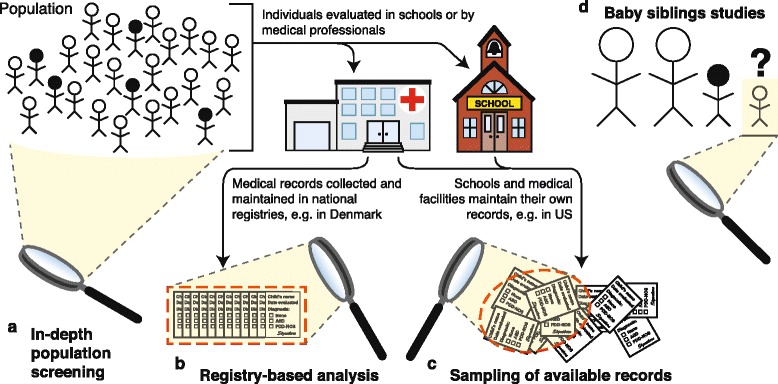
“Though recent in-depth prevalence studies have tended to report smaller male biases than the 4:1 estimate [6, 8, 10], ASD-diagnosed males consistently predominate across these and earlier epidemiological surveys [2, 3], making sex-biased prevalence one of the most temporally and geographically stable features of ASDs.”
BackgroundResultThe contribution of de novo coding mutations to autism spectrum disorder
Iossifov, I., O’Roak, B. J., Sanders, S. J., Ronemus, M., Krumm, N., Levy, D., Stessman, H. A., Witherspoon, K. T., Vives, L., Patterson, K. E., et al. (2014) · Nature · doi:10.1038/nature13908 · Cited by 2,585 · cited 2×
“A simultaneous publication on wholeexome sequencing of the complete SSC further reported that the set of genes disrupted by de novo SNVs in females overlaps significantly with the genes disrupted in affected males with low, but not high, IQ [21], demonstrating the high impact of the risk variants that female cases ten…”
BackgroundDe novo mutations revealed by whole-exome sequencing are strongly associated with autism
Sanders, S. J., Murtha, M. T., Gupta, A. R., Murdoch, J. D., Raubeson, M. J., Willsey, A. J., Ercan-Sencicek, A. G., DiLullo, N. M., Parikshak, N. N., Stein, J. L., et al. (2012) · Nature · doi:10.1038/nature10945 · Cited by 2,084 · cited 1×
“Early exome sequencing studies on the same cohort reported an analogous trend, with a higher rate of de novo SNVs overall [16], or exclusively for nonsense [17] or gene disrupting SNVs [18], in female cases.”
BackgroundFunctional impact of global rare copy number variation in autism spectrum disorders
Pinto, D., Pagnamenta, A. T., Klei, L., Anney, R., Merico, D., Regan, R., Conroy, J., Magalhaes, T. R., Correia, C., Abrahams, B. S., et al. (2010) · Nature · doi:10.1038/nature09146 · Cited by 2,013
The extreme male brain theory of autism
Baron-Cohen, S. (2002) · Trends in Cognitive Sciences · doi:10.1016/s1364-6613(02)01904-6 · Cited by 2,007 · cited 1×
“Since typically developing males, in general, fall closer to the autistic phenotype on these scales than females, Baron-Cohen proposed that testosterone exposure during fetal development may contribute to ASD risk, particularly for autistic girls [42].”
BackgroundEpidemiology of Pervasive Developmental Disorders
Fombonne, E. (2009) · Pediatric Research · doi:10.1203/pdr.0b013e31819e7203 · Cited by 1,971 · cited 2×
“Though recent in-depth prevalence studies have tended to report smaller male biases than the 4:1 estimate [6, 8, 10], ASD-diagnosed males consistently predominate across these and earlier epidemiological surveys [2, 3], making sex-biased prevalence one of the most temporally and geographically stable features of ASDs.”
BackgroundResultGenetic Heritability and Shared Environmental Factors Among Twin Pairs With Autism
Hallmayer, J. (2011) · Archives of General Psychiatry · doi:10.1001/archgenpsychiatry.2011.76 · Cited by 1,970
Transcriptomic Analysis of Autistic Brain Reveals Convergent Molecular Pathology
Voineagu, I., Wang, X., Johnston, P., Lowe, J. K., Tian, Y., Horvath, S., Mill, J., Cantor, R. M., Blencowe, B. J., & Geschwind, D. H. (2011) · Nature · doi:10.1038/nature10110 · Cited by 1,874 · cited 1×
“Instead, the results showed significant overlap between genes with higher expression in males [113] and genes up-regulated in post mortem autistic brain relative to similarly male-skewed control groups [114, 115].”
ResultAdvances in autism genetics: on the threshold of a new neurobiology
Abrahams, B. S., & Geschwind, D. H. (2008) · Nature Reviews Genetics · doi:10.1038/nrg2346 · Cited by 1,866
Mutations of the X-linked genes encoding neuroligins NLGN3 and NLGN4 are associated with autism
Study, P. A. R. I. S., Jamain, S., Quach, H., Betancur, C., Råstam, M., Colineaux, C., Gillberg, I. C., Soderstrom, H., Giros, B., Leboyer, M., et al. (2003) · Nature Genetics · doi:10.1038/ng1136 · Cited by 1,851
Patterns and rates of exonic de novo mutations in autism spectrum disorders
Neale, B. M., Kou, Y., Liu, L., Ma’ayan, A., Samocha, K. E., Sabo, A., Lin, C.-F., Stevens, C., Wang, L.-S., Makarov, V., et al. (2012) · Nature · doi:10.1038/nature11011 · Cited by 1,734 · cited 1×
“Early exome sequencing studies on the same cohort reported an analogous trend, with a higher rate of de novo SNVs overall [16], or exclusively for nonsense [17] or gene disrupting SNVs [18], in female cases.”
BackgroundJust, M. A. (2004) · Brain · doi:10.1093/brain/awh199 · Cited by 1,589
Prevalence of Autism Spectrum Disorders in a Total Population Sample
Kim, Y. S., Leventhal, B. L., Koh, Y.-J., Fombonne, E., Laska, E., Lim, E.-C., Cheon, K.-A., Kim, S.-J., Kim, Y.-K., Lee, H., et al. (2011) · American Journal of Psychiatry · doi:10.1176/appi.ajp.2011.10101532 · Cited by 1,524 · cited 4×
“For example, instead of evaluating only children in special education classrooms for ASD, two recent largescale studies in South Korea and Finland screened all school-age children in their selected samples [6, 8].”
BackgroundResultInfluentialDe Novo Gene Disruptions in Children on the Autistic Spectrum
Iossifov, I., Ronemus, M., Levy, D., Wang, Z., Hakker, I., Rosenbaum, J., Yamrom, B., Lee, Y.-H., Narzisi, G., Leotta, A., et al. (2012) · Neuron · doi:10.1016/j.neuron.2012.04.009 · Cited by 1,446 · cited 5×
“Early exome sequencing studies on the same cohort reported an analogous trend, with a higher rate of de novo SNVs overall [16], or exclusively for nonsense [17] or gene disrupting SNVs [18], in female cases.”
BackgroundInfluentialInsights into autism spectrum disorder genomic architecture and biology from 71 risk loci
Sanders, S. J., He, X., Willsey, A. J., Ercan-Sencicek, A. G., Samocha, K. E., Cicek, A. E., Murtha, M. T., Bal, V. H., Bishop, S. L., Dong, S., et al. (2015) · Neuron · doi:10.1016/j.neuron.2015.09.016 · Cited by 1,430 · cited 7×
“novo loss-of-function SNV, dnLoF, or de novo CNV, dnCNV) than cases with higher IQ [15, 21].”
BackgroundResultInfluentialSelf-citationRecurrence Risk for Autism Spectrum Disorders: A Baby Siblings Research Consortium Study
Ozonoff, S., Young, G. S., Carter, A., Messinger, D., Yirmiya, N., Zwaigenbaum, L., Bryson, S., Carver, L. J., Constantino, J. N., Dobkins, K., et al. (2011) · Pediatrics · doi:10.1542/peds.2010-2825 · Cited by 1,429
The Extreme Male-Brain Theory of Autism
Baron-Cohen, S. (1999) · Neurodevelopmental Disorders · doi:10.7551/mitpress/4945.003.0023 · Cited by 1,413
Naarden Braun, K. V., Lopez, M., White, T., et al. (2023) · Carolina Digital Repository (University of North Carolina at Chapel Hill) · doi:10.17615/y3kk-5x30 · Cited by 1,381
Sanders, S. J., Ercan-Sencicek, A. G., Hus, V., Luo, R., Murtha, M. T., Moreno-De-Luca, D., Chu, S. H., Moreau, M. P., Gupta, A. R., Thomson, S. A., et al. (2011) · Neuron · doi:10.1016/j.neuron.2011.05.002 · Cited by 1,263 · cited 2×
“Individuals from multiplex families are more likely to carry these inherited risk variants than are simplex, or single incidence families, who show enrichment for risk variants observed only in the child that are not inherited from either parent (de novo variation) [14].”
BackgroundSex differences in autism spectrum disorders
Werling, D. M., & Geschwind, D. H. (2013) · Current Opinion in Neurology · doi:10.1097/wco.0b013e32835ee548 · Cited by 1,245 · cited 13×
“Klei L, Sanders SJ, Murtha MT, Hus V, Lowe JK, Willsey AJ, Moreno-De-Luca D, Yu TW, Fombonne E, Geschwind D, Grice DE, Ledbetter DH, Lord C, Mane SM, Martin CL, Martin DM, Morrow EM, Walsh CA, Melhem NM, Chaste P, Sutcliffe JS, State MW, Cook Jr EH, Roeder K, Devlin B. Common genetic variants, acting additively, are a…”
BackgroundMethodInfluentialSelf-citationMost genetic risk for autism resides with common variation
Gaugler, T., Klei, L., Sanders, S. J., Bodea, C. A., Goldberg, A. P., Lee, A. B., Mahajan, M., Manaa, D., Pawitan, Y., Reichert, J., et al. (2014) · Nature Genetics · doi:10.1038/ng.3039 · Cited by 1,239 · cited 1×
“This and other evidence suggests that genetic background is critical for determining the impact of risk factors, with the additive effects of common variants likely playing a sizeable role in ASD risk [73].”
BackgroundSex/Gender Differences and Autism: Setting the Scene for Future Research
Lai, M.-C., Lombardo, M. V., Auyeung, B., Chakrabarti, B., & Baron-Cohen, S. (2015) · Journal of the American Academy of Child & Adolescent Psychiatry · doi:10.1016/j.jaac.2014.10.003 · Cited by 1,120 · cited 4×
“parents’ understanding of these criteria, do not accurately reflect how females present with ASD [4].”
BackgroundInfluentialSandin, S., Lichtenstein, P., Kuja-Halkola, R., Larsson, H., Hultman, C. M., & Reichenberg, A. (2014) · JAMA · doi:10.1001/jama.2014.4144 · Cited by 1,073 · cited 5×
“A more recent analysis of national registry data from Sweden found that children of women with PCOS are at higher risk for ASD (odds ratio (OR) 1.59, 95% confidence interval (CI) 1.34–1.88), and that this risk is further exacerbated by comorbid obesity in mothers, a condition known to be both a contributor and consequ…”
BackgroundInfluentialHypoplasia of cerebellar vermal lobules VI and VII in autism
Courchesne, E., Yeung-Courchesne, R., Hesselink, J. R., & Jernigan, T. L. (1988) · New England Journal of Medicine · doi:10.1056/nejm198805263182102 · Cited by 1,058
Prevalence of Parent-Reported Diagnosis of Autism Spectrum Disorder Among Children in the US, 2007
Kogan, M. D., Blumberg, S. J., Schieve, L. A., Boyle, C. A., Perrin, J. M., Ghandour, R. M., Singh, G. K., Strickland, B. B., Trevathan, E., & van Dyck, P. C. (2009) · Pediatrics · doi:10.1542/peds.2009-1522 · Cited by 892
Blumberg, S. J., Bramlett, M. D., Kogan, M. D., Schieve, L. A., Jones, J. R., & Lu, M. C. (2013) · PubMed · Cited by 826
(2009) · PubMed · Cited by 812
Broader autism phenotype: evidence from a family history study of multiple-incidence autism families
(1997) · American Journal of Psychiatry · doi:10.1176/ajp.154.2.185 · Cited by 777 · cited 2×
“Abbreviations ABIDE: Autism Brain Imaging Data Exchange; ADDM: Autism and Developmental Disabilities Monitoring Network; ADI-R: Autism Diagnostic Interview-Revised; ADOS: Autism Diagnostic Observation Schedule; AGP: Autism Genome Project; AGRE: Autism Genetic Resource Exchange; AQ: Autism Spectrum Quotient; ASD: Autis…”
BackgroundLaumonnier, F., Bonnet-Brilhault, F., Gomot, M., Blanc, R., David, A., Moizard, M.-P., Raynaud, M., Ronce, N., Lemonnier, E., Calvas, P., et al. (2004) · The American Journal of Human Genetics · doi:10.1086/382137 · Cited by 768 · cited 3×
“Several research groups proposed the involvement of general sexually dimorphic factors such as X-linkage [38, 39], imprinting [40, 41], and sex steroid hormone levels [42].”
BackgroundRice, C. (2009) · PsycEXTRA Dataset · doi:10.1037/e562722010-001 · Cited by 759
Evidence from Turner's syndrome of an imprinted X-linked locus affecting cognitive function
Skuse, D. H., James, R. S., Bishop, D. V. M., Coppin, B., Dalton, P., Aamodt-Leeper, G., Bacarese-Hamilton, M., Creswell, C., McGurk, R., & Jacobs, P. A. (1997) · Nature · doi:10.1038/42706 · Cited by 747 · cited 2×
“This hypothesis is based on observations from a study of individuals with monosomic Turner’s syndrome, which reported that females whose single X chromosome was inherited from their father (45, X) had greater social and executive functioning skills than females with only a maternal X (45, X) [41].”
BackgroundMethodRare de novo and transmitted copy-number variation in autistic spectrum disorders
Levy, D., Ronemus, M., Yamrom, B., Lee, Y.-H., Leotta, A., Kendall, J., Marks, S., Lakshmi, B., Pai, D., Ye, K., et al. (2011) · Neuron · doi:10.1016/j.neuron.2011.05.015 · Cited by 712 · cited 1×
“Early work on CNVs in families from the SSC observed a trend toward higher frequency of de novo CNVs in autistic females compared with males [13, 14].”
CNVs conferring risk of autism or schizophrenia affect cognition in controls
Stefansson, H., Meyer-Lindenberg, A., Steinberg, S., Magnusdottir, B., Morgen, K., Arnarsdottir, S., Bjornsdottir, G., Walters, G. B., Jonsdottir, G. A., Doyle, O. M., et al. (2014) · Nature · doi:10.1038/nature12818 · Cited by 699
Zablotsky, B., Black, L. I., Maenner, M. J., Schieve, L. A., & Blumberg, S. J. (2015) · PubMed · Cited by 696
Sex differences in microglial colonization of the developing rat brain
Schwarz, J. M., Sholar, P. W., & Bilbo, S. D. (2012) · Journal of Neurochemistry · doi:10.1111/j.1471-4159.2011.07630.x · Cited by 672 · cited 1×
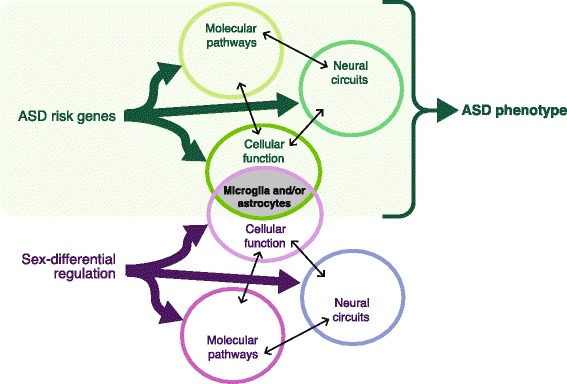
“glial colonization of the brain [123, 124], and these new gene expression data from humans indicate that a similar”
BackgroundA behavioral comparison of male and female adults with high functioning autism spectrum conditions
Lai, M.-C., Lombardo, M. V., Pasco, G., Ruigrok, A. N. V., Wheelwright, S. J., Sadek, S. A., Chakrabarti, B., MRC AIMS Consortium, & Baron-Cohen, S. (2011) · PLoS ONE · doi:10.1371/journal.pone.0020835 · Cited by 650 · cited 2×
“cial communication were apparent in adulthood [62].”
BackgroundDworzynski, K., Ronald, A., Bolton, P., & Happé, F. (2012) · Journal of the American Academy of Child & Adolescent Psychiatry · doi:10.1016/j.jaac.2012.05.018 · Cited by 633 · cited 1×
“A study of children with high levels of autistic traits who either met, or fell just short of, the diagnostic criteria for ASD found patterns consistent with this hypothesis: diagnosed girls were more likely than diagnosed boys to score significantly below average on a test of verbal and nonverbal cognitive ability an…”
ResultJacquemont, S., Coe, B. P., Hersch, M., Duyzend, M. H., Krumm, N., Bergmann, S., Beckmann, J. S., Rosenfeld, J. A., & Eichler, E. E. (2014) · The American Journal of Human Genetics · doi:10.1016/j.ajhg.2014.02.001 · Cited by 605 · cited 1×
“with neurodevelopmental disorders and an independent sample of 762 ASD families from the SSC observed exactly this pattern: large, disruptive CNVs over 400 kb in size were more frequently maternally than paternally inherited in both cohorts [11].”
BackgroundParental recognition of developmental abnormalities in autism
De Giacomo, A., & Fombonne, E. (1998) · European Child & Adolescent Psychiatry · doi:10.1007/s007870050058 · Cited by 595
Excess of rare, inherited truncating mutations in autism
Krumm, N., Turner, T. N., Baker, C., Vives, L., Mohajeri, K., Witherspoon, K., Raja, A., Coe, B. P., Stessman, H. A., He, Z.-X., et al. (2015) · Nature Genetics · doi:10.1038/ng.3303 · Cited by 587 · cited 1×
“More recent analysis of over 2000 families from the SSC corroborates this finding, reporting a significant enrichment in probands compared with siblings for maternally transmitted nonsense SNVs and small CNVs under 100 kb in size [97].”
Halladay, A. K., Bishop, S., Constantino, J. N., Daniels, A. M., Koenig, K., Palmer, K., Messinger, D., Pelphrey, K., Sanders, S. J., Singer, A. T., et al. (2015) · Molecular Autism · doi:10.1186/s13229-015-0019-y · Cited by 574 · cited 1×
“In recent years, interest in investigating sex differences in the autistic phenotype and exploring a potential need for sex-differential diagnostic criteria has grown more widespread [4, 5].”
BackgroundThe Co-Morbidity Burden of Children and Young Adults with Autism Spectrum Disorders
Kohane, I. S., McMurry, A., Weber, G., MacFadden, D., Rappaport, L., Kunkel, L., Bickel, J., Wattanasin, N., Spence, S., Murphy, S., et al. (2012) · PLoS ONE · doi:10.1371/journal.pone.0033224 · Cited by 562
Schumann, C. M., Bloss, C. S., Barnes, C. C., Wideman, G. M., Carper, R. A., Akshoomoff, N., Pierce, K., Hagler, D., Schork, N., Lord, C., et al. (2010) · The Journal of Neuroscience · doi:10.1523/jneurosci.5714-09.2010 · Cited by 554 · cited 1×
“During this time, a handful of research groups published studies that compared males and females with ASD on the presentation and severity of their autism symptoms [32–35] or on neuroanatomical features [36, 37].”
BackgroundVan Wijngaarden-Cremers, P. J. M., van Eeten, E., Groen, W. B., Van Deurzen, P. A., Oosterling, I. J., & Van der Gaag, R. J. (2014) · Journal of Autism and Developmental Disorders · doi:10.1007/s10803-013-1913-9 · Cited by 547 · cited 1×
“words, autistic children’s interests may differ in much the same ways that the interests of male and female neurotypical children differ from one another, on average: while males with ASD might fixate on transit schedules or maps, females might fixate on horses or popular performers [67].”
BackgroundExamining and interpreting the female protective effect against autistic behavior
Robinson, E. B., Lichtenstein, P., Anckarsäter, H., Happé, F., & Ronald, A. (2013) · Proceedings of the National Academy of Sciences · doi:10.1073/pnas.1211070110 · Cited by 531 · cited 1×
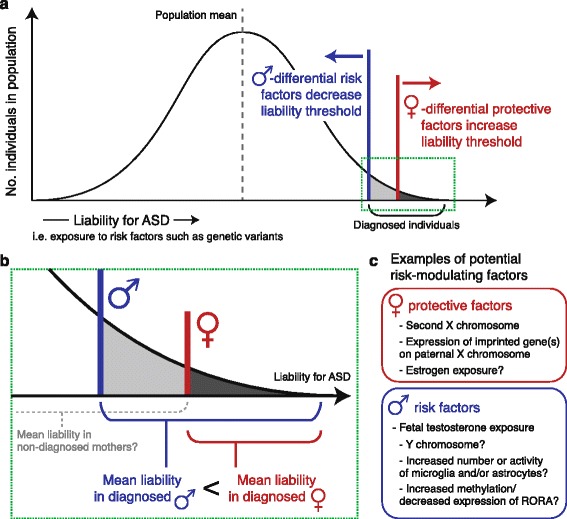
“Characterization of quantitative traits associated with ASD has shown that unaffected females in the general population score lower on measures of ASD traits [12, 85, 88] (i.”
BackgroundProblems of nosology and psychodynamics of early infantile autism.
Kanner, L. (1949) · American Journal of Orthopsychiatry · doi:10.1111/j.1939-0025.1949.tb05441.x · Cited by 530 · cited 1×
“More broadly, this paradigm shift and the dismissal of parenting style as the cause of ASD (so-called “refrigerator mothers” [24, 25]) revealed gaps in our knowledge of autism that researchers have aimed to fill.”
BackgroundGupta, S., Ellis, S. E., Ashar, F. N., Moes, A., Bader, J. S., Zhan, J., West, A. B., & Arking, D. E. (2014) · Nature Communications · doi:10.1038/ncomms6748 · Cited by 504 · cited 1×
“Instead, the results showed significant overlap between genes with higher expression in males [113] and genes up-regulated in post mortem autistic brain relative to similarly male-skewed control groups [114, 115].”
ResultCharacteristics and Concordance of Autism Spectrum Disorders Among 277 Twin Pairs
Rosenberg, R. E., Law, J. K., Yenokyan, G., McGready, J., Kaufmann, W. E., & Law, P. A. (2009) · Archives of Pediatrics & Adolescent Medicine · doi:10.1001/archpediatrics.2009.98 · Cited by 495
Sibling Recurrence and the Genetic Epidemiology of Autism
Constantino, J. N., Zhang, Y., Frazier, T., Abbacchi, A. M., & Law, P. (2010) · American Journal of Psychiatry · doi:10.1176/appi.ajp.2010.09101470 · Cited by 481 · cited 3×
“Estimates from a volunteer registry and from high-risk sibling studies suggest that only as many as 10–27% of families with an autistic child are multiplex [7, 48, 55, 56].”
BackgroundResultElevated fetal steroidogenic activity in autism
Baron-Cohen, S., Auyeung, B., Nørgaard-Pedersen, B., Hougaard, D. M., Abdallah, M. W., Melgaard, L., Cohen, A. S., Chakrabarti, B., Ruta, L., & Lombardo, M. V. (2015) · Molecular Psychiatry · doi:10.1038/mp.2014.48 · Cited by 471 · cited 1×
“Most recently, by making use of national registry data from Denmark, Baron-Cohen and colleagues were able to test for a relationship between fetal testosterone levels and ASD status in the same individuals [105].”
Fetal testosterone and autistic traits
Auyeung, B., Baron‐Cohen, S., Ashwin, E., Knickmeyer, R., Taylor, K., & Hackett, G. (2009) · British Journal of Psychology · doi:10.1348/000712608x311731 · Cited by 462
Neural basis of eye gaze processing deficits in autism
Pelphrey, K. A., Morris, J. P., & McCarthy, G. (2005) · Brain · doi:10.1093/brain/awh404 · Cited by 446
Common genetic variants, acting additively, are a major source of risk for autism
Klei, L., Sanders, S. J., Murtha, M. T., Hus, V., Lowe, J. K., Willsey, A. J., Moreno-De-Luca, D., Yu, T. W., Fombonne, E., Geschwind, D., et al. (2012) · Molecular Autism · doi:10.1186/2040-2392-3-9 · Cited by 418
Frazier, T. W., Georgiades, S., Bishop, S. L., & Hardan, A. Y. (2014) · Journal of the American Academy of Child & Adolescent Psychiatry · doi:10.1016/j.jaac.2013.12.004 · Cited by 409 · cited 1×
“probands, and that the smaller proportion of females with high IQ (IQ ≥ 80) drives this difference [65].”
BackgroundReciprocal Social Behavior in Children With and Without Pervasive Developmental Disorders
CONSTANTINO, J. N., PRZYBECK, T., FRIESEN, D., & TODD, R. D. (2000) · Journal of Developmental & Behavioral Pediatrics · doi:10.1097/00004703-200002000-00002 · Cited by 398 · cited 6×
“More and continued attention to these questions, particularly with input from the sex differences research community, is warranted to begin to make concrete Correspondence: donna.werling@ucsf.edu Department of Psychiatry, University of California, San Francisco, San Francisco, CA 94143, USA © The Author(s).”
BackgroundInfluentialThe role of de novo mutations in the genetics of autism spectrum disorders
Ronemus, M., Iossifov, I., Levy, D., & Wigler, M. (2014) · Nature Reviews Genetics · doi:10.1038/nrg3585 · Cited by 390 · cited 1×
“come from the mother than the father [72, 96].”
BackgroundA Review of the Role of Female Gender in Autism Spectrum Disorders
Kirkovski, M., Enticott, P. G., & Fitzgerald, P. B. (2013) · Journal of Autism and Developmental Disorders · doi:10.1007/s10803-013-1811-1 · Cited by 389 · cited 1×
“If diagnostic criteria more accurately represent the male phenotype, this may allow females’ restricted interests, as well as other phenotypic traits, to fly under the diagnostic radar [68, 69].”
BackgroundMattila, M.-L., Kielinen, M., Linna, S.-L., Jussila, K., Ebeling, H., Bloigu, R., Joseph, R. M., & Moilanen, I. (2011) · Journal of the American Academy of Child & Adolescent Psychiatry · doi:10.1016/j.jaac.2011.04.001 · Cited by 373 · cited 4×
“For example, instead of evaluating only children in special education classrooms for ASD, two recent largescale studies in South Korea and Finland screened all school-age children in their selected samples [6, 8].”
BackgroundResultInfluentialNguyen, A., Rauch, T. A., Pfeifer, G. P., & Hu, V. W. (2010) · The FASEB Journal · doi:10.1096/fj.10-154484 · Cited by 350 · cited 1×
“Complementary analyses of differential methylation in LCLs and gene expression in the ASD brain identified two candidate genes with elevated methylation in ASD and decreased expression in the ASD frontal cortex and cerebellum [110].”
BackgroundSex ratios in early childhood autism and related conditions
Wing, L. (1981) · Psychiatry Research · doi:10.1016/0165-1781(81)90043-3 · Cited by 343 · cited 1×
“Just a few decades ago, as our conceptualization of ASD shifted from the domain of psychoanalysis to neuropsychiatry and genetics, an assumption that sex-differential risk factors were also biological in nature followed suit [22, 23].”
BackgroundA Starring Role for Microglia in Brain Sex Differences
Lenz, K. M., & McCarthy, M. M. (2015) · The Neuroscientist · doi:10.1177/1073858414536468 · Cited by 342 · cited 1×
“glial colonization of the brain [123, 124], and these new gene expression data from humans indicate that a similar”
BackgroundSchumann, C. M., Barnes, C. C., Lord, C., & Courchesne, E. (2009) · Biological Psychiatry · doi:10.1016/j.biopsych.2009.07.007 · Cited by 340
Power, R. A., Kyaga, S., Uher, R., MacCabe, J. H., Långström, N., Landen, M., McGuffin, P., Lewis, C. M., Lichtenstein, P., & Svensson, A. C. (2013) · JAMA Psychiatry · doi:10.1001/jamapsychiatry.2013.268 · Cited by 336 · cited 1×
“However, due to reduced fecundity in ASD [95], interpretable risk variants for ASD are rare, making the required sample size for adequate power in this study design prohibitively high.”
BackgroundDevelopmental brain dysfunction: revival and expansion of old concepts based on new genetic evidence
Moreno-De-Luca, A., Myers, S. M., Challman, T. D., Moreno-De-Luca, D., Evans, D. W., & Ledbetter, D. H. (2013) · The Lancet Neurology · doi:10.1016/s1474-4422(13)70011-5 · Cited by 330 · cited 1×
“Therefore, it is likely that the same disruptive genetic variant will have different effects on individuals with different genetic backgrounds, pushing individuals over the phenotypic threshold to diagnosable ASD in some cases but not in others [82].”
BackgroundSex differences in pervasive developmental disorders
Volkmar, F. R., Szatmari, P., & Sparrow, S. S. (1993) · Journal of Autism and Developmental Disorders · doi:10.1007/bf01046103 · Cited by 329
A 600 kb deletion syndrome at 16p11.2 leads to energy imbalance and neuropsychiatric disorders
Zufferey, F., Sherr, E. H., Beckmann, N. D., Hanson, E., Maillard, A. M., Hippolyte, L., Macé, A., Ferrari, C., Kutalik, Z., Andrieux, J., et al. (2012) · Journal of Medical Genetics · doi:10.1136/jmedgenet-2012-101203 · Cited by 326
Skuse, D. H., Mandy, W. P. L., & Scourfield, J. (2005) · British Journal of Psychiatry · doi:10.1192/bjp.187.6.568 · Cited by 322 · cited 1×
“Analogous to the distribution of genetic risk across families and individuals, the behaviors and cognitive patterns that define ASD have also been shown to follow a quantitative distribution in general population samples from the USA [83, 84] and the UK [85, 86].”
BackgroundA unified genetic theory for sporadic and inherited autism
Zhao, X., Leotta, A., Kustanovich, V., Lajonchere, C., Geschwind, D. H., Law, K., Law, P., Qiu, S., Lord, C., Sebat, J., et al. (2007) · Proceedings of the National Academy of Sciences · doi:10.1073/pnas.0705803104 · Cited by 319 · cited 1×
“come from the mother than the father [72, 96].”
BackgroundHoltmann, M., Bölte, S., & Poustka, F. (2007) · Developmental Medicine & Child Neurology · doi:10.1111/j.1469-8749.2007.00361.x · Cited by 308
Fetal Testosterone Influences Sexually Dimorphic Gray Matter in the Human Brain
Lombardo, M. V., Ashwin, E., Auyeung, B., Chakrabarti, B., Taylor, K., Hackett, G., Bullmore, E. T., & Baron-Cohen, S. (2012) · The Journal of Neuroscience · doi:10.1523/jneurosci.4389-11.2012 · Cited by 302 · cited 1×
“Another study examined the relationship between gestational testosterone levels and neuroanatomy by looking for brain regions with differential gray matter volume in 28 young boys (age 8–11) with different fetal testosterone levels [104].”
BackgroundIdring, S., Lundberg, M., Sturm, H., Dalman, C., Gumpert, C., Rai, D., Lee, B. K., & Magnusson, C. (2015) · Journal of Autism and Developmental Disorders · doi:10.1007/s10803-014-2336-y · Cited by 296 · cited 2×
“A breakdown of ASD rates across time shows that a large contribution to this increase comes from diagnoses in school-aged males with milder ASD symptoms both in the USA [51] and in a Swedish cohort [10].”
BackgroundResultGene expression in human brain implicates sexually dimorphic pathways in autism spectrum disorders
Werling, D. M., Parikshak, N. N., & Geschwind, D. H. (2016) · Nature Communications · doi:10.1038/ncomms10717 · Cited by 296 · cited 2×
“Instead, the results showed significant overlap between genes with higher expression in males [113] and genes up-regulated in post mortem autistic brain relative to similarly male-skewed control groups [114, 115].”
Self-citationSkuse, D. H. (2000) · Pediatric Research · doi:10.1203/00006450-200001000-00006 · Cited by 285 · cited 2×
“Several research groups proposed the involvement of general sexually dimorphic factors such as X-linkage [38, 39], imprinting [40, 41], and sex steroid”
BackgroundMagnetic resonance imaging in autism: measurement of the cerebellum, pons, and fourth ventricle
Piven, J., Nehme, E., Simon, J., Barta, P., Pearlson, G., & Folstein, S. E. (1992) · Biological Psychiatry · doi:10.1016/0006-3223(92)90260-7 · Cited by 238
Sex differences in higher functioning people with autism
McLennan, J. D., Lord, C., & Schopler, E. (1993) · Journal of Autism and Developmental Disorders · doi:10.1007/bf01046216 · Cited by 231
Sarachana, T., Xu, M., Wu, R.-C., & Hu, V. W. (2011) · PLoS ONE · doi:10.1371/journal.pone.0017116 · Cited by 227 · cited 3×
“Abbreviations ABIDE: Autism Brain Imaging Data Exchange; ADDM: Autism and Developmental Disabilities Monitoring Network; ADI-R: Autism Diagnostic Interview-Revised; ADOS: Autism Diagnostic Observation Schedule; AGP: Autism Genome Project; AGRE: Autism Genetic Resource Exchange; AQ: Autism Spectrum Quotient; ASD: Autis…”
BackgroundLocalization of estrogen receptor ?-immunoreactivity in astrocytes of the adult rat brain
Azcoitia, I., Sierra, A., & Miguel Garcia-Segura, L. (1999) · Glia · doi:10.1002/(sici)1098-1136(199905)26:3<260::aid-glia7>3.0.co;2-r · Cited by 222
Familial aggregation of quantitative autistic traits in multiplex versus simplex autism
Virkud, Y. V., Todd, R. D., Abbacchi, A. M., Zhang, Y., & Constantino, J. N. (2009) · American Journal of Medical Genetics Part B Neuropsychiatric Genetics · doi:10.1002/ajmg.b.30810 · Cited by 215 · cited 1×
“This hypothesis was suggested in response to work characterizing quantitative ASD traits in multiplex families; these studies found that scores from the SRS followed a nearly normal distribution across affected and unaffected males, but that females’ scores showed a bimodal distribution split between diagnosed and non…”
ResultKopp, S., & Gillberg, C. (2011) · Research in Developmental Disabilities · doi:10.1016/j.ridd.2011.05.017 · Cited by 215 · cited 2×
“The Autism Spectrum Screening Questionnaire (ASSQ)Revised Extended Version (ASSQ-REV): an instrument for better capturing the autism phenotype in girls?”
BackgroundGenetic Structure of Reciprocal Social Behavior
Constantino, J. N., & Todd, R. D. (2000) · American Journal of Psychiatry · doi:10.1176/appi.ajp.157.12.2043 · Cited by 209 · cited 6×
“More and continued attention to these questions, particularly with input from the sex differences research community, is warranted to begin to make concrete Correspondence: donna.werling@ucsf.edu Department of Psychiatry, University of California, San Francisco, San Francisco, CA 94143, USA © The Author(s).”
BackgroundInfluentialEarly sex differences are not autism-specific: A Baby Siblings Research Consortium (BSRC) study
Messinger, D. S., Young, G. S., Webb, S. J., Ozonoff, S., Bryson, S. E., Carter, A., Carver, L., Charman, T., Chawarska, K., Curtin, S., et al. (2015) · Molecular Autism · doi:10.1186/s13229-015-0027-y · Cited by 207 · cited 3×
“Estimates from a volunteer registry and from high-risk sibling studies suggest that only as many as 10–27% of families with an autistic child are multiplex [7, 48, 55, 56].”
BackgroundSkuse, D. H., Mandy, W., Steer, C., Miller, L. L., Goodman, R., Lawrence, K., Emond, A., & Golding, J. (2009) · Journal of the American Academy of Child & Adolescent Psychiatry · doi:10.1097/chi.0b013e31819176b8 · Cited by 205 · cited 1×
“Characterization of quantitative traits associated with ASD has shown that unaffected females in the general population score lower on measures of ASD traits [12, 85, 88] (i.”
BackgroundInheritance of congenital pyloric stenosis.
Carter, C. O., & Evans, K. A. (1969) · Journal of Medical Genetics · doi:10.1136/jmg.6.3.233 · Cited by 205 · cited 6×
“This pattern of proband sex-mediated recurrence is called the Carter Effect [93], and it has been remarkably difficult to demonstrate in ASD.”
BackgroundInfluentialKopp, S., & Gillberg, C. (1992) · European Child & Adolescent Psychiatry · doi:10.1007/bf02091791 · Cited by 193 · cited 1×
“If diagnostic criteria more accurately represent the male phenotype, this may allow females’ restricted interests, as well as other phenotypic traits, to fly under the diagnostic radar [68, 69].”
BackgroundMärz, P., Heese, K., Dimitriades‐Schmutz, B., Rose‐John, S., & Otten, U. (1999) · Glia · doi:10.1002/(sici)1098-1136(199905)26:3<191::aid-glia1>3.0.co;2-# · Cited by 192
Androgens and autistic traits: A study of individuals with congenital adrenal hyperplasia
Knickmeyer, R., Baron-Cohen, S., Fane, B. A., Wheelwright, S., Mathews, G. A., Conway, G. S., Brook, C. G. D., & Hines, M. (2006) · Hormones and Behavior · doi:10.1016/j.yhbeh.2006.02.006 · Cited by 187 · cited 1×
“questionnaire that measures individuals’ autistic traits [106].”
Sex differences in repetitive stereotyped behaviors in autism: Implications for genetic liability
Szatmari, P., Liu, X., Goldberg, J., Zwaigenbaum, L., Paterson, A. D., Woodbury‐Smith, M., Georgiades, S., Duku, E., & Thompson, A. (2012) · American Journal of Medical Genetics Part B: Neuropsychiatric Genetics · doi:10.1002/ajmg.b.31238 · Cited by 187 · cited 1×
“A large study of individuals from 970 families enrolled in the Autism Genome Project (AGP) observed lower repetitive behavior scores from the Autism Diagnostic Interview-Revised (ADI-R) in females [64].”
BackgroundImplication of sex differences in the familial transmission of infantile autism
Tsai, L., Stewart, M. A., & August, G. (1981) · Journal of Autism and Developmental Disorders · doi:10.1007/bf01531682 · Cited by 182 · cited 1×
“Just a few decades ago, as our conceptualization of ASD shifted from the domain of psychoanalysis to neuropsychiatry and genetics, an assumption that sex-differential risk factors were also biological in nature followed suit [22, 23].”
BackgroundGrønborg, T. K., Schendel, D. E., & Parner, E. T. (2013) · JAMA Pediatrics · doi:10.1001/jamapediatrics.2013.2259 · Cited by 180 · cited 5×
“In fact, results from the study of incidence rates in Denmark demonstrate this very pattern, with increasing diagnoses in females leading to a reduction in the male/female ratio from 5.1 in 1995 to 3.1 in 2010; this reduced male bias was most striking for diagnoses of Asperger’s syndrome (8.4 to 3.0) and PDD-NOS (5.7…”
BackgroundInfluentialZwaigenbaum, L., Bryson, S. E., Szatmari, P., Brian, J., Smith, I. M., Roberts, W., Vaillancourt, T., & Roncadin, C. (2012) · Journal of Autism and Developmental Disorders · doi:10.1007/s10803-012-1515-y · Cited by 178 · cited 3×
“Specifically, multiple prospective high-risk sibling studies have failed to find a significant effect of proband sex on ASD recurrence rates in later-born siblings [7, 55].”
BackgroundTaylor, B., Jick, H., & MacLaughlin, D. (2013) · BMJ Open · doi:10.1136/bmjopen-2013-003219 · Cited by 176
Pilowsky, T., Yirmiya, N., Shulman, C., & Dover, R. (1998) · Journal of Autism and Developmental Disorders · doi:10.1023/a:1026092632466 · Cited by 175
Dong, S., Walker, M. F., Carriero, N. J., DiCola, M., Willsey, A. J., Ye, A. Y., Waqar, Z., Gonzalez, L. E., Overton, J. D., Frahm, S., et al. (2014) · Cell Reports · doi:10.1016/j.celrep.2014.08.068 · Cited by 170 · cited 1×
“In contrast, a subsequent study of de novo indels in SSC cases did observe a significantly increased rate of de novo frameshift indels in females [19].”
ResultRobinson, E. B., Munir, K., Munafò, M. R., Hughes, M., McCormick, M. C., & Koenen, K. C. (2011) · Journal of the American Academy of Child & Adolescent Psychiatry · doi:10.1016/j.jaac.2011.01.005 · Cited by 160 · cited 2×
“Analogous to the distribution of genetic risk across families and individuals, the behaviors and cognitive patterns that define ASD have also been shown to follow a quantitative distribution in general population samples from the USA [83, 84] and the UK [85, 86].”
BackgroundHu, V. W., Nguyen, A., Kim, K. S., Steinberg, M. E., Sarachana, T., Scully, M. A., Soldin, S. J., Luu, T., & Lee, N. H. (2009) · PLoS ONE · doi:10.1371/journal.pone.0005775 · Cited by 158 · cited 1×
“Genes differentially expressed between siblings showed significant enrichment for genes involved in cholesterol metabolism and androgen biosynthesis pathways [109], and a subset of the affected cases also showed higher testosterone levels than their brothers, together supporting patterns of elevated steroidogenic acti…”
BackgroundSex differences in pre-diagnosis concerns for children later diagnosed with autism spectrum disorder
Hiller, R. M., Young, R. L., & Weber, N. (2016) · Autism · doi:10.1177/1362361314568899 · Cited by 153 · cited 2×
“In fact, though autistic females may have similar trouble with social communication as autistic boys do early in life, females may have greater social motivation and desire to be liked and engaged with her peers [62, 63]; this motivation may be what drives high functioning females in particular to camouflage their dif…”
BackgroundResultAutism spectrum disorders: from genes to neurobiology
Jeremy Willsey, A., & State, M. W. (2015) · Current Opinion in Neurobiology · doi:10.1016/j.conb.2014.10.015 · Cited by 145
Kawamura, Y., Takahashi, O., & Ishii, T. (2008) · Psychiatry and Clinical Neurosciences · doi:10.1111/j.1440-1819.2008.01748.x · Cited by 145
Kosidou, K., Dalman, C., Widman, L., Arver, S., Lee, B. K., Magnusson, C., & Gardner, R. M. (2016) · Molecular Psychiatry · doi:10.1038/mp.2015.183 · Cited by 145
Moreno-De-Luca, A., Evans, D. W., Boomer, K. B., Hanson, E., Bernier, R., Goin-Kochel, R. P., Myers, S. M., Challman, T. D., Moreno-De-Luca, D., Slane, M. M., et al. (2015) · JAMA Psychiatry · doi:10.1001/jamapsychiatry.2014.2147 · Cited by 137
Supekar, K., & Menon, V. (2015) · Molecular Autism · doi:10.1186/s13229-015-0042-z · Cited by 130 · cited 3×
“Such reduction in restricted interests is also apparent in recent work, including a study of Australian children [63] and a study of autistic case data from the National Database for Autism Research (NDAR) and the Autism Brain Imaging Data Exchange Consortium (ABIDE) [66].”
BackgroundMong, J. A., & McCarthy, M. M. (1999) · Journal of Neurobiology · doi:10.1002/(sici)1097-4695(19990915)40:4<602::aid-neu14>3.0.co;2-o · Cited by 124
Pre- and perinatal factors in high-functioning females and males with autism
Lord, C., Mulloy, C., Wendelboe, M., & Schopler, E. (1991) · Journal of Autism and Developmental Disorders · doi:10.1007/bf02284760 · Cited by 122
Jensen, C. M., Steinhausen, H.-C., & Lauritsen, M. B. (2014) · Journal of Autism and Developmental Disorders · doi:10.1007/s10803-014-2053-6 · Cited by 119 · cited 2×
“In fact, results from the study of incidence rates in Denmark demonstrate this very pattern, with increasing diagnoses in females leading to a reduction in the male/female ratio from 5.1 in 1995 to 3.1 in 2010; this reduced male bias was most striking for diagnoses of Asperger’s syndrome (8.4 to 3.0) and PDD-NOS (5.7…”
BackgroundInfluentialBrief report: Differences in sex ratios in autism as a function of measured intelligence
Lord, C., & Schopler, E. (1985) · Journal of Autism and Developmental Disorders · doi:10.1007/bf01531604 · Cited by 108
Werling, D. M., & Geschwind, D. H. (2015) · Molecular Autism · doi:10.1186/s13229-015-0004-5 · Cited by 107 · cited 1×
“Additionally, a study of exclusively multiplex families from the Autism Genetic Resource Exchange (AGRE) cohort reported significantly greater recurrence rates in the later-born children of “female-containing” families (at least one female proband) [94].”
BackgroundSelf-citationUncovering steroidopathy in women with autism: a latent class analysis
Pohl, A., Cassidy, S., Auyeung, B., & Baron-Cohen, S. (2014) · Molecular Autism · doi:10.1186/2040-2392-5-27 · Cited by 97
Evidence for Sexual Differentiation of Glia in Rat Brain
Mong, J. A., Kurzweil, R. L., Davis, A. M., Rocca, M. S., & McCarthy, M. M. (1996) · Hormones and Behavior · doi:10.1006/hbeh.1996.0058 · Cited by 96
Reinhardt, V. P., Wetherby, A. M., Schatschneider, C., & Lord, C. (2015) · Journal of Autism and Developmental Disorders · doi:10.1007/s10803-014-2223-6 · Cited by 89 · cited 1×
“identify sex differences in ASD symptoms among affected individuals [60, 61].”
BackgroundHu, V. W., Sarachana, T., Sherrard, R. M., & Kocher, K. M. (2015) · Molecular Autism · doi:10.1186/2040-2392-6-7 · Cited by 89 · cited 1×
“correlation between RORA and target expression is stronger in males [112], further linking RORA to sex-”
BackgroundOntogeny of sexually dimorphic astrocytes in the neonatal rat arcuate
Mong, J. A., & McCarthy, M. M. (2002) · Developmental Brain Research · doi:10.1016/s0165-3806(02)00541-2 · Cited by 73
The female protective effect in autism spectrum disorder is not mediated by a single genetic locus
Gockley, J., Willsey, A. J., Dong, S., Dougherty, J. D., Constantino, J. N., & Sanders, S. J. (2015) · Molecular Autism · doi:10.1186/s13229-015-0014-3 · Cited by 61 · cited 1×
“However, a sufficiently powered genomewide association study of 317,574 independent SNPs in 208 female cases and 151 unrelated female controls from AGRE families failed to identify any SNPs significantly associated with ASD status in females [102].”
BackgroundDesachy, G., Croen, L. A., Torres, A. R., Kharrazi, M., Delorenze, G. N., Windham, G. C., Yoshida, C. K., & Weiss, L. A. (2015) · Molecular Psychiatry · doi:10.1038/mp.2014.179 · Cited by 54
Mandic-Maravic, V., Pejovic-Milovancevic, M., Mitkovic-Voncina, M., Kostic, M., Aleksic-Hil, O., Radosavljev-Kircanski, J., Mincic, T., & Lecic-Tosevski, D. (2015) · Scientific Reports · doi:10.1038/srep10418 · Cited by 51 · cited 4×
“Abbreviations ABIDE: Autism Brain Imaging Data Exchange; ADDM: Autism and Developmental Disabilities Monitoring Network; ADI-R: Autism Diagnostic Interview-Revised; ADOS: Autism Diagnostic Observation Schedule; AGP: Autism Genome Project; AGRE: Autism Genetic Resource Exchange; AQ: Autism Spectrum Quotient; ASD: Autis…”
BackgroundMethodInfluentialGurling, H. (1986) · PubMed · Cited by 40
Sakuma, S., Tokuhara, D., Hattori, H., Matsuoka, O., & Yamano, T. (2009) · Neuropathology · doi:10.1111/j.1440-1789.2008.00946.x · Cited by 30 · cited 1×
“astrocyte responses to estradiol [121, 122], and in micro-”
Background
Research works printed but not linked: 2
- Gould J Ashton-Smith J Missed diagnosis or misdiagnosis? Girls and women on the autism spectrum Good Autism Pract 2011 12 34 41
- Autism Sisters Project. [ http://autismsciencefoundation.org/about-asf/media-center/press-releases/autism-sisters-project/].
Cited by
Satterstrom, F. K., Kosmicki, J. A., Wang, J., Breen, M. S., De Rubeis, S., An, J.-Y., Peng, M., Collins, R., Grove, J., Klei, L., et al. (2020) · Cell · doi:10.1016/j.cell.2019.12.036 · Cited by 2,321
Big data approaches to decomposing heterogeneity across the autism spectrum
Lombardo, M. V., Lai, M.-C., & Baron-Cohen, S. (2019) · Molecular Psychiatry · doi:10.1038/s41380-018-0321-0 · Cited by 537
Masini, E., Loi, E., Vega-Benedetti, A. F., Carta, M., Doneddu, G., Fadda, R., & Zavattari, P. (2020) · International Journal of Molecular Sciences · doi:10.3390/ijms21218290 · Cited by 280
Signalling pathways in autism spectrum disorder: mechanisms and therapeutic implications
Jiang, C.-C., Lin, L.-S., Long, S., Ke, X.-Y., Fukunaga, K., Lu, Y.-M., & Han, F. (2022) · Signal Transduction and Targeted Therapy · doi:10.1038/s41392-022-01081-0 · Cited by 258
Sex Differences in Autism Spectrum Disorder: Diagnostic, Neurobiological, and Behavioral Features
Napolitano, A., Schiavi, S., La Rosa, P., Rossi-Espagnet, M. C., Petrillo, S., Bottino, F., Tagliente, E., Longo, D., Lupi, E., Casula, L., et al. (2022) · Frontiers in Psychiatry · doi:10.3389/fpsyt.2022.889636 · Cited by 234
“, environmental exposures), before their ASD became evident is greater than for males (9).”
Background
Metadata
- Authors
- Werling, D. M.
- Affiliations
- University of California, San Francisco (US)
- Corresponding author
- Werling, Donna M.
- ORCID
- Werling, Donna M.
- Venue
- Biology of Sex Differences
- Published
- 2016-11-16
- Volume
- 7
- Issue
- 1
- Pages
- 58-58
- ISSN
- 2042-6410 (ISSN-L)
- PMC
- PMC5112643
- OpenAlex
- W2556402961
- Semantic Scholar
- c5ffdc6f9f3a3318b6bd4cd5e645731d6c0b63a1
- Cited by
- 208
- References
- 129
- Citations by year
- 2026: 23 · 2025: 26 · 2024: 27 · 2023: 31 · 2022: 21 · 2021: 18 · 2020: 25 · 2019: 16 · 2018: 11 · 2017: 9
- FWCI
- 1.26
- Type
- journal article
- Language
- en
- Open access
- gold
- doi.org
- Licence
- cc-by
- creativecommons.org/licenses/by/4.0/ (tdm)
- creativecommons.org/licenses/by/4.0/ (vor)
- Locations
- Biology of Sex Differences (publishedVersion, cc-by)
- Europe PMC (PubMed Central) (publishedVersion, cc-by)
- PubMed Central (publishedVersion, cc-by)
- PubMed (publishedVersion)
- Funders
- National Institute of Mental Health (MH106934)
- Simons Foundation (307705)
- Autism Science Foundation (16-009)
- Topics
- Life Sciences › Neuroscience › Cognitive Neuroscience › Autism Spectrum Disorder Research
- Life Sciences › Biochemistry, Genetics and Molecular Biology › Genetics › Genetics and Neurodevelopmental Disorders
- Health Sciences › Medicine › Endocrinology, Diabetes and Metabolism › Sexual Differentiation and Disorders
- Keywords
- autism spectrum disorder, sex differences, diagnostic bias, ascertainment bias, recurrence rate, quantitative trait loci, sex hormones, brain development, ASD risk
About these checks
Registry, retraction, Cites and statistics results are computed, not judged, with one exception: a printed reference that no index lists is read once by a model before it counts as a citation error. Claims are extracted by a model and kept only when their quote appears verbatim in the text; each cited source is then checked, with a model’s help, for whether it says what the claim relies on. Those verdicts can be wrong — read the claim’s quote and the cited source before relying on one.
Statistics and arithmetic are recomputed, not judged.
Confidence bands are shown only for fields calibrated on our annotated test set. None is calibrated yet, so no band is shown.
What counts as a claim ›How we measure confidence ›How we check this ›
Are you an author, or do you see a problem with this page? Request a review
Data sources
Bibliographic data: Semantic Scholar, OpenAlex, Crossref.
Contains information from the Semantic Scholar Academic Graph Datasets, made available under the ODC Attribution License (ODC-BY 1.0).
Semantic Scholar’s data is described in: Kinney, R., et al. (2023). The Semantic Scholar Open Data Platform. arXiv:2301.10140.
