

Blocking meningeal lymphatic drainage aggravates Parkinson’s disease-like pathology in mice overexpressing mutated α-synuclein
Open accessThe DOI matches its Crossref record; 70 of the 70 references it cites were found in a registry or an index.
Abstract
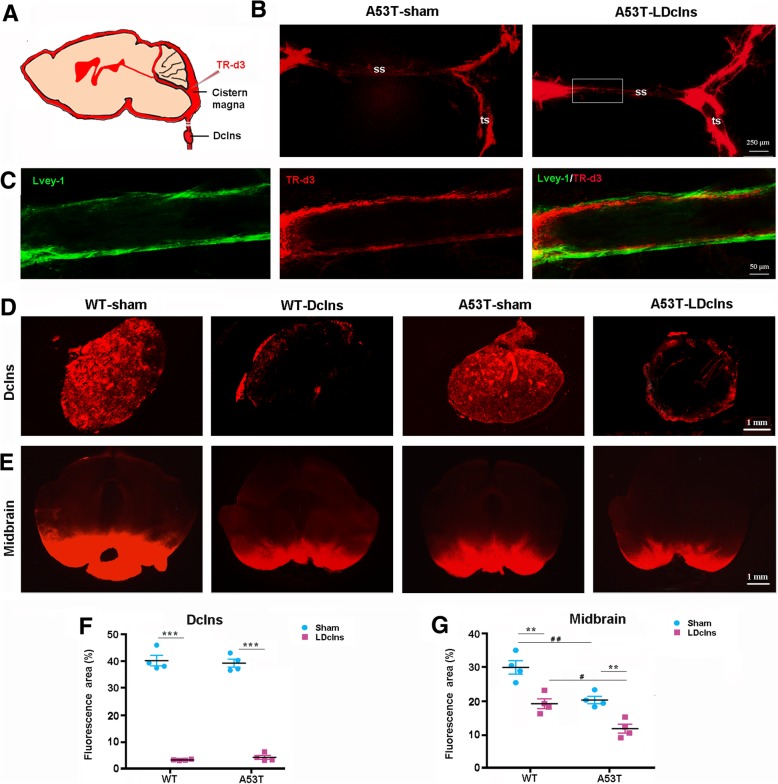
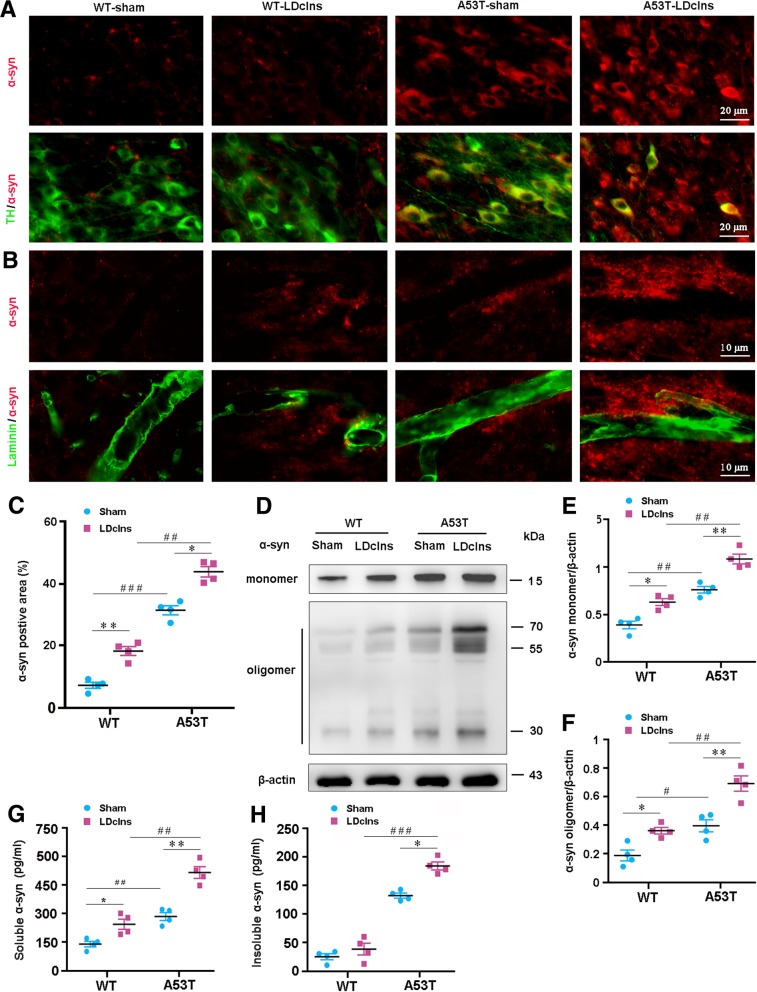
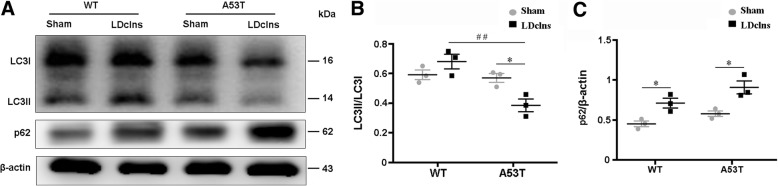
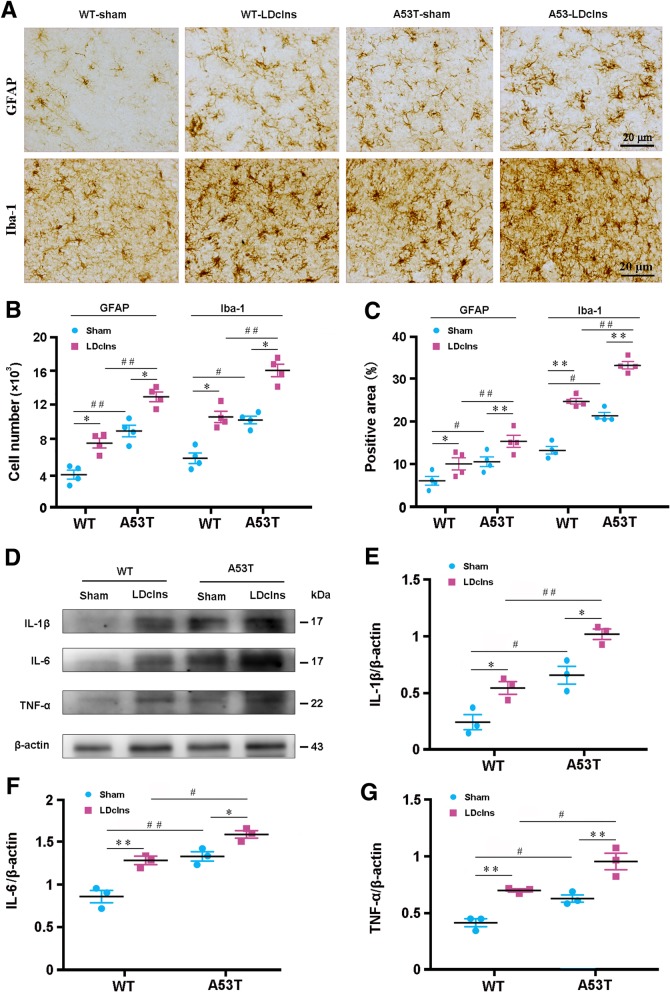
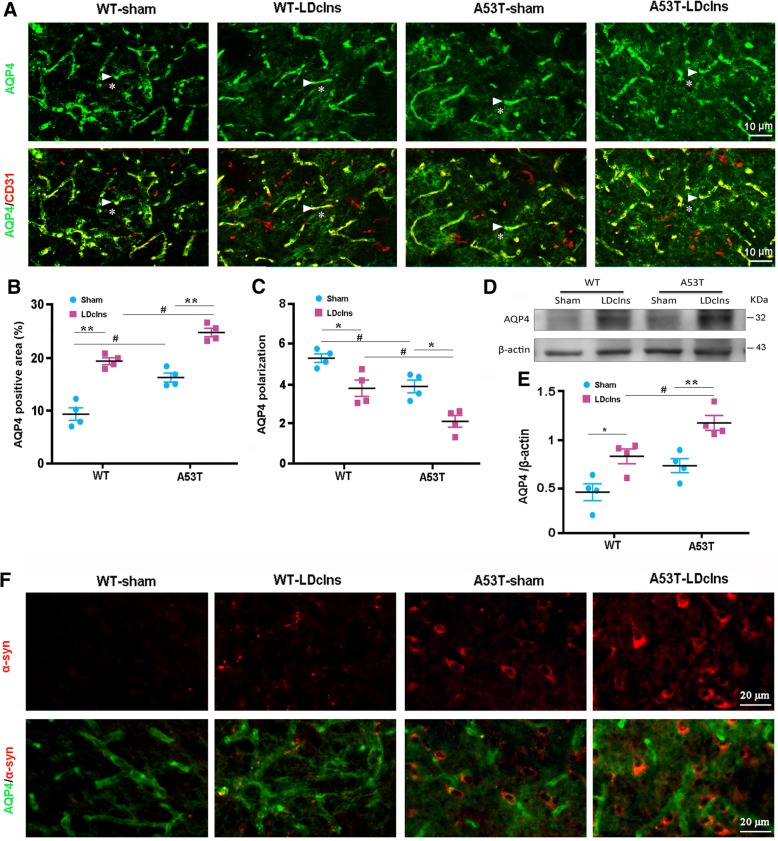
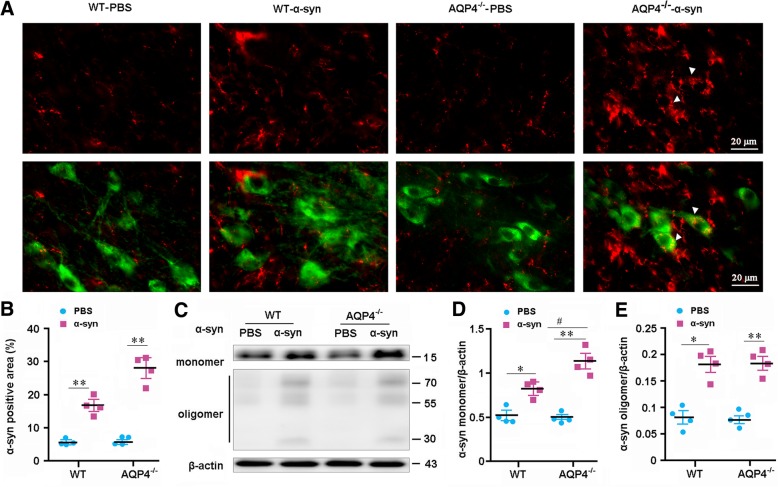
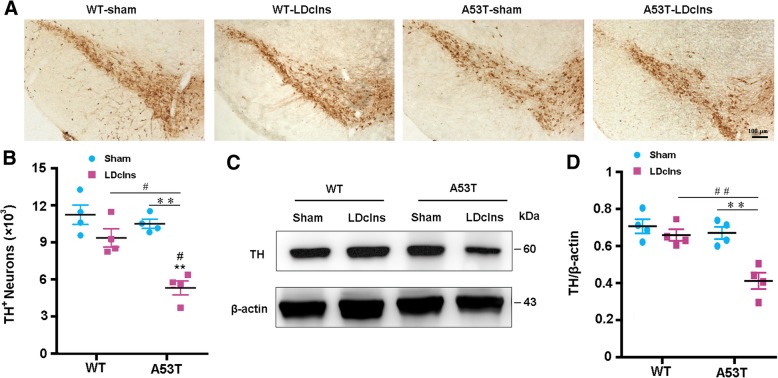
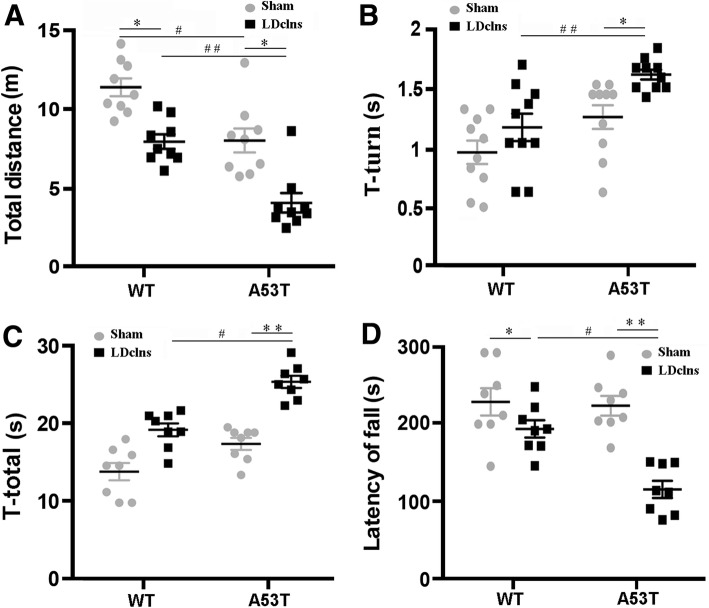
BACKGROUND: Abnormal aggregation of brain α-synuclein is a central step in the pathogenesis of Parkinson's disease (PD), thus, it is reliable to promote the clearance of α-synuclein to prevent and treat PD. Recent studies have revealed an essential role of glymphatic system and meningeal lymphatic vessels in the clearance of brain macromolecules, however, their pathophysiological aspects remain elusive. METHOD: Meningeal lymphatic drainage of 18-week-old A53T mice was blocked via ligating the deep cervical lymph nodes. Six weeks later, glymphatic functions and PD-like phenotypes were systemically analyzed. RESULTS: Glymphatic influx of cerebrospinal fluid tracer was reduced in A53T mice, accompanied with perivascular aggregation of α-synuclein and impaired polarization of aquaporin 4 expression in substantia nigra. Cervical lymphatic ligation aggravated glymphatic dysfunction of A53T mice, causing more severe accumulation of α-synuclein, glial activation, inflammation, dopaminergic neuronal loss and motor deficits. CONCLUSION: The results suggest that brain lymphatic clearance dysfunction may be an aggravating factor in PD pathology.
Overview
The claims and statistics of this paper haven’t been checked yet.
Free: it reads the open-access text and checks the first 5 claims that cite a source we can check. Create a free account to check every claim.
Integrity signals
Registry
Cites
Statistics
Figures
Verification
Claims the paper makes
The claims and statistics of this paper haven’t been checked yet.
Free: it reads the open-access text and checks the first 5 claims that cite a source we can check. Create a free account to check every claim.
Claims other papers make about this one
Each is checked against this paper’s own text: does it say what the citing paper says it does?
In the citing paper
“The suppressive effects of both age and amyloid-ß overexpression on glymphatic flow can be extended to other experimental rodent models of neurodegeneration; both traumatic brain injury and Parkinson’s disease are similarly linked to a sustained reduction of glymphatic fluid transport (56–58).”
From Glymphatic failure as a final common pathway to dementia (2020) · cites this paper as [57]
Self-check
Percentages, sums and reported differences re-computed from the paper’s own numbers.
The self-check needs the paper’s full text.
Citations
Cites
Iliff, J. J., Wang, M., Liao, Y., Plogg, B. A., Peng, W., Gundersen, G. A., Benveniste, H., Vates, G. E., Deane, R., Goldman, S. A., et al. (2012) · Science Translational Medicine · doi:10.1126/scitranslmed.3003748 · Cited by 5,824 · cited 4×
“exacerbates Aβ deposition in the brain of a mouse model of Alzheimer’s disease (AD) [13].”
InfluentialA dural lymphatic vascular system that drains brain interstitial fluid and macromolecules
Aspelund, A., Antila, S., Proulx, S. T., Karlsen, T. V., Karaman, S., Detmar, M., Wiig, H., & Alitalo, K. (2015) · Journal of Experimental Medicine · doi:10.1084/jem.20142290 · Cited by 2,198
Masliah, E., Rockenstein, E., Veinbergs, I., Mallory, M., Hashimoto, M., Takeda, A., Sagara, Y., Sisk, A., & Mucke, L. (2000) · Science · doi:10.1126/science.287.5456.1265 · Cited by 1,765
Clearance systems in the brain—implications for Alzheimer disease
Tarasoff-Conway, J. M., Carare, R. O., Osorio, R. S., Glodzik, L., Butler, T., Fieremans, E., Axel, L., Rusinek, H., Nicholson, C., Zlokovic, B. V., et al. (2015) · Nature Reviews Neurology · doi:10.1038/nrneurol.2015.119 · Cited by 1,678 · cited 2×
“This supports the view that AQP4 specifically mediates clearance of soluble macromolecules from the brain parenchyma [14, 15].”
BackgroundImpairment of paravascular clearance pathways in the aging brain
Kress, B. T., Iliff, J. J., Xia, M., Wang, M., Wei, H. S., Zeppenfeld, D., Xie, L., Kang, H., Xu, Q., Liew, J. A., et al. (2014) · Annals of Neurology · doi:10.1002/ana.24271 · Cited by 1,521 · cited 3×
“was obtained by the ratio between the AQP4 fluorescence intensity of the perivascular domains and the adjacent neutrophil domains [27, 28].”
BackgroundFunctional aspects of meningeal lymphatics in ageing and Alzheimer’s disease
Da Mesquita, S., Louveau, A., Vaccari, A., Smirnov, I., Cornelison, R. C., Kingsmore, K. M., Contarino, C., Onengut-Gumuscu, S., Farber, E., Raper, D., et al. (2018) · Nature · doi:10.1038/s41586-018-0368-8 · Cited by 1,445 · cited 4×
“Furthermore, disruption of meningeal lymphatic drainage aggravates parenchymal Aβ accumulation and cognitive decline of AD transgenic mice [16, 17].”
BackgroundResultInfluentialα-Synuclein Is Degraded by Both Autophagy and the Proteasome
Webb, J. L., Ravikumar, B., Atkins, J., Skepper, J. N., & Rubinsztein, D. C. (2003) · Journal of Biological Chemistry · doi:10.1074/jbc.m300227200 · Cited by 1,429
Neuronal α-Synucleinopathy with Severe Movement Disorder in Mice Expressing A53T Human α-Synuclein
Giasson, B. I., Duda, J. E., Quinn, S. M., Zhang, B., Trojanowski, J. Q., & Lee, V. M.-Y. (2002) · Neuron · doi:10.1016/s0896-6273(02)00682-7 · Cited by 1,266
Impairment of Glymphatic Pathway Function Promotes Tau Pathology after Traumatic Brain Injury
Iliff, J. J., Chen, M. J., Plog, B. A., Zeppenfeld, D. M., Soltero, M., Yang, L., Singh, I., Deane, R., & Nedergaard, M. (2014) · The Journal of Neuroscience · doi:10.1523/jneurosci.3020-14.2014 · Cited by 1,159 · cited 1×
“Indeed, loss of perivascular AQP4 polarization has been reported in various animal models including aging [28, 62], AD [65], traumatic brain injury [66] and”
BackgroundNeuropathological assessment of Parkinson’s disease: refining the diagnostic criteria
Dickson, D. W., Braak, H., Duda, J. E., Duyckaerts, C., Gasser, T., Halliday, G. M., Hardy, J., Leverenz, J. B., Del Tredici, K., Wszolek, Z. K., et al. (2009) · The Lancet Neurology · doi:10.1016/s1474-4422(09)70238-8 · Cited by 972 · cited 1×
“Parkinson’s disease (PD) is an age-dependent neurodegenerative disease, characterized by progressive loss of midbrain dopaminergic neurons and formation of Lewy bodies [1, 2].”
Cited by
Items 301–397 of 397
The Glymphatic System in Idiopathic Intracranial Hypertension
Bouffard, M. A., Ford, J. N., & Grech, O. (2026) · Journal of Neuro-Ophthalmology · doi:10.1097/wno.0000000000002483 · Cited by 3
Jin, X., Fu, Y., Qiu, T., Li, J., Zhang, H., CHEN, Y., Chen, K., Zhang, Y., Wang, J., Yi, X., et al. (2026) · BMC Medicine · doi:10.1186/s12916-026-04948-z · Cited by 3
“Given the established role of the glymphatic system in clearing misfolded proteins and maintaining neuronal homeostasis [45–48], putative glymphatic dysfunction as indexed by DTI-ALPS may facilitate the buildup of pathogenic proteins such as TDP-43, promote neuroinflammation, and contribute to the…”
The Implication and Application of Brain Glymphatic System in Multiple Diseases
Du, Y., Yan, C., Wang, Y., Xu, Y., Cun, X., & Gao, H. (2024) · Advanced Therapeutics · doi:10.1002/adtp.202400088 · Cited by 3
Biological Fluid Flows: Signaling Mediums for Circadian Timing
Duyvesteyn, E., Vizcarra, V. S., Waight, E., Balbuena, E., & Hablitz, L. M. (2025) · Journal of Biological Rhythms · doi:10.1177/07487304251323318 · Cited by 4
“(Aspelund et al., 2015; Louveau et al., 2015, 2018; Rustenhoven et al., 2021; Zou et al., 2019).”
Olate‐Briones, A., Albornoz-Muñoz, S., Rodríguez-Arriaza, F., Rojas‐Henríquez, V., Rojas, S. S., Escobedo, N., & Herrada, A. A. (2025) · Journal of Leukocyte Biology · doi:10.1093/jleuko/qiaf016 · Cited by 3
Pilot Study: Lymphatic Brain Decongestion: A New Surgical Technique in Alzheimer Disease
Topalis, A., Bekiari, C., Demiri, E. C., & Dionyssiou, D. D. (2025) · Plastic & Reconstructive Surgery Global Open · doi:10.1097/gox.0000000000006806 · Cited by 4
Glymphatic Dysfunction in Non‐Manifesting Carriers of LRRK2 and GBA Pathogenic Variants
Zhang, D., Luo, L., Li, L., Yao, J., Zheng, Q., He, H., Feng, T., Dai, X., & Wu, T. (2025) · Movement Disorders · doi:10.1002/mds.30306 · Cited by 3
Khan, S., Abdulla, E., & Rahman, M. M. (2022) · Annals of Medicine and Surgery · doi:10.1016/j.amsu.2022.104082 · Cited by 4
“Inflation of α-synuclein is the primary pathogenesis of PD because of the lack of a functional glymphatic system [9].”
BackgroundZhao, W., Li, X., Wang, J., Yang, L., Zhuang, Y., Dong, Y., Тулупов, А. А., Li, J., Sun, J., Li, J., et al. (2025) · Neuroscience · doi:10.1016/j.neuroscience.2025.06.028 · Cited by 5
Innate Immunity and Parkinson's Disease
Oludipe, D. B., Du, X., Akter, S., Zhang, C., Mosley, R. L., Gendelman, H. E., & Sil, S. (2025) · Cold Spring Harbor Perspectives in Medicine · doi:10.1101/cshperspect.a041640 · Cited by 4
Watson, J. A., Knoedler, S. A., von Reibnitz, D., Zurfluh, C. E., Imholz, C., Esposito, G., Schreiner, S. J., Gousopoulos, E., Cai, A., Kollarik, S., et al. (2025) · Plastic & Reconstructive Surgery Global Open · doi:10.1097/gox.0000000000007191 · Cited by 6
Roberts, L. M., Hammel, J. H., Jin, P., Cunningham, J. J., Schumaecker, S., Davis, S., Azar, F. N., Feng, T.-Y., Wang, M., Rutkowski, M. R., et al. (2025) · Communications Biology · doi:10.1038/s42003-025-08784-4 · Cited by 4
“Previous studies have shown that the meningeal lymphatics are involved in brain tumor drainage 7,8 , Alzheimer ’ s disease 9,10 , Parkinson ’ s disease 11 , and traumatic brain injury 12 , with conservation betweenhumansandmice 13 .”
Chen, A., Kuang, Z., Khong, P., Huang, J., Wen, J., Choi, Y. S., Xu, Y., Wu, P., & Wei, X. (2025) · European Journal of Neurology · doi:10.1111/ene.70389 · Cited by 3
Sleep deprivation and risk for Parkinson’s disease: evidence and therapeutic implications
Zhou, T., Ye, W., Chen, B., Zhu, L., Wang, Z., Mao, J.-F., Wu, W., Li, Y., & Wu, H. (2025) · Journal of Neurology · doi:10.1007/s00415-025-13407-3 · Cited by 2
Li, Y., Song, J., Zhao, Y., Lin, Z., Pan, X., Li, M., Zhou, X., Zhang, Z., Wei, W., & Xue, X. (2025) · Frontiers in Medicine · doi:10.3389/fmed.2025.1674718 · Cited by 6
Brain Extracellular Space: From an Overlooked Dimension to Catalyst of a Novel Neuroscience Paradigm
Han, H., Dai, H., Lopes, L. S., Ni, R., Combes, B. F., Song, Y., Tan, H., Xu, M., Li, H., Lv, S., et al. (2026) · Cyborg and Bionic Systems · doi:10.34133/cbsystems.0529 · Cited by 3
“…show significant changes in ECS α and λ , with increased tortuosity following α -syn oligomer-induced neuro-degeneration [ 158 , 159 ]; functionally, ISF drainage is impaired in PD rats (especially in the substantia nigra and Cn), which can be partially reversed by levodopa treatment [ 160 – 163 ].”
Castegna, A., Laera, L., Moda, P., Miglietta, S., D’Agostino, M., Ruggiero, M., Cianciulli, A., Filannino, F. M., Porro, C., Butterfield, D. A., et al. (2026) · Journal of Translational Medicine · doi:10.1186/s12967-026-08102-4 · Cited by 3
“Blocking meningeal lymphatic drainage in A53T mice overexpressing mutant human α-syn induced a severe PD-like phenotype, marked by α-syn accumulation, neuroinflammation, dopaminergic neuron loss, motor deficits, T-cell accumulation in the meninges, and a reduction in deep cervical lymph nodes [175].”
The Glymphatic system: A dynamic regulator of brain health and therapeutic target
Wang, X., Gao, M., Sui, S., Liu, F., Tian, W., Wu, S., Ding, J., Chao, X., Xie, X., Gu, M., et al. (2026) · Experimental Neurology · doi:10.1016/j.expneurol.2026.115825 · Cited by 3
Wang, Q.-Q., Sun, Q.-Q., Guo, Y.-S., Yin, S., & Zhou, J. (2026) · Translational Neurodegeneration · doi:10.1186/s40035-026-00571-3 · Cited by 2
Corneal injury is associated with stromal and vascular alterations within cranial dura mater
Glinskii, O. V., Glinsky, V. V., Xie, L., Bunyak, F., Glinskii, V. V., Sinha, S., Gupta, S., Iozzo, R. V., & Mohan, R. R. (2023) · PLoS ONE · doi:10.1371/journal.pone.0284082 · Cited by 2
Önder, H. (2021) · Neurological Sciences · doi:10.1007/s10072-021-05535-1 · Cited by 2
Does good sleep reduce early-morning off periods in patients with Parkinson’s disease?
Suzuki, K., Fujita, H., Okamura, M., Kobayashi, S., & Hirata, K. (2020) · SLEEP · doi:10.1093/sleep/zsaa020 · Cited by 2
The cellular and molecular mechanisms of cerebrovascular regeneration and repair
JingYing, C. H. E. N., Chi, L. I. U., & LingFei, L. U. O. (2022) · Scientia Sinica Vitae · doi:10.1360/ssv-2021-0231 · Cited by 2
The lymphatic vasculature associated with the peripheral nervous system: structures and functions
Li, S., & Zhou, N. (2022) · Diagnostics and Therapeutics · doi:10.55976/dt.120221606-12 · Cited by 4
Manganaro, J. E., Emanuel, K. M., Lamberty, B. G., George, J. W., & Stauch, K. L. (2024) · Scientific Reports · doi:10.1038/s41598-024-74775-w · Cited by 3
Meningeal Lymphatic vasculature in health and disease
Busch, N. L., O’Reilly, L., & Louveau, A. (2022) · Current Opinion in Hematology · doi:10.1097/moh.0000000000000711 · Cited by 2
“When A53Tmice overexpressing a-synuclein underwent ligation of dCLNs, they showed exacerbated a-synucleinpathologycomparedtocontrolmice that underwent the same procedure [32].”
BackgroundMethodInfluentialAdvancements in Brain Lymphatic System and Its Involvement in Neurological Diseases
Bari, D., Das, U., Shevalkar, G. B., Kapadia, R., Singhai, V., & Pardeshi, C. V. (2024) · Springer eBooks · doi:10.1007/978-3-031-64828-1_2 · Cited by 3
Morphologic and functional alterations in the parasagittal dural space in mild cognitive impairment
Joo, B., Park, M., Kim, S. S., Ahn, S. J., Kim, H., Cho, H., Lyoo, C. H., & Suh, S. H. (2025) · Scientific Reports · doi:10.1038/s41598-025-07909-3 · Cited by 1
Ruan, X., Wang, M., Huang, X., Wang, T., Li, M., & Wei, X. (2025) · Brain Imaging and Behavior · doi:10.1007/s11682-025-01044-3 · Cited by 3
“Indirect evidence supports a close relationship between the glymphatic system and PD. Animal experiments indicate that impaired glymphatic function promotes accumulation of α-synuclein, exacerbating Parkinsonian symptoms (Zhang et al., 2023; Zou et al., 2019).”
Yoon, S. H. (2026) · Journal of Brain Neuromodulation Therapy · doi:10.66227/jbnt.2026.1.1.14 · Cited by 1
Sleep Disorders in Neurodegenerative Diseases: Pathological Correlations and Underlying Mechanisms
Wang, Z., He, F., Li, L., Wang, W., Zhang, L., Tang, J., & Le, W. (2026) · Neuroscience Bulletin · doi:10.1007/s12264-026-01609-2 · Cited by 3
“Preclinical studies using tracer injection have documented that reduced glymphatic influx in transgenic mice overexpressing human α-synuclein is detectable prior to the onset of overt neurodegeneration [122].”
Dondi, M., Bianchi, E., Borghetti, P., Lecce, R. D., Gnudi, G., Guarnieri, C., Buffagni, V., Ravanetti, F., Saleri, R., & Corradi, A. (2026) · Veterinary Sciences · doi:10.3390/vetsci13030298 · Cited by 2
Wang, P., Zhang, S., Qü, Z., Zhang, S., Zhang, L., Wu, Y., & Li, G. (2026) · Journal of Agricultural and Food Chemistry · doi:10.1021/acs.jafc.6c05126 · Cited by 1
Khan, A., Alzahrani, A. R., Rehman, Z. U., Singla, N., Shakeel, F., Ali, Y. H., Saeed, I. K., & Imran, M. (2026) · Ageing Research Reviews · doi:10.1016/j.arr.2026.103202 · Cited by 4
Su, B., Dong, W., Su, L., Ye, J., Yao, Q., Liu, M., Wu, J., & Du, K. (2026) · Pharmacological Research · doi:10.1016/j.phrs.2026.108344 · Cited by 2
Stevenson, T. J., Vinnell, L., McCullough, S. J., Flyger, D. X., Highet, B., Wiseman, J. A., Watkin, B., Romero, K. H., Low, V. F., Smith, A. M., et al. (2026) · The Journal of Experimental Medicine · doi:10.1084/jem.20251245 · Cited by 1
“Meningeal lymphatic dysfunction has previously been observed in PD patients and α-syn–based animal models, yet the mechanisms driving this impairment have remained unclear (Ding et al., 2021; Zou et al., 2019).”
Sleep in Parkinson’s Disease Dementia
Chow, M. (2022) · IntechOpen eBooks · doi:10.5772/intechopen.99068 · Cited by 1
SISTEMA GLINFÁTICO E DOENÇAS DO SNC: UMA REVISÃO DA LITERATURA
Paganelli, G. D. C., Souza, A. D. P., Filho, A. R. F. R. D. O., Barbosa, C. C., Abreu, C. P., Rocha, E. S., Rocha, F. S., Corrêa, G. B., Terto, K. Y. S., Fantini, L. H. S., et al. (2022) · Revista Multidisciplinar em Saúde · doi:10.51161/rems/3097 · Cited by 1
Effects of Stress on the Brain’s Glymphatic System
Ivanovska, M., Naimova, M., & Murdjeva, M. (2023) · South East European Journal of Immunology · doi:10.3889/seejim.2023.6040 · Cited by 1
Bubeníková, A., Skalický, P., Whitley, H., & Bradáč, O. (2023) · Springer eBooks · doi:10.1007/978-3-031-36522-5_5 · Cited by 1
Case Report: Deep cervical lymphovenous bypass for Parkinson’s disease
Wang, F., Guan, R., Yang, G., Zhang, D., Li, Z., Wang, Y., Bing, H., Yang, G., Mao, M., & Chu, Q. (2025) · Frontiers in Neuroscience · doi:10.3389/fnins.2025.1707554 · Cited by 1
Luisetto, M., Khan, F. A., Muhamad, A., Mashori, G. R., Ahmadabadi, B. N., & Latiyshev, O. Y. (2020) · Journal of Neuroscience and Neurological Disorders · doi:10.29328/journal.jnnd.1001028 · Cited by 1
Decoding Amyotrophic Lateral Sclerosis: A Systems Biology Approach
Lombard, J., & Hamper, M. (2022) · Journal of Restorative Medicine · doi:10.14200/jrm.2022.0001 · Cited by 2
“ated with a sustained reduction of CSF-glymphatic fluid transport.(70)”
BackgroundFunctional roles of lymphatics in health and disease
Liu, X., & Oliver, G. C. (2022) · Elsevier eBooks · doi:10.1016/b978-0-12-822546-2.24001-x · Cited by 1
Sleep and the glymphatic system
Sakai, N., & Nishino, S. (2022) · Elsevier eBooks · doi:10.1016/b978-0-12-822963-7.00236-x · Cited by 1
Regional Glymphatic Dysfunction is linked to Spinocerebellar Ataxia Type 3 pathophysiologyPreprint
Hua, L., Xu, M., Zhang, L., Gao, F., Zeng, X., Yang, A., Luan, J., Shmuel, A., Ma, G., & Yuan, Z. (2024) · bioRxiv (Cold Spring Harbor Laboratory) · doi:10.1101/2024.04.16.589724 · Cited by 1
“This mechanism not only supports the distribution of nutrients and the transport of medications but also plays a significant role in the pathogenesis of neurodegenerative diseases, such as Alzheimer’s disease (AD) [13, 14] and Parkinson’s disease (PD) [15, 16] .”
BackgroundBlei, F. (2019) · Lymphatic Research and Biology · doi:10.1089/lrb.2019.29065.fb
Cai, X. (2020) · Digital Repository Service (Northeastern University) · doi:10.17760/d20398331
Characterization of non-human primate dura in health and neurodegenerationPreprint
Janson, C., Hauser, K., Muller, S., Hansen, E., Lam, C. H., Kordower, J. H., & Romanova, L. G. (2022) · bioRxiv (Cold Spring Harbor Laboratory) · doi:10.1101/2022.06.03.477517
role of glymphatic system in neurological diseases - literature review
Niekurzak, K., Jędrak, M., Kania, K., Józefiak, M., Sobkiewicz, P., & Kania, J. (2023) · Journal of Education Health and Sport · doi:10.12775/jehs.2023.19.01.013
Pacheva, I. H., Attili, D., & Ravanidis, S. (2023) · Frontiers in Aging Neuroscience · doi:10.3389/fnagi.2023.1291613
Research on the bidirectional relationships between sleep and parkinson’s disease
Lee, J. D. (2023) · Theoretical and Natural Science · doi:10.54254/2753-8818/24/20231091
A bibliometric analysis of the glymphatic system in cognition from 2009 to 2023Preprint
Ying, X., Xu, J., Yu, Q., Wang, X., Lan, S., Hu, L., Zhang, Y., & Han, D. (2024) · Research Square · doi:10.21203/rs.3.rs-4006701/v1
Liu, Z., Huang, Y. X. R., Wang, X., Li, J., Zhang, C., Yang, Y., & Zhang, J. (2023) · Figshare · doi:10.6084/m9.figshare.22625693
Guo, B., Chang, J., & Abumaria, N. (2024) · Stress and Brain · doi:10.26599/sab.2024.9060001 · Cited by 1
“From neuropathological perspectives, meningeal lymphatic vessels are regulated during normal aging [7, 11], Alzheimer’s disease [11], Parkinson’s disease [15] and following traumatic brain injuries [13].”
BackgroundLopes, D. M., Llewellyn, S. K., Bury, S. E., Wang, J., Wells, J. A., Gegg, M. E., Verona, G., Lythgoe, M. F., & Harrison, I. F. (2024) · bioRxiv (Cold Spring Harbor Laboratory) · doi:10.1101/2024.09.11.612272
Taoka, T. (2025) · Medical radiology · doi:10.1007/174_2024_544
Jing, Y., Zhu, H., Yao, P., Chen, Y., Lai, X., He, Q., Yu, L., Lin, Y., & Kang, D. (2025) · Journal of Neurochemistry · doi:10.1111/jnc.70067 · Cited by 2
Chen, A., Kuang, Z., Khong, P., Huang, J., Wen, J., Choi, Y. S., Xu, Y., & Wei, X. (2025) · Research Square · doi:10.21203/rs.3.rs-5827541/v1
Topbas, A. S., & Bordes, S. J. (2025) · Springer eBooks · doi:10.1007/978-3-031-78326-5_20
Ying, X., Xu, J., Yu, Q., Wang, X., Lan, S., Hu, L., Zhang, Y., & Han, D. (2025) · Medicine · doi:10.1097/md.0000000000042166
Regional Glymphatic Dysfunction in Patients with Spinocerebellar Ataxia Type 3Preprint
Yuan, Z., Hua, L., Xu, M., Zhang, L., Gao, F., Zeng, X., Yang, A., Luan, J., Liu, C., Han, F., et al. (2025) · Research Square · doi:10.21203/rs.3.rs-6891437/v1
Liu, G., & Le, W. (2025) · Neuroscience Bulletin · doi:10.1007/s12264-025-01545-7
“Blockade of meningeal lymphatic drainage exacerbates PD-like pathology in A53T transgenic mice, including α-synuclein aggregation, neuroinflammation, dopaminergic neuron loss, and motor dysfunction [11].”
Additional file 1 of Impact of aging on meningeal gene expression
Neutzner, M., Kohler, C., Frank, S., Killer, H. E., & Neutzner, A. (2024) · Figshare · doi:10.6084/m9.figshare.26566754
Liu, Z., Huang, Y. Z., Wang, X., Li, J., Zhang, C., Yang, Y., & Zhang, J. (2023) · Figshare · doi:10.6084/m9.figshare.22625690
Yoshihama, R., Ohara, M., Matsubayashi, T., & Hattori, T. (2026) · Internal Medicine · doi:10.2169/internalmedicine.6030-25
“Glymphatic dysfunction has been reported to be associated with PD pathology in mouse models (18, 19) and has been documented in human patients (20).”
Ying, J., Li, J., Wu, X., Chen, X., Zhang, H., Wei, L., Jing, J., & Wang, S. (2026) · Frontiers in Immunology · doi:10.3389/fimmu.2026.1745066
“Zou et al. (27) demonstrated that ligation of the deep cervical lymph nodes in A53T mice exacerbates a -synuclein aggregation in the brain.”
Cervical Lymph Duct-Cannulated Rat Model for Assessing Lymphatic Transport from the Head and Brain
Zhu, Z., Song, H., Liu, W., Tian, M., Hoang, T. A., Reddiar, S. B., Trevaskis, N. L., Han, S., & Hu, L. (2026) · Journal of Visualized Experiments · doi:10.3791/70217
Li, H., Zhang, W., Chen, J., Lu, C., Liu, L., Zhou, Y., Jiang, H., Xue, X., Zhang, X., Zhou, D., et al. (2026) · Brain Circulation · doi:10.4103/bc.bc_79_25
Holz, A., Karmann, M., Deli, S., Neumaier, V., Bonhoeffer, M., Bongratz, F., Schmitz‐Koep, B., Roßmüller, P., Zott, B., Wiestler, B., et al. (2026) · Neuroradiology · doi:10.1007/s00234-026-03912-1
“Similarly, disruption of extra - cranial lymphatic drainage led to enhanced accumulation of α-synuclein, contributing to α-synuclein-related pathol - ogy [11].”
PRL2/PTP4A2, a modulator of lymphatic functions and inflammation
Magaut, R. (2023) · theses.fr (ABES) · doi:10.70675/bf04d860z767fz4413z8ba9z70496d71fff7
He, Z., & Sun, J. (2026) · Journal of Neuroinflammation · doi:10.1186/s12974-026-03849-5 · Cited by 1
“Subsequently, interstitial fluid carrying Aβ, Tau, and α-synuclein drains into meningeal lymphatics and is transported to deep cervical lymph nodes [19, 44–46].”
Jin, L., Li, R., Zhang, J., Ren, X., Li, B., Xiang, X., Liu, Y., Zhou, Y., & Song, Y. (2026) · Research Square · doi:10.21203/rs.3.rs-9467573/v1
Ji, P., Xie, Y., Jia, Y., Miao, X., Li, Z., Cheng, X., Dai, J., Cao, D., Wang, J., & Wang, M. (2026) · Neurological Sciences · doi:10.1007/s10072-026-09146-6
“…patients manifest a spectrum PD has two key pathological traits: The progressive loss of dopaminergic neurons in the substantia nigra pars compacta, alongside the increasing aggregations of α-synuclein into intracellular inclusions [7–9]—these take shape as Lewy bodies/neurites inside neurons [1].”
CSF turnover dysfunction: a hidden early biomarker in iRBD?
Grimaldi, S., Singh, K., García‐Gomar, M. G., Koley, S., Hannanu, F. F., Stefani, A., Bilgiç, B., Videnović, A., & Bianciardi, M. (2026) · npj Parkinson s Disease · doi:10.1038/s41531-026-01444-2
“Experimentally, blocking meningeal lymphatic drainage in mice resulted in perivascular aggregation of α -synuclein, in fl ammation, glial activation, dopaminergic neuronal loss, and reduced motor abilities 26 .”
The Glymphatic System in α-Synucleinopathies
Jeong, S. H., Chung, S. J., & Lee, P. H. (2026) · Yonsei Medical Journal · doi:10.3349/ymj.2025.0495
“Complementing these insights, Zou, et al. 34 reported that blocking meningeal lymphatic drainage worsened α -synuclein pathology and neuroinflammation, underscoring the importance of intact lymphatic efflux for glymphatic integrity.”
Çetinkaya, K., & Ünsal, Y. (2026) · Journal of Clinical Medicine · doi:10.3390/jcm15145700
“Similarly, in Parkinson’s disease, impaired CSF-mediated clearance may play a role in α -synuclein aggregation [7].”
The glymphatic system and Parkinson’s disease: a narrative review
Acaroğlu, M. A., Abdelghaffar, T., Samancı, B., Zirh, A. T., Samancı, Y., & Yılmaz, N. H. (2026) · Neurological Sciences · doi:10.1007/s10072-026-09291-y
Xie, X., Ruolian, D. A. I., Xin, M., Du, Y., 卢钟娇, Liu, J., Wang, H., Zhang, C., & Wang, G. (2026) · NeuroImage Clinical · doi:10.1016/j.nicl.2026.104047
“Preclinical studies have shown that suppressing glymphatic function — either through AQP4 deletion or cervical lymphatic ligation in α -synuclein-overexpressing mice — accelerates α -synuclein accumulation, dopaminergic neuron loss, and motor deficits(Zou et al., 2019).”
Wang, H., Shi, Z., Lv, P., Zeng, D., Wang, H., Mei, X., & Zhong, S. (2026) · Frontiers in Aging Neuroscience · doi:10.3389/fnagi.2026.1821749
Li, J., Wang, W., Shi, J., Ding, M., Liu, Y., Zhang, W., Li, Y., Chen, X., Ding, J., & Ding, X. (2026) · Journal of Clinical Neurology · doi:10.3988/jcn.2026.0099
“…and promote the accumulation of pathogenic proteins that contribute to both neurodegenerative and cerebrovascular disorders such as AD 22 and PD. 23 Previous studies have similarly demonstrated associations between reduced DTI-ALPS indices and cognitive impairment across multiple neurological…”
Milovanov, I. (2026) · Frontiers in Integrative Neuroscience · doi:10.3389/fnint.2026.1862966
Ding, S., Yang, J., Wang, Z., Bai, R., Yin, K., Jin, L., Kueckelhaus, M., Meuth, S. G., Xiao, M., & Hu, G. (2026) · Translational Neurodegeneration · doi:10.1186/s40035-026-00579-9
“In addition, ligation of the dCLNs aggravates α-syn accumulation, triggers microglial activation, and accelerates the loss of dopaminergic neurons [255].”
Self-citationAberrant Gamma Oscillations in Parkinson’s Disease
Li, B.-Y., Li, R., Hong, R., Song, Y.-P., & Jin, L. (2026) · Neuroscience Bulletin · doi:10.1007/s12264-026-01705-3
Shared genetic architecture between DTI‐ALPS traits and neurodegenerative diseases
Zhou, H., Deng, J., Wu, Q., Zeng, Y., Wang, T., Wu, J., Duan, X., 唐北沙, Wei, X., He, L., et al. (2026) · Alzheimer s & Dementia · doi:10.1002/alz.71820
“8,9 Through these functions, glym-phatic transport is thought to support brain homeostasis and waste removal.”
Abdelaziz, A. M., Fawzy, M. N., & Shokr, M. M. (2026) · Molecular Neurobiology · doi:10.1007/s12035-026-06177-0
“Central to PD pathology is a severe impairment of the glymphatic system, wherein AQP4 depolarization directly obstructs the clearance of soluble α-synuclein aggregates [314, 315].”
Voumvourakis, K. I., Τhomaidis, Ν. S., Sideri, E., Papadimitropoulos, G. N., Liadinioti, C., Tsivgoulis, G. K., & Tsiodras, S. (2026) · Biomedicines · doi:10.3390/biomedicines14102178
“Furthermore, blockage of meningeal lymphatic drainage, via cervical lymph node ligation, resulted in impaired clearance of SNCA and depolarization of AQP4, further highlighting the impact of the clearance mechanisms in PD pathogenesis [55].”
Xie, J., Ren, Y., Lai, M., Liang, J., Liang, J., Zheng, Y., Wang, H., Zhang, J., Zhao, B., Song, W., et al. (2026) · Pharmacological Research · doi:10.1016/j.phrs.2026.109646
Self-citationCervical lymphadenectomy impairs brain lymphatic clearance and synaptic proteostasis
Khan, Z. N., Clement, C. C., Roßmüller, P., Antila, S., Sutherland, L., Kabarriti, R., Shafik, J., Smirnov, I., D’Alessandro, A., Dzieciątkowska, M., et al. (2026) · Neuron · doi:10.1016/j.neuron.2026.09.005
Liu, J., Chen, J., Yuan, S., Chen, Y., Luo, Z., & Xie, M. (2026) · Frontiers in Immunology · doi:10.3389/fimmu.2026.1929822
“Ageing reduces glymphatic transport and the clearance of A b , tau, and a -synuclein within the brain (74 – 78).”
Burul, F. (2026) · Recent trends in pharmacology. · doi:10.62425/rtpharma.1920183
La, Y., Yuan, J., Chen, J., Lv, K., Wang, X., qiqi, G., Wang, Y., Wang, C., Xu, B., Yang, Y., et al. (2026) · Translational Neurodegeneration · doi:10.1186/s40035-026-00588-8
“Concurrent glymphatic and meningeal lymphatic dysfunction may contribute to the accumulation of pathogenic proteins [113]; however, the relative contribution of each pathway remains incompletely defined.”
InfluentialParkinson’s at the brain border
Kim, H., Munkhbat, T.-I., & Tischfield, M. A. (2026) · The Journal of Experimental Medicine · doi:10.1084/jem.20261409
Photobiomodulation in Parkinson’s disease: From pathogenesis to intervention
Shao, J., Deng, Q., & Yang, L. (2026) · Experimental Neurology · doi:10.1016/j.expneurol.2026.116088
Glymphatic and lymphatic systems
Kim, M., Kim, J.-H., & Park, S.-H. (2026) · Advances in magnetic resonance technology and applications · doi:10.1016/b978-0-443-21425-7.00018-x
Metadata
- Authors
- Zou, W., Pu, T., Feng, W., Lu, M., Zheng, Y., Du, R., Xiao, M., & Hu, G.
- Affiliations
- Nanjing University of Chinese Medicine (CN)
- Nanjing Medical University (CN)
- Corresponding author
- Xiao, Ming
- Hu, Gang
- Venue
- Translational Neurodegeneration
- Published
- 2019-03-01
- Volume
- 8
- Issue
- 1
- Pages
- 7-7
- ISSN
- 2047-9158 (ISSN-L)
- PMC
- PMC6396507
- OpenAlex
- W2924627473
- Cited by
- 396
- References
- 70
- Citations by year
- 2026: 48 · 2025: 91 · 2024: 66 · 2023: 64 · 2022: 61 · 2021: 29 · 2020: 23 · 2019: 13
- FWCI
- 21.32
- Type
- journal article
- Language
- en
- Open access
- gold
- doi.org
- Licence
- cc-by
- creativecommons.org/licenses/by/4.0/ (tdm)
- Locations
- Translational Neurodegeneration (publishedVersion, cc-by)
- Europe PMC (PubMed Central) (publishedVersion, cc-by)
- PubMed Central (publishedVersion, cc-by)
- PubMed (publishedVersion)
- DOAJ (DOAJ: Directory of Open Access Journals) (submittedVersion, cc-by-sa)
- Funders
- National Natural Science Foundation of China (81671070, 81473196)
- Topics
- Health Sciences › Medicine › Clinical Neurology › Parkinson's Disease Mechanisms and Treatments
- Health Sciences › Medicine › Clinical Neurology › Cerebrospinal fluid and hydrocephalus
- Life Sciences › Neuroscience › Neurology › Neuroinflammation and Neurodegeneration Mechanisms
- Keywords
- Parkinson's disease, alpha-synuclein aggregation, glymphatic system, meningeal lymphatic drainage, cerebrospinal fluid clearance, substantia nigra, dopaminergic neuron loss, glial activation, neuroinflammation, motor impairment
About these checks
Registry, retraction, Cites and statistics results are computed, not judged, with one exception: a printed reference that no index lists is read once by a model before it counts as a citation error. Claims are extracted by a model and kept only when their quote appears verbatim in the text; each cited source is then checked, with a model’s help, for whether it says what the claim relies on. Those verdicts can be wrong — read the claim’s quote and the cited source before relying on one.
Statistics and arithmetic are recomputed, not judged.
Confidence bands are shown only for fields calibrated on our annotated test set. None is calibrated yet, so no band is shown.
What counts as a claim ›How we measure confidence ›How we check this ›
Are you an author, or do you see a problem with this page? Request a review
Data sources
Bibliographic data: Semantic Scholar, OpenAlex, Crossref.
Contains information from the Semantic Scholar Academic Graph Datasets, made available under the ODC Attribution License (ODC-BY 1.0).
Semantic Scholar’s data is described in: Kinney, R., et al. (2023). The Semantic Scholar Open Data Platform. arXiv:2301.10140.
