

Blocking meningeal lymphatic drainage aggravates Parkinson’s disease-like pathology in mice overexpressing mutated α-synuclein
Open accessThe DOI matches its Crossref record; 70 of the 70 references it cites were found in a registry or an index.
Abstract
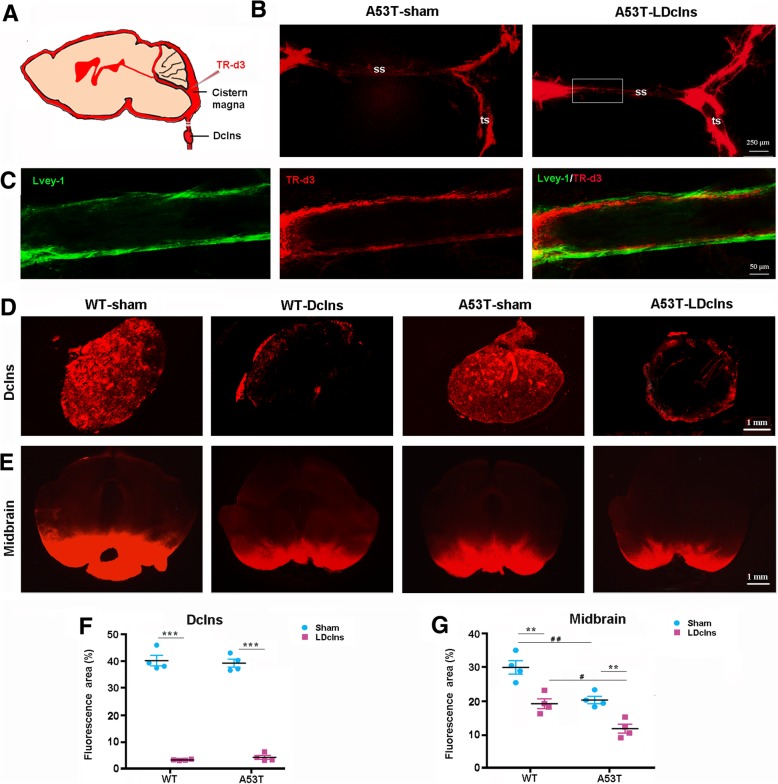
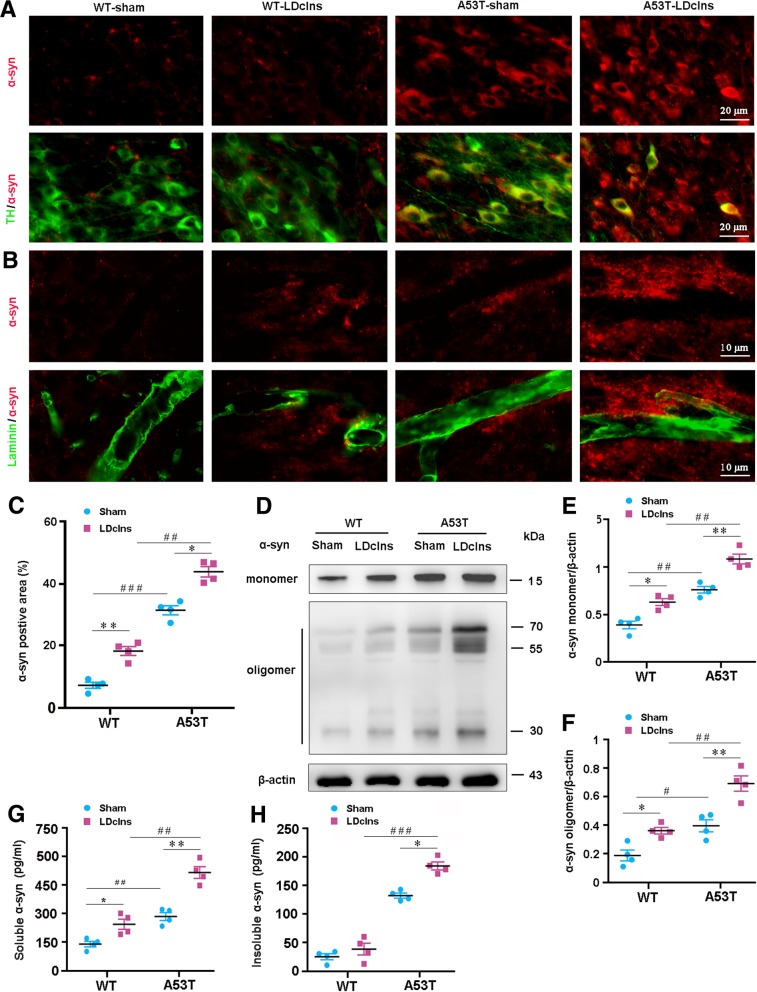
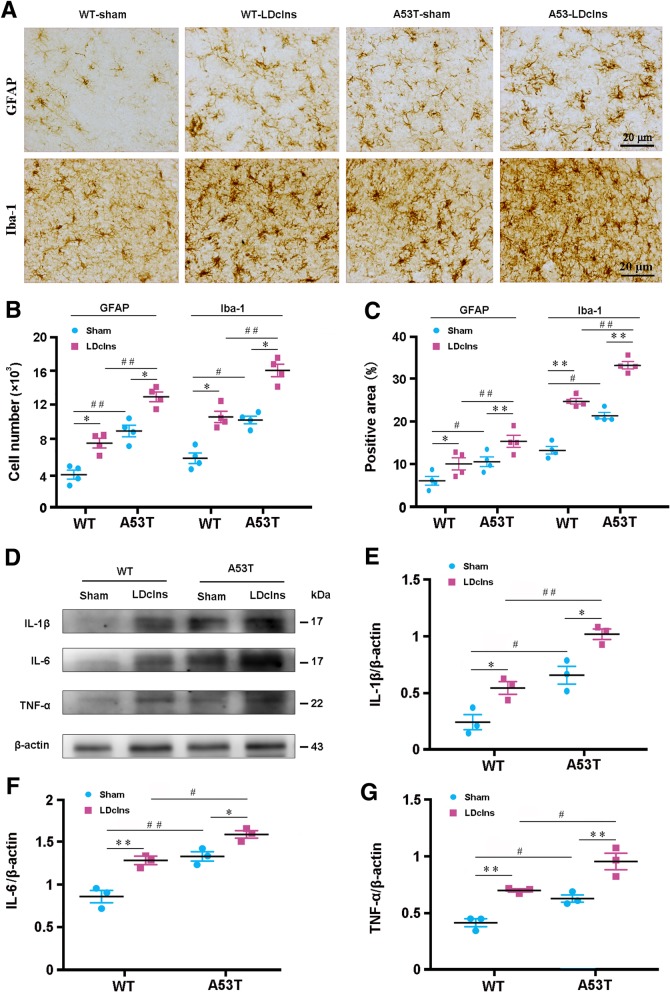
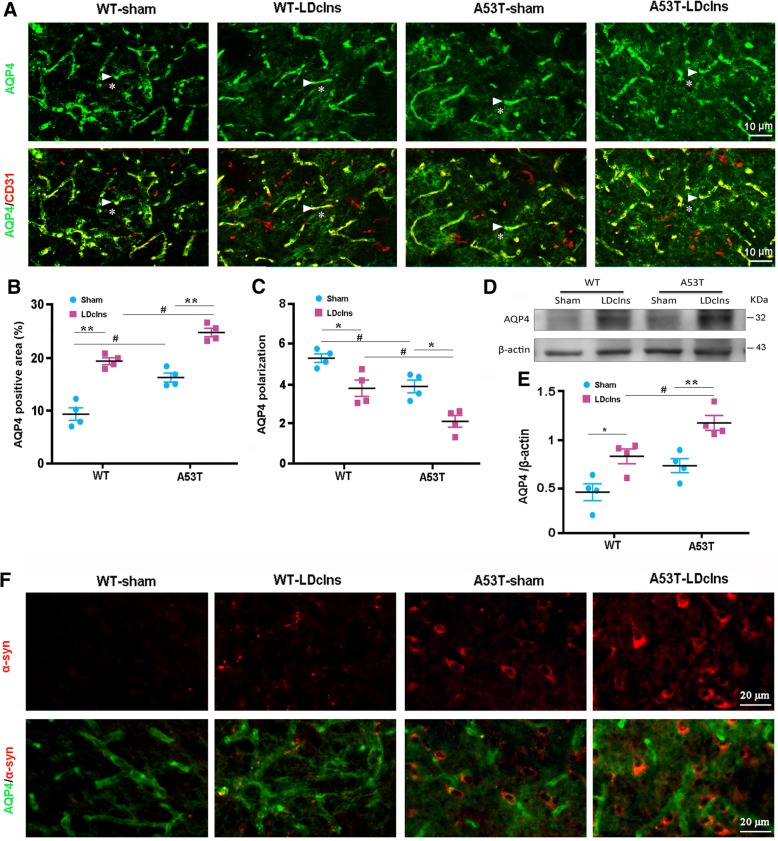
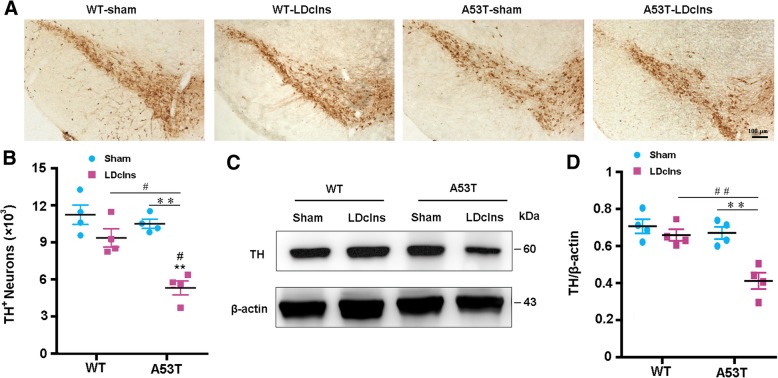
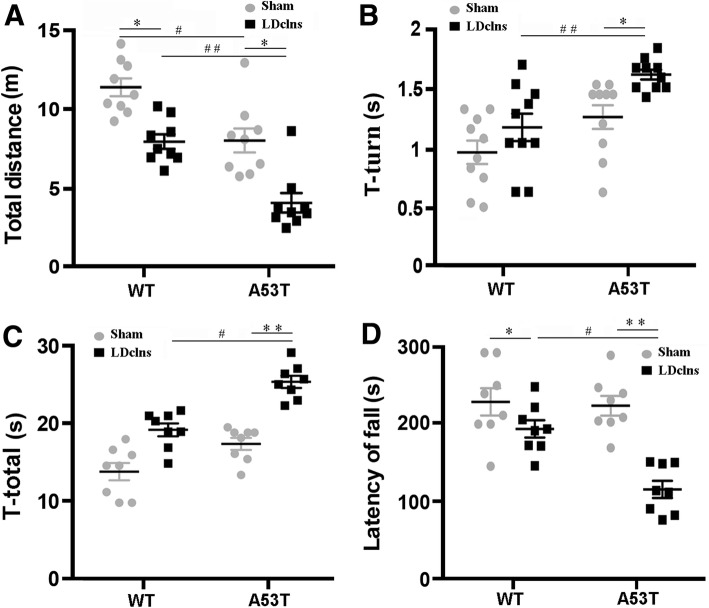
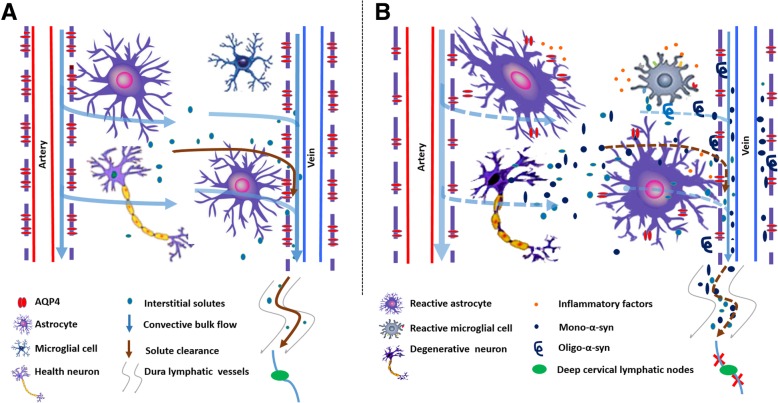
BACKGROUND: Abnormal aggregation of brain α-synuclein is a central step in the pathogenesis of Parkinson's disease (PD), thus, it is reliable to promote the clearance of α-synuclein to prevent and treat PD. Recent studies have revealed an essential role of glymphatic system and meningeal lymphatic vessels in the clearance of brain macromolecules, however, their pathophysiological aspects remain elusive. METHOD: Meningeal lymphatic drainage of 18-week-old A53T mice was blocked via ligating the deep cervical lymph nodes. Six weeks later, glymphatic functions and PD-like phenotypes were systemically analyzed. RESULTS: Glymphatic influx of cerebrospinal fluid tracer was reduced in A53T mice, accompanied with perivascular aggregation of α-synuclein and impaired polarization of aquaporin 4 expression in substantia nigra. Cervical lymphatic ligation aggravated glymphatic dysfunction of A53T mice, causing more severe accumulation of α-synuclein, glial activation, inflammation, dopaminergic neuronal loss and motor deficits. CONCLUSION: The results suggest that brain lymphatic clearance dysfunction may be an aggravating factor in PD pathology.
Overview
The claims and statistics of this paper haven’t been checked yet.
Free: it reads the open-access text and checks the first 5 claims that cite a source we can check. Create a free account to check every claim.
Integrity signals
Registry
Cites
Statistics
Figures
Verification
Claims the paper makes
The claims and statistics of this paper haven’t been checked yet.
Free: it reads the open-access text and checks the first 5 claims that cite a source we can check. Create a free account to check every claim.
Claims other papers make about this one
Each is checked against this paper’s own text: does it say what the citing paper says it does?
In the citing paper
“The suppressive effects of both age and amyloid-ß overexpression on glymphatic flow can be extended to other experimental rodent models of neurodegeneration; both traumatic brain injury and Parkinson’s disease are similarly linked to a sustained reduction of glymphatic fluid transport (56–58).”
From Glymphatic failure as a final common pathway to dementia (2020) · cites this paper as [57]
Self-check
Percentages, sums and reported differences re-computed from the paper’s own numbers.
The self-check needs the paper’s full text.
Citations
Cites
Iliff, J. J., Wang, M., Liao, Y., Plogg, B. A., Peng, W., Gundersen, G. A., Benveniste, H., Vates, G. E., Deane, R., Goldman, S. A., et al. (2012) · Science Translational Medicine · doi:10.1126/scitranslmed.3003748 · Cited by 5,824 · cited 4×
“exacerbates Aβ deposition in the brain of a mouse model of Alzheimer’s disease (AD) [13].”
InfluentialA dural lymphatic vascular system that drains brain interstitial fluid and macromolecules
Aspelund, A., Antila, S., Proulx, S. T., Karlsen, T. V., Karaman, S., Detmar, M., Wiig, H., & Alitalo, K. (2015) · Journal of Experimental Medicine · doi:10.1084/jem.20142290 · Cited by 2,198
Masliah, E., Rockenstein, E., Veinbergs, I., Mallory, M., Hashimoto, M., Takeda, A., Sagara, Y., Sisk, A., & Mucke, L. (2000) · Science · doi:10.1126/science.287.5456.1265 · Cited by 1,765
Clearance systems in the brain—implications for Alzheimer disease
Tarasoff-Conway, J. M., Carare, R. O., Osorio, R. S., Glodzik, L., Butler, T., Fieremans, E., Axel, L., Rusinek, H., Nicholson, C., Zlokovic, B. V., et al. (2015) · Nature Reviews Neurology · doi:10.1038/nrneurol.2015.119 · Cited by 1,678 · cited 2×
“This supports the view that AQP4 specifically mediates clearance of soluble macromolecules from the brain parenchyma [14, 15].”
BackgroundImpairment of paravascular clearance pathways in the aging brain
Kress, B. T., Iliff, J. J., Xia, M., Wang, M., Wei, H. S., Zeppenfeld, D., Xie, L., Kang, H., Xu, Q., Liew, J. A., et al. (2014) · Annals of Neurology · doi:10.1002/ana.24271 · Cited by 1,521 · cited 3×
“was obtained by the ratio between the AQP4 fluorescence intensity of the perivascular domains and the adjacent neutrophil domains [27, 28].”
BackgroundFunctional aspects of meningeal lymphatics in ageing and Alzheimer’s disease
Da Mesquita, S., Louveau, A., Vaccari, A., Smirnov, I., Cornelison, R. C., Kingsmore, K. M., Contarino, C., Onengut-Gumuscu, S., Farber, E., Raper, D., et al. (2018) · Nature · doi:10.1038/s41586-018-0368-8 · Cited by 1,445 · cited 4×
“Furthermore, disruption of meningeal lymphatic drainage aggravates parenchymal Aβ accumulation and cognitive decline of AD transgenic mice [16, 17].”
BackgroundResultInfluentialα-Synuclein Is Degraded by Both Autophagy and the Proteasome
Webb, J. L., Ravikumar, B., Atkins, J., Skepper, J. N., & Rubinsztein, D. C. (2003) · Journal of Biological Chemistry · doi:10.1074/jbc.m300227200 · Cited by 1,429
Neuronal α-Synucleinopathy with Severe Movement Disorder in Mice Expressing A53T Human α-Synuclein
Giasson, B. I., Duda, J. E., Quinn, S. M., Zhang, B., Trojanowski, J. Q., & Lee, V. M.-Y. (2002) · Neuron · doi:10.1016/s0896-6273(02)00682-7 · Cited by 1,266
Impairment of Glymphatic Pathway Function Promotes Tau Pathology after Traumatic Brain Injury
Iliff, J. J., Chen, M. J., Plog, B. A., Zeppenfeld, D. M., Soltero, M., Yang, L., Singh, I., Deane, R., & Nedergaard, M. (2014) · The Journal of Neuroscience · doi:10.1523/jneurosci.3020-14.2014 · Cited by 1,159 · cited 1×
“Indeed, loss of perivascular AQP4 polarization has been reported in various animal models including aging [28, 62], AD [65], traumatic brain injury [66] and”
BackgroundNeuropathological assessment of Parkinson’s disease: refining the diagnostic criteria
Dickson, D. W., Braak, H., Duda, J. E., Duyckaerts, C., Gasser, T., Halliday, G. M., Hardy, J., Leverenz, J. B., Del Tredici, K., Wszolek, Z. K., et al. (2009) · The Lancet Neurology · doi:10.1016/s1474-4422(09)70238-8 · Cited by 972 · cited 1×
“Parkinson’s disease (PD) is an age-dependent neurodegenerative disease, characterized by progressive loss of midbrain dopaminergic neurons and formation of Lewy bodies [1, 2].”
Cited by
Items 101–200 of 397
Huang, P., & Zhang, M. (2022) · Neuroscience Bulletin · doi:10.1007/s12264-022-00905-x · Cited by 47
“Cerebrovascular degeneration [24], neuroinflammation [25], and glymphatic dysfunction [26, 27] may contribute to the development of NDs, before or after disease onset.”
BackgroundMolecular and Cellular Interactions in Pathogenesis of Sporadic Parkinson Disease
Долгачева, Л. П., Зинченко, В. П., & Goncharov, N. V. (2022) · International Journal of Molecular Sciences · doi:10.3390/ijms232113043 · Cited by 51
The lymphatic system: a therapeutic target for central nervous system disorders
Lü, H., Cao, Y., Hu, J., Xu, J., Liu, Q., Huang, S., & Duan, C. (2022) · Neural Regeneration Research · doi:10.4103/1673-5374.355741 · Cited by 49
“Moreover, MLVs were observed to participate in the clearance of other abnormally accumulated proteins, such as tau and α-synuclein (Patel et al., 2019; Zou et al., 2019; Ding et al., 2021), suggestive of their clinical diagnostic value and their ability to restore lymphatic function in the treatment of neurodegenerati…”
BackgroundSleep disorders cause Parkinson's disease or the reverse is true: Good GABA good night
Al-Kuraishy, H. M., Al-Gareeb, A. I., Albuhadily, A. K., Elewa, Y. H. A., AL-Farga, A. M., Aqlan, F. M., Zahran, M. H., & Batiha, G. E. (2024) · CNS Neuroscience & Therapeutics · doi:10.1111/cns.14521 · Cited by 41
“186 Recently, neuroimaging evidence revealed that dysfunction of the glymphatic system is linked with the development of both PD and RBD. 187 A case–control study involving 168 PD patients and 129 healthy controls observed that diffusion tensor image analysis along perivascular space (DTI-ALPS)…”
BackgroundGlymphatic System Dysfunction in Central Nervous System Diseases and Mood Disorders
Zhang, D., Li, X., & Li, B. (2022) · Frontiers in Aging Neuroscience · doi:10.3389/fnagi.2022.873697 · Cited by 49
Assessment of factors influencing glymphatic activity and implications for clinical medicine
Gędek, A., Koziorowski, D., & Szlufik, S. (2023) · Frontiers in Neurology · doi:10.3389/fneur.2023.1232304 · Cited by 51
“Using a murine model of mutant alpha-synuclein overexpression, it was shown that decreased marker influx was associated with increased aggregation of alpha-synuclein in the perivascular space and impaired AQP4 polarization in the substantia nigra, suggesting a dysfunction of the glymphatic system (118).”
Yue, Y., Zhang, X., Lv, W., Lai, H., & Shen, T. (2023) · Neural Regeneration Research · doi:10.4103/1673-5374.390970 · Cited by 39
“…in a variety of consequences, including neuroinflammation, oxidative stress, impaired neuronal function, synaptic transmission deficits, and neurodegeneration, which ultimately lead to development and progression of PD and related disorders (Wang et al., 2019; Zou et al., 2019; Ding et al., 2021).”
BackgroundInfluentialCell therapy in Huntington's disease: Taking stock of past studies to move the field forward
Bachoud‐Lévi, A., Massart, R., & Rosser, A. (2020) · Stem Cells · doi:10.1002/stem.3300 · Cited by 41
Lian, X., Liu, Z., Gan, Z., Yan, Q., Tong, L., Qiu, L., Liu, Y., Chen, J., & Li, Z. (2025) · Neural Regeneration Research · doi:10.4103/nrr.nrr-d-24-00764 · Cited by 44
Defining novel functions for cerebrospinal fluid in ALS pathophysiology
Kwong, K. C. N. K., Mehta, A. R., Nedergaard, M., & Chandran, S. (2020) · Acta Neuropathologica Communications · doi:10.1186/s40478-020-01018-0 · Cited by 43
Current Update on Clinically Relevant Sleep Issues in Parkinson’s Disease: A Narrative Review
Suzuki, K. (2021) · Journal of Parkinson s Disease · doi:10.3233/jpd-202425 · Cited by 45
Bidirectional Relationship Between Sleep Disturbances and Parkinson's Disease
Minakawa, E. N. (2022) · Frontiers in Neurology · doi:10.3389/fneur.2022.927994 · Cited by 40
“However, it is worth noting that the decrease in intracellular α-syn degradation, in addition to the decrease in extracellular α-syn clearance, likely contributed to the aggravation of α-syn pathology and motor phenotype in the PD mice subjected to meningeal lymphatic drainage blockage (73).”
BackgroundNeurodegeneration and inflammation crosstalk: Therapeutic targets and perspectives
Mohamed, W. M. Y., Kumar, J., Alghamdi, B. S. A., Wadan, A.-H. S., & Yamashita, T. (2022) · IBRO Neuroscience Reports · doi:10.1016/j.ibneur.2022.12.003 · Cited by 42
Ruan, X., Huang, X., Li, Y., Li, E., Li, M., & Wei, X. (2022) · Neuroscience · doi:10.1016/j.neuroscience.2022.10.013 · Cited by 35
DTI-ALPS index decreased in patients with Type 2 Diabetes Mellitus
Yu, S., Jiang, H., Yu, L., Liu, T., Yang, C., Cao, J., Song, Q., Miao, Y., & Wang, W. (2024) · Frontiers in Neuroscience · doi:10.3389/fnins.2024.1383780 · Cited by 40
Dagum, P., Giovangrandi, L., Levendovszky, S. R., Winebaum, J. J., Singh, T., Cho, Y., Kaplan, R. M., Jaffee, M. S., Lim, M. M., VandeWeerd, C. L., et al. (2025) · Nature Biomedical Engineering · doi:10.1038/s41551-025-01394-9 · Cited by 58
“In animal models, glymphatic function supports the clearance of amyloid β 1,2 , tau 3–5 and α-synuclein 6,7 , whose mis-aggregation is implicated in the pathogenesis of neurodegenerative conditions including Alzheimer’s and Parkinson’s disease.”
Meningeal lymphatics, immunity and neuroinflammation
Frederick, N. M., & Louveau, A. (2019) · Current Opinion in Neurobiology · doi:10.1016/j.conb.2019.11.010 · Cited by 34
Cerebrovascular Anomalies: Perspectives From Immunology and Cerebrospinal Fluid Flow
Rustenhoven, J., Tanumihardja, C., & Kipnis, J. (2021) · Circulation Research · doi:10.1161/circresaha.121.318173 · Cited by 41
Glymphatic Dysfunction in Migraine Mice Model
Huang, W., Zhang, Y., Zhou, Y., Zong, J., Qiu, T., Hu, L., Pan, S., & Xiao, Z. (2023) · Neuroscience · doi:10.1016/j.neuroscience.2023.07.027 · Cited by 38
Aquaporin-4 and Parkinson’s Disease
Lapshina, K. V., & Ekimova, I. V. (2024) · International Journal of Molecular Sciences · doi:10.3390/ijms25031672 · Cited by 36
“These data suggest that there is a strong need to further investigate the interplay between α -synuclein, amyloid-β , and tau [31,32,120,131–138].”
BackgroundKopeć, K., Szleszkowski, S., Koziorowski, D., & Szlufik, S. (2023) · International Journal of Molecular Sciences · doi:10.3390/ijms241210366 · Cited by 43
“However, overexpression of α-Syn may lead to reactive astrogliosis, which impairs AQP4 polarity and its removal by glymphatic clearance [48].”
BackgroundThe Appendix in Parkinson’s Disease: From Vestigial Remnant to Vital Organ?
Killinger, B. A., & Labrie, V. (2019) · Journal of Parkinson s Disease · doi:10.3233/jpd-191703 · Cited by 55
“Blocking meningeal drainage aggravates PD-like pathology in mice that overexpress mutated -syn [147].”
BackgroundAgarwal, N., Contarino, C., & Toro, E. F. (2019) · Veins and Lymphatics · doi:10.4081/vl.2019.8470 · Cited by 36
Pramotton, F. M., Spitz, S., & Kamm, R. D. (2024) · Advanced Science · doi:10.1002/advs.202403892 · Cited by 39
Nikolenko, V. N., Oganesyan, M. V., Vovkogon, A. D., Nikitina, A. T., Sozonova, E. A., Kudryashova, V. A., Rizaeva, N. A., Cabezas, R., Ávila-Rodriguez, M., Неганова, М. Е., et al. (2019) · Current Neuropharmacology · doi:10.2174/1570159x17666191113103850 · Cited by 32
“This leads to a narrowing of the perivascular space and, ultimately, complete blockage of the glymphatic system’s cleansing pathway [8, 21, 23-39].”
BackgroundMeningeal T cells function in the central nervous system homeostasis and neurodegenerative diseases
Abbaoui, A., Fatoba, O., & Yamashita, T. (2023) · Frontiers in Cellular Neuroscience · doi:10.3389/fncel.2023.1181071 · Cited by 33
“Remarkably, a significant increase in CD3+, CD4+, and CD8+ T cell numbers accumulated in the meninges and decreased within the deep cervical lymph nodes (Zou et al., 2019).”
Age- and glaucoma-induced changes to the ocular glymphatic system
Wang, X., Delle, C., Peng, W., Plá, V., Giannetto, M. J., Kusk, P., Sigurdsson, B., Sakurai, S., Sweeney, A. M., Sun, Q., et al. (2023) · Neurobiology of Disease · doi:10.1016/j.nbd.2023.106322 · Cited by 42
“…glymphatic function, both in animal models and human subjects (Kress et al., 2014; Zhou et al., 2020), which results in a sharp reduction in the clearance of parenchymal β -amyloid, tau, and synuclein proteins (Harrison et al., 2020; Kress et al., 2014; Peng et al., 2016; Zou et al., 2019).”
Circadian Mechanisms in Brain Fluid Biology
Vizcarra, V. S., Fame, R. M., & Hablitz, L. M. (2024) · Circulation Research · doi:10.1161/circresaha.123.323516 · Cited by 33
“42,55,56 Glymphatic fluid drains into the traditional lymphatic system in the meninges and is cleared to the cervical lymph nodes, 57–61 but the exact connection between the perivenous space and the lymphatic network has not been identified.”
BackgroundEarly detection of dopaminergic dysfunction and glymphatic system impairment in Parkinson's disease
Yao, J., Huang, T., Tian, Y., Zhao, H.-D., Li, R., Yin, X., Shang, S., & Chen, Y. (2024) · Parkinsonism & Related Disorders · doi:10.1016/j.parkreldis.2024.107089 · Cited by 34
Han, F., Liu, X., Yang, Y., & Liu, X. (2024) · NeuroImage · doi:10.1016/j.neuroimage.2024.120905 · Cited by 52
“…increasing evidence that links the dysfunction of CSF-related clearance and cognitive impairments (Da Mesquita et al., 2018; Iliff et al., 2014; Zou et al., 2019), the sex-specific glymphatic change with aging may provide a potential explanation for the sex differences in age-related cognitive…”
BackgroundTaoka, T., Ito, R., Nakamichi, R., Nakane, T., Kawai, H., & Naganawa, S. (2022) · Magnetic Resonance in Medical Sciences · doi:10.2463/mrms.rev.2022-0012 · Cited by 33
Yeung, S. S.-H., Ho, J. Y. S., & Chang, R. C. (2021) · Experimental & Molecular Medicine · doi:10.1038/s12276-021-00660-5 · Cited by 37
Shirolapov, I. V., Zakharov, A. V., Gochhait, S., Pyatin, V. F., Sergeeva, M. S., Romanchuk, N., Komarova, Y., Kalinin, V. A., Pavlova, O. N., & Khivintseva, E. (2023) · WSEAS TRANSACTIONS ON BIOLOGY AND BIOMEDICINE · doi:10.37394/23208.2023.20.11 · Cited by 31
Zhang, J., Liu, S., Wu, Y., Tang, Z., Wu, Y., Qi, Y., Dong, F., & Wang, Y. (2023) · Cellular and Molecular Neurobiology · doi:10.1007/s10571-023-01440-7 · Cited by 33
“The results indicated that glymphatic dysfunction may cause perivascular aggregation of α-synuclein and dopaminergic neuronal loss (Zou et al. 2019).”
Ran, L., Fang, Y., Cheng, C., He, Y., Shao, Z., Kong, Y., Huang, H., Xu, S., Luo, X., Wang, W., et al. (2025) · Science Advances · doi:10.1126/sciadv.adr4606 · Cited by 37
“Previous animal experiments and clinical studies have confirmed that the GS is involved in the occurrence and progression of neurodegenerative diseases by virtue of its role in the elimination of neurotoxic protein aggregations such as amyloid-β and tau in AD and α - synuclein in PD ( 24 – 26 ).”
Cellular Origins of the Lymphatic Endothelium: Implications for Cancer Lymphangiogenesis
Gutiérrez-Miranda, L., & Yaniv, K. (2020) · Frontiers in Physiology · doi:10.3389/fphys.2020.577584 · Cited by 31
“The discovery that this drainage function appears to decrease in aged mice, has prompted research into the putative role of lymphatics in neurodegenerative disorders (Ma et al., 2017; Da Mesquita et al., 2018b; Ahn et al., 2019; Wang et al., 2019; Zou et al., 2019).”
BackgroundGlymphatic influx and clearance are perturbed in Huntington’s disease
Liu, H., Chen, L., Zhang, C., Liu, C., Li, Y., Cheng, L., Ouyang, Y., Rutledge, C., Anderson, J., Wei, Z., et al. (2024) · JCI Insight · doi:10.1172/jci.insight.172286 · Cited by 37
“Glym-phatic function is a highly regulated process, with changes in its activity accompanying aging as well as disease conditions (9–11).”
Lin, R., Cai, G., Chen, Y., Zheng, J., Wang, S., Xiao, H., Ye, Q., Xue, Y., & Jiang, R. (2025) · npj Parkinson's Disease · doi:10.1038/s41531-025-00909-0 · Cited by 38
“Impaired glymphatic function further reduces clearance of these neurotoxic sub-stances, leading to the accumulation of α -syn and immune components 12 , which promote persistent in fl ammation and neuronal death.”
InfluentialFang, Y., Gu, L., Tian, J., Dai, S., Chen, Y., Zheng, R., Si, X., Jin, C., Song, Z., Yan, Y., et al. (2020) · Aging · doi:10.18632/aging.104200 · Cited by 31
“com 25806 AGING However, recent evidence suggested that PVS and the glymphatic system also contributed to the clearance of αsynuclein [13].”
BackgroundThe state of brain activity modulates cerebrospinal fluid transport
Miyakoshi, L. M., Stæger, F. F., Li, Q., Pan, C., Xie, L., Kang, H., Pavan, C., Dang, J., Sun, Q., Ertürk, A., et al. (2023) · Progress in Neurobiology · doi:10.1016/j.pneurobio.2023.102512 · Cited by 27
Intersection of Sleep Disorders and Parkinson Disease: Unveiling the Bidirectional Relationship
Antelmi, E., Lanza, G., Mogavero, M. P., Mingolla, G. P., Plazzi, G., Ferini‐Strambi, L., Ferri, R., & Tinazzi, M. (2024) · Movement Disorders Clinical Practice · doi:10.1002/mdc3.14254 · Cited by 30
“49 More recently, it has been shown that meningeal lymphatic drainage was signi fi cantly decreased in patients with PD. 50 However, also the decrease in intracellular a-syn degradation, in addition to the decrease in extracellular a-syn clearance, contributed to the aggravation of a-syn pathology…”
Ghaderi, S., Mohammadi, S., Jouzdani, A. F., Ahmadzadeh, A. M., & Fatehi, F. (2025) · npj Parkinson's Disease · doi:10.1038/s41531-025-01151-4 · Cited by 35
“Forinstance,inatransgenic mouse model of PD, blocking meningeal lymphatic drainage aggravates PD-like pathology 17 .”
The anatomy and metabolome of the lymphatic system in the brain in health and disease
He, W., Jing, Y., Wan, Q., Xiao, K., Chen, K., Lu, Y., Li, L., Tang, Y., Deng, Y., Yao, Z., et al. (2019) · Brain Pathology · doi:10.1111/bpa.12805 · Cited by 30
“Moreover, it has been demonstrated that brain lymphatic clearance dysfunction could participate in the pathogenesis of neurodegenerative diseases (10, 60).”
BackgroundYang, Z., Zhang, X., Li, C., Chi, S., & Xie, A. (2021) · Frontiers in Neuroscience · doi:10.3389/fnins.2020.592989 · Cited by 34
Reactive Oxygen Species in Regulating Lymphangiogenesis and Lymphatic Function
Singla, B., Aithabathula, R. V., Kiran, S., Kapil, S., Kumar, S., & Singh, U. P. (2022) · Cells · doi:10.3390/cells11111750 · Cited by 28
Widespread distribution of lymphatic vessels in human dura mater remote from sinus veins
Quesada, C. L. V., Rao, S. B., Torp, R., & Eide, P. K. (2023) · Frontiers in Cell and Developmental Biology · doi:10.3389/fcell.2023.1228344 · Cited by 31
“These MLVs were found to carry substances and waste from the cerebrospinal fl uid (CSF), and impairing their function reduced ef fl ux of toxic waste substances from CSF (Zou et al., 2019; Da Mesquita et al., 2021; Ding et al., 2021).”
InfluentialThe Impact of VEGF-C-Induced Dural Lymphatic Vessel Growth on Ischemic Stroke Pathology
Keuters, M. H., Antila, S., Immonen, R. J., Plotnikova, L. M., Wojciechowski, S., Lehtonen, Š., Alitalo, K. K., Koıstınaho, J., & Dhungana, H. (2024) · Translational Stroke Research · doi:10.1007/s12975-024-01262-9 · Cited by 32
Kim, S.-H., Na, H. K., Sun, Y., Yoon, Y. J., Chung, S. J., Sohn, Y. H., Lyoo, C. H., & Lee, P. H. (2024) · Neurology · doi:10.1212/wnl.0000000000209483 · Cited by 28
Differential impact of lymphatic outflow pathways on cerebrospinal fluid homeostasis
Papadopoulos, Z., Smyth, L. C. D., Smirnov, I., Gibson, D. A., Herz, J., & Kipnis, J. (2025) · The Journal of Experimental Medicine · doi:10.1084/jem.20241752 · Cited by 31
Lu, X., Bai, S., Feng, L., Xu, Y., Lin, Y., Huang, J., Liao, X., Wang, H., Li, L., Yang, Z., et al. (2025) · Alzheimer s & Dementia · doi:10.1002/alz.14518 · Cited by 28
“14,15 In our recent proof-of-concept study, CBT was shown to significantly improve the outcomes of ischemic stroke via enhancing angiogenesis, neurogenesis, and meningeal lymphatic drainage function in the rat middle cerebral artery occlusion model.”
Padmakumar, S., Kulkarni, P., Ferris, C. F., Bleier, B. S., & Amiji, M. M. (2022) · Biomedicine & Pharmacotherapy · doi:10.1016/j.biopha.2022.112812 · Cited by 32
B Lymphocytes in Parkinson’s Disease
Scott, K. M. (2022) · Journal of Parkinson s Disease · doi:10.3233/jpd-223418 · Cited by 30
“Blocking meningeal drainage in mouse models 112 of PD also leads to worsening pathology [2].”
BackgroundFluid dynamics in aging-related dementias
Bah, T. M., Siler, D. A., Ibrahim, A. H., Cetas, J. S., & Alkayed, N. J. (2023) · Neurobiology of Disease · doi:10.1016/j.nbd.2022.105986 · Cited by 28
“Moreover, blockage of meningeal lymphatic drainage via cervical lymphatic vessel ligation resulted in worsened PD-like pathology and increased aggregation of α -synuclein (Zou et al., 2019; Cao et al., 2018; Patel et al., 2019; Wang et al., 2019).”
Characteristic Features of Deep Brain Lymphatic Vessels and Their Regulation by Chronic Stress
Chang, J., Guo, B., Gao, Y., Li, W., Tong, X., Feng, Y., & Abumaria, N. (2023) · Research · doi:10.34133/research.0120 · Cited by 29
“Evidence suggest that meningeal lymphatic vessels can be regulated during certain brain pathologies including aging [6,7], Alzheimer’s disease [7], Parkinson’s disease [8], and/or traumatic brain injuries [9].”
BackgroundDonahue, E. K., Foreman, R. P., Duran, J. J., Jakowec, M. W., O’Neill, J., Petkus, A. J., Holschneider, D. P., Choupan, J., Horn, J. D. V., Venkadesh, S., et al. (2023) · Brain Imaging and Behavior · doi:10.1007/s11682-023-00811-4 · Cited by 27
“No associations were observed in any region between PVS volume fraction and language, attention, or executive function. alpha-synuclein, a pathophysiological protein hallmark of PD (Zou et al., 2019 ).”
BackgroundTan, L. Y., Cunliffe, G., Hogan, M. P., Yeo, X. Y., Oh, C., Jin, B., Kang, J., Park, J., Kwon, M., Kim, M., et al. (2024) · Frontiers in Immunology · doi:10.3389/fimmu.2024.1380063 · Cited by 26
Abnormal Cerebrovascular Activity, Perfusion, and Glymphatic Clearance in Lewy Body Diseases
Ryman, S. G., Vakhtin, A. A., Mayer, A. R., van der Horn, H. J., Shaff, N. A., Nitschke, S. R., Julio, K. R., Tarawneh, R. M., Rosenberg, G. A., Diaz, S. V., et al. (2024) · Movement Disorders · doi:10.1002/mds.29867 · Cited by 28
“…in mice also led to more severe accumulation of α -syn- uclein, glial activation, in fl ammation, dopaminergic neuronal loss, and motor de fi cits, 83 further highlighting altered glymphatic fl ow impacts disease processes, though AQP4 channel dysfunction is not necessary to in fl uence these…”
The influence of the glymphatic system on α-synuclein propagation: the role of aquaporin-4
Lopes, D. M., Llewellyn, S. K., Bury, S. E., Wang, J., Wells, J. A., Gegg, M. E., Verona, G., Lythgoe, M. F., & Harrison, I. F. (2025) · Brain · doi:10.1093/brain/awaf255 · Cited by 47
He, Z., & Sun, J. (2025) · Cognitive Neurodynamics · doi:10.1007/s11571-025-10298-y · Cited by 25
“…blocked meningeal lymphatic drainage in A53T mice (PD model), the lymphatic inflow of CSF tracers in the mouse brain was reduced, resulting in a - synuclein accumulation, glial cell activation, inflammation, a reduction in the number of dopaminergic neurons, and movement disorders (Zou et al. 2019).”
Cai, X., Harding, I. C., Sadaka, A. H., Colarusso, B. A., Kulkarni, P., Ebong, E. E., Qiao, J., O'Hare, N. R., & Ferris, C. F. (2021) · Brain Communications · doi:10.1093/braincomms/fcab265 · Cited by 22
“Repetitive mild head injury without structural brain damage reduces neural coupling to the SN as measured with resting-state functional connectivity several weeks post head impact.15 There is a growing literature that perivascular flow and AQP4 may play a critical role in clearing beta amyloid and tau in Alzheimer’s d…”
BackgroundGlymphatic dysfunction in the pathogenesis of neurodegenerative diseases and pathological aging
Shirolapov, I. V., Zakharov, A. V., Bulgakova, S. V., Khivintseva, E., Sergeeva, M. S., Romanchuk, N., Pavlova, O. N., & Kazantsev, V. (2023) · Genes and Cells · doi:10.23868/gc546022 · Cited by 23
Tian, S., Hong, H., Luo, X., Zeng, Q., Huang, P., & Zhang, M. (2024) · Quantitative Imaging in Medicine and Surgery · doi:10.21037/qims-23-1032 · Cited by 30
“…dopaminergic neuron degeneration, resulting in a variety of clinical symptoms such as bradykinesia, tremor, rigidity, and postural instability (24) influx of CSF tracer was reduced in a transgenic mouse model of PD, and blocking meningeal lymphatic drainage could aggravate PD-like pathology (25).”
The meningeal lymphatic vasculature in neuroinflammation
Olate‐Briones, A., Escalona, E., Salazar, C., Herrada, M. J., Liu, C., Herrada, A. A., & Escobedo, N. (2022) · The FASEB Journal · doi:10.1096/fj.202101574rr · Cited by 22
Zhang, R., Li, J., Li, X., & Zhang, S. (2024) · Frontiers in Cell and Developmental Biology · doi:10.3389/fcell.2024.1467085 · Cited by 24
Ren, J., Xie, D., Wang, L., Wu, Z., Lin, S., Jin, Q., Luo, Y., Zhu, B., Huang, H., Wang, J., et al. (2025) · Journal of Neurology · doi:10.1007/s00415-025-12944-1 · Cited by 25
“In a study by Zou et al. [18], they found reduced glymphatic influx of cerebrospinal fluid tracers in the transgenic mouse model of PD. Ding et al. [19] proposed that flow through meningeal lymphatic vessels was significantly reduced in PD patients compared to patients with progressive…”
Chen, Y., Cai, J., She, Y., He, X., Feng, H., Li, X., Wei, Y., Fan, Y., Zhao, W.-E., Yin, M., et al. (2025) · Translational Neurodegeneration · doi:10.1186/s40035-025-00497-2 · Cited by 24
“They mediate the drainage of macromolecular waste [8, 9], cellular debris [10], neurotropic viruses [11], and brain tumor cells [12] from the brain.”
Self-citationSun, X., Qing, T., Yang, Z., Liu, Y., Li, C., Hou, B., & Xie, A. (2023) · Neuroscience Letters · doi:10.1016/j.neulet.2023.137062 · Cited by 19
Zhu, X., Lin, J., Yang, P., Wu, S., Lin, H., He, W., Lin, D., & Cao, M. (2024) · Frontiers in Neuroscience · doi:10.3389/fnins.2024.1426718 · Cited by 22
Intestinal Lymphatic Biology, Drug Delivery, and Therapeutics: Current Status and Future Directions
Reddiar, S. B., Xie, Y., Abdallah, M., Han, S., Hu, L., Feeney, O. M., Gracia, G., Anshabo, A., Lu, Z., Farooq, M. A., et al. (2024) · Pharmacological Reviews · doi:10.1124/pharmrev.123.001159 · Cited by 22
Ghanizada, H., & Nedergaard, M. (2025) · Handbook of clinical neurology · doi:10.1016/b978-0-443-19104-6.00006-1 · Cited by 25
Pan, J., Fu, Y., Yang, P., Li, W., Luo, Z., Zhang, A., Du, J., Mei, F., Liu, F., Qi, S., et al. (2025) · Cellular and Molecular Neurobiology · doi:10.1007/s10571-025-01598-2 · Cited by 22
“Additionally, pathological αSyn deposition disrupts meningeal lymphatic function by inducing meningeal inflammation or compromising endothelial tight junctions (Ding et al. 2021; Zou et al. 2019) (Fig.”
Cerebrospinal fluid draining lymphatics in health and disease: advances and controversies
McDonald, D. M., Alitalo, K. K., Betsholtz, C., Engelhardt, B., Proulx, S. T., Siegenthaler, J. A., & Koh, G. Y. (2025) · Nature Cardiovascular Research · doi:10.1038/s44161-025-00705-2 · Cited by 24
“Transgenic mouse models of Parkinson’s disease have structural abnormalities in dural lymphatics and impaired CSF drainage 171,172 .”
Neuroimmune signaling at the brain borders
Frederick, N. M., Tavares, G. A., & Louveau, A. (2022) · Immunological Reviews · doi:10.1111/imr.13126 · Cited by 20
Spitz, S., Ko, E. C., Ertl, P., & Kamm, R. D. (2023) · International Journal of Molecular Sciences · doi:10.3390/ijms24032171 · Cited by 20
“In addition to glymphatic dysfunction, pathology-related phenotypes such as neurodegeneration and exacerbated α-synuclein aggregation were further enhanced upon the ligation of the cervical lymph nodes [34].”
BackgroundZhu, B., Liu, C., Luo, M., Chen, J., Tian, S., Zhan, T., Liu, Y., Zhang, H., Wang, Z., Zhang, J., et al. (2025) · Journal of Neuroinflammation · doi:10.1186/s12974-025-03460-0 · Cited by 24
Functional aspects of the brain lymphatic drainage system in aging and neurodegenerative diseases
Chen, Y., He, X., Cai, J., & Li, Q. (2024) · Journal of Biomedical Research · doi:10.7555/jbr.37.20230264 · Cited by 20
Impact of aging on meningeal gene expression
Neutzner, M., Kohler, C., Frank, S., Killer, H. E., & Neutzner, A. (2023) · Fluids and Barriers of the CNS · doi:10.1186/s12987-023-00412-9 · Cited by 17
“Interestingly, there are strong indications that age-dependent dysfunction of meningeal lymphatic drainage is linked to the development of neurodegenerative diseases [10, 11].”
BackgroundChen, J., Pan, Y., Liu, Q., Li, G., Chen, G., Li, W., Zhao, W., & Wang, Q. (2022) · Current Neuropharmacology · doi:10.2174/1570159x21666221115150253 · Cited by 20
“MLV dysfunction exacerbates α-synuclein accumulation in PD. [10] K14-VEGFR3-Ig mice Transgenic mice with LV deficiency”
BackgroundMethodInfluentialRelationship of Visceral Adipose Tissue With Dilated Perivascular Spaces
Qi, Y., Lin, M., Yang, Y., & Li, Y. (2021) · Frontiers in Neuroscience · doi:10.3389/fnins.2020.583557 · Cited by 18
Blood Vessels as a Key Mediator for Ethanol Toxicity: Implication for Neuronal Damage
Nakayama, K., & Hasegawa, H. (2022) · Life · doi:10.3390/life12111882 · Cited by 20
Xiao, M., Hou, J., Xu, M., Li, S., & Yang, B. (2023) · Advances in experimental medicine and biology · doi:10.1007/978-981-19-7415-1_7 · Cited by 21
Self-citationThe effects of AQP4 rs162009 on resting‐state brain activity in Parkinson's disease
Jiang, M., Fang, Y., Dai, S., Si, X., Wang, Z., Tang, J., Gao, T., Liu, Y., Song, Z., Pu, J., et al. (2023) · CNS Neuroscience & Therapeutics · doi:10.1111/cns.14208 · Cited by 16
Gao, M., Wang, X., Su, S., Feng, W., Lai, Y., Huang, K., Cao, D., & Wang, Q. (2024) · Neural Regeneration Research · doi:10.4103/nrr.nrr-d-23-01595 · Cited by 20
Self-citationLi, M., Jing, Y., Wu, C., Li, X., Liang, F., Li, G., Dai, P., Yu, H., Pei, Z., Xu, G., et al. (2020) · Neuroscience Letters · doi:10.1016/j.neulet.2020.135197 · Cited by 18
Zhao, Y., Xu, C., Chen, Y., Gong, T., Zhuo, M., Zhao, C., Sun, Z., Chen, W., Xiang, Y., & Wang, G. (2024) · Brain Communications · doi:10.1093/braincomms/fcaf029 · Cited by 22
“11,12 Therefore, we hypothesize that dysfunction of the glymphatic system may be associated with regional cortical atrophy and may indirectly contribute to cognitive decline in patients with Parkinson’s disease.”
Li, Z., Miao, X., Zhang, Q., Shen, J., Jia, Y., Ge, S., Ji, P., Wang, J., Zhang, K., & Wang, M. (2025) · npj Parkinson s Disease · doi:10.1038/s41531-025-01074-0 · Cited by 18
“29 , reduced glymphatic clearance has been implicated in the early pathological process of an A53T transgenic PD mouse model.”
Buongiorno, M., Marzal-Espí, C., Fernández, M., Cullell, N., de Mena, L., Sánchez‐Benavides, G., de la Sierra, A., Krupiński, J., & Compta, Y. (2023) · Frontiers in Aging Neuroscience · doi:10.3389/fnagi.2023.1251755 · Cited by 18
“Therefore, the loss of glymphatic function would lead to increased α-syn aggregation as recently demonstrated in murine models of PD (Zou et al., 2019; Zhang et al., 2023), and even in neuropathological studies of individuals without PD, that showed that sleep fragmentation, as measured by actigraphy, was associated w…”
BackgroundMa, Y., Wang, Z., & Tang, W. (2025) · BioScience Trends · doi:10.5582/bst.2025.01108 · Cited by 21
Impaired glymphatic clearance in multiple system atrophy: A diffusion spectrum imaging study
Shi, C., Guo, G., Wang, W., Yu, H., Fan, H., Wu, P., Song, P., & Gong, D. (2024) · Parkinsonism & Related Disorders · doi:10.1016/j.parkreldis.2024.106950 · Cited by 15
Prasuhn, J., Xu, J., Hua, J., van Zijl, P. C. M., & Knutsson, L. (2024) · Frontiers in Psychiatry · doi:10.3389/fpsyt.2024.1368489 · Cited by 17
Liu, Q., Hou, C., Zhang, H., Fu, C., Wang, W., Wang, B., Li, J., Zhao, Y., & Yang, X. (2021) · Brain Research · doi:10.1016/j.brainres.2021.147584 · Cited by 18
García, F., & Heiman, M. (2025) · Molecular Neurodegeneration · doi:10.1186/s13024-025-00799-z · Cited by 14
“However, the higher expression in meningeal vessels is noteworthy given recent studies demonstrating the importance of PVMs in glymphatic clearance and observed impaired flow within the A53T mouse model of PD [47, 164].”
Lv, Y., Ding, X.-S., Gao, L., Han, Z., Feng, C., Li, Y.-N., Wang, Y., Yang, Q., Simon, D. K., Wang, X., et al. (2025) · Ageing Research Reviews · doi:10.1016/j.arr.2025.102995 · Cited by 18
Meningeal lymphatics and their role in CNS disorder treatment: moving past misconceptions
Melloni, A. N., Liu, L., Kasinath, V., Abdi, R., & Shah, K. (2023) · Frontiers in Neuroscience · doi:10.3389/fnins.2023.1184049 · Cited by 15
“in 2019 showed that the blockade of the meningeal lymphatic drainage in mice expressing the A53T point mutation of the human α-synuclein protein via ligation of deep cervical lymph nodes led to an increase in symptoms that are typical hallmarks of Parkinson’s disease (Zou et al., 2019).”
BackgroundDu, D., Fu, W., Su, S., Mao, X. Y., Liu, Y., Xu, M., Yuan, Y., Gao, Y., Geng, Z., Chen, Y., et al. (2025) · Cyborg and Bionic Systems · doi:10.34133/cbsystems.0218 · Cited by 19
“Glymphatic system dysfunction [ 21 – 23 ] results in heightened α -synuclein ( α -syn) aggregation and dopaminergic neuron loss in PD rat models [ 24 ].”
Role of meningeal lymphatic vessels in brain homeostasis
Zhao, M.-Y., Ye, C., Liu, Y.-C., Wang, X., Fu, J.-C., Liu, X.-Y., Zhu, R., Li, Y.-Z., & Qing, T. (2025) · Frontiers in Immunology · doi:10.3389/fimmu.2025.1593630 · Cited by 20
Lahmar, T., Thuau, F., Pinard, G., Boutoleau‐Bretonnière, C., Perrot, P., & Lancien, U. (2025) · The Journal of Prevention of Alzheimer s Disease · doi:10.1016/j.tjpad.2025.100335 · Cited by 21
“…ligation of cervical lymphatic vessels; results in impaired clearance of cerebral waste, such as A β , phosphorylated tau, or α -synuclein [2 – 5, 35, In humans, a recent retrospective study by Chao et al. (2024), which involved 234 patients who underwent simple or bilateral cervical lymph node…”
Glymphatic-meningeal lymphatic system, a new therapeutic target for sleep disorders
Xiao, M., Marshall, C., & Yin, K. (2025) · Neuroscience · doi:10.1016/j.neuroscience.2025.09.008 · Cited by 14
Self-citationExperimental Models to Study Immune Dysfunction in the Pathogenesis of Parkinson’s Disease
Šaponjić, J., Mejías, R., Nikolovski, N., Dragić, M., Canak, A., Papoutsopoulou, S., Özdemir, Y., Fladmark, K. E., Ntavaroukas, P., Muluk, N. B., et al. (2024) · International Journal of Molecular Sciences · doi:10.3390/ijms25084330 · Cited by 14
“Further studies on the role of the GS in PD pathogenesis were performed in the A53T transgenic PD model, showing that occlusion of cervical lymph nodes of the GS significantly aggravated α -syn pathology and led to dysfunctions of coordination and balance [205].”
BackgroundWu, X., Wen, G., Lei, Y., Wang, Y., Ren, X., Li, G., Luo, Y., Shang, J., Lu, L., Hermenean, A. O., et al. (2024) · Biomedicine & Pharmacotherapy · doi:10.1016/j.biopha.2024.116739 · Cited by 14
Metadata
- Authors
- Zou, W., Pu, T., Feng, W., Lu, M., Zheng, Y., Du, R., Xiao, M., & Hu, G.
- Affiliations
- Nanjing University of Chinese Medicine (CN)
- Nanjing Medical University (CN)
- Corresponding author
- Xiao, Ming
- Hu, Gang
- Venue
- Translational Neurodegeneration
- Published
- 2019-03-01
- Volume
- 8
- Issue
- 1
- Pages
- 7-7
- ISSN
- 2047-9158 (ISSN-L)
- PMC
- PMC6396507
- OpenAlex
- W2924627473
- Cited by
- 396
- References
- 70
- Citations by year
- 2026: 48 · 2025: 91 · 2024: 66 · 2023: 64 · 2022: 61 · 2021: 29 · 2020: 23 · 2019: 13
- FWCI
- 21.32
- Type
- journal article
- Language
- en
- Open access
- gold
- doi.org
- Licence
- cc-by
- creativecommons.org/licenses/by/4.0/ (tdm)
- Locations
- Translational Neurodegeneration (publishedVersion, cc-by)
- Europe PMC (PubMed Central) (publishedVersion, cc-by)
- PubMed Central (publishedVersion, cc-by)
- PubMed (publishedVersion)
- DOAJ (DOAJ: Directory of Open Access Journals) (submittedVersion, cc-by-sa)
- Funders
- National Natural Science Foundation of China (81671070, 81473196)
- Topics
- Health Sciences › Medicine › Clinical Neurology › Parkinson's Disease Mechanisms and Treatments
- Health Sciences › Medicine › Clinical Neurology › Cerebrospinal fluid and hydrocephalus
- Life Sciences › Neuroscience › Neurology › Neuroinflammation and Neurodegeneration Mechanisms
- Keywords
- Parkinson's disease, alpha-synuclein aggregation, glymphatic system, meningeal lymphatic drainage, cerebrospinal fluid clearance, substantia nigra, dopaminergic neuron loss, glial activation, neuroinflammation, motor impairment
About these checks
Registry, retraction, Cites and statistics results are computed, not judged, with one exception: a printed reference that no index lists is read once by a model before it counts as a citation error. Claims are extracted by a model and kept only when their quote appears verbatim in the text; each cited source is then checked, with a model’s help, for whether it says what the claim relies on. Those verdicts can be wrong — read the claim’s quote and the cited source before relying on one.
Statistics and arithmetic are recomputed, not judged.
Confidence bands are shown only for fields calibrated on our annotated test set. None is calibrated yet, so no band is shown.
What counts as a claim ›How we measure confidence ›How we check this ›
Are you an author, or do you see a problem with this page? Request a review
Data sources
Bibliographic data: Semantic Scholar, OpenAlex, Crossref.
Contains information from the Semantic Scholar Academic Graph Datasets, made available under the ODC Attribution License (ODC-BY 1.0).
Semantic Scholar’s data is described in: Kinney, R., et al. (2023). The Semantic Scholar Open Data Platform. arXiv:2301.10140.
