

Blocking meningeal lymphatic drainage aggravates Parkinson’s disease-like pathology in mice overexpressing mutated α-synuclein
Open accessThe DOI matches its Crossref record; 70 of the 70 references it cites were found in a registry or an index.
Abstract
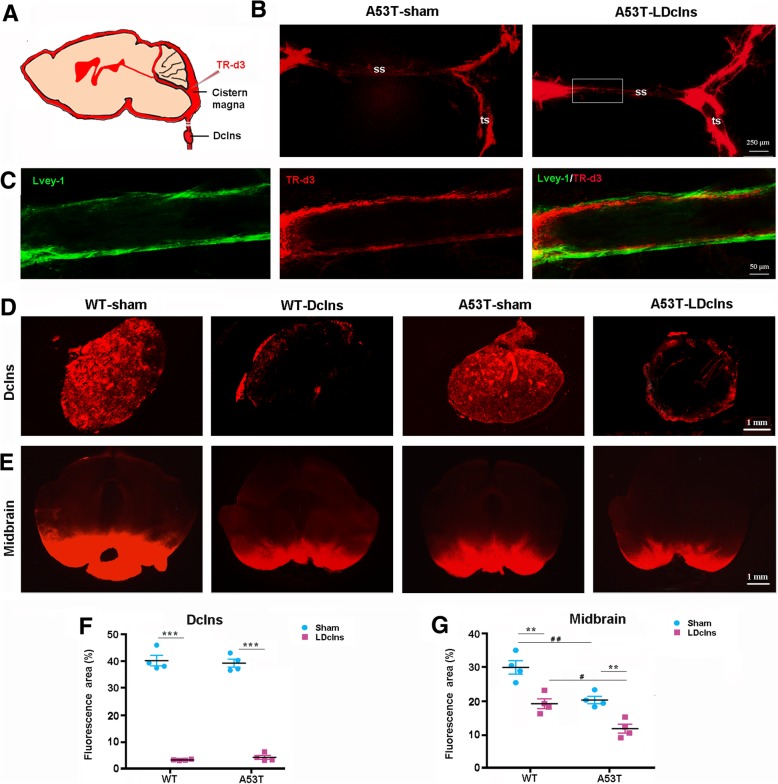
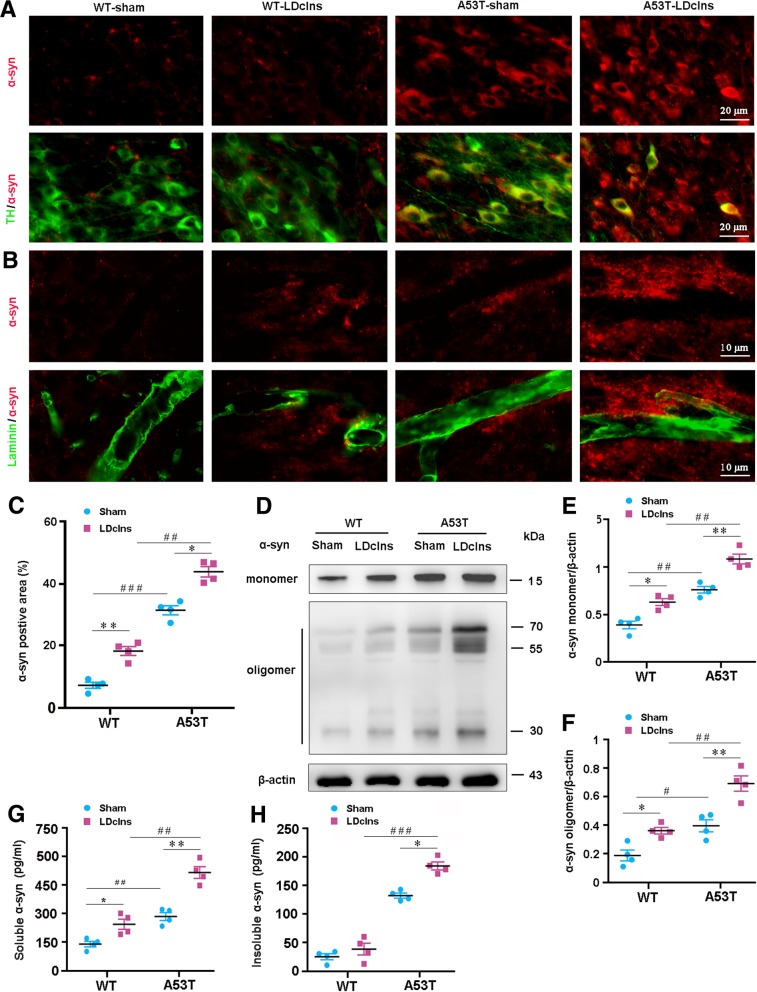
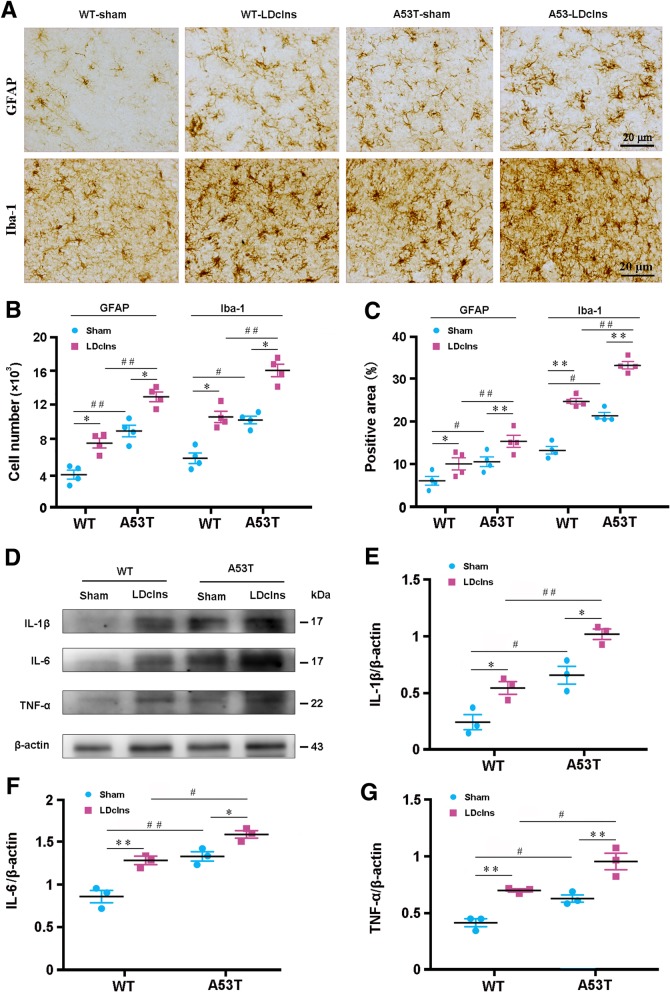
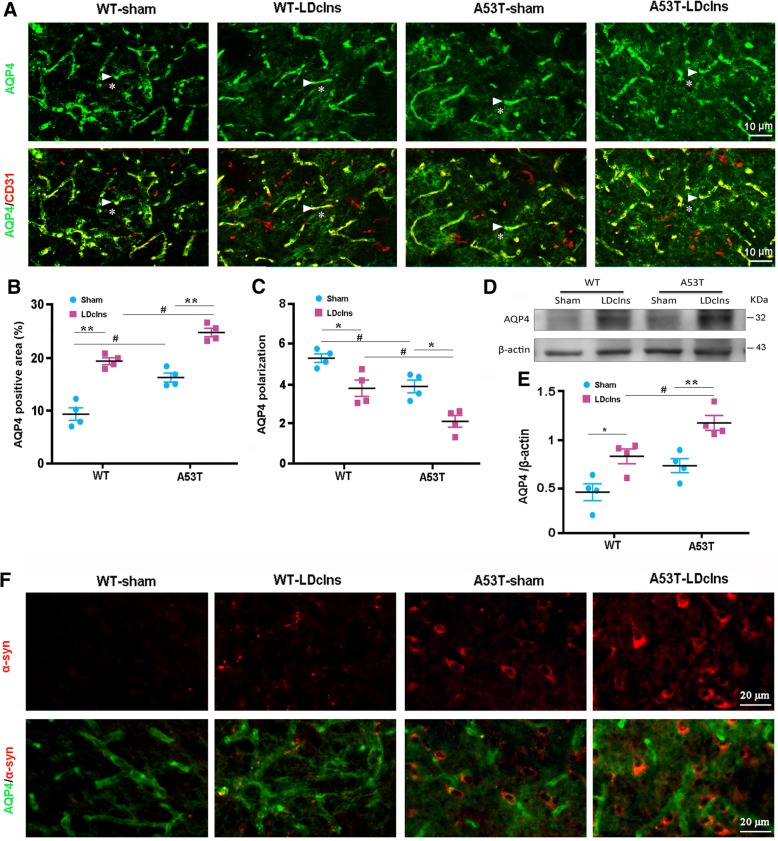
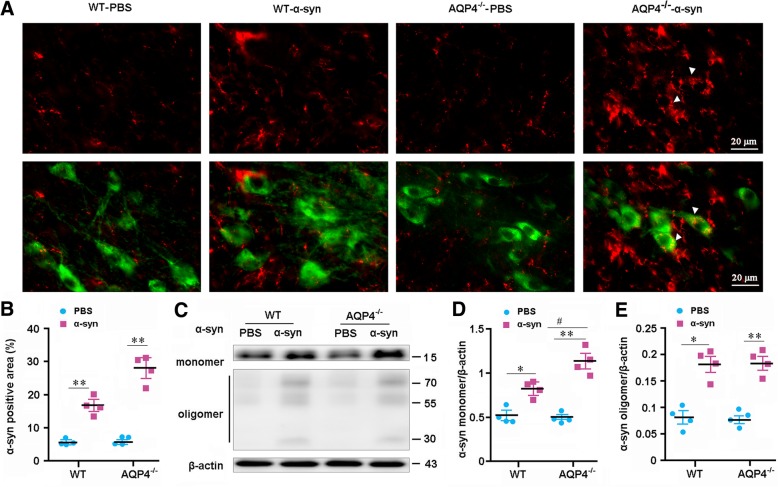
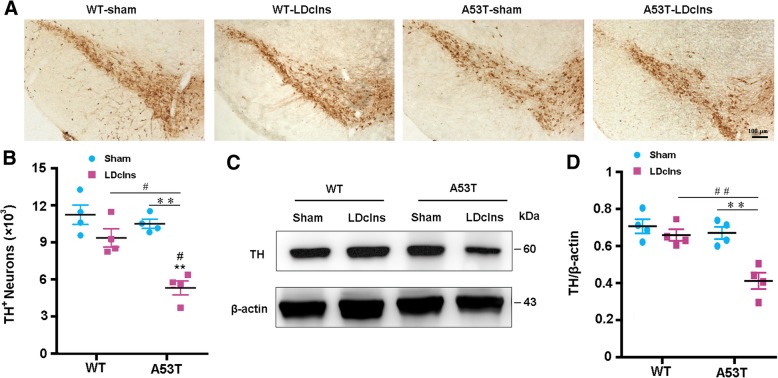
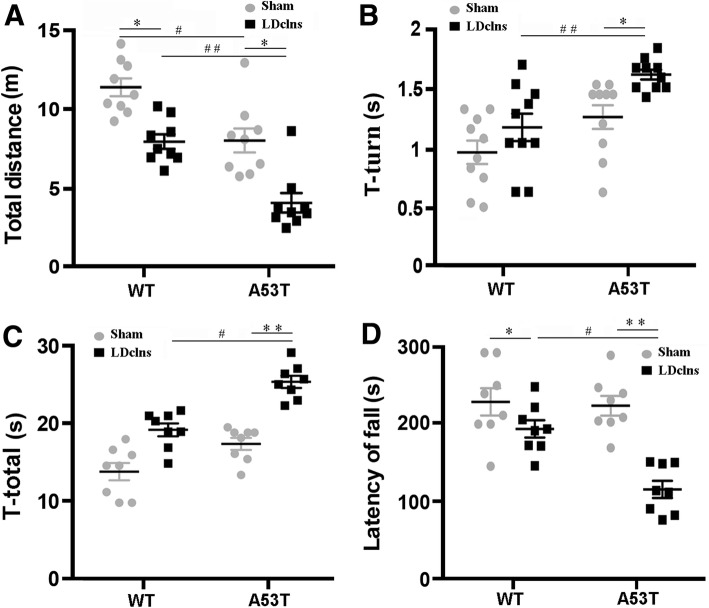
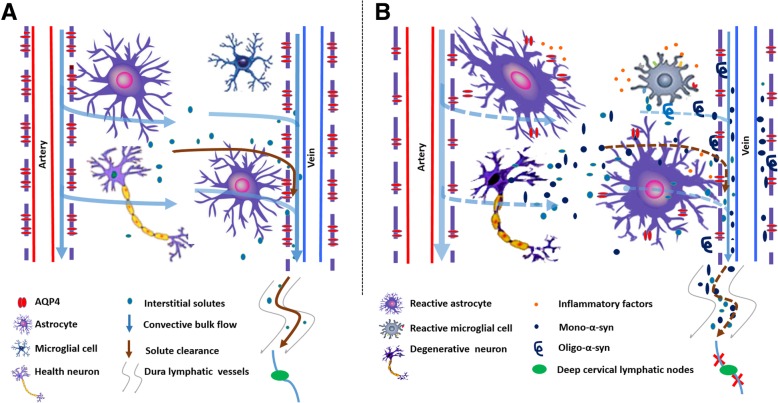
BACKGROUND: Abnormal aggregation of brain α-synuclein is a central step in the pathogenesis of Parkinson's disease (PD), thus, it is reliable to promote the clearance of α-synuclein to prevent and treat PD. Recent studies have revealed an essential role of glymphatic system and meningeal lymphatic vessels in the clearance of brain macromolecules, however, their pathophysiological aspects remain elusive. METHOD: Meningeal lymphatic drainage of 18-week-old A53T mice was blocked via ligating the deep cervical lymph nodes. Six weeks later, glymphatic functions and PD-like phenotypes were systemically analyzed. RESULTS: Glymphatic influx of cerebrospinal fluid tracer was reduced in A53T mice, accompanied with perivascular aggregation of α-synuclein and impaired polarization of aquaporin 4 expression in substantia nigra. Cervical lymphatic ligation aggravated glymphatic dysfunction of A53T mice, causing more severe accumulation of α-synuclein, glial activation, inflammation, dopaminergic neuronal loss and motor deficits. CONCLUSION: The results suggest that brain lymphatic clearance dysfunction may be an aggravating factor in PD pathology.
Overview
The claims and statistics of this paper haven’t been checked yet.
Free: it reads the open-access text and checks the first 5 claims that cite a source we can check. Create a free account to check every claim.
Integrity signals
Registry
Cites
Statistics
Figures
Verification
Claims the paper makes
The claims and statistics of this paper haven’t been checked yet.
Free: it reads the open-access text and checks the first 5 claims that cite a source we can check. Create a free account to check every claim.
Claims other papers make about this one
Each is checked against this paper’s own text: does it say what the citing paper says it does?
In the citing paper
“The suppressive effects of both age and amyloid-ß overexpression on glymphatic flow can be extended to other experimental rodent models of neurodegeneration; both traumatic brain injury and Parkinson’s disease are similarly linked to a sustained reduction of glymphatic fluid transport (56–58).”
From Glymphatic failure as a final common pathway to dementia (2020) · cites this paper as [57]
Self-check
Percentages, sums and reported differences re-computed from the paper’s own numbers.
The self-check needs the paper’s full text.
Citations
Cites
Iliff, J. J., Wang, M., Liao, Y., Plogg, B. A., Peng, W., Gundersen, G. A., Benveniste, H., Vates, G. E., Deane, R., Goldman, S. A., et al. (2012) · Science Translational Medicine · doi:10.1126/scitranslmed.3003748 · Cited by 5,824 · cited 4×
“exacerbates Aβ deposition in the brain of a mouse model of Alzheimer’s disease (AD) [13].”
InfluentialA dural lymphatic vascular system that drains brain interstitial fluid and macromolecules
Aspelund, A., Antila, S., Proulx, S. T., Karlsen, T. V., Karaman, S., Detmar, M., Wiig, H., & Alitalo, K. (2015) · Journal of Experimental Medicine · doi:10.1084/jem.20142290 · Cited by 2,198
Masliah, E., Rockenstein, E., Veinbergs, I., Mallory, M., Hashimoto, M., Takeda, A., Sagara, Y., Sisk, A., & Mucke, L. (2000) · Science · doi:10.1126/science.287.5456.1265 · Cited by 1,765
Clearance systems in the brain—implications for Alzheimer disease
Tarasoff-Conway, J. M., Carare, R. O., Osorio, R. S., Glodzik, L., Butler, T., Fieremans, E., Axel, L., Rusinek, H., Nicholson, C., Zlokovic, B. V., et al. (2015) · Nature Reviews Neurology · doi:10.1038/nrneurol.2015.119 · Cited by 1,678 · cited 2×
“This supports the view that AQP4 specifically mediates clearance of soluble macromolecules from the brain parenchyma [14, 15].”
BackgroundImpairment of paravascular clearance pathways in the aging brain
Kress, B. T., Iliff, J. J., Xia, M., Wang, M., Wei, H. S., Zeppenfeld, D., Xie, L., Kang, H., Xu, Q., Liew, J. A., et al. (2014) · Annals of Neurology · doi:10.1002/ana.24271 · Cited by 1,521 · cited 3×
“was obtained by the ratio between the AQP4 fluorescence intensity of the perivascular domains and the adjacent neutrophil domains [27, 28].”
BackgroundFunctional aspects of meningeal lymphatics in ageing and Alzheimer’s disease
Da Mesquita, S., Louveau, A., Vaccari, A., Smirnov, I., Cornelison, R. C., Kingsmore, K. M., Contarino, C., Onengut-Gumuscu, S., Farber, E., Raper, D., et al. (2018) · Nature · doi:10.1038/s41586-018-0368-8 · Cited by 1,445 · cited 4×
“Furthermore, disruption of meningeal lymphatic drainage aggravates parenchymal Aβ accumulation and cognitive decline of AD transgenic mice [16, 17].”
BackgroundResultInfluentialα-Synuclein Is Degraded by Both Autophagy and the Proteasome
Webb, J. L., Ravikumar, B., Atkins, J., Skepper, J. N., & Rubinsztein, D. C. (2003) · Journal of Biological Chemistry · doi:10.1074/jbc.m300227200 · Cited by 1,429
Neuronal α-Synucleinopathy with Severe Movement Disorder in Mice Expressing A53T Human α-Synuclein
Giasson, B. I., Duda, J. E., Quinn, S. M., Zhang, B., Trojanowski, J. Q., & Lee, V. M.-Y. (2002) · Neuron · doi:10.1016/s0896-6273(02)00682-7 · Cited by 1,266
Impairment of Glymphatic Pathway Function Promotes Tau Pathology after Traumatic Brain Injury
Iliff, J. J., Chen, M. J., Plog, B. A., Zeppenfeld, D. M., Soltero, M., Yang, L., Singh, I., Deane, R., & Nedergaard, M. (2014) · The Journal of Neuroscience · doi:10.1523/jneurosci.3020-14.2014 · Cited by 1,159 · cited 1×
“Indeed, loss of perivascular AQP4 polarization has been reported in various animal models including aging [28, 62], AD [65], traumatic brain injury [66] and”
BackgroundNeuropathological assessment of Parkinson’s disease: refining the diagnostic criteria
Dickson, D. W., Braak, H., Duda, J. E., Duyckaerts, C., Gasser, T., Halliday, G. M., Hardy, J., Leverenz, J. B., Del Tredici, K., Wszolek, Z. K., et al. (2009) · The Lancet Neurology · doi:10.1016/s1474-4422(09)70238-8 · Cited by 972 · cited 1×
“Parkinson’s disease (PD) is an age-dependent neurodegenerative disease, characterized by progressive loss of midbrain dopaminergic neurons and formation of Lewy bodies [1, 2].”
Cited by
Items 201–300 of 397
Ota, M., Maki, H., Takahashi, Y. K., Shigemoto, Y., Kimura, Y., Matsuda, H., & Sato, N. (2024) · Neuroscience Letters · doi:10.1016/j.neulet.2024.137995 · Cited by 13
Research Progress on the Relationship between Parkinson's Disease and REM Sleep Behavior Disorder
Zhou, Y., Liu, X., & Xu, B. (2024) · Journal of Integrative Neuroscience · doi:10.31083/j.jin2309166 · Cited by 13
“As of now, aquaporin 4 (AQP4) depolarisation or fluid flow obstruction-related lymphatic exchange problems are thought to be pathogenic and progressing components of PD [73].”
BackgroundNeurofluid as Assessed by Diffusion-Weighted Imaging
Taoka, T. (2021) · Magnetic Resonance Imaging Clinics of North America · doi:10.1016/j.mric.2021.01.002 · Cited by 15
Neuropsychiatric disorders: An immunological perspective
Aw, E., Zhang, Y., Yalçın, E., Herrmann, U., & Carroll, M. C. (2021) · Advances in immunology · doi:10.1016/bs.ai.2021.09.002 · Cited by 13
Microglia in the crosstalk between peripheral and central nervous systems in Parkinson’s disease
Li, T., Qiu, T., Jiang, F., Cai, H., & Le, W. (2025) · Translational Neurodegeneration · doi:10.1186/s40035-025-00531-3 · Cited by 18
“Experimental blockade of MLVs in an α-synucleinopathy model leads to aggravated α-syn accumulation and behavioral deficits, suggesting that impaired lymphatic drainage may contribute to disease progression [58].”
He, P., Gao, Y., Shi, L., Li, Y., Jiang, S., Tie, Z., Qiu, Y., Ma, G., Zhang, Y., Nie, K., et al. (2023) · Neuroscience Letters · doi:10.1016/j.neulet.2023.137435 · Cited by 13
Ran, L., He, Y., Zhu, J., Fan, L., Dong, Y., Song, X., Wang, W., & Wang, M. (2023) · Journal of Cerebral Blood Flow & Metabolism · doi:10.1177/0271678x231194863 · Cited by 13
Tauopathy after long‐term cervical lymphadenectomy
Wu, C., Yuan, J., Tian, Y., Wang, Y., He, X., Zhao, K., Huang, J., & Jiang, R. (2025) · Alzheimer s & Dementia · doi:10.1002/alz.70136 · Cited by 16
“60,61 Additionally,brainlymphaticdrainage plays a role in hematoma clearance in hemorrhagic brain diseases.”
Qin, J., Fang, Y., Duanmu, X., Wen, J., Wu, H., Wu, C., Guo, T., Zhou, C., Zheng, Q., Yuan, W., et al. (2025) · npj Parkinson s Disease · doi:10.1038/s41531-025-01139-0 · Cited by 11
“Animal studies have demonstrated that AQP4-facilitated glymphatic impairment has been implicated in PD 16 – 18 .”
Erhardt, E. B., Mayer, A. R., Lin, H. C., Richardson, S. P., Shaff, N. A., Vakhtin, A. A., Caprihan, A., van der Horn, H. J., Hoffman, N., Phillips, J., et al. (2025) · npj Parkinson's Disease · doi:10.1038/s41531-025-01179-6 · Cited by 16
“Experimental animal studies have shownthatblocking CSF in fl ux 9,10 andmeningeal lymphaticdrainage 70 lead to α -synuclein accumulation, loss of dopaminergic neurons, and an accelerated onsetof PD-like symptoms in animals.”
The emerging roles of long noncoding RNAs in lymphatic vascular development and disease
Ivanov, K. I., Samuilova, O. V., & Zamyatnin, A. A. (2023) · Cellular and Molecular Life Sciences · doi:10.1007/s00018-023-04842-4 · Cited by 12
Influencing factors of glymphatic system during perioperative period
Dong, R., Liu, W., Han, Y., Wang, Z., Jiang, L., Wang, L., & Gu, X. (2024) · Frontiers in Neuroscience · doi:10.3389/fnins.2024.1428085 · Cited by 13
Ni, C., Chen, L., Lin, R., Zheng, W.-Y., Cai, Y., Cai, G., Zeng, Y., Ye, Q., Jiang, R., & Wáng, Y. X. J. (2025) · Quantitative Imaging in Medicine and Surgery · doi:10.21037/qims-24-1605 · Cited by 14
Therkelsen, H. E., Enger, R., Eide, P. K., & Ringstad, G. A. (2025) · Journal of Cerebral Blood Flow & Metabolism · doi:10.1177/0271678x251316392 · Cited by 14
Cerebral small vessel disease: The impact of glymphopathy and sleep disorders
Hein, Z. M., Nassir, C. M. N. C. M., Ramli, M. D. C., Jaffer, U., Mehat, M. Z., Mustapha, M., & Hamid, H. A. (2025) · Journal of Cerebral Blood Flow & Metabolism · doi:10.1177/0271678x251333933 · Cited by 13
High-frequency ultrasound imaging for monitoring the function of meningeal lymphatic system in mice
Mee-inta, O., Hsieh, C.-F., Chen, D., Fan, C., Chiang, Y.-Y., Liu, C., Sze, C., Gean, P., Wu, P., Yang, M.-S., et al. (2023) · Ultrasonics · doi:10.1016/j.ultras.2023.106949 · Cited by 15
Masood, F., Bhattaram, R., Rosenblatt, M. I., Kazlauskas, A., Chang, J., & Azar, D. T. (2022) · Frontiers in Physiology · doi:10.3389/fphys.2022.846936 · Cited by 11
Han, F., Liu, X., Yang, Y., & Liu, X. (2023) · bioRxiv (Cold Spring Harbor Laboratory) · doi:10.1101/2023.04.02.535258 · Cited by 11
Mechanics of Lymphatic Pumping and Lymphatic Function
Razavi, M. S., Munn, L. L., & Padera, T. P. (2024) · Cold Spring Harbor Perspectives in Medicine · doi:10.1101/cshperspect.a041171 · Cited by 13
Meningeal lymphatics as a therapeutic target for neurodegenerative disorders
Feng, Y., Wang, S., Xia, H., Jiang, X., Wu, M., Pan, S., & Song, W. (2025) · Translational Neurodegeneration · doi:10.1186/s40035-025-00528-y · Cited by 12
Li, T., Zhang, J., Song, H., Zhang, R., Fan, F., Huang, Z., Zeng, M., Peng, B., & Zhang, J. (2025) · Journal of Neuroinflammation · doi:10.1186/s12974-025-03631-z · Cited by 12
Glymphatic pathway: An emerging perspective in the pathophysiology of neurodegenerative diseases
Rehman, M. U., Sehar, N., Rasool, I., Aldossari, R. M., Wani, A. B., Rashid, S. M., Wali, A. F., Ali, A., Arafah, A. M., & Khan, A. (2024) · International Journal of Geriatric Psychiatry · doi:10.1002/gps.6104 · Cited by 11
“68 It is likely that neurodegeneration's toxic aggregate accumulation is influenced by mitochondrial and lymphatic defects.”
BackgroundDiorio, T. C., Nair, V. V., Patel, N. M., Hedges, L. E., Rayz, V. L., & Tong, Y. (2024) · NMR in Biomedicine · doi:10.1002/nbm.5200 · Cited by 13
Kuoxin Decoction promotes lymphangiogenesis in zebrafish and in vitro based on network analysis
Peng, L., Ma, M., Dong, Y., Wu, Q., An, S., Cao, M., Wang, Y., Zhou, C. S., Zhou, M., Wang, X., et al. (2022) · Frontiers in Pharmacology · doi:10.3389/fphar.2022.915161 · Cited by 10
“, 2016), Parkinson’s disease (Zou et al., 2019), and stroke (Yanev et al.”
BackgroundCao, X., Gan, C., Zhang, H., Yuan, Y., Sun, H., Zhang, L., Wang, L., Zhang, L., & Zhang, K. (2024) · npj Parkinson's Disease · doi:10.1038/s41531-024-00688-0 · Cited by 12
“Blocking meningeal lymphatic drainage, downstream of the PVS clearance system can lead to increased aggregation of α -Syn 17 – 19 .”
InfluentialFunctional abnormalities of the glymphatic system in cognitive disorders
Shentu, W., Kong, Q., Zhang, Y., Li, W., Chen, Q., Yan, S., Wang, J., Lai, Q., Qi, X., & Qiao, S. (2025) · Neural Regeneration Research · doi:10.4103/nrr.nrr-d-24-01049 · Cited by 9
Yoon, J., Ji, M., Hwang, I., Lee, W., Yu, S., Kim, J., Lee, C., Lee, H., Koh, B., Bae, H., et al. (2025) · Journal of Cerebral Blood Flow & Metabolism · doi:10.1177/0271678x251353142 · Cited by 14
Agomelatine Targets Aquaporin-4 Polarization to Rescue Glymphatic Dysfunction in Parkinson’s Disease
Wang, S., Wu, D., Chen, G., Yuan, J., Zheng, L., Huang, X., Liu, X., Kang, Z., Feng, Y., Zhang, J., et al. (2025) · Neuroscience Bulletin · doi:10.1007/s12264-025-01543-9 · Cited by 13
“In PD, this polarization is often disrupted, leading to impaired glym-phatic function and accumulation of α-synuclein and other toxic proteins [47, 48].”
When sleep fails, brain clearance suffers: the role of glymphatic impairment in clinical neurology
la Herrán-Arita, A. K. D. (2025) · Acta Neurologica Belgica · doi:10.1007/s13760-025-02959-w · Cited by 17
Qarin, S., Howlett, S., Jones, J., & Barker, R. A. (2021) · Neuronal Signaling · doi:10.1042/ns20200083 · Cited by 9
“been found to be mislocalised with age in mouse brains [37, 38] and this coupled to age related arterial stiffening and reduced arterial pulsatility could all further adversely impact on D ow naded rom http://pndpress.”
BackgroundKinota, N., Kameda, H., Xiawei, B., Fujii, T., Kato, D., Takahashi, B., Morita, R., Abo, D., Majima, R., Ishii, H., et al. (2023) · Magnetic Resonance in Medical Sciences · doi:10.2463/mrms.mp.2023-0023 · Cited by 9
“19,21,22 In addition, a study using chemical exchange saturation transfer MRI reported the possibility of interstitial fluid stasis in the brain parenchyma after DCLN ligation.”
BackgroundLuo, Y., Liu, J., Chen, D., Liu, M., Yuan, Y., Hu, J., Wu, J., Wang, F., Liu, C., Chen, J., et al. (2023) · Frontiers in Aging Neuroscience · doi:10.3389/fnagi.2023.1238588 · Cited by 8
“Moreover, the interplay between sleep and neuroinflammatory reaction and nigral-dopaminergic neuronal system degeneration may also aggravate motor impairment (Lauretti et al., 2017; Zou et al., 2019; Ding et al., 2021), thus affect disease severity in PD.”
BackgroundYong, Y., Cai, Y., Lin, J., Ma, L., Han, H., & Li, F. (2024) · Med-X · doi:10.1007/s44258-024-00021-7 · Cited by 13
“Blocking lymphatic drainage by ligating the deep cervical lymph nodes reduced interstitial clearance of ⍺ -syn, promoting PD-lile pathology [109].”
An, S. H., Han, M., Jung, W. S., Choi, J. W., Ha, E. J., Park, S., Rhim, J. H., Han, M., & Park, J. H. (2025) · Magnetic Resonance in Medical Sciences · doi:10.2463/mrms.mp.2024-0088 · Cited by 8
“This pathway is essential for the clearance of metabolic waste, such as amyloid-beta peptides, alpha-synuclein aggregates, and hyperphosphorylated tau proteins, which, if accumulated, are associated with neurodegenerative diseases like Alzheimer ’ s disease, 12 Parkinson disease, 13 and CTE.”
Distinct AQP4 Alterations in Movement Disorders with Primary Synucleinopathy
Wang, L., Tanglay, O., Su, F., Li, H., Liu, J., Kim, W. S., Halliday, G. M., & Fu, Y. (2025) · Movement Disorders · doi:10.1002/mds.70023 · Cited by 9
Yu, Y., Liu, X., Zang, Z., Zhao, X., Zhao, B., Zhang, Y., Niu, J., & Wang, Q. (2025) · Neuropharmacology · doi:10.1016/j.neuropharm.2025.110674 · Cited by 11
Dik, D., Halliday, G. M., Sytnyk, V., & Shepherd, C. E. (2025) · Brain · doi:10.1093/brain/awaf305 · Cited by 11
Foreman, R. P., Donahue, E. K., Duran, J. J., Schiehser, D. M., Petkus, A. J., O’Neill, J., Holschneider, D. P., Choupan, J., Horn, J. D. V., Bayram, E., et al. (2024) · Brain and Behavior · doi:10.1002/brb3.3607 · Cited by 9
“Glymphatic system dysfunction may result in decreased clearance of metabolic waste products and protein aggregates from the brain parenchyma (Debette et al., 2019; Ding et al., 2021; Zhu et al., 2010) leading to increased perivascular space volume (Xue et al., 2020; Zou et al., 2019).”
BackgroundDeep cervical lymphovenous bypass for Parkinson’s disease: A hypothesis
Yang, G., Yang, G., Wang, F., & Chu, Q. (2024) · Medical Hypotheses · doi:10.1016/j.mehy.2024.111559 · Cited by 8
Living on the border of the CNS: Dural immune cells in health and disease
Chen, Z., Liu, P., Xia, X., Wang, L., & Li, X. (2022) · Cellular Immunology · doi:10.1016/j.cellimm.2022.104545 · Cited by 9
Function and regulation of thermosensitive ion channel TRPV4 in the immune system
Acharya, T. K., Sahu, R. P., Kumar, S., Kumar, S., Rokade, T. P., Chakraborty, R., Dubey, N. K., Shikha, D., Chawla, S., & Goswami, C. (2022) · Current topics in membranes · doi:10.1016/bs.ctm.2022.07.002 · Cited by 9
Liu, H., Chen, L., Zhang, C., Liu, C., Li, Y., Cheng, L., Wei, Z., Zhang, Z., Lu, H., van Zijl, P. C. M., et al. (2023) · bioRxiv (Cold Spring Harbor Laboratory) · doi:10.1101/2023.04.03.535397 · Cited by 8
“Glymphatic functioning is a highly regulated process, with changes in its activity accompanying aging as well as disease conditions (9-11).”
BackgroundCurrent and Future Implications of Lymphedema Surgery in Head and Neck Reconstruction
Pandey, S. K., Gaxiola-García, M. Á., Moheeputh, N., & Chen, W. F. (2024) · Oral and Maxillofacial Surgery Clinics of North America · doi:10.1016/j.coms.2024.07.007 · Cited by 7
The glymphatic system in Huntington's disease
Duan, W., Zhou, Y., & Liu, H. (2025) · Journal of Huntington s Disease · doi:10.1177/18796397251331436 · Cited by 9
Chen, C., Zhu, B., Luo, W., Cao, A., Zhou, W., Weng, Y., & Wang, J. (2025) · Molecular Neurobiology · doi:10.1007/s12035-025-05072-4 · Cited by 8
“The loss of AQP4 polarity impairs the glymphatic system in neurodegenerative diseases [28–30].”
Lohat, V., Ilyas, R., Wei, Q., Oo, D., Xue, J., Horsman, I., Keane, K., Stephens, M., von der Weid, P., & Liao, S. (2025) · American Journal Of Pathology · doi:10.1016/j.ajpath.2025.05.017 · Cited by 11
Hoang, T. A., Cao, E., Gracia, G., Nicolazzo, J. A., & Trevaskis, N. L. (2023) · Frontiers in Pharmacology · doi:10.3389/fphar.2023.1111617 · Cited by 8
“Subsequently, the meningeal lymphatics have been associated with the pathology of ageing, traumatic brain injury, stroke, brain tumors and neurodegenerative diseases, including Alzheimer’s disease (AD), multiple sclerosis and Parkinson’s disease (Da Mesquita et al., 2018; Louveau et al., 2018; Patel et al., 2019; Zou…”
BackgroundInterstitial fluid flow decreases with age, especially after 50 years
Suzuki, Y., Nakamura, Y., & Igarashi, H. (2024) · Neurobiology of Aging · doi:10.1016/j.neurobiolaging.2024.05.006 · Cited by 7
“Furthermore, α -synuclein accumulation in Parkinson ’ s disease was also re-ported as possibly being closely related to the decrease in interstitial flow (Zou et al., 2019).”
BackgroundRole of Transcriptional and Epigenetic Regulation in Lymphatic Endothelial Cell Development
La, H., Yoo, H., Park, Y. B., Thang, N. X., Park, C., Yoo, S., Lee, H., Choi, Y., Song, H., Tae, J., et al. (2022) · Cells · doi:10.3390/cells11101692 · Cited by 10
“The blockage of mLVs in A53T mice overexpressing human α-synuclein resulted in a PD phenotype [91].”
BackgroundSignificance of developmental meningeal lymphatic dysfunction in experimental post-traumatic injury
Virenque, A., Koivisto, H., Antila, S., Zub, E., Rooney, E. J., Miszczuk, D., Müller, A., Stoka, E., Marchi, N., Alitalo, K. K., et al. (2022) · Brain Behavior & Immunity - Health · doi:10.1016/j.bbih.2022.100466 · Cited by 10
Advances in Research on Meningeal Lymphatic Vessels in Central Nervous System Diseases
Shen, H., Zhu, B., Qian, Y., Jin, J., Zhou, J., Peng, G., & Mo, J. (2024) · Journal of Craniofacial Surgery · doi:10.1097/scs.0000000000010872 · Cited by 9
Glymphatic dysfunction and neurodegeneration in ALS: Longitudinal insights from rNLS8 TDP-43 mice
Zamani, A., Walker, A. K., & Wright, D. K. (2025) · Neurobiology of Disease · doi:10.1016/j.nbd.2025.106832 · Cited by 7
“Recent studies demonstrating glymphatic dysfunction in Alzheimer ’ s disease (Iliff et al., 2012; Peng et al., 2016) and Parkinson ’ s disease (Zou et al., 2019), raise the possibility that impaired glymphatic function may contribute to disease onset.”
Ma, X., Yan, R., Jian, Y., Zhang, J., Xie, B., Duan, J., Cui, J., Wang, K., Han, L., & Ge, W. (2025) · European journal of medical research · doi:10.1186/s40001-025-03125-x · Cited by 6
“This suggests that impairment of the brain’s waste-clearance system may exacerbate parkinsonian motor deficits through disrupted AQP4-mediated clearance pathways [20, 35].”
Han, M., Han, Y., Jiang, Z., Gao, Y., Cao, G., Zhang, H., Wang, T., & Li, Z. (2025) · Proceedings of the National Academy of Sciences · doi:10.1073/pnas.2503434122 · Cited by 10
“Blocking meningeal lymphatics can increase α-synuclein ( α-syn) pathology in the PD mice ( 10 ), which has been recently corroborated in PD patients.”
Moore, M. E., Karakaya, E., Altınbaş, Ö., Bartlett, M. J., Adilbay, D., Ergul, A., Yağmurlu, K., Albayram, M., & Albayram, Ö. (2026) · Neurobiology of Aging · doi:10.1016/j.neurobiolaging.2026.02.002 · Cited by 7
Sleep, glymphatic system, and Parkinson’s disease
Wang, Y., Zou, W., Jin, Z., Yin, S., Chi, X., Li, J., Sun, Y., Wu, J., Kou, L., Xia, Y. F., et al. (2024) · Ageing and Neurodegenerative Diseases · doi:10.20517/and.2023.56 · Cited by 9
Self-citationCognitive function in Parkinson’s disease: associations with perivascular space in basal ganglia
Luo, Z., Zhu, Y., Zhu, Y., Liu, B., Li, Y., Yin, L., Liu, J., Xu, Z., Ren, H., & Yang, X. (2024) · Neurological Sciences · doi:10.1007/s10072-024-07729-9 · Cited by 9
“Zou et al. found that block - ing meningeal lymphatic drainage can exacerbate PD -like pathology in mice overexpressing mutant α-syn suggests that impaired cerebral lymphatic clearance may be an aggra - vating factor in PD pathology [ 32, 33].”
Glymphatic System Impairment in the Advanced Stage of Moyamoya Disease
Jin, L., Hu, J., Han, G., Li, Y., Zhu, J., Zhu, Y., He, X., Xu, D., Zheng, L., Bai, R., et al. (2024) · Journal of Neuroscience Research · doi:10.1002/jnr.25381 · Cited by 8
Comparative study of 3D-T2WI vs. 3D-T2-FLAIR MRI in displaying human meningeal lymphatics vessels
Fang, Y., Sun, Y., Lai, T., Song, X., Hu, T., Zhao, Y., Lin, Y., & Bao, Q. (2024) · Clinical Radiology · doi:10.1016/j.crad.2024.09.006 · Cited by 6
Zhu, Z., Duanmu, X., Zhou, C., Wen, J., Qin, J., Zheng, Q., Yuan, W., Guo, T., Wu, H., Wu, C., et al. (2025) · Neurobiology of Disease · doi:10.1016/j.nbd.2025.107001 · Cited by 7
“The reduced efficiency of the glymphatic system further exacerbates α -synuclein pathology (Ding et al., 2021; Zou et al., 2019).”
The glymphatic system and its relation with neurological diseases
Natário, K. H. P., de Aguiar, G. B., & Vieira, M. A. D. C. E. S. (2021) · Revista da Associação Médica Brasileira · doi:10.1590/1806-9282.20200925 · Cited by 7
Research Progress on Intracranial Lymphatic Circulation and Its Involvement in Disorders
Chen, F., Xie, X., & Wang, L. (2022) · Frontiers in Neurology · doi:10.3389/fneur.2022.865714 · Cited by 7
“(64) blocked meningeal lymphatic drainage in A53T mice by ligating deep cervical lymph nodes.”
BackgroundLin, J., Sun, H., Jiang, H., Xue, R., Qin, B., Lü, J., Zhu, Z., Cai, C., Han, J., Zhang, J., et al. (2023) · Chemical Engineering Journal · doi:10.1016/j.cej.2023.144686 · Cited by 9
Tang, K., Zhou, J., Yang, H., Tan, X., Xie, M., Tao, X., Ge, X., & Xu, J. (2010) · PubMed · Cited by 7
Glymphatic flow resistance in humans measured by multifrequency impedance dispersionPreprint
Dagum, P., Giovangrandi, L., Levendovszky, S. R., Winebaum, J. J., Singh, T., Cho, Y., Kaplan, R. M., Jaffee, M. S., Lim, M. M., VandeWeerd, C. L., et al. (2024) · medRxiv · doi:10.1101/2024.01.06.24300933 · Cited by 6
Kuang, Z., Huang, X., Wang, M., Bu, S., Guo, R., Xu, Y., Chen, A., & Wei, X. (2025) · Neuroscience · doi:10.1016/j.neuroscience.2025.05.303 · Cited by 7
Blokina, I., Iluykov, E., Myagkov, D., Tuktarov, D., Popov, S., Inozemzev, T., Fedosov, I. V., Shirokov, A. A., Terskov, A. V., Dmitrenko, A. V., et al. (2024) · Journal of Visualized Experiments · doi:10.3791/67035 · Cited by 8
From blood vessels to brain cells: Connecting the circulatory system and Parkinson's disease
Olaoye, O. J., Farrow, S. L., Nyaga, D. M., Cooper, A. A., & O'Sullivan, J. M. (2025) · Journal of Parkinson s Disease · doi:10.1177/1877718x241308168 · Cited by 10
“16 In this review, we discuss the connections between vascular changes, α -synuclein propagation, and PD pathology.”
InfluentialBai, S., Lu, X., Xu, Y., Su, H., Lin, Y., Jiang, Z., Zong, Z., Wang, H., Yan, L. Y. C., Zhang, X., et al. (2025) · Advanced Science · doi:10.1002/advs.202504467 · Cited by 6
Yin, X., Wang, M., Zhao, F., Li, F., Tang, Y., Wang, X., Duan, C., Wang, S., Xiong, Y., Yao, J., et al. (2025) · Neurobiology of Disease · doi:10.1016/j.nbd.2025.106984 · Cited by 7
“Indeed, Zou et al. blocked meningeal lymphatic drainage in A53T mice and found glymphatic clearance dysfunction accompanied by the aggregation of α -syn, dopaminergic neuronal loss, and motor deficits(Zou et al., 2019).”
Potentiating Cerebral Perfusion Normalizes Glymphatic Dynamics in Systemic Inflammation
Zhao, R., Sun, B., Wei, P., Sun, Y., He, Q., Zhang, K., Lu, J. L., Zhu, S., Yang, Y., & Guo, Z. (2025) · Advanced Science · doi:10.1002/advs.202503576 · Cited by 9
Lapshina, K. V., Abramova, Y. Y., Guzeev, M. A., & Ekimova, I. V. (2022) · Journal of Evolutionary Biochemistry and Physiology · doi:10.1134/s0022093022060308 · Cited by 5
A bibliometric and knowledge-map analysis of the glymphatic system from 2012 to 2022
Hou, C., Ren, W., Wang, B., Fu, X., Liu, Q., Li, J., Zhang, H., Wang, W.-H., Yang, X., Wei, P., et al. (2023) · Frontiers in Molecular Neuroscience · doi:10.3389/fnmol.2023.1148179 · Cited by 6
“Most of these articles were new works or reviews in the GS field, including the imaging evaluation of the GS and the role of the GS in neuroimmunology, cerebrovascular disease, and cognitive disorders (Brown et al., 2018; Louveau et al., 2018; Taoka and Naganawa, 2018; Ma et al., 2019; Mortensen et al., 2019; Zou et a…”
BackgroundFabi, A., Alves, A. S., Neutzner, A., Frank, S., Lariu, A., Muller, L., Ismail, T., Gkotsoulias, D. G., Guzman, R. G., Schaefer, D. J., et al. (2025) · JPRAS Open · doi:10.1016/j.jpra.2025.12.013 · Cited by 8
“25 , 37 38–41 Notably, glymphatic transport is strongly regulated by the sleep–wake cycle, as non-REM sleep facilitates ISF–CSF exchange.”
Zhao, P., Li, S., Liu, Q., Peng, X.-C., Liu, L., Yang, F.-Y., Wang, C., Qian, F., & Tang, F.-R. (2026) · Frontiers in Cellular Neuroscience · doi:10.3389/fncel.2026.1726194 · Cited by 7
The Glymphatic System and Meningeal Lymphatics: Current Understandings and Future Perspectives
Sun, H., Fan, H., Zhou, Y., Zhu, H., Chen, Y., Zhang, R., Wang, K., Pan, Y., & Zhang, A. (2026) · MedComm · doi:10.1002/mco2.70691 · Cited by 6
Research progress in the evaluation of glymphatic system function by the DTI-ALPS method.
Wang, S., Sun, S., Liu, H., & Huang, Q. M. (2023) · PubMed Central · doi:10.11817/j.issn.1672-7347.2023.230091 · Cited by 7
Dong, Z., Du, X., Wang, L., Zou, X., Zuo, H., Yan, Y., Chen, G., Cheng, O., & Zhang, Y. (2024) · Journal of Central Nervous System Disease · doi:10.1177/11795735241259429 · Cited by 6
Ferrazzoli, D., Ortelli, P., Versace, V., Stolz, J., Dezi, S., Vos, P. E., Giladi, N., Saltuari, L. L., & Sebastianelli, L. (2024) · Journal of the Neurological Sciences · doi:10.1016/j.jns.2024.123242 · Cited by 6
“These results strengthen the hypothesis of a mechanistic link between TBI-induced chronic microglial activation and progressive neurodegeneration”
ResultYang, X., Luo, Y.-F., Wang, T., Wang, M.-X., Lu, W.-M., Shen, J. Z., Zeng, H., & Wu, D. (2025) · Clinical Neurology and Neurosurgery · doi:10.1016/j.clineuro.2025.109143 · Cited by 4
Wang, Y. S., Liu, Q., Wu, J., Meng, K., Zhou, L., & Ye, F. (2025) · Frontiers in Aging Neuroscience · doi:10.3389/fnagi.2025.1598608 · Cited by 9
Tamadon, A., Afshar, A., Mussin, N. M., Zhilisbayeva, K. R., Kurmanalina, M. A., Baspakova, A. M., Aringazina, R. A., Mahdipour, M., Tanideh, N., Khoradmehr, A., et al. (2025) · ACS Chemical Neuroscience · doi:10.1021/acschemneuro.5c00533 · Cited by 6
Li, Q., Bai, X., Zhang, S., Cheng, Y., Qian, A., Chen, S., Zhou, R., & Wang, M. (2025) · Academic Radiology · doi:10.1016/j.acra.2025.11.008 · Cited by 6
Ma, H., Wang, Z., Yu, M., Zhai, Y., & Yan, J. (2025) · Frontiers in Immunology · doi:10.3389/fimmu.2025.1526095 · Cited by 4
The retinal nerve fiber layer as a window to the glymphatic system
Wostyn, P., & Deyn, P. P. D. (2019) · Clinical Neurology and Neurosurgery · doi:10.1016/j.clineuro.2019.105593 · Cited by 4
“The decrease of the glymphatic clearance was mainly due to AQP4 mislocalization [15].”
BackgroundMeningeal lymphatic network: The middleman of neuroinflammation
Pal, S., Rao, S. C., & Louveau, A. (2020) · Clinical and Experimental Neuroimmunology · doi:10.1111/cen3.12563 · Cited by 4
Spindles and Slow Waves Predict Parkinson’s Disease-Mild Cognitive ImpairmentPreprint
Amara, A. W., Memon, A., Catiul, C., Irwin, Z. T., Pilkington, J., Memon, R. A., Joop, A., Wood, K. H., Cutter, G., & Miocinovic, S. (2022) · Research Square · doi:10.21203/rs.3.rs-1970916/v1 · Cited by 4
Real-time Quantification of in vivo cerebrospinal fluid velocity using fMRI inflow effectPreprint
Diorio, T. C., Nair, V. V., Patel, N. M., Hedges, L. E., Rayz, V. L., & Tong, Y. (2023) · bioRxiv (Cold Spring Harbor Laboratory) · doi:10.1101/2023.08.14.553250 · Cited by 4
WITHDRAWN: Border-associated macrophages in the central nervous system
Sun, R., & Jiang, H. (2024) · Clinical Immunology · doi:10.1016/j.clim.2024.109921 · Cited by 6
RetractedLiu, Z., Yang, S., Song, L., Zhang, Y., Wan, Y., Gan, J., Wu, N., & Liu, Z. (2024) · Journal of Traditional and Complementary Medicine · doi:10.1016/j.jtcme.2024.04.010 · Cited by 3
“…conditions, glymphatic system abnormalities have been described in several neurodegenerative conditions, including Alz-heimer ’ s disease 6 and PD. 9,10 Our recent study reported systemic inflammation not only exacerbated preexisting glia-mediated neuro-inflammation but also increased the…”
InfluentialRoles of central nervous system resident and recruited macrophages in the brain barrier system
Liu, Z., Cheng, T., Dong, H., Sun, D., Wang, Y., Li, J., Yu, Z., & Cao, L. (2025) · Neural Regeneration Research · doi:10.4103/nrr.nrr-d-24-00986 · Cited by 3
“…effect of scavenging, metabolic regulation Acting as antigen-presenting cells to initiate T cell response, T-cell activation, infiltration of inflammatory cells Zou et al., 2019; Santisteban et al., 2020; Bogale et al., 2021; Gerganova et al., 2022; Schonhoff et al., 2023 Recruited macrophages”
Macrophages in the dCLN are required for α-synuclein proteostasis in A53T PD model mice
Xu, L., Deng, J., Xiong, W., Li, L., & Liu, Z. (2025) · Brain Research · doi:10.1016/j.brainres.2025.149692 · Cited by 4
van der Zwet, L. C. A., Michel, S. H., & Deboer, T. (2025) · Exploration of Endocrine and Metabolic Diseases · doi:10.37349/eemd.2025.101437 · Cited by 5
Impaired glymphatic transport in hypoxic-ischemic encephalopathy
Shen, J., Yang, Y., Chen, F., Zuo, Y., Yang, Y., We, W., Liu, Y., & Wen, J. (2025) · NeuroImage · doi:10.1016/j.neuroimage.2025.121414 · Cited by 3
Huang, M., Zhang, P., Chen, Z., Wang, X., Li, H., Xu, S., Li, L., Zheng, W., & Xiao, H. (2025) · European journal of medical research · doi:10.1186/s40001-025-03048-7 · Cited by 6
Chen, K., Lu, L., Zhang, L., Ji, Y., He, B., Zhang, R., Wang, F., Hu, X., & Fang, X. (2025) · Brain and Behavior · doi:10.1002/brb3.70918 · Cited by 4
“Blocking meningeal lymphatic drainage in A53T α -syn transgenic mice accelerates the accumulation of α -syn, promoting the progression of PD (Zou et al. 2019).”
Byun, J., Sunwoo, J., Shin, J.-W., Kim, T., Jun, J., Sohn, C., Choi, H., Shin, J. H., Kim, H., Shin, W. C., et al. (2025) · Sleep And Breathing · doi:10.1007/s11325-025-03479-w · Cited by 3
“Animal studies have shown that loss of glymphatic function increases alpha-synuclein aggregation [4].”
Marco, A. R., Bruch, K. R., Cowan, M. N., Dill, J. G., Moore, K. A., Bolte, A. C., & Lukens, J. R. (2025) · Cell Reports · doi:10.1016/j.celrep.2025.116521 · Cited by 6
“17,18 It is also notable that many of the major environmental risk factors linked to AD and tauopathy development —including aging and TBI—are also associated with brain lymphatic dysfunction.”
Wang, Q., Lv, M., 周旭辉, Chen, Z., Zhou, X., Wu, Q., Li, A., He, W., & Xia, J. (2026) · European Journal of Radiology · doi:10.1016/j.ejrad.2026.112798 · Cited by 4
Macrophage-mediated refinement of the dural lymphatic regulates social behavior
Tavares, G. A., O’Reilly, L., Frederick, N. M., Shapiro, D. A., Vicchiarelli, A., Sullivan, M., Jiang, N., Mattes, M., Goelz, C., Uchegbu, N., et al. (2026) · Neuron · doi:10.1016/j.neuron.2026.03.019 · Cited by 5
Metadata
- Authors
- Zou, W., Pu, T., Feng, W., Lu, M., Zheng, Y., Du, R., Xiao, M., & Hu, G.
- Affiliations
- Nanjing University of Chinese Medicine (CN)
- Nanjing Medical University (CN)
- Corresponding author
- Xiao, Ming
- Hu, Gang
- Venue
- Translational Neurodegeneration
- Published
- 2019-03-01
- Volume
- 8
- Issue
- 1
- Pages
- 7-7
- ISSN
- 2047-9158 (ISSN-L)
- PMC
- PMC6396507
- OpenAlex
- W2924627473
- Cited by
- 396
- References
- 70
- Citations by year
- 2026: 48 · 2025: 91 · 2024: 66 · 2023: 64 · 2022: 61 · 2021: 29 · 2020: 23 · 2019: 13
- FWCI
- 21.32
- Type
- journal article
- Language
- en
- Open access
- gold
- doi.org
- Licence
- cc-by
- creativecommons.org/licenses/by/4.0/ (tdm)
- Locations
- Translational Neurodegeneration (publishedVersion, cc-by)
- Europe PMC (PubMed Central) (publishedVersion, cc-by)
- PubMed Central (publishedVersion, cc-by)
- PubMed (publishedVersion)
- DOAJ (DOAJ: Directory of Open Access Journals) (submittedVersion, cc-by-sa)
- Funders
- National Natural Science Foundation of China (81671070, 81473196)
- Topics
- Health Sciences › Medicine › Clinical Neurology › Parkinson's Disease Mechanisms and Treatments
- Health Sciences › Medicine › Clinical Neurology › Cerebrospinal fluid and hydrocephalus
- Life Sciences › Neuroscience › Neurology › Neuroinflammation and Neurodegeneration Mechanisms
- Keywords
- Parkinson's disease, alpha-synuclein aggregation, glymphatic system, meningeal lymphatic drainage, cerebrospinal fluid clearance, substantia nigra, dopaminergic neuron loss, glial activation, neuroinflammation, motor impairment
About these checks
Registry, retraction, Cites and statistics results are computed, not judged, with one exception: a printed reference that no index lists is read once by a model before it counts as a citation error. Claims are extracted by a model and kept only when their quote appears verbatim in the text; each cited source is then checked, with a model’s help, for whether it says what the claim relies on. Those verdicts can be wrong — read the claim’s quote and the cited source before relying on one.
Statistics and arithmetic are recomputed, not judged.
Confidence bands are shown only for fields calibrated on our annotated test set. None is calibrated yet, so no band is shown.
What counts as a claim ›How we measure confidence ›How we check this ›
Are you an author, or do you see a problem with this page? Request a review
Data sources
Bibliographic data: Semantic Scholar, OpenAlex, Crossref.
Contains information from the Semantic Scholar Academic Graph Datasets, made available under the ODC Attribution License (ODC-BY 1.0).
Semantic Scholar’s data is described in: Kinney, R., et al. (2023). The Semantic Scholar Open Data Platform. arXiv:2301.10140.
