

The DOI matches its Crossref record; 57 of the 59 references it cites were found in a registry or an index.
Cardiorespiratory fitness as a predictor of intestinal microbial diversity and distinct metagenomic functions
Open accessAbstract
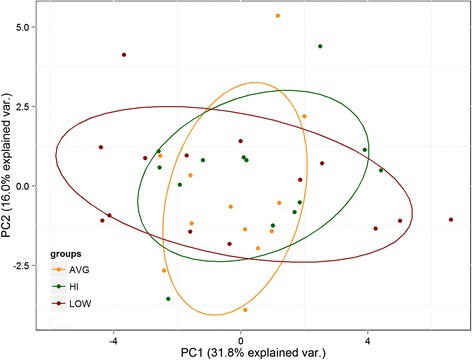
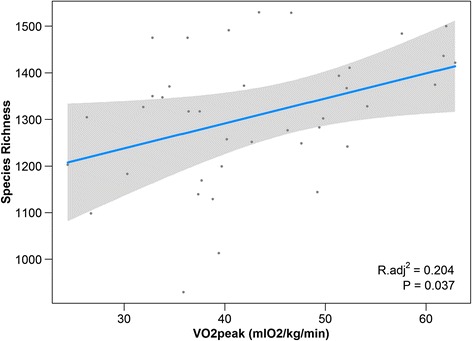
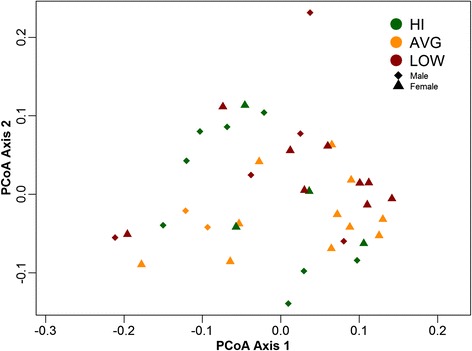
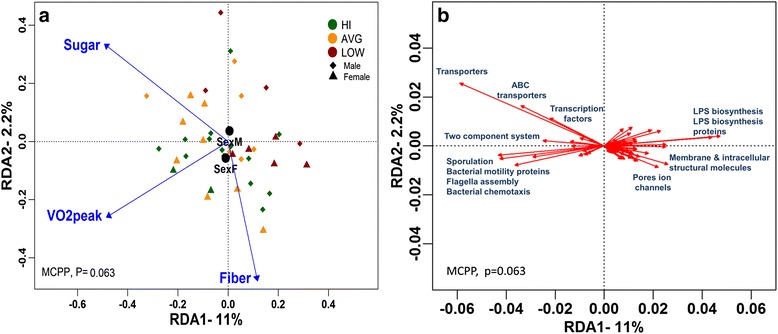
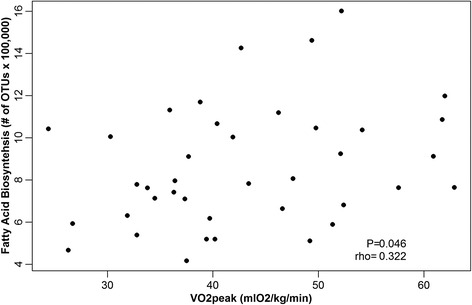
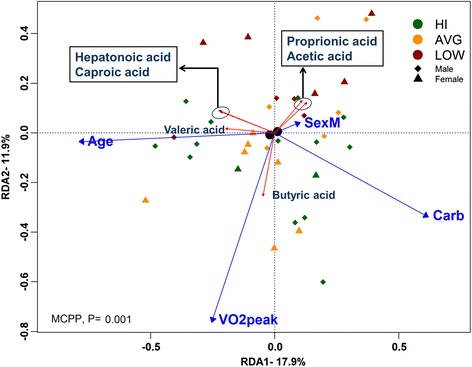
BACKGROUND: Reduced microbial diversity in human intestines has been implicated in various conditions such as diabetes, colorectal cancer, and inflammatory bowel disease. The role of physical fitness in the context of human intestinal microbiota is currently not known. We used high-throughput sequencing to analyze fecal microbiota of 39 healthy participants with similar age, BMI, and diets but with varying cardiorespiratory fitness levels. Fecal short-chain fatty acids were analyzed using gas chromatography. RESULTS: We showed that peak oxygen uptake (VO2peak), the gold standard measure of cardiorespiratory fitness, can account for more than 20 % of the variation in taxonomic richness, after accounting for all other factors, including diet. While VO2peak did not explain variation in beta diversity, it did play a significant role in explaining variation in the microbiomes' predicted metagenomic functions, aligning positively with genes related to bacterial chemotaxis, motility, and fatty acid biosynthesis. These predicted functions were supported by measured increases in production of fecal butyrate, a short-chain fatty acid associated with improved gut health, amongst physically fit participants. We also identified increased abundances of key butyrate-producing taxa (Clostridiales, Roseburia, Lachnospiraceae, and Erysipelotrichaceae) amongst these individuals, which likely contributed to the observed increases in butyrate levels. CONCLUSIONS: Results from this study show that cardiorespiratory fitness is correlated with increased microbial diversity in healthy humans and that the associated changes are anchored around a set of functional cores rather than specific taxa. The microbial profiles of fit individuals favor the production of butyrate. As increased microbiota diversity and butyrate production is associated with overall host health, our findings warrant the use of exercise prescription as an adjuvant therapy in combating dysbiosis-associated diseases.
Overview
The claims and statistics of this paper haven’t been checked yet.
Run the check — free, no account needed. It reads the open-access text and checks the sources it cites.
Integrity signals
Registry
Cites
Statistics
Figures
Verification
Claims the paper makes
The claims and statistics of this paper haven’t been checked yet.
Run the check — free, no account needed. It reads the open-access text and checks the sources it cites.
Claims other papers make about this one
Each is checked against this paper’s own text: does it say what the citing paper says it does?
The cited source says what the claim attributes to it.
In the citing paper
“regular physical activity may help to combat reductions in butyrate-producing microbiota (Clostridiales, Roseburia, Lachnospiraceae, and Erysipelotrichaceae) [102] and Lactobacillus levels [103] that are commonly seen with aging [15, 84, 98].”
From Gut Microbiota Contribute to Age-Related Changes in Skeletal Muscle Size, Composition, and Function: Biological Basis for a Gut-Muscle Axis (2018) · cites this paper as [102]
In the citing paper
“Observational studies show exercise alters gut microbiome composition in mice14 and humans15–18.”
From Exercise-induced microbiota metabolite enhances CD8 T cell antitumor immunity promoting immunotherapy efficacy (2025) · cites this paper as [16]
In the citing paper
“Cardiorespiratory fitness has also been associated with higher fecal levels of butyrate and increased abundances of butyrate-producing taxa, including Clostridiales, Roseburia, Lachnospiraceae, and Erysipelotrichaceae.111”
From Influence of the Gut Microbiome, Diet, and Environment on Risk of Colorectal Cancer (2020) · cites this paper as [111]
In the citing paper
“Exercise appears to be able to enrich microbiota diversity [20–25]”
From International Society of Sports Nutrition Position Stand: Probiotics (2019) · cites this paper as [20]
In the citing paper
“Protein intake appears to be a strong modulator of the microbiota [20, 32, 34]”
From International Society of Sports Nutrition Position Stand: Probiotics (2019) · cites this paper as [20]
In the citing paper
“In addition, the gut microbiota with its ability to harvest energy, modulate the immune system, and influence gastrointestinal health, likely plays an important role in athlete health, wellbeing, and sports performance.”
From The athletic gut microbiota (2020) · cites this paper as [14]
In the citing paper
“Also identified was a core set of gene related functions rather than a core set of bacterial taxa in individuals with high levels of fitness [14].”
From The athletic gut microbiota (2020) · cites this paper as [14]
In the citing paper
“VO2peak was inversely correlated with LPS biosynthesis and LPS biosynthesis proteins which were elevated among less fit participants.”
From The athletic gut microbiota (2020) · cites this paper as [14]
In the citing paper
“Additionally, enhanced bacterial diversity was correlated positively with certain microbial metabolic functions including chemotaxis, motility, and fatty acid biosynthesis.”
From The athletic gut microbiota (2020) · cites this paper as [14]
In the citing paper
“Further, ~ 20% of the variation in gut bacterial alpha diversity could be explained by VO2peak alone; in fact, VO2peak stood as the only variable that contributed significantly to increased alpha diversity.”
From The athletic gut microbiota (2020) · cites this paper as [14]
In the citing paper
“Increases in fecal butyrate were observed when relative abundances of Clostridiales, Roseburia, Lachnospiraceae, and Erysipelotrichaceae were increased [14].”
From The athletic gut microbiota (2020) · cites this paper as [14]
In the citing paper
“Functional categories most strongly correlated with VO2peak were related to bacterial motility (bacterial motility proteins, flagella assembly, and bacterial chemotaxis), sporulation, and to a lesser extent the two-component system known to enable bacterial communities to sense and respond to environmental factors [14].”
From The athletic gut microbiota (2020) · cites this paper as [14]
In the citing paper
“In healthy individuals, Estaki et al. [14] reported higher cardiorespiratory fitness (as measured by peak or maximum oxygen uptake, VO2peak or VO2max) correlated with increases in both microbial diversity and fecal butyrate (see Table 2).”
From The athletic gut microbiota (2020) · cites this paper as [14]
In the citing paper
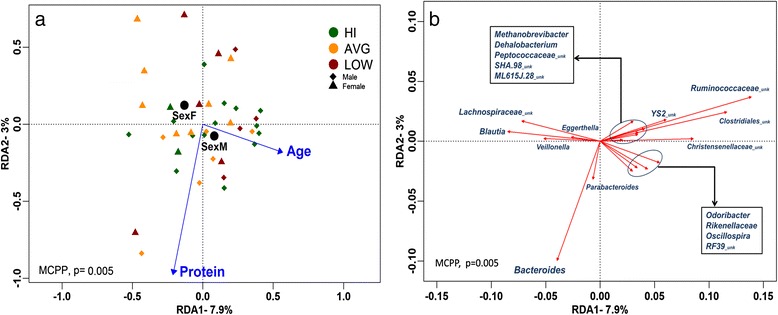
“A strong association was evident between protein intake and Bacteroides and, in particular, Ruminococcaceae and Lachnospiraceae, two of the most abundant families in human gut environments [188], in explaining community diversity.”
From The athletic gut microbiota (2020) · cites this paper as [14]
In the citing paper
“correlations between microbial diversity and cardiorespiratory fitness [102] in concert with the exercise training mediated rescue of high-fat diet-induced microbial disturbance [103] support the idea that exercise training may impart beneficial effects on gut health.”
From Gut Microbiota Contribute to Age-Related Changes in Skeletal Muscle Size, Composition, and Function: Biological Basis for a Gut-Muscle Axis (2018) · cites this paper as [102]
Self-check
Percentages, sums and reported differences re-computed from the paper’s own numbers.
The self-check needs the paper’s full text.
Citations
Cites
R: A Language and Environment for Statistical Computing
R Core Team (2000) · doi:10.32614/r.manuals · Cited by 355,893
QIIME allows analysis of high-throughput community sequencing data
Caporaso, J. G., Kuczynski, J., Stombaugh, J., Bittinger, K., Bushman, F. D., Costello, E. K., Fierer, N., Peña, A. G., Goodrich, J. K., Gordon, J. I., et al. (2010) · Nature Methods · doi:10.1038/nmeth.f.303 · Cited by 34,887
vegan: Community Ecology Package
Oksanen, J., Simpson, G. L., Blanchet, F. G., Kindt, R., Legendre, P., Minchin, P. R., O’Hara, R. B., Sólymos, P., Stevens, M. H. H., Szöcs, E., et al. (2001) · doi:10.32614/cran.package.vegan · Cited by 27,099
ggplot2: Elegant Graphics for Data Analysis
Wickham, H. (2009) · doi:10.1007/978-0-387-98141-3 · Cited by 14,447
Predictive functional profiling of microbial communities using 16S rRNA marker gene sequences
Langille, M. G. I., Zaneveld, J., Caporaso, J. G., McDonald, D., Knights, D., Reyes, J. A., Clemente, J. C., Burkepile, D. E., Vega Thurber, R. L., Knight, R., et al. (2013) · Nature Biotechnology · doi:10.1038/nbt.2676 · Cited by 9,116
Klindworth, A., Pruesse, E., Schweer, T., Peplies, J., Quast, C., Horn, M., & Glöckner, F. O. (2013) · Nucleic Acids Research · doi:10.1093/nar/gks808 · Cited by 8,850
Enterotypes of the human gut microbiome
MetaHIT Consortium (additional members), Arumugam, M., Raes, J., Pelletier, E., Le Paslier, D., Yamada, T., Mende, D. R., Fernandes, G. R., Tap, J., Bruls, T., et al. (2011) · Nature · doi:10.1038/nature09944 · Cited by 7,548
Changes of Intestinal Functions in Liver Cirrhosis
Fukui, H., & Wiest, R. (2016) · Inflammatory Intestinal Diseases · doi:10.1159/000444436 · Cited by 6,820
Linking long-term dietary patterns with gut microbial enterotypes
Wu, G. D., Chen, J., Hoffmann, C., Bittinger, K., Chen, Y.-Y., Keilbaugh, S. A., Bewtra, M., Knights, D., Walters, W. A., Knight, R., et al. (2011) · Science · doi:10.1126/science.1208344 · Cited by 6,513
Ecologically meaningful transformations for ordination of species data
Legendre, P., & Gallagher, E. D. (2001) · Oecologia · doi:10.1007/s004420100716 · Cited by 5,556
Cited by
Sorted by citations
Items 201–300 of 475
Shamsi, M. M., Maryam, J., Bakhshi, B., Neda, F., Mokhtarzade, M., Mahboobeh, B., Quinn, L. S., & Kalani, B. S. (2021) · Archives of Physiology and Biochemistry · doi:10.1080/13813455.2021.1871763 · Cited by 26
Boytar, A. N., Nitert, M. D., Morrison, M., Skinner, T. L., & Jenkins, D. G. (2022) · The Journal of Physiology · doi:10.1113/jp283702 · Cited by 28
Öneş, E., Zavotçu, M., Nisan, N., Baş, M., & Sağlam, D. (2025) · Nutrients · doi:10.3390/nu17030512 · Cited by 23
Papageorgiou, M., & Biver, E. (2021) · Therapeutic Advances in Musculoskeletal Disease · doi:10.1177/1759720x211009018 · Cited by 22
Hric, I., Ugrayová, S., Penesová, A., Rádiková, Ž., Kubáňová, L., Šardzíková, S., Baranovičová, E., Kľúčár, Ľ., Beke, G., Grendár, M., et al. (2021) · Nutrients · doi:10.3390/nu13061753 · Cited by 23
Relationship between maternal–infant gut microbiota and infant food allergy
Wang, S., Zhang, R., Li, X., Gao, Y., Dai, N., Wei, Y., Liu, L., Xing, Y., & Li, Z. (2022) · Frontiers in Microbiology · doi:10.3389/fmicb.2022.933152 · Cited by 23
Akazawa, N., Nakamura, M., Eda, N., Murakami, H., Nakagata, T., Nanri, H., Park, J., Hosomi, K., Mizuguchi, K., Kunisawa, J., et al. (2023) · Frontiers in Sports and Active Living · doi:10.3389/fspor.2023.1219345 · Cited by 24
Optimizing the Gut Microbiota for Individualized Performance Development in Elite Athletes
Nolte, S., Krüger, K., Lenz, C., & Zentgraf, K. (2023) · Biology · doi:10.3390/biology12121491 · Cited by 28
Hou, K., Zhang, S., Wu, Z., Zhu, D., Chen, F., Lei, Z.-N., Liu, W., Xiao, C., & Chen, Z.-S. (2021) · Biomolecules and Biomedicine · doi:10.17305/bjbms.2021.6323 · Cited by 24
Martin, D., Bonneau, M., Orfila, L., Horeau, M., Hazon, M., Demay, R., Lecommandeur, E., Boumpoutou, R., Guillotel, A., Guillemot, P., et al. (2025) · Cell Reports · doi:10.1016/j.celrep.2025.115448 · Cited by 22
Nutrition for Older Athletes: Focus on Sex-Differences
Strasser, B., Pesta, D. H., Rittweger, J., Burtscher, J., & Burtscher, M. (2021) · Nutrients · doi:10.3390/nu13051409 · Cited by 25
Uchida, M., Fujie, S. J., Yano, H., & Iemitsu, M. (2023) · The Journal of Physiology · doi:10.1113/jp283995 · Cited by 25
Li, W., Huang, Y., Tong, S., Wan, C., & Wang, Z. (2024) · Diagnostic Microbiology and Infectious Disease · doi:10.1016/j.diagmicrobio.2024.116291 · Cited by 22
Zhao, R.-H., Zheng, P., Liu, S., Tang, Y., Li, E.-Y., Sun, Z., & Jiang, M. (2019) · PubMed Central · doi:10.7499/j.issn.1008-8830.2019.07.009 · Cited by 22
Ticinesi, A., Nouvenne, A., Tana, C., Prati, B., Cerundolo, N., Miraglia, C., Angelis, G. L. D., Mario, F. D., & Meschi, T. (2018) · PubMed Central · doi:10.23750/abm.v89i9-s.7906 · Cited by 23
Estaki, M., Morck, D. W., Ghosh, S., Quin, C., Pither, J., Barnett, J. A., Gill, S. K., & Gibson, D. L. (2020) · mSystems · doi:10.1128/msystems.00515-20 · Cited by 22
Self-citationDiet Is a Stronger Covariate than Exercise in Determining Gut Microbial Richness and Diversity
Yun, E.-J., Imdad, S., Jang, J.-H., Park, J.-H., So, B., Kim, J., & Kang, C. (2022) · Nutrients · doi:10.3390/nu14122507 · Cited by 22
Yang, Q., Haute, M. J. S. V., Korth, N., Sattler, S. E., Rose, D. J., Juritsch, A. F., Shao, J., Beede, K. A., Schmaltz, R. J., Price, J., et al. (2023) · Gut Microbes · doi:10.1080/19490976.2023.2178799 · Cited by 21
Association between cardiorespiratory fitness and colorectal cancer in the UK Biobank
Hillreiner, A., Baumeister, S. E., Sedlmeier, A. M., Finger, J. D., Schlitt, H. J., & Leitzmann, M. F. (2019) · European Journal of Epidemiology · doi:10.1007/s10654-019-00575-6 · Cited by 25
Gut microbes in gastrointestinal cancers
Wang, F., Song, M., Lu, X., Zhu, X., & Deng, J. (2021) · Seminars in Cancer Biology · doi:10.1016/j.semcancer.2021.03.037 · Cited by 21
Grosicki, G. J., Pugh, J. N., Wosinska, L., Quilter, K., Mattimoe, D., Allen, J. M., Joyce, S. A., O’Sullivan, Ó., & Close, G. L. (2023) · Journal of Applied Physiology · doi:10.1152/japplphysiol.00024.2023 · Cited by 20
The gut mucin-microbiota interactions: a missing key to optimizing endurance performance
Clark, A. P., & Mach, N. (2023) · Frontiers in Physiology · doi:10.3389/fphys.2023.1284423 · Cited by 22
Jurek, J. M., & Castro‐Marrero, J. (2024) · Nutrients · doi:10.3390/nu16111545 · Cited by 22
Effects of high-intensity interval training on gut microbiota profiles in 12 months’ old ICR mice
Wang, G., Zhou, H., Zhang, L., Li, R., Luo, L., Yu, Z., & Wan, Z. (2020) · Journal of Physiology and Biochemistry · doi:10.1007/s13105-020-00758-w · Cited by 19
Good girl goes bad: Understanding how gut commensals cause disease
Dey, P. (2024) · Microbial Pathogenesis · doi:10.1016/j.micpath.2024.106617 · Cited by 19
Blachier, F., Resende, A. D. S., Leite, G. D. S. F., da Costa, A. V., & Lancha, A. H. (2018) · Nutrire · doi:10.1186/s41110-018-0061-6 · Cited by 22
Dong, W., Wang, Y., Liao, S., Tang, W., Li, P., & Song, G. (2021) · Frontiers in Psychology · doi:10.3389/fpsyg.2020.570298 · Cited by 19
Pekkala, S., Lensu, S., Nokia, M., Vanhatalo, S., Koch, L. G., Britton, S. L., & Kainulainen, H. (2017) · Physiological Genomics · doi:10.1152/physiolgenomics.00081.2017 · Cited by 16
Exercise training modifies xenometabolites in gut and circulation of lean and obese adults
Kasperek, M. C., Mailing, L. J., Piccolo, B. D., Moody, B., Lan, R. S.-L., Gao, X., Hernández‐Saavedra, D., Woods, J. A., Adams, S. H., & Allen, J. M. (2023) · Physiological Reports · doi:10.14814/phy2.15638 · Cited by 18
Akbuğa-Schön, T., Suzuki, T. A., Jakob, D., Vu, D. L., Waters, J. L., & Ley, R. E. (2023) · mBio · doi:10.1128/mbio.02836-23 · Cited by 18
Ostrowska, J., Samborowska, E., Jaworski, M., Toczyłowska, K., & Szostak-Węgierek, D. E. (2024) · Nutrients · doi:10.3390/nu16020266 · Cited by 18
Hoseini, R., Rahim, H. A., Saifalddin, D. L., Kareem, D. A., & Fatah, A. M. (2025) · Journal of Translational Medicine · doi:10.1186/s12967-025-07492-1 · Cited by 19
Tokgözoğlu, L. S., Hekimsoy, V., Costabile, G., Calabrese, I., & Riccardi, G. (2020) · Handbook of experimental pharmacology · doi:10.1007/164_2020_353 · Cited by 21
Williams, C. J., Torquati, L., Li, Z., Lea, R. A., Croci, I., Keating, E., Little, J. P., Eynon, N., & Coombes, J. S. (2021) · Journal of Nutrition · doi:10.1093/jn/nxab426 · Cited by 18
Self-citationRuíz-Iglesias, P., Massot‐Cladera, M., Rodríguez-Lagunas, M. J., Franch, À., Camps‐Bossacoma, M., Castell, M., & Pérez-Cano, F. J. (2022) · Frontiers in Nutrition · doi:10.3389/fnut.2022.861533 · Cited by 17
Does the Microbiota Composition Influence the Efficacy of Colorectal Cancer Immunotherapy?
Lin, Y., Kong, D.-X., & Zhang, Y.-N. (2022) · Frontiers in Oncology · doi:10.3389/fonc.2022.852194 · Cited by 17
Holzhausen, E. A., Malecki, K. M. C., Sethi, A. K., Gangnon, R. E., Cadmus‐Bertram, L., Deblois, C. L., Suen, G., Safdar, N., & Peppard, P. E. (2022) · PLoS ONE · doi:10.1371/journal.pone.0276684 · Cited by 18
Standardization of gut microbiome analysis in sports
Mancin, L., Paoli, A., Berry, S., Gonzalez, J. T., Collins, A. J., Lizarraga, M. A., Mota, J. F., Nicola, S., & Rollo, I. (2024) · Cell Reports Medicine · doi:10.1016/j.xcrm.2024.101759 · Cited by 22
Small Intestinal Bacterial and Fungal Overgrowth: Health Implications and Management Perspectives
Soliman, N., Kruithoff, C., Valentin, E. M. D. S., Gamal, A., McCormick, T. S., & Ghannoum, M. A. (2025) · Nutrients · doi:10.3390/nu17081365 · Cited by 19
Kunevičius, A., Vijaya, A. K., Atzeni, A., Mingaila, J., Šimoliūnė, I., Jamontas, R., Kezeviciute, E., Gueimonde, M., Meškys, R., Baltriukienė, D., et al. (2025) · Frontiers in Aging Neuroscience · doi:10.3389/fnagi.2025.1617980 · Cited by 17
Dairy consumption and physical fitness tests associated with fecal microbiome in a Chinese cohort
Jie, Z., Liang, S., Ding, Q., Li, F., Sun, X., Lin, Y., Chen, P., Cai, K., Wang, X., Zhang, T., et al. (2021) · Medicine in Microecology · doi:10.1016/j.medmic.2021.100038 · Cited by 17
Houttu, V., Boulund, U., Nicolaou, M., Holleboom, A. G., Grefhorst, A., Galenkamp, H., van den Born, B. H., Zwinderman, A. H., & Nieuwdorp, M. (2021) · Metabolites · doi:10.3390/metabo11120858 · Cited by 18
Mańkowska, K., Marchelek‐Myśliwiec, M., Kochan, P., Kosik-Bogacka, D. I., Konopka, T., Grygorcewicz, B., Roszkowska, P., Cecerska‐Heryć, E., Siennicka, A., Konopka, J., et al. (2022) · Archives of Microbiology · doi:10.1007/s00203-022-03111-5 · Cited by 16
Epithelial barrier theory in the context of nutrition and environmental exposure in athletes
Kistler, W., Villiger, M., Villiger, B., Yazıcı, D., Pat, Y., Mitamura, Y., Ardıçlı, S., Skolnick, S., Dhir, R., Akdiş, M., et al. (2024) · Allergy · doi:10.1111/all.16221 · Cited by 17
Martinović, A., Mantovani, M., Trpchevska, N., Novak, E., Milev, N. B., Bode, L., Ewald, C. Y., Bischof, E. Y., Reichmuth, T., Lapides, R. A., et al. (2024) · Frontiers in Aging · doi:10.3389/fragi.2024.1495029 · Cited by 19
Modulation of oral microbiota: A new frontier in exercise supplementation
Bescós, R., Brookes, Z. L. S., Belfield, L., Fernández‐Sanjurjo, M., & Casas‐Agustench, P. (2020) · PharmaNutrition · doi:10.1016/j.phanu.2020.100230 · Cited by 16
Pan, Y., Ren, Q., Chen, P., Wu, J., Wu, Z., & Zhang, G. (2021) · Frontiers in Public Health · doi:10.3389/fpubh.2021.657784 · Cited by 15
A Bibliometric Analysis on the Research Trend of Exercise and the Gut Microbiome
Deng, R., Wang, M., Song, Y., & Shi, Y. (2023) · Microorganisms · doi:10.3390/microorganisms11040903 · Cited by 21
Investigating the Role of Diet and Exercise in Gut Microbe-Host Cometabolism
Penney, N. C., Barton, W., Posma, J. M., Darzi, A. W., Frost, G. S., Cotter, P. D., Holmes, E. C., Shanahan, F., O’Sullivan, Ó., & García‐Pérez, I. (2020) · mSystems · doi:10.1128/msystems.00677-20 · Cited by 19
Shi, Y., Wang, P., Zhou, D., Huang, L., Zhang, L., Gao, X., Maitiabula, G., Wang, S., & Wang, X. (2022) · Frontiers in Microbiology · doi:10.3389/fmicb.2022.827071 · Cited by 14
Mallott, E. K., Skovmand, L. H., Garber, P. A., & Amato, K. R. (2022) · Molecular Ecology · doi:10.1111/mec.16559 · Cited by 16
Essential Factors for a Healthy Microbiome: A Scoping Review
Grace-Farfaglia, P., Frazier, H., & Iversen, M. D. (2022) · International Journal of Environmental Research and Public Health · doi:10.3390/ijerph19148361 · Cited by 14
Urbanisation and its associated factors affecting human gut microbiota: where are we heading to?
Abjani, F., Madhavan, P., Chong, P. P., Chinna, K., Rhodes, A., & Lim, Y. A. L. (2023) · Annals of Human Biology · doi:10.1080/03014460.2023.2170464 · Cited by 15
Schmitz, L., Ferrari, N., Schwiertz, A., Rusch, K., Woestmann, U., Mahabir, E., & Gräf, C. (2019) · Pilot and Feasibility Studies · doi:10.1186/s40814-019-0459-9 · Cited by 15
Walshe, N., Cabrera‐Rubio, R., Collins, R., Puggioni, A., Gath, V., Crispie, F., Cotter, P. D., Brennan, L., Mulcahy, G. M., & Duggan, V. E. (2021) · Frontiers in Veterinary Science · doi:10.3389/fvets.2021.668120 · Cited by 14
The microbiota-gut-brain axis in Huntington's disease
Love, C. J., Masson, B. A., Gubert, C., & Hannan, A. J. (2022) · International review of neurobiology · doi:10.1016/bs.irn.2022.06.005 · Cited by 14
Gut microbiota and physical activity level: characterization from sedentary to soccer players
Petri, C., Mascherini, G., Izzicupo, P., Rosati, D., Cerboneschi, M., Smeazzetto, S., & Suarez-Arrones, L. J. (2024) · Biology of Sport · doi:10.5114/biolsport.2024.134759 · Cited by 13
Gut Microbiota Dysbiosis: A Neglected Risk Factor for Male and Female Fertility
Beni, F. A., Saffarfar, H., Elhami, A., & Kazemi, M. (2024) · Cellular Microbiology · doi:10.1155/cmi/7808354 · Cited by 14
Hsu, C.-Y., Ahmad, I., Maya, R. W., Abass, M. A., Gupta, J., Singh, A., Joshi, K. K., Premkumar, J., Sahoo, S., & Khosravi, M. (2025) · Journal of Translational Medicine · doi:10.1186/s12967-025-06527-x · Cited by 15
PQQ and quinoprotein research--the first decade.
Duine, J. A. (1989) · PubMed · Cited by 13
Fukuchi, M., Sugita, M., Banjo, M., Yonekura, K., & Sasuga, Y. (2022) · PLoS ONE · doi:10.1371/journal.pone.0262906 · Cited by 13
Sanborn, V. E., Aljumaah, M. R., Azcárate-Peril, M. A., & Gunstad, J. (2022) · Applied Physiology, Nutrition, and Metabolism · doi:10.1139/apnm-2021-0557 · Cited by 13
Liang, X., Li, X., Jin, Y., Wang, Y., Wei, C., & Zhu, Z. A. (2023) · Metabolites · doi:10.3390/metabo13030361 · Cited by 13
Song, B., Guo, H., Chen, Z., Xu, Q., Chen, L., & Bai, X. (2024) · Ecotoxicology and Environmental Safety · doi:10.1016/j.ecoenv.2024.116151 · Cited by 12
Fernández‐Sanjurjo, M., Fernández, J., Martínez‐Camblor, P., Rodríguez-Alonso, M., Ortolano, R., Pinto-Hernández, P., Castilla‐Silgado, J., Coto-Vilcapoma, A., Ruíz, L., Villar, C. J., et al. (2024) · Nutrients · doi:10.3390/nu16050661 · Cited by 13
Nagasawa, Y., Katagiri, S., Nakagawa, K., Hirota, T., Yoshimi, K., Uchida, A., Hatasa, M., Komatsu, K., Shiba, T., Ohsugi, Y., et al. (2022) · Journal of Functional Foods · doi:10.1016/j.jff.2022.105321 · Cited by 13
Li, Q., Chen, L., & Wang, R. (2025) · Frontiers in Endocrinology · doi:10.3389/fendo.2025.1652731 · Cited by 14
Overview of the Gut Microbiome
Blackmer‐Raynolds, L., & Sampson, T. R. (2023) · Seminars in Neurology · doi:10.1055/s-0043-1771463 · Cited by 11
Zeppa, S. D., Natalucci, V., Agostini, D., Vallorani, L., Amatori, S., Sisti, D., Rocchi, M., Pazienza, V., Perri, F., Villani, A., et al. (2023) · Frontiers in Oncology · doi:10.3389/fonc.2023.1225645 · Cited by 11
Deli, C. K., Fatouros, I. G., Poulios, A., Liakou, C. A., Draganidis, D., Παπανικολάου, Κ., Rosvoglou, A., Gatsas, A., Georgakouli, K., Tsimeas, P. D., et al. (2024) · Life · doi:10.3390/life14081016 · Cited by 15
Shalmon, G., Ibrahim, R., Israel‐Elgali, I., Grad, M., Shlayem, R., Shapira, G., Shomron, N., Youngster, I., & Scheinowitz, M. (2024) · Life · doi:10.3390/life14111397 · Cited by 11
Lu, C.-L., Li, H., Zhu, X., Luo, Z.-S., Rao, S., & Yang, Z. (2022) · Quality Assurance and Safety of Crops & Foods · doi:10.15586/qas.v14i3.1073 · Cited by 11
Optimizing lifestyle interventions in adult patients with comorbid asthma and obesity
Kuder, M. M., & Nyenhuis, S. M. (2020) · Therapeutic Advances in Respiratory Disease · doi:10.1177/1753466620906323 · Cited by 14
Byerley, L. O., Gallivan, K. M., Christopher, C. J., Taylor, C. M., Luo, M., Dowd, S. E., Davis, G. M., Castro, H. F., Campagna, S. R., & Ondrak, K. S. (2022) · Nutrients · doi:10.3390/nu14030533 · Cited by 12
The Microbiota and Equine Asthma: An Integrative View of the Gut–Lung Axis
Leduc, L., Costa, M., & Leclère, M. (2024) · Animals · doi:10.3390/ani14020253 · Cited by 10
Agyin-Birikorang, A., Lennon, S., Smith, K. S., Pol, W. V. D., Smith, M. A., Sexton, C. L., Lamb, D. A., Young, K. C., Mobley, C. B., Huggins, K. W., et al. (2025) · Sports · doi:10.3390/sports13040098 · Cited by 11
Comparison of the fecal microbiota with high- and low performance race horses
Park, T., Yoon, J., Yun, Y., & Unno, T. (2023) · Journal of Animal Science and Technology · doi:10.5187/jast.2023.e45 · Cited by 10
Bertuccioli, A., Zonzini, G. B., Cazzaniga, M., Cardinali, M., Pierro, F. D., Gregoretti, A., Zerbinati, N., Guasti, L., Matera, M. R., Cavecchia, I., et al. (2024) · Microorganisms · doi:10.3390/microorganisms12040804 · Cited by 11
Microbiome and physical activity
Álvarez‐Herms, J., & Odriozola, A. (2024) · Advances in genetics · doi:10.1016/bs.adgen.2024.01.002 · Cited by 12
Vandecruys, M., Smet, S. D., Beir, J. D., Renier, M., Leunis, S., Criekinge, H. V., Glorieux, G., Raes, J., Wyngaert, K. V., Nagler, E., et al. (2024) · Toxins · doi:10.3390/toxins16060242 · Cited by 10
Gut microbiome related to metabolic diseases after moderate-to-vigorous intensity exercise
Yun, S.-M., Seo, Y., Lee, Y., & Lee, D. T. (2024) · Journal of Exercise Science & Fitness · doi:10.1016/j.jesf.2024.07.003 · Cited by 10
Lee, M., Chiu, C., Liao, Y.-C., Cheng, Y.-C., Lee, C., Ho, C.-S., Hsu, Y.-J., Chang, H.-Y., Lin, J., & Huang, C. (2024) · Current Research in Food Science · doi:10.1016/j.crfs.2024.100917 · Cited by 10
Lin, Z., Li, T.-Z., Huang, F., Wu, M., Zhu, L., Zhou, Y., Ming, Y., Lu, Z., Peng, W., Gao, F., et al. (2025) · MedComm · doi:10.1002/mco2.70044 · Cited by 9
Martínez‐Téllez, B., Xu, H., Ortiz-Alvarez, L., Rodríguez‐García, C., Schönke, M., Jurado‐Fasoli, L., Osuna‐Prieto, F. J., Alcántara, J. M. A., Acosta, F. M., Amaro‐Gahete, F. J., et al. (2025) · Clinical Nutrition · doi:10.1016/j.clnu.2025.04.008 · Cited by 9
Training load influences gut microbiome of highly trained rowing athletes
Charlesson, B., Jones, J. C., Abbiss, C. R., Peeling, P., Watts, S., & Christophersen, C. T. (2025) · Journal of the International Society of Sports Nutrition · doi:10.1080/15502783.2025.2507952 · Cited by 11
Álvarez‐Herms, J. (2024) · Microorganisms · doi:10.3390/microorganisms12061138 · Cited by 9
Associations Between Walking Speed and Gut Microbiome Composition in Older Men From the MrOS Study
Farsijani, S., Cauley, J. A., Cawthon, P. M., Langsetmo, L., ORWOLL, E. S., Kado, D. M., Kiel, D. P., & Newman, A. B. (2024) · The Journals of Gerontology Series A · doi:10.1093/gerona/glae030 · Cited by 11
Microbial Champions: The Influence of Gut Microbiota on Athletic Performance via the Gut-Brain Axis
Xia, W., Li, X., Han, R., & Liu, X. (2024) · Open Access Journal of Sports Medicine · doi:10.2147/oajsm.s485703 · Cited by 9
Yao, B., Liu, J., Liu, Y., Song, X.-X., Wang, S., Liu, N., Dong, Z., Yuan, Z., Han, X., & Xing, J.-Y. (2025) · Clinical Nutrition ESPEN · doi:10.1016/j.clnesp.2025.01.019 · Cited by 9
Symphony of the gut microbiota and endocannabinoidome: a molecular and functional perspective
Wang, Y., Guo, J., Mao, Z., & Chen, Y. (2025) · Frontiers in Cellular and Infection Microbiology · doi:10.3389/fcimb.2025.1566290 · Cited by 9
Michou, V., Zervoudis, S., Eskitzis, P., Tsamos, G., Vasdeki, D., Vouxinou, A., Markja, A., & Iatrakis, G. M. (2025) · Medicina · doi:10.3390/medicina61071167 · Cited by 11
Sanborn, V. E., & Gunstad, J. (2020) · Geriatrics · doi:10.3390/geriatrics5040063 · Cited by 8
GALNTL6 rs558129: A Novel Polymorphism for Swimming Performance?
Żmijewski, P., Trybek, G., Czarny, W., & Leońska‐Duniec, A. (2021) · Journal of Human Kinetics · doi:10.2478/hukin-2021-0098 · Cited by 9
Duan, R., Liu, Y., Zhang, Y., Shi, J., Xue, R., Liu, R., Miao, Y., Zhou, X., Lv, Y., Shen, H., et al. (2024) · Frontiers in Physiology · doi:10.3389/fphys.2024.1343219 · Cited by 8
Exercise and the Gut Microbiome: From Mechanisms to Clinical Applications
AL-Sinani, Y., Rostamkhani, F., & Shirvani, H. (2026) · Nutrients · doi:10.3390/nu18101565 · Cited by 8
Gut microbiome and prediabetes - a review
Rathi, K. K., Kumari, N., Javaid, M. D., Saleem, U., Mortensen, E. M., Zhou, Y., & Maheshwari, N. (2023) · Frontiers in Bacteriology · doi:10.3389/fbrio.2023.1242297 · Cited by 7
Exercise and the gut microbiome: implications for supportive care in cancer
Hart, N. H., Wallen, M. P., Farley, M. J., Haywood, D., Boytar, A. N., Secombe, K. R., Joseph, R., Chan, R. J., Kenkhuis, M., Buffart, L. M., et al. (2023) · Supportive Care in Cancer · doi:10.1007/s00520-023-08183-7 · Cited by 9
The athlete gut microbiota: state of the art and practical guidance
Pérez-Castillo, Í. M., Sabag-Daigle, A., Chicharro, J. L., Mihic, N., Rueda, R., & Bouzamondo, H. (2024) · Beneficial Microbes · doi:10.1163/18762891-bja00007 · Cited by 8
El‐Sehrawy, A. A. M. A., Ayoub, I. I., Uthirapathy, S., Ballal, S., Gabble, B. C., Singh, A., Kavitha, V., Panigrahi, R., Kamali, M., & Khosravi, M. (2025) · European Journal of Translational Myology · doi:10.4081/ejtm.2025.13690 · Cited by 8
Téglás, T., & Radak, Z. O. (2025) · Frontiers in Nutrition · doi:10.3389/fnut.2025.1572687 · Cited by 10
Metadata
- Authors
- Estaki, M., Pither, J., Baumeister, P., Little, J. P., Gill, S. K., Ghosh, S., Ahmadi-Vand, Z., Marsden, K. R., & Gibson, D. L.
- Affiliations
- University of British Columbia (CA)
- University of British Columbia, Okanagan Campus (CA)
- Corresponding author
- Gibson, Deanna L.
- Venue
- Microbiome
- Published
- 2016-08-08
- Volume
- 4
- Issue
- 1
- Pages
- 42-42
- ISSN
- 2049-2618 (ISSN-L)
- PMC
- PMC4976518
- OpenAlex
- W2495055679
- Cited by
- 476
- References
- 59
- Citations by year
- 2026: 44 · 2025: 53 · 2024: 66 · 2023: 54 · 2022: 60 · 2021: 67 · 2020: 42 · 2019: 46 · 2018: 19 · 2017: 22
- FWCI
- 15.08
- Type
- journal article
- Language
- en
- Open access
- gold
- doi.org
- Licence
- cc-by
- Locations
- Microbiome (publishedVersion, cc-by)
- PubMed Central (publishedVersion, cc-by)
- PubMed (publishedVersion)
- cIRcle (University of British Columbia) (submittedVersion, cc-by)
- Funders
- Natural Sciences and Engineering Research Council of Canada
- Canadian Institutes of Health Research
- Michael Smith Foundation for Health Research
- Dairy Farmers of Canada
- Topics
- Life Sciences › Biochemistry, Genetics and Molecular Biology › Molecular Biology › Gut microbiota and health
- Health Sciences › Dentistry › Periodontics › Oral microbiology and periodontitis research
- Life Sciences › Agricultural and Biological Sciences › Food Science › Probiotics and Fermented Foods
- Keywords
- cardiorespiratory fitness, gut microbiota, gut microbiota diversity, peak oxygen uptake, butyrate production, short-chain fatty acids, butyrate-producing bacteria, Roseburia, Lachnospiraceae, Clostridiales, Erysipelotrichaceae, dysbiosis
- MeSH terms
- Gastrointestinal Microbiome, Cardiorespiratory Fitness, Adult, Bacteria, Base Sequence, Butyrates, Chromatography, Gas, Fatty Acids, Volatile, Feces, Female, Humans, Intestines, Male, Pulmonary Gas Exchange, Exercise, Sequence Analysis, DNA, Metagenome, Young Adult, High-Throughput Nucleotide Sequencing
About these checks
Registry, retraction, Cites and statistics results are computed, not judged, with one exception: a printed reference that no index lists is read once by a model before it counts as a citation error. Claims are extracted by a model and kept only when their quote appears verbatim in the text; each cited source is then checked, with a model’s help, for whether it says what the claim relies on. Those verdicts can be wrong — read the claim’s quote and the cited source before relying on one.
Statistics and arithmetic are recomputed, not judged.
Confidence bands are shown only for fields calibrated on our annotated test set. None is calibrated yet, so no band is shown.
What counts as a claim ›How we measure confidence ›How we check this ›
Are you an author, or do you see a problem with this page? Request a review
