

Endometrial microbiota composition is associated with reproductive outcome in infertile patients
Open accessPublished version of a preprint
The DOI matches its Crossref record; 69 of the 69 references it cites were found in a registry or an index.
Abstract
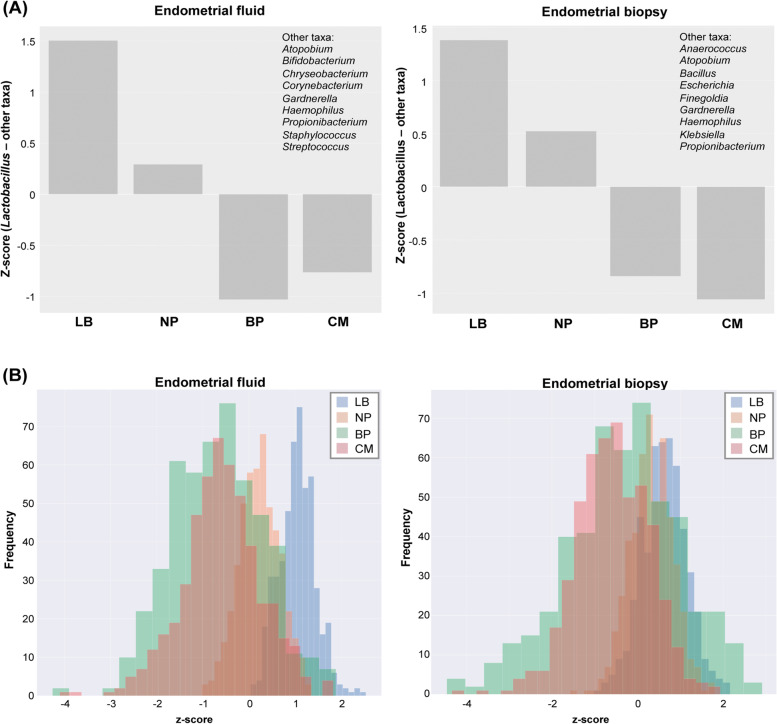
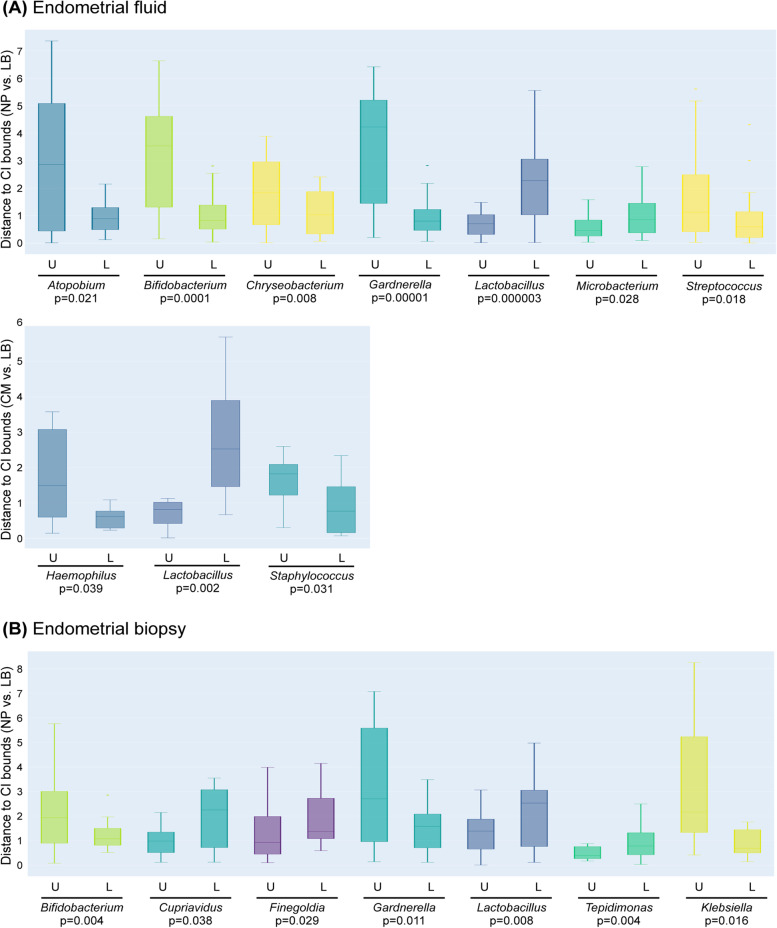
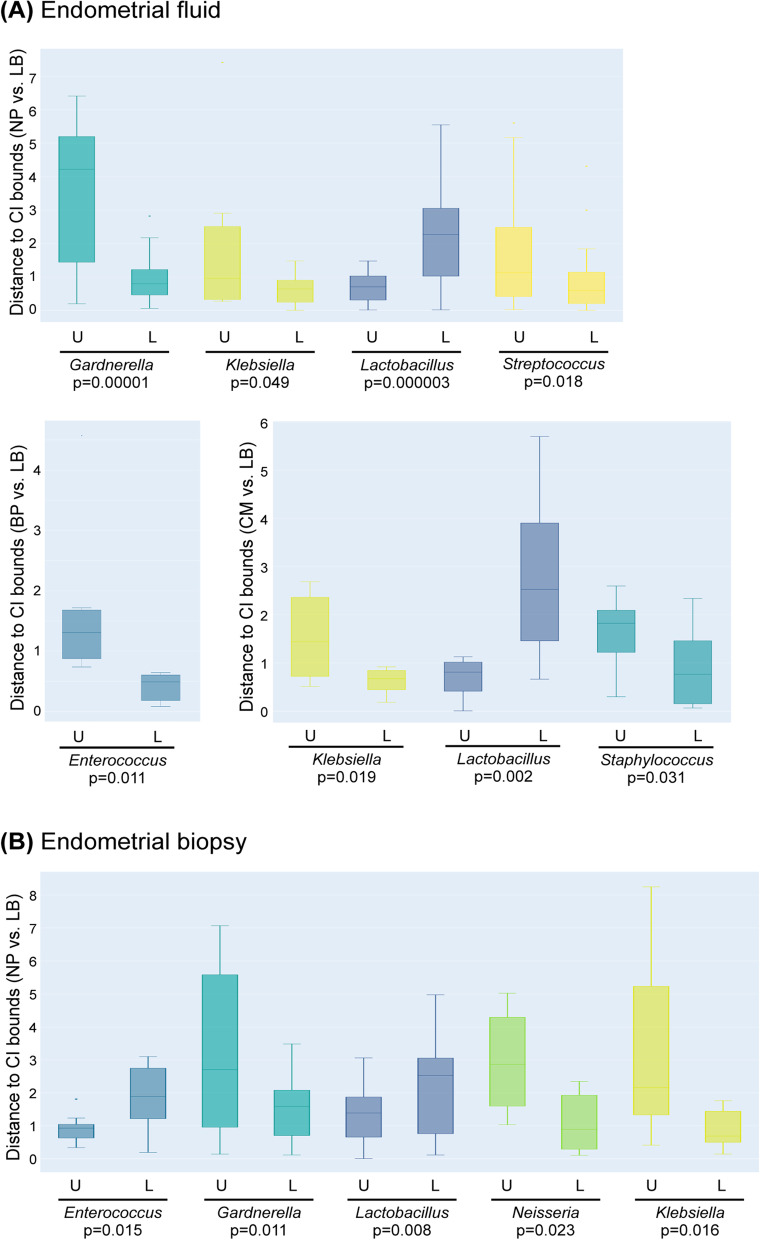
Background: Previous evidence indicates associations between the female reproductive tract microbiome composition and reproductive outcome in infertile patients undergoing assisted reproduction. We aimed to determine whether the endometrial microbiota composition is associated with reproductive outcomes of live birth, biochemical pregnancy, clinical miscarriage or no pregnancy. Methods: Here, we present a multicentre prospective observational study using 16S rRNA gene sequencing to analyse endometrial fluid and biopsy samples before embryo transfer in a cohort of 342 infertile patients asymptomatic for infection undergoing assisted reproductive treatments. Results: A dysbiotic endometrial microbiota profile composed of Atopobium , Bifidobacterium , Chryseobacterium , Gardnerella , Haemophilus , Klebsiella , Neisseria , Staphylococcus and Streptococcus was associated with unsuccessful outcomes. In contrast, Lactobacillus was consistently enriched in patients with live birth outcomes. Conclusions: Our findings indicate that endometrial microbiota composition before embryo transfer is a useful biomarker to predict reproductive outcome, offering an opportunity to further improve diagnosis and treatment strategies.
Overview
The claims and statistics of this paper haven’t been checked yet.
Free: it reads the open-access text and checks the first 5 claims that cite a source we can check. Create a free account to check every claim.
Integrity signals
Registry
Cites
Statistics
Figures
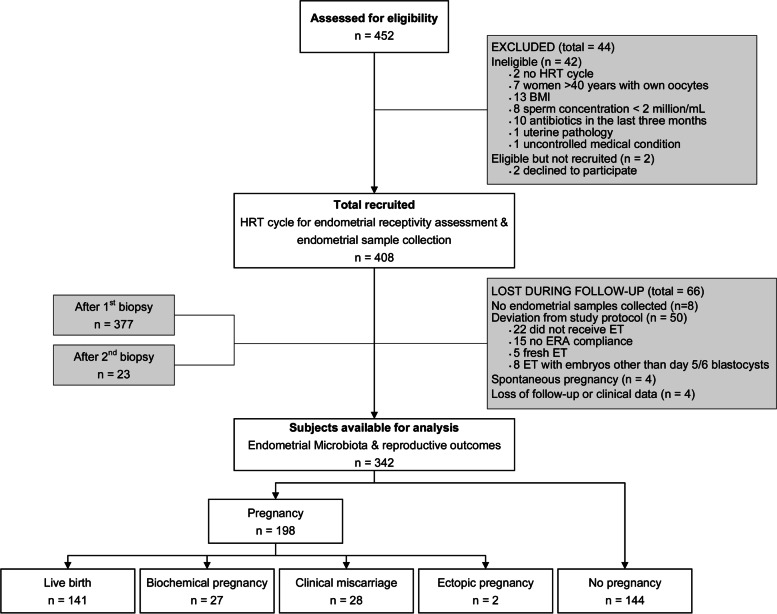
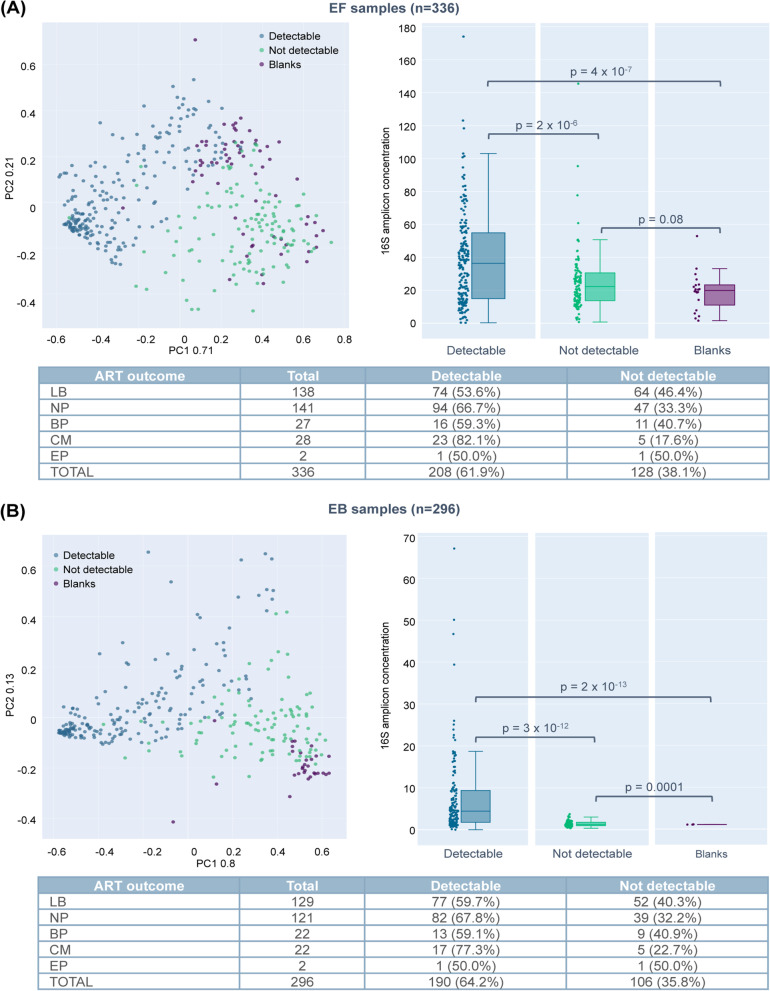
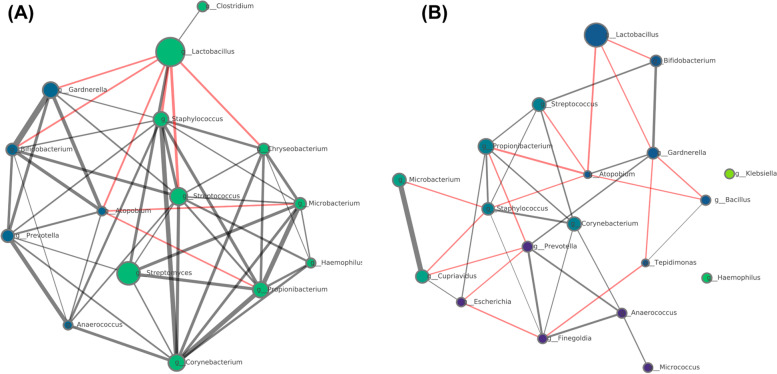
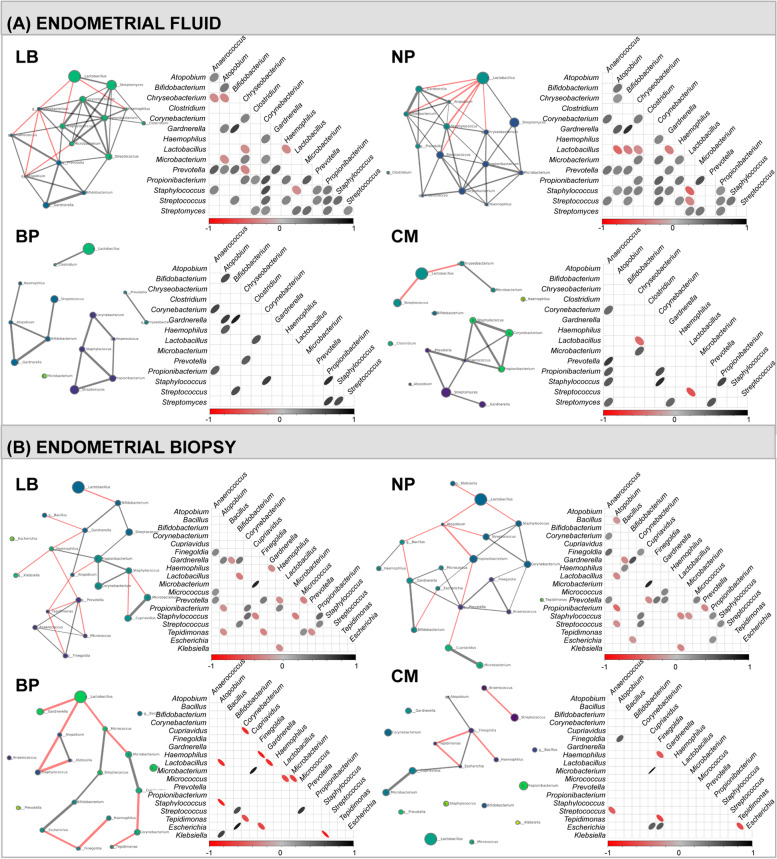
Verification
Claims the paper makes
The claims and statistics of this paper haven’t been checked yet.
Free: it reads the open-access text and checks the first 5 claims that cite a source we can check. Create a free account to check every claim.
Claims other papers make about this one
Each is checked against this paper’s own text: does it say what the citing paper says it does?
The source backs part of the claim, not all of it — or backs it for a different population, condition or comparison.
In the citing paper
“A shift in the population of Lactobacillus species, for instance, has been implicated in diminished endometrial receptivity [8, 9, 28, 29].”
From Vaginal probiotics as therapeutic adjuncts for improving embryo transfer success rates: a systematic review and meta-analysis (2025) · cites this paper as [9]
Experimental — accuracy not yet measuredThe source backs part of the claim, not all of it — or backs it for a different population, condition or comparison.
In the citing paper
“Accordingly, several studies suggest that dysbiosis at the time of ET may lead to reduced pregnancy rates while Lactobacillus abundance poses a positive impact on ART outcomes [9–11].”
From Vaginal probiotics as therapeutic adjuncts for improving embryo transfer success rates: a systematic review and meta-analysis (2025) · cites this paper as [9]
Experimental — accuracy not yet measured
Self-check
Percentages, sums and reported differences re-computed from the paper’s own numbers.
The self-check needs the paper’s full text.
Citations
Cites
SciPy 1.0: fundamental algorithms for scientific computing in Python
Virtanen, P., Gommers, R., Oliphant, T. E., Haberland, M., Reddy, T., Cournapeau, D., Burovski, E., Peterson, P., Weckesser, W., Bright, J., et al. (2020) · Nature Methods · doi:10.1038/s41592-019-0686-2 · Cited by 38,430
Reproducible, interactive, scalable and extensible microbiome data science using QIIME 2
Bolyen, E., Rideout, J. R., Dillon, M. R., Bokulich, N. A., Abnet, C. C., Al-Ghalith, G. A., Alexander, H., Alm, E. J., Arumugam, M., Asnicar, F., et al. (2019) · Nature Biotechnology · doi:10.1038/s41587-019-0209-9 · Cited by 23,742
Naïve Bayesian Classifier for Rapid Assignment of rRNA Sequences into the New Bacterial Taxonomy
Wang, Q., Garrity, G. M., Tiedje, J. M., & Cole, J. R. (2007) · Applied and Environmental Microbiology · doi:10.1128/aem.00062-07 · Cited by 19,885 · cited 3×
“The results were generated using the default parameters in the original QIIME 2 [7] and RDP [68] methods.”
MethodInfluentialSciPy 1.0: fundamental algorithms for scientific computing in Python
Virtanen, P., Gommers, R., Oliphant, T. E., Haberland, M., Reddy, T., Cournapeau, D., Burovski, E., Peterson, P., Weckesser, W., Bright, J., et al. (2019) · Apollo - University of Cambridge Repository · doi:10.17863/cam.64134 · Cited by 10,460
The Statistical Analysis of Compositional Data
Aitchison, J. (1986) · doi:10.1007/978-94-009-4109-0 · Cited by 4,383
Davis, N. M., Proctor, D. M., Holmes, S. P., Relman, D. A., & Callahan, B. J. (2018) · Microbiome · doi:10.1186/s40168-018-0605-2 · Cited by 3,493
Microbiome Datasets Are Compositional: And This Is Not Optional
Gloor, G. B., Macklaim, J. M., Pawlowsky-Glahn, V., & Egozcue, J. J. (2017) · Frontiers in Microbiology · doi:10.3389/fmicb.2017.02224 · Cited by 3,044
Probabilistic programming in Python using PyMC3
Salvatier, J., Wiecki, T. V., & Fonnesbeck, C. (2016) · PeerJ Computer Science · doi:10.7717/peerj-cs.55 · Cited by 2,544
The NIH Human Microbiome Project
The NIH HMP Working Group, Peterson, J., Garges, S., Giovanni, M., McInnes, P., Wang, L., Schloss, J. A., Bonazzi, V., McEwen, J. E., Wetterstrand, K. A., et al. (2009) · Genome Research · doi:10.1101/gr.096651.109 · Cited by 2,066 · cited 1×
“These microbes and their genetic information (the microbiome) are now well-characterised; the Human Microbiome Project has revealed that approximately 9% of the total human microbiome is found in the female reproductive tract [51].”
BackgroundContamination in Low Microbial Biomass Microbiome Studies: Issues and Recommendations
Eisenhofer, R., Minich, J. J., Marotz, C., Cooper, A., Knight, R., & Weyrich, L. S. (2019) · Trends in Microbiology · doi:10.1016/j.tim.2018.11.003 · Cited by 1,146
Research works printed but not linked: 2
- Inc., Plotly Technologies Collaborative data science 2015 Montréal QC Plotly Technologies Inc
- Tissier H Recherches sur la flore Intestinale des Nourrissons 1900
Cited by
Items 201–300 of 366
Association of low progesterone levels and periodontal disease with threatened preterm labor
Sugiyama, N., Kato, S., Shimizu, S., Uehara, O., Hasegawa‐Nakamura, K., Shirakata, Y., Noguchi, K., Hatae, M., Kakinoki, H., Kamitomo, M., et al. (2026) · Scientific Reports · doi:10.1038/s41598-026-35944-1 · Cited by 3
“A low percentage of Lactobacilli in the vaginal microbiota is associated with a less successful embryo transfer during infertility treatment 40 .”
Li, L., Feng, L., Li, Q., Zhou, Y., Liu, S., Song, H., Kang, S., Chen, H., Cong, H., & Liu, S. (2026) · Microbial Biotechnology · doi:10.1111/1751-7915.70330 · Cited by 4
Rao, X., Zou, L., Yao, Y., & Liu, C. (2026) · The FASEB Journal · doi:10.1096/fj.202601196r · Cited by 3
“Upper-tract dysbiosis may also impair implantation: infertile women with endometrial communities enriched in Gardnerella, Streptococcus, Atopobium, or related taxa tend to have lower implantation, ongoing pregnancy, and live-birth rates than women with Lactobacillus-dominant profiles [5].”
InfluentialMultiomics approaches to uncover endometrial receptivity in embryo implantation: a mini-review
Fernando, S. R., Yan, Y., Kumar, M., Lai, H.-L., Lee, Y. L., Ng, E. H. Y., Yeung, W. S. B., & Lee, C. (2023) · Reproductive and Developmental Medicine · doi:10.1097/rd9.0000000000000078 · Cited by 3
“Thus, microbiota on the endometrial surface may indirectly affect the success rate of assisted reproduction [61,62] .”
Expert Opinion on the Use of Probiotics in Recurrent Pregnancy Loss
Patki, A. S., Kunjimoideen, K., Sawankar, S., Tyagi, R., Hegde, V., & Budi, J. (2025) · Cureus · doi:10.7759/cureus.81056 · Cited by 5
“Moreover, this study observed reduced levels of Lactobacillus spp. in endometrial samples from RPL patients [22], aligning with previous findings linking lower Lactobacillus abundance to poorer reproductive outcomes [20,23].”
Tan, J., Chen, R., Gan, D., Ou, M., Wu, Y., Jie, H., Xu, Y., & Huang, J. X. (2025) · Reproductive Sciences · doi:10.1007/s43032-025-01869-9 · Cited by 4
“Moreover, the dominant presence of Lactobacillus in the reproductive tract has been associated with higher implantation [31], pregnancy [31], and live birth rates [32].”
Epithelial cells provide immunocompetence to the early embryo for bacterial clearance
Roncero-Carol, J., Olaizola-Muñoa, J., Arán, B., Mularoni, L., Cuesta, M. M., Blanco‐Cabra, N., Casals, M., Rumbo, M., Solé, M., Ojosnegros, S., et al. (2025) · Cell Host & Microbe · doi:10.1016/j.chom.2025.05.025 · Cited by 3
Wen, Y., Yang, W., Li, Y.-Q., Lu, C.-X., Hu, H., Guo, L.-R., Huang, S.-Y., Pan, X.-X., Zhu, S., & Yang, M. (2025) · Environmental Microbiome · doi:10.1186/s40793-025-00753-y · Cited by 4
Bodurska, T., Konova, E. I., Pachkova, S., & Yordanov, A. D. (2021) · Journal of Pure and Applied Microbiology · doi:10.22207/jpam.15.4.03 · Cited by 3
Lv, H., Li, X., He, D., Chen, X., Liu, M., Lan, Y., Zhao, J., Wang, H., & Yan, Z. (2023) · Microbial Ecology · doi:10.1007/s00248-023-02295-7 · Cited by 4
The Endometrial Microbiota’s Role in Fertility: Updates and Future Directions
Lee, A. H., Dundee, J., & Esfandiari, N. (2024) · Current Obstetrics and Gynecology Reports · doi:10.1007/s13669-024-00374-1 · Cited by 3
Data Mining Techniques for Endometriosis Detection in a Data-Scarce Medical Dataset
Caballero, P., Abril, L. G., Ortega, J. A., & Simón‐Soro, Á. (2024) · Algorithms · doi:10.3390/a17030108 · Cited by 3
“This implies that it plays a significant role in disease and reproductive outcomes [5].”
BackgroundShi, Y., Li, J., Xie, J., Yang, T., Ma, Q., Chen, H., & Guo, W. (2025) · Frontiers in Global Women s Health · doi:10.3389/fgwh.2025.1507907 · Cited by 2
Leeson, C., Chung, Y., Odendaal, J., Easter, C., Devall, A., & Quenby, S. M. (2025) · Fertility and Sterility · doi:10.1016/j.fertnstert.2025.10.036 · Cited by 3
Translational Application of Biomedical Microrobots in Female Reproductive System
Yurtsever, F., & Pumera, M. (2026) · ACS Nano Medicine · doi:10.1021/acsnanomed.5c00087 · Cited by 2
Contribution of endometrial microbiome to inflammation-mediated infertility in women undergoing ART
Giangrazi, F., Sugrue, J. A., Sularea, V. M., Brugman, A. A., Horan, M., Wingfield, M. B., Crosby, D. A., Glover, L. E., & O’Farrelly, C. (2026) · Human Reproduction · doi:10.1093/humrep/deaf252 · Cited by 5
“As the endometrial microbiome has been shown to impact female fertility (Moreno et al. , 2022), we wished to determine whether it could modulate endometrial receptivity marker expression.”
Troha, N., Zorec, T. M., Hošnjak, L., Smrdel, K. S., Šturm, A. C., Šalamun, V., Frković, S. G., Bokal, E. V., & Poljak, M. (2026) · Microbiology Spectrum · doi:10.1128/spectrum.02791-25 · Cited by 3
Decidual aging in recurrent pregnancy Loss: from regulating networks to therapeutic interventions
Liu, Y., Shi, W., Jiang, Z., Xu, Y., Wang, M., Wang, X., Yin, H., Wang, D., Xu, F., Hao, Y., et al. (2026) · npj Aging · doi:10.1038/s41514-026-00407-4 · Cited by 2
“The microbial community in the endometrial fl uid of RPL patients differs signi fi cantly from that of healthy individuals, characterized by a reduced abundance of Lactobacillus and an increased proportion of pathogenicbacteria 66 .”
Ганева, Р., Tihomirova, T., Parvanov, D. A., Ruseva, M., Handzhiyska, M., Chapanova, S., Metodiev, D., Pancheva, M., Serafimova, M., Staneva, R., et al. (2026) · Immuno · doi:10.3390/immuno6020039 · Cited by 2
Lactobacillus gasseri postbiotics ameliorate age-related decline in endometrial receptivity
Li, M., Li, S., Zheng, D., Liao, B., Niu, H., Wang, Y., Liu, X., Pan, H., Yu, Y., Zhou, P., et al. (2026) · Cell Host & Microbe · doi:10.1016/j.chom.2026.06.018 · Cited by 2
Role of Bacterial and Viral Infections and Co-Infections in Miscarriages
Mesechkova, K., Kavrakova, A., Todorova, E., Georgieva, B., Sigridov, I., Mitev, V., & Тодорова, А. (2023) · Acta Medica Bulgarica · doi:10.2478/amb-2023-0037 · Cited by 2
The female reproductive tract microbiome and obesity
Op, L., Belyaeva, N. O., Ivannikova, D. S., Altukhova, O. B., Vladimirovna, G. M., Korneeva, O. S., & Syromyatnikov, M. (2024) · Obstetrics Gynecology and Reproduction · doi:10.17749/2313-7347/ob.gyn.rep.2024.555 · Cited by 2
Bakhtiyarov, K. R., Игнатко, И. В., Zueva, A. S., Siniakova, E. V., & Дмитриевна, К. Т. (2025) · Obstetrics Gynecology and Reproduction · doi:10.17749/2313-7347/ob.gyn.rep.2025.592 · Cited by 2
Preliminary report on cholinesterase inhibition in freshwater sponges of East Java
Setiawan, E., Haula, H., & Suciati, S. (2025) · BIO Web of Conferences · doi:10.1051/bioconf/202520203012 · Cited by 2
The role of endometrial factor in recurrent implantation failure (literature review)
Podzolkova, N. M., Shamugia, N. L., & Varlakova, P. (2023) · Medical alphabet · doi:10.33667/2078-5631-2023-3-30-36 · Cited by 2
Effect of Waiting Period on Initial Adverse Vaginal Microbiome Composition in IVF-ICSI Patients
Bielfeld, A. P., Baston-Büst, D. M., Edimiris, P., & Krüssel, J.-S. (2024) · Journal of Clinical Medicine · doi:10.3390/jcm13175024 · Cited by 2
Impact of microbiota on female fertility and gynecological problems
Kumar, M., Jiang, L., Lai, H.-L., Lee, C., Ng, E. H. Y., Yeung, W. S. B., & Lee, C. (2023) · Reproductive and Developmental Medicine · doi:10.1097/rd9.0000000000000082 · Cited by 2
“Some groups of bacteria, such as Bifidobacteria , can use the pentose phosphate pathway to produce these metabolites [56,60] Cancer Endometrial microbiome in a patient with benign uterine lesions [36] and EC Healthy control [26] .”
Zukić, H., Balić, D., & Osmanovic, D. (2024) · Medicinski Glasnik · doi:10.17392/1715-21-02 · Cited by 1
“Gardnerella vaginalis was present in patients with reproductive failure (31).”
BackgroundZukić, H., Balić, D., Osmanovic, D., & Okičić, J. (2025) · PubMed Central · doi:10.22074/ijfs.2024.2024750.1641 · Cited by 1
“This is consistent with the research of Moreno et al. (3), which shows that Lactobacillus negatively correlates with the appearance of pathogenic bacteria.”
Fu, L., Zhou, Y., Xu, L., Hu, Y. O. O., Chen, S., Wang, M., Jiang, X., Zheng, M., Wu, Q., & Fu, J. (2025) · Journal of Reproductive Immunology · doi:10.1016/j.jri.2025.104530 · Cited by 1
Kouser, M., Chaudhry, S., & Sana, M. (2025) · Cureus · doi:10.7759/cureus.92244 · Cited by 1
Jendraszak, M., & Andrusiewicz, M. (2025) · Critical Reviews in Clinical Laboratory Sciences · doi:10.1080/10408363.2025.2562894 · Cited by 3
“This imbalance negatively affects implantation rates in assisted reproductive technologies and may contribute to recurrent miscarriages [43,77,81–83] (Figure 3).”
Bontá, S., Maggi, S., Rodríguez, R., Jiménez, R., Villaquirán, A. M., Pla, E., Fuentes, R., Luque, M. D., Ferrer, J., & Quintero, L. (2025) · Journal of Assisted Reproduction and Genetics · doi:10.1007/s10815-025-03763-4 · Cited by 2
“The presence of certain Lactobacillus species, particularly L. crispatus and L. gas-seri , has been associated with higher implantation and live birth rates in fertility treatments [42].”
Advances in the Role of Endometrial Microbiota Alterations in the Pathogenesis of Endometriosis
Xu, Z., Guo, W., & Shen, Y. (2026) · Reproductive Sciences · doi:10.1007/s43032-026-02050-6 · Cited by 1
Impact of hormonal treatments for endometriosis on the reproductive microbiome: a systematic review
Luppi, S., Topouzova, G. A., Campisciano, G., Giolo, E., Bulfone, T., Rossi, F., Zito, G., Ricci, G., Comar, M., & Andreuzzi, E. (2026) · Frontiers in Microbiology · doi:10.3389/fmicb.2026.1755725 · Cited by 2
“Similarly to the vaginal environment, an endometrial microbiota not dominated by Lactobacilli but colonized by Bifidobacterium , Gardnerella , Staphylococcus and Streptococcus is associated with adverse outcomes in IVF procedures (Moreno et al., 2022; Xiao et al., 2024).”
Miscarriage and the Microbiome: Host Genetics, Immunity, and the Reproductive Tract Ecosystem
Zagorianakou, N., Makrydimas, S., Moustakli, E., Mitrogiannis, I., & Makrydimas, G. (2026) · Genes · doi:10.3390/genes17030259 · Cited by 1
“Despite these challenges, accumulating evidence supports a physiologically meaningful association between endometrial microbial composition, immune modulation, and reproductive outcomes [86,87].”
Takada, K., Takeda, Y., Bae, J., Trinh, Q. D., Kim, D. S., Hayakawa, S., & Komine‐Aizawa, S. (2026) · Journal of Reproductive Immunology · doi:10.1016/j.jri.2026.104884 · Cited by 1
Jwa, S. C., Kuroda, K., Shirasawa, H., Harada, M., Osuga, Y., & Yamada, M. (2026) · Journal of obstetrics and gynaecology research · doi:10.1111/jog.70271 · Cited by 1
“Recently, a multicenter, prospective, observational study suggested that the composition of the endometrial microbiota before embryo transfer is associated with reproductive outcomes [18].”
Bebelman, S., Artuyants, A., Nijmeijer, B., Fitzgerald, S. J., Henry, C., & Blenkiron, C. (2026) · Cancer Reports · doi:10.1002/cnr2.70540 · Cited by 1
Lin, L., Li, C., Lin, P.-H., Cheng, S.-H., Raj, E. N., Chen, Y.-C., Chern, C.-U., Wen, Z.-H., & Tsui, K. (2026) · International Journal of Medical Sciences · doi:10.7150/ijms.130288 · Cited by 1
“Similar associations persist across recurrent implantation failure cohorts and aberrant endometrial microbiome profiles [12, 16, 17].”
Jafari, S., Jabarpour, M., Aleyasin, A., Talebian, M., Nashtaei, M. S., & Mosa, S. H. (2026) · Middle East Fertility Society Journal · doi:10.1186/s43043-026-00306-4 · Cited by 1
Wein, H., Iglesias-Moreno, P., Apostolov, A., Salumets, A., Muzzio, D. O., & Sola‐Leyva, A. (2026) · Journal of Extracellular Vesicles · doi:10.1002/jev2.70296 · Cited by 1
Multi-omics biomarkers in endometrial receptivity: from mechanisms to clinical translation
Chen, X., Feng, P., Zhang, J., Wu, J., Xie, Z., Huang, J., Yang, X., He, F., & Chen, R. (2026) · Journal of Translational Medicine · doi:10.1186/s12967-026-08257-0 · Cited by 1
“Lactobacillus likely maintains uterine environmental homeostasis and ER through mechanisms such as competitively inhibiting pathogen colonization and modulating local cytokine levels [57, 58].”
Hiratsuka, D., & Hirota, Y. (2026) · European Journal of Obstetrics & Gynecology and Reproductive Biology · doi:10.1016/j.ejogrb.2026.115228 · Cited by 1
Renouf, V., Gachet, C., Prat, M., Grivard, P., Riché-Piotaix, Q., Egloff, M., Burucoa, C., & Pichon, M. (2026) · Scientific Reports · doi:10.1038/s41598-026-57767-w · Cited by 1
“An association has been found between the composition of the spermatic microbiota and patient age, which may be explained by differing frequency of sexual activity (with a reduction in bifidobacteria being a feature) 10 .”
Contemporary Approaches Towards the Optimization of Embryo Implantation
Unogu, C., Grymowicz, M., Szeliga, A., Smolarczyk, R., Kostrzak, A., Rudnicka, E., Duszewska, A. M., Bala, G., Grymowicz, M., Meczekalski, B., et al. (2026) · Journal of Clinical Medicine · doi:10.3390/jcm15124723 · Cited by 1
“A subsequent meta-analysis of six cohort studies comprising a total of 1095 women reported an association between dysbiotic microbiota and impaired reproductive outcomes [24–27].”
Li, S., Zeng, H., Wan, X., Chen, Z., Nong, X., Peng, L., Li, Q., & Wang, Y. (2026) · Frontiers in Medicine · doi:10.3389/fmed.2026.1825869 · Cited by 1
“Most studies rely on 16S rRNA gene amplicon sequencing or conventional PCR, which provide only genus-level taxonomic resolution and cannot support species-level identification or functional profiling (6).”
Zhang, F., Fang, Q., Ma, R., Ye, L., Ke, Y., Zheng, H., Cui, H., Huang, X., Li, L., & Luo, X. (2026) · Frontiers in Endocrinology · doi:10.3389/fendo.2026.1892624 · Cited by 1
“…would present with chronic endometritis, elevated in fl ammatory cytokines, or abnormal uNK subpopulation ratios; detection requires CD138 immunohistochemistry, uterine fl uid cytokine panels, or microbiome analysis (114), and intervention targets the in fl ammatory state rather than transfer timing.”
Lee, H.-Y., Kim, S., Min, E.-K., Lee, C.-M., Na, K., Park, C. H., Byung-chul, O., & Jung, Y. (2026) · Interdisciplinary medicine · doi:10.1002/inmd.70167 · Cited by 1
Ruiz, D., Robinson, V., Doucoure, M., Cheema, A. R., Cabal, C. R., Salam, A. S. A., Younes, R. A., Song, W., Ibrahim, S. A., Ariyo, O., et al. (2026) · Cureus · doi:10.7759/cureus.114891 · Cited by 1
“Observational studies have generally associated Lactobacillus -dominant endometrial profiles with more favorable implantation, pregnancy, and live-birth outcomes [25,26].”
Implantation Outcome-Specific Associations Between Stromal Senescence and the Endometrial Microbiota
Parvanov, D. A., Ruseva, M., Ganeva, R., Tihomirova, T., Handzhiyska, M., Chapanova, S., Safir, J., Koristashevskaya, S., Pavlov, I. A., Metodiev, D., et al. (2026) · Microorganisms · doi:10.3390/microorganisms14091868 · Cited by 1
Mitsui, J., Kawai, K., Tajima, M., Hiraoka, K., Casaroli, V. C., Sato, Y., Furusawa, Y., Ishikawa, T., & Miyasaka, N. (2022) · Endocrines · doi:10.3390/endocrines3040068 · Cited by 1
A influência da microbiota endometrial na infertilidade: Uma revisão bibliográfica
Girardi, A. C., Soares, J. K. D. S., Correa, L. M., Gênova, M., Silva, S. O., Lopes, T. V., Silva, Y. D. R. L. E., & Tristão, L. S. (2023) · Brazilian Journal of Health Review · doi:10.34119/bjhrv6n2-293 · Cited by 1
The role of whole metagenomic sequencing in the chronic endometritis diagnosis and treatment
Bakhtiyarov, K. R., Zueva, A. S., Валерьевна, Д. В., Radionova, V. V., & Дмитриевна, К. Т. (2024) · Meditsinskiy sovet = Medical Council · doi:10.21518/ms2024-130 · Cited by 1
Hummel, G. L., & Aagaard, K. M. (2024) · American Journal of Reproductive Immunology · doi:10.1111/aji.13897 · Cited by 1
“As this review details, there is an abundance of evidence among kingdom Animalia, including humans, demonstrating similar prenatal microbialcommunitiescanbedetectedfromsuccessfulimplanta-tion throughout gestations [19–24] (Figure 1B).”
Clinical Applicability of Microbiota Sampling in a Subfertile Population: Urine versus Vagina
Koedooder, R., Schoenmakers, S., Singer, M., Bos, M. P., Poort, L., Savelkoul, P. H. M., Morré, S. A., de Jonge, J. D., Budding, A. E., & Laven, J. S. E. (2024) · Microorganisms · doi:10.3390/microorganisms12091789 · Cited by 1
“The hypothesis that the chance of achieving a successful pregnancy or pregnancy outcomes can be predicted using the microbiome is supported by several research groups [7–12].”
BackgroundAltmäe, S. (2023) · Seminars in Reproductive Medicine · doi:10.1055/s-0043-1778655 · Cited by 1
“11 However, sites of the female upper reproductive tract as Fallopian tubes and ovaries are scarcely studied.”
BackgroundPeuranpää, P. (2021) · Research Square · doi:10.21203/rs.3.rs-1167008/v1
Peuranpää, P. (2022) · Research Square · doi:10.21203/rs.3.rs-1167008/v2
REDLARA - Red Latinoamericana de Reproducción (Latin American Network of Assisted Reproduction) (2023) · JBRA · doi:10.5935/1518-0557.20230019
Zusammenspiel von Mikrobiom und Immunsystem im Rahmen der Reproduktion
Vomstein, K. (2023) · Gynäkologische Endokrinologie · doi:10.1007/s10304-023-00535-0
“Die initialen Ergebnisse wurden durch eine anschließende internationale Multicenterstudie derselben Gruppe unterstützt, welche Endometriumflüssigkeit und Biopsien bei 342 Patientinnen analysierte, jedoch diesmal keinen Vergleich mit dem vaginalen Mikrobiom durchführte [31].”
BackgroundVisualization in the domain of endometrial fluid (2000-2023): a bibliometric analysisPreprint
Guo, H., Lu, G., Lin, G., & Gong, F. (2023) · Research Square · doi:10.21203/rs.3.rs-3620059/v1
Sirohi, V. K., Nanjappa, M. K., Mesa, A. M., & Cooke, P. S. (2024) · Elsevier eBooks · doi:10.1016/b978-0-443-21477-6.00120-6
Murghulia, O., Tevdorashvili, G., Tevzadze, N., & Burkadze, G. (2024) · GEORGIAN SCIENTISTS · doi:10.52340/gs.2024.06.03.10
Pérez-Sánchez, M. (2024) · The Journal of Reproduction · doi:10.58779/issn.2954-467x.tjor2024.v2.n4.53
“In addition to lactobacilli, other bacterial genera have been identified in endometrium thanks to metatranscriptomic analysis such us Bifidobacterium, Corynebacterium, Gardnerella, Prevotella or Staphylococcus , among others (16) .”
BackgroundThe endometrium: basic aspects of a complex tissue
Oehninger, S. (2024) · The Journal of Reproduction · doi:10.58779/issn.2954-467x.tjor2024.v2.n4.51
“But unfortunately, this fast pace of discovery has not yet been matched by new clinical applications in infertility and ART, and much more work is needed to decipher endometrial pathologies that result in implantation failure and other challenging diseases.”
MethodInfluentialKaran, R., & Sharma, A. (2024) · Student s Journal of Health Research Africa · doi:10.51168/sjhrafrica.v5i9.1375
Носенко, О. М., & Demidchik, R. Y. (2024) · Journal of Education Health and Sport · doi:10.12775/jehs.2024.63.019
Microbiota and Pathogen Screening in the Female Reproductive Tract
Moreno, I., Garcia-Grau, I., Gonzáléz-Monfort, M., Toson, B., & Simón, C. (2024) · Elsevier eBooks · doi:10.1016/b978-0-443-21477-6.00262-5
Self-citationВагинальный микробиом: общие положения и взаимосвязь с гинекологическим раком
Матылевич, О. П., Гришель, А. С., & Мавричев, С. А. (2024) · Клиническая инфектология и паразитология · doi:10.34883/pi.2024.13.3.039
Xu, N., Lin, H., Lin, L., Tang, M., Zhang, Z., Yang, C. J., & Wang, W. (2024) · ChemBioChem · doi:10.1002/cbic.202400922
Ramanathan, J. (2024) · Springer eBooks · doi:10.1007/978-3-031-70088-0_15
Impact of Microbiota in the Female Reproductive Tract on Outcomes of Assisted Reproductive Therapy
张, 宁. (2024) · Journal of Clinical Personalized Medicine · doi:10.12677/jcpm.2024.34268
Das Mikrobiom in der Reproduktionsmedizin: Bedeutung und therapeutische Ansätze
Vomstein, K., & Kuon, R. (2024) · Die Gynäkologie · doi:10.1007/s00129-024-05320-z
Microbiome of pregnancy (literature review)
Dankova, I. V., Геннадьевна, Д. Е., & Malikova, M. A. (2025) · Vestnik ohrany materinstva i mladenčestva. · doi:10.69964/bmcc-2024-1-3-25-41
Vaginal Microbiome and Fertility
Behrendt-Møller, I., Nielsen, H. S., & Vomstein, K. (2025) · Elsevier eBooks · doi:10.1016/b978-0-443-21477-6.00331-x
Galieva, G., Kuryntseva, P. A., Galitskaya, P., & Selivanovskaya, S. Y. (2025) · BIO Web of Conferences · doi:10.1051/bioconf/202516002030
PROFILE IN WOMEN WITH REPRODUCTIVE FAILURE IN ARGENTINA.
(2025) · Research and Applied Medicine · doi:10.55634/3.1.11
PERFIL DEL MICROBIOMA ENDOMETRIAL EN MUJERES CON FALLO REPRODUCTIVO EN ARGENTINA.
(2025) · Research and Applied Medicine · doi:10.55634/3.1.10
Endometrial microbiome and its role in unexplained infertility: A meta-analysis
Khudhur, Y. S. (2025) · International Journal of Gynaecology and Obstetrics Sciences · doi:10.33545/26649004.2025.v7.i1a.37
Das Mikrobiom des weiblichen Genitaltraktes und seine Rolle bei Infertilität
Moffat, R. (2025) · Journal für Gynäkologische Endokrinologie/Schweiz · doi:10.1007/s41975-025-00390-1
Das Mikrobiom des weiblichen Genitaltraktes und seine Rolle bei Infertilität
Moffat, R. (2025) · Gynäkologie in der Praxis · doi:10.1007/s41974-025-00374-w
Escobar-Prieto, J. D., Goethem, M. W. V., Vernooij, B., Antony, C. P., Cheng, L., Mishra, H., Marasco, R., & Daffonchio, D. G. (2025) · Environmental Microbiome · doi:10.1186/s40793-025-00761-y
Guerreiro, A. P. D. C. (2025) · Congresso Nacional Multidisciplinar da Saúde da Mulher · doi:10.51161/iii-conasm/60670
Wang, F., Lin, J., Long, Y., Wang, Y., Ding, X., & Huang, Y. (2025) · MEDS Clinical Medicine · doi:10.23977/medsc.2025.060418
“…with Lactobacillus as the dominant flora can improve the success rate of in vitro fertilization and pregnancy outcomes, while an increase in the relative abundance of Gardnerella, Klebsiella, Staphylococcus, Streptococcus, Chryseobacterium, etc. will reduce the live birth rate of fetuses [29].”
Shamugia, N. L., Varlakova, P., & Podzolkova, N. M. (2025) · Medical Times · doi:10.71419/mtggrc.2025.23
Авагян, М. Э., Arutyunyan, A. A. G., И.Г., Б., & Шахназарян, А. А. (2025) · MEDICINE SCIENCE AND EDUCATION · doi:10.56936/18291775-2025.40-24
Stankewicz, T. (2022) · Kent Academic Repository (University of Kent) · doi:10.22024/unikent/01.02.95453 · Cited by 4
Dai, D., Wang, J., Zhang, H., Wu, S., & Qi, G. (2024) · Figshare · doi:10.6084/m9.figshare.26638677
Dai, D., Wang, J., Zhang, H., Wu, S., & Qi, G. (2024) · Figshare · doi:10.6084/m9.figshare.26638713
Dai, D., Wang, J., Zhang, H., Wu, S., & Qi, G. (2024) · Figshare · doi:10.6084/m9.figshare.26638683
Dai, D., Wang, J., Zhang, H., Wu, S., & Qi, G. (2024) · Figshare · doi:10.6084/m9.figshare.26638701
Jimenez, N. R., Norton, T., Diadala, G., Bell, E., Valenti, M., Farland, L. V., Mahnert, N. D., & Herbst‐Kralovetz, M. M. (2024) · Figshare · doi:10.6084/m9.figshare.26745167
Dai, D., Wang, J., Zhang, H., Wu, S., & Qi, G. (2023) · Figshare · doi:10.6084/m9.figshare.24548164
Dai, D., Wang, J., Zhang, H., Wu, S., & Qi, G. (2024) · Figshare · doi:10.6084/m9.figshare.26638674
Dai, D., Wang, J., Zhang, H., Wu, S., & Qi, G. (2024) · Figshare · doi:10.6084/m9.figshare.26638680
Dai, D., Wang, J., Zhang, H., Wu, S., & Qi, G. (2024) · Figshare · doi:10.6084/m9.figshare.26638695
Dai, D., Wang, J., Zhang, H., Wu, S., & Qi, G. (2024) · Figshare · doi:10.6084/m9.figshare.26638686
Dai, D., Wang, J., Zhang, H., Wu, S., & Qi, G. (2024) · Figshare · doi:10.6084/m9.figshare.26638698
Dai, D., Wang, J., Zhang, H., Wu, S., & Qi, G. (2024) · Figshare · doi:10.6084/m9.figshare.26638716
Metadata
- Authors
- Moreno, I., Garcia-Grau, I., Perez-Villaroya, D., Gonzalez-Monfort, M., Bahçeci, M., Barrionuevo, M. J., Taguchi, S., Puente, E., Dimattina, M., Lim, M. W., Meneghini, G., Aubuchon, M., Leondires, M., Izquierdo, A., Perez-Olgiati, M., Chavez, A., Seethram, K., Bau, D., Gomez, C., Valbuena, D., Vilella, F., & Simon, C.
- Affiliations
- Igenomix (ES)
- Universitat de València (ES)
- Bahçeci Sağlık Grubu (TR)
- Pacific Centre for Reproductive Medicine (CA)
- ORCID
- Venue
- Microbiome
- Published
- 2022-01-04
- Volume
- 10
- Issue
- 1
- Pages
- 1-1
- ISSN
- 2049-2618 (ISSN-L)
- PMC
- PMC8725275
- OpenAlex
- W4221009865
- Cited by
- 325
- References
- 69
- Citations by year
- 2026: 72 · 2025: 70 · 2024: 80 · 2023: 70 · 2022: 26
- FWCI
- 39.86
- Type
- journal article
- Language
- en
- Open access
- gold
- doi.org
- Licence
- cc-by
- creativecommons.org/licenses/by/4.0 (tdm)
- creativecommons.org/licenses/by/4.0 (vor)
- Locations
- Microbiome (publishedVersion, cc-by)
- medRxiv (acceptedVersion)
- PubMed Central (publishedVersion, cc-by)
- PubMed (publishedVersion)
- DOAJ (DOAJ: Directory of Open Access Journals) (submittedVersion, cc-by-sa)
- Repository of Digital Objects for Teaching Research and Culture (University of Valencia) (submittedVersion, cc-by-nc)
- Funders
- Ministerio de Educación, Cultura y Deporte (FPU15/01923)
- Ministerio de Economía, Industria y Competitividad, Gobierno de España (PTQ-16-08454)
- Instituto de Salud Carlos III (CPII18/00020, PI18/00957)
- Ministerio de Ciencia, Innovación y Universidades (RTI2018-094946-B-I00)
- Conselleria d'Educació, Investigació, Cultura i Esport (PROMETEO/2018/161)
- Horizon 2020 Framework Programme (874867)
- Topics
- Life Sciences › Immunology and Microbiology › Microbiology › Reproductive tract infections research
- Life Sciences › Biochemistry, Genetics and Molecular Biology › Molecular Biology › Gut microbiota and health
- Life Sciences › Immunology and Microbiology › Immunology › Reproductive System and Pregnancy
- Keywords
- endometrial microbiota, female infertility, assisted reproduction, embryo transfer, live birth, biochemical pregnancy, miscarriage, dysbiosis, Lactobacillus
- MeSH terms
- Embryo Transfer, Female, Humans, Pregnancy, RNA, Ribosomal, 16S, Live Birth, Microbiota, Dysbiosis
About these checks
Registry, retraction, Cites and statistics results are computed, not judged, with one exception: a printed reference that no index lists is read once by a model before it counts as a citation error. Claims are extracted by a model and kept only when their quote appears verbatim in the text; each cited source is then checked, with a model’s help, for whether it says what the claim relies on. Those verdicts can be wrong — read the claim’s quote and the cited source before relying on one.
Statistics and arithmetic are recomputed, not judged.
Confidence bands are shown only for fields calibrated on our annotated test set. None is calibrated yet, so no band is shown.
What counts as a claim ›How we measure confidence ›How we check this ›
Are you an author, or do you see a problem with this page? Request a review
Data sources
Bibliographic data: Semantic Scholar, OpenAlex, Crossref.
Contains information from the Semantic Scholar Academic Graph Datasets, made available under the ODC Attribution License (ODC-BY 1.0).
Semantic Scholar’s data is described in: Kinney, R., et al. (2023). The Semantic Scholar Open Data Platform. arXiv:2301.10140.
