

Endometrial microbiota composition is associated with reproductive outcome in infertile patients
Open accessPublished version of a preprint
The DOI matches its Crossref record; 69 of the 69 references it cites were found in a registry or an index.
Abstract
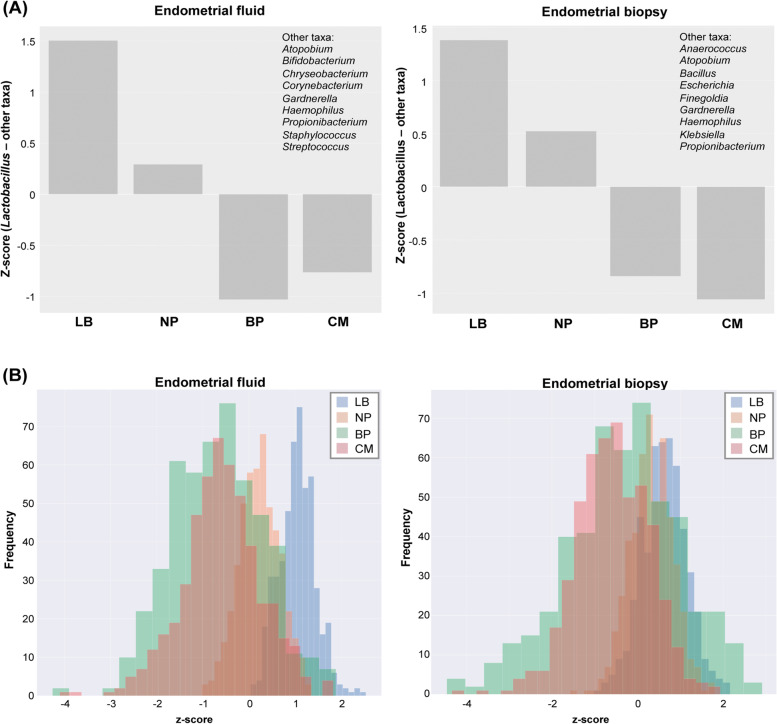
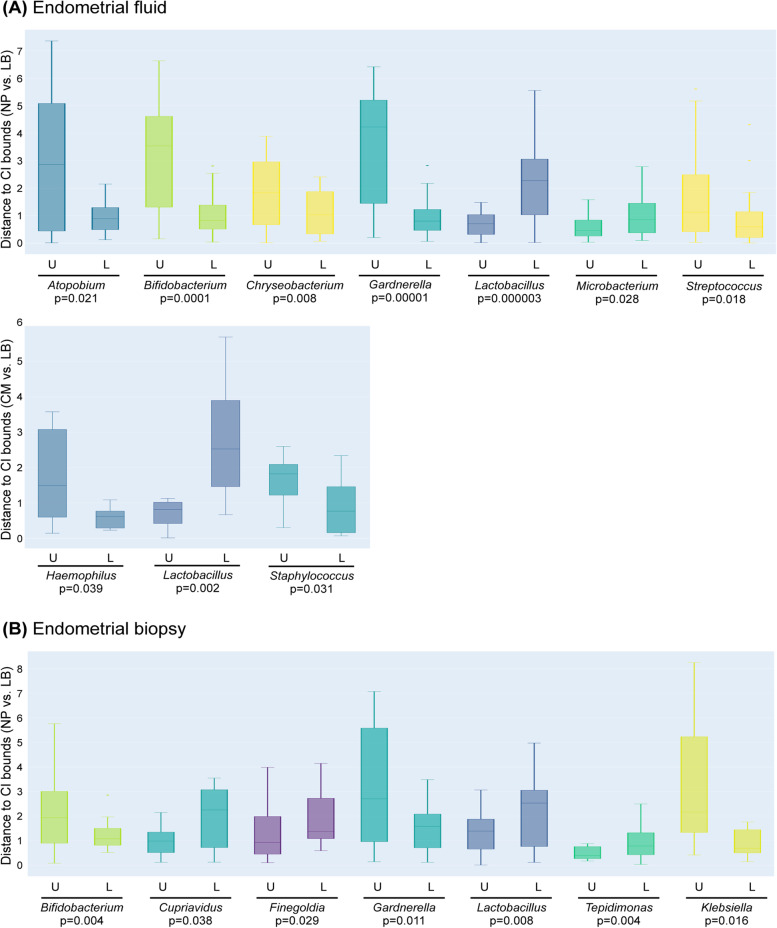
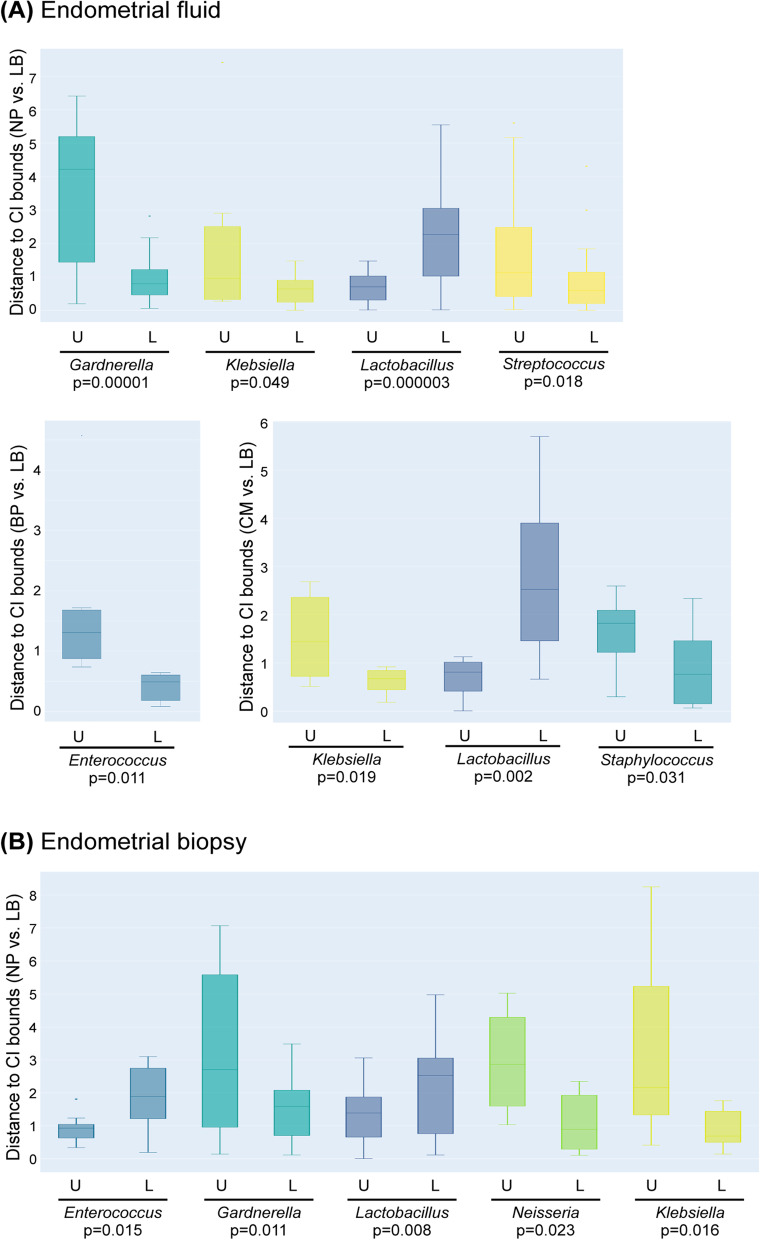
Background: Previous evidence indicates associations between the female reproductive tract microbiome composition and reproductive outcome in infertile patients undergoing assisted reproduction. We aimed to determine whether the endometrial microbiota composition is associated with reproductive outcomes of live birth, biochemical pregnancy, clinical miscarriage or no pregnancy. Methods: Here, we present a multicentre prospective observational study using 16S rRNA gene sequencing to analyse endometrial fluid and biopsy samples before embryo transfer in a cohort of 342 infertile patients asymptomatic for infection undergoing assisted reproductive treatments. Results: A dysbiotic endometrial microbiota profile composed of Atopobium , Bifidobacterium , Chryseobacterium , Gardnerella , Haemophilus , Klebsiella , Neisseria , Staphylococcus and Streptococcus was associated with unsuccessful outcomes. In contrast, Lactobacillus was consistently enriched in patients with live birth outcomes. Conclusions: Our findings indicate that endometrial microbiota composition before embryo transfer is a useful biomarker to predict reproductive outcome, offering an opportunity to further improve diagnosis and treatment strategies.
Overview
The claims and statistics of this paper haven’t been checked yet.
Free: it reads the open-access text and checks the first 5 claims that cite a source we can check. Create a free account to check every claim.
Integrity signals
Registry
Cites
Statistics
Figures
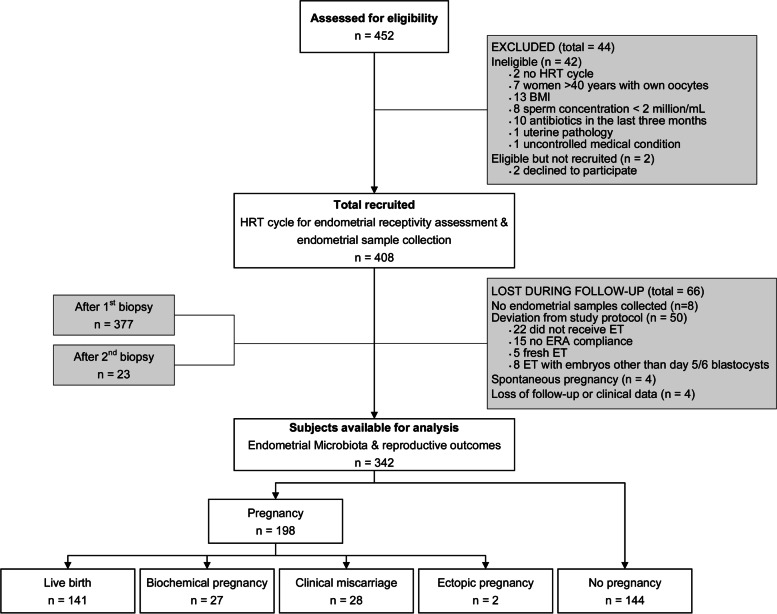
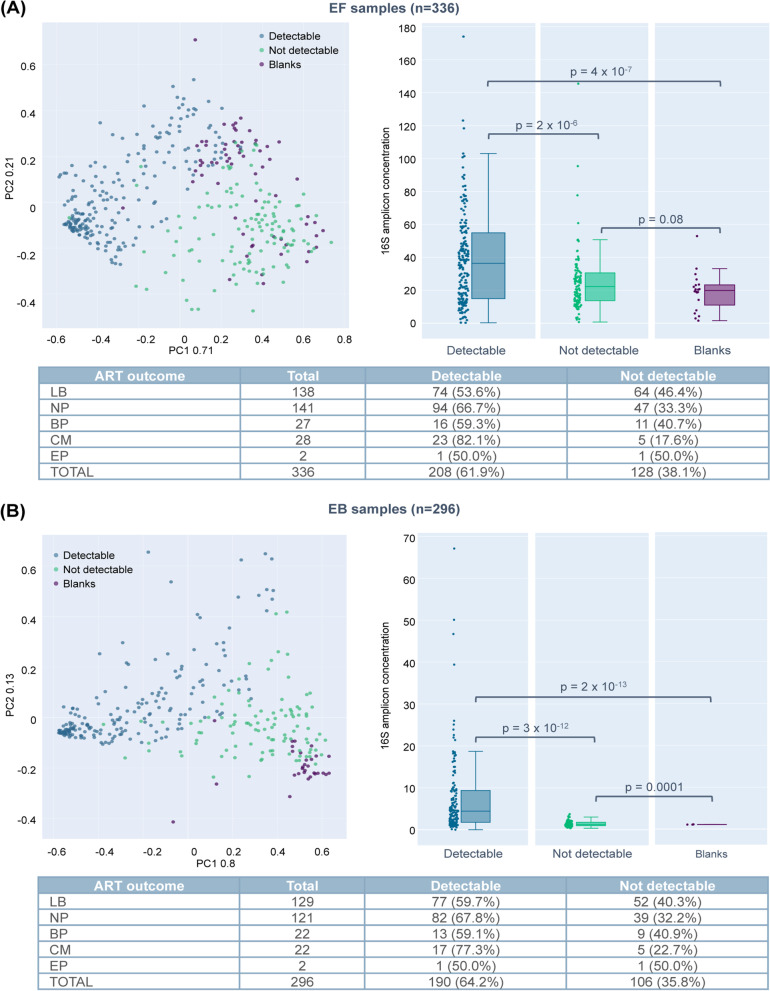
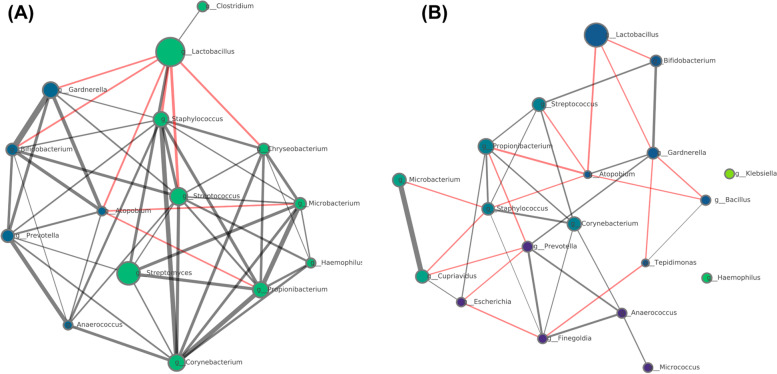
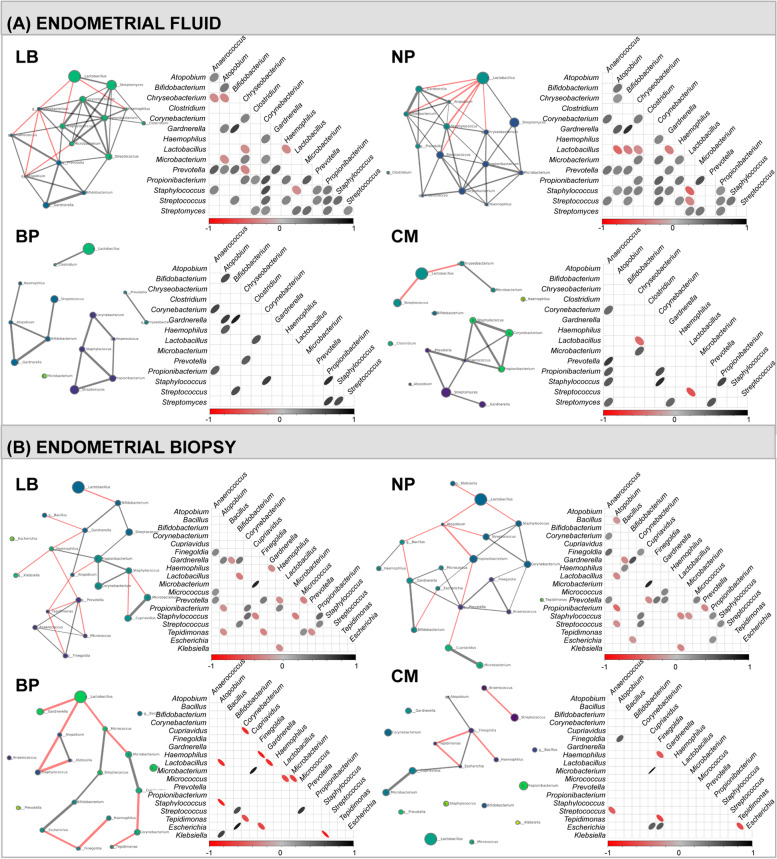
Verification
Claims the paper makes
The claims and statistics of this paper haven’t been checked yet.
Free: it reads the open-access text and checks the first 5 claims that cite a source we can check. Create a free account to check every claim.
Claims other papers make about this one
Each is checked against this paper’s own text: does it say what the citing paper says it does?
The source backs part of the claim, not all of it — or backs it for a different population, condition or comparison.
In the citing paper
“A shift in the population of Lactobacillus species, for instance, has been implicated in diminished endometrial receptivity [8, 9, 28, 29].”
From Vaginal probiotics as therapeutic adjuncts for improving embryo transfer success rates: a systematic review and meta-analysis (2025) · cites this paper as [9]
Experimental — accuracy not yet measuredThe source backs part of the claim, not all of it — or backs it for a different population, condition or comparison.
In the citing paper
“Accordingly, several studies suggest that dysbiosis at the time of ET may lead to reduced pregnancy rates while Lactobacillus abundance poses a positive impact on ART outcomes [9–11].”
From Vaginal probiotics as therapeutic adjuncts for improving embryo transfer success rates: a systematic review and meta-analysis (2025) · cites this paper as [9]
Experimental — accuracy not yet measured
Self-check
Percentages, sums and reported differences re-computed from the paper’s own numbers.
The self-check needs the paper’s full text.
Citations
Cites
SciPy 1.0: fundamental algorithms for scientific computing in Python
Virtanen, P., Gommers, R., Oliphant, T. E., Haberland, M., Reddy, T., Cournapeau, D., Burovski, E., Peterson, P., Weckesser, W., Bright, J., et al. (2020) · Nature Methods · doi:10.1038/s41592-019-0686-2 · Cited by 38,430
Reproducible, interactive, scalable and extensible microbiome data science using QIIME 2
Bolyen, E., Rideout, J. R., Dillon, M. R., Bokulich, N. A., Abnet, C. C., Al-Ghalith, G. A., Alexander, H., Alm, E. J., Arumugam, M., Asnicar, F., et al. (2019) · Nature Biotechnology · doi:10.1038/s41587-019-0209-9 · Cited by 23,742
Naïve Bayesian Classifier for Rapid Assignment of rRNA Sequences into the New Bacterial Taxonomy
Wang, Q., Garrity, G. M., Tiedje, J. M., & Cole, J. R. (2007) · Applied and Environmental Microbiology · doi:10.1128/aem.00062-07 · Cited by 19,885 · cited 3×
“The results were generated using the default parameters in the original QIIME 2 [7] and RDP [68] methods.”
MethodInfluentialSciPy 1.0: fundamental algorithms for scientific computing in Python
Virtanen, P., Gommers, R., Oliphant, T. E., Haberland, M., Reddy, T., Cournapeau, D., Burovski, E., Peterson, P., Weckesser, W., Bright, J., et al. (2019) · Apollo - University of Cambridge Repository · doi:10.17863/cam.64134 · Cited by 10,460
The Statistical Analysis of Compositional Data
Aitchison, J. (1986) · doi:10.1007/978-94-009-4109-0 · Cited by 4,383
Davis, N. M., Proctor, D. M., Holmes, S. P., Relman, D. A., & Callahan, B. J. (2018) · Microbiome · doi:10.1186/s40168-018-0605-2 · Cited by 3,493
Microbiome Datasets Are Compositional: And This Is Not Optional
Gloor, G. B., Macklaim, J. M., Pawlowsky-Glahn, V., & Egozcue, J. J. (2017) · Frontiers in Microbiology · doi:10.3389/fmicb.2017.02224 · Cited by 3,044
Probabilistic programming in Python using PyMC3
Salvatier, J., Wiecki, T. V., & Fonnesbeck, C. (2016) · PeerJ Computer Science · doi:10.7717/peerj-cs.55 · Cited by 2,544
The NIH Human Microbiome Project
The NIH HMP Working Group, Peterson, J., Garges, S., Giovanni, M., McInnes, P., Wang, L., Schloss, J. A., Bonazzi, V., McEwen, J. E., Wetterstrand, K. A., et al. (2009) · Genome Research · doi:10.1101/gr.096651.109 · Cited by 2,066 · cited 1×
“These microbes and their genetic information (the microbiome) are now well-characterised; the Human Microbiome Project has revealed that approximately 9% of the total human microbiome is found in the female reproductive tract [51].”
BackgroundContamination in Low Microbial Biomass Microbiome Studies: Issues and Recommendations
Eisenhofer, R., Minich, J. J., Marotz, C., Cooper, A., Knight, R., & Weyrich, L. S. (2019) · Trends in Microbiology · doi:10.1016/j.tim.2018.11.003 · Cited by 1,146
Research works printed but not linked: 2
- Inc., Plotly Technologies Collaborative data science 2015 Montréal QC Plotly Technologies Inc
- Tissier H Recherches sur la flore Intestinale des Nourrissons 1900
Cited by
Items 301–366 of 366
Jimenez, N. R., Norton, T., Diadala, G., Bell, E., Valenti, M., Farland, L. V., Mahnert, N. D., & Herbst‐Kralovetz, M. M. (2024) · Figshare · doi:10.6084/m9.figshare.26745197
Dai, D., Wang, J., Zhang, H., Wu, S., & Qi, G. (2024) · Figshare · doi:10.6084/m9.figshare.26638704
Jimenez, N. R., Norton, T., Diadala, G., Bell, E., Valenti, M., Farland, L. V., Mahnert, N. D., & Herbst‐Kralovetz, M. M. (2024) · Figshare · doi:10.6084/m9.figshare.26745176
Dai, D., Wang, J., Zhang, H., Wu, S., & Qi, G. (2024) · Figshare · doi:10.6084/m9.figshare.26638671
Dai, D., Wang, J., Zhang, H., Wu, S., & Qi, G. (2024) · Figshare · doi:10.6084/m9.figshare.26638689
Zhang, H., Zou, H., Zhang, C., & Zhang, S. (2024) · Figshare · doi:10.6084/m9.figshare.25939956
Dai, D., Wang, J., Zhang, H., Wu, S., & Qi, G. (2024) · Figshare · doi:10.6084/m9.figshare.26638710
Dai, D., Wang, J., Zhang, H., Wu, S., & Qi, G. (2024) · Figshare · doi:10.6084/m9.figshare.26638707
Jimenez, N. R., Norton, T., Diadala, G., Bell, E., Valenti, M., Farland, L. V., Mahnert, N. D., & Herbst‐Kralovetz, M. M. (2024) · Figshare · doi:10.6084/m9.figshare.26745185
Dai, D., Wang, J., Zhang, H., Wu, S., & Qi, G. (2024) · Figshare · doi:10.6084/m9.figshare.24548179
Dai, D., Wang, J., Zhang, H., Wu, S., & Qi, G. (2024) · Figshare · doi:10.6084/m9.figshare.26638692
Microbiome in women: a focus on physical activity and reproductive health
Pérez‐Prieto, I. (2023) · Institutional Repository of the University of Granada (University of Granada) · Cited by 1
Deciphering the functional impact of the endometrial microbiome in reproductive failure
Toson, B. (2024) · Repository of Digital Objects for Teaching Research and Culture (University of Valencia)
O papel do microbioma uterino na fertilidade feminina
Correia, C. P. (2024) · Portuguese National Funding Agency for Science, Research and Technology (RCAAP Project by FCT)
Varlakova, P., Shamugia, N. L., & Podzolkova, N. M. (2025) · Journal of obstetrics and women s diseases · doi:10.17816/jowd684304
СУЧАСНІ ПІДХОДИ ДО ДІАГНОСТИКИ Й ЛІКУВАННЯ ХРОНІЧНОГО ЕНДОМЕТРИТУ ТА ЇХНІЙ ВПЛИВ НА ФЕРТИЛЬНІСТЬ
Хміль, С. В., Krotik, S. S., & Досвальд, А. С. Х. (2025) · Актуальні питання педіатрії акушерства та гінекології · doi:10.11603/24116-4944.2025.2.15798
Advances in Research and Prevention Strategies for Intrauterine Adhesions
潘, 锦. (2026) · Advances in Clinical Medicine · doi:10.12677/acm.2026.161187
Blanco-Rodríguez, L., Apostolov, A., Pathare, A. D. S., Lavõgina, D., Saare, M., Mändar, R., Altmäe, S., Salumets, A., & Sola‐Leyva, A. (2026) · bioRxiv (Cold Spring Harbor Laboratory) · doi:10.64898/2026.03.09.710619
“Given that the LPS used in this study is derived from E. coli , this observation is particularly relevant, as colonization by this bacterium has been linked to impaired implantation-481 related processes [38].”
Catheter contamination during embryo transfer: impact on outcomes of in vitro fertilization
Boughanmi, A., Hamdoun, M., Braham, M., Berjeb, K. K., Chtourou, S., Mefteh, M. B., Fadhlaoui, A., Chakroun, N. F., Kdous, M., & Bahri, O. (2026) · F&S Reports · doi:10.1016/j.xfre.2026.03.003
“Lactobacilli confer protection via acidification, hydrogen peroxide production, bacteriocins, and bio-surfactants, supporting endometrial receptivity and embryo implantation (38, 39).”
Uterine microbiota dynamics and new therapeutic opportunities in gynecological diseases
Tang, H., Wu, M., Tan, S., Liu, C., & Cui, Y. (2026) · American Journal of Translational Research · doi:10.62347/lzxe3878
Canha-Gouveia, A., Tenorio, C. M., Rööp, T., Kõljalg, S., Smidt, I., Sepp, E., Štšepetova, J., Saare, M., Vela, S., Pérez‐Prieto, I., et al. (2026) · Current Research in Microbial Sciences · doi:10.1016/j.crmicr.2026.100593 · Cited by 1
“A reduction in Lactobacillus , an essential genus for maintaining microbial homeostasis in the female reproductive tract (Benner et al., 2018; Moreno et al., 2022), together with an overrepresentation of opportunistic or pathogenic bacteria, has been linked to dysbiosis and the development of…”
Microbiota and adenomyosis: exploring mechanisms and therapeutic potential
Zhang, Q., Zou, L., Yu, H., & Wang, J. (2026) · Gynecological Endocrinology · doi:10.1080/09513590.2026.2660983
Omics approaches in embryonic microenvironment research: a narrative review
Xia, Y., Xiao, L., Li, S., & Xie, Y. (2026) · Middle East Fertility Society Journal · doi:10.1186/s43043-026-00323-3
Nanotechnology and the microbiome: Influencing fertility outcomes
Sharma, P., Gopal, T. K., Mehta, F. F., Rangari, S. W., Billah, A. M., Venkatesan, P., & Maddi, R. (2026) · Elsevier eBooks · doi:10.1016/b978-0-443-41561-6.00009-1
THE VAGINAL AND ENDOMETRIAL MICROBIOME IN ASSISTED REPRODUCTIVE TECHNOLOGY (ART)
Krajewska, A., Kowalik, A., Korzeniewska, A. M., Dębczak, J. A., Łuczak, K., Tłustochowicz, K., Korba, M., Malicka, N., & Polkowska, W. (2026) · International Journal of Innovative Technologies in Social Science · doi:10.31435/ijitss.1(49).2026.5262
Anyanwu, C. N., Okechukwu, P. C. U., Terkimbi, S. D., Okon, M. B., Mujinya, R., Thembo, M., & Anyanwu, E. G. (2026) · Middle East Fertility Society Journal · doi:10.1186/s43043-026-00342-0
“The implicated organisms include Enterococcus, Streptococcus, E. coli or Mycoplasma [35].”
The impact of the endometrial microbiome on IVF outcomes – current evidence
Malczyk, A., Zienkiewicz, D., Makulec, G., Domosud, K., Walendziak, W., Mordal, N., Ściebura, K., Wiśniewska, W., Ostaszewska, M., & Majchrzyk, M. (2026) · Journal of Education Health and Sport · doi:10.12775/jehs.2026.92.72390
Zhang, Y., Yu, X., Li, S., Chen, Q., & Wang, H. Y. (2026) · Journal of the Egyptian National Cancer Institute · doi:10.1186/s43046-026-00372-9
“These pathogenic microorganisms will stimulate the innate immune response of endometrial cells, produce inflammatory factors, and cause chronic endometritis, leading to adverse reproductive outcomes of clinical abortion or no pregnancy [15].”
Papadopoulou, A., Stavros, S., Potiris, A., Tsoplou, P., Dioikitopoulou, K., Plastourgou, V., Papanikopoulos, C., Tournas, G., Moustakli, E., Zikopoulos, A., et al. (2026) · Diagnostics · doi:10.3390/diagnostics16121920
“The foundational work of Moreno and colleagues established the distinction between Lactobacillus -dominated and non-Lactobacillus -dominated endometrial profiles and linked non-Lactobacillus dominance to poorer reproductive outcomes [7,16,25].”
Cheng, C., Zhang, S., Yifan, G. U., Gong, F., Lin, G., & Leng, L. (2026) · Journal of Reproduction and Development · doi:10.1262/jrd.2026-032
“…culture system is not influenced by various confounding factors present in the maternal environment, such as congenital anomalies, acquired uterine diseases [16], endometrial thickness [17 ], hormonal fluctuations, inflammatory processes [18], and the composition of the endometrial microbiota [19].”
Ma, G., Zeng, R., Cai, R., He, B., Han, J., Gao, R., & Qin, L. (2026) · BMC Pregnancy and Childbirth · doi:10.1186/s12884-026-09523-1
“In addition, vaginal, cervical, and endometrial microbiota differ in composition, with endometrial dysbiosis more frequently linked to adverse outcomes [32, 41, 46, 52, 55, 65, 66].”
InfluentialCheimetova, G. V., & Tikhonov, S. L. (2026) · Journal of Biological Sciences and Agriculture · doi:10.63490/3034-6797-2026-02-03-223-233
Titarenko, V. Y., Smirnova, E. G., Osipova, T. A., Runova, D. B., Agadzhanyan, A. P., Yardushkina, O. O., Morozova, V. A., Zentsova, V. S., Khachapova, Z. M., Sultygov, N. M., et al. (2026) · Obstetrics Gynecology and Reproduction · doi:10.17749/2313-7347/ob.gyn.rep.2026.771
Ruseva, M., Tihomirova, T., Parvanov, D. A., Ganeva, R., Handzhiyska, M., Safir, J., Koristashevskaya, S., Pavlov, I. A., Metodiev, D., Rukova, B. B., et al. (2026) · Immuno · doi:10.3390/immuno6030046
“A Lactobacillus -dominant micro-biome, commonly defined as ≥ 90% Lactobacillus spp., has been consistently associated with higher implantation, pregnancy, and live birth rates in IVF cycles, whereas dysbiotic profiles enriched with non-Lactobacillus taxa correlate with poorer outcomes [9–14].”
Burac, M. (2026) · EMJ Reproductive Health · doi:10.33590/emjreprohealth/21sud5ml
Sri Rownika, K., & Sharma, N. (2026) · Genetics and Molecular Research · doi:10.4238/kqt2cq45
“[3] A large multicentre prospective study by Moreno et al. (2022) confirmed that Lactobacillus enrichment in endometrial fluid and biopsy samples was associated with live birth in 342 patients across 13 international centres.”
The Female Reproductive Microbiome: Mechanistic Insights and Bioengineering Perspectives
Díaz, M. B. N., Carriere, P., Vinderola, G., Gentili, C., & Cattoni, D. I. (2026) · Biology · doi:10.3390/biology15161337
“In a cohort of 342 infertile, infection-asymptomatic patients undergoing ART, endometrial fluid and biopsy sampling before embryo transfer showed that endometrial microbiota composition was associated with implantation success [14].”
InfluentialJi, C., Wang, X., Yao, J., & Zhao, X. (2026) · BMC Pregnancy and Childbirth · doi:10.1186/s12884-026-09790-y
Dong, L., Chen, X., & Bai, Q. (2026) · European journal of medical research · doi:10.1186/s40001-026-05047-8
Kito, S., Goto, S., Goto, T., Ogasawara, S., Yoshihara, H., Kitaori, T., Banno, C., Ogawa, S., Kojima, R., Matsumoto, Y., et al. (2026) · Journal of Reproductive Immunology · doi:10.1016/j.jri.2026.104950
Shahbaztabari, N., Shahverdi, M., Taherkhani, S., Hosseini, E., & Amjadi, F. (2026) · Probiotics and Antimicrobial Proteins · doi:10.1007/s12602-026-10917-y
Exploring the Possible Role of Endometriosis-Associated Dysbiosis in Endometrial Carcinogenesis
Anastasiu, C. V., Dimienescu, O. G., Dinuță-Smeu, M. A., Moga, M., Grigorescu, D. O., Gugiu, G., & Bisoc, A. (2026) · Medicina · doi:10.3390/medicina62081577
“…whereas the endometrial cavity is regarded as a markedly lower-biomass niche, with reports suggesting 10 2 –10 4 fewer bacteria than in the vagina [24]; (2) pH—the healthy vagina is acidic (typically pH 3.8–4.5), whereas the uterine cavity has been reported to be near neutral to mildly alkaline…”
InfluentialChen, L., Zhou, H., Li, Y., Liang, Y., Zhang, Y., Huang, H., Xie, Q., Tang, Y., Ye, H., & Zhang, Y. (2026) · Advanced Science · doi:10.1002/advs.77229
D’Amato, A., Reig, A., Etrusco, A., Agrifoglio, V., Gilés, J., Molinaro, P., Pellicer, A., & Labarta, E. (2026) · Reproductive BioMedicine Online · doi:10.1016/j.rbmo.2026.105936 · Cited by 1
Should doxycycline be prescribed before embryo transfer?
Stansbury, N. M., Toro, D., Schenken, C. M., McOmber, J., & SCHENKEN, R. S. (2026) · F&S Reports · doi:10.1016/j.xfre.2026.08.004
He, F., Peng, E., Lin, J., Mao, Z., Lu, X., Xu, H., Guo, L., Zou, Y., Wang, J., Lü, S., et al. (2026) · Frontiers in Endocrinology · doi:10.3389/fendo.2026.1849095
Zheng, R., Jiao, Y., Liu, J., Yang, W., Wang, Z., Tang, W., He, Q., Wu, Z., & Xiang, L. (2026) · Frontiers in Endocrinology · doi:10.3389/fendo.2026.1909283
“Dysbiosis of the reproductive tract microbiome has been linked to adverse reproductive outcomes (49).”
A Hippo-thesis: Can bacteria turn back reproductive time?
Mitchell, C. M. (2026) · Cell Host & Microbe · doi:10.1016/j.chom.2026.08.012
Beyond Embryo Quality: Endometrial Factors in 66 Cryopreserved Embryo Transfers
Tatishvili, N., Museridze, N., & Harutyunyan, A. G. (2026) · Medical Times · doi:10.71419/mtggrc.2026.39
Kuo, P., Hsu, C., Lin, Y., Tsai, P.-J., Chu, S., & Chen, K. (2026) · Reproductive Medicine and Biology · doi:10.1002/rmb2.70098
Kawai, K., Nishii, S., Iwami, N., & Kamiya, H. (2026) · Frontiers in Endocrinology · doi:10.3389/fendo.2026.1926579
Zheng, Y., Wang, H., Yang, L., Wang, S., Liao, Q., Han, X., & Yin, X. (2026) · BMC Medical Genomics · doi:10.1186/s12920-026-02473-9
Possible role of bacterial infection in embryo implantation failure
Moghoofei, M., Shahbazi, R., Rezaei, M., Safarzadeh, H., Yazdanpour, Z., Panahi, P., Taki, E., Asadi, A., & Pajavand, H. (2026) · Reproduction Fertility and Development · doi:10.1071/rd26001
He, H., Zhang, L., Song, P., Sun, Y., Chen, M., Lan, J., & Li, C. (2026) · International Journal of General Medicine · doi:10.2147/ijgm.s636969
“34,35 Studies based on samples obtained directly from the uterine cavity have reported heterogeneous microbial profiles.”
NEW INSIGHTS INTO THE DIAGNOSIS AND TREATMENT OF ENDOMETRITIS IN THE MARE
Donato, G. G. (n.d.) · Institutional Research Information System University of Turin (University of Turin)
Yamaguchi, S., Sato, T., & Matsumi, H. (2026) · Reproduction Fertility and Development · doi:10.1071/rd26056
Panigrahi, K., Acharya, M., Sahoo, J. P., Patro, A. R. K., & Pattnaik, D. (2026) · Cureus · doi:10.7759/cureus.117803
Nishii, S., Iwami, N., Kamiya, H., & Kawai, K. (2026) · Frontiers in Immunology · doi:10.3389/fimmu.2026.1928249
“Unlike NGS, which reports relative abundance and therefore mathematically links Lactobacillus depletion with increases in other fractions, qPCR provides absolute assessment of individual bacterial targets (12, 13, 15).”
Srivastava, S., Misra, M., & Gujrati, C. (2026) · JBRA · doi:10.5935/1518-0557.20260081
蒋, 涵., Gao, F., Wu, Y., Liu, P., Jie, Y., Li, Y., Yang, Z., & Jiang, Y. (2026) · bioRxiv (Cold Spring Harbor Laboratory) · doi:10.64898/2026.10.21.760313
Li, Y., Zhang, H., 胡莉萍, & Wang, H. (2026) · International Journal of Women s Health · doi:10.2147/ijwh.s643435
“25,26,43 Nevertheless, these early observations sparked widespread debate rooted in the extremely low microbial biomass of endometrial tissue—roughly 10 2 –10 3 bacterial cells per gram.”
Okamoto, R., Enatsu, N., Shibahara, H., Kokeguchi, S., & Shiotani, M. (2026) · Reproductive Medicine and Biology · doi:10.1002/rmb2.70109
Hiratsuka, D., Iki, A., Kinoshita, M., Doi, Y., Kato, O., Oshima, K., Hiraoka, T., Matsuo, M., Ichinose, M., Makabe, T., et al. (2026) · PLoS ONE · doi:10.1371/journal.pone.0360619
Campos, D., Díez-Tercero, L., Berenguer, C., Raj, V. S., Díaz-López, C., Pérez-Sánchez, M., Martínez‐Lara, A., Cotán, D., & Alabert, M. S. (2026) · Frontiers in Cellular and Infection Microbiology · doi:10.3389/fcimb.2026.1936487
Wu, M., Fu, P., Yu, Y., 宋春林, Wan, X., Huang, X., 张松荣, Zhu, H., Liang, C., 芦春斌, et al. (2026) · Frontiers in Reproductive Health · doi:10.3389/frph.2026.1964541
A validated low-abundance uterine microbial signature associated with chronic endometritis
Ha, S., Lv, C., Cui, J., Yu, H., & Sun, L. (2026) · Zygote · doi:10.1017/s0967199426100677
Metadata
- Authors
- Moreno, I., Garcia-Grau, I., Perez-Villaroya, D., Gonzalez-Monfort, M., Bahçeci, M., Barrionuevo, M. J., Taguchi, S., Puente, E., Dimattina, M., Lim, M. W., Meneghini, G., Aubuchon, M., Leondires, M., Izquierdo, A., Perez-Olgiati, M., Chavez, A., Seethram, K., Bau, D., Gomez, C., Valbuena, D., Vilella, F., & Simon, C.
- Affiliations
- Igenomix (ES)
- Universitat de València (ES)
- Bahçeci Sağlık Grubu (TR)
- Pacific Centre for Reproductive Medicine (CA)
- ORCID
- Venue
- Microbiome
- Published
- 2022-01-04
- Volume
- 10
- Issue
- 1
- Pages
- 1-1
- ISSN
- 2049-2618 (ISSN-L)
- PMC
- PMC8725275
- OpenAlex
- W4221009865
- Cited by
- 325
- References
- 69
- Citations by year
- 2026: 72 · 2025: 70 · 2024: 80 · 2023: 70 · 2022: 26
- FWCI
- 39.86
- Type
- journal article
- Language
- en
- Open access
- gold
- doi.org
- Licence
- cc-by
- creativecommons.org/licenses/by/4.0 (tdm)
- creativecommons.org/licenses/by/4.0 (vor)
- Locations
- Microbiome (publishedVersion, cc-by)
- medRxiv (acceptedVersion)
- PubMed Central (publishedVersion, cc-by)
- PubMed (publishedVersion)
- DOAJ (DOAJ: Directory of Open Access Journals) (submittedVersion, cc-by-sa)
- Repository of Digital Objects for Teaching Research and Culture (University of Valencia) (submittedVersion, cc-by-nc)
- Funders
- Ministerio de Educación, Cultura y Deporte (FPU15/01923)
- Ministerio de Economía, Industria y Competitividad, Gobierno de España (PTQ-16-08454)
- Instituto de Salud Carlos III (CPII18/00020, PI18/00957)
- Ministerio de Ciencia, Innovación y Universidades (RTI2018-094946-B-I00)
- Conselleria d'Educació, Investigació, Cultura i Esport (PROMETEO/2018/161)
- Horizon 2020 Framework Programme (874867)
- Topics
- Life Sciences › Immunology and Microbiology › Microbiology › Reproductive tract infections research
- Life Sciences › Biochemistry, Genetics and Molecular Biology › Molecular Biology › Gut microbiota and health
- Life Sciences › Immunology and Microbiology › Immunology › Reproductive System and Pregnancy
- Keywords
- endometrial microbiota, female infertility, assisted reproduction, embryo transfer, live birth, biochemical pregnancy, miscarriage, dysbiosis, Lactobacillus
- MeSH terms
- Embryo Transfer, Female, Humans, Pregnancy, RNA, Ribosomal, 16S, Live Birth, Microbiota, Dysbiosis
About these checks
Registry, retraction, Cites and statistics results are computed, not judged, with one exception: a printed reference that no index lists is read once by a model before it counts as a citation error. Claims are extracted by a model and kept only when their quote appears verbatim in the text; each cited source is then checked, with a model’s help, for whether it says what the claim relies on. Those verdicts can be wrong — read the claim’s quote and the cited source before relying on one.
Statistics and arithmetic are recomputed, not judged.
Confidence bands are shown only for fields calibrated on our annotated test set. None is calibrated yet, so no band is shown.
What counts as a claim ›How we measure confidence ›How we check this ›
Are you an author, or do you see a problem with this page? Request a review
Data sources
Bibliographic data: Semantic Scholar, OpenAlex, Crossref.
Contains information from the Semantic Scholar Academic Graph Datasets, made available under the ODC Attribution License (ODC-BY 1.0).
Semantic Scholar’s data is described in: Kinney, R., et al. (2023). The Semantic Scholar Open Data Platform. arXiv:2301.10140.
